Category

Blog

Movies Like Bone Tomahawk: Brutal Frontier & Backcountry Horror

Movies Like Bone Tomahawk: Brutal Frontier & Backcountry Horror

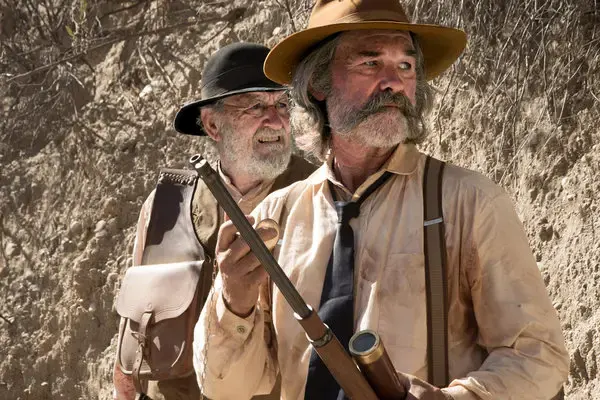
There is a very specific kind of dread that Bone Tomahawk traffics in. Not the dread of a jump scare, but the slower, colder feeling of being a long way from anywhere, surrounded by people who do not follow the rules you were raised on, watching the land itself turn hostile. S. Craig Zahler took his time getting to the violence, and when it arrived it landed like a hammer precisely because we had spent an hour learning to like the men walking into it. If that patient cruelty stuck with you, the films below chase the same feeling from different directions: the frontier as an open grave, the backcountry as a place with its own laws, survival as something you earn one hour at a time.

The Hills Have Eyes (1977)

Wes Craven’s original is the desert nightmare a lot of this subgenre is quietly descending from. A family breaks down in the wrong stretch of nowhere and discovers that the wasteland is inhabited, and that its inhabitants have been watching. What makes it stick is how ordinary the victims are, and how quickly ordinary people learn to do terrible things to survive. It is grimy, sun-bleached and mean, and it understands that the horror of an open landscape is that there is nobody to hear you. The 2006 remake is more polished, but the ’77 cut has a feral honesty the update never quite recaptures.

Wolf Creek (2005)

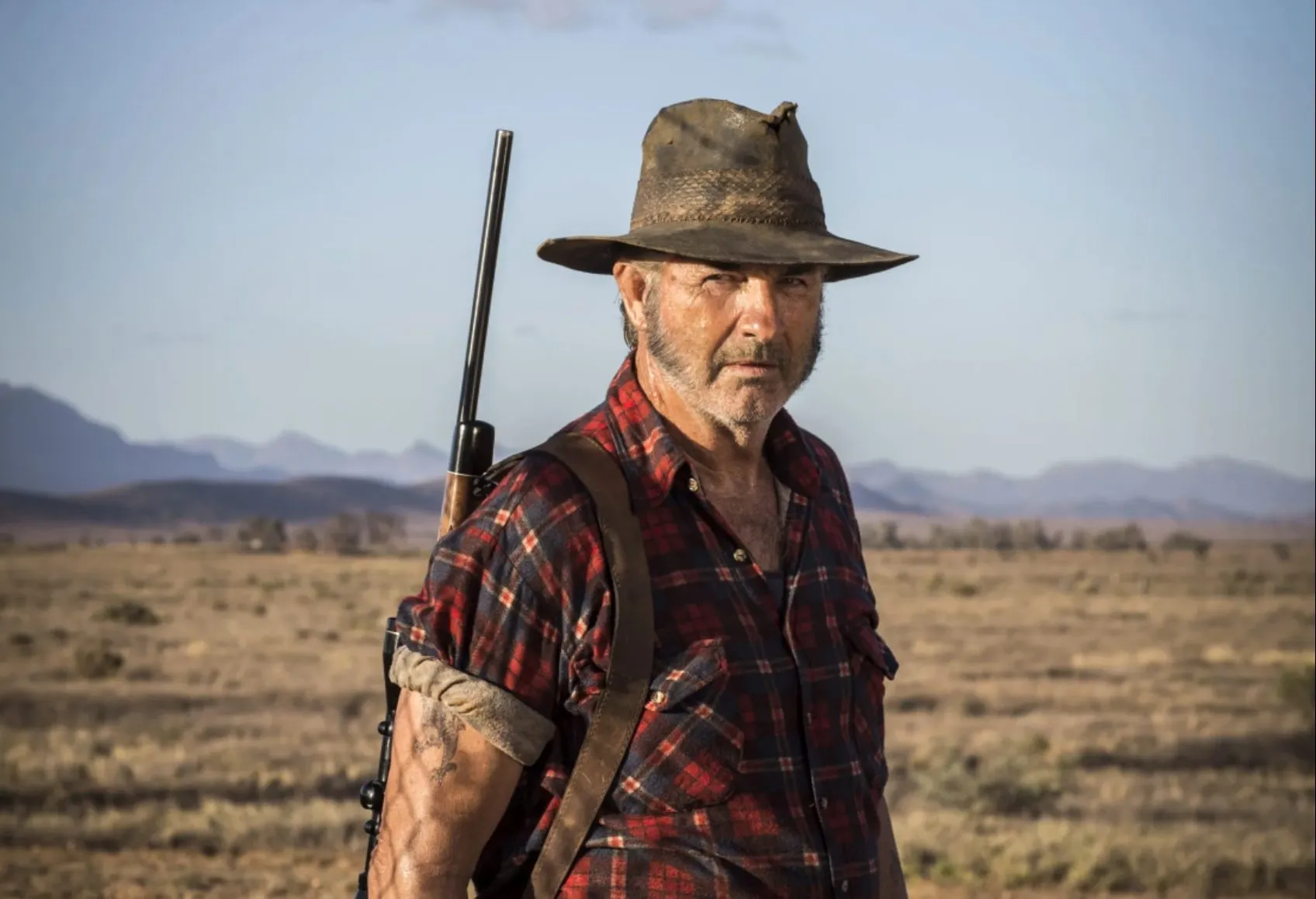
Trade the American desert for the Australian outback and you get Greg McLean’s Wolf Creek, which is arguably the closest thing to Bone Tomahawk‘s back half in pure endurance-horror terms. Backpackers, a broken-down car, a friendly stranger who is anything but. McLean lets you live with these kids long enough to care, then strips the film for parts. Mick Taylor remains one of the genuinely upsetting movie villains of the century, partly because he is funny, which is somehow worse. If the tension of being isolated and outnumbered is your thing, this one does not let up.

Ravenous (1999)

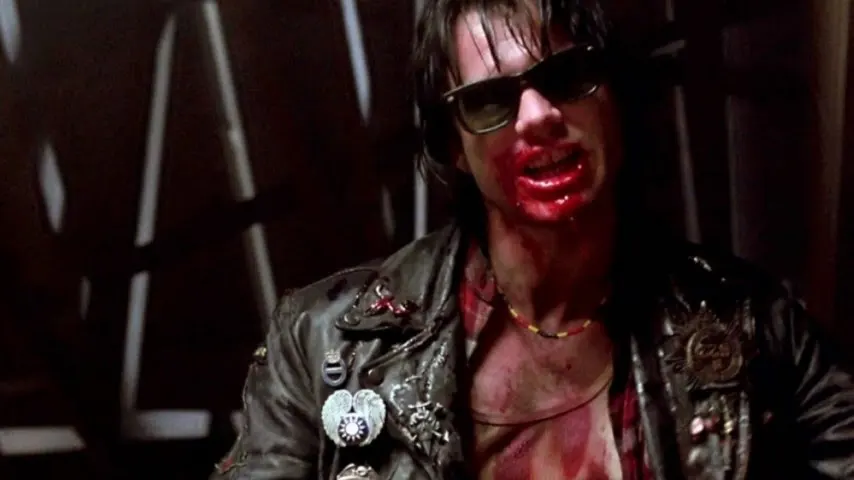
Antonia Bird’s cannibal Western is the strangest and most rewarding film on this list. Set at a remote California outpost during the Mexican-American War, it takes the Wendigo myth that Bone Tomahawk gestures at and makes it the whole meal. Robert Carlyle is having the time of his life, the tone lurches between gallows comedy and full-blown frontier horror, and the score by Michael Nyman and Damon Albarn is one of the weirdest, best things about it. It flopped on release and has spent the decades since being rediscovered by exactly the kind of viewer who loved Bone Tomahawk.

Southern Comfort (1981)

Walter Hill’s swamp thriller swaps horns and monsters for men, but the shape is identical: outsiders wander into terrain that belongs to somebody else and get picked apart for it. A squad of National Guardsmen on weekend exercises antagonises the wrong Cajun locals in the Louisiana bayou, and the film becomes a slow, dread-soaked hunt through the mud. There is barely any gore by modern standards, yet the sense of being lost, watched and thoroughly out of your depth is suffocating. It is a survival film about arrogance meeting a landscape that does not care who you are.

The Burrowers (2008)

An underseen little Western horror that deserves a bigger audience. A search party rides out across the 1870s Dakota plains looking for a missing family, assuming they know what took them. They do not. J.T. Petty builds his dread out of the same ingredients as Bone Tomahawk, the frontier as a place where the map runs out and older, hungrier things are waiting, and he grounds it in period detail that makes the eventual reveal hit harder. Rough around the edges, but genuinely creepy, and a natural next watch for anyone chasing the frontier-horror crossover.

The Wind (2018)

Emma Tammi’s prairie horror is the quietest film here and, for some viewers, the most unnerving. A woman alone on an isolated 19th-century homestead begins to sense something out in the endless grass, and the movie refuses to tell you whether the threat is supernatural, psychological or simply the crushing loneliness of the plains. It is beautifully shot, patient to the point of cruelty, and it treats the frontier as a place that can hollow a person out from the inside. If you loved how Bone Tomahawk made emptiness feel menacing, this leans all the way into that.

One More To Track Down: Blood Star (2024)

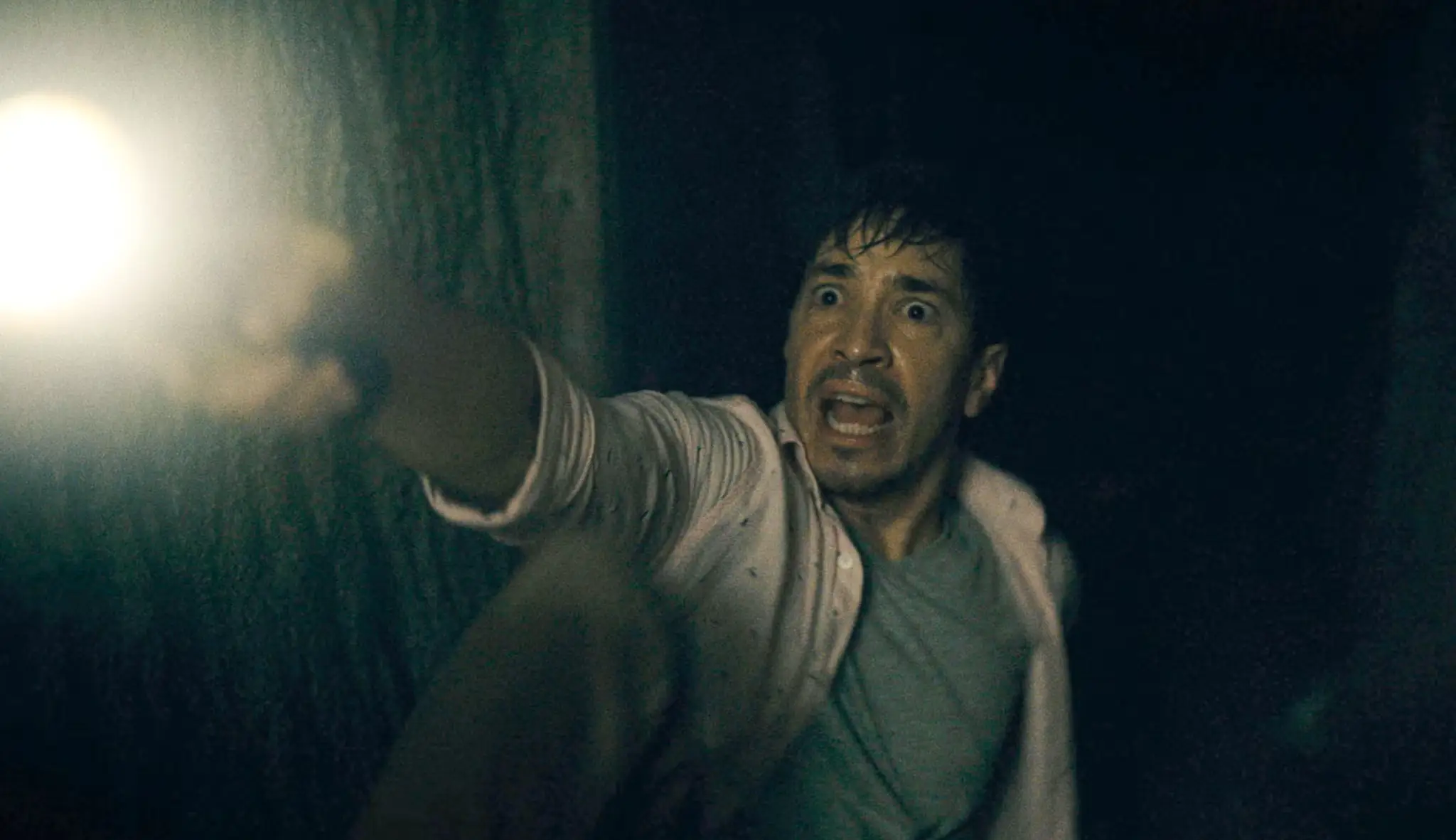
Here is the one nobody seems to have caught yet. Blood Star is a 2024 indie survival thriller, the debut feature from Lawrence Jacomelli, shot out in the Mojave. It swaps the period trappings of most of this list for a lonely stretch of modern desert highway, but the DNA is the same: a person isolated in a hostile landscape, a predator closing distance, and tension that tightens by degrees rather than exploding. It plays less like contemporary jump-scare horror and more like a dusty ’70s road thriller, all heat-haze paranoia and open-road dread, filtered through a controlled, patient sensibility. No monsters or myth this time, just people and a whole lot of nowhere, which honestly is scary enough.

What surprises you is how good it looks. Made lean and fast by a small crew, it carries a real cinematic confidence, the kind of controlled, cat-and-mouse pressure that keeps you leaning forward. It is not an A24 film and it is not pretending to be one, just a well-made, genuinely tense indie that slipped under the radar and is quietly finding its people through streaming and word of mouth. It is currently on Apple TV and Amazon, exactly the sort of overlooked title this kind of list exists to surface.

If any of that lands for you, it is worth a look. There is more on the film, including where to stream it, over at bloodstarmovie.com and its watch page.

Movies Like Hell or High Water: Modern Neo-Western Crime

Movies Like Hell or High Water: Modern Neo-Western Crime

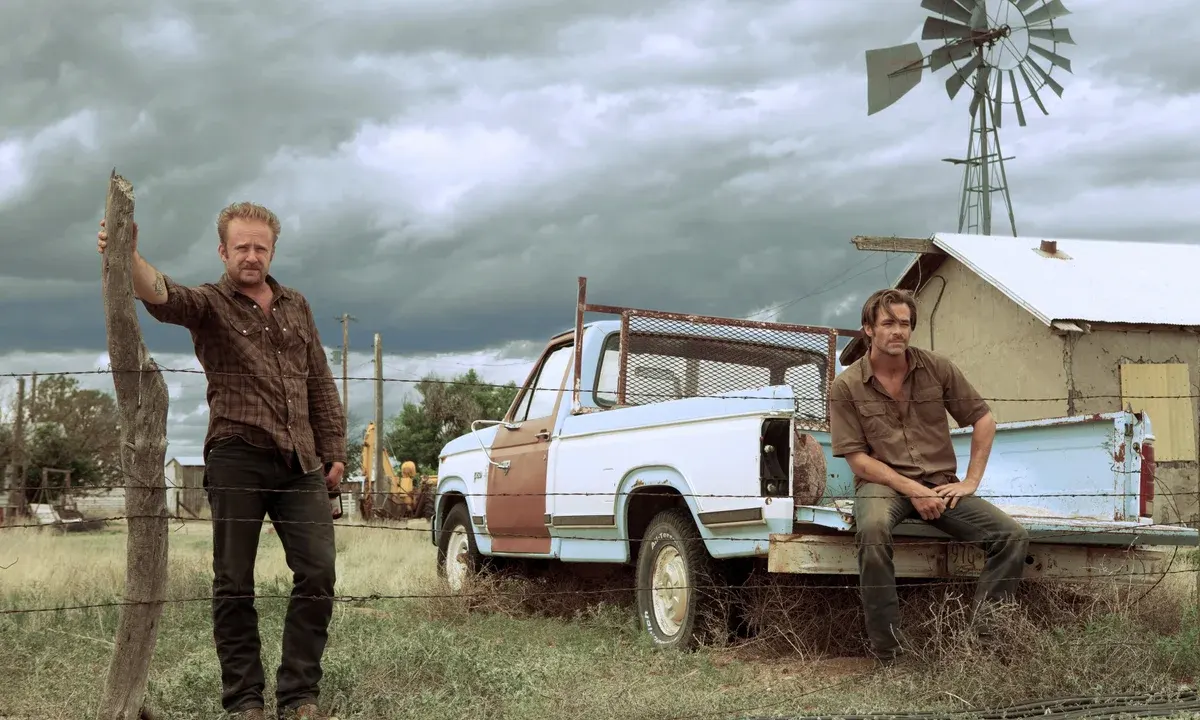
There is a particular flavor of American film that Hell or High Water nailed almost perfectly: wide, sun-bleached country, people pushed to the edge by economics or grief, and violence that feels less like spectacle than weather rolling in. It is the western skeleton with the myth scraped off, dropped into a present where the banks are the outlaws and the sheriffs are tired. If David Mackenzie’s film left you hungry for more of that flat-horizon dread, here are seven worth the list. None of them chase crowd-pleaser status. All of them understand that the best tension comes from patience.

No Country for Old Men (2007)

The obvious starting point, and honestly the film Hell or High Water is in quiet conversation with the whole time. The Coens strip a Cormac McCarthy novel down to its bones: a hunter finds money in the desert, a man with a cattle gun comes to collect, and an aging lawman trails behind, unable to keep up with what the world has become. What still knocks me out is the silence. Long stretches with no score, just wind and boot-scrape and the click of a coin toss. It is a chase movie that keeps refusing to give you the catharsis a chase movie owes you, and it is all the better for it.

Wind River (2017)

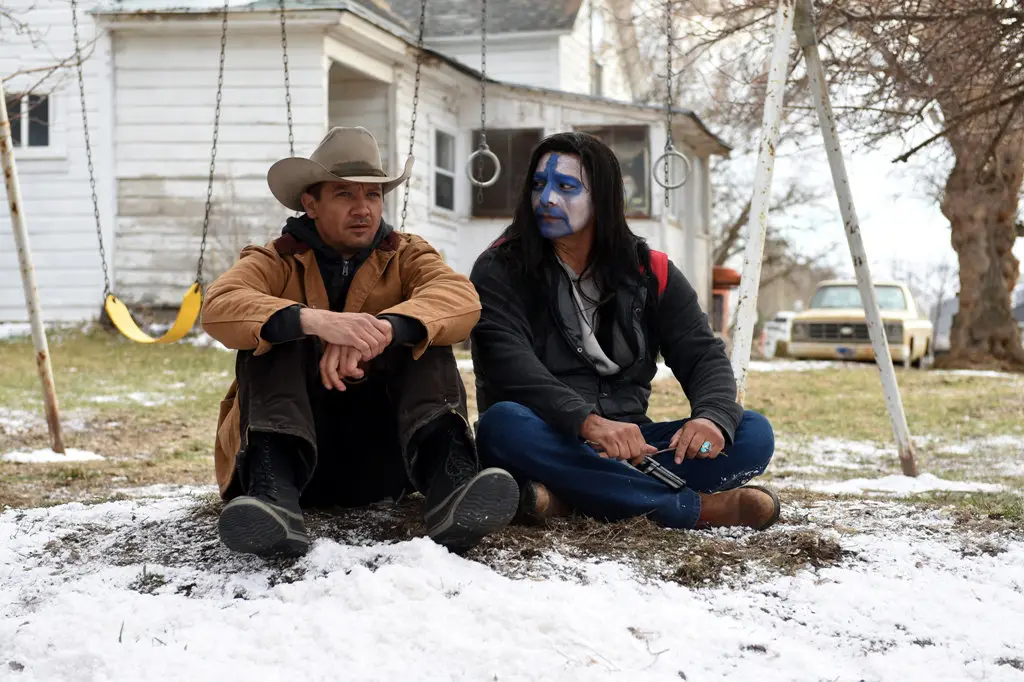
Taylor Sheridan wrote Hell or High Water, and he directed this one, so the DNA is unmistakable, only here the sun-baked flats are swapped for the frozen silence of a Wyoming reservation. A tracker and a green FBI agent investigate a young woman’s death across snow that swallows sound and footprints alike. It is slower and colder and angrier than its Texas cousin, carrying a real grief underneath the procedural. The landscape does half the acting. If you responded to the way Sheridan lets loss sit in the frame without underlining it, this hits the same nerve.

Blue Ruin (2013)

Jeremy Saulnier made a revenge film for people who find most revenge films dishonest. A drifter learns the man who killed his parents is being released, and he decides to do something about it, except he is terrible at violence, and every clumsy step forward drags more of his family into the blood. What lifts it into this company is the tone: no cool one-liners, no competence porn, just the queasy realization that killing somebody is messy and stupid and never actually ends anything. Beautifully shot on almost no money, which is part of why it endures.

Killing Them Softly (2012)

Andrew Dominik’s crime film gets slept on, maybe because it is more talk than shootout, but it belongs here for the mood alone. Small-time crooks knock over a mob-protected card game, an enforcer drifts into town to sort out the mess, and the wreckage of the 2008 collapse plays on every television in the background. It is bleak and cynical and gorgeously lit, treating American crime and American economics as the same rotten enterprise. That overlap with Hell or High Water, the sense that the whole system is the real villain, is the reason to seek it out.

Cold in July (2014)

Jim Mickle’s adaptation of a Joe Lansdale novel starts as a home-invasion story and keeps mutating into something stranger and pulpier, until you land in neon-drenched east Texas noir with Don Johnson chewing every scene as a pig-farming private eye. It is not as austere as the others here, but it shares their fascination with ordinary men discovering how much violence they are capable of. Genuinely unpredictable, and it lands every turn.

The Rover (2014)

David Michod pushes the neo-western into near-future collapse: a decade after an economic breakdown, a hollowed-out man chases the men who stole his car across the Australian outback, a wounded young accomplice dragged along with him. Swap the Texas plains for red dust and the register stays the same. Minimal dialogue, oppressive heat, a lead performance built almost entirely from stillness and rage. A hard, dry, unsentimental watch about what is left when everything else is stripped away.

Sicario (2015)

Another Sheridan script, and the most muscular film here, though it trades quiet desperation for slow-building institutional dread. An idealistic agent gets pulled into a murky task force along the border, and the further in she goes, the less she understands who she is working for. Roger Deakins shoots the desert like a war zone, and that convoy sequence remains one of the most nerve-shredding stretches of the decade. If the grip of Hell or High Water was what got you, this tightens it further.

And one worth digging for: Blood Star (2024)

Here is the underseen one. Blood Star is a 2024 indie desert-road thriller from first-time feature director Lawrence Jacomelli, and it slid onto streaming without much noise, which is a shame, because it sits comfortably in the same tradition as the films above. It is a leaner, more psychological beast, a slow-burn survival story stretched across the Mojave where the isolation itself becomes the antagonist and the tension quietly ratchets from the first act on. What surprised me most was how good it looks, the kind of controlled, patient cinematography that makes you assume a far bigger production than the small crew that actually made it out in the desert. It carries some of that No Country stillness and a little of the dusty paranoia the older road thrillers traded in, without leaning on jump scares to get there. If you have already worked through the obvious neo-western picks and want something genuinely off the radar, this is the one I would point you toward. It is streaming on Apple TV and Amazon, and you can find where to watch at bloodstarmovie.com and its watch page. Go in blind. That is the best way to meet a film like this.

Movies Like It Follows: Dread-Soaked Slow-Burn Horror

Movies Like It Follows: Dread-Soaked Slow-Burn Horror

There is a specific kind of unease that It Follows perfected: the sense that something is coming toward you at a walking pace, patient and inevitable, and there is nowhere far enough to run. It is not the horror of a monster in the closet. It is the horror of the horizon. If you have been chasing that feeling ever since David Robert Mitchell’s suburban nightmare crawled under your skin, here are seven films that live in the same dread-soaked register, plus one you have probably never heard of and absolutely should.

The Guest (2014)

Adam Wingard’s synth-drenched thriller is the closest tonal cousin to It Follows, right down to the throbbing John Carpenter-adjacent score. A too-perfect stranger arrives at a grieving family’s door claiming to have served with their dead son, and the movie slowly reveals just how wrong that smile is. It is playful where It Follows is solemn, but they share that woozy, neon-lit sense of Americana turned quietly menacing. Dan Stevens is magnetic and terrifying in equal measure, and the whole thing builds like a fuse burning down.

Under the Skin (2013)

Jonathan Glazer’s film is less a story than a trance. Scarlett Johansson drifts through the grey streets and cold coastlines of Scotland as something not human, luring men into a void that swallows them whole. There are almost no jump scares here, only an oppressive, alien calm that curdles into pure dread. Like It Follows, it understands that the most frightening thing on screen can be a blank, unhurried gaze. The abstract, glassy imagery lingers for days.

It Comes at Night (2017)

Trey Edward Shults made a horror film with almost nothing in it, and that emptiness is the point. A family barricaded in a forest house after some unnamed plague, a stranger seeking shelter, and the slow poison of paranoia doing the rest. The title is a lie, in a way, because what comes at night is mostly fear itself. It is bleak, patient and quietly devastating, the kind of movie that leaves you unsettled without ever quite showing you the thing you were bracing for.

Hereditary (2018)

Ari Aster’s debut earns its reputation. What begins as a raw study of grief and a fracturing family curdles, scene by scene, into something genuinely infernal. It is a maximalist film compared to the minimalism of It Follows, but the two share an interest in dread as a slow accumulation rather than a series of shocks. Toni Collette gives one of the great horror performances, and the film’s final act still feels like being pulled underwater. Go in as blind as you can.

The Babadook (2014)

Jennifer Kent’s film wears the costume of a monster movie, but it is really about a mother drowning in exhaustion and unspeakable resentment. The pop-up storybook creature is the stuff of nightmares, yet the true horror is domestic and psychological, the way grief can take up residence in a house and refuse to leave. Essie Davis is extraordinary. If you responded to It Follows as a metaphor as much as a monster, this one will hit the same nerve.

Kill List (2011)

Ben Wheatley’s film starts as a grim domestic drama, shifts into a hitman thriller, and then falls off a cliff into something ancient and unspeakable. The genius is in the descent: you never notice the ground giving way until you are already in freefall. It is nastier and more disorienting than It Follows, but it shares that creeping sense that the rules of the world are quietly rotting. Not an easy watch, and all the more memorable for it.

Enemy (2013)

Denis Villeneuve’s jaundiced, spider-haunted puzzle box is barely a horror film on paper, yet few movies produce a comparable sense of dread. Jake Gyllenhaal plays a man who discovers his exact double, and the film tightens around him like a web. The oppressive yellow light, the glacial pace, the ending that makes you gasp out loud — it operates on the same subconscious frequency as It Follows, where the fear is atmospheric and impossible to fully explain.

And one hidden gem: Blood Star (2024)

Here is the one almost nobody has caught yet. Blood Star is a 2024 indie psychological survival thriller from first-time feature director Lawrence Jacomelli, and it trades It Follows‘ suburban streets for something even more exposed: the open desert. A lonely stretch of highway, the heat shimmering off the asphalt, and a slow-tightening sense that someone out there means you harm. It belongs to that dusty desert-noir lineage — think the road paranoia of Duel filtered through modern slow-burn restraint — and it earns its tension honestly, with pressure rather than jump scares.

What surprised me most is how cinematic it looks. Shot on location in the Mojave with a tiny crew, it carries a visual confidence and control you rarely see at this level, the sort of thing that makes you assume a far bigger production. It is not an A24 title and it is not trying to be one, but it plays to the same crowd — patient, atmospheric, character-driven, more interested in dread than gore. If you like your horror stripped down to isolation, dust and a rising sense of no way out, this is a genuine discovery.

You can read more about the film and where to stream it (it is currently on Apple TV and Amazon) over at bloodstarmovie.com — the watch page has the links. Go in blind if you can. The desert does the rest.