Quick Answer
Blood Star was made with a core crew of roughly 20 people by combining compatible roles — director Lawrence Jacomelli also covered production management and design, one producer handled casting, wardrobe and crew coordination, a two-person art department dressed every set, and one artist covered hair, make-up and blood effects — while never compromising on the departments the audience experiences directly: cinematography, lenses, lighting, production sound and locations.
Key Takeaways
- A small crew doesn’t mean departments disappear — their work still has to happen, just redistributed among fewer, more versatile people.
- Roles were combined by compatibility: production management, casting, wardrobe and transport could merge; cinematography, sound and hair/make-up could not.
- When a sandstorm forced an overnight rebuild of the torture-room set, crew from outside the art department pitched in — flexibility mattered more than headcount in the emergency.
- The film never compromised on cinematography (RED Gemini and Komodo cameras, Cooke S4/i lenses), lighting, production sound or locations.
- A two-person art department couldn’t dress every corner, so it concentrated only on what the camera would actually see — constraint forced precision, not less design.
- Small-crew filmmaking requires more advance planning, not less — combining roles only works when the person already understands the problems ahead of time.
How to Make a Feature Film With a Small Crew: Creating Blood Star With Just 20 People
How do you make a feature film with a small crew without allowing the finished movie to look cheap, rushed or technically compromised? That was one of the central production challenges behind Blood Star, our independent psychological desert thriller.
We made the movie with a core crew of approximately 20 people, but our ambition was not to produce something that looked like a small film. We wanted expansive desert cinematography, carefully controlled camera movement, detailed production design, convincing practical effects and a polished visual and sonic finish.
Making a movie with a small crew is not simply a matter of employing fewer people. Every department still has to function. Every prop must be sourced, every costume prepared, every location controlled, every actor supported and every image and sound recorded to a professional standard. The responsibilities normally divided between dozens of specialists do not disappear. They must be reorganised around a much smaller group.
Our approach was to identify which departments directly affected the quality of the finished movie, protect those areas and combine many of the production and organisational roles behind them. The result was a deliberately compressed crew structure in which several people performed the work normally associated with entire departments.
This is a department-by-department breakdown of how we made a cinematic feature film with a small crew, which roles we combined, what we refused to compromise and where the restrictions of independent filmmaking actually improved the movie.
Can You Make a Feature Film With a Crew of 20?
It is possible to make a feature film with a crew of 20, but only when the production has been designed around that number from the beginning. A filmmaker cannot simply remove half the crew from a conventional production plan and expect the remaining people to absorb the work without consequences.
One of the main misconceptions about making a movie with a small crew is that complete departments can simply be eliminated. In reality, the work of those departments still exists. Someone must coordinate transport, find props, manage costumes, supervise continuity, communicate with actors and prepare the next location.
On a larger feature film, these responsibilities would be distributed between individual department heads, coordinators, assistants, trainees and production staff. On Blood Star, they were redistributed among a much smaller number of people.
The first step was to distinguish between specialist jobs that needed a dedicated crew member and responsibilities that could safely be combined. Cinematography, focus pulling, lighting, production sound, hair and make-up, practical blood effects and script supervision all required experienced people concentrating on clearly defined tasks.
Production management, coordination, casting, wardrobe, transport, props and design supervision could be combined more extensively because many of those jobs shared information and operated around the same production decisions.
A small movie crew does not work because everybody does everything. It works because the right people perform several compatible roles while technically sensitive departments remain properly protected.
A small movie crew does not work because everybody does everything. It works because the right people perform several compatible roles while technically sensitive departments remain properly protected.
Making a Movie With a Small Crew Requires Combined Roles
When filmmakers ask how to make a feature film with a small crew, the practical answer is usually that several senior members of the production must cover multiple responsibilities.
As the director of Blood Star, I was also a writer, producer and executive producer. In addition to those formal roles, I covered much of the work that would ordinarily have been handled by a production manager, production designer and post-production manager.
I also worked as a props buyer and special-props buyer, helped coordinate transport and remained involved in organising how material would move from production into editing, sound, colour grading and visual effects.
This meant thinking simultaneously about what each scene needed dramatically, what it required visually, what could physically be achieved and what information would be needed during post-production.
Combining those responsibilities was possible because I had been involved in the movie from the screenplay onwards. Every location, prop and visual detail had a narrative purpose. There was no need for a production manager to interpret the director’s wishes and then communicate them through several layers of crew. Creative and practical decisions could be made together.
That directness saved time, but it only worked because of extensive preparation. Making a feature film with a small crew requires more advance planning, not less. Locations, vehicles, props, camera coverage, visual-effects requirements and post-production needs must be considered before filming begins.
Trying to solve every logistical problem for the first time while directing actors would have been impossible. Combining roles is only efficient when the person performing them already understands the likely problems and consequences.
The advantage was that practical compromises could quickly become creative decisions. We did not need to wait for information to move between several departments. We could determine what the scene needed, assess what was possible and redirect our resources immediately.
One Producer Covered Casting, Wardrobe and Crew Coordination
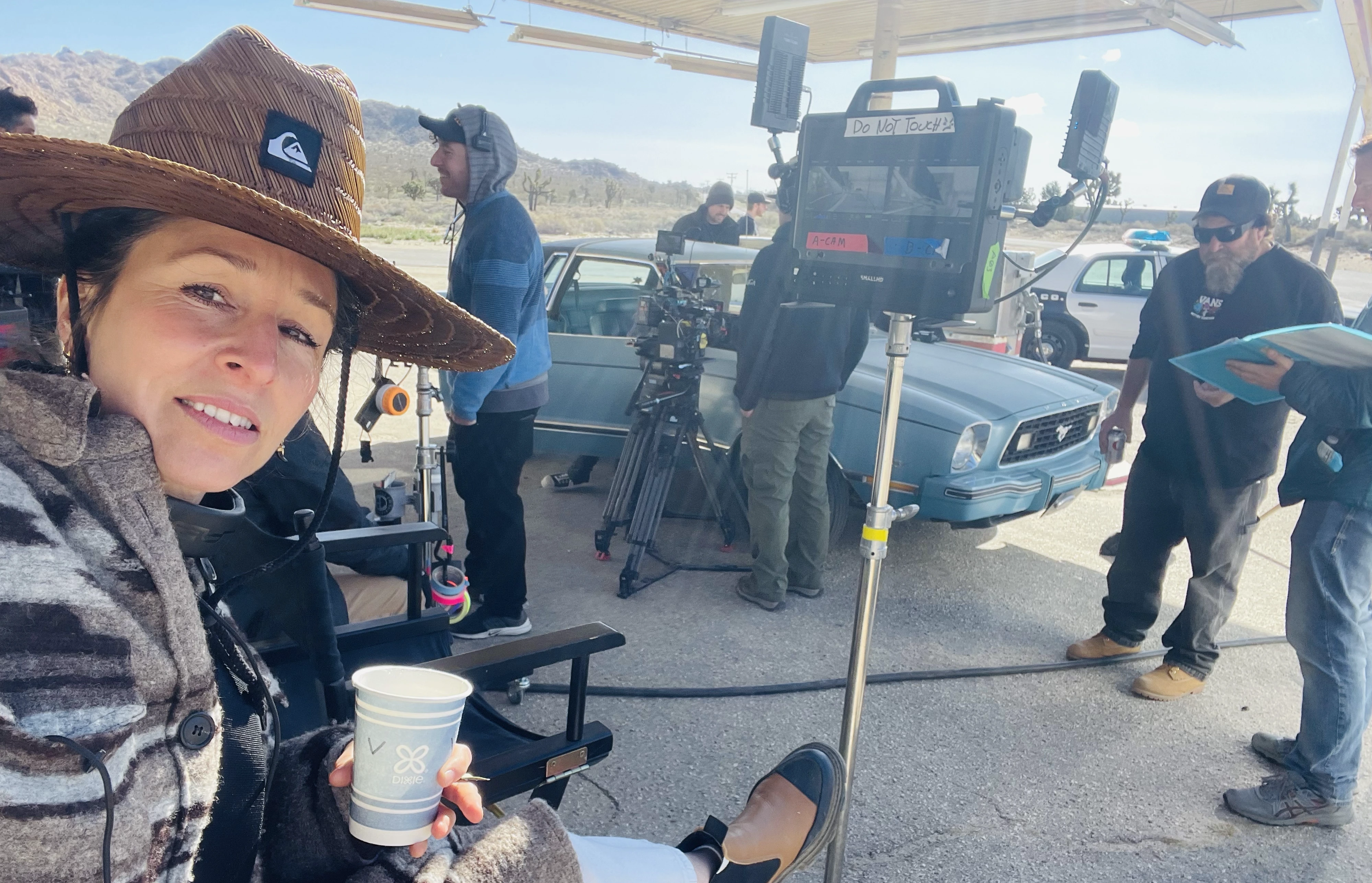
Victoria Taylor was also a writer, producer and executive producer, but her responsibilities extended across several areas of the independent movie production.
She acted as production coordinator, casting director and talent manager while also handling much of the communication and management of the crew. She additionally worked as stylist, supervised wardrobe, bought props and covered second assistant director duties when required.
During pre-production, Victoria was also the model and stand-in used for our storyboards and animatics. This allowed us to test framing, blocking and camera ideas without waiting for the actors or full film crew to become available.
On a larger feature film, casting, talent management, production coordination, wardrobe and assistant directing would be separate departments, usually supported by several assistants. On our small movie crew, those responsibilities could be combined because they were all closely connected to the movement, appearance and daily management of the cast.
Casting does not end when an actor accepts a role. It continues through contracts, fittings, travel, accommodation, rehearsals, call times and daily communication. Wardrobe is also not an isolated styling exercise. It is connected to character, continuity, weather, locations and the shooting order.
Having one producer oversee these connected responsibilities created a direct production system. The actors had a consistent point of contact, wardrobe decisions remained connected to character and schedule changes could be communicated without passing through several people.
The danger of combining too many film production roles is that the workload can become unmanageable. The advantage is that important information does not become fragmented. When the person organising an actor’s schedule also understands the costume continuity, scene requirements and transport plan, potential problems can be identified much earlier.
How a Two-Person Art Department Supported the Entire Movie
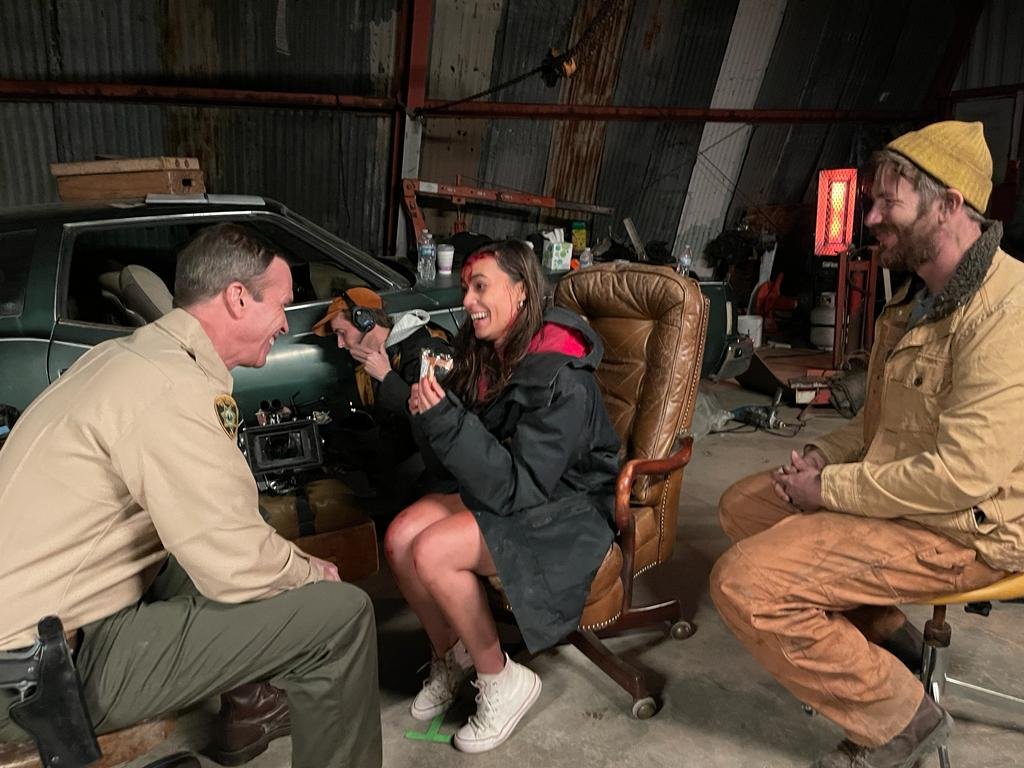
The dedicated art department on Blood Star consisted of only two people.
Between them, they covered work that a larger feature film might divide between a production designer, art director, set decorator, prop master, construction department, buyers and several assistants.
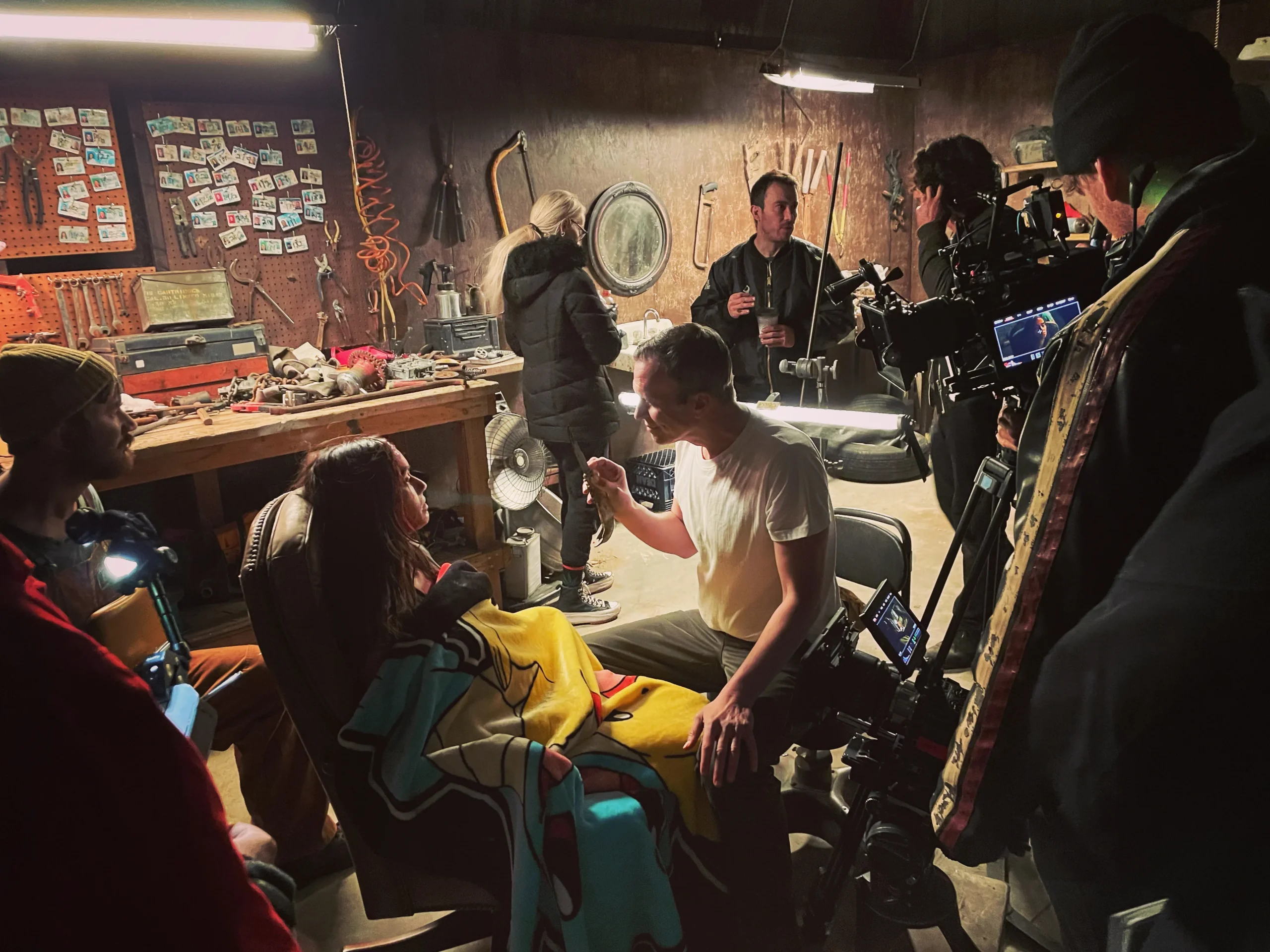
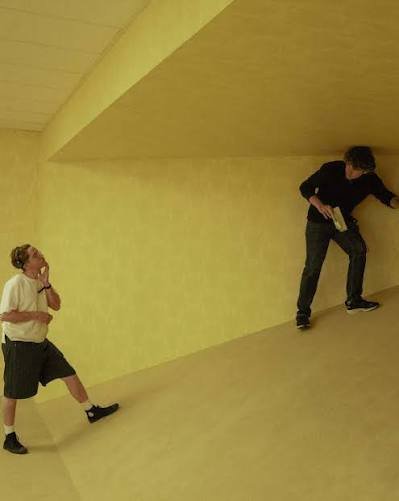
Because I was overseeing the broader production design and both Victoria and I were sourcing props, the art department operated as a close collaboration rather than a traditional hierarchy. The two-person team concentrated on the physical work of preparing locations, dressing sets, managing objects and creating the environments that appeared in front of the camera.
When making a movie with a small crew, the art department cannot afford to treat every area of a room equally. A large production may transform an entire location. A small art department must determine which parts of the set will actually appear on camera and which objects, textures and colours will have the greatest visual and narrative impact.
This approach worked particularly well for Blood Star. The movie’s world is isolated, stripped back and hostile. Sparse interiors, empty roads and weathered objects naturally supported its visual language. Limited resources encouraged us to avoid decorative clutter and concentrate on details that revealed character, danger or history.
The desert locations gave the feature film scale, but the interiors still needed to feel inhabited and psychologically convincing. They could not simply look like rooms we had found and photographed. The art department used selected props and carefully controlled dressing to give each space an identity without overwhelming it.
Making a low-budget movie does not necessarily mean showing less production design. It often means making more precise production-design choices.
Building a Major Film Set Overnight After a Sandstorm
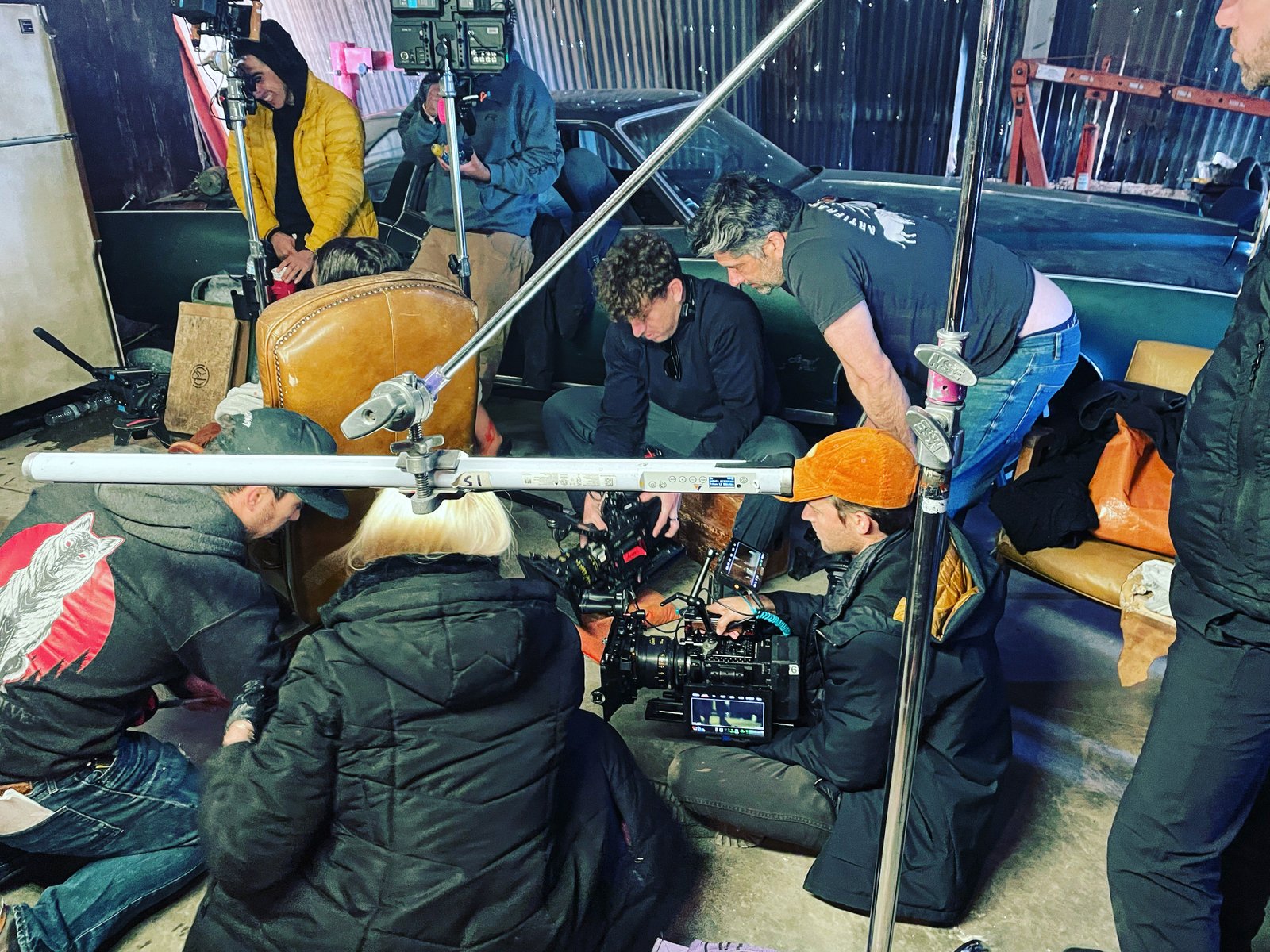
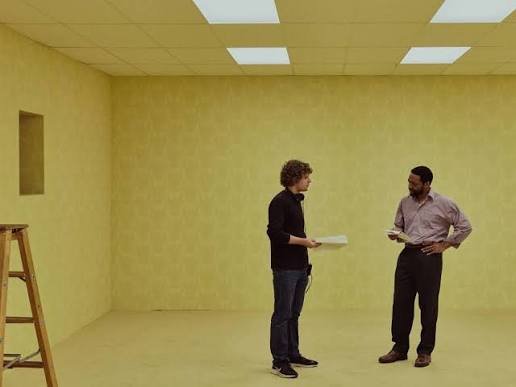
The clearest example of how our small film crew operated came when a sandstorm forced us to abandon planned exterior filming and move indoors earlier than expected.
Our torture-room set was scheduled for later in the production and was not ready to shoot. We were suddenly facing a situation in which the complete set had to be prepared by the following morning or we would lose an entire filming day.
On a larger feature film, such a major schedule change might require lengthy discussions between the production office, locations, art department, transport team and assistant directors. Our production did not have those layers. We had to make the decision immediately and begin preparing the room.
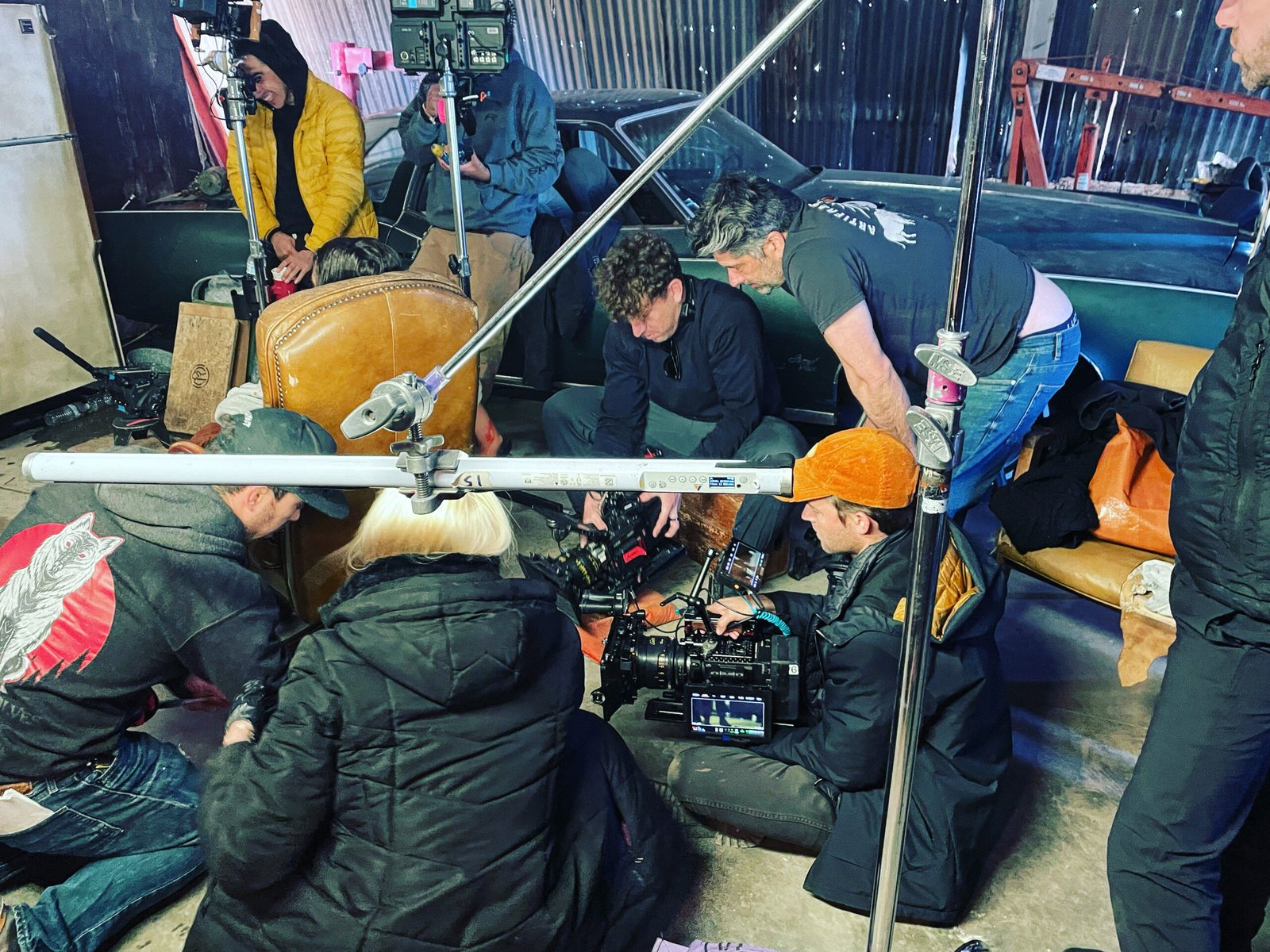
Both members of the art department stayed overnight to complete the set. They were joined by Zaina, our line producer, Mandy from hair and make-up, the script supervisor and two production runners.
Most of those people were not officially part of the art department. However, everyone understood that the immediate future of the movie depended on the room being ready. The art team continued to lead the design and dressing, while the wider crew supplied the additional labour that would normally have come from a much larger department.
They worked throughout the night. By the time the shooting crew arrived the next morning, the torture room was complete and ready for filming.
That experience demonstrated one of the most important principles of making a feature film with a small crew. A reduced crew does not automatically make a production faster. It only becomes faster when communication is direct and people are willing to work beyond rigid departmental boundaries when a genuine emergency occurs.
This does not mean specialist skills become unimportant. The art department still directed the work and protected the visual concept. The rest of the team helped them achieve what would otherwise have been impossible in the available time.
The sandstorm removed our planned exterior work, but the flexibility of the small movie crew prevented the production from stopping. The completed scene did not look like a hurried replacement or an emergency compromise. It became part of the finished film.
One Person Handled Hair, Make-Up and Blood Effects
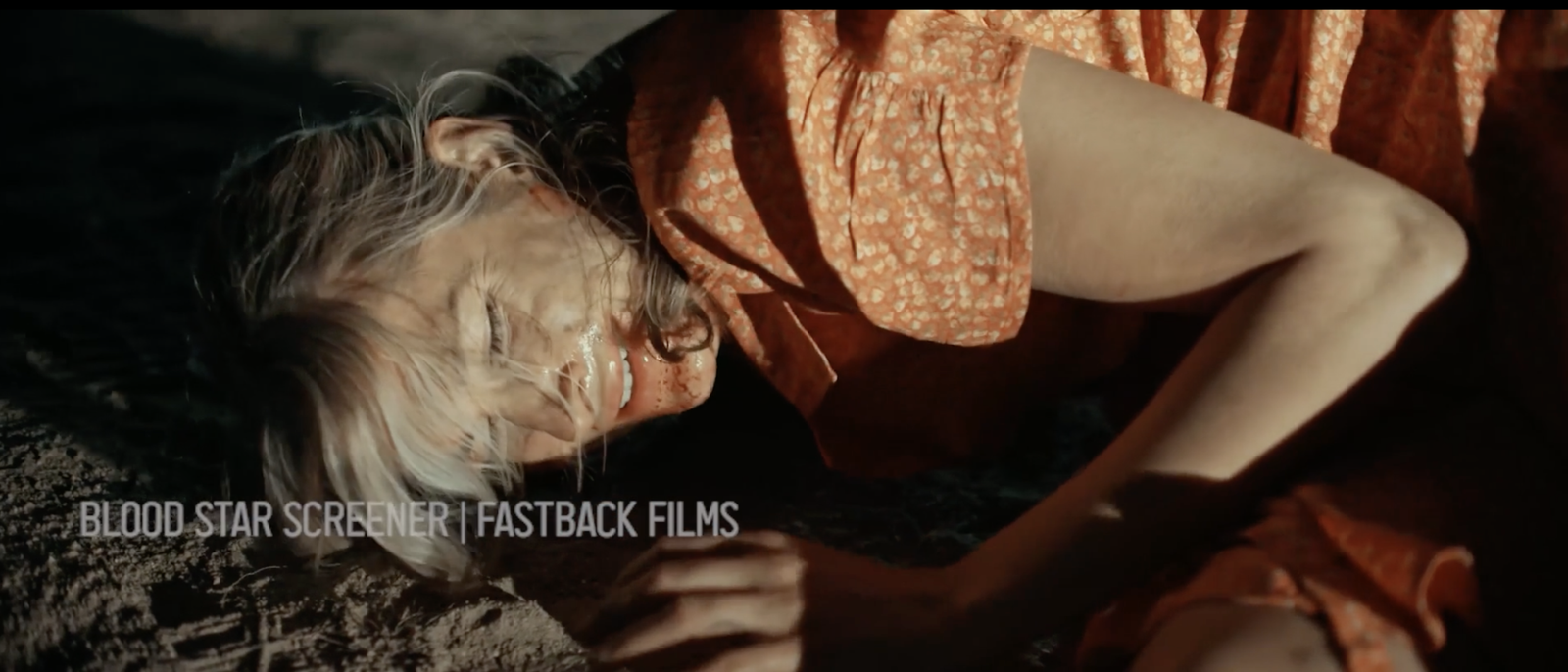
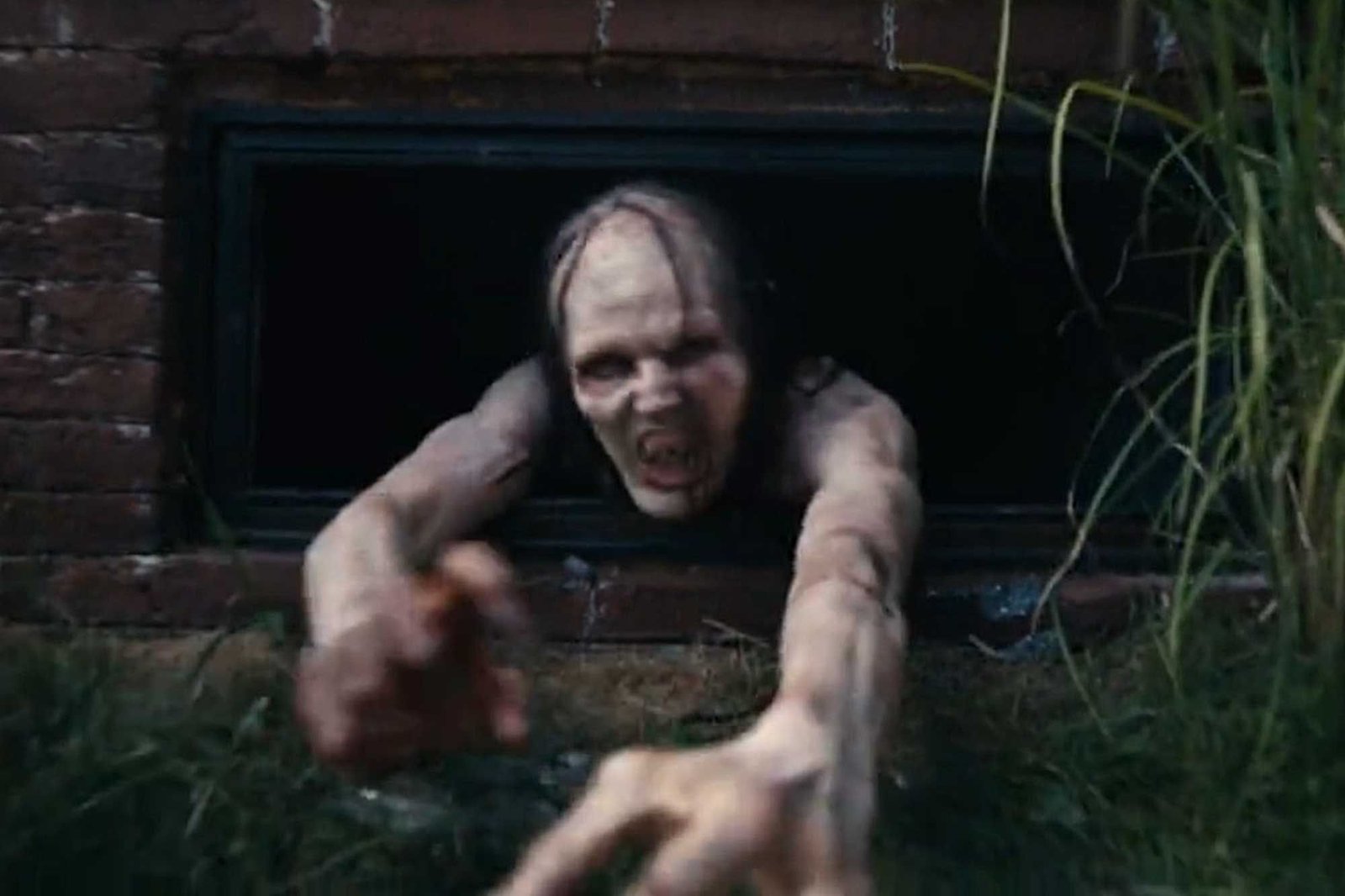
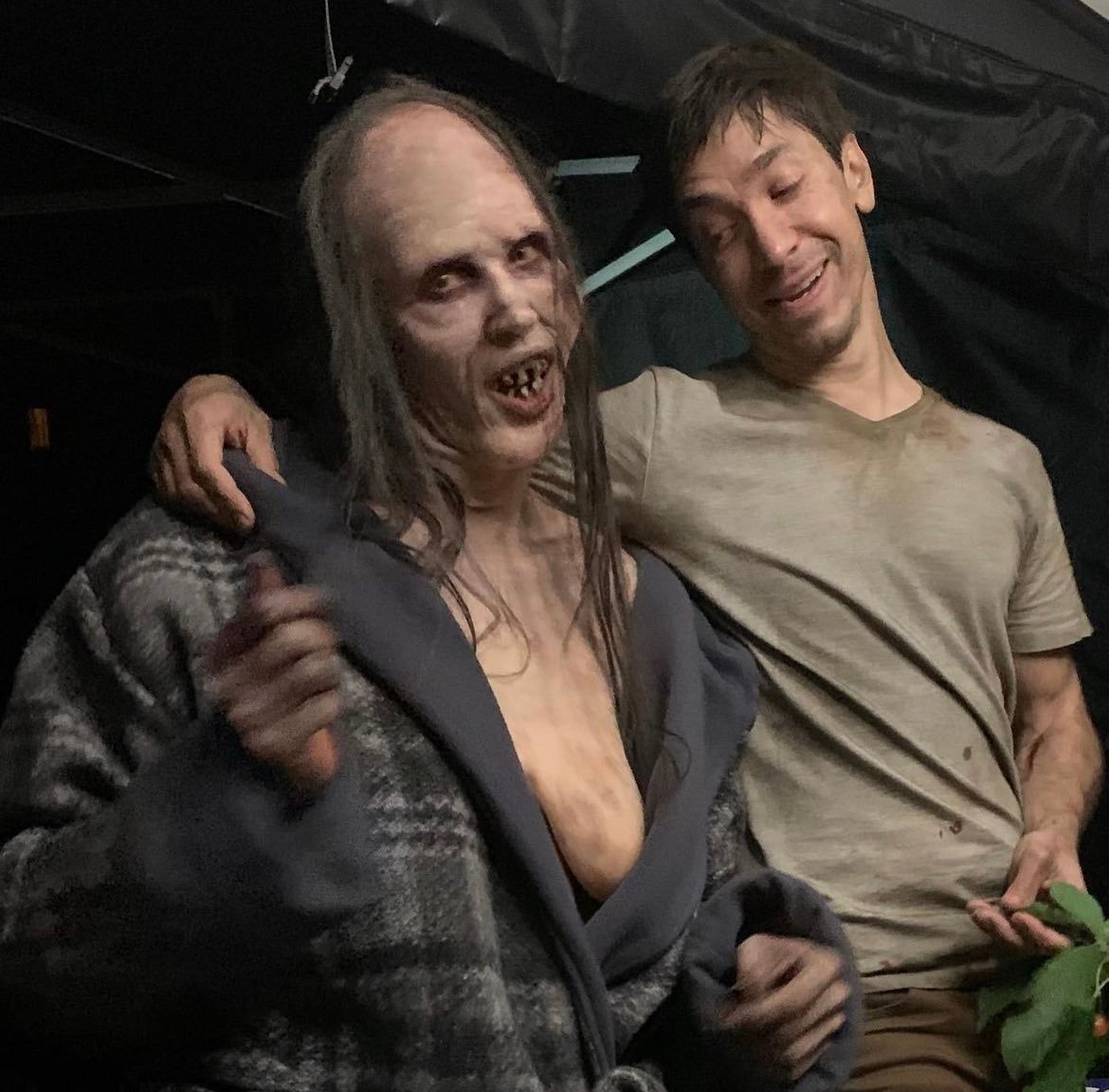
Hair and make-up were handled entirely by Mandy, without any assistants. She was responsible for the actors’ daily hair and make-up, visual continuity and all of the movie’s practical blood and make-up effects.
This was an area where a dedicated specialist could not be replaced by general crew members. Hair and make-up continuity is unforgiving, particularly when a feature film is shot out of sequence. Dirt, sweat, bruising, blood placement and injuries must progress consistently through the story.
An error may not become visible until the movie is edited, when shots recorded on different days are placed directly beside one another.
Combining hair, make-up and blood effects under one person gave the movie consistency, but it required careful preparation and scheduling. Mandy needed to understand which stage of each injury was required, how long each application would take and when every actor needed to be camera-ready.
The absence of assistants meant that other departments had to respect the preparation time. Speed could not come from rushing the make-up work. It came from ensuring the actors arrived on time, continuity references were organised and the camera, lighting and location were ready while the applications were being completed.
This was one of the essential decisions behind making the feature film with a small crew. We reduced the number of people in the department, but we did not reduce the standard the department was expected to achieve.
What We Could Not Compromise on a Low-Budget Feature Film
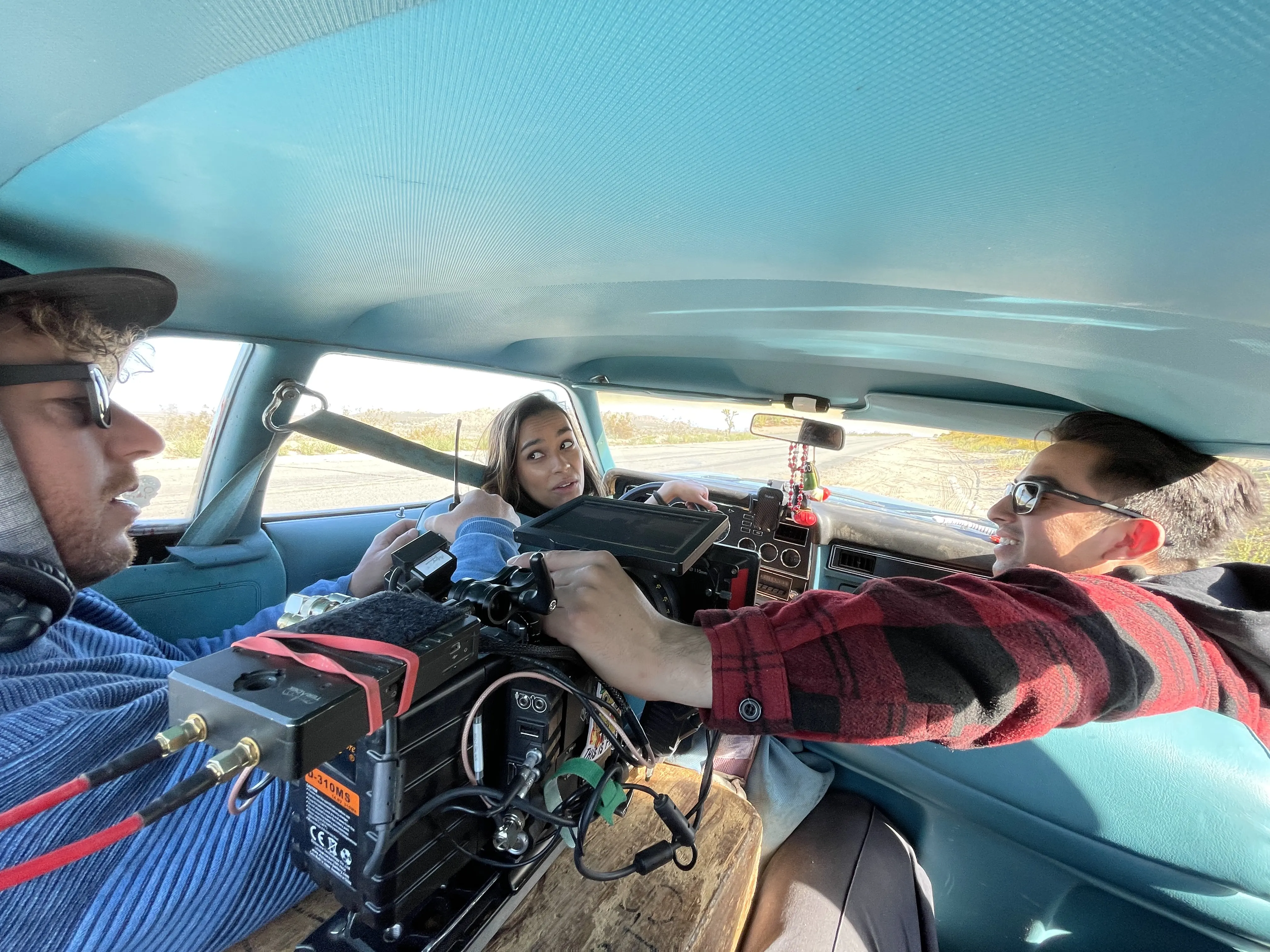
The central question in low-budget filmmaking is where to place the available money, people and attention.
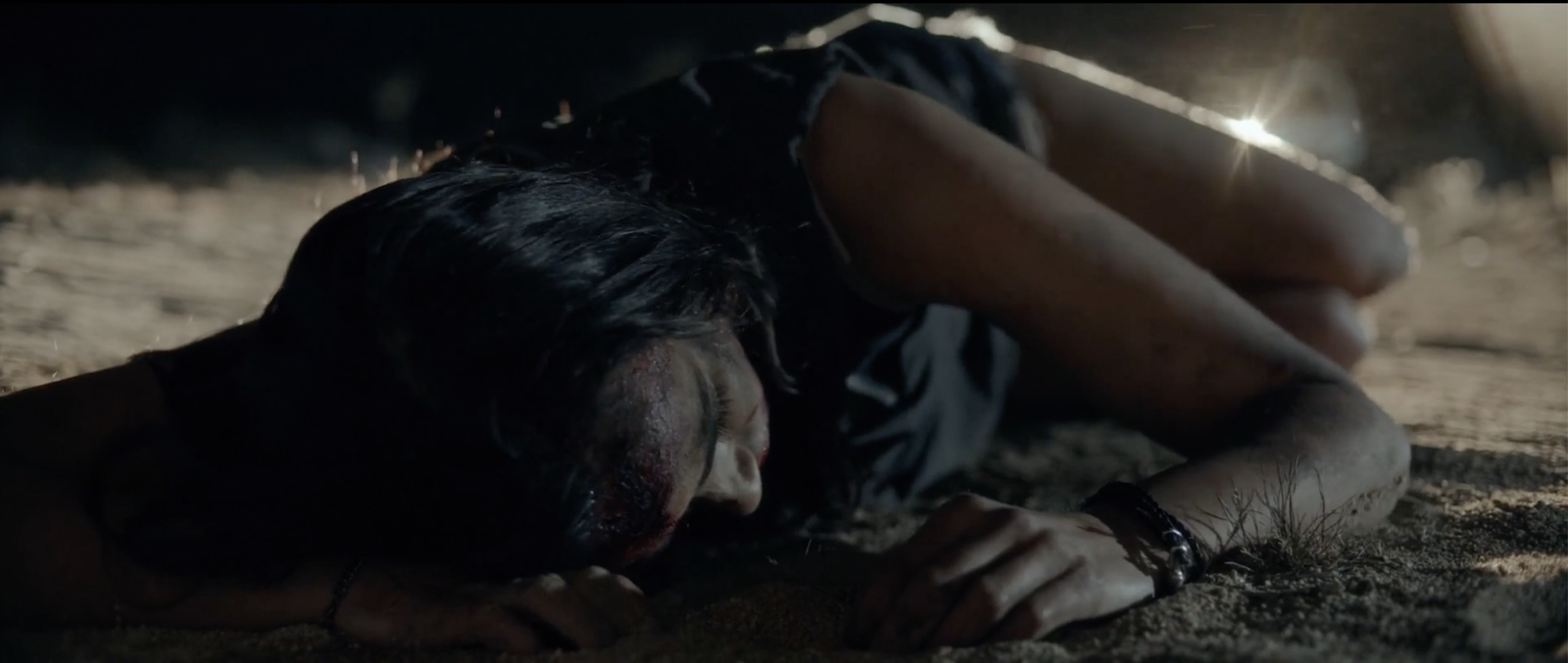
On Blood Star, we protected the elements the audience would experience most directly: performances, cinematography, lenses, lighting, production sound, locations and the physical details visible within the frame.
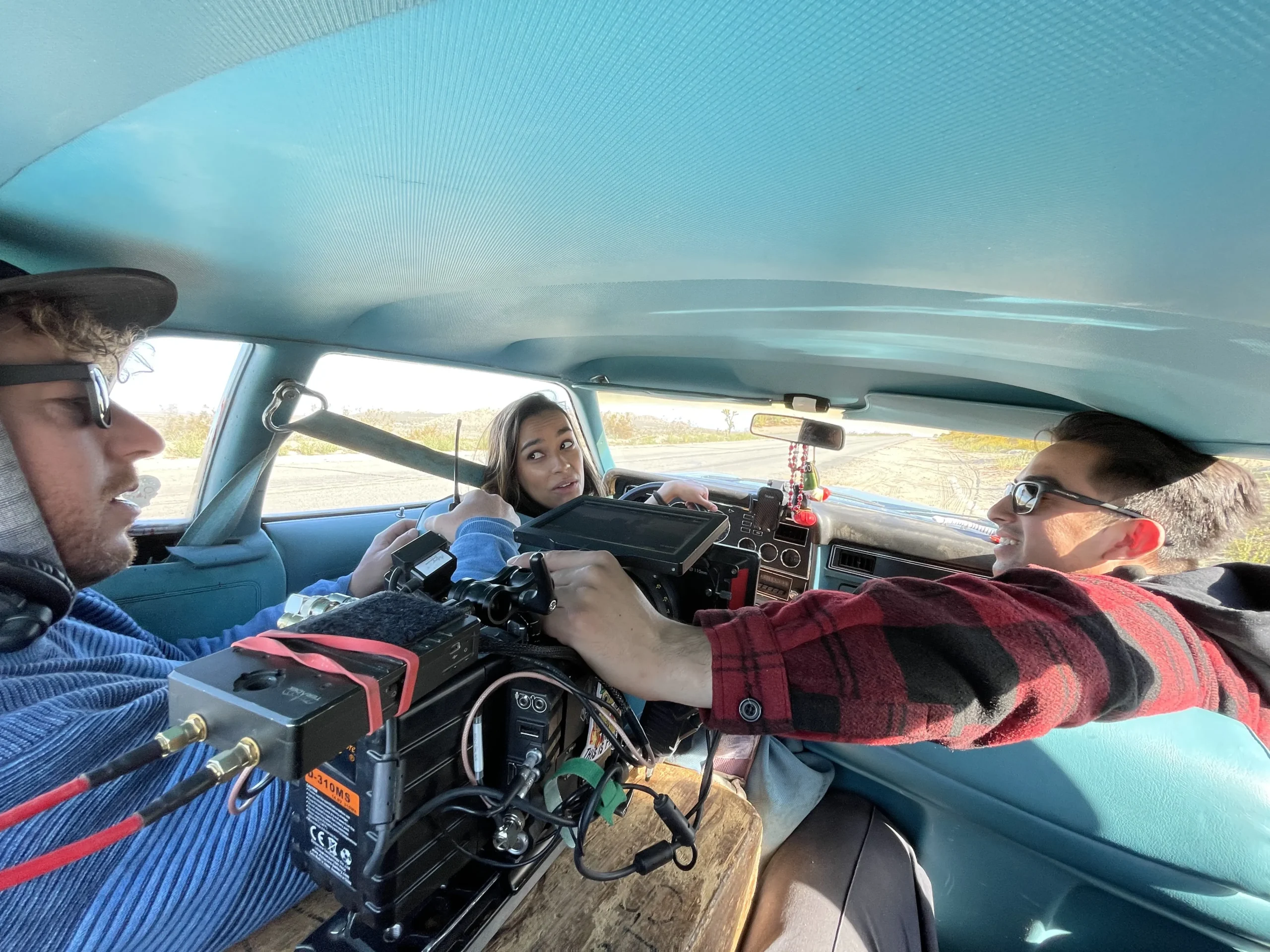
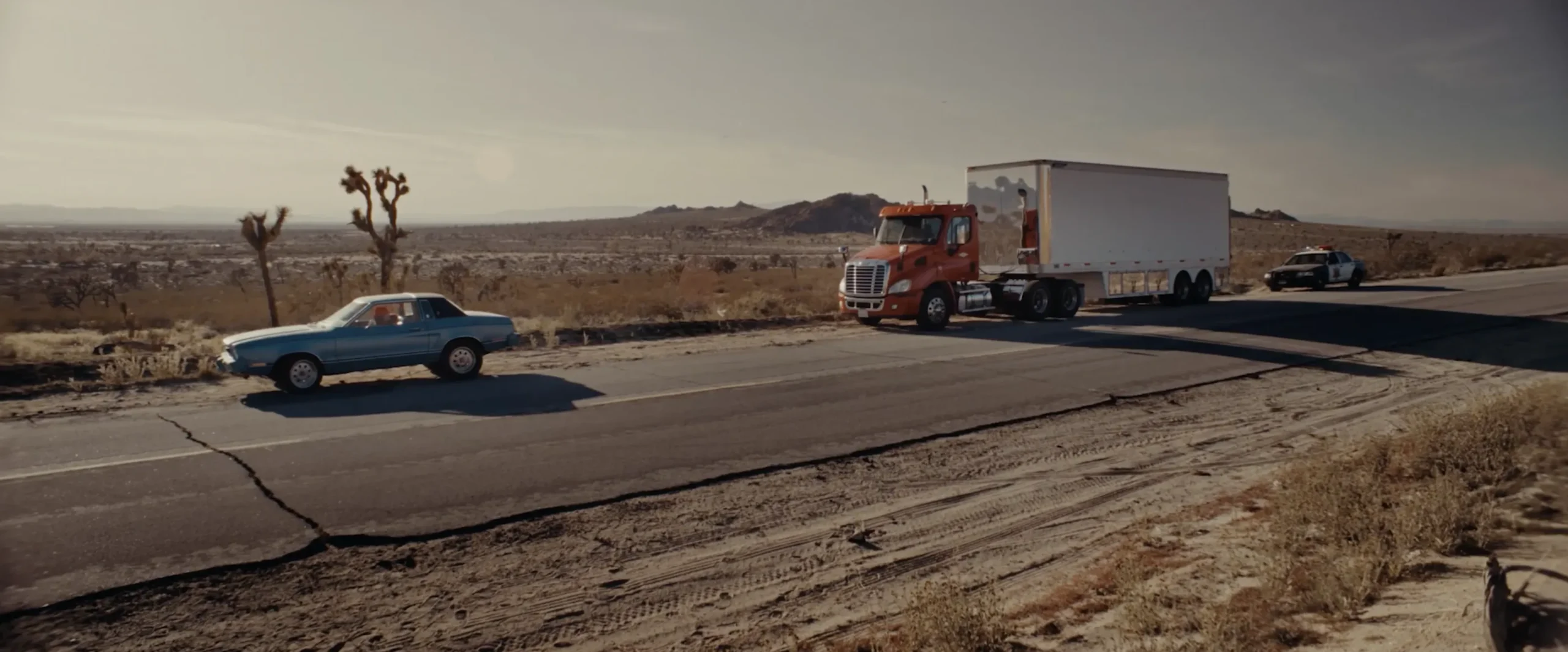
The movie was photographed using RED Gemini and RED Komodo cameras with Cooke S4/i lenses. The Cooke lenses were particularly important to the visual texture of the feature film. Their contrast, colour response and rendering helped create the cinematic quality we wanted.
The desert can easily appear flat, excessively harsh or video-like when photographed without sufficient control. Lens selection, exposure, filtration, camera position and the handling of natural light all contributed to making the landscape feel atmospheric and threatening rather than simply hot and bright.
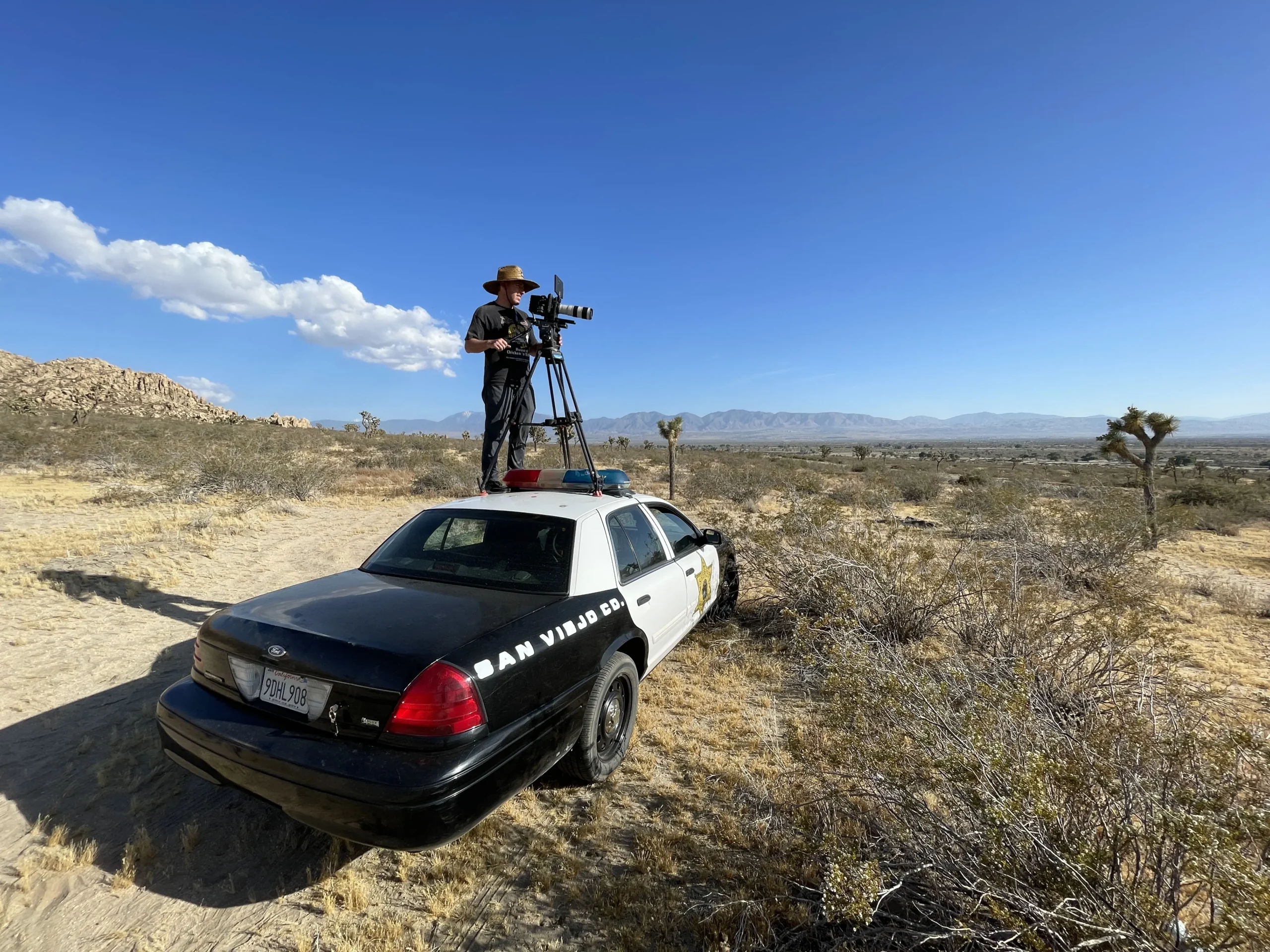
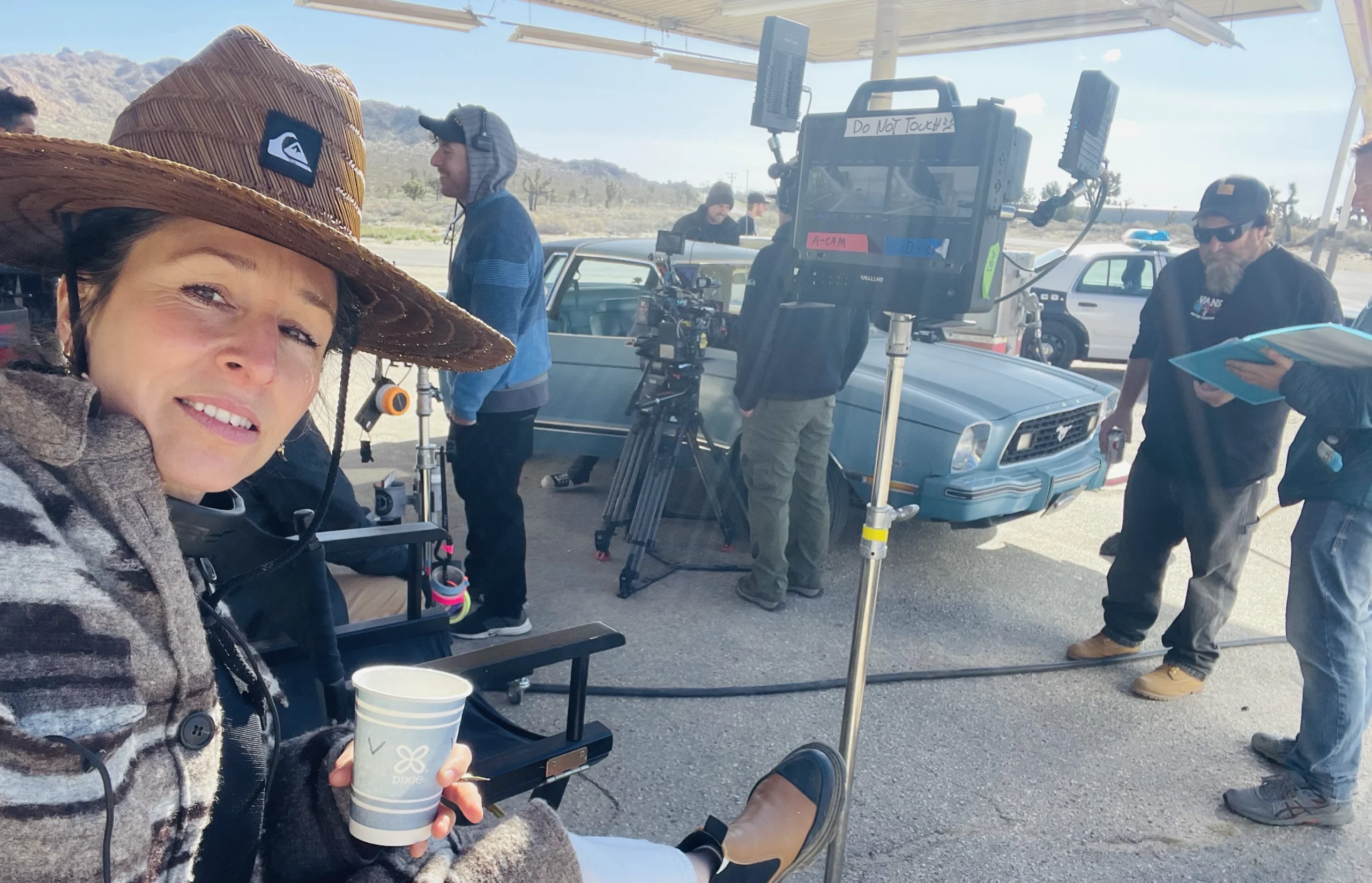
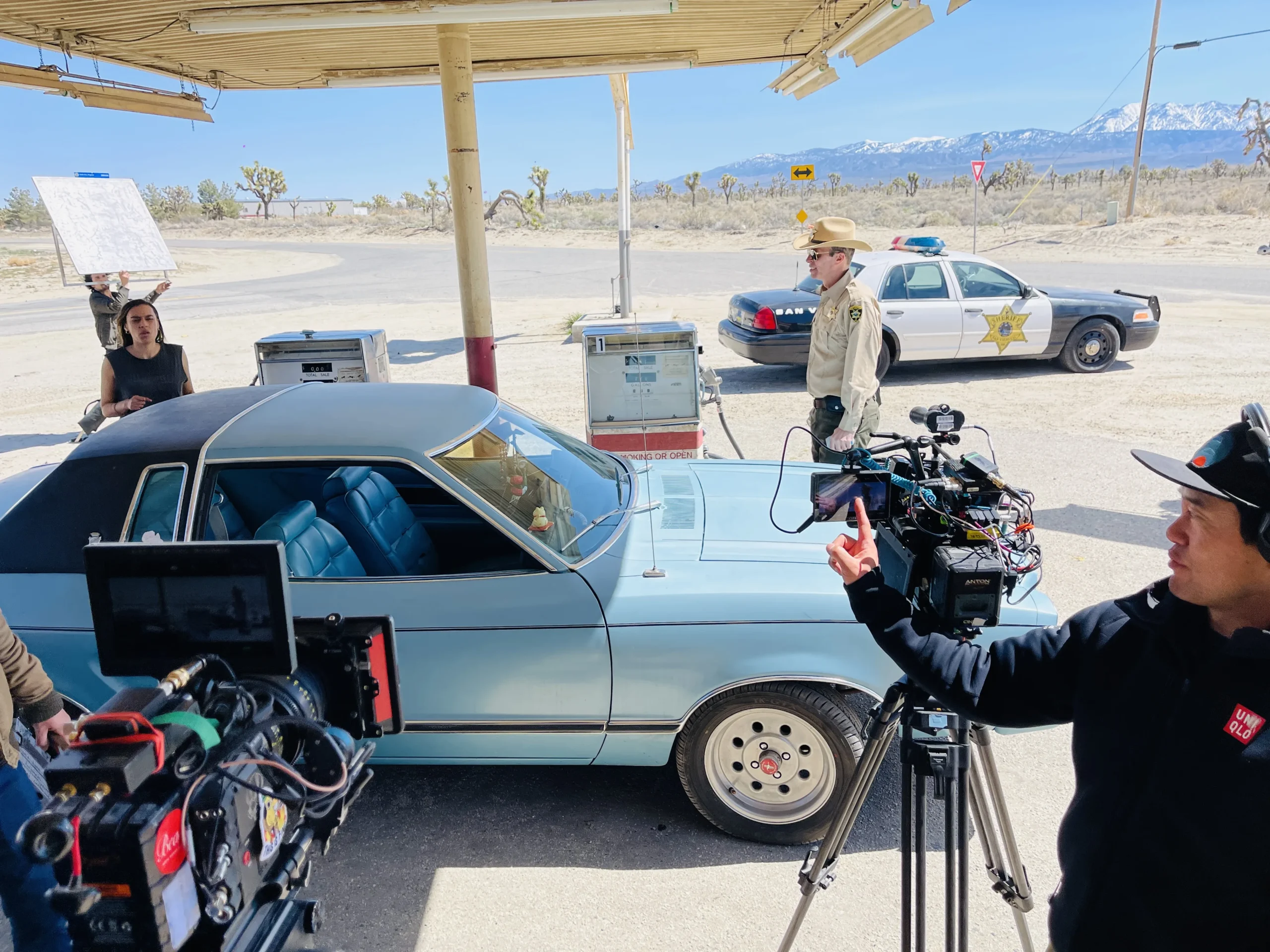
Making a movie with a small crew did not mean treating cinematography casually. The camera department still needed proper support. Lenses and camera equipment had to be protected from heat and dust, batteries and media needed to be carefully managed and the realities of filming in remote desert locations had to be considered throughout the day.
The camera package also needed to be mobile. There is little advantage in having equipment that creates an impressive image if the crew cannot move it quickly enough to complete the scenes.
Did You Know?
Blood Star was shot on two RED Gemini cameras and one RED Komodo, paired with Cooke S4/i lenses — the same combination prized for its contrast and colour rendering on productions with far larger camera departments.
How We Lit a Desert Movie With a Small Crew
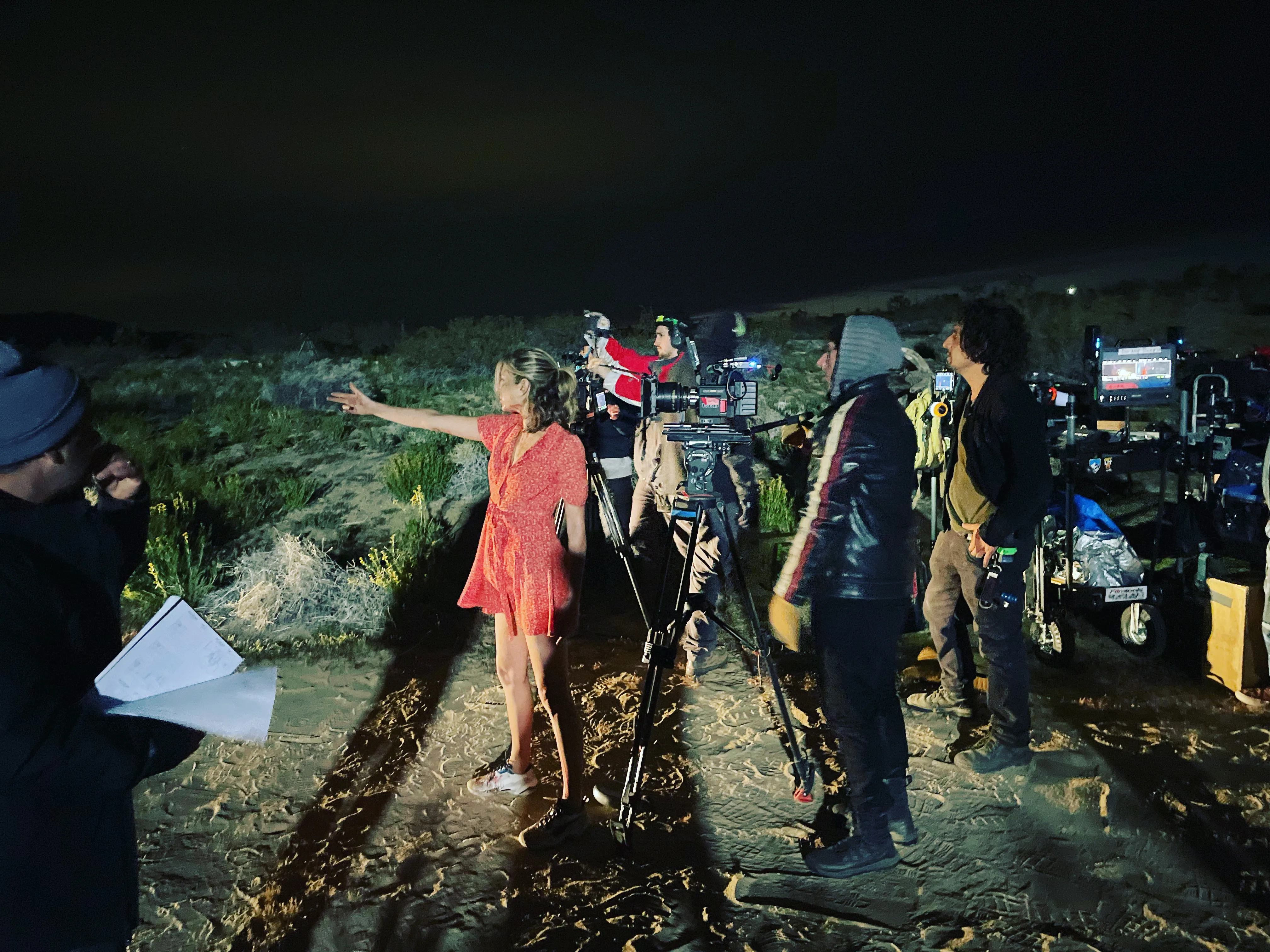
Lighting was similarly selective. We could not light an open desert landscape on the scale of a major studio movie, and we did not attempt to do so.
Instead, we worked with the direction, quality and changing character of the available sunlight. Scenes were positioned and organised so the environment itself became part of the lighting design.
Natural light does not mean the absence of lighting. Shooting a film in the desert requires constant observation. The sun moves, shadows change rapidly and a location that looks ideal in the morning may become visually unusable only a few hours later.
The lighting and camera teams needed to know when to enhance, shape or subtract the available light rather than attempting to overpower it. Reflectors, diffusion, negative fill and careful positioning could have a greater effect than a large lighting package used without a clear strategy.
A small film crew can benefit from working this way because fewer people and less equipment allow the production to react more quickly. When the light became right, we could move into position and shoot without waiting for a large unit to reset.
The limited resources encouraged us to make the desert light part of the visual storytelling. Harsh daylight, deep shadows and sudden changes in exposure contributed to the tension of the movie rather than becoming technical problems that had to be completely neutralised.
Production Sound Could Not Become an Afterthought
Sound was another area we refused to compromise.
A psychological road thriller depends heavily on atmosphere. Engines, tyres, wind, distant vehicles, empty rooms, breathing and sudden silence all shape how the audience experiences the movie.
Poor production sound would have damaged both the actors’ performances and the final tension. It is sometimes assumed that sound problems can simply be repaired in post-production, but replacing dialogue and rebuilding entire locations is expensive and creatively limiting.
Recording strong production sound preserved the original performances and gave the post-production team better material from which to construct the finished soundtrack.
A small movie crew can sometimes make production sound easier because fewer people, vehicles and radios are generating unwanted noise. However, shooting a movie in the desert creates other problems. Wind, generators, passing traffic and moving vehicles can make clean dialogue difficult to capture.
For this reason, sound needed to be considered during location scouting and blocking, not after the camera had already been positioned. A beautiful location could become impractical if the noise level made usable production sound impossible.
Making a feature film with a small crew requires every department to understand that sound is part of the image-making process, not something that begins once filming is complete.
How Camera, Lighting and Sound Moved Between Desert Locations
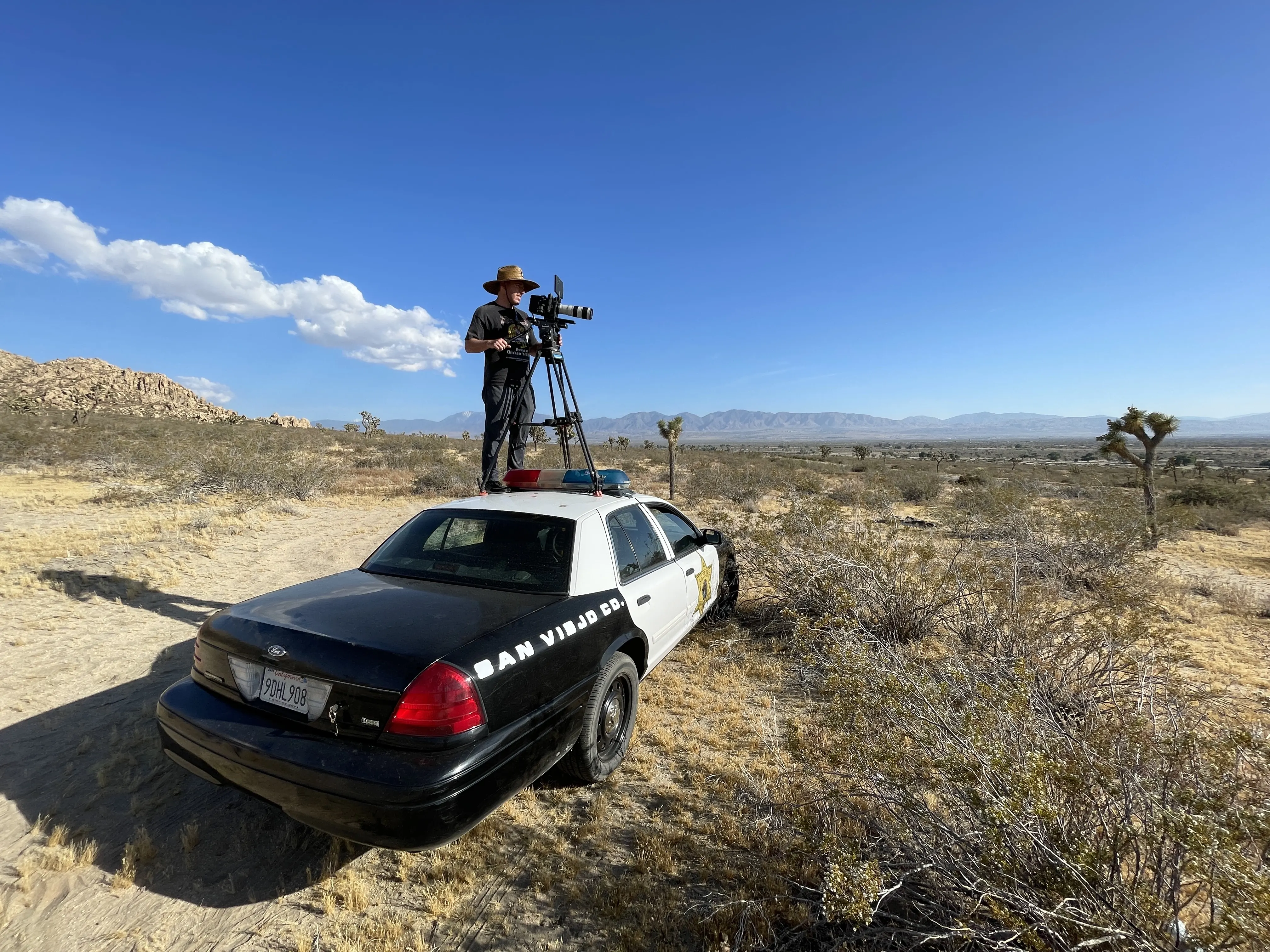
Shooting a movie in the desert creates a logistical challenge before it becomes a creative one. Locations may be separated by large distances, mobile-phone coverage may be unreliable and replacing a forgotten item can take hours.
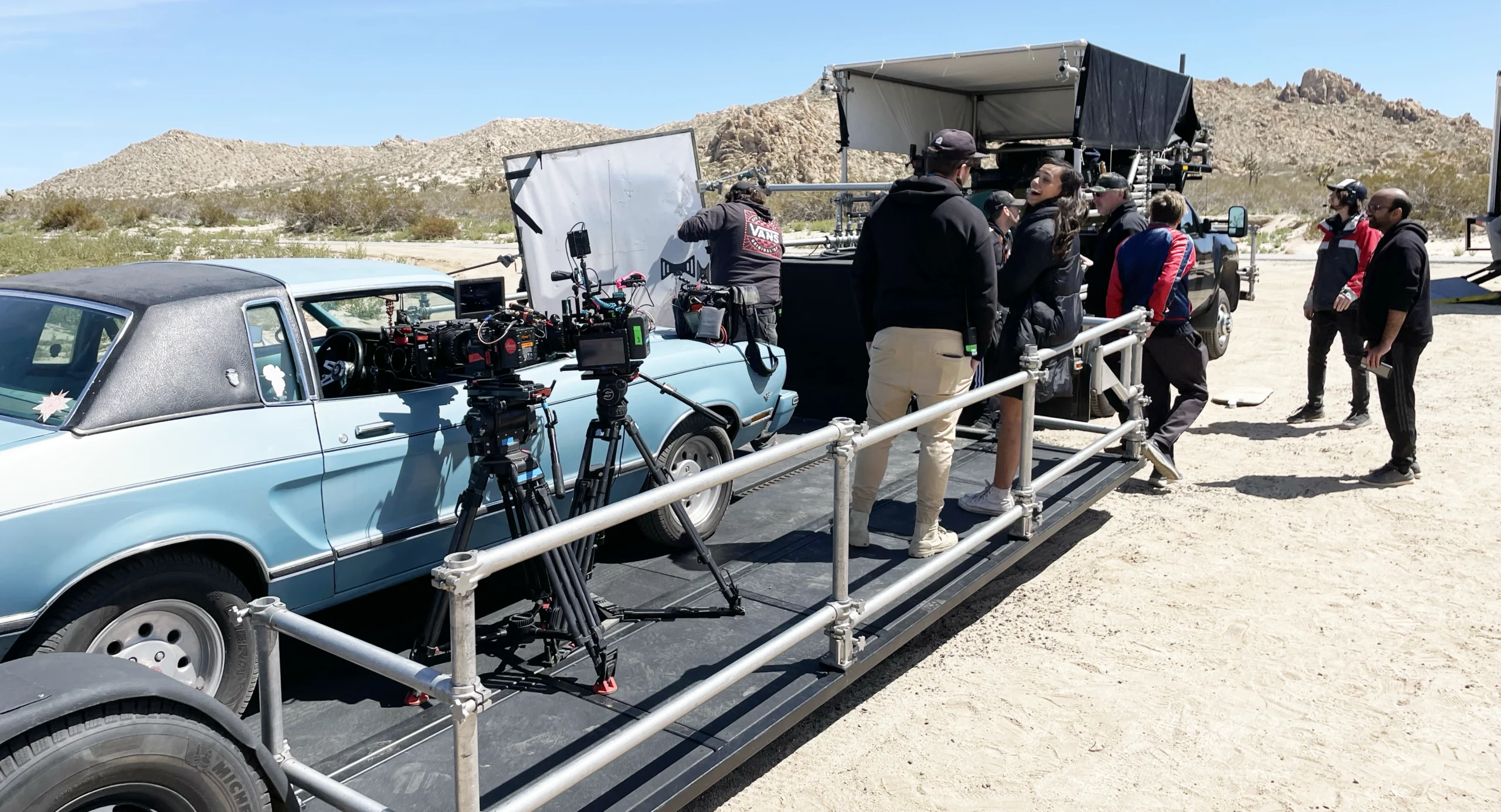
The production therefore had to move as a compact unit. Camera equipment, lighting, sound, props, wardrobe, hair and make-up supplies, food, water and safety equipment all needed to travel in a way that allowed the crew to start work quickly after arriving.
Transport coordination was not simply about moving people from one film location to another. It involved understanding which vehicles needed to arrive first, which equipment had to remain immediately accessible and which cast members could be transported without delaying their preparation.
On a larger feature film, department trucks may travel and unload independently. With our smaller movie crew, the transport plan had to follow the order in which the location would actually become operational.
Camera and lighting needed access before filming could begin. Sound needed time to assess the environment. Hair and make-up required a clean and protected area. Props and costumes had to be ready before the actors were called to set.
The most efficient organisation was not necessarily the one that carried the largest amount of equipment. It was the one that allowed the essential equipment to be reached first.
A smaller and carefully organised film package often moves faster than a larger collection of equipment that must be completely unloaded and searched at every location.
Choosing Locations That Made the Movie Look Bigger
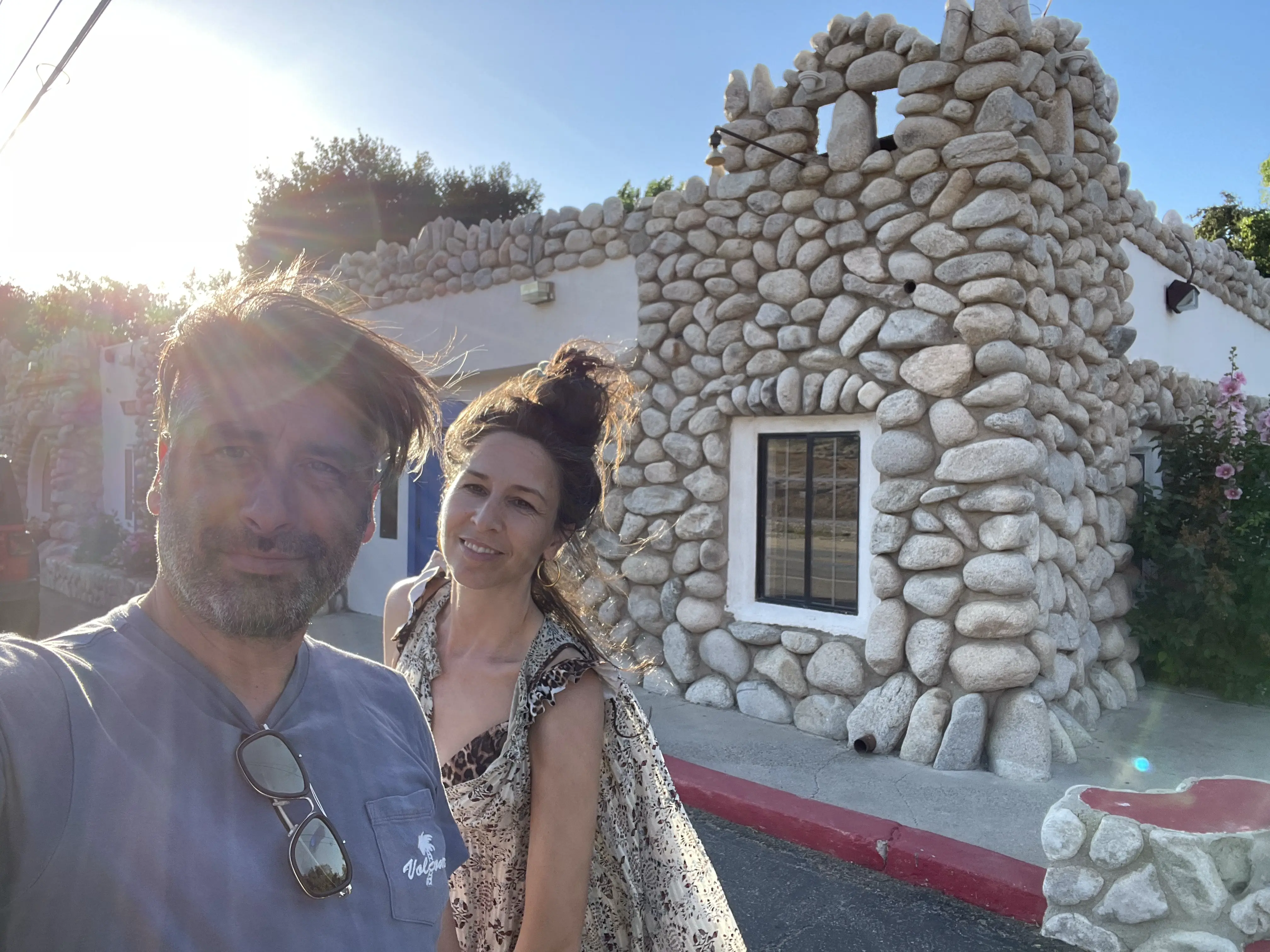
One of the most important lessons in how to make a feature film with a small crew is that locations must contribute more than a background.
A strong film location should provide scale, atmosphere, texture and narrative information before the production adds anything.
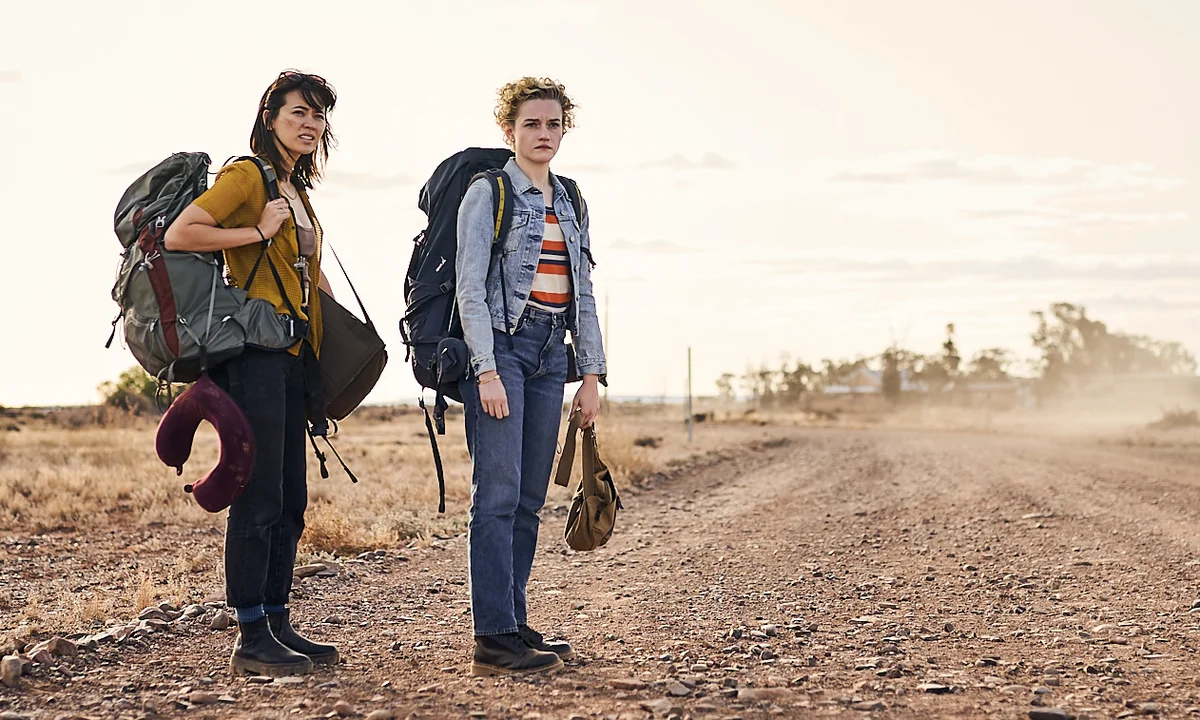
The desert gave Blood Star a visual scale that would have been impossible to build. Roads disappeared towards the horizon, mountains created depth and isolated buildings arrived with their own age, surfaces and sense of history.
When selected carefully, a real location can provide more production value than an expensive constructed set.
However, a visually impressive location is not automatically a practical filming location. We also had to consider road access, parking, sound, weather, toilets, electricity, holding areas, travel time and the movement of the film equipment.
A dramatic landscape that consumes several hours in transport may offer less value than a slightly less spectacular location that allows multiple scenes to be completed efficiently.
The best locations gave the small movie crew flexibility. They provided different camera directions, varied backgrounds and enough geographical range to represent several parts of the story. One area might provide an isolated road, a wide desert landscape, a building and a place for vehicles and crew to remain out of frame.
Limited locations do not have to make a feature film feel repetitive. Lens choice, camera position, time of day, direction of light and actor movement can substantially change the appearance of the same environment.
The important work happens during location scouting, when the filmmakers identify those variations before the pressure of principal photography begins.
How We Stopped a Small-Crew Movie From Looking Small
A movie often looks small when its production limitations become visible on screen. This may take the form of repeated camera angles, uncontrolled locations, incomplete sets, inconsistent wardrobe, weak production sound or shots that appear to have been chosen only because they were easy to achieve.
We tried to prevent this by designing the film around concentration rather than excessive coverage.
The objective was not to record the greatest possible number of shots. It was to create a smaller number of deliberate images with strong composition, movement, atmosphere and narrative purpose.
The desert helped because negative space became part of the movie’s visual design. A single vehicle photographed against an enormous landscape immediately created scale. An isolated figure on an empty road could have more cinematic impact than a frame filled with extras, vehicles and expensive set dressing.
The Cooke lenses, controlled camera work and selected locations helped unify the visual language of the feature film. Production design concentrated on the details that would actually be photographed. Wardrobe remained restrained and character-driven. Sound expanded the world beyond the visible frame.
The small film crew also reduced the physical footprint of the production. We could place the camera in remote areas without filling the landscape with trucks, tents and large equipment. We could move closer to the actors and preserve the sense of isolation required by the story.
The movie did not need to imitate the visible scale of a studio feature. It needed to use framing, landscape, performance, sound and design to create its own cinematic scale.
Where Making a Movie With Limited Resources Improved the Work
The restrictions of making a movie with a small crew did not only force compromises. In several areas, they improved the film.
Because the crew was small, communication remained direct. Creative and practical decisions did not need to move through multiple layers of management. When a problem arose, the people capable of resolving it were usually already present.
The restricted art department encouraged precision. Instead of filling every room, we selected details that contributed directly to character and story.
The reduced camera and lighting footprint allowed us to reach positions and locations that would have been difficult for a much larger film unit. The absence of a large production machine also helped the desert remain empty and threatening.
Combined production roles created a deeper understanding of the entire movie. The people making decisions about transport, props, wardrobe, casting and scheduling were not separated from the film’s creative intention.
Most importantly, the limitations helped preserve the tone of Blood Star. It is a lean, isolated and increasingly claustrophobic thriller. A more elaborate production process might have worked against those qualities.
The discipline required by the budget forced us to simplify, and that simplicity became part of the finished feature film.
Which Roles Can Actually Be Combined
Combine roles that share information and decisions: production management, casting, wardrobe, transport and props naturally overlap. Protect roles where a mistake is only visible in the edit and can’t be fixed cheaply afterward: cinematography, focus pulling, production sound, and hair/make-up continuity.
What Does Making a Feature Film With a Small Crew Require?
Making a feature film with a small crew requires the movie to be designed around its resources from the screenplay onwards.
The script must understand what the production can achieve. Locations should deliver several forms of production value. Film crew roles should be combined according to compatible responsibilities rather than arbitrary cost cutting.
Specialist departments must be protected when mistakes would immediately affect the finished movie. Equipment should be selected for mobility as well as technical quality. Every crew member must understand both their own job and the needs of the production around them.
It also requires trust.
The overnight preparation of our torture-room set was only possible because nobody responded to the sandstorm by saying that the problem belonged to another department. The art team led the work, but the line producer, hair and make-up artist, script supervisor and runners all helped deliver what the movie needed.
That flexibility should not become an excuse for poor planning, unsafe conditions or continuously excessive working hours. A small crew still needs rest, preparation and clearly understood responsibilities.
However, during a genuine production emergency, a compact and committed crew can achieve an extraordinary amount because there is very little separation between recognising a problem and acting upon it.
A Small Film Crew Does Not Have to Create a Small Movie
The purpose of making Blood Star with a crew of 20 was not to demonstrate that film crew members are unnecessary. It was to show that an independent feature film can organise people and departments differently.
We combined writing, producing, production management, production design, casting, talent management, wardrobe, props, transport coordination and assistant-directing responsibilities.
We worked with a two-person art department and one hair and make-up artist who also handled the blood effects. At the same time, we protected the areas that most directly defined the finished movie: performance, cinematography, lenses, lighting, sound, locations and the details placed within the frame.
The result came from deciding where concentration mattered more than scale. Every limitation had to be recognised, but it did not have to become visible on screen.
That is the central lesson of making a movie with a small crew. The audience does not count how many people were standing behind the camera. It sees the images, hears the sound and experiences the story.
The audience does not count how many people were standing behind the camera. It sees the images, hears the sound and experiences the story.
The production’s job is to make sure that all of its limited resources reach the screen.
Frequently Asked Questions
Approximately 20 people made up the core crew, with the production designed around that number from the beginning rather than a larger plan cut down at the last minute.
Beyond directing, writing and producing, he covered much of the work normally handled by a production manager, production designer and post-production manager, and also worked as a props buyer and special-props buyer.
It forced an unplanned move indoors to a torture-room set that wasn’t ready. The two-person art department stayed overnight, joined by the line producer, hair and make-up artist, script supervisor and two runners, and had the complete set ready by the time the shooting crew arrived the next morning.
Two RED Gemini cameras and one RED Komodo, paired with Cooke S4/i lenses, chosen specifically for their contrast and colour rendering in the desert light.
Because a psychological road thriller depends on atmosphere — engines, wind, breathing, sudden silence — and poor production sound would have damaged both performances and tension in ways that are expensive or impossible to fully fix in post-production.
Only if it’s designed around that crew size from the screenplay stage. Roles can only be safely combined when they share information and decisions (like casting, wardrobe and transport); specialist departments where mistakes are costly to fix — cinematography, sound, hair and make-up continuity — still need dedicated, protected attention.
Learn More About Blood Star
If you’re interested in how independent filmmakers create ambitious thrillers on limited budgets, you can explore more about Blood Star, including its cast, production and behind-the-scenes story.
If you’d like to watch the film, visit the Blood Star Watch Page to see where it’s currently available to stream or purchase.