Taylor Sheridan’s Hell or High Water works because it is several films at once. It is a bank-robbery thriller, a modern Western, a story about two brothers, a police procedural and an angry portrait of an America in which people can work hard their entire lives and still lose everything to institutions much larger than themselves.
Chris Pine plays Toby Howard, a divorced father determined to prevent the family ranch from being taken by the bank. His brother Tanner, played by Ben Foster, has recently been released from prison and possesses exactly the recklessness Toby needs and fears. Together they begin robbing branches of the same bank that is threatening to foreclose on the property. Following them is Texas Ranger Marcus Hamilton, played by Jeff Bridges, who is approaching retirement and gradually recognises the logic behind the crimes.
The closest movies to Hell or High Water tend to be neo-Westerns, rural crime thrillers and stories about ordinary people pushed toward violence by forces they can no longer control. These are 15 of the best films to watch after it.
1. No Country for Old Men (2007)
Javier Bardem as Anton Chigurh · Josh Brolin as Llewelyn Moss · Tommy Lee Jones as Sheriff Ed Tom Bell
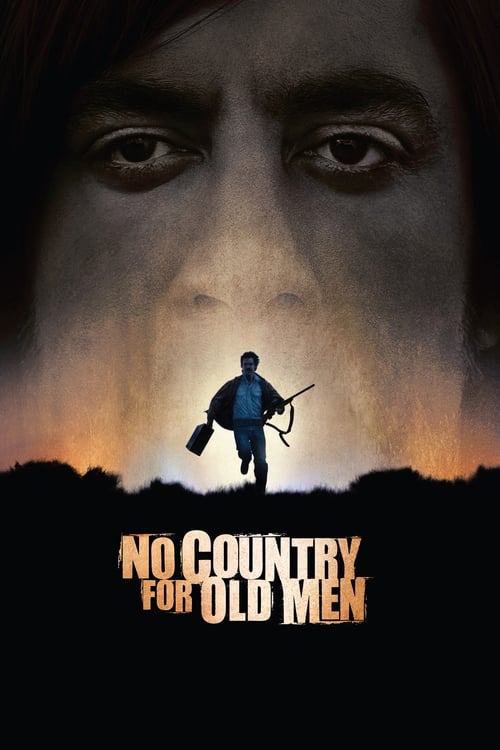
Joel and Ethan Coen’s No Country for Old Men is one of the defining modern Westerns and perhaps the most natural film to watch after Hell or High Water. Llewelyn Moss takes a case of money from a drug deal gone wrong, setting off a pursuit that brings him into the path of Anton Chigurh, while Sheriff Ed Tom Bell tries to follow the trail of violence while increasingly wondering whether the world has moved beyond his ability to understand it.
That weary lawman is one of the strongest connections to Jeff Bridges’ Marcus Hamilton. Both men belong to an older version of the West and watch as the world around them becomes more violent, more impersonal and more difficult to control.
2. Wind River (2017)
Jeremy Renner as Cory Lambert · Elizabeth Olsen as Jane Banner

Taylor Sheridan followed Hell or High Water by writing and directing Wind River, and the two films feel like companion pieces despite taking place in completely different landscapes. A wildlife officer discovers the body of a young woman on a Wyoming reservation, and an FBI agent arrives to investigate — quickly realising that conventional procedure does not mean much without understanding the environment.
Like Hell or High Water, Wind River uses genre to talk about people living far from the centres of American power. If you loved Hell or High Water for the sense of place rather than simply the robberies, Wind River is essential.
3. Sicario (2015)
Emily Blunt as Kate Macer · Benicio del Toro as Alejandro

Denis Villeneuve’s Sicario takes the modern Western into the world of the US-Mexico border. An FBI agent joins a task force she believes is targeting a drug cartel, only to become less certain what the operation is actually designed to accomplish.
Like Hell or High Water, the film is concerned with the gap between official systems and the realities experienced by people on the ground. If Hell or High Water is Sheridan’s economic Western, Sicario is his geopolitical one.
4. The Town (2010)
Ben Affleck as Doug MacRay · Jon Hamm as Adam Frawley

Ben Affleck’s The Town shifts the action from Texas to Boston, but it shares one of Hell or High Water’s strongest dramatic engines: criminals whose robberies arise from a world they feel trapped inside. Doug MacRay leads a crew of bank robbers from Charlestown while an FBI agent closes in.
Like Toby Howard, Doug is intelligent enough to understand that his environment is determining the shape of his life. If the bank-robbery side of Hell or High Water appealed to you most, The Town is an obvious next choice.
5. Blood Simple (1984)
John Getz as Ray · Frances McDormand as Abby

The Coen brothers’ debut feature Blood Simple strips American crime cinema down to jealousy, money, murder and misunderstanding. A private detective hired to kill an unfaithful wife and her lover has other ideas, and what follows is a chain of betrayals in which characters repeatedly act without possessing all the information.
The Texas setting provides an important connection with Hell or High Water — both films use anonymous roads, bars, modest buildings and empty landscapes rather than glamorous versions of crime.
6. A Simple Plan (1998)
Bill Paxton as Hank Mitchell
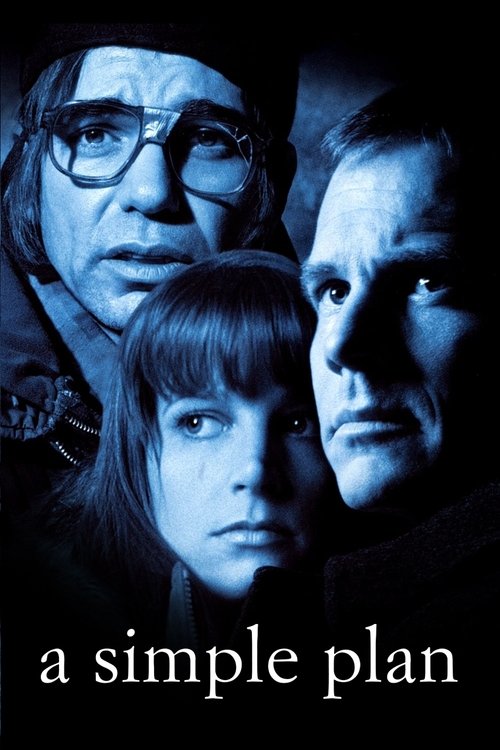
Sam Raimi’s A Simple Plan begins with a discovery that seems capable of solving everything — a crashed plane containing a dead pilot and more than four million dollars — before the plan to hide the money begins collapsing.
Like Toby in Hell or High Water, Hank initially sees money as a way of escaping economic insecurity and protecting his family. The moral consequences come later.
7. Out of the Furnace (2013)
Christian Bale as Russell Baze · Casey Affleck as Rodney Baze · Woody Harrelson as Harlan DeGroat
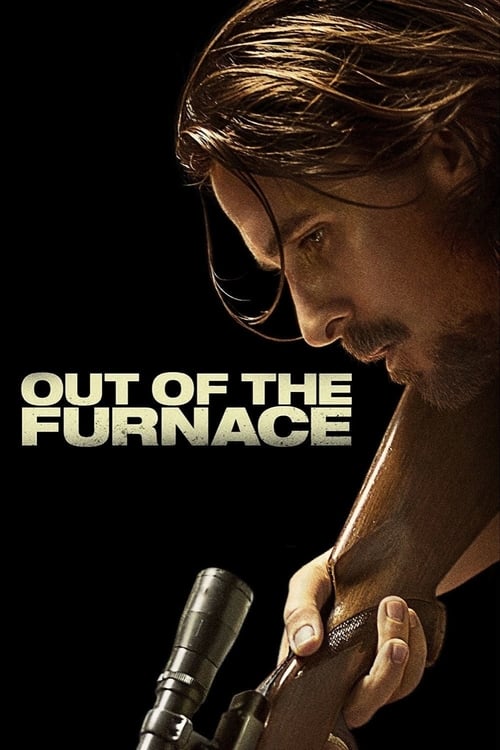
Scott Cooper’s Out of the Furnace is another bleak American crime drama about brothers living in a community where economic decline has narrowed the available choices. A steelworker searches for his traumatised younger brother, who has crossed paths with a brutal criminal.
The strongest connection to Hell or High Water is the economic landscape — in both films, working-class men live in places where traditional sources of stability are disappearing.
8. Blue Ruin (2013)
Macon Blair as Dwight Evans
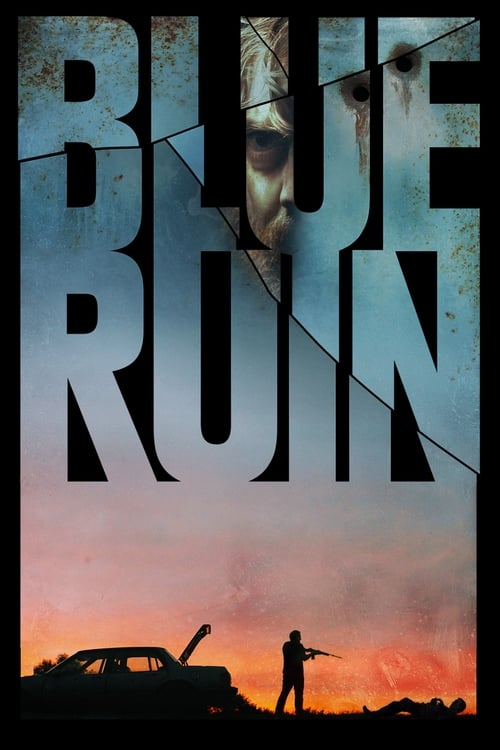
Jeremy Saulnier’s Blue Ruin is a revenge thriller almost completely stripped of glamour. A homeless drifter decides to kill the man convicted of murdering his parents — and discovers he is not particularly good at violence.
Like Hell or High Water, Blue Ruin is fascinated by ordinary people crossing a line they cannot easily uncross. Both films also exist in an America of back roads, modest homes and forgotten spaces where violence rarely looks cinematic once it actually happens.
9. Killing Them Softly (2012)
Brad Pitt as Jackie Cogan
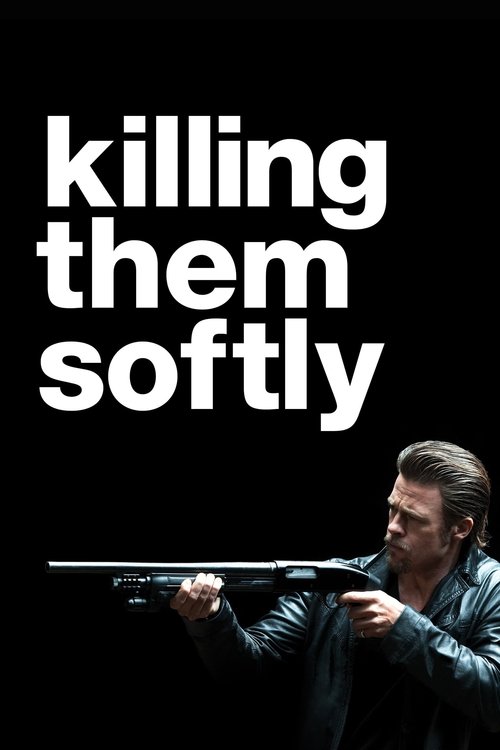
Andrew Dominik’s Killing Them Softly is a crime film in which the criminal economy becomes an explicit metaphor for the wider American economy. Set against the backdrop of the 2008 financial crisis, an enforcer is brought in to restore order after a robbery destabilises a local criminal economy.
That makes it particularly interesting beside Hell or High Water, where the Howard brothers are effectively robbing the institution they believe has already robbed their family.
10. The Place Beyond the Pines (2012)
Ryan Gosling as Luke · Bradley Cooper as Avery Cross
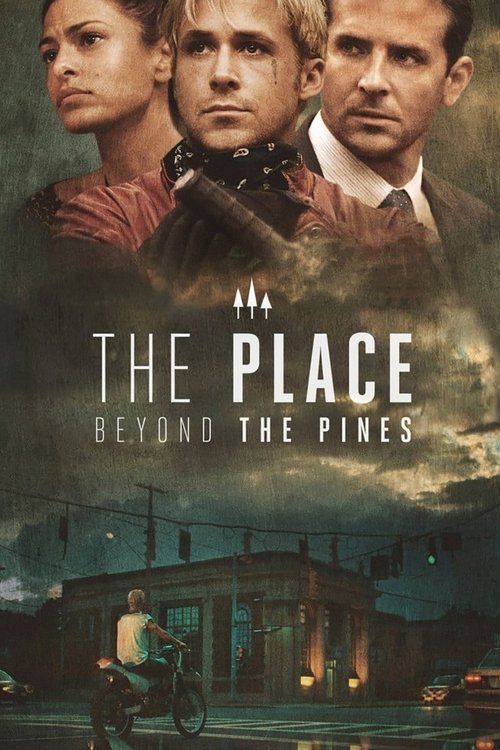
Derek Cianfrance’s The Place Beyond the Pines begins as a bank-robbery film before expanding into something much larger about fathers, sons and consequences travelling across generations. A motorcycle stunt rider begins robbing banks to provide for the son he just discovered he has.
Like Hell or High Water, the initial crimes are motivated partly by fatherhood — both men commit crimes while telling themselves they are doing it for their children.
11. Cold in July (2014)
Michael C. Hall as Richard Dane · Sam Shepard as Ben Russell · Don Johnson as Jim Bob Luke
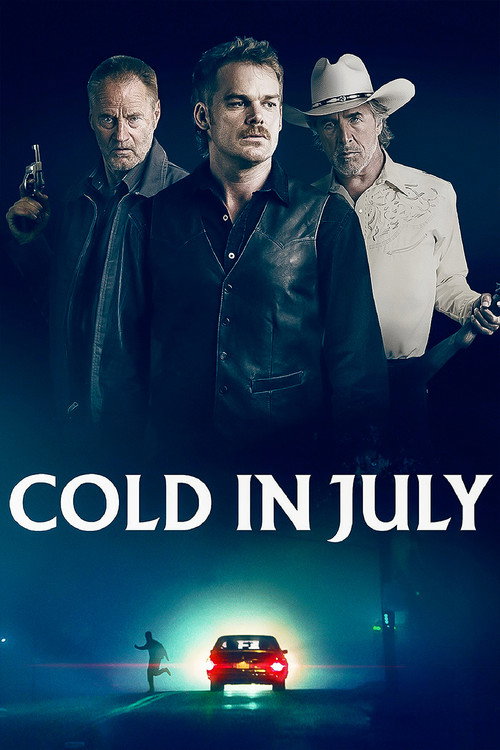
Jim Mickle’s Cold in July begins with an apparently simple act of self-defence and gradually expands into a much darker crime story, as a family man in Texas discovers inconsistencies in the official version of a killing in his own home.
The Texas setting and neo-Western sensibility make it a strong companion to Hell or High Water — both films begin with recognisable crime-thriller situations and gradually reveal stories about family, masculinity and violence.
12. Shotgun Stories (2007)
Michael Shannon as Son Hayes
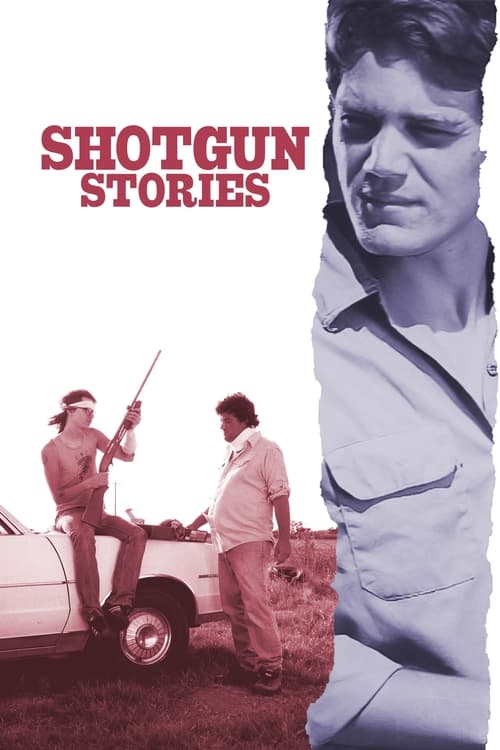
Jeff Nichols’ Shotgun Stories is quieter than most of the films on this list, but it is one of the purest examples of a contemporary American story using Western themes without conventional Western iconography. Three brothers feud with the half-brothers from their estranged father’s second family.
There are no bank robberies here, but the connection with Hell or High Water lies in family loyalty, inherited anger and men trying to survive within economically marginal landscapes.
13. Galveston (2018)
Ben Foster as Roy Cady · Elle Fanning as Rocky
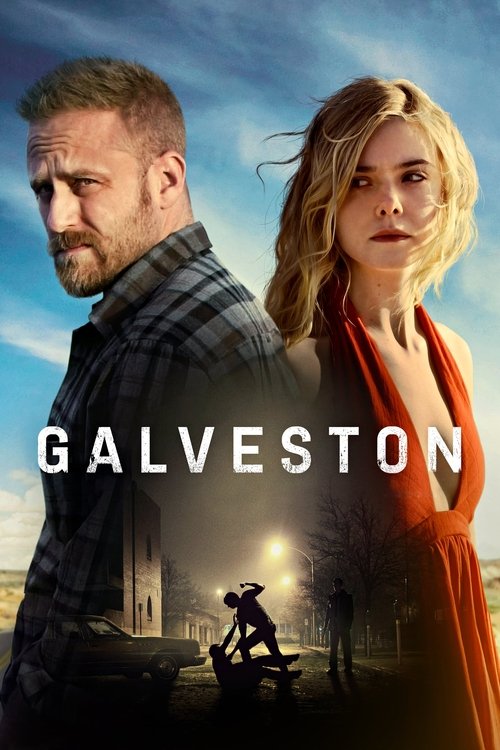
Mélanie Laurent’s Galveston, based on the novel by True Detective creator Nic Pizzolatto, follows an enforcer attempting to escape a life that appears almost predetermined after his boss arranges to have him killed.
The film shares Hell or High Water’s interest in people living on the margins of America and moving through landscapes where opportunity appears to have disappeared — though Ben Foster’s Roy Cady is exhausted by violence in a way Tanner Howard never is.
14. The Assassination of Jesse James by the Coward Robert Ford (2007)
Brad Pitt as Jesse James · Casey Affleck as Robert Ford
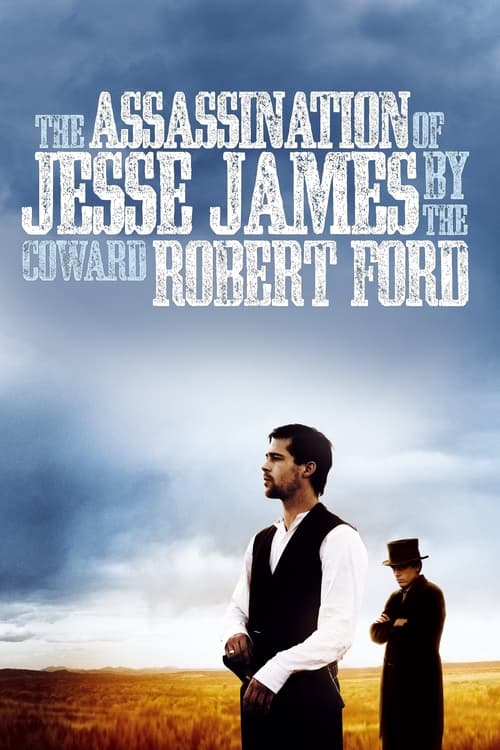
Andrew Dominik’s The Assassination of Jesse James is a historical Western rather than a neo-Western, but it provides useful context for what Hell or High Water is doing with Western mythology. The film dismantles the mythology of the outlaw by showing what it feels like to live around one — charismatic but dangerous, admired but psychologically unstable.
That tension between romantic mythology and uncomfortable reality runs through Hell or High Water as well. Toby and Tanner resemble classic Western outlaws riding from town to town, except their horses are cars and their targets are bank branches.
15. Blood Star (2024)
Britni Camacho as Bobbi Torres · John Schwab as Sheriff Bilstein

Blood Star approaches the contemporary Western from the opposite side of the law. Where Hell or High Water follows criminals being pursued by a Texas Ranger, Blood Star follows a young woman who discovers that the lawman himself may be the most dangerous person on the road. Bobbi Torres is travelling alone across the American desert when she attracts the attention of Sheriff Bilstein, whose badge, vehicle and local authority give him enormous power over someone passing through his territory.
The connection to Hell or High Water lies partly in the landscape — roads, diners, small towns, banks and huge distances form a world in which the remnants of Western mythology continue to exist inside contemporary America. Marcus Hamilton represents an older, weary version of law enforcement; Sheriff Bilstein represents the corruption of that same symbolic power. For viewers who respond to Hell or High Water as a modern Western rather than simply a bank-robbery movie, Blood Star explores another dark corner of the same American landscape.
Why Hell or High Water Is a Modern Western
The easiest way to understand Hell or High Water is to imagine the same story taking place more than a century earlier: two brothers riding from town to town robbing financial institutions while an ageing lawman attempts to predict where they will strike next. The horses have become cars, the frontier towns have become fading West Texas communities, and the railroads and land barons have become banks — but the underlying architecture remains recognisably Western.
Movies About Brothers Like Hell or High Water
The relationship between Toby and Tanner is arguably more important than the bank robberies. Toby is deliberate and controlled; Tanner is impulsive and dangerous. Films such as Out of the Furnace, Shotgun Stories and The Place Beyond the Pines similarly use family relationships to complicate crime stories — violence does not occur between anonymous characters, it travels through families.
Movies Like Hell or High Water and No Country for Old Men
The connection between the two films goes beyond Texas. Both feature ageing lawmen looking at a changing America — Marcus Hamilton approaching retirement, Ed Tom Bell approaching something closer to philosophical surrender. Both understand the territory physically but increasingly question whether they understand the people moving through it.
What to Watch After Hell or High Water
If you loved Hell or High Water primarily as a modern Western, begin with No Country for Old Men, Wind River and Sicario. If the bank robberies and criminal planning were the attraction, watch The Town, The Place Beyond the Pines and A Simple Plan. For a darker rural American crime atmosphere, watch Blood Simple, Blue Ruin and Cold in July. And if it was the combination of Western landscape, law enforcement and danger hiding on isolated American roads, Blood Star takes those ideas into a psychological predator-and-prey thriller.
Watch Blood Star
Blood Star is a psychological desert road thriller about Bobbi Torres, a young woman travelling alone through the American Southwest who becomes the target of Sheriff Bilstein, a predatory lawman using his badge, vehicle and local authority to control the hunt. If you enjoy contemporary Westerns, desert crime thrillers and films in which the American landscape becomes part of the danger, Blood Star explores the darker side of that territory.


See every legitimate way to watch Blood Star free →
Film posters via TMDB.
Related guides
More on Blood Star
- Watch Blood Star free on Tubi & Prime Video (USA + UK)
- Movies Like Blood Star
- Blood Star — Cast & Filmmakers



Table of Contents
- 1. No Country for Old Men (2007)
- 2. Wind River (2017)
- 3. Sicario (2015)
- 4. The Town (2010)
- 5. Blood Simple (1984)
- 6. A Simple Plan (1998)
- 7. Out of the Furnace (2013)
- 8. Blue Ruin (2013)
- 9. Killing Them Softly (2012)
- 10. The Place Beyond the Pines (2012)
- 11. Cold in July (2014)
- 12. Shotgun Stories (2007)
- 13. Galveston (2018)
- 14. The Assassination of Jesse James by the Coward Robert Ford (2007)
- 15. Blood Star (2024)
- Why Hell or High Water Is a Modern Western
- Movies About Brothers Like Hell or High Water
- Movies Like Hell or High Water and No Country for Old Men
- What to Watch After Hell or High Water
- Watch Blood Star
- Related guides
- More on Blood Star