The best survival horror movies strip storytelling down to something primal: stay alive. Sometimes the threat is a creature. Sometimes it’s another human being. Sometimes it’s the environment itself. The most effective films often combine all three, placing ordinary people in situations where shelter, food, distance, injury, weather, darkness or geography become just as important as the thing hunting them.
That’s why survival horror is such a broad and enduring genre. The Descent traps a group of women beneath the earth. Alien seals its characters inside a spacecraft with a creature built to hunt them. The Thing isolates researchers in Antarctica. Green Room locks a punk band inside a room surrounded by violent extremists. The Shallows leaves one woman in the ocean with a shark between her and safety. Blood Star uses the apparent openness of the American desert to create a different kind of trap.
The genre works because it reduces choice. Characters may begin with dozens of options, but survival horror steadily removes them — roads disappear, communication fails, doors lock, vehicles stop working, someone gets injured, the person who appeared trustworthy becomes dangerous. This guide brings together 25 of the strongest survival horror movies, from creature features and wilderness horror to claustrophobic thrillers, home invasions and human-predator films.
At a glance
| Film | Year | Why it belongs in survival horror |
|---|---|---|
| The Descent | 2005 | A group of women enters an uncharted cave system in the Appalachian Mountains. |
| Alien | 1979 | The crew of the Nostromo responds to a mysterious signal and brings something aboard they don't understand — once the creature begins hunting them. |
| The Thing | 1982 | A research team in Antarctica encounters an organism capable of perfectly imitating other life forms — isolation immediately becomes part of the threat. |
| Green Room | 2015 | A punk band performs at an isolated venue and witnesses something they were never supposed to see. |
| The Shallows | 2016 | A surfer stranded on a rock after a shark attack can see the beach — and see safety — with only the water between her and it. |
| 28 Days Later | 2002 | A man wakes from a coma to discover London apparently abandoned after a highly contagious rage virus has spread across Britain. |
| The Texas Chain Saw Massacre | 1974 | A group of young people travelling through rural Texas encounters a family whose home operates according to completely different rules. |
| Hush | 2016 | A deaf writer living alone in the woods becomes the target of a masked killer who initially believes her disability gives him complete control. |
| The Ritual | 2017 | A group of friends takes a shortcut through a Scandinavian forest after one of them is injured. |
| Crawl | 2019 | A daughter and father are trapped beneath their house during a hurricane while rising floodwater brings alligators into the confined space. |
| The Revenant | 2015 | A frontiersman left for dead after a brutal bear attack has to survive a landscape that becomes the primary antagonist — cold. |
| Blood Star | 2024 | A woman travelling alone across the desert becomes the target of a predatory small-town sheriff. |
| Eden Lake | 2008 | A couple travels to a remote lake for a peaceful weekend and becomes involved in an escalating confrontation with a group of local teenagers. |
| Frozen | 2010 | Three friends become trapped on a ski lift after a resort closes. |
| You're Next | 2011 | What begins like a conventional home-invasion horror film becomes much more satisfying once the attackers discover one of their intended victims is far more capable than expected. |
| The Grey | 2011 | After a plane crash in Alaska, survivors attempt to cross a frozen wilderness while being followed by wolves. |
| Don't Breathe | 2016 | Three young burglars enter the home of a blind man they believe will be an easy target, and are catastrophically wrong. |
| The Strangers | 2008 | A couple at a remote holiday home is terrorised by masked intruders whose motives remain frighteningly simple. |
| Underwater | 2020 | After the destruction of a deep-sea facility, survivors have to cross the ocean floor to reach another station. |
| The Mist | 2007 | After a mysterious mist covers a small town. |
| 10 Cloverfield Lane | 2016 | A woman wakes in an underground bunker after a car accident, and her rescuer insists the outside world has become uninhabitable. |
| The Hills Have Eyes | 2006 | A family travelling through the desert breaks down and finds itself inside hostile territory controlled by people who understand the environment better than they do. |
| A Quiet Place | 2018 | A world overrun by creatures that hunt through hearing forces one family to reorganise daily life around silence — paths marked. |
| Backcountry | 2014 | A couple hiking through the Canadian wilderness becomes lost and eventually encounters a bear. |
| The Invisible Man | 2020 | More psychological thriller than conventional survival horror. |
1. The Descent (2005)
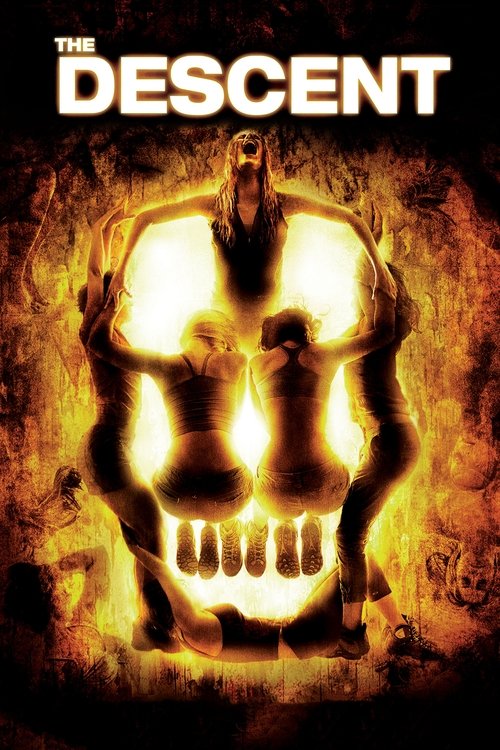
A group of women enters an uncharted cave system in the Appalachian Mountains. A collapse destroys the route back, maps become useless, and injuries begin to matter — then they discover the Crawlers. The creatures arrive after the environment has already established itself as dangerous, and grief, betrayal and resentment within the group don’t disappear because the characters are in danger; they become more intense. See our full guide to movies like The Descent.
Why watch it: One of the purest combinations of claustrophobic horror, creature survival, female-led adventure and hostile-environment filmmaking.
Director: Neil Marshall · Starring: Shauna Macdonald, Natalie Mendoza, Alex Reid, Saskia Mulder, MyAnna Buring
2. Alien (1979)
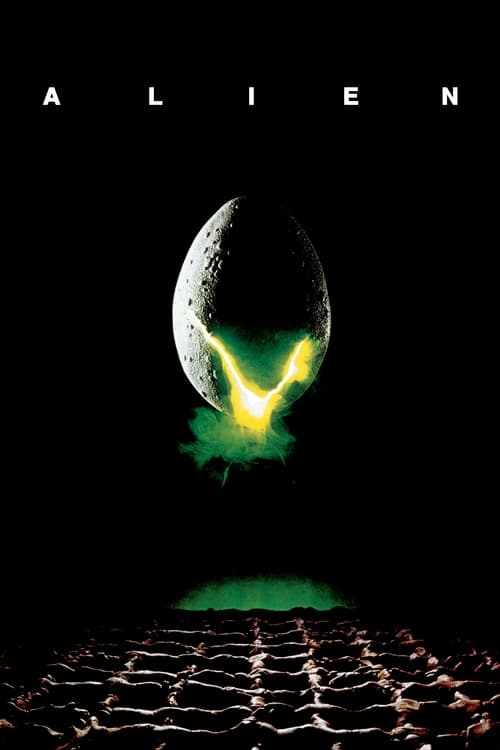
The crew of the Nostromo responds to a mysterious signal and brings something aboard they don’t understand — once the creature begins hunting them, the enormous spacecraft becomes increasingly claustrophobic, with every attempt to solve the problem creating another risk. The film also established Ripley as one of cinema’s great survival protagonists because she survives through intelligence, caution and adaptability rather than brute force.
Why watch it: Survival horror reduced to its most elegant form — one creature, one enclosed environment, and a group who slowly realise they’re no longer in control.
Director: Ridley Scott · Starring: Sigourney Weaver, Tom Skerritt, John Hurt, Ian Holm, Veronica Cartwright
3. The Thing (1982)
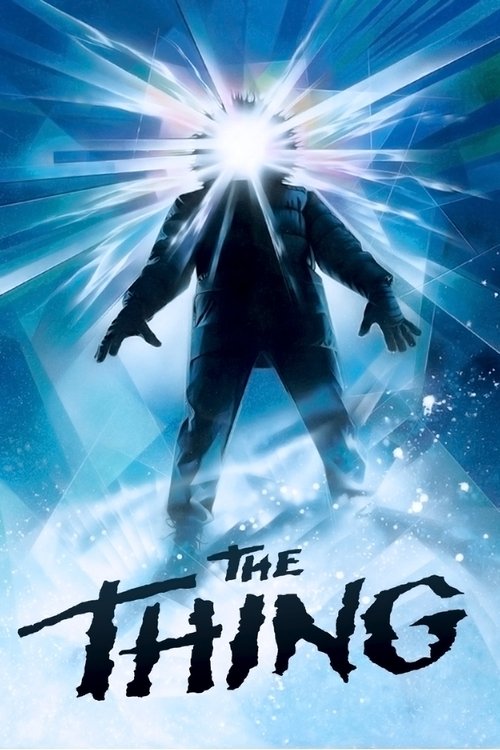
A research team in Antarctica encounters an organism capable of perfectly imitating other life forms — isolation immediately becomes part of the threat, since there’s nowhere nearby to run and the weather makes escape difficult. Then the group discovers anyone among them may already have been replaced, which makes trust itself dangerous.
Why watch it: Survival horror where isolation, mistrust and body horror become inseparable.
Director: John Carpenter · Starring: Kurt Russell, Keith David, Wilford Brimley, Donald Moffat
4. Green Room (2015)
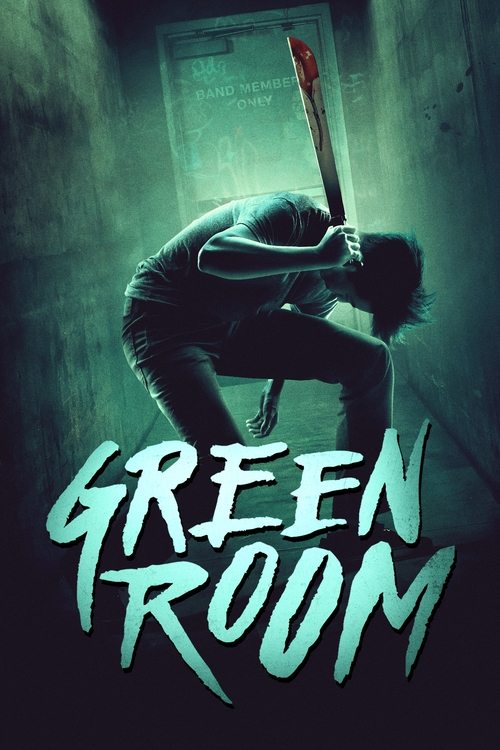
A punk band performs at an isolated venue and witnesses something they were never supposed to see, then finds itself trapped inside a backstage room while the people outside decide how to deal with them. One door separates the characters from the threat, they have very little information, and the people outside understand the building better than they do.
Why watch it: A grounded, vicious survival thriller where every injury matters and the people hunting the characters are more frightening than any monster.
Director: Jeremy Saulnier · Starring: Anton Yelchin, Imogen Poots, Patrick Stewart, Alia Shawkat
5. The Shallows (2016)

A surfer stranded on a rock after a shark attack can see the beach — and see safety — with only the water between her and it. That simple geography creates almost constant tension, forcing her to understand the shark, the tides, her injuries and the limited resources around her.
Why watch it: A tightly constructed female-led survival thriller where intelligence and environmental awareness matter more than physical strength.
Director: Jaume Collet-Serra · Starring: Blake Lively, Óscar Jaenada, Brett Cullen
6. 28 Days Later (2002)
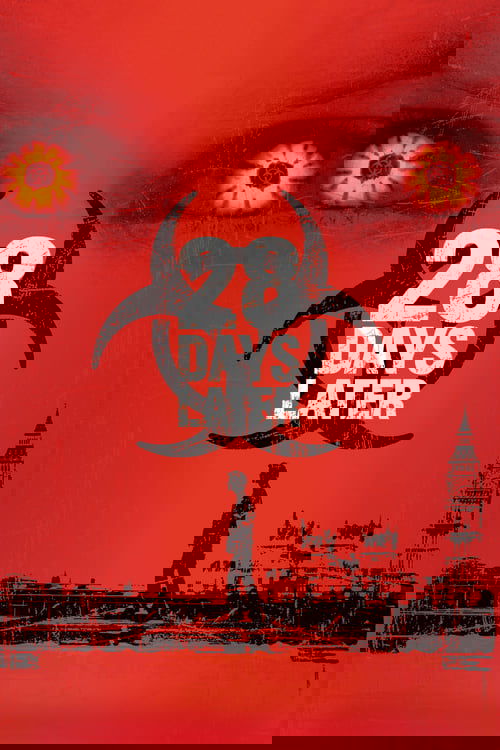
A man wakes from a coma to discover London apparently abandoned after a highly contagious rage virus has spread across Britain. The infected are frightening because they’re fast and unpredictable, but the film quickly reveals that human beings may be equally dangerous once civilisation disappears and power begins reorganising itself.
Why watch it: Survival horror on a societal scale, where the collapse of normal civilisation is just as frightening as the infected.
Director: Danny Boyle · Starring: Cillian Murphy, Naomie Harris, Brendan Gleeson, Christopher Eccleston
7. The Texas Chain Saw Massacre (1974)
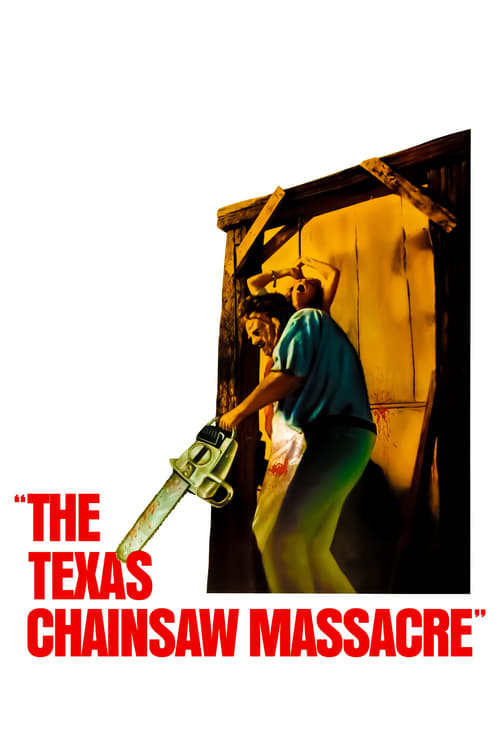
A group of young people travelling through rural Texas encounters a family whose home operates according to completely different rules. The film gradually removes every assumption of safety — the road isn’t safe, the house isn’t safe, other people can’t automatically be trusted — reducing the final act to one desperate objective: keep moving.
Why watch it: Survival horror in its rawest form, where rural isolation and human cruelty become almost unbearable.
Director: Tobe Hooper · Starring: Marilyn Burns, Gunnar Hansen, Allen Danziger, Paul A. Partain
8. Hush (2016)

A deaf writer living alone in the woods becomes the target of a masked killer who initially believes her disability gives him complete control. What makes the film satisfying is watching the balance gradually shift as she studies the situation and begins using her own understanding of the house against him.
Why watch it: Home-invasion survival where the protagonist has to think rather than simply run.
Director: Mike Flanagan · Starring: Kate Siegel, John Gallagher Jr., Michael Trucco, Samantha Sloyan
9. The Ritual (2017)
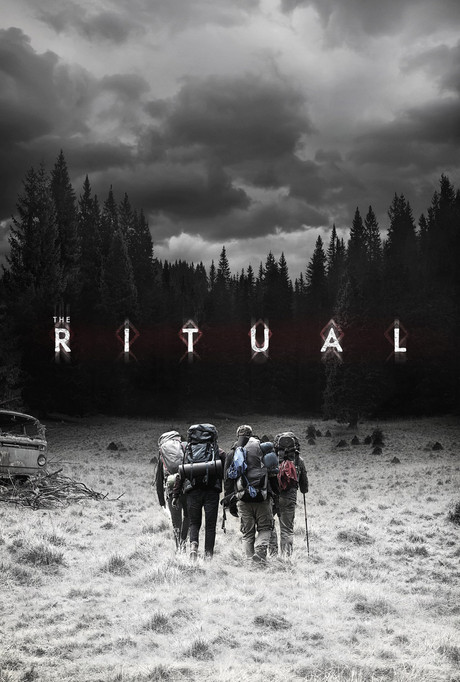
A group of friends takes a shortcut through a Scandinavian forest after one of them is injured, and almost immediately the forest begins to feel wrong — orientation is lost, strange symbols appear, an abandoned building suggests they’re not alone. Like the best survival horror, it makes the environment threatening before revealing the full nature of the creature.
Why watch it: Wilderness survival horror where getting lost is only the beginning of the problem.
Director: David Bruckner · Starring: Rafe Spall, Arsher Ali, Robert James-Collier, Sam Troughton
10. Crawl (2019)
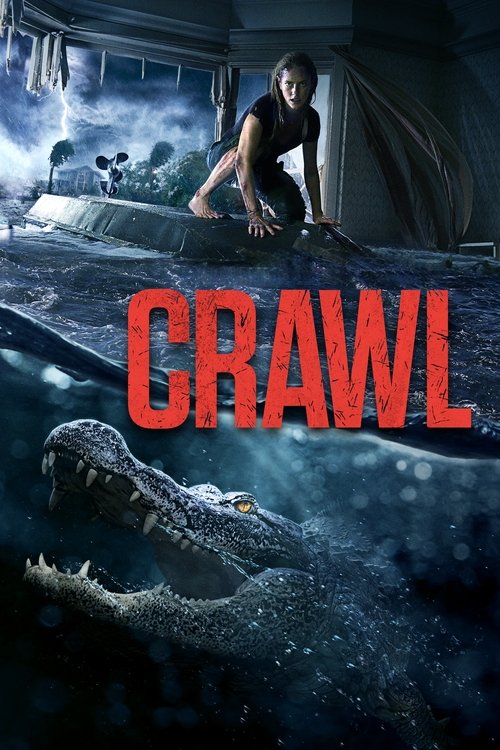
A daughter and father are trapped beneath their house during a hurricane while rising floodwater brings alligators into the confined space. Every element reinforces the others — the storm prevents rescue, the water keeps rising, the alligators gain more territory, injuries slow the characters down — an almost mechanical survival setup.
Why watch it: A fast, efficient creature-survival movie where the environment becomes more dangerous by the minute.
Director: Alexandre Aja · Starring: Kaya Scodelario, Barry Pepper
11. The Revenant (2015)
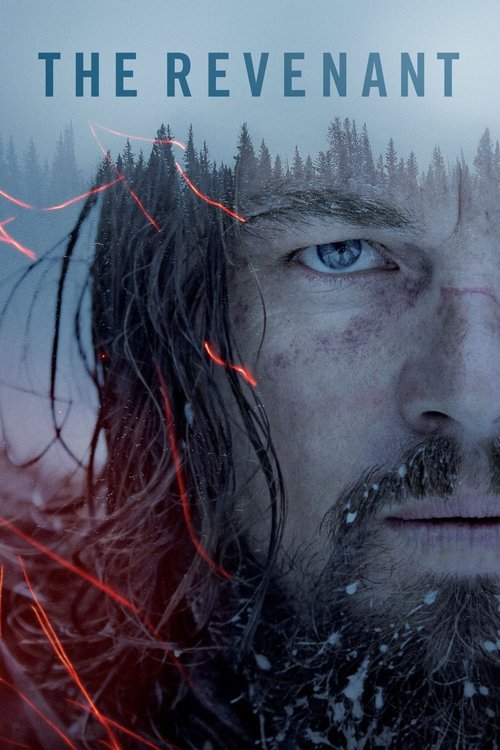
A frontiersman left for dead after a brutal bear attack has to survive a landscape that becomes the primary antagonist — cold, hunger, injury and enormous distances turn every movement into an achievement. Closer to survival drama than conventional horror, but few films capture physical survival with greater intensity, proving nature alone can be enough.
Why watch it: A brutal wilderness survival film where the environment itself becomes almost overwhelmingly hostile.
Director: Alejandro G. Iñárritu · Starring: Leonardo DiCaprio, Tom Hardy, Domhnall Gleeson, Will Poulter
12. Blood Star (2024)
Britni Camacho as Bobbi Torres · John Schwab as Sheriff Bilstein
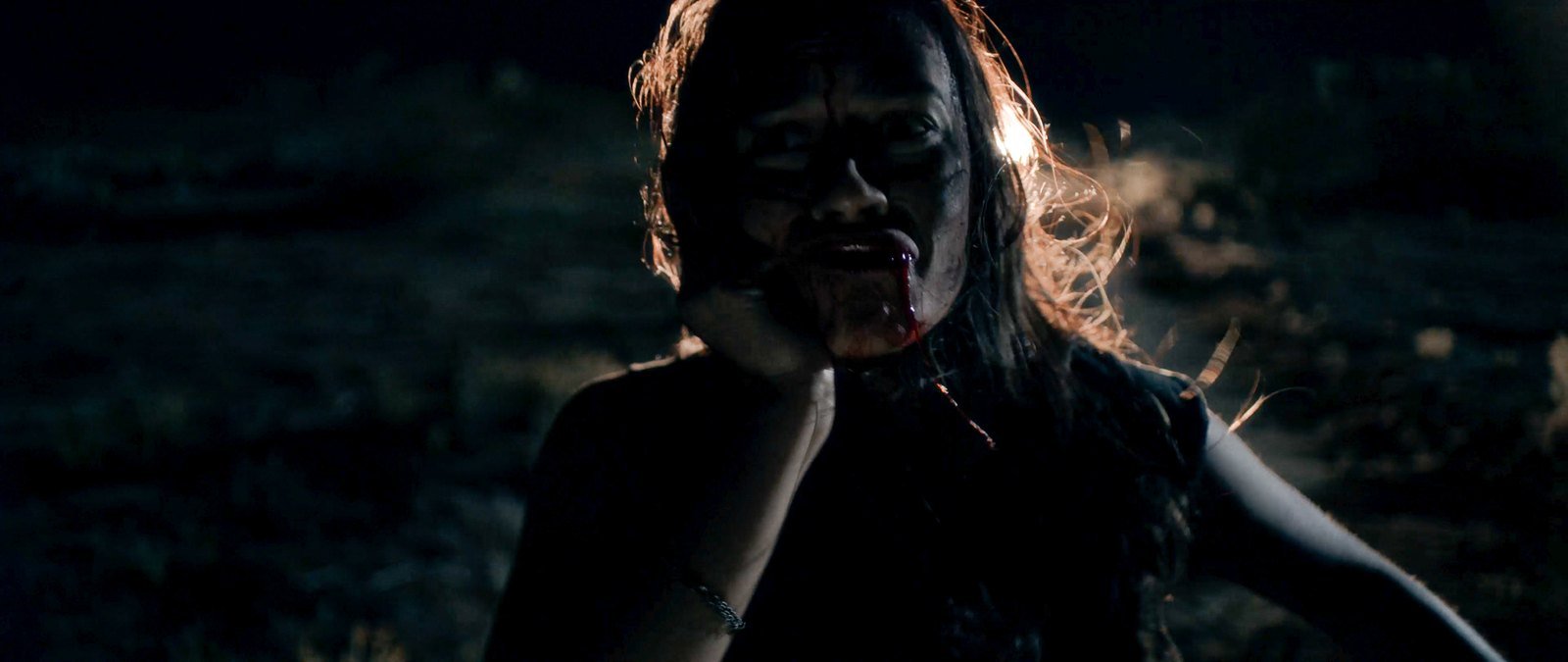
Blood Star takes survival horror out of enclosed spaces and places it on the open road. Bobbi, driving alone through the American Southwest, appears at first to have freedom — a car, an open road, visibility for miles. Gradually those advantages disappear: the sheriff knows the territory, understands the distances between towns, and his uniform gives him authority. Bobbi begins to realise his behaviour follows a pattern and that she’s entered a hunt he’s rehearsed before.
The film uses open space the way claustrophobic survival horror uses tight ones — the desert is enormous, but meaningful escape routes keep shrinking.
Why watch it: Survival thrillers about human predators, isolated roads, corrupt authority and protagonists who survive by learning the rules of the predator’s territory.
13. Eden Lake (2008)
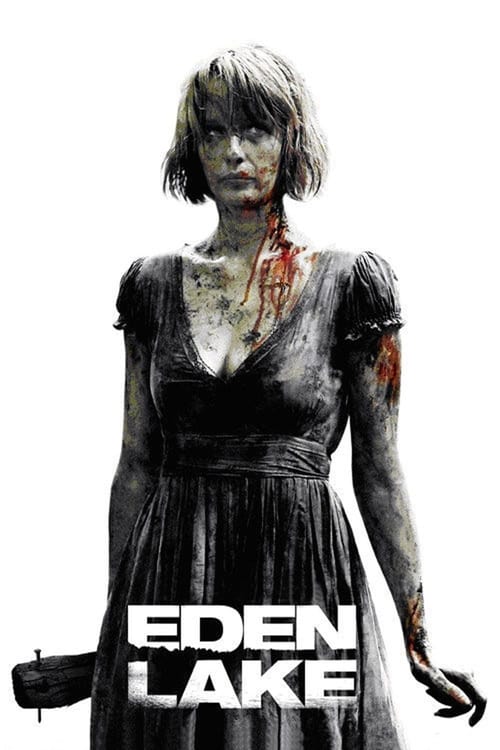
A couple travels to a remote lake for a peaceful weekend and becomes involved in an escalating confrontation with a group of local teenagers. The characters are far enough from normal society that simple assumptions about getting help stop working, and the film becomes especially disturbing because the threat remains completely human. See our full guide to movies like Eden Lake.
Why watch it: Survival horror without supernatural protection or genre comfort — harsh, upsetting and deliberately unforgiving.
Director: James Watkins · Starring: Kelly Reilly, Michael Fassbender, Jack O’Connell
14. Frozen (2010)
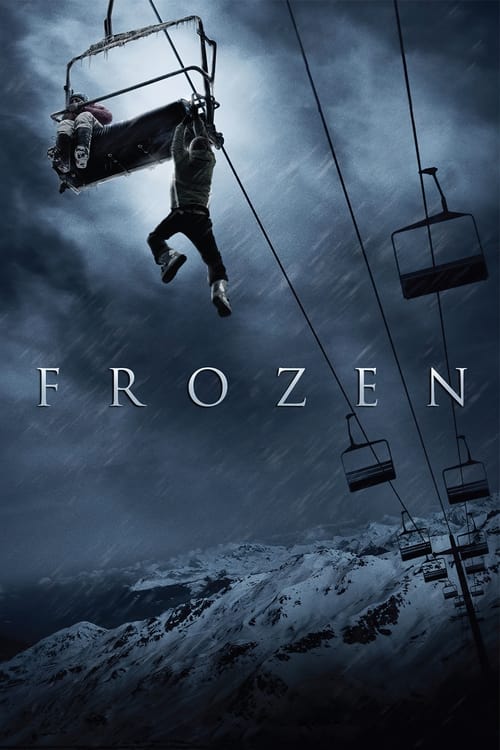
Three friends become trapped on a ski lift after a resort closes, suspended high above the ground as temperatures drop and nobody is expected back for days. Every choice has consequences — jumping may cause catastrophic injury, waiting may mean freezing, climbing creates new dangers.
Why watch it: Survival horror built entirely around a physical situation rather than monsters or killers.
Director: Adam Green · Starring: Emma Bell, Shawn Ashmore, Kevin Zegers
15. You’re Next (2011)
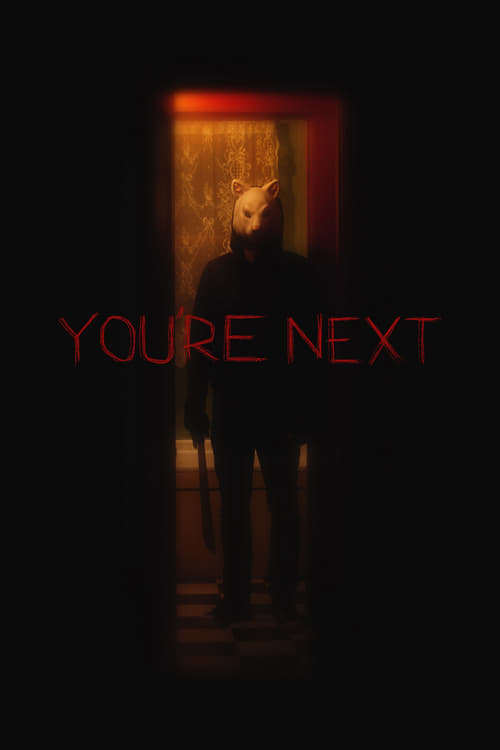
What begins like a conventional home-invasion horror film becomes much more satisfying once the attackers discover one of their intended victims is far more capable than expected. That shift is what makes it memorable — survival horror becomes especially satisfying when the hunted character starts understanding the environment better than the hunter.
Why watch it: A fast, clever survival horror film where preparation and adaptability turn a victim into a serious threat.
Director: Adam Wingard · Starring: Sharni Vinson, Nicholas Tucci, Wendy Glenn, AJ Bowen
16. The Grey (2011)
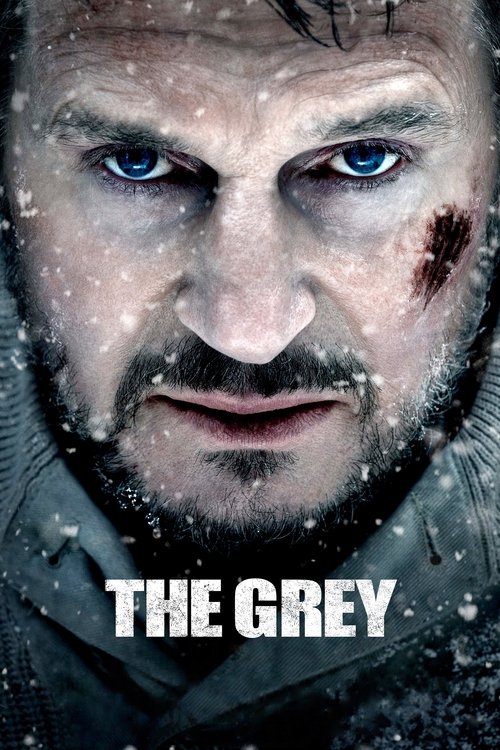
After a plane crash in Alaska, survivors attempt to cross a frozen wilderness while being followed by wolves. Cold, exhaustion, fear and hopelessness matter as much as the wolves, and the landscape creates a sense that the characters are moving through a world with no interest in whether they survive.
Why watch it: Wilderness survival with a bleak, philosophical edge and an environment that feels larger than the people inside it.
Director: Joe Carnahan · Starring: Liam Neeson, Frank Grillo, Dermot Mulroney, Dallas Roberts
17. Don’t Breathe (2016)
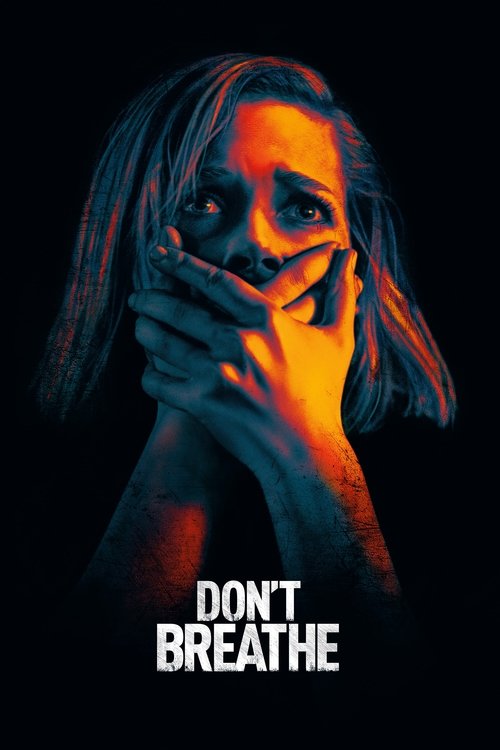
Three young burglars enter the home of a blind man they believe will be an easy target, and are catastrophically wrong. The film reverses the expected home-invasion structure — the intruders become the trapped characters, and dark rooms, locked doors and limited information turn the house into a maze only the owner truly knows. See our full guide to movies like Don’t Breathe.
Why watch it: Survival horror where geography, sound and a predator’s superior knowledge of the location create the tension.
Director: Fede Álvarez · Starring: Jane Levy, Stephen Lang, Dylan Minnette, Daniel Zovatto
18. The Strangers (2008)
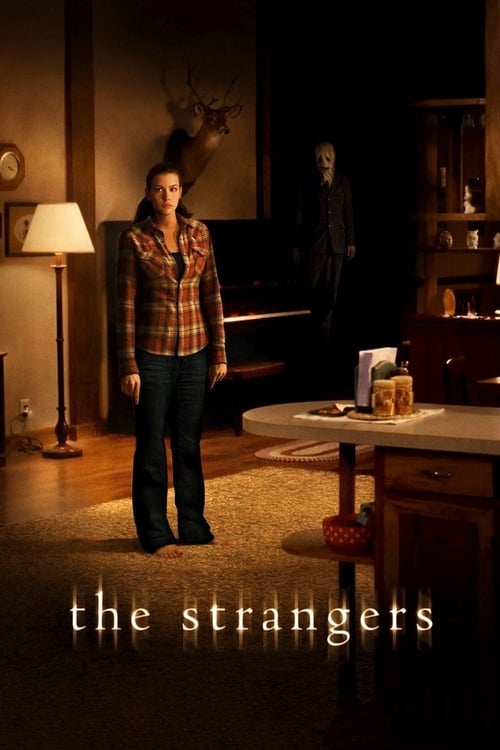
A couple at a remote holiday home is terrorised by masked intruders whose motives remain frighteningly simple. The attack is disturbing precisely because there’s no meaningful explanation that makes the situation feel manageable — the characters are isolated, the attackers control the exterior, and the house stops feeling protective.
Why watch it: Home-invasion survival horror built around vulnerability, isolation and the terrifying randomness of violence.
Director: Bryan Bertino · Starring: Liv Tyler, Scott Speedman, Gemma Ward, Kip Weeks
19. Underwater (2020)
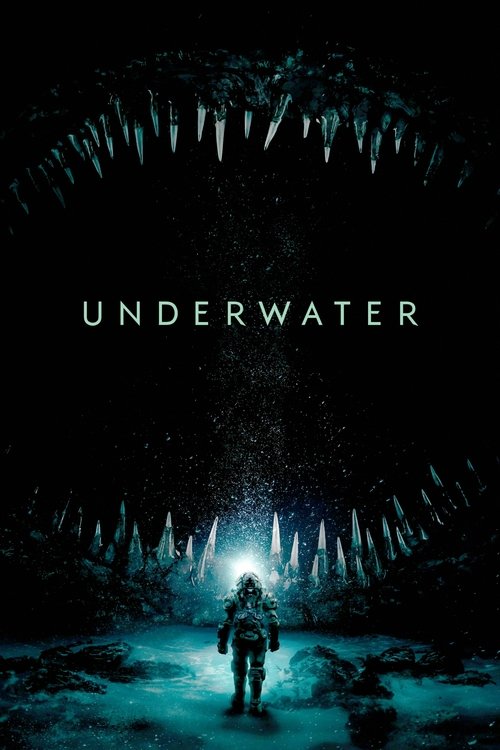
After the destruction of a deep-sea facility, survivors have to cross the ocean floor to reach another station. Pressure, darkness and limited oxygen already make the journey terrifying — then they discover creatures living at that depth, first making the environment dangerous and then introducing a predator perfectly adapted to it.
Why watch it: Survival horror that feels like Alien and The Descent relocated to the bottom of the ocean.
Director: William Eubank · Starring: Kristen Stewart, Vincent Cassel, Jessica Henwick, John Gallagher Jr.
20. The Mist (2007)
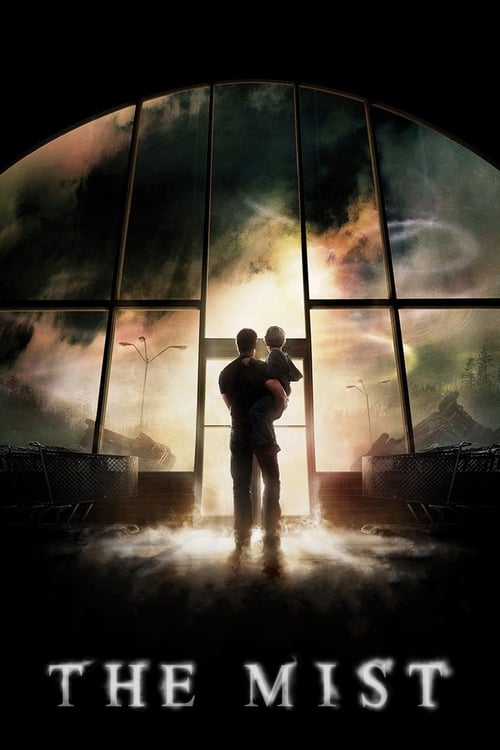
After a mysterious mist covers a small town, survivors become trapped inside a supermarket while dangerous creatures move outside — but the real tension gradually shifts inside, as fear, religion and panic begin turning people against one another. A group may be safer together physically while becoming increasingly dangerous psychologically.
Why watch it: The monsters outside are frightening, but the breakdown of the group inside may be worse.
Director: Frank Darabont · Starring: Thomas Jane, Marcia Gay Harden, Laurie Holden, Andre Braugher
21. 10 Cloverfield Lane (2016)
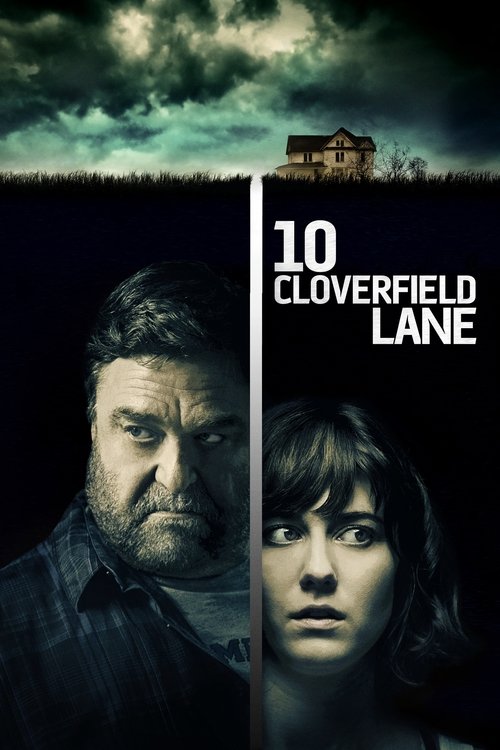
A woman wakes in an underground bunker after a car accident, and her rescuer insists the outside world has become uninhabitable. The central survival question is unusually complicated: is the bunker protecting her, or is the bunker itself the danger? The film builds tension through uncertainty rather than constant attack.
Why watch it: Survival horror where the protagonist has to decide whether remaining inside is more dangerous than escaping.
Director: Dan Trachtenberg · Starring: Mary Elizabeth Winstead, John Goodman, John Gallagher Jr.
22. The Hills Have Eyes (2006)
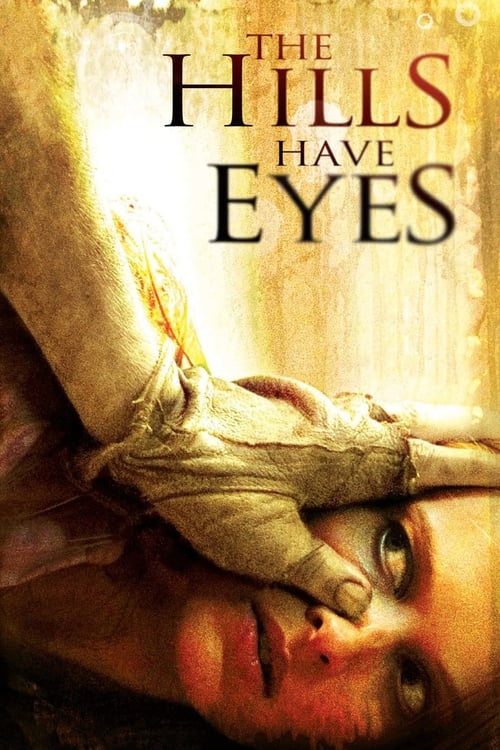
A family travelling through the desert breaks down and finds itself inside hostile territory controlled by people who understand the environment better than they do. Distance from civilisation becomes important, the landscape offers almost no protection, and the family has to adapt quickly once they realise they’re being hunted.
Why watch it: Brutal desert survival horror where an ordinary family is forced to become capable of extreme violence.
Director: Alexandre Aja · Starring: Aaron Stanford, Kathleen Quinlan, Vinessa Shaw, Emilie de Ravin
23. A Quiet Place (2018)
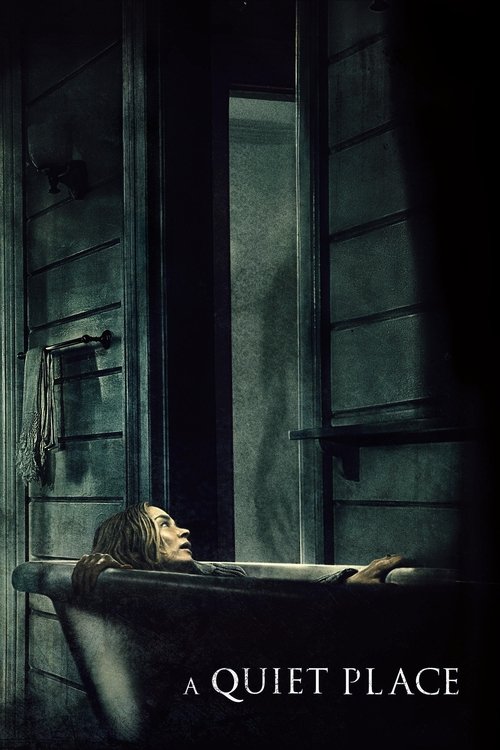
A world overrun by creatures that hunt through hearing forces one family to reorganise daily life around silence — paths marked, objects modified, every ordinary action potentially dangerous. The film works because the rules are clear; once the audience understands them, tiny mistakes become terrifying.
Why watch it: Survival horror where characters must redesign everyday life around the behaviour of the predator.
Director: John Krasinski · Starring: Emily Blunt, John Krasinski, Millicent Simmonds, Noah Jupe
24. Backcountry (2014)
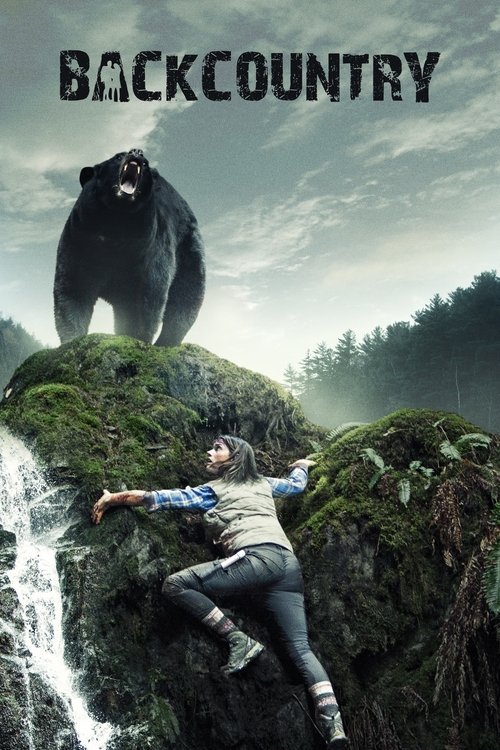
A couple hiking through the Canadian wilderness becomes lost and eventually encounters a bear. The film is especially effective because the threat feels entirely plausible — being lost is dangerous, weather matters, food matters, poor navigation matters, and the bear simply makes an already compromised situation much worse.
Why watch it: Grounded wilderness survival horror where the fear comes from how easily an ordinary outdoor trip can go catastrophically wrong.
Director: Adam MacDonald · Starring: Missy Peregrym, Jeff Roop, Eric Balfour, Nicholas Campbell
25. The Invisible Man (2020)
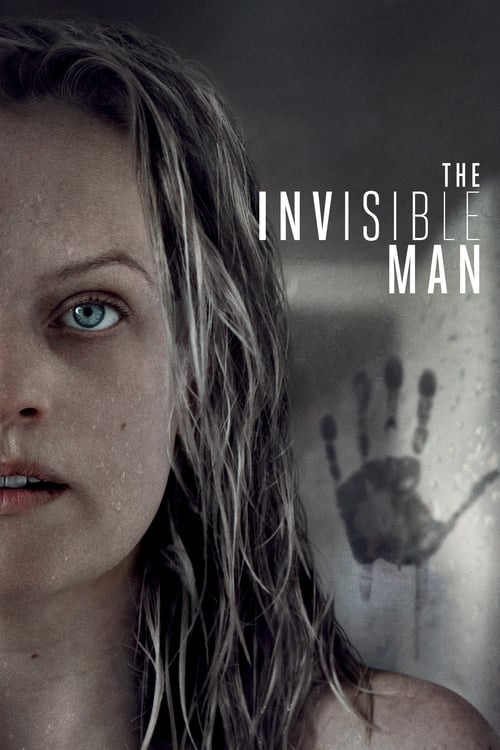
More psychological thriller than conventional survival horror, but Cecilia is fundamentally fighting to survive a predator nobody else can see — an especially frightening form of isolation, since the threat is real but the people around her doubt it. Her attacker understands that disbelief is one of his strongest weapons.
Why watch it: Psychological survival horror where escaping the predator also means persuading other people that the threat exists.
Director: Leigh Whannell · Starring: Elisabeth Moss, Aldis Hodge, Storm Reid, Harriet Dyer
See every legitimate way to watch Blood Star free →
What Makes a Great Survival Horror Movie?
The best survival horror movies establish clear rules — the characters need safety, shelter, oxygen, a working vehicle, a route out, distance from the predator. Once those rules are established, the film begins removing options, and that process is what creates tension. A good survival horror movie doesn’t simply place a monster in front of the characters; it asks what the characters can actually do about it. A shark is frightening in water. An alligator becomes more frightening when floodwater rises. A corrupt sheriff in the desert becomes dangerous because the road network, distance and authority all work in his favour. Survival horror is ultimately about inequality — the protagonist is placed somewhere the threat possesses an advantage, and the story becomes about finding a way to reduce that advantage. Our guide to the best survival thrillers covers more films in this vein.
Best Survival Horror Movies About Human Predators
Some of the most disturbing survival horror films contain no supernatural threat at all. Green Room is terrifying because the antagonists are organised and understand the building better than the people trapped inside it; Eden Lake turns social intimidation into a fight for survival; Hush pits one isolated woman against a killer who believes her disability makes her easy prey; The Strangers removes even the comfort of motive; Blood Star uses a sheriff whose authority is part of his hunting method. There’s no mythology to explain — only a person who has decided another person shouldn’t be allowed to escape.
Best Creature Survival Horror Movies
Creature survival horror becomes most effective when the environment favours the creature. The Xenomorph in Alien understands the Nostromo as a hunting ground long before the crew understands how to fight it; the Crawlers in The Descent are adapted to darkness and caves; the shark in The Shallows controls the water between Nancy and shore; the alligators in Crawl become more dangerous as the storm increases their territory. The strongest creature films don’t just design an effective monster — they design an environment in which the monster possesses a natural advantage.
Best Female-Led Survival Horror Movies
Survival horror has produced some of the strongest female protagonists in genre cinema. Ripley in Alien survives by paying attention to procedure; Sarah in The Descent is transformed by grief and physical danger; Nancy in The Shallows survives by studying the environment; Erin in You’re Next changes the entire dynamic once her skills become apparent; Bobbi in Blood Star similarly has to move from reacting to the sheriff toward understanding his method and territory. The strongest films make the protagonist interesting not because she’s invulnerable, but because she adapts.
Best Wilderness Survival Horror Movies
Wilderness survival horror works because civilisation may be geographically close but practically irrelevant — a character can be only a few miles from safety and still be completely cut off. The Ritual uses a Scandinavian forest to remove orientation, The Grey turns the Alaskan wilderness into an enormous hostile space, Backcountry shows how quickly poor navigation becomes life-threatening, and The Revenant makes weather, injury and distance almost overwhelming. The landscape doesn’t need to be evil — it only needs to be indifferent.
Best Claustrophobic Survival Horror Movies
Claustrophobic survival horror reduces physical space until every movement becomes important. The Descent uses caves, Green Room uses a backstage room, 10 Cloverfield Lane uses an underground bunker, Don’t Breathe uses a house the owner understands better than his intruders, and Alien uses spacecraft corridors and ventilation systems. Claustrophobia works because escape is physically visible but practically unavailable — the problem is what occupies the space between the character and safety.
Best Survival Horror Movies Without Supernatural Elements
Survival horror doesn’t require ghosts, demons or monsters — removing supernatural elements often makes the situation even more disturbing. Green Room is human violence, Frozen is cold and height, Backcountry is wilderness and an animal predator, Eden Lake is social violence, Blood Star is a human predator using institutional authority and geographical isolation. The fear comes from plausibility — these situations may be extreme, but the rules belong to the real world, which makes every mistake feel more consequential.
Best Home-Invasion Survival Horror Movies
Home invasion works because the home is supposed to represent safety, and the genre removes that assumption. Hush makes one isolated house the entire battleground, You’re Next transforms a family gathering into an attack, The Strangers uses distance from neighbours and uncertainty about motive, and Don’t Breathe reverses the structure by making the intruders the people who desperately need to escape. Windows, doors and staircases stop being ordinary architecture — they become routes, barriers and traps.
Best Isolation Horror Movies
Isolation is one of the foundations of survival horror because help changes everything — remove the possibility of rescue, and ordinary problems become serious. The Thing uses Antarctica, The Descent uses an unknown cave system, The Ritual uses forest, Alien uses deep space, Underwater uses the ocean floor, Blood Star uses desert roads. Each environment creates the same fundamental question: who can help you? If the answer is nobody, the story becomes survival horror.
Survival Horror Movies Where the Location Becomes a Character
Some of the best survival horror films are remembered as much for their location as their villain — the Nostromo is inseparable from Alien, the cave system defines The Descent, Antarctica defines The Thing, the flooded house defines Crawl, the forest defines The Ritual, and the desert defines Blood Star. These locations establish the rules before the antagonist appears — visibility, movement, access to help, distance — making the environment more than background. It becomes an active part of the survival problem.
Slow-Burn Survival Horror Movies
Not every survival horror film needs to move quickly. The Strangers spends time making the home feel vulnerable before escalating the attack, The Ritual lets the characters become increasingly lost before fully revealing the creature, The Thing builds suspicion long before the group understands the organism, and Blood Star lets Bobbi gradually realise that Sheriff Bilstein’s behaviour isn’t ordinary harassment but part of a repeated predatory method. This works because knowledge arrives incrementally — the protagonist becomes frightened at roughly the same speed as the audience.
Movies About Being Hunted
The manhunt is one of the simplest survival structures — one person wants another dead, and everything else becomes geography and time. The Texas Chain Saw Massacre turns rural roads and a family home into a nightmare, Hush uses an isolated house, The Shallows transforms the ocean into a hunting zone, and Blood Star turns desert roads into territory controlled by a sheriff. See our full roundup of manhunt movies for more. The effectiveness depends on an imbalance — the hunter knows more, and the hunted has to close that information gap before it’s too late.
Why Hostile Environments Make Survival Horror Better
A hostile environment gives the antagonist extra power — cold limits movement, water changes breathing, darkness removes information, distance removes help. The best survival horror films combine environmental pressure with another threat because the character can’t focus on only one problem: alligators and rising water in Crawl, Crawlers and cave geography in The Descent, an imitation organism and Antarctic weather in The Thing, Sheriff Bilstein and desert isolation in Blood Star. The environment doesn’t replace the villain — it multiplies the villain’s power.
What to Watch After The Descent
If The Descent is your benchmark for survival horror, start with Underwater, The Ritual, Crawl and Alien — all four make the environment dangerous before the creature becomes the main problem. If you want survival horror without supernatural elements, move toward Green Room, Frozen, Backcountry, Eden Lake and Blood Star. For female-led survival horror, The Shallows, You’re Next, Hush, 10 Cloverfield Lane, The Invisible Man and Blood Star all place adaptation and intelligence at the centre of survival. If home invasion is your preferred flavour, Don’t Breathe, The Strangers, Hush and You’re Next should be near the top of the list, and for wilderness survival, watch The Ritual, The Grey, Backcountry and The Revenant.
And if you want the genre at its most stripped back, look for films where the premise can be explained in one sentence: a woman trapped on a rock with a shark, three people stranded on a ski lift, a band locked in a room, a woman alone on a desert road with a predatory sheriff. The simplicity isn’t a limitation — it’s often what makes survival horror work.
Watch Blood Star
If you like survival horror where an ordinary journey gradually becomes a hunt, Blood Star offers a grounded psychological variation on the genre. Bobbi drives alone through the American Southwest and attracts the attention of small-town Sheriff Bilstein — the initial encounters appear irritating rather than life-threatening, until she begins recognising a pattern. He understands the roads, the distances between towns, and how his uniform changes the way other people will perceive any confrontation.
The open desert becomes a form of confinement — Bobbi can move, but meaningful options keep disappearing. That places Blood Star firmly within the survival-thriller tradition: the predator has the advantage, the protagonist has to understand why, and once she understands the rules of the hunt, survival means finding a way to break them.
See every legitimate way to watch Blood Star free →
Film posters via TMDB.
Frequently Asked Questions
What is a survival horror movie?
A survival horror movie traps a character in escalating danger with limited means of escape. The tension comes from isolation, a hostile environment and dwindling options rather than from spectacle.
What are the best survival horror movies to start with?
The Descent (2005), Alien (1979) and The Thing (1982) are the benchmarks of the form. For a recent independent example, Blood Star (2024).
Where can I watch Blood Star free?
Blood Star (2024) streams free with ads on Tubi and on Prime Video.
Related guides
More on Blood Star
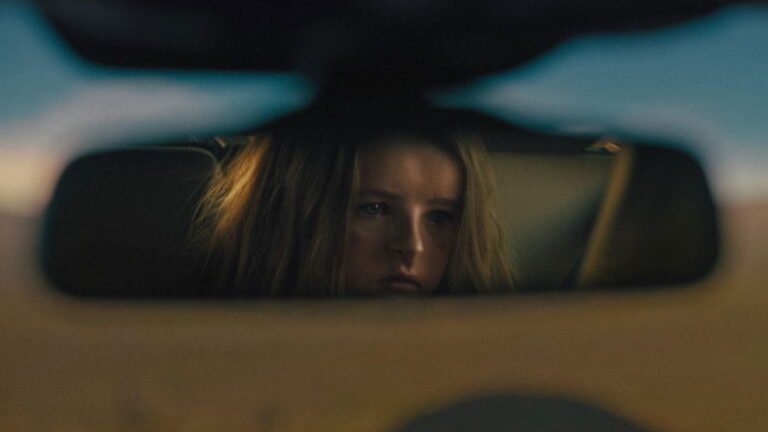
Table of Contents
- At a glance
- 1. The Descent (2005)
- 2. Alien (1979)
- 3. The Thing (1982)
- 4. Green Room (2015)
- 5. The Shallows (2016)
- 6. 28 Days Later (2002)
- 7. The Texas Chain Saw Massacre (1974)
- 8. Hush (2016)
- 9. The Ritual (2017)
- 10. Crawl (2019)
- 11. The Revenant (2015)
- 12. Blood Star (2024)
- 13. Eden Lake (2008)
- 14. Frozen (2010)
- 15. You’re Next (2011)
- 16. The Grey (2011)
- 17. Don’t Breathe (2016)
- 18. The Strangers (2008)
- 19. Underwater (2020)
- 20. The Mist (2007)
- 21. 10 Cloverfield Lane (2016)
- 22. The Hills Have Eyes (2006)
- 23. A Quiet Place (2018)
- 24. Backcountry (2014)
- 25. The Invisible Man (2020)
- What Makes a Great Survival Horror Movie?
- Best Survival Horror Movies About Human Predators
- Best Creature Survival Horror Movies
- Best Female-Led Survival Horror Movies
- Best Wilderness Survival Horror Movies
- Best Claustrophobic Survival Horror Movies
- Best Survival Horror Movies Without Supernatural Elements
- Best Home-Invasion Survival Horror Movies
- Best Isolation Horror Movies
- Survival Horror Movies Where the Location Becomes a Character
- Slow-Burn Survival Horror Movies
- Movies About Being Hunted
- Why Hostile Environments Make Survival Horror Better
- What to Watch After The Descent
- Watch Blood Star
- Frequently Asked Questions
- What is a survival horror movie?
- What are the best survival horror movies to start with?
- Where can I watch Blood Star free?
- Related guides
- More on Blood Star