Quick Answer
Reservoir Dogs, Strange Darling and Barbarian all use nonlinear or fragmented structure not as decoration but as the actual subject of the film. Reservoir Dogs withholds the diamond robbery to place the audience inside the criminals’ paranoia. Strange Darling presents its six chapters out of order so the audience misjudges the Lady and the Demon exactly as the characters do. Barbarian shifts protagonist, tone and time to reproduce the hidden architecture of its house. The same principle runs through Memento, The Father, Irreversible, Rashomon, One Cut of the Dead, Pulp Fiction, The Place Beyond the Pines and Dunkirk — in every case, telling the story chronologically would keep the same events but destroy the meaning.
Spoiler Warning
Warning: This article contains major spoilers for Reservoir Dogs, Strange Darling, Barbarian, Memento, The Father, Irreversible, Rashomon, One Cut of the Dead and other films discussed below.
Key Takeaways
- Reservoir Dogs never shows the robbery, which strips the audience of objective certainty and replaces it with the criminals’ own paranoia.
- Strange Darling’s out-of-order chapters make the audience misread the Lady and the Demon the same way the characters misjudge each other.
- Barbarian’s abrupt shifts in protagonist and tone reproduce the hidden, compartmentalised architecture of its central house.
- Memento, The Father, Irreversible, Rashomon, One Cut of the Dead, Pulp Fiction, The Place Beyond the Pines and Dunkirk each use structure to embody a different experience — damaged memory, dementia, revenge, contested truth, redeemed failure, delayed redemption, inherited violence and divergent timelines.
- A weak nonlinear film is just a linear film cut into pieces; a strong one becomes impossible to imagine in any other order.
- For low-budget filmmakers, controlling structure and information can create scale and dramatic power without extra production cost.
Structure Should Not Sit on Top of the Story
A film can be told out of chronological order for many reasons. Sometimes the filmmaker wants to create suspense, disguise information or begin with a dramatic event rather than waiting for the story to reach it naturally. Nonlinear storytelling can also make a relatively straightforward narrative appear more complex. But film structure becomes genuinely powerful when it is inseparable from the meaning of the story.
In the strongest examples, structure is not decoration and it is not a puzzle placed over an otherwise conventional narrative. The order in which the audience receives information determines how the story is understood emotionally and morally. A chronological version might contain the same events, characters and dialogue, but it would not produce the same experience.
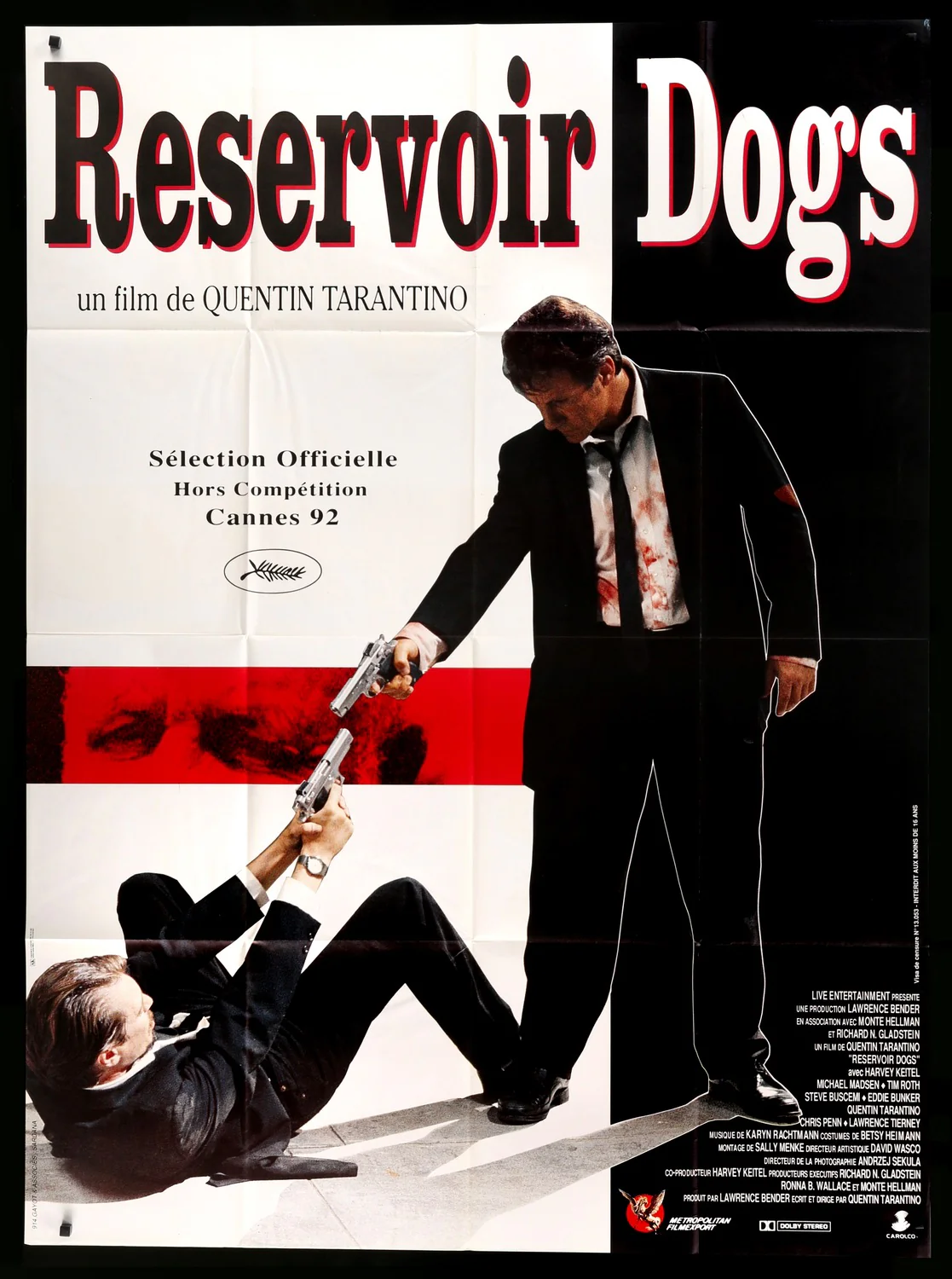
Reservoir Dogs is not organised around the events of a diamond robbery because the film is not really about stealing diamonds. It is about what happens when a criminal organisation loses control of the truth. Strange Darling is divided into six chapters and presented out of order because its subject is not simply a serial-killer pursuit. It is about the assumptions audiences make when presented with familiar images of male violence and female vulnerability. Barbarian appears to abandon its protagonist and start an entirely different film because its story is built around the danger of premature conclusions. Every time the audience believes it understands the house, the threat or even the genre, the film opens another door.
These films do not simply contain unusual structures. Their structures place the audience inside the psychological and thematic experience of the narrative.
Reservoir Dogs: A Heist Film That Refuses to Show the Heist
The most radical structural decision in Reservoir Dogs is that Quentin Tarantino never shows the central robbery. In a conventional crime film, the diamond heist would be the main set piece. The first act might establish the crew and their plan, the second would present the robbery going wrong, and the final section would follow the survivors trying to escape or identify the traitor.
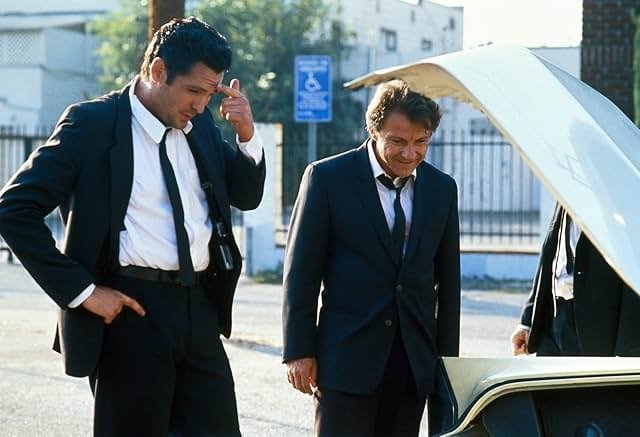
Instead, Reservoir Dogs gives us fragments from before and after the robbery. We see the criminals eating breakfast, receiving their coded names, travelling towards the job and gathering in a warehouse once everything has collapsed. Flashbacks reveal selected pieces of personal history, but the robbery itself remains largely outside the frame.
This was clearly an intelligent low-budget production decision. A contained warehouse, a limited cast and the aftermath of violence are considerably less expensive to stage than a large jewellery robbery followed by police action in the streets. However, the decision is far more important than simple economy. By removing the heist, Tarantino removes objective certainty.
The audience arrives at the warehouse in almost the same condition as the surviving criminals. We know the robbery failed, the police responded with suspicious speed and somebody may have betrayed the group, but we do not possess a complete view of what happened. The film therefore becomes an investigation conducted by frightened men who cannot trust one another.
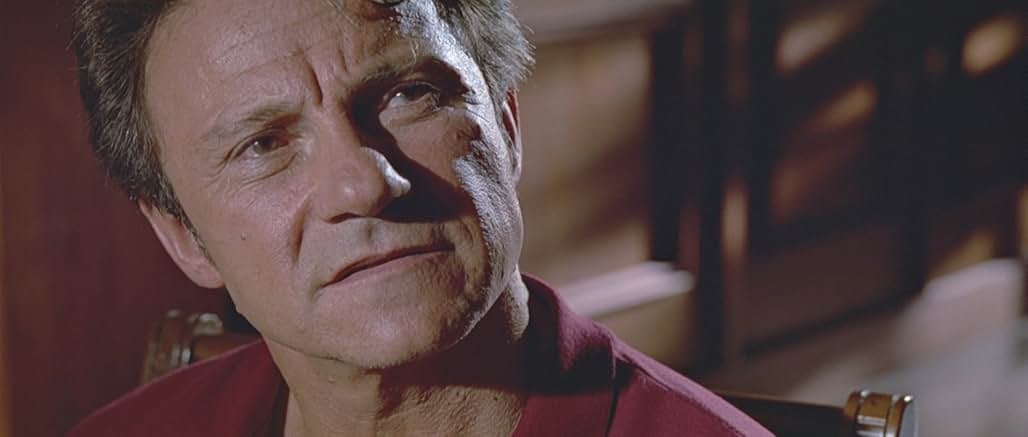
Had the robbery been shown in full, the audience might know who made each mistake. We could have seen how the police arrived, whether a particular character behaved suspiciously or exactly when the plan began to collapse. That information would have placed us above the criminals. Instead, the fragmented structure places us among them. We listen to competing accounts, judge behaviour and attempt to decide whether Mr Blonde’s violence represents loyalty or madness, whether Mr Pink’s suspicion is intelligence or cowardice, and whether Mr Orange’s injuries make him trustworthy or simply vulnerable.
The missing robbery creates the film’s central emotional condition: paranoia.
Information Becomes Power
In Reservoir Dogs, information is distributed according to dramatic impact rather than chronology. The audience does not initially know that Mr Orange is the undercover police officer. We first experience him as the wounded member of the group, bleeding in the back of Mr White’s car and depending on him for survival.
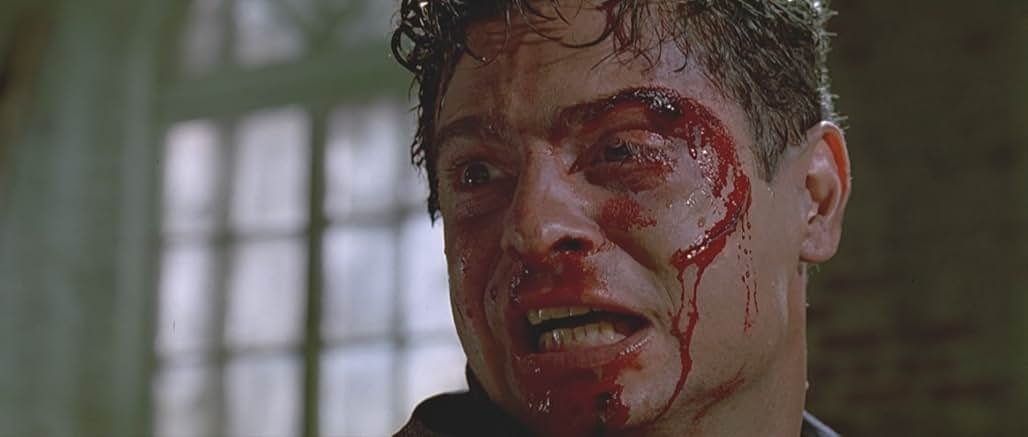
Mr White protects him, comforts him and eventually reveals personal information that a professional criminal should never share. Only after that emotional relationship has been established does the film reveal Mr Orange’s real identity.
This order is crucial. If the film began with Mr Orange being recruited by the police, practising his criminal persona and infiltrating the group, the warehouse scenes would primarily be experienced through his fear of exposure. The film would become a conventional undercover thriller in which the audience knows the secret and waits to see whether the other characters discover it.
Instead, Tarantino first allows us to believe in the connection between Mr White and Mr Orange. The later revelation does not simply answer the mystery of the informant. It contaminates the friendship we have already witnessed. Mr Orange is both betrayer and victim, while Mr White is both hardened criminal and emotionally exposed friend. Their relationship becomes tragic because the structure gives us intimacy before truth.
Presented chronologically, Reservoir Dogs might begin with the police recruiting Mr Orange, then show him preparing his cover story, joining the gang, participating in the robbery and attempting to survive the aftermath. That version could still work, but the central question would change. Instead of asking who the informant is, we would ask when the criminals will discover him. Suspicion would become suspense.
Those are not the same experience. Suspense gives the audience knowledge the characters lack. Paranoia deprives everybody of reliable knowledge. Reservoir Dogs needs paranoia because its real subject is the collapse of trust inside a group built entirely upon professional codes.
The story is fractured because the group itself is fractured.
The criminals do not know one another’s real names. Their identities have been replaced by colours, and they are expected to behave according to rules of loyalty while being denied the personal bonds that might make loyalty meaningful. The nonlinear structure exposes the contradiction in that system. Every flashback supplies information that the organisation deliberately withheld. The audience gradually learns who these men are while the men continue addressing one another through artificial identities.
The story is fractured because the group itself is fractured.
Strange Darling: Structure as a Weapon Against the Audience

JT Mollner‘s Strange Darling uses nonlinear structure more aggressively. The film announces that it will be presented in six chapters, then shows those chapters out of order. This immediately tells the audience that information is being withheld, but it does not explain why.

We initially encounter a bloodied woman, identified as the Lady, running through the landscape while a man called the Demon pursues her with a rifle. The imagery activates a familiar narrative pattern. A frightened woman is being hunted by a violent man, while the labels reinforce that interpretation: she is the Lady and he is the Demon.
The audience begins filling in the missing events before the film has supplied them. That is precisely the trap.
As later chapters reveal, the apparent victim is a serial killer. The man pursuing her is not the original aggressor but someone trying to survive and stop her. The nonlinear structure does not merely protect a twist. It exposes the audience’s dependence on cinematic shorthand.
A bloodied woman fleeing an armed man carries a powerful meaning before either character speaks. The film does not create that meaning from nothing. It borrows it from decades of thrillers, horror films and real-world awareness of male violence against women. The reversal is provocative because the initial assumption is not irrational. It is grounded in recognisable patterns. But the film demonstrates how a valid social understanding can become an unreliable judgement when automatically applied to an individual situation.
The structure makes the audience participate in the error.
Why Strange Darling Could Not Be Told Chronologically
In chronological order, the audience would meet the Lady and the Demon, observe their sexual encounter and understand much earlier that she is manipulating him. We would know she was dangerous before the pursuit began.
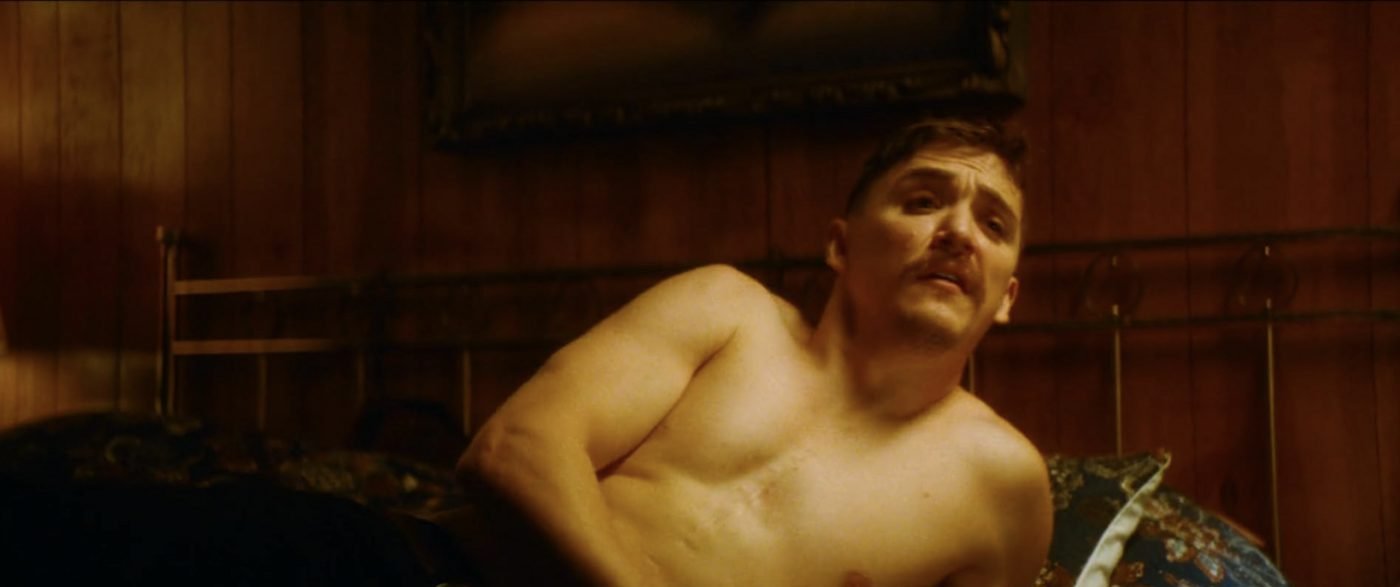
The later image of her running through the landscape would then function as straightforward dramatic irony: the apparent victim is actually the killer, and the audience knows it. That version would eliminate the film’s central experiential idea.
Strange Darling wants the audience to misread the situation, but more importantly, it wants us to recognise why we misread it. The film uses established cultural and cinematic narratives about gender, vulnerability and violence. Its structure turns those expectations into part of the story.
Each new chapter does more than provide missing plot information. It changes the genre and moral meaning of what has already been shown. The film initially resembles a serial-killer pursuit story with a female victim. It then becomes an erotic thriller, a psychological power game and eventually a story in which the apparent prey actively produces the image of victimhood to manipulate everyone she encounters.
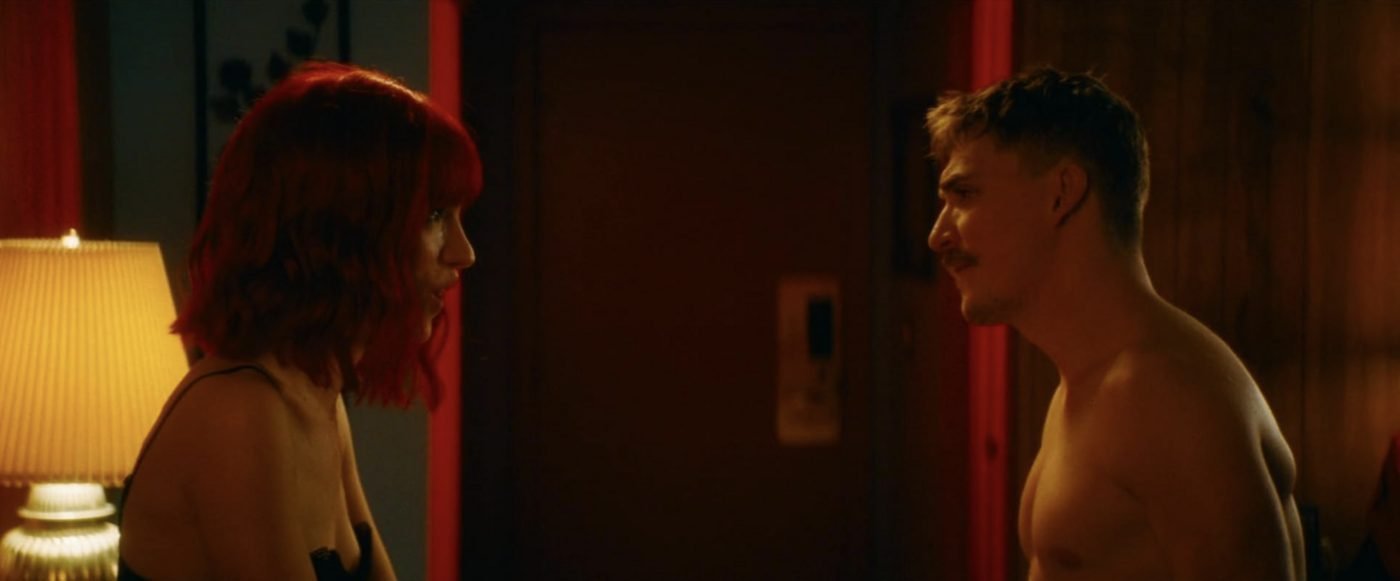
When the Lady reaches the farmhouse occupied by two older survivalists, the audience has begun to understand her true nature. The tension no longer comes from whether these people will protect her from the Demon. It comes from whether they will believe the performance that previously deceived us.
The Lady understands narrative. She knows what she looks like and understands the credibility of blood, fear and male pursuit. She constructs a version of events that places everyone else into familiar roles. This makes the chapter structure part of her characterisation. She is continually rewriting the story in real time, and the film’s editing reflects that talent.
She does not only kill people. She authors the circumstances in which they misunderstand her.
A conventional twist film often asks whether the audience guessed the truth. Strange Darling asks a more uncomfortable question: why did we believe the first version? The nonlinear structure transforms spectatorship into part of the narrative context. The audience is not a neutral observer solving a mechanical puzzle. We bring assumptions, genre knowledge and moral expectations into every image.
The film uses those expectations against us, then reveals that the killer has been using the same assumptions against the other characters. Form and content become aligned.
Reservoir Dogs and Strange Darling Use Opposite Strategies
Although both films are nonlinear, they use fragmentation differently. Reservoir Dogs withholds information so the audience shares the criminals’ uncertainty. We do not know who the betrayer is, and the structure gradually supplies the truth.
Strange Darling withholds information so the audience becomes confidently wrong. We believe we recognise the roles, and the structure gradually destroys that interpretation.
One film creates absence, while the other creates misdirection. Reservoir Dogs effectively tells the audience that it does not have enough information. Strange Darling suggests that the audience has already decided what the available information means.

That distinction demonstrates why nonlinear storytelling cannot be reduced to simply rearranging scenes. The filmmaker must understand what each order makes the audience feel, know and assume.
Barbarian: Structure as a Series of False Conclusions
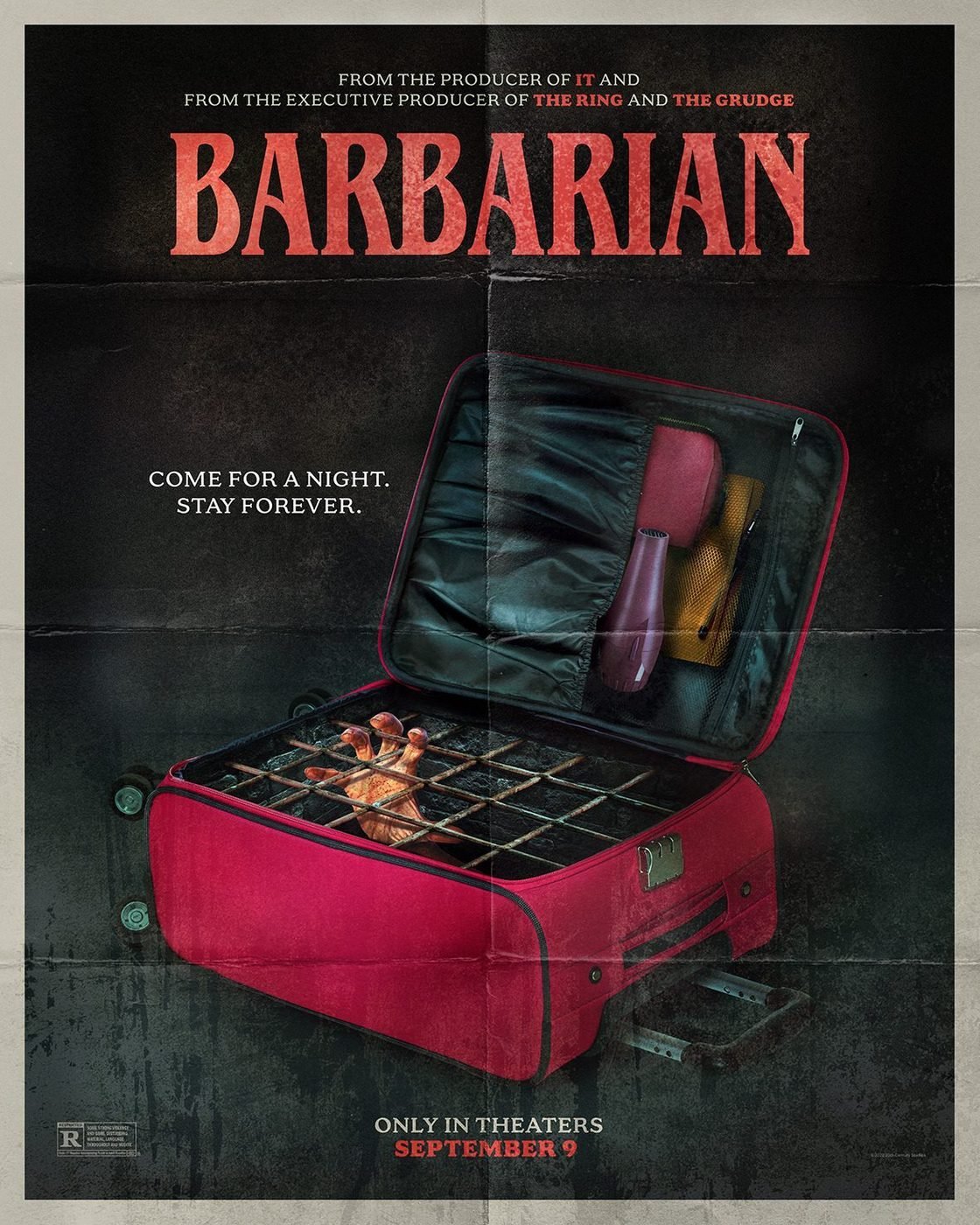
Barbarian is less conventionally nonlinear, but its structure is equally inseparable from its narrative subject.
The film begins with Tess arriving at a rental property in Detroit and discovering that Keith is already staying there. The house has apparently been double-booked. The first section is constructed around Tess trying to determine whether Keith is dangerous.
Writer-director Zach Cregger exploits Bill Skarsgård‘s screen association with horror while making Keith’s behaviour slightly awkward but often considerate. Tess remains cautious because the situation itself is dangerous, regardless of whether Keith has bad intentions. The audience studies him with her.
Then the house reveals something far worse beneath it. Keith is killed, Tess is trapped, and the film abruptly cuts from darkness and terror to AJ driving along the California coast.
The change is so complete that it can feel as though another film has started. That sensation is not a side effect. It is the structural event.
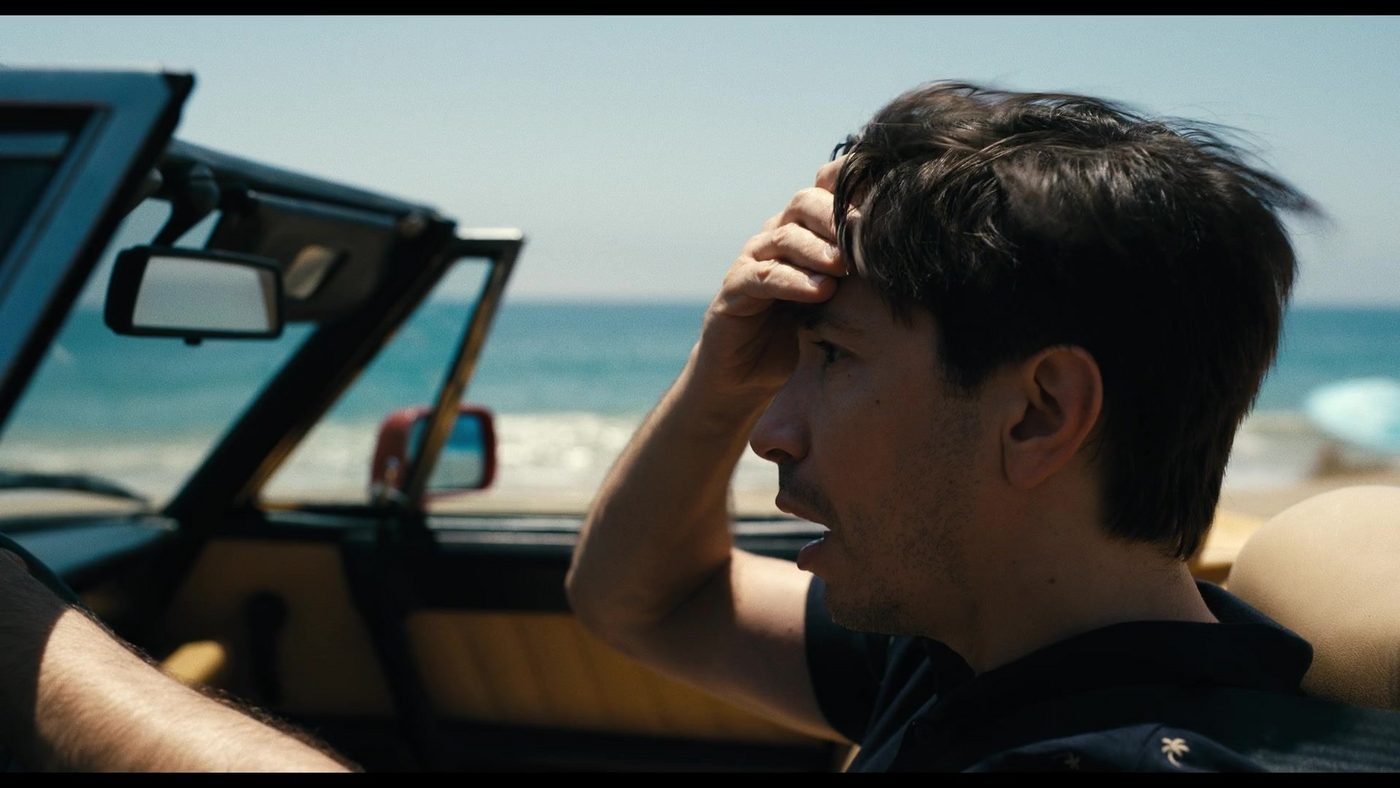
AJ initially appears unrelated to Tess, Keith or the underground tunnels. He belongs to a different tonal world: Hollywood satire, masculine self-pity and dark comedy. Eventually, we learn that AJ owns the Detroit house.
This connection is ingenious because it turns the property into the structural centre of the film. Different characters approach the same space while carrying entirely different assumptions. Tess sees a potentially unsafe rental and a strange man. Keith sees an unfortunate booking error and a woman who understandably distrusts him. AJ sees real estate and additional square footage that might increase the property’s value. Frank, revealed through another temporal shift, sees the house and neighbourhood as a private system through which he can imprison and abuse women.
The house does not change. The narrative meaning of the house changes according to who enters it.
The house does not change. The narrative meaning of the house changes according to who enters it.
Barbarian’s Structure Reproduces Its Architecture
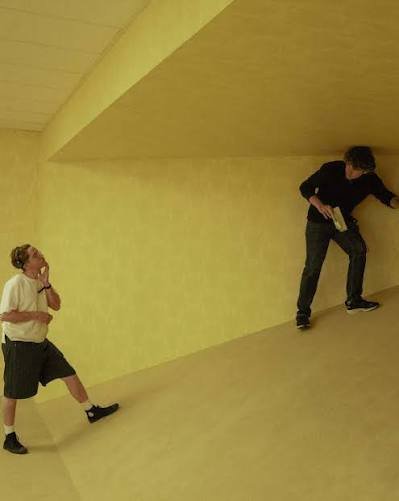
The architecture of Barbarian contains rooms beneath rooms and histories beneath apparent normality. The film is constructed in the same way.
The rental home appears ordinary. A hidden door reveals a corridor. The corridor reveals a room. The room opens into tunnels, and the tunnels lead backwards through decades of violence. Every structural shift is another descent.
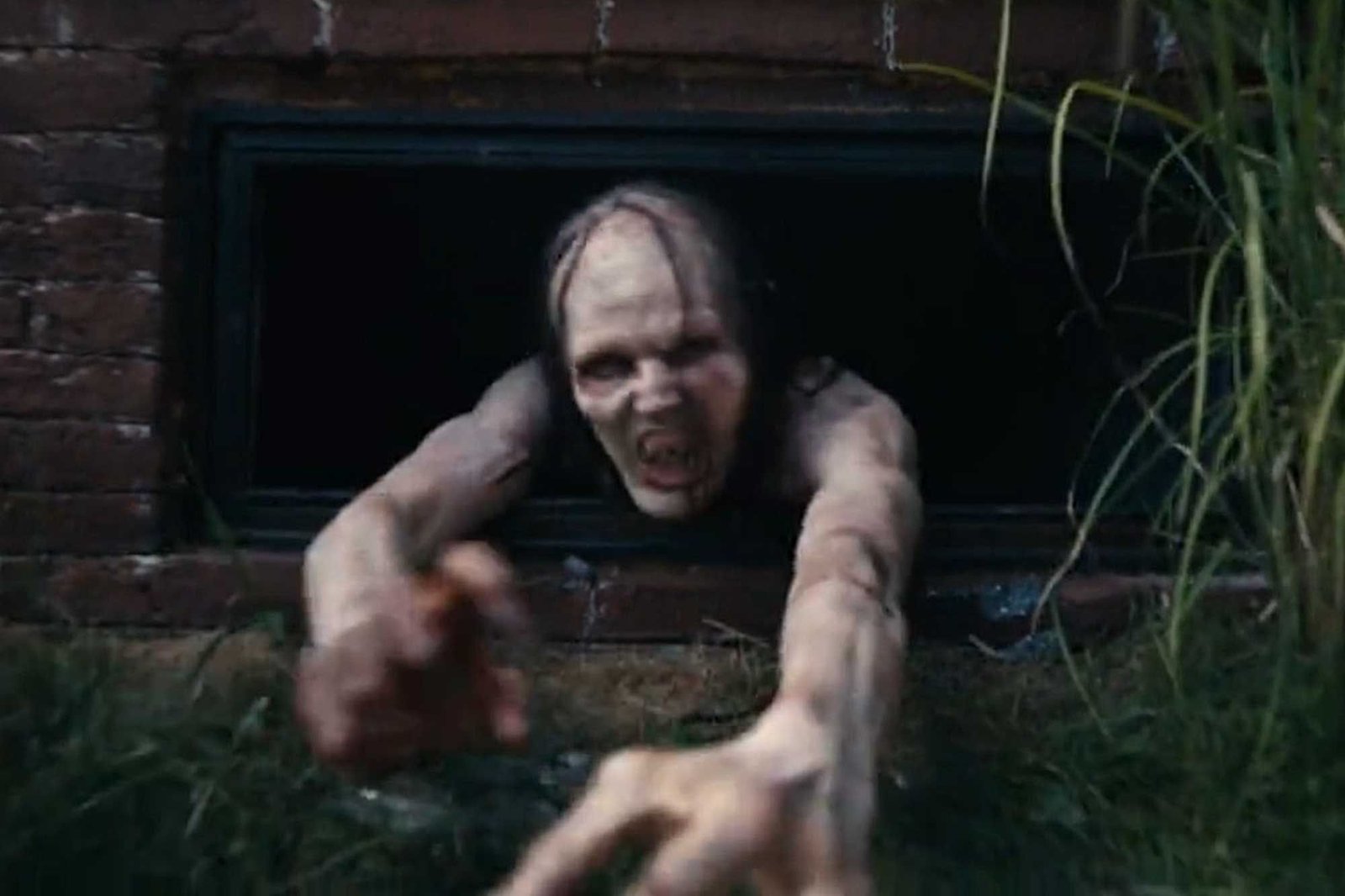
The cut to AJ feels like leaving the story, but it actually moves us into another layer of it. The flashback to Frank appears to interrupt the present-day survival narrative, but it reveals the origin of the space and corrects our understanding of the apparent monster.
The film’s form therefore imitates its central location. Both are compartmentalised structures containing concealed connections.
A linear version beginning with Frank, moving through the decline of the neighbourhood and eventually reaching Tess would destroy the experience. The audience would know what existed beneath the house before Tess arrived. The rental sequence would become suspense rather than uncertainty.
More importantly, the Mother would initially appear as the product of Frank’s crimes rather than as an unexplained monster. The film wants the audience to fear her before recognising her as another victim. The delayed context changes the moral alignment of the story.
By the ending, the true barbarism belongs less to the creature than to Frank and, in a more ordinary contemporary form, AJ. The Mother is violent, but her violence exists inside a grotesque imitation of maternal protection created by generations of abuse. AJ, meanwhile, repeatedly converts other people’s suffering into a story about himself.
The structure allows the apparent monster to become tragic and the apparent comic relief to become morally monstrous.
Memento: A Structure Built From Damaged Memory
Christopher Nolan‘s Memento may be the clearest modern example of structure directly embodying narrative context.
Leonard cannot form new long-term memories. He can understand the present moment, but the context surrounding it continually disappears. The film’s main colour sequences are presented in reverse chronological order. Each begins before the scene that previously appeared, meaning the audience repeatedly enters situations without knowing what immediately caused them.
This recreates Leonard’s condition structurally. We may remember earlier scenes in the film, but because those scenes occur later in the story, they cannot provide stable causal understanding. Like Leonard, we continually find ourselves inside events without knowing how we arrived there.
A second series of black-and-white scenes moves chronologically forward, and the two strands eventually meet. The film is not simply using reverse order to conceal the ending. It forces us to share Leonard’s dependence on immediate impressions.
A person appears helpful, so we temporarily trust them. A person appears threatening, so we temporarily fear them. We cannot reliably test those impressions against preceding events because the film has withheld them.
Chronological order would turn Memento into a story about a man manipulating his own damaged memory. Reverse order makes the audience experience why that manipulation is possible.
The Father: Form as Cognitive Decline
Florian Zeller‘s The Father uses continuity itself as an unreliable element.
Anthony lives in a London flat and is experiencing dementia, but the film does not simply show him becoming confused while maintaining an objective world around him. Rooms change, actors change and relationships appear to alter. A person who seemed to be his daughter may later have a different face. The flat may belong to Anthony, or it may belong to somebody else.
The audience continually attempts to stabilise the environment, just as Anthony does.
A conventional version might present scenes from his daughter’s perspective, allowing us to observe his decline with compassion but also with security. We would know where he was, who everyone was and which version of events was correct. Instead, the film removes that security.
Its fractured continuity gives dementia a cinematic form. The structure is not asking the audience to solve the apartment like a puzzle. It gradually makes the desire for a stable answer feel painful and futile.
By the ending, narrative disorientation has become emotional vulnerability.
Irreversible: Revenge Before Grief
Gaspar Noé‘s Irreversible presents its scenes in reverse chronological order, beginning with violent revenge and moving backwards towards the event that motivated it.
In a conventional revenge narrative, the audience first witnesses suffering and then follows the characters towards retaliation. The violence may be horrifying, but the structure often encourages anticipation and sometimes satisfaction.
Irreversible denies that progression. We see the revenge first, chaotic and morally uncertain. Only later do we discover the assault that triggered it. Later still, we encounter the characters before the night destroyed their lives.
The reverse order strips revenge of catharsis. The audience cannot imagine that violence will repair what happened because we have already seen that it does not. As the film travels backwards, its emotional movement is not towards justice but towards lost innocence.
Each earlier scene becomes more painful because we know what the characters do not. The film ends not with consequence but with possibility: a life still intact, a relationship still hopeful and a future already destroyed in the audience’s memory.
The structure changes the subject from revenge to irreversibility.
Rashomon: Contradictory Structure and the Nature of Truth
Akira Kurosawa‘s Rashomon retells the same violent event through several incompatible testimonies. The structure does not move towards a simple forensic answer. Each version reflects the needs, pride and self-image of the person telling it.
The bandit’s story preserves his masculinity. The wife’s account reflects shame, rejection and desperation. The dead samurai, speaking through a medium, presents a version that protects his honour. Even the woodcutter’s testimony proves compromised.
The repeated structure makes truth inseparable from narration. The question is not merely what happened, but why each person needs the event to have happened in a particular way.
An objective flashback would resolve the uncertainty but destroy the film’s central idea. Rashomon is not withholding the correct version as a trick. It is examining whether human beings are capable of telling a story that does not protect their identity.
Did You Know?
Rashomon’s structure is so influential that psychologists and journalists now use the term “the Rashomon effect” to describe any situation where multiple witnesses to the same event give irreconcilably different, self-serving accounts of it.
One Cut of the Dead: Structure Rehabilitates Failure
One Cut of the Dead begins as an apparently cheap and technically awkward zombie film photographed in one continuous take. Performances seem exaggerated, timing appears strange, camera movements look accidental and events occur without satisfying explanation.
Then the film restarts from another perspective. We discover that the opening section was the live broadcast of a low-budget production collapsing behind the scenes. The remainder of the film reveals how actors and crew members improvised solutions to practical disasters.
Every apparent flaw in the opening is reinterpreted as an achievement. A strange performance has a production explanation. An awkward camera movement reflects a crew emergency. An apparently meaningless pause becomes evidence of people desperately trying to keep the broadcast alive.
The structure transforms embarrassment into admiration. The first section asks us to judge the finished film, while the second asks us to understand the labour behind it.
For independent filmmakers, this is particularly moving because the structure expresses a truth about production: the audience sees only the result, while the filmmakers carry the invisible history of every compromise, accident and solution.
A chronological version showing the preparation and then the broadcast would still be amusing, but it would not create the same emotional reversal. We need to dislike the apparent failure before discovering the human achievement inside it.
Pulp Fiction: Structure Creates Thematic Rhymes
Tarantino develops the principle further in Pulp Fiction, where several interconnected crime stories are presented outside chronological order.
The most famous structural effect is Vincent Vega’s death. Vincent is killed during Butch’s story, but because the film later returns to an earlier point in the chronology, he reappears in the final section. This allows the film to end with Vincent alive even though the audience knows his future contains an undignified death.
More importantly, the structure places Jules’s spiritual transformation at the emotional conclusion. Chronologically, Jules decides to leave criminal life before Vincent accompanies Marsellus Wallace to Butch’s apartment. Vincent dismisses Jules’s revelation and continues as before. He later dies because he remains careless, complacent and committed to the same existence.
By ending at the diner, the film concludes with the character who recognises the possibility of change rather than the character who fails to change.
Chronology would place Butch’s escape later and Vincent’s death after Jules’s decision, reducing the spiritual resonance of the ending. The selected order makes redemption, rather than survival, the final subject.
The Place Beyond the Pines: Structure as Inherited Consequence
Derek Cianfrance‘s The Place Beyond the Pines performs a radical protagonist handoff. The film begins with Luke, a motorcycle stunt rider who turns to bank robbery after discovering that he has a young son. His story appears capable of sustaining the entire film.
Then Luke is killed.
The narrative transfers to Avery, the police officer who shot him, and later moves towards the teenage sons of both men. The structure spans generations because the subject is inheritance.
Violence does not end when the apparent protagonist dies. It enters another family, another career and eventually another generation. The sons inherit consequences they did not create but cannot avoid.
A conventional film might intercut the families from the beginning, but the serial structure makes each transfer feel like a life being interrupted by the unresolved actions of another. The protagonist role itself is inherited alongside guilt, privilege and damage.
Dunkirk: Different Timelines, Different Experiences of Time
Christopher Nolan’s Dunkirk organises its narrative around three timelines: one week on the beach, one day aboard a civilian boat and one hour in the air. The film intercuts these periods so that they converge during the evacuation.
This is not complexity for its own sake. Each location produces a different experience of time.
For the soldiers waiting on the beach, survival feels prolonged and static. Days pass under the threat of attack. For civilians crossing the Channel, the mission occupies a single day. For fighter pilots, fuel creates an immediate countdown measured in minutes.
The structure translates these different pressures into editing rhythm. Chronological uniformity would flatten them. Treating every event as though it unfolded on the same temporal scale would fail to express the subjective urgency of each experience.
The timelines converge because the evacuation itself depends on separate forms of courage arriving at the same moment.
Structure Must Change Meaning
Unconventional structure becomes worthwhile when it changes more than the order of events. It should alter the audience’s relationship with character, information, morality or time.
In Reservoir Dogs, the missing robbery forces us into the criminals’ paranoia. In Strange Darling, the chapter order turns our assumptions into part of the killer’s weapon. In Barbarian, the radical shifts in protagonist and tone reproduce the hidden architecture of the house. In Memento, reverse chronology gives damaged memory a cinematic form, while The Father makes continuity itself unreliable.
Irreversible removes catharsis from revenge by showing consequence before cause. Rashomon uses contradictory testimony to question the possibility of objective truth. One Cut of the Dead transforms apparent failure into collective achievement, and The Place Beyond the Pines allows violence and guilt to pass structurally from one generation to the next.
These films could all be rearranged chronologically, but their essential meaning would change. That is the test.
A nonlinear film should not simply make the audience work harder to understand the plot. Its form should make the audience feel something that chronological storytelling could not produce as effectively.
Pro Tip for Rewatching
On a second viewing of any of these films, try to notice exactly which piece of information the structure is delaying at each cut — the robbery, an identity, a location, a cause. That withheld piece is almost always the film’s real subject, not a side detail.
Why This Is Valuable for Low-Budget Filmmakers
For an independent filmmaker, structure can create scale without requiring additional physical production.
A larger budget may offer more locations, set pieces, extras, visual effects and shooting days. A smaller film can expand through perspective, chronology and the controlled release of information. The same room can carry different meanings when entered by different characters. An event can become more powerful when its cause is delayed. A missing sequence can generate suspense more effectively than an expensive sequence shown in full.
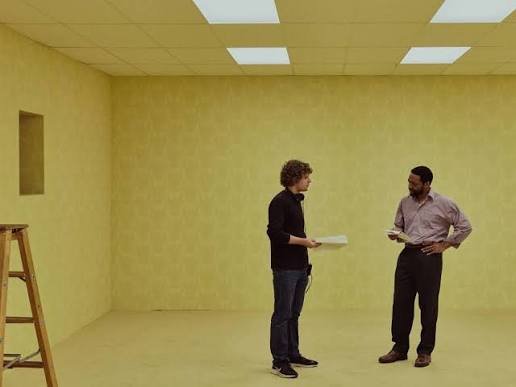
Reservoir Dogs is the obvious example. By refusing to show the robbery, the film avoids its most expensive potential sequence and simultaneously creates its defining dramatic strength. The missing event becomes more valuable than the spectacle might have been.
Strange Darling derives much of its power from arrangement rather than scale. The roads, motel rooms and farmhouse are relatively contained, but the chapter order repeatedly changes the audience’s understanding of them. Barbarian uses one central property and its hidden spaces to generate several different films, each organised around a different character and moral perspective.
This does not mean nonlinear structure is a shortcut. It demands precision. Every withheld piece of information must eventually produce meaning rather than merely explanation. Every perspective shift must reveal something the previous perspective could not. Every structural surprise should feel inevitable once the audience understands the design.
A weak nonlinear film is simply a linear film cut into pieces. A strong one becomes impossible to imagine in any other order.
A weak nonlinear film is simply a linear film cut into pieces. A strong one becomes impossible to imagine in any other order.
Final Thoughts
Film structure is at its most powerful when it is not visible as a separate mechanism sitting above the narrative. It should feel like the natural shape of the story’s subject.
Reservoir Dogs is fractured because trust has collapsed and no one possesses the whole truth. Strange Darling is presented out of order because the killer survives by controlling the order in which people understand her. Barbarian changes protagonist, tone and time because the house contains different stories built on top of one another, each concealing a deeper layer of violence.
The same principle runs through the other films discussed here. Memento forgets its own causes. The Father cannot maintain a stable reality. Irreversible travels backwards from vengeance towards the life that vengeance cannot restore. Rashomon retells one event because truth changes in the hands of every storyteller. One Cut of the Dead shows us the result before revealing the effort that made it possible.
These structures are not clever simply because they are unusual. They are clever because they convert narrative context into cinematic experience.
The best structural decision is not the one that makes the film appear complicated. It is the one that allows the audience to experience the story in the only order that reveals what the story is truly about.
Frequently Asked Questions
No. Quentin Tarantino deliberately never shows the robbery itself. The film only gives the audience what happens before it (recruitment, breakfast, the coded names) and after it (the wounded survivors gathering in the warehouse), which is what creates the film’s central mood of paranoia rather than suspense.
Writer-director JT Mollner structures the film this way so the audience first misjudges the Lady and the Demon based on familiar genre imagery, then has to reinterpret everything once later chapters reveal who is really hunting whom. Telling the story in order would give away the reversal immediately.
The film deliberately delays this answer. The Mother is violent and dangerous, but the structure eventually reveals her as the product of decades of abuse inflicted by Frank, which recasts her as a victim of the house’s history rather than a simple monster.
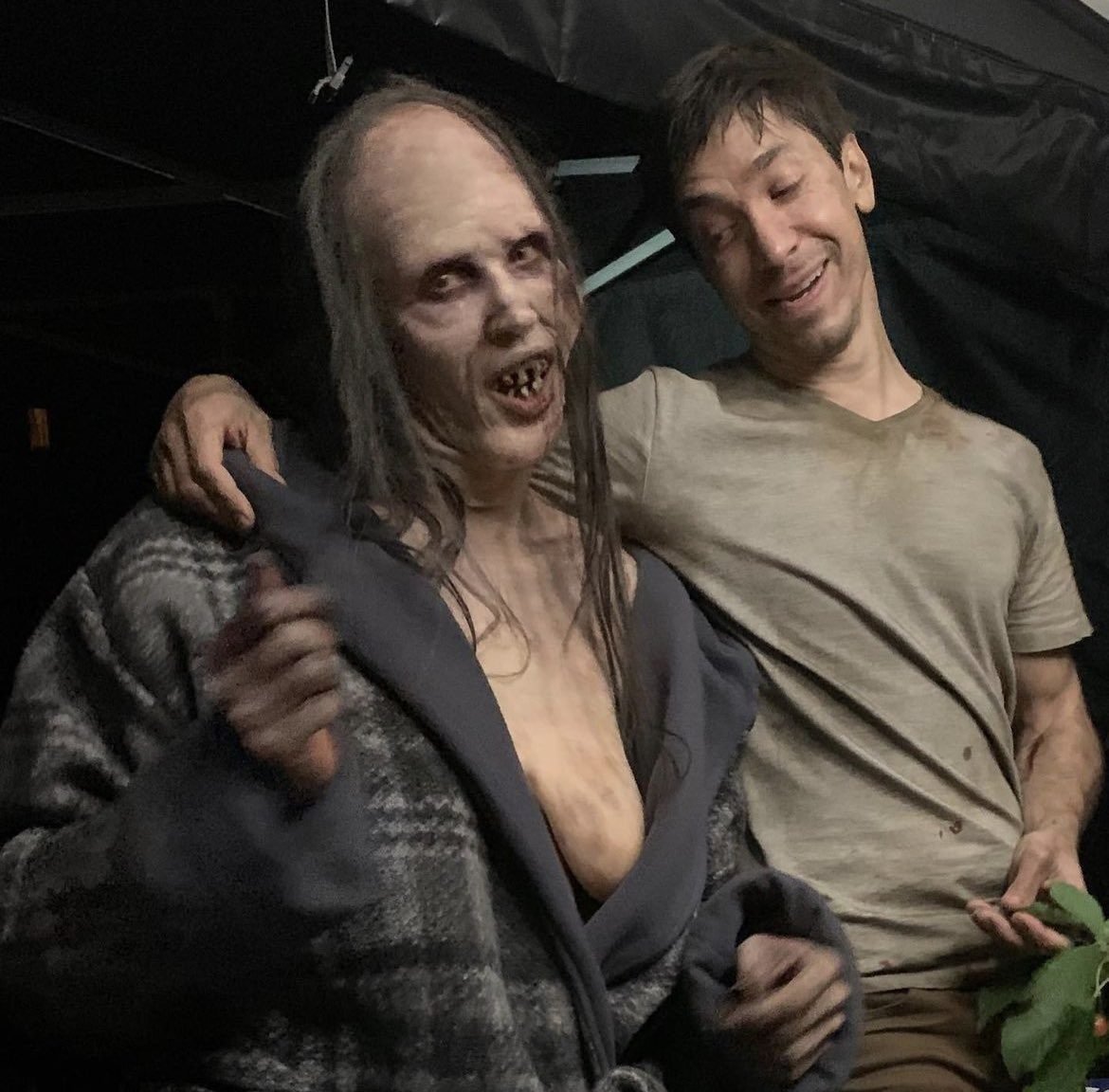
No. They have three different writer-directors: Quentin Tarantino directed Reservoir Dogs, JT Mollner directed Strange Darling, and Zach Cregger directed Barbarian. The article groups them because of a shared approach to structure, not a shared filmmaker.
The article also discusses Memento, The Father, Irreversible, Rashomon, One Cut of the Dead, Pulp Fiction, The Place Beyond the Pines and Dunkirk as further examples where structure is inseparable from the story’s meaning rather than a stylistic add-on.
Learn More About Blood Star
If you’re interested in how independent filmmakers create ambitious thrillers on limited budgets, you can explore more about Blood Star, including its cast, production and behind-the-scenes story.
If you’d like to watch the film, visit the Blood Star Watch Page to see where it’s currently available to stream or purchase.
Watch Blood Star
Blood Star is a psychological desert road thriller about Bobbi Torres, a young woman travelling alone across the American Southwest who becomes the target of Sheriff Bilstein, a predatory lawman whose badge, patrol car and knowledge of the territory allow him to control the hunt.


See every legitimate way to watch Blood Star free →

Table of Contents
- Structure Should Not Sit on Top of the Story
- Reservoir Dogs: A Heist Film That Refuses to Show the Heist
- Information Becomes Power
- Strange Darling: Structure as a Weapon Against the Audience
- Why Strange Darling Could Not Be Told Chronologically
- Reservoir Dogs and Strange Darling Use Opposite Strategies
- Barbarian: Structure as a Series of False Conclusions
- Barbarian’s Structure Reproduces Its Architecture
- Memento: A Structure Built From Damaged Memory
- The Father: Form as Cognitive Decline
- Irreversible: Revenge Before Grief
- Rashomon: Contradictory Structure and the Nature of Truth
- One Cut of the Dead: Structure Rehabilitates Failure
- Pulp Fiction: Structure Creates Thematic Rhymes
- The Place Beyond the Pines: Structure as Inherited Consequence
- Dunkirk: Different Timelines, Different Experiences of Time
- Structure Must Change Meaning
- Why This Is Valuable for Low-Budget Filmmakers
- Final Thoughts
- Learn More About Blood Star
- Watch Blood Star