Category

Blog

Hidden Horror Gems You Probably Haven’t Seen

Hidden Horror Gems You Probably Haven’t Seen

Everyone’s already watched the obvious stuff. The problem with most “scary movie” lists is that they keep pointing you toward the same twenty titles you knew about before you started reading. This is not that list. These are the hidden horror gems that tend to sit at three-figure watch counts on Letterboxd, the ones that get passed around in recommendation threads by people who actually sit through the end credits. No franchises, no jump-scare compilations dressed up as films. Just tense, patient, genuinely unsettling movies that deserve a bigger audience than they’ve found. Grab something to watch and pick one.

Blue Ruin (2013)

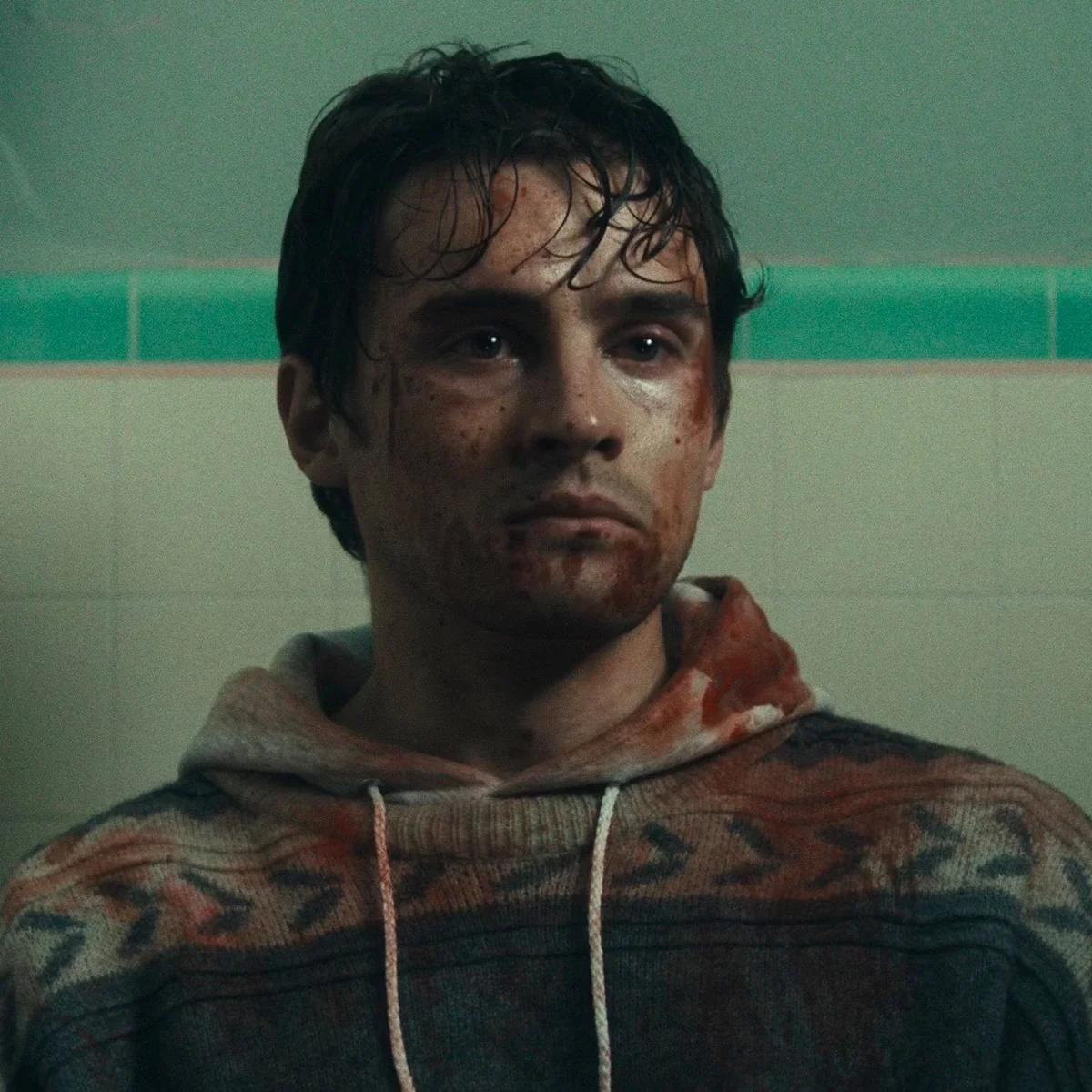
Jeremy Saulnier’s revenge thriller works because its protagonist is hopeless at revenge. A drifter learns the man who killed his parents is being released, and what follows is not a slick payback fantasy but a clumsy, frightening spiral where every decision makes things worse. It’s quiet for long stretches, then suddenly brutal in a way that never feels staged. Macon Blair’s face carries the whole film. If you like your thrillers stripped of cool, this is essential viewing and still weirdly overlooked.
Wake in Fright (1971)

A schoolteacher gets stranded in a mining town in the Australian outback and slowly comes apart over a long, sweaty weekend of drinking, gambling and worse. There are no monsters here beyond ordinary men and the heat, yet few films feel this oppressive. It was considered lost for years before a restoration brought it back, which partly explains why so few people have seen it. A grimy, dread-soaked descent that lingers for days afterward.
Lake Mungo (2008)

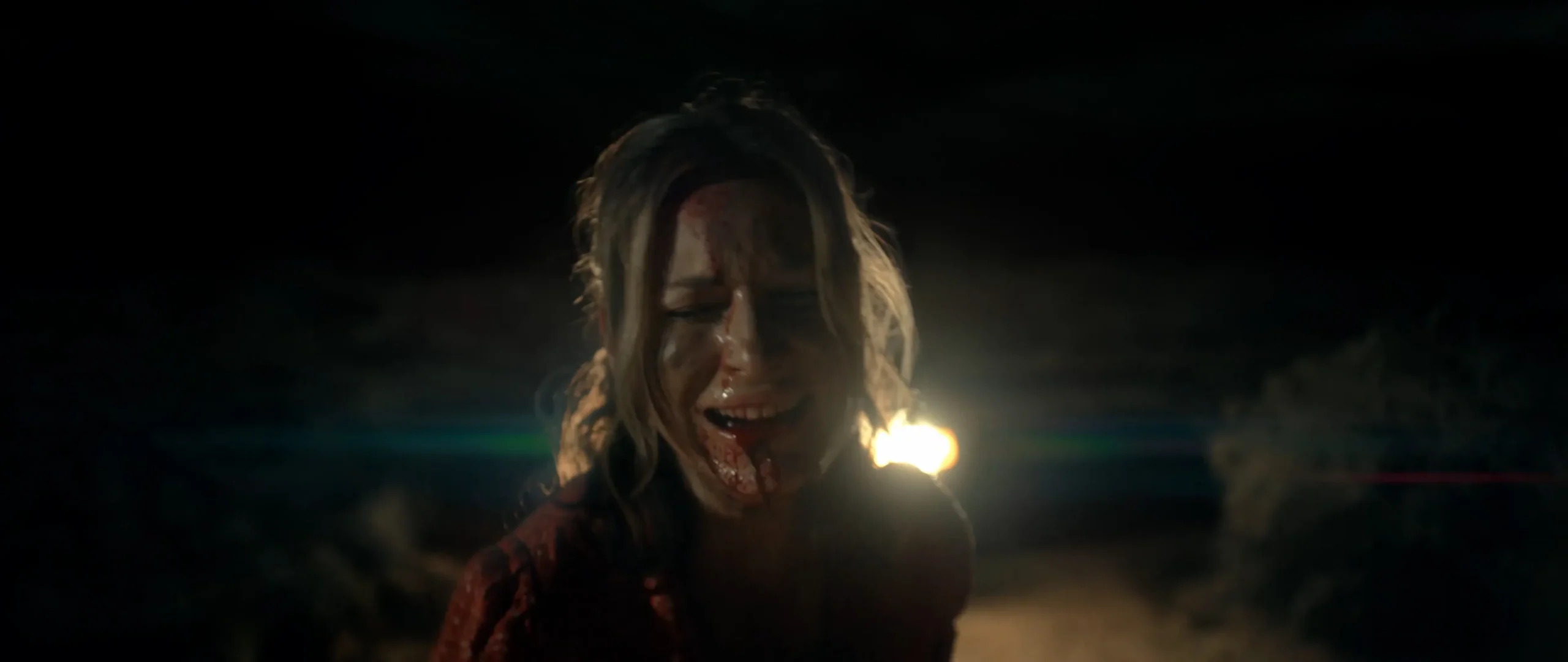
Presented as a documentary about an Australian family coping with a daughter’s drowning, this is one of the saddest horror films ever made and also one of the most quietly terrifying. It builds its scares out of grief, blurry photographs and the things families hide from each other. The frights aren’t loud; they creep in at the edge of the frame and stay with you. A slow-burn that rewards full attention and absolutely deserves more love.

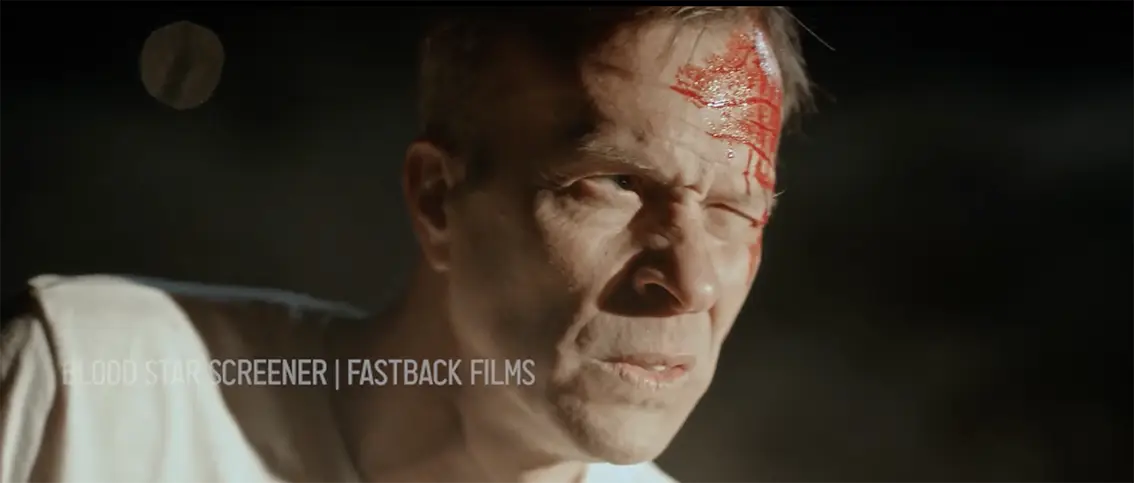
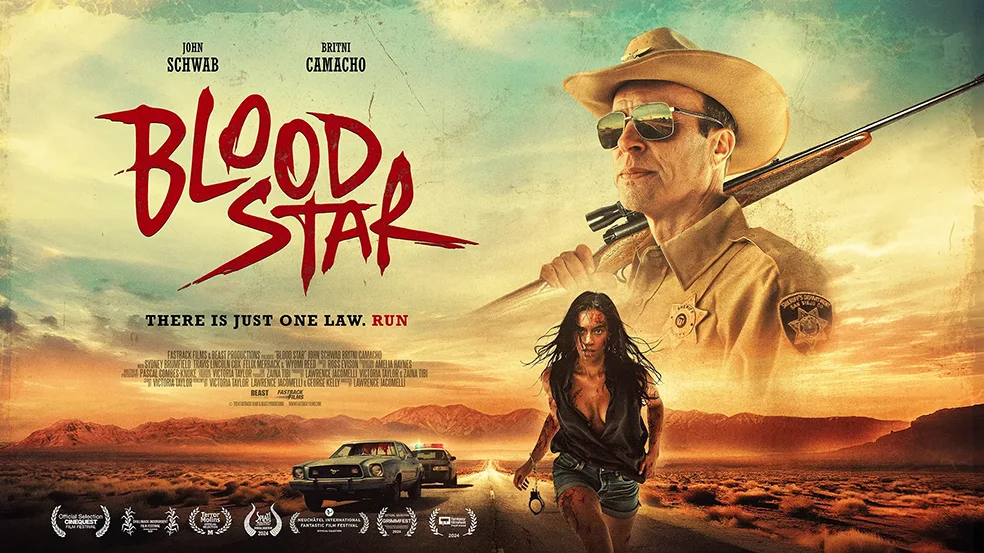
Blood Star (2024)

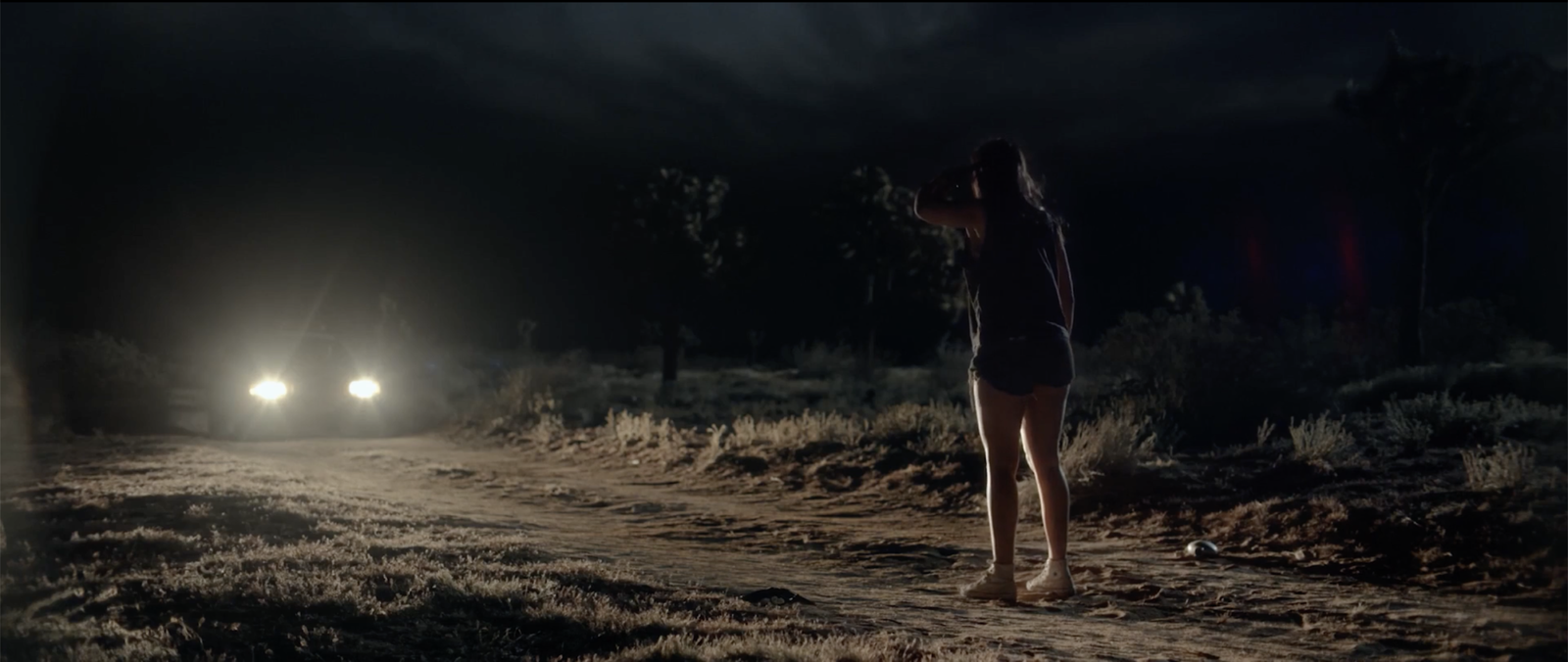
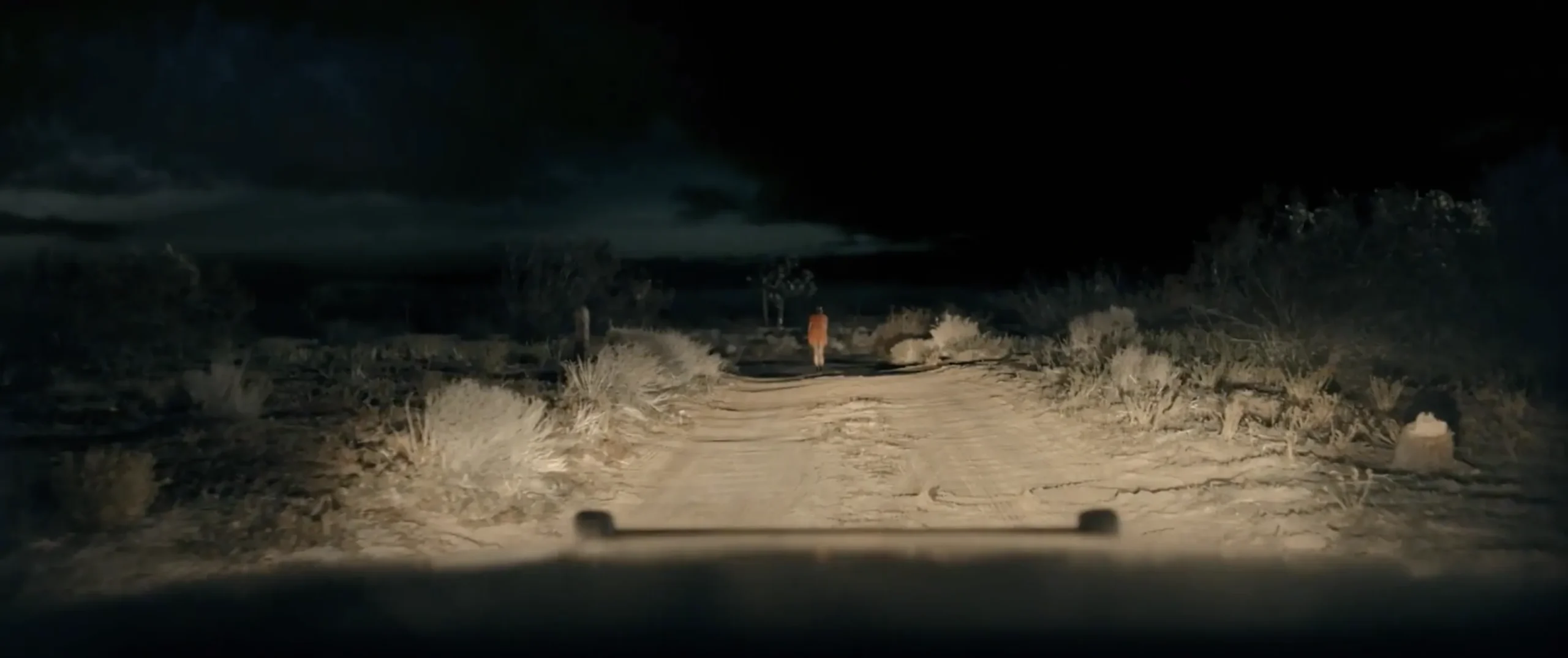
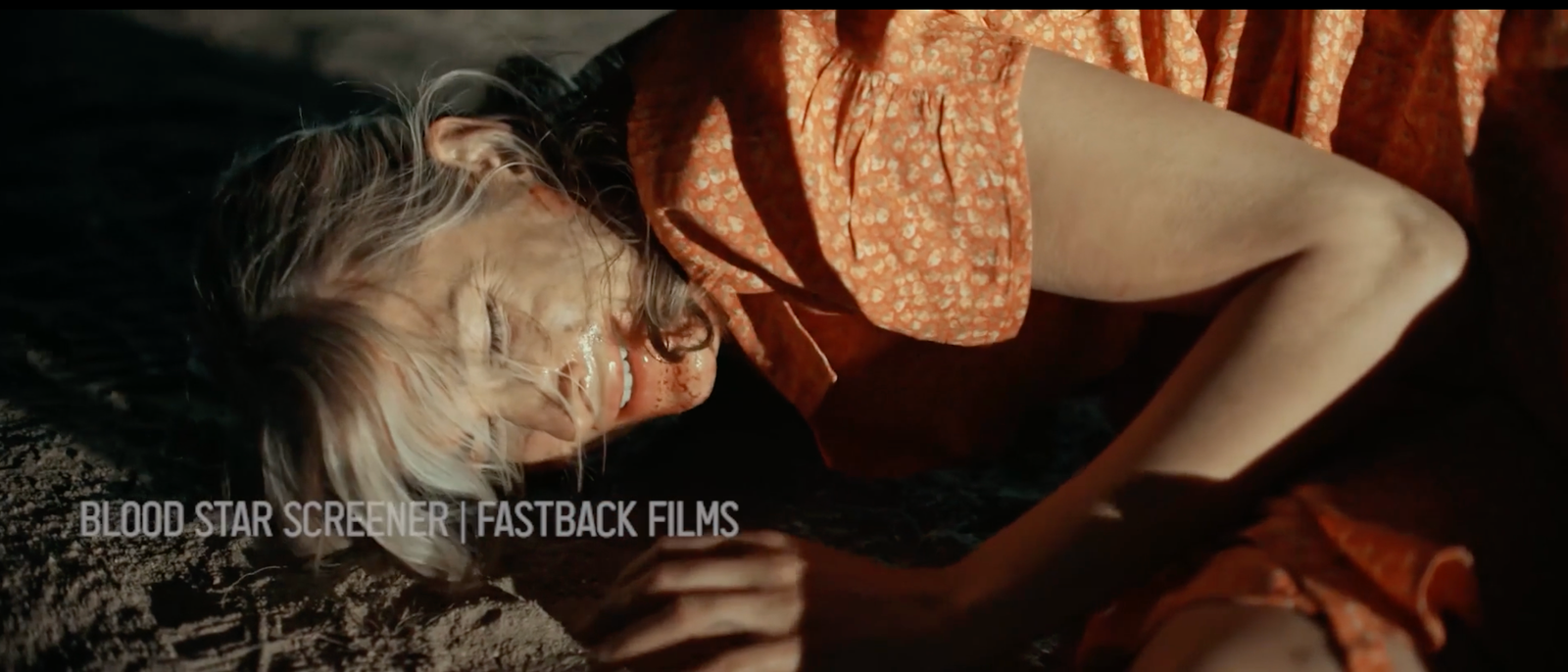
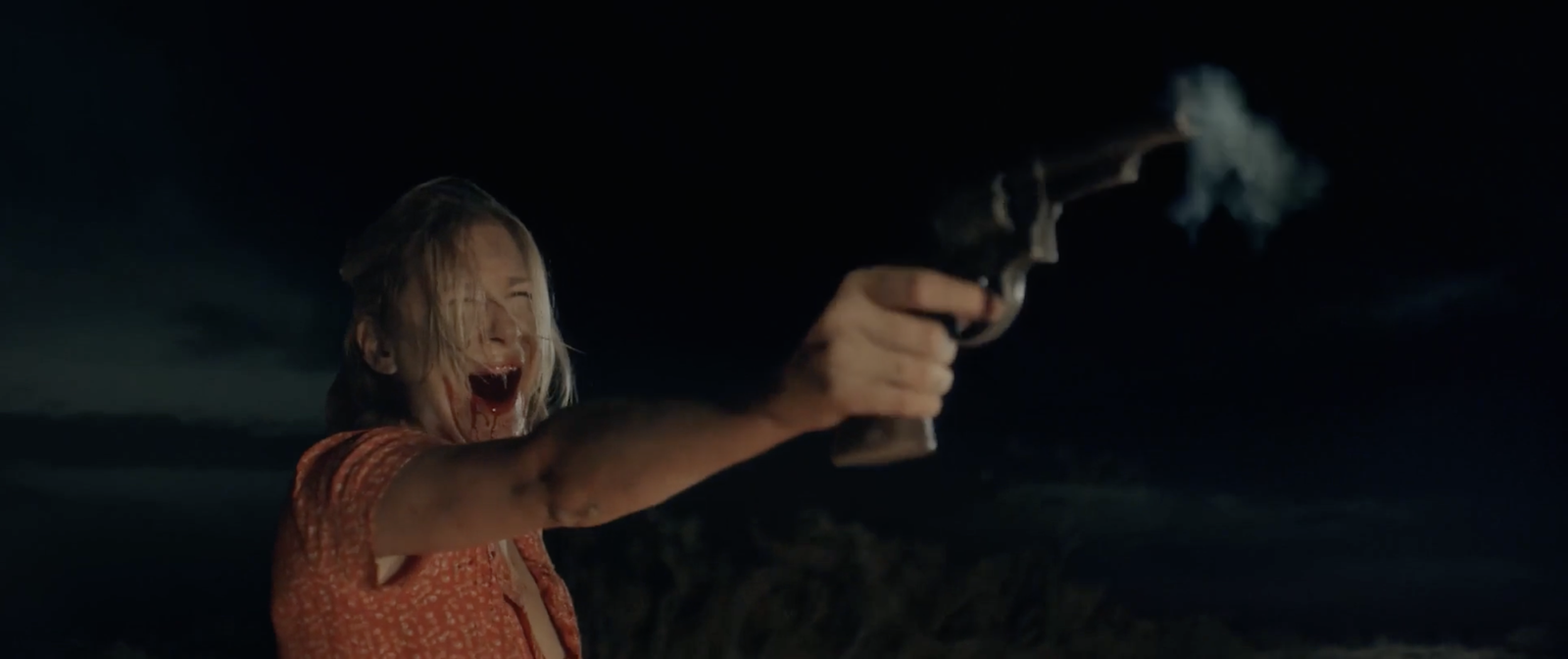
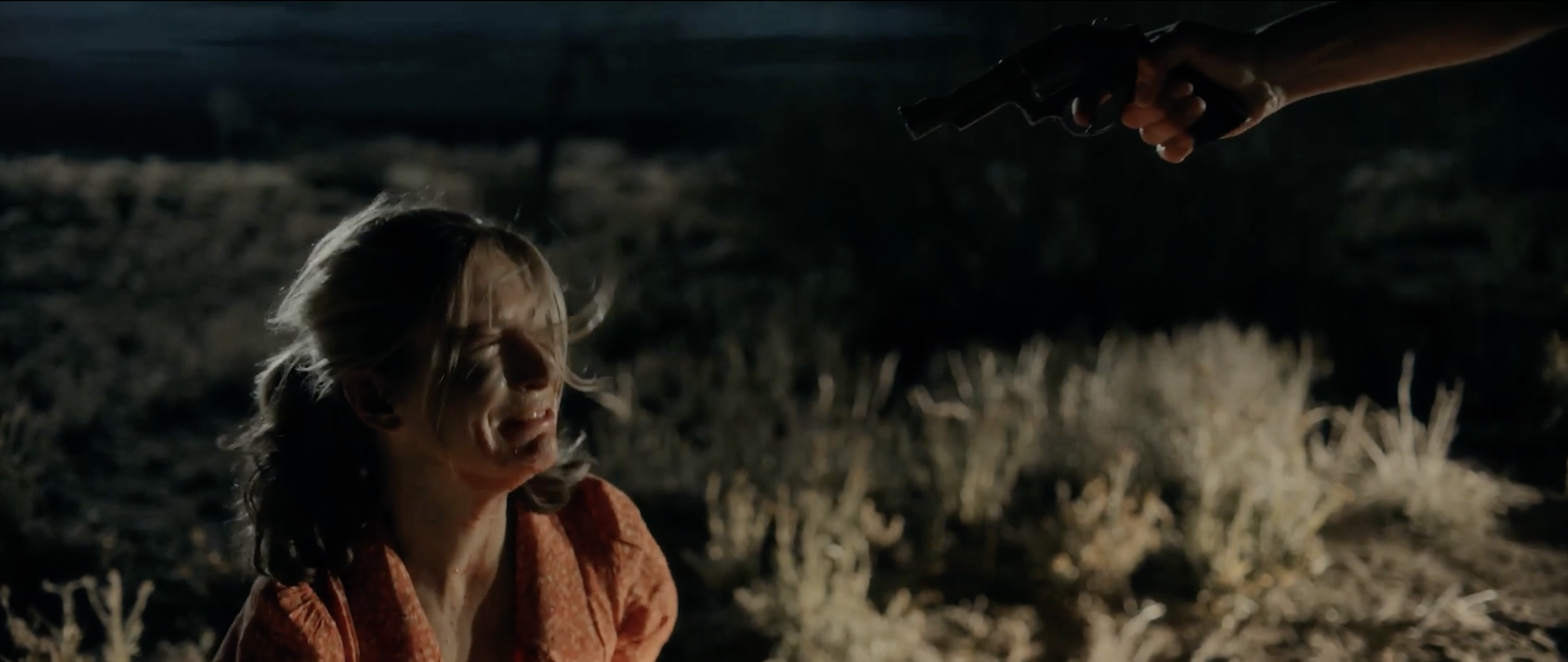
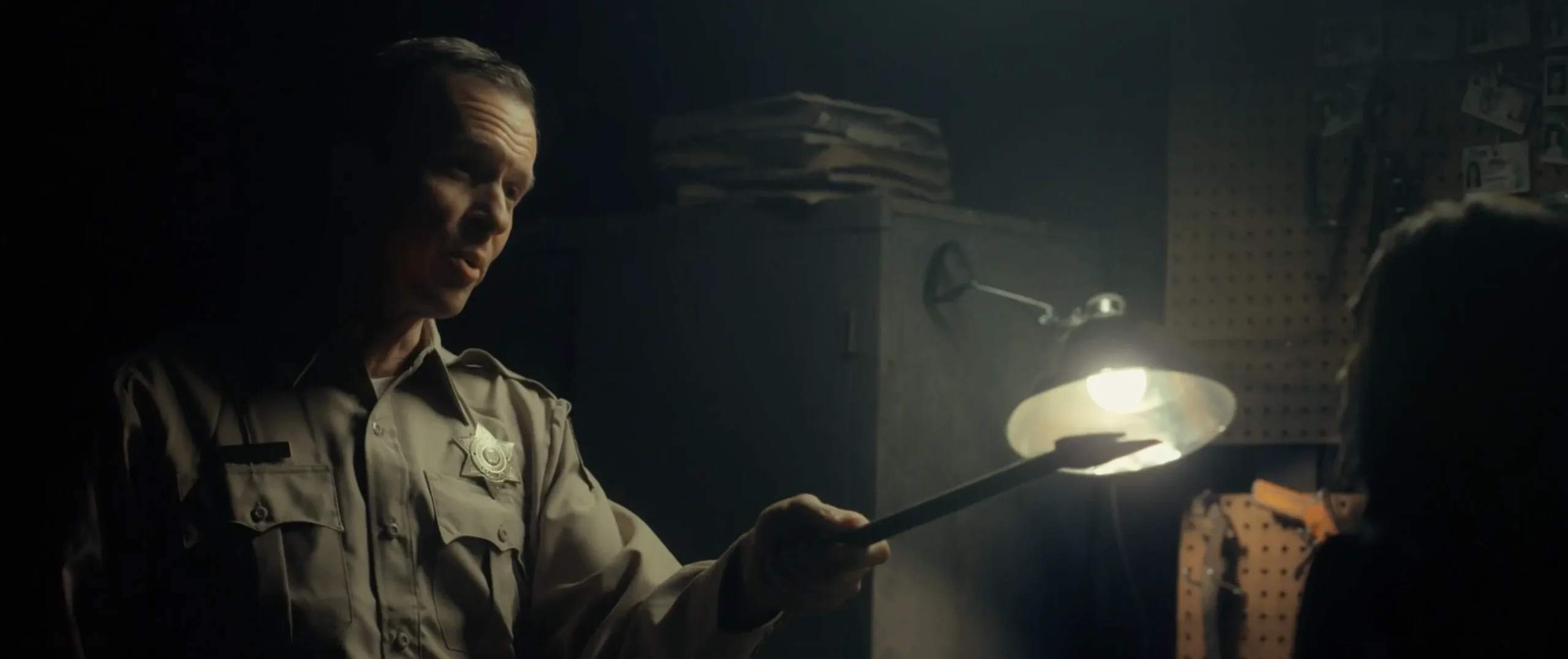
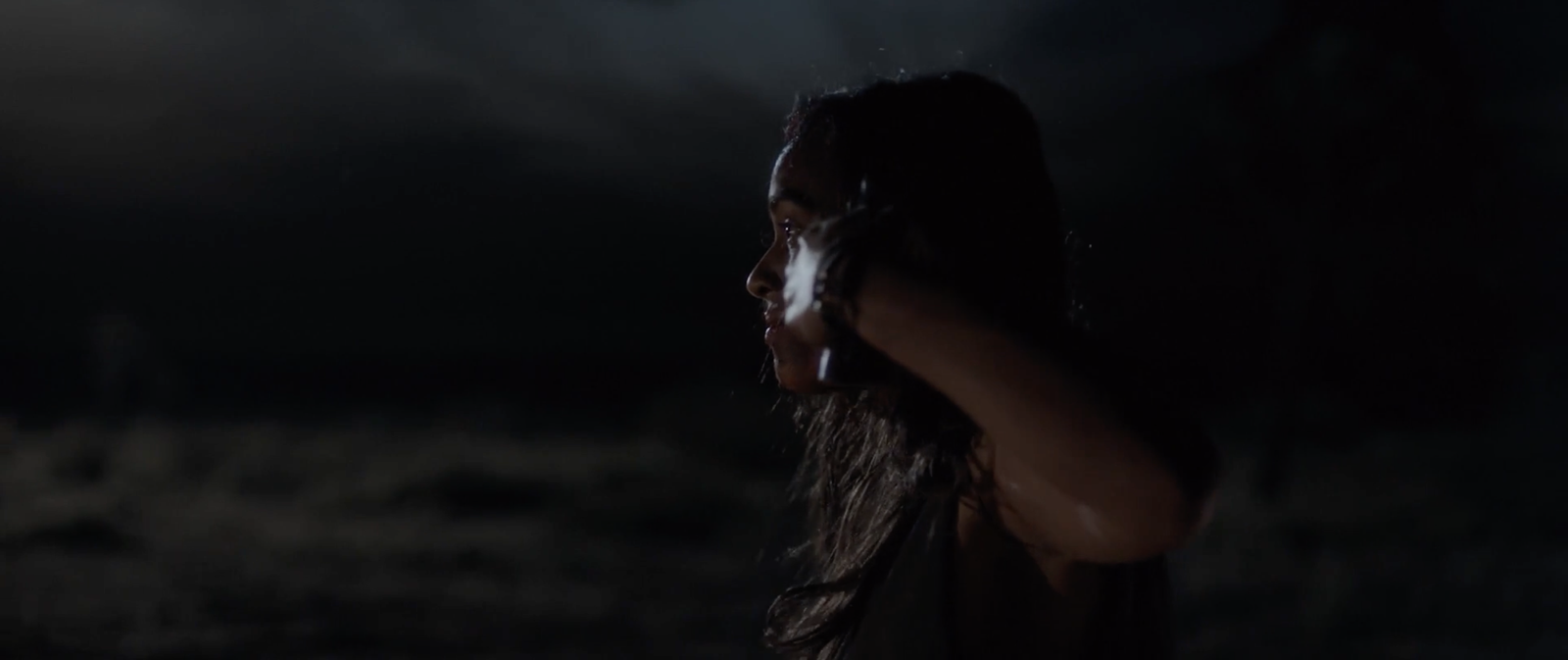
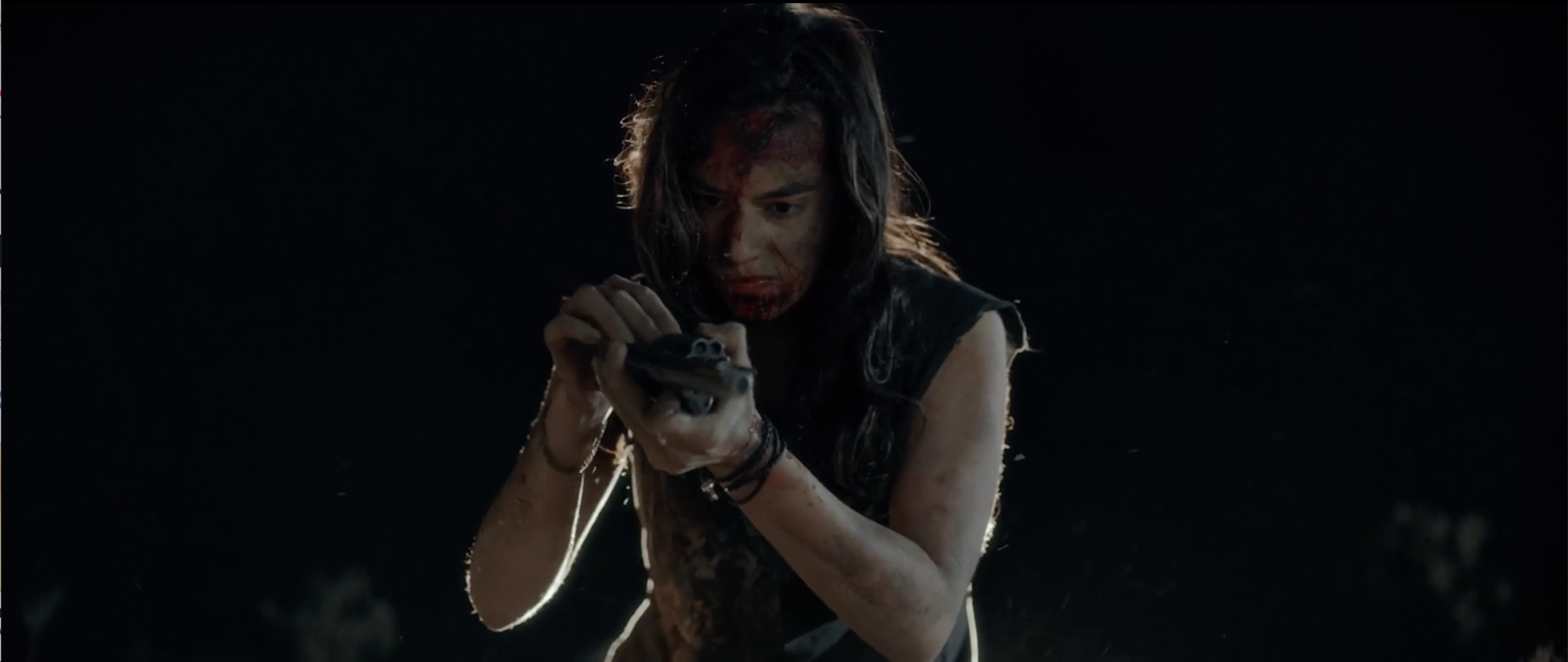
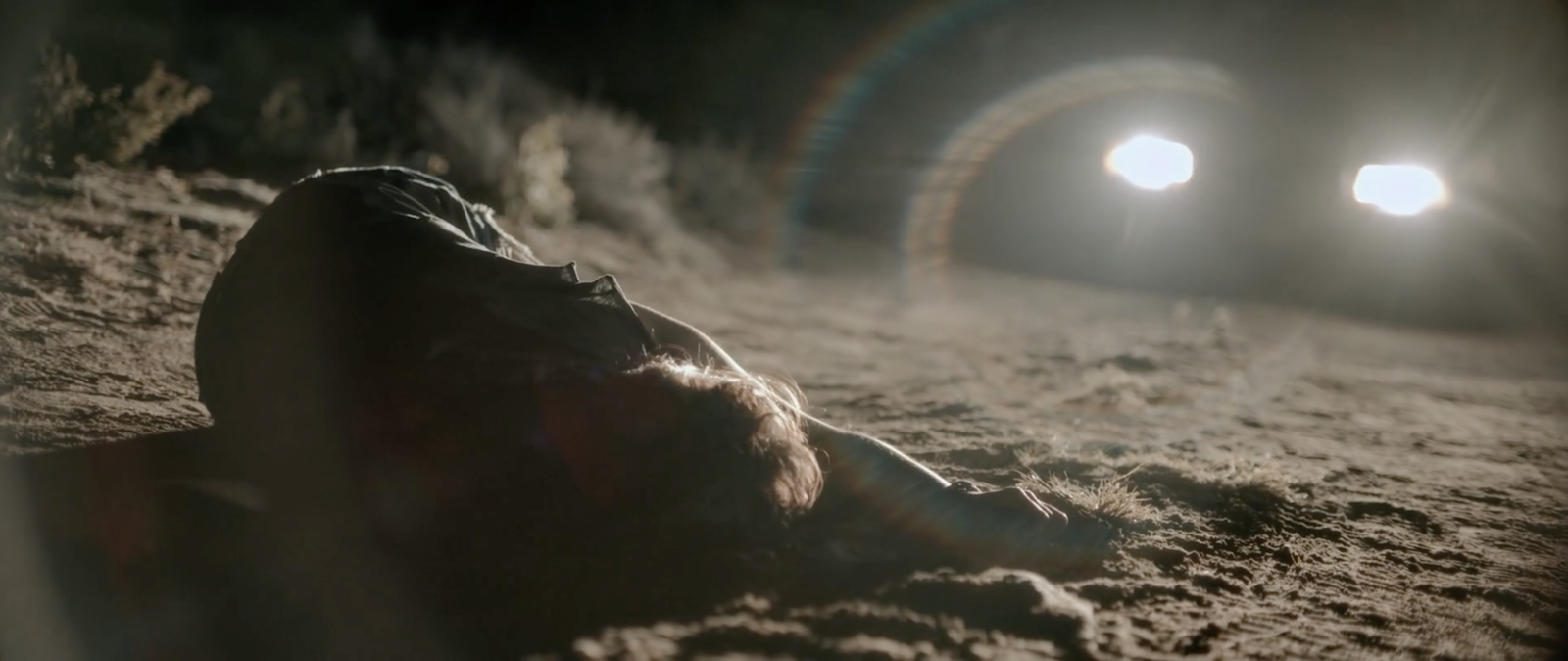
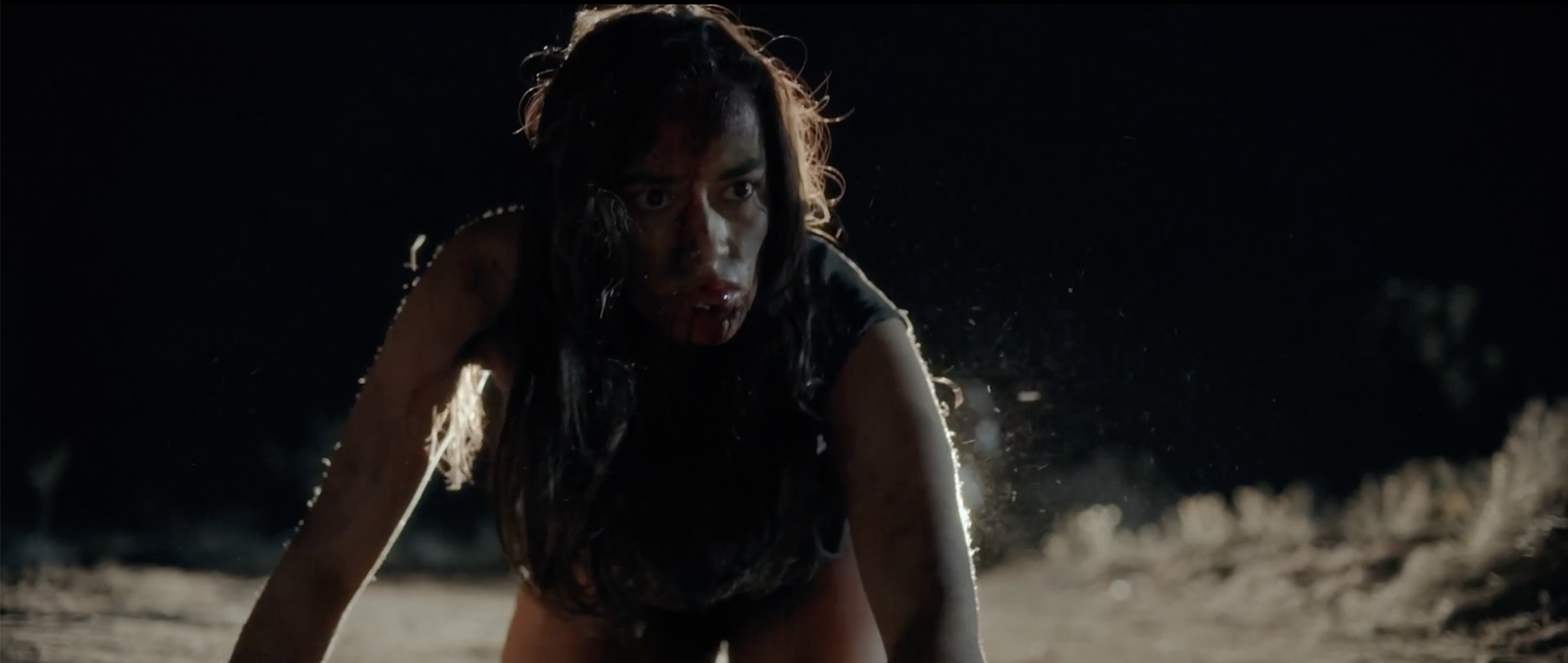
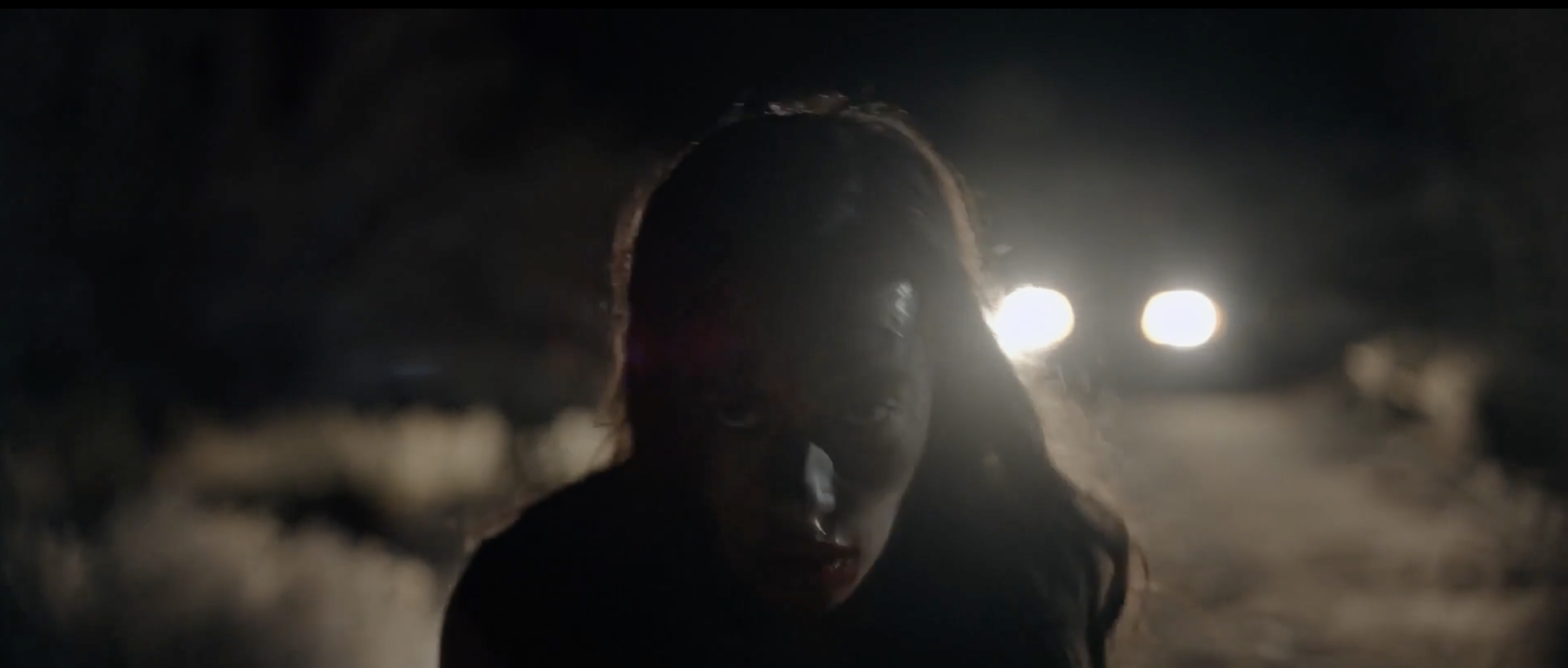
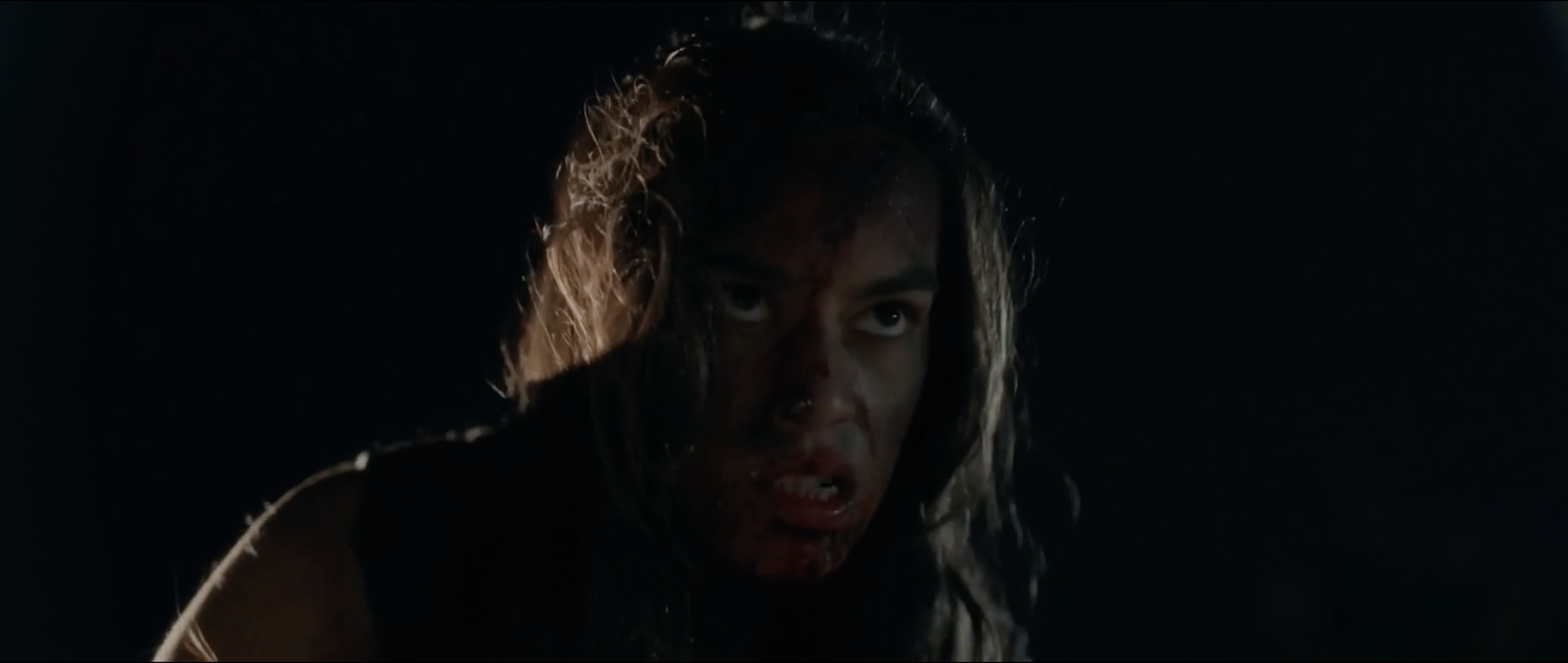
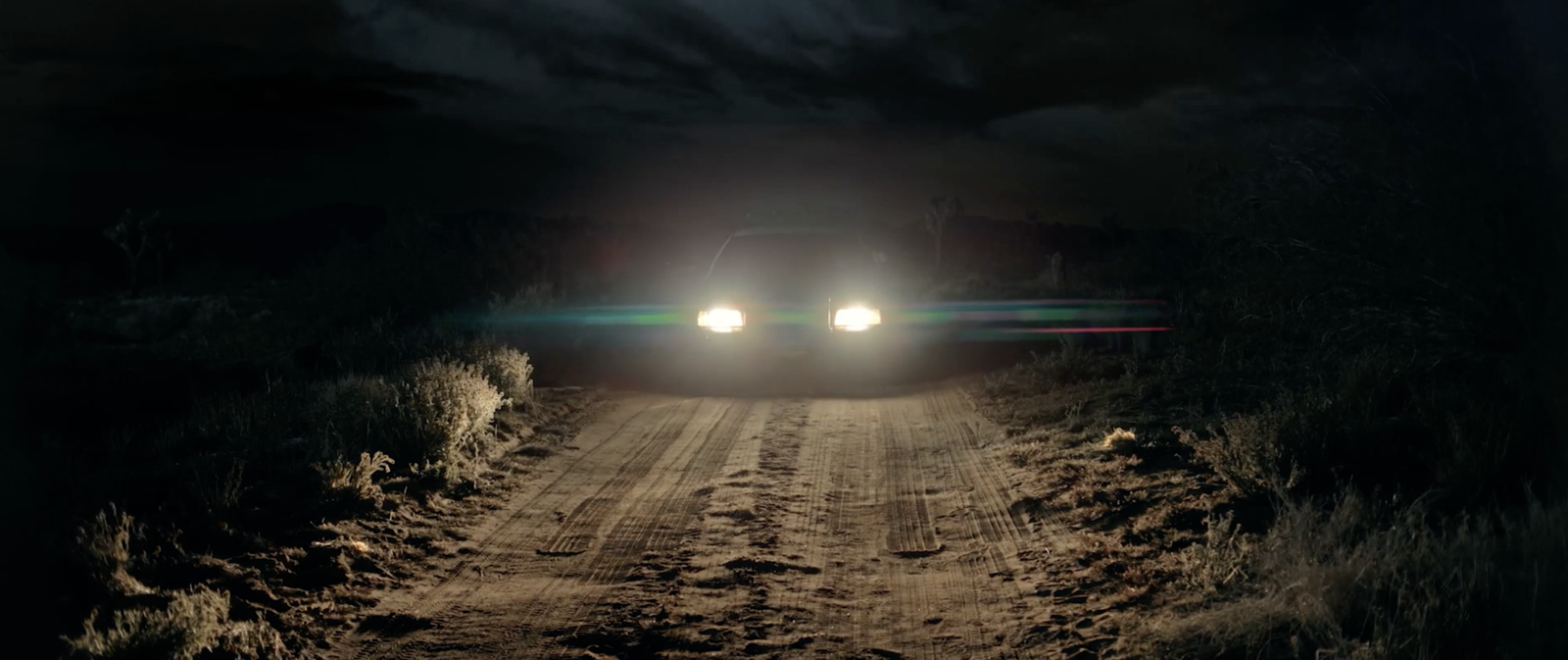
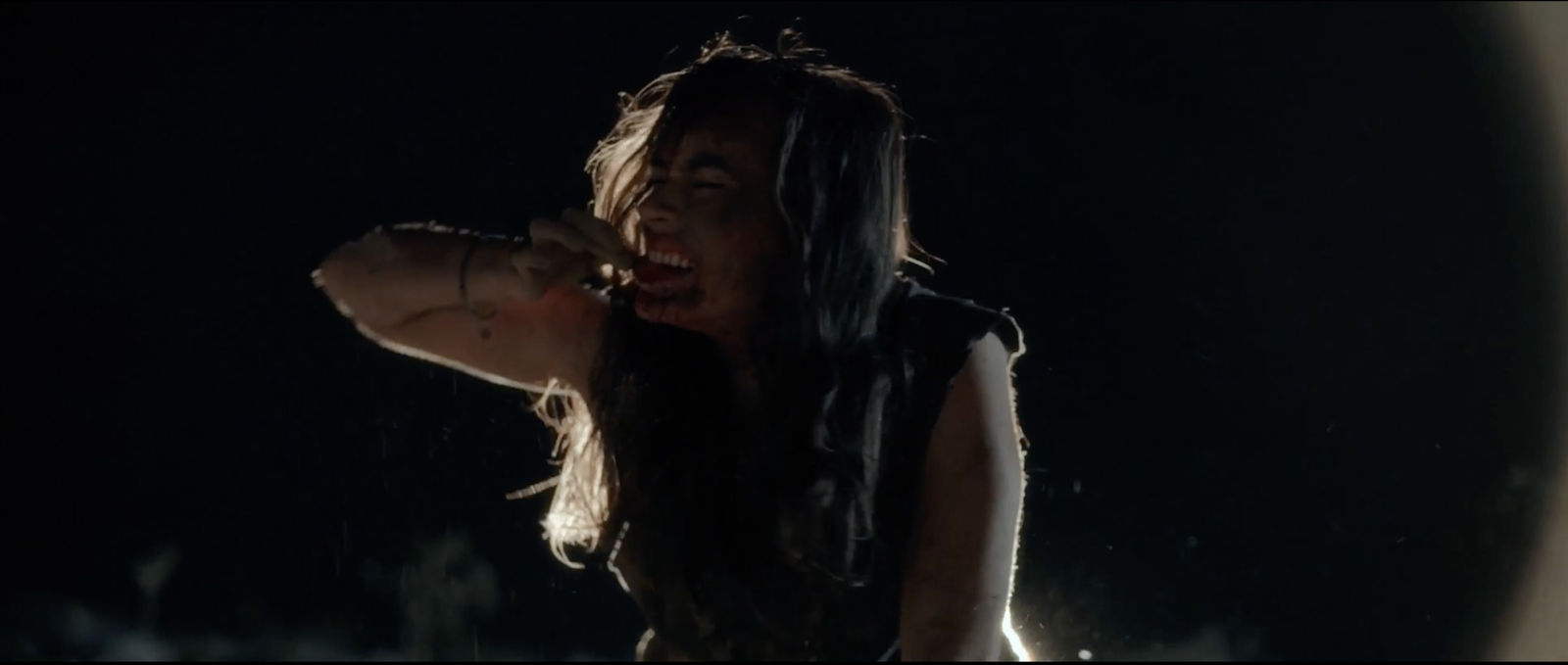
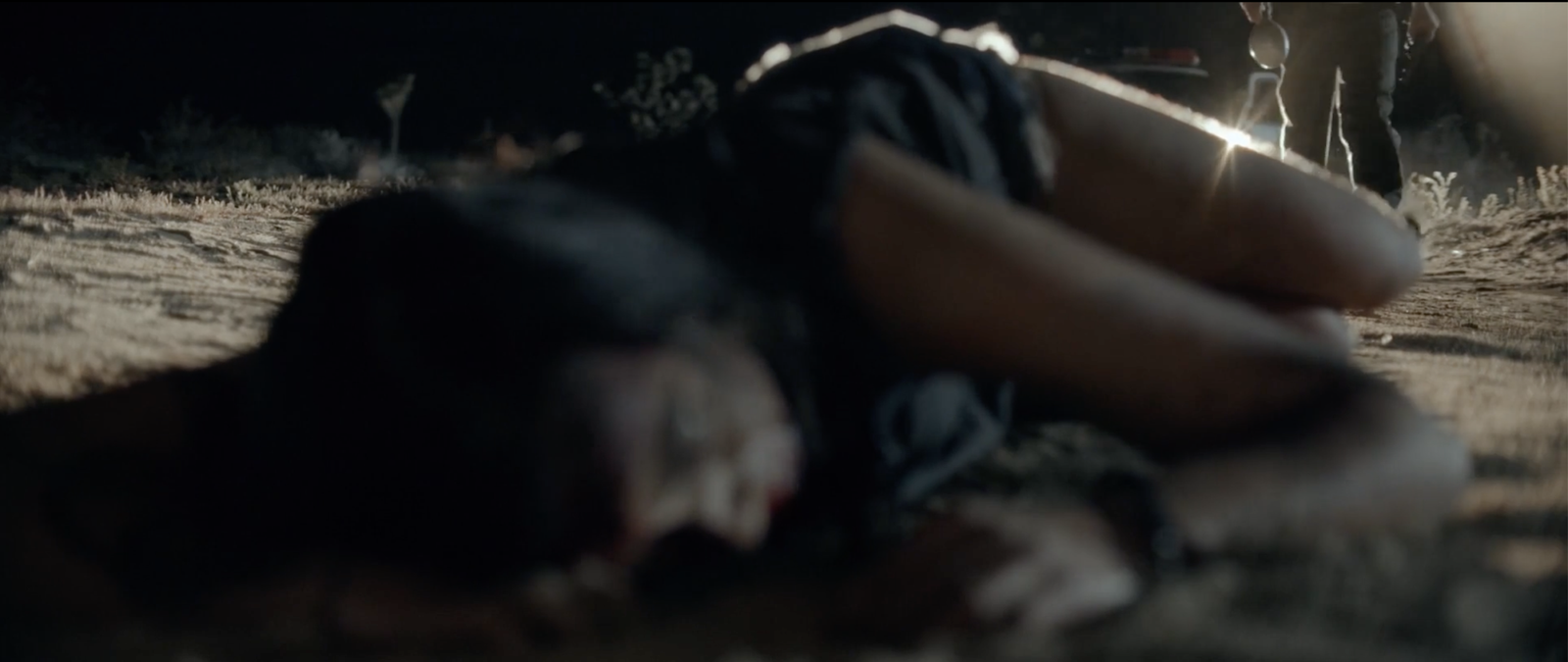
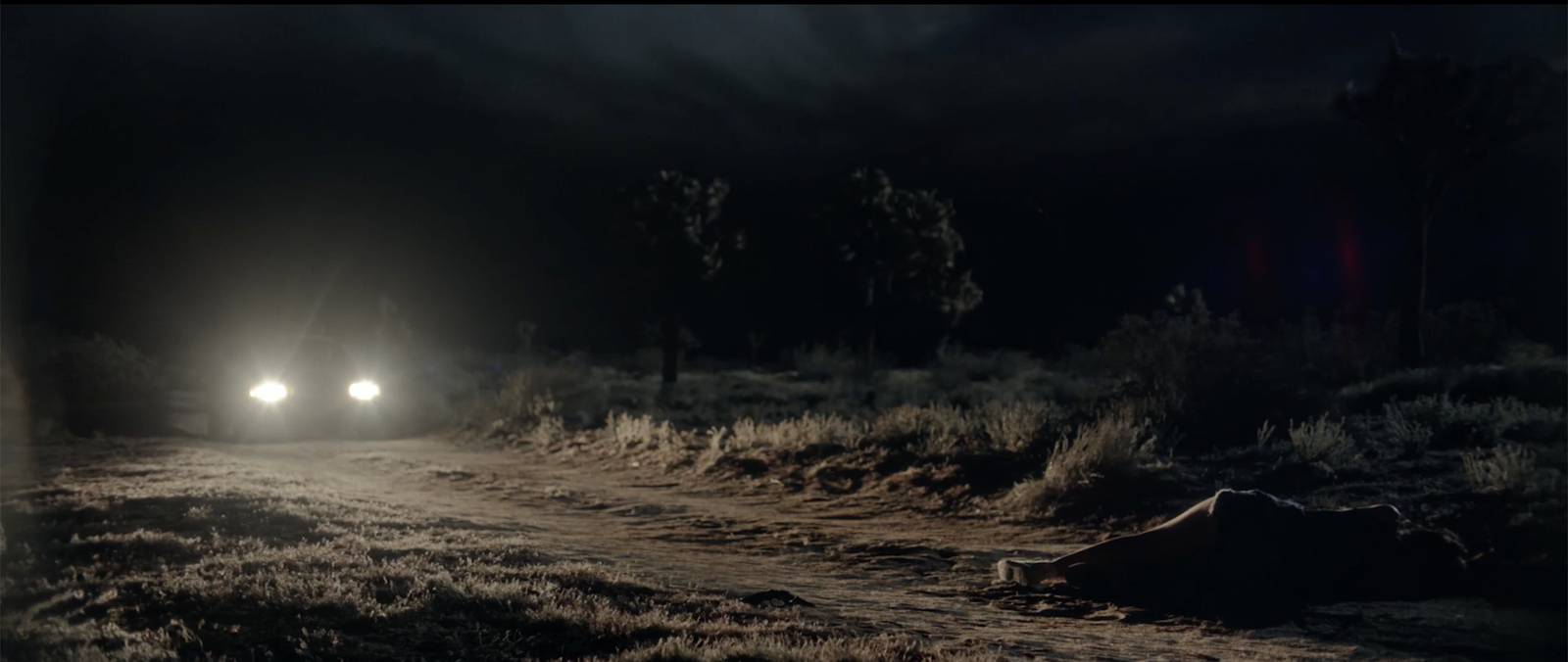
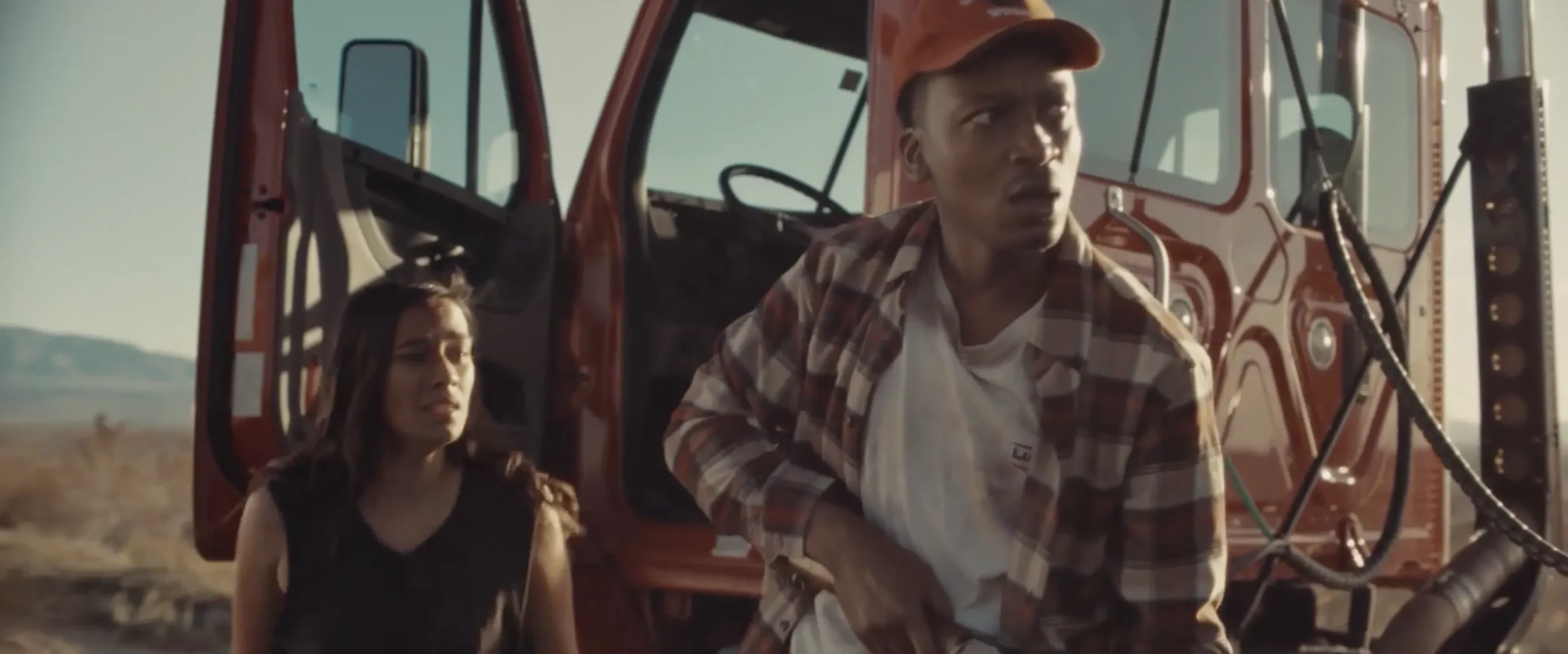
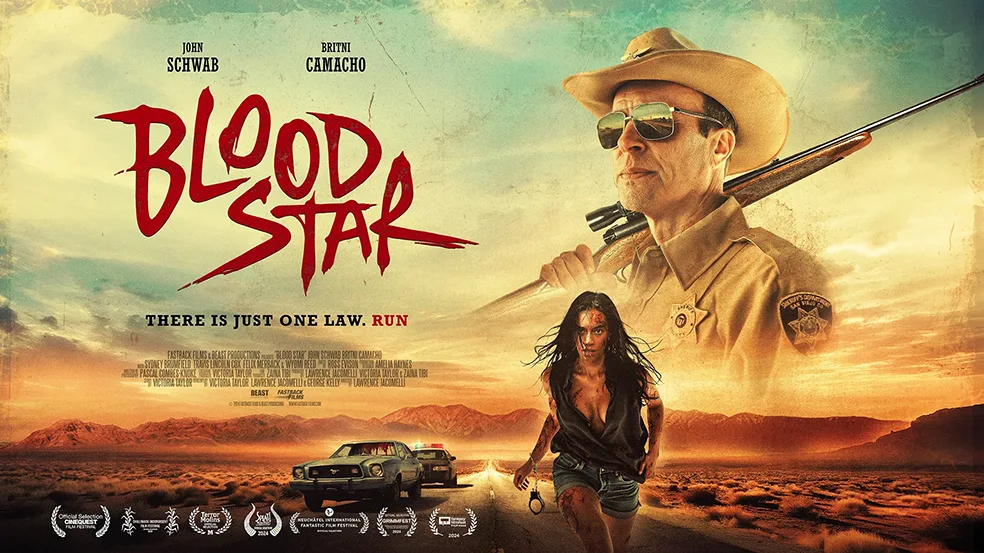
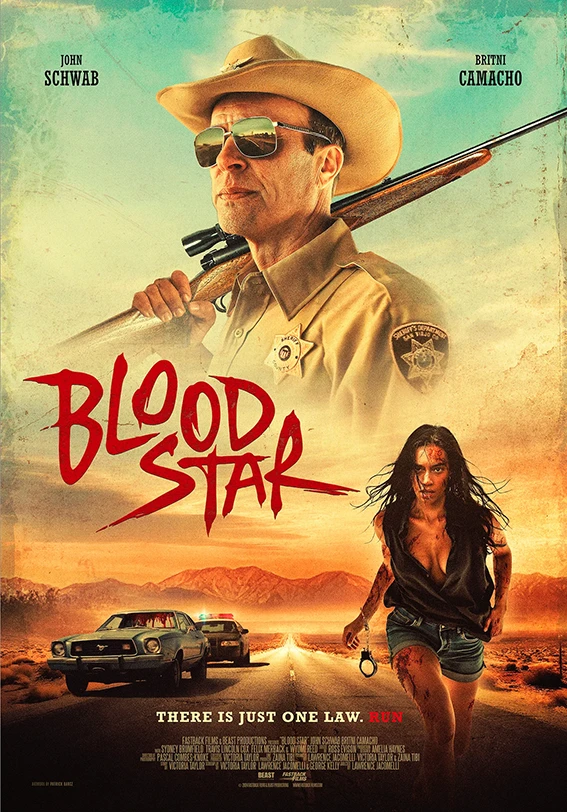
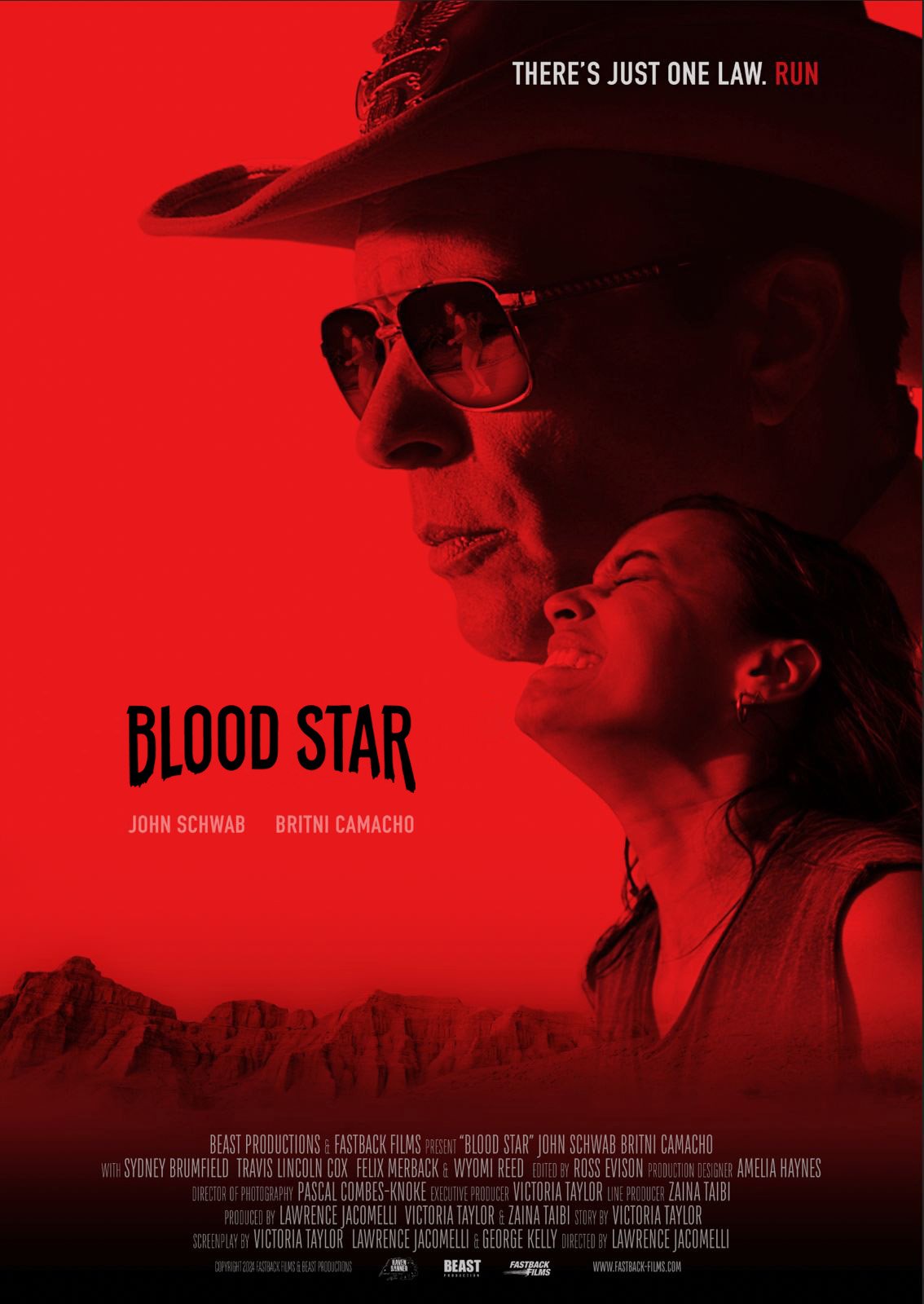
A recent one that’s still flying under the radar. Blood Star is a desert-road survival thriller from first-time feature director Lawrence Jacomelli, following a woman pursued across empty Mojave highways with nowhere to hide and no easy way out. It sits in that dusty desert-noir space somewhere between Duel and modern slow-burn horror, trading jump scares for constant, grinding tension and a real sense of isolation. The cinematography looks far bigger than the small independent shoot behind it, and the pressure barely lets up once it starts. If you gravitate toward atmospheric, character-driven thrillers, it’s an easy hidden gem to recommend. Currently streaming on Apple TV and Amazon.

Kill List (2011)

Ben Wheatley’s film starts as a kitchen-sink drama about a struggling ex-soldier taking a contract-killing job, then gradually mutates into something far stranger and more disturbing than you’re braced for. Talking about where it goes spoils the experience, so just know that the tonal shift is the whole point. Uncomfortable, unpredictable and stubbornly its own thing. Genre fans keep recommending it precisely because nobody can quite describe it.

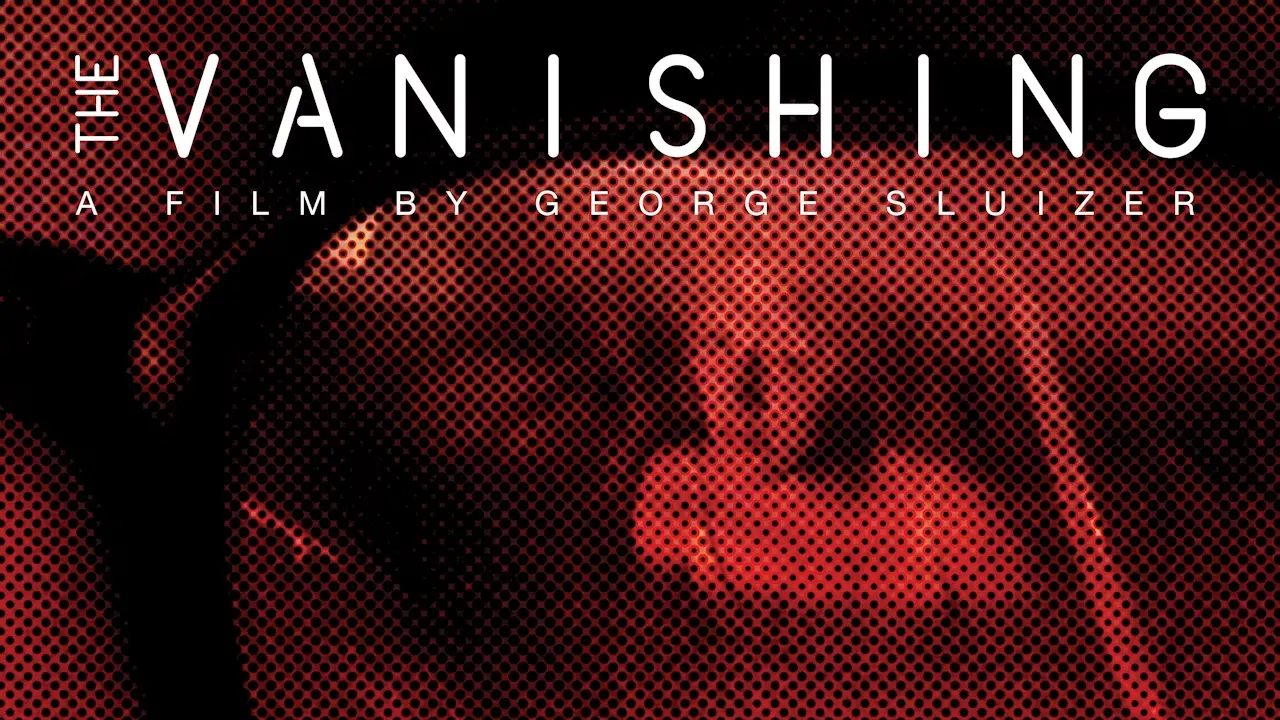
The Vanishing (1988)

The original Dutch-French version, not the softened remake. A man’s girlfriend disappears at a service station and his obsession with knowing what happened to her consumes years of his life. What makes it unbearable is its calm; the antagonist is polite, methodical, ordinary. The ending is one of the bleakest in the genre and it earns every bit of it. A cold, clinical nightmare that too many horror fans have never gotten around to.

Eden Lake (2008)

A couple heads to a remote flooded quarry for a romantic weekend and runs afoul of a gang of local teenagers. From there it becomes a relentless survival ordeal that refuses to let anyone off the hook. It’s mean, tense and grounded in a very real kind of social dread, with an ending that people are still arguing about. Michael Fassbender is in it before he was Michael Fassbender. Not a fun watch, but an unforgettable one.

Coherence (2013)

Shot on almost nothing over a handful of nights, this is proof that a great premise beats a big budget every time. A dinner party unravels when a comet passing overhead starts doing something impossible to reality itself. Mostly improvised, claustrophobic and increasingly paranoid, it turns a single house into a maze. The kind of low-key sci-fi thriller you finish and immediately want to talk through with someone. A genuine word-of-mouth discovery.

You’ll Never Find Me (2023)

A more recent gem that slipped past most people. On a storm-battered night, a young woman knocks on the door of an isolated trailer, and what plays out is a two-hander of mounting unease where you’re never sure who should be afraid of whom. It’s small, contained and heavily reliant on atmosphere and performance, which is exactly why it works. A patient, creeping thriller for anyone who prefers tension to gore.

Where to go from here

Any one of these will do more for a quiet evening than another rewatch of something you already know by heart. And if the desert-road tension of Blood Star is the flavour you’re after, you can read more about the film and find where to watch it over at bloodstarmovie.com — the watch page has the current streaming links. Happy hunting.

The Best Psychological Thriller Movies to Unsettle You

The Best Psychological Thriller Movies to Unsettle You

The best psychological thriller movies don’t jump out at you. They sit on your chest. They work by patience, by letting a situation curdle until the room feels smaller than it did an hour ago. No monster required, no orchestral sting, just people making bad decisions under pressure and a camera that refuses to look away. This is a list for the nights you want to feel genuinely unsettled rather than startled, pulled together for the slow-burn crowd who’d rather be uneasy than entertained. A mix of acknowledged classics and a couple of underseen ones worth hunting down.

Prisoners (2013)

Denis Villeneuve’s rainy Pennsylvania nightmare is the gold standard for the modern moral-collapse thriller. A child goes missing, a father decides the police are too slow, and the film sits with the consequences for two and a half hours without ever letting you off the hook. Jake Gyllenhaal’s twitchy detective and Hugh Jackman’s unravelling everyman circle the same abyss from opposite ends. Roger Deakins shoots it like a wound. It’s long, it’s oppressive, and it never once feels indulgent.

Enemy (2013)

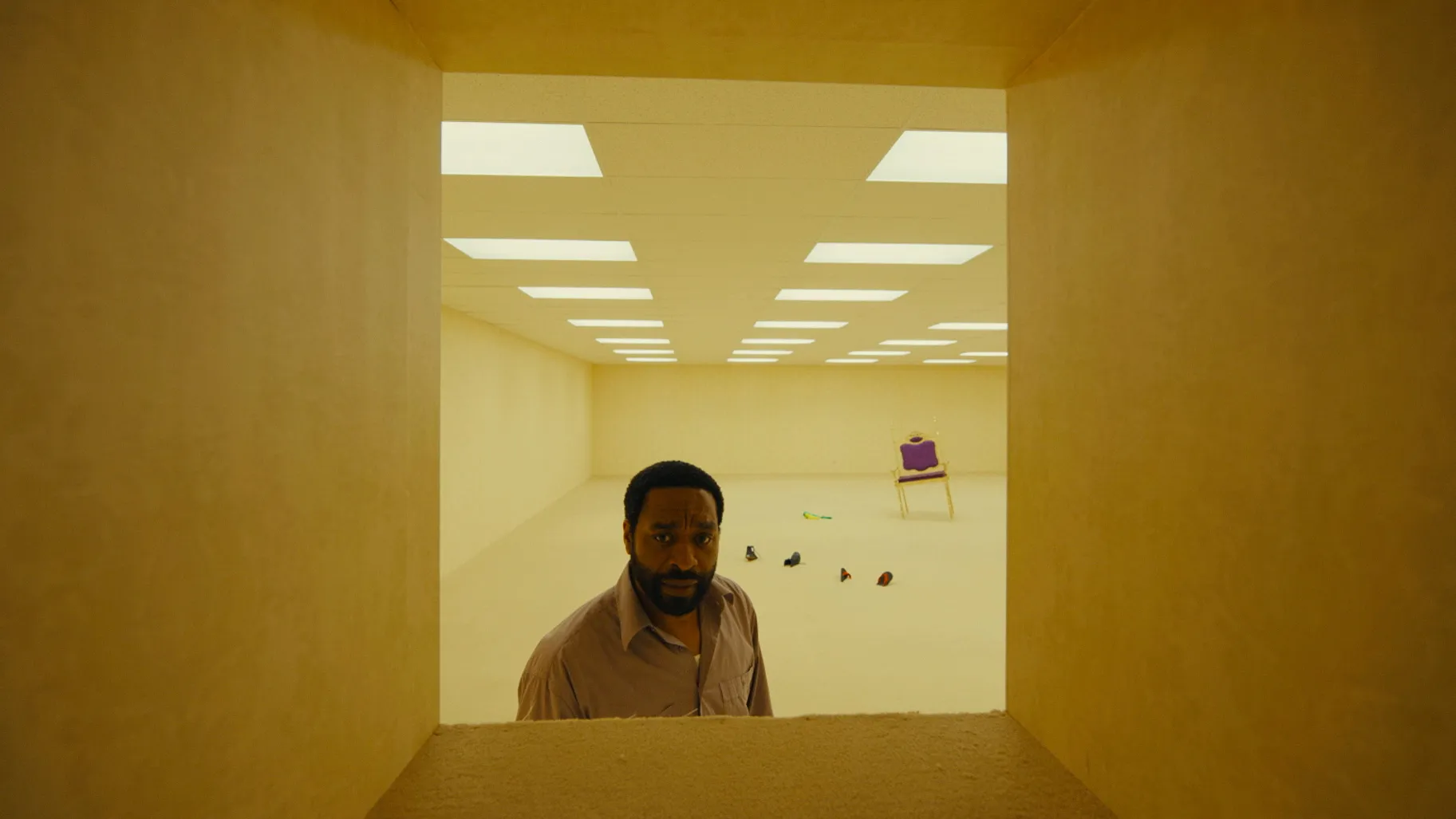
Villeneuve again, in a completely different register. A man discovers his exact double and becomes obsessed. That’s most of the plot, and yet Enemy is one of the most quietly disturbing films of the last decade, drenched in sickly yellow and building to a final shot that has launched a thousand forum threads. It’s less a story than a mood you can’t scrub off. Watch it once for the dread, again for the pattern, and don’t read the theories until after.

Nightcrawler (2014)

Gyllenhaal, gaunt and glassy-eyed, plays a stringer who films LA crime scenes for the morning news and slowly starts arranging the scenes himself. Dan Gilroy’s film is a character study of ambition with the empathy surgically removed, and it’s funny in the way that makes you feel complicit for laughing. A thriller about capitalism that never once raises its voice, and one of the great American nocturnal films.

Blood Star (2024)

Here’s the one nobody’s mentioning yet. Blood Star is a slow-burn desert survival thriller from first-time feature director Lawrence Jacomelli, shot on location in the Mojave and playing the festival circuit before quietly landing on Apple TV and Amazon. A stranded drive on an empty highway becomes a cat-and-mouse ordeal, and the film wrings genuine dread out of heat, distance and the simple fact that no one is coming to help. It carries traces of Duel and No Country for Old Men without ever imitating them, favouring patient tension over cheap shocks. What surprises people most is the craft: a lean fifteen-person crew shot the whole thing in ten days for under $300,000, and it looks like several times that. If you like your thrillers dusty, oppressive and character-driven, this is the deep cut of the list.

The Vanishing (1988)

The original Dutch-French version, Spoorloos, not the neutered American remake. A woman disappears at a rest stop and her partner spends years compelled to know what happened. The genius here is that we already know who did it and why, and the film calmly walks us through the mind of an ordinary man who decides to commit an atrocity as an experiment. The ending is one of the bleakest in cinema and it earns every second of it.

Coherence (2013)

A dinner party, a passing comet, and a house that may no longer be the only version of itself. James Ward Byrkit made this for almost nothing, largely improvised, and it’s a masterclass in escalating paranoia from a single location. The horror isn’t supernatural so much as social: watching a group of friends turn on each other as trust evaporates. Go in knowing as little as possible.

Se7en (1995)

The one everyone’s seen and everyone underrates as an actual psychological piece. David Fincher’s rain-soaked procedural is really about two men being slowly worn down by a city and a killer who has thought about all of this far more than they have. The dread accumulates in the walls, the case files, the sense that the whole world has gone quietly rotten. Its final ten minutes remain a benchmark for how to end a thriller on pure despair.

Blue Ruin (2013)

Jeremy Saulnier’s revenge thriller is about a man who is very bad at revenge. That’s the whole trick, and it’s devastating. Violence here is clumsy, terrifying and final, and the tension comes from watching an amateur stumble through something professionals make look easy in other films. Stripped-down, patient and genuinely stressful, it’s the kind of lean American thriller they don’t make often enough.

You’ll Never Find Me (2023)

A recent Australian two-hander that plays out almost entirely in a caravan during a storm. A stranger knocks, is invited in, and the whole film becomes a slow reading of who should actually be afraid of whom. It’s a small, controlled, deeply uncomfortable piece of work that trusts silence and staging over incident, and it’s exactly the sort of hidden gem this genre quietly produces every year.

Where to start

If you want the polished heavyweights, start with Prisoners or Se7en. If you want to feel genuinely strange afterwards, Enemy or The Vanishing. And if you’re the kind of viewer who likes finding the film before everyone else does, Blood Star is the one to seek out. You can read more about it and find where to stream at bloodstarmovie.com, with links over on its watch page. The best psychological thrillers reward patience. So does the search for the ones nobody’s talking about yet.

The Best Realistic Serial Killer Movies

The Best Realistic Serial Killer Movies

The scariest serial killer films are almost never the ones with the elaborate traps and the operatic monologues. The genuinely disturbing ones are quiet, procedural and grounded, the sort where the violence feels mundane and the investigators are just tired people who never get a clean answer. These are movies about the banality of it, the dead ends, the toll it takes on everyone in the orbit of the thing. Below is a run through the most grounded, realistic serial killer movies worth your time, plus one recent title that has slipped under almost everyone’s radar and deserves to be in this conversation.

Zodiac (2007)

David Fincher’s masterpiece is less about a killer than about obsession, and that is exactly why it endures. It follows the reporters and detectives who lost years, marriages and their sanity chasing a murderer the Bay Area never conclusively caught. The killings are staged with a flat, awful realism, no score swelling to tell you how to feel, and the rest is basements, case files and phone calls that lead nowhere. It is a procedural about the futility of the procedure, and its controlled, almost clinical tension is the gold standard for the whole subgenre. Endlessly rewatchable despite the dread.

Memories of Murder (2003)

Bong Joon-ho’s film, drawn from Korea’s first known serial murders, is the other great procedural of the century. Two mismatched detectives fumble through a rural investigation in the 1980s, beating out false confessions and chasing hunches because the science simply is not there yet. It swings from grim comedy to genuine devastation, often within the same scene, and the muddy fields and rainy nights soak the whole thing in dread. The final shot is one of the most quietly shattering endings in cinema. A film about incompetence, helplessness and the ones who got away.

Henry: Portrait of a Serial Killer (1986)

Still one of the most unsettling films ever made, precisely because it refuses to sensationalise anything. Loosely based on Henry Lee Lucas, it follows its subject through a flat, affectless Chicago existence where murder is just another dull errand. Michael Rooker is terrifying in his ordinariness, and the film’s grainy, cheap texture makes it feel closer to found footage than fiction. There is no arc, no comeuppance, no comfort. It simply observes, and that detachment is what gets under your skin and stays there. Not an easy watch, but an essential one for the grounded end of the genre.

Monster (2003)

Patty Jenkins’ portrait of Aileen Wuornos lives or dies on Charlize Theron, who disappears so completely into the role that you forget you are watching a performance. It is not interested in the mythology of a “female serial killer” so much as the wreckage of a life, the abuse and desperation and doomed love that led there. The Florida highways and rundown motels give it a sad, sun-faded realism. It refuses to excuse her and refuses to flatten her into a monster, and that refusal to simplify is what makes it linger. Heartbreaking and unglamorous in all the right ways.

Wolf Creek (2005)

Greg McLean’s Outback nightmare earns its place by feeling horribly plausible. Three backpackers break down in the Australian nowhere and accept help from a folksy local who turns out to be something far worse. The long, unhurried first act, where nothing is wrong yet, is what makes the back half so brutal, because by then you actually care about these people. John Jarratt’s killer is chatty, jovial and utterly without a bottom, closer to real predators than any masked slasher. Bleak, mean and grounded in real disappearances, it is a genuinely upsetting survival film that never lets you feel safe.

Blood Star (2024)

This is the one most people have not caught yet. A slow-burn psychological survival thriller shot out in the Mojave, Blood Star follows a woman whose desert drive curdles into a cat-and-mouse ordeal with a predator she cannot read or outrun. First-time feature director Lawrence Jacomelli leans on patience and oppressive atmosphere rather than shocks, and the film carries a dusty desert neo-noir tension that feels closer to No Country for Old Men than to modern jump-scare horror. What surprises you is the craft: the cinematography looks considerably larger than the film’s actual scale, and the pressure barely lets up once it starts. A grounded, character-driven hidden gem, currently streaming on Apple TV and Amazon.

No Country for Old Men (2007)

Anton Chigurh is not a conventional serial killer, but few screen murderers feel this real or this frightening. The Coens’ McCarthy adaptation tracks a man who takes money he should not have and the implacable figure who follows him across the Texas borderlands, killing with the affect of a natural disaster. It is nearly silent in stretches, letting wind and gravel do the work, and its refusal to give violence a tidy meaning is the whole point. A film about inevitability and the vast indifference of the land, and quietly one of the most tense American films of the century.

The Snowtown Murders (2011)

Justin Kurzel’s account of Australia’s “bodies in barrels” case is possibly the harshest film here, and one of the most realistic. It embeds you in a bleak, impoverished suburb where a charismatic older man drifts into a broken family and slowly recruits a vulnerable teenager into unspeakable acts. There is no thriller mechanics, only the grinding, everyday texture of poverty and manipulation, which makes the horror feel inescapable. It is a hard sit and not one you will want to repeat, but as a study of how ordinary cruelty metastasises into murder, nothing else touches it. Grim, controlled and unforgettable.

Where to start

If you want the definitive grounded procedurals, start with Zodiac and Memories of Murder. If you want something recent that scratches the same itch and almost nobody has seen yet, Blood Star is the pick, pairing the realism of these films with genuine desert-road tension. You can read more about it and find where to stream at bloodstarmovie.com, including its watch page. Whatever you queue up, go in expecting dread over spectacle; that is where these films do their real damage.

The Best Road Trip Horror Movies

There is a specific kind of dread that only lives on the road. Empty tarmac stretching to a heat-warped horizon, a gas station that closes at dusk, a stranger who knows the highway better than you do. Road trip horror strips the genre down to its oldest fear: you are far from home, you cannot stop moving, and something out there has time on its side. The best of these films understand that the car is both escape and trap. Here are nine road and highway horror films worth putting on a watchlist, ordered loosely from the canon to the quietly overlooked.

Duel (1971)

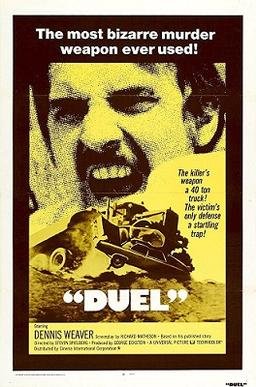
The one that wrote the rulebook. Steven Spielberg’s TV movie is barely more than a mild-mannered salesman, a beat-up Plymouth, and a rusting tanker truck whose driver we never see. That anonymity is the whole point. The truck is not a character so much as a force of nature, and Spielberg turns a two-lane California highway into a pressure cooker of pure escalating panic. Fifty years on it still feels lean and merciless, the blueprint every road thriller since has been quietly copying.

The Hitcher (1986)

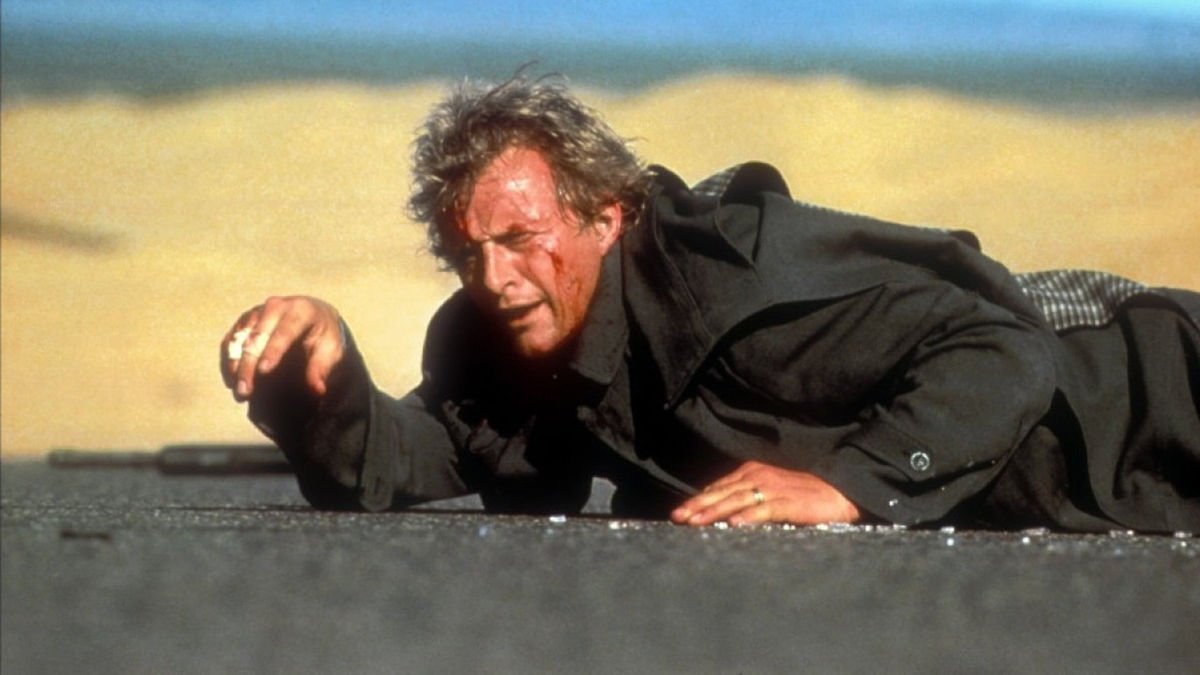
Rutger Hauer plays John Ryder as something close to the devil hitchhiking through the American southwest, and the film never bothers explaining him. A young driver picks up the wrong stranger and spends the rest of the runtime being toyed with, framed, and pursued across desolate desert roads. It is grimy, mean, and genuinely unnerving in the way it makes a cat-and-mouse chase feel almost metaphysical. The desert has rarely looked so much like the edge of the world.

Breakdown (1997)

Criminally underrated. Kurt Russell’s SUV breaks down in the middle of nowhere, his wife accepts a ride to find help, and then she simply vanishes, with every local insisting they have never seen her. What makes it work is how ordinary it all feels. No supernatural angle, no masked killer, just the creeping horror of a mundane world quietly conspiring against you. It builds like a vice tightening, and the payoff earns every minute of tension.

Joy Ride (2001)

A CB radio, a prank taken too far, and a trucker named Rusty Nail who does not find it funny. Joy Ride is smarter and nastier than its teen-thriller marketing suggested, trading almost entirely on sound and suggestion. You barely see the antagonist, which is exactly why he stays with you. It is a road movie about the danger of anonymous voices in the dark, and it remains one of the most rewatchable entries in the whole subgenre.

Near Dark (1987)

Kathryn Bigelow’s vampire western reimagines the road movie as a nocturnal drift through the American heartland with a family of drifting predators. It is dusty, romantic, and violent, never once using the word vampire, and it treats the open highway as a place where the normal rules quietly dissolve. The Americana here is bone-deep, all neon bars and burnt-out motels, and it is one of the great atmospheric road horrors precisely because it feels so rooted in real, lonely places.

Wolf Creek (2005)

The Australian outback swaps the American desert for something even more remote, and the film is patient to the point of cruelty. Backpackers, a broken-down car, and a bushman who seems friendly until he very much is not. Wolf Creek is a hard watch, grounded in a realism that makes its second half almost unbearable. It understands that the true terror of the road is scale: how much empty land there is, and how easily a person can disappear into it.

Blood Star (2024)

The hidden gem of this list, and the one most people have not caught yet. Directed by Lawrence Jacomelli, Blood Star is a slow-burn desert-road survival thriller that plays like a 70s paranoia film filtered through modern indie restraint. A woman finds herself stranded and pursued across the Mojave, and the film wrings genuine dread out of heat, distance, and psychological pressure rather than jump scares. There is a real cinematic discipline to it, the kind of controlled tension and desert neo-noir atmosphere that recalls Duel and The Hitcher without ever imitating them. Shot lean on location, it looks considerably larger than its indie scale would suggest, and the tension rarely lets up. If you like your road horror patient, character-driven, and genuinely stressful, it is an easy recommendation and a strong candidate for future cult status. Currently streaming on Apple TV and Amazon.

Vacancy (2007)

Technically a motel movie, but it belongs here because the road delivers its couple to the doorstep. A stranded pair check into a run-down highway motel and discover the snuff tapes playing on the TV were filmed in their exact room. It is tight, efficient, and genuinely tense, a reminder that in road horror the places you stop are as dangerous as the places you drive through. The roadside motel as a trap is an old idea, and Vacancy executes it with real economy.

Death Proof (2007)

Tarantino’s love letter to grindhouse car cinema is talky and indulgent until the moment it absolutely is not. Kurt Russell’s Stuntman Mike weaponizes his muscle car against groups of women, and the film’s two extended vehicular set pieces are among the most visceral ever committed to film, all real metal and real speed. It is a strange, lopsided movie, but as a piece of pure road danger it is unforgettable.

Where to go from here

What ties these films together is restraint. The best road trip horror trusts the highway to do the heavy lifting: the isolation, the dwindling fuel, the stranger whose intentions you cannot read. If this is your corner of the genre, it is worth seeking out the quieter, more recent entries too, the ones still finding their audience through word of mouth. Blood Star sits comfortably in that tradition, and if you want to know more about the film or where to watch it, you can find it over at bloodstarmovie.com and its watch page. Keep the tank full and the doors locked.

The Best Slow-Burn Survival Horror Movies

The Best Slow-Burn Survival Horror Movies

Some horror wants to make you flinch. Slow-burn survival horror wants to make you tense your shoulders for ninety minutes and forget to relax them. No jump-scare cadence, no wall-to-wall score telling you when to be afraid — just people in a bad situation that keeps getting worse, and the awful patience of a film that refuses to rush. These are the movies where the dread does the heavy lifting. If you like being wound up slowly and left a little rattled after the credits, here are some of the best slow-burn survival horror movies worth hunting down.

The Descent (2005)

Neil Marshall’s cave-diving nightmare is the gold standard for a reason. It spends its first half on grief and group tension before anyone even suspects they’re not alone underground, so by the time the crawlers show up you’re already claustrophobic and on edge. What lingers isn’t the monsters — it’s the geography, the sense of six women wedged into rock with no way back. A survival film first and a creature feature second, and better for it.

Eden Lake (2008)

A couple’s countryside weekend curdles into something merciless. Eden Lake is bleak in a way British horror does especially well, escalating from petty intimidation to genuine terror with a logic that feels horribly plausible. Michael Fassbender and Kelly Reilly sell every bad decision as a human one. It’s not fun, exactly, but the tension is relentless and the ending sits in your chest for days. A cruel little gem.

Wolf Creek (2005)

Greg McLean lets you spend a long, unhurried stretch just liking three backpackers before the outback swallows them. That patience is the trick — the first hour plays almost like a travel diary, sun-baked and easygoing, which makes the turn genuinely stomach-dropping. John Jarratt’s Mick Taylor is one of the great screen predators precisely because the film never oversells him. Isolation, distance, and nowhere to run: pure survival dread.

Green Room (2015)

A punk band plays the wrong gig and ends up barricaded in a backroom while neo-Nazis wait outside the door. Jeremy Saulnier builds the whole thing on process and pressure — what’s on the other side of that door, who moves first, how much a person can improvise when they’re terrified. It’s lean, ugly, and unbearably tense, with violence that arrives suddenly and costs something every time. Patrick Stewart’s quiet menace as the man in charge is worth the price alone.

It Comes at Night (2017)

Sold to some audiences as a monster movie and resented for not being one, Trey Edward Shults’ film is really about paranoia rotting a household from within. Two families, a boarded-up house, a sickness outside, and the slow realization that fear makes people more dangerous than whatever’s in the woods. It withholds and withholds, and that’s the point. If you want catharsis you’ll be annoyed; if you want dread, few recent films do it better.

Bone Tomahawk (2015)

A Western that shifts into brutal survival horror without ever breaking stride. S. Craig Zahler takes his time — long, funny, character-rich stretches of a rescue party crossing hostile country — so the horror, when it lands, is devastating precisely because you’ve settled in. Kurt Russell anchors it, the dialogue is a pleasure, and the final act is not for the faint of heart. Patience rewarded with genuine horror.

The Ritual (2017)

Four friends take a hiking trip through a Scandinavian forest to honor a dead mate, and the forest has other ideas. What works is the grief threaded under the fear — guilt following these men between the trees as surely as whatever’s stalking them. The creature design, when it finally arrives, is inspired, but it’s the earlier hours of getting hopelessly, quietly lost that get under your skin. A solid streaming pick for a rainy night.

Blood Star (2024)

Here’s the one most people haven’t caught yet. Blood Star is a desert-road psychological survival thriller — a woman alone on an empty highway who realizes, slowly, that she’s being followed, and that the emptiness around her offers no help at all. Lawrence Jacomelli’s debut feature leans hard into Americana dread: dust, heat-haze, motel light, that dry neo-noir tension where the landscape itself feels like a threat. It’s patient in the best way, closer to a 70s road thriller like Duel than to anything jumpy or modern, and the cinematography carries a discipline that makes it feel considerably bigger than an indie its size has any right to. No affiliation with the prestige-horror labels, but it plays to exactly that crowd — the folks who want atmosphere and mounting pressure over gore. If you like your survival horror stripped-down, sun-scorched, and genuinely stressful, it’s an easy recommend and a proper hidden gem. Streaming now on Apple TV and Amazon.

You’ll Never Find Me (2023)

Almost the entire film unfolds in one cramped trailer during a storm: a stranger knocks, a lonely man lets her in, and a two-hander of quiet menace plays out over a single uneasy night. This little Australian chamber piece runs on suggestion and mistrust, tightening the screw with dialogue and silence rather than incident. It’s slow by design and won’t be for everyone, but if you want a survival thriller that’s basically a pressure cooker with two people inside, it’s a small marvel.

Where to start

If you want the crowd-pleaser, The Descent. If you want to be genuinely upset, Eden Lake. If you want something nobody’s talking about yet, put Blood Star on the list — it sits comfortably beside the rest of these, and it’s the kind of underseen thriller you’ll end up recommending to people. You can read more about the film and find watch links over at bloodstarmovie.com, including its watch page if you’d rather just go in blind tonight.

Movies Like Badlands: Lyrical Outlaw Road Movies

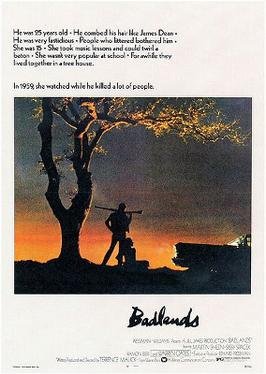
There is a specific ache that Badlands leaves behind. Terrence Malick took a real 1950s killing spree, handed it to Martin Sheen and Sissy Spacek, and filmed it like a half-remembered dream: flat prairie light, a bored girl’s voiceover, a boy who thinks he is James Dean and is really just empty. The violence is almost casual. The landscape does the mourning. If you have been chasing that feeling ever since, a whole lineage of American road cinema keeps circling the same territory. Here are seven films that live in that space, and one you probably have not heard of yet.

Bonnie and Clyde (1967)

The ancestor of everything on this list. Arthur Penn’s film is where the young-lovers-on-a-crime-spree template got its modern shape. Warren Beatty and Faye Dunaway are gorgeous and doomed, and the movie flirts with romance right up until the moment it turns the road into a slaughter. Malick clearly watched this closely. The banjo-scored getaways and dusty Depression backroads are the same DNA, just with the glamour dialed higher and the final reckoning far more brutal.

The Hitcher (1986)

Strip the romance out of the outlaw road movie and you get this. Robert Harmon’s lean, mean thriller puts C. Thomas Howell alone on an empty desert highway with Rutger Hauer, who plays a hitchhiker of pure, unexplained malevolence. There is no psychology to hide behind here, just a car, a road, and a predator who keeps reappearing like a bad thought. It trades Malick’s lyricism for dread, but the setting is identical: that vast, indifferent American nowhere where a person can simply vanish.

Wild at Heart (1990)

David Lynch’s contribution to the lovers-on-the-run canon is the strangest entry here and proudly so. Nicolas Cage and Laura Dern tear across the South in a haze of snakeskin jackets, Elvis crooning, and lurking violence, all of it soaked in Lynch’s usual sense that something is rotting just under the surface. It is more feverish than Badlands, but the core is the same: two young people convinced their love can outrun the country’s ugliness, and a road that has other plans.

Kalifornia (1993)

An underrated one that deserves a bigger reputation. A writer and his photographer girlfriend share a cross-country ride with another couple to research serial killers for a book, not realizing one of their passengers is the real thing. Brad Pitt is genuinely unsettling as Early, all charm curdling into menace, and the film keeps tightening as the miles pass. It literalizes the Badlands dynamic, the ordinary person magnetized by a charismatic killer, and drags it into grimy, sun-bleached daylight.

True Romance (1993)

Tony Scott directing a Quentin Tarantino script, so it is slicker and more romantic than most of this list, but the bones are pure outlaw road movie. Christian Slater and Patricia Arquette fall in love, end up with a suitcase of stolen cocaine, and light out for the coast with everyone in America chasing them. Where Malick was cool and detached, this one is warm and hopeful, almost stubbornly so. It is the version of the story that lets you believe the lovers might actually make it.

Natural Born Killers (1994)

Oliver Stone took the Badlands premise, ran it through a blender, and set the blender on fire. Woody Harrelson and Juliette Lewis are Mickey and Mallory, media-anointed spree killers roaring across a Southwest rendered in shifting film stocks, animation, and sitcom parody. It is loud where Malick is quiet and hysterical where he is numb, but the satire is aimed at the exact same thing: America’s helpless fascination with beautiful young people who kill.

No Country for Old Men (2007)

The Coen Brothers’ masterpiece is the most restrained film here and, for many, the closest in spirit to Malick’s chilly fatalism. A man finds a bag of money in the West Texas desert and spends the rest of the film being hunted by Anton Chigurh, a killer as inexorable as weather. There is no romance and barely any music, just the wind, the scrub, and a landscape that swallows people whole. If Badlands asked what it means when violence feels random and the country just shrugs, this is the film that answers it decades later.

And one you have probably missed: Blood Star (2024)

If you have worked through the obvious picks and still want that specific blend of open highway, desert isolation, and mounting dread, Blood Star is worth tracking down. It is a 2024 indie psychological survival thriller from first-time feature director Lawrence Jacomelli, shot on location in the Mojave, and it slipped out quietly enough that most people who would love it have never heard of it. The connection to everything above is the land itself: the same endless American nowhere, the same sense that once you are on that road, nobody is coming for you.

It is not an A24 film and is not trying to be one. What it shares with Badlands and No Country is a patience with silence and heat, a willingness to let tension build off a single figure against a huge empty horizon rather than a jump scare. The cinematography punches well above what you would guess the budget was, and the desert reads as genuinely hostile rather than pretty. It leans more toward survival and pursuit than doomed romance, closer to The Hitcher on the map, but the lineage is unmistakable.

If that sounds like your kind of thing, it is streaming on Apple TV and Amazon. There is more on the film and where to watch it over at bloodstarmovie.com, including its watch page. File it next to the ones above and see if it sticks with you the way Badlands did.

Movies Like Caddo Lake: Eerie Backwater Mysteries

Some films don’t scare you so much as they get under your skin and stay there. Caddo Lake is one of those — a murky Texas swamp, a missing girl, a family knot that keeps tightening the more you pull at it. It works because of mood, not shocks: the dread of a place that seems to be hiding something, and people slowly realizing the ground under them isn’t solid. The best films in this vein understand that atmosphere does the heavy lifting, and that a mystery you can’t quite resolve lingers far longer than one that’s neatly explained. If that’s the frequency you’re after, here are seven films that live in the same uneasy water — most of them underseen, all of them worth a night.

Coherence (2013)

A dinner party, a passing comet, and a power cut turn into one of the most quietly terrifying puzzle-box films of the last decade. Nothing supernatural announces itself; the horror creeps in as the characters realize the house down the street might not be a different house at all. Made for almost nothing, largely improvised, and all the more claustrophobic for it. Like Caddo Lake, it trusts you to sit in confusion and dread while the rules quietly rearrange themselves.

The Vanishing (Spoorloos, 1988)

Skip the American remake — the Dutch original is the one that ruins your week. A woman disappears from a rest stop, and her partner spends years unable to let the not-knowing go. It’s less a thriller than a study of obsession and the unbearable weight of a mystery with no closure, building to an ending so cold it’s become legend. If the pull of the unanswered in Caddo Lake is what hooked you, this is the purest version of that ache.

Enemy (2013)

Denis Villeneuve, a jaundiced Toronto, and Jake Gyllenhaal playing a man who discovers his exact double. It’s a doppelgänger mystery that operates on pure dream logic — oppressive, sickly, and deliberately withholding. You leave with more questions than answers and a genuinely unnerving final image. Same appeal as the swamp-riddle: the sense that the story is a surface, and something is moving underneath it.

It Comes at Night (2017)

Trey Edward Shults made a film that weaponizes what it won’t show you. A family barricaded in the woods, a plague they never fully explain, and paranoia that does all the killing. Audiences expecting a monster felt cheated; everyone tuned to atmosphere and slow-tightening dread understood exactly what it was doing. It shares Caddo Lake’s instinct that isolation and the unknown are scarier than anything with a face.

Take Shelter (2011)

Michael Shannon as a rural husband haunted by apocalyptic visions he can’t tell from mental illness. Is a storm coming, or is he coming apart? Jeff Nichols builds unbearable tension out of ordinary American life — a man losing his grip while everyone watches, unsure whether to trust him. The dread here is domestic and geographic, rooted in place and family, which is precisely the register Caddo Lake plays in.

Under the Silver Lake (2018)

The odd one out, and a divisive one — a shaggy, paranoid Los Angeles mystery about a slacker chasing conspiracies down every rabbit hole he finds. It’s messier and more playful than the others, but it captures that specific feeling of a world stuffed with hidden codes, where every clue leads to another locked door. If you liked Caddo Lake’s puzzle-box texture more than its scares, this scratches it.

Blood Star (2024)

Here’s the one almost nobody’s talking about yet. Blood Star trades the Texas backwater for the Mojave, but it’s chasing the same feeling — a woman alone on an empty desert highway, a sense that something is very wrong, and tension that just keeps ratcheting with no release valve. It’s a slow-burn survival thriller from first-time feature director Lawrence Jacomelli (co-written and produced with Victoria Taylor), and it belongs in this conversation because of atmosphere: the dread of an isolated place, the mystery of what’s actually pursuing you, that patient 70s-road-thriller restraint filtered through modern indie horror.

What surprises people is how good it looks. Shot in ten days with a fifteen-person crew for well under $300k, it carries production value that reads far bigger than the resources behind it — dusty, sun-bleached, genuinely cinematic. No cheap jump scares, just constant pressure and a heroine you actually worry about. It’s the kind of film you stumble onto late at night, go in blind, and end up recommending to people the next day. If the desert version of Caddo Lake’s unease sounds appealing — same commitment to mood, dread, and a mystery that tightens rather than explains — this is an easy hidden gem to add to the list.

Where to start

If you want the closest tonal cousin to Caddo Lake, Take Shelter and It Comes at Night get you there fastest. For the pure unsolvable-mystery itch, The Vanishing and Coherence are unbeatable. And if you’re in the mood for something newer and genuinely underseen, Blood Star is streaming on Apple TV and Amazon right now — you can find it and a trailer over at bloodstarmovie.com, with links to where to watch. It’s one of those quiet ones that deserves a bigger audience than it’s found so far.

The Best Atmospheric Horror Movies for Slow-Burn Fans

The Best Atmospheric Horror Movies for Slow-Burn Fans

Not the jump-scare stuff. These are the films that get under your skin slowly — where the horror is a mood that thickens until you realise you’ve been holding your breath for twenty minutes. If you love dread over shock, this list is for you.

Slow-burn horror asks something of you. It wants patience, and it pays you back with a feeling that lingers for days. The best atmospheric horror movies aren’t built around a monster reveal — they’re built around a room you don’t want to be alone in, a landscape that feels wrong, a silence that keeps getting louder. Here are the ones worth your evening, in no particular order.

It Comes at Night (2017)

Trey Edward Shults made a film that weaponises the word “trust.” A family barricaded in a house in the woods, a plague outside, and strangers at the door — but the real horror is the paranoia that grows between people who are trying to survive together. Almost nothing is explained, and that’s the point. It leaves a bruise. The red door will live rent-free in your head.

The Witch (2015)

Robert Eggers’ debut is a masterclass in period dread. A Puritan family exiled to the edge of a black forest, slowly coming apart as suspicion curdles into hysteria. The archaic dialogue, the grey New England light, that goat — everything is calibrated to make you feel the crushing weight of faith and isolation. It’s less a horror movie than a bad dream you can’t wake from.

Lake Mungo (2008)

The great overlooked one. An Australian mockumentary about a family grieving a drowned daughter, told entirely through talking-head interviews and blurry photographs. It shouldn’t work as horror, and then it absolutely destroys you. The scares are buried in the corners of the frame, and once you spot them you can’t unsee them. Genuinely one of the saddest, most quietly terrifying films ever made.

Under the Skin (2013)

Jonathan Glazer turns an alien-predator premise into something closer to abstract art. Scarlett Johansson drives through Glasgow harvesting men, and the film watches humanity the way she does — cold, curious, alien. Mica Levi’s score alone could give you nightmares. It’s hypnotic and deeply unnerving, a horror film that horrifies through detachment rather than violence.

It Follows (2014)

David Robert Mitchell took a beautifully simple idea — a curse that walks toward you, always, forever — and wrapped it in dreamy suburban decay and a synth score that never lets your pulse settle. The dread is spatial. You’re constantly scanning the background for a figure approaching. Few films make you this aware of the edges of the screen.

Take Shelter (2011)

Is it the end of the world, or is a good man losing his mind? Jeff Nichols keeps you suspended in that question while Michael Shannon builds a storm shelter and watches his family drift away from him. It plays as psychological drama for long stretches, but the sense of gathering catastrophe is pure horror. The final shot will start an argument every time.

Enemy (2013)

Denis Villeneuve’s sickly-yellow doppelgänger nightmare is the kind of film you finish and immediately want to talk to someone about. A man discovers his exact double and the two lives begin to bleed into each other. It’s oblique, obsessive, and crawling with unease — and that ending remains one of the most discussed gut-punches of the last decade. Best watched cold.

The Ritual (2017)

A group of old friends take a hiking trip through a Scandinavian forest to honour a dead mate, and the woods have other plans. What starts as grief-tinged survival horror slowly reveals something ancient and genuinely inspired lurking in the trees. The creature design is one of the best in modern horror precisely because the film makes you wait for it. Atmosphere first, terror second.

Blood Star (2024)

Here’s the hidden gem — the one almost nobody’s talking about yet. Blood Star is a desert-road psychological survival thriller from first-time feature director Lawrence Jacomelli, shot out in the Mojave with a tiny crew and a husband-and-wife team (Jacomelli and Victoria Taylor) behind it. It’s not an A24 film and it doesn’t pretend to be — it’s leaner and dustier than that, closer in spirit to Duel or Blue Ruin than to anything glossy. A stranded protagonist, an empty highway, and a slow tightening of the screws until the tension is almost unbearable. What’s striking is how much bigger it looks than it has any right to; there’s a real cinematic discipline to the compositions, that oppressive desert neo-noir light doing half the work. If you like your horror patient, grounded and genuinely stressful — no cheap scares, just constant pressure — this is a proper late-night discovery. The kind of film you go in blind on and end up recommending to people for weeks.

Where to leave it

What ties all of these together isn’t gore or shock — it’s mood. They trust you to sit in discomfort, to notice the wrongness building at the edges, to let a feeling do the work a scream usually does. That’s the whole appeal of slow-burn horror: the film doesn’t end when the credits roll.

If Blood Star is the one you hadn’t heard of, that’s kind of the point — it’s still finding its audience through word of mouth. You can read more about it at bloodstarmovie.com, and it’s streaming now on Apple TV and Amazon if you’d rather just find somewhere to watch it tonight. Go in cold. It’s better that way.

Movies Like The Texas Chain Saw Massacre: Raw, Rural Horror

Movies Like The Texas Chain Saw Massacre: Raw, Rural Horror

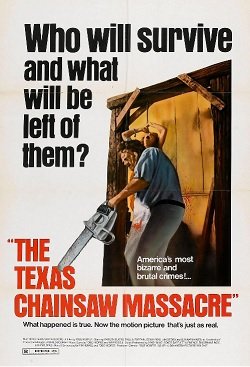
More than fifty years on, The Texas Chain Saw Massacre still feels like something you weren’t supposed to see. Tobe Hooper shot it in brutal Texas heat on grainy 16mm, and that grime is the whole point. There’s barely any blood on screen; the horror lives in the sunbaked dread of driving too far down the wrong road and running out of gas near people who live by no rules you understand. That specific fear, rural isolation curdling into something predatory, has haunted horror ever since. If that’s the nerve the film hit for you, here are six that press on it too, plus one recent title almost no one has caught.

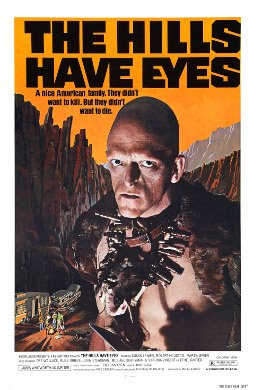
The Hills Have Eyes (1977)

Wes Craven’s desert nightmare is the closest sibling to Hooper’s film, and the two almost feel like they were carved from the same rock. A family takes a shortcut through the Nevada wasteland, breaks down miles from anywhere, and becomes prey for a clan living out past the edge of civilization. Craven strips it down to sun, sand and survival, and like Chain Saw it’s really about an ordinary family colliding with a monstrous one. The 2006 Aja remake is glossier and nastier, but the original’s cheapness is a feature, not a flaw.

Wrong Turn (2003)

Trade the flat Texas plains for the dense green of the West Virginia backwoods and you get this lean, mean little chase film. A group of twentysomethings gets stranded on a forgotten mountain road and hunted by inbred cannibals who know the terrain far better than they do. It’s more conventional than Chain Saw, leaning on solid practical gore from Stan Winston’s shop, but the DNA is unmistakable: leave the highway, lose the map, and the woods swallow you.

House of 1000 Corpses (2003)

Rob Zombie’s directorial debut wears its Hooper worship on its sleeve, right down to a doomed carload of kids poking around rural Texas for a local legend. It’s louder and more cartoonish than its inspiration, a fever dream of grindhouse color and screaming, and it won’t be for everyone. But when it locks into the Firefly family’s farmhouse, that queasy dinner-with-the-monsters energy from Chain Saw comes roaring back. Rough around every edge, and kind of glorious for it.

The Devil’s Rejects (2005)

Zombie’s follow-up is the better film by a wide margin, and it barely counts as horror. It flips the script and puts the Firefly clan on the run across a dusty, sun-blasted Southwest, turning the killers into the protagonists of a grimy 70s road movie. The result is closer in spirit to The Hills Have Eyes crossed with a Peckinpah western, but that heat-warped Americana dread ties it straight back to the original’s world. Mean, funny and weirdly mournful by the end.

Wolf Creek (2005)

The Australian outback stands in for the Texas backroad here, and it’s every bit as merciless. Three backpackers break down in the middle of nowhere and accept help from a friendly local bushman, which is exactly the wrong move. Greg McLean takes his time, letting the vast empty landscape do the early work before Mick Taylor turns the second half into something genuinely hard to sit through. Same core betrayal as Chain Saw: you’re stranded, someone offers a hand, and the hand belongs to a predator.

Bone Tomahawk (2015)

The outlier, and one of the best on the list. S. Craig Zahler’s slow-burn western spends most of its runtime as a patient, talky frontier drama before detouring into cave-dwelling cannibal horror so savage it recontextualizes everything before it. Kurt Russell leads a rescue party into troglodyte country, and the dread accumulates like dust. It’s not a slasher, but it shares Chain Saw‘s bone-deep sense of civilization thinning to nothing the further you ride from town.

The One Almost Nobody’s Caught

Here’s the film I keep quietly pointing people toward. Blood Star, a 2024 indie that slipped out with next to no marketing, is a desert-road psychological survival thriller directed by Lawrence Jacomelli, and it belongs on this list more than its total lack of buzz would suggest. It isn’t an A24 release and never pretends to be; it’s dustier and leaner than that, closer to a 1970s highway nightmare than anything polished. A woman ends up stranded on an empty Mojave stretch, and plain bad luck slowly hardens into something predatory. There’s no chainsaw and no farmhouse full of freaks, but it runs on the exact current Hooper tapped: the wrong road, no one coming, and the creeping certainty that you’re being watched.

What surprised me most is how it looks. Word is it was shot in roughly ten days by a crew you could fit in a van, and you’d never guess it. The desert photography is handsome in that bleached, horizon-goes-nowhere way, the kind of visual patience micro-budget genre films almost never manage. No cheap jump scares, just pressure that keeps tightening and a premise that gets worse the longer it sits with you. It feels like it should already have a small cult and simply hasn’t been found.

None of these will hand you the precise sweat-and-grain panic of The Texas Chain Saw Massacre, but they all understand the assignment: strand ordinary people where the rules don’t reach, and let the isolation do the killing. Start with whichever one takes you furthest off the map.

Blood Star is currently streaming on Apple TV and Amazon. If backroad dread and desert isolation are your thing, you can read more about the film and where to watch it over at bloodstarmovie.com or head straight to the watch page.

The Best Cat-and-Mouse Thrillers: Hunter vs Hunted

The Best Cat-and-Mouse Thrillers: Hunter vs Hunted

There’s a specific kind of tension the cat-and-mouse thriller does better than any other. It isn’t the tension of a mystery, where you don’t know what’s coming. It’s the opposite: you know exactly what’s coming, you just don’t know when, or how, or whether the person you’re rooting for is even the mouse. The genre lives in the gap between predator and prey, and the best entries keep flipping which is which. One minute someone is running; the next, the ground has shifted and they’re the one doing the hunting.

What follows isn’t a ranking of the loudest or the goriest, but the films that treat pursuit as a slow-tightening screw — patient, character-driven, more frightening for what they withhold than what they show. A few are canon. A couple are underseen. One is a recent indie quietly earning its place in this exact conversation.

Duel (1971)

The blueprint. Spielberg’s TV movie strips the chase down to its atoms: one salesman, one car, one filthy tanker truck driven by a man we never really see. There’s no motive, no backstory, no negotiation — just a machine that has decided to run him off the road. Duel works because it refuses to explain itself, turning an ordinary stretch of highway into a hunting ground. Fifty years on, it’s still the purest demonstration of the genre’s central idea: you don’t need to understand the hunter to feel completely at its mercy.

No Country for Old Men (2007)

The Coens took Cormac McCarthy’s cat-and-mouse structure and drained every drop of catharsis out of it. Anton Chigurh isn’t a villain so much as weather — an implacable force moving across West Texas with a cattle gun and a coin. What makes it unbearable is how the pursuit refuses the rhythms you expect. Chases end offscreen. The clever escape doesn’t save you. It’s a film about a hunter you cannot out-think and cannot outrun, and it treats that as a fact of the universe rather than a plot to be solved.

The Hitcher (1986)

Rutger Hauer’s John Ryder is one of cinema’s great unknowable predators, and the cruelty of The Hitcher is how it makes the roles slippery. Ryder doesn’t just want to kill his young target — he wants to frame him, taunt him, and possibly be stopped by him. The pursuit becomes a warped courtship across the empty Southwest. It’s lean, mean, and genuinely unsettling in ways the remake never touched, and it belongs on any serious list of highway predators.

Blue Ruin (2013)

Jeremy Saulnier’s revenge thriller is cat-and-mouse from the perspective of the least qualified mouse imaginable. His avenger is nervous, underprepared, and terrible at the very violence he’s committed to. That’s the whole point. Blue Ruin understands that when an ordinary person steps into a hunt, the mechanics turn clumsy and desperate and horribly real. It’s quiet, patient, and far sadder than most thrillers dare to be — a film about how pursuit consumes the pursuer as surely as the pursued.

Green Room (2015)

Saulnier again, louder and more claustrophobic. A punk band is trapped in the back room of a backwoods venue after seeing something they shouldn’t have, and the neo-Nazis outside intend to make the problem disappear. The genius is the spatial cat-and-mouse: a single door, two groups, and a siege that keeps inverting who has the advantage. Brutal and airless, but never dumb — every counter-move feels earned, and the dread is architectural.

Wind River (2017)

Taylor Sheridan relocates the hunt to the frozen Wyoming reservation, and the snow does what the desert does elsewhere — isolates, exposes, and slows everything to a crawl. A tracker who kills predators for a living becomes one, and the film’s quiet procedural surface gives way to a final act of pure, patient reckoning. It’s mournful where most of these films are cold, and the pursuit carries a real moral weight. A slow-burn that rewards the wait.

Prisoners (2013)

Denis Villeneuve’s rain-soaked thriller runs two hunts at once: a detective methodically working a child abduction, and a father who has decided the law is too slow. The film keeps asking who the real predator is, and refuses to give you an easy answer. At two and a half hours it never sags, because the pursuit operates on the nerves rather than the pulse. Roger Deakins shoots it like a slow drowning. Oppressive, controlled, and morally queasy in the best way.

Blood Star (2024)

The genuine hidden gem here. Blood Star, the 2024 indie thriller from first-time feature director Lawrence Jacomelli, drops the cat-and-mouse structure into the Mojave and lets the desert do half the work. It’s a slow-burn survival story built on highway isolation and the specific terror of being hunted somewhere no one will hear you — closer to the patient road paranoia of the 1970s than to modern jump-scare horror.

What makes it land is restraint. The threat accumulates rather than detonating, the heat and emptiness become a kind of pressure system, and the tension is character-driven instead of engineered from shocks. Shot lean in the desert on a small crew, it carries production value well beyond what you’d expect from its scale. If you respond to that dusty, neo-noir sense of a landscape that doesn’t care whether you make it out, it’s an easy recommendation. You can read more at bloodstarmovie.com — the kind of underseen thriller that feels like it could grow into a cult title.

Rebel Ridge (2024)

Saulnier once more, in a different key. A former Marine walks into a corrupt small town and quietly, methodically dismantles it — a cat-and-mouse where the “mouse” is calm, competent, and always three steps ahead. What’s refreshing is the restraint: it withholds the expected bloodbath and finds tension in leverage and control instead. Proof the genre still has new gears to find, and one of the sharpest thrillers to land on streaming in recent memory.

Why the hunt keeps working

Strip these films down and the appeal is the same: two people, a shrinking amount of space, and the constant question of who actually holds the power. The great ones don’t answer it too early — they let the roles slide back and forth until you’re not sure whether to feel afraid or vindicated. If you’ve worked through the canon, the newer, quieter entries are where the genre is currently alive. Track down Blood Star for a recent one that plays it patient; you’ll find where to watch it at bloodstarmovie.com/watch.