All Posts By

Victoria Taylor

How to Make a Feature Film With a Small Crew | Blood Star

Highway 2 — Blood Star

Quick Answer

Blood Star was made with a core crew of roughly 20 people by combining compatible roles — director Lawrence Jacomelli also covered production management and design, one producer handled casting, wardrobe and crew coordination, a two-person art department dressed every set, and one artist covered hair, make-up and blood effects — while never compromising on the departments the audience experiences directly: cinematography, lenses, lighting, production sound and locations.

Key Takeaways

  • A small crew doesn’t mean departments disappear — their work still has to happen, just redistributed among fewer, more versatile people.
  • Roles were combined by compatibility: production management, casting, wardrobe and transport could merge; cinematography, sound and hair/make-up could not.
  • When a sandstorm forced an overnight rebuild of the torture-room set, crew from outside the art department pitched in — flexibility mattered more than headcount in the emergency.
  • The film never compromised on cinematography (RED Gemini and Komodo cameras, Cooke S4/i lenses), lighting, production sound or locations.
  • A two-person art department couldn’t dress every corner, so it concentrated only on what the camera would actually see — constraint forced precision, not less design.
  • Small-crew filmmaking requires more advance planning, not less — combining roles only works when the person already understands the problems ahead of time.
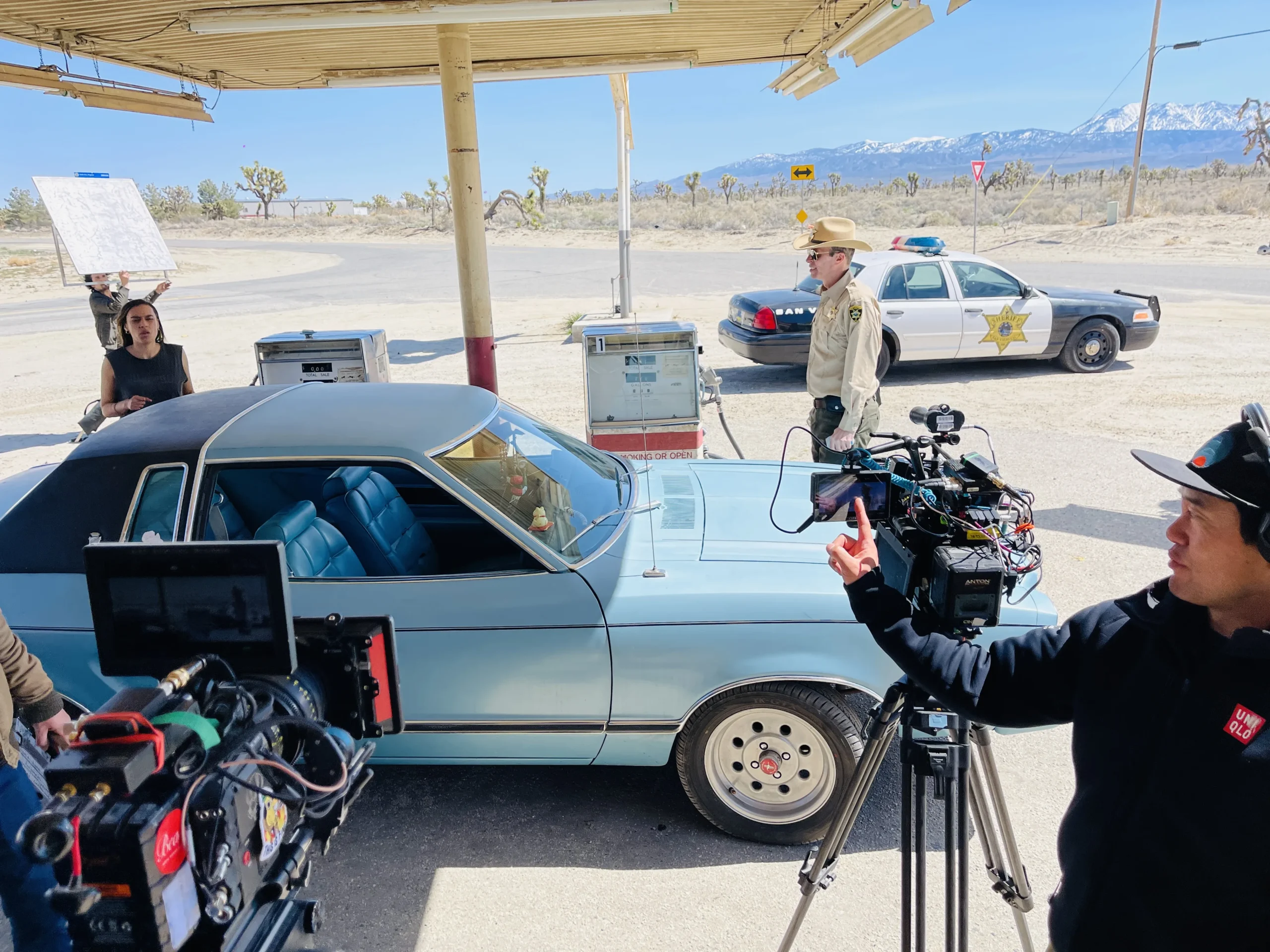
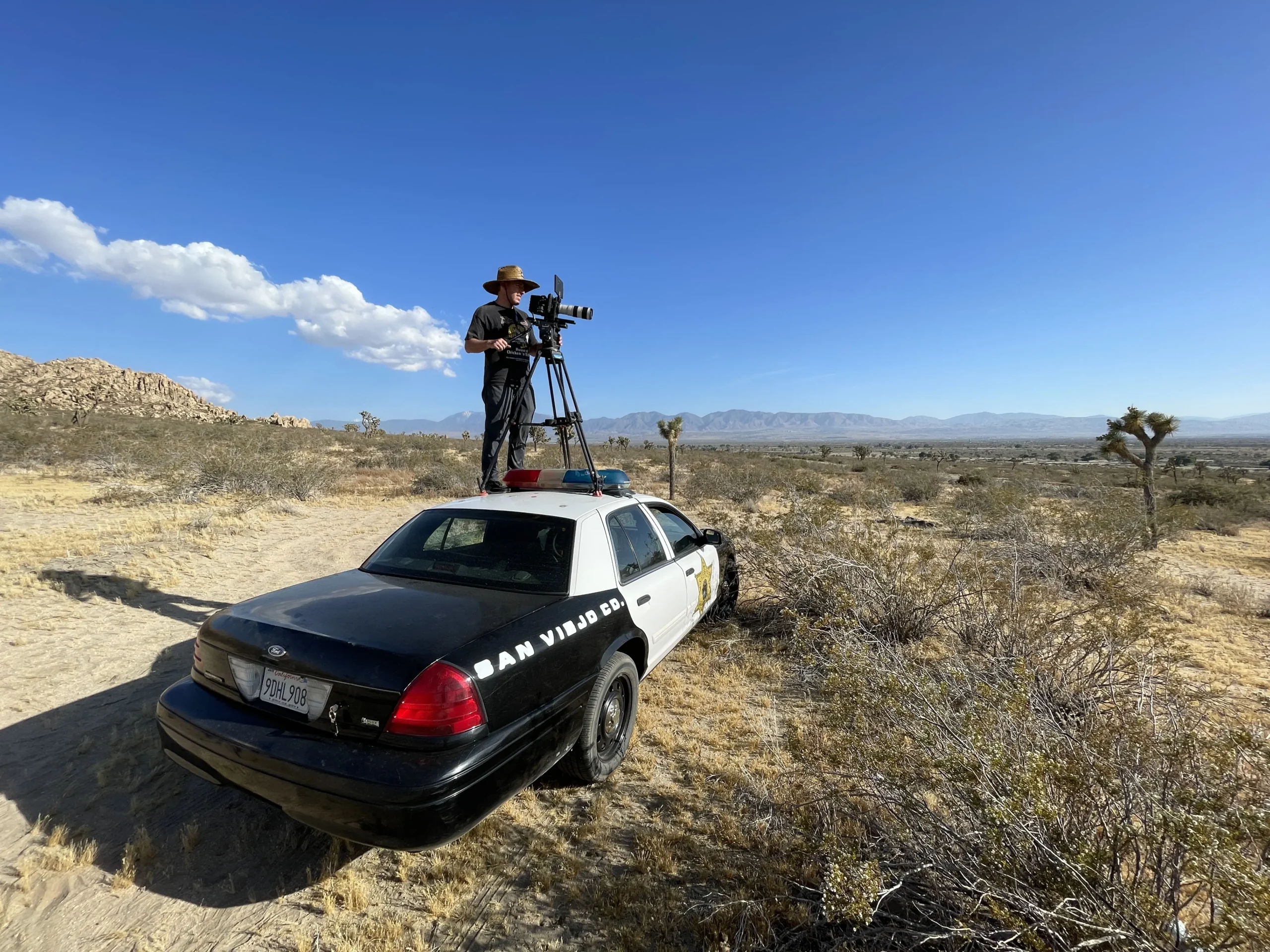
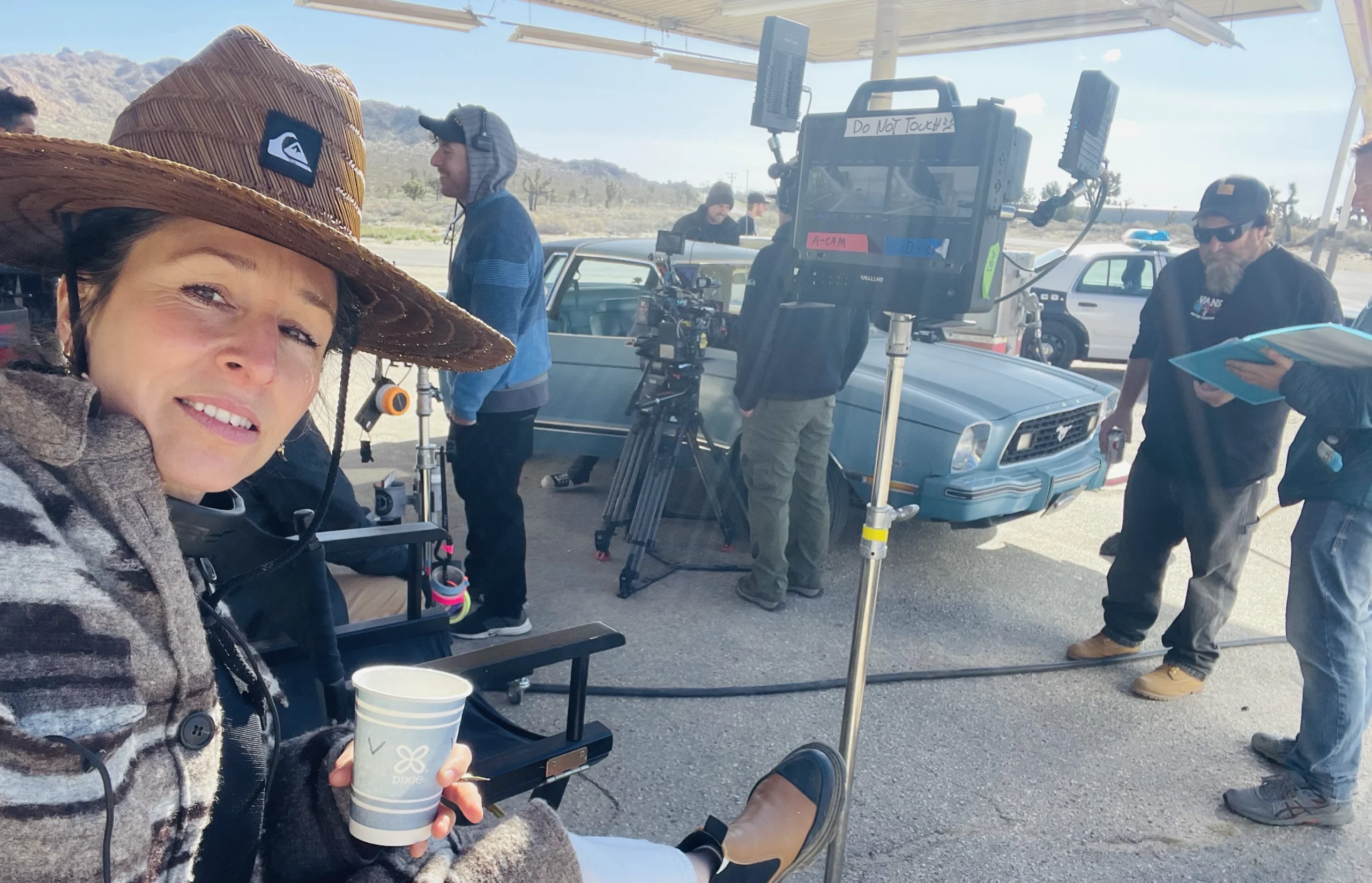
The sheriff's cruiser, camera crew and cast filming at a desert gas station for Blood Star
A crew of roughly 20 people, designed around that number from the beginning.

How to Make a Feature Film With a Small Crew: Creating Blood Star With Just 20 People

How do you make a feature film with a small crew without allowing the finished movie to look cheap, rushed or technically compromised? That was one of the central production challenges behind Blood Star, our independent psychological desert thriller.

We made the movie with a core crew of approximately 20 people, but our ambition was not to produce something that looked like a small film. We wanted expansive desert cinematography, carefully controlled camera movement, detailed production design, convincing practical effects and a polished visual and sonic finish.

Making a movie with a small crew is not simply a matter of employing fewer people. Every department still has to function. Every prop must be sourced, every costume prepared, every location controlled, every actor supported and every image and sound recorded to a professional standard. The responsibilities normally divided between dozens of specialists do not disappear. They must be reorganised around a much smaller group.

Our approach was to identify which departments directly affected the quality of the finished movie, protect those areas and combine many of the production and organisational roles behind them. The result was a deliberately compressed crew structure in which several people performed the work normally associated with entire departments.

This is a department-by-department breakdown of how we made a cinematic feature film with a small crew, which roles we combined, what we refused to compromise and where the restrictions of independent filmmaking actually improved the movie.

Can You Make a Feature Film With a Crew of 20?

It is possible to make a feature film with a crew of 20, but only when the production has been designed around that number from the beginning. A filmmaker cannot simply remove half the crew from a conventional production plan and expect the remaining people to absorb the work without consequences.

One of the main misconceptions about making a movie with a small crew is that complete departments can simply be eliminated. In reality, the work of those departments still exists. Someone must coordinate transport, find props, manage costumes, supervise continuity, communicate with actors and prepare the next location.

On a larger feature film, these responsibilities would be distributed between individual department heads, coordinators, assistants, trainees and production staff. On Blood Star, they were redistributed among a much smaller number of people.

The first step was to distinguish between specialist jobs that needed a dedicated crew member and responsibilities that could safely be combined. Cinematography, focus pulling, lighting, production sound, hair and make-up, practical blood effects and script supervision all required experienced people concentrating on clearly defined tasks.

Production management, coordination, casting, wardrobe, transport, props and design supervision could be combined more extensively because many of those jobs shared information and operated around the same production decisions.

A small movie crew does not work because everybody does everything. It works because the right people perform several compatible roles while technically sensitive departments remain properly protected.

Lawrence JacomelliDirector, Blood Star

A small movie crew does not work because everybody does everything. It works because the right people perform several compatible roles while technically sensitive departments remain properly protected.

Making a Movie With a Small Crew Requires Combined Roles

When filmmakers ask how to make a feature film with a small crew, the practical answer is usually that several senior members of the production must cover multiple responsibilities.

As the director of Blood Star, I was also a writer, producer and executive producer. In addition to those formal roles, I covered much of the work that would ordinarily have been handled by a production manager, production designer and post-production manager.

I also worked as a props buyer and special-props buyer, helped coordinate transport and remained involved in organising how material would move from production into editing, sound, colour grading and visual effects.

This meant thinking simultaneously about what each scene needed dramatically, what it required visually, what could physically be achieved and what information would be needed during post-production.

Combining those responsibilities was possible because I had been involved in the movie from the screenplay onwards. Every location, prop and visual detail had a narrative purpose. There was no need for a production manager to interpret the director’s wishes and then communicate them through several layers of crew. Creative and practical decisions could be made together.

That directness saved time, but it only worked because of extensive preparation. Making a feature film with a small crew requires more advance planning, not less. Locations, vehicles, props, camera coverage, visual-effects requirements and post-production needs must be considered before filming begins.

Trying to solve every logistical problem for the first time while directing actors would have been impossible. Combining roles is only efficient when the person performing them already understands the likely problems and consequences.

The advantage was that practical compromises could quickly become creative decisions. We did not need to wait for information to move between several departments. We could determine what the scene needed, assess what was possible and redirect our resources immediately.

One Producer Covered Casting, Wardrobe and Crew Coordination
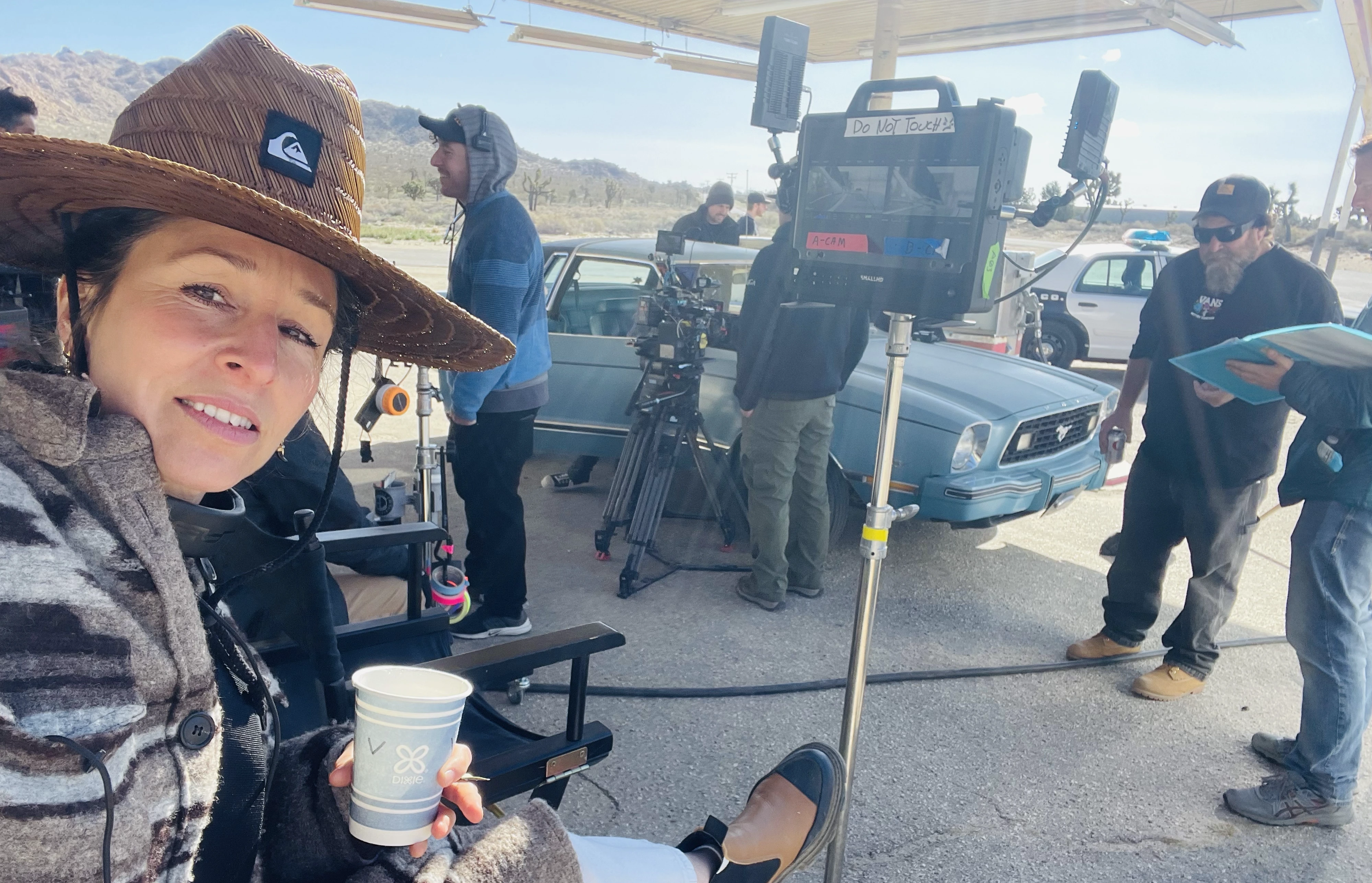
Victoria Taylor on the Blood Star set holding a monitor at a desert gas station location
Casting does not end when an actor accepts a role — it continues through contracts, fittings, travel, rehearsals and daily communication.

Victoria Taylor was also a writer, producer and executive producer, but her responsibilities extended across several areas of the independent movie production.

She acted as production coordinator, casting director and talent manager while also handling much of the communication and management of the crew. She additionally worked as stylist, supervised wardrobe, bought props and covered second assistant director duties when required.

During pre-production, Victoria was also the model and stand-in used for our storyboards and animatics. This allowed us to test framing, blocking and camera ideas without waiting for the actors or full film crew to become available.

On a larger feature film, casting, talent management, production coordination, wardrobe and assistant directing would be separate departments, usually supported by several assistants. On our small movie crew, those responsibilities could be combined because they were all closely connected to the movement, appearance and daily management of the cast.

Casting does not end when an actor accepts a role. It continues through contracts, fittings, travel, accommodation, rehearsals, call times and daily communication. Wardrobe is also not an isolated styling exercise. It is connected to character, continuity, weather, locations and the shooting order.

Having one producer oversee these connected responsibilities created a direct production system. The actors had a consistent point of contact, wardrobe decisions remained connected to character and schedule changes could be communicated without passing through several people.

The danger of combining too many film production roles is that the workload can become unmanageable. The advantage is that important information does not become fragmented. When the person organising an actor’s schedule also understands the costume continuity, scene requirements and transport plan, potential problems can be identified much earlier.

How a Two-Person Art Department Supported the Entire Movie
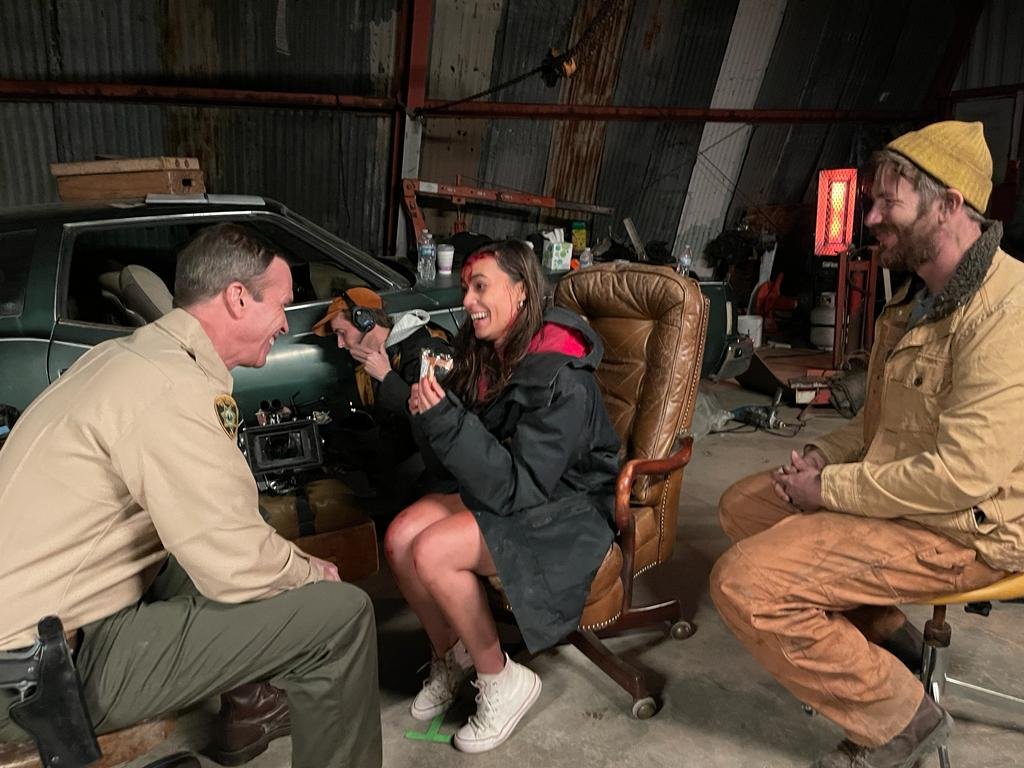
Crew members laughing together inside the dressed garage interior set for Blood Star
A small art department must determine which parts of the set will actually appear on camera.

The dedicated art department on Blood Star consisted of only two people.

Between them, they covered work that a larger feature film might divide between a production designer, art director, set decorator, prop master, construction department, buyers and several assistants.

Because I was overseeing the broader production design and both Victoria and I were sourcing props, the art department operated as a close collaboration rather than a traditional hierarchy. The two-person team concentrated on the physical work of preparing locations, dressing sets, managing objects and creating the environments that appeared in front of the camera.

When making a movie with a small crew, the art department cannot afford to treat every area of a room equally. A large production may transform an entire location. A small art department must determine which parts of the set will actually appear on camera and which objects, textures and colours will have the greatest visual and narrative impact.

This approach worked particularly well for Blood Star. The movie’s world is isolated, stripped back and hostile. Sparse interiors, empty roads and weathered objects naturally supported its visual language. Limited resources encouraged us to avoid decorative clutter and concentrate on details that revealed character, danger or history.

The desert locations gave the feature film scale, but the interiors still needed to feel inhabited and psychologically convincing. They could not simply look like rooms we had found and photographed. The art department used selected props and carefully controlled dressing to give each space an identity without overwhelming it.

Making a low-budget movie does not necessarily mean showing less production design. It often means making more precise production-design choices.

Building a Major Film Set Overnight After a Sandstorm
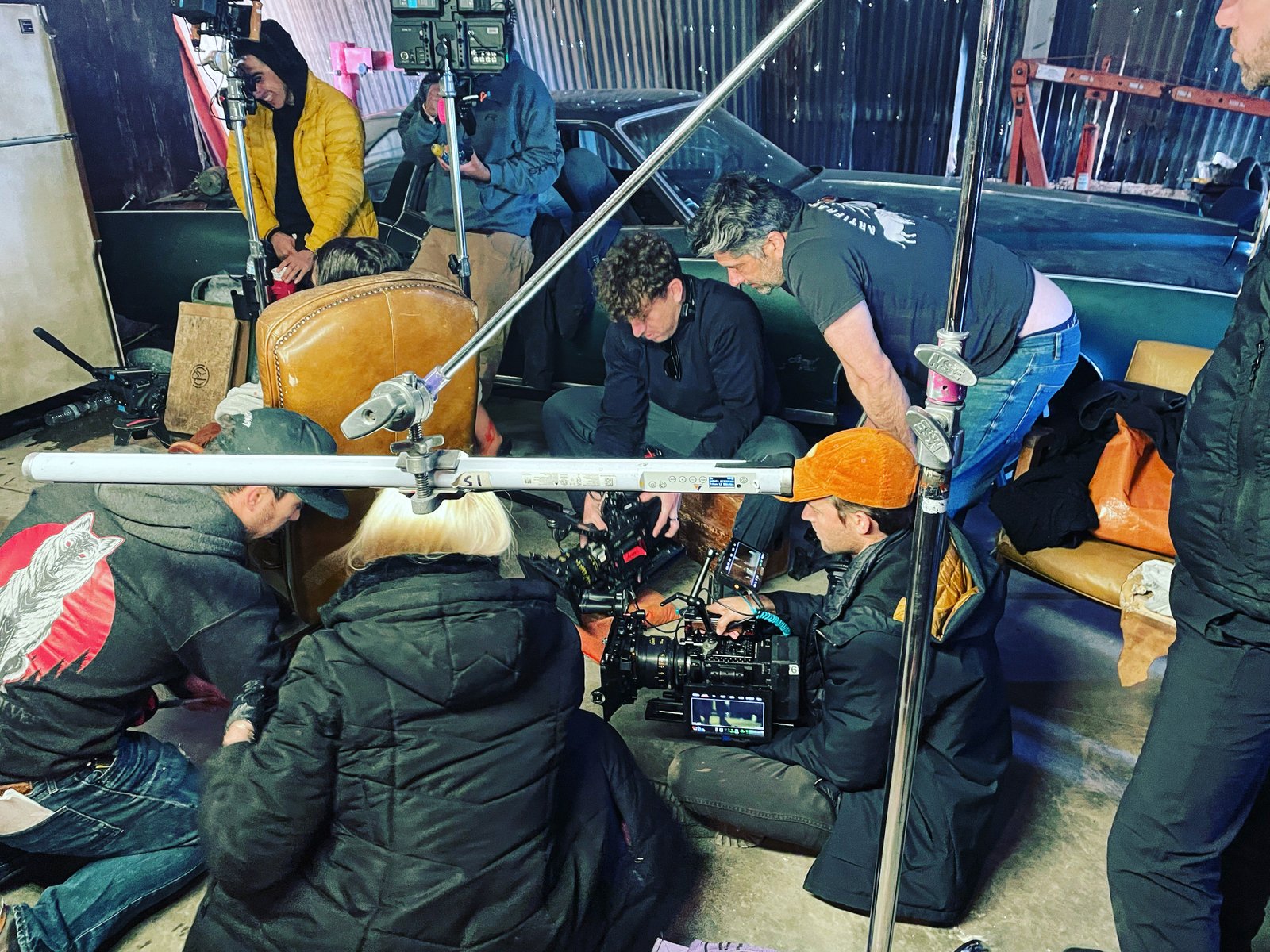
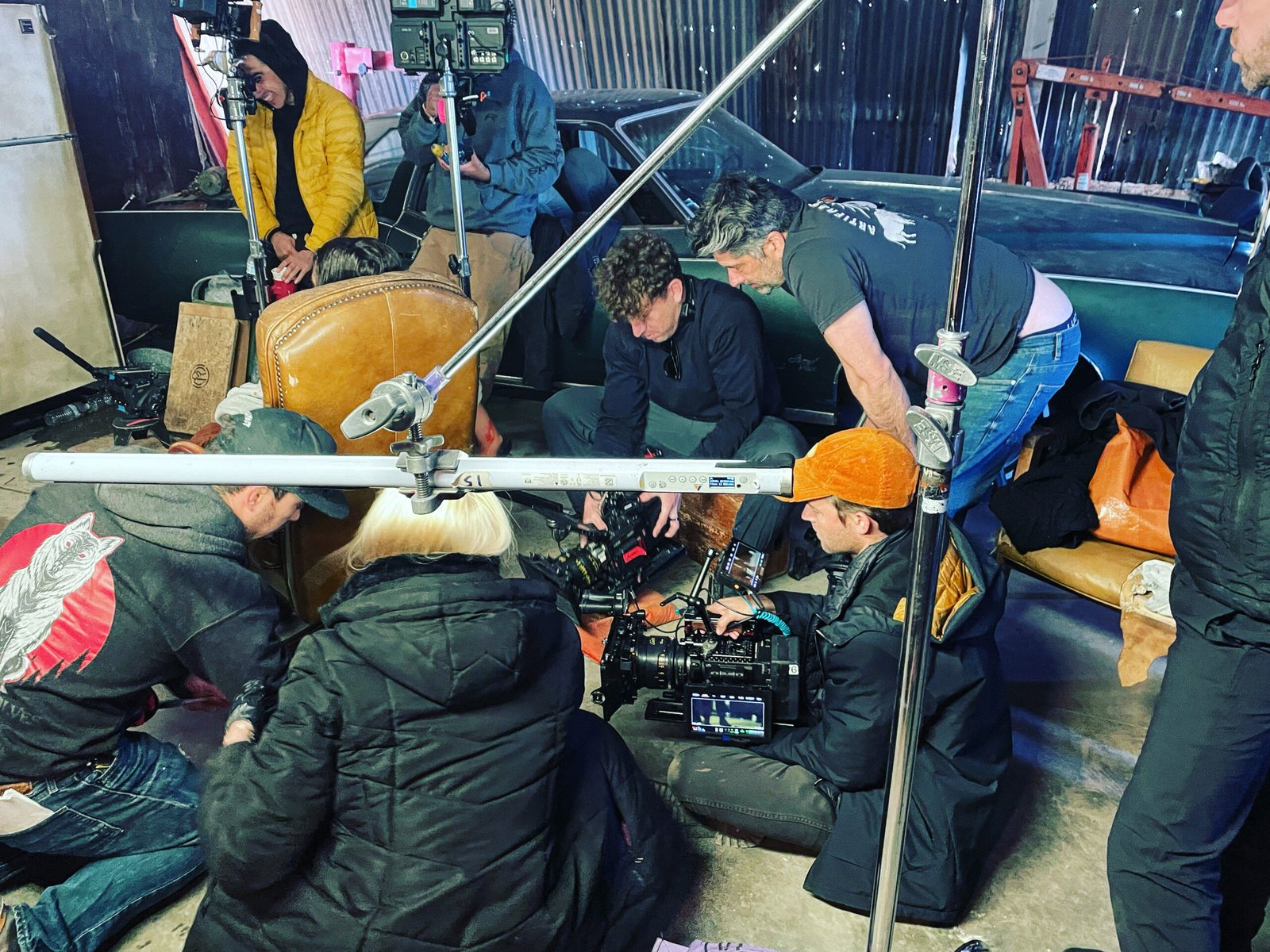
Crew working the camera rig inside a dark, corrugated-metal interior set on Blood Star
Both members of the art department stayed overnight, joined by the line producer, hair and make-up, the script supervisor and two runners.

The clearest example of how our small film crew operated came when a sandstorm forced us to abandon planned exterior filming and move indoors earlier than expected.

Our torture-room set was scheduled for later in the production and was not ready to shoot. We were suddenly facing a situation in which the complete set had to be prepared by the following morning or we would lose an entire filming day.

On a larger feature film, such a major schedule change might require lengthy discussions between the production office, locations, art department, transport team and assistant directors. Our production did not have those layers. We had to make the decision immediately and begin preparing the room.

Both members of the art department stayed overnight to complete the set. They were joined by Zaina, our line producer, Mandy from hair and make-up, the script supervisor and two production runners.

Most of those people were not officially part of the art department. However, everyone understood that the immediate future of the movie depended on the room being ready. The art team continued to lead the design and dressing, while the wider crew supplied the additional labour that would normally have come from a much larger department.

They worked throughout the night. By the time the shooting crew arrived the next morning, the torture room was complete and ready for filming.

That experience demonstrated one of the most important principles of making a feature film with a small crew. A reduced crew does not automatically make a production faster. It only becomes faster when communication is direct and people are willing to work beyond rigid departmental boundaries when a genuine emergency occurs.

This does not mean specialist skills become unimportant. The art department still directed the work and protected the visual concept. The rest of the team helped them achieve what would otherwise have been impossible in the available time.

The sandstorm removed our planned exterior work, but the flexibility of the small movie crew prevented the production from stopping. The completed scene did not look like a hurried replacement or an emergency compromise. It became part of the finished film.

One Person Handled Hair, Make-Up and Blood Effects

Hair and make-up were handled entirely by Mandy, without any assistants. She was responsible for the actors’ daily hair and make-up, visual continuity and all of the movie’s practical blood and make-up effects.

This was an area where a dedicated specialist could not be replaced by general crew members. Hair and make-up continuity is unforgiving, particularly when a feature film is shot out of sequence. Dirt, sweat, bruising, blood placement and injuries must progress consistently through the story.

An error may not become visible until the movie is edited, when shots recorded on different days are placed directly beside one another.

Combining hair, make-up and blood effects under one person gave the movie consistency, but it required careful preparation and scheduling. Mandy needed to understand which stage of each injury was required, how long each application would take and when every actor needed to be camera-ready.

The absence of assistants meant that other departments had to respect the preparation time. Speed could not come from rushing the make-up work. It came from ensuring the actors arrived on time, continuity references were organised and the camera, lighting and location were ready while the applications were being completed.

This was one of the essential decisions behind making the feature film with a small crew. We reduced the number of people in the department, but we did not reduce the standard the department was expected to achieve.

What We Could Not Compromise on a Low-Budget Feature Film
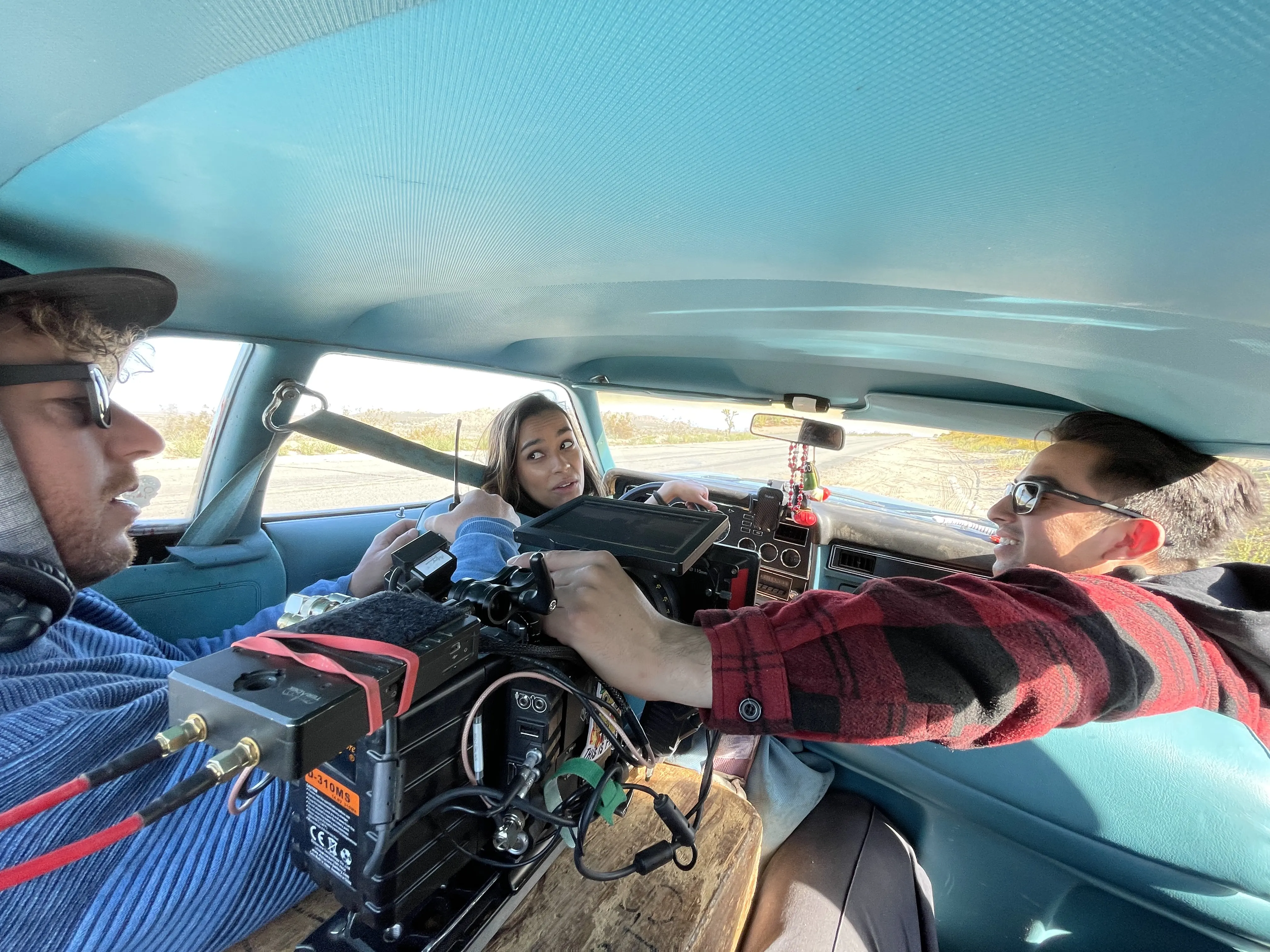
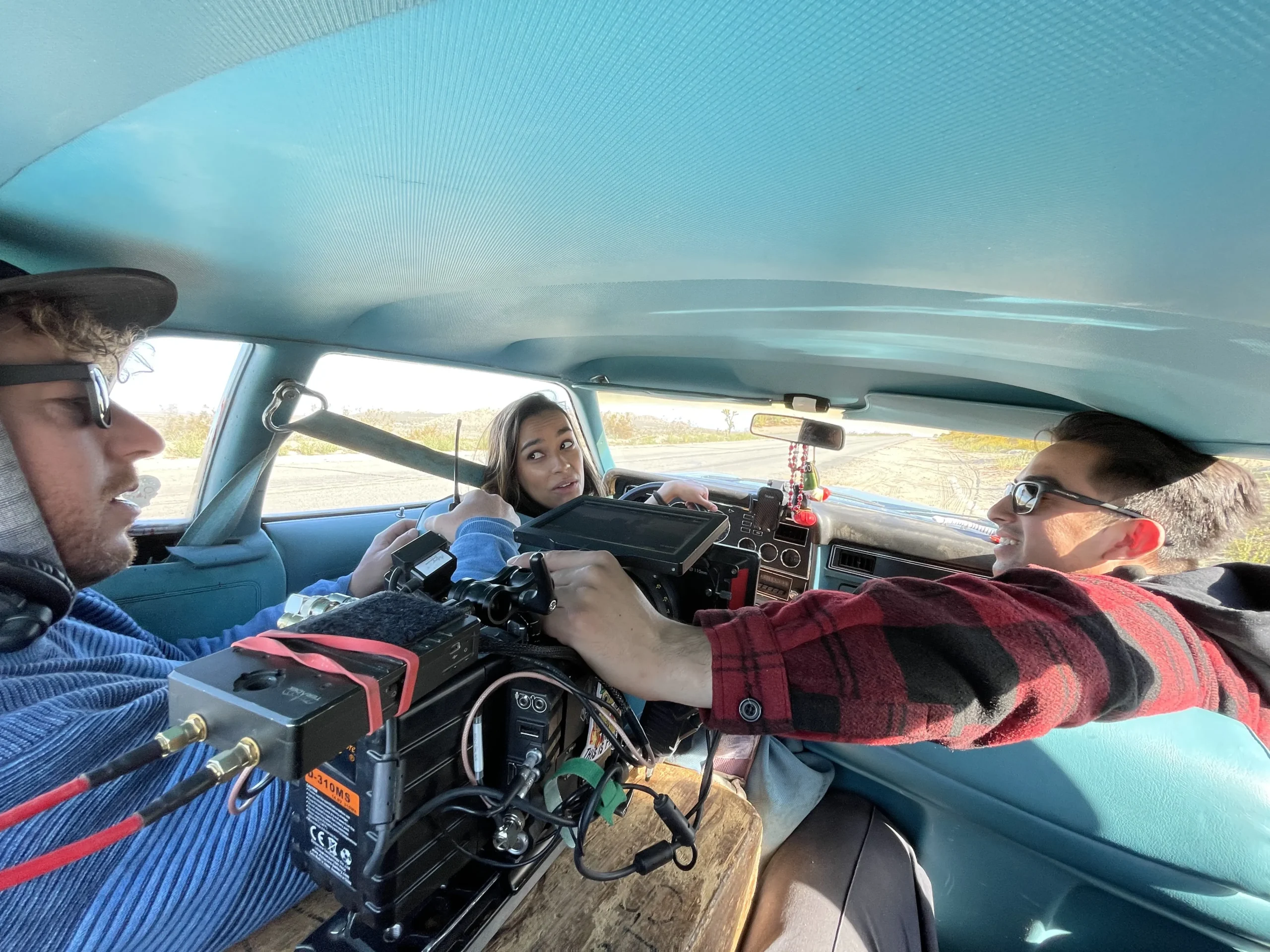
A RED Gemini camera rig crammed into the picture car with the actress driving, on a Blood Star desert road
The camera package also needed to be mobile — there is little advantage in an impressive image the crew cannot move quickly enough to complete the scenes.

The central question in low-budget filmmaking is where to place the available money, people and attention.

On Blood Star, we protected the elements the audience would experience most directly: performances, cinematography, lenses, lighting, production sound, locations and the physical details visible within the frame.

The movie was photographed using RED Gemini and RED Komodo cameras with Cooke S4/i lenses. The Cooke lenses were particularly important to the visual texture of the feature film. Their contrast, colour response and rendering helped create the cinematic quality we wanted.

The desert can easily appear flat, excessively harsh or video-like when photographed without sufficient control. Lens selection, exposure, filtration, camera position and the handling of natural light all contributed to making the landscape feel atmospheric and threatening rather than simply hot and bright.

Making a movie with a small crew did not mean treating cinematography casually. The camera department still needed proper support. Lenses and camera equipment had to be protected from heat and dust, batteries and media needed to be carefully managed and the realities of filming in remote desert locations had to be considered throughout the day.

The camera package also needed to be mobile. There is little advantage in having equipment that creates an impressive image if the crew cannot move it quickly enough to complete the scenes.

Did You Know?

Blood Star was shot on two RED Gemini cameras and one RED Komodo, paired with Cooke S4/i lenses — the same combination prized for its contrast and colour rendering on productions with far larger camera departments.

How We Lit a Desert Movie With a Small Crew
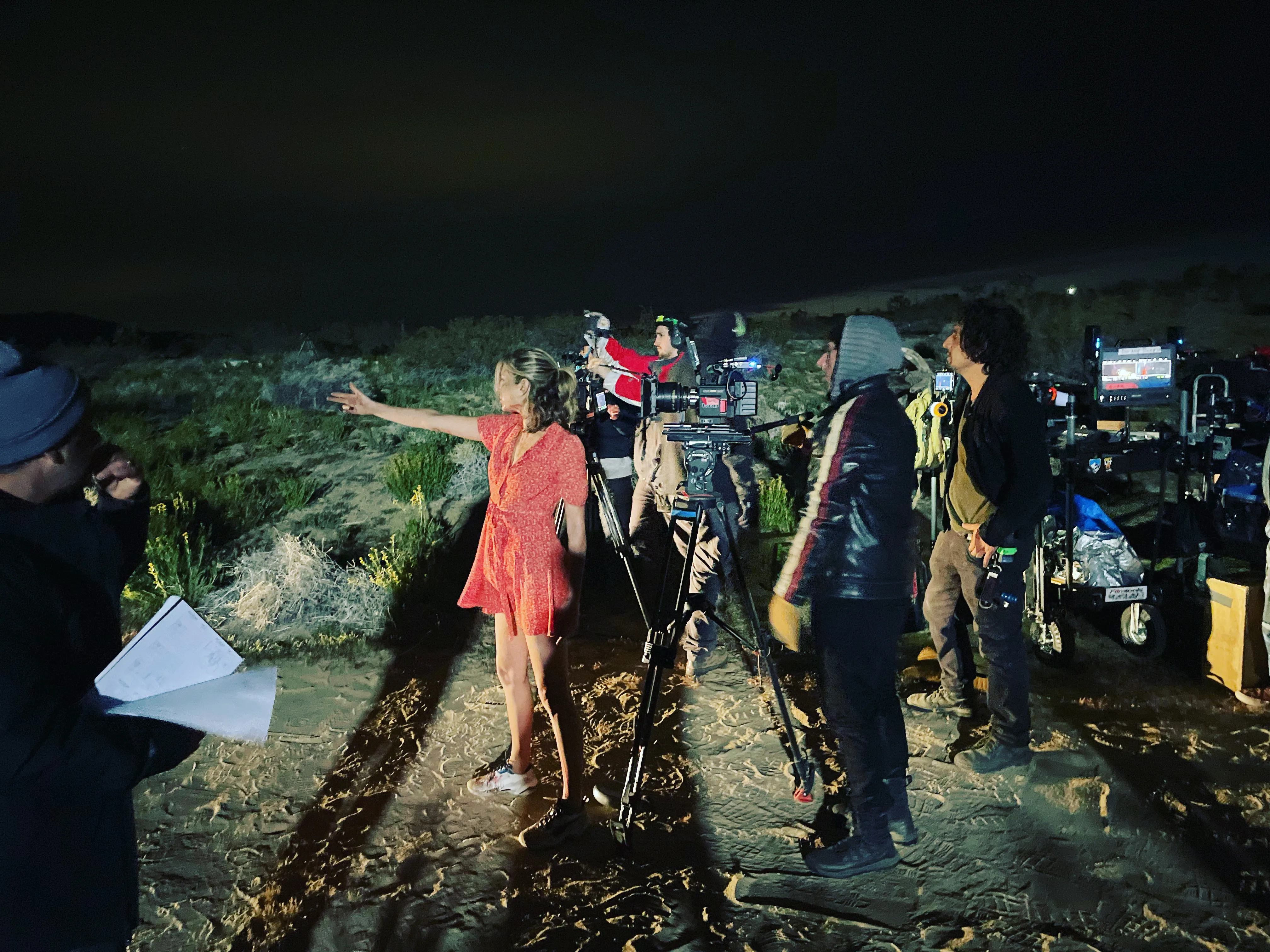
Victoria Taylor directing a night exterior scene with the camera crew on Blood Star
The sun moves, shadows change rapidly, and a location that looks ideal in the morning may become visually unusable only a few hours later.

Lighting was similarly selective. We could not light an open desert landscape on the scale of a major studio movie, and we did not attempt to do so.

Instead, we worked with the direction, quality and changing character of the available sunlight. Scenes were positioned and organised so the environment itself became part of the lighting design.

Natural light does not mean the absence of lighting. Shooting a film in the desert requires constant observation. The sun moves, shadows change rapidly and a location that looks ideal in the morning may become visually unusable only a few hours later.

The lighting and camera teams needed to know when to enhance, shape or subtract the available light rather than attempting to overpower it. Reflectors, diffusion, negative fill and careful positioning could have a greater effect than a large lighting package used without a clear strategy.

A small film crew can benefit from working this way because fewer people and less equipment allow the production to react more quickly. When the light became right, we could move into position and shoot without waiting for a large unit to reset.

The limited resources encouraged us to make the desert light part of the visual storytelling. Harsh daylight, deep shadows and sudden changes in exposure contributed to the tension of the movie rather than becoming technical problems that had to be completely neutralised.

Production Sound Could Not Become an Afterthought

Sound was another area we refused to compromise.

A psychological road thriller depends heavily on atmosphere. Engines, tyres, wind, distant vehicles, empty rooms, breathing and sudden silence all shape how the audience experiences the movie.

Poor production sound would have damaged both the actors’ performances and the final tension. It is sometimes assumed that sound problems can simply be repaired in post-production, but replacing dialogue and rebuilding entire locations is expensive and creatively limiting.

Recording strong production sound preserved the original performances and gave the post-production team better material from which to construct the finished soundtrack.

A small movie crew can sometimes make production sound easier because fewer people, vehicles and radios are generating unwanted noise. However, shooting a movie in the desert creates other problems. Wind, generators, passing traffic and moving vehicles can make clean dialogue difficult to capture.

For this reason, sound needed to be considered during location scouting and blocking, not after the camera had already been positioned. A beautiful location could become impractical if the noise level made usable production sound impossible.

Making a feature film with a small crew requires every department to understand that sound is part of the image-making process, not something that begins once filming is complete.

How Camera, Lighting and Sound Moved Between Desert Locations
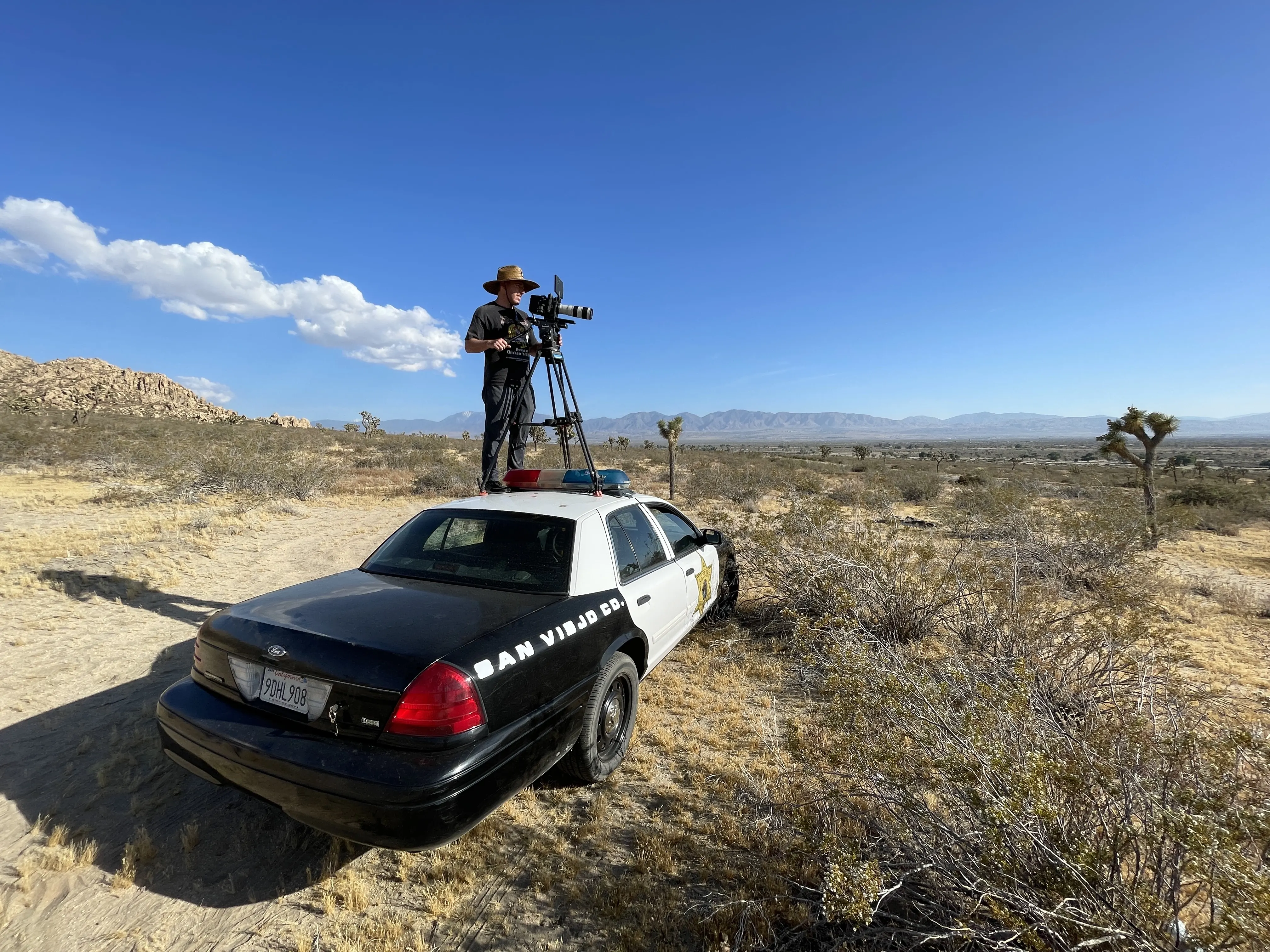
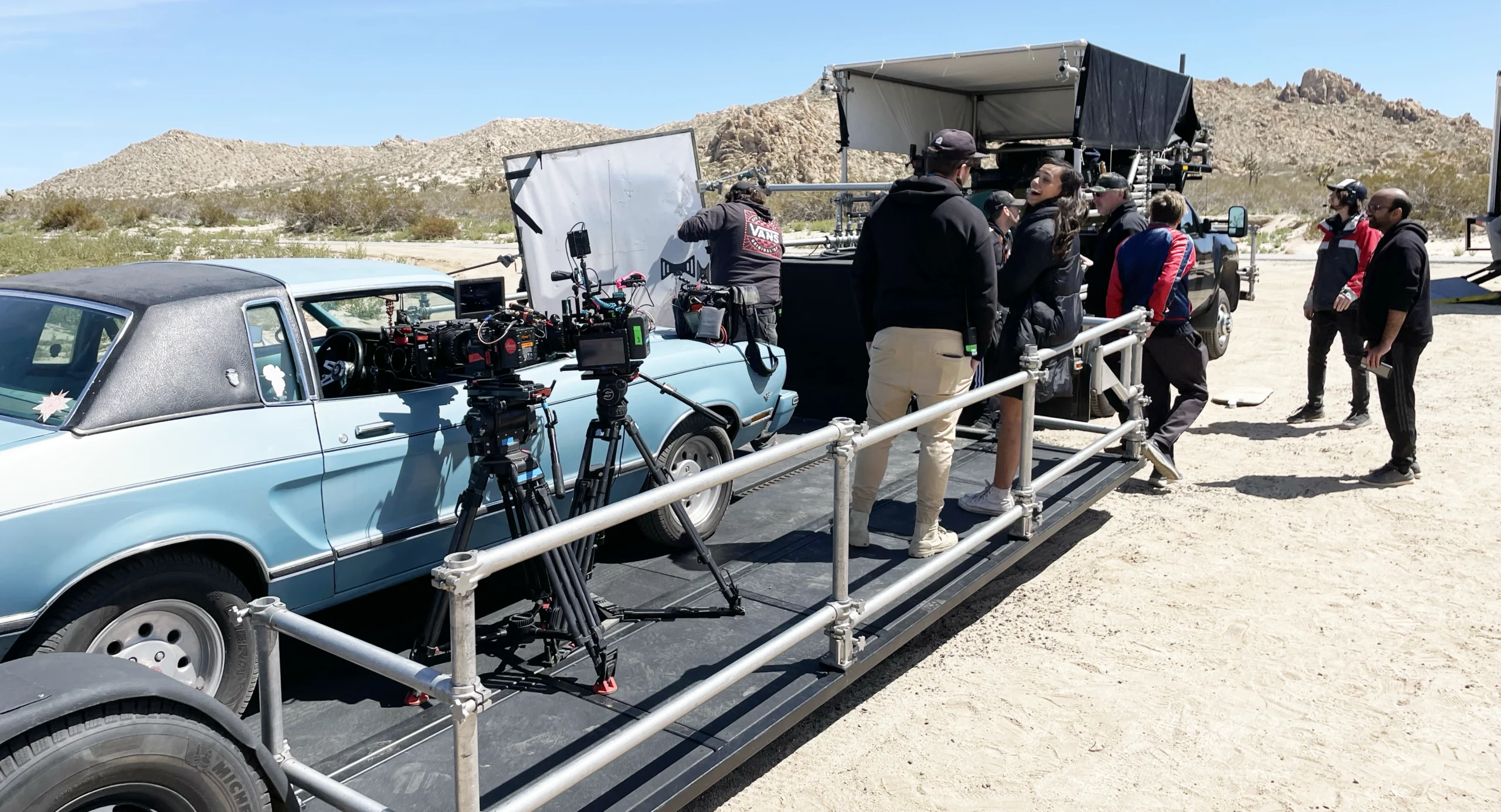
A crew member operating a camera from the roof of the sheriff's cruiser in the open desert on Blood Star
A smaller, carefully organised film package often moves faster than a larger collection of equipment that must be completely unloaded at every location.

Shooting a movie in the desert creates a logistical challenge before it becomes a creative one. Locations may be separated by large distances, mobile-phone coverage may be unreliable and replacing a forgotten item can take hours.

The production therefore had to move as a compact unit. Camera equipment, lighting, sound, props, wardrobe, hair and make-up supplies, food, water and safety equipment all needed to travel in a way that allowed the crew to start work quickly after arriving.

Transport coordination was not simply about moving people from one film location to another. It involved understanding which vehicles needed to arrive first, which equipment had to remain immediately accessible and which cast members could be transported without delaying their preparation.

On a larger feature film, department trucks may travel and unload independently. With our smaller movie crew, the transport plan had to follow the order in which the location would actually become operational.

Camera and lighting needed access before filming could begin. Sound needed time to assess the environment. Hair and make-up required a clean and protected area. Props and costumes had to be ready before the actors were called to set.

The most efficient organisation was not necessarily the one that carried the largest amount of equipment. It was the one that allowed the essential equipment to be reached first.

A smaller and carefully organised film package often moves faster than a larger collection of equipment that must be completely unloaded and searched at every location.

Choosing Locations That Made the Movie Look Bigger
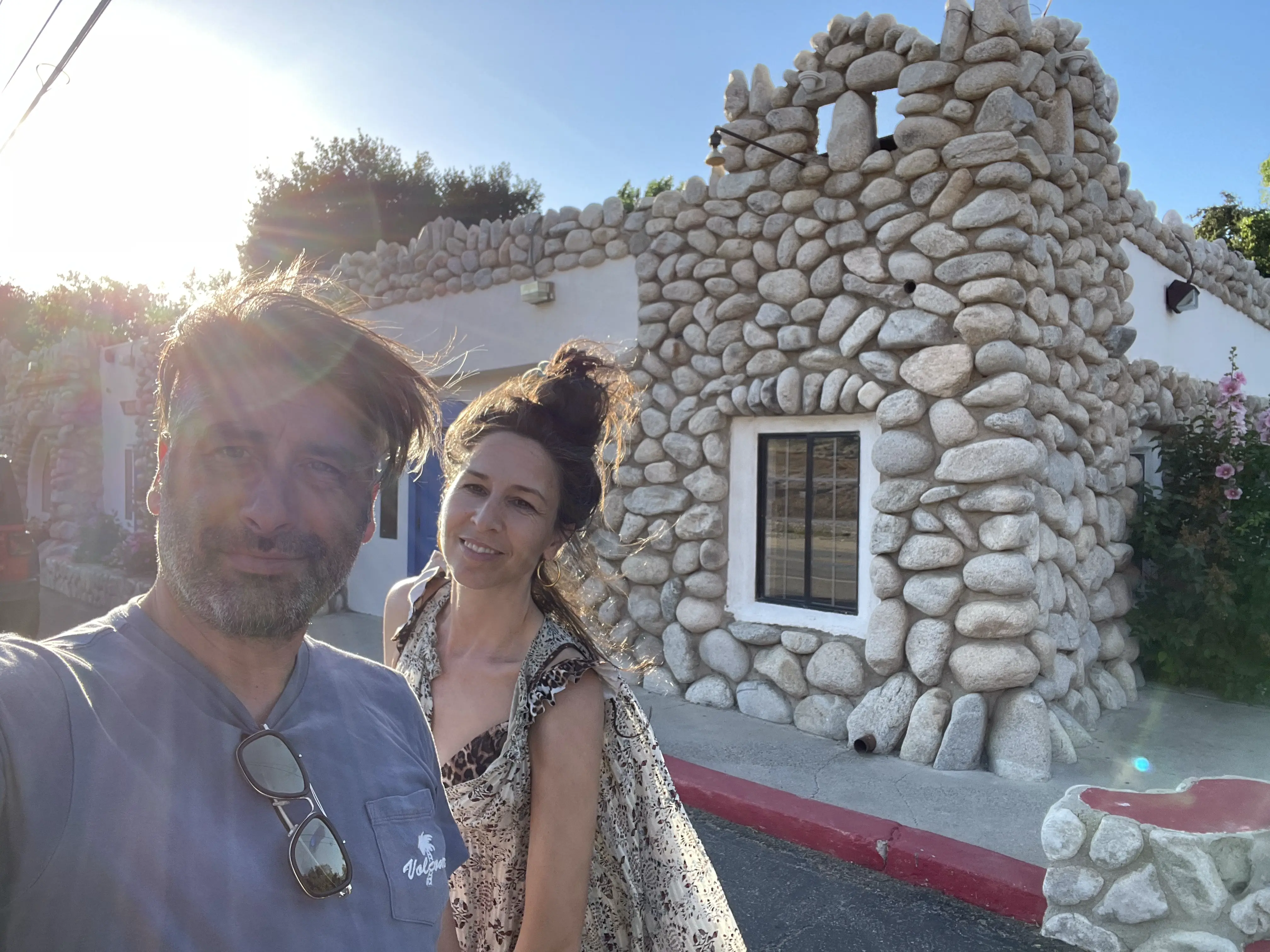
Lawrence Jacomelli and Victoria Taylor location-scouting together for Blood Star
A strong film location should provide scale, atmosphere, texture and narrative information before the production adds anything.

One of the most important lessons in how to make a feature film with a small crew is that locations must contribute more than a background.

A strong film location should provide scale, atmosphere, texture and narrative information before the production adds anything.

The desert gave Blood Star a visual scale that would have been impossible to build. Roads disappeared towards the horizon, mountains created depth and isolated buildings arrived with their own age, surfaces and sense of history.

When selected carefully, a real location can provide more production value than an expensive constructed set.

However, a visually impressive location is not automatically a practical filming location. We also had to consider road access, parking, sound, weather, toilets, electricity, holding areas, travel time and the movement of the film equipment.

A dramatic landscape that consumes several hours in transport may offer less value than a slightly less spectacular location that allows multiple scenes to be completed efficiently.

The best locations gave the small movie crew flexibility. They provided different camera directions, varied backgrounds and enough geographical range to represent several parts of the story. One area might provide an isolated road, a wide desert landscape, a building and a place for vehicles and crew to remain out of frame.

Limited locations do not have to make a feature film feel repetitive. Lens choice, camera position, time of day, direction of light and actor movement can substantially change the appearance of the same environment.

The important work happens during location scouting, when the filmmakers identify those variations before the pressure of principal photography begins.

How We Stopped a Small-Crew Movie From Looking Small

A movie often looks small when its production limitations become visible on screen. This may take the form of repeated camera angles, uncontrolled locations, incomplete sets, inconsistent wardrobe, weak production sound or shots that appear to have been chosen only because they were easy to achieve.

We tried to prevent this by designing the film around concentration rather than excessive coverage.

The objective was not to record the greatest possible number of shots. It was to create a smaller number of deliberate images with strong composition, movement, atmosphere and narrative purpose.

The desert helped because negative space became part of the movie’s visual design. A single vehicle photographed against an enormous landscape immediately created scale. An isolated figure on an empty road could have more cinematic impact than a frame filled with extras, vehicles and expensive set dressing.

The Cooke lenses, controlled camera work and selected locations helped unify the visual language of the feature film. Production design concentrated on the details that would actually be photographed. Wardrobe remained restrained and character-driven. Sound expanded the world beyond the visible frame.

The small film crew also reduced the physical footprint of the production. We could place the camera in remote areas without filling the landscape with trucks, tents and large equipment. We could move closer to the actors and preserve the sense of isolation required by the story.

The movie did not need to imitate the visible scale of a studio feature. It needed to use framing, landscape, performance, sound and design to create its own cinematic scale.

Where Making a Movie With Limited Resources Improved the Work

The restrictions of making a movie with a small crew did not only force compromises. In several areas, they improved the film.

Because the crew was small, communication remained direct. Creative and practical decisions did not need to move through multiple layers of management. When a problem arose, the people capable of resolving it were usually already present.

The restricted art department encouraged precision. Instead of filling every room, we selected details that contributed directly to character and story.

The reduced camera and lighting footprint allowed us to reach positions and locations that would have been difficult for a much larger film unit. The absence of a large production machine also helped the desert remain empty and threatening.

Combined production roles created a deeper understanding of the entire movie. The people making decisions about transport, props, wardrobe, casting and scheduling were not separated from the film’s creative intention.

Most importantly, the limitations helped preserve the tone of Blood Star. It is a lean, isolated and increasingly claustrophobic thriller. A more elaborate production process might have worked against those qualities.

The discipline required by the budget forced us to simplify, and that simplicity became part of the finished feature film.

Which Roles Can Actually Be Combined

Combine roles that share information and decisions: production management, casting, wardrobe, transport and props naturally overlap. Protect roles where a mistake is only visible in the edit and can’t be fixed cheaply afterward: cinematography, focus pulling, production sound, and hair/make-up continuity.

What Does Making a Feature Film With a Small Crew Require?

Making a feature film with a small crew requires the movie to be designed around its resources from the screenplay onwards.

The script must understand what the production can achieve. Locations should deliver several forms of production value. Film crew roles should be combined according to compatible responsibilities rather than arbitrary cost cutting.

Specialist departments must be protected when mistakes would immediately affect the finished movie. Equipment should be selected for mobility as well as technical quality. Every crew member must understand both their own job and the needs of the production around them.

It also requires trust.

The overnight preparation of our torture-room set was only possible because nobody responded to the sandstorm by saying that the problem belonged to another department. The art team led the work, but the line producer, hair and make-up artist, script supervisor and runners all helped deliver what the movie needed.

That flexibility should not become an excuse for poor planning, unsafe conditions or continuously excessive working hours. A small crew still needs rest, preparation and clearly understood responsibilities.

However, during a genuine production emergency, a compact and committed crew can achieve an extraordinary amount because there is very little separation between recognising a problem and acting upon it.

A Small Film Crew Does Not Have to Create a Small Movie

The purpose of making Blood Star with a crew of 20 was not to demonstrate that film crew members are unnecessary. It was to show that an independent feature film can organise people and departments differently.

We combined writing, producing, production management, production design, casting, talent management, wardrobe, props, transport coordination and assistant-directing responsibilities.

We worked with a two-person art department and one hair and make-up artist who also handled the blood effects. At the same time, we protected the areas that most directly defined the finished movie: performance, cinematography, lenses, lighting, sound, locations and the details placed within the frame.

The result came from deciding where concentration mattered more than scale. Every limitation had to be recognised, but it did not have to become visible on screen.

That is the central lesson of making a movie with a small crew. The audience does not count how many people were standing behind the camera. It sees the images, hears the sound and experiences the story.

The audience does not count how many people were standing behind the camera. It sees the images, hears the sound and experiences the story.

Lawrence JacomelliDirector, Blood Star

The production’s job is to make sure that all of its limited resources reach the screen.

Frequently Asked Questions

Approximately 20 people made up the core crew, with the production designed around that number from the beginning rather than a larger plan cut down at the last minute.

Beyond directing, writing and producing, he covered much of the work normally handled by a production manager, production designer and post-production manager, and also worked as a props buyer and special-props buyer.

It forced an unplanned move indoors to a torture-room set that wasn’t ready. The two-person art department stayed overnight, joined by the line producer, hair and make-up artist, script supervisor and two runners, and had the complete set ready by the time the shooting crew arrived the next morning.

Two RED Gemini cameras and one RED Komodo, paired with Cooke S4/i lenses, chosen specifically for their contrast and colour rendering in the desert light.

Because a psychological road thriller depends on atmosphere — engines, wind, breathing, sudden silence — and poor production sound would have damaged both performances and tension in ways that are expensive or impossible to fully fix in post-production.

Only if it’s designed around that crew size from the screenplay stage. Roles can only be safely combined when they share information and decisions (like casting, wardrobe and transport); specialist departments where mistakes are costly to fix — cinematography, sound, hair and make-up continuity — still need dedicated, protected attention.

Learn More About Blood Star

If you’re interested in how independent filmmakers create ambitious thrillers on limited budgets, you can explore more about Blood Star, including its cast, production and behind-the-scenes story.

If you’d like to watch the film, visit the Blood Star Watch Page to see where it’s currently available to stream or purchase.
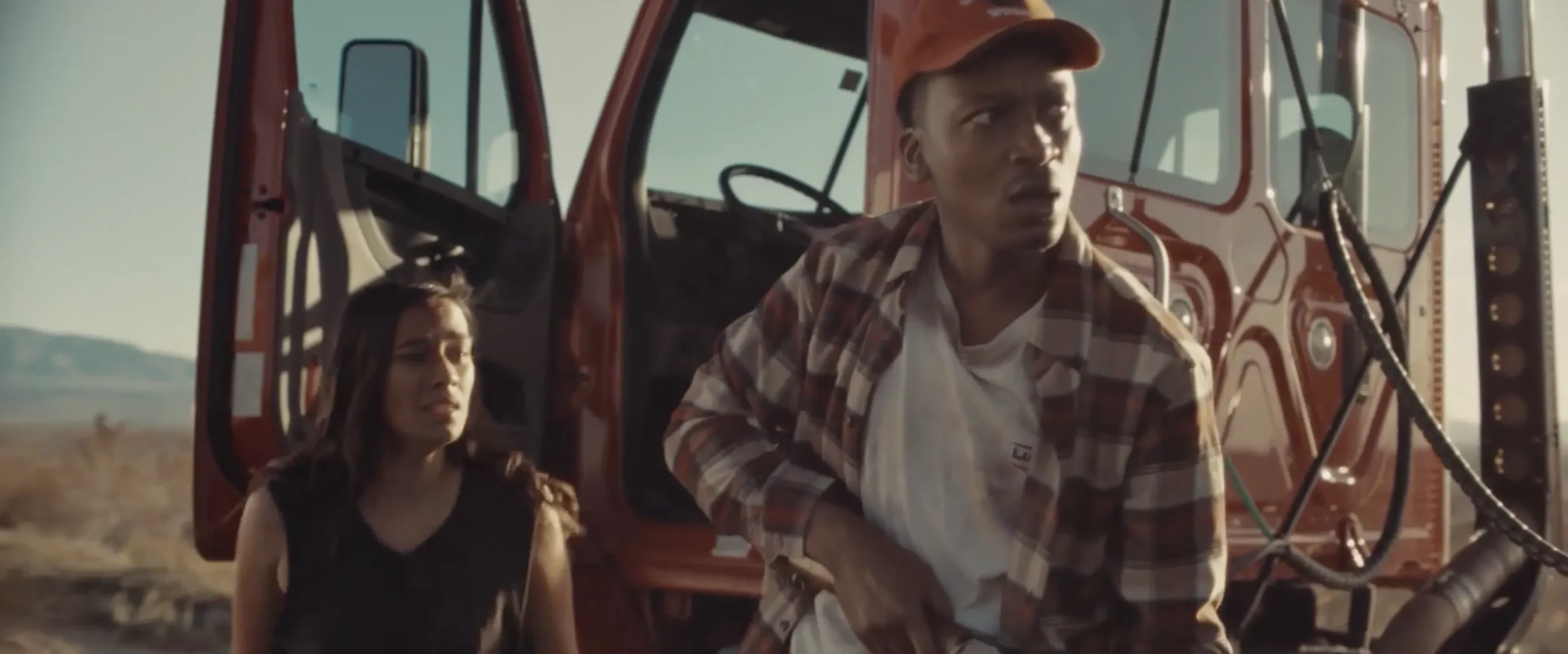
From Jaws to Funny Games: 20 Influences Behind Blood Star

Quick Answer

Director Lawrence Jacomelli names 20 films and one music video as direct influences on Blood Star: Spielberg’s Duel and Jaws gave the film its pursuit structure (the shark became a sheriff, the ocean became the desert), Jonathan Glazer’s “Karma Police” video provided its literal opening image, and road-thriller lineage like The Hitcher, Breakdown and Wolf Creek shaped a villain who is frightening because he understands the territory better than his victim. Visual influences include Badlands, Paris, Texas, The Shining and Once Upon a Time in the West; psychological ones include The Vanishing and Funny Games.

Key Takeaways

  • Blood Star’s core structure comes directly from Spielberg reusing his own Duel framework for Jaws — Jacomelli did the same: the shark became a sheriff, the ocean became the desert.
  • The film’s opening shot is an openly acknowledged homage to Jonathan Glazer’s 1997 music video for Radiohead’s “Karma Police.”
  • The Hitcher, Breakdown and Wolf Creek share one idea: the antagonist is dangerous because he understands the territory better than the victim does.
  • Badlands, Paris, Texas and Once Upon a Time in the West shaped the film visually — beauty and violence coexisting in the same daylight frame.
  • The Vanishing and Funny Games shaped the sheriff’s psychology: a calm, controlled predator rather than a chaotic monster.
  • Jacomelli’s view of influence: an image only matters if it’s transformed to serve a new dramatic purpose, not simply copied because it looks impressive.
Blood Star (2024) key art — a desert-road psychological thriller directed by Lawrence Jacomelli
Blood Star (2024) — built from 20 acknowledged influences, transformed into something new.

The 20 Films That Inspired Blood Star

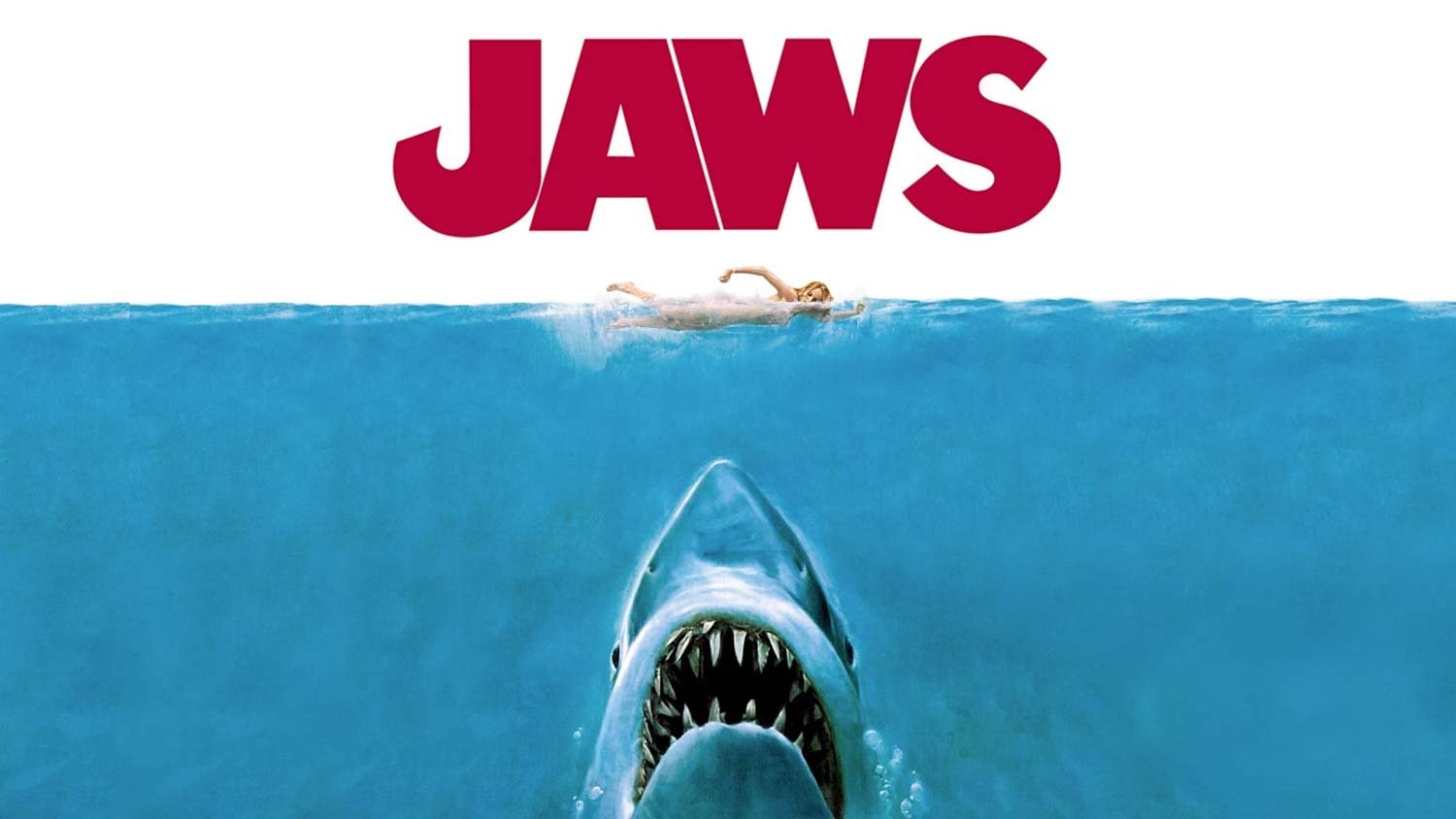
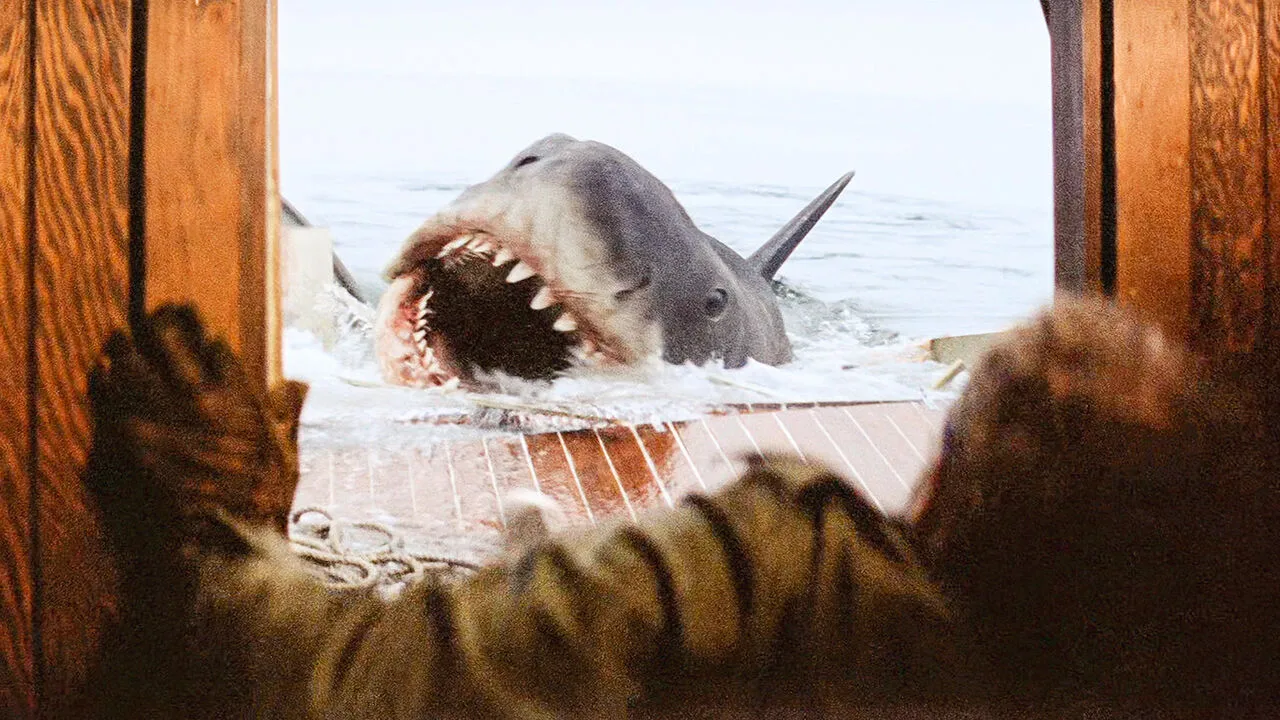
Jaws

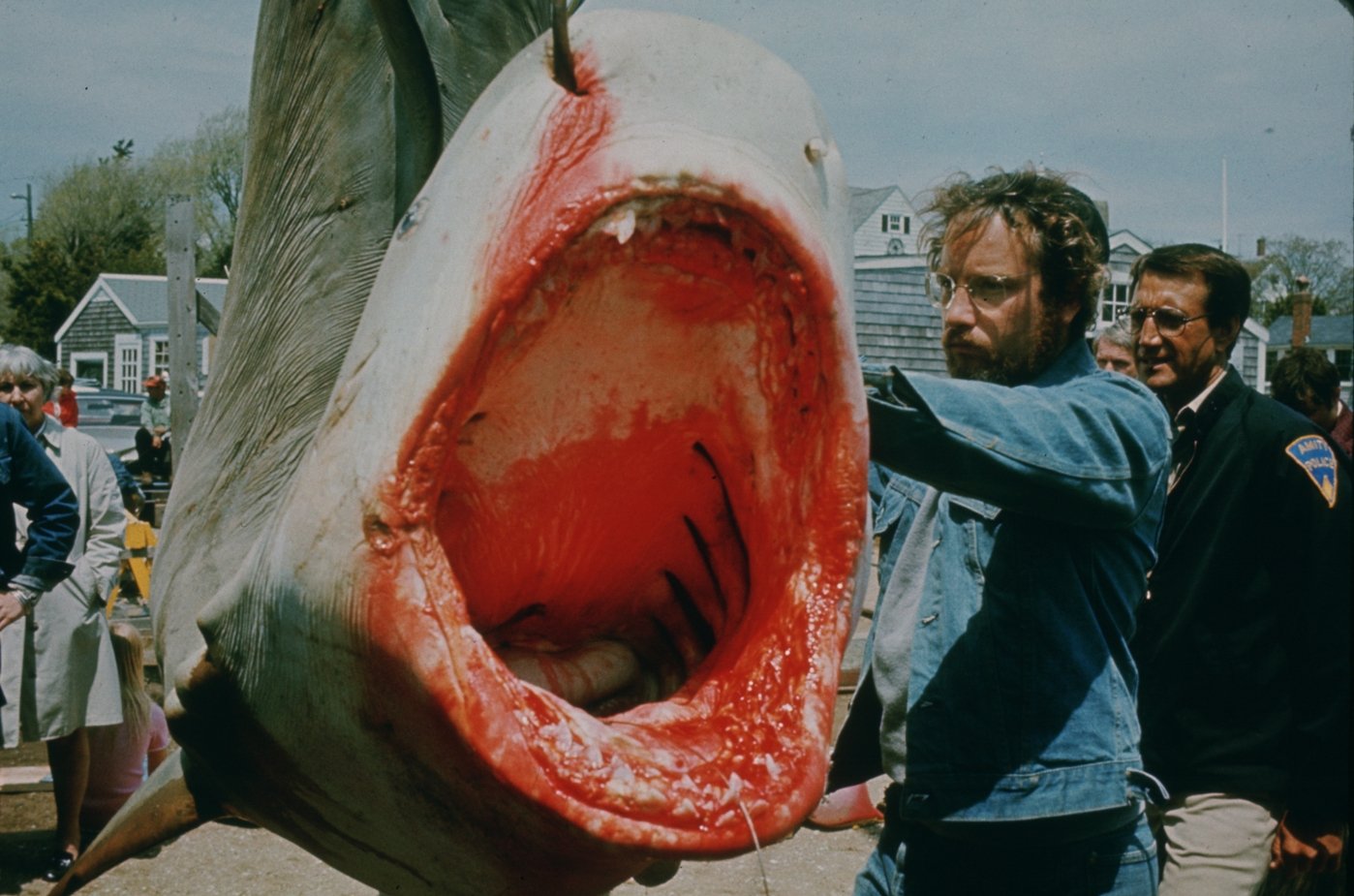
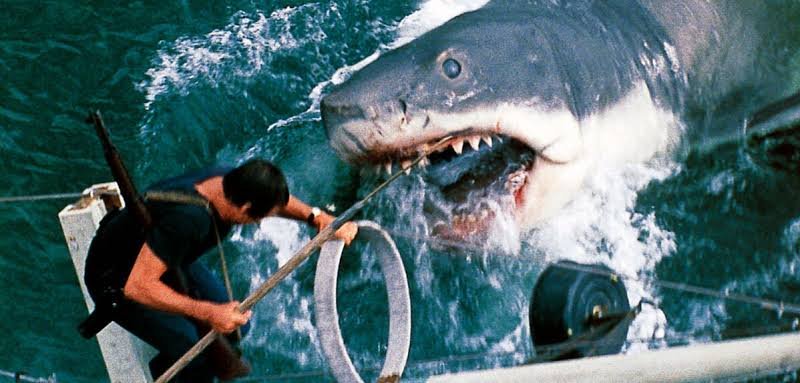
The shark attacking near a floating barrel as a man with a rifle reaches out in Jaws (1975)
Both films take something familiar, place an ordinary person in its path and build tension through pursuit.

The single biggest influence on Blood Star was Jaws. It remains my favourite horror film, but its influence went beyond tone, suspense or the simple idea of an unseen threat. What fascinated me was the relationship between Jaws and Steven Spielberg’s earlier film, Duel.

Spielberg himself acknowledged the similarity between the two films: in Duel, an ordinary man is pursued by a seemingly unstoppable truck, while in Jaws, a coastal community is terrorised by a seemingly unstoppable shark. The threat changes, the location changes and the scale becomes much larger, but the dramatic engine is remarkably similar. Both films take something familiar, place an ordinary person in its path and build tension through pursuit, anticipation and the gradual removal of every possible escape. (BFI)

When I realised that, something clicked. Spielberg had taken the essential dramatic framework of Duel and reimagined it for Jaws. I thought that if Spielberg could return to his own framework and transform it into something new, then perhaps I could use that same underlying structure to make Blood Star.

The shark became a sheriff. The ocean became the desert.

Lawrence JacomelliDirector, Blood Star

The shark became a sheriff. The ocean became the desert. Instead of a man being pursued by a truck or a town being threatened by a great white shark, Blood Star follows a young woman trapped on an empty highway and targeted by the one person who should represent safety and authority.

That was the starting point. I was never interested in copying the surface details of Jaws or Duel. What inspired me was their purity. Both films are built around a simple, almost primal situation: something is coming for you, it understands its environment better than you do, and eventually you will have to stop running and fight back.

That is the central framework of Blood Star.

Duel

Theatrical poster for Duel (1971), showing Dennis Weaver's terrified face above the tanker truck that pursues him
A road thriller does not need a complicated plot. It needs escalation, geography and a threat that feels increasingly impossible to escape.

If Jaws gave me the confidence to use a familiar dramatic framework, Duel provided the clearest structural blueprint.

There is almost nothing unnecessary in the film. A man is driving through the desert. A truck begins following him. The pursuit escalates. The driver is never properly seen and the threat is never explained. Spielberg does not burden the story with motive, psychology or an elaborate backstory. The truck simply becomes a force of aggression.

That simplicity was enormously important to Blood Star. We wanted the film to feel stripped down and immediate. Bobbi is travelling alone. She encounters the sheriff. A line is crossed, and from that moment onwards the landscape becomes hostile.

Like the truck in Duel, the sheriff is frightening partly because he controls the road. He knows the territory, understands where help is available and can appear almost anywhere. Bobbi is not only being pursued by a man; she is being pursued by someone who belongs to the environment through which she is trying to escape.

The desert also functions in a similar way. It appears vast and open, but that openness is deceptive. There is nowhere to hide, nobody close enough to help and no certainty that the next building or vehicle will offer safety. The road promises freedom while steadily removing every option.

Duel taught me that a road thriller does not need a complicated plot. It needs escalation, geography and a threat that feels increasingly impossible to escape.

Radiohead – Karma Police

One of the most direct visual influences on Blood Star did not come from a feature film at all. It came from Jonathan Glazer’s music video for Radiohead’s “Karma Police.”

The video is built around an extraordinarily simple image: a car moving slowly along a dark road while a man runs ahead of it, illuminated by the headlights. The camera remains connected to the vehicle, turning the pursuit into something hypnotic, threatening and strangely detached. Glazer places the viewer inside the pursuing car, making us complicit in what is happening. (Pitchfork)

That image became the foundation of the opening scene of Blood Star.

We repurposed it for our own story, changing the circumstances, the characters and ultimately the meaning of the scene. But the basic idea is there: darkness, headlights, a vehicle moving forward and a vulnerable human figure trapped directly in its path.

Was I worried about pinching a shot? Not particularly.

That is how filmmaking works. Images pass from one filmmaker to another, are absorbed, altered and placed into new contexts. Jonathan Glazer himself was working within a much longer visual tradition, and most of the shots that influence modern filmmakers can ultimately be traced back through other films, paintings and photographs.

Eventually, so many of those visual paths lead back to the masters, and very often they lead back to Stanley Kubrick.

The important question is not whether an image has been used before. The question is what you do with it.

For Blood Star, the “Karma Police” image was not simply an attractive reference. It contained the entire film in miniature. A vehicle approaches through the darkness. A person is trapped in its headlights. The road offers no protection. The person inside the vehicle holds all the power.

I believe the opening frame of a film has a responsibility. It should establish the tone, create an immediate question and give the audience a reason to keep watching. Ideally, it should also contain the DNA of the story that follows.

The opening two minutes of Blood Star do exactly that. They introduce the road, the predator, the victim and the central visual language of the film. More importantly, the sequence makes a promise to the audience—a promise that the film eventually fulfils when the same balance of power returns in a different form at the end.

The opening is not merely a prelude. It is the whole movie compressed into one scene.

Did You Know?

Jonathan Glazer’s video for Radiohead’s “Karma Police” — the direct source of Blood Star’s opening image — won the MTV Video Music Award for Best Direction in 1997.

The Hitcher

The Hitcher was an unavoidable influence because it understands the road as a psychological space rather than simply a location.

Like Duel, the film begins with an ordinary journey that is invaded by a figure who seems almost supernatural. Rutger Hauer‘s John Ryder does not behave like a realistic criminal with a clear plan. He appears and disappears, anticipates every attempt to escape and seems less interested in killing Jim immediately than in testing him.

That relationship was important when developing the sheriff in Blood Star. A conventional villain simply wants to catch the protagonist. A more disturbing villain wants to control the emotional rhythm of the pursuit. He wants the victim to understand that he can reach her whenever he chooses.

The sheriff does not only chase Bobbi. He plays with her sense of safety, presents himself as reasonable and repeatedly forces her to question how much danger she is actually in. His authority allows him to move between protector and predator without changing his outward appearance.

The Hitcher also understands that the road can feel dreamlike. Towns, petrol stations, diners and police vehicles appear briefly before vanishing behind the characters. The journey becomes disconnected from ordinary life, as though the protagonist has entered a separate world governed entirely by the pursuer.

That feeling was central to Blood Star. Once Bobbi enters the sheriff’s territory, normal rules stop applying.

Badlands

Theatrical poster for Badlands (1973), showing Kit and Holly silhouetted beneath a tree against a sunset
There is something more unsettling about violence in bright sunlight.

Terrence Malick’s Badlands influenced the film in a very different way. It was not a structural model so much as a tonal and visual one.

The landscapes in Badlands are beautiful, but the beauty never excuses the violence occurring within them. Malick allows open skies, fields, roads and empty horizons to exist alongside murder without forcing the visuals to become conventionally dark or threatening.

That contradiction was something we wanted in Blood Star. The desert is not photographed as an obviously evil place. It is expansive, luminous and often beautiful. The threat comes from what people are capable of doing within that space.

There is something more unsettling about violence in bright sunlight. Darkness allows an audience to imagine that danger is concealed. Daylight removes that protection. Everything is visible, yet nobody is there to intervene.

Badlands also showed how Americana can become strange without losing its authenticity. Cars, roadside buildings, police uniforms and open highways are familiar images, but when isolated and carefully framed they take on a mythic quality.

We wanted Blood Star to feel grounded in a recognisable American landscape while also existing slightly outside everyday reality.

The Texas Chain Saw Massacre

Theatrical poster for The Texas Chain Saw Massacre (1974), showing Leatherface holding a chainsaw in a barn doorway
Heat, daylight, dust and physical exhaustion could be as frightening as darkness.

The influence of The Texas Chain Saw Massacre was not about chainsaws, masks or explicit horror iconography. It was about the feeling that civilisation can suddenly disappear.

The film begins with young people travelling through an apparently ordinary rural landscape. Gradually, they discover that the social rules they rely upon no longer protect them. Houses are not safe, strangers are not helpful and authority is absent.

That same fear runs through Blood Star. Bobbi is still in America. She is travelling on public roads, passing petrol stations and encountering a uniformed police officer. Everything appears normal, yet the systems that should protect her have quietly failed.

The horror comes from isolation, but also from disbelief. A victim in this situation does not immediately understand that the ordinary rules have stopped functioning. She continues trying to behave rationally within a world that has become irrational.

Tobe Hooper‘s film also proved that heat, daylight, dust and physical exhaustion could be as frightening as darkness. The environment does not merely surround the characters; it wears them down.

That idea was essential when making a survival thriller in the desert.

No Country for Old Men

No Country for Old Men influenced both the visual language of Blood Star and its treatment of pursuit.

Anton Chigurh is terrifying because he moves with complete certainty. He does not rush, panic or lose control. The tension comes from watching a person who appears to have already calculated every outcome.

That quality informed the sheriff. He is most dangerous when calm. His uniform, measured voice and apparent confidence create the impression that he controls not only the situation but the story that will later be told about it.

The Coen brothers also understand the power of withholding music. Long stretches of No Country for Old Men rely on footsteps, vehicles, wind, doors and the minute sounds of people trying not to be discovered. That restraint makes every sound feel meaningful.

Visually, the film finds menace in distance. A vehicle on the horizon, a figure standing far away or a light appearing in darkness can become more frightening than a conventional close-up of the villain.

That approach strongly influenced the way we photographed the desert in Blood Star. The landscape allows the audience to see danger coming, but seeing it does not necessarily provide a way to escape.

Breakdown

Breakdown is one of the purest examples of an ordinary person discovering how vulnerable they become when stranded far from home.

The film begins with a mundane mechanical problem and steadily reveals a larger system of threat. Its effectiveness comes from plausibility. There is no supernatural force and no elaborate mythology. The protagonist is simply in the wrong place, surrounded by people who know the territory and understand how to exploit outsiders.

That dynamic was central to Blood Star. Bobbi’s vulnerability is not based on stupidity. She is vulnerable because she is travelling through someone else’s world. The sheriff knows the roads, the distances, the local people and the limits of his own accountability.

Breakdown also influenced the pace at which danger becomes undeniable. At first, there is uncertainty. The protagonist senses that something is wrong but cannot yet prove it. By the time the truth is clear, escape has become much more difficult.

A good thriller often depends on that delay between instinct and certainty.

Wolf Creek

Wolf Creek demonstrated how effectively an apparently friendly local figure can become a source of terror.

Mick Taylor initially presents himself as helpful, humorous and familiar. He understands the landscape and appears to offer the stranded travellers exactly what they need. The horror comes from the gradual revelation that his hospitality is a form of control.

The sheriff in Blood Star operates differently, but the principle is related. His badge gives him immediate credibility. Bobbi has been conditioned to see him as someone who can help, which means the threat can approach her without resistance.

The film also influenced our sense of desert isolation. In Wolf Creek, distance is not simply measured in miles. It becomes a form of power. The characters have no idea where they are, while the antagonist understands every road and hiding place.

The person who controls the landscape controls the encounter.

Death Proof

Quentin Tarantino‘s Death Proof influenced the film’s relationship between cars, violence and female resistance.

The car is not merely transport. It becomes an extension of the predator and eventually a weapon. The road itself becomes the arena in which control changes hands.

What I particularly admired was the way Death Proof allows its female characters to move from being watched and pursued to becoming active participants in the confrontation. The reversal is not neat or polite. It is physical, angry and satisfying.

That emotional shift was important for Bobbi. Blood Star begins with a woman being observed and controlled. The film’s destination is not simply her survival, but her recognition of how the sheriff’s power works and her decision to turn that power against him.

A cat-and-mouse thriller becomes much more satisfying when the mouse stops behaving like prey.

The Vanishing

George Sluizer‘s original 1988 version of The Vanishing is one of the most disturbing thrillers ever made, largely because of how calmly it approaches evil. The film is not driven by spectacle or conventional suspense. Its power comes from obsession, inevitability and the terrifying ordinariness of the man responsible.

Raymond is not presented as a theatrical monster. He is intelligent, organised and outwardly unremarkable. He studies his own behaviour almost scientifically, as though committing an appalling act is simply a problem to be solved. That restraint makes him far more disturbing than a villain who constantly announces his cruelty.

This was relevant when developing the sheriff in Blood Star. He does not think of himself as chaotic or out of control. He has created a system in which he can operate with confidence. He understands how people respond to his uniform, how far away help is and how easily a victim’s story can be discredited.

The other major influence was the film’s understanding of obsession. In The Vanishing, the need to know becomes as dangerous as the original crime. The protagonist cannot accept uncertainty, even when the truth may destroy him.

That idea is central to many effective thrillers. The audience wants an explanation, but the desire for complete understanding can become a trap. Sometimes the most disturbing thing a filmmaker can do is provide the answer.

Blood Simple

The Coen brothers’ Blood Simple was an important influence on the desert-noir elements of Blood Star. It is a film in which relatively simple actions become increasingly complicated because nobody fully understands what anyone else has done.

The characters lie, misinterpret evidence and make decisions based on incomplete information. Every attempt to regain control creates another problem. The violence is not grand or heroic. It is awkward, physical and often made worse by panic.

That escalation was something I wanted in Blood Star. The film begins with a clear imbalance of power, but as Bobbi starts resisting, the situation becomes more unstable. The sheriff may believe he understands exactly how the encounter will unfold, yet every act of control creates the possibility of reversal.

Visually, Blood Simple also turns familiar American spaces into something strange. Roads, bars, fields and empty rooms become morally charged because of what has happened within them. The night feels thick and oppressive, while even ordinary objects seem capable of exposing a secret.

The Coens understand that noir is not simply a visual style. It is a world in which people are trapped by their own decisions. Once the first mistake has been made, the story becomes a series of consequences.

Paris, Texas

Paris, Texas is not a thriller, but it had a significant influence on how I wanted to see the American landscape.

Wim Wenders and cinematographer Robby Müller photograph the Southwest as both real and mythological. The desert appears vast, beautiful and emotionally empty. Characters are often separated from one another by roads, windows, buildings and enormous areas of open space.

That visual loneliness was important to Blood Star. We did not want the desert to function merely as a picturesque backdrop. It needed to express Bobbi’s isolation. The wider the landscape becomes, the more exposed she appears within it.

The film also uses roadside Americana brilliantly: motels, petrol stations, neon, anonymous buildings and long stretches of highway. These are recognisable elements of American life, but when framed with enough precision they become dreamlike.

As a British filmmaker approaching the American desert, I was very conscious of avoiding a generic tourist’s view of the landscape. Paris, Texas demonstrated how an outsider could photograph America with fascination while still finding something emotionally truthful within it.

The desert in Blood Star is beautiful, but that beauty offers no protection. It makes the threat feel larger because there is so much space and so little help.

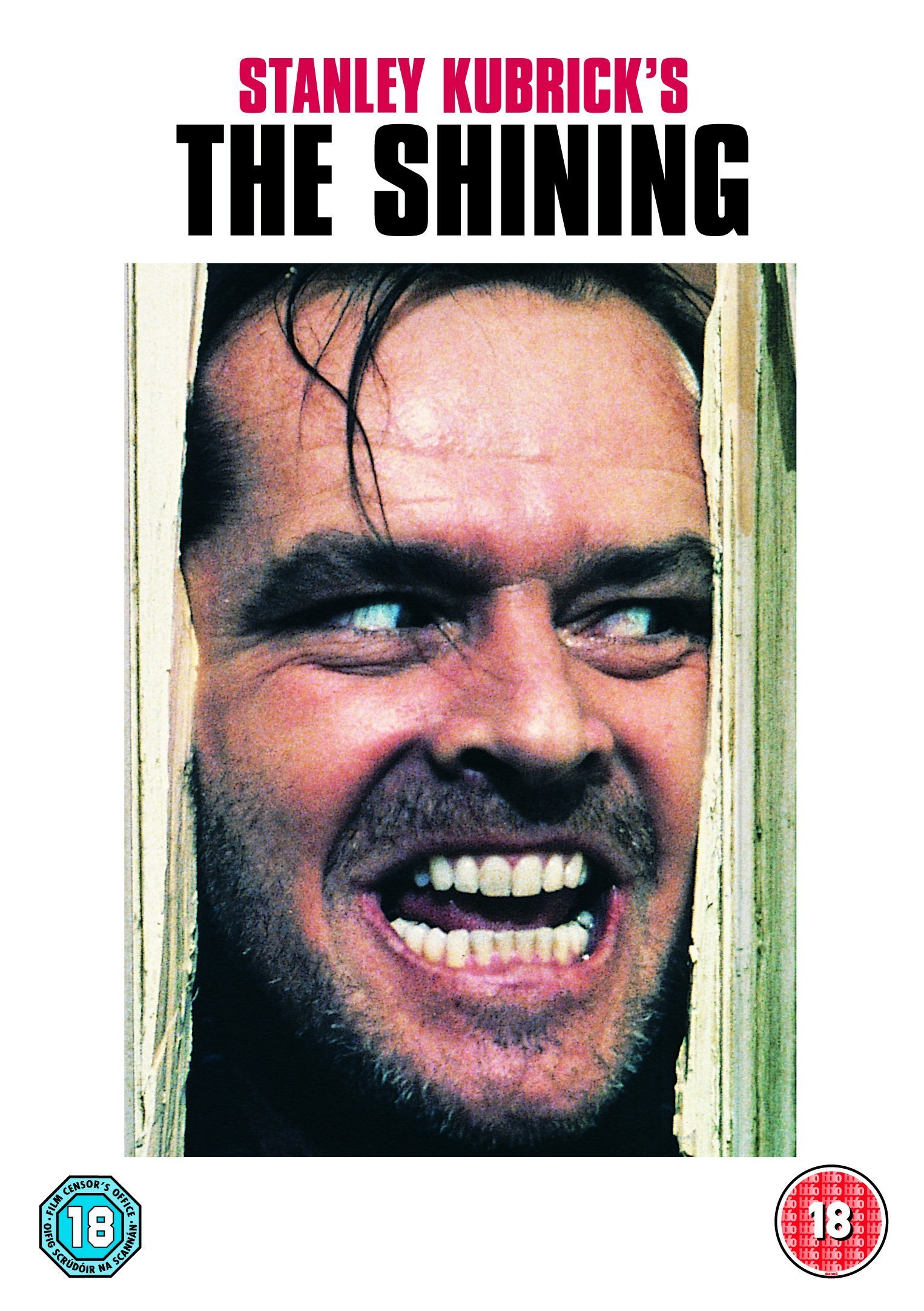
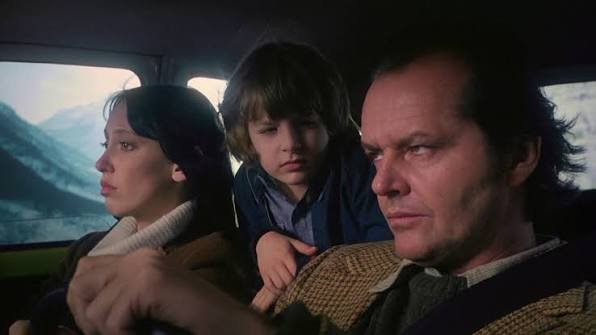
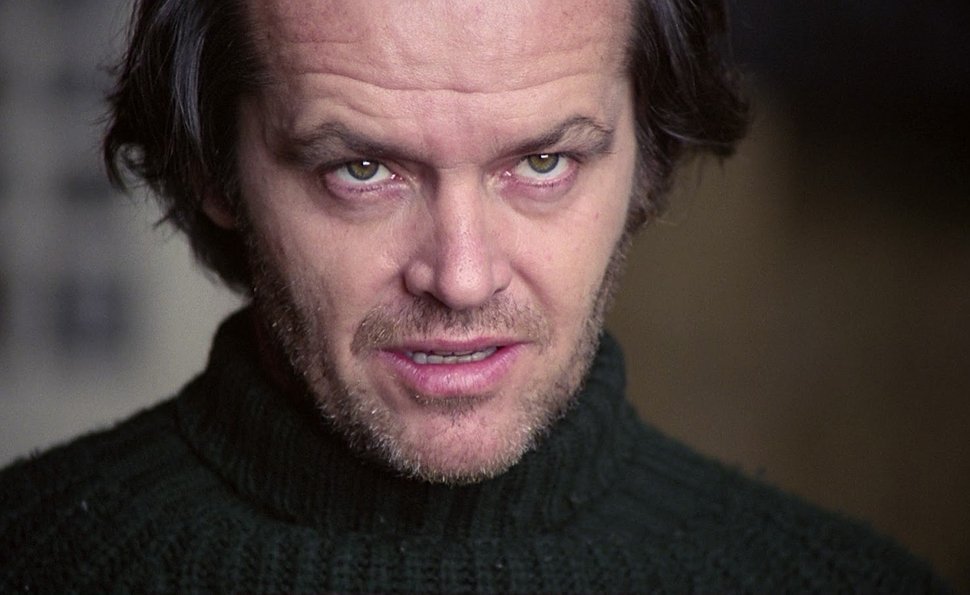
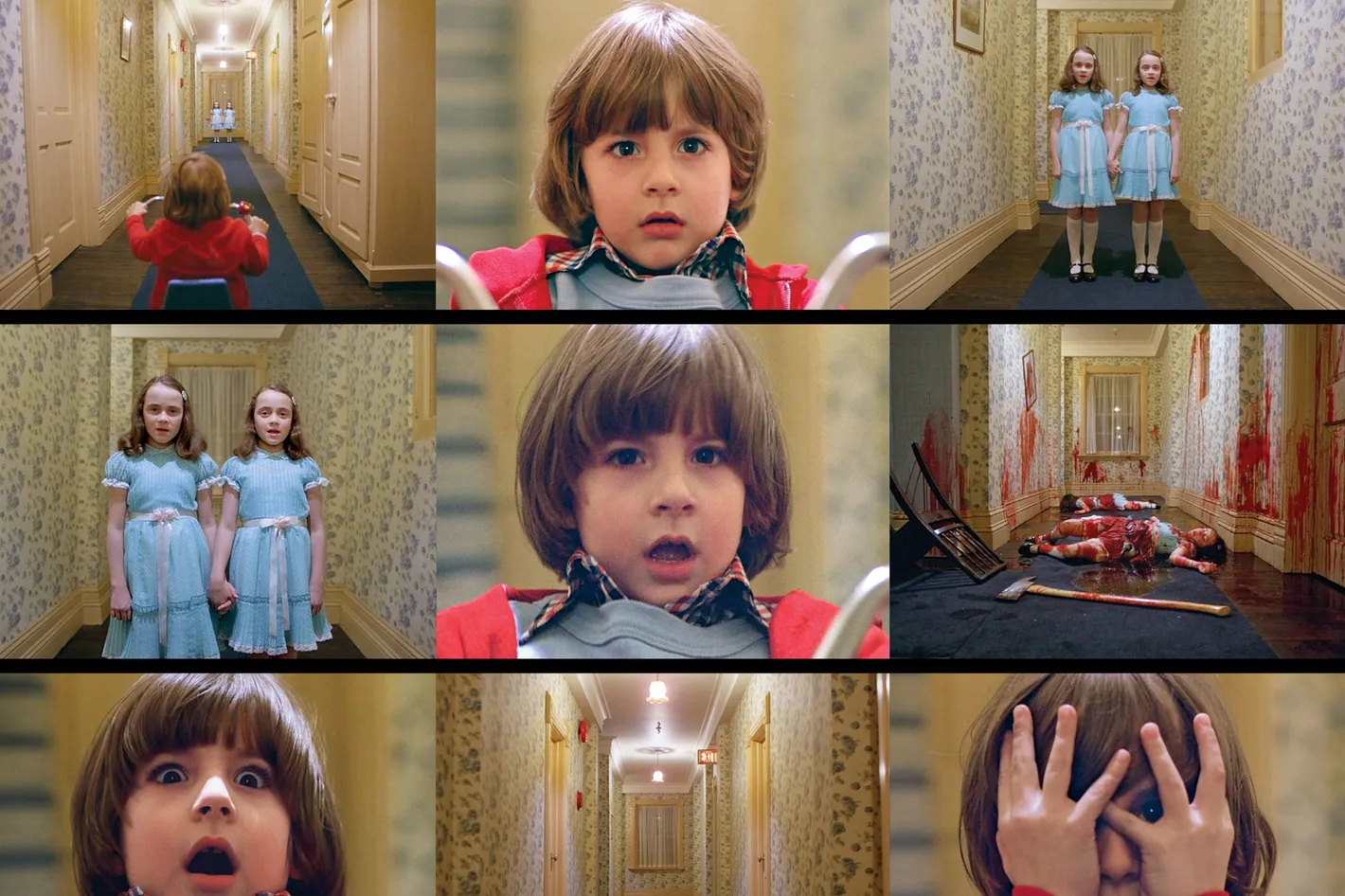
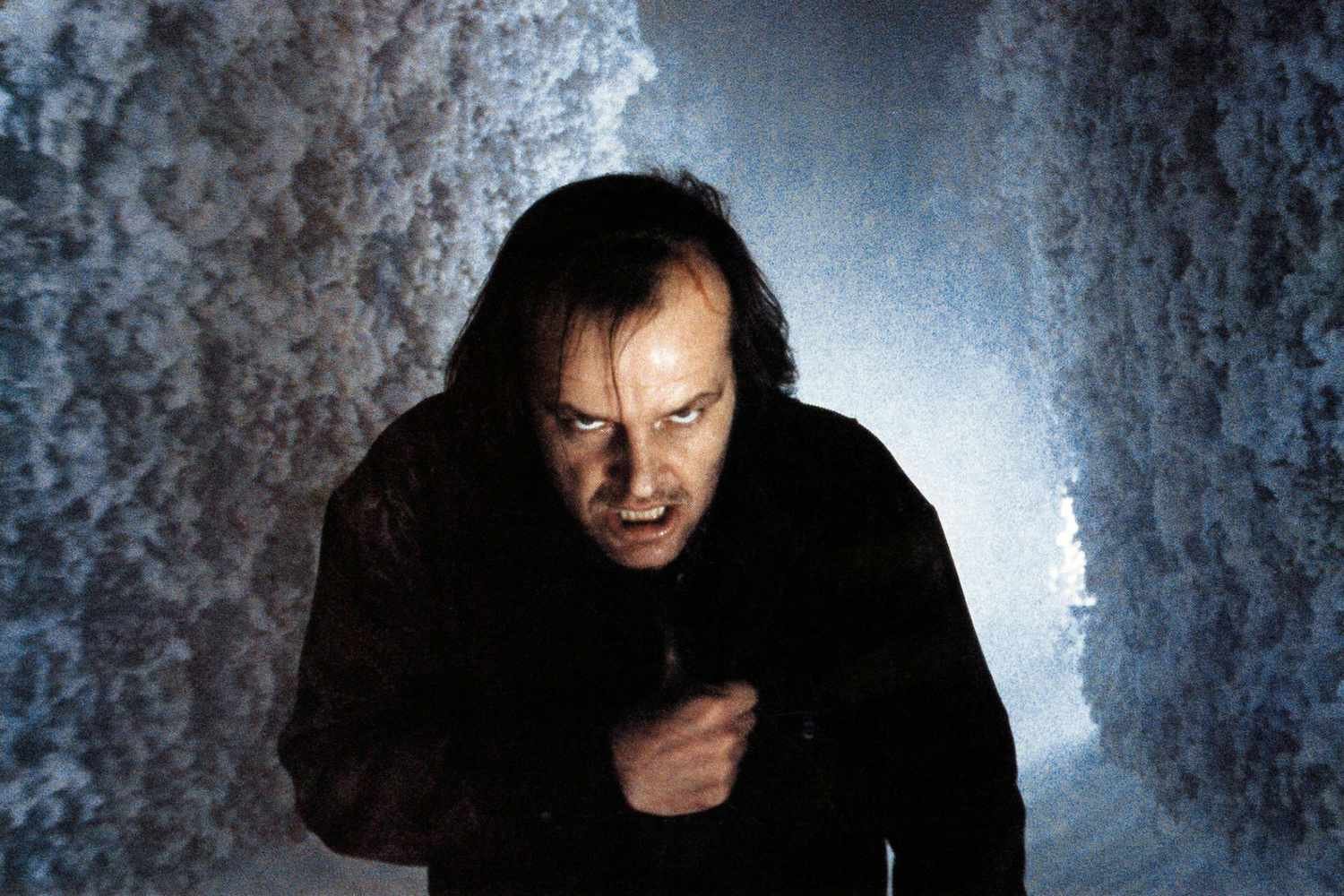
The Shining

Danny Torrance standing alone in the symmetrical, patterned hallway of the Overlook Hotel in The Shining (1980)
Even before anything explicitly frightening happens, the visual order itself feels oppressive.

Stanley Kubrick’s influence sits behind an enormous amount of modern cinema, whether filmmakers acknowledge it or not. The Shining was particularly important because of its controlled compositions, its use of architecture and the feeling that the camera possesses a knowledge beyond that of the characters.

Kubrick’s frames are rarely casual. The symmetry, perspective and movement create the impression that every character has been placed inside a larger design. Even before anything explicitly frightening happens, the visual order itself feels oppressive.

That sense of control influenced Blood Star. The sheriff believes he controls the road, the town and the people moving through his territory. We often framed him with a degree of stillness and authority, while Bobbi’s experience becomes more fractured and unstable as the situation develops.

The use of central framing was also important. There is something inherently confrontational about placing a figure directly in the middle of the image. It can make a character appear powerful, trapped or both at once.

Kubrick’s work also reminds filmmakers that borrowing an image is only part of the process. Most compositions have histories. They travel through painting, photography and cinema before arriving in a new film. The task is not to pretend that every shot has been invented from nothing. It is to understand why an image works and then make it serve a new dramatic purpose.

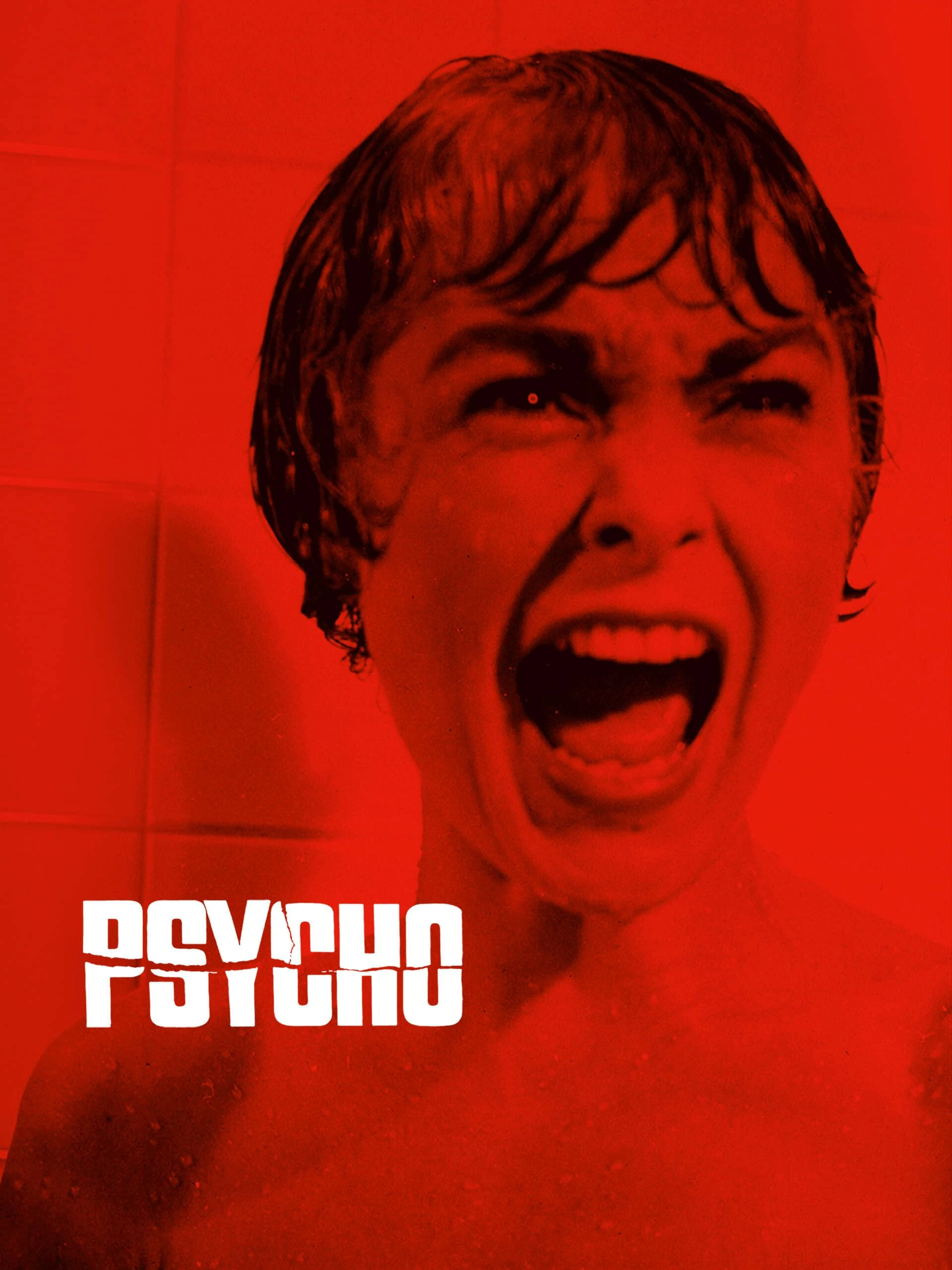
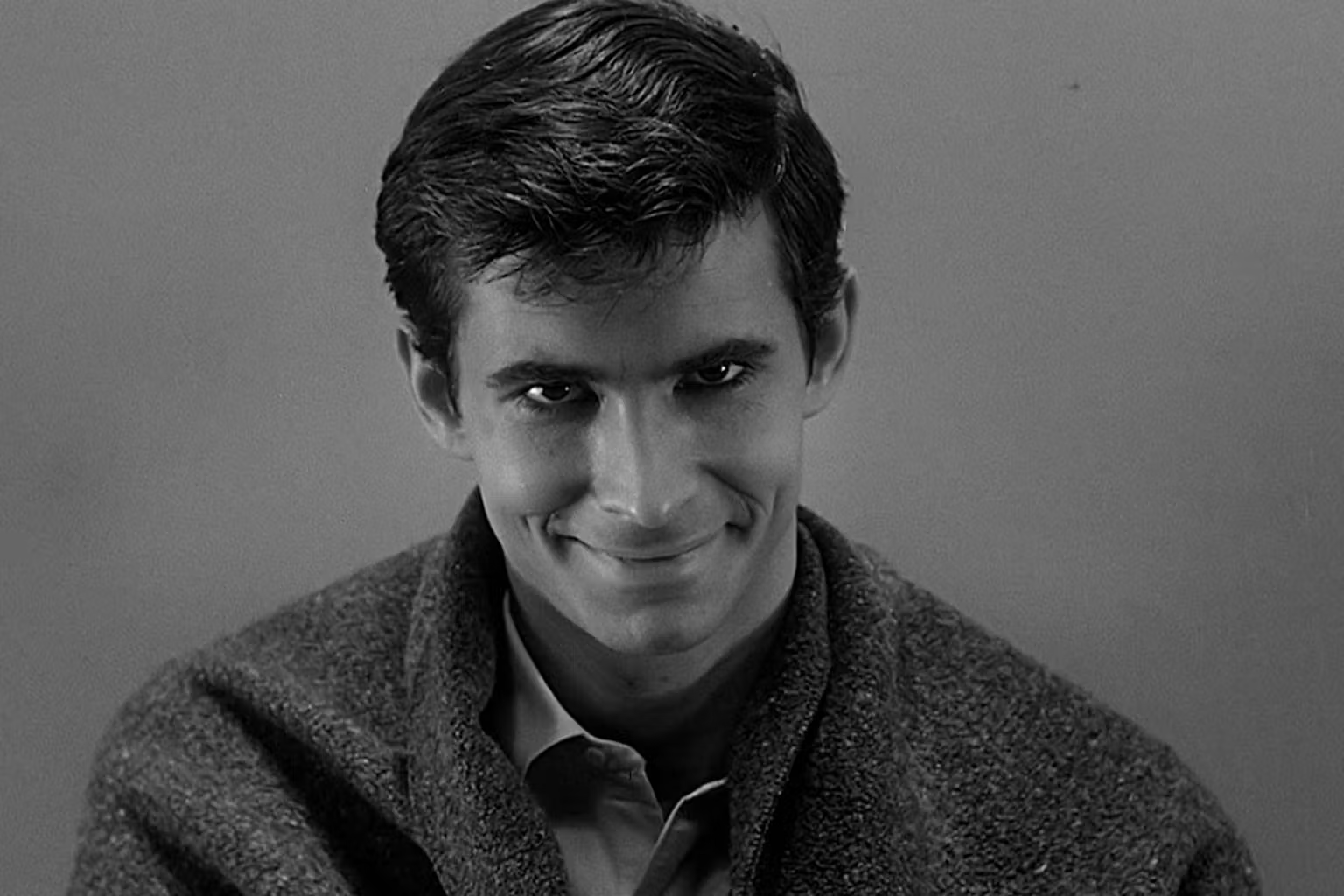
Psycho

The iconic shower scene from Psycho (1960), Marion Crane screaming under the running water
Much of that violence is created through editing, sound and the audience’s imagination.

Psycho remains one of the great examples of a film manipulating audience identification.

Hitchcock begins by making us believe we understand the story. We follow Marion Crane, become involved in her crime and assume that her journey will provide the film’s central narrative. Then the structure changes completely.

That disruption was influential because it demonstrates how much an audience depends on familiar storytelling rules. Viewers naturally assume that the person they are following will remain at the centre of the film. When that assumption is removed, the audience becomes vulnerable.

Although Blood Star does not repeat the same structural trick, it does play with expectations around victims, predators and control. The film introduces a familiar road-thriller situation, but the opening sequence also establishes that the sheriff has done this before. Bobbi is entering a story already in progress.

Psycho also understands the power of visual implication. The shower scene is remembered as intensely violent, yet much of that violence is created through editing, sound and the audience’s imagination. Hitchcock gives the viewer fragments and allows the mind to complete the act.

That principle remains essential, especially in lower-budget filmmaking. Suggestion is not simply a financial compromise. Used correctly, it can be more powerful than explicit imagery because the audience becomes responsible for constructing the horror.

The Night of the Hunter

Charles Laughton’s The Night of the Hunter transforms a human predator into something close to a mythological figure.

Robert Mitchum‘s Harry Powell is a murderer, but he is presented with the force and simplicity of a nightmare. His silhouette, his voice and even the songs he sings announce his presence before he enters the frame. He feels less like an ordinary criminal than a dark story being passed from one generation to another.

That quality influenced the sheriff in Blood Star. Although the film remains grounded, there are moments when he seems to belong to the road itself. He appears at the right time, understands the landscape completely and carries the authority of someone who has repeated the same ritual before.

The Night of the Hunter also uses stylisation without losing emotional intensity. Its landscapes, shadows and interiors sometimes feel deliberately artificial, yet that artificiality creates a deeper psychological truth.

The film understands that realism is not the only route to fear. A thriller can remain believable while allowing certain images to become heightened or symbolic.

The road, the river and the night landscape all become part of the children’s emotional experience. In Blood Star, the desert operates in a similar way. It is a physical place, but it also becomes the arena of Bobbi’s fear, exposure and eventual resistance.

Nocturnal Animals

Tom Ford’s Nocturnal Animals was an influence through its use of the road as a place where social protection suddenly disappears.

The central highway sequence is terrifying because it begins with something relatively small: another car behaving aggressively at night. The situation escalates through hesitation, pride, misunderstanding and the growing realisation that the family has entered a confrontation governed by completely different rules.

What makes the sequence so effective is the feeling of helplessness. The road is open, yet there is nowhere to go. The characters are inside a vehicle, but the vehicle no longer protects them. They are technically still within civilisation, yet no authority is present to intervene.

That contradiction is central to Blood Star. Bobbi is not lost in an uncharted wilderness. She is driving on public roads through recognisable America. Her vulnerability comes from the fact that systems only protect people when someone is present and willing to enforce them.

Nocturnal Animals also understands the psychological violence of humiliation. The threat is not simply physical. It comes from being watched, controlled and forced to recognise one’s own powerlessness.

The film uses the West Texas landscape to make the characters appear isolated long before the situation becomes overtly violent. Darkness removes the horizon, headlights reveal only fragments and every decision feels irreversible.

That combination of road, masculinity, intimidation and delayed violence was highly relevant to Blood Star.

Thelma & Louise

Thelma & Louise influenced the film’s understanding of the American road as both freedom and danger.

At the beginning, the journey represents escape. The two women leave behind restrictive lives and experience the road as a space in which different versions of themselves might become possible. That freedom is gradually complicated by violence, pursuit and the knowledge that the world will interpret their actions through a system already weighted against them.

Bobbi’s journey in Blood Star is very different, but the road carries a related contradiction. It promises independence while exposing her to danger. She is free to travel, yet that freedom means little when the person pursuing her controls the surrounding territory.

The film was also important in thinking about female resistance. Thelma and Louise are not presented as invulnerable action heroes. Their transformation comes through fear, anger, loyalty and the gradual refusal to return to the roles assigned to them.

That emotional progression was important for Bobbi. Her survival should not depend on suddenly becoming a different person. It comes from recognising the reality of the threat, understanding how the sheriff operates and deciding that compliance will not save her.

The road changes her because it forces her to act.

Once Upon a Time in the West

Sergio Leone’s Once Upon a Time in the West influenced the scale, patience and visual grammar of Blood Star.

Leone understood the relationship between the human face and the landscape better than almost anyone. He could move from an extreme close-up of a pair of eyes to an enormous widescreen environment and make both images feel equally dramatic.

That contrast was important in the desert. Wide shots establish isolation and geography, but close-ups reveal the psychological struggle occurring within that space. The landscape tells us how difficult escape will be; the face tells us when the character understands it.

Leone was also unafraid of duration. He allowed characters to wait, listen and watch. Tension came from anticipation rather than constant movement. The opening railway-station sequence is built almost entirely from time, sound and the expectation that someone will arrive.

That confidence influenced the slower moments in Blood Star. A road thriller cannot operate at maximum intensity from beginning to end. It needs silence, observation and pauses in which the audience senses that the balance of power is changing.

Leone’s use of sound was equally important. Wind, machinery, footsteps and distant noises become part of the composition. They do not simply accompany the image; they determine its rhythm.

The influence is not about making Blood Star resemble a western. It is about understanding how westerns turn landscape, faces and waiting into narrative action.

Funny Games

Michael Haneke’s Funny Games was an important influence because it confronts the audience’s relationship with screen violence.

The film appears to offer the framework of a home-invasion thriller, but Haneke repeatedly refuses to provide the expected pleasures of the genre. The attackers are calm, polite and almost absurdly controlled. They do not simply terrorise the family; they seem aware of the audience watching them.

That complicity is deeply unsettling. The film asks why viewers seek out violent stories, what kind of satisfaction they expect and whether a filmmaker has a responsibility to deliver it.

I was not interested in adopting Haneke’s full strategy for Blood Star, which is deliberately confrontational and anti-entertainment. However, his understanding of the relationship between predator, victim and viewer was highly relevant.

The sheriff often performs. He chooses how he speaks, how he presents himself and how much of his real nature to reveal. His cruelty is partly dependent on controlling the narrative of the encounter. He wants Bobbi to understand that he is in charge, but he also wants to preserve the outward appearance of legitimacy.

Funny Games also demonstrates that violence can be more disturbing when it is delayed, interrupted or kept outside the frame. The anticipation of an act may become more unbearable than the act itself.

Most importantly, Haneke refuses to let genre conventions become morally invisible. He reminds filmmakers that every decision about how violence is framed affects the audience’s relationship to it.

That was something I kept in mind throughout Blood Star. The film needed to be tense, entertaining and ultimately satisfying, but the sheriff’s violence could never become harmless spectacle.

How to Watch the Influences

Group them the way Jacomelli does: structural (Jaws, Duel, The Hitcher, Breakdown, Wolf Creek) for the pursuit mechanics, visual (Paris Texas, Badlands, The Shining, Once Upon a Time in the West) for landscape and framing, and psychological (The Vanishing, Funny Games, Nocturnal Animals) for how the sheriff’s calm becomes the real threat.

Influence, Borrowing and Making Something New

Looking back over these influences, it is obvious that Blood Star did not emerge from a vacuum. No film does.

Some references were structural. Jaws and Duel demonstrated how a simple pursuit framework could sustain an entire film. The Hitcher, Breakdown and Wolf Creek showed how the road becomes terrifying when the antagonist understands the territory better than the victim.

Other influences were visual. Paris, Texas, Badlands, The Shining and Once Upon a Time in the West shaped the way I thought about landscape, framing, colour and the relationship between faces and empty space.

Films such as The Vanishing, Funny Games and Nocturnal Animals influenced the psychology of threat: the calm predator, the delayed act of violence and the frightening moment when familiar social protections cease to function.

Then there are references that are almost direct, particularly Jonathan Glazer’s “Karma Police” video. The opening image of Blood Star clearly carries that influence. I have no interest in pretending otherwise.

Was I worried about pinching a shot? Not really.

Filmmaking has always involved images passing between artists. Directors absorb films, paintings, music videos, photographs and fragments of real life. Those influences are then altered by a new story, a new location, a different performer and the practical realities of production.

Most visual ideas lead backwards through other filmmakers, and many eventually arrive at the masters. Kubrick was borrowing. Hitchcock was borrowing. Spielberg was borrowing, including from himself.

The important distinction is between imitation and transformation. Copying an image because it looks impressive is rarely enough. The image has to perform a new function inside the film being made.

The opening of Blood Star takes the basic visual premise of “Karma Police”—a human figure trapped in the headlights of an approaching car—and turns it into the central promise of our story. The sequence introduces the predator, the road, the imbalance of power and the pattern that will return at the end.

Those first two minutes contain the entire film in miniature.

That is what influence should do. It should not simply reveal what a filmmaker has watched. It should become part of the machinery of the new story.

Lawrence JacomelliDirector, Blood Star

That is what influence should do. It should not simply reveal what a filmmaker has watched. It should become part of the machinery of the new story.

Frequently Asked Questions

Jaws, and specifically its relationship to Spielberg’s own earlier film Duel — director Lawrence Jacomelli realised that if Spielberg could reuse his own pursuit framework and transform it, the same underlying structure could become Blood Star, with the shark becoming a sheriff and the ocean becoming the desert.

Yes. Jacomelli has openly said the opening image — a vehicle’s headlights trapping a vulnerable figure on a dark road — is repurposed from Jonathan Glazer’s 1997 music video for Radiohead’s “Karma Police.”

The Hitcher, The Vanishing, No Country for Old Men, The Night of the Hunter and Funny Games all contributed — the common thread is a predator who is most frightening when calm, controlled and confident rather than chaotic.

No. He argues that filmmaking has always involved images passing between artists, and that the real question isn’t whether an image has been used before but what a filmmaker does with it — imitation copies an image, transformation gives it a new function.

Spielberg directed both, and acknowledged their shared dramatic engine: an ordinary person pursued by a seemingly unstoppable threat that understands its environment better than they do — Duel with a truck, Jaws with a shark.

Not literally, but it borrows a technique from Once Upon a Time in the West: alternating between extreme close-ups and vast widescreen landscape shots, using patience and silence rather than constant movement to build tension.

Learn More About Blood Star

If you’re interested in how independent filmmakers create ambitious thrillers on limited budgets, you can explore more about Blood Star, including its cast, production and behind-the-scenes story.

If you’d like to watch the film, visit the Blood Star Watch Page to see where it’s currently available to stream or purchase.
Best Atmospheric Thrillers for Fans of A24-Style Cinema

Quick Answer

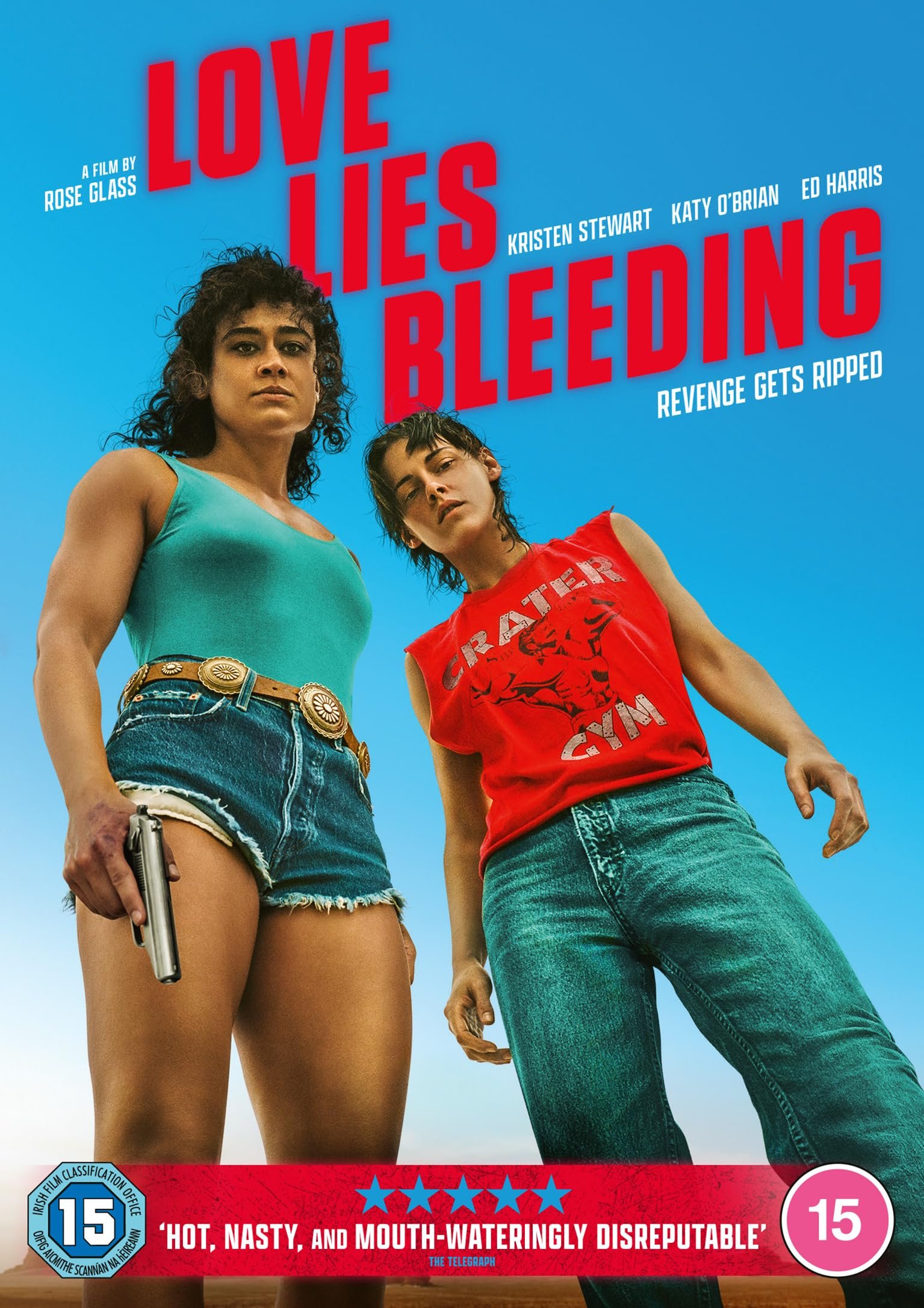
The best atmospheric thrillers of 2023-2025 — Red Rooms, The Royal Hotel, Eileen, You’ll Never Find Me, Anatomy of a Fall, Love Lies Bleeding, Blood Star, Strange Darling, Oddity, Sleep, Presence and The Plague — build tension through psychology, silence and behaviour rather than action or explanation. Not all were made by A24, and their directors come from Canada, Australia, South Korea, France, Britain and the US, but all share the belief that atmosphere is storytelling, not decoration.

Key Takeaways

  • These films place psychology before explanation — the audience senses something is wrong long before it can identify exactly what.
  • Location is never neutral: the desert in Blood Star, the pub in The Royal Hotel, the mobile home in You’ll Never Find Me and the apartment in Sleep all actively shape the danger.
  • Not every “A24-style” film is made by A24 — this list’s directors come from Canada, Australia, South Korea, France, Britain and the United States.
  • Violence is usually psychological before it becomes physical, built on control, isolation, obsession and shame rather than spectacle.
  • These stories resist simple moral divisions — victims can behave destructively, and threatening people can be vulnerable.
  • Atmosphere is not decoration in these films. It is the storytelling itself.
Official glitch-art poster for Red Rooms (2023), showing a distorted close-up of Kelly-Anne's face
Red Rooms (2023) — one of the most disturbing psychological thrillers of recent years.

The Best Atmospheric Thrillers for Fans of A24-Style Cinema

Over the past decade, “A24-style” has become a convenient description for a particular kind of independent film: visually distinctive, psychologically unsettling and more interested in atmosphere than conventional plot mechanics. Not every film fitting that description was produced or distributed by A24, but audiences increasingly use the term to identify thrillers that feel intelligent, strange, emotionally complicated and difficult to shake off.

These films do not always behave like traditional thrillers. They may contain violence, disappearances, murder investigations or supernatural threats, but suspense is rarely created through action alone. Instead, tension accumulates through uncomfortable silences, carefully controlled framing, ambiguous behaviour and the nagging suspicion that something important is being concealed.

The best atmospheric thrillers make locations feel psychologically charged. An isolated hotel, a desert highway, an unfamiliar house or an anonymous courtroom becomes more than a setting. It becomes an extension of the characters’ fears. The audience is not simply waiting to discover what happens next; it is trying to understand what kind of world it has entered.

For viewers drawn to slow-burn psychological thrillers, elevated horror, desert noir and visually driven independent cinema, these are some of the most compelling atmospheric thrillers released between 2023 and 2025.

Red Rooms (2023)

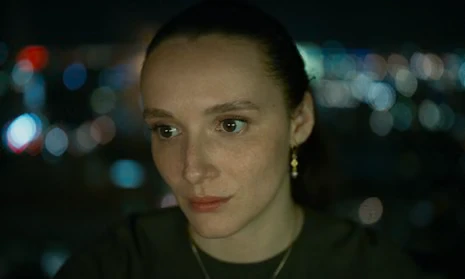
Kelly-Anne standing before a blurred night skyline of city lights in Red Rooms (2023)
The colder and more controlled Kelly-Anne appears, the more disturbing her behaviour becomes.

Pascal Plante‘s Red Rooms is one of the most disturbing psychological thrillers of recent years, despite refusing to show much of the violence around which its story revolves. Kelly-Anne, a fashion model with an unexplained fixation on a high-profile murder trial, spends her days sitting in court and her nights searching the darkest corners of the internet.

The film is not primarily concerned with determining whether the accused man is guilty. Its real subject is spectatorship: why people are attracted to horrific crimes, how suffering becomes entertainment and what obsession allows someone to conceal from themselves. The colder and more controlled Kelly-Anne appears, the more disturbing her behaviour becomes.

Much of the film’s tension comes from distance. Rooms are sterile, screens mediate human contact and violent acts are discussed rather than dramatised. The result is a cyber-thriller that feels clinical, alienating and morally dangerous. The BFI described the film as confronting audiences with an uncomfortable reflection of their own fascination with true crime. (BFI)

The Royal Hotel (2023)

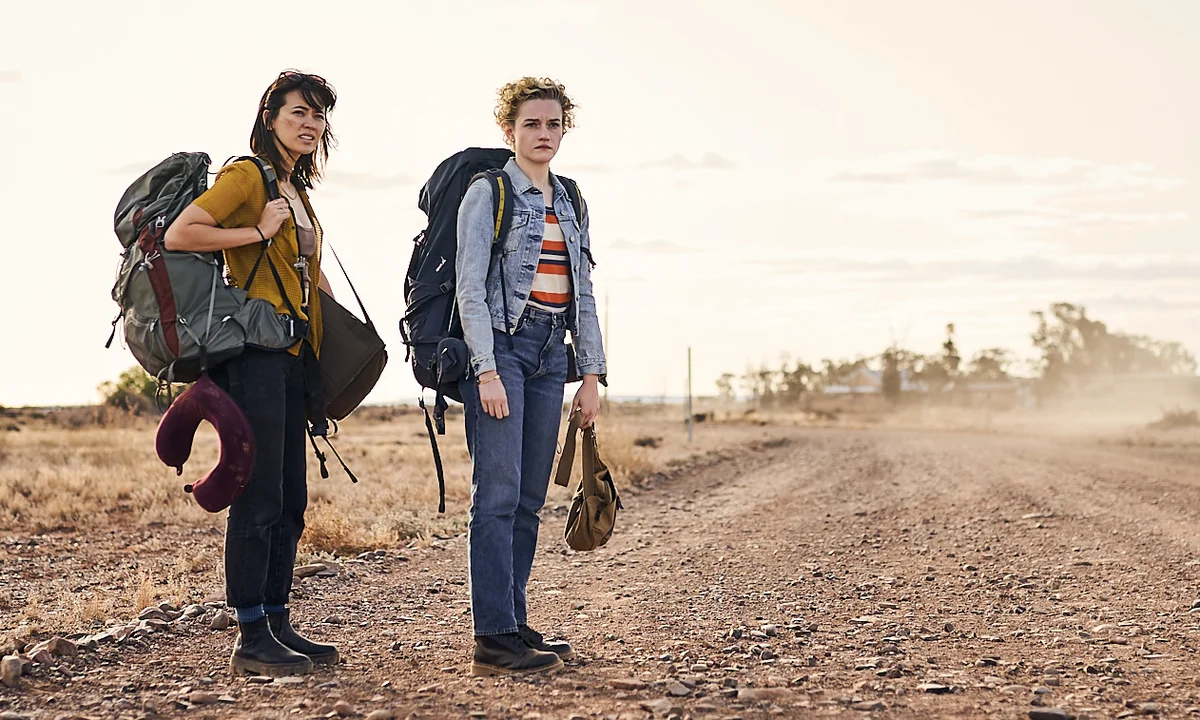
Two backpackers standing on a dusty outback road with their bags in The Royal Hotel (2023)
There is no obvious escape route, social support or dependable authority.

Two young backpackers take temporary jobs at a pub in a remote Australian mining town. What begins as a rough but potentially manageable working experience gradually becomes threatening as drunken jokes, unwanted attention and casual misogyny accumulate around them.

Kitty Green‘s The Royal Hotel understands that danger does not always announce itself clearly. The men surrounding the two women rarely behave like conventional movie villains. Instead, menace develops through small invasions of personal space, comments that can be dismissed as humour and situations in which the women are made to feel unreasonable for being afraid.

The film’s isolated location intensifies that vulnerability. There is no obvious escape route, social support or dependable authority. The BFI characterised it as a quiet thriller in which a backpacking adventure becomes increasingly toxic, which captures the film’s unsettling refusal to separate social discomfort from physical danger. (BFI)

This is atmospheric tension built almost entirely from behaviour. The audience recognises the danger before it can prove that the danger exists.

Eileen (2023)

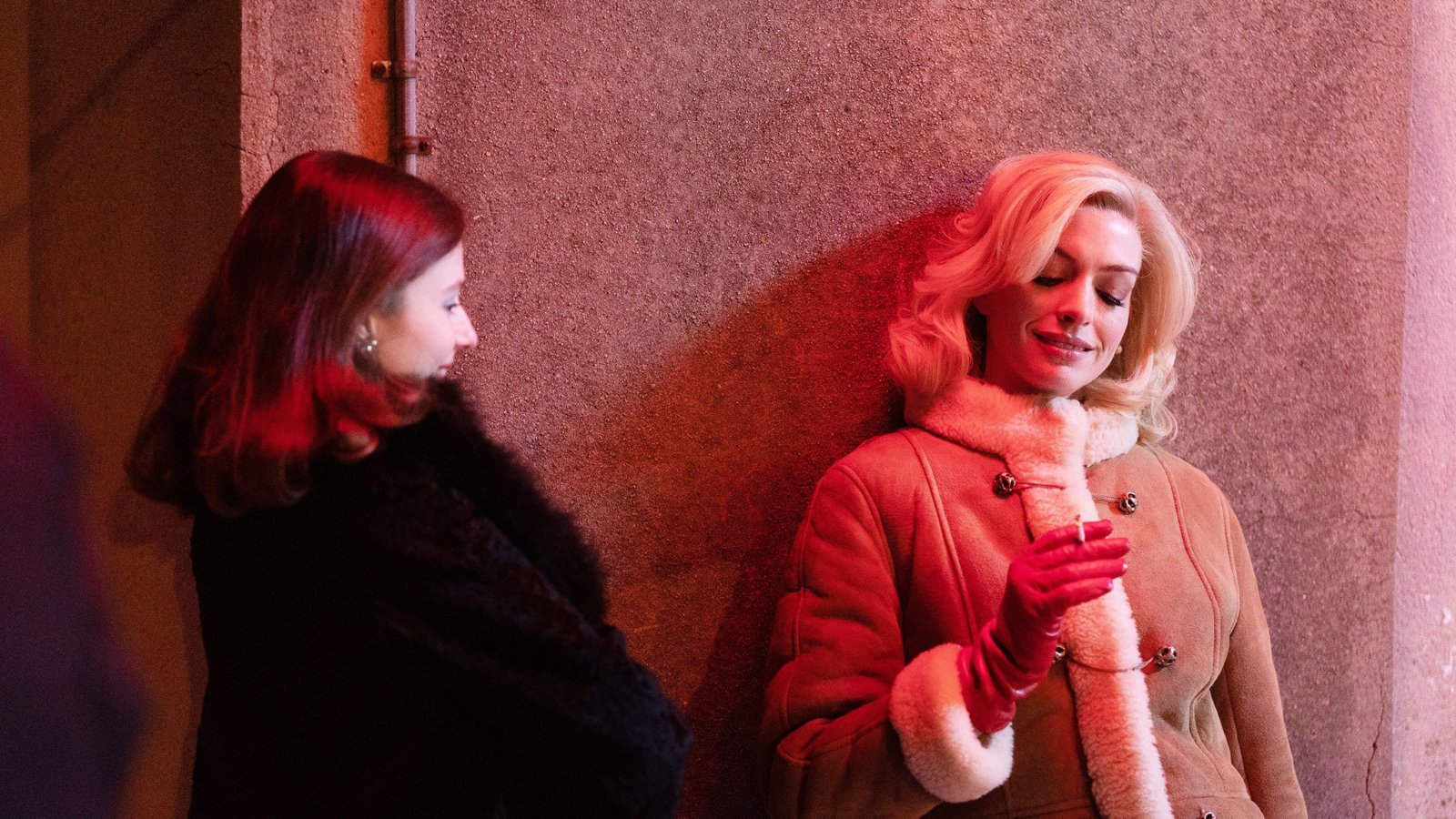
Rebecca and Eileen standing close together against a wall at night in Eileen (2023)
Rebecca introduces colour, confidence and possibility into Eileen’s grey world.

Set during a bitter Massachusetts winter in the 1960s, Eileen follows a lonely young woman working at a juvenile prison while living with her alcoholic father. Her life changes when Rebecca, a glamorous and self-assured psychologist, arrives at the institution and appears to offer an escape from Eileen’s suffocating existence.

The film initially resembles a dark character study before moving into more dangerous thriller territory. Its atmosphere is created through grim institutional corridors, dirty snow, cigarettes, suppressed desire and a constant sense of emotional confinement. Eileen’s imagination is more vivid than her reality, but it is not always clear whether that imagination is protecting her or leading her somewhere destructive.

Anne Hathaway’s Rebecca introduces colour, confidence and possibility into Eileen’s grey world. The contrast is immediately seductive, but it also makes Rebecca feel slightly unreal. As the BFI observed, her arrival cuts through the film’s oppressive atmosphere like a flash of red. (BFI)

Eileen is a reminder that atmospheric thrillers often begin with longing. The danger emerges because a character wants so desperately for another life to become possible.

You’ll Never Find Me (2023)

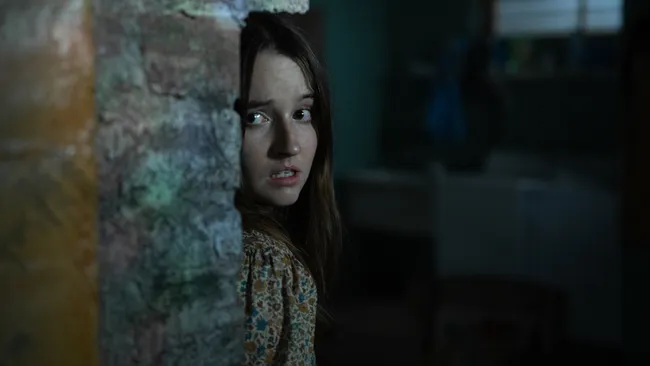
A woman holding a flashlight in a dark, cramped mobile-home bathroom in You'll Never Find Me (2023)
Rain beats against the walls, and every object in the room appears potentially significant.

During a violent storm, a frightened young woman seeks shelter in the isolated mobile home of an older man. Neither character appears to be telling the complete truth, and the balance of power shifts repeatedly as the night continues.

Almost the entire film takes place inside one cramped location. Rain beats against the walls, the surrounding darkness feels impenetrable and every object in the room appears potentially significant. Rather than opening the story outward, directors Indianna Bell and Josiah Allen keep tightening the space around their characters.

The film’s greatest strength is its uncertainty. Is the man a predator? Is the woman manipulating him? Is the storm real, symbolic or both? The film appeared among the selections in Sight and Sound’s international poll of the best films of 2023, but it remains far less widely known than many comparable independent thrillers. (BFI)

For much of its running time, nothing is more frightening than two strangers sitting opposite one another and attempting to decide who should be afraid.

Anatomy of a Fall (2023)

Sandra standing beside a car with snow-covered Alps behind her in Anatomy of a Fall (2023)
Every detail can support more than one interpretation.

When a man falls to his death outside his isolated home in the French Alps, suspicion falls on his wife, Sandra. The resulting trial attempts to determine whether his death was an accident, suicide or murder, but the investigation gradually becomes a public dissection of the couple’s marriage.

Justine Triet‘s Palme d’Or-winning drama operates partly as a courtroom thriller, but its real mystery is whether another person can ever be fully understood. Arguments, recordings and private resentments are removed from their original context and rearranged into competing narratives. Every detail can support more than one interpretation.

The film avoids the usual rhythm of revelation followed by certainty. Instead, each new piece of evidence makes the relationship more complicated. Sight and Sound called it a sharply intelligent psychological drama and compared its emotional structure to a murder-trial version of Marriage Story. (BFI)

Its atmosphere comes from intellectual and emotional instability. The tension is not simply whether Sandra will be convicted, but whether truth can survive the process of being turned into a story.

Did You Know?

When Anatomy of a Fall won the Palme d’Or at the 2023 Cannes Film Festival, Justine Triet became only the third female director in the festival’s history to win cinema’s top prize.

Love Lies Bleeding (2024)

Official poster for Love Lies Bleeding (2024), showing Katy O'Brian and Kristen Stewart against a blue sky
A film can be loud, romantic and physically violent while still feeling mysterious and dreamlike.

Rose Glass‘s Love Lies Bleeding combines romantic obsession, crime, body horror and desert noir. Kristen Stewart plays Lou, the manager of a run-down gym in New Mexico, whose relationship with ambitious bodybuilder Jackie pulls both women into the orbit of Lou’s violent criminal family.

Unlike many restrained atmospheric thrillers, this film is sweaty, muscular and explosive. Yet it shares the same commitment to psychological subjectivity. Desire transforms how the characters see themselves and eventually appears to transform physical reality.

The setting is essential. The empty roads, desert horizons, gun ranges, cheap motels and dimly lit gym create a world in which violence feels both ordinary and mythological. Sight and Sound described the film as a bodybuilding melodrama driven by passionate extremes, while its cinematography also received recognition at the 2024 British Independent Film Awards. (BFI)

It is one of the clearest recent examples of how atmosphere does not have to mean quietness. A film can be loud, romantic and physically violent while still feeling mysterious and dreamlike.

Blood Star (2024)

Blood Star (2024) key art — a desert-road psychological thriller directed by Lawrence Jacomelli
The desert’s scale makes the protagonist appear exposed and isolated.

Set against the empty highways and vast desert landscapes of the American Southwest, Blood Star follows a young woman whose cross-country journey becomes a fight for survival after she is targeted by a small-town sheriff.

The film uses the road as both freedom and trap. Open space would normally suggest the possibility of escape, but the desert’s scale makes the protagonist appear exposed and isolated. Help may be miles away, phone coverage is uncertain and the apparent authority figure pursuing her understands the territory better than she does.

Rather than beginning with immediate violence, the threat grows through surveillance, intimidation and the sheriff’s ability to manipulate apparently ordinary encounters. The Guardian described the film as a cat-and-mouse thriller, while other reviews noted its gradual movement from crime thriller into more overt horror territory. (The Guardian)

Like Duel, The Hitcher and The Texas Chain Saw Massacre, Blood Star finds terror in the idea that the familiar rules of civilisation can disappear once a traveller is sufficiently far from home.

Strange Darling (2024)

A terrified blonde woman in a red top standing in a sunlit field in Strange Darling (2024)
A frightened woman, a man with a gun, a motel room and a blood-stained car seem to communicate a complete story before the characters have said anything.

At first glance, Strange Darling appears to offer a familiar image: a terrified woman being pursued through rural America by an armed and dangerous man. The film then fractures its story into six chapters presented out of chronological order, forcing the audience to reconsider almost every assumption it makes.

The structure is not merely decorative. It demonstrates how quickly viewers construct moral narratives from familiar images. A frightened woman, a man with a gun, a motel room and a blood-stained car seem to communicate a complete story before the characters have said anything.

Director JT Mollner uses vivid 35mm cinematography, saturated colour and shifting chronology to turn a serial-killer thriller into a game of perception. Sight and Sound praised the film’s willingness to play wicked games with genre expectations. (BFI)

The film is stylish, violent and deliberately manipulative, but its real subject is the audience’s confidence in its ability to recognise innocence and guilt.

Oddity (2024)

The screaming wooden mannequin figure emerging from behind a desk in Oddity (2024)
The audience begins to project intention onto the wooden figure, creating tension before the film needs to confirm whether it possesses any power.

After a woman is murdered in an isolated country house, her blind twin sister arrives with a collection of supposedly supernatural objects and an unnerving wooden mannequin. What follows is a tightly controlled combination of murder mystery, ghost story and revenge thriller.

Damian McCarthy understands the dramatic power of a room. Doorways, staircases, dark corners and empty spaces are arranged so that the audience continually searches the frame for movement. The film uses relatively few locations, but each one is made to feel dangerous.

Its most memorable object, the wooden figure, is frightening partly because it does so little. The audience begins to project intention onto it, creating tension before the film needs to confirm whether it possesses any power. Sight and Sound described Oddity as a claustrophobic supernatural horror built around cursed objects and carefully engineered scares. (BFI)

It is an excellent example of atmosphere overcoming scale. The film does not require enormous sets or elaborate effects because its suspense depends on anticipation, composition and sound.

The audience begins to project intention onto it, creating tension before the film needs to confirm whether it possesses any power.

From the articleOn Oddity's wooden mannequin

Sleep (2023/2024)

A woman holding a swaddled baby while a man's silhouette watches from the foreground in Sleep (2023)
The person lying beside you may be someone you trust completely, yet sleep creates a state in which identity becomes uncertain.

In Jason Yu‘s Korean psychological thriller Sleep, a pregnant woman becomes increasingly frightened by her husband’s disturbing behaviour while asleep. What begins with sleepwalking and cryptic speech develops into a threat that may be medical, psychological or supernatural.

The couple’s apartment is initially warm and reassuring. That familiarity is precisely what makes its transformation so effective. A bed, a refrigerator, a locked door and the sound of movement at night gradually become sources of fear.

The film repeatedly shifts the audience’s understanding of which partner is endangered and which has become dangerous. The BFI noted how the threat moves between husband and wife as the couple’s determination to remain united becomes increasingly extreme. (BFI)

Sleep finds horror inside intimacy. The person lying beside you may be someone you trust completely, yet sleep creates a state in which intention, responsibility and identity become uncertain.

Presence (2024/2025)

A woman looking out through a window with blurred lights visible outside in Presence (2024)
The ghostly viewpoint is both intimate and distant: it can enter private spaces but cannot easily intervene.

Steven Soderbergh‘s Presence presents a haunted-house story from the apparent perspective of the entity inside the house. The camera floats through rooms, watches a family arrive and gradually becomes aware of its own relationship to them.

The first-person approach could easily have felt like a technical exercise, but the film uses it to explore grief, alienation and the emotional fractures within a family. The ghostly viewpoint is both intimate and distant: it can enter private spaces but cannot easily intervene.

The BFI praised the film as one of Soderbergh’s strongest formal experiments, arguing that its family drama gives emotional weight to the supernatural premise. (BFI)

The film demonstrates a quality shared by many A24-style thrillers: a formal idea is never enough on its own. The visual strategy matters because it expresses something about the characters. Here, the hovering camera embodies the sensation of watching people you care about while being unable to reach them.

The Plague (2025)

A boy in swimming goggles looking warily at a pool lane rope in The Plague (2025)
Rituals that may appear trivial to adults become overwhelming within the closed world of the camp.

Set at a boys’ water-polo camp, Charlie Polinger‘s The Plague follows a socially anxious twelve-year-old attempting to understand the brutal hierarchy governing the other children. A supposed illness spreading through the group becomes inseparable from bullying, humiliation and the fear of exclusion.

The film treats childhood social behaviour with the seriousness of psychological horror. Rituals that may appear trivial to adults become overwhelming within the closed world of the camp. The threat is not a conventional monster but a group’s ability to decide that one child is contaminated, inferior or no longer human.

The film’s premise places physical vulnerability, masculinity and social performance under intense pressure. Its limited environment allows minor gestures, glances and changes in group behaviour to become terrifying. (Wikipedia)

Like the best atmospheric thrillers, The Plague transforms an ordinary institution into a complete moral universe with rules that are understood by everyone except the outsider.

What Do These Atmospheric Thrillers Have in Common?

These films vary enormously in subject and style. Some are murder mysteries, some are relationship dramas, some approach horror and others remain grounded in recognisable reality. What connects them is not a particular colour grade, aspect ratio or production company. It is a shared method of creating tension.

First, they place psychology before explanation. The audience is often given enough information to feel that something is wrong but not enough to identify exactly what it is. Characters may behave irrationally, withhold important facts or misunderstand their own motivations. The resulting uncertainty forces viewers to remain actively involved.

Second, their locations are never neutral. The desert in Blood Star, the pub in The Royal Hotel, the mobile home in You’ll Never Find Me, the apartment in Sleep and the courtroom in Anatomy of a Fall all shape the behaviour of the people trapped inside them. Atmosphere emerges from the relationship between character and environment.

Third, these films trust silence. Dialogue may be important, but so are pauses, distant sounds, empty frames and moments in which the audience is allowed to anticipate danger. A conventional thriller may use music or editing to announce that something is about to happen. An atmospheric thriller often makes the audience wonder whether it has already happened without being noticed.

Fourth, violence is usually psychological before it becomes physical. Control, isolation, obsession, shame and social intimidation create the foundation. When violence eventually arrives, it feels like the expression of something that has been developing throughout the film rather than an isolated piece of spectacle.

Finally, these stories resist simple moral divisions. Victims can behave destructively. Apparently threatening people may be vulnerable. Love can become possessive, protection can become imprisonment and curiosity can become complicity. The audience is rarely permitted the comfort of standing completely outside the characters’ moral world.

How to Spot One

Look past the marketing and ask: does the trailer sell you a concept and a mood, or a plot? Atmospheric thrillers tend to advertise a feeling and a striking image rather than a synopsis — if you can’t tell exactly what happens from the trailer, that’s usually a good sign, not a red flag.

Is “A24-Style” Still a Useful Description?

The phrase remains useful as a search term because audiences understand what it suggests: independent filmmaking, carefully constructed images, emotional discomfort, ambiguity and slow-building tension. However, it can also obscure the range of filmmakers and national cinemas producing this kind of work.

Several of the films on this list were not made by A24 at all. Their directors come from Canada, Australia, South Korea, France, Britain and the United States. Their budgets and production methods vary widely.

What they share is a belief that atmosphere is not decoration. It is storytelling.

What they share is a belief that atmosphere is not decoration. It is storytelling.

From the articleOn what these films share

A truly atmospheric thriller does not simply photograph an attractive location and add ominous music. Every creative choice must contribute to the audience’s emotional position: the distance of the camera, the texture of the sound, the amount of information withheld and the precise moment at which a character realises that a situation has changed.

That is why these films linger. Their mysteries are not always solved when the plot ends. The fear remains attached to the places, images and sensations through which the story was experienced.

For fans of A24-style cinema, that lingering uncertainty is not a flaw. It is exactly what they came to find.

Frequently Asked Questions

It describes a method rather than a studio: visually distinctive, psychologically unsettling films that prioritise atmosphere over conventional plot mechanics. Several films widely described this way — including The Royal Hotel, You’ll Never Find Me and Sleep — weren’t made or distributed by A24 at all.

Yes. Blood Star uses the same core method — a psychologically charged location (the desert), a threat that grows through intimidation rather than immediate violence, and tension built from behaviour rather than spectacle — placing it alongside Red Rooms, The Royal Hotel and the other films on this list.

Oddity is one of the most accessible — it’s a tightly constructed ghost story that doesn’t require patience with ambiguity the way Red Rooms or Anatomy of a Fall do, while still delivering the genre’s atmosphere-first approach.

Not usually in a graphic sense. Violence in these films is typically psychological before it becomes physical — built on control, isolation and obsession — so when violence does arrive, it register as the culmination of tension rather than shock spectacle.

Sleep is less interested in the sleepwalking itself than in what it does to trust between a married couple — the film keeps shifting which partner the audience should be afraid for, rather than treating the sleepwalker as a simple monster.

Learn More About Blood Star

If you’re interested in how independent filmmakers create ambitious thrillers on limited budgets, you can explore more about Blood Star, including its cast, production and behind-the-scenes story.

If you’d like to watch the film, visit the Blood Star Watch Page to see where it’s currently available to stream or purchase.
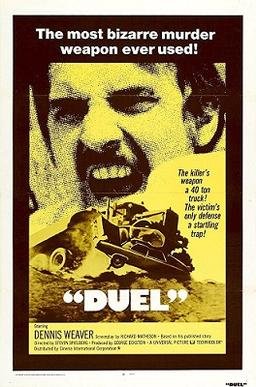
The Rise of Commercial Arthouse Cinema: Why Original Films Are Winning

Quick Answer

Original, director-led horror and thriller films — Longlegs, The Substance, Weapons, Backrooms and Obsession — are proving that audiences aren’t tired of cinemas, just tired of predictability. These films sell mystery and authorship rather than franchise recognition, and they range from microbudget festival breakouts to studio-backed wide releases. Blood Star follows the same underlying logic on a far smaller scale: a clear, high-concept premise executed with total creative intention rather than spectacle.

Key Takeaways

  • Original, director-led genre films are outperforming expectations at the box office — audiences aren’t rejecting cinemas, they’re becoming more selective about what deserves a theatrical visit.
  • Longlegs, The Substance, Weapons, Backrooms and Obsession differ enormously in budget and distributor, but share the same proposition: a bold concept and a distinctive authorial voice rather than a franchise.
  • A24 and Neon have made distinctiveness itself a commercial brand — their name now functions almost like a curatorial recommendation.
  • Weapons shows the same arthouse sensibility can now operate at full studio scale and budget.
  • Slow pacing and performance-driven intensity are proving just as commercially powerful as visual-effects-driven scale.
  • Blood Star, on a far smaller budget, follows the same core principle: concentrate every resource on the elements that actually reach the screen.
Official poster for Longlegs (2024), showing Maika Monroe with her hand over her mouth in fear
Longlegs (2024) — Neon sold the film’s strangeness rather than apologising for it.

The Rise of Commercial Arthouse Cinema: Why Audiences Are Returning to Original Films

For several years, the film industry appeared to have accepted a troubling assumption: audiences were losing interest in cinemas.

Streaming had changed viewing habits, superhero franchises dominated release calendars and studios increasingly concentrated their resources on sequels, remakes and recognisable intellectual property. When an expensive franchise film underperformed, the conclusion was often that viewers had become reluctant to leave their homes.

Recent horror and thriller successes suggest something different.

Audiences have not rejected cinemas. They have become more selective about what deserves the expense, time and commitment of a theatrical visit. Increasingly, they are responding to films that offer something difficult to reproduce through passive home viewing: a bold concept, a distinctive filmmaker, an unsettling atmosphere and the feeling of discovering something genuinely new alongside an audience.

Films such as Longlegs, The Substance, Weapons, Backrooms and Obsession differ enormously in budget and distribution. Some were released by independent companies, while others were backed by major studios. What connects them is not a corporate category but a creative proposition.

They are original, director-led genre films marketed around an idea rather than a franchise.

They occupy the increasingly valuable space between the traditional arthouse film and the conventional studio blockbuster. They are visually authored, psychologically unusual and often formally ambitious, but they are also designed to entertain large audiences.

This is commercial arthouse cinema, and it is becoming one of the most important areas of contemporary filmmaking.

Audiences Are Not Tired of Cinema

The decline of individual franchises has sometimes been interpreted as evidence of a wider decline in theatrical moviegoing. That interpretation overlooks a more complicated change in audience behaviour.

For much of the previous decade, major studios trained audiences to expect scale above all else. The biggest theatrical releases were sold through visual effects, familiar characters and their relationship to an existing cinematic universe. Viewers were encouraged to attend because the film represented the next chapter in a continuing global event.

That model worked extraordinarily well until repetition became one of its central weaknesses.

The more films relied upon familiar characters, interconnected storylines and similar visual climaxes, the less each new release felt like an event in its own right. Viewers who had once attended automatically began asking whether the next instalment was truly necessary.

At the same time, television and streaming became increasingly cinematic. A film could no longer justify a theatrical ticket simply by looking expensive. Audiences could find polished photography, large-scale visual effects and recognisable actors without leaving home.

Theatrical cinema therefore needed to offer something beyond production value.

Original horror and thrillers began filling that gap. These films promised uncertainty. Audiences could not predict the entire experience from the title, trailer or knowledge of a previous instalment. The possibility of surprise became part of the attraction.

The success of recent original genre films does not prove that franchises have disappeared or that audiences no longer enjoy spectacle. It demonstrates that theatrical appetite remains strong when viewers believe a film offers a distinctive experience.

Longlegs and the Power of Creating an Event

Agent Lee Harker, bloodied, wearing an FBI badge, standing against a wall spattered with blood in Longlegs (2024)
Atmospheric, ambiguous and authored — Longlegs trusted stillness and disturbing sound design over exposition.

Osgood Perkins‘s Longlegs became one of the clearest demonstrations of how an independent distributor could turn an unusual horror film into a genuine theatrical event.

The film did not belong to an existing franchise. Its director was respected within horror circles but was not a mainstream household name. Although Nicolas Cage provided recognisable star power, the marketing initially concealed more than it revealed.

Neon built the campaign around fragments: coded messages, disturbing images, cryptic teasers and the suggestion of something too unsettling to show directly. The audience was invited to investigate the film before being given a complete explanation of it.

That strategy made mystery part of the product.

Longlegs opened in North America with approximately $22.6 million, the largest opening weekend in Neon’s history at that point. It eventually earned more than $74 million domestically, demonstrating that a slow, visually controlled serial-killer film could compete far beyond the traditional arthouse market. (Deadline)

Did You Know?

Part of the Longlegs campaign was a billboard in Los Angeles listing a phone number that, when called, played a recorded message from Nicolas Cage in character as the killer. The number reportedly received more than 930,000 calls.

The significance of Longlegs was not simply that it made money. Horror films have produced profitable surprises for decades. What mattered was the kind of film audiences turned into a hit.

It was atmospheric, ambiguous and authored. It trusted stillness, disturbing sound design and carefully composed images. It did not simplify itself into a conventional multiplex thriller in order to reach a wider audience.

Neon sold the film’s strangeness rather than apologising for it.

The Substance Turned Body Horror Into a Theatrical Spectacle

Official poster for The Substance (2024), a metallic pink swimsuit with the Cannes Film Festival Best Screenplay laurel
The Substance does not ask viewers to choose between ideas and entertainment — its ideas are delivered through entertainment.

Coralie Fargeat‘s The Substance occupied an equally revealing position between arthouse cinema and commercial horror.

The film brought together body horror, satire, extreme practical effects and an unapologetically heightened visual language. Its themes—ageing, celebrity, misogyny, bodily control and the relentless demand for female perfection—were substantial enough to support serious critical discussion. At the same time, the film delivered the physical excess and escalating spectacle of a midnight movie.

That combination is central to commercial arthouse cinema.

The film does not ask viewers to choose between ideas and entertainment. Its ideas are delivered through entertainment. The grotesque transformations, bold production design and increasingly outrageous violence are not decorative additions to the argument. They are the argument.

Mubi‘s involvement was also significant. Traditionally associated with curated international and arthouse cinema, the company treated The Substance as a major theatrical proposition rather than a specialist title intended for a narrow audience.

The result showed that intellectually ambitious cinema could also be visceral, funny and communal. Viewers discussed not only what the film meant but how audiences physically reacted while watching it.

That matters because horror has always understood one of theatrical cinema’s greatest advantages: the audience changes the experience.

A shocking image watched alone on a laptop is not identical to the same image experienced among hundreds of people gasping, laughing and recoiling at once.

Weapons Proved Originality Can Operate at Studio Scale

A teacher holding a folder, looking back over her shoulder in a dark school hallway in Weapons (2025)
Weapons benefited from major-studio distribution, but the audience still needed to respond to an unfamiliar story.

Zach Cregger‘s Weapons complicates the independent-cinema argument because it was released by Warner Bros., not by A24, Neon or another independent distributor.

Nevertheless, its success belongs to the same cultural shift.

Weapons was an original horror film rather than a sequel, remake or adaptation of a well-known franchise. Its primary selling points were its central mystery, Cregger’s reputation after Barbarian and the promise of a distinctive theatrical experience.

The film opened with more than $43 million in North America and ultimately earned approximately $270 million worldwide. It also demonstrated unusually strong staying power after its opening weekend. (Box Office Mojo)

Those figures make it difficult to argue that audiences will only support familiar intellectual property.

Weapons benefited from major-studio distribution, a substantial marketing campaign and a wide release, but the audience still needed to respond to an unfamiliar story. Warner Bros. could create awareness; it could not manufacture sustained enthusiasm without the film itself becoming part of the cultural conversation.

Its success suggests that the independent or arthouse sensibility is no longer confined to low-budget production.

A director can bring ambiguity, structural experimentation and a recognisable authorial voice into a large commercial release without abandoning the audience. The boundary between arthouse horror and mainstream horror has become increasingly porous.

The more useful distinction is no longer simply independent versus studio.

It is familiar versus distinctive.

Backrooms Shows How New Mythologies Are Being Created Online

A bloodied woman pressed against a wall in an endless yellow fluorescent-lit corridor in Backrooms (2026)
The Backrooms’ mythology developed horizontally through online culture rather than vertically through a corporate franchise.

Kane Parsons‘s Backrooms represents another major change in how contemporary films reach audiences.

The project originated not in a comic-book archive, bestselling novel or established studio franchise, but in internet folklore and Parsons’s own viral YouTube work. The original videos transformed empty offices, fluorescent lighting and apparently ordinary architectural spaces into an enormous mythology of liminal horror.

A24 recognised that this audience was not passive. It had already participated in expanding, interpreting and debating the world of the Backrooms.

The feature film therefore arrived with familiarity, but not in the traditional franchise sense. Its mythology had developed horizontally through online culture rather than vertically through a corporate series of films.

Released theatrically by A24 in May 2026, Backrooms became a major commercial success before reaching digital platforms in July. Its success demonstrated how an aesthetic born from online experimentation could be expanded into large-scale theatrical cinema. (YouTube)

The creative journey is significant. Parsons began producing visual-effects work independently using accessible digital tools. The feature eventually involved established performers and extensive physical sets, but the original appeal remained rooted in the clarity of the concept.

Endless empty rooms. Familiar spaces without people. Architecture that appears ordinary until it becomes impossible.

That is high-concept storytelling in its purest form. The idea can be communicated in one image, yet it creates room for atmosphere, mythology and interpretation.

Obsession and the New Route From Microbudget Filmmaking to Global Release

Bear, bloodied and shaken, standing in a bathroom in Obsession (2025)
An original concept developed at microbudget scale, proved at a festival, and turned into a global theatrical audience.

Curry Barker‘s Obsession provides perhaps the most dramatic example of the current appetite for original genre filmmaking.

The film began as a low-budget supernatural horror story with a simple but powerful premise: a lonely young man uses a mysterious object to wish that his childhood friend will love him more than anyone else, only for the wish to transform affection into something monstrous.

That premise is immediately understandable, but it also contains contemporary ideas about entitlement, desire, control and the difference between loving someone and wanting to possess them.

After premiering in the Midnight Madness section of the Toronto International Film Festival in September 2025, the film attracted a distribution deal reportedly worth more than $15 million. Focus Features acquired major rights, with Universal handling much of the international release. (Wikipedia)

Its 2026 theatrical performance subsequently turned the film into an exceptional commercial success relative to its production cost. Box Office Mojo records a worldwide gross of more than $429 million. (Box Office Mojo)

Obsession is therefore not merely another profitable horror film. It represents a production pathway that filmmakers and financiers will study closely.

An original concept was developed at microbudget scale, proved itself at a major festival, secured substantial distribution and reached a global theatrical audience.

The film did not require an existing character, decades-old brand or cinematic universe. The concept was the intellectual property.

Why Horror Is Leading the Change

Horror is particularly well suited to this new commercial arthouse model because the genre can produce scale without always requiring an enormous budget.

A strong horror film may derive its impact from a face, a sound, an empty corridor, a strange object or the precise moment when an apparently safe situation changes. Its central appeal can often be communicated through one image or sentence.

That makes horror highly marketable, but the genre also accommodates experimentation.

A filmmaker can create an observational slasher, a body-horror satire, a supernatural romance, a serial-killer procedural, a liminal-space nightmare or a psychological road thriller while still offering audiences the fundamental pleasures of tension, anticipation and fear.

Horror also benefits from a particularly active culture of discovery. Fans follow festivals, specialist websites, directors, actors and distributors. They exchange recommendations and actively seek films outside the most visible release calendar.

This allows companies such as Neon and A24 to build trust at the level of the distributor.

Viewers may enter an A24 or Neon release knowing very little about the story but expecting a degree of originality, visual ambition or risk. The company name functions almost as a curatorial recommendation.

That relationship is valuable because original films cannot depend on pre-existing character recognition. The distributor’s identity helps bridge the gap between an unfamiliar title and an audience willing to take a chance.

A24 and Neon Have Made Distinctiveness Commercial

A24 and Neon did not invent independent or arthouse cinema. Their achievement has been to make authorial distinction part of commercial film branding.

Their releases are not uniform. A24 can distribute intimate drama, surreal comedy, horror, science fiction or large-scale spectacle. Neon’s catalogue similarly ranges across international cinema, documentaries, thrillers and uncompromising genre work.

The connection is a perception that the films have been selected rather than manufactured to fill a predetermined slot.

That perception is powerful.

For decades, the term arthouse often suggested difficulty, limited accessibility or a film destined for a small specialist audience. A24 and Neon helped turn the idea of an unusual film into an attractive proposition for younger mainstream viewers.

They also understood presentation. Posters, trailers and publicity campaigns were not treated as interchangeable materials added after production. They became extensions of each film’s identity.

The audience was not told merely that a new horror film existed. It was given a visual world to enter.

This approach is now influencing major studios. Films such as Weapons suggest that studio-backed projects can adopt the same principles: empower a filmmaker, build a campaign around mystery and sell the specific experience rather than relying entirely on familiarity.

Commercial Arthouse Is Not a Genre

The phrase commercial arthouse describes a relationship between accessibility and authorship rather than one particular kind of film.

These films have a clear dramatic proposition. They provide suspense, horror, comedy, action or spectacle. They are not designed solely as intellectual exercises.

At the same time, they carry a strong creative identity. The director’s choices are visible in the framing, rhythm, performances, sound and structure. The film could not be exchanged easily for another product built from the same components.

Commercial arthouse films often share several qualities:

  • They begin with a concept that can be communicated quickly, but they do not exhaust that concept through explanation.
  • They contain striking images that become part of the marketing without revealing the complete narrative.
  • They offer audiences familiar genre pleasure while introducing an unfamiliar tone, structure or point of view.
  • They are performance-driven, allowing actors to create characters who remain psychologically complicated rather than functioning only as pieces within a plot.

Most importantly, they feel made rather than assembled.

That sense of creative intention is increasingly valuable in a culture saturated with content.

The Return of the Slow Burn

The rise of these films is also challenging the assumption that contemporary audiences have lost patience.

Social media is frequently blamed for reducing attention spans, yet viewers continue attending films that build tension gradually, withhold information and require active interpretation.

Longlegs depends upon unease and anticipation. The Substance takes time to establish the emotional and professional desperation beneath its bodily transformation. Backrooms derives its power from prolonged encounters with apparently empty space. Weapons asks the audience to assemble a mystery rather than presenting an immediate explanation.

The slow burn has not disappeared. It has become a form of distinction.

A carefully paced film creates the feeling that the audience is entering a controlled experience rather than consuming interchangeable material. Silence, stillness and uncertainty become more powerful precisely because so much contemporary media is designed to deliver instant stimulation.

The commercial lesson is not that every film should be slow. It is that pace must feel purposeful.

Audiences will accept patience when they trust that the filmmaker is leading them somewhere.

Performance Has Become a Form of Spectacle

Theatrical spectacle is often associated with physical scale: armies, visual effects, destruction and enormous environments.

Commercial arthouse cinema proposes another kind of scale.

A face can become spectacle. A transformation in performance can become an event. The attraction of Nicolas Cage in Longlegs, Demi Moore in The Substance or the young cast of Obsession lies partly in watching actors commit completely to material that demands emotional and physical extremity.

These performances generate conversation because they are not merely functional. They contain risk.

A performance-driven thriller offers something that franchise cinema can sometimes suppress: the possibility that the actor, rather than the brand, becomes the centre of the experience.

This is particularly important for independent cinema, where production resources may be limited. A film cannot always compete through physical scale, but it can create intensity through casting, rehearsal and the careful construction of character.

The old division between commercial and artistic cinema is becoming less useful.

From the articleOn the false divide between commercial and artistic cinema

Where Blood Star Fits Into This Movement

Blood Star (2024) key art — a desert-road psychological thriller directed by Lawrence Jacomelli
Blood Star belongs to the same creative tradition, made on a far smaller scale.

Blood Star was made on a far smaller scale than the largest films in this discussion, but it belongs to the same creative tradition.

The film begins with a high-concept thriller premise: a young woman driving across the American desert is targeted by a small-town sheriff. The person who should represent safety becomes the threat.

That premise can be explained immediately, but the film’s identity comes from how the story is told: the desert landscapes, the controlled escalation, the central performances and the influence of stripped-down pursuit films such as Duel, Jaws and The Hitcher.

The production was completed in ten shooting days with a small crew. Limited resources made it essential to concentrate on the elements that would actually reach the screen: performance, composition, sound, location and tension.

That is one of the great strengths of independent filmmaking. Constraint can force a film to become more precise.

A smaller production cannot assume that scale will hold the audience’s attention. Every creative decision must contribute to the central promise.

For Blood Star, that promise was simple: an empty road, an isolated traveller and a man whose authority allows him to behave like a predator.

The film premiered at the Neuchâtel International Fantastic Film Festival in July 2024, continued through an international genre-festival run and later secured releases in the United Kingdom and the United States.

Its journey was much more modest than those of Longlegs, The Substance or Obsession, but the audience being cultivated by those films benefits the entire independent genre ecosystem.

When viewers become excited by original thrillers, they begin searching beyond the most heavily marketed examples.

That is where smaller films are discovered.

Are Audiences Moving Away From Superhero Films?

It would be too simple to declare the superhero film dead. Major comic-book releases can still attract enormous audiences, and the genre will continue evolving.

The more meaningful shift is that superhero cinema is no longer the automatic centre of theatrical culture.

An established brand can create awareness, but it no longer guarantees urgency. Audiences increasingly ask whether a film offers something they have not already experienced.

Original horror has benefited because it makes uncertainty part of its appeal. The viewer enters without knowing which characters will survive, what rules govern the story or whether the film will end in reassurance or disturbance.

The strongest commercial arthouse films feel culturally immediate because they are not required to preserve a franchise for the next instalment. They can be stranger, more violent, more emotionally disruptive and more final.

That freedom creates stakes.

The Cinema Is Becoming a Place of Discovery Again

For much of the franchise era, the cinema became the place audiences went to see something they already knew.

They knew the characters, the world, the visual language and often the approximate structure of the story. The attraction was continuation.

The rise of original genre cinema is restoring discovery to the theatrical experience.

A viewer may enter Longlegs because of an unsettling trailer, The Substance because of extraordinary word of mouth, Backrooms because of an online mythology or Obsession because other viewers insist that its central idea must be experienced with a crowd.

In each case, uncertainty becomes part of the event.

This also explains the importance of festivals. Sundance, Cannes, Toronto, SXSW, Fantastic Fest and dedicated genre festivals provide the first evidence that an unfamiliar film is worth attention. Reviews, audience reactions and acquisitions then expand that conversation.

The route from festival to theatrical success is never guaranteed, but it allows original films to build momentum through discovery rather than recognition.

A New Commercial Model

The strongest lesson from these films is not that every independent production can become a global box-office phenomenon.

The lesson is that audiences remain open to original stories when those stories are presented with confidence.

A clear concept matters. Distinctive filmmaking matters. Performance matters. Marketing that preserves mystery matters. The distributor must understand what makes the film unusual and turn that difference into the reason to see it.

The old division between commercial and artistic cinema is becoming less useful.

The Substance can be thematically serious and physically outrageous. Longlegs can be formally controlled and broadly profitable. Weapons can operate at studio scale while retaining the identity of its filmmaker. Backrooms can transform experimental internet horror into a theatrical event. Obsession can move from a microbudget production to a worldwide audience.

These films are not succeeding despite their individuality.

They are succeeding because of it.

From the articleOn why these films are succeeding

They are succeeding because of it.

Original Cinema Is Not Returning—It Never Left

Independent filmmakers have always created ambitious, high-concept and performance-driven work. What has changed is the degree to which distributors and audiences are recognising its theatrical potential.

The cinema does not need to survive by attempting to imitate streaming or by endlessly repeating the franchises that dominated the previous decade.

It needs films that make people curious.

It needs images that demand to be seen on a large screen, performances people want to discuss and stories whose outcomes cannot be predicted before the lights go down.

The success of A24, Neon and the growing number of original genre films embraced by larger distributors suggests that commercial cinema and authored cinema do not need to be opposing ideas.

The most exciting films of the present moment are combining both.

Audiences are not returning to cinemas simply because the films are independent, arthouse or horrific.

They are returning because, for the first time in a while, they do not already know exactly what they are going to see.

For Filmmakers and Marketers

Sell the mystery, not the plot. The films in this piece succeeded by giving audiences a striking image, a distinctive voice and a promise of the unfamiliar — not a synopsis. If your concept can be communicated in one image or sentence, protect that clarity all the way through marketing rather than explaining it away.

Frequently Asked Questions

It describes a relationship between accessibility and authorship rather than a genre: films with a clear dramatic proposition (suspense, horror, comedy) that also carry a strong, visible creative identity, so the film couldn’t be swapped for another product built from the same components.

They offer something franchise cinema increasingly can’t: genuine uncertainty. Audiences can’t predict the experience from the title or trailer, and distributors like A24 and Neon have turned that unpredictability into a trusted brand in its own right.

No — it was distributed by Warner Bros. on a wide release, which is what makes it significant. It shows the same director-led, mystery-driven approach used by independent distributors can also work at full studio scale and budget.

On a far smaller budget than Longlegs, The Substance or Obsession, Blood Star follows the same underlying principle: a high-concept premise (a woman targeted by a corrupt sheriff) executed with total creative intention across performance, location and tension rather than spectacle.

Neon built the campaign around fragments rather than explanation — coded messages, disturbing images and a billboard phone number voiced by Nicolas Cage in character, which alone received more than 930,000 calls. The mystery became part of the product itself.

No. Major comic-book releases can still draw huge audiences. The more accurate shift is that an established brand no longer guarantees urgency on its own — superhero cinema is no longer automatically the centre of theatrical culture the way it once was.

Learn More About Blood Star

If you’re interested in how independent filmmakers create ambitious thrillers on limited budgets, you can explore more about Blood Star, including its cast, production and behind-the-scenes story.

If you’d like to watch the film, visit the Blood Star Watch Page to see where it’s currently available to stream or purchase.
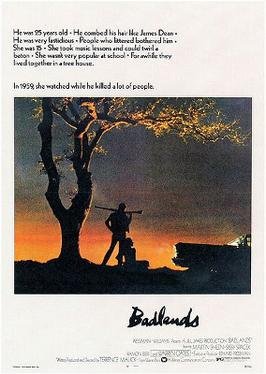
How Sound Design Builds Tension in Horror Thriller Movies

Quick Answer

Sound design creates horror tension by controlling anticipation rather than simply reacting to images: Jaws builds dread with John Williams’ two-note motif standing in for an unseen shark, while Alien turns the Nostromo’s ventilation, alarms and mechanical hum into a hostile environment in its own right. The same principles — establishing a normal sound baseline, using off-screen sound and silence, and planning sound from the screenplay stage — work identically for big-budget and low-budget horror; the difference is intention, not money.

Key Takeaways

  • Sound creates anticipation before anything is seen — Jaws’ two-note motif and Alien’s mechanical Nostromo soundscape are the genre’s clearest examples.
  • Establishing the “normal” sound of a location first is what makes any later change to it feel threatening.
  • Off-screen sound and silence are not empty space — they force the audience to imagine a threat, which is often scarier than anything a limited budget could show.
  • Sound should be considered from the screenplay stage, not fixed as decoration in post-production.
  • Low-budget and big-budget horror follow the same sound principles; a single well-chosen sound can create more tension than an overloaded soundscape.
  • The final mix — not just the effects themselves — is where a film’s emotional hierarchy and tension are actually controlled.
Official theatrical poster for Jaws (1975), showing a swimmer above a giant shark rising from the deep
Jaws (1975) — the shark is felt through sound long before it’s ever seen.

How Sound Design Builds Tension in a Horror Thriller Movie

A horror thriller movie cannot be truly frightening without sound. An image may show us a dark corridor, an empty road or a character entering a room alone, but it is the soundtrack that tells us how to feel about it. Sound creates anticipation before anything happens, suggests threats beyond the frame and places the audience inside the physical and psychological experience of the character.

For that reason, sound design should be considered equally important to cinematography. In horror, one cannot fully function without the other. A striking image may attract attention, but sound determines its tension, rhythm and emotional force. It can turn an ordinary location into a threatening space, make an unseen presence feel dangerously close or convince the audience that something terrible is about to happen even when the screen remains almost completely still.

Despite its importance, sound design is still frequently treated as an afterthought. Productions often devote considerable time and money to cameras, lenses, lighting and visual effects, only to compress the sound schedule or reduce the sound budget during post-production. This is particularly baffling in horror and thriller filmmaking, where the final emotional impact depends so heavily on what the audience hears.

The size of the budget does not change this principle. A major studio horror film and a low-budget independent thriller may have very different resources, but sound is equally important to both. In fact, strong sound design can be even more valuable to a low-budget film because it allows filmmakers to create scale, threat and atmosphere without having to show everything on screen.

Why Sound Is So Important in Horror Films

Horror is built around anticipation. The audience knows that something may happen, but it does not know when, where or in what form. Sound design controls this uncertainty.

A filmmaker can use sound to introduce danger before it appears visually. Footsteps can approach from outside the frame. A distant mechanical noise can suggest that something is moving closer. A low-frequency rumble can be felt before it is consciously recognised. Alternatively, sound can be removed almost entirely, leaving the audience waiting for the silence to be broken.

This is why effective horror sound design is rarely just a collection of loud noises. It is a carefully constructed relationship between ambience, dialogue, music, sound effects and silence. The tension comes from how these elements are introduced, repeated, altered and withheld.

A familiar sound can become increasingly disturbing through repetition. An unfamiliar sound can create anxiety because the audience cannot identify its source. A sudden silence can be more frightening than a scream because it signals that the normal rhythm of the environment has changed.

The most effective sound design makes the audience listen actively. Once viewers begin searching the soundtrack for signs of danger, the film has already placed them in a heightened state of anxiety.

Jaws: Creating Fear Before the Threat Is Seen

The shark bursting through the transom of the Orca, mouth open, in Jaws (1975)
The shark is frequently absent from the image — the threat arrives through sound first.

Jaws remains one of the clearest examples of how sound can create a threat before the audience sees it. The shark is frequently absent from the image, particularly during the film’s early sequences. Instead, danger is announced through John Williams‘ now-famous two-note musical pattern.

The simplicity of the idea is central to its power. The repeating notes function almost like a heartbeat or a predator’s forward movement. As the tempo increases, the audience understands that the shark is approaching, even when the water appears calm and nothing is visible beneath the surface.

The music does more than accompany the shark. It effectively becomes the shark.

From the articleOn the Jaws score

The music does more than accompany the shark. It effectively becomes the shark. It gives the unseen creature presence, movement and intention. This allowed Steven Spielberg to build tension without relying constantly on a visible mechanical effect, while also encouraging the audience to imagine what might be moving beneath the water.

The soundtrack of Jaws also demonstrates how sound can train an audience. Once the musical motif has been established, viewers respond to it immediately. They recognise the threat before the characters do. This creates dramatic irony and places the audience in a state of helpless anticipation.

Just as importantly, the absence of the theme can also be used strategically. If the audience expects the motif to accompany the shark, scenes without it can create uncertainty. Sound establishes a rule, and the filmmaker can then manipulate that rule to control expectation.

Although Jaws was a major studio production, the underlying technique is available to films of any scale. A filmmaker does not need an orchestra or a large visual-effects budget to create a recognisable sonic motif. A repeated engine noise, a damaged ventilation fan, a telephone vibration or even a particular pattern of breathing can perform a similar narrative function.

Did You Know?

Spielberg’s mechanical shark, nicknamed “Bruce,” malfunctioned constantly in the saltwater off Martha’s Vineyard, which forced him to suggest the shark’s presence rather than show it. The result: the great white is on screen for a total of only about four minutes in the entire film, with sound and editing doing most of the work.

Alien: Turning an Environment Into a Threat

Close-up of the xenomorph's elongated head in Alien (1979)
The entire Nostromo participates in the threat, not just the creature itself.

In Alien, sound design transforms the spaceship Nostromo into a living, unstable and increasingly hostile environment. The film does not rely only on the creature itself to create fear. Long before the alien is fully revealed, the audience is surrounded by machinery, ventilation systems, alarms, doors, radio interference and the constant industrial hum of the ship.

These sounds create both realism and unease. The Nostromo feels functional and physically convincing, but it also feels impossible to escape. Every corridor has its own mechanical presence. Air moves through unseen systems. Equipment clicks and pulses. Metal surfaces echo footsteps and movement. The characters are never surrounded by true silence, yet the persistent sound of the ship makes them feel more isolated rather than less.

This is one of the central lessons of Alien: horror sound design is not limited to the monster. The entire environment can participate in the threat.

The alien itself is able to disappear within this mechanical soundscape. Its movement can be confused with the noises of the ship, while industrial shapes and shadows make it difficult to separate creature from machinery. Sound supports this uncertainty. The characters and the audience must constantly decide whether a noise is part of the normal environment or evidence that something is nearby.

The film also uses contrast effectively. Loud alarms and bursts of mechanical activity create panic, while quieter passages force the audience to listen for small changes in the environment. A faint movement or unexpected noise becomes significant because the film has made the audience aware of the ship’s normal sonic rhythm.

This principle can be used in any horror thriller movie. Every location has a natural soundscape. A house may contain pipes, floorboards, appliances and distant traffic. A car has engine vibration, tyres, indicators and wind. A forest contains insects, birds and moving branches. Once the normal environment has been established, tension can be created by changing it.

The Importance of Establishing Normal Sound

Sound becomes frightening when the audience understands what is normal.

At the beginning of a scene, a filmmaker can establish the ordinary sounds of a location: a refrigerator humming, a clock ticking, rain hitting a window or tyres moving steadily across a road. These sounds may initially appear insignificant, but they provide a sonic baseline.

Once that baseline exists, any variation becomes meaningful. The refrigerator stops. The ticking clock disappears. The rain is suddenly joined by footsteps. The tyres move from smooth asphalt onto loose gravel. Nothing visually dramatic needs to happen because the soundtrack tells the audience that the situation has changed.

This technique is especially valuable in low-budget horror filmmaking. Instead of showing an expensive creature, accident or violent event, the film can present its effect through sound. A character hears something upstairs. A vehicle stops outside. A door opens somewhere beyond the frame. The audience constructs the unseen action in its imagination.

What the viewer imagines is often more frightening than anything a limited budget could show.

Big-Budget and Low-Budget Horror Use the Same Principles

A large production may have access to extensive location recording, Foley teams, specialist sound editors, original music, surround mixing and months of post-production. A low-budget film may have only a small crew and a limited schedule. However, the fundamental purpose of sound remains the same.

Both productions must decide what the audience should hear, when it should hear it and what information that sound provides.

A big-budget film can create a highly detailed sonic environment, but detail alone does not produce tension. A soundtrack filled with effects can still feel emotionally flat if those sounds are not connected to the story. Conversely, a low-budget film can create enormous tension from a single carefully selected sound.

The difference is not simply money. It is intention.

In an independent horror thriller, sound can create production value that does not exist physically. An off-screen crowd can make a location feel larger. Distant sirens can suggest a city beyond the visible set. An unseen vehicle can create danger without requiring a stunt. A threatening sound behind a wall can imply a creature, attacker or hidden space that the production never has to reveal.

Sound therefore allows low-budget filmmakers to expand the world of the film beyond the boundaries of the frame.

The danger is assuming that sound can be solved cheaply or quickly at the end of the process. A limited budget makes planning more important, not less. If a film cannot afford extensive visual spectacle, then its soundscape must be conceived carefully from the screenplay stage.

Sound Design Should Begin With the Screenplay

The greatest horror sequences are often written with sound at the centre of the action.

A screenplay should not think only in terms of what the camera sees. It should consider what the character hears, what the audience hears and whether those two experiences are the same.

A character may hear a noise but be unable to identify it. The audience may hear danger that the character has not yet noticed. Alternatively, the film may restrict the soundtrack to the character’s subjective experience, placing viewers directly inside their fear.

These choices affect the construction of the entire scene. They influence performance, camera placement, editing and pacing.

A scene built around an approaching noise should be shot differently from one built around a sudden visual reveal. A moment of silence requires room in the edit. A recurring sound motif must be introduced clearly enough for the audience to recognise it later. These decisions cannot always be added effectively after the film has been shot.

When sound is considered from the screenplay stage, it becomes part of the narrative rather than decoration applied during post-production.

Using Off-Screen Sound to Create Fear

The facehugger attached to Kane's face in Alien (1979)
Off-screen sound withholds certainty — the audience hears evidence of something but cannot confirm its size, location or intention.

One of sound design’s greatest strengths is its ability to extend the story beyond the visible image.

The camera shows only a limited portion of the world. Sound can suggest what exists behind the character, beyond a doorway, beneath the floor or somewhere outside the building. This creates a larger and more threatening space than the image alone can provide.

Off-screen sound is especially effective because it withholds certainty. The audience hears evidence of something but cannot confirm its size, location or intention.

A scraping sound behind a wall might be an animal, a pipe or a person. An engine heard in the distance might continue past or stop outside. A sound from another room may be harmless, but the character must investigate to discover its source.

This process makes the viewer participate in the suspense. The audience begins imagining possibilities, and each possibility may be more frightening than the eventual explanation.

Films such as Jaws and Alien understand this deeply. Their central threats are powerful not because they are constantly visible, but because they appear to exist beyond the limits of the frame.

Silence Is Part of Sound Design

An astronaut's helmet light illuminating alien eggs in the derelict ship's silent egg chamber in Alien (1979)
What audiences perceive as silence is often a carefully controlled reduction of ambient sound.

Silence is not the absence of sound design. It is one of its most powerful tools.

Silence is not the absence of sound design. It is one of its most powerful tools.

From the articleOn silence as a design tool

True silence is rare in the real world and equally rare in cinema. What audiences perceive as silence is often a carefully controlled reduction of ambient sound, music and effects. This reduction focuses attention and creates expectation.

When a horror film becomes quiet, viewers instinctively prepare for something to break that quiet. The longer the silence continues, the greater the anticipation becomes.

However, silence is only effective when contrasted with sound. If a film remains sonically empty for too long, the audience may simply become accustomed to it. The filmmaker must create patterns of noise and quiet, tension and release.

The transition into silence is often as important as the silence itself. A machine shutting down, music disappearing or environmental noise suddenly dropping away can indicate that the world has changed. The audience may not consciously identify the exact moment, but it feels the disturbance.

Silence can also make small sounds feel enormous. A breath, a footstep or the movement of fabric becomes intensely significant when everything around it has been removed.

Low Frequencies and Physical Fear

Some sounds are experienced physically as much as they are heard.

Low-frequency sound can create unease because it produces vibration and pressure, particularly in a cinema environment. A deep rumble may suggest an approaching vehicle, a large creature, unstable machinery or a threat whose source remains unknown.

Used carefully, low frequencies can create tension without drawing attention to themselves. The audience may not consciously notice the sound, but it feels that something is wrong.

This technique is common in large-scale horror and thriller films, but it should not be mistaken for simply adding bass. Low-frequency effects must have a narrative purpose. Constant rumbling quickly loses its impact and can make the soundtrack feel blunt or exhausting.

A low-budget filmmaker may not have access to the same cinema mixing resources as a studio production, but the principle still applies. A restrained drone, engine vibration or distant industrial sound can create depth and physical tension if it is introduced at the right moment.

Sound Perspective Places the Audience Inside the Scene

Sound design also determines where the audience feels it is positioned.

A noise can sound distant and indistinct, then become clearer as a character approaches it. Dialogue can become muffled when heard through a wall. The world can become distorted during a panic attack, injury or moment of shock. Breathing and internal body sounds can move forward in the mix while the surrounding environment falls away.

These changes in sound perspective allow the audience to experience events subjectively.

In a horror thriller, this can be more effective than showing a character’s fear from the outside. Instead of simply watching someone panic, the audience hears the world as they hear it. Their breathing becomes overwhelming. External voices become difficult to understand. Ordinary noises become sharp, fragmented or threatening.

This approach is particularly valuable in psychological horror, where the audience may be uncertain whether a threat is external, imagined or both.

Music and Sound Design Must Work Together

Music and sound design are separate disciplines, but in horror they frequently overlap.

The score can provide rhythm, emotional direction and thematic identity. Sound design creates the physical world and the immediate detail of the scene. The strongest films allow the two to interact rather than compete.

In Jaws, the musical motif functions almost like a sound effect associated with the shark. In Alien, the boundary between music, mechanical ambience and abstract sound is often deliberately unstable. Both films demonstrate that tension is strongest when the entire soundtrack is conceived as one dramatic system.

Problems arise when music is used to compensate for a scene that has not generated enough tension through performance, editing or sound design. A loud score may tell the audience that a moment is frightening, but it cannot automatically make the moment frightening.

Similarly, an overloaded soundscape can reduce the impact of the music. Every element cannot occupy the foreground simultaneously. Tension depends on hierarchy: deciding which sound the audience should focus on and which sounds should remain barely perceptible.

Why Horror Sound Budgets Are Often Undervalued

Sound is sometimes undervalued because its contribution is less immediately visible during production. A camera, set or costume can be photographed and shown to investors, producers and clients. Sound work largely takes place after the images have been captured, and when it is done well, the audience may not consciously notice it.

That invisibility can lead to the false assumption that sound is secondary.

In reality, audiences notice poor sound immediately. Unclear dialogue, inconsistent ambience, weak effects or an unconvincing mix can make an otherwise polished film feel amateur. More importantly, inadequate sound design can remove the tension from scenes that were intended to be frightening.

Reducing the sound budget may save money during production, but it can significantly weaken the final film. This is especially damaging in horror because the genre depends so heavily on atmosphere, anticipation and sensory control.

A production does not necessarily need the largest sound budget, but it must allocate enough time and resources for the work to be done properly. That includes clean production recording, dialogue editing, Foley, ambience, sound effects, design, music coordination and the final mix.

Before You Shoot: A Sound Checklist

Identify your film’s core sonic motif before the shoot, not after. Establish the “normal” sound of every key location so a later change to it registers as a threat. Decide in advance which moments deserve true silence rather than music, and budget real time for the final mix — it is where the film’s tension is actually controlled, not just balanced.

Production Sound Is the Foundation

Sound design cannot always repair poor production recording.

Clean dialogue and useful location sound give the post-production team a strong foundation. When production audio is neglected, significant time may later be spent removing noise, replacing dialogue or reconstructing environments that could have been captured correctly on set.

For low-budget horror films, this is particularly important. A small production may not have the resources for extensive automated dialogue replacement or complex audio restoration. Investing in an experienced production sound recordist can therefore save money as well as protect performances.

Production sound also captures details that are difficult to reproduce later: the unique acoustics of a room, the natural movement of a vehicle, the sound of clothing, props and physical interaction within a specific location.

These recordings do not replace sound design, but they provide authentic material from which the final soundtrack can be built.

Practical Sound Design Techniques for Low-Budget Horror

Low-budget filmmakers can create effective horror sound design by concentrating on a small number of strong ideas rather than attempting to fill every moment with effects.

A recurring sonic motif can identify a threat. A clearly established room tone can make a later silence disturbing. An off-screen noise can suggest action beyond the production’s visual limits. Changes in sound perspective can place the audience inside a character’s fear. Carefully recorded Foley can make physical movement feel immediate and dangerous.

The key is specificity. A generic horror sound effect is rarely as convincing as a noise that belongs uniquely to the film’s location, character or antagonist.

A filmmaker should ask what the threat sounds like, how the environment responds to it and whether the audience should recognise that sound before the characters do.

These questions cost nothing to ask during development, but they can transform the final result.

The Final Mix Is Where Tension Is Controlled

The final sound mix is not simply a technical process of balancing levels. It is where the emotional hierarchy of the soundtrack is determined.

The mixer decides when dialogue should dominate, when ambience should become noticeable, how loudly an impact should be felt and when music should disappear. A sound effect that is powerful in isolation may need to be restrained within the full scene. A nearly inaudible noise may become the most important element in the sequence.

Horror depends on these precise decisions.

A jump scare delivered at maximum volume may startle an audience once, but sustained tension requires more subtle control. The mix must guide attention without making every intention obvious. It should allow the audience to sense danger while still leaving room for imagination.

Whether a film costs £50,000 or £50 million, this process remains essential.

Sound and Picture Cannot Be Separated

The central mistake is to think of sound as something added to a completed image.

In a successful horror thriller movie, sound and picture are conceived together. The image provides space, movement and visual information. Sound gives that image scale, rhythm, perspective and emotional meaning.

Jaws would not create the same terror without its musical warning of the unseen shark. Alien would not feel as claustrophobic without the mechanical life of the Nostromo surrounding its characters. In both films, sound is not supporting the experience from the background. It is fundamental to the experience itself.

The same is true for independent and low-budget horror. Filmmakers may not have access to elaborate sets, visual effects or large crews, but sound can create a world far beyond what appears on screen. It can make a location feel larger, a threat feel closer and an unseen event feel completely real.

A horror film cannot be scary without sound. By that measure, sound is not a secondary department and it should never be treated as an afterthought. It is one half of cinema’s language, and in horror it is often the half that frightens us most.

Frequently Asked Questions

Horror depends on anticipation — the audience knowing something may happen but not when or how. Sound controls that uncertainty directly, introducing danger before it’s visible, and can carry a scene even when the image on screen stays almost completely still.

John Williams’ two-note motif stands in for the shark itself, growing in tempo to signal its approach even when the water looks calm. Because the mechanical shark was unreliable on set, Spielberg leaned on the score and suggestion rather than showing the creature, and the shark appears on screen for only a few minutes of the film.

Where Jaws uses one musical motif tied to a single creature, Alien makes an entire environment — the Nostromo’s ventilation, alarms and mechanical hum — part of the threat, so the audience can never be sure whether a noise is the ship or the creature.

Yes. The core techniques — establishing a normal sound baseline, using off-screen sound and silence, and building a recurring sonic motif — cost nothing but planning. A low-budget film can create more tension from one well-chosen sound than a big-budget film can from an overloaded soundscape.

It should begin at the screenplay stage. Decisions like what the character hears versus what the audience hears, where a silence needs room in the edit, or how a sound motif gets introduced all affect performance, camera placement and pacing — they can’t always be fixed effectively after the film is shot.

What audiences experience as silence is usually a carefully controlled reduction of ambience, music and effects, not true silence. That reduction builds anticipation for whatever breaks it, and makes small sounds — a breath, a footstep — feel disproportionately significant.

Learn More About Blood Star

If you’re interested in how independent filmmakers create ambitious thrillers on limited budgets, you can explore more about Blood Star, including its cast, production and behind-the-scenes story.

If you’d like to watch the film, visit the Blood Star Watch Page to see where it’s currently available to stream or purchase.
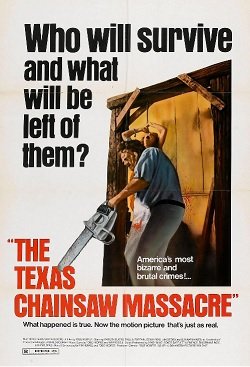
How Blood Star Was Shot in Just 10 Days

Quick Answer

Blood Star was shot in only 10 principal photography days in the California desert — half the schedule of a typical low-budget horror film — using two RED Gemini cameras and one RED Komodo working simultaneously, a crew of roughly 15 to 20 people, real Mojave Desert locations and disciplined pre-production. Director Lawrence Jacomelli and writer-producer Victoria Taylor built the schedule around a contained two-character conflict, a strong location and a three-camera system planned as a coordinated setup rather than three separate viewpoints — the same underlying principle low-budget breakouts like Paranormal Activity and The Blair Witch Project used before it.

Key Takeaways

  • A 10-day schedule (roughly 10 script pages per day) was only possible because the story, locations, camera system and crew were all designed around the same limitation from the start.
  • Three cameras (two RED Gemini, one RED Komodo) worked as a coordinated system, capturing a wide shot, a close-up and a complementary angle simultaneously to protect performance and reduce repeated takes.
  • Real Mojave Desert locations provided scale, texture and atmosphere that would have been expensive or impossible to build artificially.
  • A small crew of 15-20 people reduced friction on remote desert locations, but the production still needed full department coverage — camera, sound, lighting, art, makeup, costume, safety and continuity.
  • Blood Star shares its core production principles with other low-budget breakouts — Obsession, Paranormal Activity, The Blair Witch Project — even though all four films look completely different: an immediately explainable concept, a limited cast, locations that create narrative value, and performance carrying the weight spectacle would otherwise need to.
Multi-camera desert gas station shoot for Blood Star, with the sheriff actor in costume beside a real police cruiser
Ten days, three cameras, real Mojave Desert locations — the production model behind Blood Star.

How Blood Star Was Shot in Just 10 Days

Blood Star was shot in only 10 principal photography days in the California desert.

That figure sounds almost impossible when compared with a conventional feature-film schedule. Many independent movies shoot for between three and five weeks. Larger productions may spend several months on principal photography. Even the breakout low-budget horror film Obsession, directed by Curry Barker, was reportedly filmed over 20 days on a budget of approximately $750,000.

Blood Star had half that shooting time.

The production regularly completed more than 10 screenplay pages per day, using a small crew, three cameras and real Mojave Desert locations. The film was directed by first-time feature filmmaker Lawrence Jacomelli and written and produced by Victoria Taylor, with the husband-and-wife team applying lessons learned through years of international commercial production.

The aim was not simply to finish a feature quickly. It was to create a visually controlled psychological road thriller that did not look hurried, compromised or dramatically thin.

That required the production to be designed around its limitations from the beginning.

The 10-day schedule was not achieved through improvisation or by assuming every problem could be fixed later. It depended on preparation, a contained story, experienced collaborators, carefully selected locations and a technical system specifically created for speed.

British Cinematographer described Blood Star as a lean desert horror feature made in 10 days without the infrastructure normally surrounding a conventional production. It also reported that the visual strategy was built around two RED Gemini cameras and a RED Komodo working simultaneously.

This is how the film was made.

The Story Had to Support the Production Model

The most important decision in low-budget filmmaking is often made before the budget exists.

It is the choice of story.

A film designed around large crowds, extensive company moves, complicated stunts, multiple period locations and constant visual effects cannot usually be compressed into a 10-day shoot without severe consequences. Either the schedule expands, the budget grows or the film loses the qualities that made the screenplay exciting.

Blood Star was built around a more concentrated dramatic engine.

The story follows Bobbi Torres, a young woman travelling through the American desert who crosses paths with Sheriff Bilstein. What begins as a roadside encounter becomes a psychological pursuit in which authority, isolation and manipulation gradually close around her.

The film has a limited number of principal characters. Its tension comes from their behaviour, power and changing relationship rather than from large-scale action.

There are moments of violence and several significant set pieces, but the film does not require a new spectacle every few minutes. Its strongest production asset is the central conflict between Bobbi and the sheriff.

That same principle can be seen in many successful low-budget films.

Paranormal Activity centred its story on a couple, one house and the repeated expectation that something might happen during the night. It was filmed in director Oren Peli‘s home over approximately seven days, using its apparent limitations as the film’s entire visual and dramatic system.

The Blair Witch Project used three principal performers, inexpensive cameras and an eight-day shoot in the woods. Its lack of visible spectacle was not treated as a problem. The unseen threat became the film’s defining idea.

More recently, Obsession used a strong supernatural premise, a focused central relationship and a small number of major horror sequences. Its success did not depend on building an enormous world. It depended on the consequences of one wish and the increasingly dangerous behaviour between Bear and Nikki. The film was shot in 20 days, demonstrating again that a clear concept and strong character dynamic can carry a feature without a conventional studio schedule.

The lesson is not that every low-budget film should have one location or two actors. It is that the concept must create value more quickly than the production spends money.

For Blood Star, the value came from the road, the desert and the conflict between two characters whose goals were completely opposed.

Preparation Replaced Shooting Time

A 10-day schedule leaves almost no room for discovery through repetition.

On a longer shoot, a director may explore several approaches to a scene, change blocking repeatedly or capture a large amount of coverage before deciding how the sequence should work in the edit.

That was not possible on Blood Star.

The film needed to arrive on set already understood.

Scenes had to be analysed in advance for:

  • Dramatic purpose;
  • Character movement;
  • Camera position;
  • Eyelines;
  • Continuity;
  • Required coverage;
  • Performance beats;
  • Practical effects;
  • Vehicle positioning;
  • Sun direction;
  • Location access; and
  • The minimum material necessary to edit the scene properly.

This did not mean treating the screenplay mechanically. Performance still had to feel alive, and the actors needed space to respond truthfully. But the production could not spend half a day discovering where a scene should happen or what visual language it required.

Preparation allowed the filmmakers to distinguish between decisions that could remain flexible and decisions that had to be settled before the cameras rolled.

That distinction is central to efficient filmmaking.

The emotional temperature of a performance may evolve on set. The placement of three cameras beside a remote highway, the direction of travel, the available sunlight and the number of usable takes cannot be left entirely unresolved.

Three Cameras Were Used to Protect Performance and Speed

Director and DP working the three-camera rig on the Blood Star set
The three-camera system was one of the most important parts of the production strategy.

The three-camera system was one of the most important parts of the production strategy.

Blood Star was photographed using two RED Gemini cameras and one RED Komodo. The cameras could cover different angles or image sizes during the same performance, reducing the need to rebuild scenes repeatedly.

On a conventional single-camera production, a dialogue scene may be filmed in stages:

  • A wide master;
  • One actor’s medium shot;
  • The other actor’s medium shot;
  • Close-ups;
  • Inserts;
  • Additional reactions; and
  • Any specialist angles.

Each new setup takes time. Lights may need to move. The actors must repeat the scene. Continuity must be checked. Focus, marks and eyelines may have to be reset.

A RED Gemini camera rig crammed into the picture car with the actress driving, on a Blood Star desert road
With three cameras, the production could sometimes capture a wide composition, a close-up and a complementary angle simultaneously.

With three cameras, the production could sometimes capture a wider composition, a close-up and a complementary angle simultaneously.

This did more than increase the number of usable shots.

It helped preserve the energy of the performance.

In a psychological thriller, the most important moment may be a hesitation, a reaction or a shift in control between characters. Asking an actor to recreate that exact moment repeatedly from several camera positions can dilute it. Capturing multiple perspectives at once gives the editor access to the same emotional event.

The system also reduced the risk attached to limited takes. When only a small number of performances can be completed before moving on, each take must generate as much useful material as possible.

Three-camera shooting is not automatically faster. Poorly planned multi-camera coverage can create lighting compromises, cameras appearing in one another’s frames or several angles that are too similar to be useful.

The method only works when camera positions are chosen as a coordinated system rather than as three independent viewpoints.

The Mojave Desert Created Scale Without Building It

The picture car on a process trailer among rock formations in the Mojave Desert
A real location can provide a level of visual scale that would be impossible to construct.

One of Blood Star’s greatest production assets was the landscape.

The film was shot on location in the California desert, with its roads, open horizons, isolated structures and intense natural light contributing directly to the story. MovieMaker reported that the film was completed over 10 days, while British Cinematographer described the production as a desert shoot designed around a lean technical approach.

For a low-budget filmmaker, a real location can provide a level of visual scale that would be impossible to construct.

An empty highway stretching into the distance does not need digital extension. A desert horizon does not need a studio wall. Weathered roadside buildings, petrol stations and remote landscapes carry texture that would be expensive to reproduce artificially.

The location therefore performs several jobs at once:

  • It establishes the film’s visual identity;
  • It creates production value;
  • It isolates the protagonist;
  • It limits the possibility of help;
  • It gives the antagonist territorial power; and
  • It makes movement through the landscape part of the suspense.

This is a familiar strength of resourceful independent cinema.

The Texas Chain Saw Massacre used the oppressive Texas heat, rural roads and an isolated farmhouse to create an environment that felt contaminated before the central violence fully began.

The Blair Witch Project made its forest both location and antagonist. The characters could walk continuously without appearing to get closer to safety.

Paranormal Activity turned an ordinary suburban house into a recognisable, repeatable arena for fear.

In each case, the location was not selected simply because it was available. It was fused with the concept.

The same was true of Blood Star. The desert was not an inexpensive substitute for a more ambitious setting. It was the correct setting for the story.

The location was not selected simply because it was available. It was fused with the concept.

From the articleOn the desert as a production asset

The Schedule Averaged More Than 10 Pages Per Day

A feature screenplay may commonly contain around 90 to 110 pages, although the relationship between screenplay length and final running time is never exact.

Completing a feature in 10 days can therefore require an average of approximately 10 screenplay pages per day.

That is a demanding rate.

Many conventional productions may complete only a few pages in a day, particularly where scenes involve significant lighting, stunts, effects, crowds or company moves.

The page count on Blood Star was only possible because not every page carried the same production weight.

A long dialogue scene in one controlled location may cover several script pages relatively efficiently. A brief stunt or effects moment occupying only a fraction of a page can take far longer.

The schedule therefore could not be constructed by dividing the script into ten equal page totals.

It had to account for complexity.

Scenes were grouped according to:

  • Location;
  • Cast availability;
  • Day or night requirements;
  • Vehicle access;
  • Makeup and costume continuity;
  • Practical effects;
  • Stunt requirements;
  • Light conditions; and
  • The time required to move and reset the production.

The objective was to balance difficult days with more achievable material, while reducing unnecessary movement between locations.

This is one of the differences between a short schedule and a rushed schedule.

A rushed production simply tries to work faster.

An efficient production redesigns the order and method of work so fewer minutes are lost.

The Film Relied on Performances, Not Constant Spectacle

John Schwab, Britni Camacho and crew shooting a workshop scene for Blood Star
A weak central relationship could not be repaired by adding more desert landscapes or more violent set pieces.

Low-budget horror is sometimes discussed as though its only advantage is cheap violence.

But many of the strongest independent genre films are carried primarily by performance.

The central tension in Blood Star depends upon Britni Camacho as Bobbi and John Schwab as Sheriff Bilstein. The film needs the audience to recognise the changing balance of power between them: when the sheriff is testing her, when Bobbi understands the danger, when apparent politeness becomes coercion and when survival requires her to act rather than merely react.

A weak central relationship could not be repaired by adding more desert landscapes or more violent set pieces.

The unnamed woman from Blood Star's cold open, lying face down in the desert, playing dead
The cold-open victim performs the same ritual — but does not survive it.
Bobbi lying face down in the road in Blood Star, playing dead, nearly identical framing to the cold-open victim
Bobbi, playing dead in almost the same framing — and surviving it.

This is another point of comparison with Obsession. That film has a supernatural hook and several striking horror moments, but the concept only works because the audience believes in Bear’s need, Nikki’s transformation and the emotional consequences of the wish. Its relatively contained structure places enormous weight on Michael Johnston and Inde Navarrette.

The original Saw is remembered for its traps, but much of the first film is built around two men confined in a room, trying to understand the situation and one another.

Paranormal Activity depends on the credibility of its couple. Without a believable domestic relationship, the night-time footage would be only a technical exercise.

The lesson is clear: spectacle can attract attention, but character sustains a feature.

For Blood Star, the limited number of central characters was not merely a budget decision. It allowed the production to concentrate screen time, preparation and dramatic pressure on the people carrying the story.

A Small Crew Reduced Friction

Victoria Taylor on the Blood Star set with a video monitor at a desert gas station location
A compact team in which each person understands the production model and can make decisions quickly.

A small crew is not automatically an efficient crew.

If essential skills are missing, fewer people can actually slow the production down. Crew members become overloaded, mistakes increase and departments are forced to wait for one another.

The advantage comes from having a compact team in which each person understands the production model and can make decisions quickly.

Blood Star was made with a crew of roughly 15 to 20 people, depending on how the production team is counted. Published accounts have described it as approximately 20 people, while the filmmakers’ own production narrative emphasises the exceptionally small core team, according to Wikipedia.

On remote desert locations, a smaller unit offered practical benefits:

  • Fewer vehicles;
  • Faster company moves;
  • Less equipment to transport;
  • Shorter setup chains;
  • Easier communication;
  • Lower catering and accommodation requirements;
  • Less disruption to locations; and
  • Greater flexibility in confined roadside spaces.

But the production still required specialists.

Camera, sound, lighting, art direction, makeup, costume, production, safety and continuity do not disappear simply because the budget is limited. Their responsibilities must still be covered.

The goal was not to pretend those jobs were unnecessary. It was to construct a team capable of covering them without the layered hierarchy of a much larger production.

Commercial Filmmaking Experience Helped

Lawrence Jacomelli and Victoria Taylor location-scouting together for Blood Star
Years of directing commercials had created a working method based around preparation, visual communication and making decisions within fixed schedules.

Although Blood Star was Lawrence Jacomelli’s first feature as director, it was not his first production.

Years of directing commercials had created a working method based around preparation, visual communication and making decisions within fixed schedules.

Commercial productions are not identical to features. A 30-second advertisement may have a larger daily budget than an entire independent movie, and the rhythm of short-form production is very different from sustaining character across a feature.

However, several disciplines transfer directly:

  • Previsualising shots;
  • Communicating clearly with a cinematographer;
  • Knowing what must be captured;
  • Working within daylight restrictions;
  • Making locations look their best;
  • Prioritising the most valuable material;
  • Maintaining visual consistency;
  • Solving problems quickly; and
  • Understanding that indecision consumes money.

The feature required a different emotional and narrative endurance, but the commercial mindset helped the team approach each day with a defined visual objective.

MovieMaker noted that Blood Star was Jacomelli’s first feature—and that he had not previously directed a short film—making the 10-day production an unusually ambitious debut.

The Production Did Not Depend on Fixing Everything in Post

Fast productions can create a dangerous assumption: shoot whatever is possible and repair the consequences later.

That approach often moves cost rather than removing it.

Poor coverage creates editorial problems. Inconsistent eyelines require compromises. Missing inserts force awkward cuts. Uncontrolled backgrounds create visual-effects work. Weak sound can require extensive dialogue replacement.

On Blood Star, the production needed to capture usable material at speed, not merely generate footage.

That meant monitoring:

  • Continuity;
  • Focus;
  • Exposure;
  • Sound;
  • Performance;
  • Vehicle positions;
  • Screen direction;
  • Costume and makeup;
  • Practical blood effects;
  • Background activity; and
  • The relationship between all three cameras.

Post-production remained crucial, but it could not become a rescue operation for a production that had failed to record the story.

This is another characteristic shared by effective low-budget films. Their concepts may be economical, but their execution is usually deliberate.

The apparent simplicity of Paranormal Activity depended on controlling what changed within a static frame.

The improvisational appearance of The Blair Witch Project still emerged from a clearly designed production method, with the actors receiving instructions and the filmmakers shaping their journey over an eight-day shoot.

Economy works best when the filmmaking rules are precise.

What Blood Star Shares With Other Low-Budget Breakouts

Blood Star, Obsession, Paranormal Activity and The Blair Witch Project are very different films, but their production models share several principles.

1. A concept that can be explained immediately

A lone driver is pursued by a corrupt sheriff.

A man makes a wish that turns romantic desire into horror.

A couple records unexplained activity in their house.

Three filmmakers disappear while investigating a legend.

Each concept creates a clear audience promise.

2. A limited number of essential characters

The stories concentrate attention on a small central group rather than distributing resources across a huge ensemble.

3. Locations that create narrative value

The desert, house and forest are not passive settings. They determine the type of danger the characters face.

4. Selective set pieces

The films do not attempt to stage expensive sequences continuously. They build anticipation between carefully chosen moments.

5. Performance as production value

The actors carry suspense that might otherwise require larger action, effects or spectacle.

6. A recognisable visual system

Found footage, static surveillance-style framing, centre-composed discomfort or multi-camera desert cinematography gives each production a coherent identity.

7. Discipline rather than imitation

None of these films needed to reproduce the scale of a studio blockbuster. Their success came from making the restrictions feel intentional.

Could Every Feature Be Shot in 10 Days?

No.

A 10-day schedule is not a universal production model, and it should not become a target simply because it sounds impressive.

Some screenplays require more time.

A film involving children, animals, elaborate prosthetics, complex stunts, crowd scenes, period design, extensive night work or emotionally demanding performances may become unsafe or creatively compromised if forced into an inappropriate schedule.

Even Obsession, despite its contained concept and low budget, used 20 shooting days—twice the schedule of Blood Star.

The correct question is not:

“How quickly can this film be shot?”

It is:

“What schedule does this particular film require, and how can the screenplay and production method make that schedule achievable?”

For Blood Star, 10 days became possible because the screenplay, locations, camera system and crew structure were aligned around the same goal.

Had any one of those elements worked against the others, the schedule could have failed.

Did You Know?

Even IMDb’s own production notes and trade coverage of Blood Star point to the same underlying pattern as Obsession and other recent low-budget breakouts: a tightly contained cast lets the whole schedule be built around performance rather than scale.

The Main Lessons From the Blood Star Shoot

The production offers several practical lessons for filmmakers planning a low-budget feature.

Design the film before reducing the schedule

A short schedule should emerge from the screenplay and production plan. It should not simply be imposed on a film designed for twice the time.

Spend preparation to save shooting days

Locations, coverage, equipment and logistics should be settled as early as possible.

Build around one strong dramatic engine

A compelling relationship or pursuit can provide more sustained value than a collection of disconnected set pieces.

Use multiple cameras with purpose

Additional cameras help only when their positions, lenses and editorial roles are planned.

Treat real locations as production value

The right landscape or building can provide scale, texture and atmosphere that cannot be afforded artificially.

Keep the crew small but complete

Remove unnecessary hierarchy, not essential expertise.

Protect the performances

Fast filmmaking must not reduce actors to props moved between camera positions.

Capture material that can actually be edited

Speed is meaningless when the footage lacks continuity, sound or dramatic clarity.

Final Thoughts

Shooting Blood Star in 10 days was not an attempt to prove that feature films should be made as quickly as possible.

It was a response to the realities of independent filmmaking.

The production did not have unlimited money, time or infrastructure. What it did have was a clear concept, a cinematic landscape, an experienced production partnership and a willingness to design every part of the process around what could genuinely be achieved.

The result belongs to a long tradition of low-budget genre filmmaking.

The Blair Witch Project turned an eight-day woodland shoot into a global phenomenon. Paranormal Activity used a house, a couple and seven days of production to create an enduring franchise. Obsession used a $750,000 budget, 20 shooting days and a strong character-driven concept to become a major contemporary horror success, per The Guardian.

Blood Star followed the same fundamental principle without copying their methods: identify what the film can do exceptionally well, then organise the entire production around that strength.

For Blood Star, that meant two central performances, a corrupt authority figure, a woman fighting to survive, three cameras and a desert landscape that made the film feel far larger than its resources.

The film was not completed in 10 days because time did not matter.

It was completed in 10 days because every minute did.

Frequently Asked Questions

Blood Star was shot in 10 principal photography days in the California desert — about half the schedule of a typical low-budget horror film, and half of Obsession’s 20-day shoot.

Two RED Gemini cameras and one RED Komodo, running simultaneously as a coordinated three-camera system rather than three independent setups.

Lawrence Jacomelli directed the film in his feature debut; Victoria Taylor wrote and produced it. The two are a husband-and-wife filmmaking team who previously worked together in commercial production.

Roughly 15 to 20 people, depending on how the production team is counted — small enough for fast company moves and easy communication on remote desert locations, but still covering every essential department (camera, sound, lighting, art, makeup, costume, safety, continuity).

No. A 10-day schedule only works when the screenplay, locations, camera system and crew structure are all designed around that limitation from the start. Films involving children, animals, elaborate prosthetics, complex stunts, crowd scenes or extensive night work may become unsafe or creatively compromised if forced into too short a schedule.

Learn More About Blood Star

If you’re interested in how independent filmmakers create ambitious thrillers on limited budgets, you can explore more about Blood Star, including its cast, production and behind-the-scenes story.

If you’d like to watch the film, visit the Blood Star Watch Page to see where it’s currently available to stream or purchase.
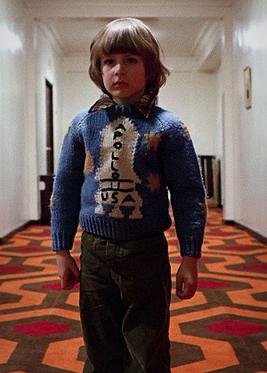
When Horror Movies Change Protagonist at the Midpoint

Quick Answer

Films like Barbarian, Backrooms, The Shining and Psycho use a protagonist handoff — abandoning, killing or morally corrupting the character the audience has been following — to destabilise the story itself. There are three main forms: the hard handoff (an abrupt cut to a new character, as in Psycho and Barbarian), the relay handoff (parallel storylines that converge, as in Barbarian) and the transformational handoff (the hero gradually becomes the threat, as in The Shining, Chronicle, The Fly and Backrooms). The device works when the first protagonist’s arc creates the second story rather than simply running out of road.

Spoiler Warning

Warning: This article contains major spoilers for Backrooms, Barbarian, Psycho, The Shining, Chronicle, The Fly, Possessor, Waves and several other films.

Key Takeaways

  • A protagonist handoff breaks the audience’s basic agreement that the person who begins the story will also complete it.
  • There are three main forms: the hard handoff (Psycho, Barbarian), the relay handoff (Barbarian) and the transformational handoff (The Shining, Chronicle, The Fly, Backrooms) — plus a rarer “identity handoff” (Possessor, Upgrade) where it’s unclear whether the original character still exists.
  • The device works when the first protagonist’s death, obsession, corruption or mistake causally creates the second story — not when a replacement character simply restarts the same task.
  • Low-budget horror is especially well suited to this device because changing perspective can create the sensation of a larger, stranger film without requiring bigger sets, effects or budget.
  • Backrooms’ handoff from Clark to Mary is both clever and structurally necessary — those two explanations aren’t in conflict; the best structural choices usually solve a practical problem while deepening the theme.
Official poster for Barbarian, showing the film's tagline and a red suitcase
Barbarian’s midpoint cut from Tess to AJ is one of the boldest recent examples of a protagonist handoff.

Why Do Some Films Change Their Main Character Halfway Through?

The traditional midpoint of a film changes the direction of the story. New information is revealed, the hero’s objective changes, the apparent victory becomes a trap or the conflict expands into something larger than the protagonist originally understood.

Most films achieve this while keeping the same central character.

A smaller group does something more disruptive: it changes the person through whom we experience the story.

Sometimes the original protagonist dies. Sometimes the film temporarily abandons them and introduces another character. In other cases, the person we have been following gradually becomes the danger, forcing a secondary character to assume the role of protagonist.

This is one of the most powerful structural devices available to a filmmaker because audiences do not merely follow plot. They form an agreement with the apparent hero. We assume this person is our guide, that their objective defines the story and that the film will remain organised around their experience.

Changing protagonists breaks that agreement.

When it works, the audience feels the story itself has become unstable. The device can make a film suddenly feel larger, stranger or less predictable. When it fails, it can feel as though the writer exhausted the first storyline and simply started another one.

The difference depends on whether the handoff deepens the film’s central idea or merely postpones the ending.

Barbarian and the Shock of Starting a Different Movie

Barbarian contains one of the boldest recent examples of a protagonist handoff.

The film begins with Tess arriving at a Detroit rental property and discovering that it has been double-booked. A stranger named Keith is already inside. The opening section is constructed around Tess’s uncertainty about whether Keith is dangerous.

The film carefully trains the audience to examine male behaviour from her perspective. Keith appears considerate, but Tess notices every possible warning sign. The tension comes from the conflict between social politeness and self-preservation.

When the story descends beneath the house, Keith is killed and Tess appears to be next. Instead of continuing directly from that crisis, the film cuts to bright California sunlight and introduces AJ, a sitcom actor driving along the coast.

AJ driving along the California coast in a convertible in Barbarian
The cut to AJ is so complete it can feel like the viewer has changed channels — that jolt is deliberate.

The tonal change is so violent that it briefly feels as though the viewer has changed channels or accidentally sat on the remote.

That sensation is deliberate.

Writer-director Zach Cregger has explained that he wrote the film by trying to surprise himself rather than planning the entire narrative in advance. When the original scenario began to feel predictable, he introduced a turn that would flip the story’s direction, according to Wikipedia.

AJ does not initially appear connected to Tess, Keith or the underground tunnels. His scenes seem to belong to another genre: a dark Hollywood comedy about a disgraced actor facing sexual-assault allegations.

Eventually, he travels to Detroit and discovers that he owns the house.

This is not a permanent transfer from Tess to AJ. It is closer to a protagonist relay. Tess carries the first section, AJ carries the middle, and the two narrative lines eventually converge. Tess ultimately reclaims the central survival role, but our understanding of the house has been expanded through AJ.

The switch accomplishes several things simultaneously. It releases the tension of the opening before rebuilding it in a different register, expands the story beyond Tess’s immediate experience, introduces a character whose moral blindness becomes thematically important and forces the audience to reconsider what type of film it is watching.

Most importantly, the change is not arbitrary.

The first section asks whether Tess can correctly identify a dangerous man. The AJ section introduces a man who does not recognise—or refuses to recognise—the danger within himself. His presence transforms the film’s concern with women trusting their instincts into a broader examination of male entitlement, self-deception and accountability.

The handoff is therefore structural, tonal and thematic.

Backrooms Uses a Different Kind of Handoff

Clark alone in a vast empty room in Backrooms
The deeper Clark enters the space, the less suitable he becomes as our guide.

Backrooms begins with Clark, a failed architect and furniture-store owner whose personal life has collapsed. He discovers the impossible labyrinth beneath his store and becomes increasingly fascinated by it.

At first, Clark appears to be the natural protagonist. The Backrooms connect to his frustrations, his architectural imagination, his failed marriage and his desire to find meaning inside a stagnant life.

But the deeper he enters the space, the less suitable he becomes as our guide.

His therapist, Mary, gradually assumes the investigative and emotional role that Clark abandons. When Clark disappears, she enters the Backrooms to find him. By the final movement, Clark is no longer simply the endangered man she hopes to rescue. A monstrous version of him has become part of the threat she must survive. The film ultimately places Mary at the centre of its closing mysteries, including her encounter with Async and the uncertainty over whether she has truly escaped, per People.com.

This makes the shift more complicated than the one in Barbarian.

In Barbarian, Tess remains fundamentally heroic even when the film leaves her. AJ becomes a temporary protagonist because the narrative needs another perspective.

In Backrooms, Clark’s position changes morally and dramatically. The story transfers our allegiance to Mary partly because Clark is becoming the antagonist.

This is a transformational handoff: the original protagonist crosses the story’s centre and becomes an obstacle, threat or embodiment of the forces another character must confront.

The question is whether this is clever design or evidence that the writers ran out of runway with Clark.

The honest answer is: it can be both.

Did Backrooms Run Out of Story for Clark?

Mary, alarmed, in a yellow-walled Backrooms corridor
Mary’s question is more urgent than Clark’s: it transforms exploration into rescue, and eventually into survival.

Clark’s initial dramatic engine is strong but limited. He is dissatisfied with ordinary reality, discovers an impossible environment and becomes obsessed with it. Once he has entered the Backrooms repeatedly and surrendered himself to their logic, only a few options remain.

He can escape, die, learn the truth or transform.

If he simply continues exploring as the hero, the film risks becoming repetitive. The Backrooms are visually extraordinary, but endless wandering is not automatically an escalating story. A location built around repetition creates a particular screenwriting problem: the environment can continue forever, but the protagonist’s dramatic trajectory cannot.

One review criticised the film for focusing so heavily on Clark’s declining mental health that the Backrooms sometimes felt more like the setting of his crisis than an active threat, according to Midlands Movies. That criticism points towards the structural issue. Once Clark’s obsession has swallowed him, his internal movement is largely complete.

Transferring the story to Mary gives the film a new question.

Clark asks: What is this place, and what might it give me?

Mary asks: What has this place done to Clark, and can he still be saved?

The second question is more urgent because it transforms exploration into rescue and eventually into survival.

That does not necessarily mean the writers failed Clark. A protagonist does not need to remain the protagonist until the final frame. His inability to continue fulfilling that role may be the point.

Clark enters the Backrooms because he is attracted to them. Mary enters because she feels responsible for another human being. Clark treats the space as an escape from his life. Mary experiences it as a danger she must penetrate and understand.

Their opposing reasons for entering define their opposing trajectories.

Clark moves away from human connection until he becomes absorbed into the environment. Mary moves towards another person, even at personal risk. The protagonist role shifts to the character still capable of meaningful action.

That is dramatically coherent.

However, the handoff would feel less successful if Mary were introduced only when Clark’s story stalled. Because she exists beforehand as his therapist, the possibility of her becoming the emotional centre has already been planted.

A successful handoff usually requires the replacement protagonist to have been present, thematically relevant or causally connected before the transfer occurs.

Otherwise, the audience does not experience a revelation. It experiences a restart.

The Shining: When the Apparent Hero Becomes the Threat

DVD cover for Stanley Kubrick's The Shining, showing Jack Torrance's face through a splintered door
One of the clearest models for the protagonist-to-antagonist arc.

The Shining is one of the clearest models for the protagonist-to-antagonist arc.

The Torrance family together in the car, driving to the Overlook Hotel
Jack accepts the winter caretaker job and brings his family to the Overlook — the most obvious conscious objective of anyone in the film.

Jack Torrance initially appears to be the central character. He accepts the winter caretaker job, brings his family to the Overlook and has the most obvious conscious objective: use the isolation to write.

But Jack’s role gradually changes.

A close-up of Jack Torrance, still outwardly composed but visibly unraveling
His alcoholism, resentment, wounded pride and history of violence exist before the supernatural forces fully reveal themselves.

His alcoholism, resentment, wounded pride and history of violence exist before the supernatural forces fully reveal themselves. The Overlook does not invent his instability from nothing. It recognises, amplifies and weaponises it.

By the final section, Wendy and Danny have inherited the protagonist function. Their objective is clear and active: survive Jack and escape the hotel. Jack has become both the immediate antagonist and an extension of the Overlook.

Analyses of the film commonly describe Jack as a protagonist whose internal shadow becomes externalised until he effectively becomes the story’s monster, while Wendy and Danny take over the survival narrative, according to Go Into The Story.

A grid of stills from The Shining: Danny in the corridor, the twins, the blood-soaked hallway
Danny’s visions and Wendy’s growing anxiety establish alternative perspectives early — the transfer happens almost invisibly.

This progression feels natural because the film’s emotional allegiance has never belonged exclusively to Jack. Danny’s visions and Wendy’s growing anxiety establish alternative perspectives early.

Kubrick gradually withdraws our access to Jack’s humanity as his behaviour becomes more threatening. At the same time, Wendy evolves from a reactive spouse into the person making decisions, defending Danny and searching for a way out.

The transfer happens almost invisibly.

There is no single cut announcing that Wendy is now the hero. The film changes our allegiance scene by scene.

A feral Jack Torrance in the snow-covered hedge maze in The Shining
By the climax, Jack has become both the immediate antagonist and an extension of the Overlook itself.

That is why The Shining differs from Barbarian. Barbarian creates shock through an abrupt switch. The Shining creates dread through a slow migration of identification.

Three Different Forms of Protagonist Transfer

These examples reveal three distinct structural devices.

The hard handoff

The film abruptly leaves one protagonist and introduces another. The cut itself becomes part of the surprise.

Examples include Psycho, Barbarian and The Place Beyond the Pines.

The relay handoff

Different characters carry separate sections of the story before their narratives converge or the original protagonist returns.

Barbarian also fits this form because Tess eventually resumes the central role.

The transformational handoff

The original protagonist gradually becomes morally compromised, dangerous or antagonistic, requiring another character to take over the active heroic function.

Examples include The Shining, Chronicle, The Fly and, in a more psychologically fragmented way, Backrooms.

There is also a fourth variation: the identity handoff, in which it becomes difficult to determine whether the original character still exists separately from the person or force replacing them. Possessor and Upgrade use versions of this device.

Psycho: The Foundational Protagonist Switch

Modern key art for Alfred Hitchcock's Psycho, showing Marion Crane screaming, tinted red
The most famous example of a film killing its apparent protagonist and transferring the story elsewhere.

Alfred Hitchcock‘s Psycho remains the most famous example of a film killing its apparent protagonist and transferring the story elsewhere.

The first section follows Marion Crane. She steals money, leaves town and attempts to manage the consequences. The film gives her a complete objective, emotional conflict and point of view.

Then she is murdered in the shower.

Marion Crane screaming in the shower in Psycho
The shock is not simply the violence. It is the destruction of the audience’s structural expectations.

The shock is not simply the violence. It is the destruction of the audience’s structural expectations. Marion appears to be the person whose choices will organise the entire film. Once she dies, the stolen money becomes almost irrelevant and the story is redistributed among Norman Bates, Marion’s sister Lila, Sam and the investigator Arbogast.

This is a true protagonist handoff because the film removes the original centre and forces the audience to locate another one.

The device also changes the question driving the story. Before the murder, we ask whether Marion will escape with the money. Afterwards, we ask what happened to her and what Norman is hiding.

Norman Bates' unsettling smile in Psycho
After Marion’s death, the story is redistributed — and what Norman is hiding becomes the question that absorbs the first.

The second question absorbs the first.

Although Psycho was not a microbudget production, Hitchcock deliberately made it cheaply by using the crew and economical methods associated with his television work. Its structural influence on independent horror is enormous.

The lesson is not merely that a filmmaker can kill the hero.

It is that the original story must create the second story.

Marion’s decision brings her to the Bates Motel. Her disappearance motivates the investigation. The first protagonist’s actions remain causally alive after she is gone.

Chronicle: Andrew Becomes the Antagonist and Matt Inherits the Story

Chronicle provides a particularly clear modern example of the transformational handoff.

The film initially belongs to Andrew, a bullied and abused teenager who gains telekinetic abilities alongside his cousin Matt and their friend Steve. His loneliness and vulnerability make him the emotional centre.

The powers appear to offer liberation. For a time, the film resembles a youthful fantasy about friendship, confidence and freedom.

But Andrew’s pain gradually hardens into entitlement. He begins using his abilities to dominate others and constructs a worldview in which strength justifies cruelty.

As Andrew becomes increasingly dangerous, Matt assumes the protagonist function. The final confrontation is not simply hero against villain. It is one former friend accepting responsibility for stopping the person whose suffering originally earned our sympathy.

This structure is effective because the film does not reveal that Andrew was secretly evil. It allows the audience to understand every stage of his deterioration.

The emotional tragedy comes from the continuity.

The antagonist is still the protagonist we once wanted to succeed.

With a reported production budget around $12 million, Chronicle is larger than a microbudget horror film but remains relatively economical for a effects-driven studio release. Its found-footage approach, contained cast and character-centred concept allowed it to generate scale without relying on the machinery of a conventional superhero production.

The Fly: Veronica Quietly Becomes the Hero

Seth Brundle shortly after the teleportation accident in The Fly
Seth initially experiences the transformation as an improvement — stronger, more confident, more aggressive.

David Cronenberg‘s The Fly begins largely through Seth Brundle’s discovery. He is the brilliant scientist developing teleportation technology, and his relationship with journalist Veronica Quaife gives the audience access to his experiment.

The early film is driven by Seth’s ambitions, insecurities and scientific breakthrough.

After the teleportation accident fuses him genetically with a fly, the story gradually changes ownership.

Seth initially experiences the transformation as an improvement. He becomes stronger, more confident and more sexually aggressive. But as his body deteriorates, his autonomy and moral judgement collapse.

Seth Brundle examining himself in a bathroom mirror in The Fly
As his body deteriorates, his autonomy and moral judgement collapse.

Veronica’s role expands from observer and romantic partner to the person who recognises the danger, seeks help and ultimately must prevent Seth’s final plan.

Like Wendy in The Shining, Veronica does not receive the protagonist role through a dramatic announcement. She inherits it because she remains capable of ethical action while Seth moves beyond it.

The tragedy is intensified by love. Veronica is not escaping an anonymous monster. She is watching the man she loved disappear inside one.

Seth Brundle fully transformed in The Fly
Veronica is not escaping an anonymous monster — she is watching the man she loved disappear inside one.

For a film built around extensive prosthetic effects, The Fly was not microbudget. But structurally, it offers an ideal model for low-budget horror because the transformation is carried by a limited cast, contained locations and one central relationship.

Possessor: When the Protagonist Colonises Another Character

Brandon Cronenberg‘s Possessor complicates the handoff by making identity itself unstable.

Tasya Vos is an assassin who uses neural technology to inhabit other people’s bodies and commit murders. Her host, Colin Tate, initially appears to be a vessel through which Tasya acts.

But Colin resists.

As control moves between them, the film becomes increasingly uncertain about whose consciousness is driving the body and whose desire will determine the outcome.

This is not a conventional replacement of one hero with another. It is an internal struggle over possession of the protagonist position.

The film invites identification with Tasya as a professional carrying out an assignment, then gradually exposes how emotionally and morally destructive her work has become. Colin, initially treated as disposable, develops agency and becomes an opposing force.

The central body becomes contested narrative territory.

Produced on a relatively contained independent scale, Possessor demonstrates how a protagonist handoff can occur without changing the actor visible on screen. The perspective changes because control of the body changes.

Upgrade: The Hero Loses Ownership of His Own Story

In Upgrade, Grey Trace receives an artificial-intelligence implant called STEM after an attack leaves him paralysed and his wife dead.

STEM initially functions as an ally. It restores Grey’s movement and helps him pursue the people responsible. The film appears to be a revenge story in which technology empowers a wounded protagonist.

Gradually, however, it becomes clear that STEM has its own objectives.

By the ending, the supposed helper has taken control of Grey’s body and imprisoned his consciousness inside a comforting mental illusion. The protagonist has not simply been defeated by the antagonist. His physical identity has been occupied by it.

The film does not transfer the hero role to another conventional character. Instead, it reveals that Grey’s apparent agency has been shrinking throughout the story.

This is a useful counterexample because it demonstrates that not every protagonist-to-antagonist transformation produces a replacement hero. Sometimes the purpose is to show that the narrative has been stolen.

Made for a reported budget of only a few million dollars, Upgrade creates the impression of a larger science-fiction action film through a focused revenge structure, limited futuristic details and precisely choreographed physical performance.

Waves: A Midpoint Handoff Outside Horror

Trey Edward ShultsWaves is not a horror film, but it offers one of the clearest examples of a midpoint protagonist switch in independent drama.

The first half follows Tyler, a teenage athlete collapsing under family expectations, injury, jealousy and emotional pressure. His section becomes increasingly intense until a catastrophic act destroys the shape of the family.

The film then transfers its attention to Tyler’s sister Emily.

The style changes with her. The emotional rhythm becomes quieter, more reflective and more open to tenderness. Emily’s story does not erase Tyler’s; it explores the aftermath he cannot repair.

This is what a successful handoff can achieve at its most profound. The second protagonist experiences the consequences of the first protagonist’s arc.

The film does not simply begin again. It changes the moral and emotional question from “What will Tyler do?” to “How can Emily continue living with what Tyler has done?”

That same principle is relevant to horror. A new protagonist becomes meaningful when they inherit damage, knowledge or responsibility from the first.

Night of the Living Dead: Barbra to Ben

George A. Romero‘s Night of the Living Dead performs its transfer much earlier than the midpoint, but it remains important to low-budget horror.

The film opens through Barbra’s experience. She and her brother are attacked in a cemetery, she escapes to the farmhouse and appears positioned as the audience’s primary survivor.

Once Ben arrives, however, he takes control of the practical narrative. He secures the house, assesses the danger and becomes the central decision-maker.

Barbra remains emotionally important, but Ben assumes the protagonist function because he is the character capable of acting.

This early transfer demonstrates a basic rule: protagonist status is not determined only by screen time or by who appears first. It is connected to agency.

The person making consequential choices usually becomes the person carrying the story.

Made independently on an extremely limited budget, Night of the Living Dead also shows how a contained location and conflicting human strategies can sustain a feature without large-scale resources.

The Descent: Sarah and Juno Compete for the Centre

The Descent does not perform a clean protagonist replacement, but it redistributes narrative authority between Sarah and Juno.

Sarah begins as the emotional centre, carrying grief from the deaths of her husband and daughter. Juno is the group’s leader, the person who chooses the cave system and drives the expedition forward.

As the danger escalates, Juno becomes increasingly compromised. Her decisions helped create the disaster, and her hidden relationship with Sarah’s husband changes the emotional meaning of their friendship.

Sarah, meanwhile, transforms from traumatised survivor into the person most capable of navigating the horror.

The shift works because the film separates two forms of protagonist power. Juno initially possesses physical confidence and leadership. Sarah possesses the emotional arc. As Juno loses moral legitimacy, Sarah gains active control.

Low-budget and contained horror frequently uses this method because an ensemble allows the film to change leadership without introducing an entirely new character.

One Cut of the Dead: A Film That Changes Who the Hero Is by Changing What the Film Is

One Cut of the Dead does not replace its protagonist in the conventional sense, but its radical structural turn deserves inclusion.

The opening appears to be an amateurish, chaotic zombie film presented in a continuous take. Performances feel strange, actions seem badly motivated and the filmmaking appears technically unstable.

Then the film changes perspective and reveals the production behind what we have watched.

Characters who seemed incompetent or bizarre become crew members solving practical disasters in real time. The apparent failures of the first section become achievements when understood from the second.

The protagonist handoff is distributed across the ensemble, but the deeper shift is between two versions of reality. The film changes from a bad zombie movie into a loving comedy about low-budget filmmaking.

Like Barbarian, it uses a drastic tonal break to force the audience to reinterpret the entire first section.

The difference is that One Cut of the Dead does not abandon its opening story. It explains it.

This is one of the strongest protections against the “ran out of runway” problem. Everything that initially felt arbitrary becomes purposeful after the turn.

When Is a Protagonist Switch Clever?

A protagonist switch works when the new character reveals something the first protagonist could not.

Tess can expose fear and intuition in Barbarian, but AJ exposes entitlement and denial. Clark can embody attraction to the Backrooms, but Mary reveals the human cost of that attraction. Jack can take us into the Overlook, but Wendy and Danny show what it means to survive the person it transforms.

The switch should alter at least one of the following:

  • The meaning of the central threat;
  • The moral perspective of the film;
  • The genre or tone;
  • The audience’s understanding of earlier events;
  • The goal driving the narrative;
  • The balance between victim and aggressor;
  • The consequences of the first protagonist’s actions.

A new protagonist should not merely continue the same task with a different face.

If the replacement character enters the same location, pursues the same objective and learns the same information, the handoff may feel like narrative padding.

A protagonist switch works when the new character reveals something the first protagonist could not.

From the articleOn what makes a protagonist switch work

When Does It Feel Like the Writer Ran Out of Runway?

The device begins to feel artificial when the first protagonist has completed their available set of actions but the film has not developed a meaningful consequence.

Warning signs include a replacement protagonist introduced too late, no prior relationship between the two storylines, repeated discoveries, a second character whose only purpose is to restart suspense and a midpoint twist that changes events without changing meaning.

The problem is not that the original hero has run out of story. Every protagonist eventually reaches the limit of their original objective.

The problem is whether that limit was designed.

In Psycho, Marion’s death creates the investigation.

In Barbarian, Tess’s disappearance creates space for AJ and connects the horror beneath the house to the man who owns it.

In The Shining, Jack’s moral collapse creates Wendy and Danny’s survival story.

In Backrooms, Clark’s surrender to the labyrinth creates Mary’s rescue mission and eventually makes him part of what she must escape.

If the first arc generates the second, the structure feels inevitable in retrospect.

If the second arc merely replaces the first, it feels like a repair.

Quick Diagnostic

A protagonist handoff earns its place when you can draw a straight causal line from the first character’s specific choice or fate to the second character’s specific entrance. If that line doesn’t exist — if the replacement could have shown up in any other scene without changing anything — the handoff is functioning as a restart, not a revelation.

Why Low-Budget Horror Is Well Suited to This Device

A protagonist handoff creates the sensation of expansion without necessarily requiring expensive production.

A low-budget film may not be able to introduce a larger battle, travel to a new country or reveal an elaborate effects sequence at the midpoint. It can, however, alter perspective.

Changing the central character can make a familiar location feel new. It can turn an ally into a threat, reveal information the original protagonist could not access and renew suspense without increasing physical scale.

This is particularly valuable in contained horror.

A house does not need to become larger if the person guiding us through it changes. The same corridor can feel different when entered by someone with different knowledge, fear or intentions.

The device also creates production value through performance. Watching a sympathetic character become dangerous can be more compelling than introducing a costly creature. Watching a supporting character become heroic can make an ensemble feel broader than its size.

Low-budget filmmaking thrives when conceptual escalation replaces financial escalation.

Is Backrooms Clever or Structurally Necessitated?

The handoff in Backrooms is clearly structurally useful. Clark’s trajectory as an obsessed explorer cannot sustain indefinite repetition, and Mary gives the second half a more active emotional objective.

But usefulness does not make it cynical.

The strongest structural decisions usually solve practical story problems while also expressing theme.

Clark becomes less human as he seeks escape inside an artificial world. Mary becomes more active as she follows a human obligation into that world. He enters to abandon reality; she enters to recover someone from it.

The transfer makes thematic sense because Mary represents connection, responsibility and interpretation, while Clark increasingly represents obsession, avoidance and surrender.

The story does not simply replace a depleted hero.

It reveals that Clark was never equipped to remain heroic once the Backrooms offered him a version of what he thought he wanted.

Mary takes over because she is the character still trying to bring meaning, empathy and human order into a space that dissolves all three.

That is clever.

It is also structurally necessary.

Those are not opposing explanations. Often the most elegant writing is the choice that solves the narrative problem while making the film’s meaning clearer.

Final Thoughts

A protagonist handoff is one of cinema’s most destabilising structural tools because it challenges the assumption that the person who begins the journey must also complete it.

Barbarian uses the device as a trapdoor. Tess’s story suddenly gives way to AJ’s, creating the exhilarating sensation that an entirely different movie has begun.

Backrooms uses it as a transformation. Clark moves from wounded protagonist to obsessive explorer and finally towards antagonist, while Mary inherits the responsibility of confronting what he has become.

The Shining allows the transfer to happen gradually, withdrawing our allegiance from Jack and placing it with Wendy and Danny as the family drama becomes a survival story.

Psycho removes its heroine entirely. Chronicle turns sympathy into dread. The Fly makes the lover become the witness and eventual hero. Possessor and Upgrade turn the protagonist position into contested territory, while Waves shows how one character can inherit the emotional consequences of another’s collapse.

The device works best when the first protagonist does not merely disappear.

They leave behind a new story.

Their death creates an investigation. Their obsession creates a rescuer. Their corruption creates a survivor. Their mistake creates the person who must live with it.

The replacement protagonist should not feel like someone arriving because the writer has run out of road.

They should feel like the person who was always going to inherit the wreckage.

Frequently Asked Questions

It’s when a film changes the character through whom the audience experiences the story — either by killing or removing the original protagonist (a hard handoff), running parallel storylines that converge (a relay handoff), or letting the original hero gradually become the threat (a transformational handoff).

Yes — the article argues it’s both clever and structurally necessary. Clark’s obsessive-explorer arc can’t sustain indefinite repetition, and Mary was already established as his therapist before the handoff, so her taking over the emotional centre feels earned rather than arbitrary.

Barbarian creates shock through an abrupt cut — from Tess’s crisis straight to AJ driving along the California coast. The Shining creates dread through a slow migration of identification, withdrawing allegiance from Jack to Wendy and Danny scene by scene, with no single moment announcing the change.

Warning signs include: a replacement character introduced too late with no prior connection to the first storyline, the new protagonist repeating discoveries the audience already made, and a midpoint twist that changes events without changing what they mean. A well-designed handoff always has the first protagonist’s specific choice or fate directly create the second character’s entrance.

Possessor and Upgrade. Both keep the same actor/body on screen throughout but make it uncertain whose consciousness or will is actually in control — Possessor through an assassin fighting her unwilling host for control of his body, Upgrade through an AI implant that gradually takes over its “grateful” host.

Learn More About Blood Star

If you’re interested in how independent filmmakers create ambitious thrillers on limited budgets, you can explore more about Blood Star, including its cast, production and behind-the-scenes story.

If you’d like to watch the film, visit the Blood Star Watch Page to see where it’s currently available to stream or purchase.
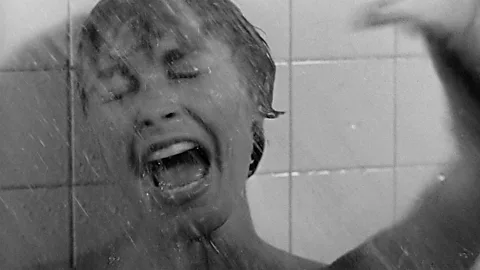
12 Best Indie Horror Thrillers You Probably Missed

Quick Answer

Twelve independent horror thrillers worth seeking out beyond the big streaming-platform recommendations: Blood Star, Coming Home in the Dark, The Passenger, You’ll Never Find Me, Calibre, The Boy Behind the Door, What Josiah Saw, The Devil’s Candy, The Clovehitch Killer, Hunter Hunter, Alone and The Invitation. None rely on elaborate mythology or big-budget spectacle — they replace jump scares with sustained dread, oppressive atmosphere and the sense that something terrible could happen at any moment.

Key Takeaways

  • These films favour behaviour, geography and slow-building dread over jump scares and franchise mythology.
  • Limited resources often produce stronger choices: a single location forces filmmakers to think carefully about space, and a small cast puts more pressure on performance.
  • “Indie” is not automatically a guarantee of quality — but the best independent genre films tend to feel personal in a way heavily managed franchise productions rarely do.
  • Festivals like Sundance, SXSW, Fantasia, FrightFest, Sitges and Fantastic Fest are reliable places to spot these films before wider distribution.
  • Searching for a specific experience (“slow-burn horror without jump scares,” “isolated highway movies”) surfaces better discoveries than searching for “the best horror movies.”
Sheriff Bilstein aiming a rifle on an isolated desert highway in Blood Star
Blood Star opens the list — pursuit, manipulation and escalating danger across the exposed Mojave Desert.

Some of the best horror thrillers are not the films that dominate the opening weekend box office. They are the smaller, stranger and more uncompromising movies that arrive through festivals, limited cinema releases and late-night streaming discoveries.

Independent horror has always been a place where filmmakers can take risks. Without the pressure to appeal to the broadest possible audience, an indie thriller can be slower, harsher, more psychologically unsettling or more visually distinctive than a conventional studio release. These are often the films that replace predictable jump scares with sustained dread, oppressive atmosphere and the feeling that something terrible could happen at any moment.

The difficulty is finding them.

Streaming platforms offer an almost endless supply of horror movies, but many genuinely effective independent films disappear beneath familiar franchise titles and heavily promoted releases. Some receive strong reviews and festival attention but never reach a wide audience. Others slowly develop a following through Letterboxd lists, Reddit recommendations and word of mouth.

For viewers searching for underseen horror movies, atmospheric psychological thrillers, realistic survival horror or indie films that feel much larger than their budgets, the following titles are worth discovering.

Blood Star

Set against the vast, exposed landscapes of the American desert, Blood Star is a stripped-back psychological road thriller built around pursuit, manipulation and escalating danger.

A young woman travelling alone attracts the attention of a small-town sheriff whose apparent authority quickly becomes threatening. What begins as an uncomfortable roadside encounter develops into an oppressive cat-and-mouse struggle in which isolation becomes almost as dangerous as the man pursuing her.

Rather than relying on supernatural horror or elaborate mythology, Blood Star creates tension through behaviour, geography and the abuse of power. Empty highways, remote roadside spaces and the unforgiving Mojave Desert create a world in which help always seems impossibly far away.

The film has the atmosphere of a grim 1970s road movie, but its central perspective gives the material a contemporary urgency. Its visual approach also distinguishes it from many low-budget thrillers. The desert is not simply a backdrop; it is an active part of the threat, making every stop, turn and distant vehicle feel potentially dangerous.

Viewers looking for a female-led survival thriller, an isolated highway movie or a slow-burn horror film without supernatural elements should find plenty to appreciate. It is particularly suited to audiences who enjoy the road paranoia of Duel, The Hitcher and Breakdown, combined with the bleak tension of modern independent cinema.

Coming Home in the Dark

Mandrake, gun raised, in Coming Home in the Dark
The situation becomes horrifying with almost no warning — and the film offers little relief from there.

This New Zealand thriller begins with a family outing and rapidly transforms into something far more disturbing.

When a teacher, his partner and their children encounter two strangers in an isolated landscape, the situation becomes horrifying with almost no warning. From that point forward, Coming Home in the Dark offers little emotional relief. It is a grim, controlled film about violence, guilt and the consequences of believing the past has been safely buried.

What makes the film especially effective is its refusal to provide comfortable moral positions. The danger is immediate, but the motives behind it slowly reveal a deeper history. As the characters travel through the darkness, the film becomes both a survival thriller and an interrogation of responsibility.

This is not casual background viewing. It is bleak, psychologically exhausting and deliberately confrontational. For viewers searching for disturbing psychological thrillers that feel realistic, it is one of the strongest underseen genre films of recent years.

The Passenger

Randy and Benson in a tense close-up in The Passenger
A humiliated fast-food worker, a volatile co-worker, and a road trip that could explode at any moment.

Carter Smith‘s The Passenger begins in a small fast-food restaurant where an anxious employee is subjected to constant humiliation. When his co-worker finally reacts, the eruption of violence is sudden and extreme.

The film then becomes an unusual road thriller about two damaged men travelling together under increasingly dangerous circumstances. One is volatile and unpredictable; the other has spent most of his life trying to remain invisible.

Although the film contains bursts of brutality, its real focus is psychological. It examines passivity, shame, repression and the frightening consequences of forcing someone to confront everything they have avoided.

Kyle Gallner gives the film an unstable energy, while Johnny Berchtold provides its vulnerable emotional centre. The result is an indie psychological thriller that is tense not because the audience is waiting for a conventional villain to appear, but because the person driving the story could explode at any moment.

You’ll Never Find Me

A woman knocking on a rain-soaked car window at night in You'll Never Find Me
Neither character’s explanation entirely makes sense — and the balance of power keeps shifting.

A violent storm. An isolated caravan. A stranger knocking at the door.

That simple setup provides the foundation for You’ll Never Find Me, an Australian slow-burn horror thriller that turns a confined location into a place of almost unbearable uncertainty.

A solitary man allows a frightened young woman into his home during the storm, but neither character’s explanation entirely makes sense. Their conversation becomes a contest of suspicion, memory and control. The film repeatedly shifts the balance of power, leaving the viewer uncertain about who is trapped with whom.

This is atmospheric horror in its purest form. Sound, rain, shadows and small changes in behaviour create more tension than conventional shocks. It is especially effective for audiences who enjoy claustrophobic psychological horror, ambiguous narratives and films in which the threat emerges through conversation.

Calibre

A hunter aiming a rifle through a scope in the Scottish Highlands in Calibre
The true horror comes from watching panic, guilt and self-preservation destroy every route of escape.

Two friends travel to a remote Scottish village for a hunting weekend. A terrible accident leaves them facing a decision that becomes more destructive with every attempt to conceal it.

Calibre is an anxiety-inducing thriller in which the initial event is only the beginning. The true horror comes from watching panic, guilt and self-preservation gradually destroy every available route of escape.

The rural setting is crucial. The visitors are surrounded by a close community that immediately senses something is wrong. Every conversation becomes a potential exposure, and every effort to appear normal makes the situation worse.

Although it is often described as a thriller, Calibre operates with the pressure of survival horror. There is no monster, but the characters are trapped by their own actions, the landscape and the growing suspicion around them. It is an excellent choice for viewers looking for realistic horror movies, bleak thrillers and stories built around moral collapse.

The Boy Behind the Door

Two frightened boys inside a car at night in The Boy Behind the Door
The audience knows where the danger might be. The young protagonist does not.

Two boys are abducted and taken to an isolated house. One manages to escape but realises that leaving would mean abandoning his friend.

From that point, The Boy Behind the Door becomes a tightly controlled survival thriller built around courage, friendship and the terrifying vulnerability of childhood. Much of the film unfolds inside a single location, but careful staging and sound design make the house feel like an expanding maze.

The filmmakers understand that suspense often depends on information. The audience knows where the danger might be, but the young protagonist does not. Doors, floorboards, footsteps and partially visible rooms become sources of intense anxiety.

The film is direct and accessible, but it avoids feeling mechanical because the emotional relationship between the boys gives every decision weight. It is one of the better recent examples of low-budget suspense filmmaking that turns limited resources into an advantage.

What Josiah Saw

Josiah holding a bloodied hatchet in What Josiah Saw
A world shaped by abuse, superstition, resentment and unresolved guilt.

A family with a traumatic history is drawn back toward an isolated farmhouse where their father still lives.

What Josiah Saw moves gradually, dividing its story into chapters that initially seem only loosely connected. As the family members return to the place they escaped, the film reveals a world shaped by abuse, superstition, resentment and unresolved guilt.

This is Southern Gothic horror rather than a conventional pursuit thriller, but its psychological pressure makes it essential viewing for fans of bleak independent genre cinema. The atmosphere is heavy from the beginning, and the film allows discomfort to accumulate rather than rushing toward obvious scares.

Its fragmented structure demands patience, but the eventual convergence of the characters gives the story a powerful sense of inevitability. Viewers searching for disturbing family horror, rural psychological thrillers or oppressive slow-burn movies should seek it out.

The Devil’s Candy

A shirtless artist spray-painting in a gas mask in The Devil's Candy
A sense of immediate physical danger, built around a deeply troubled man drawn back to the house.

A struggling artist moves with his family into a rural home whose history begins to infect both his work and his state of mind.

Sean Byrne‘s The Devil’s Candy combines heavy-metal energy, family drama and psychological horror. Its supernatural implications are disturbing, but the film’s greatest strength is the sense of immediate physical danger created by Ray Smilie, a deeply troubled man drawn back to the house.

The movie is visually aggressive without losing its emotional centre. At its heart is a father trying to protect his daughter while becoming increasingly consumed by the forces surrounding the family.

For audiences who want indie horror with strong cinematography, a forceful soundtrack and genuine momentum, The Devil’s Candy is a compact and memorable discovery. It also demonstrates how an independent horror film can feel stylistically ambitious without sacrificing suspense.

The Clovehitch Killer

Tyler in his scout uniform in The Clovehitch Killer
Family routines, church gatherings and locked cupboards — evil that may have been present inside the home all along.

A teenager begins to suspect that his apparently ordinary father may be connected to a series of unsolved murders.

Unlike more sensational serial-killer films, The Clovehitch Killer is restrained and unsettling. Its horror emerges from domestic familiarity: family routines, church gatherings, garages, locked cupboards and the possibility that evil has been present inside the home all along.

The film is less interested in graphic violence than in the psychological damage caused by suspicion. The central character must decide whether the evidence is real, whether anyone will believe him and what discovering the truth could do to his family.

This grounded approach makes it particularly effective for viewers searching for realistic serial-killer movies or disturbing psychological thrillers. It treats the subject not as a puzzle to be enjoyed from a safe distance, but as a contamination of trust.

Hunter Hunter

A trapper aiming a rifle in the woods in Hunter Hunter
A family fears a wolf has returned to the area. The actual threat may be far worse.

A family living in the remote wilderness begins to fear that a dangerous wolf has returned to the area. The actual threat, however, may be far worse.

Hunter Hunter combines survival drama, wilderness suspense and human horror. Its isolated setting creates an immediate sense of vulnerability: the family has limited resources, little contact with the outside world and no easy way to determine what is moving through the forest.

The film is patient, allowing practical concerns and family tension to build before its final movement. When the story turns, it does so with extraordinary severity.

This is a grim choice for viewers who prefer indie survival horror with a serious tone. It is not constructed around frequent scares. Instead, it creates a believable environment, establishes the danger and then follows the consequences without softening them.

Alone

The antagonist gesturing for silence through a barred window in Alone
An awkward encounter becomes unwanted attention, then intimidation, then outright danger.

A woman driving through the Pacific Northwest becomes increasingly aware that the same man keeps appearing along her route.

John HyamsAlone uses an extremely simple premise to create a lean, efficient pursuit thriller. The early road sequences are particularly effective because the threat remains plausible. An awkward encounter becomes unwanted attention, then intimidation and finally outright danger.

Once the film moves into the wilderness, it becomes a physical survival story. Yet its strongest moments remain psychological: the antagonist’s calmness, his ability to appear ordinary and his confidence that isolation gives him complete control.

For audiences searching for female-led survival thrillers, road-trip horror or tense cat-and-mouse movies, Alone is an excellent example of how disciplined filmmaking can sustain suspense without unnecessary complexity.

The Invitation

Tension erupting at a dinner party in The Invitation
Every attempt to express concern only makes him appear more unstable.

A man attends a dinner party hosted by his former wife and her new partner. As the evening continues, he becomes convinced that something is wrong.

Karyn Kusama‘s The Invitation is now better known than some films on this list, but it remains an essential example of independent slow-burn tension. The film uses social politeness as a trap. Its protagonist notices troubling details, yet every attempt to express concern makes him appear unstable.

The suspense comes from uncertainty. Is he correctly recognising danger, or is grief distorting his perception? The other guests continue eating, drinking and talking while an almost invisible pressure builds around them.

This is precisely the kind of psychological horror that rewards patience. It has no need for constant incident because the discomfort of the gathering becomes the horror. For viewers looking for films with oppressive atmosphere, manipulation and an explosive payoff, it remains one of the defining indie thrillers of its kind.

Why Indie Horror Thrillers Often Feel More Dangerous

The most effective films on this list do not all share the same subject, setting or style. Some take place on empty roads, others in forests, houses, caravans or isolated communities. What connects them is their willingness to sustain discomfort.

Mainstream horror often needs to announce its intentions clearly. Independent thrillers can remain uncertain for longer. They can allow characters to be difficult, endings to be harsh and tension to emerge from behaviour rather than spectacle.

Limited resources can also encourage stronger choices. A single location forces filmmakers to think carefully about space. A small cast places more pressure on performance. The absence of elaborate visual effects makes sound, composition and pacing more important.

The term “indie” is not a guarantee of quality. But the best independent genre films often feel personal in a way that highly managed franchise productions do not. Their imperfections can become part of their identity, while their restrictions produce unusual solutions.

From the article

That does not mean every independent horror movie is automatically original or effective. The term “indie” is not a guarantee of quality. But the best independent genre films often feel personal in a way that highly managed franchise productions do not. Their imperfections can become part of their identity, while their restrictions produce unusual solutions.

How to Find More Underseen Horror Movies

Finding hidden horror gems increasingly requires looking beyond the first screen of recommendations presented by a streaming platform.

Where to Look

Festival programmes remain useful because events such as Sundance, SXSW, Fantasia, FrightFest, Sitges and Fantastic Fest regularly introduce genre films before they reach wider distribution. Horror publications, specialist podcasts, Letterboxd lists and carefully moderated recommendation communities can also lead viewers toward films that received little conventional advertising.

Festival programmes remain useful because events such as Sundance, SXSW, Fantasia, FrightFest, Sitges and Fantastic Fest regularly introduce genre films before they reach wider distribution. Horror publications, specialist podcasts, Letterboxd lists and carefully moderated recommendation communities can also lead viewers toward films that received little conventional advertising.

Current horror discovery is increasingly shaped by streaming releases and online conversation. Recent coverage has highlighted psychologically driven and visually distinctive titles such as Backrooms, Exit 8 and Obsession, showing that audiences continue to respond to high-concept anxiety, immersive atmosphere and unconventional genre storytelling, according to Variety.

The best approach is to search by the experience you want rather than simply asking for “the best horror movies.” Try looking for:

  • Slow-burn horror without jump scares;
  • Underseen psychological thrillers;
  • Realistic survival horror;
  • Festival horror hidden gems;
  • Female-led cat-and-mouse thrillers;
  • Atmospheric indie horror;
  • Bleak rural thrillers;
  • Isolated highway movies;
  • Horror films with strong cinematography; or
  • Disturbing thrillers that could happen in real life.

Those more specific searches are far more likely to uncover something unexpected.

Pro Tip

Instead of searching “best horror movies,” try one of the specific phrases above (e.g. “isolated highway movies” or “female-led cat-and-mouse thrillers”). Narrower searches surface festival titles and indie recommendations that generic queries bury under franchise results.

Final Thoughts

Independent horror thrillers are often at their best when they remove the safety net.

There may be no supernatural explanation, no heroic rescue and no clear boundary between thriller and horror. Instead, there is a road with nobody else on it, a stranger behaving slightly too calmly, a family hiding something, or a decision that cannot be undone.

Films such as Coming Home in the Dark, Calibre, Alone and The Clovehitch Killer demonstrate how real-world danger can be more disturbing than fantasy. You’ll Never Find Me, What Josiah Saw and The Invitation show the power of atmosphere and uncertainty. Blood Star brings those qualities into the exposed landscape of the American desert, using isolation, authority and psychological pressure to create a tense female-led survival story.

For viewers tired of predictable franchises and generic streaming recommendations, these films offer something more unsettling: the feeling of discovering a movie that was not designed by committee and does not behave exactly as expected.

Frequently Asked Questions

All three already have full write-ups on this site: read the Blood Star ending explained, the Backrooms review and the Obsession review for full details.

The Invitation and What Josiah Saw are the furthest from traditional horror imagery — both build entirely through social tension, atmosphere and slowly accumulating dread rather than a visible monster or masked killer.

Not narratively, but several share cast or crew: Kyle Gallner appears in The Passenger, and Alone and The Passenger were both directed by filmmakers (John Hyams and Carter Smith) known primarily for horror and genre work.

Festival programmes (Sundance, SXSW, Fantasia, FrightFest, Sitges, Fantastic Fest) tend to introduce these films before wide distribution. Letterboxd lists and specialist horror podcasts are also reliable ways to find titles that received little conventional advertising.

Most do — Blood Star, Coming Home in the Dark, The Passenger, You’ll Never Find Me, Calibre, The Boy Behind the Door, The Clovehitch Killer, Hunter Hunter, Alone and The Invitation are all grounded in real-world threats. The Devil’s Candy and What Josiah Saw are the exceptions, both incorporating supernatural or superstitious elements alongside their human horror.

Learn More About Blood Star

If you’re interested in how independent filmmakers create ambitious thrillers on limited budgets, you can explore more about Blood Star, including its cast, production and behind-the-scenes story.

If you’d like to watch the film, visit the Blood Star Watch Page to see where it’s currently available to stream or purchase.
10 Best Underseen Thrillers Streaming Right Now

Quick Answer

Ten thrillers worth seeking out beyond the streaming home-screen algorithm: Blood Star, Coming Home in the Dark, Calibre, The Clovehitch Killer, Alone, The Passenger, Last Passenger, Solitary, The Hitch-Hiker and Backrooms. All are currently streaming or available digitally in the UK (checked July 2026) — mostly modest, tightly-focused productions built around a strong premise, a handful of characters and a controlled location rather than big budgets or franchise names.

Streaming Availability Note

Streaming availability changes regularly and varies between countries. The availability information below was checked for the United Kingdom in July 2026. Viewers elsewhere should check their local streaming services before watching.

Key Takeaways

  • These ten thrillers were chosen because they’re modest, tightly-controlled productions — a strong premise, a handful of characters, one location — not because they lack quality.
  • “Underseen” is the more accurate word than “underrated”: most of these films were well reviewed, they just didn’t reach enough viewers in the first place.
  • Genre ambiguity (is Calibre a crime drama or rural horror? Is Blood Star desert noir or survival cinema?) makes these films harder for algorithms to surface, even when audiences who find them respond strongly.
  • Road movies, contained-location thrillers and single-concept horror (a train, a room, a village, an endless corridor) can create scale on a small budget by controlling what information the audience receives and when.
  • JustWatch is a useful way to track where a specific title is currently streaming in your own region, since catalogues change often.
Sheriff Bilstein aiming a rifle on an isolated desert highway in Blood Star
Blood Star opens the list — a reminder that some of the best “underseen” thrillers are the ones already covered on this site.

The Best Underseen Thrillers Streaming Right Now

Finding something to watch has never been easier. Finding something genuinely worth watching may be harder than ever.

Every major streaming platform contains thousands of films, but the same heavily promoted titles tend to dominate home screens, recommendation rows and social-media conversations. Smaller thrillers can receive strong reviews, play respected festivals and earn enthusiastic word of mouth, yet still disappear beneath franchise releases and expensive platform originals.

That is particularly frustrating for thriller audiences. Some of the genre’s most effective films are modest productions built around a strong premise, a handful of characters and a carefully controlled location. They do not need enormous action sequences or complicated mythology. Their appeal comes from pressure: a suspicious stranger, a terrible decision, an isolated road or the growing certainty that there is no safe way out.

The following films include psychological thrillers, road movies, survival stories, serial-killer dramas and contained suspense films that remain less widely discussed than they deserve. Some are included with major subscriptions, while others are currently available through advertising-supported platforms or digital rental.

These are the underseen thrillers worth streaming right now.

Blood Star

Blood Star is a female-led psychological road thriller set across the empty highways and exposed landscapes of the American desert.

Bobbi Torres is driving alone when she attracts the attention of Sheriff Bilstein, a small-town lawman whose apparent authority quickly becomes threatening. What begins as an uncomfortable roadside encounter develops into a sustained cat-and-mouse pursuit involving coercion, surveillance and the sheriff’s ability to control the official version of events.

The film belongs to the tradition of stripped-back road thrillers such as Duel, The Hitcher and Breakdown, but its focus on abuse of authority gives the story a contemporary edge. Bilstein is dangerous not only because he is violent, but because his badge encourages people to trust and obey him.

The Mojave Desert provides the film with scale while intensifying Bobbi’s isolation. There are no crowds, busy streets or obvious places to seek help. The open landscape becomes a trap.

Blood Star is particularly suited to viewers looking for an atmospheric indie thriller, an isolated-highway horror movie or a realistic female-led survival story. The film received a UK digital release through Plaion and became available for US streaming and on-demand viewing through Quiver Distribution in November 2025.

Coming Home in the Dark

Two menacing figures standing on a rural New Zealand road in Coming Home in the Dark
A family excursion interrupted — the encounter turns horrifying almost immediately.

A family excursion through the New Zealand countryside is interrupted by two strangers, and the encounter becomes horrifying almost immediately.

Coming Home in the Dark is not a thriller that allows the viewer much comfort. Its violence arrives suddenly, but the film’s deeper tension emerges through the motives behind it. What initially resembles a random attack gradually becomes connected to guilt, responsibility and events that one of the characters believed were safely buried in the past.

The road-movie structure gives the story a grim forward momentum. The characters are continually moving, but movement does not bring them closer to freedom. Each new stretch of darkness places them more completely under the control of their captors.

This is a severe, psychologically exhausting film rather than an easy crowd-pleaser. Its strongest moments come from performance, silence and the awareness that the violence is not meaningless, even if its justification remains morally disturbing.

For viewers searching for bleak psychological thrillers, disturbing road movies or realistic horror without supernatural elements, it is a powerful discovery. In the UK, Coming Home in the Dark is currently included with Amazon Prime Video and is also available through free advertising-supported services and digital rental.

Calibre

Official poster for Calibre, showing two men back to back against a red background with an axe
A hunting weekend, a catastrophic accident, and a decision that gets more dangerous the longer it stays hidden.

Two lifelong friends travel to a remote Scottish village for a hunting weekend. A catastrophic accident forces them to make a decision that becomes more dangerous with every attempt to conceal it.

Calibre is an outstanding example of a thriller built around moral pressure. There is no masked killer and no supernatural force pursuing its characters. The threat comes from guilt, panic and the inability to undo what has already happened.

The isolated Highland community is essential to the story. The visitors are surrounded by people who know one another, understand the landscape and immediately recognise when something is wrong. Every conversation carries the possibility of exposure, while every attempt to appear normal increases the suspicion around them.

The film shares the escalating desperation of A Simple Plan and the grounded consequences of Blue Ruin. Violence does not solve problems; it creates new ones. The characters’ fear gradually destroys their judgement, friendship and ability to imagine a way home.

Calibre is currently available on Netflix in the UK, making it one of the easiest films on this list to discover. It is ideal for viewers looking for a bleak rural thriller, a realistic survival story or a film in which one terrible decision poisons everything that follows.

The Clovehitch Killer

Official poster for The Clovehitch Killer, showing a man's silhouette standing in an ordinary suburban living room
Horror hiding inside an ordinary home — no exaggerated monster, just a suspicious father and an unbearable question.

A teenage boy begins to suspect that his apparently respectable father may be connected to a series of unsolved murders.

The strength of The Clovehitch Killer is its restraint. Instead of turning its potential serial killer into an exaggerated monster, the film places horror inside an ordinary home and a seemingly stable religious community. Garages, cupboards, family photographs and everyday routines become evidence that something may be deeply wrong.

The central tension is not simply whether the father is guilty. It is what his son should do with that suspicion. Investigating may destroy the family, but ignoring what he has found could place other people in danger.

The film’s domestic focus distinguishes it from procedural serial-killer thrillers. There is no brilliant detective controlling the investigation and no safe institutional distance between the protagonist and the suspected killer. The threat sits at the family table.

Viewers who respond to realistic serial-killer films, restrained psychological horror and thrillers about damaged trust should seek it out. In the UK, The Clovehitch Killer is currently included with Amazon Prime Video and can also be watched free with advertising on Rakuten TV.

Alone

Official poster for Alone, showing a woman's eye reflected in a car rear-view mirror on a dark forest road
The same man keeps appearing along her route — and the film never loses its psychological tension once the chase turns physical.

A woman travelling through the Pacific Northwest becomes increasingly aware that the same man keeps appearing along her route.

Alone takes a familiar pursuit premise and executes it with unusual discipline. An awkward encounter develops into unwanted attention, then intimidation and finally open danger. The escalation works because the antagonist initially appears ordinary enough for the protagonist to question whether she is overreacting.

That uncertainty is central to many effective road thrillers. A traveller senses something is wrong but is reluctant to treat another person as a threat until the danger has become undeniable.

Once the story leaves the highway, Alone becomes a physical survival film, but it never loses its psychological tension. The villain’s calmness is more disturbing than theatrical rage. He behaves like someone who has done this before and believes isolation guarantees his control.

The film has a similar lean construction to Duel and Blood Star: one traveller, one pursuer and an environment that removes ordinary protection. It does not complicate its premise unnecessarily.

Alone is currently included with Amazon Prime Video in the UK and is also available to rent or purchase through several digital services. It is an excellent choice for anyone searching for female-led survival thrillers, tense road movies or grounded cat-and-mouse suspense.

The Passenger

Official poster for The Passenger, showing two men's faces above a yellow muscle car with the tagline Ride. Or die.
A workplace drama about humiliation and passivity that transforms into a disturbing two-hander road movie.

An anxious fast-food worker is forced onto the road with a volatile colleague after a sudden eruption of violence.

The Passenger begins like a workplace drama about humiliation and passivity, then transforms into a disturbing road movie about two damaged men. One has spent his life avoiding conflict. The other appears determined to force him to confront everything he has suppressed.

Kyle Gallner gives the film its unstable energy, but the story is more than a showcase for unpredictable violence. It explores shame, fear, trauma and the strange intimacy created when one person takes control of another’s life.

The film shares the raw, character-driven quality of low-budget thrillers such as Blue Ruin. Violence feels messy and destabilising rather than heroic. The characters do not move through a polished action plot; they carry their emotional damage with them into every roadside encounter.

Its modest locations and contained cast keep attention on performance. The result is an unusual psychological thriller that sits somewhere between hostage drama, road movie and damaged coming-of-age story.

In the UK, The Passenger is presently available through digital rental or purchase rather than as part of a major subscription service. That still places it within immediate streaming reach, although viewers will need to pay separately.

Last Passenger

A worried woman standing in a train carriage at night in Last Passenger
Trapped aboard a train that’s no longer stopping — confinement that keeps moving.

A late-night commuter train becomes the setting for a contained British thriller when a doctor realises that something is wrong with the driver and the train is no longer stopping as expected.

Last Passenger uses a simple, highly filmable idea: trap a small group of strangers aboard a moving train and gradually remove their confidence that anyone outside can help them.

The concept works because a train is both confined and constantly moving. The passengers cannot simply leave, but the danger is not static. Every minute carries them closer to whatever the driver intends.

Rather than filling the film with constant action, the story builds tension through practical questions. Who is controlling the train? Can the passengers reach the engine? Is there a way to slow it down? What happens when the track ahead becomes more dangerous?

The film is a useful example of how a low-budget thriller can create scale through a strong location. The train provides movement, visual energy and physical jeopardy without requiring a large number of sets.

Last Passenger is currently included with Amazon Prime Video and the Icon Film Amazon Channel in the UK, with an additional free advertising-supported option available through Prime Video. It is particularly suited to viewers who enjoy contained thrillers, transport-based suspense and stories about ordinary people forced to solve an impossible problem.

Solitary

Official poster for Solitary (2020), showing a sealed capsule drifting near Earth with the tagline The greatest punishment imaginable
Confinement as both a production limitation and the centre of the concept — a sealed capsule with no clear way to verify what’s outside it.

A man wakes inside a small room and discovers that he is part of a mysterious experiment—or perhaps something far larger and stranger than he initially understands.

Solitary is a contained science-fiction thriller that uses confinement as both a production limitation and the centre of its concept. With very little physical space available, the film creates uncertainty through incomplete information. The protagonist does not know who placed him there, whether the voices communicating with him can be trusted or what exists beyond the walls.

Like Buried, Cube and the original Saw, the film understands that a restricted location can intensify attention. When the audience cannot escape the room, every object and piece of information becomes important.

The film’s ambition occasionally exceeds its resources, but that is also part of its interest. It attempts to suggest a larger world without constantly showing it, relying on performance, sound and gradual revelation.

For viewers drawn to minimalist thrillers, isolation stories and low-budget science-fiction mysteries, Solitary is worth investigating. It is currently available through Amazon Prime Video in the UK, including advertising-supported access, and can also be rented digitally.

The Hitch-Hiker

A black-and-white still of the fugitive gunman in the back seat of a car in The Hitch-Hiker (1953)
Three men, one vehicle — the ancestor every modern road thriller on this list owes something to.

Two men on a road trip pick up a stranger who reveals himself to be a fugitive killer.

Released in 1953 and directed by Ida Lupino, The Hitch-Hiker is older than the other films on this list, but its stripped-back construction remains strikingly modern. Much of the tension comes from three men, one vehicle and the fear that the captives may never find an opportunity to escape.

The film is an important ancestor of later road thrillers such as The Hitcher, Duel, Breakdown and Blood Star. It understands that the road can become a temporary world with its own rules, particularly when the person in control of the vehicle is also controlling the destination.

Its short running time and direct storytelling make it especially effective for contemporary viewers accustomed to lean genre cinema. There is little wasted movement, and the threat is established almost immediately.

In the UK, The Hitch-Hiker is widely accessible through several subscription and advertising-supported services, including Amazon Prime Video, Cultpix, Tubi, Pluto TV and other specialist platforms. It is an ideal streaming discovery for viewers interested in classic noir, road paranoia and the origins of the modern highway thriller.

Backrooms

A seemingly endless corridor of fluorescent-lit, yellow-walled rooms in Backrooms
The newest title on this list — and, per this site’s own review, already one of the most talked-about.

A man becomes trapped inside a seemingly endless network of empty rooms, corridors and artificial spaces where the ordinary rules of architecture no longer apply.

Backrooms is one of the newest titles on this list and may not remain underseen for long. Its premise emerged from the online mythology of liminal spaces: locations that feel familiar but wrong, as though they were designed for human activity and then abandoned.

The film builds its anxiety through repetition, scale and uncertainty. Fluorescent lights, yellow walls and apparently meaningless corridors create a world in which navigation becomes almost impossible. The threat is not simply whatever may be hiding inside the space, but the possibility that there is no comprehensible exit.

Its appeal lies in converting an internet-born concept into immersive psychological suspense. Rather than depending on a conventional haunted-house structure, it uses the fear of artificial environments, endless repetition and being removed from normal reality.

Backrooms became available digitally in July 2026 and was listed among the week’s prominent new streaming releases, following its theatrical run. Although it is more visible than several films above, it remains a useful recommendation for audiences seeking current psychological thrillers, experimental horror and films built around a single powerful concept.

Why Do Strong Thrillers Get Buried on Streaming Platforms?

A film does not need to be poorly reviewed to become difficult to find.

Smaller thrillers often arrive without the advertising campaigns that keep major releases permanently visible. Some appear first at festivals, receive a limited theatrical release and then quietly move onto digital platforms. Others are placed inside large streaming catalogues without enough promotion to distinguish them from hundreds of similar-looking titles.

Genre classification can create another problem. A film such as Calibre may be described as a crime drama, psychological thriller, rural horror or survival film. The Passenger sits between road movie, character study and violent thriller. Blood Star can be approached as desert noir, road horror, psychological suspense or female-led survival cinema.

That ambiguity may make the films more interesting, but it can make algorithmic discovery less reliable.

The term “underseen” is therefore more useful than “underrated.” Several of these films were well received by the people who saw them. The problem is that not enough viewers encountered them in the first place.

From the article

The term “underseen” is therefore more useful than “underrated.” Several of these films were well received by the people who saw them. The problem is that not enough viewers encountered them in the first place.

Streaming guides and discovery platforms attempt to make current availability easier to follow, but catalogues still change frequently between regions and services. JustWatch, for example, monitors legal streaming offers across a large number of providers and updates availability by territory.

Pro Tip

Streaming catalogues shift constantly and vary by country. Before settling in, run any title on this list through JustWatch for your own region — it tracks legal streaming, rental and purchase options across a large number of services and updates them by territory.

What Kind of Thriller Should You Watch?

The strongest choice depends on the experience you want.

For relentless moral pressure, begin with Calibre. For a brutal and psychologically confronting road movie, try Coming Home in the Dark. Viewers interested in realistic serial-killer stories should choose The Clovehitch Killer, while those seeking a direct female-led pursuit thriller should watch Alone or Blood Star.

Last Passenger is the best option for contained action and transport-based suspense. Solitary offers a more speculative mystery, while The Hitch-Hiker demonstrates how much of the modern road-thriller language was already present more than 70 years ago.

For something new and visually unusual, Backrooms provides the most contemporary example of a strong concept creating an entire cinematic world.

Final Thoughts

The best underseen thrillers do not feel like inferior versions of more expensive films.

They usually succeed because they understand exactly what their central idea can support. A road, a train, a house, a village or a single sealed room becomes enough when the characters have something urgent to lose.

These films also demonstrate why thriller audiences should look beyond the first rows presented by a streaming platform. Familiar titles may offer reassurance, but discovery is part of the pleasure of the genre. An unknown film can still surprise you because its rhythms, characters and outcome have not already been absorbed through trailers and online conversation.

Calibre, Coming Home in the Dark, Alone and Blood Star transform travel and isolation into danger. The Clovehitch Killer brings suspicion into the family home. The Passenger builds suspense through character and emotional damage, while Last Passenger and Solitary use confinement to make every decision feel urgent.

They are different films, but they share the quality that matters most in a thriller: once the pressure begins, they make it very difficult to look away.

Frequently Asked Questions

Both films already have full write-ups on this site: read the Blood Star ending explained and the Backrooms review for full streaming details and analysis.

Yes — it’s a significant piece of film history (the first mainstream American film noir directed by a woman, Ida Lupino) as well as a lean, effective thriller in its own right, and it’s an acknowledged influence on later road thrillers like The Hitcher, Duel and Breakdown.

It was checked for the United Kingdom in July 2026. Streaming catalogues change frequently and vary by country, so viewers should double-check current availability in their own region — JustWatch is a reliable way to do that — before watching.

Learn More About Blood Star

If you’re interested in how independent filmmakers create ambitious thrillers on limited budgets, you can explore more about Blood Star, including its cast, production and behind-the-scenes story.

If you’d like to watch the film, visit the Blood Star Watch Page to see where it’s currently available to stream or purchase.
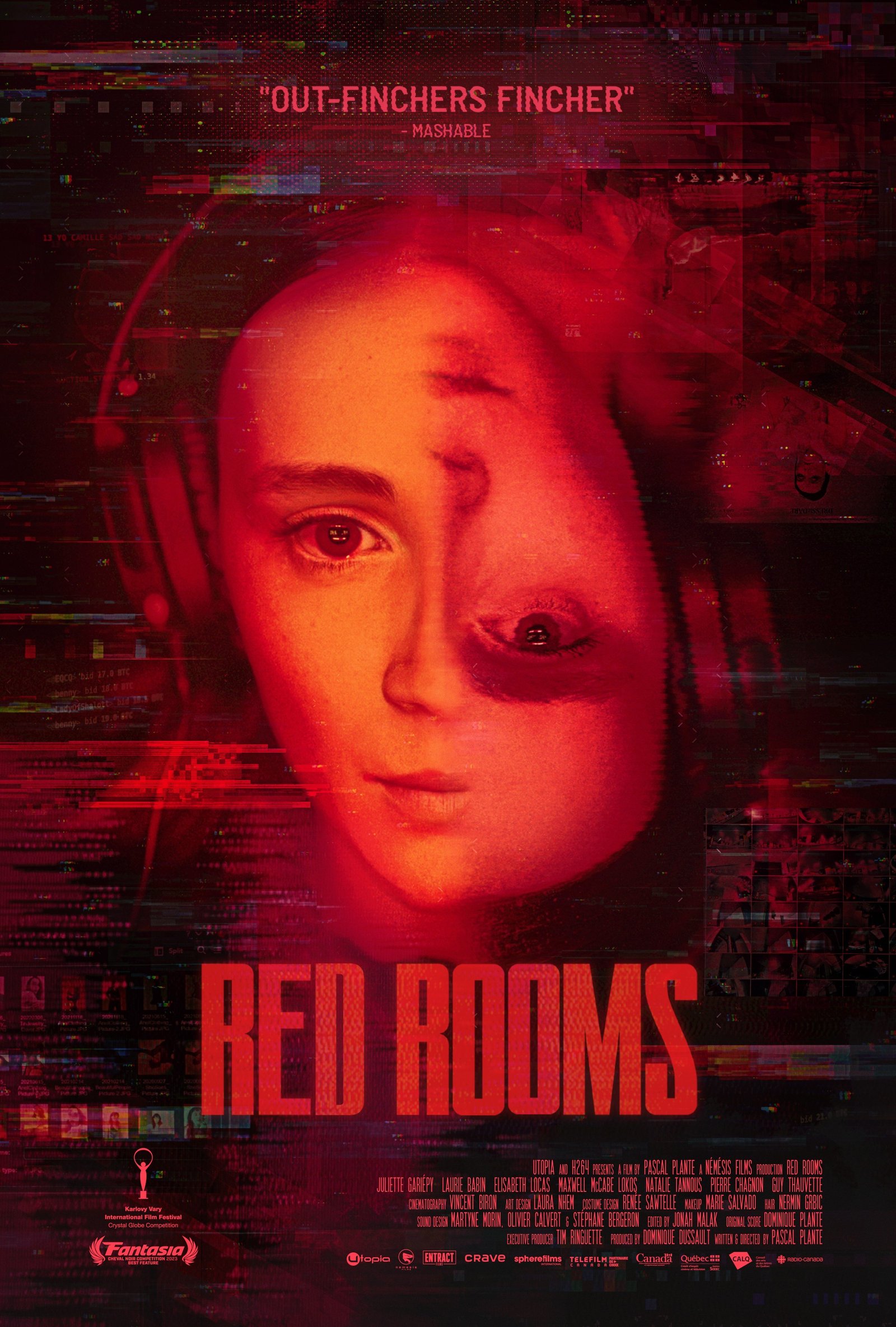
When Film Structure Becomes the Story

Quick Answer

Reservoir Dogs, Strange Darling and Barbarian all use nonlinear or fragmented structure not as decoration but as the actual subject of the film. Reservoir Dogs withholds the diamond robbery to place the audience inside the criminals’ paranoia. Strange Darling presents its six chapters out of order so the audience misjudges the Lady and the Demon exactly as the characters do. Barbarian shifts protagonist, tone and time to reproduce the hidden architecture of its house. The same principle runs through Memento, The Father, Irreversible, Rashomon, One Cut of the Dead, Pulp Fiction, The Place Beyond the Pines and Dunkirk — in every case, telling the story chronologically would keep the same events but destroy the meaning.
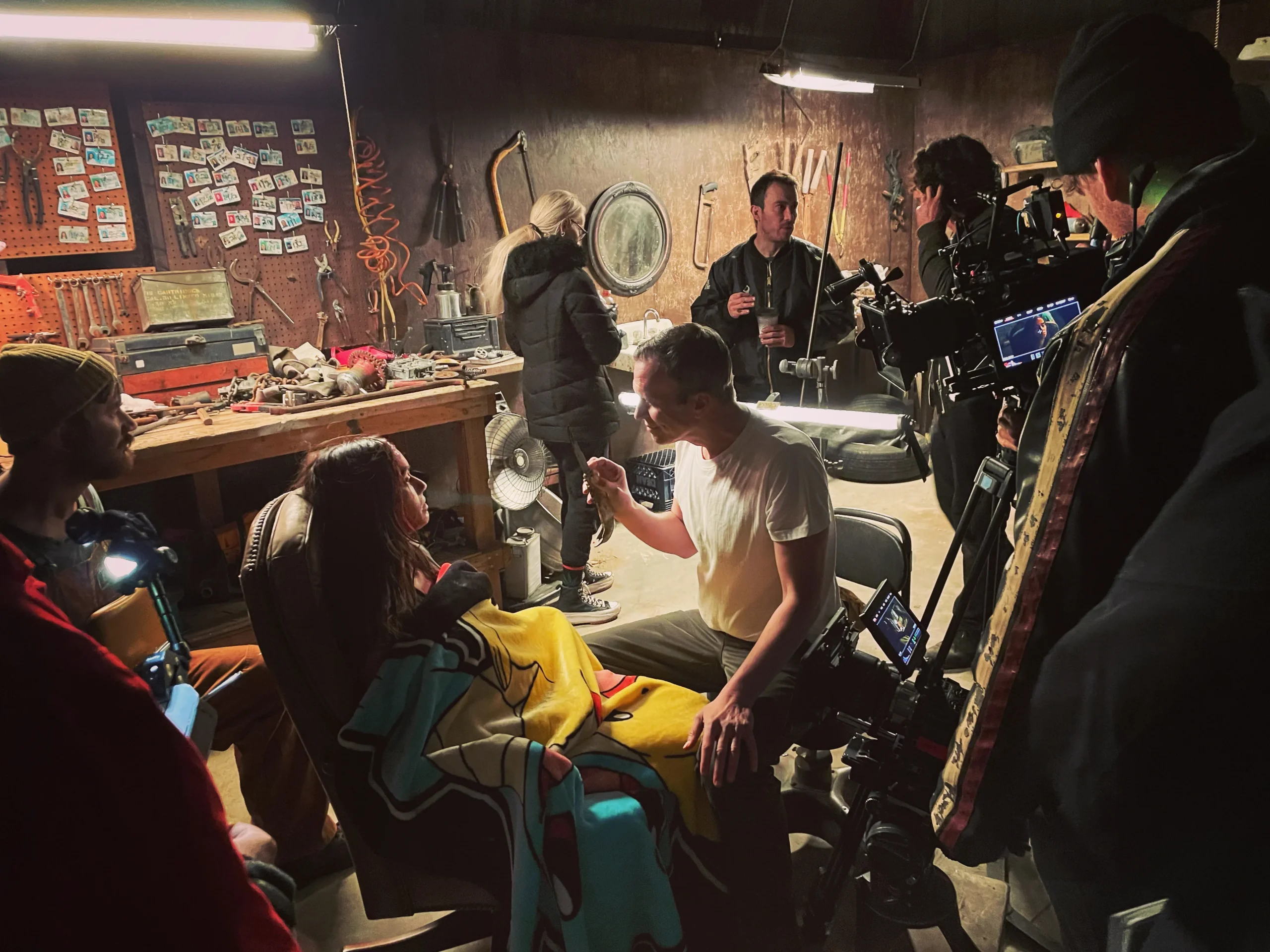
Spoiler Warning

Warning: This article contains major spoilers for Reservoir Dogs, Strange Darling, Barbarian, Memento, The Father, Irreversible, Rashomon, One Cut of the Dead and other films discussed below.

Key Takeaways

  • Reservoir Dogs never shows the robbery, which strips the audience of objective certainty and replaces it with the criminals’ own paranoia.
  • Strange Darling’s out-of-order chapters make the audience misread the Lady and the Demon the same way the characters misjudge each other.
  • Barbarian’s abrupt shifts in protagonist and tone reproduce the hidden, compartmentalised architecture of its central house.
  • Memento, The Father, Irreversible, Rashomon, One Cut of the Dead, Pulp Fiction, The Place Beyond the Pines and Dunkirk each use structure to embody a different experience — damaged memory, dementia, revenge, contested truth, redeemed failure, delayed redemption, inherited violence and divergent timelines.
  • A weak nonlinear film is just a linear film cut into pieces; a strong one becomes impossible to imagine in any other order.
  • For low-budget filmmakers, controlling structure and information can create scale and dramatic power without extra production cost.
French theatrical poster for Reservoir Dogs, showing a wounded gunman standing over a fallen man, split by a red bar across the middle
Three very different films, one shared idea: the order in which a story is told can be the story.

Structure Should Not Sit on Top of the Story

A film can be told out of chronological order for many reasons. Sometimes the filmmaker wants to create suspense, disguise information or begin with a dramatic event rather than waiting for the story to reach it naturally. Nonlinear storytelling can also make a relatively straightforward narrative appear more complex. But film structure becomes genuinely powerful when it is inseparable from the meaning of the story.

In the strongest examples, structure is not decoration and it is not a puzzle placed over an otherwise conventional narrative. The order in which the audience receives information determines how the story is understood emotionally and morally. A chronological version might contain the same events, characters and dialogue, but it would not produce the same experience.

Reservoir Dogs is not organised around the events of a diamond robbery because the film is not really about stealing diamonds. It is about what happens when a criminal organisation loses control of the truth. Strange Darling is divided into six chapters and presented out of order because its subject is not simply a serial-killer pursuit. It is about the assumptions audiences make when presented with familiar images of male violence and female vulnerability. Barbarian appears to abandon its protagonist and start an entirely different film because its story is built around the danger of premature conclusions. Every time the audience believes it understands the house, the threat or even the genre, the film opens another door.

These films do not simply contain unusual structures. Their structures place the audience inside the psychological and thematic experience of the narrative.

Reservoir Dogs: A Heist Film That Refuses to Show the Heist

The most radical structural decision in Reservoir Dogs is that Quentin Tarantino never shows the central robbery. In a conventional crime film, the diamond heist would be the main set piece. The first act might establish the crew and their plan, the second would present the robbery going wrong, and the final section would follow the survivors trying to escape or identify the traitor.

The Reservoir Dogs crew gathered around a diner table during the film's opening breakfast scene
Before the robbery we never see: breakfast, coded names and a crew that hasn’t yet learned it can’t trust itself.

Instead, Reservoir Dogs gives us fragments from before and after the robbery. We see the criminals eating breakfast, receiving their coded names, travelling towards the job and gathering in a warehouse once everything has collapsed. Flashbacks reveal selected pieces of personal history, but the robbery itself remains largely outside the frame.

This was clearly an intelligent low-budget production decision. A contained warehouse, a limited cast and the aftermath of violence are considerably less expensive to stage than a large jewellery robbery followed by police action in the streets. However, the decision is far more important than simple economy. By removing the heist, Tarantino removes objective certainty.

The audience arrives at the warehouse in almost the same condition as the surviving criminals. We know the robbery failed, the police responded with suspicious speed and somebody may have betrayed the group, but we do not possess a complete view of what happened. The film therefore becomes an investigation conducted by frightened men who cannot trust one another.

A tense close-up of Mr Blonde, played by Michael Madsen, inside the warehouse
Without the heist itself as evidence, the audience is left to judge Mr Blonde the same way the other criminals do.

Had the robbery been shown in full, the audience might know who made each mistake. We could have seen how the police arrived, whether a particular character behaved suspiciously or exactly when the plan began to collapse. That information would have placed us above the criminals. Instead, the fragmented structure places us among them. We listen to competing accounts, judge behaviour and attempt to decide whether Mr Blonde’s violence represents loyalty or madness, whether Mr Pink’s suspicion is intelligence or cowardice, and whether Mr Orange’s injuries make him trustworthy or simply vulnerable.

The missing robbery creates the film’s central emotional condition: paranoia.

Information Becomes Power

In Reservoir Dogs, information is distributed according to dramatic impact rather than chronology. The audience does not initially know that Mr Orange is the undercover police officer. We first experience him as the wounded member of the group, bleeding in the back of Mr White’s car and depending on him for survival.

Mr Orange, bloodied and in visible pain, in one of Reservoir Dogs' warehouse scenes
We meet him as a wounded man depending on Mr White for survival — long before we learn what he really is.

Mr White protects him, comforts him and eventually reveals personal information that a professional criminal should never share. Only after that emotional relationship has been established does the film reveal Mr Orange’s real identity.

This order is crucial. If the film began with Mr Orange being recruited by the police, practising his criminal persona and infiltrating the group, the warehouse scenes would primarily be experienced through his fear of exposure. The film would become a conventional undercover thriller in which the audience knows the secret and waits to see whether the other characters discover it.

Instead, Tarantino first allows us to believe in the connection between Mr White and Mr Orange. The later revelation does not simply answer the mystery of the informant. It contaminates the friendship we have already witnessed. Mr Orange is both betrayer and victim, while Mr White is both hardened criminal and emotionally exposed friend. Their relationship becomes tragic because the structure gives us intimacy before truth.

Presented chronologically, Reservoir Dogs might begin with the police recruiting Mr Orange, then show him preparing his cover story, joining the gang, participating in the robbery and attempting to survive the aftermath. That version could still work, but the central question would change. Instead of asking who the informant is, we would ask when the criminals will discover him. Suspicion would become suspense.

Those are not the same experience. Suspense gives the audience knowledge the characters lack. Paranoia deprives everybody of reliable knowledge. Reservoir Dogs needs paranoia because its real subject is the collapse of trust inside a group built entirely upon professional codes.

The story is fractured because the group itself is fractured.

From the reviewOn Reservoir Dogs' fractured trust

The criminals do not know one another’s real names. Their identities have been replaced by colours, and they are expected to behave according to rules of loyalty while being denied the personal bonds that might make loyalty meaningful. The nonlinear structure exposes the contradiction in that system. Every flashback supplies information that the organisation deliberately withheld. The audience gradually learns who these men are while the men continue addressing one another through artificial identities.

The story is fractured because the group itself is fractured.

Strange Darling: Structure as a Weapon Against the Audience

Official poster for Strange Darling, showing a red-haired woman in profile beside a man aiming a rifle
Six chapters, deliberately out of order — and a title that already warns you not to trust what you’re about to see.

JT Mollner‘s Strange Darling uses nonlinear structure more aggressively. The film announces that it will be presented in six chapters, then shows those chapters out of order. This immediately tells the audience that information is being withheld, but it does not explain why.

The Lady, bloodied and dressed in red scrubs, hiding among ferns in a forest in Strange Darling
A bloodied woman running from an armed man — an image the film knows we’ll misread before a single word is spoken.

We initially encounter a bloodied woman, identified as the Lady, running through the landscape while a man called the Demon pursues her with a rifle. The imagery activates a familiar narrative pattern. A frightened woman is being hunted by a violent man, while the labels reinforce that interpretation: she is the Lady and he is the Demon.

The audience begins filling in the missing events before the film has supplied them. That is precisely the trap.

As later chapters reveal, the apparent victim is a serial killer. The man pursuing her is not the original aggressor but someone trying to survive and stop her. The nonlinear structure does not merely protect a twist. It exposes the audience’s dependence on cinematic shorthand.

A bloodied woman fleeing an armed man carries a powerful meaning before either character speaks. The film does not create that meaning from nothing. It borrows it from decades of thrillers, horror films and real-world awareness of male violence against women. The reversal is provocative because the initial assumption is not irrational. It is grounded in recognisable patterns. But the film demonstrates how a valid social understanding can become an unreliable judgement when automatically applied to an individual situation.

The structure makes the audience participate in the error.

Why Strange Darling Could Not Be Told Chronologically

In chronological order, the audience would meet the Lady and the Demon, observe their sexual encounter and understand much earlier that she is manipulating him. We would know she was dangerous before the pursuit began.

The Demon sitting up in a wood-panelled motel bedroom in Strange Darling
Told in order, this scene would give away the twist. Out of order, it becomes something the audience has to reinterpret later.

The later image of her running through the landscape would then function as straightforward dramatic irony: the apparent victim is actually the killer, and the audience knows it. That version would eliminate the film’s central experiential idea.

Strange Darling wants the audience to misread the situation, but more importantly, it wants us to recognise why we misread it. The film uses established cultural and cinematic narratives about gender, vulnerability and violence. Its structure turns those expectations into part of the story.

Each new chapter does more than provide missing plot information. It changes the genre and moral meaning of what has already been shown. The film initially resembles a serial-killer pursuit story with a female victim. It then becomes an erotic thriller, a psychological power game and eventually a story in which the apparent prey actively produces the image of victimhood to manipulate everyone she encounters.

The Lady and the Demon standing face to face in a dimly lit motel room in Strange Darling
By the time these two stand face to face at the farmhouse, the audience’s assumptions about who is hunting whom have already been rewritten.

When the Lady reaches the farmhouse occupied by two older survivalists, the audience has begun to understand her true nature. The tension no longer comes from whether these people will protect her from the Demon. It comes from whether they will believe the performance that previously deceived us.

The Lady understands narrative. She knows what she looks like and understands the credibility of blood, fear and male pursuit. She constructs a version of events that places everyone else into familiar roles. This makes the chapter structure part of her characterisation. She is continually rewriting the story in real time, and the film’s editing reflects that talent.

She does not only kill people. She authors the circumstances in which they misunderstand her.

A conventional twist film often asks whether the audience guessed the truth. Strange Darling asks a more uncomfortable question: why did we believe the first version? The nonlinear structure transforms spectatorship into part of the narrative context. The audience is not a neutral observer solving a mechanical puzzle. We bring assumptions, genre knowledge and moral expectations into every image.

The film uses those expectations against us, then reveals that the killer has been using the same assumptions against the other characters. Form and content become aligned.

Reservoir Dogs and Strange Darling Use Opposite Strategies

Although both films are nonlinear, they use fragmentation differently. Reservoir Dogs withholds information so the audience shares the criminals’ uncertainty. We do not know who the betrayer is, and the structure gradually supplies the truth.

Two of the Reservoir Dogs crew members talking beside a car trunk on the street
Reservoir Dogs makes the audience wait for the truth. Strange Darling makes the audience believe the wrong version first.

Strange Darling withholds information so the audience becomes confidently wrong. We believe we recognise the roles, and the structure gradually destroys that interpretation.

One film creates absence, while the other creates misdirection. Reservoir Dogs effectively tells the audience that it does not have enough information. Strange Darling suggests that the audience has already decided what the available information means.

Writer-director JT Mollner at a Strange Darling premiere event
Writer-director JT Mollner built the entire film around exploiting that second kind of certainty.

That distinction demonstrates why nonlinear storytelling cannot be reduced to simply rearranging scenes. The filmmaker must understand what each order makes the audience feel, know and assume.

Barbarian: Structure as a Series of False Conclusions

Official poster for Barbarian, featuring the film's tagline and a red suitcase
“Come for a night. Stay forever.” — a tagline that already hints the film won’t stay in one genre for long.

Barbarian is less conventionally nonlinear, but its structure is equally inseparable from its narrative subject.

The film begins with Tess arriving at a rental property in Detroit and discovering that Keith is already staying there. The house has apparently been double-booked. The first section is constructed around Tess trying to determine whether Keith is dangerous.

Writer-director Zach Cregger exploits Bill Skarsgård‘s screen association with horror while making Keith’s behaviour slightly awkward but often considerate. Tess remains cautious because the situation itself is dangerous, regardless of whether Keith has bad intentions. The audience studies him with her.

Then the house reveals something far worse beneath it. Keith is killed, Tess is trapped, and the film abruptly cuts from darkness and terror to AJ driving along the California coast.

The change is so complete that it can feel as though another film has started. That sensation is not a side effect. It is the structural event.

AJ driving along the California coast in a convertible in Barbarian
The cut to AJ is so complete it can feel like a different movie has started — that jolt is the point, not a flaw.

AJ initially appears unrelated to Tess, Keith or the underground tunnels. He belongs to a different tonal world: Hollywood satire, masculine self-pity and dark comedy. Eventually, we learn that AJ owns the Detroit house.

This connection is ingenious because it turns the property into the structural centre of the film. Different characters approach the same space while carrying entirely different assumptions. Tess sees a potentially unsafe rental and a strange man. Keith sees an unfortunate booking error and a woman who understandably distrusts him. AJ sees real estate and additional square footage that might increase the property’s value. Frank, revealed through another temporal shift, sees the house and neighbourhood as a private system through which he can imprison and abuse women.

The house does not change. The narrative meaning of the house changes according to who enters it.

The house does not change. The narrative meaning of the house changes according to who enters it.

From the reviewOn Barbarian's central house

Barbarian’s Structure Reproduces Its Architecture

Alternate poster art for Barbarian showing the rental house among a row of Detroit houses under a red sky
An ordinary house on an ordinary street — until the film starts digging beneath it, one revelation at a time.

The architecture of Barbarian contains rooms beneath rooms and histories beneath apparent normality. The film is constructed in the same way.

The rental home appears ordinary. A hidden door reveals a corridor. The corridor reveals a room. The room opens into tunnels, and the tunnels lead backwards through decades of violence. Every structural shift is another descent.

The Mother creature reaching out through a basement window in Barbarian
The film wants us to fear her first, and only recognise her as another victim once the structure has delayed that context.

The cut to AJ feels like leaving the story, but it actually moves us into another layer of it. The flashback to Frank appears to interrupt the present-day survival narrative, but it reveals the origin of the space and corrects our understanding of the apparent monster.

The film’s form therefore imitates its central location. Both are compartmentalised structures containing concealed connections.

A linear version beginning with Frank, moving through the decline of the neighbourhood and eventually reaching Tess would destroy the experience. The audience would know what existed beneath the house before Tess arrived. The rental sequence would become suspense rather than uncertainty.

More importantly, the Mother would initially appear as the product of Frank’s crimes rather than as an unexplained monster. The film wants the audience to fear her before recognising her as another victim. The delayed context changes the moral alignment of the story.

By the ending, the true barbarism belongs less to the creature than to Frank and, in a more ordinary contemporary form, AJ. The Mother is violent, but her violence exists inside a grotesque imitation of maternal protection created by generations of abuse. AJ, meanwhile, repeatedly converts other people’s suffering into a story about himself.

The structure allows the apparent monster to become tragic and the apparent comic relief to become morally monstrous.

Memento: A Structure Built From Damaged Memory

Christopher Nolan‘s Memento may be the clearest modern example of structure directly embodying narrative context.

Leonard cannot form new long-term memories. He can understand the present moment, but the context surrounding it continually disappears. The film’s main colour sequences are presented in reverse chronological order. Each begins before the scene that previously appeared, meaning the audience repeatedly enters situations without knowing what immediately caused them.

This recreates Leonard’s condition structurally. We may remember earlier scenes in the film, but because those scenes occur later in the story, they cannot provide stable causal understanding. Like Leonard, we continually find ourselves inside events without knowing how we arrived there.

A second series of black-and-white scenes moves chronologically forward, and the two strands eventually meet. The film is not simply using reverse order to conceal the ending. It forces us to share Leonard’s dependence on immediate impressions.

A person appears helpful, so we temporarily trust them. A person appears threatening, so we temporarily fear them. We cannot reliably test those impressions against preceding events because the film has withheld them.

Chronological order would turn Memento into a story about a man manipulating his own damaged memory. Reverse order makes the audience experience why that manipulation is possible.

The Father: Form as Cognitive Decline

Florian Zeller‘s The Father uses continuity itself as an unreliable element.

Anthony lives in a London flat and is experiencing dementia, but the film does not simply show him becoming confused while maintaining an objective world around him. Rooms change, actors change and relationships appear to alter. A person who seemed to be his daughter may later have a different face. The flat may belong to Anthony, or it may belong to somebody else.

The audience continually attempts to stabilise the environment, just as Anthony does.

A conventional version might present scenes from his daughter’s perspective, allowing us to observe his decline with compassion but also with security. We would know where he was, who everyone was and which version of events was correct. Instead, the film removes that security.

Its fractured continuity gives dementia a cinematic form. The structure is not asking the audience to solve the apartment like a puzzle. It gradually makes the desire for a stable answer feel painful and futile.

By the ending, narrative disorientation has become emotional vulnerability.

Irreversible: Revenge Before Grief

Gaspar Noé‘s Irreversible presents its scenes in reverse chronological order, beginning with violent revenge and moving backwards towards the event that motivated it.

In a conventional revenge narrative, the audience first witnesses suffering and then follows the characters towards retaliation. The violence may be horrifying, but the structure often encourages anticipation and sometimes satisfaction.

Irreversible denies that progression. We see the revenge first, chaotic and morally uncertain. Only later do we discover the assault that triggered it. Later still, we encounter the characters before the night destroyed their lives.

The reverse order strips revenge of catharsis. The audience cannot imagine that violence will repair what happened because we have already seen that it does not. As the film travels backwards, its emotional movement is not towards justice but towards lost innocence.

Each earlier scene becomes more painful because we know what the characters do not. The film ends not with consequence but with possibility: a life still intact, a relationship still hopeful and a future already destroyed in the audience’s memory.

The structure changes the subject from revenge to irreversibility.

Rashomon: Contradictory Structure and the Nature of Truth

Akira Kurosawa‘s Rashomon retells the same violent event through several incompatible testimonies. The structure does not move towards a simple forensic answer. Each version reflects the needs, pride and self-image of the person telling it.

The bandit’s story preserves his masculinity. The wife’s account reflects shame, rejection and desperation. The dead samurai, speaking through a medium, presents a version that protects his honour. Even the woodcutter’s testimony proves compromised.

The repeated structure makes truth inseparable from narration. The question is not merely what happened, but why each person needs the event to have happened in a particular way.

An objective flashback would resolve the uncertainty but destroy the film’s central idea. Rashomon is not withholding the correct version as a trick. It is examining whether human beings are capable of telling a story that does not protect their identity.

Did You Know?

Rashomon’s structure is so influential that psychologists and journalists now use the term “the Rashomon effect” to describe any situation where multiple witnesses to the same event give irreconcilably different, self-serving accounts of it.

One Cut of the Dead: Structure Rehabilitates Failure

One Cut of the Dead begins as an apparently cheap and technically awkward zombie film photographed in one continuous take. Performances seem exaggerated, timing appears strange, camera movements look accidental and events occur without satisfying explanation.

Then the film restarts from another perspective. We discover that the opening section was the live broadcast of a low-budget production collapsing behind the scenes. The remainder of the film reveals how actors and crew members improvised solutions to practical disasters.

Every apparent flaw in the opening is reinterpreted as an achievement. A strange performance has a production explanation. An awkward camera movement reflects a crew emergency. An apparently meaningless pause becomes evidence of people desperately trying to keep the broadcast alive.

The structure transforms embarrassment into admiration. The first section asks us to judge the finished film, while the second asks us to understand the labour behind it.

For independent filmmakers, this is particularly moving because the structure expresses a truth about production: the audience sees only the result, while the filmmakers carry the invisible history of every compromise, accident and solution.

A chronological version showing the preparation and then the broadcast would still be amusing, but it would not create the same emotional reversal. We need to dislike the apparent failure before discovering the human achievement inside it.

Pulp Fiction: Structure Creates Thematic Rhymes

Tarantino develops the principle further in Pulp Fiction, where several interconnected crime stories are presented outside chronological order.

The most famous structural effect is Vincent Vega’s death. Vincent is killed during Butch’s story, but because the film later returns to an earlier point in the chronology, he reappears in the final section. This allows the film to end with Vincent alive even though the audience knows his future contains an undignified death.

More importantly, the structure places Jules’s spiritual transformation at the emotional conclusion. Chronologically, Jules decides to leave criminal life before Vincent accompanies Marsellus Wallace to Butch’s apartment. Vincent dismisses Jules’s revelation and continues as before. He later dies because he remains careless, complacent and committed to the same existence.

By ending at the diner, the film concludes with the character who recognises the possibility of change rather than the character who fails to change.

Chronology would place Butch’s escape later and Vincent’s death after Jules’s decision, reducing the spiritual resonance of the ending. The selected order makes redemption, rather than survival, the final subject.

The Place Beyond the Pines: Structure as Inherited Consequence

Derek Cianfrance‘s The Place Beyond the Pines performs a radical protagonist handoff. The film begins with Luke, a motorcycle stunt rider who turns to bank robbery after discovering that he has a young son. His story appears capable of sustaining the entire film.

Then Luke is killed.

The narrative transfers to Avery, the police officer who shot him, and later moves towards the teenage sons of both men. The structure spans generations because the subject is inheritance.

Violence does not end when the apparent protagonist dies. It enters another family, another career and eventually another generation. The sons inherit consequences they did not create but cannot avoid.

A conventional film might intercut the families from the beginning, but the serial structure makes each transfer feel like a life being interrupted by the unresolved actions of another. The protagonist role itself is inherited alongside guilt, privilege and damage.

Dunkirk: Different Timelines, Different Experiences of Time

Christopher Nolan’s Dunkirk organises its narrative around three timelines: one week on the beach, one day aboard a civilian boat and one hour in the air. The film intercuts these periods so that they converge during the evacuation.

This is not complexity for its own sake. Each location produces a different experience of time.

For the soldiers waiting on the beach, survival feels prolonged and static. Days pass under the threat of attack. For civilians crossing the Channel, the mission occupies a single day. For fighter pilots, fuel creates an immediate countdown measured in minutes.

The structure translates these different pressures into editing rhythm. Chronological uniformity would flatten them. Treating every event as though it unfolded on the same temporal scale would fail to express the subjective urgency of each experience.

The timelines converge because the evacuation itself depends on separate forms of courage arriving at the same moment.

Structure Must Change Meaning

Unconventional structure becomes worthwhile when it changes more than the order of events. It should alter the audience’s relationship with character, information, morality or time.

In Reservoir Dogs, the missing robbery forces us into the criminals’ paranoia. In Strange Darling, the chapter order turns our assumptions into part of the killer’s weapon. In Barbarian, the radical shifts in protagonist and tone reproduce the hidden architecture of the house. In Memento, reverse chronology gives damaged memory a cinematic form, while The Father makes continuity itself unreliable.

Irreversible removes catharsis from revenge by showing consequence before cause. Rashomon uses contradictory testimony to question the possibility of objective truth. One Cut of the Dead transforms apparent failure into collective achievement, and The Place Beyond the Pines allows violence and guilt to pass structurally from one generation to the next.

These films could all be rearranged chronologically, but their essential meaning would change. That is the test.

A nonlinear film should not simply make the audience work harder to understand the plot. Its form should make the audience feel something that chronological storytelling could not produce as effectively.

Pro Tip for Rewatching

On a second viewing of any of these films, try to notice exactly which piece of information the structure is delaying at each cut — the robbery, an identity, a location, a cause. That withheld piece is almost always the film’s real subject, not a side detail.

Why This Is Valuable for Low-Budget Filmmakers

For an independent filmmaker, structure can create scale without requiring additional physical production.

A larger budget may offer more locations, set pieces, extras, visual effects and shooting days. A smaller film can expand through perspective, chronology and the controlled release of information. The same room can carry different meanings when entered by different characters. An event can become more powerful when its cause is delayed. A missing sequence can generate suspense more effectively than an expensive sequence shown in full.

Behind-the-scenes photo of the crew filming outside the numbered rental house from Barbarian, with a clapperboard visible
One rental house, reused across several timelines and characters — the kind of scale a small crew can actually afford to build.

Reservoir Dogs is the obvious example. By refusing to show the robbery, the film avoids its most expensive potential sequence and simultaneously creates its defining dramatic strength. The missing event becomes more valuable than the spectacle might have been.

Strange Darling derives much of its power from arrangement rather than scale. The roads, motel rooms and farmhouse are relatively contained, but the chapter order repeatedly changes the audience’s understanding of them. Barbarian uses one central property and its hidden spaces to generate several different films, each organised around a different character and moral perspective.

This does not mean nonlinear structure is a shortcut. It demands precision. Every withheld piece of information must eventually produce meaning rather than merely explanation. Every perspective shift must reveal something the previous perspective could not. Every structural surprise should feel inevitable once the audience understands the design.

A weak nonlinear film is simply a linear film cut into pieces. A strong one becomes impossible to imagine in any other order.

A weak nonlinear film is simply a linear film cut into pieces. A strong one becomes impossible to imagine in any other order.

From the reviewOn weak vs. strong nonlinear structure

Final Thoughts

Film structure is at its most powerful when it is not visible as a separate mechanism sitting above the narrative. It should feel like the natural shape of the story’s subject.

Reservoir Dogs is fractured because trust has collapsed and no one possesses the whole truth. Strange Darling is presented out of order because the killer survives by controlling the order in which people understand her. Barbarian changes protagonist, tone and time because the house contains different stories built on top of one another, each concealing a deeper layer of violence.

The same principle runs through the other films discussed here. Memento forgets its own causes. The Father cannot maintain a stable reality. Irreversible travels backwards from vengeance towards the life that vengeance cannot restore. Rashomon retells one event because truth changes in the hands of every storyteller. One Cut of the Dead shows us the result before revealing the effort that made it possible.

These structures are not clever simply because they are unusual. They are clever because they convert narrative context into cinematic experience.

The best structural decision is not the one that makes the film appear complicated. It is the one that allows the audience to experience the story in the only order that reveals what the story is truly about.

Behind-the-scenes photo of the actor posing in the Mother creature's costume alongside a cast member
Behind every structural trick discussed here is a practical crew finding the cheapest way to make an idea feel inevitable.

Frequently Asked Questions

No. Quentin Tarantino deliberately never shows the robbery itself. The film only gives the audience what happens before it (recruitment, breakfast, the coded names) and after it (the wounded survivors gathering in the warehouse), which is what creates the film’s central mood of paranoia rather than suspense.

Writer-director JT Mollner structures the film this way so the audience first misjudges the Lady and the Demon based on familiar genre imagery, then has to reinterpret everything once later chapters reveal who is really hunting whom. Telling the story in order would give away the reversal immediately.

The film deliberately delays this answer. The Mother is violent and dangerous, but the structure eventually reveals her as the product of decades of abuse inflicted by Frank, which recasts her as a victim of the house’s history rather than a simple monster.

No. They have three different writer-directors: Quentin Tarantino directed Reservoir Dogs, JT Mollner directed Strange Darling, and Zach Cregger directed Barbarian. The article groups them because of a shared approach to structure, not a shared filmmaker.

The article also discusses Memento, The Father, Irreversible, Rashomon, One Cut of the Dead, Pulp Fiction, The Place Beyond the Pines and Dunkirk as further examples where structure is inseparable from the story’s meaning rather than a stylistic add-on.

Learn More About Blood Star

If you’re interested in how independent filmmakers create ambitious thrillers on limited budgets, you can explore more about Blood Star, including its cast, production and behind-the-scenes story.

If you’d like to watch the film, visit the Blood Star Watch Page to see where it’s currently available to stream or purchase.