Quick Answer
The greatest horror movies include The Exorcist, The Shining, Alien, Jaws, The Texas Chain Saw Massacre, Psycho, The Thing, Halloween, The Silence of the Lambs and The Blair Witch Project. Each transformed the genre by introducing a new monster, filmmaking technique, psychological fear or approach to suspense.
The best horror movies of all time do more than frighten us. They alter the way we see an empty corridor, a darkened window, an unfamiliar face or the apparently harmless person standing on the other side of a door. Their images survive long after their plots begin to fade, returning at precisely the moment we would rather not remember them.
Horror is sometimes treated as a lesser genre: an efficient delivery system for monsters, violence and sudden shocks. Yet many of cinema’s greatest directors have understood that fear offers filmmakers an unusually direct route into the imagination. Horror can expose social anxieties, turn grief into something physical, make the familiar feel dangerous and confront audiences with thoughts that more respectable genres often avoid.
The films on this list were selected not simply because they are scary, but because they expanded what horror movies could accomplish. Some invented a visual language that generations of filmmakers copied. Others found new ways to build suspense, use sound, manipulate space or transform ordinary human behaviour into something terrifying.
As the director of the independent desert thriller Blood Star, I am particularly drawn to horror films that create pressure through framing, geography, performance and anticipation. A large budget can create spectacle, but it cannot manufacture dread. The films that remain with us usually begin with a precise idea, a director who understands where the audience is looking and the discipline to delay what we most fear seeing.
This is not a list based on box-office totals or aggregated review scores. It is a filmmaker-led selection of 50 essential horror movies spanning silent cinema, supernatural horror, psychological terror, science fiction, slashers, body horror, folk horror, survival films and the modern independent resurgence.
Quick Answer: What Are the Best Horror Movies of All Time?
The greatest horror movies include The Exorcist, The Shining, Alien, Jaws, The Texas Chain Saw Massacre, Psycho, The Thing, Halloween, The Silence of the Lambs and The Blair Witch Project. Each transformed the genre by introducing a new monster, filmmaking technique, psychological fear or approach to suspense.
For viewers beginning their journey through horror, these ten films provide the strongest foundation:
- The Exorcist
- The Shining
- Alien
- Jaws
- The Texas Chain Saw Massacre
- Psycho
- The Thing
- Halloween
- The Silence of the Lambs
- The Blair Witch Project
What Makes a Great Horror Movie?
A frightening premise is only the beginning. The best horror films control what the audience knows, what it can see and how long it must wait. They establish rules, create vulnerability and then use framing, editing, performance and sound to make those rules feel increasingly unstable.
The greatest examples also have something beneath the fear. The Exorcist is about faith and parental helplessness. The Shining is about isolation, addiction and domestic violence. Get Out uses horror to expose social control, while The Babadook turns unresolved grief into a creature that cannot simply be defeated.
This deeper meaning does not make those films less entertaining. It gives the fear weight. A jump scare lasts for a second; an idea can remain for years.
How These Horror Movies Were Chosen
The list considers five qualities:
- The effectiveness of the film’s horror
- Its influence on later filmmakers
- The originality of its central idea
- The strength of its direction, sound and visual storytelling
- Its ability to remain powerful beyond its original period
The ranking is inevitably subjective. Horror reaches different people through different fears. Some viewers are disturbed by supernatural forces, while others find realistic human cruelty far more frightening. The purpose of the list is therefore not to declare one final, mathematically correct order, but to identify the films that most successfully expanded the possibilities of the genre.
The 50 Best Horror Movies of All Time
50. The Descent (2005)
Director: Neil Marshall
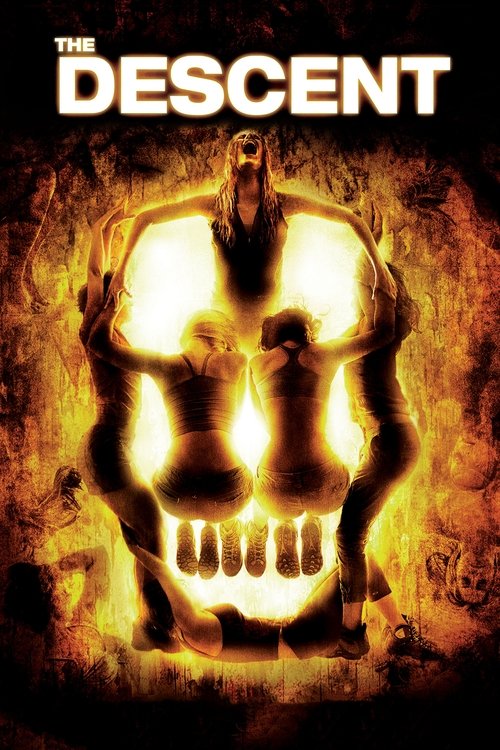
A group of friends enters an unexplored cave system and discovers that the darkness contains more than narrow passages and unstable rock. Neil Marshall makes the location terrifying long before the creatures arrive. The women must squeeze through spaces barely wider than their bodies, crawl into darkness and continue deeper without knowing whether a route out still exists.
That physical claustrophobia gives The Descent a power that its monsters alone could never provide. The characters are also carrying grief, resentment and buried conflict underground with them. The cave becomes both a literal trap and an emotional pressure chamber in which friendship begins to fracture.
49. Audition (1999)
Director: Takashi Miike

Takashi Miike’s Audition begins so quietly that an unsuspecting viewer might mistake it for an unusual romantic drama. A lonely widower participates in a false audition arranged to help him meet a potential partner. He becomes fascinated by Asami, a reserved young woman whose apparent vulnerability conceals something far more dangerous.
The film’s patience is its greatest weapon. Miike allows affection, curiosity and uncertainty to develop before violently changing the terms of the story. Once the shift occurs, everything that appeared gentle becomes sinister in retrospect.
48. The Wicker Man (1973)
Director: Robin Hardy
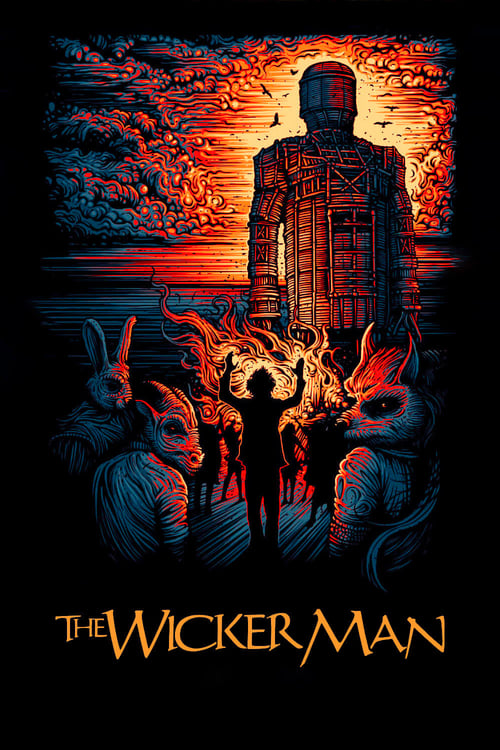
A devout police officer travels to a remote Scottish island to investigate the disappearance of a young girl. The islanders deny that she ever existed, but their evasions gradually reveal a community governed by rituals and beliefs entirely different from his own.
Robin Hardy creates horror through cultural isolation. The protagonist believes his authority and certainty will protect him, yet every conversation moves him further into a world he cannot control. The unforgettable ending works because it is not a sudden twist imposed upon the story. It is the completion of a ritual that has been unfolding in plain sight.
47. Saw (2004)
Director: James Wan
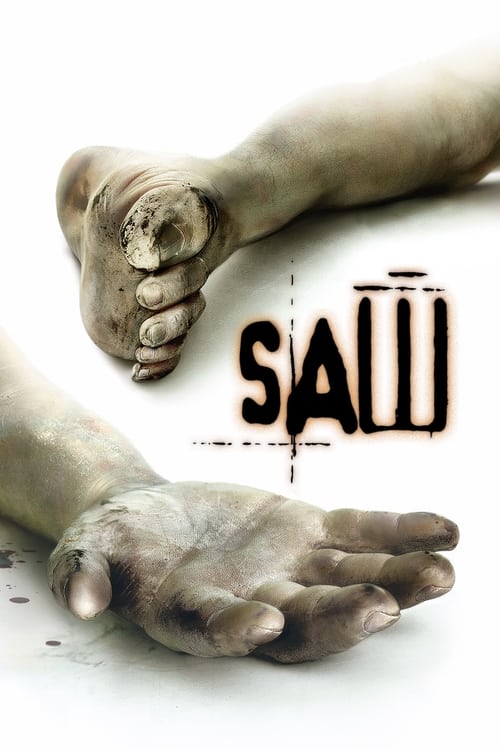
Before its sequels turned elaborate traps into the franchise’s defining attraction, the original Saw was a contained psychological thriller built around a simple, powerful situation. Two strangers wake chained inside a filthy room with a dead body between them and incomplete instructions explaining how they might escape.
James Wan and writer Leigh Whannell use limited resources intelligently. Much of the horror comes from uncertainty, time pressure and the gradual reconstruction of events outside the room. The film’s influence can be seen in countless contained thrillers, escape-room stories and low-budget horror productions that followed.
46. The Innocents (1961)
Director: Jack Clayton
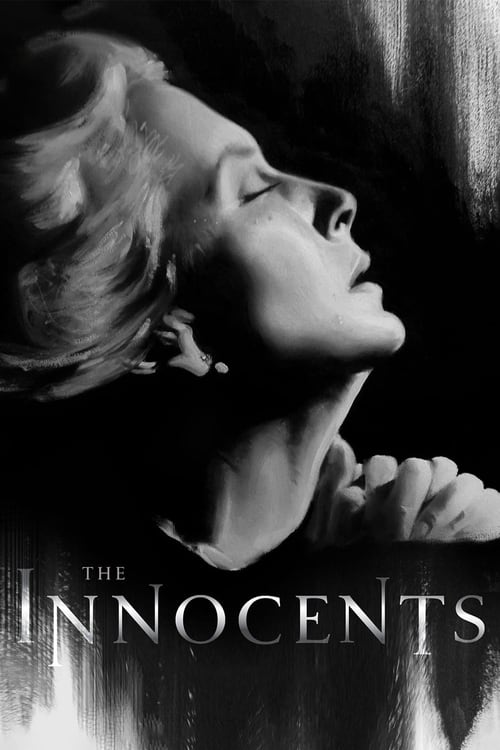
A governess arrives at an isolated country estate to care for two orphaned children and becomes convinced that unseen forces are influencing them. Jack Clayton turns grand rooms, distant figures and whispered conversations into sources of profound unease.
The film never completely resolves whether the supernatural threat is real or whether the governess is imposing her own fears upon the children. That uncertainty is essential. Every image can be interpreted in more than one way, making The Innocents both a ghost story and a disturbing psychological portrait.
45. The Fly (1986)
Director: David Cronenberg
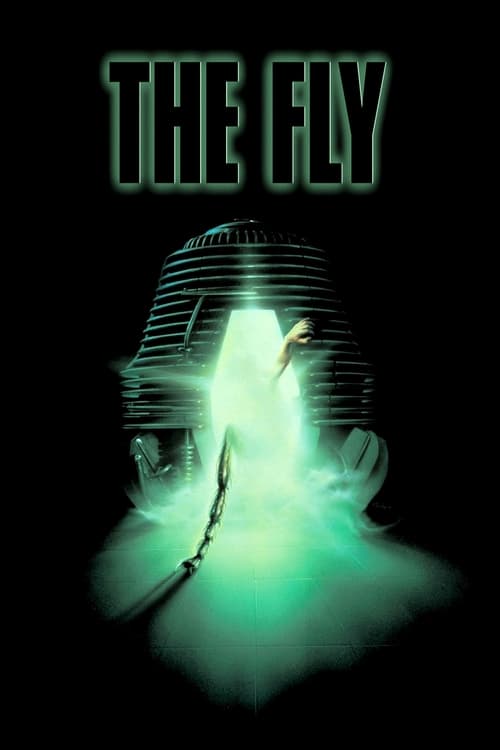
David Cronenberg transforms a science-fiction premise into a tragedy about bodily decay, ambition and the terror of losing control over one’s physical identity. Jeff Goldblum plays a scientist whose teleportation experiment accidentally fuses his DNA with that of a fly.
The transformation is horrifying because it unfolds gradually. At first, his altered body appears stronger and more capable. Only later does the process reveal itself as irreversible deterioration. Beneath the extraordinary practical effects is a painfully human story about a couple watching illness destroy the person they knew.
44. The Cabin in the Woods (2011)
Director: Drew Goddard
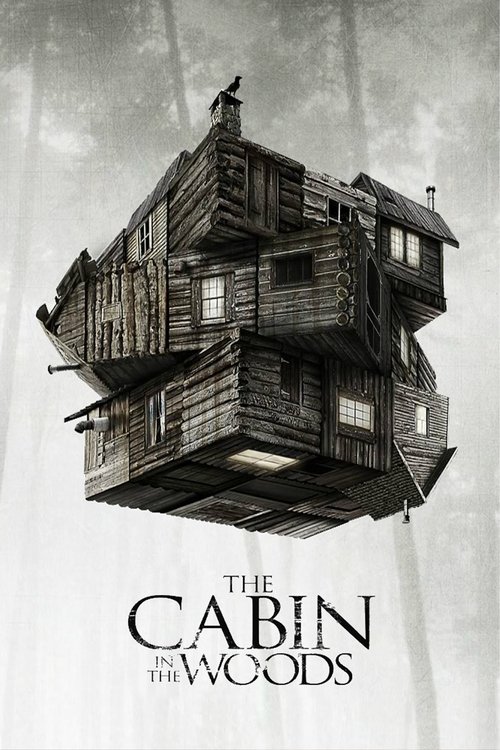
A group of students visits an isolated cabin and begins behaving exactly as characters in a conventional horror movie are expected to behave. The difference is that someone is watching, manipulating the environment and attempting to ensure that every familiar genre beat occurs on schedule.
Drew Goddard and co-writer Joss Whedon construct both a horror film and a critique of the machinery behind one. It is funny, inventive and unusually affectionate toward the clichés it dismantles. Rather than merely mocking the genre, it asks why audiences continue to demand the same ritual sacrifices.
43. Candyman (1992)
Director: Bernard Rose
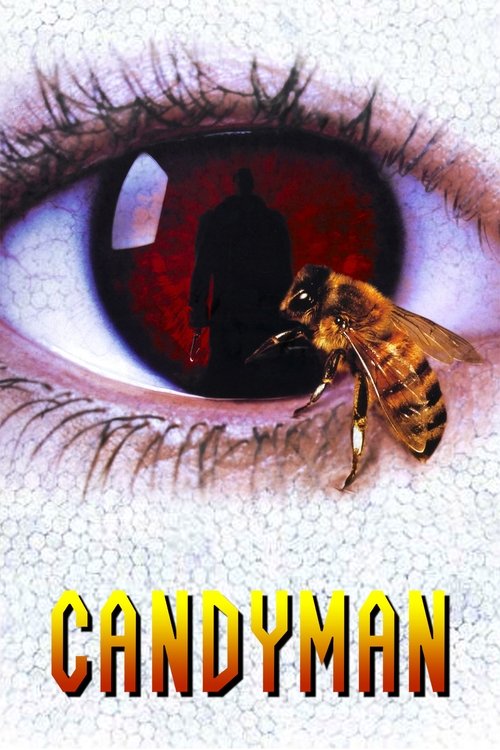
A graduate student investigating an urban legend becomes consumed by the story of Candyman, a murdered man said to appear when his name is repeated five times before a mirror. Her research takes her into a neglected Chicago housing development where folklore, violence and social abandonment have become inseparable.
Bernard Rose treats the legend with seriousness and visual elegance. Philip Glass’s haunting score gives the story the quality of a tragic myth, while Tony Todd creates a villain who is seductive, mournful and terrifying. Candyman understands that legends survive because communities need stories through which to express real trauma.
42. The Others (2001)
Director: Alejandro Amenábar
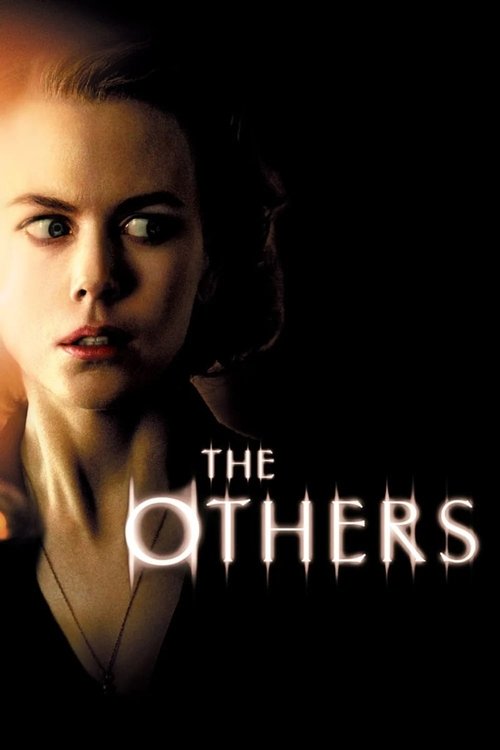
A mother and her two light-sensitive children live in a vast, darkened house while waiting for her husband to return from war. Doors must remain locked, curtains remain closed and every room must be carefully controlled. When unfamiliar servants arrive and strange sounds begin moving through the house, that fragile order starts to collapse.
Alejandro Amenábar builds the film around silence, absence and withheld information. Nicole Kidman’s performance gives the story emotional gravity, ensuring that its mystery never overwhelms its themes of grief, denial and isolation.
41. The Omen (1976)
Director: Richard Donner
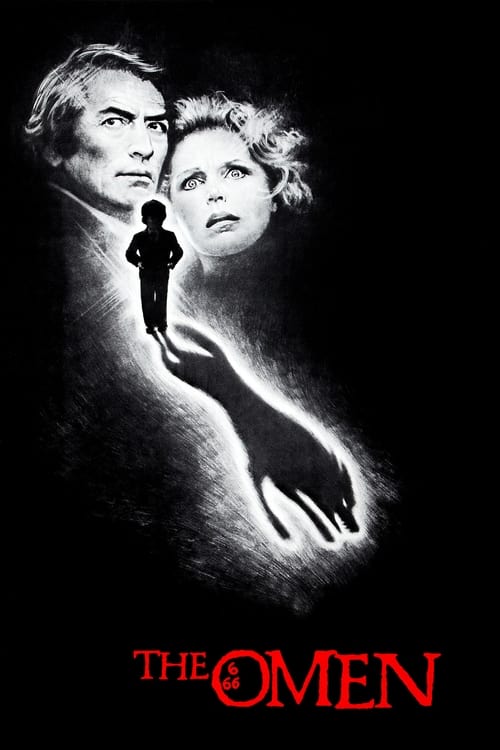
An American diplomat secretly replaces his stillborn child with another infant, only to discover years later that the boy may be the Antichrist. Richard Donner approaches the material with a seriousness that prevents its religious mythology from becoming absurd.
The horror develops through coincidence, prophecy and the gradual destruction of rational explanations. Jerry Goldsmith’s choral score gives the film an enormous sense of approaching evil, while several precisely staged deaths remain among the most memorable set pieces in mainstream horror.
40. A Nightmare on Elm Street (1984)
Director: Wes Craven

Wes Craven found the perfect place for a horror villain to attack: the one space every person must eventually enter. Freddy Krueger pursues teenagers through their dreams, where physical rules collapse and escape depends upon waking before it is too late.
The concept allowed Craven to move effortlessly between suburban reality and surreal nightmare. Freddy later became a comic pop-culture figure, but the original film presents him as something far darker: a predator capable of transforming familiar spaces into traps governed entirely by his imagination.
39. Let the Right One In (2008)
Director: Tomas Alfredson
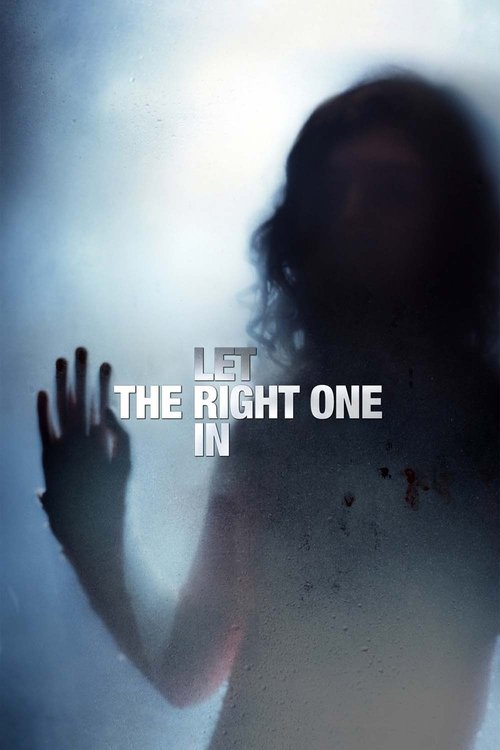
A bullied boy living in a cold Swedish suburb befriends a mysterious child who appears only at night. Their relationship gradually reveals a darker reality involving blood, dependency and an adult companion whose life has been organised around protecting her.
Tomas Alfredson treats vampirism not as spectacle but as loneliness. Snow-covered courtyards, dim apartment blocks and long silences give the film a melancholy atmosphere that separates it from conventional vampire stories. Its tenderness and violence are never easily divided.
38. The Conjuring (2013)
Director: James Wan
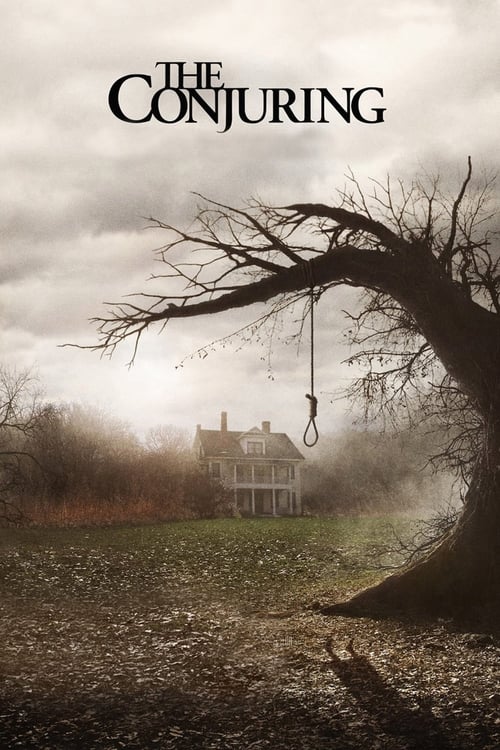
Paranormal investigators Ed and Lorraine Warren attempt to help a family whose farmhouse appears to be occupied by a malevolent presence. The premise is familiar, but James Wan’s control of timing, camera movement and spatial geography gives it renewed force.
Wan frequently lets the audience understand the shape of a room before introducing the threat. A doorway, wardrobe or dark corner becomes frightening because we have been encouraged to study it. The result helped return classical haunted-house filmmaking to the centre of mainstream horror.
37. Ringu (1998)
Director: Hideo Nakata
A journalist investigates a videotape said to kill anyone who watches it seven days later. The recording contains disconnected, disturbing images that appear meaningless until she begins uncovering their origin.
Hideo Nakata makes technology feel contaminated. The television, once a passive object in the home, becomes an opening through which something can enter. Ringu influenced an international cycle of supernatural films and created one of modern horror’s most instantly recognisable images.
36. Eraserhead (1977)
Director: David Lynch
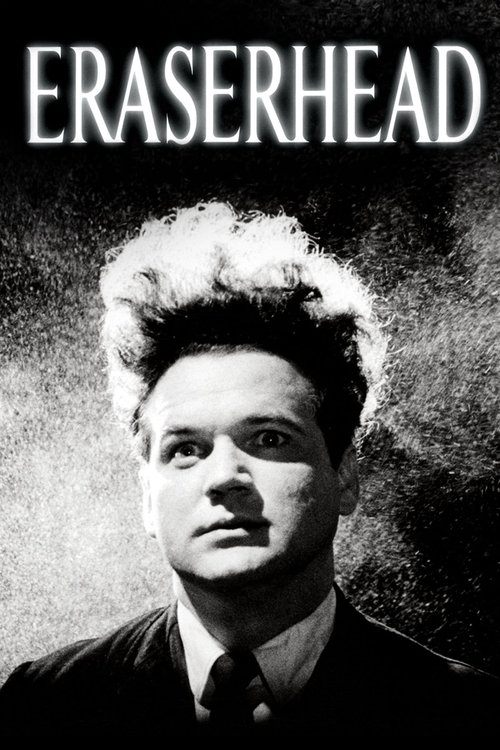
A withdrawn factory worker attempts to care for a deformed infant while his industrial surroundings become increasingly oppressive and unreal. David Lynch transforms anxiety about parenthood, sexuality and domestic responsibility into a nightmare that resists conventional explanation.
Its sound design is inseparable from its imagery. Machinery groans, pipes hiss and rooms seem to vibrate with invisible pressure. Eraserhead remains one of cinema’s purest examples of horror created through atmosphere, texture and subconscious fear.
35. The Babadook (2014)
Director: Jennifer Kent

A widowed mother struggling to raise her troubled son discovers a disturbing children’s book about a creature called the Babadook. Once read, the book appears impossible to remove, and its presence begins spreading through the house.
Jennifer Kent uses the monster to give physical form to grief, resentment and exhaustion. The film’s most important idea is that some forms of pain cannot be killed or neatly overcome. They must be acknowledged, contained and lived with.
34. The Ring (2002)
Director: Gore Verbinski

Gore Verbinski’s American adaptation of Ringu retains the original story’s central curse while creating its own bleak, rain-soaked visual world. Naomi Watts plays a journalist racing to understand the videotape after both she and her son watch it.
The film expands the investigative mystery and gives the cursed imagery a tactile, decaying quality. Its most famous sequence demonstrated that a familiar domestic object could still become the source of an extraordinary theatrical scare.
33. Poltergeist (1982)
Director: Tobe Hooper

A suburban family discovers that supernatural forces have entered their home and become fixated on their youngest daughter. What begins with objects moving and strange voices emerging from the television soon develops into a struggle to recover the child from another realm.
Tobe Hooper combines the warmth of a family adventure with the imagery of a haunted-house nightmare. The film helped redefine supernatural horror for mainstream audiences by placing extraordinary terror inside an ordinary suburban home.
32. A Tale of Two Sisters (2003)
Director: Kim Jee-woon
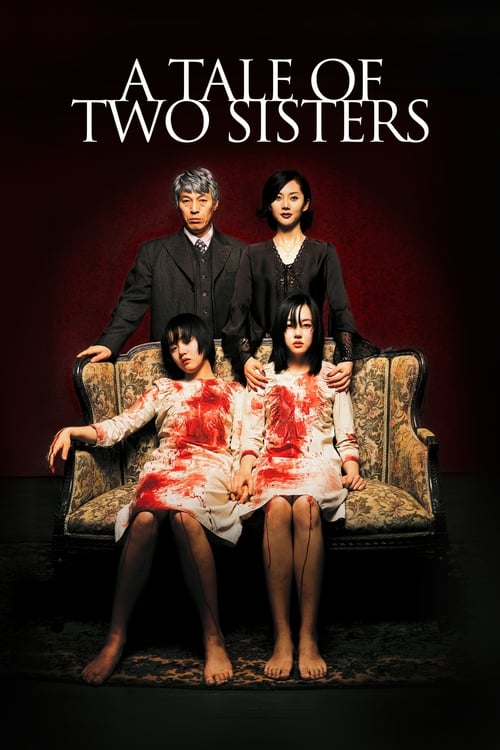
Two sisters return to their family home after a period of psychiatric treatment, where they face their emotionally distant father, hostile stepmother and an increasingly threatening presence inside the house. Memory, grief and supernatural fear gradually become impossible to separate.
Kim Jee-woon creates one of Korean horror cinema’s most visually elegant films. Its carefully controlled interiors, fragmented memories and restrained performances transform the family home into a space shaped by repression. As the mystery resolves, the haunting becomes more tragic rather than less frightening.
31. Scream (1996)
Director: Wes Craven
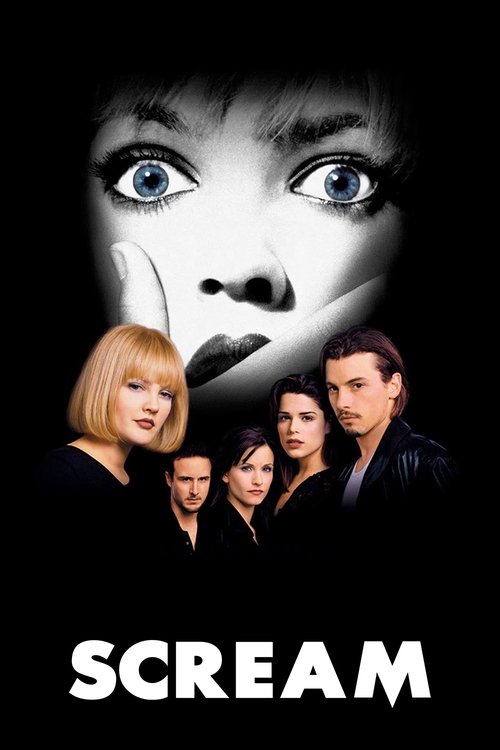
A masked killer targets teenagers who understand the rules of horror films almost as well as the audience. They know that characters should not investigate strange noises, split up or assume the killer is dead. Their knowledge does not save them.
Wes Craven and writer Kevin Williamson revived the slasher by allowing it to recognise its own history. Scream is witty and self-aware without sacrificing suspense. Its opening sequence remains a masterclass in reversing expectations and establishing that familiarity offers no protection.
30. The Sixth Sense (1999)
Director: M. Night Shyamalan
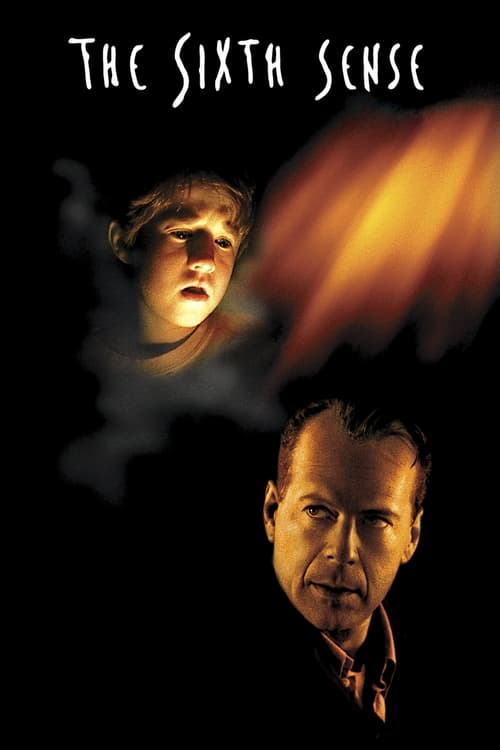
A child psychologist begins treating a frightened boy who claims he can see dead people. Rather than treating the ghosts purely as threats, M. Night Shyamalan presents many of them as figures trapped by unfinished pain.
The film is remembered for its final revelation, but its lasting strength lies in atmosphere and emotional restraint. Haley Joel Osment and Toni Collette give the supernatural story an intimate human foundation, particularly in a quiet car conversation that carries more weight than any visual effect.
29. The Haunting (1963)
Director: Robert Wise
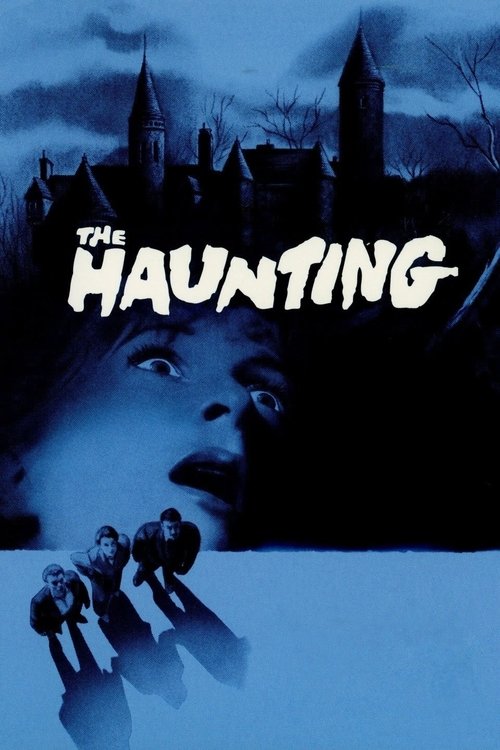
A researcher invites a small group to spend several nights inside Hill House, a building associated with death and unexplained events. Among them is Eleanor, a vulnerable woman who begins to feel that the house is communicating directly with her.
Robert Wise rarely shows a concrete supernatural entity. He uses sound, architecture and character psychology to make the building itself feel sentient. A door bending inward under invisible pressure remains more frightening than many fully revealed monsters.
28. Rosemary’s Baby (1968)
Director: Roman Polanski
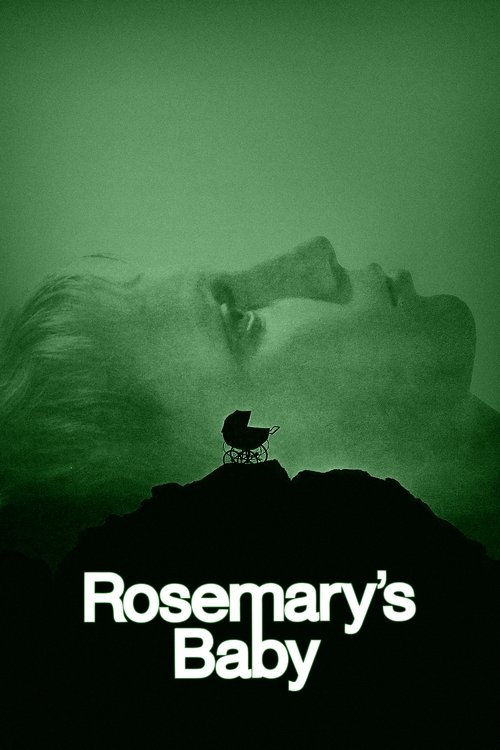
A young couple moves into a New York apartment building whose unusually attentive neighbours become increasingly involved in their lives. After Rosemary becomes pregnant, she begins to suspect that decisions about her body and child are being made without her consent.
The horror emerges through social politeness and institutional control. Everyone smiles, reassures and explains while steadily removing Rosemary’s ability to determine what is happening. The conspiracy is frightening because it operates through apparently respectable people.
27. The Evil Dead (1981)
Director: Sam Raimi
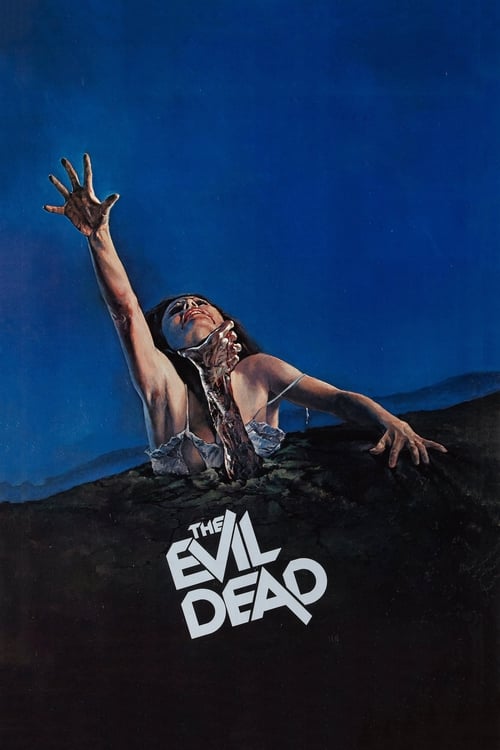
Five friends staying in an isolated cabin discover an ancient recording that unleashes a demonic force. With limited money but extraordinary visual invention, Sam Raimi turns the surrounding forest, the cabin and eventually the human body into unstable sources of threat.
The camera attacks with as much energy as the creatures. Rapid movement, extreme angles and practical effects give the film a wild physicality that would influence generations of independent horror directors. It is proof that imagination and commitment can create scale where budget cannot.
26. Nosferatu (1922)
Director: F. W. Murnau
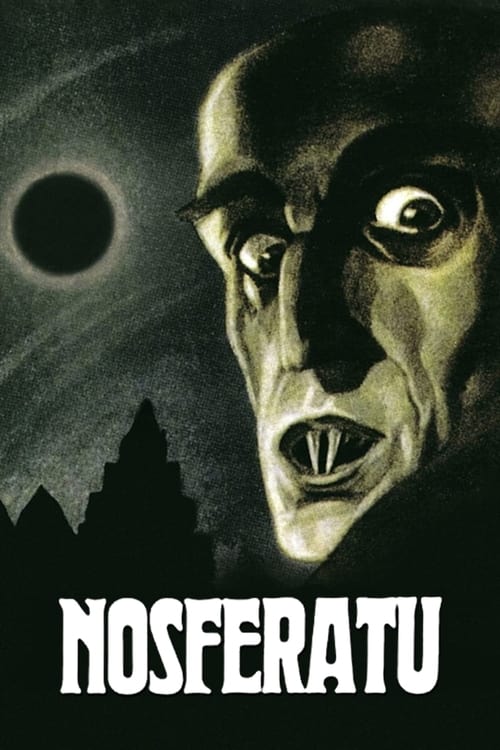
F. W. Murnau’s unofficial adaptation of Dracula established images that remain embedded in horror more than a century later. Count Orlok is not a romantic aristocrat but a skeletal, plague-like figure whose presence seems to infect the world around him.
The silhouette climbing a staircase has become visual shorthand for approaching evil. Yet the full film remains powerful because of its locations, distorted perspective and sense that death is moving slowly but inevitably toward its destination.
25. The Night of the Hunter (1955)
Director: Charles Laughton
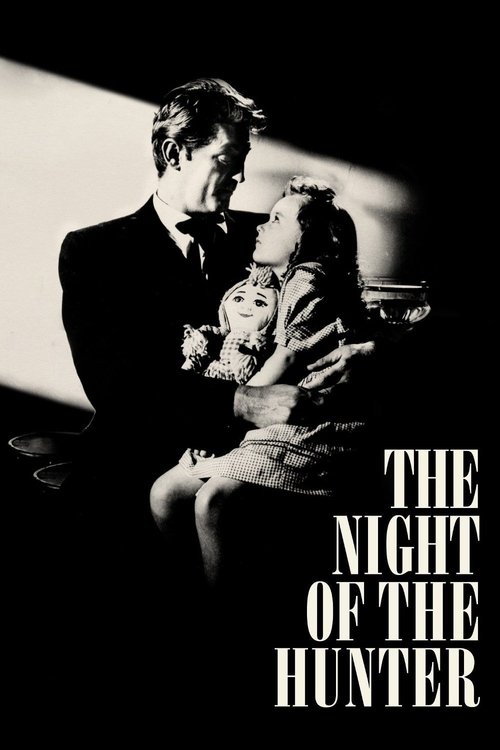
A murderous preacher learns that two children may know where stolen money has been hidden. He enters their family through charm, religious language and manipulation before pursuing them across a dreamlike American landscape.
Charles Laughton’s only film as director sits between thriller, fairy tale and horror. Robert Mitchum’s preacher is terrifying because he can perform respectability while embodying cruelty. His distant singing announces danger long before he enters the frame.
24. Dawn of the Dead (1978)
Director: George A. Romero
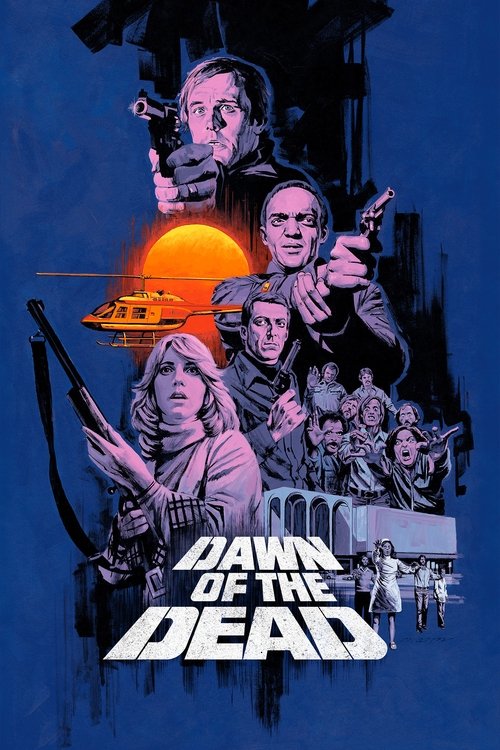
As society collapses under a zombie outbreak, four survivors shelter inside a shopping mall. The location initially offers food, security and every material object they could want, but gradually becomes another form of enclosure.
George A. Romero combines graphic horror, social satire and large-scale action without losing sight of his characters. The zombies returning instinctively to the mall give the film its enduring metaphor: even after death, consumer habits continue directing human behaviour.
23. Don’t Look Now (1973)
Director: Nicolas Roeg

A grieving couple travels to Venice after the death of their daughter. While the husband works on restoring a church, he begins glimpsing a small figure wearing the same red coat his daughter wore when she died.
Nicolas Roeg fractures time through associative editing, creating connections between images before their meaning becomes clear. Venice appears beautiful but unstable, filled with narrow passages, reflections and dead ends. The film turns grief into a state in which past, present and imagined future begin bleeding together.
22. The Substance (2024)
Director: Coralie Fargeat
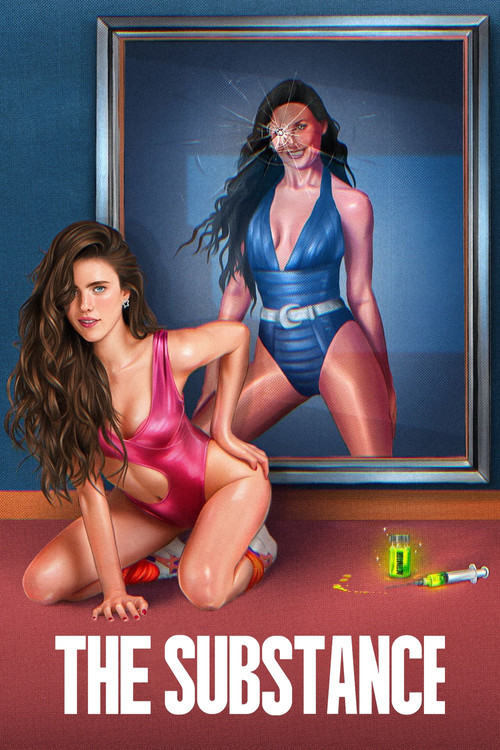
An ageing celebrity uses a mysterious treatment that creates a younger version of herself, with strict instructions that the two bodies must divide their time equally. Vanity, professional rejection and self-loathing quickly make that balance impossible to maintain.
Coralie Fargeat pushes body horror toward grotesque satire, using physical transformation to attack the entertainment industry’s treatment of women and ageing. The film is excessive by design, escalating until beauty standards become literally monstrous.
21. It Follows (2014)
Director: David Robert Mitchell
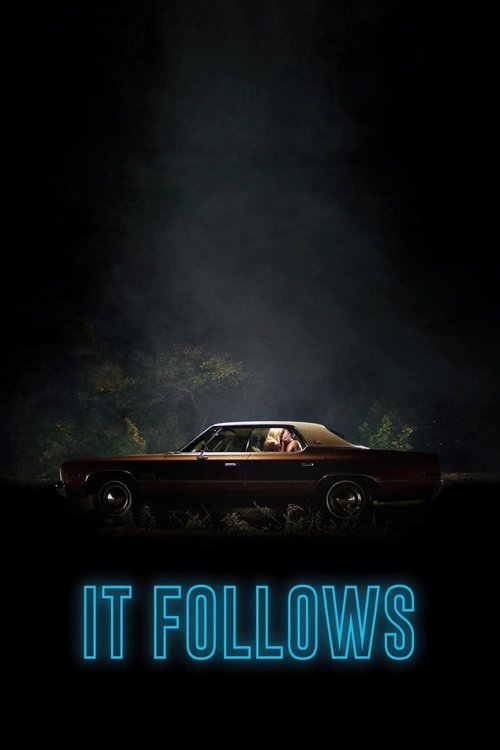
After a sexual encounter, a young woman learns that she is being pursued by an entity visible only to those carrying its curse. It can resemble anyone and moves toward its victim at a steady walking pace.
David Robert Mitchell turns the background of every wide shot into a potential source of danger. Because the creature never runs, the film creates an unusual form of suspense: there may be time to escape, but never enough distance to feel safe.
20. The Wailing (2016)
Director: Na Hong-jin
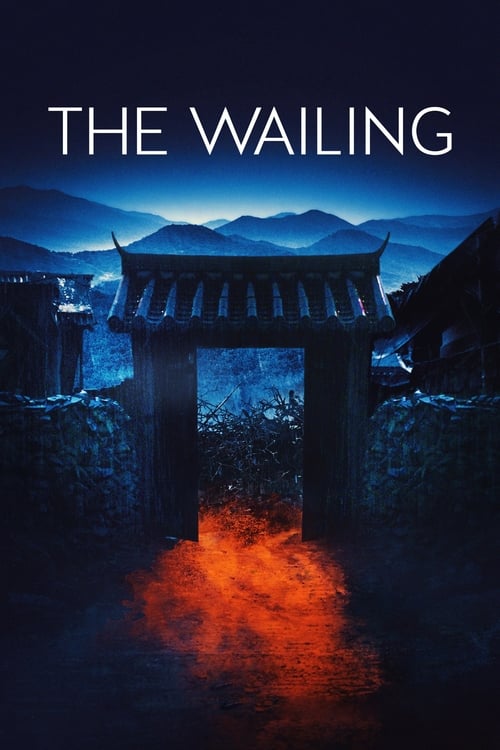
A police officer investigates a series of violent incidents in a rural Korean village after the arrival of a mysterious stranger. Disease, possession, rumour and religious ritual begin overlapping until neither the protagonist nor the audience can confidently identify the source of evil.
Na Hong-jin creates terror through uncertainty. Every possible explanation appears persuasive for a time, and every attempt to help may be making the situation worse. The film’s length allows suspicion to spread slowly through the community before tightening around one desperate family.
19. Paranormal Activity (2007)
Director: Oren Peli
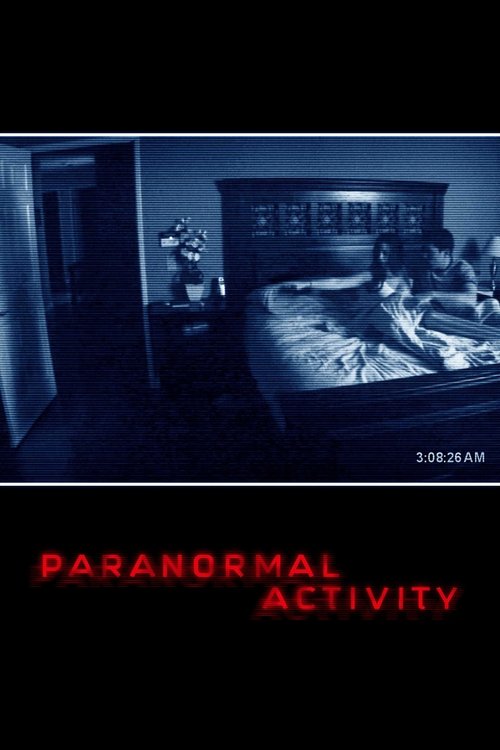
A couple begins recording their bedroom at night after becoming concerned about unexplained disturbances in their home. The fixed camera watches as doors move, shadows shift and apparently insignificant events become increasingly threatening.
Oren Peli understands that repetition can build fear. Each night returns to the same composition, encouraging the audience to examine every corner of the frame for the smallest change. Made with extremely limited resources, Paranormal Activity proved that a strong formal idea and disciplined escalation could create enormous commercial impact.
18. Get Out (2017)
Director: Jordan Peele
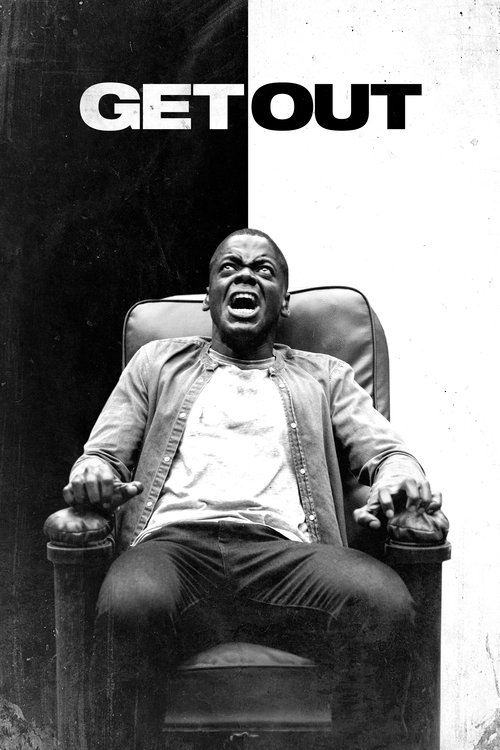
A young Black photographer visits the family home of his white girlfriend and discovers that their exaggerated friendliness conceals a horrifying system of control. Every awkward conversation contains information that only becomes fully visible later.
Jordan Peele combines social satire, psychological suspense and body horror with remarkable precision. The film turns apparently progressive language into a warning sign and transforms everyday racial discomfort into an organised mechanism of appropriation.
17. Tetsuo: The Iron Man (1989)
Director: Shinya Tsukamoto
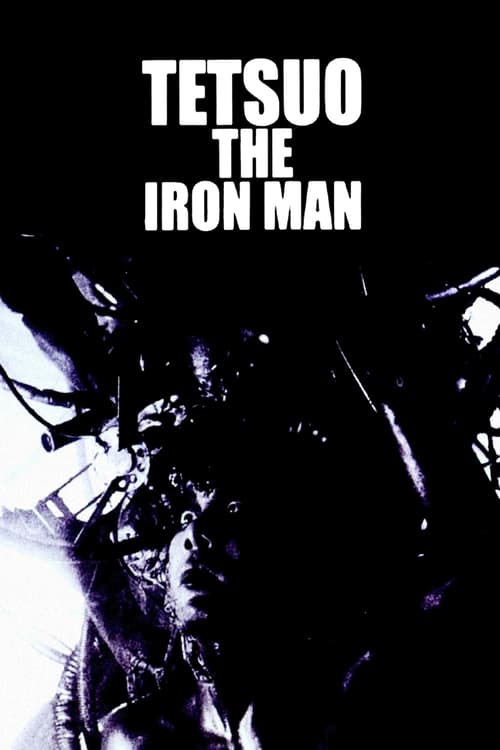
A man discovers that metal is invading his body, transforming flesh into machinery in an eruption of industrial body horror. Shinya Tsukamoto presents the mutation through frantic camera movement, abrasive editing and an overwhelming mechanical soundtrack.
The film feels less like a conventional narrative than a physical assault. Its collision of sex, technology, urban anxiety and bodily transformation helped establish Tetsuo: The Iron Man as one of the defining works of Japanese cyberpunk and independent horror cinema.
16. Hereditary (2018)
Director: Ari Aster
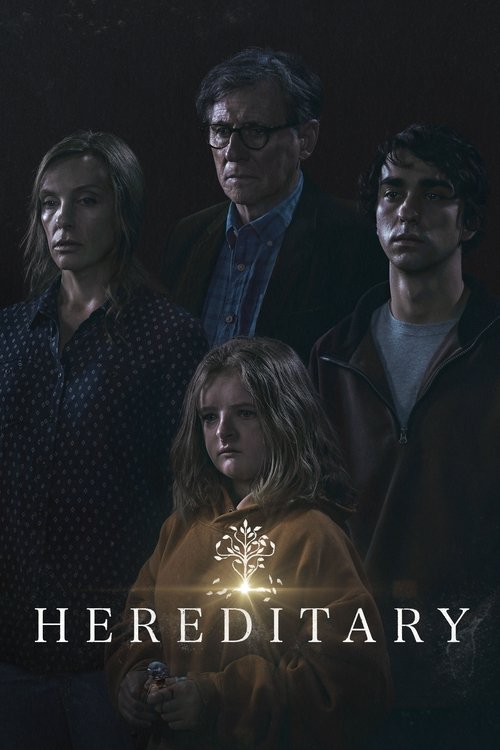
Following the death of her secretive mother, an artist begins discovering disturbing patterns within her family history. Grief, guilt and inherited trauma spread through the household before revealing a design that may have begun generations earlier.
Ari Aster stages the family’s emotional collapse with the severity of domestic tragedy. Toni Collette’s performance makes every supernatural development feel rooted in recognisable pain. The film’s shocks are powerful, but its most disturbing scenes often involve relatives sitting together with nothing left to say.
15. The Silence of the Lambs (1991)
Director: Jonathan Demme
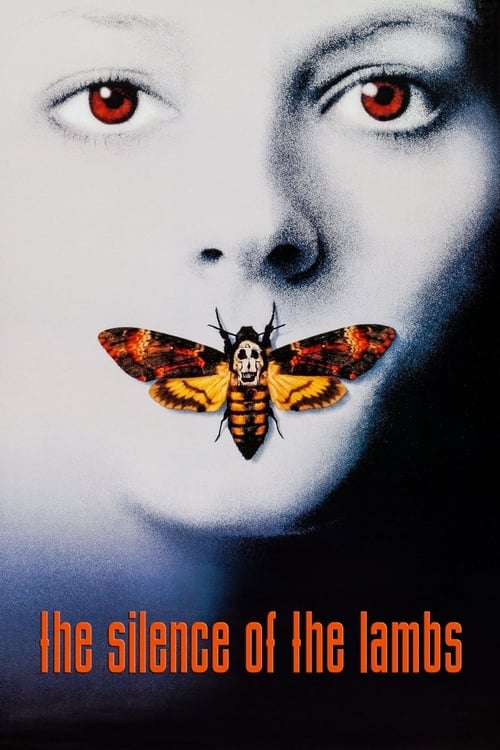
An FBI trainee seeks help from imprisoned psychiatrist and murderer Hannibal Lecter while hunting another serial killer. Their conversations become a psychological contest in which information is exchanged only when Clarice Starling reveals something personal in return.
Jonathan Demme frequently places actors directly in the centre of the frame, making eye contact feel invasive. Anthony Hopkins is unforgettable, but Jodie Foster gives the film its emotional and moral centre. Her vulnerability never diminishes her intelligence or determination.
14. Night of the Living Dead (1968)
Director: George A. Romero
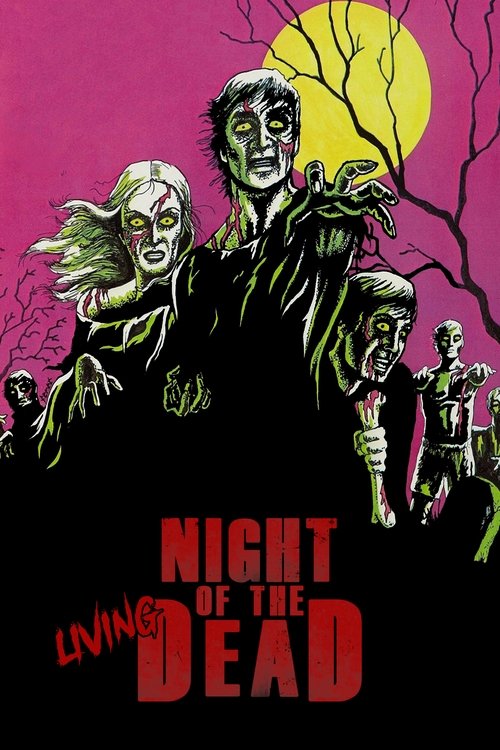
Strangers barricade themselves inside a farmhouse while reanimated corpses gather outside. The immediate danger comes from the dead, but the survivors’ inability to cooperate steadily becomes just as destructive.
George A. Romero created the foundation of the modern zombie film with limited resources, stark black-and-white photography and a willingness to end without reassurance. The final images turn horror into something larger and more politically charged than the siege itself.
13. Cure (1997)
Director: Kiyoshi Kurosawa

A detective investigates a series of murders committed by unrelated people who admit their actions but cannot explain why they killed. The only apparent connection is a mysterious drifter whose fragmented conversations seem capable of unlocking violence in ordinary individuals.
Kiyoshi Kurosawa creates horror through stillness, empty rooms and psychological erosion. The film contains few conventional scares, yet it leaves behind a profound sense that identity and moral control may be far more fragile than they appear.
12. The Host (2006)
Director: Bong Joon Ho
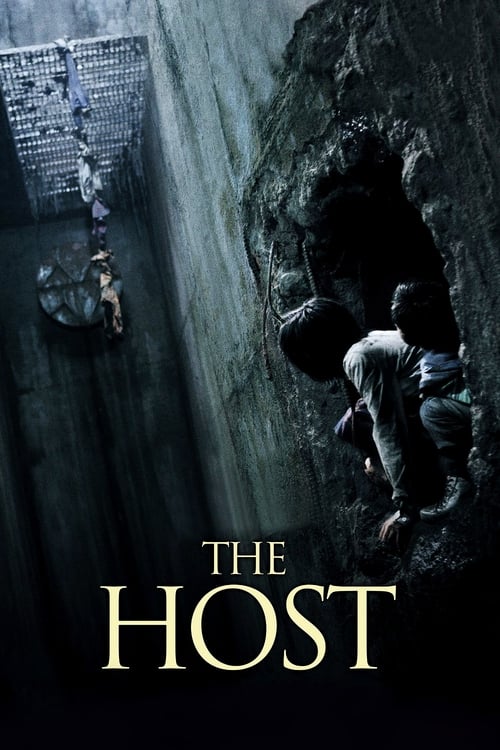
A creature emerges from Seoul’s Han River and abducts a young girl, forcing her dysfunctional family to attempt a rescue while the authorities respond with confusion, secrecy and self-interest.
Bong Joon Ho combines monster horror, family drama, political satire and dark comedy without allowing one element to weaken the others. The creature is revealed unusually early, but the film maintains tension by shifting attention toward institutional failure and the family’s desperate improvisation.
11. Train to Busan (2016)
Director: Yeon Sang-ho
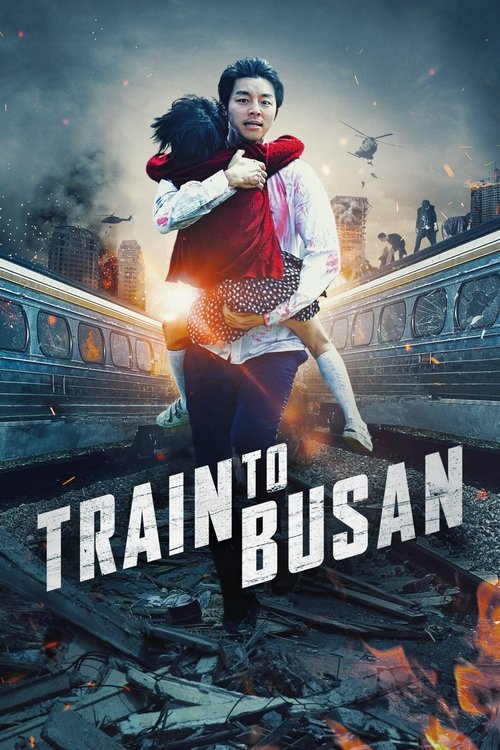
Passengers aboard a high-speed train become trapped as a rapidly spreading zombie outbreak moves across South Korea. A distant father travelling with his daughter must cooperate with strangers while infection advances from carriage to carriage.
Yeon Sang-ho uses the train’s narrow geography brilliantly, turning doors, luggage racks, toilets and connecting compartments into shifting lines of defence. The film combines kinetic survival horror with an emotional story about selfishness, sacrifice and parental responsibility.
The Ten Greatest Horror Movies Ever Made
10. The Blair Witch Project (1999)
Directors: Daniel Myrick and Eduardo Sánchez
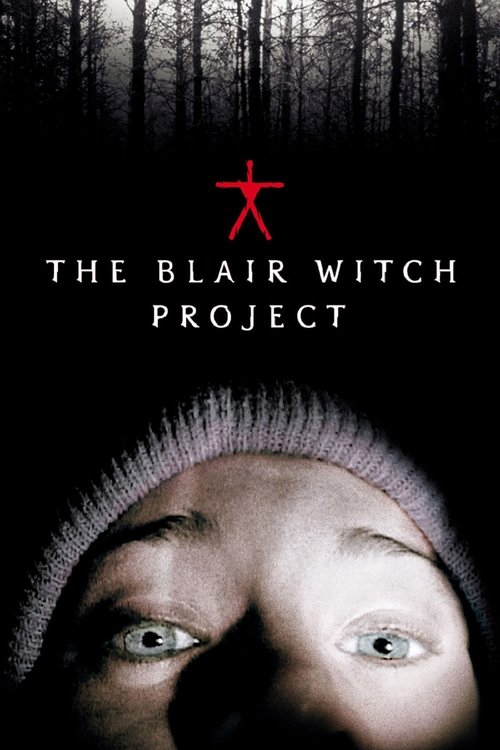
Few horror movies have understood the power of absence as completely as The Blair Witch Project. Three filmmakers become lost in the woods while investigating a legend, and almost everything frightening remains beyond the reach of their camera.
The performances feel panicked because the actors were placed under genuine physical and psychological pressure during production. Arguments become repetitive, navigation becomes impossible and the forest seems to erase any evidence of progress.
The final image offers almost no explanation, yet it completes a story planted much earlier. That restraint is precisely why the film works. It does not show viewers what to fear; it gives their imaginations enough evidence to create something worse.
9. Halloween (1978)
Director: John Carpenter
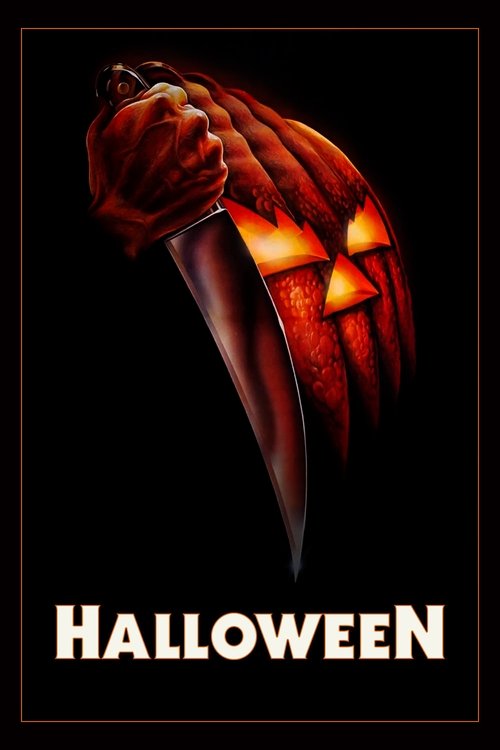
John Carpenter strips the slasher down to its essential components: a quiet neighbourhood, an approaching figure and a young woman who notices that something is wrong before anyone else believes her.
Michael Myers is frightening partly because the film refuses to explain him. He is not presented as an ordinary criminal with a comprehensible motive. He is a shape entering the background of frames, disappearing when Laurie looks again and moving through suburbia as though domestic boundaries do not apply to him.
Carpenter’s widescreen compositions repeatedly show how much unprotected space surrounds the characters. His minimalist score supplies the rhythm of pursuit. The result became a template for countless films, but few have equalled its simplicity or control.
8. Oldboy (2003)
Director: Park Chan-wook
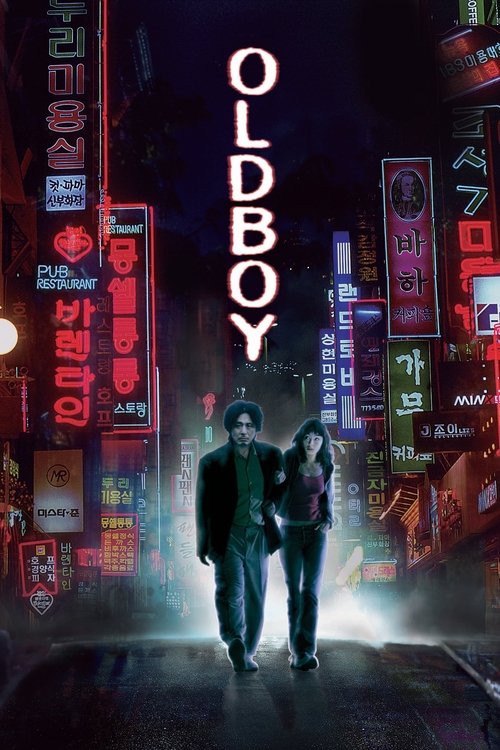
A man is imprisoned without explanation for 15 years and then abruptly released, with only a few days to discover who confined him and why. His investigation becomes an increasingly brutal journey through revenge, manipulation and buried guilt.
Park Chan-wook constructs the film as a psychological trap in which every apparent discovery moves the protagonist closer to a truth he cannot survive. Although often categorised as a revenge thriller, Oldboy contains the structure and emotional force of horror: bodily violence, incestuous revelation, imprisonment and the destruction of identity.
7. The Shining (1980)
Director: Stanley Kubrick
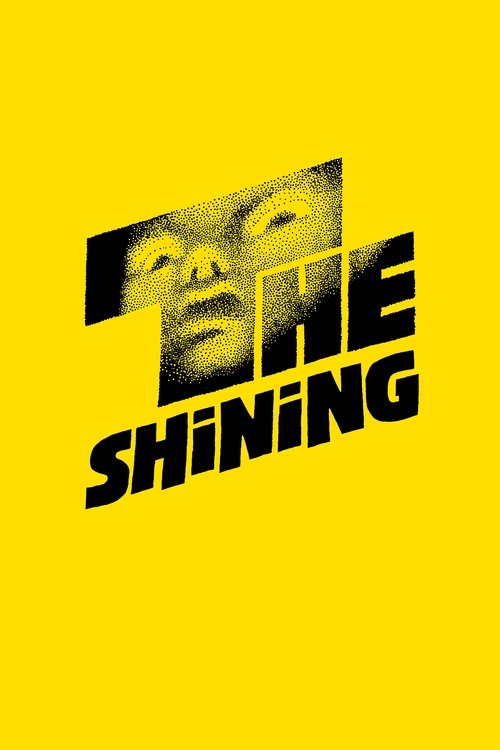
A struggling writer becomes the winter caretaker of an isolated hotel, bringing his wife and young son with him. As snow removes the possibility of escape, the building appears to awaken resentments and violence already present within the family.
Stanley Kubrick uses symmetry, long corridors and smooth camera movement to make the Overlook Hotel simultaneously understandable and impossible. Rooms appear connected in ways that do not make architectural sense. The viewer learns the layout while sensing that the layout cannot be trusted.
The supernatural elements are unforgettable, but the domestic threat gives the film its deepest fear. The hotel may be influencing Jack, yet his family has reason to fear him before the ghosts fully reveal themselves.
6. Alien (1979)
Director: Ridley Scott
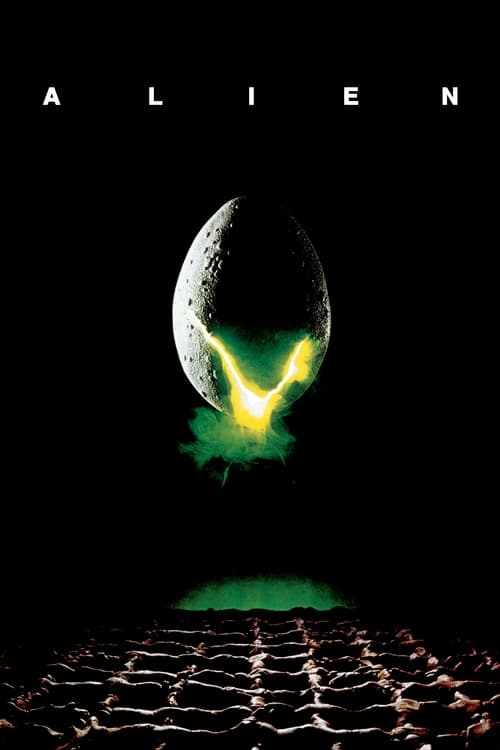
The crew of a commercial spacecraft responds to a signal and brings an unknown organism aboard. Once inside, the creature grows rapidly and begins hunting through the ship.
Ridley Scott combines science fiction with the structure of a haunted-house movie. The corridors of the Nostromo are industrial, narrow and badly lit, turning advanced technology into an environment full of hiding places. The crew members are workers rather than heroic explorers, which makes their vulnerability immediate.
H. R. Giger’s creature design merges mechanical, skeletal and sexual imagery into something that resists easy interpretation. Equally important is the film’s patience. Long before the alien attacks, sound, production design and stillness make the ship feel unsafe.
5. The Thing (1982)
Director: John Carpenter
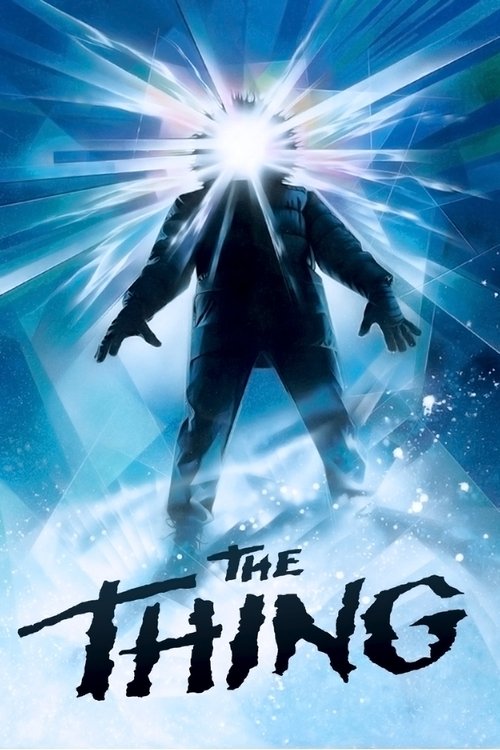
At an Antarctic research station, an alien organism assimilates living beings and reproduces them perfectly. Any member of the group may therefore be something else wearing a familiar face.
The practical effects remain astonishing, but the film’s central terror is social. Trust becomes impossible at precisely the moment cooperation is essential. Every glance can indicate fear, calculation or an inhuman attempt to perform normal behaviour.
Carpenter closes the film without restoring certainty. Two men sit together as the station burns, neither able to prove what the other is. Survival has become inseparable from suspicion.
4. Psycho (1960)
Director: Alfred Hitchcock
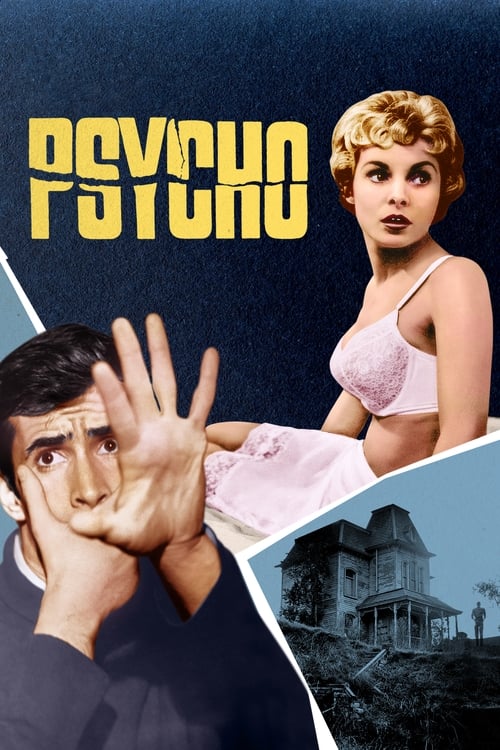
Alfred Hitchcock begins with a crime story about stolen money before abruptly shifting into something darker. The transition remains startling because the film has trained us to believe we understand whose story we are following.
The shower scene is one of cinema’s most analysed sequences, but its importance goes beyond editing technique. It tells viewers that narrative protection has disappeared. A recognised star, apparent protagonist and unfinished storyline can all be removed within seconds.
Anthony Perkins gives Norman Bates a fragile charm that makes the audience want to believe him. That sympathy becomes part of Hitchcock’s trap, drawing viewers into complicity before revealing what the motel has been hiding.
3. Jaws (1975)
Director: Steven Spielberg
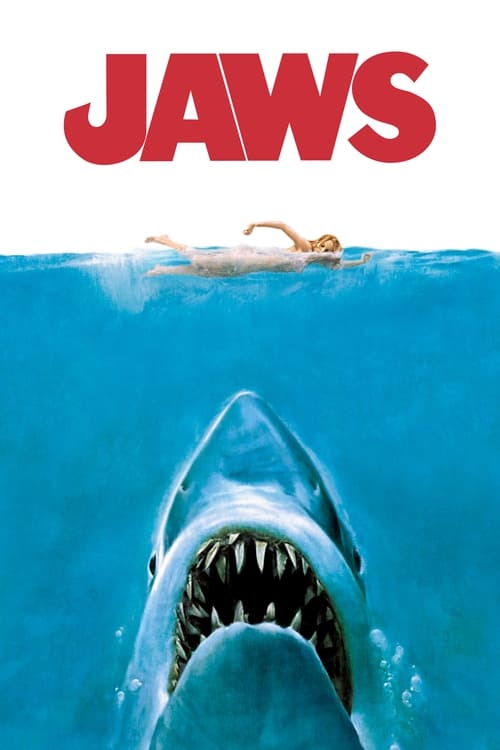
A great white shark attacks swimmers near a seaside community whose leaders refuse to close the beaches during the profitable summer season. Police chief Martin Brody must confront both the animal and the human denial allowing it to continue hunting.
Steven Spielberg’s decision to delay showing the shark created one of cinema’s defining lessons in suspense. Point-of-view shots, John Williams’s score and reactions from swimmers allow the threat to exist before its body becomes visible.
The film also has exceptional dramatic structure. After establishing fear across the community, it narrows into a three-man pursuit at sea. The second half becomes a survival thriller in which character, geography and mechanical failure create as much tension as the shark itself.
2. The Exorcist (1973)
Director: William Friedkin
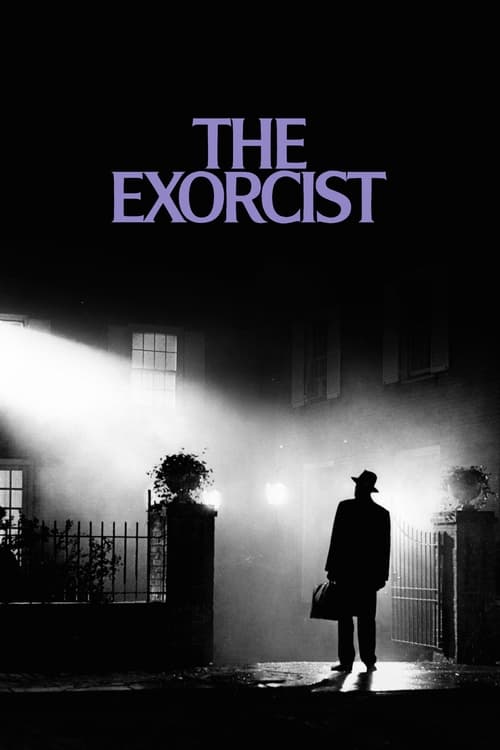
A mother watches her daughter change in ways that neither medicine nor psychiatry can explain. Her search for help eventually brings two priests into a bedroom where faith, guilt and physical horror converge.
William Friedkin treats every stage of the story with documentary-like seriousness. The clinical investigations are exhausting, invasive and frightening in their own right. When the film enters explicitly supernatural territory, the audience has already experienced the desperation that makes such an explanation possible.
The horror does not depend solely on religious belief. It comes from the destruction of innocence, the violation of the body and the possibility that love may be powerless against suffering.
1. The Texas Chain Saw Massacre (1974)
Director: Tobe Hooper
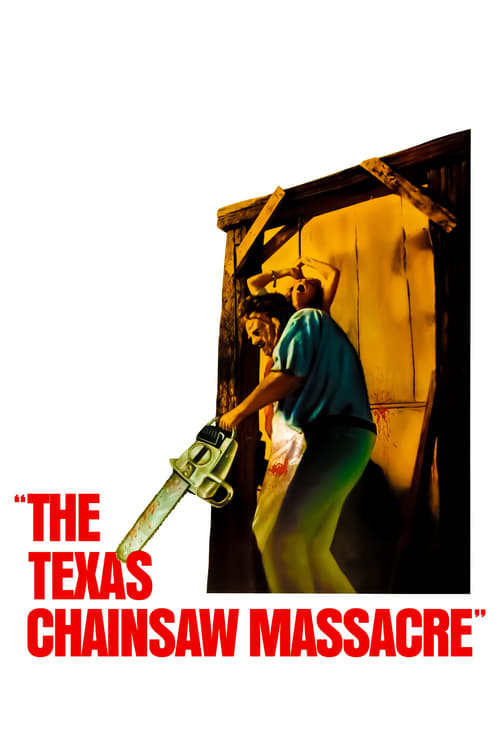
No horror movie feels more like something the viewer was never supposed to witness. Tobe Hooper’s The Texas Chain Saw Massacre follows five young people into an isolated landscape where economic collapse, industrial slaughter and family tradition have fused into a private system of violence.
Its title promises gore, yet the film’s true force comes from sound, implication and relentless physical distress. The generator-like roar of the chainsaw, the metallic slam of a door and the screams surrounding the dinner table create an experience more disturbing than explicit imagery could achieve.
Leatherface is not a polished supernatural villain. He appears panicked, confused and trapped within his own family role. That makes the household feel less like a theatrical lair and more like a functioning world with rules the victims cannot understand.
The film leaves no comforting distance between civilisation and savagery. Its horror is waiting at the end of an ordinary rural road, behind a house that might otherwise be passed without notice. Half a century later, it remains raw, strange and frighteningly alive.
The Best Horror Movies by Subgenre
Horror is not a single type of film. The genre contains radically different traditions, each using fear for a different purpose. Viewers who dislike one form of horror may discover that another speaks directly to them.
Best Psychological Horror Movies
Psychological horror places instability within the mind, the family or the audience’s understanding of events. The threat may be supernatural, but the film’s deepest pressure comes from paranoia, grief, guilt or the possibility that perception cannot be trusted.
Start with: The Shining, Rosemary’s Baby, The Babadook, The Innocents, Hereditary, Don’t Look Now.
Readers who prefer tension, moral uncertainty and unreliable perception should also explore our guide to the best psychological thriller movies.
Best Survival Horror Movies
Survival horror removes safety, resources and reliable authority. Characters must remain alive long enough to understand what is pursuing them, often in environments that make escape almost impossible.
Start with: Alien, The Thing, The Descent, The Texas Chain Saw Massacre, The Blair Witch Project, Jaws.
For more films built around isolation and pursuit, read our selection of the best survival thriller movies and our guide to female-led survival thrillers.
Best Supernatural Horror Movies
Supernatural horror introduces forces that cannot be defeated through ordinary physical action. Ghosts, demons and curses are frightening because they make normal rules useless.
Start with: The Exorcist, The Haunting, Ringu, The Conjuring, The Others, The Sixth Sense.
Best Slasher Movies
Slasher films transform pursuit into structure. A killer enters a contained environment, studies potential victims and removes them one by one. The strongest examples create tension not simply through death, but through the wait before the attack.
Start with: Halloween, Psycho, A Nightmare on Elm Street, Scream, The Texas Chain Saw Massacre.
Best Body Horror Movies
Body horror makes physical transformation, disease and loss of bodily control the central source of fear. These films ask what remains of identity when the body no longer obeys.
Start with: The Fly, The Thing, The Substance, Alien, Tetsuo: The Iron Man.
Best Folk Horror Movies
Folk horror frequently places an outsider inside an isolated community governed by ancient beliefs, rituals or relationships with the landscape.
Start with: The Wicker Man, The Witch, The Wailing, Midsommar, Kill List.
Best Asian Horror Movies
Asian horror cinema has repeatedly reshaped the international genre, from the technological curses of Japanese horror to the psychological complexity of Korean cinema and the supernatural traditions of Thailand.
Start with: Ringu, Audition, Cure, A Tale of Two Sisters, The Wailing, Train to Busan, The Host, Tetsuo: The Iron Man.
Best Independent Horror Movies
Independent horror has repeatedly renewed the genre because limitation forces invention. Without enormous sets or visual-effects budgets, filmmakers must rely on performance, sound, implication and a premise strong enough to sustain an entire film.
Essential independent horror films include: The Texas Chain Saw Massacre, Night of the Living Dead, The Blair Witch Project, The Evil Dead, Saw, Paranormal Activity, It Follows, The Babadook.
Discover more underseen films in our guide to the best indie horror thrillers you probably missed and our selection of hidden horror gems.
The Best Modern Horror Movies
Horror has entered another period of artistic and commercial strength. Filmmakers such as Jordan Peele, Ari Aster, Coralie Fargeat and Jennifer Kent have used the genre to explore race, grief, ageing, family trauma and social control without abandoning the visceral pleasure of being frightened.
Some of the defining horror films of the 21st century include Get Out, Hereditary, The Babadook, It Follows, The Substance, The Wailing, Let the Right One In, Train to Busan, The Host and The Descent.
Modern horror has also benefited from a renewed independent cinema culture in which audiences are increasingly willing to see challenging, filmmaker-led genre movies theatrically. The distinction between commercial horror and art-house cinema has become less useful. Many of the most exciting films now occupy both spaces simultaneously.
Independent horror succeeds when the restriction becomes part of the design rather than something the film attempts to hide. That same principle shaped the production of Blood Star: a small cast, limited locations and a precisely planned shoot.
Why Low-Budget Horror Movies Can Be So Effective
Horror does not require spectacle. It requires control.
A filmmaker with one room, two actors and a clear understanding of what the audience fears can create more tension than a production with hundreds of visual-effects shots. Limitation can sharpen the central idea. It forces the director to decide what must be shown, what can remain outside the frame and how sound can suggest a world larger than the available location.
The Blair Witch Project turns a forest, a tent and unseen noises into a complete mythology. Saw builds much of its narrative around two people chained inside a room. Night of the Living Dead uses a farmhouse and a small ensemble to suggest the collapse of civilisation. Paranormal Activity transforms a bedroom and a fixed camera into a source of sustained dread.
Independent horror succeeds when the restriction becomes part of the design rather than something the film attempts to hide. That same principle shaped the production of Blood Star, a desert-road survival thriller constructed around a small cast, limited locations and a precisely planned shoot.
Read the full story of how Blood Star was made in ten shooting days.
How Sound Makes Horror Movies Scary
A horror film cannot be truly frightening without sound. The image tells us where to look, but the soundtrack can suggest danger from every direction, including spaces the camera never reveals.
The two-note theme in Jaws allows the shark to enter the audience’s imagination before it appears on screen. In The Texas Chain Saw Massacre, machinery, screaming and abrasive sound textures make the environment feel physically hostile. Alien uses ventilation, alarms and the industrial hum of the ship to ensure that silence never feels completely safe.
Sound also controls anticipation. A filmmaker can allow a noise to continue for too long, remove ambient sound at an unnatural moment or introduce a sound whose source remains unseen. The audience begins constructing the threat before the film confirms whether anything is actually there.
Explore this craft in greater depth in How Sound Design Builds Tension in a Horror Thriller Movie.
Horror Movies That Rely on Human Monsters
Not every horror movie needs a ghost, demon or supernatural creature. Some of the most disturbing films create fear from ordinary people who possess authority, charm or the ability to appear harmless.
Psycho, The Silence of the Lambs, The Texas Chain Saw Massacre, Oldboy and Audition all turn human behaviour into the central threat. Their villains are frightening because they exist within recognisable social worlds. They can operate motels, hold conversations, build relationships and move through public spaces without immediately revealing what they are capable of doing.
This form of realistic horror also drives Blood Star, in which a young woman crossing the desert becomes the target of a small-town sheriff who uses his authority to isolate and control her.
For films built around pursuit and human predators, explore the best cat-and-mouse thrillers, serial-killer movies and road thriller movies.
Where to Begin If You Are New to Horror
Viewers sometimes assume that horror means extreme violence, but the genre offers many points of entry.
For suspense without excessive gore, begin with Jaws, The Others, The Sixth Sense or The Haunting. For psychological horror, try The Shining, Get Out or The Babadook. For science-fiction horror, begin with Alien or The Thing. Viewers who enjoy realistic thrillers may prefer Psycho, The Silence of the Lambs or The Texas Chain Saw Massacre.
The best starting point depends on what already makes you uncomfortable. Horror becomes most powerful when it finds a fear the viewer recognises.
Final Thoughts: Why Great Horror Movies Stay With Us
The best horror movies do not end when the threat is defeated or the screen turns black. They leave behind an image, sound or idea that changes the emotional meaning of something familiar.
After Jaws, open water feels different. After Psycho, privacy behind a shower curtain no longer seems guaranteed. The Shining transforms hotel corridors, Ringu contaminates the television and The Blair Witch Project makes unseen movement outside a tent almost unbearable.
That is the lasting power of horror. It reaches beyond the screen and briefly reorganises the world around us.
The genre will continue changing because every generation develops new fears. Technology changes how people communicate, institutions lose or gain authority, domestic life takes new forms and filmmakers discover new ways to place audiences inside vulnerable minds and bodies. Yet the central principle remains remarkably stable: show viewers enough to activate their imagination, but never so much that imagination is no longer required.
For a contemporary independent thriller built around isolation, authority and survival, discover Blood Star, watch the official trailer or find out where the film is currently available.
Frequently Asked Questions
Frequently Asked Questions
There is no objective answer, but The Exorcist, The Shining, Psycho, Alien, Jaws, The Thing and The Texas Chain Saw Massacre are consistently regarded as defining works of horror cinema. Each influenced later films while remaining effective for modern audiences.
The answer depends on the viewer’s personal fears. The Exorcist is often considered one of the scariest supernatural films, while The Texas Chain Saw Massacre offers more realistic physical terror. The Shining creates psychological dread, and The Blair Witch Project relies on the fear of what cannot be seen.
Strong introductory choices include Jaws, The Sixth Sense, The Others, Scream, Get Out and Alien. These films are accessible, story-driven and frightening without requiring an extensive knowledge of horror conventions.
Essential psychological horror films include The Shining, Rosemary’s Baby, The Babadook, Hereditary, The Innocents and Don’t Look Now. These films build fear through grief, paranoia, unstable perception and emotional pressure.
Some of the strongest survival horror movies are Alien, The Thing, The Descent, Jaws, The Texas Chain Saw Massacre and The Blair Witch Project. Each isolates its characters and limits their access to safety, information or escape.
The genres overlap, but they are not identical. Thrillers primarily create suspense around danger, pursuit or uncertainty. Horror aims to provoke fear, dread, disgust or confrontation with the unknown. A film such as The Silence of the Lambs can function as both a psychological thriller and a horror movie.
Horror can create a strong emotional response without requiring expensive spectacle. A compelling premise, controlled location, effective sound and strong performances can compensate for a limited budget. Films including The Blair Witch Project, Saw, Paranormal Activity, Night of the Living Dead and The Texas Chain Saw Massacre demonstrate how production restrictions can encourage invention.
The most important modern horror films include Get Out, Hereditary, The Babadook, It Follows, The Wailing, Train to Busan, The Host and The Substance. They combine effective genre filmmaking with themes including grief, race, abuse, ageing and family trauma.
Essential Asian horror films include Ringu, Audition, Cure, A Tale of Two Sisters, The Wailing, Train to Busan, The Host and Tetsuo: The Iron Man. These films span supernatural horror, body horror, psychological terror, zombie cinema and social satire.
Psychological horror builds fear through the mind, perception, trauma or emotional instability. Supernatural horror introduces forces that exist outside ordinary natural explanation, such as ghosts, demons and curses. Many films, including The Shining and The Babadook, deliberately combine both.
Blood Star is available to rent or buy through selected digital platforms in the UK, United States, Canada and several European territories. Visit the official Watch Blood Star page for current regional viewing options.
Related: films to watch before Resident Evil 2026 — 12 survival horror movies about outbreaks, isolation and pursuit.
Film posters courtesy of The Movie Database (TMDB). This product uses the TMDB API but is not endorsed or certified by TMDB.
More on Blood Star
- Watch Blood Star free on Tubi & Prime Video (USA)
- Films like Blood Star: predators, pursuit and survival
- Blood Star: Ending Explained
- Blood Star — Cast & Filmmakers
Watch Blood Star
Blood Star is a psychological desert road thriller about Bobbi Torres, a young woman travelling alone across the American Southwest who becomes the target of Sheriff Bilstein, a predatory lawman whose badge, patrol car and knowledge of the territory allow him to control the hunt.


See every legitimate way to watch Blood Star free →
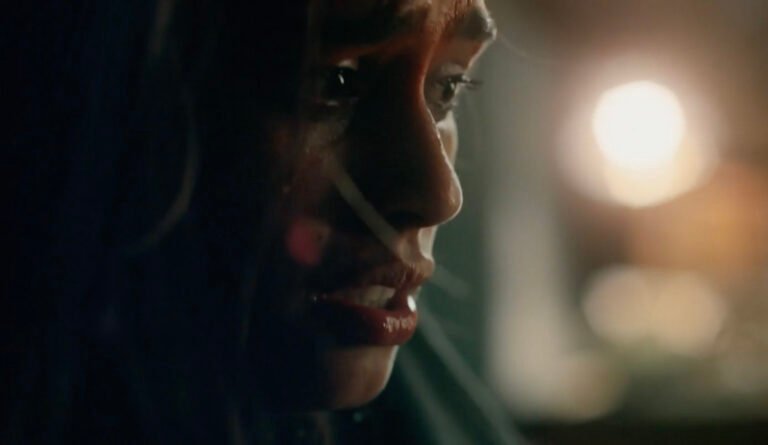
Table of Contents
- Quick Answer: What Are the Best Horror Movies of All Time?
- What Makes a Great Horror Movie?
- How These Horror Movies Were Chosen
- The 50 Best Horror Movies of All Time
- 50. The Descent (2005)
- 49. Audition (1999)
- 48. The Wicker Man (1973)
- 47. Saw (2004)
- 46. The Innocents (1961)
- 45. The Fly (1986)
- 44. The Cabin in the Woods (2011)
- 43. Candyman (1992)
- 42. The Others (2001)
- 41. The Omen (1976)
- 40. A Nightmare on Elm Street (1984)
- 39. Let the Right One In (2008)
- 38. The Conjuring (2013)
- 37. Ringu (1998)
- 36. Eraserhead (1977)
- 35. The Babadook (2014)
- 34. The Ring (2002)
- 33. Poltergeist (1982)
- 32. A Tale of Two Sisters (2003)
- 31. Scream (1996)
- 30. The Sixth Sense (1999)
- 29. The Haunting (1963)
- 28. Rosemary’s Baby (1968)
- 27. The Evil Dead (1981)
- 26. Nosferatu (1922)
- 25. The Night of the Hunter (1955)
- 24. Dawn of the Dead (1978)
- 23. Don’t Look Now (1973)
- 22. The Substance (2024)
- 21. It Follows (2014)
- 20. The Wailing (2016)
- 19. Paranormal Activity (2007)
- 18. Get Out (2017)
- 17. Tetsuo: The Iron Man (1989)
- 16. Hereditary (2018)
- 15. The Silence of the Lambs (1991)
- 14. Night of the Living Dead (1968)
- 13. Cure (1997)
- 12. The Host (2006)
- 11. Train to Busan (2016)
- The Ten Greatest Horror Movies Ever Made
- 10. The Blair Witch Project (1999)
- 9. Halloween (1978)
- 8. Oldboy (2003)
- 7. The Shining (1980)
- 6. Alien (1979)
- 5. The Thing (1982)
- 4. Psycho (1960)
- 3. Jaws (1975)
- 2. The Exorcist (1973)
- 1. The Texas Chain Saw Massacre (1974)
- The Best Horror Movies by Subgenre
- Best Psychological Horror Movies
- Best Survival Horror Movies
- Best Supernatural Horror Movies
- Best Slasher Movies
- Best Body Horror Movies
- Best Folk Horror Movies
- Best Asian Horror Movies
- Best Independent Horror Movies
- The Best Modern Horror Movies
- Why Low-Budget Horror Movies Can Be So Effective
- How Sound Makes Horror Movies Scary
- Horror Movies That Rely on Human Monsters
- Where to Begin If You Are New to Horror
- Final Thoughts: Why Great Horror Movies Stay With Us
- Frequently Asked Questions
- More on Blood Star
- Watch Blood Star