Psychological thrillers work best when the danger is not simply physical. The genre thrives on uncertainty: unreliable perception, obsession, manipulation, guilt, paranoia, fractured identity and the fear that what we are seeing may not be the whole truth.
The best psychological thrillers do more than create suspense. They destabilise the audience. Hitchcock, Polanski, Kubrick, Fincher, Scorsese, Lynch and other major filmmakers have repeatedly used the genre to turn ordinary spaces, relationships and identities into something disturbing.
These are 30 of the best psychological thriller movies of all time, ranging from foundational classics to modern films that have pushed the genre in new directions.
1. Vertigo (1958)
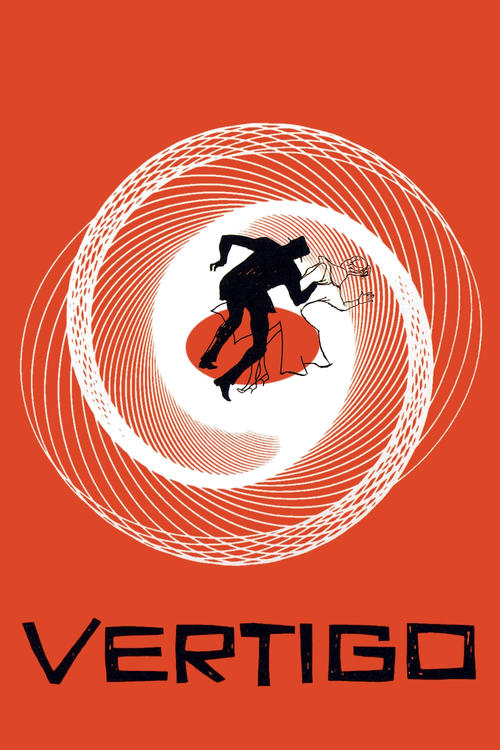
Alfred Hitchcock’s Vertigo is one of the defining psychological thrillers. James Stewart plays a former detective whose fear of heights becomes entangled with an increasingly destructive obsession with a mysterious woman. What begins as surveillance gradually becomes something far more unsettling — Hitchcock turns romantic longing into control, projection and psychological possession. Few thrillers have examined desire, identity and self-deception with this much precision.
2. Psycho (1960)
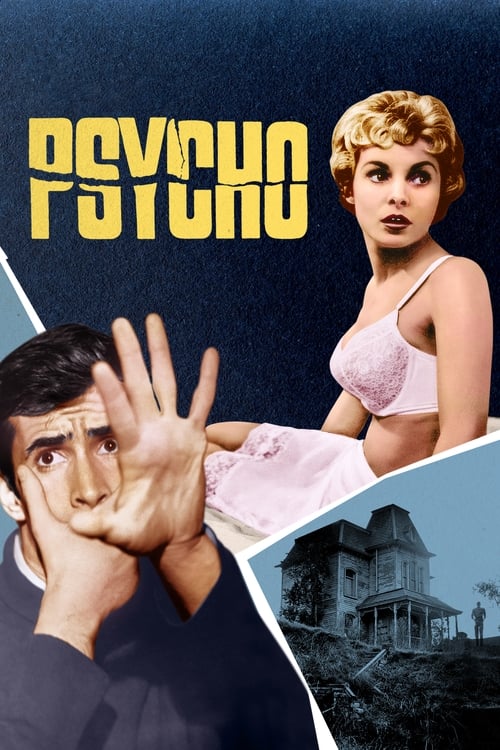
Psycho changed the thriller forever. Hitchcock begins by making the audience believe they are watching one kind of story, then violently removes its apparent protagonist and reconstructs the film around a completely different mystery. Norman Bates remains one of cinema’s most influential characters because the threat is inseparable from psychology, identity and repression.
3. Rear Window (1954)
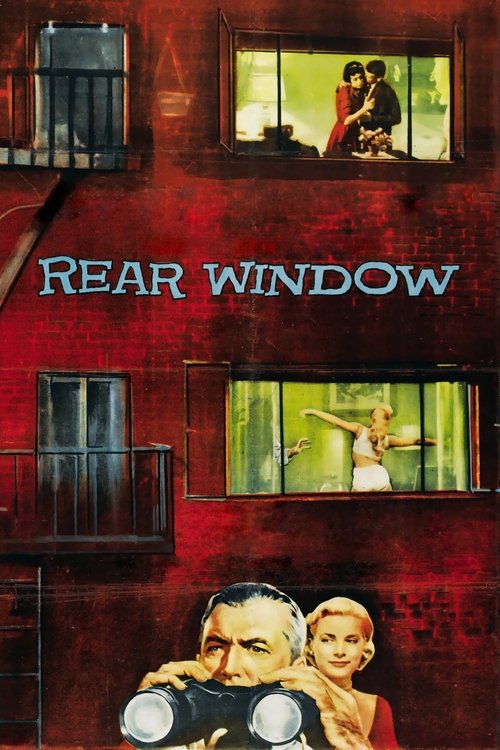
Few films demonstrate the psychological power of looking as effectively as Rear Window. Confined to his apartment, James Stewart’s photographer begins watching his neighbours through their windows and becomes convinced that one of them has committed murder. The film turns voyeurism into suspense, forcing us to recognise how eagerly we participate in watching other people’s private lives.
4. Rosemary’s Baby (1968)
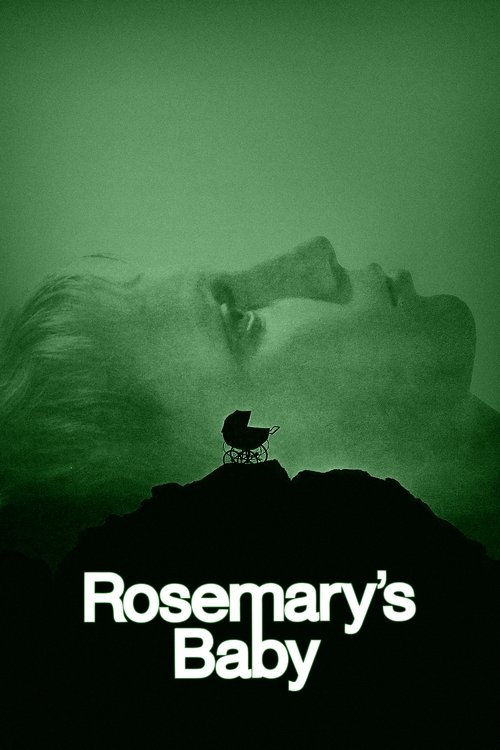
Roman Polanski’s Rosemary’s Baby is one of the great films about paranoia because it constantly leaves open the possibility that its heroine may be wrong. Mia Farrow’s Rosemary becomes increasingly suspicious of her husband, neighbours and doctors, yet everyone around her insists she is imagining things. The result is a masterclass in psychological isolation and gaslighting.
5. The Shining (1980)
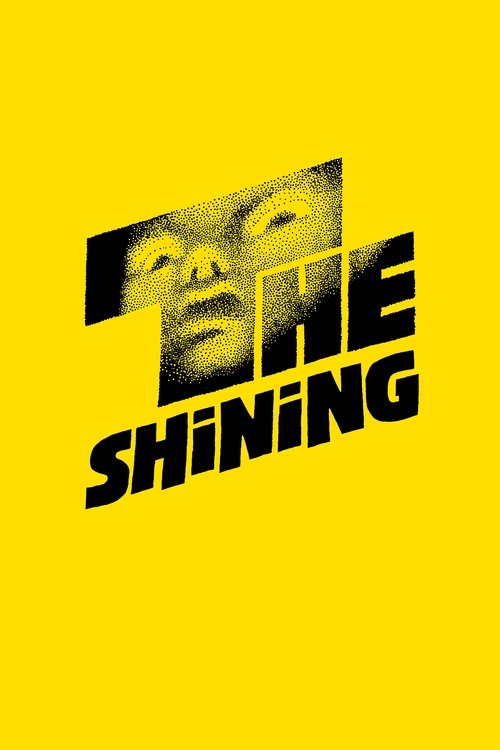
Stanley Kubrick’s The Shining transforms isolation into psychological disintegration. Jack Torrance arrives at the Overlook Hotel supposedly seeking solitude to write, but the enormous empty building begins amplifying every resentment, weakness and buried impulse within him. Kubrick never fully explains where psychology ends and the supernatural begins — that ambiguity is central to the film’s power.
6. The Silence of the Lambs (1991)
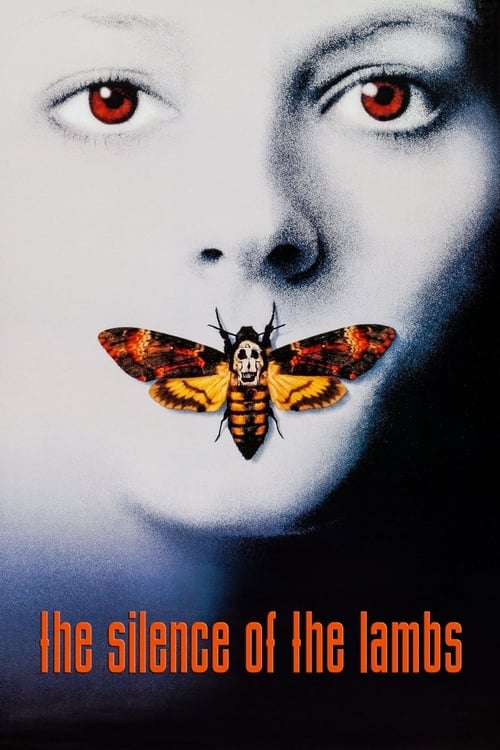
Jonathan Demme’s The Silence of the Lambs combines procedural thriller, psychological duel and serial killer horror. Clarice Starling must engage Hannibal Lecter intellectually in order to find another killer, but every conversation becomes an interrogation of Clarice herself. Anthony Hopkins’ Lecter is frightening not because he loses control but because he rarely does. For more dark investigative thrillers, see our Zodiac guide.
7. Se7en (1995)
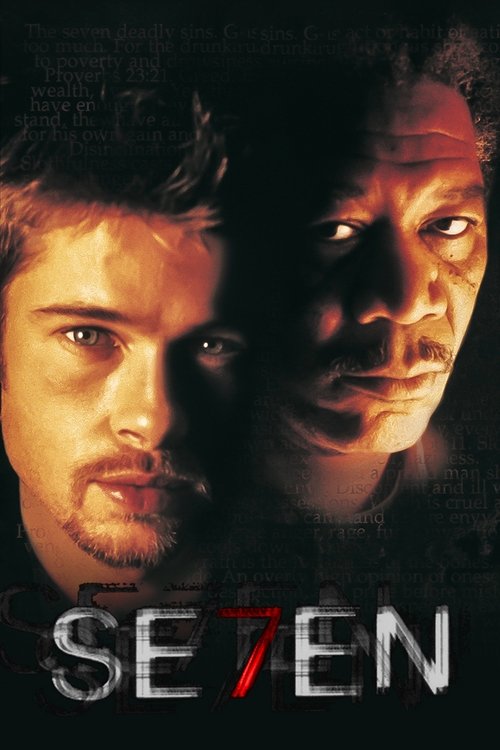
David Fincher’s Se7en uses the serial killer investigation as a framework for something much darker. Detectives Somerset and Mills are pursuing a murderer whose crimes are constructed around the seven deadly sins, but the real psychological conflict lies in the killer’s attempt to prove a worldview. By the final act, the investigation has become personal.
8. Shutter Island (2010)
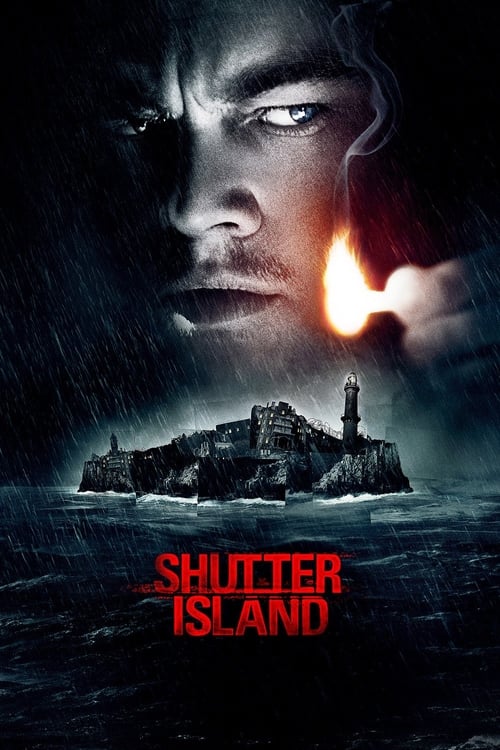
Martin Scorsese’s Shutter Island is built around perception. Leonardo DiCaprio plays a US Marshal investigating a disappearance at an isolated psychiatric hospital, where almost every person he encounters appears to know something he does not. The film works because its mystery and its character psychology are essentially the same thing.
9. Gone Girl (2014)
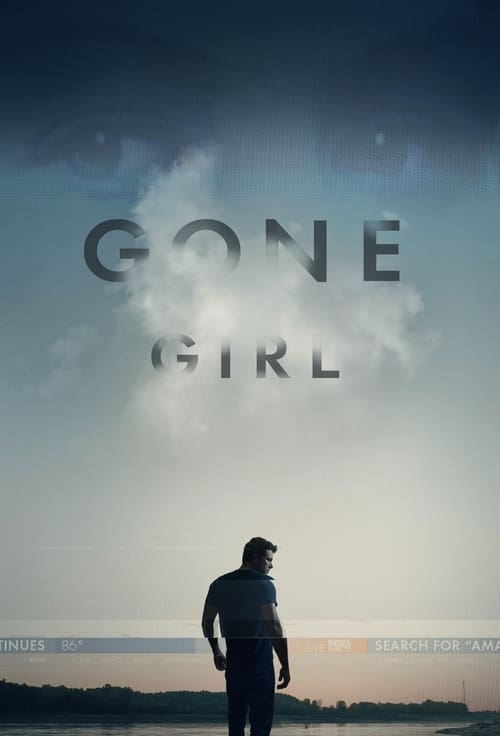
David Fincher’s Gone Girl is a thriller about marriage, identity and the stories people construct about themselves. When Amy Dunne disappears, suspicion quickly turns towards her husband Nick, but the investigation becomes only one part of a much larger examination of performance, manipulation and public perception.
10. Memento (2000)
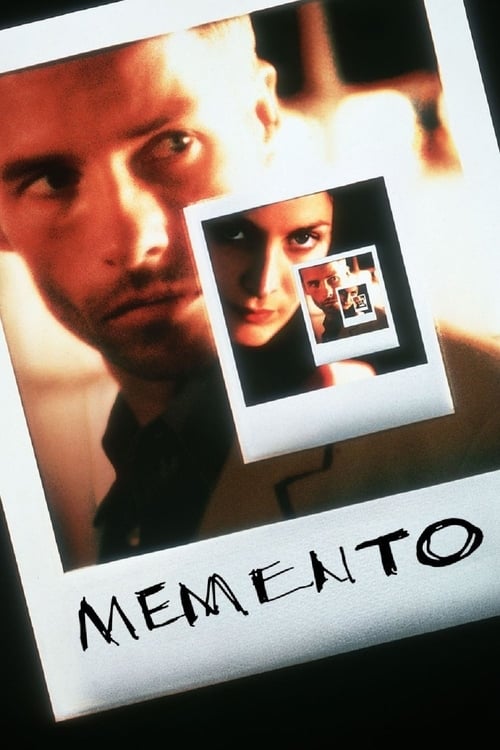
Christopher Nolan’s Memento places the audience inside the instability of its protagonist’s memory. Leonard is searching for the man who murdered his wife, but a condition prevents him from creating new long-term memories, so he relies on photographs, notes and tattoos to construct a version of reality he can trust. The reverse chronology makes the audience experience Leonard’s uncertainty directly.
11. Black Swan (2010)

Darren Aronofsky’s Black Swan turns artistic perfectionism into psychological horror. Natalie Portman plays a ballerina whose pursuit of the perfect performance gradually destroys the boundaries between ambition, paranoia, sexuality and identity, making it increasingly difficult to know which threats exist outside the protagonist and which are being created by her own mind.
12. Mulholland Drive (2001)
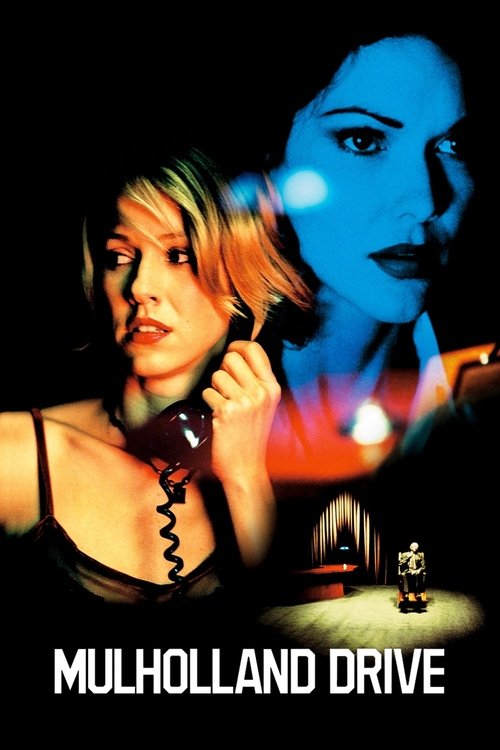
David Lynch’s Mulholland Drive is one of the most enigmatic psychological thrillers ever made. What initially appears to be a mystery involving an amnesiac woman slowly becomes something stranger: a fragmented study of desire, failure, fantasy and identity. Rather than offering a conventional solution, Lynch creates a film whose emotional logic is more important than its literal explanation.
13. Fight Club (1999)

David Fincher’s Fight Club begins as a story about alienation and consumerism before transforming into a psychological thriller about identity. The narrator’s relationship with Tyler Durden increasingly destabilises his perception of himself and the world around him. Its famous revelation works because the film has been quietly preparing the audience for it from the beginning.
14. The Game (1997)
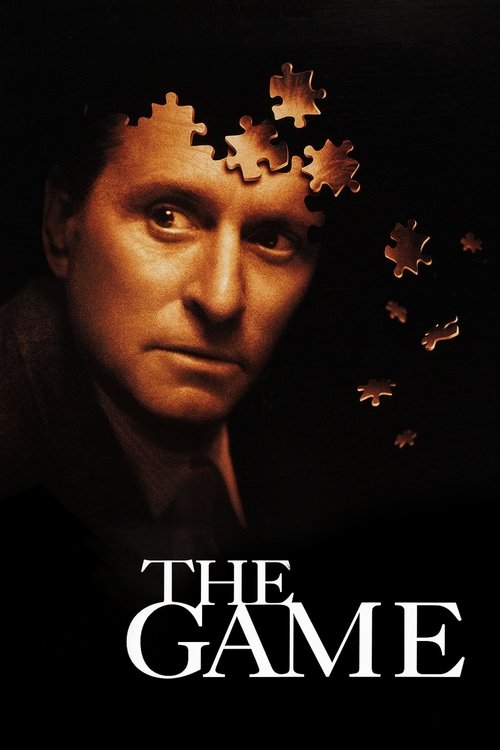
Fincher’s The Game turns uncertainty itself into the antagonist. Michael Douglas plays a wealthy banker given access to an elaborate personalised experience that begins invading every part of his life. Neither the protagonist nor the audience knows where the game ends — every apparent coincidence may be staged, every ally may be an actor and every danger may be real.
15. Prisoners (2013)
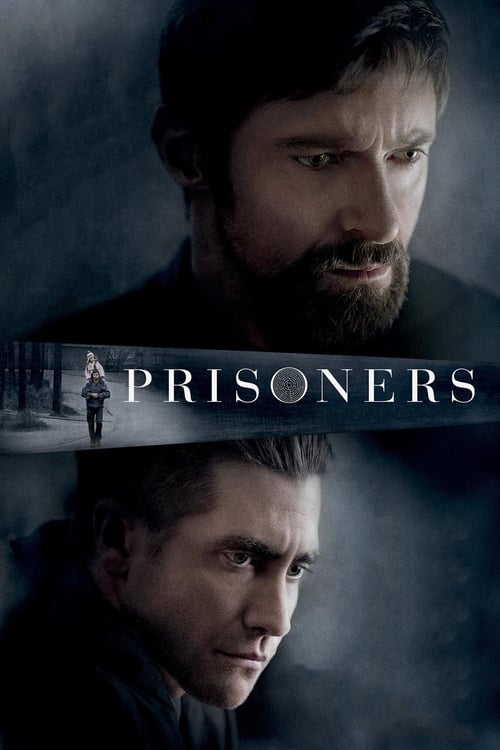
Denis Villeneuve’s Prisoners is both a kidnapping thriller and a study of what fear can do to morality. Hugh Jackman plays a father who becomes convinced he knows who abducted his daughter, and as desperation takes over, his certainty becomes increasingly dangerous. The film refuses easy distinctions between victim, investigator and aggressor.
16. Enemy (2013)
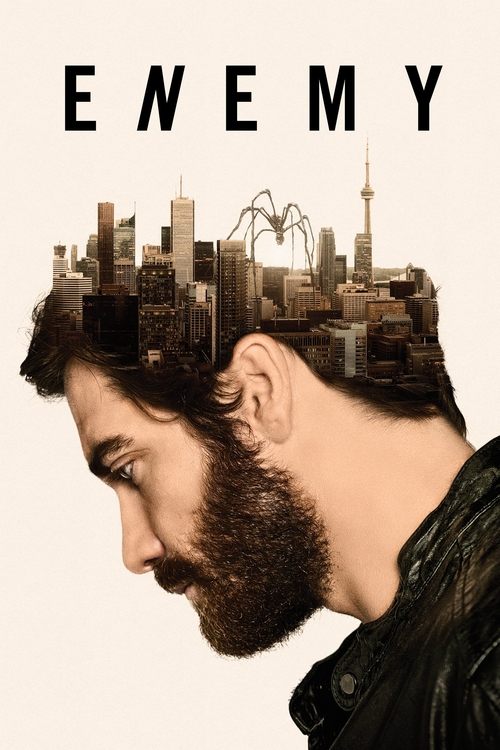
Denis Villeneuve’s Enemy is a compact, unsettling exploration of fractured identity. Jake Gyllenhaal plays a man who discovers an actor who looks exactly like him, and their lives begin to overlap in increasingly disturbing ways. The film avoids conventional explanation and instead works through repetition, symbolism and psychological unease.
17. Nightcrawler (2014)
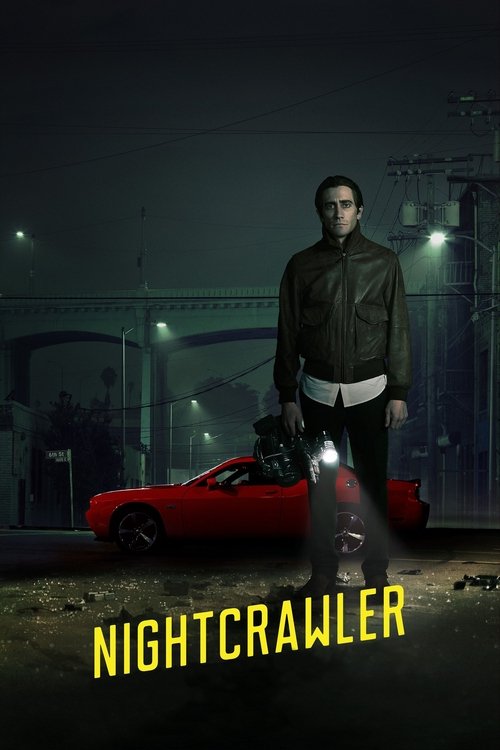
Dan Gilroy’s Nightcrawler is a psychological thriller about ambition stripped of empathy. Jake Gyllenhaal’s Lou Bloom discovers the world of freelance crime journalism and rapidly learns how violence can be converted into professional success. What makes Lou so disturbing is not that society rejects him — it increasingly rewards him.
18. American Psycho (2000)
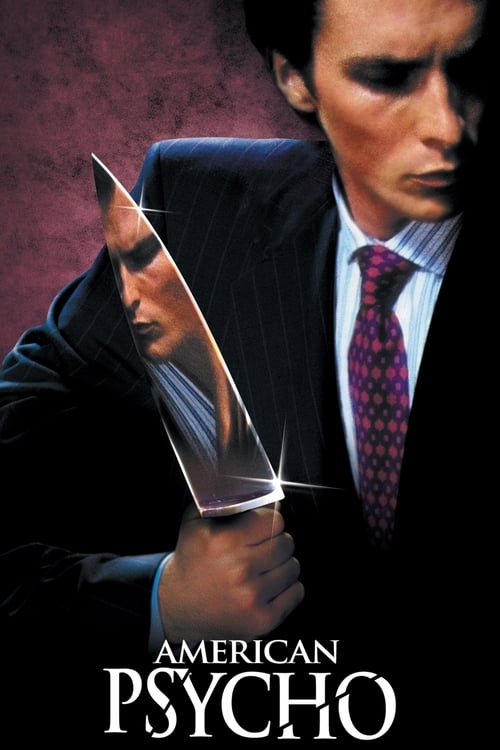
Mary Harron’s American Psycho combines psychological thriller, serial killer movie and savage social satire. Patrick Bateman is obsessed with status, appearance and professional competition, yet his apparently perfect surface conceals extreme violence. The uncertainty over how much of what we see is real only deepens the film’s central idea: identity has become a performance so complete that nobody around Bateman truly sees him.
19. Cape Fear (1991)
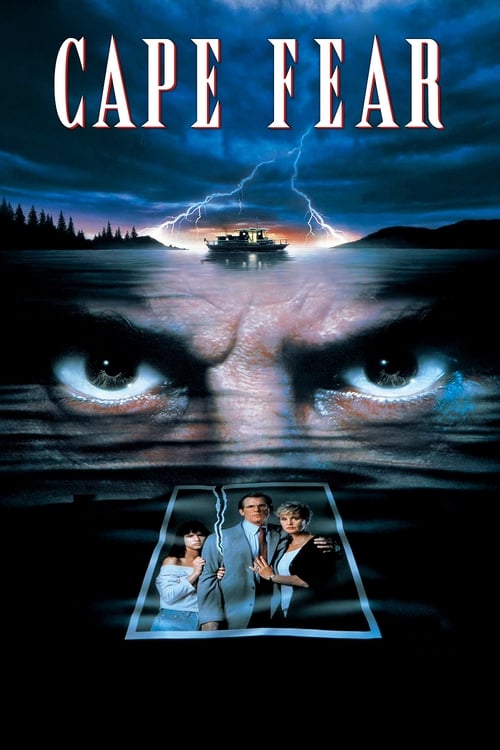
Martin Scorsese’s Cape Fear transforms revenge into psychological siege. Robert De Niro’s Max Cady does not merely threaten the Bowden family physically — he studies them, manipulates their weaknesses and gradually destroys their sense of safety. It is one of the great stalker thrillers because the danger becomes psychological long before the final confrontation.
20. The Talented Mr. Ripley (1999)
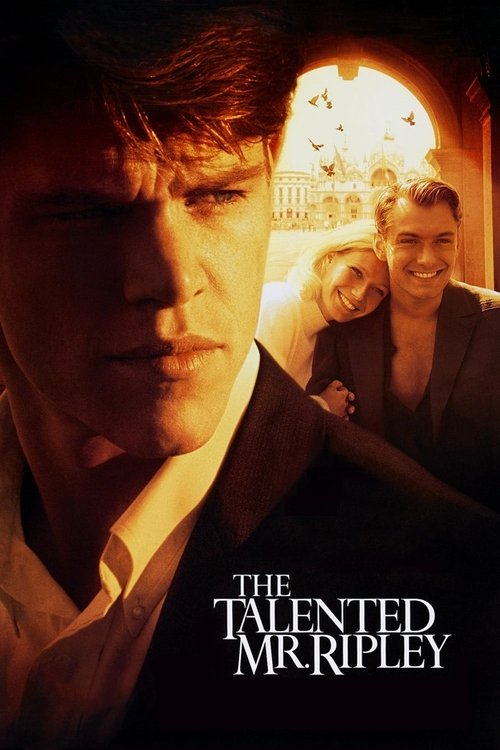
Anthony Minghella’s The Talented Mr. Ripley explores envy, class and identity through a protagonist who desperately wants to become someone else. Tom Ripley enters a world of privilege and gradually begins appropriating the lives of the people around him. The film understands that imitation can become obsession, and that obsession can become violence.
21. The Vanishing (1988)
George Sluizer’s The Vanishing is one of the most psychologically disturbing films ever made about disappearance. A man becomes consumed by the need to know what happened to his missing girlfriend, and eventually the person responsible recognises that curiosity as a weakness he can exploit. Sometimes knowing the truth is more dangerous than uncertainty.
22. Misery (1990)
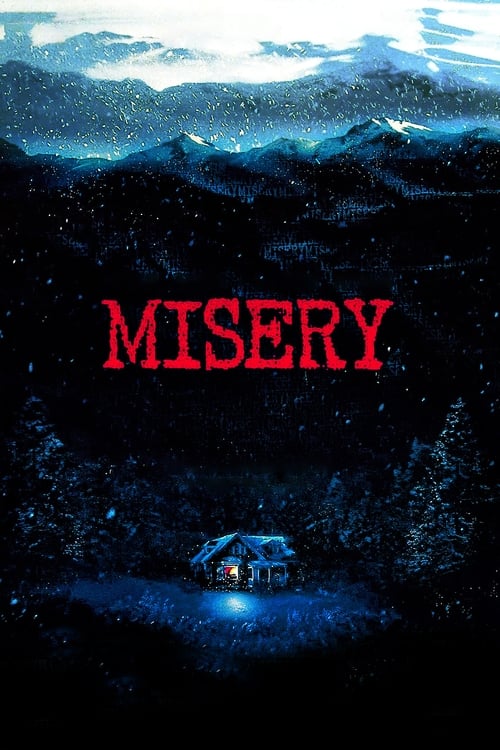
Rob Reiner’s Misery takes obsession and turns it into imprisonment. James Caan plays a novelist held captive by his self-proclaimed biggest fan, played by Kathy Bates. The confined setting intensifies the psychological relationship between victim and captor, while Bates creates one of cinema’s most unpredictable and frightening antagonists.
23. The Machinist (2004)
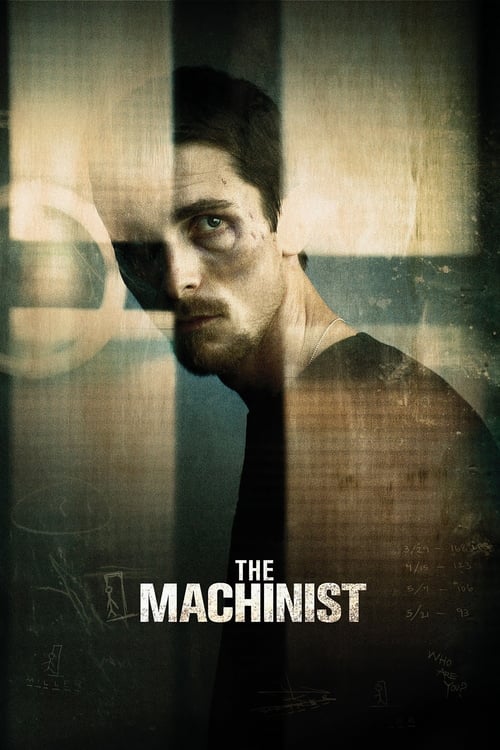
Brad Anderson’s The Machinist follows a man whose insomnia and guilt have destabilised his perception of reality. Christian Bale’s physical transformation is extraordinary, but the film works because every strange event appears connected to something the protagonist is refusing to confront — the mystery outside the character gradually reveals itself to be inseparable from the mystery inside him.
24. Nocturnal Animals (2016)
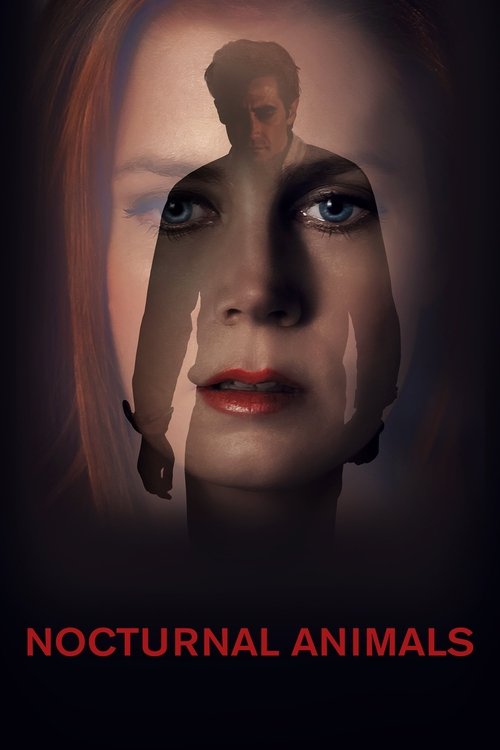
Tom Ford’s Nocturnal Animals operates simultaneously as revenge story, relationship drama and psychological thriller. A woman receives a manuscript from her former husband and begins reading a violent story that appears increasingly connected to their shared past. The film uses fiction within fiction to turn regret and resentment into emotional violence.
25. The Killing of a Sacred Deer (2017)
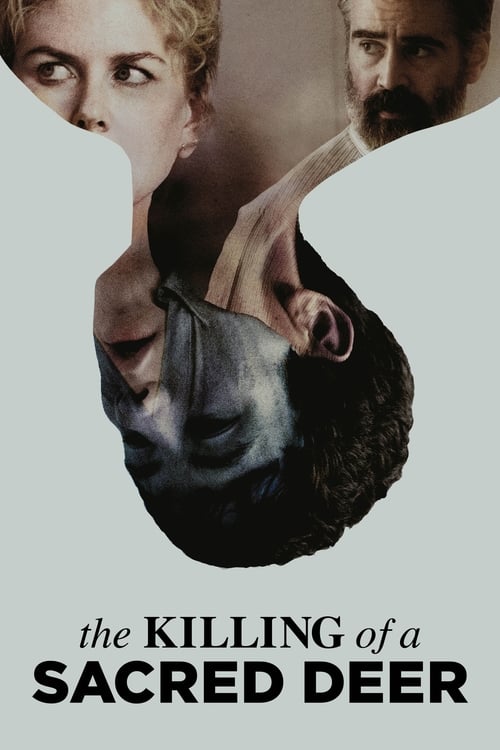
Yorgos Lanthimos creates a deeply unsettling psychological environment in The Killing of a Sacred Deer. A surgeon develops a relationship with a teenage boy whose intentions gradually become horrifyingly clear. The deliberately unnatural dialogue and controlled compositions give the film the logic of a nightmare where everybody understands the rules except the audience.
26. The Invitation (2015)
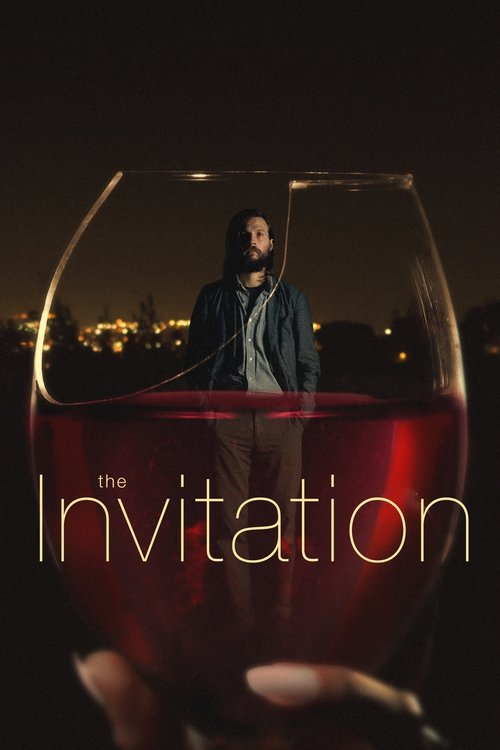
Karyn Kusama’s The Invitation is an exceptional slow-burn thriller about social discomfort turning into paranoia. A man attends a dinner party hosted by his ex-wife and becomes convinced that something is wrong. What makes the film so effective is that behaving politely continually competes with survival instinct — the protagonist may be recognising genuine danger, or grief may be distorting his judgement.
27. Coherence (2013)

Coherence uses an intimate dinner-party setting to create a surprisingly complex psychological thriller. A passing comet appears to disrupt reality itself, forcing the characters to question who they are actually sitting beside. The science-fiction premise matters less than the psychological consequences — once certainty disappears, trust disappears with it.
28. Blue Ruin (2013)

Jeremy Saulnier’s Blue Ruin strips revenge cinema of glamour. Its protagonist is not a trained killer but a damaged man whose attempt at vengeance creates increasingly uncontrollable consequences. The film is psychologically effective because violence does not make him stronger — it exposes how unprepared he is for what he has started.
29. Blood Star (2024)
Britni Camacho as Bobbi Torres · John Schwab as Sheriff Bilstein

Blood Star takes the psychological thriller into the desert, following Bobbi as an encounter with a small-town sheriff gradually reveals itself to be something far more predatory. The film’s tension comes from an imbalance of power — Sheriff Bilstein possesses authority, credibility and control of the environment, while Bobbi must work out whether the person supposedly responsible for protecting her is actually the danger. Like many of the films on this list, Blood Star is ultimately about perception: recognising the threat before the threat has complete control.
30. You’ll Never Find Me (2023)
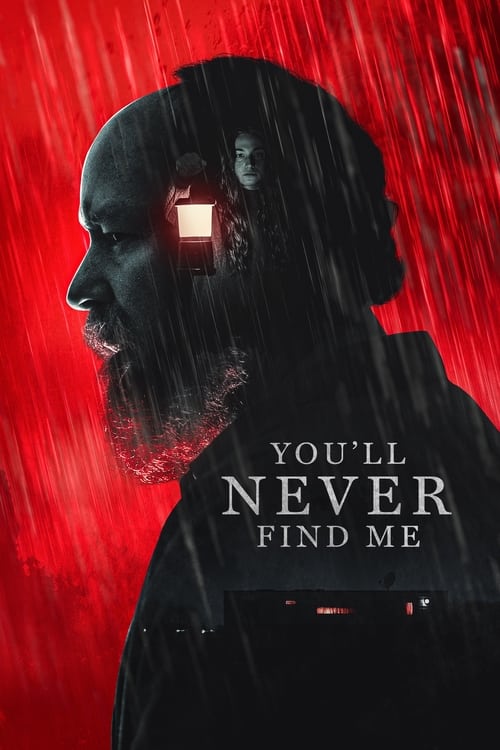
Josiah Allen and Indianna Bell’s You’ll Never Find Me creates psychological tension from uncertainty about two people trapped together during a storm. The film continually shifts our understanding of who might be threatening whom. Its restricted setting and patient pacing demonstrate how little a psychological thriller needs when character, atmosphere and suspicion are carefully controlled.
The Hitchcock Foundation of the Psychological Thriller
Any serious history of the psychological thriller has to begin with Alfred Hitchcock. Vertigo, Psycho and Rear Window established many of the techniques the genre still uses: unreliable perception, voyeurism, obsession, doubles, guilt and the suspicion that ordinary people may conceal extraordinary darkness. Hitchcock understood that suspense becomes more powerful when the audience is psychologically implicated — we do not simply watch his protagonists, we frequently share their curiosity, obsession or fear.
Polanski, Kubrick and Psychological Isolation
Roman Polanski and Stanley Kubrick pushed those ideas into even more subjective territory. In Rosemary’s Baby, Polanski uses domestic spaces and social relationships to make the protagonist doubt her own perception. Kubrick’s The Shining transforms a hotel into an enormous psychological trap where isolation, resentment and supernatural influence become impossible to separate. Both films demonstrate why location is so important to the genre — a psychological thriller does not merely place characters inside a setting, the setting begins to participate in their mental state.
The Modern Psychological Thriller
Filmmakers including David Fincher, Denis Villeneuve and Darren Aronofsky have continued developing the genre through films such as Se7en, Gone Girl, The Game, Prisoners, Enemy and Black Swan. These films often combine thriller mechanics with questions about identity and perception. A mystery may appear to be about discovering what happened, but the deeper question is frequently whether the protagonist can trust their own interpretation of events.
What Makes a Great Psychological Thriller?
The best psychological thrillers create uncertainty without becoming arbitrary. They give audiences enough information to form theories while continually forcing those theories to change. They also understand that the strongest threat is often personal — obsession, guilt, paranoia, manipulation and identity are more difficult to escape than a conventional physical antagonist. Whether the film is Hitchcock’s Vertigo, Kubrick’s The Shining, Fincher’s Gone Girl or a stripped-down independent thriller like Blood Star, the central question is often the same: can you trust what you think you know?
If You Like Psychological Thrillers, Watch Blood Star
If you enjoy psychological thrillers about manipulation, power and predators hiding behind respectable identities, Blood Star brings those ideas into a tense desert survival story.


See every legitimate way to watch Blood Star free →
Film posters via TMDB.
Related guides
- Movies Like Se7en
- Movies Like Shutter Island
- Movies Like Gone Girl
- Movies Like The Game
- Movies Like Prisoners
- Movies Like Nightcrawler
- Movies Like Cape Fear
- Movies Like The Vanishing
- Movies Like Blue Ruin
- Best Psychological Thrillers on Prime Video
- Best Psychological Thrillers on Tubi
More on Blood Star
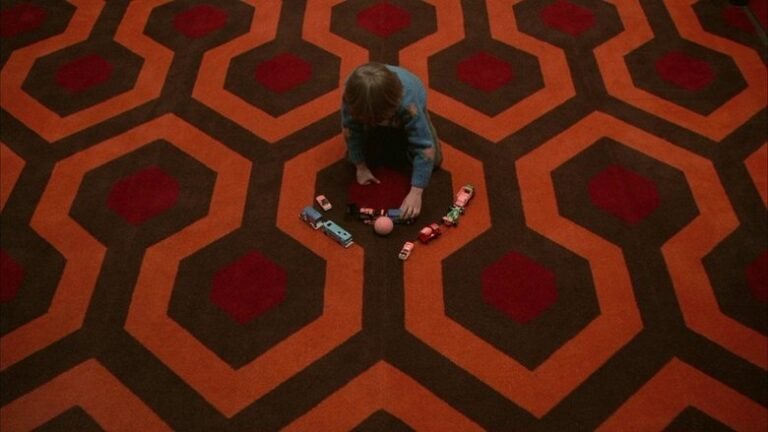

Table of Contents
- 1. Vertigo (1958)
- 2. Psycho (1960)
- 3. Rear Window (1954)
- 4. Rosemary’s Baby (1968)
- 5. The Shining (1980)
- 6. The Silence of the Lambs (1991)
- 7. Se7en (1995)
- 8. Shutter Island (2010)
- 9. Gone Girl (2014)
- 10. Memento (2000)
- 11. Black Swan (2010)
- 12. Mulholland Drive (2001)
- 13. Fight Club (1999)
- 14. The Game (1997)
- 15. Prisoners (2013)
- 16. Enemy (2013)
- 17. Nightcrawler (2014)
- 18. American Psycho (2000)
- 19. Cape Fear (1991)
- 20. The Talented Mr. Ripley (1999)
- 21. The Vanishing (1988)
- 22. Misery (1990)
- 23. The Machinist (2004)
- 24. Nocturnal Animals (2016)
- 25. The Killing of a Sacred Deer (2017)
- 26. The Invitation (2015)
- 27. Coherence (2013)
- 28. Blue Ruin (2013)
- 29. Blood Star (2024)
- 30. You’ll Never Find Me (2023)
- The Hitchcock Foundation of the Psychological Thriller
- Polanski, Kubrick and Psychological Isolation
- The Modern Psychological Thriller
- What Makes a Great Psychological Thriller?
- If You Like Psychological Thrillers, Watch Blood Star
- Related guides
- More on Blood Star