Quick Answer
The greatest serial killer movies include Psycho, The Silence of the Lambs, Se7en, Zodiac, Memories of Murder, The Vanishing, M, The Night of the Hunter, The Texas Chain Saw Massacre, Manhunter, Henry: Portrait of a Serial Killer, Cure, The Chaser, The Girl with the Dragon Tattoo and Wolf Creek.
The best serial killer movies are not frightening simply because several people are murdered. Their power comes from repetition, selection and the knowledge that the killer has done this before. Each new crime suggests an established ritual, a private logic and a pattern that may continue long after the film ends.
Some serial killer films are organised around investigation. Detectives follow bodies, photographs, coded messages and fragments of evidence while attempting to understand someone who appears to be several steps ahead of them. In Zodiac, Memories of Murder and The Silence of the Lambs, the investigation becomes a psychological trap of its own, consuming the people trying to solve it. The strongest examples sit at the centre of modern thriller movies, using patience and observation instead of simple shock.
Other films place us beside the intended victim rather than the detective. The Vanishing, Wolf Creek, The Hitcher and The Night of the Hunter create suspense through proximity: the killer is already present, but the person in danger may not yet understand who they have encountered.
The genre also contains killers who hide within ordinary professions and social roles. Norman Bates runs a motel. Annie Wilkes is a former nurse. Hannibal Lecter is a psychiatrist. Mick Taylor presents himself as a helpful bushman. Their apparent familiarity becomes part of the threat because each understands what other people expect to see.
That is what distinguishes the strongest serial killer movies from stories about random violence. The killer has a method, history or fantasy that turns each victim into part of something larger. The film asks not only whether the killer will strike again, but whether anyone can understand the pattern before another person is absorbed into it.
What Are the Best Serial Killer Movies?
The greatest serial killer movies include Psycho, The Silence of the Lambs, Se7en, Zodiac, Memories of Murder, The Vanishing, M, The Night of the Hunter, The Texas Chain Saw Massacre, Manhunter, Henry: Portrait of a Serial Killer, Cure, The Chaser, The Girl with the Dragon Tattoo and Wolf Creek.
Some are police procedurals, while others belong equally to horror, psychological thriller, neo-noir or road cinema. What connects them is the presence of repeated predatory violence and the attempt—by investigators, victims or the audience—to recognise the system behind it.
What Makes a Serial Killer Movie Effective?
A great serial killer movie creates the feeling that the violence extends beyond the individual crime we are watching. A room, object or method may reveal that the killer has repeated the same action before and intends to repeat it again. The current victim is therefore not merely in danger; they are being drawn into an established ritual.
The strongest films resist making the killer powerful simply because everyone else behaves foolishly. Suspense becomes more convincing when investigators are intelligent, victims resist and the killer still exploits an overlooked weakness, institutional failure or ordinary act of trust.
Serial killer films also depend on perspective. Some keep the murderer hidden, allowing us to experience the investigation through uncertainty. Others identify the killer early and create tension from the effort to prove what the audience already knows. A few place us inside the murderer’s life, forcing us to confront the disturbing ordinariness surrounding extreme violence.
Serial Killer Movies and Slasher Movies
Serial killer films and slasher movies overlap, but they are not identical. A slasher usually focuses on a group of potential victims being pursued and killed within a concentrated period, often by a masked or apparently unstoppable attacker. The killer may have a history, but the film’s dramatic emphasis is usually on immediate survival.
A serial killer movie is more likely to foreground repetition across time. Investigators or victims discover earlier crimes, behavioural patterns, trophies or methods connecting one murder to another. The central tension comes from recognising the killer’s system.
Halloween can be understood as both a slasher and a serial killer film, while Zodiac is clearly a serial killer procedural rather than a slasher. The Texas Chain Saw Massacre occupies the territory between horror, family nightmare and serial murder, while Wolf Creek combines road horror, survival thriller and serial killer cinema.
Genre labels are useful, but the strongest films frequently cross their boundaries.
The 40 Best Serial Killer Movies of All Time
40. The Frozen Ground (2013)
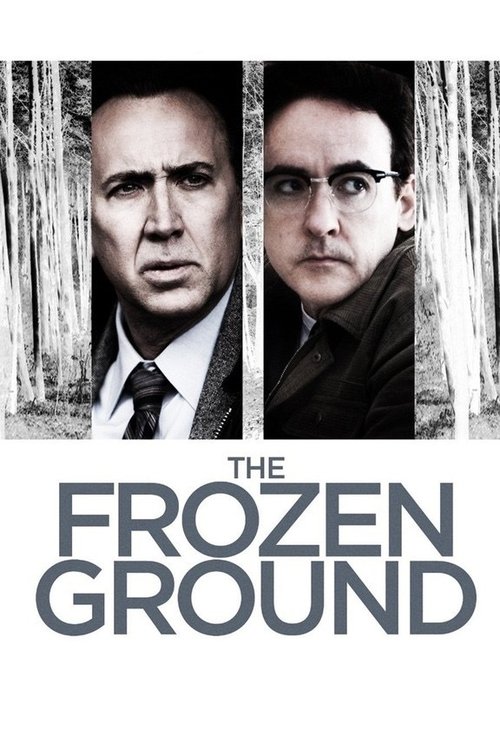
Scott Walker dramatises the investigation of Robert Hansen, who abducted women in Alaska before releasing them into the wilderness and hunting them. Nicolas Cage plays state trooper Jack Halcombe, whose investigation depends upon the testimony of Cindy Paulson, a young woman who escaped Hansen’s captivity. Our list of films like Prisoners covers more of this moral territory.
The film works best as a story about believing a survivor whom others are prepared to dismiss. John Cusack plays Hansen as an apparently respectable family man whose ordinary public identity allowed him to continue killing women he assumed would not be taken seriously.
39. The Poughkeepsie Tapes (2007)
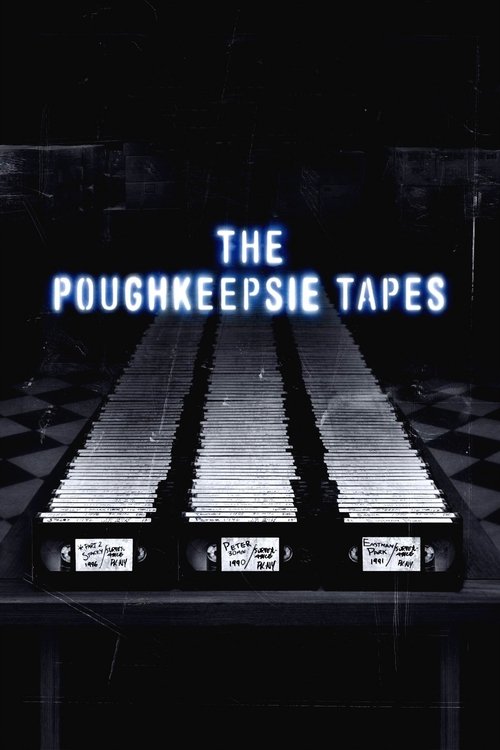
John Erick Dowdle presents his film as a documentary assembled after police discover hundreds of videotapes recorded by a serial killer. The footage documents abductions, torture, murder and the killer’s sustained manipulation of one surviving victim.
Its most disturbing idea is that the recordings are not merely evidence. They are part of the murderer’s ritual and his attempt to control how his crimes will eventually be understood. The fragmented presentation makes the killer feel less like a conventional character than a presence continually shaping the investigation from outside the frame.
38. The Deliberate Stranger (1986)

Marvin J. Chomsky directs Mark Harmon as Ted Bundy in this television adaptation of Richard W. Larsen’s book. The story follows Bundy’s crimes and the investigation that gradually connects disappearances across different jurisdictions.
Harmon avoids turning Bundy into a theatrical monster. His friendliness, confidence and apparently ordinary appearance are central to the film’s effect because they demonstrate how he approached women without immediately creating alarm. The film also shows how institutional separation allowed repeated crimes to remain disconnected for too long.
37. Extremely Wicked, Shockingly Evil and Vile (2019)
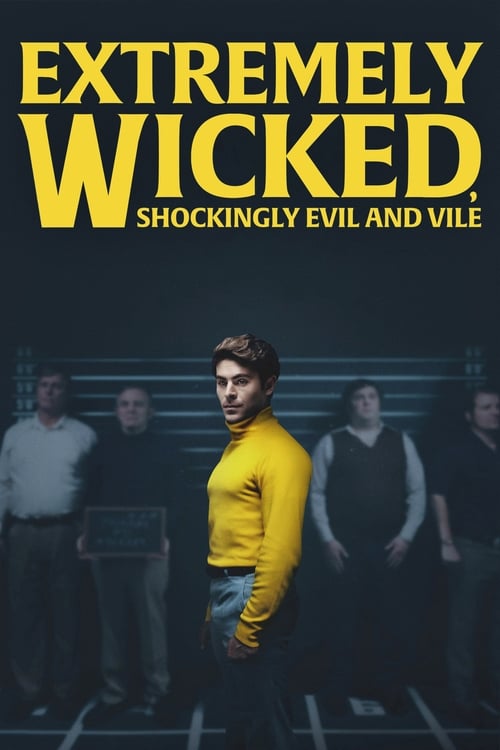
Joe Berlinger examines Ted Bundy largely through his relationship with Elizabeth Kendall, the woman who struggled to reconcile the man she loved with the serial killer described by investigators and survivors.
Zac Efron’s charisma is used deliberately rather than celebratorily. Bundy’s appearance, intelligence and confidence made denial possible for people close to him and helped him manipulate public attention. The film is most effective when it shows how a serial killer can preserve one version of himself for those he needs while committing violence elsewhere.
36. Natural Born Killers (1994)
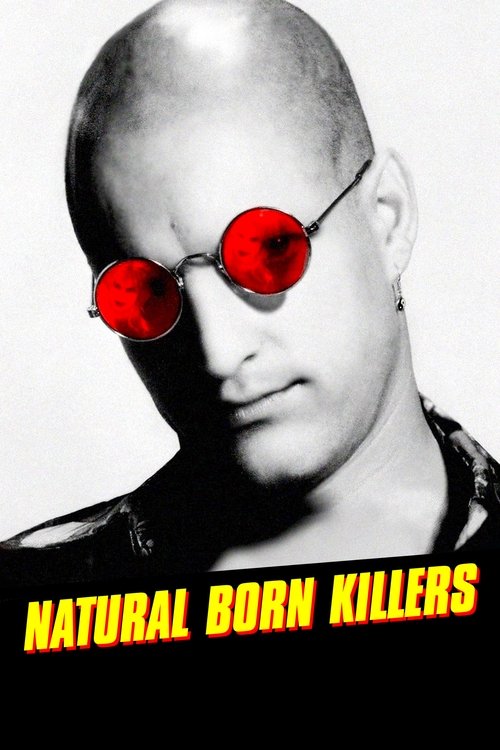
Oliver Stone follows Mickey and Mallory Knox as they murder their way across America and become celebrities through sensational television coverage. Their crimes are repeated, deliberate and absorbed into a public mythology that transforms two serial killers into entertainment figures.
Stone uses shifting film stocks, animation, rear projection, television imagery and aggressive editing to recreate a culture overwhelmed by media. Mickey and Mallory do not merely commit murders; they perform identities shaped by the knowledge that someone will eventually package, broadcast and consume their violence.
The film does not ask the audience to admire the couple so much as confront the machinery that makes admiration possible. Reporter Wayne Gale condemns their crimes while recognising that their fame can advance his own career, gradually becoming indistinguishable from the spectacle he claims to document.
Natural Born Killers expands the serial killer film beyond investigation and capture. Its central subject is circulation: the way murder becomes image, image becomes celebrity and celebrity encourages audiences to forget the people who were killed.
35. The Clovehitch Killer (2018)
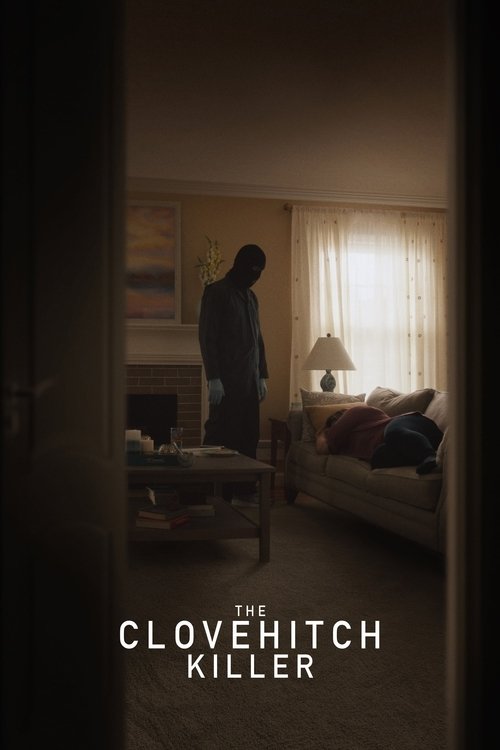
Duncan Skiles places serial murder inside a respectable religious household. Teenager Tyler begins to suspect that his father may be responsible for crimes attributed to the Clovehitch Killer after discovering disturbing photographs and concealed restraints.
The film creates suspense through domestic familiarity. Don is not presented as an obviously sinister outsider; he is dependable, involved in his community and trusted by his family. Tyler’s investigation therefore threatens more than his father. It threatens the moral structure upon which the entire household has been built.
34. The Good Nurse (2022)
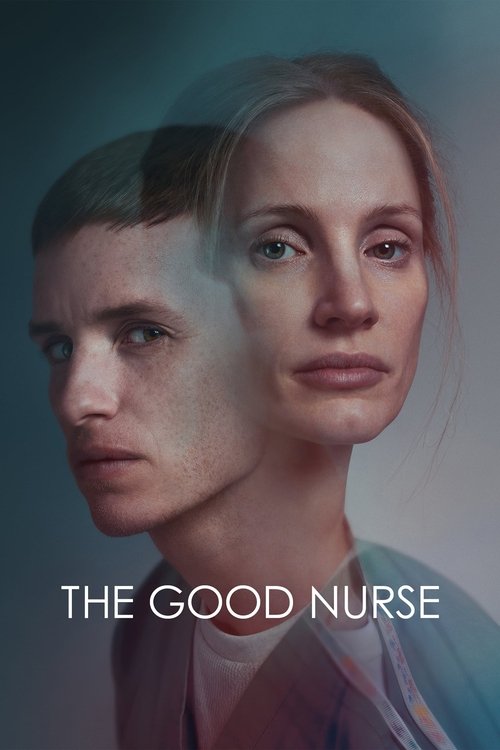
Tobias Lindholm dramatises the crimes of Charles Cullen through the nurse who helped expose him. Amy Loughren begins to suspect that her colleague may be responsible for unexplained patient deaths, even though he has become one of the few people supporting her through illness and financial pressure.
Eddie Redmayne makes Cullen frightening through gentleness and apparent emotional availability. The film also directs attention towards the hospital systems that moved him between institutions rather than exposing what had happened, allowing liability concerns to outweigh patient safety.
33. Boston Strangler (2023)
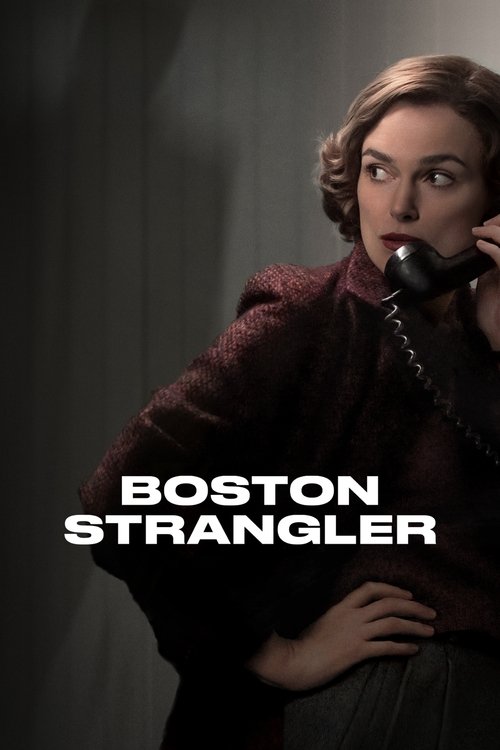
Matt Ruskin follows reporters Loretta McLaughlin and Jean Cole as they connect a series of murders that authorities initially hesitate to treat as the work of one killer. Their reporting develops into an investigation of police failures, contradictory evidence and uncertainty over whether every crime attributed to the Boston Strangler had the same perpetrator.
The film centres the work required to make a pattern visible. Individual murders have been divided across jurisdictions and treated separately, while women reporting the connection struggle to be taken seriously by male editors and investigators.
32. Creep (2014)
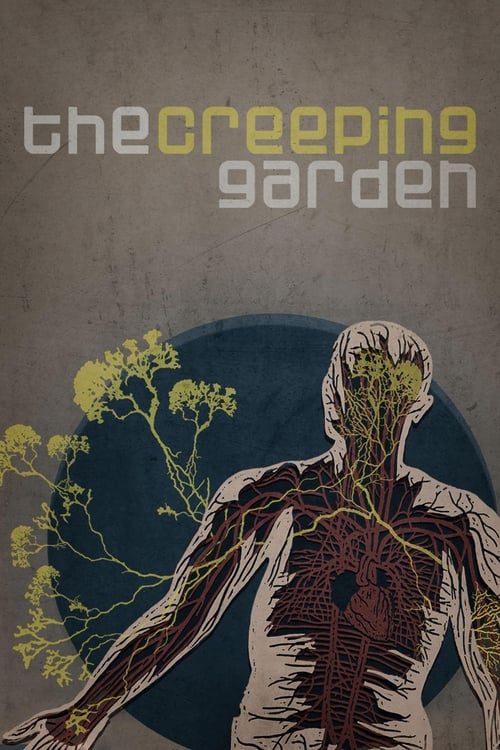
Patrick Brice directs and stars as a filmmaker hired to record a day in the life of Josef, an eccentric man claiming to be terminally ill. What initially appears to be an uncomfortable but sympathetic assignment gradually becomes an encounter with someone who uses confession, intimacy and apparent vulnerability to control strangers.
Mark Duplass makes Josef frightening because every alarming action is followed by an explanation designed to make the victim feel unreasonable for reacting. The film eventually reveals that Aaron is not the first person drawn into this pattern, establishing Josef as a serial predator who turns trust into ritual.
31. The Town That Dreaded Sundown (1976)

Charles B. Pierce dramatises the 1946 Texarkana Moonlight Murders through a mixture of police procedural, documentary narration and horror. A masked attacker known as the Phantom targets couples in isolated locations while investigators struggle to identify him.
The film’s power comes partly from its lack of resolution. The killer’s identity remains unknown, allowing the final suggestion that he may still be present within the community to carry particular weight. His simple hood also makes him feel less like a stylised supervillain than an ordinary person concealing himself.
30. 10 Rillington Place (1971)
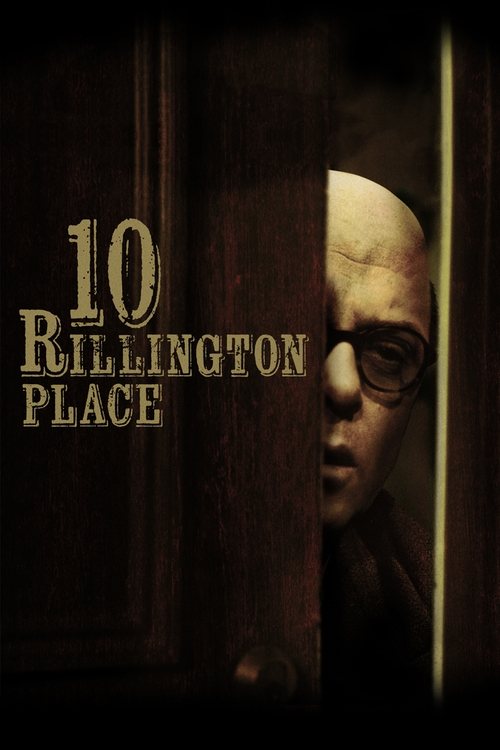
Richard Fleischer recounts the crimes of John Christie, who murdered several women inside his London home. Richard Attenborough plays Christie as soft-spoken, physically unimposing and outwardly helpful, making his domestic respectability central to the horror.
The film also examines the wrongful conviction and execution of Timothy Evans. Christie’s crimes are therefore inseparable from institutional failure: a serial killer continues operating while another vulnerable man is blamed for murders he did not commit. The restrained presentation makes the violence feel more disturbing rather than less.
29. The Talented Mr. Ripley (1999)
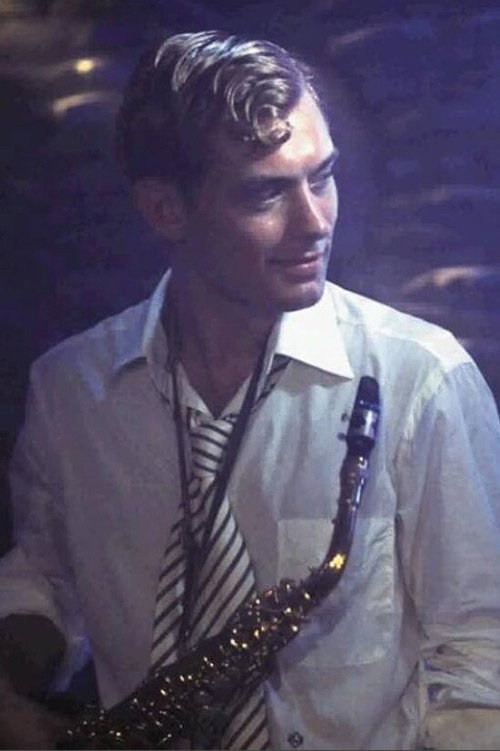
Anthony Minghella turns Patricia Highsmith’s charming sociopath into a killer driven by envy, shame and the desire to inhabit another man’s life. Tom Ripley does not begin with a grand murder plan, but once violence gives him access to Dickie Greenleaf’s identity and privilege, each new lie demands another act of brutality.
The film works as a serial killer story because Tom’s murders form an escalating pattern of concealment and self-preservation. Matt Damon makes him unsettlingly sympathetic, allowing the audience to understand his longing even as he becomes increasingly ruthless.
28. The Honeymoon Killers (1970)
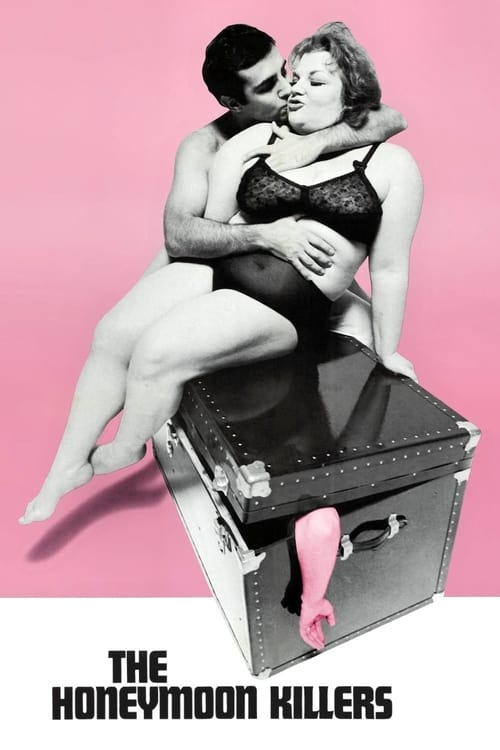
Leonard Kastle dramatises the crimes of Martha Beck and Raymond Fernandez, who targeted lonely women through personal advertisements. Fernandez offers romance and companionship, while Martha poses as his sister and becomes increasingly jealous of the women they deceive.
The film rejects glamorous outlaw romance. The couple are possessive, resentful and frequently incompetent, while their victims are selected because loneliness makes promises of affection unusually powerful. Their crimes emerge from emotional manipulation as much as physical violence.
27. Snowtown (2011)
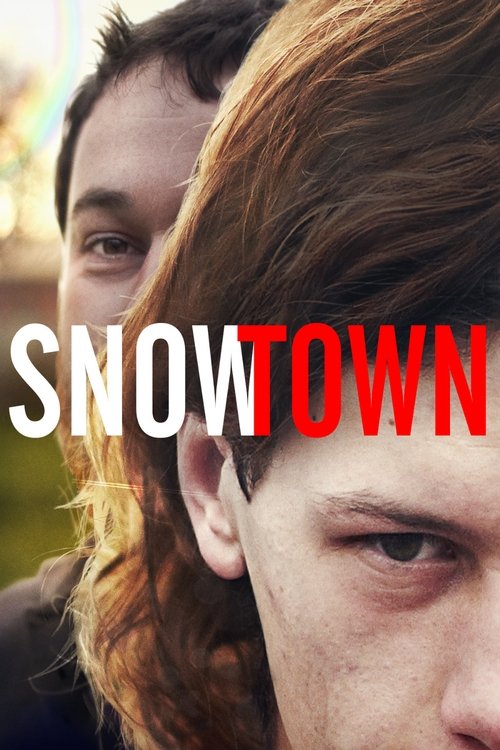
Justin Kurzel reconstructs the crimes associated with John Bunting through the perspective of Jamie, a vulnerable teenager drawn into Bunting’s influence. Bunting enters the family’s life as a confident protector willing to confront suspected abusers and other people he identifies as threats.
That role gradually becomes a method of control. He converts prejudice, fear and loyalty into permission for violence, creating a small social system in which murder can be presented as punishment. Kurzel’s film is disturbing because the killer recruits others into his worldview rather than operating entirely alone.
26. Monster (2003)

Patty Jenkins follows Aileen Wuornos through her relationship with Selby Wall and the murders she commits while working along Florida highways. Charlize Theron’s performance refuses both sensationalism and easy absolution.
The film acknowledges Wuornos’s history of abuse, poverty and exploitation without erasing responsibility for the men she killed. Each act of violence appears initially connected to survival but gradually becomes part of a repeated pattern. The tragedy lies in watching the possibility of another life disappear as murder becomes the means through which escape is pursued.
25. Summer of Sam (1999)
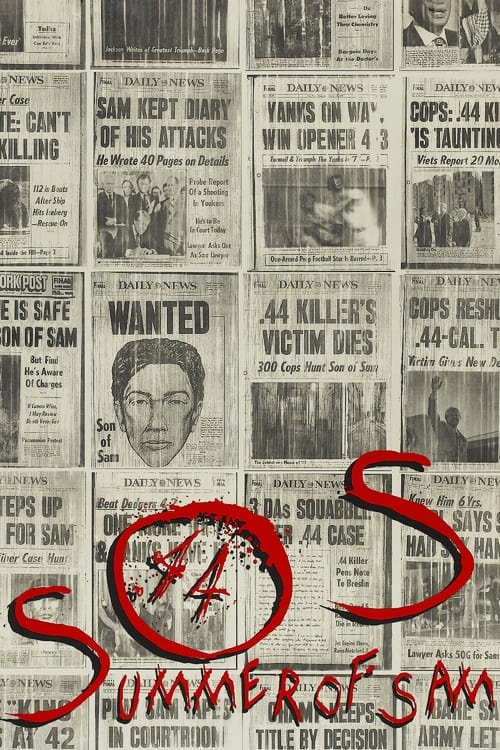
Spike Lee examines New York during the summer of the Son of Sam murders. Rather than centring David Berkowitz, the film follows residents of an Italian-American neighbourhood whose existing tensions intensify under the pressure of fear.
Suspicion turns inward. Anyone whose behaviour or appearance falls outside the community’s expectations may be identified as the killer, allowing prejudice and resentment to produce violence of their own. The serial murderer’s influence extends far beyond his direct victims because the city begins reorganising itself around the possibility that he could be anyone.
24. Kalifornia (1993)

Dominic Sena sends a journalist and photographer across America to research famous murder sites while sharing a car with Early Grayce and his girlfriend Adele. The researchers fail to recognise that Early is himself a serial killer.
Brad Pitt gives Early a volatile physical presence, but his violence is initially obscured by the travellers’ assumptions about class and intelligence. The road gradually removes every source of protection while the observers discover that their academic fascination with murder has placed them beside someone for whom killing is immediate and personal.
23. Copycat (1995)

Jon Amiel follows criminal psychologist Helen Hudson and detective M.J. Monahan as they pursue a murderer recreating crimes associated with famous serial killers. Helen’s knowledge makes her essential to recognising the sequence, but severe agoraphobia confines her to her apartment.
The murderer does not merely copy individual methods. He constructs a historical performance designed for an expert audience. Helen becomes central to his fantasy because he wants his knowledge and planning to be recognised by someone qualified to understand them.
22. The House That Jack Built (2018)
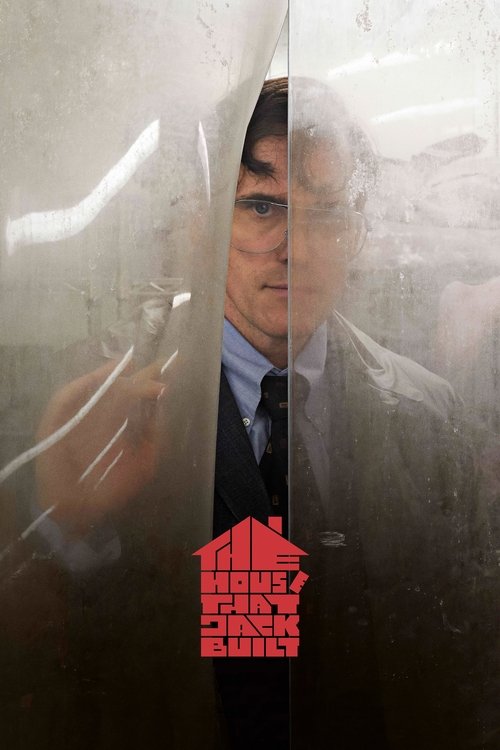
Lars von Trier structures the film around Jack describing several murders as though they represent stages in his artistic development. He treats killing as evidence of intellectual superiority and repeatedly attempts to transform cruelty into aesthetic achievement.
The film undermines that self-image through failure, vanity and grotesque humour. Jack’s need to narrate himself becomes one of his defining compulsions. He does not only want to kill; he wants his crimes to establish him as someone exceptional and worthy of permanent attention.
21. The Golden Glove (2019)
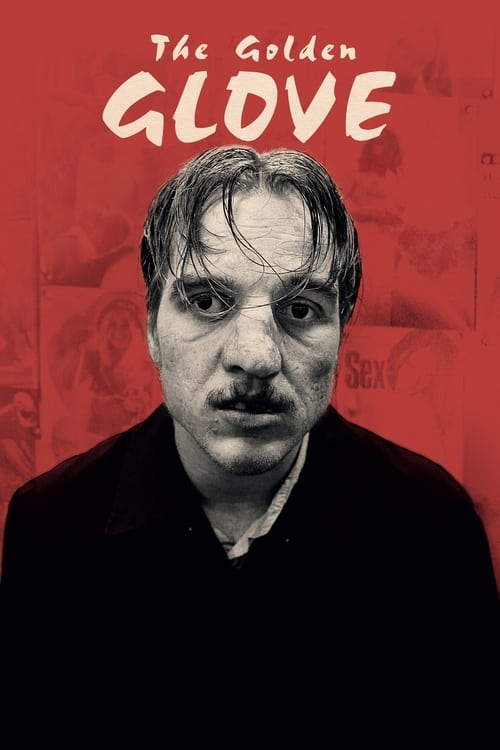
Fatih Akin depicts the life and crimes of Fritz Honka, who targeted women living at the margins of Hamburg society. The film places him inside a degraded social world of alcoholism, poverty and isolation without turning that environment into an excuse.
Honka continues partly because his victims are people society has already learned not to see. Their disappearances do not produce the urgency that might have followed victims with greater social protection. The serial killer’s opportunity is therefore inseparable from wider neglect.
20. The Black Phone (2021)
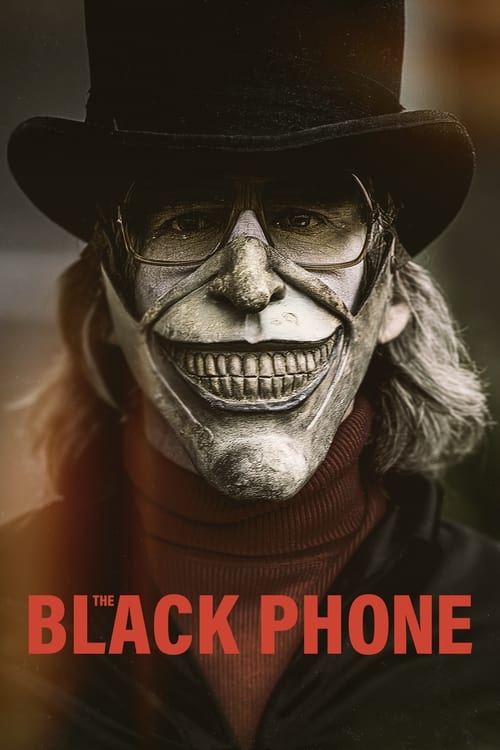
Scott Derrickson follows Finney, a boy abducted by a masked serial killer known as the Grabber. Imprisoned in a basement, Finney begins receiving calls through a disconnected telephone from children previously murdered there.
The Grabber’s masks suggest that identity is part of his ritual. Different faces accompany different moods and rules, leaving Finney unsure which version of the killer will enter the room. The former victims gradually transform repetition into resistance by helping him understand the routine that defeated them.
19. Longlegs (2024)
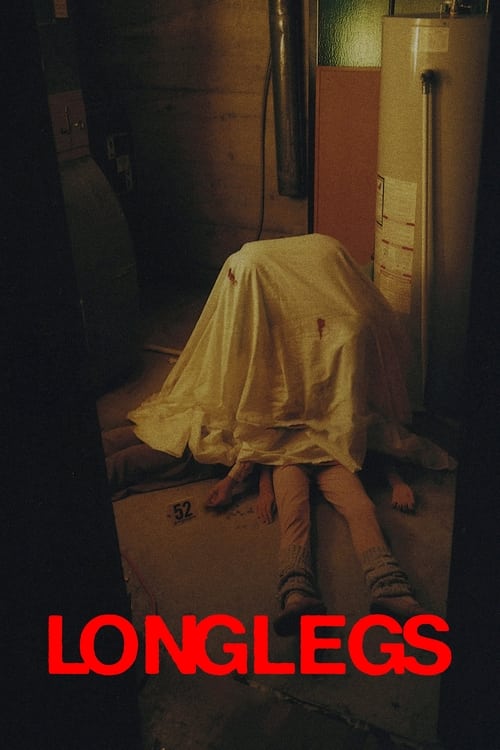
Osgood Perkins combines serial killer investigation with occult horror. FBI agent Lee Harker investigates a series of family deaths connected by coded letters from a figure calling himself Longlegs, even though the killer does not appear to have entered the victims’ homes.
The film expands the serial killer’s influence beyond direct physical violence. Objects, memories and family relationships become part of his method. Harker’s investigation grows increasingly personal as she discovers that her connection to the case may have begun long before she joined the FBI.
18. Strange Darling (2024)

JT Mollner presents a violent encounter between a man and woman through chapters shown outside chronological order. The fractured structure repeatedly changes the audience’s understanding of which person is predator and which is intended victim.
The film uses assumptions created by other serial killer movies as part of its mechanism. Viewers interpret behaviour, clothing and apparent vulnerability through familiar genre patterns, then discover that the story assembled from those signals is incomplete. The reversal works because it exposes how quickly spectators assign fixed roles — making it one of the sharpest recent additions to the conversation around best movie twist endings.
17. American Psycho (2000)
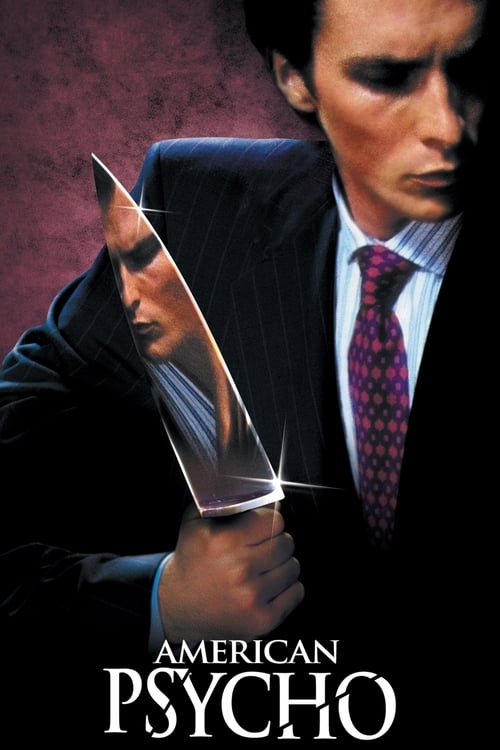
Mary Harron follows Patrick Bateman, a wealthy investment banker whose immaculate appearance conceals fantasies and acts of extreme violence. His professional world is so superficial and interchangeable that colleagues repeatedly mistake one another’s identities.
Christian Bale makes Bateman frightening and absurd at the same time. He wants murder to prove his individuality, yet he belongs to a culture in which no one pays sufficient attention to recognise him. Even confession fails because the people around him are more interested in status than truth.
16. I Saw the Devil (2010)
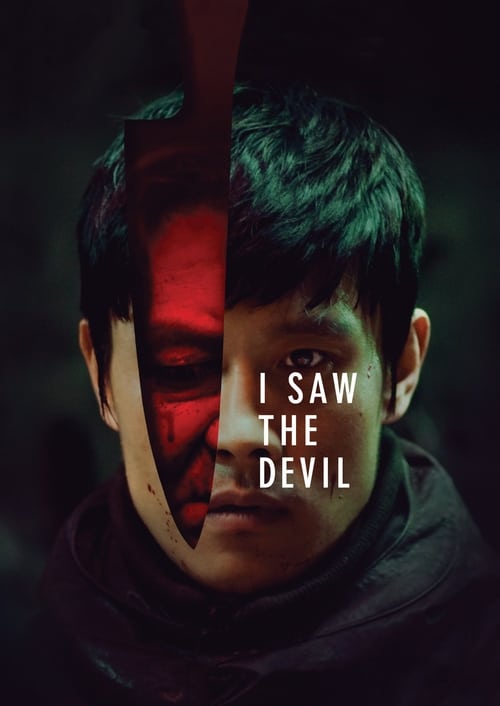
Kim Jee-woon begins with the murder of a woman by serial killer Jang Kyung-chul. Her fiancé, intelligence agent Kim Soo-hyun, captures the killer but releases him so he can continue tracking, attacking and punishing him.
The revenge campaign gives the killer repeated opportunities to harm others, transforming punishment into contamination. Soo-hyun believes he controls the cycle because he can locate Jang whenever he wishes, but the serial killer gradually dictates the moral terms of the conflict by drawing his pursuer deeper into cruelty.
15. The Chaser (2008)
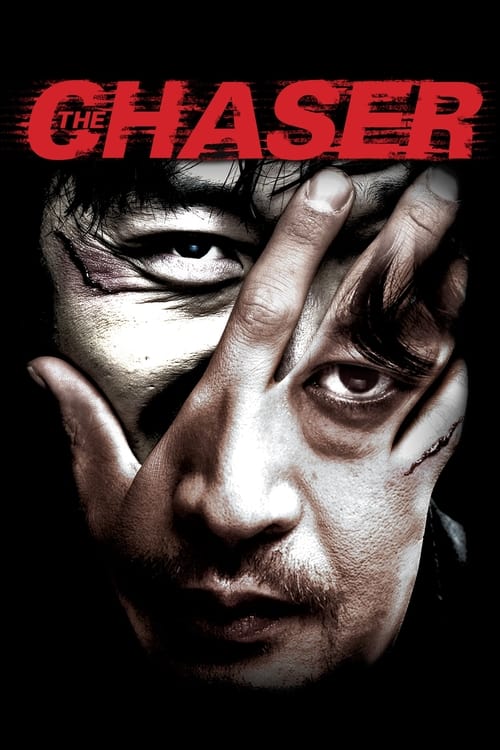
Na Hong-jin follows former detective Eom Joong-ho after several women working for him disappear. He identifies the client connected to them, and the suspected killer is taken into custody surprisingly early, but authorities lack the evidence needed to hold him.
The film creates suspense from institutional delay rather than uncertainty over the killer’s identity. One victim may still be alive, yet rivalry, incompetence and bureaucracy continually obstruct the search. The horror comes from watching rescue remain possible while every system required to achieve it fails.
14. The Girl with the Dragon Tattoo (2011)
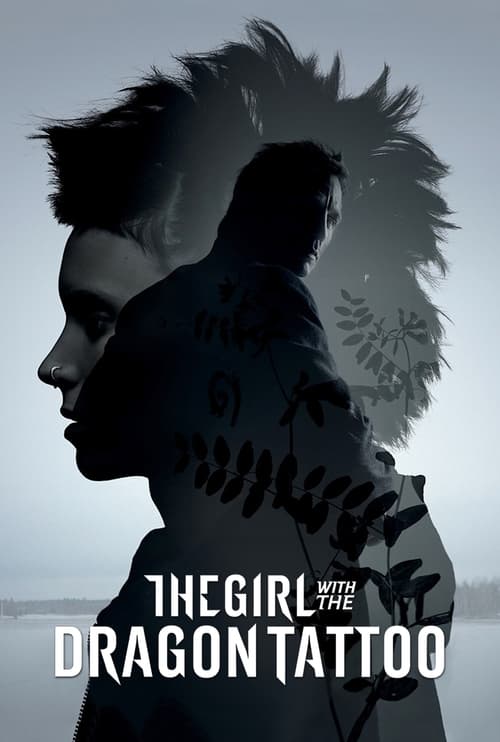
David Fincher follows journalist Mikael Blomkvist and hacker Lisbeth Salander as they investigate the decades-old disappearance of Harriet Vanger from a wealthy Swedish family.
Their research connects photographs, dates and biblical references to a series of murdered women. The crimes remained concealed because they were separated by time and geography and protected by family privilege. Fincher turns archival research into suspense as apparently isolated deaths gradually reveal a serial pattern hidden inside respectability.
13. Henry: Portrait of a Serial Killer (1986)
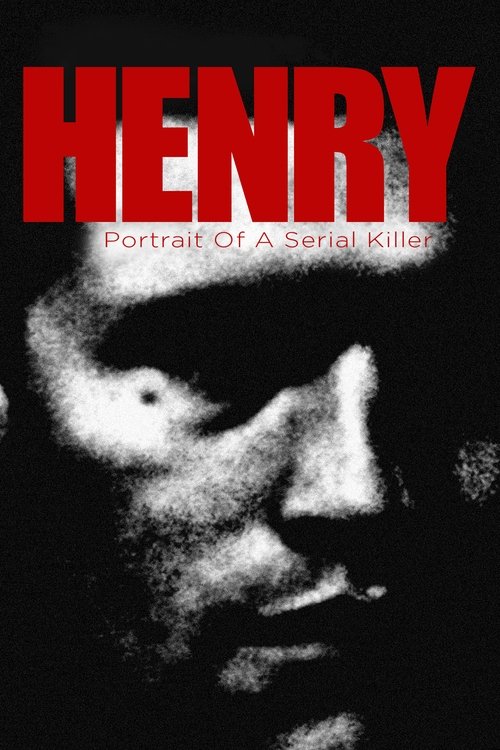
John McNaughton follows Henry through a bleak urban landscape in which murder has become routine. He changes his method deliberately so the crimes will not easily be linked, moving between victims without constructing the theatrical signature common to many fictional killers.
Michael Rooker’s performance avoids glamour and intellectual mythology. Henry is frightening because he can appear calm, practical and socially functional immediately before or after violence. The film offers no reassuring investigator and little expectation that the pattern will be stopped.
12. Manhunter (1986)
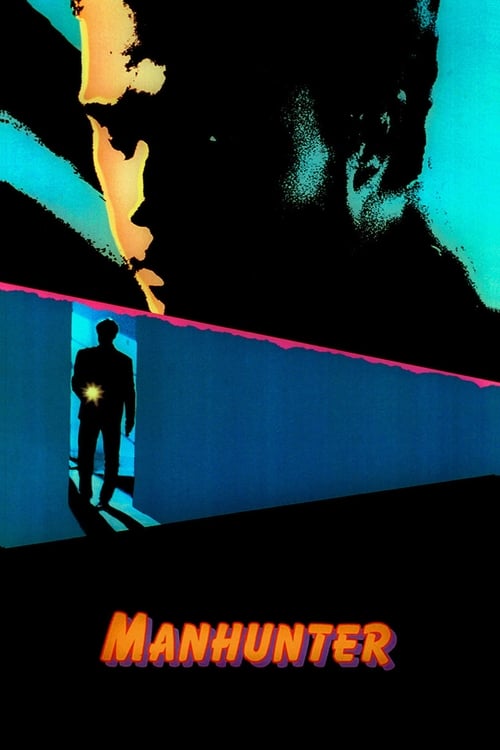
Michael Mann follows profiler Will Graham as he investigates a serial killer targeting entire families. Graham previously captured Hannibal Lecktor and reluctantly consults him in order to understand the new murderer’s psychology.
The investigation depends upon identification. Graham can reconstruct what the killer sees and feels, but that ability threatens his own psychological stability. Tom Noonan’s Francis Dollarhyde is given emotional complexity without diminishing the horror of his crimes, making him more than a puzzle waiting for the detective to solve.
11. The Vanishing (1988)
George Sluizer begins with Saskia’s disappearance from a busy service station. Her partner Rex spends years searching for an answer, while the film reveals that Raymond Lemorne, an apparently ordinary family man, is responsible.
The suspense does not depend upon discovering the killer’s identity. It comes from Raymond’s methodical testing of his own capacity for evil and Rex’s inability to live without knowing the truth. The killer eventually turns curiosity itself into the final stage of his crime.
10. Wolf Creek (2005)

Greg McLean follows three backpackers stranded near an isolated crater in the Australian outback. Mick Taylor presents himself as a friendly local prepared to repair their vehicle, but his offer of help draws them into an established pattern of abduction and murder.
John Jarratt makes Mick frightening because humour and cruelty emerge from the same personality. His knowledge of the landscape gives him almost complete control, while the apparent openness of the outback becomes a prison without witnesses. Wolf Creek remains one of the defining road thriller movies, and anyone who wants more in the same vein should look at movies like Wolf Creek.
9. M (1931)
Fritz Lang follows the search for a murderer of children whose crimes have placed Berlin under enormous pressure. Police operations disrupt organised crime so severely that the city’s criminals begin conducting an investigation of their own.
Peter Lorre gives the killer terror, desperation and self-awareness without removing responsibility for his crimes. Lang expands the story beyond one murderer, showing how surveillance, accusation and mob justice reshape an entire city. The killer becomes the centre of a social panic capable of producing further injustice.
8. Cure (1997)

Kiyoshi Kurosawa follows detective Kenichi Takabe as he investigates a series of murders committed by different people who leave the same mark on their victims. None can provide a coherent explanation for what they have done.
A wandering man named Mamiya appears connected to each crime through hypnosis and suggestion. Cure reimagines the serial killer as someone who may not perform the murders himself. The repeated pattern spreads through ordinary people, implying that violence may already exist beneath identity and requires only the correct pressure to surface.
7. The Texas Chain Saw Massacre (1974)
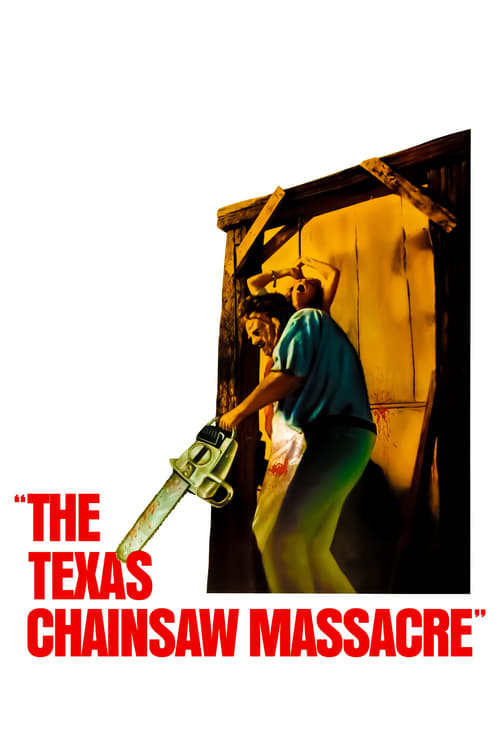
Tobe Hooper sends a group of young travellers into the home of a family whose history of slaughterhouse labour has evolved into murder and cannibalism. Leatherface is the most recognisable figure, but the violence belongs to the household as a whole.
Human remains turned into furniture and domestic objects reveal that the visitors are not facing an isolated eruption of violence. They have entered a serial system refined through earlier victims. Murder has become part of the family’s work, meals and rituals.
6. Peeping Tom (1960)
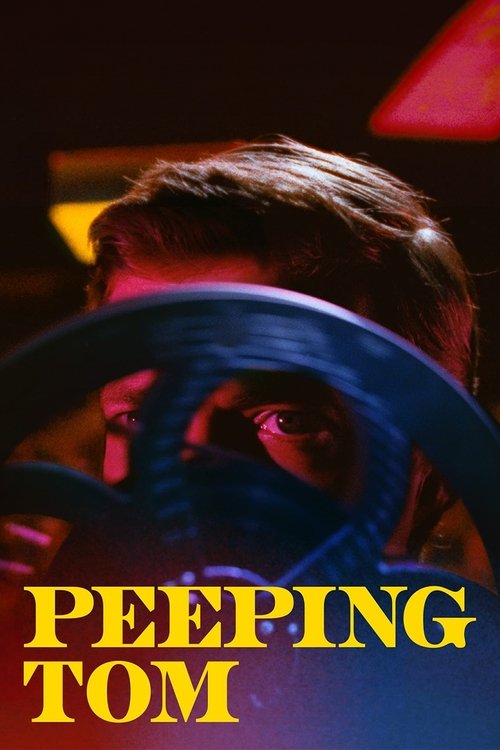
Michael Powell follows camera operator Mark Lewis, who murders women while filming their final expressions of fear. His camera is both recording device and murder weapon, making spectatorship inseparable from violence.
Mark was psychologically shaped by a father who treated fear as experimental material, and he continues that abuse through images of his own. The film implicates the audience by forcing us to watch through his view.
5. Memories of Murder (2003)
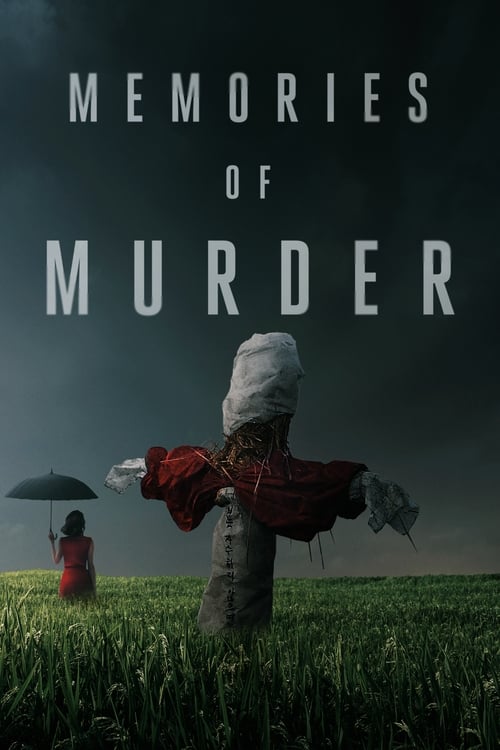
Bong Joon Ho follows detectives investigating a series of murders in rural South Korea during the 1980s. Local officers rely upon intimidation, fabricated evidence and instinct, while a detective arriving from Seoul initially believes that methodical reasoning will reveal the killer.
The investigation is repeatedly undermined by poor resources, institutional pressure and an inability to preserve or analyse evidence properly. Suspects appear convincing until the facts collapse around them, leaving the detectives increasingly desperate to force certainty from a case that refuses to provide it.
Bong moves between dark humour, procedural frustration and sudden violence without weakening the seriousness of the crimes. The humour exposes the investigators’ limitations, while each new murder reminds us that women continue to die as the authorities argue, compete and pursue the wrong men.
The absence of resolution becomes the film’s deepest source of unease. The killer is not transformed into a theatrical mastermind. He may have looked like any ordinary person moving through the landscape, which makes the final direct look into the camera so disturbing.
4. Psycho (1960)
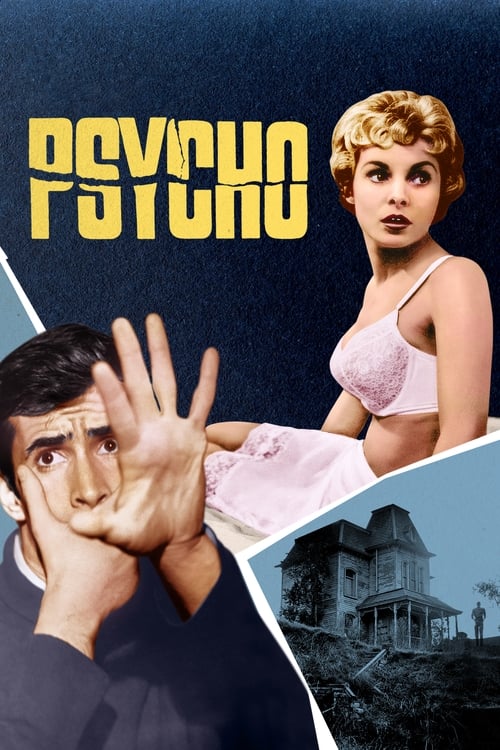
Alfred Hitchcock begins with Marion Crane, who steals money from her employer and stops at the isolated Bates Motel while attempting to escape her former life. Her meeting with the shy proprietor, Norman Bates, abruptly redirects the film from crime thriller into psychological horror.
Norman appears nervous, lonely and dominated by his mother. His vulnerability encourages both Marion and the audience to sympathise with him, making the later discovery of his violence more unsettling. Hitchcock demonstrates how effectively a serial killer can hide inside someone who appears more fragile than threatening.
The motel is an ideal serial killer environment. Its isolated rooms offer access to travellers who may not immediately be missed, while the house above it conceals the identity Norman has preserved and absorbed. Hospitality, voyeurism and murder have become parts of the same recurring system.
The film’s influence extends far beyond the shower scene. Psycho established the modern screen killer as someone who may appear ordinary, polite and even pitiable while living inside a private ritual of repeated violence.
3. Se7en (1995)
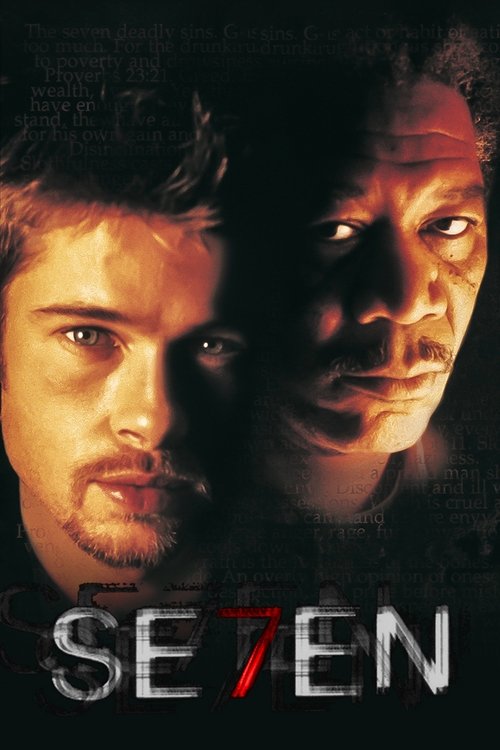
David Fincher follows detectives William Somerset and David Mills through an unnamed city where a serial killer constructs elaborate murders around the seven deadly sins. Each crime scene is designed not merely to kill but to communicate an argument about human corruption.
John Doe selects victims according to the meaning he assigns them, transforming their bodies into parts of a sermon addressed to the detectives and the wider public. His pattern gives the investigation direction, but it also ensures that the police are interpreting events within a structure he has created for them.
The killer’s surrender appears to restore control. Instead, it reveals that his capture is another stage in a plan that is not yet complete. Somerset and Mills have never been outside the design looking in; they have been moving towards their assigned roles from the beginning.
Se7en remains one of the defining serial killer films because arresting the murderer does not defeat him. John Doe’s real weapon is psychological authorship: his ability to determine what the detectives will see, where they will go and who they will become when the final part of the pattern is revealed.
2. The Silence of the Lambs (1991)
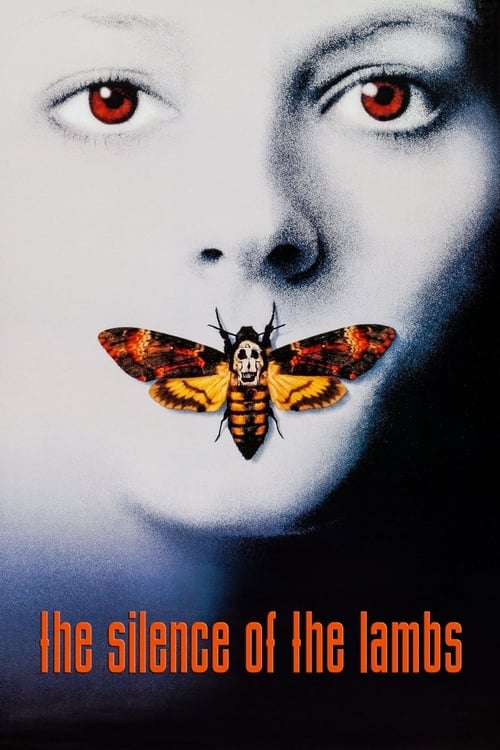
Jonathan Demme places FBI trainee Clarice Starling between two serial killers. She seeks insight from imprisoned psychiatrist Hannibal Lecter while attempting to find Buffalo Bill before he murders the young woman he is holding captive.
Lecter controls conversations through observation and exchange. He recognises Clarice’s ambition, background and emotional vulnerabilities almost immediately, offering information only when she reveals something personal in return. Their scenes become contests over who is studying whom.
Buffalo Bill presents a different form of serial murder. His crimes are part of a transformation ritual through which he attempts to construct a new identity from the bodies of his victims. His basement is not simply a place of captivity but a private world organised around repetition, control and self-reinvention.
Clarice ultimately enters that world without the institutional support that brought her there. Investigation becomes direct survival as she moves through darkness while the killer watches her through night-vision goggles. The film endures because Clarice is neither passive nor invulnerable. She succeeds through intelligence, attention and empathy, refusing to let either killer define her even while she enters deeply into the psychological systems they have constructed.
1. Zodiac (2007)
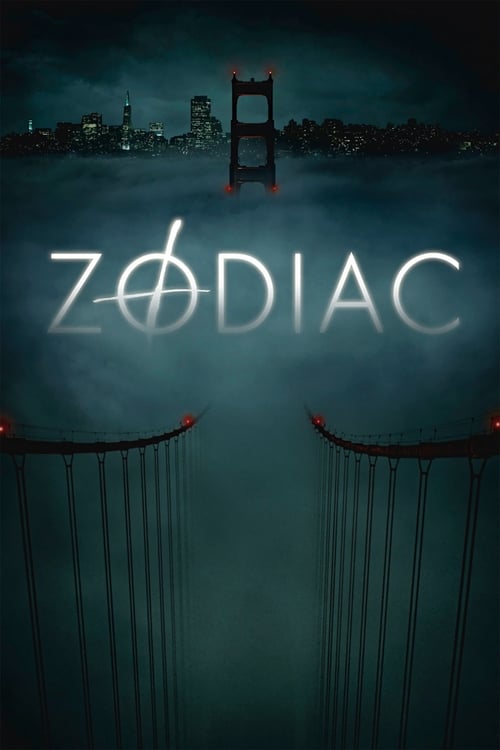
David Fincher created the definitive serial killer film by refusing the closure audiences normally expect from the genre. The Zodiac murders produce letters, codes, suspects and enormous public attention, yet the investigation never reaches the absolute certainty required to contain the case.
The story is distributed across several people whose lives are altered by the search. Detective Dave Toschi needs evidence capable of surviving legal scrutiny. Journalist Paul Avery becomes entangled with notoriety and self-destruction. Cartoonist Robert Graysmith grows increasingly obsessed with assembling fragments everyone else has learned to abandon.
Fincher turns research into suspense. Handwriting samples, dates, military records, phone calls, witness statements and geographical details repeatedly appear capable of completing the pattern. Each apparent breakthrough, however, encounters another contradiction or procedural limit.
The suspected killer does not need extensive screen time because his absence controls the film more completely than a conventional villain’s presence could. He changes careers, relationships and identities without confronting most of the people pursuing him. Zodiac understands the deepest fear within serial killer cinema: not merely that someone can kill repeatedly, but that the truth can remain permanently close without ever becoming fully provable. Our list of films like Zodiac explores that kind of investigation further.
Serial Killer Investigation Movies
Films such as Zodiac, Memories of Murder, The Silence of the Lambs, Manhunter and The Chaser are organised around the attempt to identify or stop a repeated murderer.
The investigators do not merely search for physical evidence. They attempt to understand victim selection, geography, ritual and communication. Every recurring detail may reveal intention, but the desire to find a pattern can also lead investigators towards false certainty.
The strongest procedural films recognise that solving a crime requires institutions to function correctly. Evidence must be preserved, jurisdictions must cooperate and personal conviction must become legally defensible proof.
Serial Killer Movies From the Victim’s Perspective
The Vanishing, Wolf Creek, The Hitcher and Misery shift the centre of the genre away from detectives. Their suspense comes from watching a person recognise that an apparently ordinary encounter is part of a repeated predatory system — some of the most effective survival thriller movies in the genre are built this way.
The victim may initially believe that cooperation will preserve safety. The killer exploits this assumption by presenting demands as temporary, reasonable or necessary.
These films become especially frightening when escape from the individual killer does not guarantee protection. The environment, local authority or absence of witnesses may already favour the person committing the violence.
Serial Killer Road Movies
Roads offer serial killers anonymity, movement and access to strangers whose disappearances may not immediately be connected. Service stations, motels and isolated routes create temporary communities in which people encounter one another without reliable knowledge of who they are.
The Hitcher, Kalifornia and Wolf Creek use travel as exposure — anyone drawn to this corner of the genre should also look at movies like The Hitcher. The road appears to promise freedom, but distance from home also removes established relationships and familiar sources of protection.
The strongest road serial killer films turn openness into confinement. Characters can see for miles while having nowhere safe to go.
Serial Killer Movies Based on True Stories
Films such as Zodiac, Memories of Murder, Monster, Snowtown, The Golden Glove and The Boston Strangler draw upon real crimes, although each makes different choices about accuracy, perspective and interpretation.
True-crime material carries particular responsibility. The killer’s notoriety can easily overshadow the people murdered, turning violence into mythology while victims become names within a pattern.
The most thoughtful films resist presenting the murderer as an incomprehensible genius. They examine investigative failure, social neglect and the conditions that allowed repeated crimes to continue.
Female Serial Killer Movies
Female serial killers appear less frequently in fiction, but films such as Monster, The Honeymoon Killers and Basic Instinct use that relative rarity in different ways.
Some examine women whose violence develops within histories of abuse, exploitation or dependency. Others use the cultural assumption that women are less likely to be predatory as part of the killer’s concealment.
The strongest examples avoid treating female violence as inherently more exotic than male violence. Gender may shape method, opportunity and public interpretation, but it does not replace character or motive.
The 10 Best Modern Independent Serial Killer Movies
Contemporary independent filmmakers have expanded serial killer cinema by moving beyond the traditional detective-versus-genius structure. Recent films place greater emphasis on coercive control, institutional protection, social invisibility and the environments allowing predators to continue.
Some of these films involve extensive investigations. Others stay close to a victim who encounters the killer before anyone else recognises what he is. What connects them is the understanding that serial murder depends not only on individual cruelty but on repeated access, opportunity and the belief that certain victims will not be protected.
10. The Clovehitch Killer (2018)
Duncan Skiles places the possibility of serial murder within a respectable religious family. Tyler’s investigation of his father develops through hidden photographs, restraints and records that contradict the man everyone else believes Don to be.
The horror comes from proximity. The suspected killer is not a stranger in an alley or a distant name within a police file. He is the person responsible for the family’s sense of order.
9. The Golden Glove (2019)
Fatih Akin follows Fritz Honka through a degraded social world in which his victims are repeatedly overlooked. Their vulnerability is not incidental to his method; it is the condition that permits the crimes to continue.
Akin refuses to make Honka charismatic or intellectually impressive. His violence grows within neglect, misogyny and a culture accustomed to looking away.
8. Blood Star (2024)
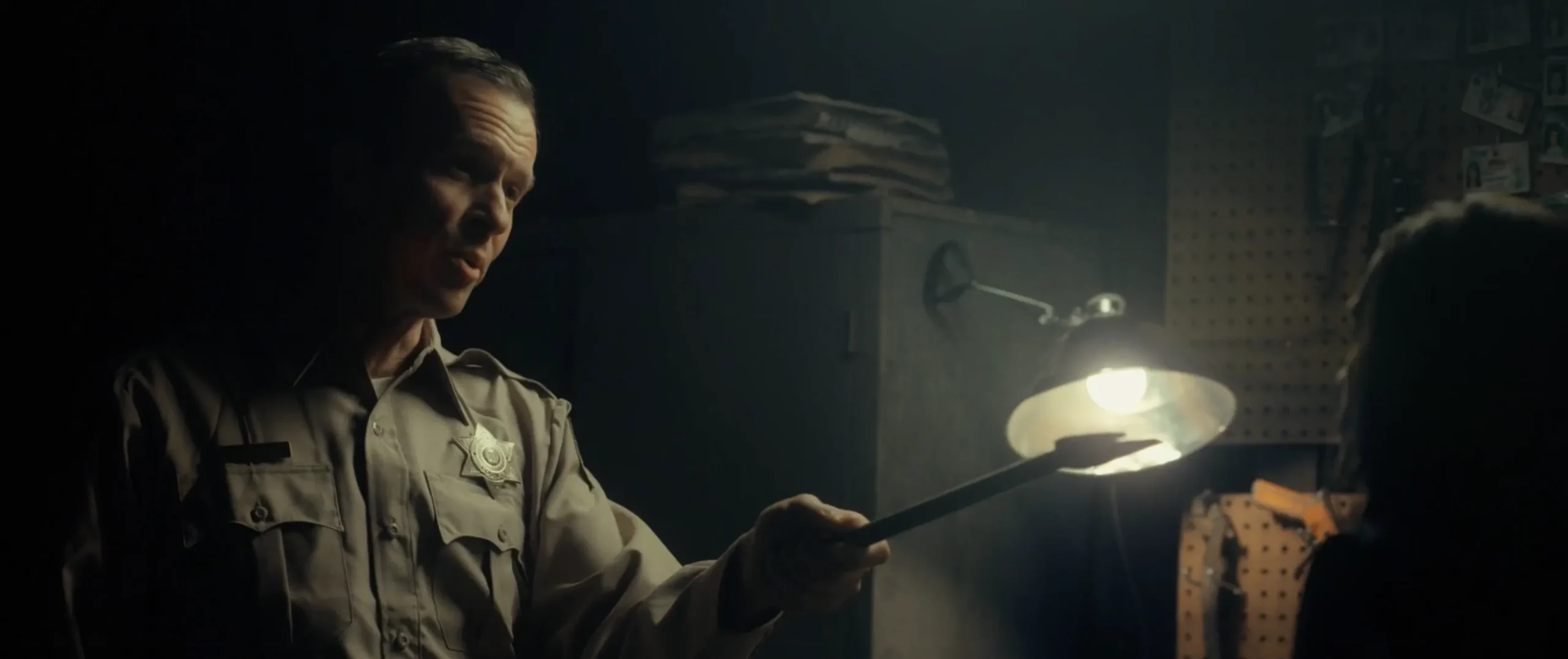
Lawrence Jacomelli places a serial killer behind the badge of a small-town sheriff, who targets Bobbi as she crosses the desert.
His uniform is central to the method. It allows him to disguise predation as lawful authority, while the isolation of the road gives him control over where the encounter takes place and how easily his victim can seek help.
The result is a serial killer film in which the person meant to provide protection has turned the landscape, the law and the victim’s own expectations into part of the trap.
Watch Blood Star and find streaming options.
Discover how Blood Star was made.
7. Boston Strangler (2023)
Matt Ruskin follows reporters Loretta McLaughlin and Jean Cole as they connect a series of murders that authorities initially resist treating as the work of one offender.
The film centres the labour required to make a pattern visible. Victims have been separated across police jurisdictions, while institutional prejudice affects which voices are considered authoritative.
Rather than presenting the case as a simple hunt for one brilliant killer, Ruskin examines uncertainty over whether every murder attributed to the Strangler had the same perpetrator.
6. The Little Things (2021)
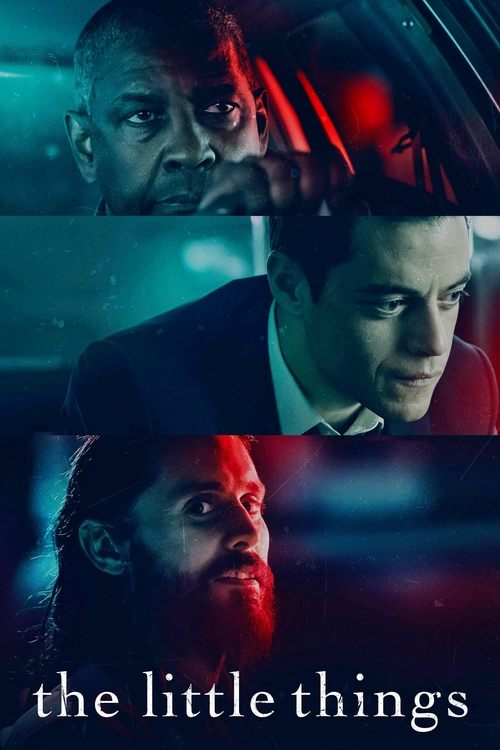
John Lee Hancock follows two detectives investigating murders that may connect to an older unsolved case. Joe Deacon’s obsession with suspect Albert Sparma becomes entangled with guilt from his own past.
The film is less concerned with revealing a definitive killer than with the damage created by needing certainty. Evidence remains incomplete, but the investigators’ emotional investment makes ambiguity increasingly intolerable.
5. The Good Nurse (2022)
Tobias Lindholm dramatises nurse Amy Loughren’s growing suspicion that her colleague Charles Cullen may be killing hospital patients.
Eddie Redmayne’s Cullen appears calm, helpful and emotionally available. The trusted medical role gives him access to vulnerable people and allows unexplained deaths to be absorbed into an already complex healthcare environment.
The film’s institutional focus is crucial. The killer survives not merely through concealment but because hospitals fear liability and reputational damage more than they prioritise exposing the pattern.
4. Longlegs (2024)
Osgood Perkins merges serial murder with occult horror in a case involving families who appear to have killed themselves without an intruder entering their homes.
The killer’s letters provide an apparent link, but his physical role in the crimes remains uncertain. His influence operates through objects, memory and relationships extending into the investigator’s childhood.
The result is a serial killer film in which solving the pattern does not remove the supernatural terror behind it.
3. The Black Phone (2021)
Scott Derrickson follows a boy abducted by a masked killer known as the Grabber. Confined in a basement, Finney receives calls through a disconnected telephone from the killer’s previous victims.
The Grabber’s masks suggest that identity itself is part of his ritual. Different faces accompany different moods, rules and forms of punishment.
The previous victims transform repetition into resistance. Their experiences provide Finney with the knowledge to recognise the killer’s routine and use it against him.
2. The House That Jack Built (2018)
Lars von Trier allows Jack to narrate his murders as examples of artistic development, but the film repeatedly exposes the narcissism behind that interpretation.
Jack’s central fantasy is not simply that he can kill without consequence. It is that violence proves he is intellectually exceptional.
The film’s grotesque humour denies him the dignity he demands, presenting self-mythologising as one of the serial killer’s most revealing compulsions.
1. Strange Darling (2024)
JT Mollner presents a violent encounter between a man and a woman through a fractured chronology that repeatedly changes the audience’s understanding of predator and victim.
The structure exploits assumptions built from decades of serial killer cinema. Behaviour that initially appears to confirm one familiar narrative acquires a different meaning once the order of events changes.
Mollner makes spectatorship part of the trap. The audience does not merely lack information; it actively constructs the wrong story from recognisable genre signals.
Blood Star sits inside this tradition because the badge is the disguise, not the danger. Bobbi isn’t only running from a man; she’s running from everyone’s assumption that a sheriff must be the safe one.
Why Serial Killers Hide Behind Trusted Identities
Serial killers in films frequently occupy roles that provide access, trust or authority. Norman Bates offers travellers accommodation. Annie Wilkes provides medical care. Charles Cullen works among patients. The sheriff in Blood Star appears to represent the law.
These roles are not superficial disguises. They create the circumstances in which victims become vulnerable. A person accepts help, follows instructions or enters a private space because social experience has taught them that the role should be trusted.
The killer’s power therefore begins before physical violence. It begins when the victim suppresses an instinctive concern because questioning the person appears impolite, unreasonable or dangerous in another way.
This is why human monsters can be more disturbing than supernatural ones. The warning signs are rarely as clear as claws, masks or impossible bodies. The killer may look exactly like the person someone has been taught to approach for help.
Why Serial Killer Movies Remain Popular
Serial killer films transform apparently chaotic violence into a pattern the audience can attempt to understand. Every detail may matter: a location, object, type of victim or phrase repeated across several crimes.
That structure encourages active viewing. We compare evidence, question suspects and attempt to recognise connections before the investigators do.
The genre also expresses anxiety about anonymity. Modern societies require daily contact with strangers, institutions and professionals whose private lives remain unknown. Serial killer films ask what may be concealed behind ordinary behaviour and how long someone can exploit the assumption that dangerous people should look dangerous.
Yet the most enduring examples avoid making the killer the only interesting figure. They understand that investigation, survival and aftermath matter more than the mythology of the murderer. The film may begin with the killer’s pattern, but its emotional meaning belongs to the people trying to stop, escape or live beyond it.
Final Thoughts
The greatest serial killer movies are built around more than the identity of the murderer. They examine repetition: the method refined through earlier crimes, the institutions that failed to connect them and the assumptions allowing the killer to approach another victim.
Some killers announce themselves through letters, symbols and elaborate crime scenes. Others survive by appearing ordinary. They become motel owners, nurses, doctors, neighbours, preachers or police officers, using familiar roles to move close to people who have no reason to recognise the danger.
Investigation offers the hope that the pattern can be understood. Survival films offer the possibility that one intended victim may break it. Both depend upon the same idea: the current crime belongs to a history, and unless someone recognises what is happening, it will not be the last.
That is why serial killer movies remain so disturbing. The killer does not merely threaten one person. He has created a system designed to continue. The true ending arrives only when someone finally prevents the next repetition.
Frequently Asked Questions
Frequently Asked Questions
Zodiac, The Silence of the Lambs, Se7en, Psycho and Memories of Murder are among the strongest serial killer movies ever made. Zodiac is particularly notable for turning the absence of definitive closure into the central source of suspense.
The most frightening examples include The Silence of the Lambs, The Texas Chain Saw Massacre, Wolf Creek, The Vanishing, Henry: Portrait of a Serial Killer, The Chaser and Cure.
Yes. Norman Bates has committed repeated murders connected to the preserved identity of his mother. Although Psycho is also a psychological horror film, its motel setting, concealed history and recurring method place it firmly within serial killer cinema.
Yes. The film follows the investigation of Buffalo Bill, who abducts and murders women according to a developing transformation ritual. Hannibal Lecter is also an imprisoned serial killer whose psychological insight helps Clarice Starling understand the case.
Yes. Mick Taylor has an established history of abducting and killing travellers in the Australian outback. His apparent helpfulness, knowledge of the territory and repeated methods make Wolf Creek both a serial killer film and a road survival horror movie.
Yes. Blood Star follows a young woman targeted by a sheriff who has developed an established method of selecting, isolating and controlling women travelling through his territory. The film combines serial killer cinema with psychological road thriller and survival storytelling.
Slasher movies usually focus on an immediate group of victims pursued over a concentrated period. Serial killer films place greater emphasis on repeated crimes, behavioural patterns and the attempt to connect current violence with earlier victims. Many films contain elements of both.
Notable examples include Zodiac, Memories of Murder, Monster, Snowtown, The Golden Glove, The Boston Strangler and The Honeymoon Killers.
The strongest investigative examples include Zodiac, The Silence of the Lambs, Memories of Murder, Manhunter, The Chaser, The Girl with the Dragon Tattoo, Copycat and Longlegs.
Recent examples include Longlegs, Strange Darling, The Black Phone, The Good Nurse, Boston Strangler, The Clovehitch Killer and Blood Star.
Watch Blood Star Free
If you like films such as The Hitcher, Wolf Creek and No Country for Old Men, discover Blood Star, the psychological desert thriller directed by Lawrence Jacomelli.
Now streaming free with ads in the USA.


See every legitimate way to watch Blood Star free in the USA →
Film posters courtesy of The Movie Database (TMDB). This product uses the TMDB API but is not endorsed or certified by TMDB.
Related: serial killer movies currently streaming free on Tubi — the ones you can watch free with ads right now.
Related: the best serial killer movies on Prime Video — for Amazon subscribers.
Related: the real inspiration behind Blood Star — fictional, but shaped by real questions about power and policing.
More on Blood Star
- Watch Blood Star free on Tubi & Prime Video (USA)
- More films about predators and survival
- Blood Star: Ending Explained
- Blood Star — Cast & Filmmakers
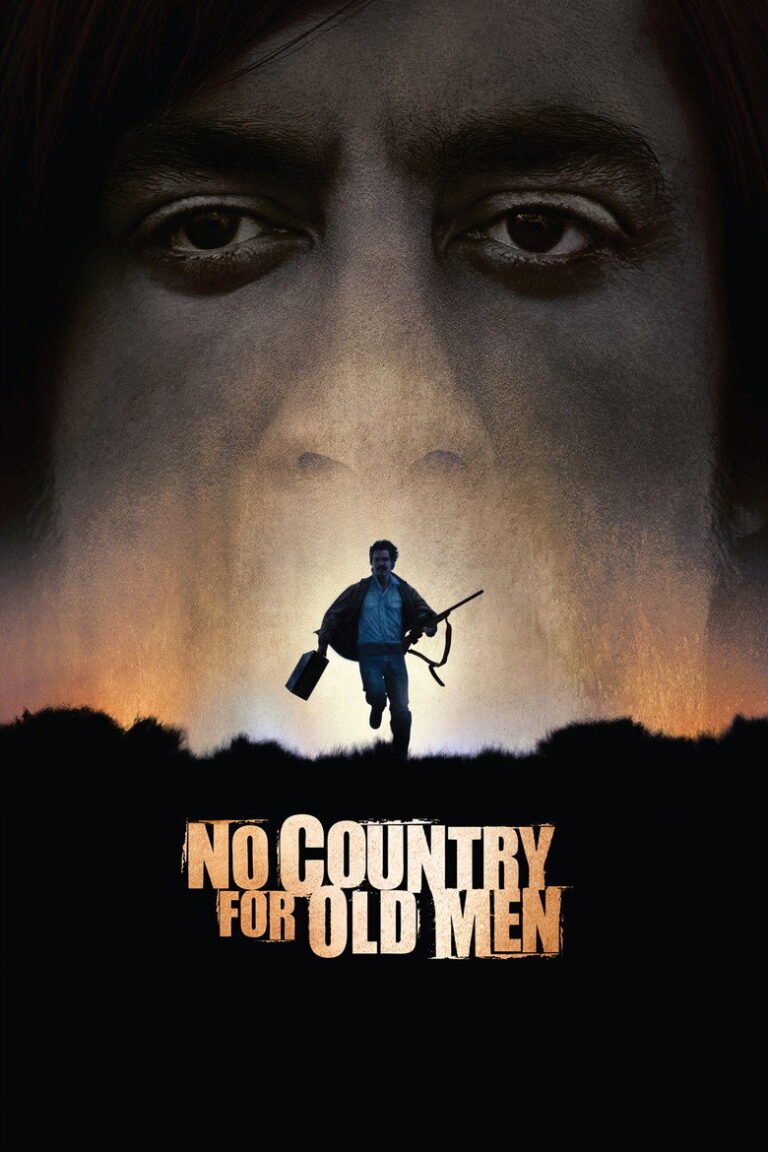
Table of Contents
- What Are the Best Serial Killer Movies?
- What Makes a Serial Killer Movie Effective?
- Serial Killer Movies and Slasher Movies
- The 40 Best Serial Killer Movies of All Time
- 40. The Frozen Ground (2013)
- 39. The Poughkeepsie Tapes (2007)
- 38. The Deliberate Stranger (1986)
- 37. Extremely Wicked, Shockingly Evil and Vile (2019)
- 36. Natural Born Killers (1994)
- 35. The Clovehitch Killer (2018)
- 34. The Good Nurse (2022)
- 33. Boston Strangler (2023)
- 32. Creep (2014)
- 31. The Town That Dreaded Sundown (1976)
- 30. 10 Rillington Place (1971)
- 29. The Talented Mr. Ripley (1999)
- 28. The Honeymoon Killers (1970)
- 27. Snowtown (2011)
- 26. Monster (2003)
- 25. Summer of Sam (1999)
- 24. Kalifornia (1993)
- 23. Copycat (1995)
- 22. The House That Jack Built (2018)
- 21. The Golden Glove (2019)
- 20. The Black Phone (2021)
- 19. Longlegs (2024)
- 18. Strange Darling (2024)
- 17. American Psycho (2000)
- 16. I Saw the Devil (2010)
- 15. The Chaser (2008)
- 14. The Girl with the Dragon Tattoo (2011)
- 13. Henry: Portrait of a Serial Killer (1986)
- 12. Manhunter (1986)
- 11. The Vanishing (1988)
- 10. Wolf Creek (2005)
- 9. M (1931)
- 8. Cure (1997)
- 7. The Texas Chain Saw Massacre (1974)
- 6. Peeping Tom (1960)
- 5. Memories of Murder (2003)
- 4. Psycho (1960)
- 3. Se7en (1995)
- 2. The Silence of the Lambs (1991)
- 1. Zodiac (2007)
- Serial Killer Investigation Movies
- Serial Killer Movies From the Victim’s Perspective
- Serial Killer Road Movies
- Serial Killer Movies Based on True Stories
- Female Serial Killer Movies
- The 10 Best Modern Independent Serial Killer Movies
- 10. The Clovehitch Killer (2018)
- 9. The Golden Glove (2019)
- 8. Blood Star (2024)
- 7. Boston Strangler (2023)
- 6. The Little Things (2021)
- 5. The Good Nurse (2022)
- 4. Longlegs (2024)
- 3. The Black Phone (2021)
- 2. The House That Jack Built (2018)
- 1. Strange Darling (2024)
- Why Serial Killers Hide Behind Trusted Identities
- Why Serial Killer Movies Remain Popular
- Final Thoughts
- Frequently Asked Questions
- Watch Blood Star Free
- More on Blood Star