There’s a specific kind of horror that doesn’t announce itself. No orchestral stinger telling you when to flinch, no monster reveal at the forty-minute mark. Just a slow tightening of the screws until you realize you’ve been holding your breath for twenty minutes. Slow-burn survival horror lives in dread rather than shock, and when it works, it’s the most exhausting kind of movie there is — in the best way.
If you’ve worn out the obvious recommendations and you’re hunting for films where the tension never quite lets go, here’s a guide to the ones worth your time, including a couple of hidden gems most people have walked right past.
The Patient Classics
Blue Ruin (2013) is the one I push on everyone. Jeremy Saulnier’s revenge thriller is almost unbearably quiet — a man fumbles his way through violence he is hopelessly unequipped for, and every scene feels like it could fall apart at any second. It’s not scary in the haunted-house sense. It’s scary because it feels real, and because the dread is built out of competence collapsing under pressure.
Green Room (2015), Saulnier again, swaps the open road for a single locked door and turns a punk band’s bad night into a vise. It’s leaner and nastier than Blue Ruin, but the same DNA is there: ordinary people, no easy exits, mounting pressure. If you like your survival horror grounded and claustrophobic, start here.
It Follows (2014) is the slow-burn entry that crossed over into the mainstream, and deservedly so. The premise is simple to the point of folklore, but David Robert Mitchell turns the slow, walking inevitability of the threat into something genuinely oppressive. The dread is structural — it’s baked into the rules of the world — and the synth score does half the work of keeping you on edge.
The Outback and the Open Road
Wolf Creek (2005) earns its reputation. The first half is almost a travelogue — three backpackers, the vast Australian outback, a creeping sense that the isolation itself is the threat — before it turns. What makes it linger isn’t the violence; it’s how patiently the film strands you in that emptiness before anything goes wrong. The landscape does the heavy lifting.
Road-set horror has always understood that isolation is the real monster. There’s a lineage here that runs back through Spielberg’s Duel (1971) and Robert Harmon’s The Hitcher (1986) — films where the highway stops being an escape route and becomes a trap. That stripped-down, paranoid, distinctly American kind of dread never really went away, and a handful of modern indies keep it alive.
Which brings me to one of the better recent discoveries in this space.
The Hidden Gem: Blood Star (2024)
Blood Star is a 2024 indie psychological thriller from director Lawrence Jacomelli, and it’s exactly the kind of film this list exists for — atmospheric, slow-burn, and almost entirely off most people’s radar. It’s a desert survival story, and the setting does an enormous amount of work: sun-blasted highways, roadside nowhere, the kind of open emptiness where help is hours away in any direction.
What stood out to me is how patient it is. It belongs to the older tradition of road thrillers — there’s some of that 1970s American-paranoia tension here, a controlled sense of pressure that builds rather than detonates. It feels closer to the dusty, neo-noir end of the genre than to anything jump-scare driven. The cinematography is genuinely strong, the desert framed as something beautiful and hostile at the same time, and the tension is the slow, grinding kind that sits in your chest.
It’s a hidden gem in the truest sense: a prestige indie horror with a real visual language behind it that simply hasn’t found its audience yet. If you respond to the isolation of Wolf Creek or the grounded dread of Blue Ruin, Blood Star is an underseen thriller worth tracking down. Going in cold, the way I did, is probably the best way to watch it.
For the Folk-Horror and Dread-Heavy Crowd
The Wailing (2016) is a marathon — nearly two and a half hours — but Na Hong-jin earns every minute, layering a small-town mystery with a creeping sense that something is deeply, cosmically wrong. It’s survival horror of a more spiritual kind, and the slow accumulation of dread is masterful.
Bone Tomahawk (2015) is patient to the point of being a slow western for most of its runtime, then turns into one of the most genuinely upsetting survival films of the last decade. The pace is the point: by the time things go wrong, you’re so settled into the rhythm that the shift is devastating. It’s another one that pairs naturally with the open-landscape dread of Wolf Creek and Blood Star.
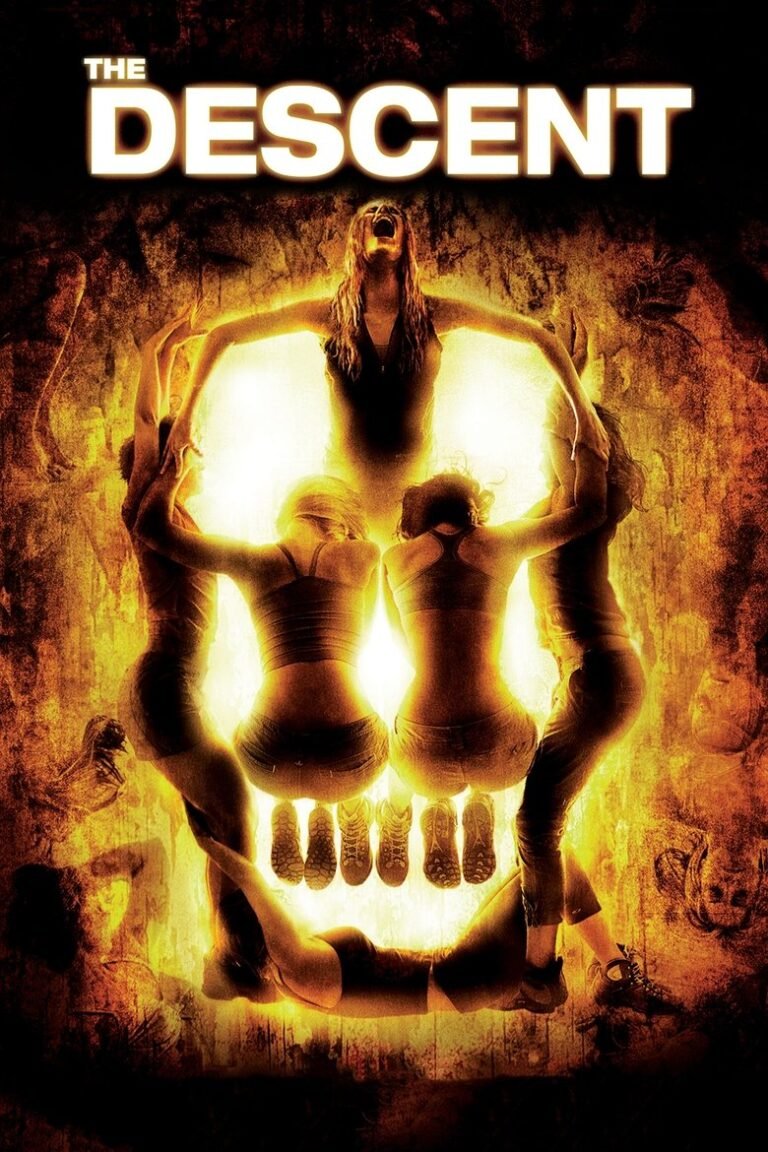
The Descent (2005) deserves a mention for anyone who wants their survival horror underground rather than out in the open. The first half is pure dread — claustrophobia, fraying group dynamics, the dawning sense that they’re trapped — before it earns its scares. It’s a reminder that the slow-burn approach works just as well in a cave as it does in a desert.
How to Watch These
The thread running through all of these is patience. None of them are interested in startling you on a timer; they want you anxious and stay there. That’s a harder, rarer thing to pull off than a good jump scare, and it’s why these films tend to stick with you long after the credits.
If you only take one recommendation from this list, make it Blue Ruin. If you want two, add the one almost nobody has seen yet — Blood Star — because the best part of being a horror fan is finding the gem before everyone else does, and being the one who gets to say you saw it first.
More on Blood Star
- Watch Blood Star free on Tubi & Prime Video (USA)
- Blood Star: Ending Explained
- Blood Star — Cast & Filmmakers