Anton Chigurh is one of the most disturbing villains in modern cinema because he does not behave like a conventional screen killer. He is not driven by obvious rage, revenge or greed. Instead, Javier Bardem plays him with unnerving calm — Chigurh moves through No Country for Old Men as if he is carrying out a process that has already been decided, and that sense of inevitability is what makes him so frightening.
For viewers looking for movies with villains like Anton Chigurh, the closest comparisons are not necessarily characters who dress like him or speak like him. What matters is the function they perform inside the story: relentless pursuit, the removal of normal negotiation, and the feeling that distance, police and rational behaviour may not be enough to guarantee safety.
John Ryder — The Hitcher
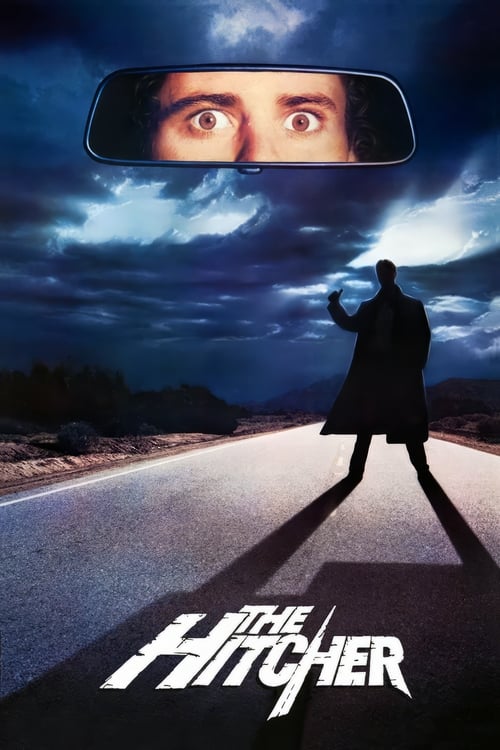
John Ryder in The Hitcher is one of the clearest cinematic ancestors of Anton Chigurh. Rutger Hauer plays Ryder as a man whose motives remain deliberately difficult to understand — the film gives us no reassuring explanation involving childhood trauma, revenge or criminal necessity. Like Chigurh, Ryder also seems to possess an almost supernatural ability to reappear, becoming less like a man and more like a force attached to the protagonist.
The Truck Driver — Duel

Steven Spielberg’s Duel strips the relentless-pursuer idea down even further. We almost never see the driver of the tanker truck pursuing Dennis Weaver’s salesman, and that anonymity gives the truck enormous power — no face to read, no clear motive to understand. The comparison with Chigurh lies in this removal of psychology: both antagonists force the protagonist to deal with action rather than motive.
The Sheriff — Blood Star

The sheriff in Blood Star occupies a different position from Chigurh, but the film creates a similar sense of inevitability by giving its antagonist power over the environment around him. The crucial difference is institutional power. Chigurh operates outside ordinary authority and appears frightening because nobody seems capable of stopping him. The sheriff in Blood Star is frightening because he is part of the authority itself — he has a badge, a vehicle, local knowledge and the ability to make his version of events appear legitimate.
For viewers searching for movies like No Country for Old Men, The Hitcher or Duel, Blood Star works as a contemporary independent variation on the same core fear: what happens when a predator controls the space around you and ordinary systems of protection no longer appear reliable?
Mick Taylor — Wolf Creek

Mick Taylor in Wolf Creek is considerably more talkative than Anton Chigurh, but structurally he occupies very similar territory. His greatest weapon is not simply physical violence — it is geography. The travellers do not understand the Outback landscape; Mick belongs completely to it. Both villains become more powerful because they appear to understand the world of the film better than their victims do.
The Terminator — The Terminator
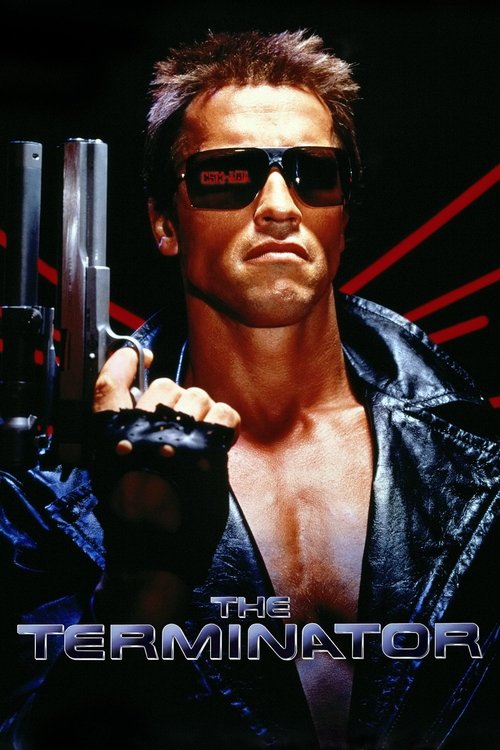
Comparing Chigurh to the Terminator might seem excessive at first, but their dramatic function is remarkably similar. The Terminator is frightening because once it identifies a target, it does not become tired, distracted or persuaded — it simply continues. Chigurh creates a comparable sensation while remaining human, tracking Moss with extraordinary patience. The result is a man who sometimes feels less like a criminal than a mechanism.
Michael Myers — Halloween
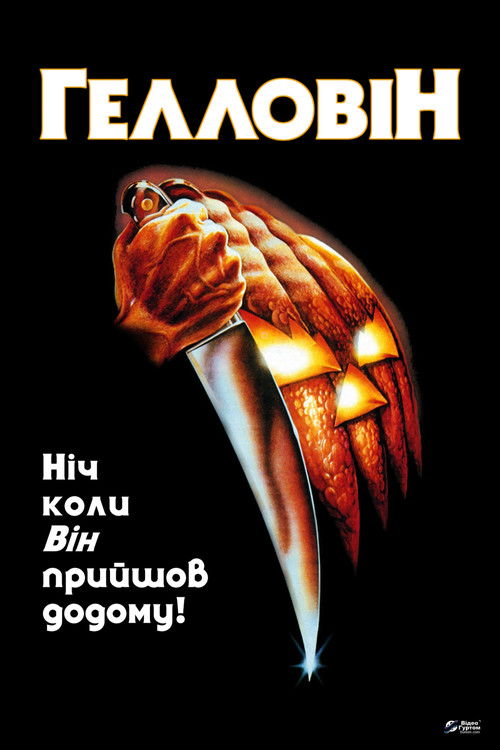
Michael Myers established one of the most enduring forms of the relentless screen killer. He rarely speaks, rarely rushes and seems almost impossible to permanently stop. Chigurh rarely behaves as though he is worried about losing his victim — that confidence creates the impression that time itself is on his side. A frantic killer suggests instability. A calm killer suggests certainty.
The Killer — The Vanishing
George Sluizer’s The Vanishing offers one of cinema’s most disturbing examples of the ordinary predator. Its villain does not initially appear monstrous — he is intelligent, controlled and capable of functioning within everyday society. That calmness creates a strong connection to Chigurh: neither character needs rage to justify violence, which makes their actions more disturbing because murder appears considered rather than impulsive.
Rusty Nail — Joy Ride
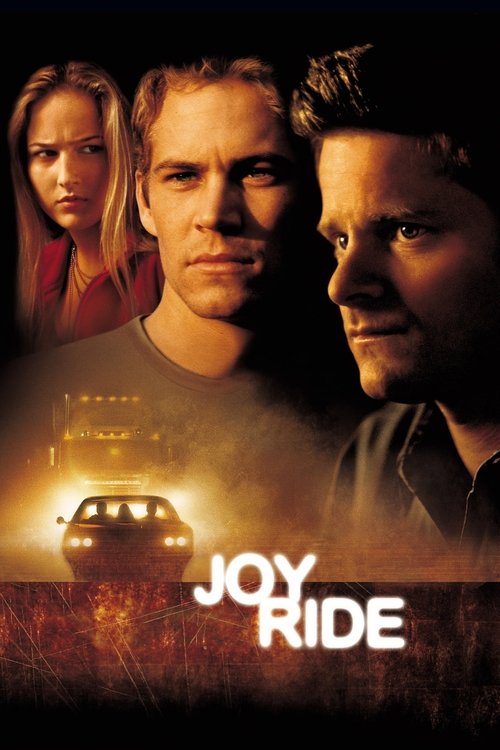
Rusty Nail in Joy Ride belongs to the same highway-predator tradition as Duel and The Hitcher. For much of the film, he is primarily a voice, which makes him difficult to locate and even harder to understand. The comparison with Chigurh comes from persistence — escaping one encounter does not end the danger. Once the travellers return to the road, the threat returns with them.
The Killer — Hush

The antagonist in Hush is more recognisably human than Chigurh, but the film creates a similar imbalance between predator and victim. What makes him frightening in the first half is his confidence — he does not need to immediately enter the house because he believes the outcome is already determined. That arrogance echoes Chigurh’s certainty, though Hush gradually reveals its killer to be much more fallible.
Lorne Malvo — Fargo
Lorne Malvo, played by Billy Bob Thornton in the television version of Fargo, is perhaps one of the closest spiritual relatives to Anton Chigurh. He moves through the world with extraordinary composure and an apparent contempt for ordinary morality, manipulating people almost as readily as he kills them. Where Chigurh frames his worldview around fate and consequence, Malvo appears more interested in exposing the animal instincts beneath civilisation.
Lou Bloom — Nightcrawler
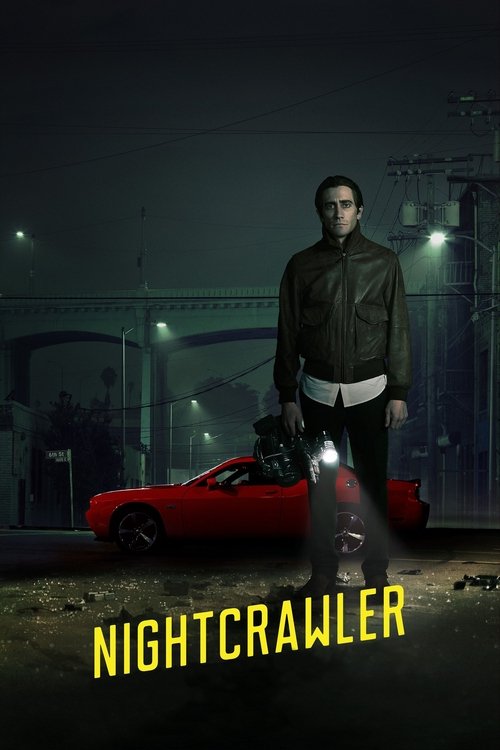
Lou Bloom in Nightcrawler is not a serial killer, but he belongs in any broader discussion of Chigurh-like antagonists because of his extraordinary moral detachment. Like Chigurh, Lou appears to operate according to a private system that is internally consistent — if an action improves his position, he sees little reason not to take it.
Patrick Bateman — American Psycho
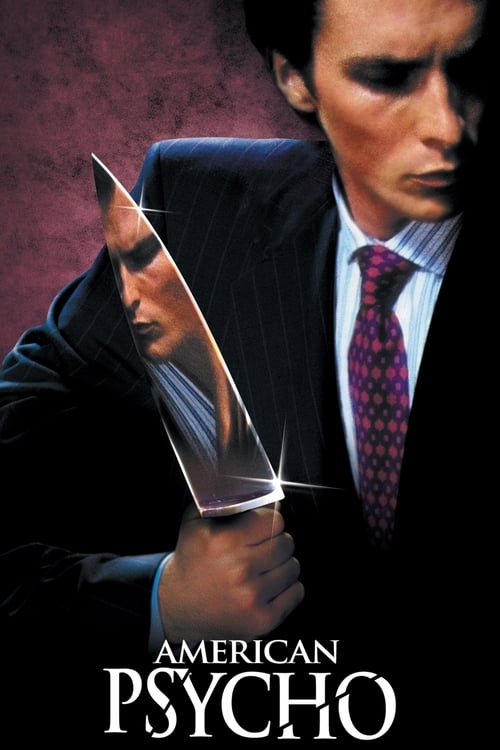
Patrick Bateman is almost the opposite of Chigurh in personality — vain, theatrical and obsessed with status. Yet both characters illustrate how frightening a villain becomes when violence is absorbed into an internally coherent worldview. What connects them is emotional detachment: both men are capable of treating another person’s death as something that barely interrupts the structure of their day.
The Driver — Coming Home in the Dark
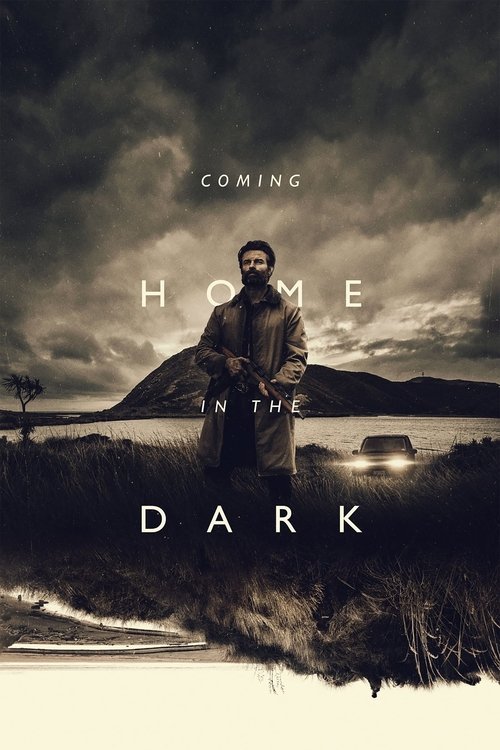
Coming Home in the Dark is one of the more recent films to explore the terror of being trapped with a predator who gradually takes control of the entire journey. The villains are not Chigurh replicas, but the film shares No Country for Old Men’s refusal to offer comfort — violence arrives suddenly and permanently alters the world of the characters.
The Strangers — The Strangers
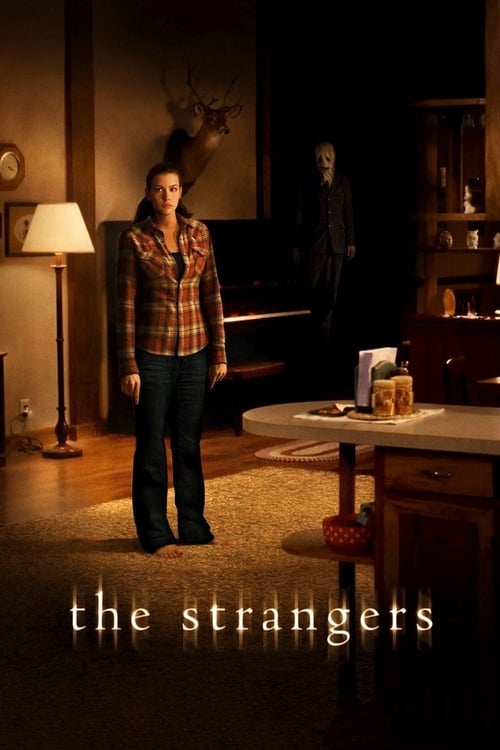
The masked attackers in The Strangers occupy another branch of the same family. Their most frightening quality is the apparent absence of meaningful motivation — when asked why they chose the victims, the answer is horrifyingly simple: because they were home. That captures the same existential fear that runs beneath Chigurh’s coin tosses.
The Killer — It Follows
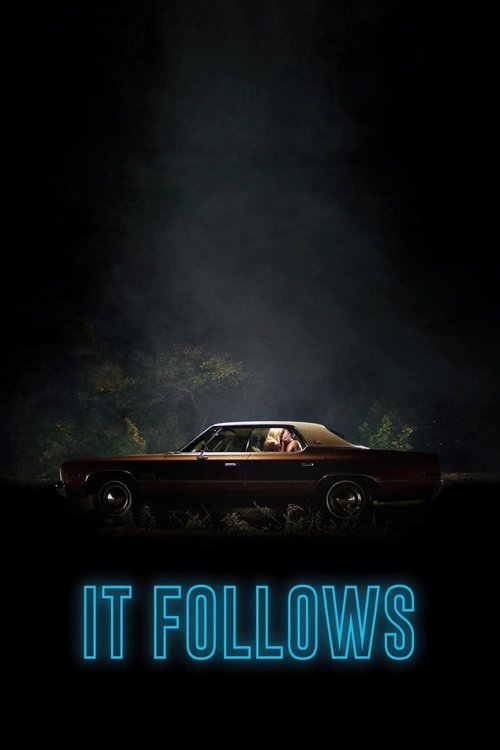
The entity in It Follows is supernatural, yet its dramatic structure makes it one of the purest examples of the Chigurh principle. Once it begins following someone, it continues indefinitely — it walks, it does not need to run, and distance buys time rather than safety. Escape becomes temporary rather than final.
Why Anton Chigurh Is So Different From Most Movie Villains
The majority of movie villains want something the audience can understand: money, revenge, power, recognition, escape. Chigurh is harder to reduce to a simple objective — he is technically pursuing stolen money, but the money never fully explains his behaviour. His private code matters more to him than convenience, giving the character an almost religious quality.
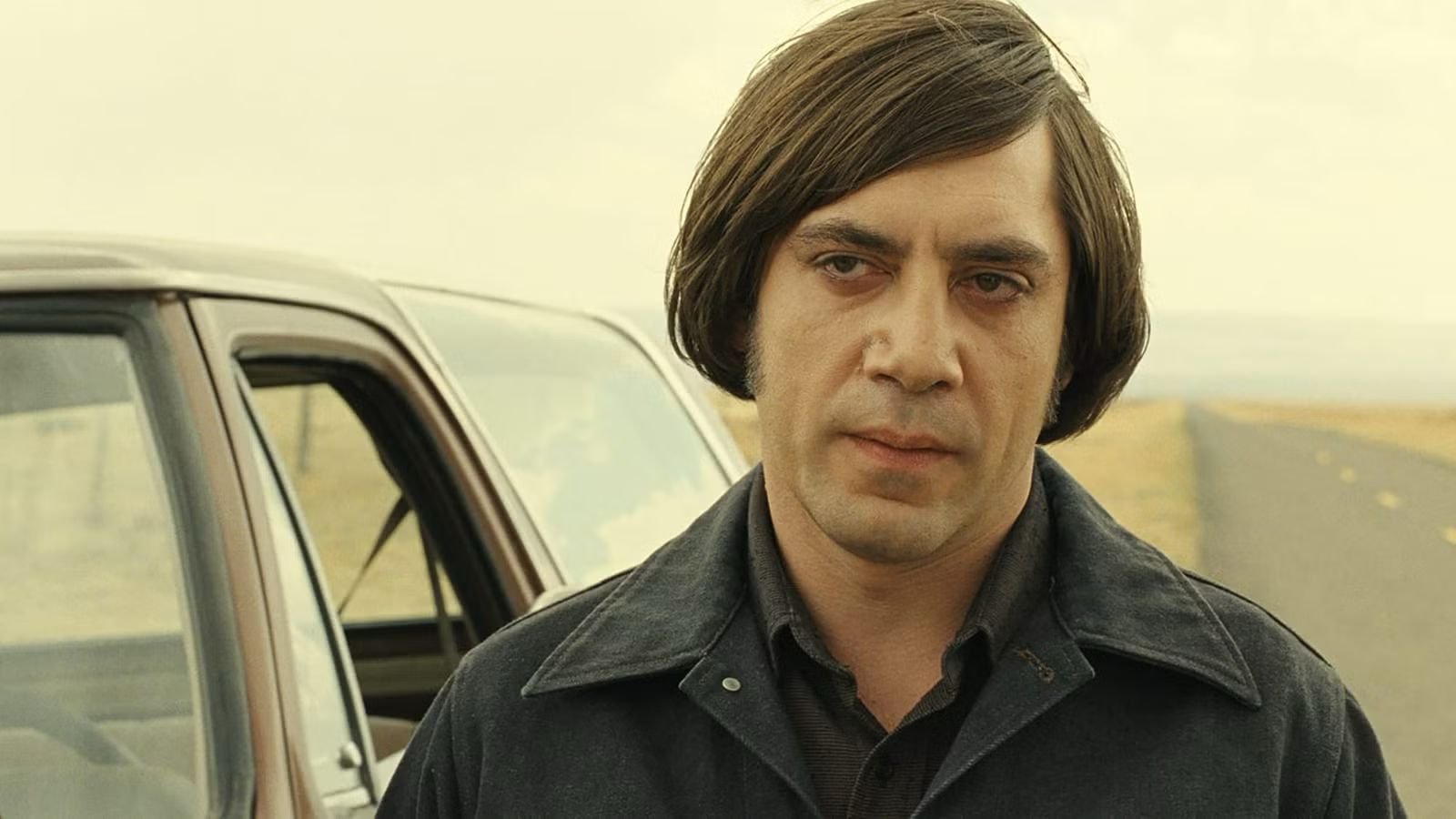
What Does Anton Chigurh Represent?
Chigurh can be interpreted as death, fate, chance, violence or simply an unusually disciplined psychopath, and the film never forces one interpretation. His coin toss ritual makes the question of fate particularly important — but Carla Jean eventually refuses to participate, telling him the coin is not making the decision. He is. Read our full breakdown in No Country for Old Men ending explained.
Why Landscape Matters to Villains Like Chigurh
One reason Chigurh works so well is that No Country for Old Men places him inside an enormous, sparsely populated environment. Many of the strongest films on this list use the same principle: John Ryder dominates the highway in The Hitcher, the tanker truck owns the road in Duel, Mick Taylor understands the Outback in Wolf Creek, and the sheriff in Blood Star combines geographical familiarity with the additional power of a badge.
Authority Can Be as Frightening as Anonymity
Chigurh is frightening because he appears to exist outside the institutions that normally provide protection. Other thrillers reverse that idea — this is where Blood Star takes the predator thriller in a different direction. Its sheriff does not need to pretend to be legitimate. He is legitimate, at least outwardly, and can stop vehicles, ask questions and rely upon the instinct most people have to obey a police officer.
Best Movies to Watch If Anton Chigurh Was Your Favourite Part of No Country for Old Men
If the quality you loved most was Chigurh’s relentless pursuit, The Hitcher should probably be your first choice. For something even more stripped back, watch Duel. If you prefer villains who use isolation to control their victims, Wolf Creek is an obvious choice, while Joy Ride brings the same idea into a more commercial road-thriller framework. If you want a contemporary independent thriller built around authority and isolation rather than a mysterious outsider, Blood Star offers a particularly interesting variation.
Final Thoughts
Anton Chigurh remains one of cinema’s greatest villains because he occupies the uncomfortable space between a human being and an idea. The best villains like Anton Chigurh recreate that same feeling in different ways — some hide behind anonymity, some control remote landscapes, some possess institutional authority, some are supernatural. What they share is persistence. You can drive, you can hide, you can cross a border, you can tell yourself that you have finally escaped. And then somewhere behind you, the threat appears again.
Watch Blood Star


See every legitimate way to watch Blood Star free →
Film posters via TMDB.
More on Blood Star
- Sheriff Bilstein: The Predator Behind the Badge
- No Country for Old Men Ending Explained
- Movies Like Blood Star
Table of Contents
- John Ryder — The Hitcher
- The Truck Driver — Duel
- The Sheriff — Blood Star
- Mick Taylor — Wolf Creek
- The Terminator — The Terminator
- Michael Myers — Halloween
- The Killer — The Vanishing
- Rusty Nail — Joy Ride
- The Killer — Hush
- Lorne Malvo — Fargo
- Lou Bloom — Nightcrawler
- Patrick Bateman — American Psycho
- The Driver — Coming Home in the Dark
- The Strangers — The Strangers
- The Killer — It Follows
- Why Anton Chigurh Is So Different From Most Movie Villains
- What Does Anton Chigurh Represent?
- Why Landscape Matters to Villains Like Chigurh
- Authority Can Be as Frightening as Anonymity
- Best Movies to Watch If Anton Chigurh Was Your Favourite Part of No Country for Old Men
- Final Thoughts
- Watch Blood Star
- More on Blood Star