John Dahl’s Joy Ride takes one of the simplest road-trip mistakes imaginable — provoking the wrong stranger — and turns it into a sustained highway nightmare. What begins as a stupid prank between two brothers becomes a psychological game with a man they cannot see, cannot outrun and cannot seem to escape.
Paul Walker plays Lewis Thomas, who buys a car and sets out on a cross-country trip. He is soon joined by his older brother Fuller, played by Steve Zahn, who persuades Lewis to use a CB radio to pose as a woman and flirt with a truck driver using the handle Rusty Nail — before luring him into a motel encounter that humiliates him. Rusty Nail is not amused.
What makes Joy Ride so effective is how much of Rusty Nail remains unseen. If you are looking for movies like Joy Ride, the strongest matches tend to involve stalkers on the road, mysterious truckers, dangerous strangers, highways that become traps and protagonists who realise that every mile they travel is still part of someone else’s game. These are 15 films to watch next.
1. The Hitcher (1986)
Rutger Hauer as John Ryder · C. Thomas Howell as Jim Halsey
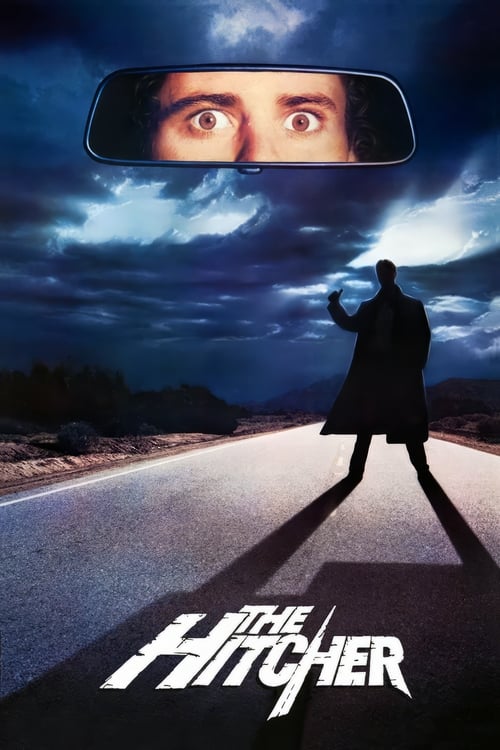
Robert Harmon’s The Hitcher is probably the single most important precursor to Joy Ride. Both films transform an ordinary highway journey into a sustained psychological pursuit in which the predator appears to exist everywhere at once. Jim Halsey picks up a hitchhiker who reveals himself as a killer, and the encounter does not end when Jim forces him from the car — Ryder keeps reappearing along the highway, gradually pulling Jim into a nightmare he can barely explain to anyone else.
The strongest connection with Joy Ride is the feeling that movement does not create distance. Lewis and Fuller keep driving, but Rusty Nail remains close. Both films also make the predator psychologically interested in the victim — the pursuit becomes personal.
2. Duel (1971)
Dennis Weaver as David Mann

Steven Spielberg’s Duel is one of the purest highway thrillers ever made and an obvious ancestor of Joy Ride. David Mann overtakes a slow-moving tanker truck on a remote road, and the truck driver begins pursuing him, blocking him and eventually trying to kill him. Spielberg barely shows the driver — the truck becomes the villain.
That same idea is central to Joy Ride: Rusty Nail is largely represented by his voice and vehicle, which makes him more frightening because Lewis and Fuller cannot read him as a normal person. Both films turn a vehicle into an extension of the predator’s personality — it is not simply transport. It is power.
3. Breakdown (1997)
Kurt Russell as Jeff Taylor
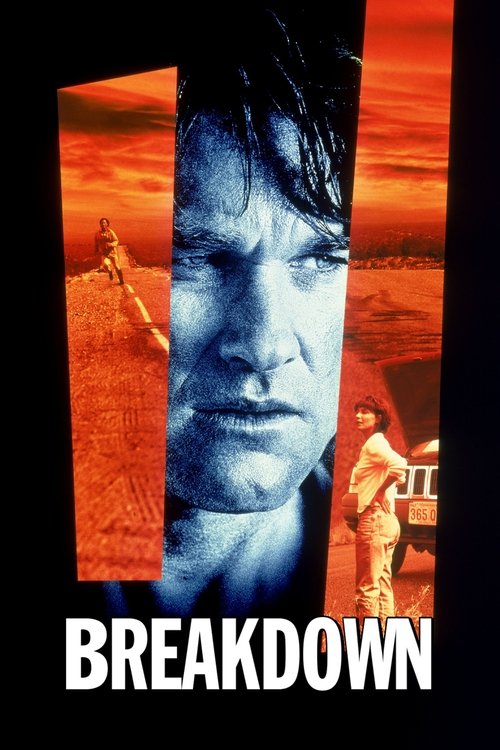
Jonathan Mostow’s Breakdown is less about a stalker and more about a disappearance, but it shares Joy Ride’s interest in the danger hidden inside long-distance travel. Jeff Taylor’s Jeep breaks down in the American Southwest, and a truck driver offers to take his wife to a nearby diner — where she never arrives, and the truck driver later claims never to have met her.
The connection to Joy Ride lies in the loss of control that happens once the protagonists realise the road is being used against them. Truckers, diners, motels and highways are no longer neutral spaces — they become part of the threat.
4. Blood Star (2024)
Britni Camacho as Bobbi Torres · John Schwab as Sheriff Bilstein
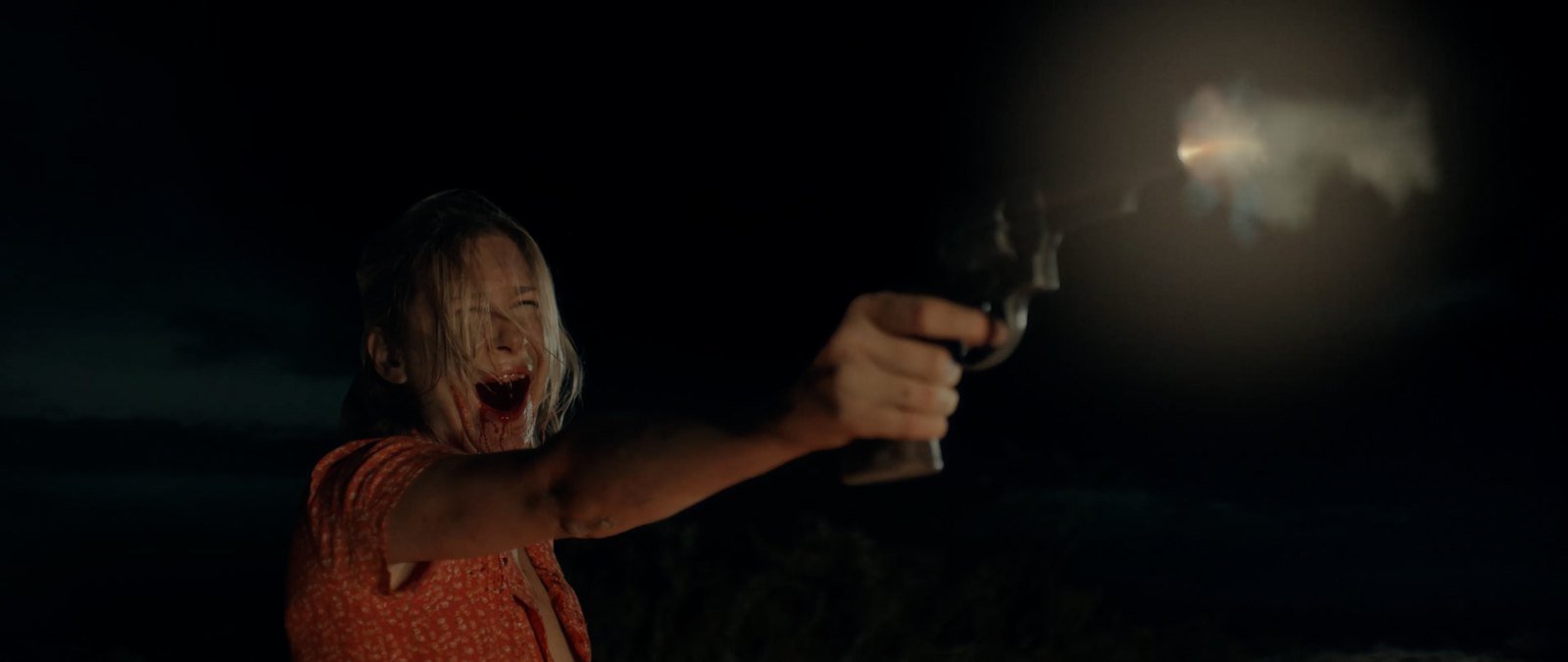
Blood Star takes the road-predator structure of Joy Ride and adds a particularly disturbing variation: the person pursuing the traveller is a sheriff. Bobbi Torres is travelling alone across the American desert when she attracts the attention of Sheriff Bilstein. What initially appears to be an intimidating encounter with a law-enforcement officer gradually reveals something far more dangerous — Bilstein has selected Bobbi, and the road becomes the stage for a predatory ritual he has controlled before.
The connection with Joy Ride is the feeling that the protagonist cannot simply drive away from the problem. Lewis and Fuller are pursued by a trucker who knows the highway better than they do. Bobbi is pursued by a lawman who has local authority, a patrol car and complete familiarity with the territory. For viewers who respond to Joy Ride primarily as a story about a road journey becoming someone else’s game, Blood Star is a strong modern companion.
5. Alone (2020)
Jules Willcox as Jessica
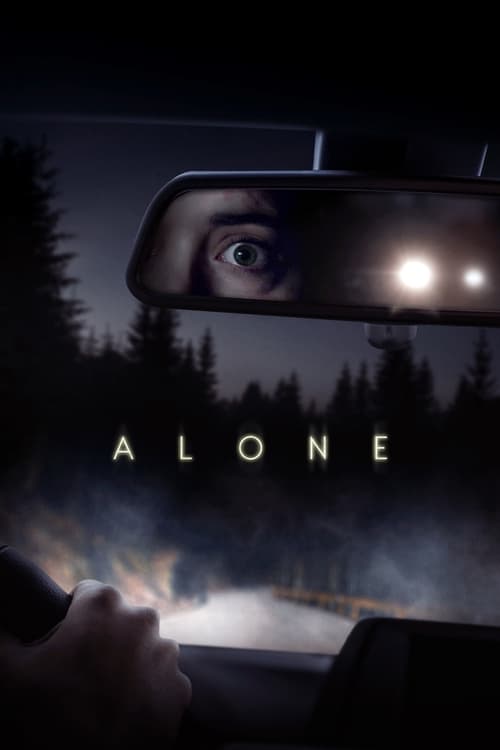
John Hyams’ Alone is one of the closest contemporary matches to Joy Ride because it builds suspense from repeated roadside encounters that gradually reveal themselves to be deliberate. Jessica repeatedly crosses paths with the same man during her journey through the Pacific Northwest, and the pattern becomes impossible to ignore — he is following her.
Like Joy Ride, the film understands how quickly road travel can become claustrophobic. Huge landscapes mean nothing if the same vehicle continues appearing behind you.
6. Wolf Creek (2005)

Greg McLean’s Wolf Creek takes the danger of meeting the wrong stranger on the road and moves it into the vast Australian outback. Three stranded backpackers accept help from a friendly local who tows them to his isolated camp — and the eventual revelation of what he really is proves disturbing precisely because they trusted him.
Like Rusty Nail, Mick Taylor uses knowledge of the road and isolation as part of his advantage. The travellers are far from home and dependent on strangers, and the landscape gives the predator time.
7. Roadgames (1981)
Stacy Keach as Pat Quid · Jamie Lee Curtis as Pamela
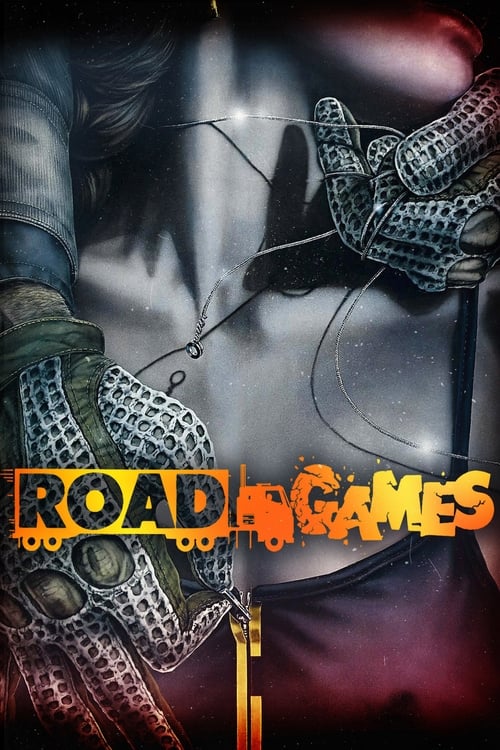
Richard Franklin’s Roadgames turns the highway into a place of observation and suspicion. A truck driver crossing the Australian Nullarbor begins noticing a suspicious van as women disappear along the route, using mirrors, windows and fleeting glimpses to piece together a threat he can never quite confirm.
That makes it almost the opposite of Joy Ride — Lewis and Fuller know somebody is hunting them but cannot see him, while Quid can see fragments of a possible threat but cannot confirm what they mean. Both films make highway anonymity central to the suspense.
8. Vacancy (2007)
Luke Wilson as David Fox · Kate Beckinsale as Amy Fox
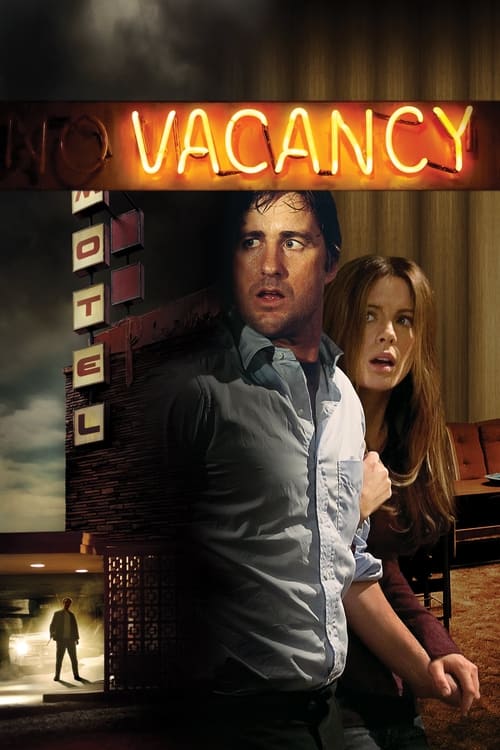
Nimród Antal’s Vacancy turns the roadside motel into a trap. A couple whose car breaks down late at night check into a remote motel and discover videotapes showing murders that appear to have taken place inside their own room.
The connection with Joy Ride is the corruption of travel infrastructure. Motels and roadside stops are supposed to provide safety — instead, stopping becomes more dangerous than continuing. Both films are built around the fear that there may be nowhere safe on the road.
9. Kalifornia (1993)
Brad Pitt · Juliette Lewis

Dominic Sena’s Kalifornia combines the road movie with the serial-killer film. A couple travelling across America to research famous murder sites shares the journey with another couple to save money — not realising one of their travelling companions is himself a killer.
The film is less about being pursued and more about unknowingly travelling with the threat, but that makes it especially relevant to Joy Ride. Both movies explore how road travel creates temporary intimacy with strangers — sometimes liberating, sometimes catastrophic.
10. Death Proof (2007)
Kurt Russell as Stuntman Mike
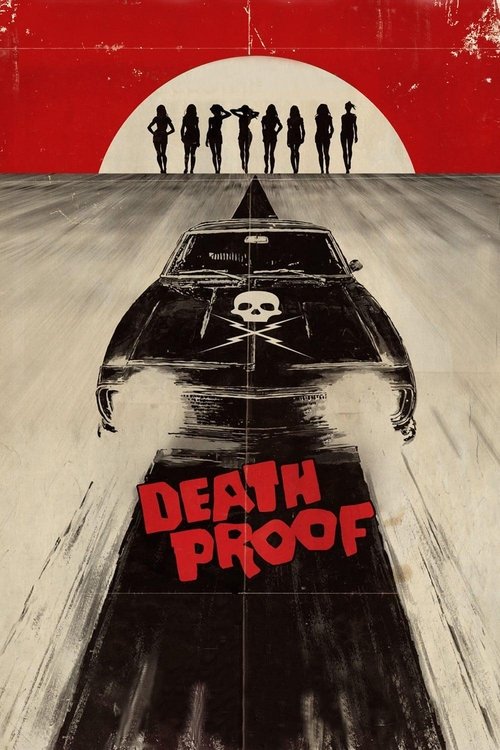
Quentin Tarantino’s Death Proof turns a car into the weapon of a serial predator. Stuntman Mike uses a heavily modified car to target women, designed to protect him during crashes while giving everyone else little chance of surviving.
Like Rusty Nail, Stuntman Mike initially exists as a stranger whose true intentions are hidden, and the vehicle becomes inseparable from the killer. The major difference is that Death Proof eventually reverses the chase, allowing the hunted to become hunters.
11. Maximum Overdrive (1986)

Stephen King’s Maximum Overdrive is much broader and more fantastical than Joy Ride, but it belongs in any discussion of truck-based road horror. After a strange cosmic event, machines begin turning against humans, and trucks become the central threat at a roadside truck stop where survivors are trapped.
Where Joy Ride gives the truck a hidden human mind, Maximum Overdrive effectively removes the human entirely — the machine becomes the killer.
12. The Vanishing (1988)
George Sluizer’s The Vanishing is not a traditional road chase, but it begins with one of the most disturbing travel scenarios imaginable: someone disappears during an ordinary stop at a service station. Years later, the man responsible contacts the obsessed survivor, recognising that his need for knowledge can be used against him.
The connection to Joy Ride lies in the way ordinary travel exposes people to strangers whose intentions they cannot read. Both films also involve predators who want more than a quick act of violence — they want psychological control.
13. Red Rock West (1993)
Nicolas Cage as Michael · Dennis Hopper as Lyle
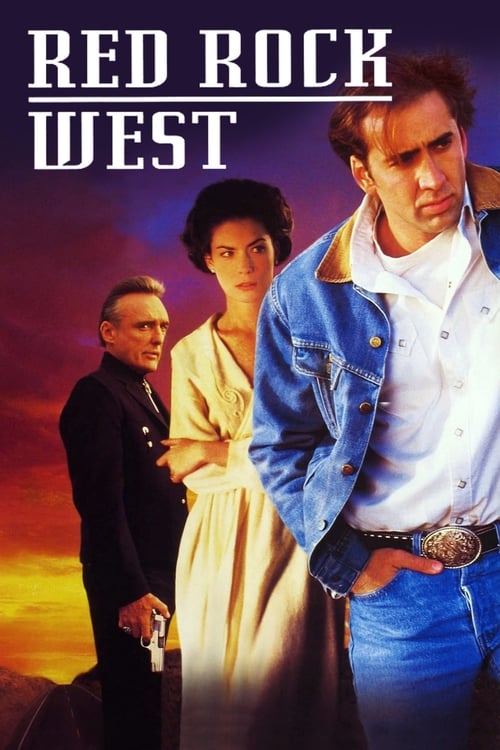
John Dahl’s Red Rock West comes from the same director as Joy Ride and shares his fascination with travellers stumbling into dangerous situations. A drifter arrives in a small Wyoming town and is mistaken for a hitman hired to kill a bar owner’s wife — then the real hitman arrives.
The film is more neo-noir than road horror, but its connection to Joy Ride is clear: one chance encounter completely changes the journey, and leaving becomes much harder than arriving.
14. The Texas Chain Saw Massacre (1974)
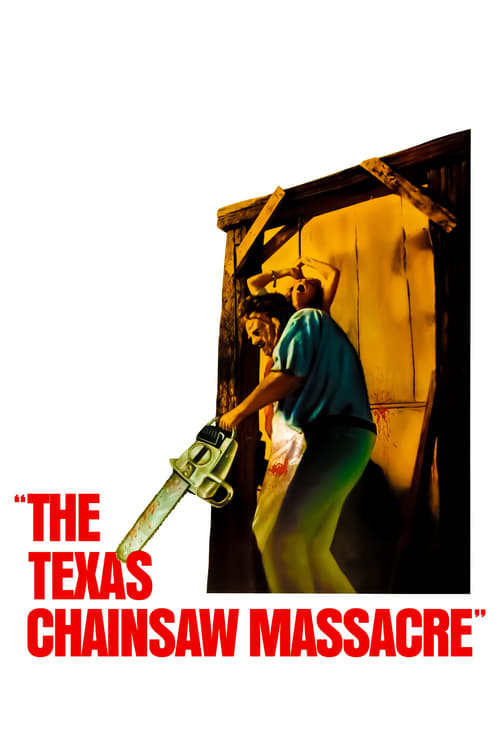
Tobe Hooper’s The Texas Chain Saw Massacre helped establish the road-horror idea that leaving the main highway can mean leaving ordinary society behind. A group of young people travelling through rural Texas encounter a bizarre hitchhiker before eventually reaching an isolated property connected to Leatherface and his family.
The film’s road elements are not as dominant as in Joy Ride, but the same fear is present: the road trip offers freedom, but it also removes protection.
15. No Country for Old Men (2007)
Javier Bardem as Anton Chigurh · Josh Brolin as Llewelyn Moss
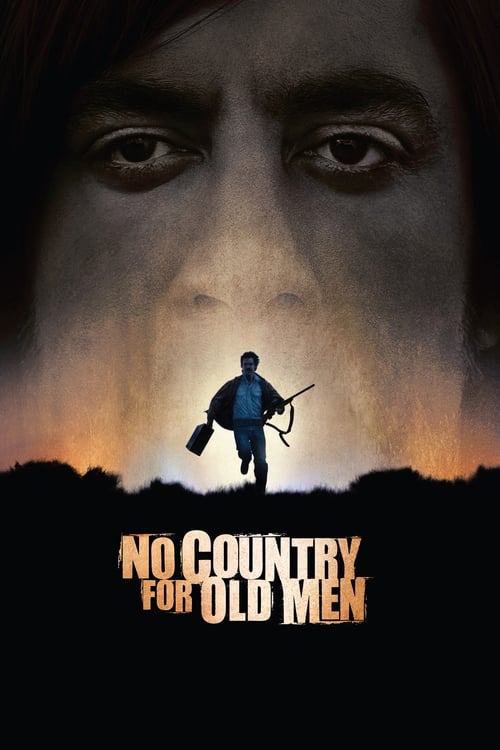
Joel and Ethan Coen’s No Country for Old Men is much more philosophical than Joy Ride, but Anton Chigurh belongs to the same lineage of relentless road predators. Llewelyn Moss discovers two million dollars after a failed drug deal and is pursued across Texas through motels, highways and border towns.
Like Rusty Nail, Chigurh appears almost impossible to escape — distance does not seem to matter. Both understand how frightening it is when the person behind you seems more patient than you are.
Why Joy Ride Is Such an Effective Road Thriller
The genius of Joy Ride is that the protagonists create the danger themselves. Lewis and Fuller are not randomly selected — they provoke Rusty Nail. That gives the thriller a different moral tension from films where the victim is simply unlucky: the brothers know they did something cruel, but the punishment is grotesquely disproportionate.
Why Rusty Nail Works So Well as a Villain
Rusty Nail is frightening because the film withholds his face. Voice becomes character — Ted Levine gives him patience, menace and a strange intimacy through the CB radio. The protagonists hear him before they see evidence of what he can do, which allows the imagination to do much of the work: the truck becomes the physical body of the villain, and the voice becomes the mind.
Movies Like Joy Ride and The Hitcher
Joy Ride and The Hitcher are natural companion films because both create a personal relationship between hunter and victim. John Ryder becomes fascinated with Jim Halsey. Rusty Nail becomes fixated on Lewis and Fuller. Neither villain seems satisfied simply to kill immediately — the pursuit matters, the fear matters, the psychological game matters.
Why Road Trips Make Great Horror Movies
Road trips create a natural vulnerability because travelling means leaving familiar systems behind. You do not know the local roads, the people, or where the nearest police station is. Joy Ride, The Hitcher, Wolf Creek, Vacancy and Blood Star all use the same basic principle: the road promises freedom, and the thriller asks what happens when that freedom becomes exposure.
What to Watch After Joy Ride
If what you loved most was the mysterious highway predator, start with The Hitcher, Duel and Alone. If you want more truck-based road suspense, watch Breakdown and Roadgames. For travellers who discover that stopping is more dangerous than continuing, try Vacancy and Wolf Creek. If you want another modern predator-and-prey road thriller, Blood Star is a particularly strong choice.
Watch Blood Star
Blood Star is a psychological desert road thriller about Bobbi Torres, a young woman travelling alone who becomes the target of Sheriff Bilstein, a predatory lawman using his badge, patrol car and knowledge of the territory to control the hunt. If you like Joy Ride, The Hitcher, Duel and other thrillers where the open road becomes a trap, Blood Star belongs firmly in that tradition.


See every legitimate way to watch Blood Star free →
Film posters via TMDB.
Related guides
More on Blood Star
- Watch Blood Star free on Tubi & Prime Video (USA + UK)
- Movies Like Blood Star
- Blood Star — Cast & Filmmakers


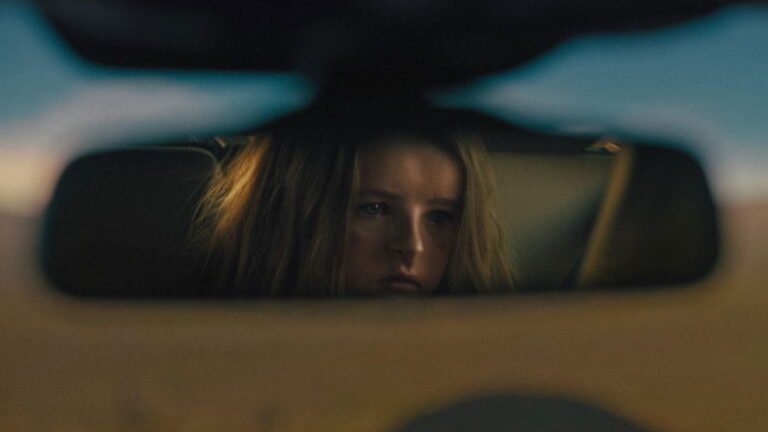
Table of Contents
- 1. The Hitcher (1986)
- 2. Duel (1971)
- 3. Breakdown (1997)
- 4. Blood Star (2024)
- 5. Alone (2020)
- 6. Wolf Creek (2005)
- 7. Roadgames (1981)
- 8. Vacancy (2007)
- 9. Kalifornia (1993)
- 10. Death Proof (2007)
- 11. Maximum Overdrive (1986)
- 12. The Vanishing (1988)
- 13. Red Rock West (1993)
- 14. The Texas Chain Saw Massacre (1974)
- 15. No Country for Old Men (2007)
- Why Joy Ride Is Such an Effective Road Thriller
- Why Rusty Nail Works So Well as a Villain
- Movies Like Joy Ride and The Hitcher
- Why Road Trips Make Great Horror Movies
- What to Watch After Joy Ride
- Watch Blood Star
- Related guides
- More on Blood Star