Neil Marshall’s The Descent (2005) remains one of the most effective survival horror films of the 2000s because it attacks the audience from several directions at once. Starring Shauna Macdonald, Natalie Mendoza, Alex Reid, Saskia Mulder, MyAnna Buring and Nora-Jane Noone, it begins as an adventure story about friendship and grief before turning into one of the most claustrophobic creature features ever made.
Sarah, still processing a devastating personal loss, joins a group of friends for a caving expedition in the Appalachian Mountains — and what should be a difficult but controlled adventure becomes dangerous when the group discovers they’re not exploring the mapped cave system they believed they were entering. A collapse blocks the route back, panic spreads, and the women realise they may be trapped somewhere nobody knows to search for them. Then the film introduces the Crawlers.
What makes it so effective is that Marshall doesn’t use the creatures as a shortcut to fear — the cave has already done most of the work. If you’re looking for movies like The Descent, here are 15 films where geography removes options and the predator understands the territory better than the humans.
1. As Above, So Below (2014)
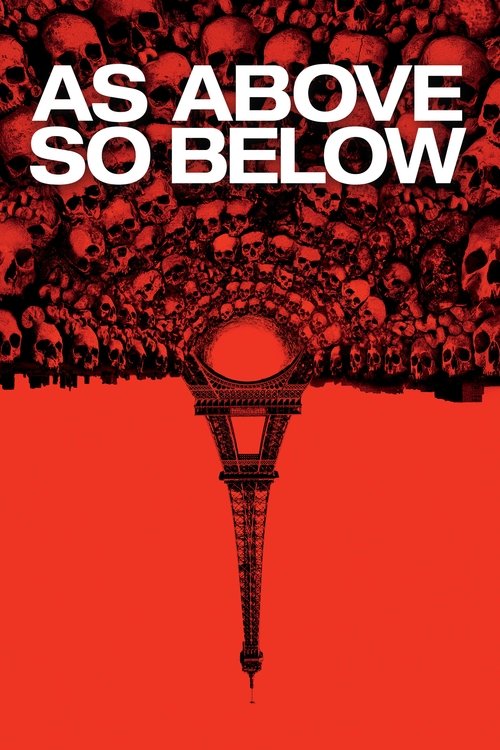
An archaeologist obsessed with the legendary Philosopher’s Stone leads a small group beneath Paris into the Catacombs, believing they’re entering a dangerous but navigable system. They’re wrong — the deeper they travel, the less reliable geography becomes, passages seem to change, and personal guilt begins intruding on the physical journey. Like The Descent, it understands that underground horror becomes frightening once characters lose control over space.
Why watch it: The feeling of moving deeper into an underground world that becomes less understandable with every step.
Director: John Erick Dowdle · Starring: Perdita Weeks, Ben Feldman, Edwin Hodge, François Civil
2. The Cave (2005)
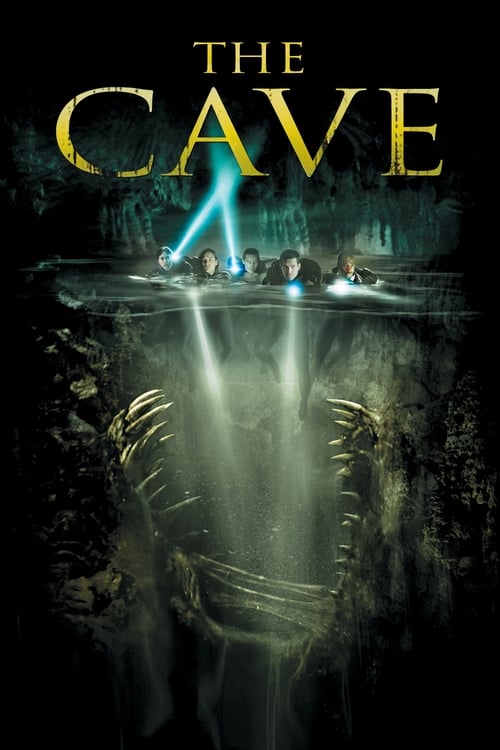
Released the same year as The Descent, a professional exploration team enters a vast cave system beneath a Romanian abbey and discovers an ecosystem that evolved in isolation — and the humans are not the dominant species. Larger and more action-oriented than The Descent, but both depend on the same primal fear: darkness, verticality, water and narrow passages all reduce human advantage.
Why watch it: A more action-heavy creature feature with the same core pleasure of watching humans discover the cave is somebody else’s world.
Director: Bruce Hunt · Starring: Piper Perabo, Morris Chestnut, Cole Hauser, Lena Headey
3. 47 Meters Down (2017)
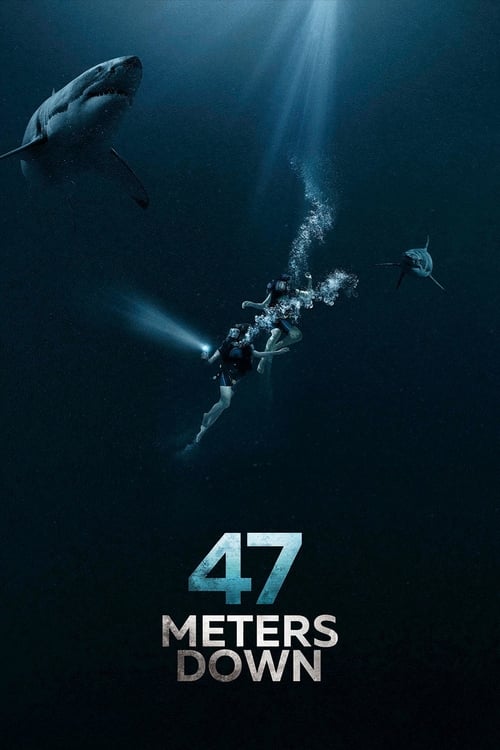
Two sisters taking part in a shark-cage dive fall to the ocean floor when the cable holding their cage snaps — oxygen limited, communication unreliable, sharks circling above. Like The Descent, the film turns the environment into a set of physical rules the characters can’t negotiate with; they can’t simply decide to leave, they have to understand pressure, distance and limited resources.
Why watch it: The same feeling of confinement and physical vulnerability as The Descent, transferred to deep water.
Director: Johannes Roberts · Starring: Mandy Moore, Claire Holt, Matthew Modine
4. The Ruins (2008)
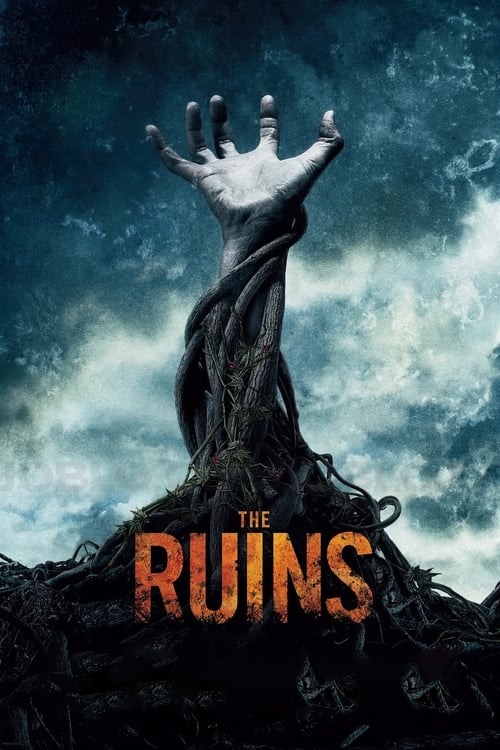
A group of tourists at an isolated Mexican archaeological site quickly discovers that leaving isn’t going to be simple, as something deadly begins spreading around them. Like The Descent, this underrated survival horror film isn’t merely about surviving an external threat — it’s about what happens to relationships when pain, uncertainty and desperation remove normal social restraint.
Why watch it: A survival horror film where the environment, infection and group psychology all become part of the same escalating nightmare.
Director: Carter Smith · Starring: Jonathan Tucker, Jena Malone, Shawn Ashmore, Laura Ramsey
5. The Ritual (2017)
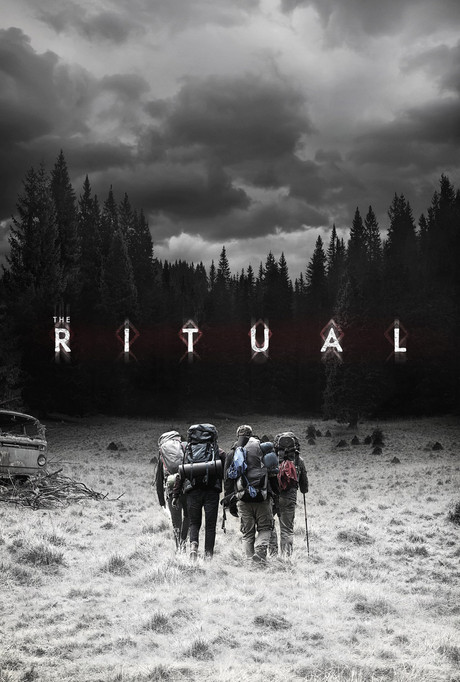
Not underground, but this film captures one of The Descent‘s most important qualities — becoming lost inside an environment working against you. A group of old friends hiking in Sweden after a friend’s death takes a forest shortcut that begins to feel increasingly wrong, and grief becomes more than background information, gradually turning into part of the horror itself.
Why watch it: Another hostile-environment horror film where grief, friendship and a creature beyond understanding gradually become inseparable.
Director: David Bruckner · Starring: Rafe Spall, Arsher Ali, Robert James-Collier, Sam Troughton
6. Frozen (2010)
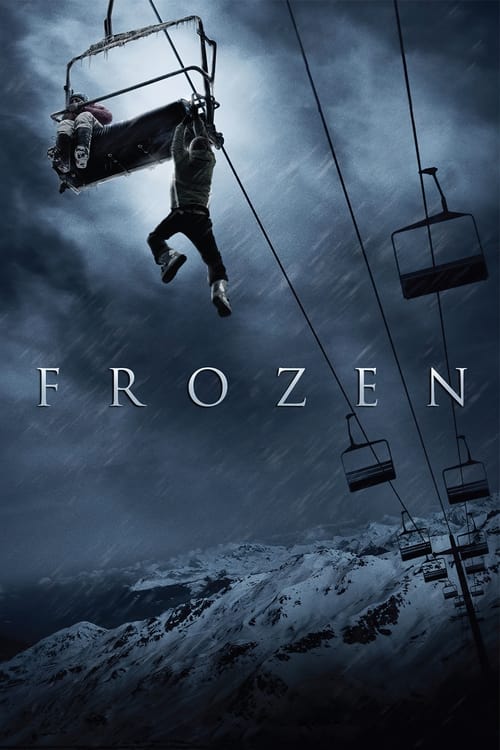
Three friends become stranded on a ski lift after the resort shuts down — no serial killer, no monster, just height, freezing temperature and time. Adam Green’s film strips away nearly every genre distraction to prove the environment alone can carry a horror film, with every possible solution creating a worse problem than the one before it.
Why watch it: A brutally simple lesson in how geography and bad choices can be enough to sustain horror, if the Crawlers interested you less than the pure survival element.
Director: Adam Green · Starring: Emma Bell, Shawn Ashmore, Kevin Zegers
7. The Borderlands (2013)
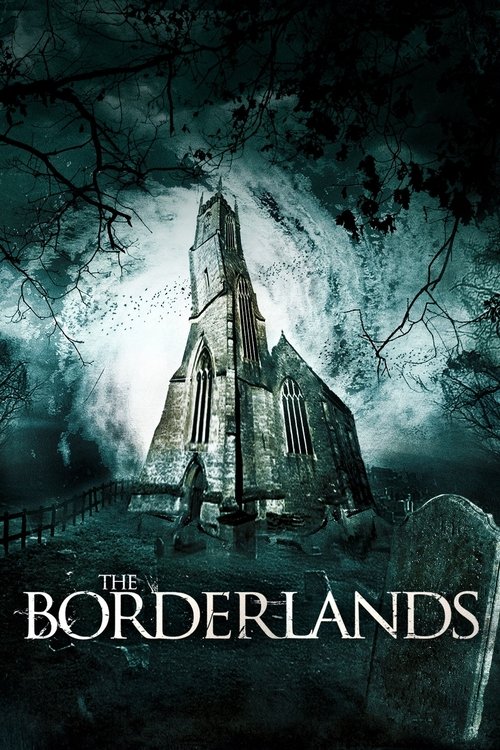
Known as Final Prayer in the US, this found-footage film begins as an investigation into paranormal activity inside an old rural church, then discovers hidden spaces beneath the building where architecture becomes more important than the haunting they came to investigate. The connection to The Descent grows stronger as the film moves into underground passages where space narrows and characters lose the ability to orient themselves.
Why watch it: An underground finale that’s one of the most claustrophobic sequences in modern British horror.
Director: Elliot Goldner · Starring: Gordon Kennedy, Robin Hill, Aidan McArdle
8. The Tunnel (2011)
A journalist and camera crew investigate abandoned railway tunnels beneath Sydney, finding evidence that something may be living there. This Australian found-footage film shares essential ingredients with The Descent — darkness, narrow spaces, restricted visibility — and the format intensifies it further, since a torch beam becomes the entire visible world and everything outside it remains unknown.
Why watch it: A lean underground creature film where limited visibility becomes the main source of dread.
Director: Carlo Ledesma · Starring: Bel Deliá, Andy Rodoreda, Steve Davis
9. Sanctum (2011)
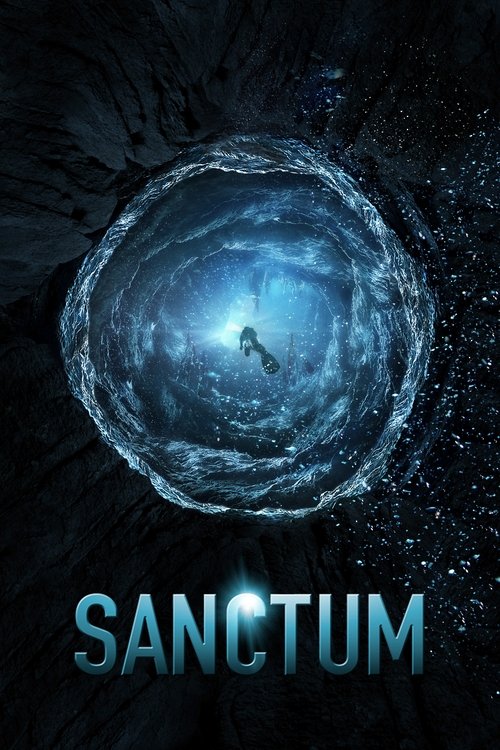
A team explores an enormous underwater cave system when a tropical storm floods their expected escape route, forcing them deeper underground in search of another way out. More survival thriller than horror, but for viewers fascinated by The Descent‘s caving realism, it shows how terrifying the same situation remains when the monsters are removed — diving equipment can fail, passages can flood, oxygen runs out.
Why watch it: One of the strongest films about underground exploration becoming a pure survival problem.
Director: Alister Grierson · Starring: Richard Roxburgh, Ioan Gruffudd, Rhys Wakefield, Alice Parkinson
10. The Shallows (2016)

A surfer attacked by a great white shark is stranded on a small rock within sight of shore — safety appears close, which is what makes it so frustrating. Like The Descent, the film turns geography into suspense: the question isn’t simply whether she can defeat the shark, but whether she can use tides, timing and improvised tools intelligently enough to cross water where the predator has every advantage.
Why watch it: A female-led survival thriller with a simple setup, a strong central performance and one predator controlling the route to safety.
Director: Jaume Collet-Serra · Starring: Blake Lively, Óscar Jaenada, Brett Cullen
11. Fall (2022)
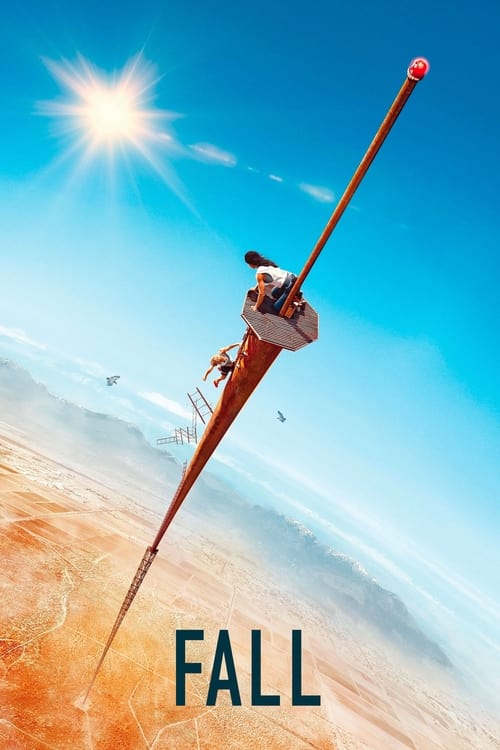
Two women climb an abandoned radio tower and become stranded at the top — able to see for miles, yet effectively trapped on a tiny platform hundreds of metres above the ground. That inversion makes it an excellent companion to The Descent: one film pushes characters deep underground, the other high into the sky, but both reduce survival to small physical decisions and centre on women who have to remain functional despite overwhelming fear.
Why watch it: The same nerve-shredding survival structure as The Descent, with height replacing darkness and tunnels.
Director: Scott Mann · Starring: Grace Caroline Currey, Virginia Gardner, Jeffrey Dean Morgan
12. Blood Star (2024)
Britni Camacho as Bobbi Torres · John Schwab as Sheriff Bilstein
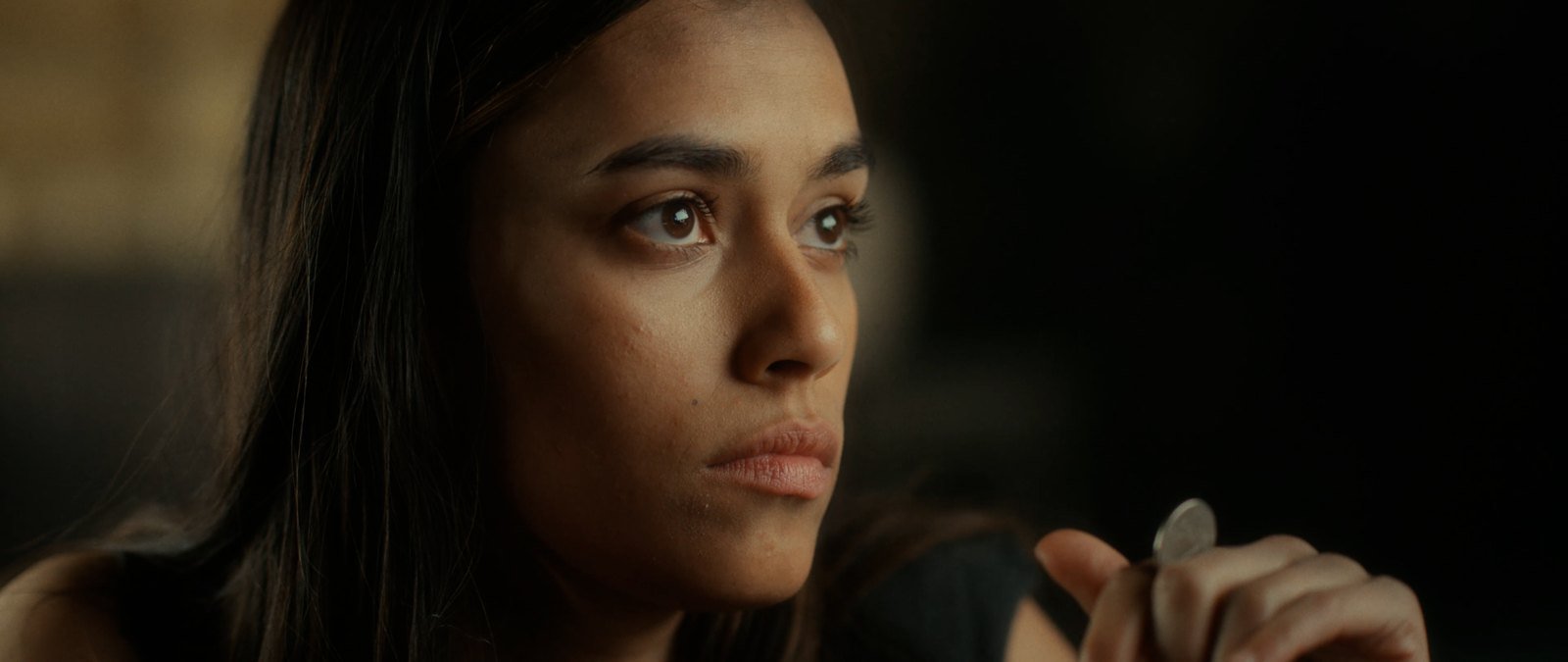
Blood Star is not a creature feature or cave horror film, but it shares a fundamental survival idea with The Descent: the environment gradually removes the protagonist’s options. Bobbi, driving alone across the American Southwest, appears at first to possess everything the women in The Descent lack — she’s above ground, has a vehicle, can see enormous distances, can keep moving. But those freedoms gradually become less useful as Sheriff Bilstein’s knowledge of the territory turns the road into part of his hunting ground.
A cave is obviously claustrophobic; a desert should represent openness. Yet both environments leave the protagonist isolated from meaningful help, and the same predator-and-prey logic applies — once Bobbi understands the sheriff’s behaviour follows a pattern, survival depends on learning the territory and his method quickly enough to disrupt it.
Why watch it: Female-led survival where the environment gradually becomes part of the trap, and the protagonist has to understand both the predator and the landscape before her options disappear.
13. Underwater (2020)
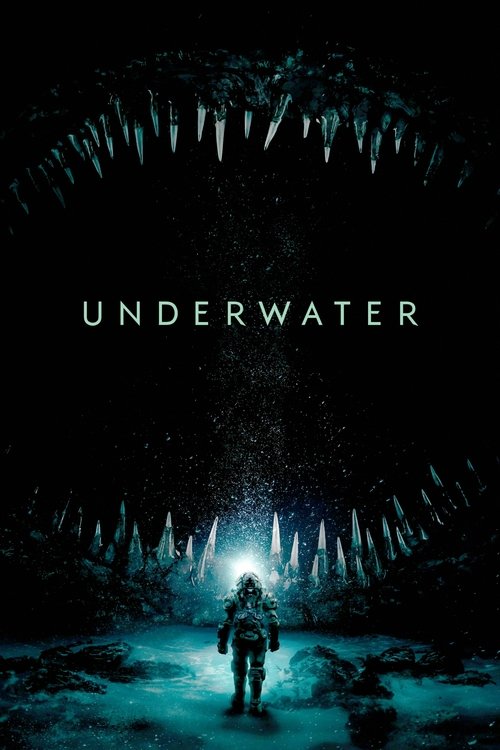
A deep-sea research facility is damaged, forcing the surviving crew to travel across the ocean floor toward another station — immense pressure, total darkness, damaged equipment and limited oxygen, before the characters discover the ocean floor contains something else. That progression closely resembles The Descent: first the environment threatens the characters, then the creatures arrive, and the humans are already exhausted before the predators become part of the problem.
Why watch it: A science-fiction version of The Descent where crushing pressure, darkness and creatures combine inside an environment humans can survive only through fragile technology.
Director: William Eubank · Starring: Kristen Stewart, Vincent Cassel, Jessica Henwick, John Gallagher Jr.
14. Crawl (2019)
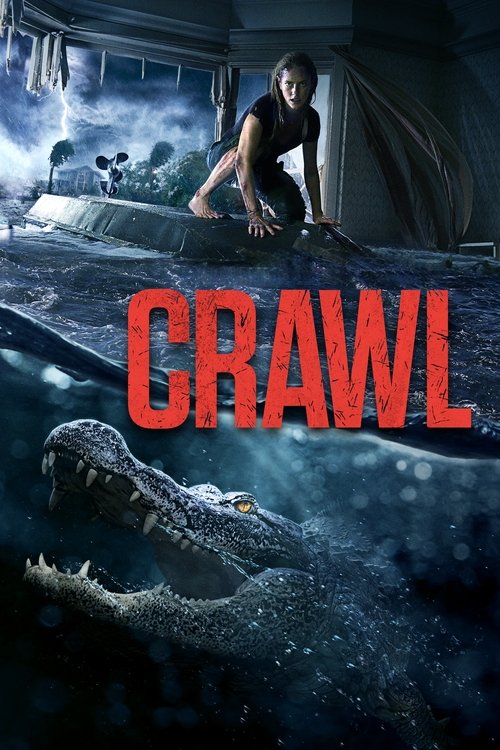
A woman trying to rescue her father during a hurricane becomes trapped beneath their home as floodwater rises — and alligators have entered the flooded space. Like The Descent, the film works because the environment and predator strengthen one another: rising water gives the alligators more territory, injury makes movement harder, and escape routes keep disappearing.
Why watch it: A lean creature-survival movie where every change in the environment increases the predator’s advantage.
Director: Alexandre Aja · Starring: Kaya Scodelario, Barry Pepper
15. The Reef (2010)
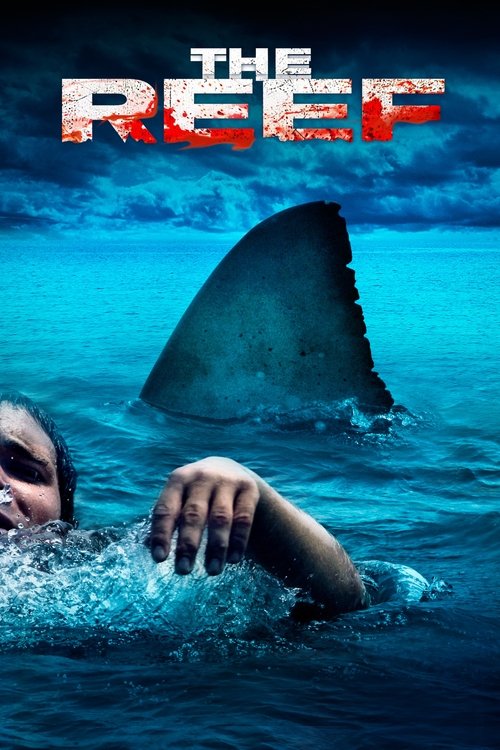
A group whose yacht capsizes near the Great Barrier Reef must choose between waiting with the wreck or swimming for land — they choose the water, then realise a shark is following them. The connection to The Descent lies in vulnerability and incomplete information: the ocean hides the threat the same way cave darkness does, until the characters are already inside its range.
Why watch it: Survival horror where humans are trapped inside a predator’s natural environment, and the fear comes as much from waiting as from attack.
Director: Andrew Traucki · Starring: Damian Walshe-Howling, Zoe Naylor, Adrienne Pickering, Gyton Grantley
See every legitimate way to watch Blood Star free →
Why The Descent Is So Frightening
The Crawlers are almost unnecessary for the first half of the film — the cave is already frightening. The characters squeeze through passages with rock touching almost every side of their bodies, light comes from fragile sources, and a mistake that would be inconvenient above ground can become fatal underground. Claustrophobia works because it removes the fantasy of immediate escape: a person can’t simply run away, and may not even be able to turn around. The creatures arrive only after the audience has already been taught to fear the space.
Best Claustrophobic Horror Movies Like The Descent
Claustrophobic horror works by shrinking the character’s available world — the less room someone has to move, the more important every decision becomes. As Above, So Below uses the Catacombs to create increasingly impossible geography, The Tunnel uses limited light in abandoned rail infrastructure, The Borderlands forces characters through spaces that become physically tighter, and Underwater uses pressure and deep-sea infrastructure for an equally oppressive confinement. It’s never really about small spaces — it’s about reduced choice.
Cave Horror Movies Like The Descent
Caves are almost perfectly designed for horror because they remove the systems humans use to orient themselves — no natural light, no reliable sense of direction, equipment that can fail, maps that can be incomplete. The Cave uses those conditions for creature horror, Sanctum treats them as realistic survival problems, and As Above, So Below turns the underground world supernatural. What makes cave horror effective is indifference: the cave doesn’t need to hate you, it only needs to stop letting you leave.
Female-Led Survival Horror Movies
One of The Descent‘s most distinctive qualities is its female ensemble — experienced, competitive, frightened, angry, capable of intelligent and terrible decisions in equal measure, with conflicts between them as complicated as the survival situation itself. That connects it to later female-led survival films like The Shallows, Fall, Underwater and Blood Star, where vulnerability comes from the extremity of the situation rather than from presenting the protagonist as helpless.
Movies About Being Trapped Underground
Being trapped underground creates one of the clearest dramatic objectives in survival cinema — the surface represents normal life, and the entire story becomes about reaching it. A collapse destroys the group’s route in The Descent, flooding forces the explorers deeper in Sanctum, and every movement through abandoned infrastructure in The Tunnel risks moving farther from safety. The strongest trapped-underground movies understand that moving deeper is psychologically frightening even when it’s logically necessary.
Creature Survival Movies Like The Descent
The best creature survival movies give the monster an environmental advantage — the Crawlers understand the cave, the shark in The Reef belongs in the water, the alligators in Crawl become more dangerous as flooding gives them more territory. If the protagonist can simply move somewhere the creature is weak, the threat loses power; the strongest films force humans to enter the predator’s world instead. See our best monster movies guide for more creature features built the same way.
Horror Movies Where the Location Is the Monster
Some survival films make the location almost as important as the antagonist — the cave in The Descent controls movement, the ocean in 47 Meters Down controls oxygen and pressure, the radio tower in Fall controls height and access, the ski lift in Frozen creates a tiny island in the air. The desert in Blood Star creates distance and lets the sheriff use local knowledge as an advantage — the environment establishes the rules, and the audience can see exactly why the character can’t simply leave.
Movies About Expeditions Going Wrong
Expedition horror has a particular appeal because the characters choose to enter danger — the women in The Descent choose caving, the explorers in Sanctum deliberately enter an underwater system, the hikers in The Ritual choose a shortcut. That choice creates confidence at the beginning: the characters believe preparation and experience will protect them, and the horror begins when the environment reveals that preparation was incomplete.
Survival Horror Without Supernatural Elements
Many viewers respond just as strongly to physical survival as to monsters. Frozen has no supernatural threat at all, Sanctum is frightening because of water, rock and oxygen, and Fall turns gravity and height into the entire story. These films prove horror doesn’t need mythology — cold can be enough, water can be enough, height can be enough. Sometimes reality is the monster.
Movies About Hostile Environments
Hostile-environment thrillers are effective because the protagonist fights two problems at once: the immediate threat, and the world surrounding it. Darkness and narrow passages make every encounter harder in The Descent, pressure and oxygen control the characters in Underwater, and distance and desert isolation make finding help increasingly difficult in Blood Star. Our guide to desert thrillers covers more films built on the same relationship between landscape and survival.
What to Watch After The Descent
If the cave setting is what you loved most, start with As Above, So Below, The Tunnel, The Cave and Sanctum. If the creature-survival element was the strongest attraction, watch Underwater, Crawl, The Reef and 47 Meters Down. If you want more female-led survival horror, The Shallows, Fall, Underwater and Blood Star place women at the centre of the decision-making rather than positioning them as victims. And if what stayed with you was a woman gradually losing escape routes while learning how a predator’s territory works, Blood Star takes that same survival structure out of the cave and places it under the open sky of the American desert.
Watch Blood Star
If you enjoy female-led survival thrillers where the environment gradually becomes part of the trap, Blood Star takes that idea into the American desert. Bobbi drives alone across the Southwest and attracts the attention of small-town Sheriff Bilstein — at first the road represents mobility, a vehicle, open space, the ability to keep moving. Gradually the landscape becomes part of the sheriff’s advantage: he knows the territory, the distances, how isolated she is, and exactly how much authority his uniform gives him.
One film traps its protagonist underground. The other traps her inside enormous open space. Yet both reduce survival to the same fundamental problem: the environment keeps removing options until the protagonist has to understand the predator’s territory better than the predator expects.
See every legitimate way to watch Blood Star free →
Film posters via TMDB.
Related guides
More on Blood Star

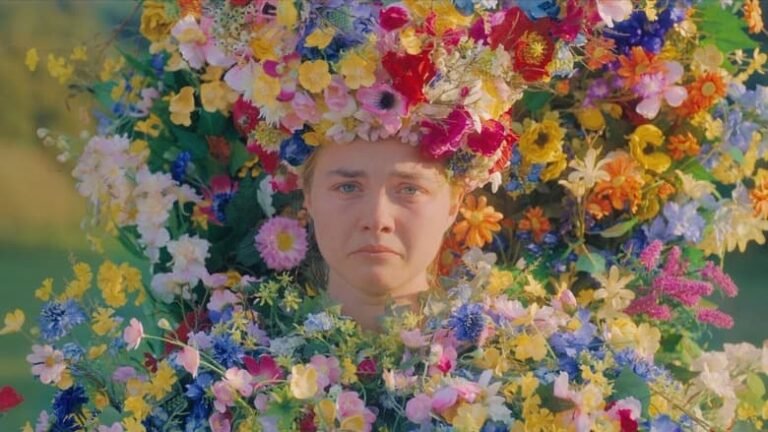
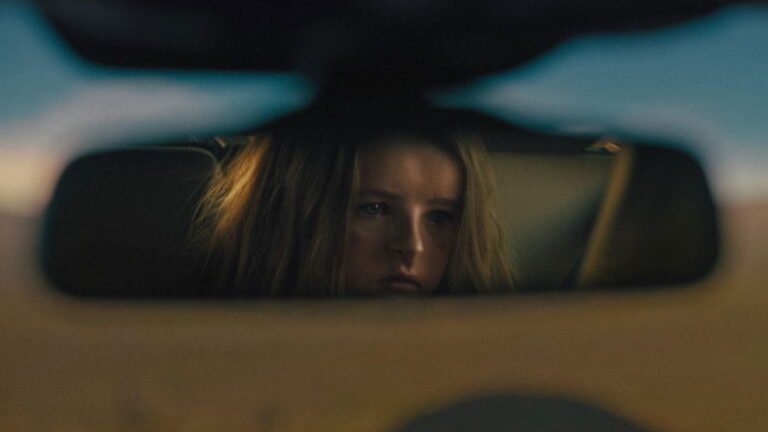
Table of Contents
- 1. As Above, So Below (2014)
- 2. The Cave (2005)
- 3. 47 Meters Down (2017)
- 4. The Ruins (2008)
- 5. The Ritual (2017)
- 6. Frozen (2010)
- 7. The Borderlands (2013)
- 8. The Tunnel (2011)
- 9. Sanctum (2011)
- 10. The Shallows (2016)
- 11. Fall (2022)
- 12. Blood Star (2024)
- 13. Underwater (2020)
- 14. Crawl (2019)
- 15. The Reef (2010)
- Why The Descent Is So Frightening
- Best Claustrophobic Horror Movies Like The Descent
- Cave Horror Movies Like The Descent
- Female-Led Survival Horror Movies
- Movies About Being Trapped Underground
- Creature Survival Movies Like The Descent
- Horror Movies Where the Location Is the Monster
- Movies About Expeditions Going Wrong
- Survival Horror Without Supernatural Elements
- Movies About Hostile Environments
- What to Watch After The Descent
- Watch Blood Star
- Related guides
- More on Blood Star