Few horror films have had the lasting impact of The Texas Chainsaw Massacre. Tobe Hooper’s film feels dirty, immediate and frighteningly plausible, even decades after its release. It takes a simple premise — a group of young people travelling through rural America — and strips away almost every sense of safety until the characters are trapped in a nightmare they do not understand.
What makes the film so effective is not simply Leatherface or the violence. Much of the terror comes from isolation, heat, unfamiliar surroundings and the feeling that the normal rules of society no longer apply. If you are searching for movies like The Texas Chainsaw Massacre, the strongest recommendations are films about survival, human predators, rural isolation, families or communities hiding violent secrets, and ordinary people who wander into places they should never have entered.
1. The Hills Have Eyes (1977)
Susan Lanier and Robert Houston
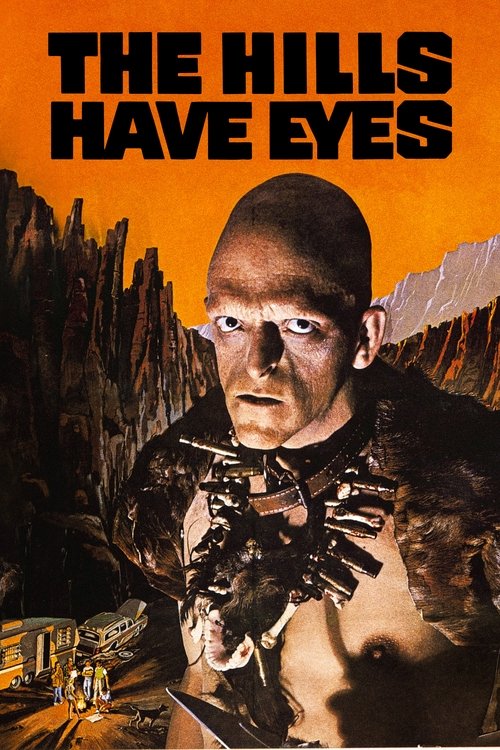
Wes Craven’s The Hills Have Eyes is one of the most obvious films to watch after The Texas Chainsaw Massacre because it takes a similarly ordinary American family and places them inside a hostile environment where conventional protection disappears.
Both films take familiar American spaces — highways, rural land, family homes — and transform them into places where outsiders become vulnerable. They also share the disturbing idea of parallel families: the protagonists encounter groups with their own internal structures and loyalties that operate according to completely different moral rules.
2. The Last House on the Left (1972)
Sandra Cassel and David Hess
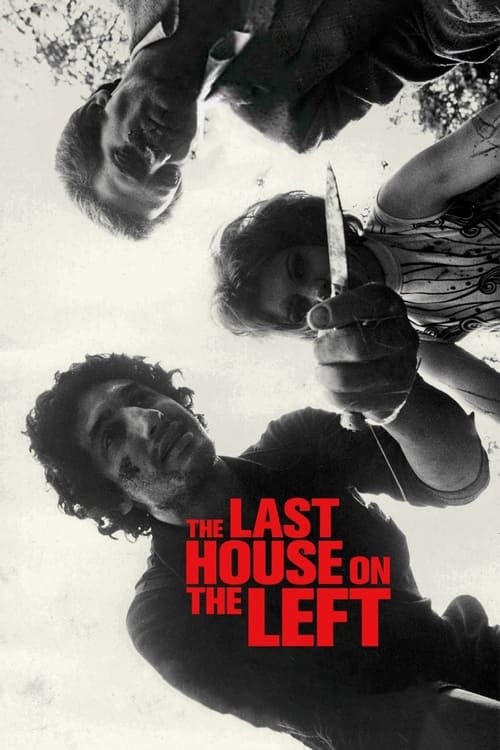
Wes Craven’s The Last House on the Left is another early American horror film built around human violence rather than supernatural threat. Two young women encountering a group of criminals develops into a grim revenge story involving the victims’ family.
Like The Texas Chainsaw Massacre, the film deliberately removes the distance audiences often associate with horror. The violence feels ugly rather than glamorous, and much of the fear comes from the possibility that ordinary people can become extraordinarily cruel.
3. Wrong Turn (2003)
Eliza Dushku and Desmond Harrington
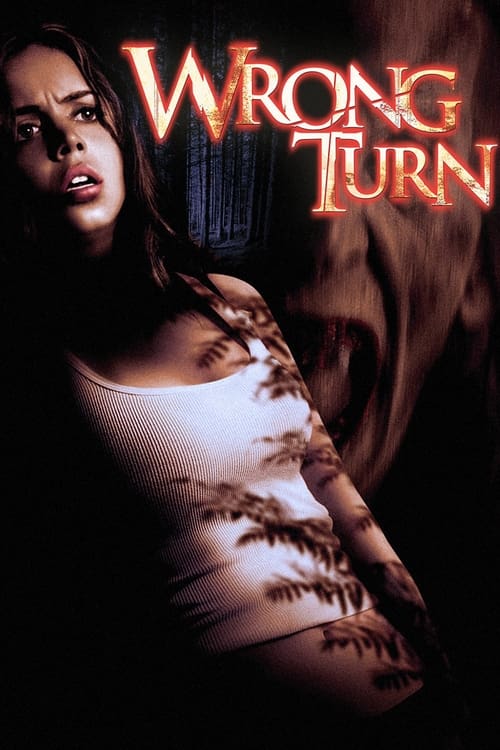
Wrong Turn takes the basic structure of rural survival horror and turns it into a faster, more overtly commercial horror movie, as a group of travellers become stranded in an isolated area and encounter a violent family that hunts anyone unlucky enough to enter its territory.
Where Hooper’s film is chaotic and almost documentary-like, Wrong Turn is more structured around pursuit and set-piece survival — young outsiders, unfamiliar roads, isolated communities and a group of killers whose world exists away from normal social scrutiny.
4. Wolf Creek (2005)
John Jarratt as Mick Taylor

Greg McLean’s Wolf Creek shifts rural survival horror to the Australian outback. A group of backpackers encounter a seemingly friendly local who initially appears willing to help them after they become stranded — hospitality that gradually reveals itself to be something much more dangerous.
The film’s strongest connection with The Texas Chainsaw Massacre is the feeling of geographical vulnerability. For audiences interested in road horror, serial-killer movies and survival thrillers, Wolf Creek is one of the strongest recommendations.
5. The Devil’s Rejects (2005)
Sid Haig, Bill Moseley and Sheri Moon Zombie
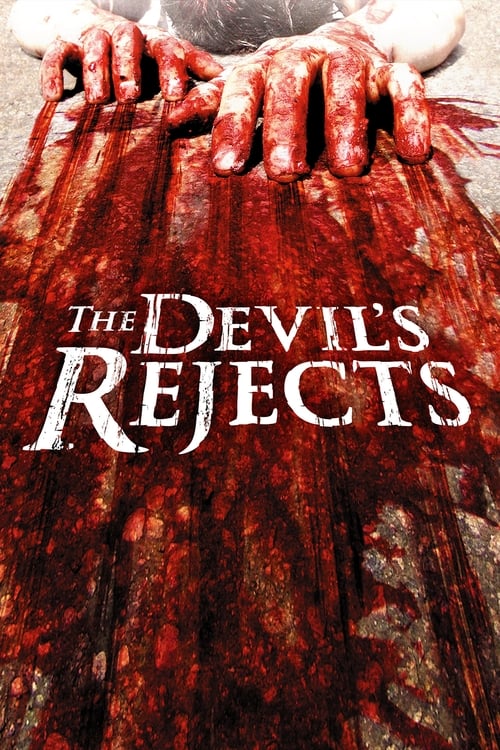
Rob Zombie’s The Devil’s Rejects takes the murderous-family concept into a grim road movie. The Firefly family are already established killers when the film begins, and much of the story follows them through an increasingly violent confrontation with law enforcement.
Unlike The Texas Chainsaw Massacre, the killers occupy much more of the audience’s perspective, but both films present groups for whom violence has become normalised.
6. Eden Lake (2008)
Michael Fassbender and Kelly Reilly
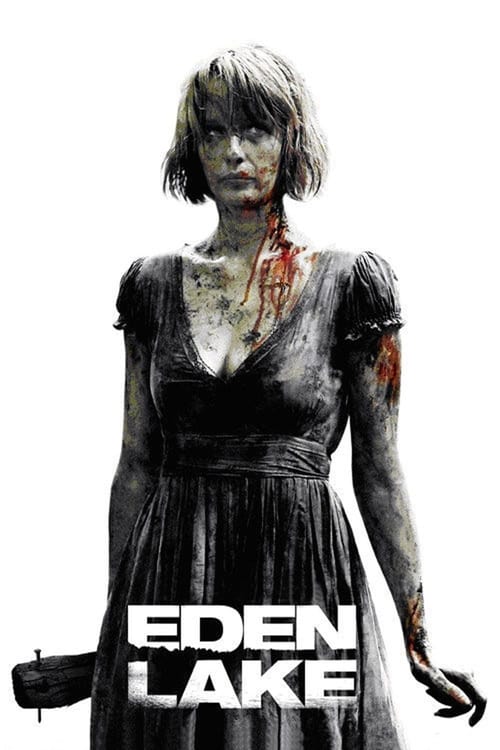
James Watkins’ Eden Lake shares the same fear of entering a place where the usual assumptions about safety no longer apply. A couple travel to an isolated lake for a weekend away and become involved in a confrontation with a group of teenagers that escalates into a violent pursuit.
The film works because the threat develops out of something recognisable — no supernatural explanation, no elaborate mythology, just human behaviour and the gradual realisation that the protagonists are isolated from help.
7. The Strangers (2008)
Liv Tyler and Scott Speedman
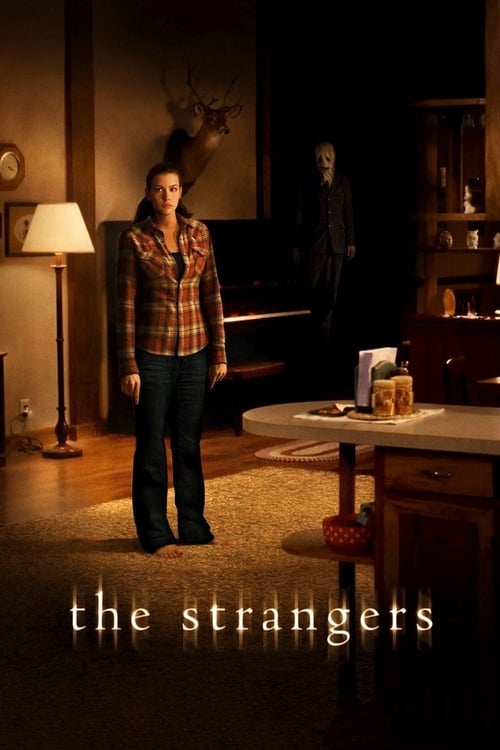
The Strangers replaces rural backroads with an isolated house, but psychologically it is very close to The Texas Chainsaw Massacre. A couple are targeted by masked strangers who appear to have no meaningful personal connection to them, and the terror comes from the fact that the attack seems arbitrary.
Both films remove the comfort of motive. The victims cannot simply understand what the attackers want and negotiate their way out — the threat exists because the attackers have decided it does.
8. Bone Tomahawk (2015)
Kurt Russell as Sheriff Hunt
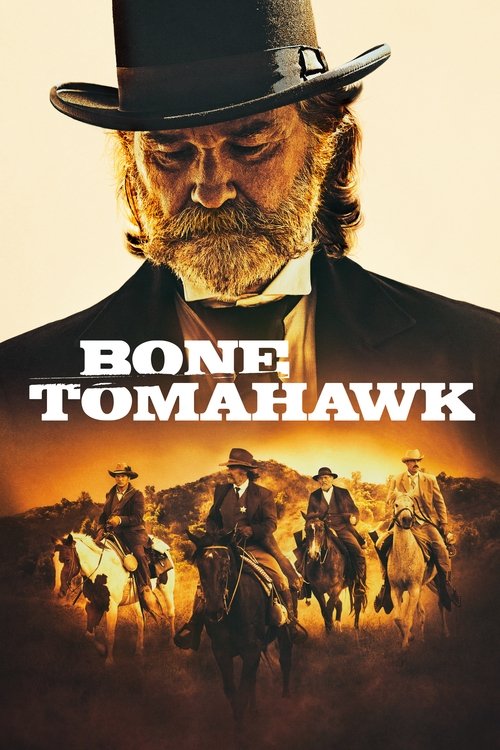
S. Craig Zahler’s Bone Tomahawk combines Western, horror and survival thriller in an unusually slow-burning story. When people disappear from a small frontier town, a group travels into hostile territory to find them, and what they discover pushes the film into increasingly brutal horror.
The connection to The Texas Chainsaw Massacre lies in crossing into an environment controlled by people who operate according to a radically different set of rules. Both films spend time establishing landscape and distance before the full nature of the threat becomes clear.
9. Blood Star
Britni Camacho as Bobbi Torres · John Schwab as Sheriff Bilstein
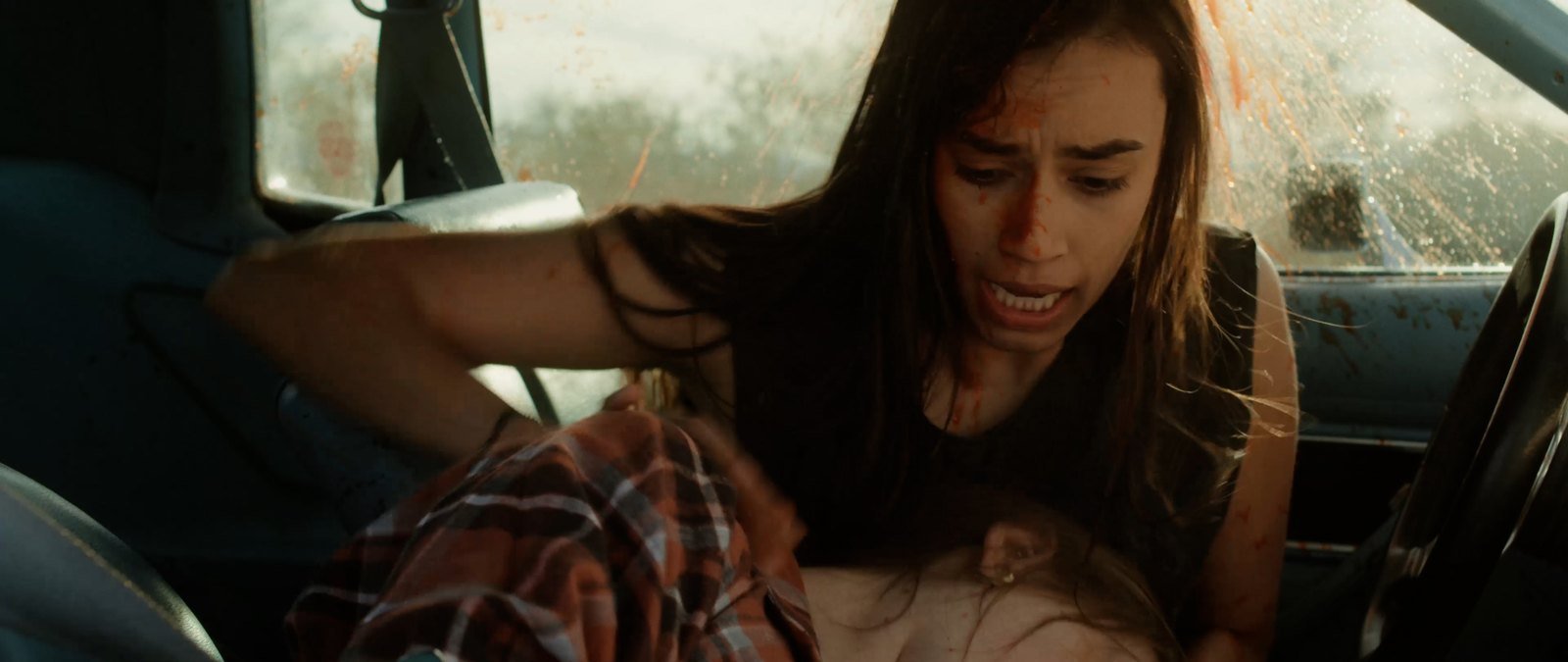
Here is one you may not have heard of.
Blood Star is an independent psychological road thriller that approaches the fear of being trapped with a human predator from a more stripped-back direction. The film follows a young woman whose journey becomes increasingly dangerous after she encounters a sheriff whose authority initially suggests protection but gradually becomes part of the threat.
The connection with The Texas Chainsaw Massacre is not about chainsaws, masked killers or violent families. It is about what happens when a traveller enters an environment where the person threatening them appears to control the territory. Both films reduce the protagonist’s options until escape begins to feel increasingly difficult — roads, distance and isolation stop representing freedom and become part of the trap.
For viewers who have already seen the major survival-horror classics and are looking for a lesser-known independent thriller about being hunted, it is worth discovering.
Watch Blood Star Free in the USA
Now streaming free with ads in the United States.


See every legitimate way to watch Blood Star free in the USA →
10. The House of the Devil (2009)
Jocelin Donahue as Samantha

Ti West’s The House of the Devil is considerably slower than most films on this list, but it captures the same feeling of entering a place that gradually reveals itself to be profoundly unsafe. A college student accepts a babysitting job at an isolated house, and almost immediately details do not quite add up.
Rather than rushing toward violence, the film allows suspicion to build through empty rooms and silence — both films understand that horror becomes stronger when audiences sense danger before the character fully comprehends it.
11. X (2022)
Mia Goth as Maxine · Jenna Ortega as Lorraine

Ti West’s X deliberately engages with the imagery and atmosphere of 1970s American horror. A group of young filmmakers travel to a remote rural property to make a movie and gradually discover that their elderly hosts are far more dangerous than they appear.
The visual connection with The Texas Chainsaw Massacre is clear: rural Texas, heat, isolated buildings and young outsiders entering somebody else’s private world.
12. Green Room (2015)
Anton Yelchin and Patrick Stewart
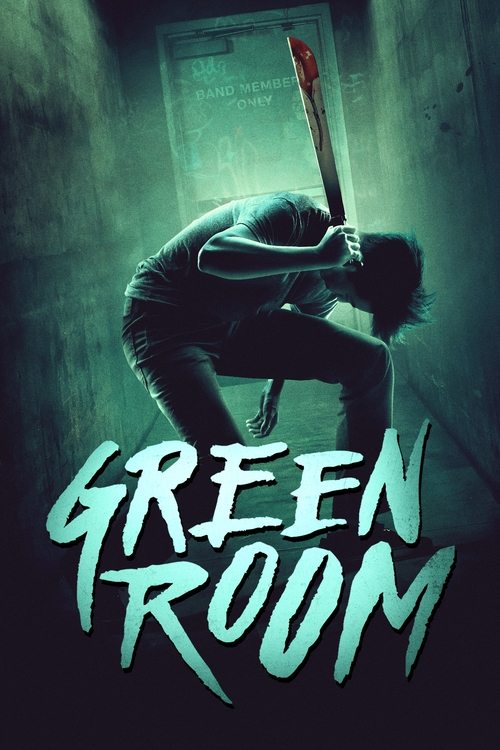
Jeremy Saulnier’s Green Room replaces rural travellers with a punk band, but the central survival mechanism is remarkably similar. After witnessing something they were never supposed to see at a remote venue, the band members become trapped inside a room while a violent group outside decides what to do with them.
The film is brutally practical about violence — injuries matter, escape plans fail, and every decision has consequences, connecting it strongly with The Texas Chainsaw Massacre.
Why The Texas Chainsaw Massacre Still Feels So Real
One reason the film remains frightening is that it often feels less like a conventional horror movie than something accidentally recorded. The photography, performances, heat and production design create a sense of physical discomfort that becomes inseparable from the story.
Much of what audiences remember as extreme is created through suggestion, sound, editing and atmosphere rather than constant explicit gore — that restraint makes the world feel more believable. The characters are young people who make ordinary decisions and gradually discover that those decisions have taken them somewhere they cannot easily leave.
Movies Like The Texas Chainsaw Massacre About Rural Isolation
If rural isolation is the element you are looking for, The Hills Have Eyes, Wrong Turn, Wolf Creek, X and The House of the Devil are particularly strong recommendations. All use distance from ordinary society as part of the threat — the environment belongs more completely to the people threatening the protagonists than it does to the victims.
Movies Like The Texas Chainsaw Massacre About Being Hunted
If you are more interested in the pursuit and survival side of the film, Eden Lake, Green Room, Wolf Creek, The Strangers and Blood Star all revolve around people discovering that another person or group has decided to target them. The Strangers traps its characters at home, Green Room locks them inside a venue, Wolf Creek uses enormous geographical isolation, and Blood Star turns the road itself into a psychological trap.
Horror Movies About Dangerous Families and Communities
Another important part of The Texas Chainsaw Massacre is the family. Leatherface is frightening, but the film becomes even more disturbing once it becomes clear he is not operating alone. Wrong Turn, The Devil’s Rejects and The Hills Have Eyes all develop variations on the same idea: groups whose internal rules make perfect sense to them but are horrifying to outsiders.
Survival Horror Movies Like The Texas Chainsaw Massacre
If survival is your main interest, Green Room, Eden Lake, Wolf Creek, The Hills Have Eyes and Bone Tomahawk are particularly effective. Escape is difficult, injuries matter, and characters cannot rely on the familiar movie logic that someone will arrive just before it is too late.
Road Horror Movies Like The Texas Chainsaw Massacre
The road is essential to The Texas Chainsaw Massacre because the protagonists begin as travellers, passing through. That makes Wolf Creek, The Hills Have Eyes and Blood Star particularly relevant — this structure connects the film to a wider tradition of road horror and psychological road thrillers in which unfamiliar landscapes remove the protection of ordinary life. See also our guide to movies like Joy Ride.
Movies Like The Texas Chainsaw Massacre You May Not Have Seen
If you have already worked through the obvious horror classics, several less predictable choices are worth exploring. Bone Tomahawk combines Western and survival horror in a way few films attempt, and Green Room removes virtually all supernatural or slasher conventions.
And Blood Star is the lesser-known independent thriller here, taking the fear of a traveller being targeted and reducing it to a psychological confrontation between one woman and a dangerous figure of authority.
Where to Watch Blood Star
If you are looking for something less familiar after The Texas Chainsaw Massacre, Blood Star is an independent psychological road thriller built around isolation, pursuit, abuse of authority and survival.
Rather than using supernatural threat or a large group of killers, the story focuses tightly on predator and victim, turning a journey into an escalating psychological struggle. For current streaming, rental and free-with-ads options, visit the Blood Star Watch page.
See every legitimate way to watch Blood Star free in the USA →
Film posters via TMDB.
More Movies Like The Texas Chainsaw Massacre
If you enjoy rural horror, serial-killer movies and survival thrillers, read our guides to movies like The Strangers, movies like The Hitcher, movies like Breakdown, movies like Joy Ride, the best road trip horror movies, the best serial killer movies, the best psychological thrillers and hidden gem thrillers.
Frequently Asked Questions
What movies are similar to The Texas Chainsaw Massacre?
Some of the closest movies are The Hills Have Eyes, Wrong Turn, Wolf Creek, X, The Devil’s Rejects and Green Room. They share themes of rural isolation, survival, violent human predators and characters entering dangerous territory.
What should I watch after The Texas Chainsaw Massacre?
If you want another classic rural survival horror movie, start with The Hills Have Eyes. For something more modern, try X, Green Room or Wolf Creek. If you want a lesser-known independent thriller built around a traveller being targeted, Blood Star offers a more psychological variation.
What are the best rural horror movies like The Texas Chainsaw Massacre?
The Hills Have Eyes, Wrong Turn, Wolf Creek, X, The House of the Devil and Bone Tomahawk are all strong rural horror films in which isolation and geography contribute directly to the danger.
Are there any underrated movies like The Texas Chainsaw Massacre?
Yes. Green Room, Bone Tomahawk and Blood Star are good choices for viewers looking beyond the most obvious franchise horror titles.
What horror movies are about people being hunted?
Wolf Creek, Eden Lake, The Strangers, Green Room, Wrong Turn and Blood Star all involve characters being deliberately targeted or pursued by human predators.
Is The Texas Chainsaw Massacre a slasher movie?
It is often described as an early and highly influential slasher film, although it also functions as rural horror, survival horror and psychological horror.
Related guides
More on Blood Star
- Watch Blood Star free on Tubi & Prime Video (USA)
- Films like Blood Star: predators, pursuit and survival
- Blood Star: Ending Explained
- Blood Star — Cast & Filmmakers


Table of Contents
- 1. The Hills Have Eyes (1977)
- 2. The Last House on the Left (1972)
- 3. Wrong Turn (2003)
- 4. Wolf Creek (2005)
- 5. The Devil’s Rejects (2005)
- 6. Eden Lake (2008)
- 7. The Strangers (2008)
- 8. Bone Tomahawk (2015)
- 9. Blood Star
- Watch Blood Star Free in the USA
- 10. The House of the Devil (2009)
- 11. X (2022)
- 12. Green Room (2015)
- Why The Texas Chainsaw Massacre Still Feels So Real
- Movies Like The Texas Chainsaw Massacre About Rural Isolation
- Movies Like The Texas Chainsaw Massacre About Being Hunted
- Horror Movies About Dangerous Families and Communities
- Survival Horror Movies Like The Texas Chainsaw Massacre
- Road Horror Movies Like The Texas Chainsaw Massacre
- Movies Like The Texas Chainsaw Massacre You May Not Have Seen
- Where to Watch Blood Star
- More Movies Like The Texas Chainsaw Massacre
- Frequently Asked Questions
- What movies are similar to The Texas Chainsaw Massacre?
- What should I watch after The Texas Chainsaw Massacre?
- What are the best rural horror movies like The Texas Chainsaw Massacre?
- Are there any underrated movies like The Texas Chainsaw Massacre?
- What horror movies are about people being hunted?
- Is The Texas Chainsaw Massacre a slasher movie?
- Related guides
- More on Blood Star