Jeremy Saulnier’s Green Room is one of the most effective survival thrillers of the last decade because it understands that terror becomes more intense when the escape routes disappear. The film begins with a struggling punk band accepting a gig at a remote club in the Pacific Northwest. The venue is controlled by violent neo-Nazis, and after the band accidentally witnesses a murder backstage, they are locked inside the green room and quickly realise that the people outside cannot allow them to leave alive.
What makes Green Room so effective is its physical realism. The characters are not trained killers or action heroes — they panic, improvise, make bad decisions and get badly hurt. Patrick Stewart’s Darcy Banks is particularly frightening because he is calm: he assesses the situation, gives orders and treats murder as a logistical problem.
These are 15 movies like Green Room for viewers looking for brutal survival thrillers, siege movies, claustrophobic crime films and stories about ordinary people trapped with dangerous strangers.
1. Blue Ruin (2013)
Macon Blair as Dwight Evans
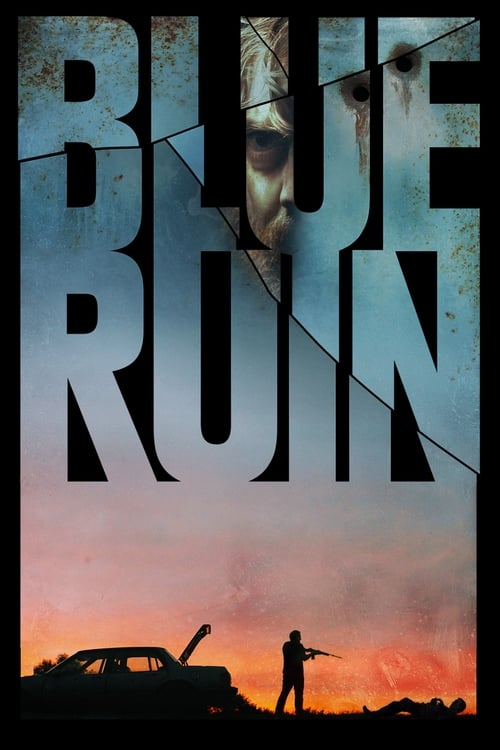
The most obvious place to begin is Jeremy Saulnier’s previous feature, Blue Ruin. Macon Blair plays Dwight Evans, a homeless drifter who decides to take revenge on the man convicted of killing his parents — and discovers that he is frightened, inexperienced and bad at violence. The murder does not solve anything; it restarts a feud between two families and creates new danger for the people Dwight cares about.
That is one of the strongest connections to Green Room. Both films reject the fantasy that ordinary people become competent killers the moment violence begins. Their characters hesitate, bleed, panic and improvise, and the violence feels frightening precisely because it is not choreographed to make the protagonists look powerful.
2. You’re Next (2013)
Sharni Vinson as Erin
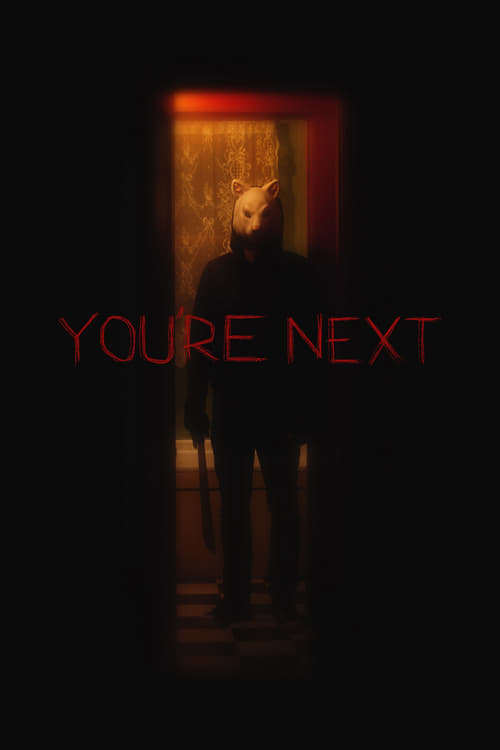
Adam Wingard’s You’re Next begins like a conventional home-invasion horror film but quickly becomes something more interesting. A wealthy family gathers at an isolated country house when masked attackers begin surrounding the house, and one guest, Erin, turns out to possess survival skills nobody expected.
The connection with Green Room lies in the use of a confined location as a tactical space. Doors, windows, corridors and rooms become part of the survival strategy, and both films understand that the most interesting siege stories involve information the protagonists have to piece together as they go.
3. Assault on Precinct 13 (1976)

John Carpenter’s Assault on Precinct 13 is one of the foundational modern siege movies and a clear ancestor of Green Room. A small group of police officers, prisoners and civilians become trapped inside a nearly abandoned Los Angeles police station when a violent street gang surrounds the building.
Like Green Room, the film derives tension from the fact that the protagonists are effectively sealed inside a building while a more numerous enemy controls the outside. Carpenter also understands how frightening an enemy can become when individual personalities disappear into a collective force, creating the same relentless pressure Saulnier later brings to his neo-Nazi organisation.
4. Eden Lake (2008)
Kelly Reilly as Jenny · Michael Fassbender as Steve
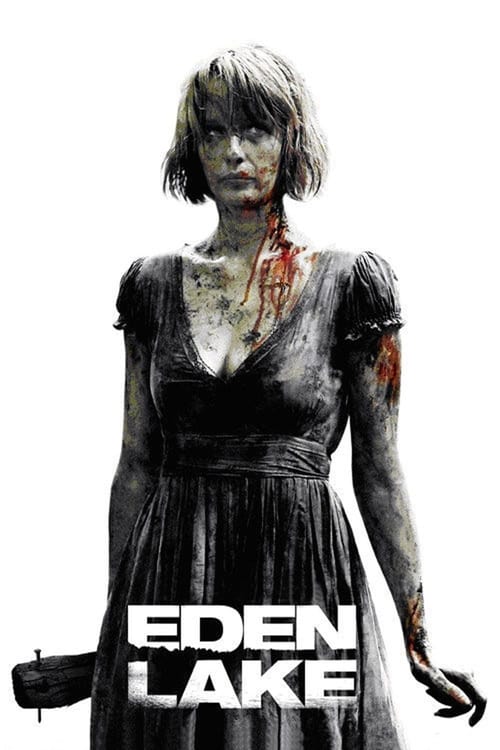
James Watkins’ Eden Lake begins with an ordinary weekend trip and gradually strips away every expectation of safety, as a couple’s quiet break by a remote lake is disrupted by a group of aggressive teenagers whose irritation develops into serious, escalating violence.
The strongest connection with Green Room is the feeling that the protagonists have entered an environment controlled by people who understand it better than they do, with no clear authority capable of restoring order and every attempt to escape pushing them further into danger.
5. Don’t Breathe (2016)
Stephen Lang
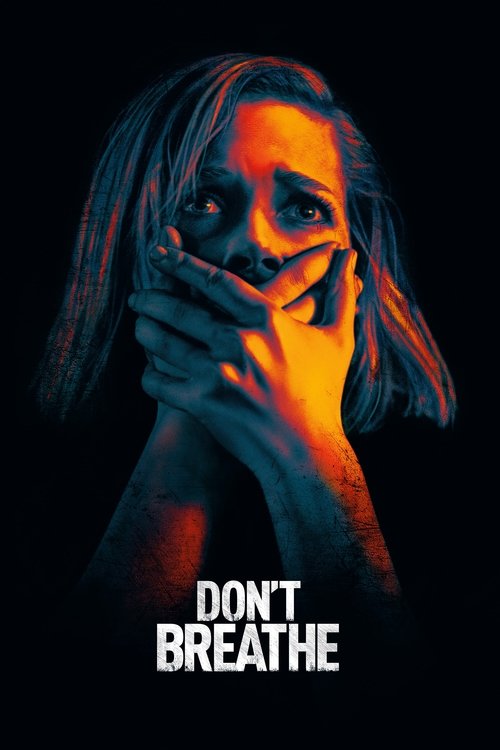
Fede Álvarez’s Don’t Breathe reverses the usual home-invasion structure: a group of young thieves decide to rob the house of a blind man they believe is an easy target, only to discover he knows the house intimately and is far more dangerous than they anticipated.
That reversal makes the film particularly relevant to Green Room. In both stories, the protagonists enter a location voluntarily and only later realise that the environment is controlled by someone else — space becomes a weapon, and familiar architecture turns hostile.
6. Calibre (2018)
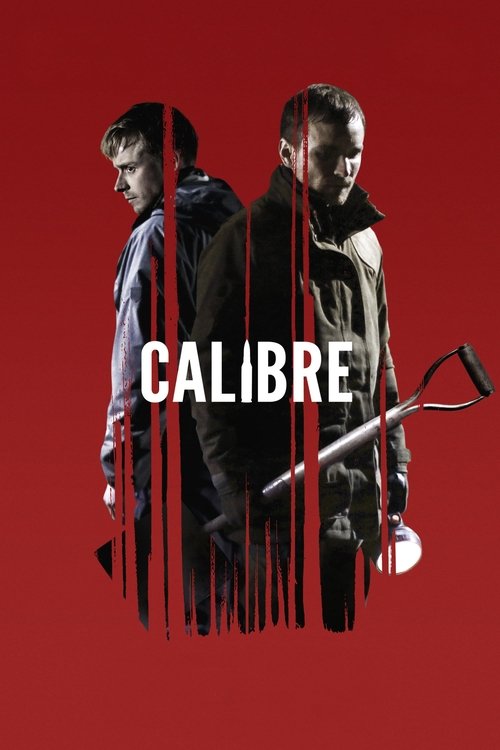
Matt Palmer’s Calibre takes two ordinary men into a remote Scottish community and slowly traps them inside the consequences of one disastrous hunting accident. The nearby village is close-knit, suspicious of outsiders and increasingly aware that something is wrong.
Like Green Room, Calibre creates suspense from an environment that gradually becomes impossible to leave. The protagonists are not physically locked in one room, but socially and geographically they are trapped, and both films explore how quickly normal people begin making morally compromised decisions when fear takes over.
7. The Descent (2005)
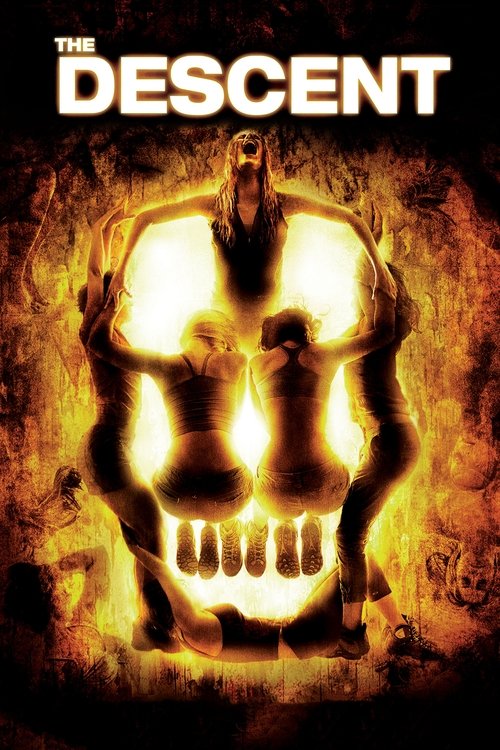
Neil Marshall’s The Descent is one of the great claustrophobic survival films. A group of women travel into an unexplored cave system, and once underground, the route they entered collapses behind them, trapping them with no clear way out — and possibly not alone.
The obvious connection with Green Room is confinement: both films remove escape before revealing the full extent of the threat. The more important similarity is psychological, as characters are forced to make decisions under extreme stress while relationships within the group begin to fracture.
8. Panic Room (2002)
Jodie Foster as Meg Altman
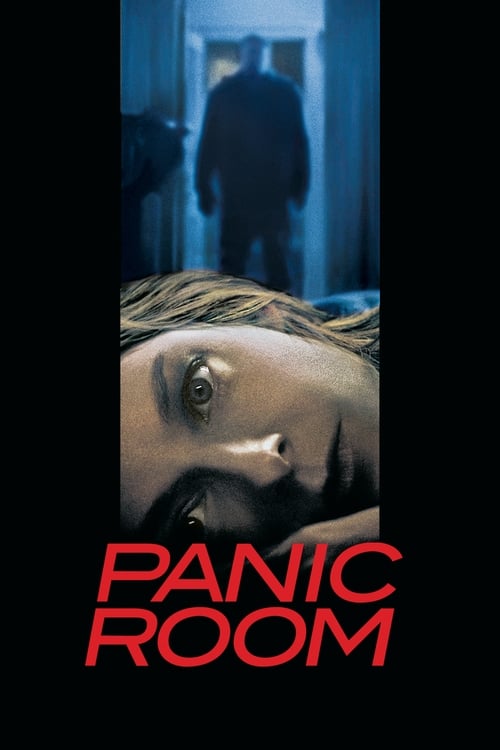
David Fincher’s Panic Room takes confinement and turns it into a tactical duel. Meg Altman and her daughter lock themselves inside a secure panic room on their first night in a new house — but the burglars downstairs need something that is inside with them.
Like Green Room, the tension comes from geography: a few rooms and corridors become an entire battlefield, and survival depends on understanding the physical environment better than the people trying to kill you.
9. Rebel Ridge (2024)
Aaron Pierre as Terry Richmond
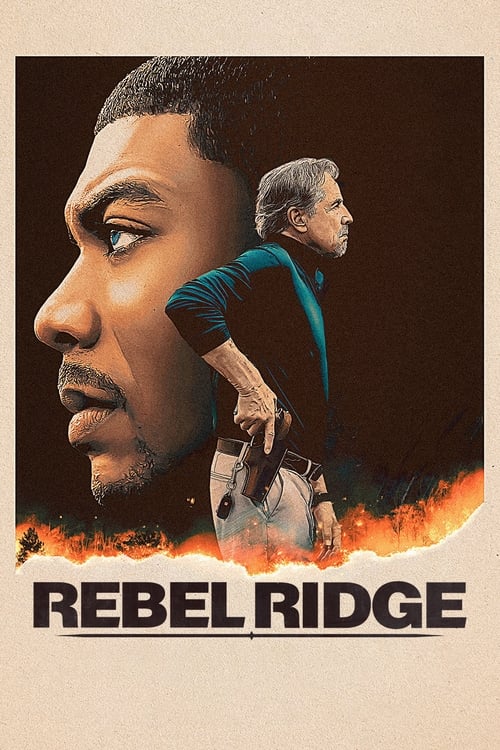
Jeremy Saulnier’s Rebel Ridge returns to several themes that also run through Green Room: hostile institutions, outsiders entering controlled territory, and violence that grows from systems rather than random individuals. A former Marine carrying bail money for his cousin discovers that challenging local police means confronting an entire structure designed to protect itself.
The connection is especially strong in how authority functions. In Green Room, Darcy Banks controls the venue through organisation and ideology. In Rebel Ridge, the police department controls the town through legal and institutional power — both films ask what happens when the people controlling the environment are also the people creating the danger.
10. Bone Tomahawk (2015)
Kurt Russell as Sheriff Franklin Hunt

S. Craig Zahler’s Bone Tomahawk begins as a Western before moving into much darker survival-horror territory, as a sheriff leads a small group into dangerous wilderness after several people are abducted from a frontier town.
Like Green Room, the film is patient about building its world before allowing violence to explode, and when it arrives it is sudden, graphic and difficult to watch. Both films are also interested in physical vulnerability — characters who are injured remain injured.
11. Free Fire (2016)
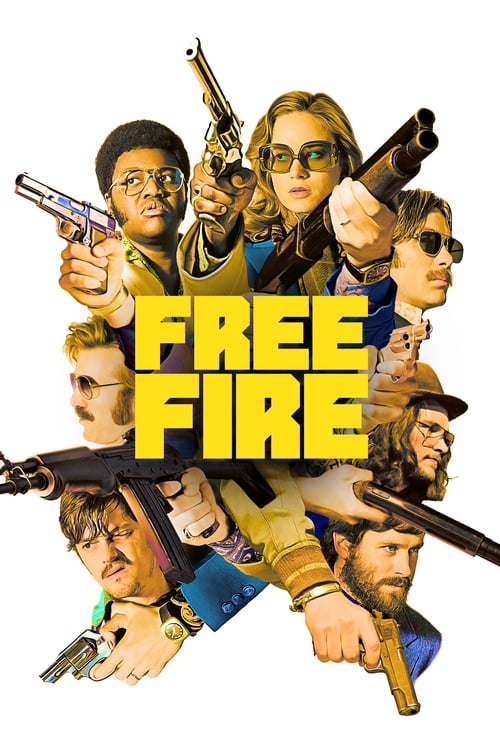
Ben Wheatley’s Free Fire turns one warehouse into an extended battle of survival, as an arms deal between criminals collapses into a shootout where almost everyone ends up trapped inside shooting at everyone else.
The film is much funnier than Green Room, but the physical approach to violence is surprisingly similar: characters are wounded early and then have to continue moving with those wounds, and nobody suddenly becomes an elegant action hero.
12. Straw Dogs (1971)
Dustin Hoffman as David Sumner
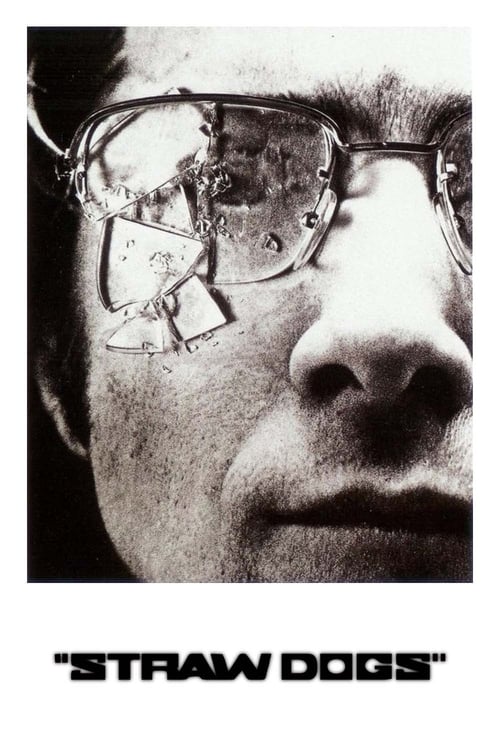
Sam Peckinpah’s Straw Dogs is one of the most controversial siege films ever made, but its influence on later home-invasion and survival thrillers is substantial. An American mathematician moves with his wife to a rural English village, where escalating tensions with local men culminate in the house becoming a defensive position.
Like Green Room, the story is interested in what prolonged threat does to people who do not think of themselves as violent, and how group violence can develop when individuals feel protected by the people around them.
13. The Invitation (2015)
Logan Marshall-Green as Will
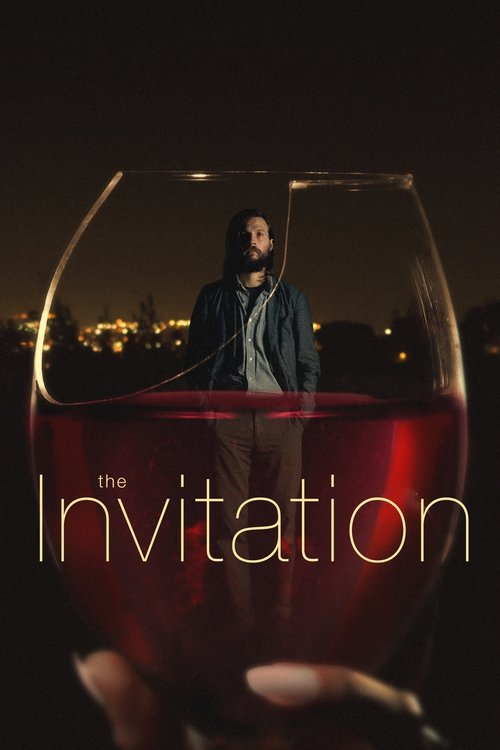
Karyn Kusama’s The Invitation creates a different kind of entrapment. Will attends a dinner party hosted by his ex-wife and her new husband, and senses that something about the gathering — and the spiritual group they’ve joined — is deeply wrong.
The genius of the film is that social convention becomes part of the trap. That makes it very different from Green Room physically, but psychologically the films share an important idea: recognising that you are in danger is not the same as being able to leave.
14. The Belko Experiment (2017)
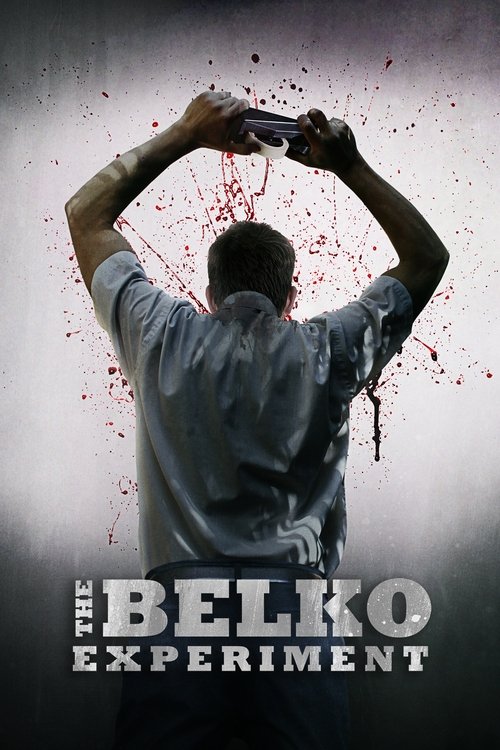
The Belko Experiment turns an ordinary office building into a controlled survival arena. Employees arrive at work and discover the building has been sealed, and a voice over the intercom informs them that they must begin killing one another or even more people will die.
The film is broader and more satirical than Green Room, but the structure has obvious similarities: people who entered a familiar environment discover that somebody else controls the exits, the rules and the consequences.
15. Blood Star (2024)
Britni Camacho as Bobbi Torres · John Schwab as Sheriff Bilstein
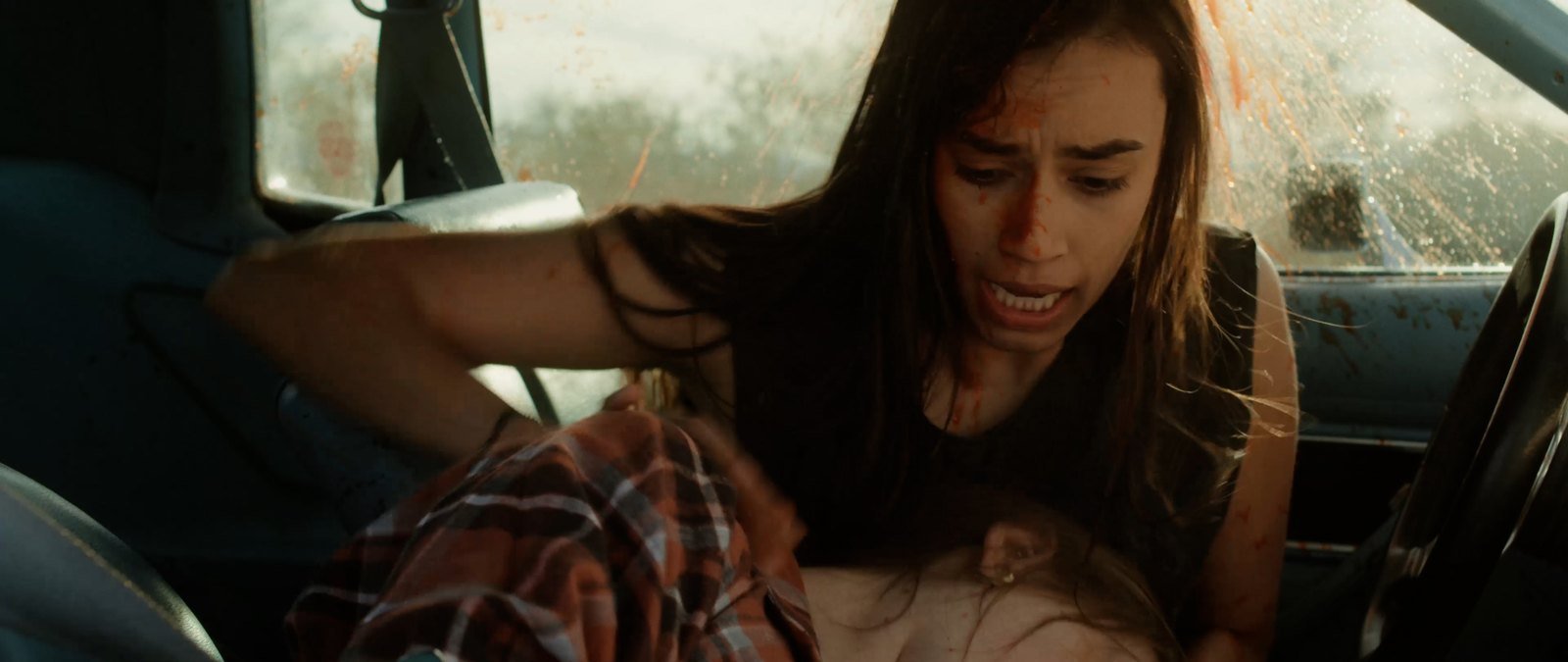
Blood Star moves the survival structure out of a locked building and onto the open road, but the basic predator-and-prey dynamic has a strong connection with Green Room. Bobbi Torres is travelling alone across the American desert when she attracts the attention of Sheriff Bilstein — what initially appears to be harassment by an intimidating law-enforcement officer gradually reveals something far more dangerous. The badge gives Bilstein exactly the kind of control over the environment that Green Room’s antagonists possess over their venue.
The biggest difference is physical space. In Green Room, the protagonists know they are trapped because there is a locked door and armed people outside. In Blood Star, Bobbi appears to have an entire desert in which to escape — but that freedom is deceptive. Bilstein has the vehicle, the authority, the local knowledge and the ability to follow her wherever she goes. For viewers who responded to the stripped-down survival mechanics of Green Room, Blood Star
16. Kill List (2011)
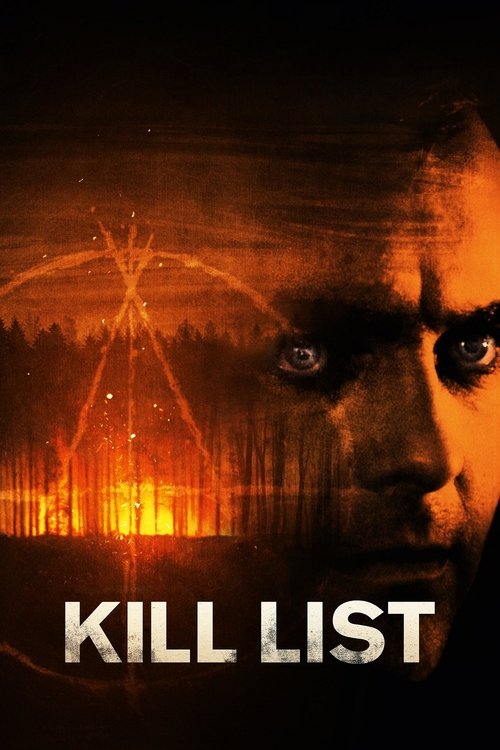
Ben Wheatley’s Kill List starts as a bleak domestic drama, mutates into a hitman thriller, then descends somewhere far stranger and worse. Two contract killers take a job that curdles by the assignment, and the tension comes less from action than from a mounting wrongness you cannot name until it is on top of you. It shares Green Room’s appetite for sudden, graceless brutality, folded into a creeping folk-horror dread.
17. Wolf Creek (2005)

Greg McLean’s Wolf Creek takes the sunburnt romance of the Australian road trip and quietly bricks up the exits. Backpackers break down in the outback, accept help from a grinning local, and discover far too late that the land itself is complicit. It trades siege for open wilderness but keeps the helplessness intact — the sense you have wandered somewhere you were never meant to leave.
takes that pressure onto the highway.
Why Green Room Is Such an Effective Survival Thriller
The central strength of Green Room is that the film never allows survival to become abstract. Every decision has a physical consequence — opening a door matters, moving an injured person matters, losing a weapon matters. The film also continually narrows the characters’ options: first they think they can talk their way out, then they believe the police may help, then they consider physical escape. Each possibility is gradually removed.
Movies About Being Trapped With Killers
Being physically trapped is one of the simplest thriller mechanisms, but it remains effective because it removes the easiest solution to danger. Films such as Green Room, Don’t Breathe, Panic Room, The Descent and Assault on Precinct 13 all remove that option, and once leaving becomes impossible, every remaining choice becomes more dangerous.
Siege Movies Like Green Room
The siege movie is one of the most durable thriller structures because it creates an immediately understandable objective: stay alive until you can escape. Assault on Precinct 13, Panic Room, Straw Dogs, You’re Next and Green Room all use variations of that structure, continually changing the balance of power as resources disappear and alliances shift.
Why Green Room’s Villains Are So Frightening
Patrick Stewart’s Darcy Banks is frightening precisely because he is not emotionally out of control. He approaches the situation calmly — the band has seen something they should not have seen, therefore the problem needs to be contained. The wider organisation around him is equally important: the protagonists are not dealing with one unstable person, but a network that shares information and controls the surrounding area.
What to Watch After Green Room
If the brutal realism is what stayed with you most, start with Blue Ruin, Calibre and Bone Tomahawk. If you want another siege thriller, watch Assault on Precinct 13, Panic Room, You’re Next or Straw Dogs. For a more contemporary Jeremy Saulnier thriller about hostile authority, Rebel Ridge is the obvious choice. And if what appealed to you was the stripped-down predator-and-prey survival structure, Blood Star moves that same pressure out of the room and into the desert.
Watch Blood Star
Blood Star is a psychological desert road thriller about Bobbi Torres, a young woman travelling alone who becomes the target of Sheriff Bilstein, a predatory lawman whose authority and knowledge of the territory give him control over the hunt. If you like survival thrillers where an ordinary person is trapped inside somebody else’s game, Blood Star takes that dynamic onto an isolated highway.


See every legitimate way to watch Blood Star free →
Film posters via TMDB.
Related guides
More on Blood Star
- Watch Blood Star free on Tubi & Prime Video (USA + UK)
- Movies Like Blood Star
- Blood Star — Cast & Filmmakers

Table of Contents
- 1. Blue Ruin (2013)
- 2. You’re Next (2013)
- 3. Assault on Precinct 13 (1976)
- 4. Eden Lake (2008)
- 5. Don’t Breathe (2016)
- 6. Calibre (2018)
- 7. The Descent (2005)
- 8. Panic Room (2002)
- 9. Rebel Ridge (2024)
- 10. Bone Tomahawk (2015)
- 11. Free Fire (2016)
- 12. Straw Dogs (1971)
- 13. The Invitation (2015)
- 14. The Belko Experiment (2017)
- 15. Blood Star (2024)
- 16. Kill List (2011)
- 17. Wolf Creek (2005)
- Why Green Room Is Such an Effective Survival Thriller
- Movies About Being Trapped With Killers
- Siege Movies Like Green Room
- Why Green Room’s Villains Are So Frightening
- What to Watch After Green Room
- Watch Blood Star
- Related guides
- More on Blood Star