The best slow-burn survival horror movies don’t begin with chaos. They begin with unease. A road seems too empty. A stranger asks one question too many. A forest becomes difficult to navigate. A house feels isolated in a way that wasn’t obvious when the characters arrived. A journey that should have been temporary starts to feel impossible to leave.
That gradual transformation is what separates slow-burn survival horror from more immediate horror cinema. The threat doesn’t necessarily arrive in the opening minutes — the audience is given time to understand the location, the relationships and the apparent rules before those rules begin to collapse. The strongest films create suspense through accumulation: a character notices one strange detail and dismisses it, then another, until a seemingly ordinary interaction gains a different meaning once the protagonist understands what’s really happening.
This list brings together 15 of the best slow-burn survival horror movies, from wilderness nightmares and psychological thrillers to films about corrupt authority, rural isolation, predators hiding behind ordinary appearances and locations that gradually become traps.
1. The Ritual (2017)
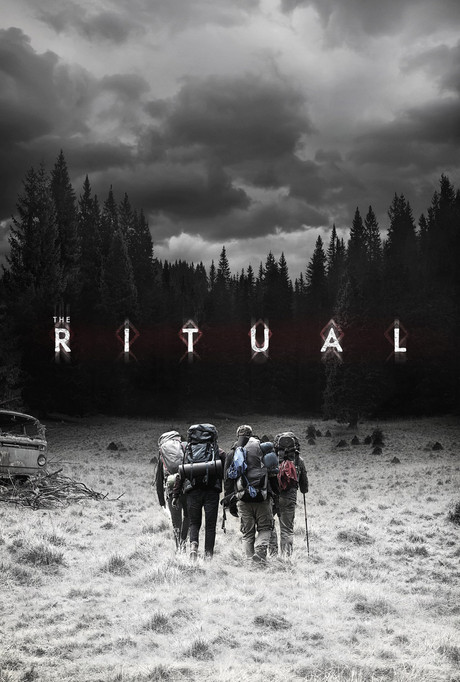
A group of old friends hiking through Sweden after a friend’s death takes a shortcut through the forest once one of them is injured — the decision seems practical, then the forest begins to feel wrong. The creature element eventually becomes important, but the film has already established its atmosphere long before that point, and Luke’s guilt over his friend’s death gives the landscape a psychological dimension the wilderness alone couldn’t provide.
Why watch it: Survival horror where the environment becomes threatening slowly and the psychological damage carried by the protagonist matters as much as the creature waiting in the wilderness.
Director: David Bruckner · Starring: Rafe Spall, Arsher Ali, Robert James-Collier, Sam Troughton
2. The Blackcoat’s Daughter (2015)
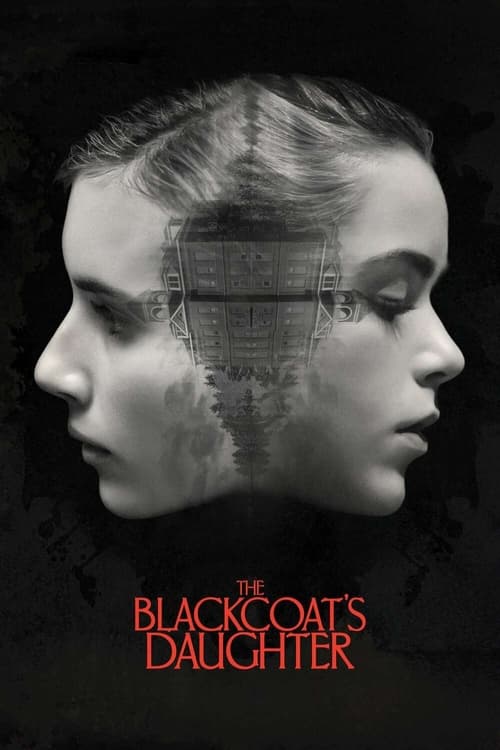
Colder and more emotionally detached than many survival horror films, this story follows young women connected to a nearly empty boarding school during winter break — snow isolates the location, and long stretches of silence give the audience time to study corridors, rooms and faces. Perkins rarely rushes toward explanation; the characters feel separated from ordinary warmth and human connection long before supernatural forces become clear.
Why watch it: Atmospheric survival horror where silence, winter isolation and emotional loneliness create more fear than constant action.
Director: Osgood Perkins · Starring: Kiernan Shipka, Emma Roberts, Lucy Boynton, James Remar
3. It Comes at Night (2017)
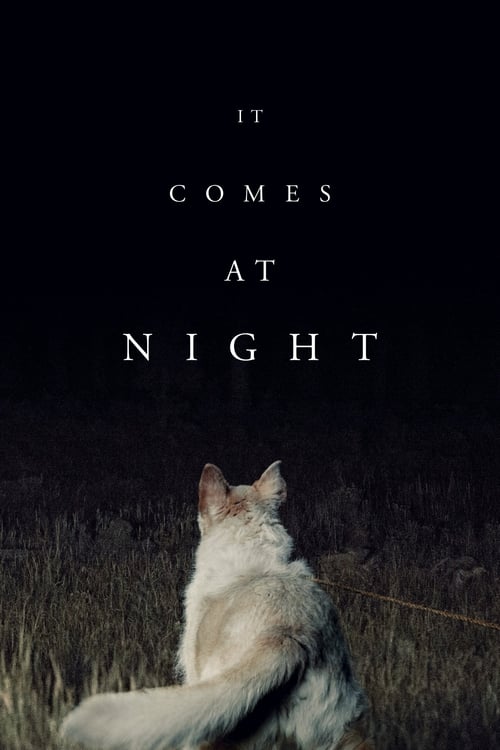
A family isolated in a remote house after an unspecified catastrophe follows strict routines to survive — then another family arrives, and the question becomes whether these people can be trusted. The film deliberately keeps details unclear, shifting attention from mythology to human behaviour, understanding that isolation can make people both safer and more paranoid at the same time.
Why watch it: Survival horror where distrust, fear and limited information become more dangerous than the external threat.
Director: Trey Edward Shults · Starring: Joel Edgerton, Christopher Abbott, Carmen Ejogo, Kelvin Harrison Jr.
4. The Invitation (2015)
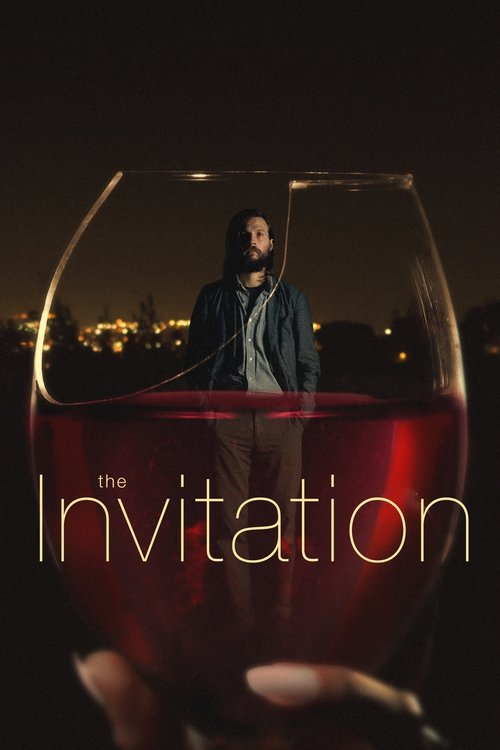
A man and his new partner attend a dinner at the home of his former wife and her new husband — the evening begins politely, then small details start to feel wrong. His grief and emotional history make it difficult for the other guests to know whether they should trust his instincts, and by the time the answer becomes clear, the social gathering has already transformed into a survival situation.
Why watch it: The slow recognition of danger is more frightening than the eventual violence.
Director: Karyn Kusama · Starring: Logan Marshall-Green, Tammy Blanchard, Michiel Huisman, Emayatzy Corinealdi
5. Wolf Creek (2005)

A group of young travellers stranded in the Australian outback meet Mick Taylor, whose conversational, apparently helpful manner becomes part of the threat — the audience understands the protagonists are isolated long before they understand exactly how dangerous their rescuer is. The outback is enormous, and distance from civilisation turns open space into a form of confinement.
Why watch it: Slow-burn survival horror where isolation, false friendliness and a predator’s superior knowledge of the landscape gradually become one terrifying system.
Director: Greg McLean · Starring: John Jarratt, Cassandra Magrath, Kestie Morassi, Nathan Phillips
6. The Lodge (2019)

A woman travelling with her partner’s distrustful children to an isolated lodge carries serious trauma of her own — then objects disappear, electricity becomes unreliable, and time becomes difficult to understand. The snowy location removes easy escape, but the deeper threat comes from psychological destabilisation, since the protagonist isn’t simply trying to escape danger, she’s trying to establish what kind of danger she’s facing.
Why watch it: Bleak winter isolation, psychological instability and family tension combined into a slow-moving survival nightmare.
Director: Veronika Franz, Severin Fiala · Starring: Riley Keough, Jaeden Martell, Lia McHugh, Richard Armitage
7. Backcountry (2014)
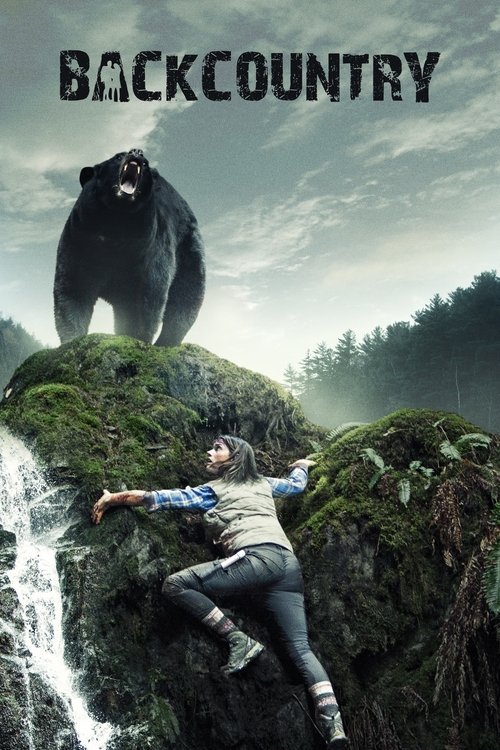
A couple enters the Canadian wilderness for a camping trip with one of them overconfident about navigation — the route becomes uncertain, small disagreements grow serious, and then they realise they’ve entered the territory of a black bear. The film works because the animal doesn’t need to appear constantly; the possibility of the bear becomes enough once a broken branch, food or distance all start to matter.
Why watch it: Realistic slow-burn wilderness survival where bad preparation and an indifferent environment create the conditions for disaster before the main threat appears.
Director: Adam MacDonald · Starring: Missy Peregrym, Jeff Roop, Eric Balfour, Nicholas Campbell
8. Eden Lake (2008)
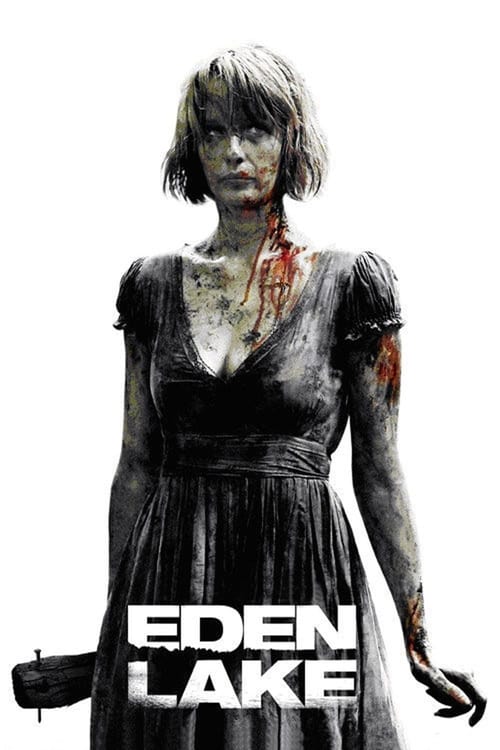
An ordinary weekend away gradually turns into one of the bleakest British survival horror films of the 2000s once a couple becomes involved in a confrontation with local teenagers. The early conflict is recognisable — noise, rudeness, a disagreement — and that slow escalation makes the eventual violence more disturbing, as the surrounding woods and distance from help gradually convert social conflict into survival nightmare. See our full guide to movies like Eden Lake.
Why watch it: Grounded human-predator horror where the threat grows from an ordinary confrontation rather than arriving fully formed.
Director: James Watkins · Starring: Kelly Reilly, Michael Fassbender, Jack O’Connell
9. The Dark and the Wicked (2020)
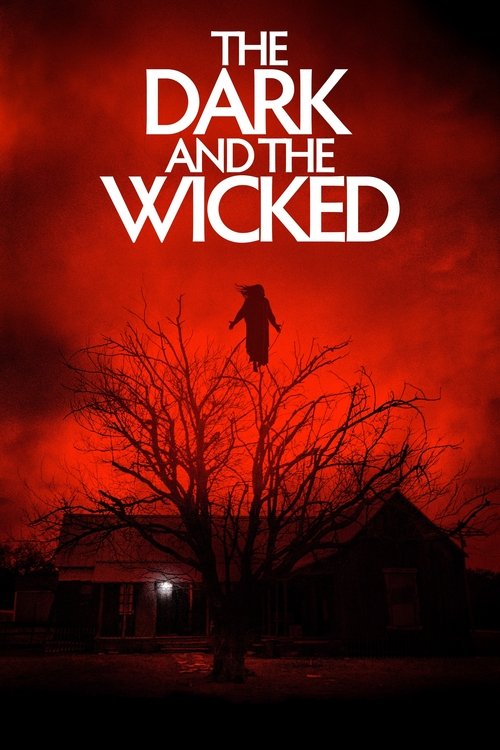
Adult siblings return to their parents’ rural farm as their father approaches death, and dread accumulates around the home as their mother behaves strangely and warnings appear. The survival element here is psychological as much as physical — the characters may technically be able to leave, but guilt and family obligation keep pulling them back into an environment where grief, hallucination and something supernatural can’t be clearly separated.
Why watch it: Survival horror where the central feeling is helplessness and the threat seems embedded in the environment itself.
Director: Bryan Bertino · Starring: Marin Ireland, Michael Abbott Jr., Xander Berkeley
10. The Night House (2020)
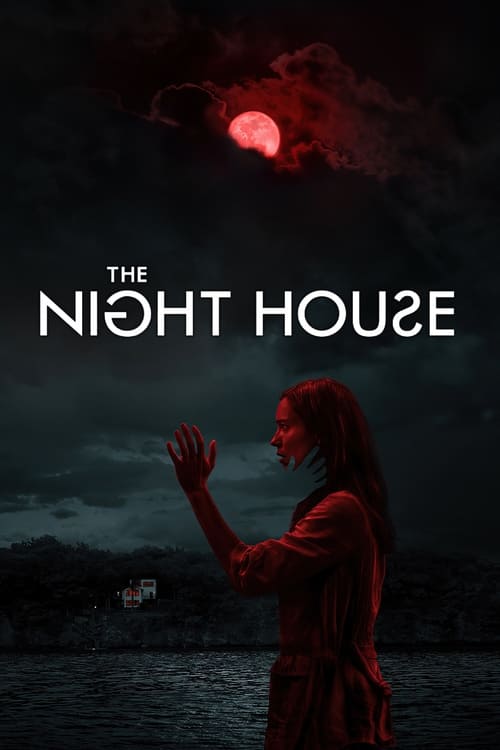
A widow living alone in the lakeside house her late husband built begins discovering evidence he was hiding significant parts of his life — drawings, photographs, architectural similarities that make spaces begin appearing differently. This is survival horror at its most psychological, because the protagonist has to determine whether the threat comes from grief, another person, the supernatural, or some combination of all three.
Why watch it: Slow-burn psychological horror where architecture, memory and grief gradually turn a familiar location into a threat.
Director: David Bruckner · Starring: Rebecca Hall, Sarah Goldberg, Vondie Curtis-Hall, Stacy Martin
11. Speak No Evil (2022)
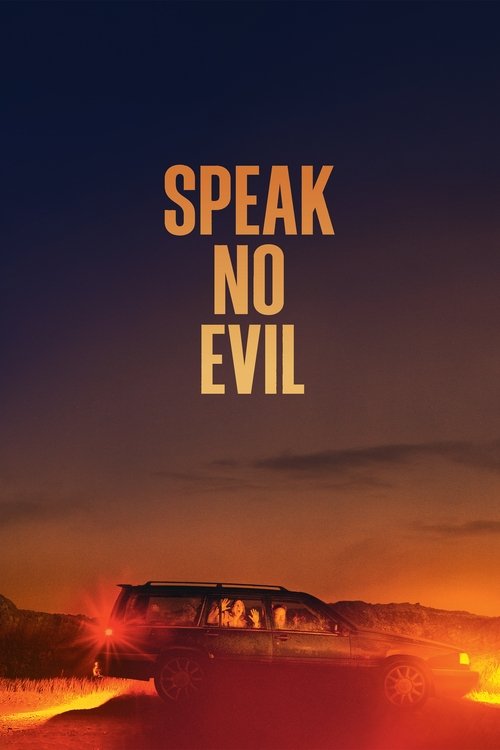
A family accepts an invitation to visit another family they met while travelling — the hosts are friendly, then slightly inappropriate, then more uncomfortable, then openly disturbing. The progression works because the protagonists repeatedly have opportunities to acknowledge something is wrong and instead rationalise, excuse and remain polite, trapped partly because they keep doubting their own right to leave.
Why watch it: Slow-burn human-predator horror where social pressure becomes part of the trap.
Director: Christian Tafdrup · Starring: Morten Burian, Sidsel Siem Koch, Fedja van Huêt, Karina Smulders
12. Blood Star (2024)
Britni Camacho as Bobbi Torres · John Schwab as Sheriff Bilstein
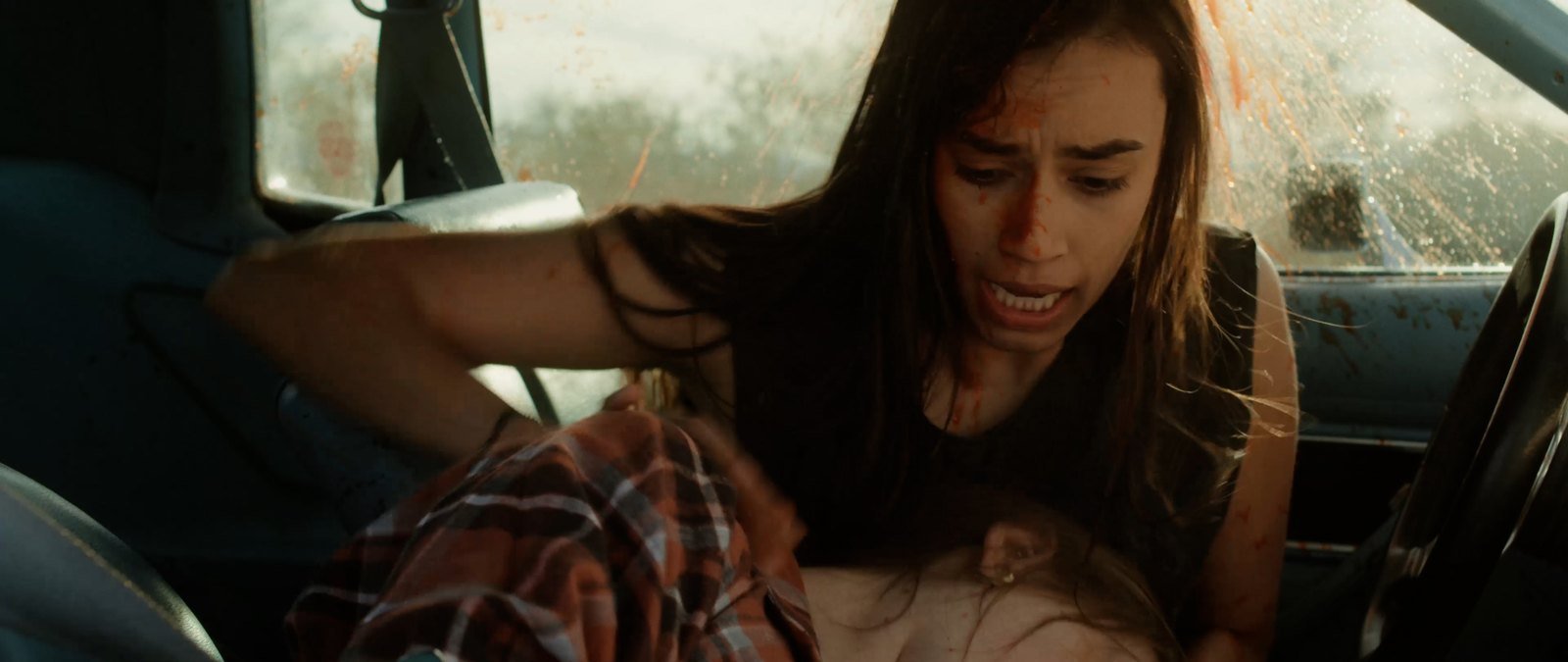
Blood Star uses the structure of slow-burn survival horror on an open desert road. Bobbi, travelling alone through the American Southwest, attracts the attention of Sheriff Bilstein — a sheriff pulls someone over, asks questions, behaves aggressively, and Bobbi continues driving. Then he appears again. The meaning of each encounter changes because of the encounter that follows it: what initially seems like harassment becomes pattern, and the pattern becomes ritual.
Bilstein doesn’t need to reveal himself as a conventional villain immediately because his authority lets him remain ambiguous for longer — he has a badge, understands the area, knows the roads, knows how isolated Bobbi is. The desert is enormous, but meaningful options are limited, creating the same paradox found in the best slow-burn survival films: the character appears free long after the audience begins to understand she may already be trapped.
Why watch it: Human-predator survival horror where the protagonist gradually realises apparently separate encounters are part of a repeated method, and where landscape, authority and isolation all work in the predator’s favour.
13. The Strangers (2008)
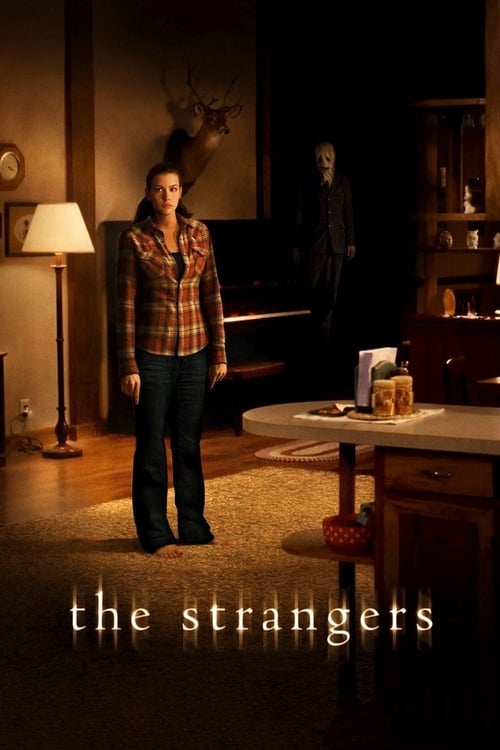
A couple arrives at a remote house following an emotionally difficult evening — then someone knocks on the door, and figures begin appearing outside. The film works because the attack develops slowly enough for the characters to remain uncertain about what’s happening; the strangers appear, disappear and watch, making the space outside the windows more frightening than the interior.
Why watch it: Slow-burn home-invasion horror where anticipation and the fear of being watched matter more than constant attack.
Director: Bryan Bertino · Starring: Liv Tyler, Scott Speedman, Gemma Ward, Kip Weeks
14. Calibre (2018)
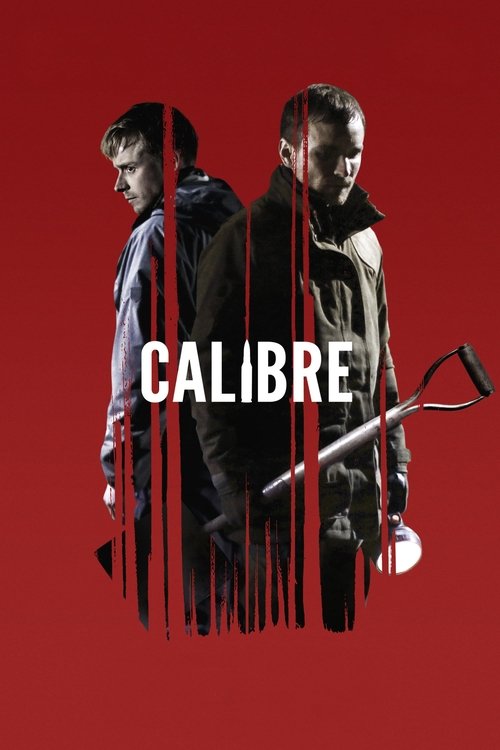
Two friends on a hunting trip in the Scottish Highlands suffer an accident, then make a decision, then another decision to protect the first — the film gradually transforms guilt into confinement. The characters aren’t initially being hunted in a conventional sense; they’re trying to hide what happened while remaining inside a small rural community that understands far more about the landscape and each other than they do.
Why watch it: A grounded slow-burn survival thriller where one bad decision creates a chain of increasingly dangerous consequences.
Director: Matt Palmer · Starring: Jack Lowden, Martin McCann, Tony Curran
15. The Witch (2015)
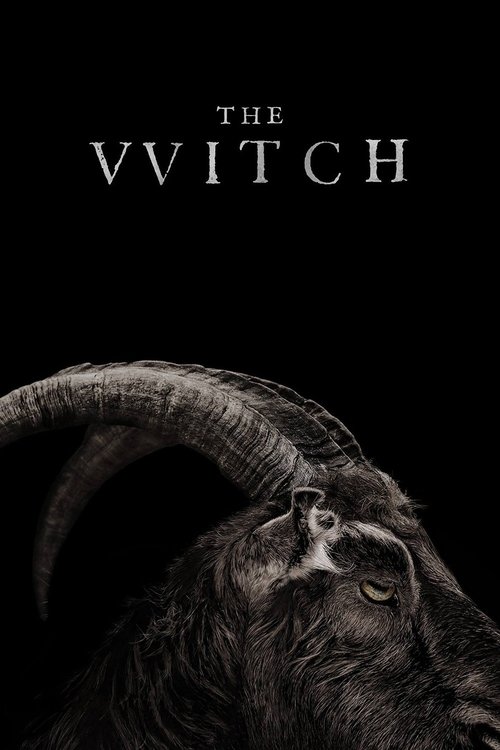
A Puritan family expelled from its settlement builds a life beside a remote forest — then a child disappears, and the family begins turning against itself as religious fear intensifies. The survival tension comes from isolation: the family has removed itself from community, food becomes uncertain, trust collapses, and the possibility of supernatural influence makes every ordinary misfortune feel more significant.
Why watch it: Atmospheric slow-burn horror where landscape, faith and family breakdown gradually become impossible to separate.
Director: Robert Eggers · Starring: Anya Taylor-Joy, Ralph Ineson, Kate Dickie, Harvey Scrimshaw
See every legitimate way to watch Blood Star free →
Why Slow-Burn Survival Horror Works
Slow-burn survival horror works because human beings don’t usually recognise danger instantly. Most real threats arrive ambiguously — a person behaves strangely, a road seems emptier than expected, and the mind tries to explain it away. That period of uncertainty gives the genre enormous power: the audience may begin recognising danger before the protagonist does, and we’re not simply waiting for something frightening to happen, we’re waiting for the character to understand what we increasingly suspect. This is particularly effective when the threat is human — a manipulative person can behave normally for much longer than a monster ever could, remaining inside social rules until the victim is already vulnerable. For more survival thrillers built on isolation and pursuit, see our full ranking.
Best Slow-Burn Survival Horror About Human Predators
Human predators are especially effective in slow-burn horror because they can hide intention. Mick Taylor in Wolf Creek initially presents himself as helpful, the hosts in Speak No Evil use politeness to keep their guests compliant, the teenagers in Eden Lake begin as a nuisance rather than an obvious mortal threat, and Sheriff Bilstein in Blood Star possesses an even stronger disguise — legitimate authority. The protagonists don’t merely have to survive the predator; they first have to correctly identify the predator, and the delay between those two moments creates much of the tension.
Atmospheric Survival Horror Movies
Atmosphere becomes especially important when a film chooses not to reveal its threat quickly. The Blackcoat’s Daughter uses winter emptiness and institutional architecture, The Lodge uses snow, silence and trauma, The Dark and the Wicked uses rural isolation and grief, and The Witch uses forest, weather and religious dread. A room can feel wrong before anything happens inside it, and a landscape can become threatening before any antagonist appears — that makes atmosphere part of storytelling rather than decoration.
Slow-Burn Wilderness Horror Movies
Wilderness horror is naturally suited to slow-burn storytelling because becoming lost is itself gradual — characters may initially believe they know the route, then become uncertain, then realise they’re genuinely lost. The Ritual uses that progression extremely well, Backcountry makes navigation errors part of the survival problem, and Wolf Creek uses the Australian outback to create enormous distances between its victims and meaningful help. The wilderness doesn’t need to actively attack the protagonists — it only needs to make normal escape difficult.
Psychological Survival Horror
The strongest slow-burn survival films blur the line between physical and psychological survival. Grace in The Lodge is dealing with trauma before the immediate crisis develops, Beth in The Night House is dealing with grief while investigating disturbing evidence, and Luke in The Ritual carries guilt into the forest. The psychological state of the protagonist changes how the environment is perceived, which makes the audience less certain — is this person correctly identifying danger, or is trauma distorting the situation?
Survival Horror Movies Where the Location Becomes a Trap
One of the strongest recurring ideas in survival horror is the transformation of location — the place initially appears neutral, then stops being neutral. The forest in The Ritual becomes impossible to navigate, the outback in Wolf Creek becomes hunting territory, the lodge in The Lodge becomes psychologically oppressive, and the desert roads in Blood Star become territory controlled by Sheriff Bilstein. The same road looks different once you know somebody is following you — slow-burn survival horror changes meaning without necessarily changing geography.
Movies About Isolation and Paranoia
Isolation creates ideal conditions for paranoia because characters lose external reference points. In It Comes at Night, survival rules gradually create mistrust between two families; in The Lodge, snow and distance make it difficult for Grace to establish what’s actually happening; in The Dark and the Wicked, the rural farm becomes physically and emotionally separated from normal reassurance. The question isn’t simply whether danger exists — it’s whether the protagonist is interpreting it correctly, and that uncertainty becomes especially powerful when communication with the outside world is limited.
Slow-Burn Horror Movies About Being Watched
Being watched is one of the most effective slow-burn ideas because observation itself doesn’t automatically prove danger. The Strangers uses figures appearing around a house, The Invitation uses social observation and suspicion, and Blood Star uses repeated roadside encounters. One encounter can be dismissed, the second changes the meaning of the first, and the third creates a pattern — that process of recognition is central to slow-burn suspense.
Slow-Burn Road Horror Movies
Road movies are particularly effective for slow-burn survival because travelling normally represents freedom — the protagonist can keep moving, change direction, leave. A strong road horror film gradually takes that belief away: a vehicle reappears, a stranger keeps crossing the protagonist’s path, distance from familiar places increases. This is a lineage that runs back through Spielberg’s Duel (1971) and Robert Harmon’s The Hitcher (1986), films where the highway stops being an escape route and becomes a trap. Wolf Creek uses travel through the outback, and Blood Star uses desert highways and repeated encounters with a sheriff — the road stops being an escape route and becomes part of the predator’s territory.
Slow-Burn Horror Where Authority Cannot Be Trusted
Authority normally reduces fear — a sheriff offers assistance, an institution provides rules. Slow-burn horror becomes especially unsettling when those assumptions reverse. In Blood Star, Sheriff Bilstein’s badge initially gives him legitimacy that delays recognition of the threat; a stranger following Bobbi would be immediately suspicious, but a sheriff stopping her can initially be explained as normal. If the person who should provide protection becomes the threat, the character loses more than safety — they lose the obvious place to ask for help.
Also Worth Hunting Down
A few more titles reward the patient: Blue Ruin (2013), Jeremy Saulnier’s almost unbearably quiet revenge thriller about a man fumbling through violence he’s hopelessly unequipped for, where the dread comes from competence collapsing under pressure rather than anything supernatural. It Follows (2014) turns a simple, folklore-like premise into something genuinely oppressive through the slow, walking inevitability of its threat. Both sit comfortably alongside the films above for anyone who’s worked through the obvious recommendations and wants something further off the beaten path.
Why Landscape Matters in Slow-Burn Survival Horror
Landscape gives slow-burn survival horror time. A forest can gradually become less navigable, a desert can gradually become more empty, snow can slowly remove escape routes, a rural road can become more disturbing each time the same vehicle appears. These changes don’t need to be dramatic — their power comes from accumulation. The landscape begins as setting, then becomes information, then becomes threat, visible in The Ritual, Wolf Creek, Backcountry, The Lodge and Blood Star alike.
What to Watch If You Like Wolf Creek
Look for films where landscape and human predation work together. Eden Lake moves the danger into the English countryside, Speak No Evil replaces wilderness with social manipulation, Calibre uses a remote Scottish community to create the feeling that outsiders have entered a place where everyone else understands the rules better than they do, and Blood Star shifts the structure onto American desert roads with a sheriff standing in for the apparently helpful stranger. These films become frightening because the protagonist faces someone with an environmental, social or institutional advantage.
What to Watch After Slow-Burn Survival Horror
If you want more atmospheric wilderness horror, start with The Ritual, Backcountry and The Witch. If human predators interest you most, move toward Wolf Creek, Eden Lake, Speak No Evil, Calibre and Blood Star. If psychological instability is the strongest attraction, watch The Lodge, The Night House, The Blackcoat’s Daughter and It Comes at Night. And if you like horror where the location gradually becomes the trap, The Strangers, Wolf Creek, The Ritual and Blood Star all approach that idea from different directions.
The best slow-burn survival horror movies understand that danger doesn’t need to reveal itself immediately. The road still appears open. The stranger still appears friendly. The house still appears safe. Then one detail changes, and everything that happened before suddenly means something different.
Watch Blood Star
If you enjoy slow-burn survival horror about human predators, isolated landscapes and the gradual recognition of danger, Blood Star takes those ideas onto the desert roads of the American Southwest. Bobbi is travelling alone when Sheriff Bilstein begins appearing along her route — the first encounter can be explained, the second becomes harder to dismiss, and eventually the repetition reveals a pattern. His badge allows him to occupy an ambiguous space for longer than an ordinary stalker could.
The desert magnifies the problem: distances are large, help is limited, and Bilstein understands the local territory far better than Bobbi does. The road remains physically open even as her realistic options become increasingly narrow — the protagonist is often trapped before she fully realises the trap exists, which is the central appeal of slow-burn survival horror.
See every legitimate way to watch Blood Star free →
Film posters via TMDB.
Related guides
More on Blood Star
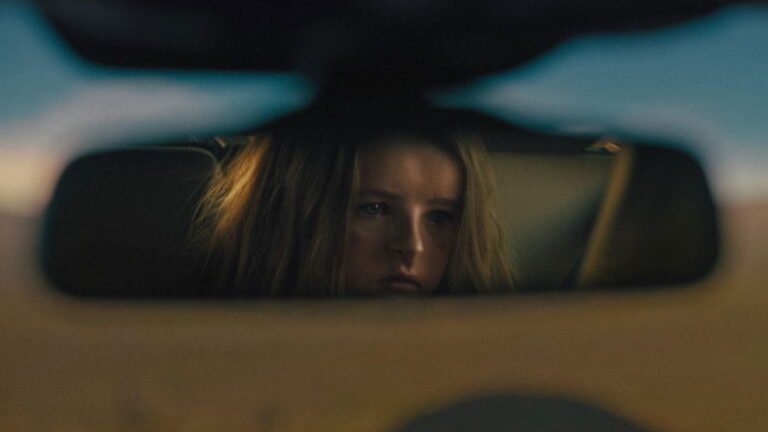
Table of Contents
- 1. The Ritual (2017)
- 2. The Blackcoat’s Daughter (2015)
- 3. It Comes at Night (2017)
- 4. The Invitation (2015)
- 5. Wolf Creek (2005)
- 6. The Lodge (2019)
- 7. Backcountry (2014)
- 8. Eden Lake (2008)
- 9. The Dark and the Wicked (2020)
- 10. The Night House (2020)
- 11. Speak No Evil (2022)
- 12. Blood Star (2024)
- 13. The Strangers (2008)
- 14. Calibre (2018)
- 15. The Witch (2015)
- Why Slow-Burn Survival Horror Works
- Best Slow-Burn Survival Horror About Human Predators
- Atmospheric Survival Horror Movies
- Slow-Burn Wilderness Horror Movies
- Psychological Survival Horror
- Survival Horror Movies Where the Location Becomes a Trap
- Movies About Isolation and Paranoia
- Slow-Burn Horror Movies About Being Watched
- Slow-Burn Road Horror Movies
- Slow-Burn Horror Where Authority Cannot Be Trusted
- Also Worth Hunting Down
- Why Landscape Matters in Slow-Burn Survival Horror
- What to Watch If You Like Wolf Creek
- What to Watch After Slow-Burn Survival Horror
- Watch Blood Star
- Related guides
- More on Blood Star