Quick Answer
The greatest thriller movies include Vertigo, Psycho, Rear Window, The Wages of Fear, The Third Man, Jaws, The Conversation, The French Connection, The Silence of the Lambs, Se7en, Heat, The Vanishing, Oldboy, Zodiac, No Country for Old Men, Memories of Murder, Sicario and Parasite.
Looking for the best thriller movies of all time? This ranked list brings together 50 essential thrillers, from Hitchcock classics and serial-killer films to crime thrillers, survival movies, neo-noir and modern psychological suspense.
Our top picks include Vertigo, Psycho, Rear Window, Jaws, Se7en, Heat, Zodiac, No Country for Old Men, Sicario and Parasite.
Quick Picks
- Best thriller overall: Vertigo (1958)
- Best psychological thriller: Psycho (1960)
- Best crime thriller: Heat (1995)
- Best serial-killer thriller: Se7en (1995)
- Best modern thriller: Parasite (2019)
- Best survival thriller: The Wages of Fear (1953)
- Best road thriller: Duel (1971)
- Best neo-Western thriller: No Country for Old Men (2007)
- Best recent thriller: Rebel Ridge (2024)
The 50 Best Thriller Movies of All Time
50. The Guilty (2018)
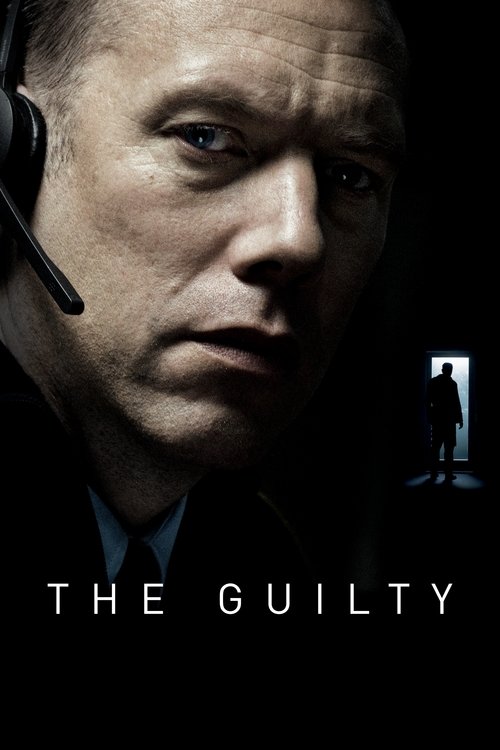
Gustav Møller confines almost the entire film to an emergency call centre, where suspended police officer Asger Holm receives a call from a woman who appears to have been abducted. Unable to leave his desk, he attempts to manage the crisis through a telephone while building a mental picture of events he cannot see.
The restriction becomes the source of the film’s suspense. Every assumption Asger makes affects the advice he gives, but the voices coming through the headset provide only fragments of the truth. Møller demonstrates how little a thriller requires when character, information and consequence are precisely controlled.
49. Calibre (2018)
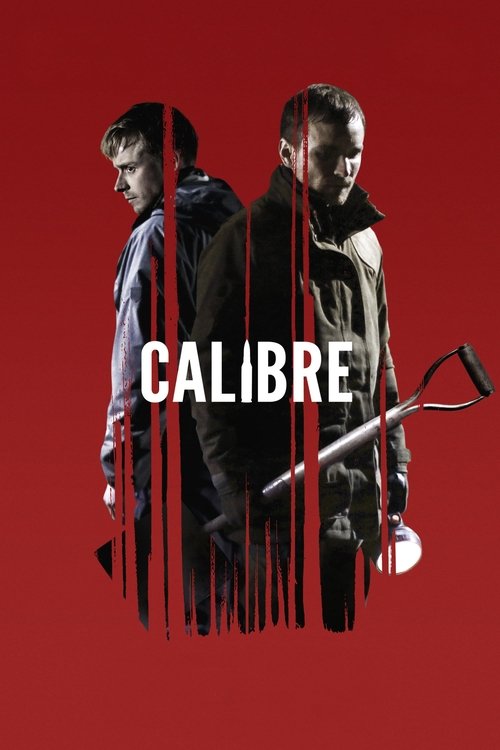
Matt Palmer sends two old friends into the Scottish Highlands for a hunting weekend that goes catastrophically wrong. Their initial mistake is accidental, but every decision made afterwards deepens their responsibility and reduces the possibility of returning home unchanged.
Palmer uses the isolation of the rural community to create a moral trap. The men are surrounded not by conventional villains but by people determined to protect their own, forcing the audience to consider how far guilt can be buried before survival itself becomes another crime.
48. The Invisible Man (2020)
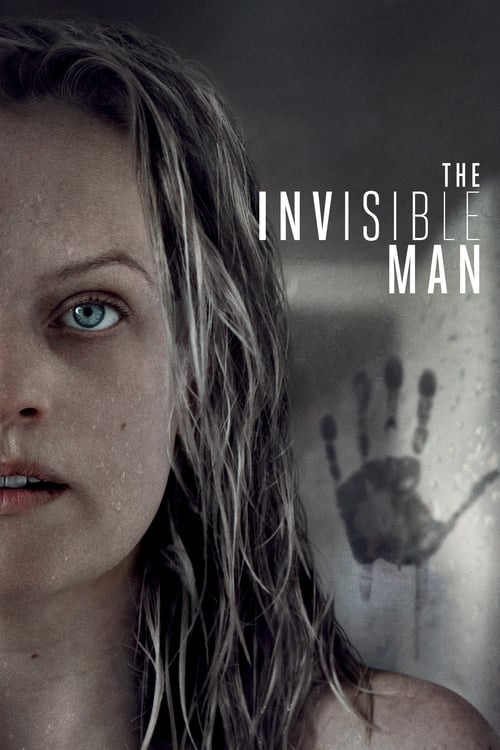
Leigh Whannell reimagines the classic monster story as a thriller about coercive control and the difficulty of proving abuse. Cecilia escapes from a violent relationship, only to become convinced that her supposedly dead former partner has found a way to continue watching and attacking her.
Whannell turns empty space into a threat. The camera repeatedly holds on doorways, corners and apparently unoccupied rooms, forcing us to search the frame for something that may not be visible. Cecilia’s terror is intensified by the knowledge that every attempt to explain it makes her appear less credible.
47. Green Room (2015)
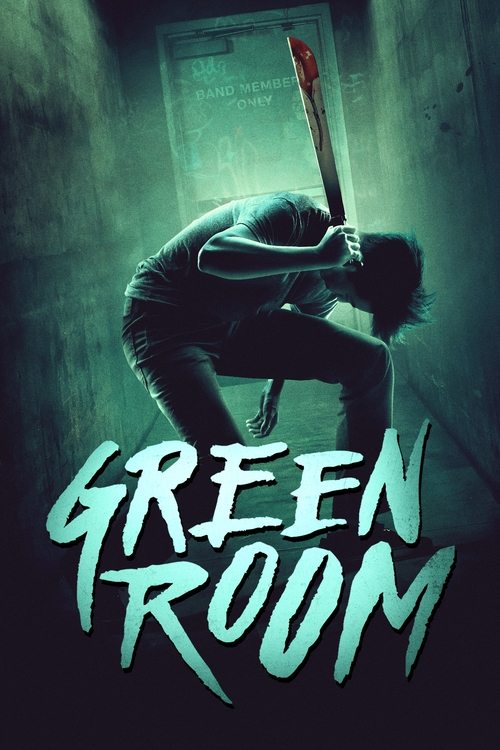
Jeremy Saulnier traps a touring punk band inside the back room of an isolated music venue after they witness a murder. The group initially expects that negotiation or police intervention will provide a way out, but the building is controlled by people who have no intention of allowing them to leave.
Saulnier strips violence of glamour. Injuries are sudden, physical and disabling, while every attempt at escape is shaped by panic and incomplete information. The thriller becomes a brutal struggle between inexperienced survivors and opponents who understand the building, the weapons and the rules.
46. Run Lola Run (1998)

Tom Tykwer gives Lola twenty minutes to find enough money to save her boyfriend, then presents three variations of her attempt. Small encounters change, chance produces different outcomes and the same streets become part of a constantly rearranging system.
The film’s energy comes from movement, music and editing, but its deeper tension concerns possibility. Each version asks whether determination can overcome circumstance or whether survival depends upon the smallest accidental detail.
45. The Invitation (2015)
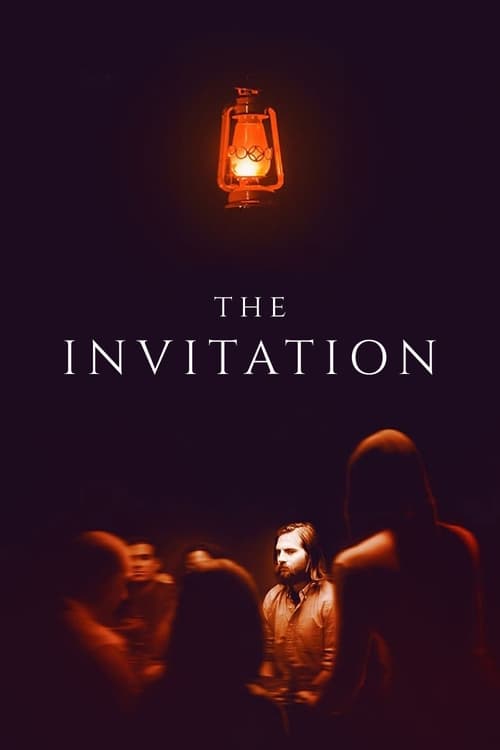
Karyn Kusama turns an elegant dinner party into a study of social unease. Will attends a gathering hosted by his former wife and her new husband, but unresolved grief makes it difficult to determine whether he has correctly recognised a threat or is projecting his pain onto an awkward reunion.
Kusama understands that politeness can become a form of confinement. Guests tolerate increasingly disturbing behaviour because leaving would require them to acknowledge that something is wrong, allowing the hosts to exploit the reluctance of reasonable people to appear unreasonable.
44. Blue Ruin (2013)
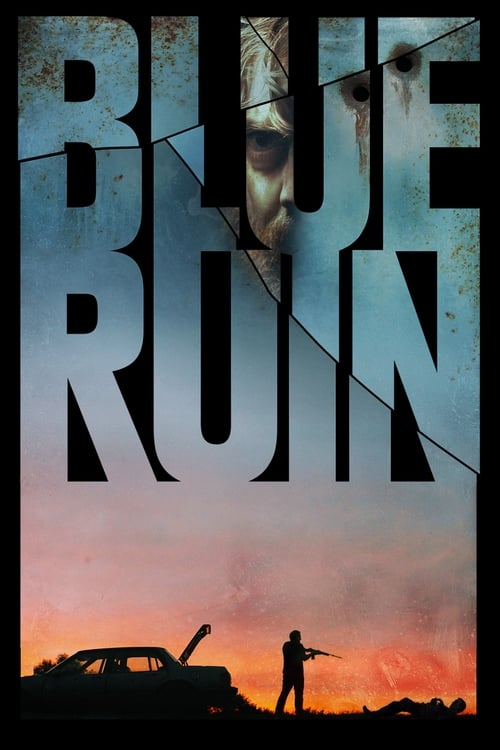
Jeremy Saulnier follows a homeless drifter who learns that the man convicted of killing his parents is being released from prison. He returns to his childhood home and begins a campaign of revenge for which he has neither the temperament nor the practical ability.
Unlike professional revenge thrillers, Blue Ruin emphasises error, fear and physical consequence. Each act of violence exposes another gap in the protagonist’s plan, turning vengeance into a chain reaction that cannot distinguish justice from inherited hatred.
43. The Gift (2015)
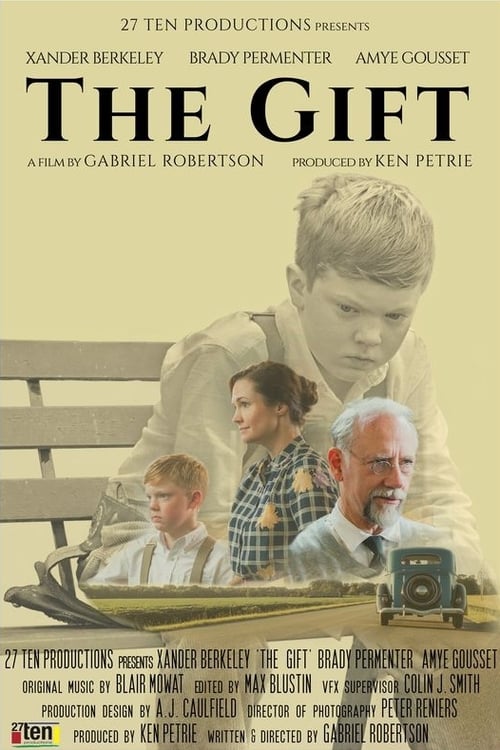
Joel Edgerton builds his directorial debut around a married couple whose new life is disrupted by the arrival of someone from the husband’s past. Gordo initially appears socially awkward but harmless, yet his gifts and unannounced visits gradually suggest a more disturbing motive.
The film changes as information about the men’s shared history emerges. Edgerton refuses to divide the characters neatly into victim and aggressor, showing how past cruelty can survive long after the person responsible has rewritten the story in his own favour.
42. Duel (1971)

Steven Spielberg transforms an ordinary road journey into a stripped-down pursuit thriller. Travelling salesman David Mann overtakes a slow tanker truck on a remote highway, provoking a driver whose face remains hidden and whose vehicle becomes an apparently unstoppable predator.
Spielberg gives the truck personality through sound, scale and movement while preserving the anonymity of the person behind the wheel. The lack of explanation makes the pursuit universal: a minor interaction becomes a fight for survival because one stranger has decided that another should not reach his destination.
41. Cape Fear (1991)
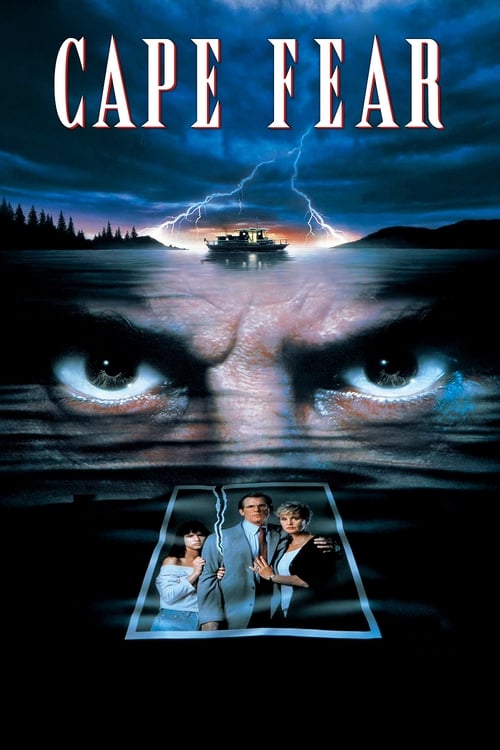
Martin Scorsese revisits the 1962 thriller as an operatic confrontation between a defence lawyer and the violent criminal who believes he was betrayed during his trial. Max Cady does not simply attack Sam Bowden’s family; he studies the law and uses its protections to make his intentions visible without giving the police sufficient grounds to stop him.
Robert De Niro’s performance is theatrical and physically imposing, but the film’s tension comes from Bowden’s moral vulnerability. Cady’s revenge is connected to a genuine professional failure, complicating the family’s attempt to see themselves as innocent targets.
40. The Chaser (2008)
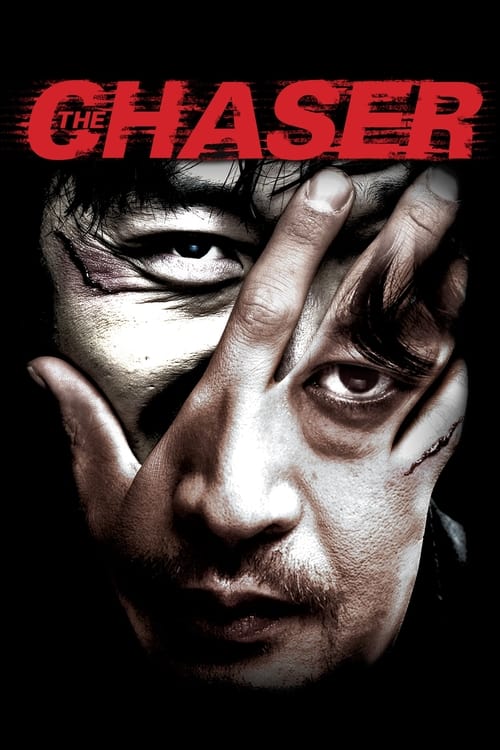
Na Hong-jin follows a former detective turned pimp who realises that several missing women were sent to the same client. The suspected killer is found surprisingly early, but the police lack the evidence needed to hold him and have only a limited time to locate his latest victim.
Na rejects the conventional pleasure of watching brilliant investigators solve a puzzle. The authorities are distracted, disorganised and repeatedly close to the truth without recognising it. Suspense emerges from the unbearable distance between what might still be prevented and the institutions too slow to act.
39. The Taking of Pelham One Two Three (1974)
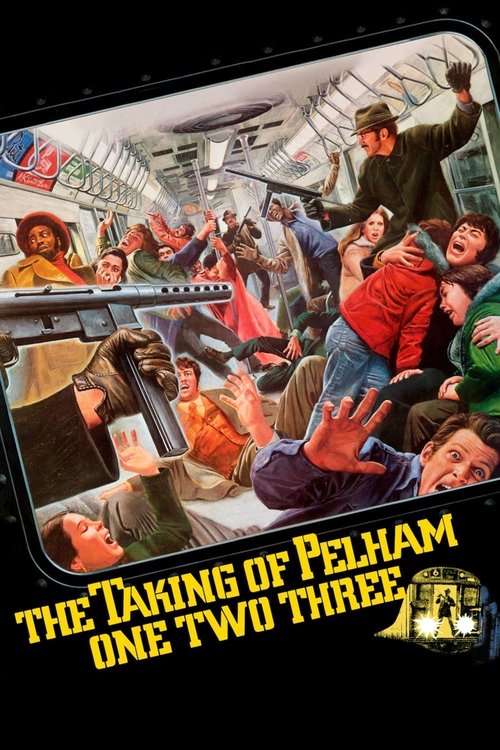
Joseph Sargent centres his thriller on the hijacking of a New York subway train by four armed men using colour-coded names. While the passengers remain trapped underground, transit police lieutenant Zachary Garber attempts to understand how the criminals intend to escape a tunnel surrounded by law enforcement.
The film combines deadpan humour, procedural detail and urban tension. Its criminals are organised but not superhuman, and its authorities are competent without possessing instant answers. The result is a thriller built around opposing groups trying to solve the same practical problem.
38. A History of Violence (2005)
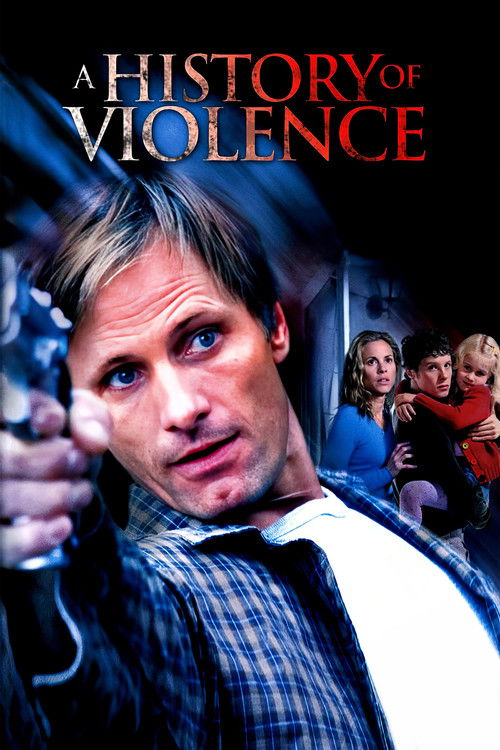
David Cronenberg follows small-town restaurant owner Tom Stall after he kills two armed criminals in an act of apparent self-defence. The publicity transforms him into a local hero, but strangers soon arrive claiming that Tom is not the man his family believes him to be.
Cronenberg examines whether violence can ever be separated from identity. Tom’s physical ability suggests a history his domestic life has concealed, while his family must decide whether the person they love was created through genuine change or sustained deception.
37. Nightcrawler (2014)
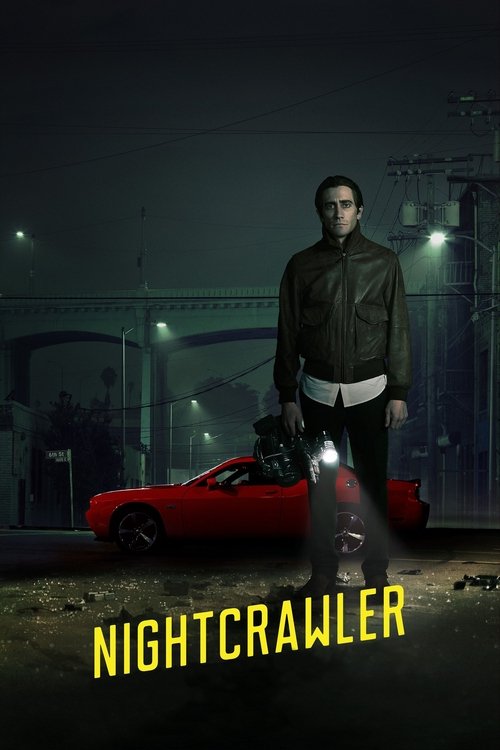
Dan Gilroy introduces Lou Bloom, an ambitious outsider who discovers that graphic crime footage can be sold to local television news. His willingness to cross ethical and legal boundaries allows him to succeed in an industry that condemns his methods while rewarding their results.
Jake Gyllenhaal makes Lou frightening because he understands the language of self-improvement, business strategy and professional aspiration. Gilroy turns Los Angeles at night into a marketplace where suffering becomes valuable only after it has been framed, edited and delivered to the correct buyer.
36. The Manchurian Candidate (1962)
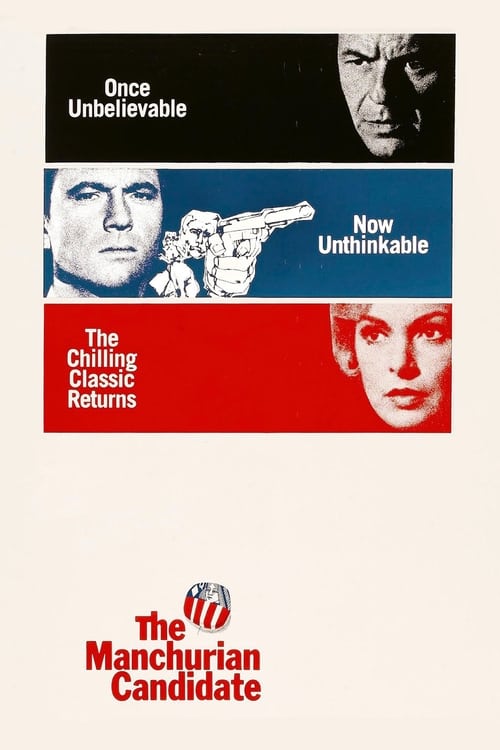
John Frankenheimer combines political conspiracy, Cold War paranoia and psychological manipulation in the story of an American soldier programmed to become an assassin. Major Bennett Marco begins to question his memories of captivity after recurring dreams suggest that the official account of his unit’s heroism is false.
Frankenheimer places private consciousness inside a political machine. The conspiracy succeeds by replacing memory, exploiting patriotism and hiding control beneath the appearance of individual choice.
35. The Girl with the Dragon Tattoo (2011)
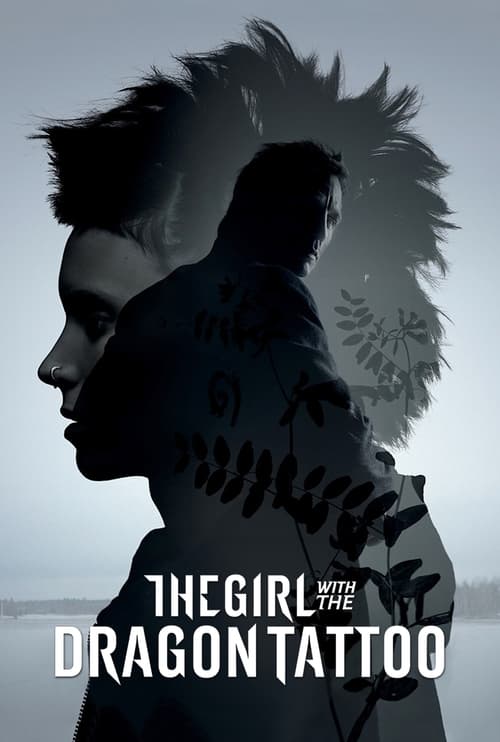
David Fincher follows disgraced journalist Mikael Blomkvist and hacker Lisbeth Salander as they investigate the decades-old disappearance of a young woman from a wealthy Swedish family. The remote island and extensive family archive gradually expose a history of abuse concealed by wealth and respectability.
Fincher gives the investigation weight through documents, photographs and patient observation. The thriller is not merely about discovering who committed a crime, but about understanding the system of silence that allowed violence to continue across generations.
34. A Simple Plan (1998)
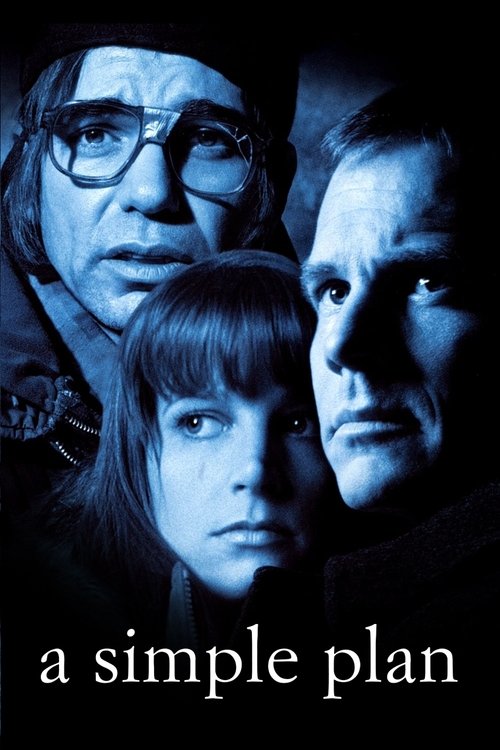
Sam Raimi abandons the exaggerated style of his early horror films for a restrained story about three men who discover a crashed plane containing millions of dollars. Their plan to conceal the money until it is safe to divide appears straightforward, but secrecy immediately begins to transform their relationships.
Raimi understands that the danger does not come from the money alone. It comes from each character’s attempt to predict what the others might do. Loyalty becomes suspicion, intelligence becomes manipulation and every effort to secure the future makes that future less attainable.
33. Uncut Gems (2019)
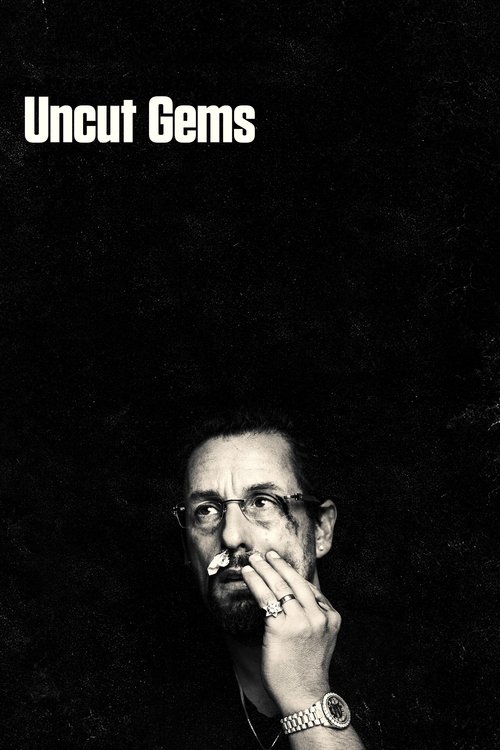
Josh and Benny Safdie follow New York jeweller Howard Ratner through a succession of debts, bets and improvised schemes. Howard repeatedly reaches a point at which he could step away, but the possibility of a greater victory makes relief feel like defeat.
The Safdies create tension through overlapping dialogue, crowded spaces and constant interruption. Howard’s problem is not simply that he owes money to dangerous people. It is that crisis has become the condition in which he feels most alive.
32. The Bourne Identity (2002)
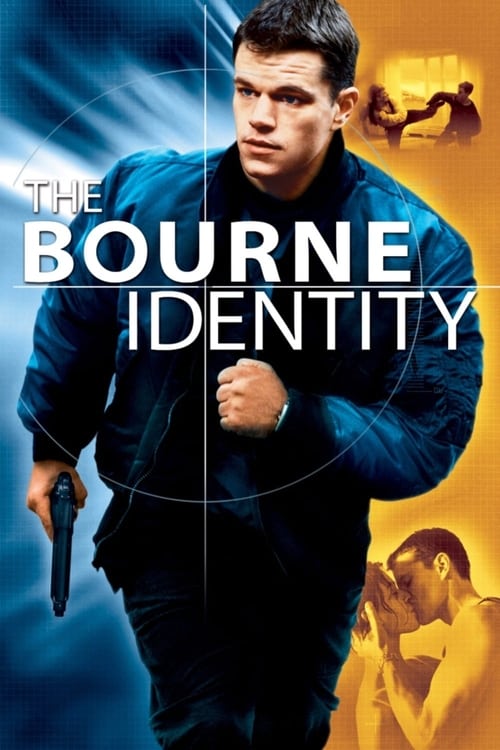
Doug Liman reinvigorated the spy thriller by combining international pursuit with a crisis of identity. A man recovered from the Mediterranean discovers that he possesses multiple passports, advanced combat skills and no memory of who trained him or why he is being hunted.
The film’s suspense comes from the contradiction between instinct and morality. Bourne’s body knows how to disable, escape and kill, but his emerging personality is horrified by the life those abilities imply.
31. Marathon Man (1976)
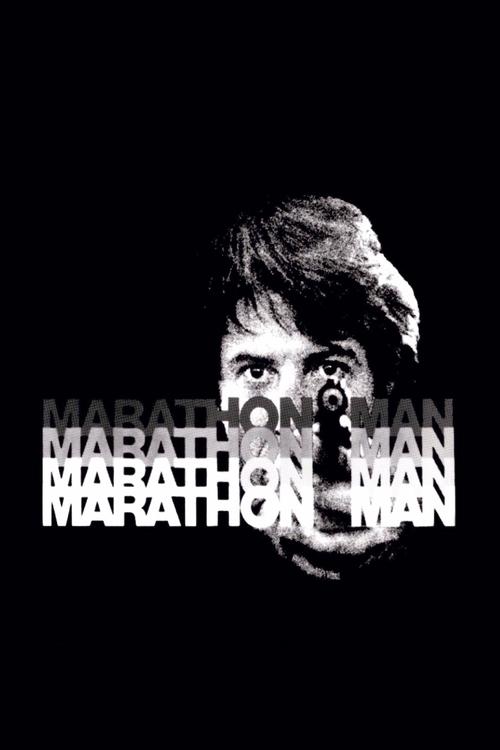
John Schlesinger places an ordinary graduate student inside a conspiracy involving stolen diamonds, government agents and a former Nazi war criminal. Babe Levy initially believes that the danger surrounding his brother has nothing to do with him, but his ignorance offers no protection once he is identified as a potential source of information.
The film turns uncertainty into physical terror. Babe cannot answer the questions being asked because he does not understand them, making the repeated demand to know whether something is “safe” frightening precisely because no answer can satisfy his interrogator.
30. The Lives of Others (2006)
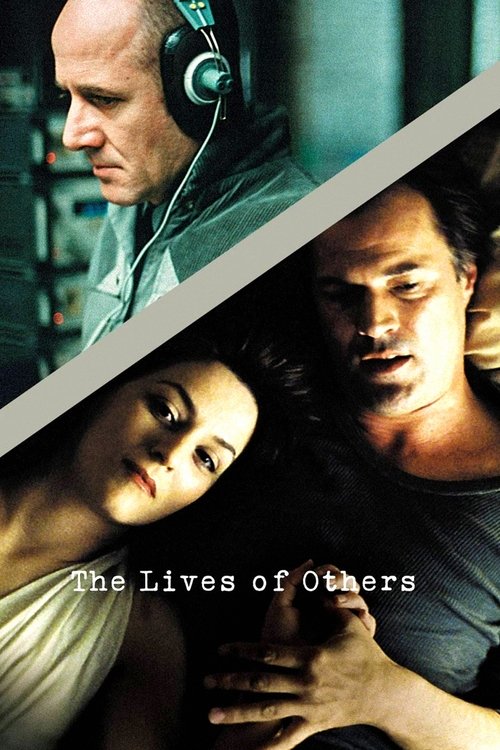
Florian Henckel von Donnersmarck follows an East German intelligence officer assigned to monitor a playwright and his partner. Hidden in an attic, Wiesler listens to their private conversations and gradually becomes emotionally involved in lives he was ordered to treat as evidence.
The surveillance system creates tension because every personal decision can become political information. The film asks whether empathy can survive within an institution designed to transform human beings into files, reports and potential threats.
29. The French Connection (1971)
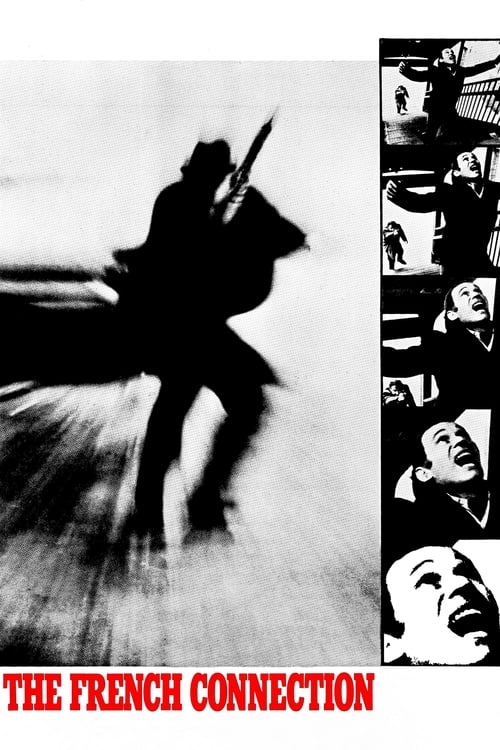
William Friedkin follows New York detective Jimmy “Popeye” Doyle as he pursues a major heroin shipment entering the city from France. Doyle’s instincts are often correct, but his obsession, prejudice and willingness to endanger others prevent the film from presenting him as a conventional hero.
Friedkin captures investigation as exhaustion. Surveillance stretches across long streets and freezing nights before erupting into sudden movement, including a pursuit beneath an elevated train that remains one of cinema’s defining action sequences.
28. The Conversation (1974)
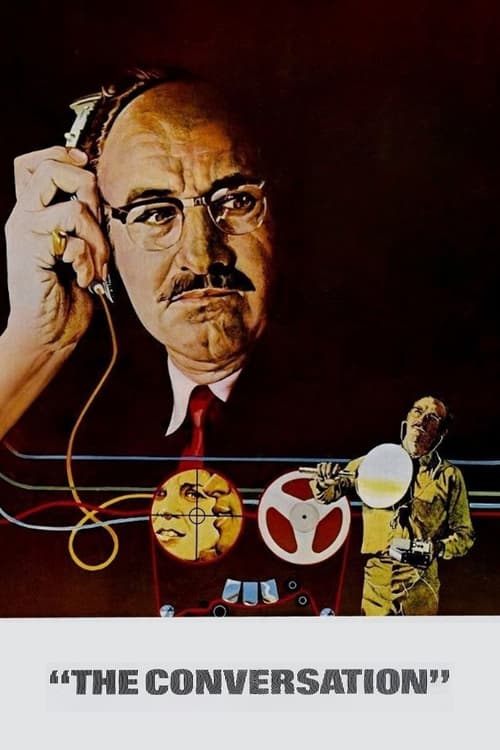
Francis Ford Coppola centres his thriller on Harry Caul, a surveillance expert hired to record a couple walking through a crowded public square. A fragment of their conversation convinces him that his work may lead to murder, forcing him to confront the consequences of a profession built upon emotional distance.
Coppola uses repetition to change meaning. The same recorded sentence sounds different as Harry isolates words and alters emphasis, demonstrating how technology can capture speech without guaranteeing understanding.
27. Blood Simple (1984)
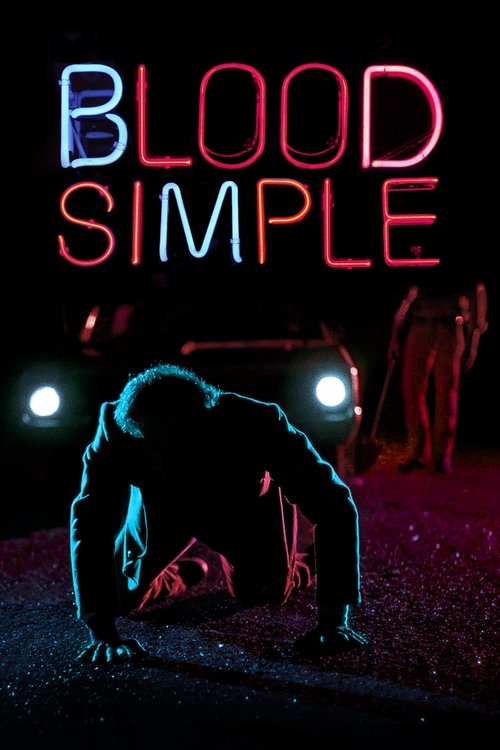
Joel and Ethan Coen made their feature debut with a Texas neo-noir in which jealousy, murder and misunderstanding create a tightening circle of violence. A bar owner hires a private detective to kill his wife and her lover, but the detective sees an opportunity to manipulate every person involved.
The Coens build suspense from information no character possesses in full. People act logically according to false assumptions, ensuring that each attempt to solve the situation makes it more dangerous.
26. Memento (2000)
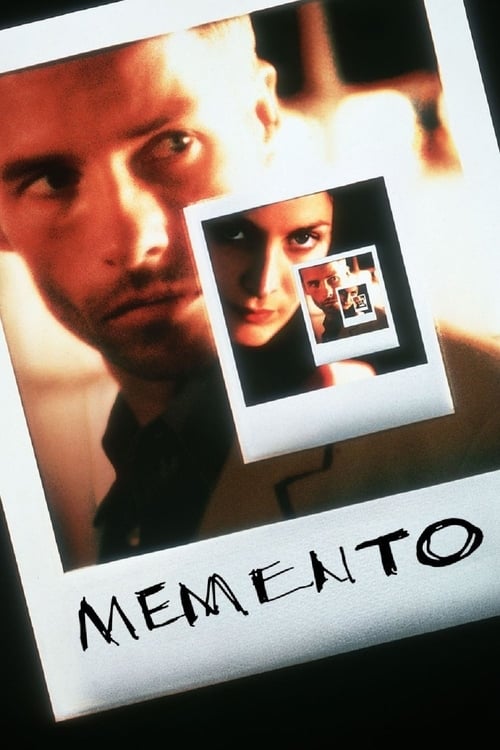
Christopher Nolan constructs his breakthrough thriller around Leonard Shelby, a man unable to form new long-term memories who is searching for the person responsible for attacking his wife. He relies on photographs, written notes and tattoos to preserve information, but these systems cannot tell him whether the information was truthful when it was recorded.
By presenting one strand of the story in reverse order, Nolan places the audience inside Leonard’s condition. Each scene begins without context, and apparent certainty is repeatedly undermined by the discovery of what happened immediately before it.
25. Blow Out (1981)

Brian De Palma follows sound technician Jack Terry after he accidentally records a car crash that kills a presidential candidate. When the audio appears to reveal a gunshot before the vehicle leaves the road, Jack becomes convinced that the accident was an assassination.
De Palma turns filmmaking technology into the basis of the investigation. Sound, image and editing promise access to truth, but the completed narrative can still be ignored, manipulated or absorbed into entertainment.
24. Sorcerer (1977)
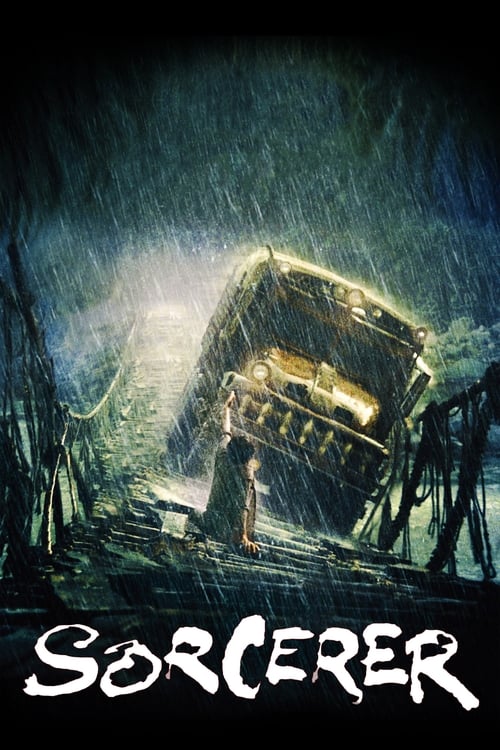
William Friedkin follows four desperate men hired to transport unstable explosives across dangerous terrain in South America. Each has fled a different past, and the mission offers enough money to escape the remote settlement where they have become trapped.
The famous bridge sequence reduces the thriller to weight, movement and physical uncertainty. Every shift of the trucks may trigger an explosion, making progress itself dangerous. Friedkin’s film is about men attempting to outrun fate by accepting a task that appears designed to deliver them back to it.
23. L.A. Confidential (1997)
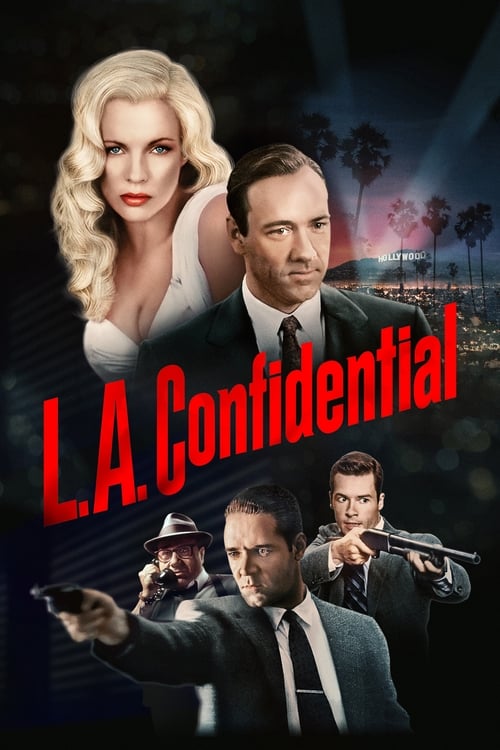
Curtis Hanson brings together three very different Los Angeles police officers investigating a massacre that initially appears solved. Their competing ambitions and methods expose corruption extending through the department, organised crime, the press and the entertainment industry.
The film balances intricate plotting with sharply defined character. Each detective believes he understands what effective policing requires, but the investigation forces all three to confront the personal weakness hidden beneath that belief.
22. Prisoners (2013)
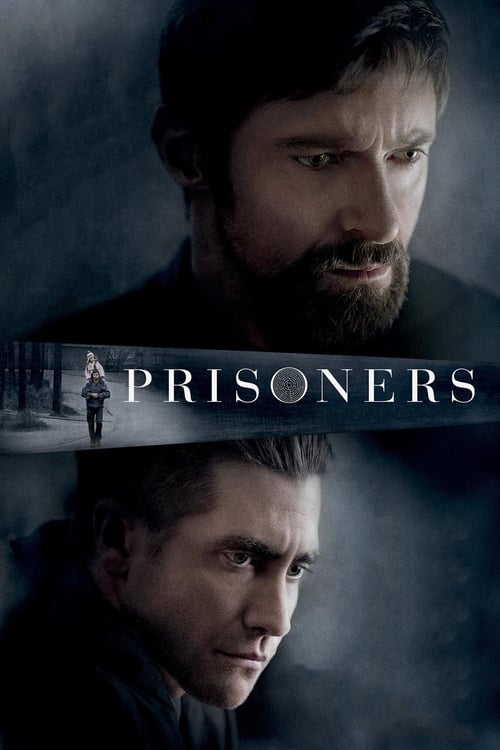
Denis Villeneuve follows two families after their young daughters disappear on Thanksgiving. When police release the principal suspect for lack of evidence, Keller Dover abducts him and attempts to force a confession while Detective Loki continues the official investigation.
Villeneuve creates suspense through moral deterioration as much as mystery. Keller’s determination is understandable, but his certainty allows him to justify increasingly brutal actions. The film asks what remains of justice when fear convinces someone that only he is willing to do what is necessary.
21. The Third Man (1949)
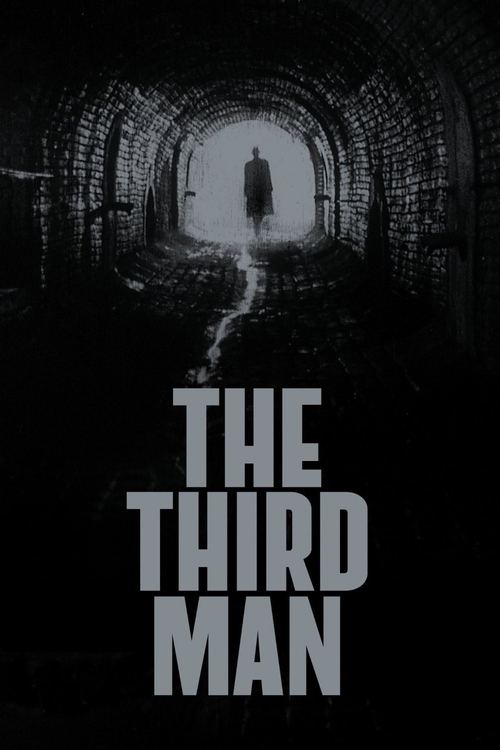
Carol Reed sends American writer Holly Martins into post-war Vienna after the reported death of his friend Harry Lime. Contradictory accounts of the accident lead him through a city divided by occupation, black markets and unstable loyalties.
Reed’s tilted compositions, wet streets and ruined buildings make Vienna feel morally unbalanced. The mystery of Lime’s death develops into a confrontation with the compromises people make when charm, friendship and profit become more persuasive than responsibility.
20. Gone Girl (2014)
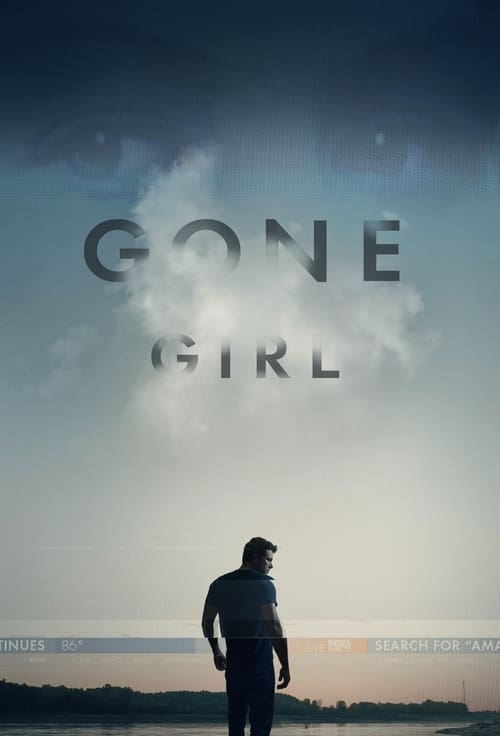
David Fincher follows Nick Dunne after his wife Amy disappears on their wedding anniversary. Evidence inside the home and Nick’s evasive public behaviour quickly make him the centre of a national media spectacle.
Gillian Flynn’s adaptation of her own novel repeatedly changes the audience’s understanding of the marriage. Fincher uses the investigation to explore performance: the identities couples create for one another, the versions of grief demanded by television and the stories people must tell before the public will believe them.
19. The Night of the Hunter (1955)
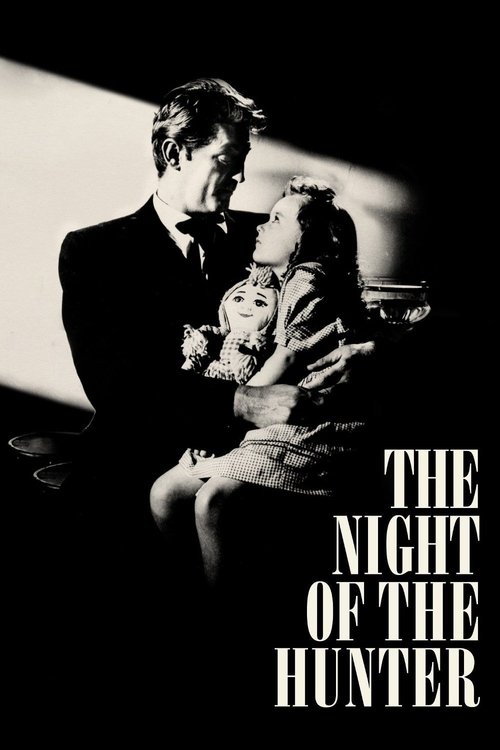
Charles Laughton directs Robert Mitchum as Harry Powell, a self-appointed preacher who marries a widow because he believes her children know where their dead father hid stolen money. Powell’s religious language and public charm conceal a predator who regards violence as divine authority.
Laughton blends fairy tale, Southern Gothic and expressionism. The children’s escape along the river becomes a dreamlike journey through a world in which adults can be either monstrous or protective, and appearances offer little guidance.
18. Le Samourai (1967)

Jean-Pierre Melville follows professional killer Jef Costello after witnesses place him at the scene of a nightclub murder. His carefully constructed alibi protects him temporarily, but both the police and the people who hired him begin to close in.
Melville reduces the crime thriller to behaviour, silence and ritual. Jef’s discipline appears to offer complete control, yet the very perfection of his methods makes any deviation impossible to conceal.
17. The Vanishing (1988)
George Sluizer begins with the disappearance of a woman from a crowded service station. Her partner Rex becomes consumed by the need to learn what happened, while the man responsible observes that obsession and considers whether to provide the answer.
The film’s terror comes from curiosity rather than uncertainty alone. Rex is offered the possibility of knowing the truth, but only under conditions that require absolute trust in the person who destroyed his life.
16. The Wages of Fear (1953)

Henri-Georges Clouzot follows four men hired to transport truckloads of nitroglycerine across treacherous roads to an oil-field fire. The cargo is so unstable that a sudden impact may destroy the trucks and everyone inside them.
Clouzot creates suspense through physical detail: a rough road, a tight turn, a pool of oil and a damaged platform become major obstacles because the consequences of error are immediate. The men accept the work because poverty has made danger preferable to remaining where they are.
15. Memories of Murder (2003)
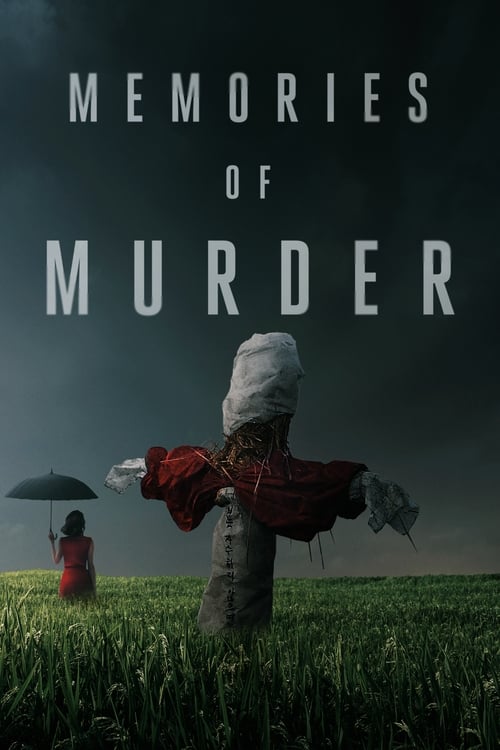
Bong Joon Ho follows detectives investigating a series of murders in rural South Korea during the 1980s. Local officers rely on intimidation and fabricated evidence, while a detective arriving from Seoul initially believes that reason and method will produce the answer.
Bong shifts between dark humour, procedural frustration and sudden horror. The investigation exposes not only the elusiveness of the killer but the limitations of institutions attempting to impose certainty upon evidence they do not know how to read.
14. The Departed (2006)

Martin Scorsese constructs a double infiltration between the Massachusetts State Police and an organised-crime operation. Billy Costigan works undercover inside Frank Costello’s organisation, while Colin Sullivan serves Costello from within the police unit attempting to catch him.
Both men live under the pressure of exposure, creating parallel identities that become increasingly difficult to maintain. Scorsese turns loyalty into a shifting performance in which nearly every character is watching someone else while concealing who they serve.
13. Sicario (2015)
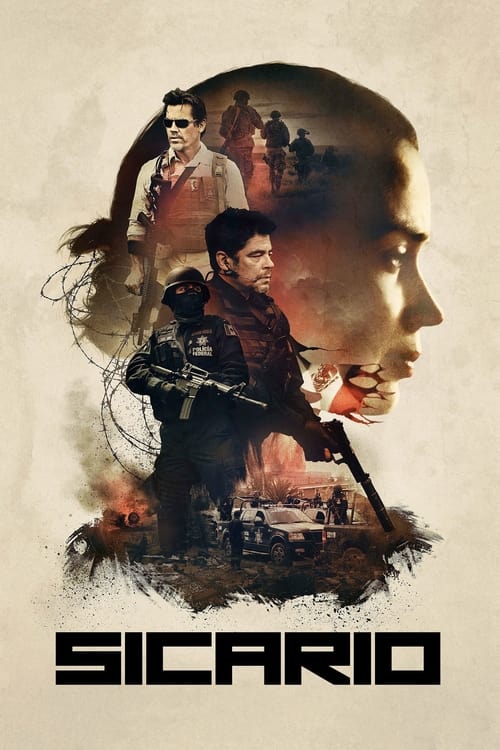
Denis Villeneuve follows FBI agent Kate Macer after she joins a task force operating against a Mexican drug cartel. The mission appears to offer an opportunity to confront organised violence directly, but its true methods and objectives are withheld from her.
Villeneuve places Kate inside operations she can witness without controlling. Border crossings, tunnels and interrogations become demonstrations of institutional power, while the men around her treat legal authority as an obstacle to be managed rather than a principle.
12. Oldboy (2003)
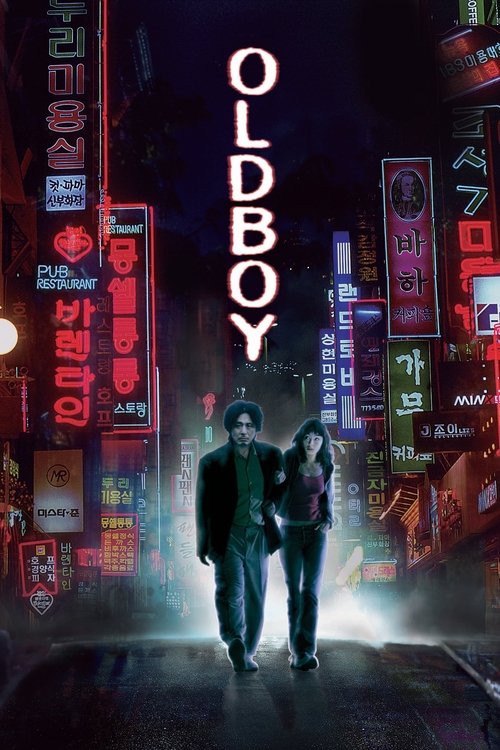
Park Chan-wook follows Oh Dae-su, a man imprisoned without explanation in a private room for fifteen years and then released without warning. Given money, a phone and a limited period in which to discover the identity of his captor, he begins a violent search for the reason his life was taken from him.
Park’s revenge thriller is built around the danger of revelation. Dae-su assumes that discovering the truth will restore his freedom, but every answer has been prepared by someone who understands exactly how he will respond.
11. The Silence of the Lambs (1991)
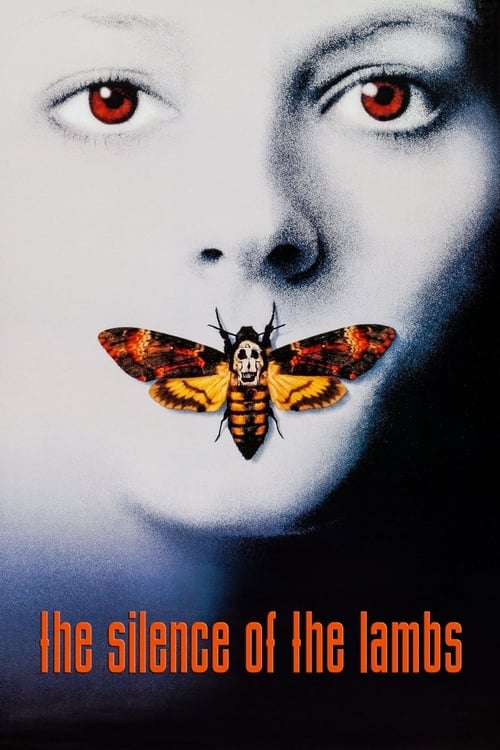
Jonathan Demme places FBI trainee Clarice Starling between two killers. She seeks insight from imprisoned psychiatrist Hannibal Lecter while attempting to identify Buffalo Bill before he murders another abducted woman.
Demme builds psychological pressure through direct looks into the camera, making Clarice appear continuously examined by people who believe they understand her. Her intelligence allows her to learn from Lecter without surrendering control of the investigation, though every conversation requires her to reveal something in return.
10. North by Northwest (1959)

Alfred Hitchcock follows advertising executive Roger Thornhill after intelligence agents and criminals mistake him for a government operative who does not exist. His attempt to explain the error only draws him further into a conspiracy built around false identities.
Hitchcock turns public spaces into arenas of danger, from an open crop field to the face of Mount Rushmore. Thornhill survives not because he understands the plot but because he learns to perform the role that others have assigned to him.
9. Jaws (1975)
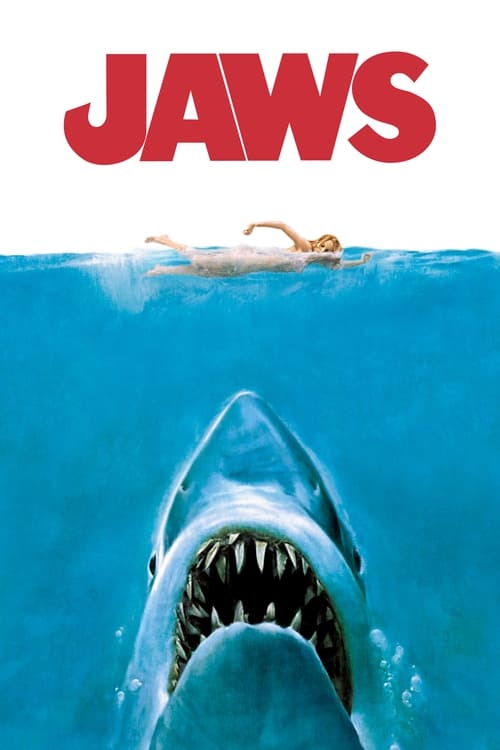
Steven Spielberg transformed Peter Benchley’s novel into a thriller about anticipation, authority and fear. Police chief Martin Brody knows that a shark has killed a swimmer, but local leaders resist closing the beaches because acknowledging the danger would threaten the town’s economy.
The shark is frightening partly because Spielberg delays showing it. Water, music and point of view become enough to create danger before the creature appears. Once Brody, Quint and Hooper leave the island, the film becomes an elemental pursuit in which three men confront an animal that cannot be negotiated with or intimidated.
8. Heat (1995)
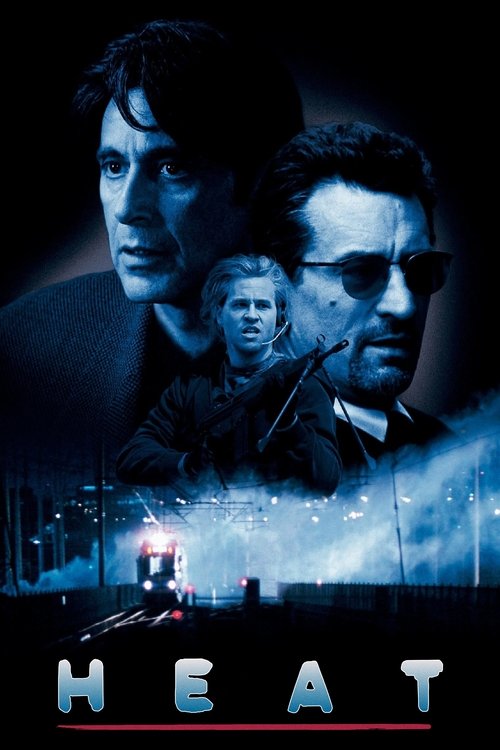
Michael Mann brings professional thief Neil McCauley and LAPD detective Vincent Hanna into a conflict shaped by mutual recognition. Both men are exceptional at their work, but the discipline required to sustain their careers has damaged every intimate relationship around them.
Mann gives equal weight to pursuit and preparation. Robberies, surveillance and police operations unfold through professional procedure, making violence feel like the consequence of systems already in motion. The famous meeting between McCauley and Hanna matters because each understands the sacrifice the other has made.
7. No Country for Old Men (2007)
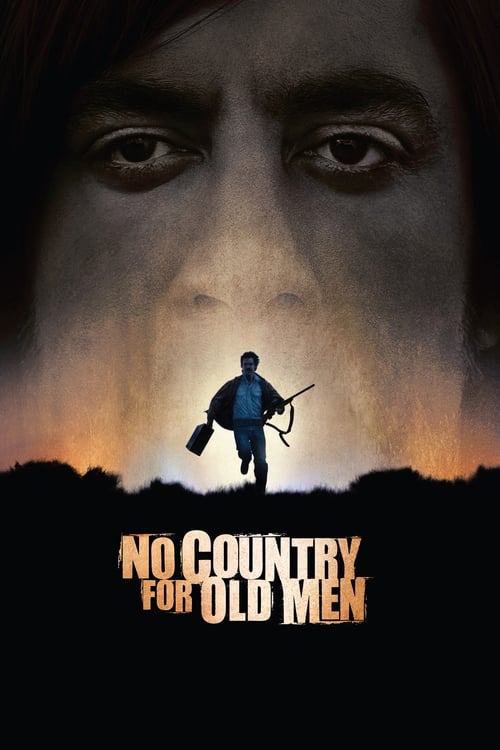
Joel and Ethan Coen follow Llewelyn Moss after he discovers money at the site of a failed drug transaction. His decision to take it brings him into conflict with Anton Chigurh, a killer whose rigid personal code makes him appear less like a conventional criminal than an approaching force.
The Coens repeatedly deny the audience the confrontations expected from a pursuit thriller. Violence occurs abruptly, major events happen outside the frame and Sheriff Bell gradually recognises that experience may no longer be enough to understand the world he is policing.
6. Zodiac (2007)
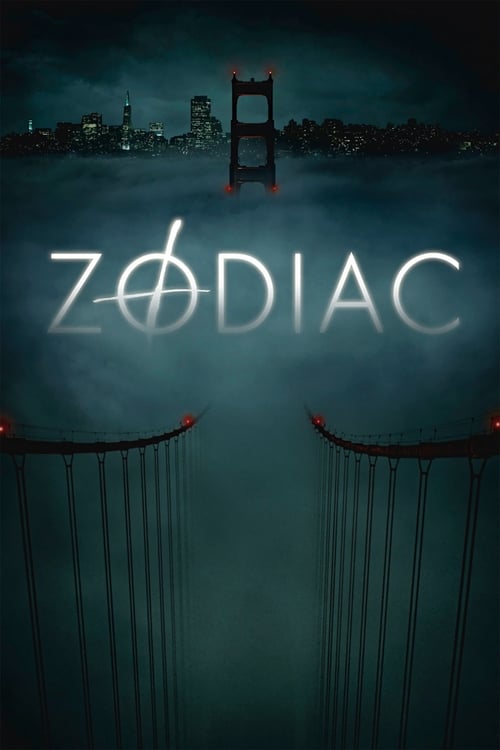
David Fincher examines the unresolved Zodiac investigation through detectives, journalists and cartoonist Robert Graysmith. The case extends across years, producing evidence, suspects and coded messages without offering the certainty expected from a murder mystery.
Fincher makes obsession procedural. Phone records, handwriting samples, dates and witness statements accumulate until the investigation consumes the private lives of the people pursuing it. The absence of definitive closure becomes the film’s central source of unease.
5. Parasite (2019)
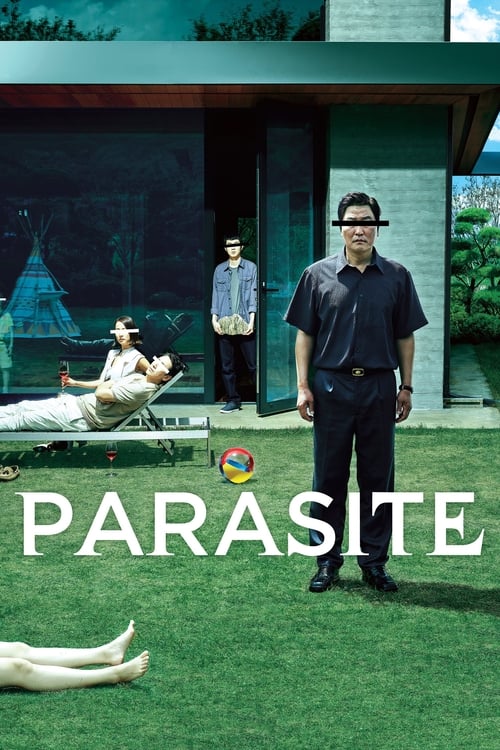
Bong Joon Ho follows the struggling Kim family as they gradually secure jobs within the wealthy Park household. Each position is obtained through deception, but the family’s plan appears successful until an unexpected discovery reveals another life hidden beneath the house.
Bong moves between comedy, social satire, suspense and violence without breaking the film’s control. The architecture of the home becomes a map of class, with height, stairs and hidden spaces determining who can be seen and who must remain invisible.
4. Se7en (1995)
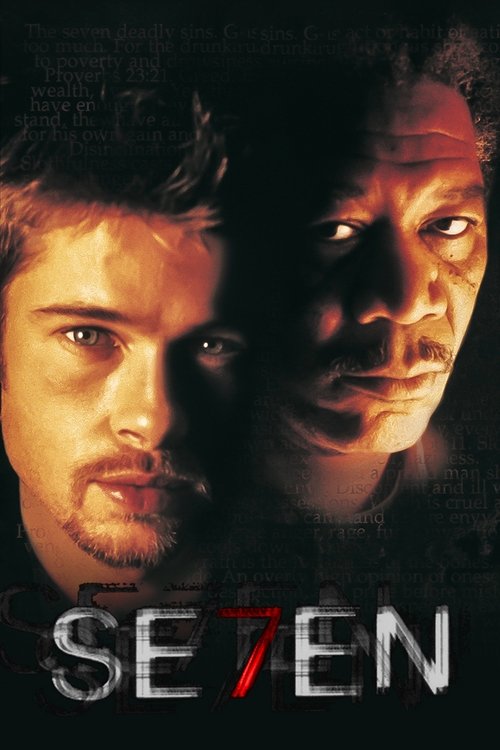
David Fincher follows detectives Somerset and Mills as they investigate murders constructed around the seven deadly sins. The killer does not simply leave evidence; he creates scenes designed to force the investigators and the public to interpret his moral argument.
Fincher builds an unnamed city defined by rain, decay and institutional fatigue. The case appears to move towards the capture of the killer, but the final act reveals that the investigation itself has always been part of his design.
3. Rear Window (1954)
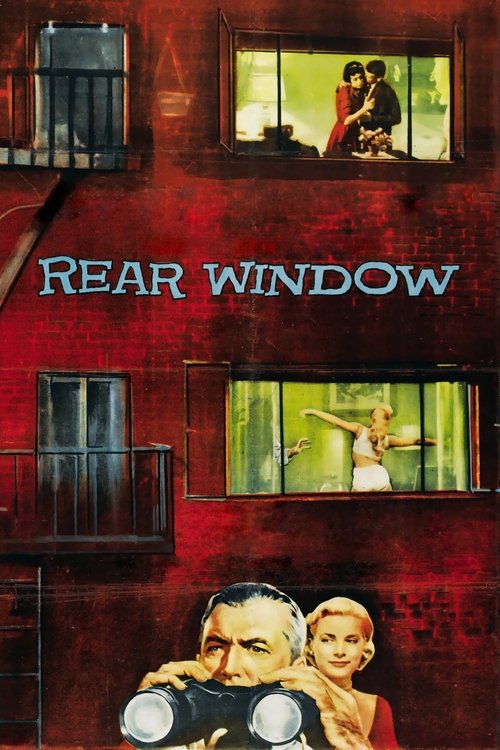
Alfred Hitchcock confines photographer L.B. Jefferies to his apartment after an injury, leaving him to observe neighbours through the rear window. When he becomes convinced that a man across the courtyard has murdered his wife, looking develops from idle curiosity into an investigation.
Hitchcock aligns the audience with Jeff’s restricted point of view. We share his excitement, assumptions and voyeurism while remaining unable to intervene directly. The suspense intensifies whenever someone enters a space Jeff can see but cannot reach.
2. Psycho (1960)
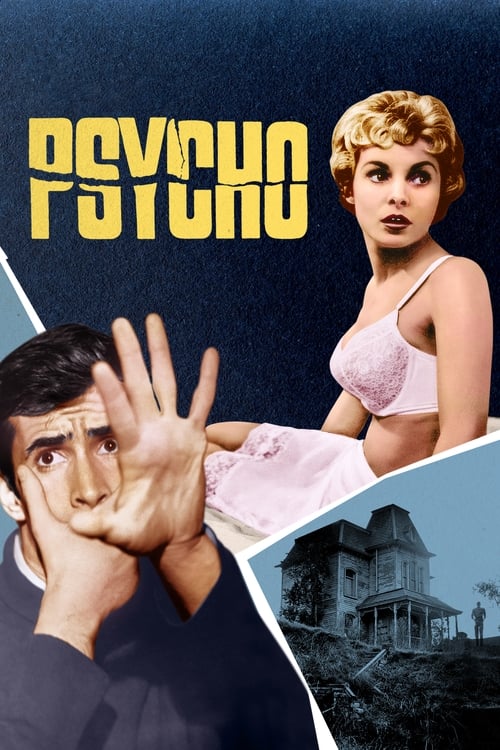
Alfred Hitchcock begins with Marion Crane, who steals money and stops at an isolated motel while attempting to leave her former life behind. Her encounter with Norman Bates abruptly redirects the film, removing the apparent protagonist and forcing the audience to transfer its attention to the person concealing what happened.
Hitchcock uses identification as a source of unease. We fear Marion’s crime will be discovered, then watch Norman attempt to hide a more serious one. The structure makes the audience repeatedly adjust its loyalties before revealing how completely identity, repression and violence have become entangled.
1. Vertigo (1958)
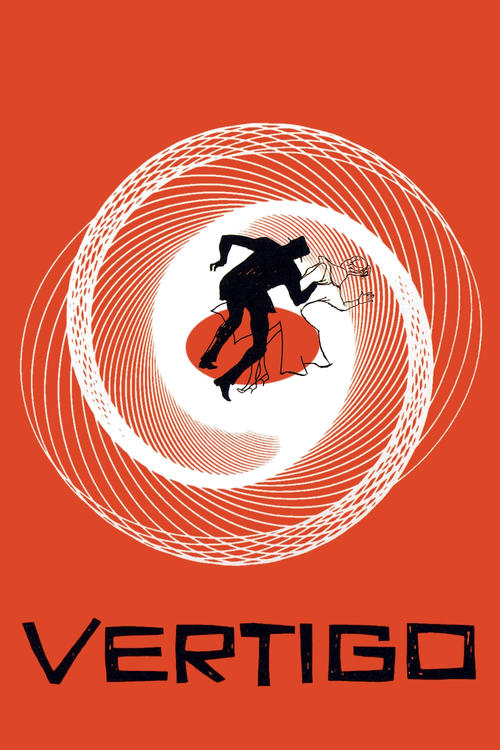
Alfred Hitchcock created the definitive psychological thriller in the story of retired detective Scottie Ferguson, who is hired to follow a woman believed to be possessed by the spirit of a dead ancestor. His fear of heights limits his ability to protect her, while his growing obsession makes him increasingly vulnerable to the story he has been given.
The mystery eventually gives way to something more disturbing: Scottie’s attempt to reconstruct a lost woman through another person’s body, clothing and behaviour. Hitchcock transforms romantic longing into control, showing how obsession can erase the humanity of the person supposedly loved.
Vertigo remains the greatest thriller because suspense operates on several levels at once. We fear what may happen, then understand what has already happened and finally watch a character move towards a truth the audience knows he may be unable to survive.
The Best Modern Independent Thriller Movies
Independent thrillers continue to thrive because the genre does not require enormous scale. A restricted location, a small cast and a precise dramatic situation can generate more tension than expensive spectacle when the audience understands what is at risk.
Recent films have expanded the genre through social horror, psychological manipulation, unconventional protagonists and stories in which official authority offers little protection. These are ten of the strongest independent and director-led thrillers released since 2020.
The Invisible Man (2020)
Leigh Whannell turns invisibility into a representation of coercive control. Cecilia’s inability to prove that she is being watched makes every attempt to seek help appear to confirm the instability her abuser wants others to see.
Promising Young Woman (2020)

Emerald Fennell follows Cassie as she constructs a private campaign against men who exploit apparently vulnerable women. The film uses revenge-thriller conventions while repeatedly questioning what revenge can repair and who is permitted to escape responsibility.
The Novice (2021)

Lauren Hadaway follows a university rower whose desire to outperform her teammates becomes physically and psychologically destructive. Training sequences acquire the intensity of horror as achievement becomes inseparable from self-punishment.
Watcher (2022)
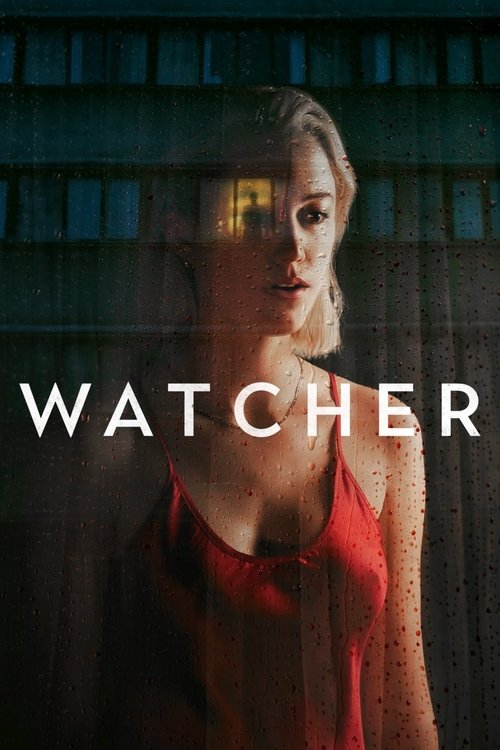
Chloë Okuno places an American woman in a Bucharest apartment where she becomes convinced that a man in another building is observing her. Her isolation and inability to communicate fluently allow those around her to dismiss evidence that may indicate immediate danger.
Emily the Criminal (2022)
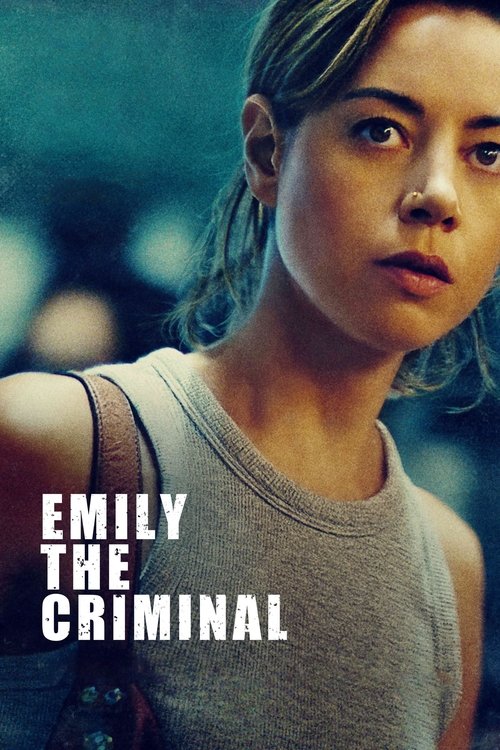
John Patton Ford follows a woman burdened by debt and restricted employment opportunities who becomes involved in credit-card fraud. The crime offers money and agency, but each success draws her further into a system where violence replaces legal protection.
How to Blow Up a Pipeline (2022)
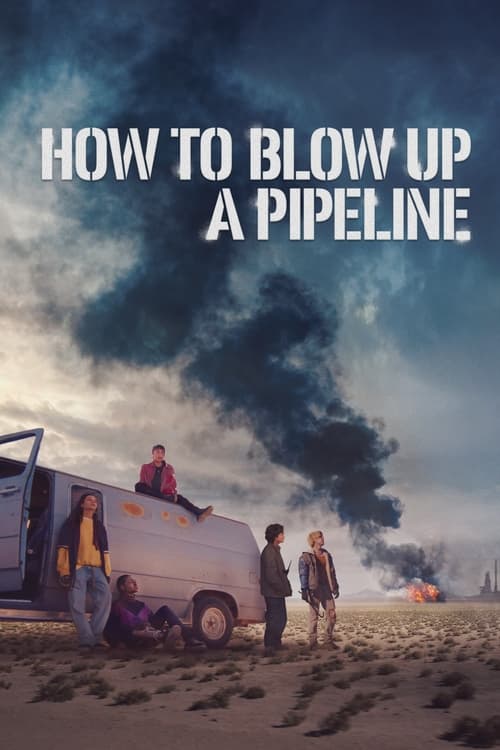
Daniel Goldhaber structures his environmental thriller around a group planning to sabotage an oil pipeline. The film moves between preparation and personal history, showing how different experiences of political failure have brought the characters to the same dangerous action.
Anatomy of a Fall (2023)
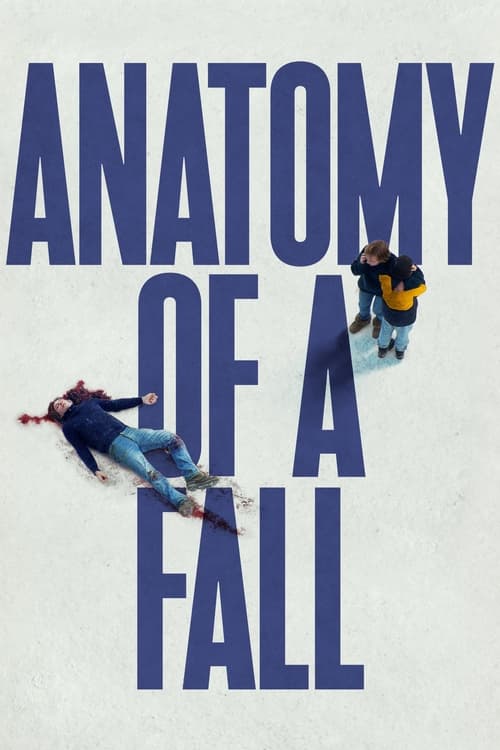
Justine Triet follows a writer accused of killing her husband after he falls from the upper floor of their isolated home. The courtroom becomes a place where an entire marriage is reconstructed from recordings, memories and contradictory interpretations.
Rebel Ridge (2024)
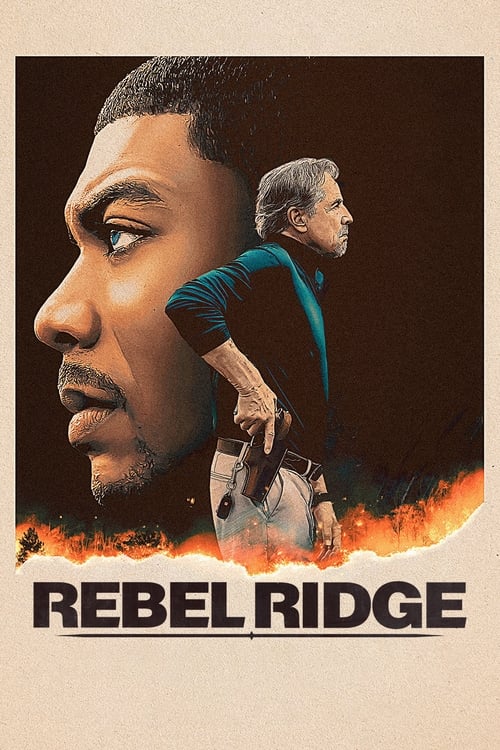
Jeremy Saulnier follows a former Marine attempting to recover money seized by a corrupt police department. His tactical ability makes him dangerous, but the film gains tension from his determination to avoid the violent response his opponents seem eager to provoke.
Strange Darling (2024)

JT Mollner presents a pursuit between a man and a woman through a fractured chronology that repeatedly alters our understanding of hunter and victim. The film uses the audience’s familiarity with serial-killer conventions to encourage assumptions that later become part of its trap.
Blood Star (2024)
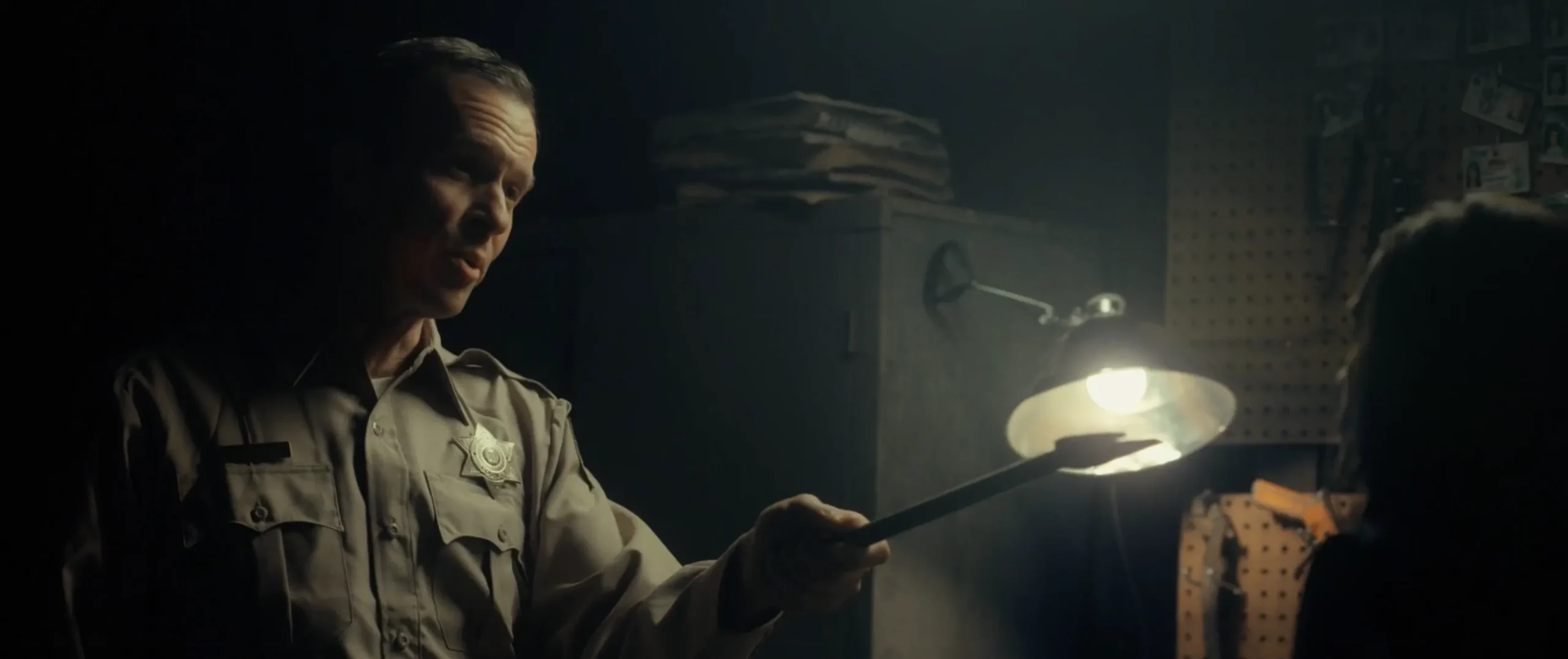
Lawrence Jacomelli’s Blood Star brings the independent thriller into the desert, where a young woman named Bobbi becomes the target of a small-town sheriff who uses his badge as a weapon. What begins as a roadside encounter develops into a calculated game in which the sheriff controls the territory, local authority and apparent rules.
The open landscape becomes a form of confinement. Bobbi has few witnesses, limited communication and no institution to which she can safely appeal because the person hunting her represents the law. The thriller’s central pressure comes from watching the sheriff systematically reduce her choices while expecting her to behave like the previous victims he has already learned to control.
Bobbi’s resistance is psychological as well as physical. Rather than accepting the confrontation he has designed for her, she uses his confidence in his own superiority against him. The climax becomes a reversal of authorship: the sheriff believes he has determined the ending, but Bobbi forces him into a story he has failed to anticipate.
Watch Blood Star and find out where the film is available in your country. Discover the story of Blood Star and the confrontation between Bobbi and the sheriff, or read how the film was made in just ten shooting days, using a tightly planned animatic, limited locations and a small independent crew. Directed by Lawrence Jacomelli, the film uses the exposed desert landscape to create the feeling of a prison without walls. Watch the official Blood Star trailer.
MovieMaker Magazine described the film as containing “unforgettable Tarantinoesque moments” and The Guardian called it a “snappily shot debut.” Read more Blood Star reviews and critical reactions.
The Best Psychological Thrillers
Psychological thrillers create suspense by undermining perception, identity and trust. Vertigo, Memento, Gone Girl, The Conversation and The Vanishing place their protagonists inside situations where obtaining more information does not necessarily bring them closer to safety.
These films often focus on obsession. The central character may be pursuing a person, mystery or version of the past, but the investigation gradually becomes inseparable from their own psychological needs.
Explore more films in our guide to the best psychological thriller movies.
The Best Crime Thrillers
Crime thrillers create tension through investigation, pursuit and the unstable relationship between law and violence. Heat, The French Connection, The Departed, L.A. Confidential and The Silence of the Lambs feature investigators whose proximity to criminality changes them.
The strongest films in the category do not simply ask whether a criminal will be caught. They examine what the pursuit requires, which rules can survive it and whether the institutions enforcing the law are fundamentally different from the people they hunt.
The Best Action Thrillers
Action thrillers combine physical movement with narrative uncertainty. The Bourne Identity, Sorcerer, Sicario, Run Lola Run and The Taking of Pelham One Two Three create suspense because action changes the situation rather than interrupting it.
A chase matters when it removes options, reveals character or drives someone towards an irreversible decision. The best action thrillers maintain pressure between set pieces instead of relying on spectacle alone.
Explore more in our guide to the best action thriller movies.
The Best Survival Thrillers
Survival thrillers reduce storytelling to urgent questions: where can the character go, what resources remain and how long can they continue? The Wages of Fear, Duel, Green Room, Calibre and Blood Star place characters in environments where ordinary systems of protection have failed.
The threat may be environmental, criminal or institutional, but the tension comes from the same source. Survival requires characters to make decisions before they possess all the information they need.
See our full selection of the best survival thriller movies, including films built around isolation, pursuit, limited resources and characters cut off from ordinary protection.
The Best Road Thrillers
Road thrillers take a symbol of freedom and turn it into a place of exposure. In Duel, Sorcerer, No Country for Old Men and Blood Star, movement does not guarantee escape. Roads create predetermined routes, isolated stopping points and encounters with strangers whose intentions are impossible to judge.
The greatest road thrillers understand that an open landscape can be more claustrophobic than a locked room. A person may be able to see for miles while having nowhere safe to go. The tradition runs from Duel and The Hitcher to contemporary films such as Blood Star — viewers drawn to this kind of isolated pursuit can explore our guide to movies like The Hitcher or movies like Wolf Creek.
About This Ranking
The best thriller movies do more than place their characters in danger. They control information, narrow the available choices and create the feeling that something decisive is approaching even when we cannot yet see what it is.
A thriller may follow a detective hunting a killer, an ordinary person caught inside a conspiracy, a family threatened within its own home or a traveller pursued across an empty landscape. The scale can range from an international political crisis to a confrontation between two people, but the dramatic engine remains the same: pressure increases while the possibility of escape becomes smaller.
Thrillers overlap with crime, horror, action, mystery, science fiction and drama, which is why the genre contains such extraordinary variety. Alfred Hitchcock built suspense through withheld information and visual point of view. William Friedkin and Michael Mann found tension in professional procedure. David Fincher, Park Chan-wook, Denis Villeneuve and Bong Joon Ho turned investigation, revenge and social inequality into psychological traps.
This ranking brings those traditions together. It includes classic suspense films, political conspiracies, serial-killer thrillers, survival stories, neo-noir, action thrillers and international films that expanded what the genre could achieve.
What Are the Best Thriller Movies?
The greatest thriller movies include Vertigo, Psycho, Rear Window, The Wages of Fear, The Third Man, The Night of the Hunter, Jaws, The Conversation, The French Connection, Blow Out, The Silence of the Lambs, Se7en, Heat, The Vanishing, Oldboy, Zodiac, No Country for Old Men, Memories of Murder, Sicario and Parasite.
These films succeed because suspense is built into their storytelling rather than added through isolated shocks. They make every piece of information matter, create characters whose choices carry consequences and maintain uncertainty about what will happen until the final moments.
What Makes a Great Thriller?
A great thriller creates anticipation. The audience may know more than the protagonist, less than the protagonist or exactly the same amount, but the distribution of information is always deliberate. We are made to wait for a discovery, confrontation or reversal that feels inevitable without becoming predictable.
Thrillers also depend on restriction. A character may be limited by time, geography, physical weakness, social status or the inability to convince anyone that a danger exists. The fewer meaningful choices remain, the greater the tension becomes.
The finest thrillers also understand that danger is not enough. Suspense becomes emotionally powerful when it threatens something the character cannot easily replace: a relationship, identity, reputation, moral belief or chance to escape the life they have been living.
Why Thriller Movies Remain So Popular
Thrillers offer a direct emotional experience. They ask the audience to anticipate, interpret and make decisions alongside the characters, creating active involvement rather than passive observation.
The genre is also flexible enough to absorb contemporary fears. Political thrillers respond to distrust in institutions, psychological thrillers explore unstable identity, technological thrillers examine surveillance and modern survival films question whether official authority can still provide protection.
Independent filmmakers are particularly drawn to thrillers because suspense depends more upon precision than scale. Blood Star was filmed in ten shooting days after the entire feature had been storyboarded and assembled as a seventy-minute animatic. Read the full story of making Blood Star. The same director-led approach has also driven the success of many recent independent horror movies, where creative control and formal ambition matter more than studio scale.
How Thriller Movies Differ From Horror Movies
Thrillers and horror films frequently overlap, but they create tension in slightly different ways. A thriller primarily asks what will happen next and whether the protagonist can prevent it. Horror is more concerned with the experience of fear, violation or confrontation with something that destabilises the ordinary world.
A serial-killer film may belong to both genres. The Silence of the Lambs is structured as an investigative thriller but uses horror imagery and psychological terror. Psycho begins as a crime thriller before becoming a horror film. Jaws combines monster horror, adventure and pursuit-thriller storytelling.
Genre boundaries are therefore useful rather than absolute. What matters is the film’s dominant dramatic experience. Our guide to the best horror movies of all time explores films in which fear, violation and confrontation with the unknown become the dominant experience. The boundary becomes especially fluid in psychological horror movies, where disturbed perception, coercion and emotional collapse may be as important as supernatural or physical threats.
Why Suspense Matters More Than Surprise
A surprise occurs without warning. Suspense allows the audience to understand that something may happen and then forces us to wait. That waiting creates participation because viewers imagine outcomes, recognise danger and watch characters move closer to it.
Hitchcock famously demonstrated the difference by comparing an unexpected explosion with a bomb the audience knows is beneath a table. The explosion produces momentary shock, but knowledge of the bomb transforms an ordinary conversation into sustained tension.
The best thrillers combine suspense with occasional surprise. They reveal enough to create anticipation while withholding the information that would allow us to feel secure.
Final Thoughts
The greatest thriller movies create the sensation that events are moving towards a point that cannot be avoided. Whether the story concerns a murder investigation, political conspiracy, criminal operation or solitary struggle for survival, suspense grows as information accumulates and freedom disappears.
The genre’s enduring power comes from its ability to transform uncertainty into drama. Thrillers place characters under pressure and reveal who they become when ordinary assumptions about safety, authority and control no longer apply.
From Hitchcock’s psychological precision and Clouzot’s physical suspense to Fincher’s procedural darkness, Bong Joon Ho’s social tension and the resurgence of independent survival thrillers, these films demonstrate that danger is only the beginning. What matters is how long the audience is made to wait—and what the characters are willing to do before the waiting ends.
A great thriller doesn’t need a bigger budget, it needs fewer places to hide. That’s what the desert gave Blood Star: nowhere to look except at each other.
Continue Exploring
Explore the best psychological thriller movies for films built around obsession, unstable identity and unreliable perception.
Discover the best action thriller movies for pursuit, combat and high-pressure physical storytelling.
See the best survival thriller movies for films about isolation, limited resources and the fight to escape.
Read our ranking of the best psychological horror movies for stories in which fear grows from trauma, coercion and mental disintegration.
Explore the best suspense movies of all time for films that make anticipation more powerful than action.
Watch Blood Star and find the film on digital platforms in your territory.
Frequently Asked Questions
Frequently Asked Questions
Vertigo is frequently regarded as one of the greatest thrillers because it combines mystery, psychological obsession, visual storytelling and emotional tragedy. Psycho, Rear Window, The Silence of the Lambs, Se7en and The Wages of Fear are also defining examples of the genre.
The strongest modern thrillers include Parasite, Zodiac, No Country for Old Men, Sicario, Prisoners, Gone Girl, Nightcrawler, Uncut Gems, Anatomy of a Fall and The Invisible Man.
A thriller is a broad genre involving danger, pursuit, investigation or psychological pressure. Suspense describes the emotional technique of making the audience anticipate an outcome. Most thrillers use suspense, but suspense can also appear in horror, drama, science fiction and other genres.
A mystery is primarily organised around discovering the answer to a question, usually who committed a crime or how an event occurred. A thriller is organised around danger and consequence. Many films combine both, but a mystery asks the audience to solve while a thriller asks the audience to fear what may happen.
The best psychological thrillers include Vertigo, Memento, Gone Girl, The Conversation, The Vanishing, Black Swan, Shutter Island, The Machinist and The Talented Mr. Ripley.
Essential crime thrillers include Heat, The French Connection, The Departed, L.A. Confidential, The Silence of the Lambs, Se7en, Zodiac, The Chaser and Memories of Murder.
Notable thrillers with major reversals include Oldboy, Gone Girl, Memento, The Vanishing, The Usual Suspects, Shutter Island, Primal Fear and The Sixth Sense. The strongest twists do not merely surprise the audience; they change the meaning of what has already been seen. Explore our full ranking of the best movie twist endings, including films whose final revelations completely change the meaning of what came before.
Yes. Blood Star is an independent psychological road and survival thriller directed by Lawrence Jacomelli. It follows a young woman targeted by a predatory sheriff while travelling through the desert, combining pursuit, psychological manipulation and serial-killer storytelling.
Film posters courtesy of The Movie Database (TMDB). This product uses the TMDB API but is not endorsed or certified by TMDB.
More on Blood Star
- Watch Blood Star free on Tubi & Prime Video (USA)
- Thrillers similar to Blood Star
- Blood Star: Ending Explained
- Blood Star — Cast & Filmmakers
Watch Blood Star
Blood Star is a psychological desert road thriller about Bobbi Torres, a young woman travelling alone across the American Southwest who becomes the target of Sheriff Bilstein, a predatory lawman whose badge, patrol car and knowledge of the territory allow him to control the hunt.


See every legitimate way to watch Blood Star free →

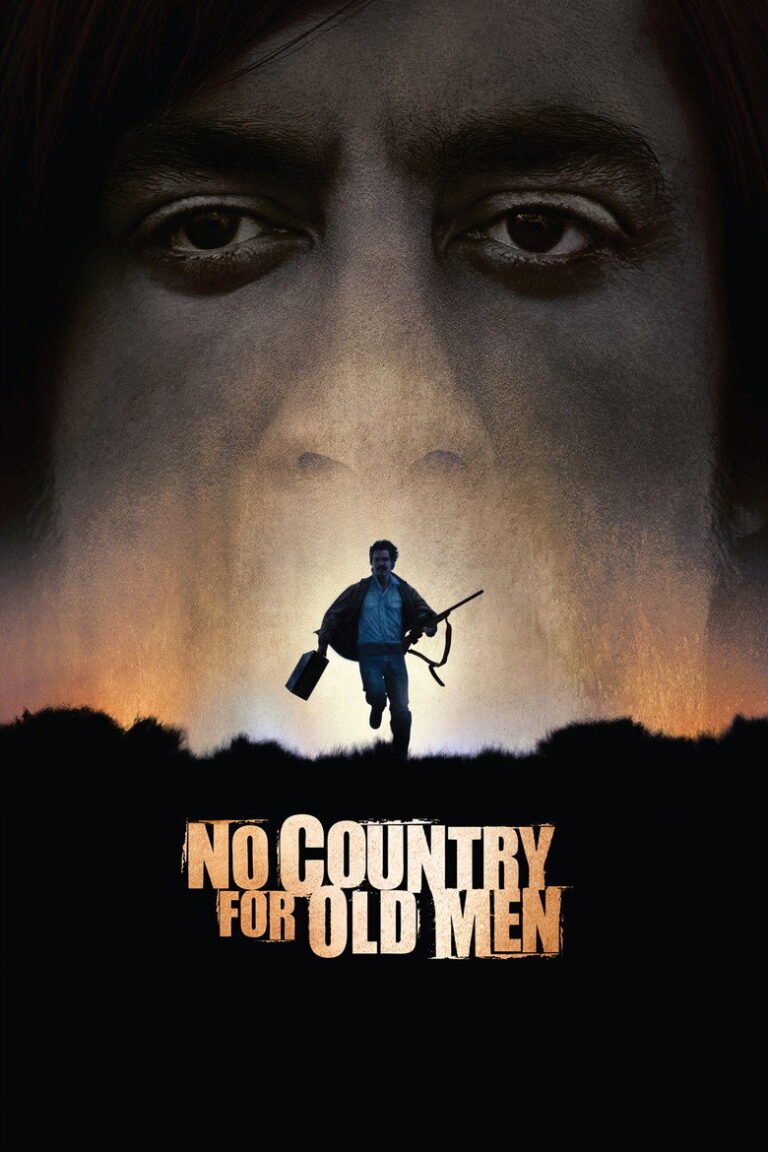
Table of Contents
- Quick Picks
- The 50 Best Thriller Movies of All Time
- 50. The Guilty (2018)
- 49. Calibre (2018)
- 48. The Invisible Man (2020)
- 47. Green Room (2015)
- 46. Run Lola Run (1998)
- 45. The Invitation (2015)
- 44. Blue Ruin (2013)
- 43. The Gift (2015)
- 42. Duel (1971)
- 41. Cape Fear (1991)
- 40. The Chaser (2008)
- 39. The Taking of Pelham One Two Three (1974)
- 38. A History of Violence (2005)
- 37. Nightcrawler (2014)
- 36. The Manchurian Candidate (1962)
- 35. The Girl with the Dragon Tattoo (2011)
- 34. A Simple Plan (1998)
- 33. Uncut Gems (2019)
- 32. The Bourne Identity (2002)
- 31. Marathon Man (1976)
- 30. The Lives of Others (2006)
- 29. The French Connection (1971)
- 28. The Conversation (1974)
- 27. Blood Simple (1984)
- 26. Memento (2000)
- 25. Blow Out (1981)
- 24. Sorcerer (1977)
- 23. L.A. Confidential (1997)
- 22. Prisoners (2013)
- 21. The Third Man (1949)
- 20. Gone Girl (2014)
- 19. The Night of the Hunter (1955)
- 18. Le Samourai (1967)
- 17. The Vanishing (1988)
- 16. The Wages of Fear (1953)
- 15. Memories of Murder (2003)
- 14. The Departed (2006)
- 13. Sicario (2015)
- 12. Oldboy (2003)
- 11. The Silence of the Lambs (1991)
- 10. North by Northwest (1959)
- 9. Jaws (1975)
- 8. Heat (1995)
- 7. No Country for Old Men (2007)
- 6. Zodiac (2007)
- 5. Parasite (2019)
- 4. Se7en (1995)
- 3. Rear Window (1954)
- 2. Psycho (1960)
- 1. Vertigo (1958)
- The Best Modern Independent Thriller Movies
- The Invisible Man (2020)
- Promising Young Woman (2020)
- The Novice (2021)
- Watcher (2022)
- Emily the Criminal (2022)
- How to Blow Up a Pipeline (2022)
- Anatomy of a Fall (2023)
- Rebel Ridge (2024)
- Strange Darling (2024)
- Blood Star (2024)
- The Best Psychological Thrillers
- The Best Crime Thrillers
- The Best Action Thrillers
- The Best Survival Thrillers
- The Best Road Thrillers
- About This Ranking
- What Are the Best Thriller Movies?
- What Makes a Great Thriller?
- Why Thriller Movies Remain So Popular
- How Thriller Movies Differ From Horror Movies
- Why Suspense Matters More Than Surprise
- Final Thoughts
- Continue Exploring
- Frequently Asked Questions
- More on Blood Star
- Watch Blood Star