Quick Answer
The greatest psychological horror movies include The Shining, Psycho, Rosemary's Baby, The Innocents, Repulsion, Don't Look Now, Possession, Jacob's Ladder, Black Swan, Hereditary, The Babadook, Saint Maud and The Lighthouse.
The best psychological horror movies do not merely frighten us with monsters, violence or sudden shocks. They undermine our confidence in what we are seeing, placing us inside minds distorted by grief, guilt, repression, obsession, trauma or madness.
In these films, reality is rarely stable. A house may become an extension of a fractured family, a supernatural presence may embody an emotion that cannot be expressed, and an apparently external threat may be inseparable from the protagonist’s own fears. The audience is not kept safely outside the horror. We experience it through characters whose perceptions can no longer be trusted.
That is what separates psychological horror from a conventional psychological thriller. Both genres explore disturbed minds, manipulation and uncertainty, but psychological horror pushes those ideas towards dread, bodily violation, supernatural terror or existential collapse. Its most disturbing films leave us unsure whether the danger was ever real—and aware that it may not matter.
What Are the Best Psychological Horror Movies?
The greatest psychological horror movies include The Shining, Psycho, Rosemary’s Baby, The Innocents, Repulsion, Don’t Look Now, Possession, Jacob’s Ladder, Black Swan, Hereditary, The Babadook, Saint Maud and The Lighthouse.
These films use unreliable perception, emotional trauma and psychological disintegration to create horror from within. Rather than allowing the audience to understand the threat clearly, they place us inside the confusion of characters who may be haunted, manipulated, mentally unravelling—or experiencing all three at once.
What Makes a Film Psychological Horror?
Psychological horror is defined less by a particular type of villain than by the way the story creates fear. The source of the horror may be supernatural, but its real power comes from the protagonist’s emotional or mental state. The film makes us feel their isolation, paranoia or loss of control until the boundary between internal and external danger begins to disappear.
Many psychological horror films revolve around repression. Characters attempt to suppress grief, desire, guilt, rage or memories that eventually return in distorted forms. Others examine the terror of losing control over one’s body, identity, family or perception of reality.
The genre frequently uses enclosed locations, subjective camerawork, disorientating sound and ambiguous storytelling. A corridor, bedroom or ordinary conversation becomes threatening because we no longer understand the rules governing it.
The 40 Best Psychological Horror Movies
40. Censor (2021)
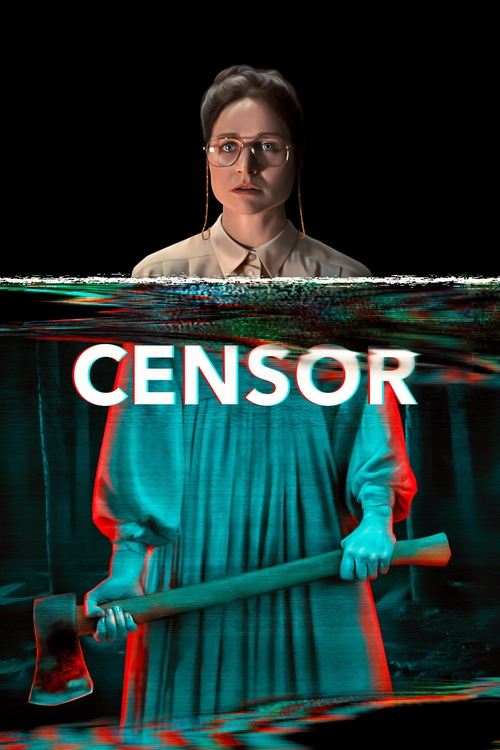
Prano Bailey-Bond turns Britain’s era of “video nasty” moral panic into a feverish examination of guilt, memory and cinematic violence. Enid works as a film censor, calmly assessing scenes of mutilation while privately struggling with the childhood disappearance of her sister.
When she becomes convinced that an actress in a low-budget horror film may be the missing girl, her professional detachment begins to collapse. Bailey-Bond gradually shifts from institutional realism into saturated fantasy, trapping Enid inside a world shaped by censorship, repression and her desperate need to rewrite the past.
39. Session 9 (2001)
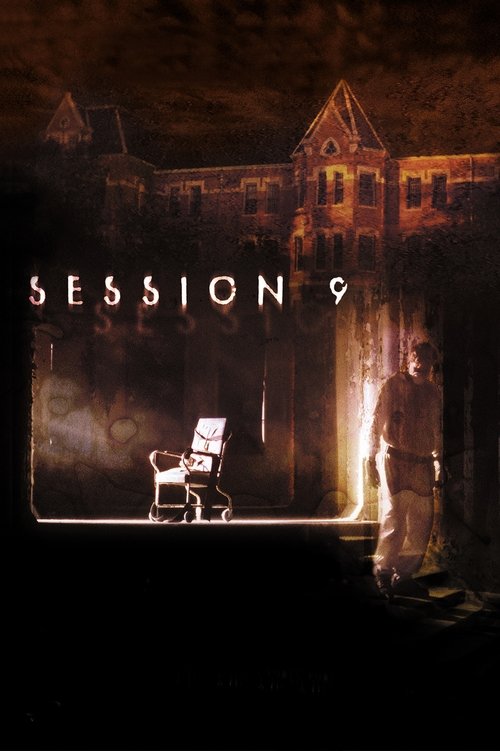
Brad Anderson builds Session 9 around an abandoned psychiatric hospital whose decaying corridors seem to absorb the tensions of the men hired to remove its asbestos. The supernatural threat remains elusive, but the building steadily intensifies the resentments and financial pressures already dividing the group.
Recorded therapy sessions concerning a patient with multiple personalities provide the film with its central mystery. Anderson never allows us to separate psychological collapse from possible possession completely, creating a low-key but deeply unsettling study of the voice that waits behind the personality we present to the world.
38. The Lodge (2019)

Veronika Franz and Severin Fiala isolate a woman and her partner’s two children inside a snowbound holiday home, then remove almost every source of reassurance. Grace has survived an extremist religious cult, and the children blame her for the destruction of their parents’ marriage.
As unexplained events begin to suggest that the family may be trapped in some form of purgatory, Grace’s traumatic beliefs return with terrifying force. The directors transform the lodge into a controlled psychological experiment in which grief, cruelty and religious terror become impossible to distinguish.
37. The Invitation (2015)
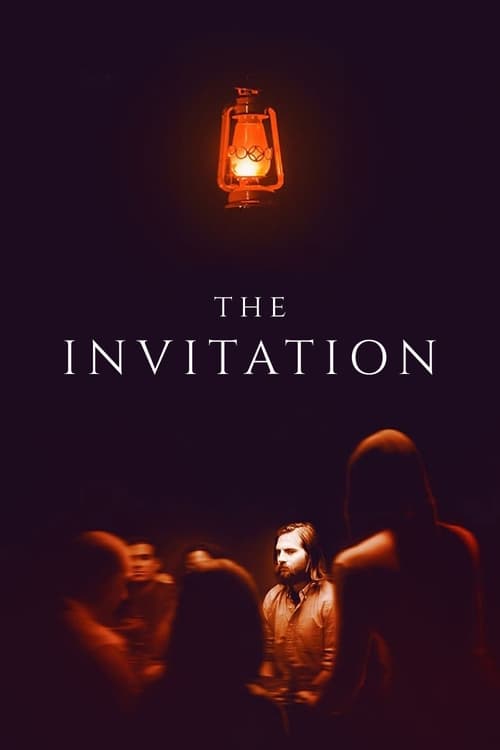
Karyn Kusama creates horror from the possibility that a polite social gathering may be concealing something monstrous. Will attends a dinner party hosted by his former wife and her new partner, but his unease is complicated by unresolved grief and the knowledge that the other guests view him as emotionally unstable.
The film’s tension depends on whether Will is accurately recognising danger or projecting his pain onto an awkward reunion. Kusama stretches that uncertainty almost to breaking point, demonstrating how social etiquette can prevent people from acknowledging a threat even when every instinct tells them to leave.
36. The Killing of a Sacred Deer (2017)
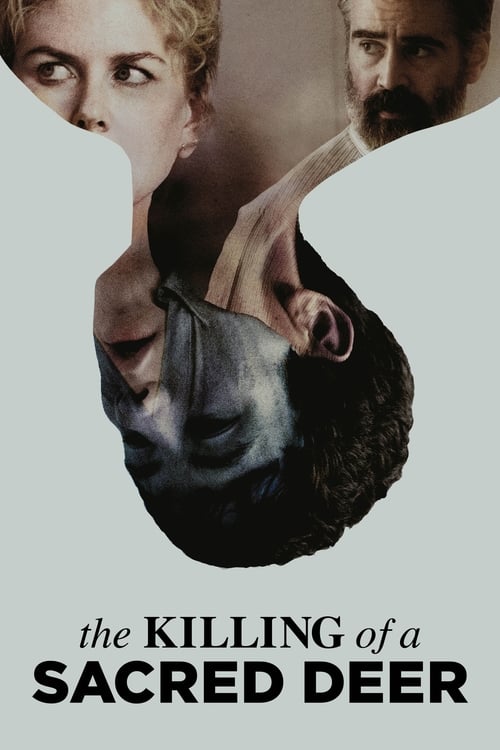
Yorgos Lanthimos presents a prosperous surgeon whose carefully ordered family life is disrupted by a strange teenage boy. The characters speak with an artificial calm that makes every conversation feel like part of an unexplained ritual.
When the surgeon’s children develop mysterious physical symptoms, he is told that he must sacrifice one member of his family to restore the moral balance. Lanthimos treats guilt as an invisible force capable of invading the body, turning an ancient tragedy into an unnervingly clinical work of psychological horror.
35. The Night House (2020)
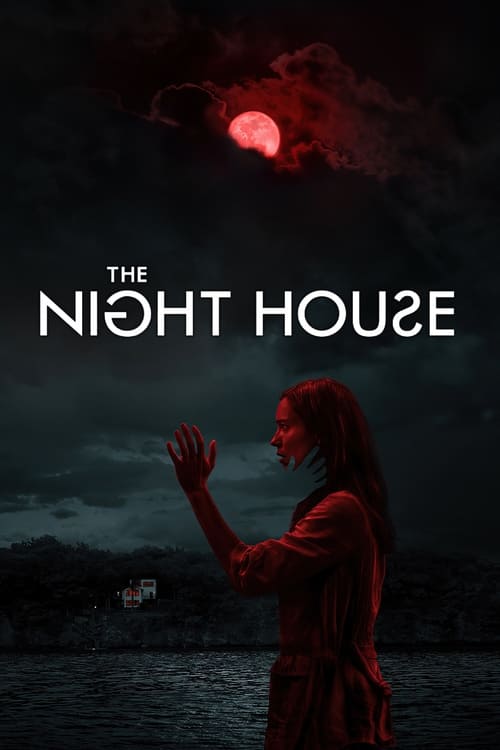
David Bruckner follows a recently widowed teacher who begins to discover disturbing secrets about the husband she believed she understood. Alone in the lakeside house he built, Beth hears footsteps, sees impossible shapes and finds evidence of another property arranged as a reversed version of her own.
The film uses supernatural horror to explore depression, bereavement and the fear that intimacy can never provide complete access to another person. Bruckner’s visual compositions repeatedly transform negative space into a presence, making absence itself feel predatory.
34. Images (1972)

Robert Altman places a children’s author inside an isolated rural house where memory, imagination and reality begin to overlap. Cathryn sees figures from her past, including a dead lover, but neither she nor the audience can determine whether these encounters are hallucinations, supernatural manifestations or fragments of suppressed experience.
Altman rejects straightforward explanation in favour of subjective disorientation. People appear in one another’s places, objects acquire uncertain meanings and the landscape becomes an extension of Cathryn’s fractured consciousness.
33. The Machinist (2004)
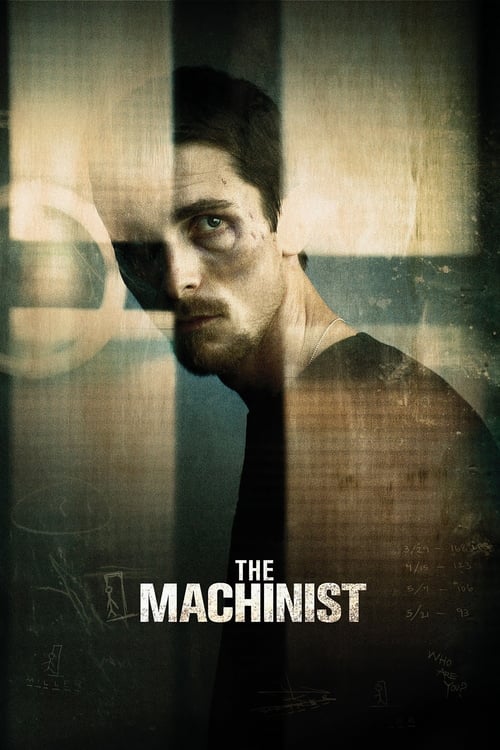
Brad Anderson constructs a gaunt, industrial nightmare around Trevor Reznik, a factory worker who claims not to have slept for a year. His body has deteriorated, his colleagues distrust him and a mysterious new employee appears to be pushing him towards complete psychological collapse.
Although often classified as a psychological thriller, The Machinist uses the imagery and emotional structure of horror. Anderson turns guilt into physical decay, creating a world in which machinery, architecture and even Trevor’s own body seem to accuse him.
32. The Tenant (1976)
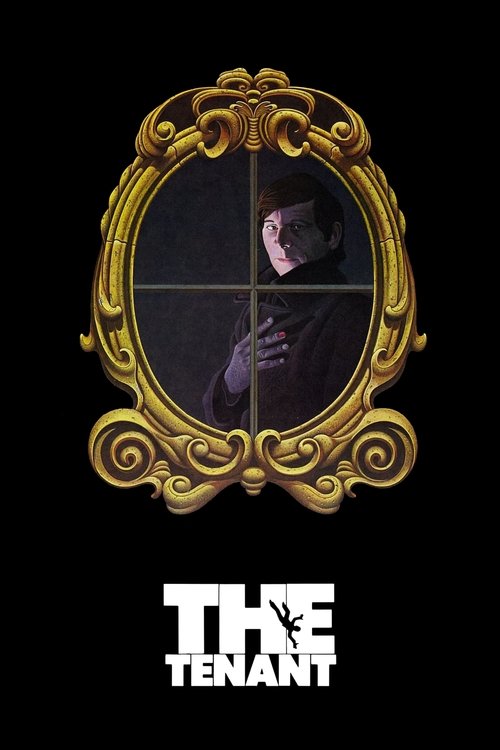
Roman Polanski completes his informal apartment trilogy with the story of a timid clerk who moves into a flat whose previous tenant attempted suicide. His neighbours enforce obscure rules, watch his movements and appear determined to reshape him into the woman who lived there before.
The film’s psychological horror emerges from the destruction of identity. Whether the conspiracy is real or imagined becomes less important than the speed with which the building, its residents and the protagonist’s own fears erase his sense of self.
31. Lake Mungo (2008)
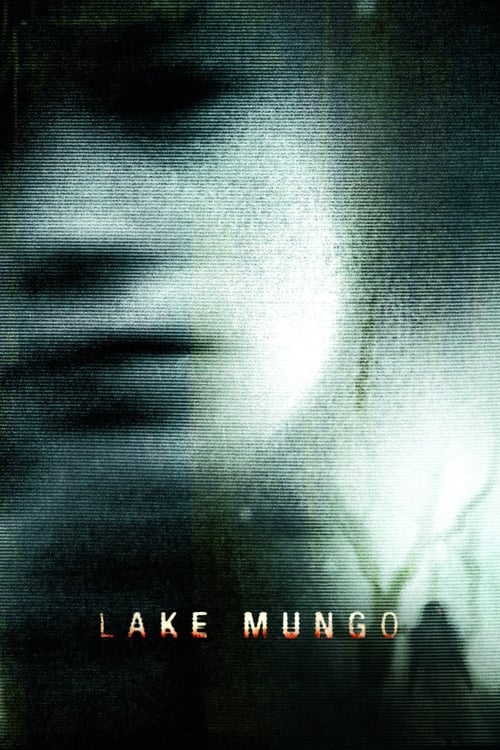
Joel Anderson presents Lake Mungo as a documentary investigating the drowning of a teenage girl and the strange events that follow her death. Interviews, photographs and domestic video gradually reveal that Alice Palmer’s family knew far less about her life than they believed.
The film avoids conventional scares for long stretches, allowing grief and uncertainty to accumulate through apparently ordinary evidence. Its most disturbing revelation concerns not merely death, but the possibility of witnessing one’s own disappearance in advance and being unable to make anyone understand.
30. Goodnight Mommy (2014)
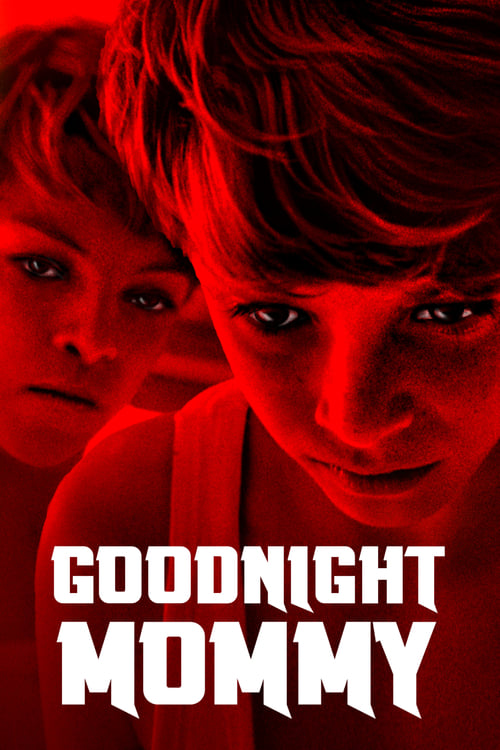
Veronika Franz and Severin Fiala follow twin brothers who become convinced that the woman returning home after facial surgery is not their real mother. Her bandaged face and altered behaviour appear to support their suspicions, but the children’s intense bond also makes their interpretation of events increasingly unreliable.
The directors use the family home as a sterile emotional prison. What begins as a possible story of replacement develops into an examination of denial, identity and the violence that can emerge when grief is protected from reality.
29. Bug (2006)
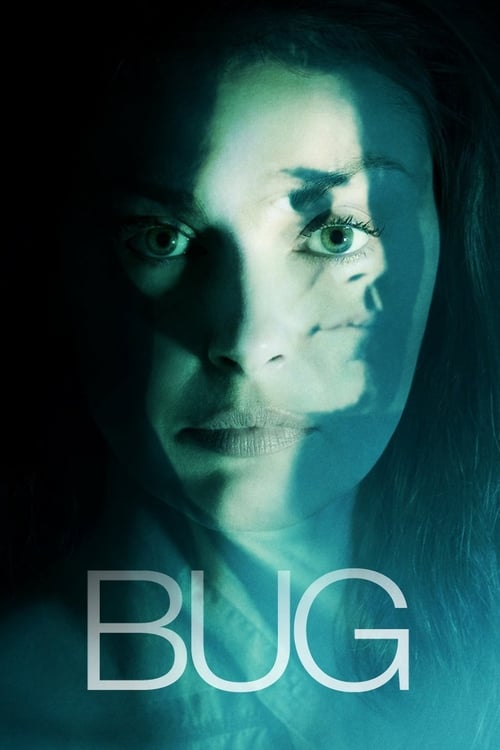
William Friedkin confines much of Bug to a motel room occupied by Agnes, a lonely woman traumatised by the disappearance of her son. Her relationship with a quiet drifter initially offers companionship, but his belief that microscopic insects have been implanted beneath his skin rapidly becomes contagious.
Friedkin charts the formation of a shared delusion without treating either character as a simple spectacle. Their paranoia gives form to real emotional wounds, making the motel room feel simultaneously like a sanctuary from the world and a sealed chamber in which fear can reproduce unchecked.
28. The Blackcoat’s Daughter (2015)
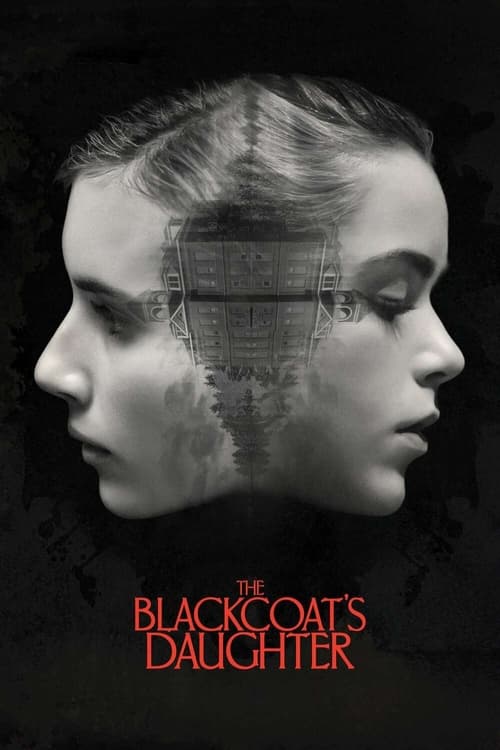
Osgood Perkins creates an atmosphere of winter isolation around a Catholic boarding school left almost empty during the holidays. Two students remain behind, while a separate storyline follows a disturbed young woman travelling through the frozen landscape.
Perkins allows the connection between the stories to emerge slowly, placing loneliness at the centre of the film’s demonic horror. Possession is not presented solely as an invasion. It also becomes a form of companionship whose loss may be as devastating as its presence.
27. The Others (2001)
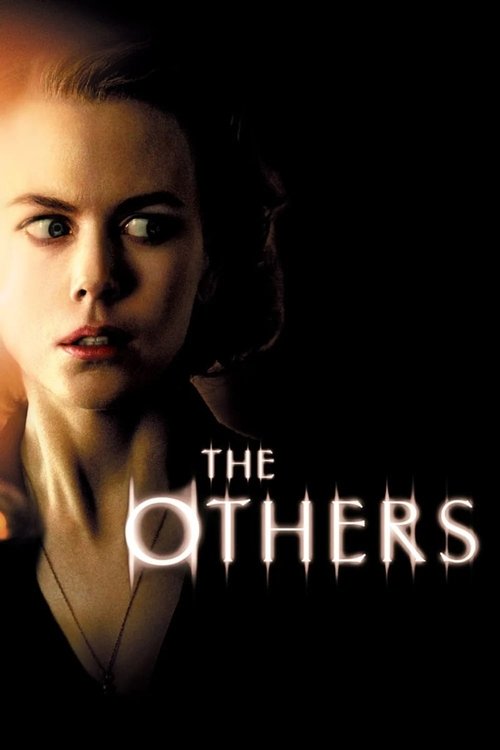
Alejandro Amenábar sets his ghost story inside a darkened country house where Grace raises two children who are dangerously sensitive to sunlight. Doors must be locked before others are opened, curtains must remain closed and every room operates according to strict rules.
The arrival of new servants and a series of unexplained noises cause Grace’s authority to unravel. Amenábar uses the conventions of the haunted-house film to examine denial, maternal control and the stories people construct when reality is too painful to accept.
26. It Comes at Night (2017)
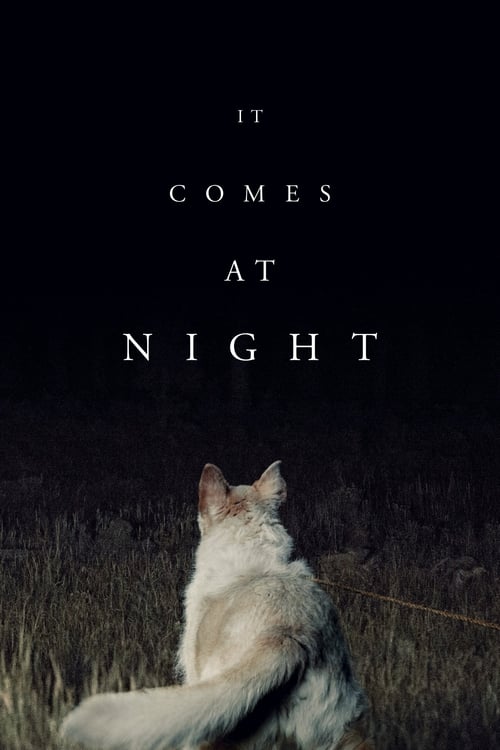
Trey Edward Shults strips post-apocalyptic horror down to two families sharing a house after an unexplained contagion has devastated the outside world. Their survival depends on routines, locked doors and mutual trust, yet each precaution also creates another reason for suspicion.
Shults keeps the nature of the external threat deliberately vague. The real horror comes from watching fear corrode cooperation until defensive behaviour becomes indistinguishable from aggression.
25. The Wailing (2016)
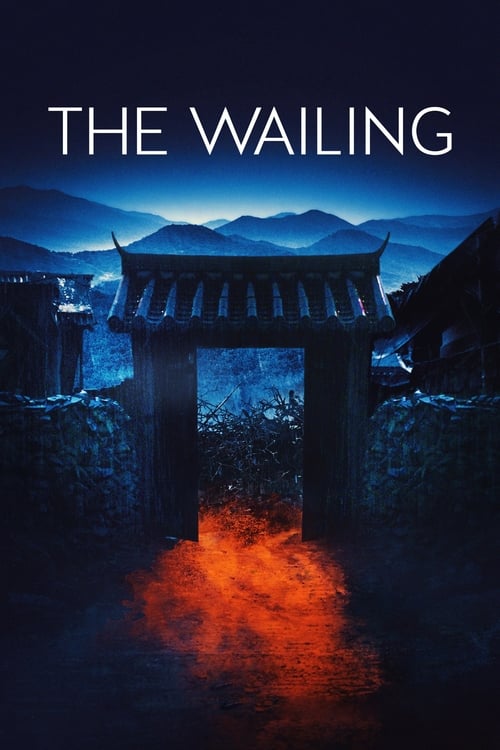
Na Hong-jin follows a provincial police officer investigating a wave of illness, violence and apparent possession connected to the arrival of a mysterious stranger. Every new explanation appears persuasive, but each is undermined by another ritual, witness or supernatural possibility.
Na uses that instability to place both his protagonist and the audience in a state of moral panic. The officer’s desperate attempts to save his daughter may be necessary, manipulated or catastrophically mistaken, and the film refuses to provide certainty until certainty can no longer help him.
24. Mother! (2017)
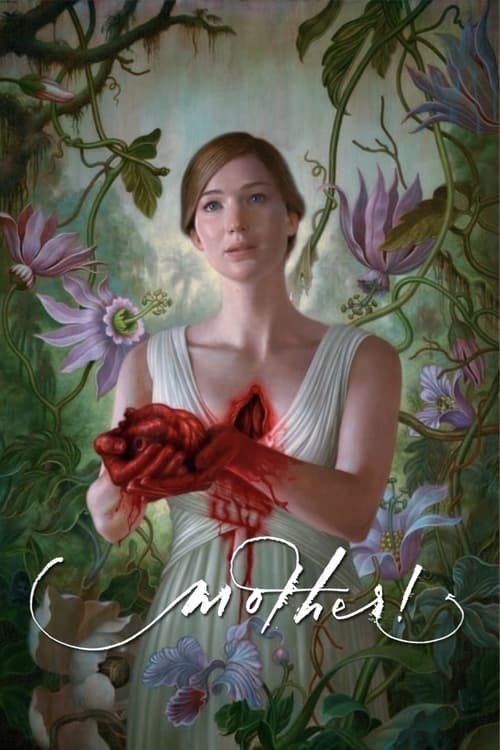
Darren Aronofsky turns a couple’s isolated home into a rapidly expanding nightmare of intrusion. A poet invites strangers into the house while his wife watches the private space she has created become crowded, damaged and eventually consumed.
The film operates simultaneously as domestic horror, religious allegory and an expression of creative exploitation. Aronofsky abandons realistic psychology as events escalate, but the subjective experience remains consistent: a woman repeatedly asks for her boundaries to be respected while everyone around her behaves as though she does not exist.
23. The Witch (2015)
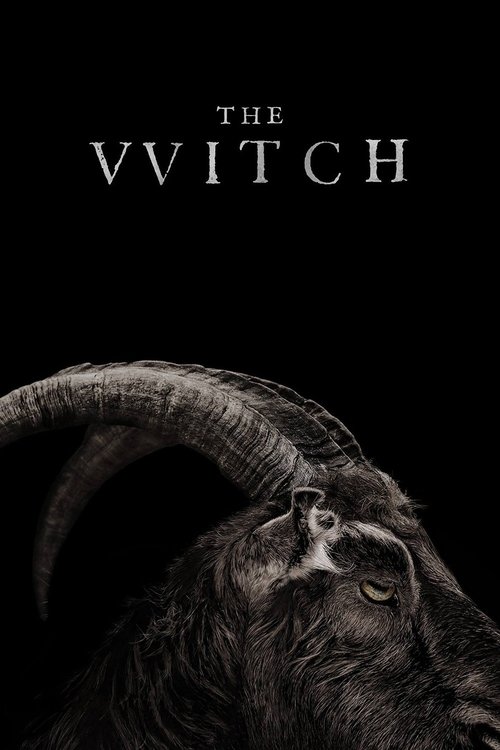
Robert Eggers places a Puritan family on the edge of an unforgiving wilderness after they are expelled from their settlement. When their infant disappears, suspicion falls upon the eldest daughter, Thomasin, while religious fear begins to fracture the household.
The existence of witchcraft does not remove the film’s psychological complexity. Eggers shows how repression, misogyny, guilt and fanaticism prepare the family to destroy itself long before the supernatural forces surrounding the farm fully reveal themselves.
22. The Lighthouse (2019)

Robert Eggers confines two lighthouse keepers to a remote island where labour, alcohol, resentment and myth gradually destroy any stable understanding of reality. Thomas Wake guards the lantern and exercises absolute authority, while Ephraim Winslow becomes increasingly obsessed with the light he is forbidden to see.
Eggers treats masculinity as ritual performance and psychological imprisonment. Time becomes uncertain, identities shift and the island appears to exist somewhere between a workplace, a purgatory and a mythological punishment.
21. Saint Maud (2019)
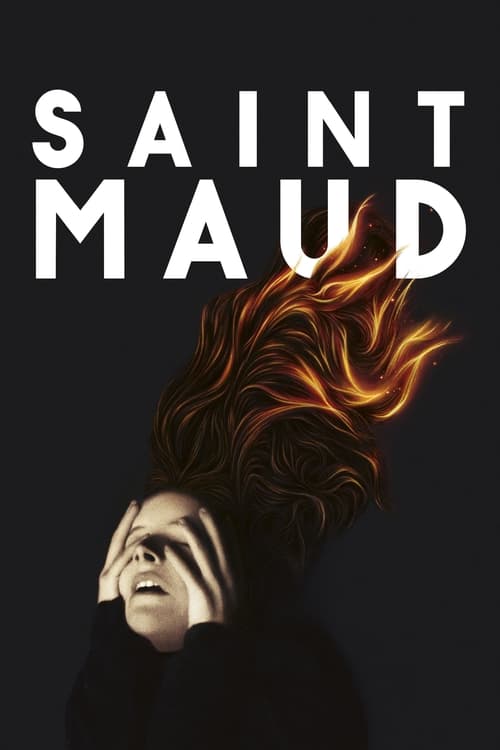
Rose Glass centres her debut feature on Maud, a private nurse who believes she has established a direct relationship with God. Assigned to care for a terminally ill former dancer, she becomes convinced that saving the woman’s soul is her divine purpose.
Glass keeps the audience close to Maud’s ecstatic experiences without confirming their source. Faith gives her isolation meaning, but it also transforms humiliation, desire and mental instability into evidence of a sacred mission.
20. A Tale of Two Sisters (2003)
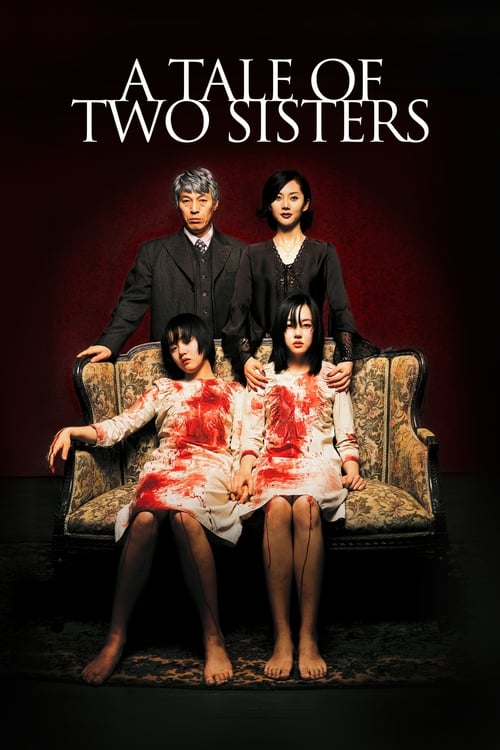
Kim Jee-woon follows two sisters returning to their family home after one of them receives psychiatric treatment. Their distant father and hostile stepmother create an atmosphere of emotional repression, while disturbing events suggest that the house is haunted by the family’s past.
Kim structures the film around memory’s ability to conceal unbearable truths. Its revelations do not simply explain earlier events; they expose the psychological mechanisms through which guilt has divided identities and rearranged reality.
19. The Babadook (2014)

Jennifer Kent introduces a sinister storybook creature into the home of Amelia, a widowed mother struggling to raise her troubled son. The Babadook grows more powerful as Amelia’s exhaustion, resentment and suppressed grief become increasingly impossible to control.
Kent never reduces the creature to a simple metaphor, but its connection to mourning gives the horror emotional weight. The film’s lasting power lies in its recognition that some forms of darkness cannot be defeated permanently. They must be acknowledged, contained and lived with.
18. Don’t Look Now (1973)

Nicolas Roeg follows a married couple travelling to Venice after the accidental death of their daughter. John becomes involved in the restoration of a church while Laura encounters two elderly sisters, one of whom claims to communicate with their dead child.
Roeg fragments time through editing, visual echoes and premonitions, creating the feeling that the characters are moving through a pattern whose meaning they cannot yet see. Grief alters not only their behaviour but the structure of the film itself.
17. Cure (1997)

Kiyoshi Kurosawa follows a detective investigating a series of murders committed by different people who cannot explain their actions. The only apparent connection is a wandering young man whose vague questions seem capable of dissolving the identities of those around him.
Kurosawa empties familiar spaces of reassurance, allowing silence and repetition to become sources of dread. The film suggests that violence may not need to be planted in people—it may only need permission to surface.
16. Eraserhead (1977)
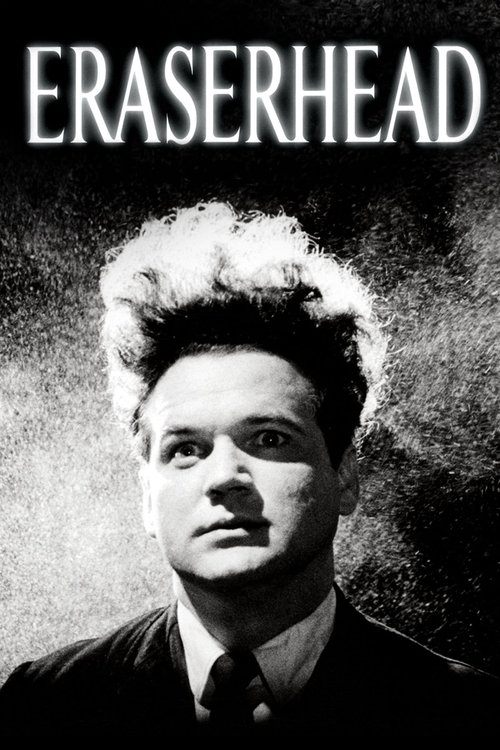
David Lynch turns industrial anxiety, sexual fear and reluctant parenthood into a monochrome nightmare. Henry Spencer lives in an environment of mechanical noise and decaying architecture before being left to care for a severely deformed infant.
Lynch does not organise the film according to conventional dream logic because dreams rarely explain themselves. Instead, images recur and mutate until the emotional reality becomes unmistakable: Henry is trapped by responsibilities, desires and fears he cannot articulate.
15. The Innocents (1961)
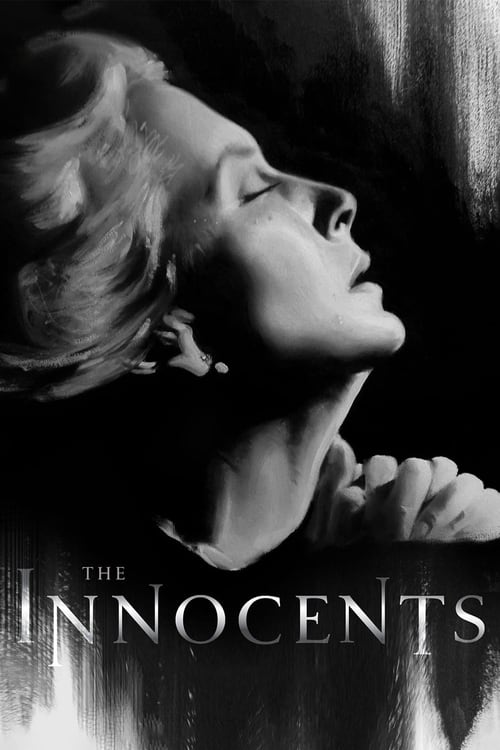
Jack Clayton adapts Henry James’s The Turn of the Screw as an elegant but deeply ambiguous ghost story. A governess arrives at a country estate to care for two apparently angelic children and becomes convinced that they are being influenced by the spirits of former employees.
Deborah Kerr’s performance keeps the film balanced between supernatural possession and psychological projection. Clayton repeatedly frames the governess as both observer and possible source of the horror, making her determination to save the children increasingly terrifying.
14. Black Swan (2010)
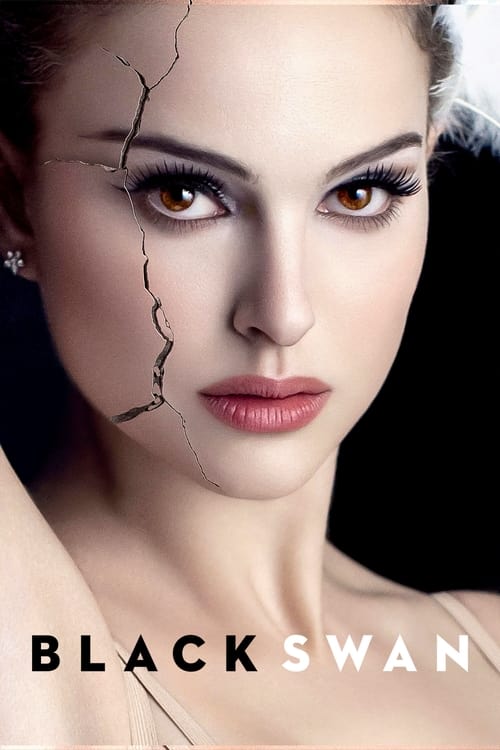
Darren Aronofsky follows a ballet dancer whose pursuit of perfection begins to dismantle her body and identity. Nina has the discipline required to perform the innocent White Swan but struggles to embody the sensuality and aggression of the Black Swan.
As competition, sexual repression and artistic pressure intensify, Nina sees doubles, wounds and physical transformations that may be hallucinations or expressions of a self she can no longer contain. Aronofsky turns artistic achievement into body horror, suggesting that perfection can be indistinguishable from self-destruction.
13. The Haunting (1963)
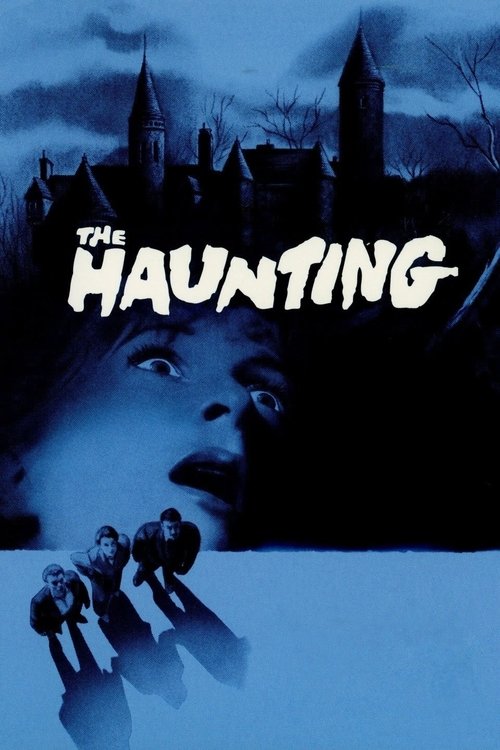
Robert Wise brings a group of investigators to Hill House, an enormous mansion with a history of death and unexplained activity. The story is experienced primarily through Eleanor, a lonely woman who has spent years caring for her mother and sees the expedition as a chance to begin a new life.
The house seems to recognise her need to belong. Wise relies on sound, architecture and suggestion rather than visible apparitions, making Hill House feel like an intelligence capable of speaking directly to Eleanor’s deepest vulnerabilities.
12. Jacob’s Ladder (1990)

Adrian Lyne follows Vietnam veteran Jacob Singer as his life becomes invaded by distorted faces, impossible memories and visions of bodily torment. His experiences suggest military experimentation, psychological breakdown, supernatural punishment and several other explanations without settling comfortably into any one of them.
Lyne creates a nightmare in which trauma destroys chronological time. Jacob is not simply remembering the past; he appears to be trapped inside competing versions of his own life, each offering a different way to interpret suffering and death.
11. The Silence of the Lambs (1991)
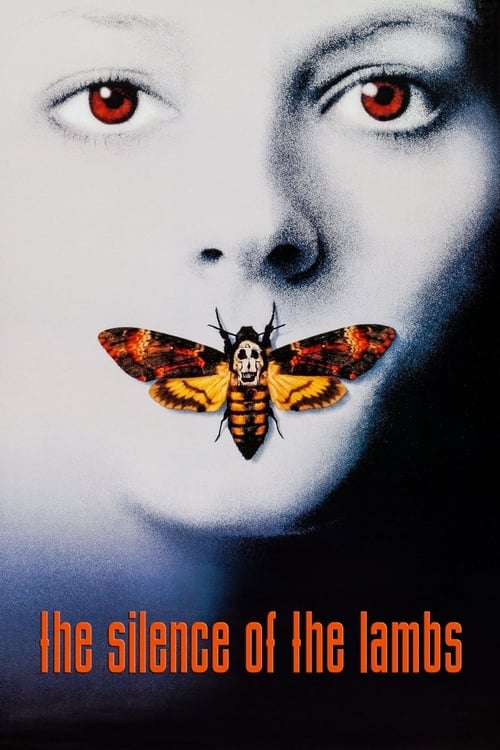
Jonathan Demme places FBI trainee Clarice Starling between two forms of predatory intelligence. She seeks help from imprisoned psychiatrist and murderer Hannibal Lecter while attempting to identify another serial killer before he claims his next victim.
Although it is frequently classified as a psychological thriller, Demme uses the visual and emotional language of horror throughout. Clarice is scrutinised by men, enclosed in hostile spaces and forced to enter the mental worlds of killers without allowing them to define her.
10. Audition (1999)

Takashi Miike begins with the restrained story of a widower who stages a false film audition to find a potential partner. His attention settles on Asami, a quiet young woman whose apparent vulnerability encourages him to imagine that she can fulfil his ideal of femininity.
Miike gradually reveals the cruelty built into that fantasy. The film’s later violence is shocking, but its deeper horror lies in the characters’ mutual objectification and in the possibility that desire has prevented both of them from seeing the person in front of them.
9. Perfect Blue (1997)

Satoshi Kon follows pop singer Mima Kirigoe as she leaves her successful music group to pursue acting. Her new career requires her to perform increasingly disturbing material, while an obsessive fan and an online diary appear to know details of her life that should be private.
Kon dissolves the boundaries between performance, memory and identity with extraordinary precision. Scenes from Mima’s television programme merge with her lived experience, and an idealised version of her former pop persona begins to accuse her of betraying herself. Perfect Blue remains one of the genre’s most influential examinations of celebrity, surveillance and the psychological cost of being transformed into an image other people believe they own.
8. The Sixth Sense (1999)
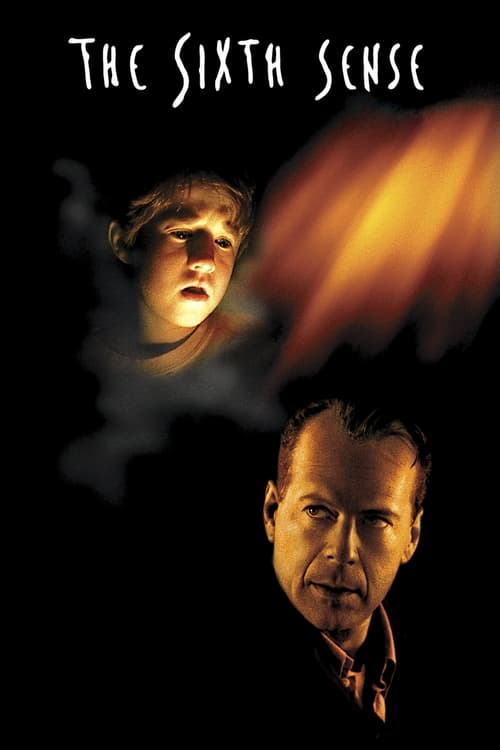
M. Night Shyamalan tells the story of a child psychologist attempting to help Cole, a withdrawn boy who claims to see dead people. The film became famous for its final revelation, but its enduring power comes from the seriousness with which Shyamalan treats fear, grief and communication.
Cole’s terror is intensified because adults repeatedly misinterpret his behaviour. The supernatural becomes less frightening once someone finally believes him, turning the film into a story about the emotional damage caused by being unable to express an unbearable reality.
7. Rosemary’s Baby (1968)
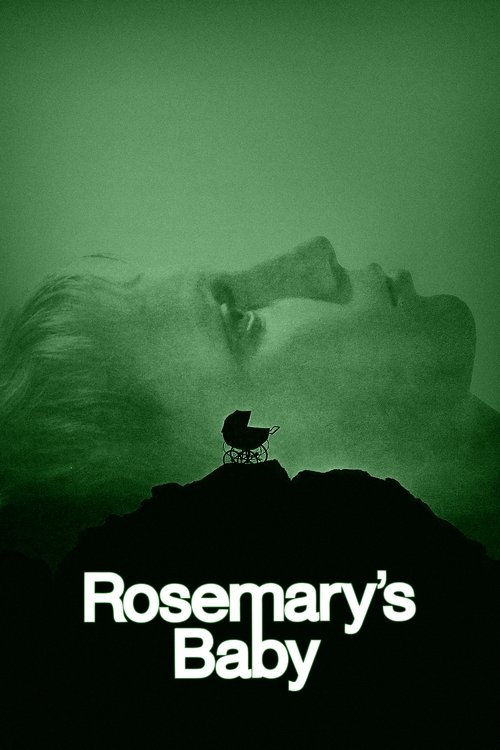
Roman Polanski follows Rosemary Woodhouse as she moves into a New York apartment building with her ambitious husband. After becoming pregnant, she begins to suspect that their intrusive neighbours and even her spouse are controlling her body for their own purposes.
The film remains disturbing because almost every stage of Rosemary’s violation is presented as care. Doctors dismiss her pain, neighbours invade her privacy and her husband undermines her judgement, creating a nightmare in which social authority makes resistance appear irrational.
6. Hereditary (2018)
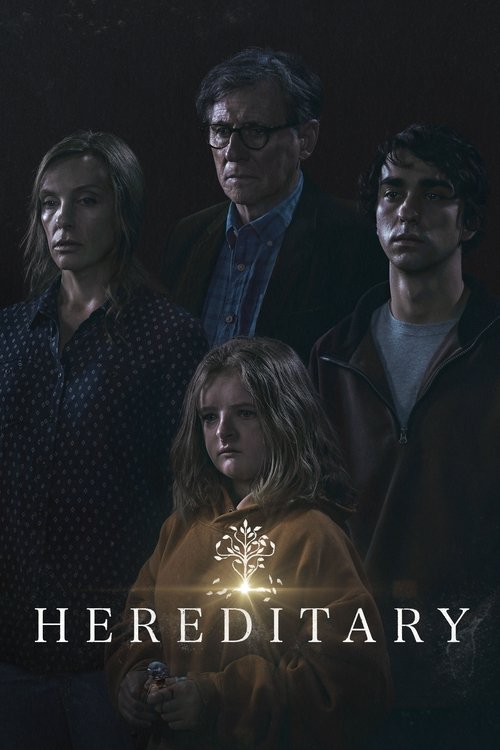
Ari Aster begins with the death of a family matriarch and follows the emotional devastation spreading through the relatives she leaves behind. Annie, her husband and their children respond differently to grief, but each appears trapped inside patterns established long before the film begins.
Aster eventually reveals a supernatural design, yet the horror remains rooted in family psychology. Trauma behaves like an inheritance, passing between generations until the characters can no longer determine which parts of their lives were chosen and which were prepared for them.
5. The Exorcist (1973)
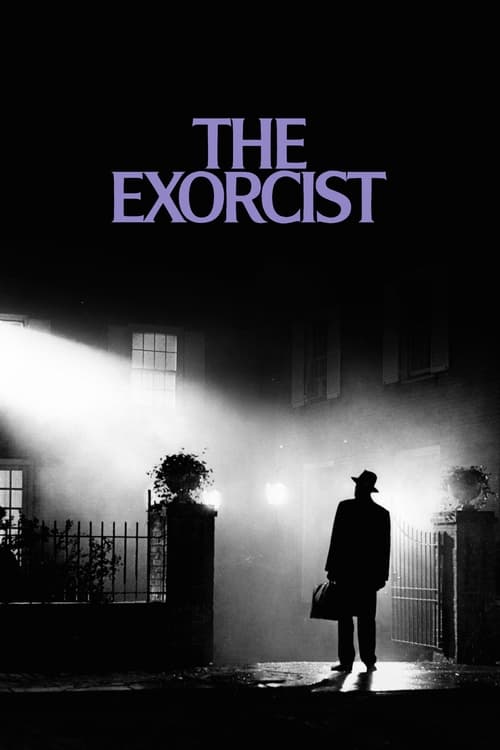
William Friedkin grounds demonic possession in the emotional reality of a mother watching her daughter become unrecognisable. Chris MacNeil first seeks medical explanations for Regan’s behaviour, but each procedure and diagnosis only intensifies the sense that modern institutions are unable to reach her.
Friedkin treats the supernatural conflict with documentary seriousness. The film’s psychological horror arises from helplessness: a child loses control of her body, a mother cannot protect her and a priest confronting his own crisis of faith must decide whether belief is a source of strength or another form of vulnerability.
4. Repulsion (1965)
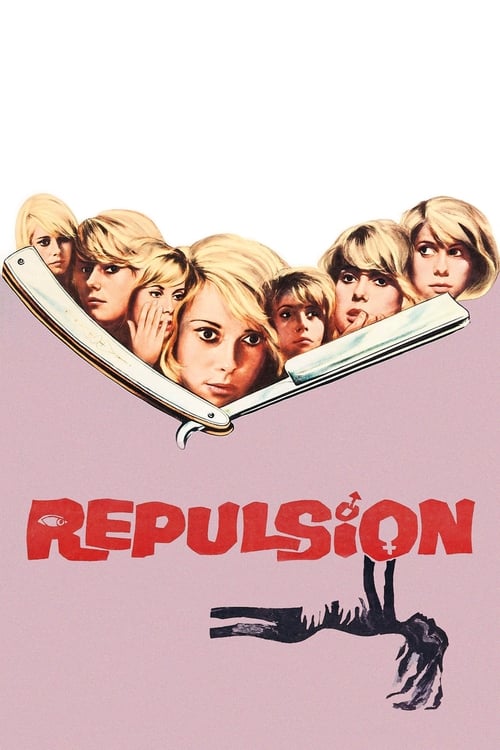
Roman Polanski confines Carol, a withdrawn young woman, to a London apartment as her fear of sexual contact develops into hallucination and violence. Cracks appear in the walls, hands emerge from the darkness and ordinary domestic objects acquire threatening meanings.
The film’s subjective imagery never allows the audience to escape Carol’s mental state. Her isolation may protect her from unwanted attention, but it also creates a sealed environment in which fear can reshape every surface.
3. Possession (1981)
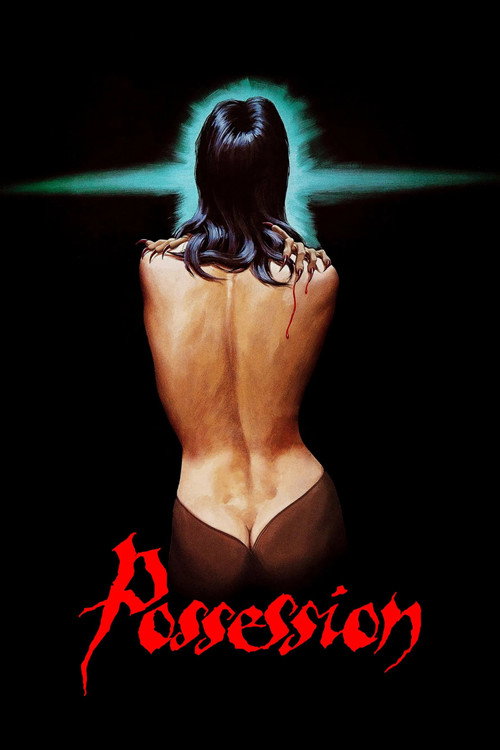
Andrzej Żuławski transforms the collapse of a marriage into one of cinema’s most emotionally extreme works of horror. Mark returns to West Berlin and discovers that his wife, Anna, wants to leave him, but her secrecy appears to involve far more than an ordinary affair.
Żuławski pushes performance, camera movement and symbolism beyond realism, giving physical form to jealousy, resentment and divided identity. The film is simultaneously a relationship drama, political allegory, creature feature and portrait of two people destroying one another because neither can accept what the other has become.
2. Psycho (1960)
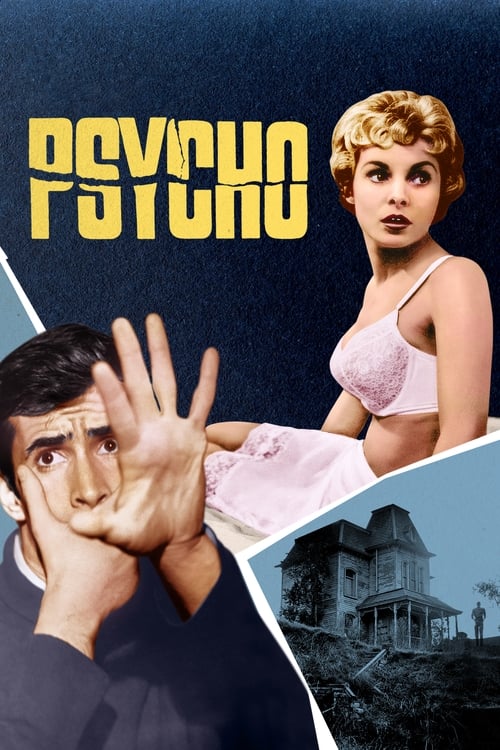
Alfred Hitchcock disrupted the structure of mainstream cinema by shifting the audience’s identification from Marion Crane to the isolated motel owner Norman Bates. What begins as a crime story becomes a study of voyeurism, repression and fractured identity.
Hitchcock’s control of point of view makes the audience complicit. We hide Marion’s theft with her, fear that Norman’s crime will be discovered and repeatedly adjust our loyalties according to the information the film chooses to reveal.
1. The Shining (1980)
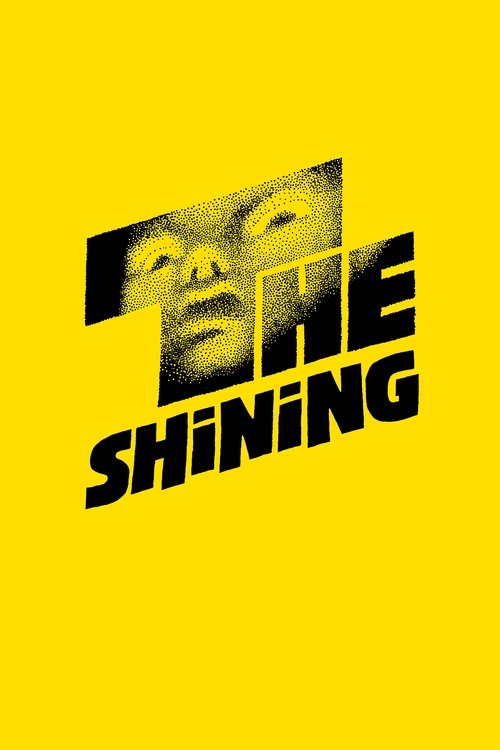
Stanley Kubrick created the definitive psychological horror film by combining domestic abuse, supernatural influence, spatial disorientation and the terror of isolation. Jack Torrance does not enter the Overlook as an emotionally healthy man who is suddenly corrupted. His resentment, alcoholism and history of violence make him receptive to what the hotel offers.
The Overlook is terrifying because it appears to exist both outside and inside the family. Its corridors lead where they should not, its history repeats through new occupants and its ghosts encourage Jack to embrace the authority and violence he already desires. Kubrick leaves individual mysteries unresolved while making the central horror unmistakable: the family has entered a place designed to turn private damage into an eternal pattern.
Psychological Horror Movies About Grief and Trauma
Some of the strongest modern psychological horror films use supernatural events to express emotions that characters cannot confront directly. The Babadook turns unprocessed grief into a creature that cannot simply be destroyed, while Hereditary presents trauma as an inheritance passed through a family without its consent.
The Night House, Lake Mungo and Don’t Look Now also centre on bereavement, but each approaches it differently. One explores the secrets concealed within a marriage, another examines the unknowability of a dead child, and the third turns grief into a disturbance of time and perception.
These films are frightening because their supernatural elements do not offer escape from emotional reality. They force the characters to encounter it in another form.
Psychological Horror Movies About Identity
Films such as Black Swan, The Tenant, Perfect Blue and Possession treat identity as unstable. Their characters encounter doubles, replacements or alternative selves representing qualities they have attempted to repress.
The fear is not merely that another person may take their place. It is that the supposedly separate identity has always been part of them. Psychological horror frequently uses doubling to expose the distance between the person a character performs and the impulses they are unable to acknowledge.
Psychological Horror Movies About Isolation
Isolation does not need to mean complete physical solitude. Jack Torrance is surrounded by his family in The Shining, Maud continues to interact with patients and strangers in Saint Maud, and Rosemary lives in the middle of New York. Each character is nevertheless separated from anyone capable of confirming their experience.
This lack of reliable witnesses allows psychological horror to flourish. When no one believes the protagonist—or when the protagonist cannot trust their own mind—the most ordinary environment can become a trap.
Modern Psychological Horror Movies
The recent resurgence of psychological horror has been driven by filmmakers willing to combine genre storytelling with intensely personal subjects. Ari Aster’s Hereditary, Jennifer Kent’s The Babadook, Rose Glass’s Saint Maud and Robert Eggers’s The Witch use horror to examine families, faith, repression and inherited trauma.
These films are sometimes described as elevated horror, although the term can misleadingly suggest that earlier horror lacked artistic ambition. Psychological complexity has always been central to the genre, from The Cabinet of Dr. Caligari and Psycho to Repulsion, The Exorcist and The Shining.
What has changed is the commercial visibility of independently produced, director-led horror. Modern audiences have demonstrated an appetite for films that deliver dread and disturbing imagery while leaving space for ambiguity, interpretation and emotionally difficult ideas.
Why Psychological Horror Stays With Us
A conventional monster can be defeated, escaped or destroyed. Psychological horror is more difficult to contain because its threats are often connected to emotions and impulses that cannot simply be removed.
The greatest films in the genre do not finish when the danger has passed. They leave behind unanswered questions about identity, memory, grief and the reliability of perception. We continue turning them over because the horror has not been confined to the screen.
Whether the threat is a ghost, a cult, a fractured personality or a family history repeating itself, psychological horror asks the same unsettling question: what happens when the mind can no longer protect us from what it knows?
The 10 Best Modern Psychological Horror Movies Since 2023
Psychological horror has become one of the most adventurous areas of contemporary independent cinema. Recent filmmakers have used the genre to explore identity, ageing, grief, surveillance, religious obsession, coercive control and the fear of losing authority over one’s own body or life.
These films do not all involve ghosts, demons or supernatural forces. What connects them is the way they create horror through psychological vulnerability, emotional disintegration and characters whose sense of safety, identity or reality is gradually dismantled.
10. Birth/Rebirth (2023)
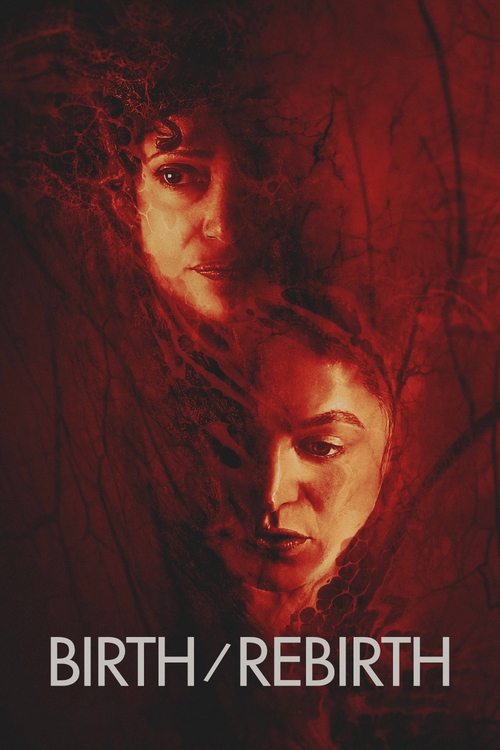
Laura Moss reimagines the Frankenstein story through two women whose lives become connected by the death of a young child. Rose is a pathologist conducting secret experiments on the dead, while Celie is a maternity nurse devastated by the sudden loss of her daughter.
Their alliance begins as an impossible expression of maternal grief but develops into an increasingly disturbing series of moral compromises. Moss avoids the theatrical grandeur normally associated with resurrection stories, replacing it with clinical spaces, bodily procedures and the cold practicalities of keeping the dead alive.
The film’s psychological horror lies in the way grief can transform the unthinkable into something that appears necessary. Neither woman sees herself as a monster, yet their determination to resist death gradually removes every ethical boundary that once defined them.
9. Stopmotion (2023)
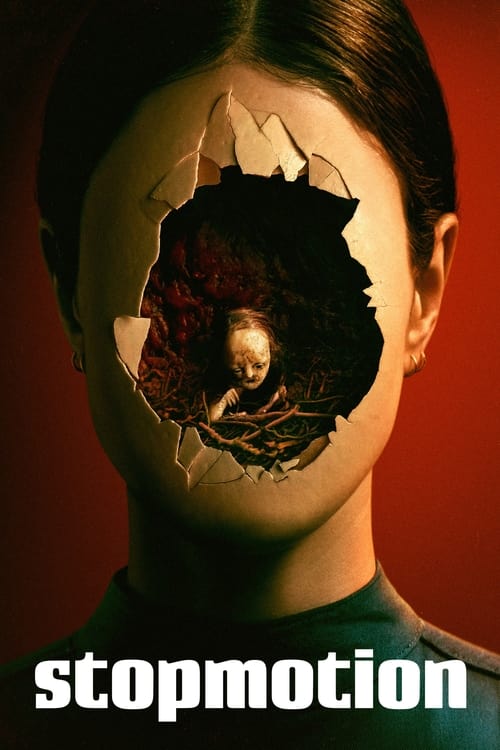
Robert Morgan centres his feature debut on Ella, a stop-motion animator struggling to complete a film begun under the controlling supervision of her celebrated mother. After her mother becomes incapacitated, Ella attempts to continue alone but is drawn into a new story suggested by a mysterious young girl.
The figures in Ella’s animation become increasingly grotesque as the boundaries between her creative work and physical reality begin to collapse. Flesh, wax, bone and fabric seem interchangeable, turning the process of artistic creation into an act of bodily violation.
Morgan uses stop-motion not simply as a visual novelty but as an expression of obsession and control. Ella believes she is directing the figures, yet the film steadily suggests that the story is directing her, demanding increasingly personal sacrifices before it will allow itself to be completed.
8. The Devil’s Bath (2024)
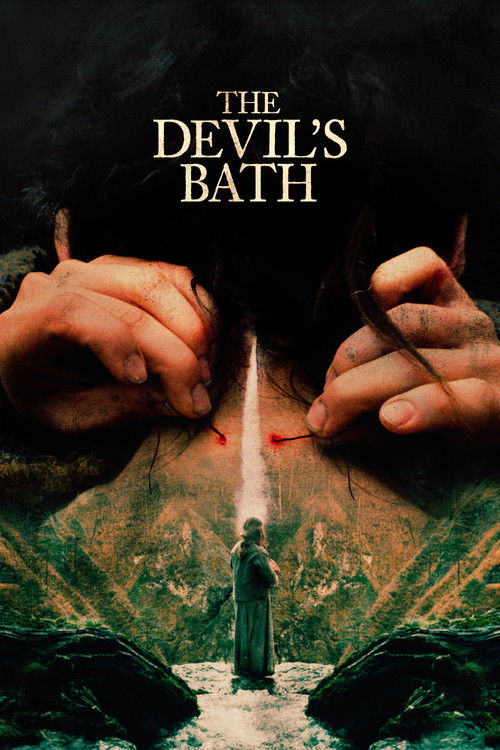
Veronika Franz and Severin Fiala set their film in eighteenth-century rural Austria, where Agnes enters an arranged marriage and finds herself trapped by domestic labour, religious expectation and profound emotional isolation.
Unable to articulate her psychological distress within a culture that interprets suffering through sin and punishment, Agnes searches for a desperate route out of her life. The film draws upon documented historical cases in which suicidal people committed capital crimes because they believed execution would allow them to confess and receive salvation.
Franz and Fiala create horror without relying on a conventional supernatural threat. The terror comes from watching a woman’s mental state deteriorate inside a social order incapable of recognising her pain except as moral failure.
7. Blood Star (2024)
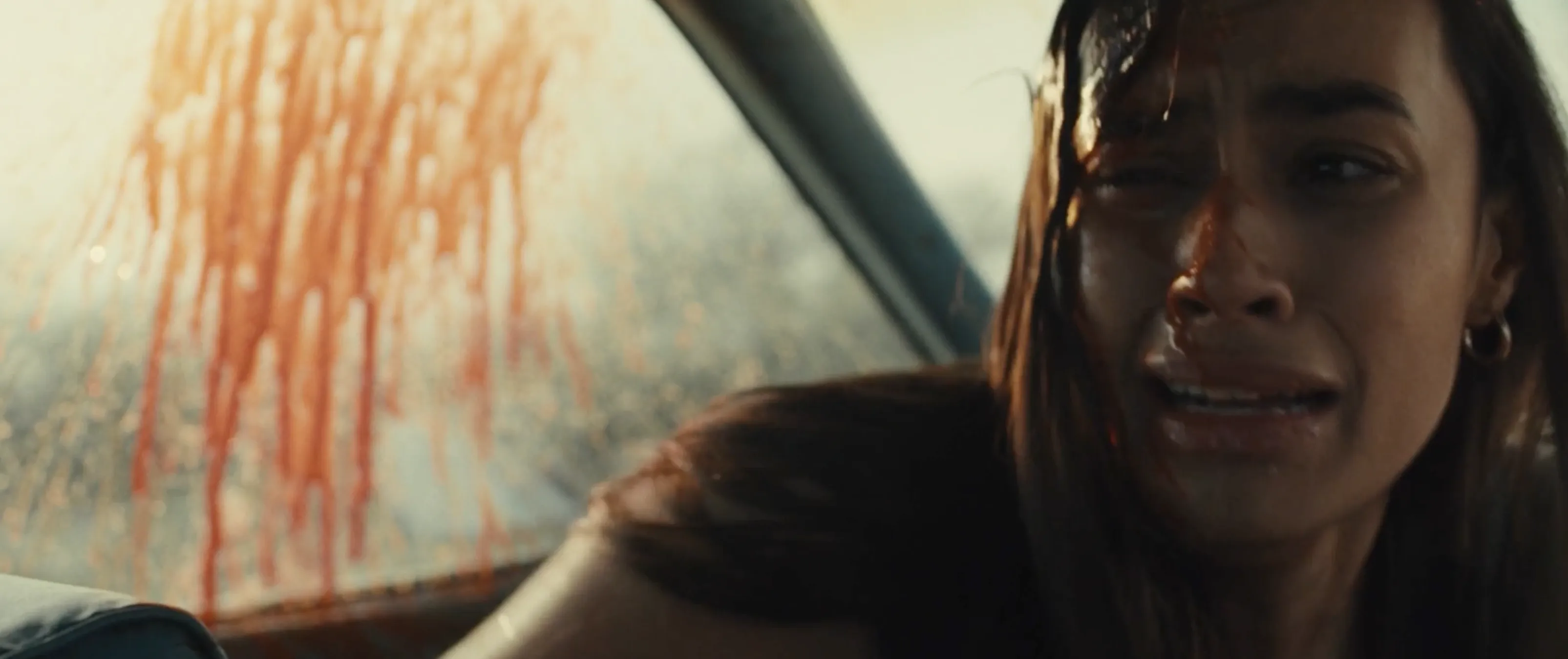
Lawrence Jacomelli brings psychological horror into the exposed landscape of the desert. Bobbi, a young woman travelling alone, becomes the target of a small-town sheriff who uses his badge, local authority and knowledge of the terrain to trap her inside a sadistic game.
The film’s horror comes from the systematic removal of control. The sheriff isolates Bobbi, takes away her means of communication and attempts to dictate how every encounter will end. The apparently open desert gradually becomes a psychological prison in which the person responsible for protecting the public is also the source of danger.
Bobbi’s struggle is not only to survive physical violence but to reject the identity the sheriff has assigned to her: helpless victim, obedient participant and disposable outsider. Her final act of resistance turns his own assumptions against him, transforming the climax into a battle over who controls the encounter and how the story will end.
Watch Blood Star and find streaming options.
Discover how Blood Star was made.
6. Late Night with the Devil (2023)
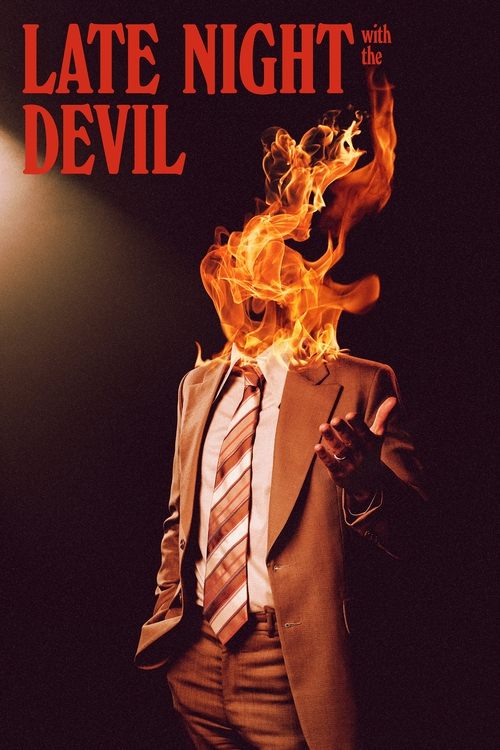
Cameron and Colin Cairnes present their film as the recovered broadcast of a live American television programme aired on Halloween night in 1977. Struggling host Jack Delroy plans an occult-themed episode intended to reverse his declining ratings, but the evening’s guests include a young survivor of a satanic cult who may be carrying something with her.
The live television format turns entertainment itself into a psychological trap. Jack repeatedly ignores warnings because abandoning the broadcast would mean accepting professional failure, while producers and viewers encourage events to continue because danger has become compelling content.
Beneath its possession narrative, the film is about ambition, grief and self-deception. Jack’s need to regain control of his career becomes the very weakness through which control is taken from him.
5. Beau Is Afraid (2023)
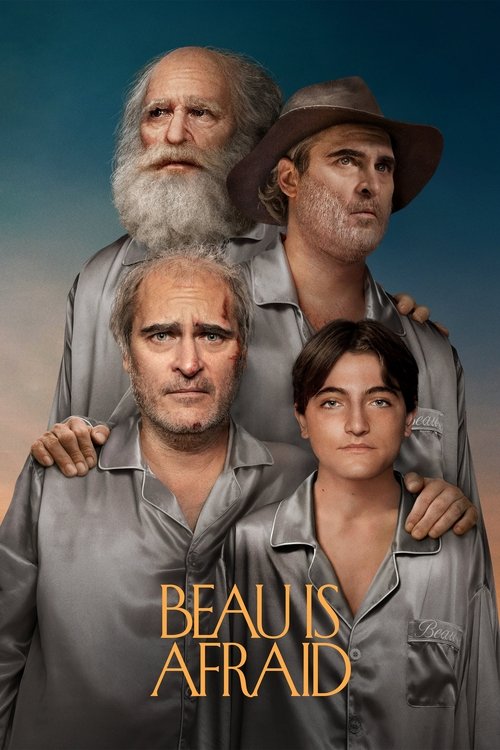
Ari Aster follows an intensely anxious man attempting to travel home after the death of his mother. What should be a relatively simple journey expands into an episodic nightmare in which every environment appears designed to confirm Beau’s belief that the world is dangerous and that he is incapable of surviving it.
Aster places the audience inside a consciousness shaped by guilt, dependency and lifelong emotional manipulation. Ordinary decisions become impossible trials, while strangers, institutions and family memories all seem to participate in the same system of punishment.
The film’s shifting realities may be hallucinations, exaggerations or literal events, but their emotional logic remains consistent. Beau experiences life as a sequence of accusations for which he can never provide an adequate defence.
4. I Saw the TV Glow (2024)
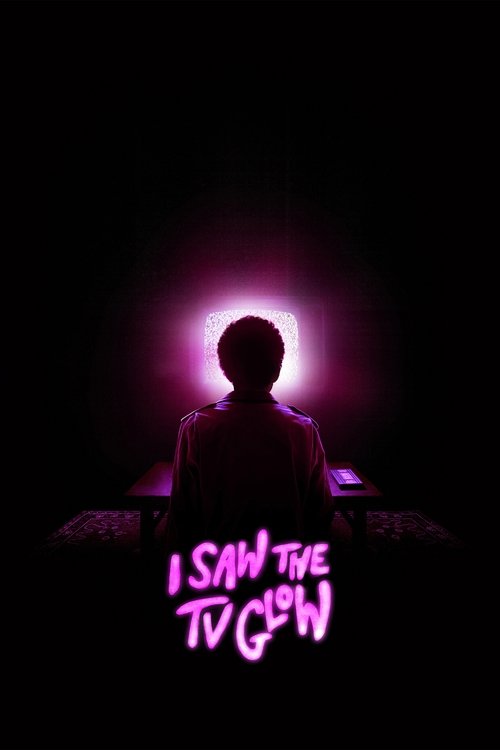
Jane Schoenbrun follows Owen and Maddy, two isolated teenagers who form a connection through a mysterious late-night television series called The Pink Opaque. The programme offers them a private mythology and an alternative reality that feels more authentic than their ordinary lives.
As the years pass, Owen becomes increasingly uncertain whether the series was fictional or whether his real identity exists somewhere beyond the life he has accepted. Time accelerates, memories become unstable and the familiar world begins to resemble a poorly constructed imitation.
Schoenbrun uses psychological horror to explore repression, identity and the terror of recognising that one may have spent years living the wrong life. Its deepest fear is not transformation but the possibility of understanding oneself and still being too frightened to change.
3. Infinity Pool (2023)
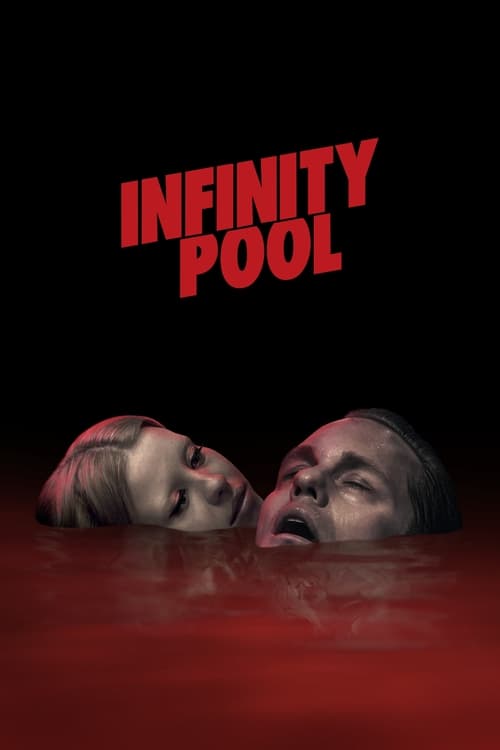
Brandon Cronenberg follows unsuccessful novelist James Foster while he holidays with his wife at an exclusive resort in a fictional country. After causing a fatal accident, James learns that wealthy visitors can avoid execution by paying for a physical duplicate to be punished in their place.
The experience removes the ordinary consequences of violence and introduces James to a group of privileged tourists who treat murder, humiliation and bodily destruction as forms of recreation. Each duplicate makes his identity feel less stable and his original self less valuable.
Cronenberg turns immunity from consequences into a form of psychological decay. James is not merely corrupted by the group; he becomes fascinated by the opportunity to witness his own death repeatedly while continuing to exist.
2. Longlegs (2024)
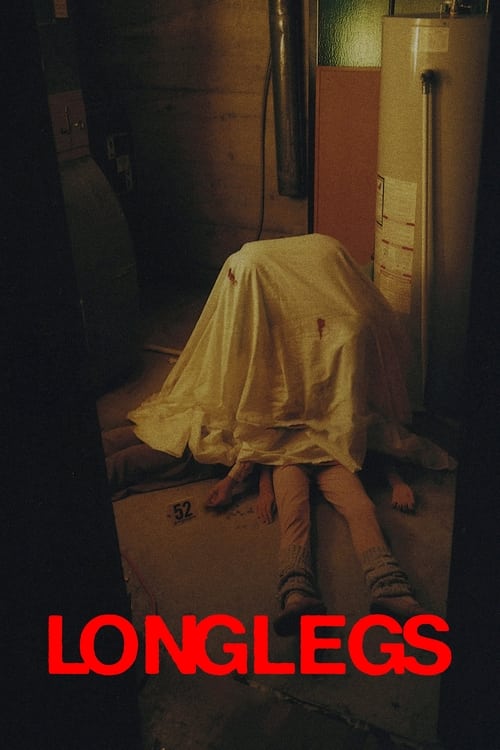
Osgood Perkins combines serial-killer procedural, occult horror and psychological dread in the story of FBI agent Lee Harker. Her unusual intuition makes her valuable in the investigation of a series of family murders apparently committed without the killer ever entering the victims’ homes.
As Harker uncovers encoded messages and connections to her own childhood, the case ceases to be an external mystery. Her memories, family history and professional identity all appear to have been shaped by forces operating beyond her awareness.
Perkins creates unease through silence, distance and the repeated suggestion that something terrible is already present at the edge of the frame. The film’s horror lies in the possibility that Harker has not simply discovered the pattern but has occupied a place within it all along.
1. The Substance (2024)
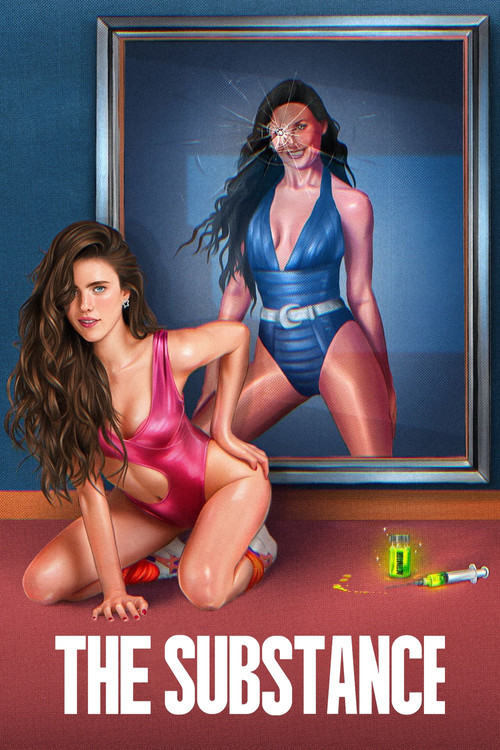
Coralie Fargeat turns fear of ageing and the entertainment industry’s obsession with youth into an extravagant work of psychological and body horror. Elisabeth Sparkle, a television personality discarded once she is considered too old, uses a mysterious treatment capable of producing a younger version of herself.
Elisabeth and Sue must share one life according to strict rules, but the younger body rapidly becomes more successful, admired and socially valuable. Their relationship develops into a violent expression of self-loathing in which each regards the other as the obstacle preventing her from possessing the life she deserves.
The film’s spectacular bodily transformations grow from an essentially psychological conflict. Elisabeth has internalised the judgement of an industry that views ageing as failure, and the substance gives that judgement physical form. Fargeat presents the desire to escape one’s own body as both understandable and catastrophically destructive.
Why Modern Psychological Horror Is Thriving
The strongest recent psychological horror movies are frequently director-led independent films that combine recognisable genre elements with difficult emotional and social subjects. Their characters face killers, possession, resurrection and physical transformation, but those threats are connected to deeper fears involving identity, grief, ageing, ambition, isolation and control.
Films such as The Substance, Longlegs and Late Night with the Devil also demonstrate that psychological horror can be commercially accessible without abandoning ambiguity or stylistic ambition. Audiences are increasingly willing to enter cinemas for films that offer striking imagery and suspense while still leaving room for interpretation.
Blood Star belongs within this modern movement because its horror is rooted in psychological domination rather than supernatural mythology. Bobbi’s refusal to follow the ending he has prepared for her is both a survival strategy and a recovery of psychological control.
Frequently Asked Questions
Frequently Asked Questions
The Shining, Hereditary, The Exorcist, The Babadook and The Innocents are among the most frightening psychological horror films. The effect depends on the viewer, but each creates fear through atmosphere, emotional distress and uncertainty rather than relying only on sudden shocks.
Psychological thrillers build suspense around manipulation, obsession, crime and unstable perception. Psychological horror uses similar elements but pushes them towards terror, supernatural dread, bodily violation or existential fear. Films such as Black Swan, Jacob’s Ladder and The Silence of the Lambs occupy the territory between the two genres.
Yes. The Shining is one of the defining psychological horror films because its supernatural events are inseparable from Jack Torrance’s alcoholism, resentment, violence and deteriorating mental state.
Yes. Hereditary combines supernatural and occult horror with an intense examination of grief, family trauma and inherited patterns of behaviour.
No. Films such as Repulsion, Psycho, Bug and Black Swan create horror primarily through disturbed perception, repression and psychological collapse. The threat may be entirely human even when the imagery feels supernatural.
The strongest recent examples include Hereditary, The Babadook, The Witch, Saint Maud, The Lighthouse, The Night House, The Lodge, Censor and The Blackcoat’s Daughter.
Viewers who enjoy The Shining should consider The Lighthouse, The Lodge, Session 9, The Innocents, The Haunting, The Blackcoat’s Daughter and The Others. Each uses isolation, architecture and uncertain perception to create dread.
Watch Blood Star Free
If you like films such as The Hitcher, Wolf Creek and No Country for Old Men, discover Blood Star, the psychological desert thriller directed by Lawrence Jacomelli.
Now streaming free with ads in the USA.


See every legitimate way to watch Blood Star free in the USA →
Related: the new Resident Evil movie and 12 survival horror films that share its sense of vulnerability.
Film posters courtesy of The Movie Database (TMDB). This product uses the TMDB API but is not endorsed or certified by TMDB.
More on Blood Star
- Watch Blood Star free on Tubi & Prime Video (USA)
- Thrillers similar to Blood Star
- Blood Star: Ending Explained
- Blood Star — Cast & Filmmakers

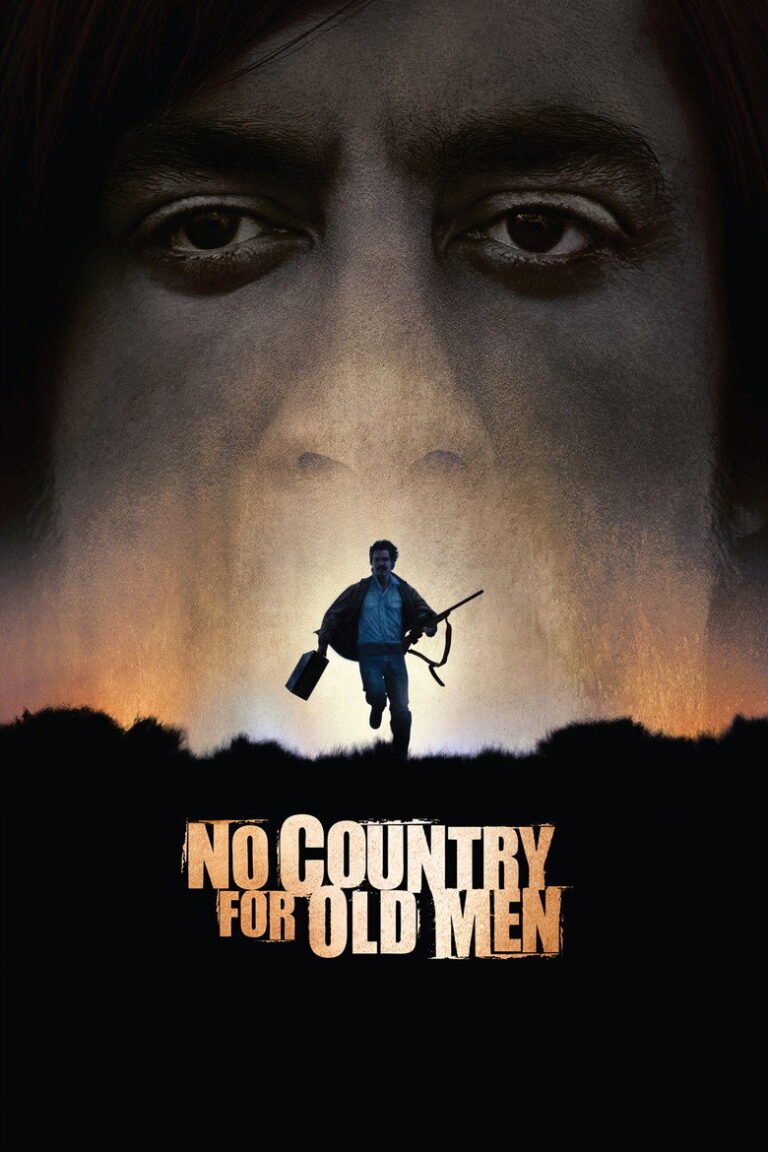
Table of Contents
- What Are the Best Psychological Horror Movies?
- What Makes a Film Psychological Horror?
- The 40 Best Psychological Horror Movies
- 40. Censor (2021)
- 39. Session 9 (2001)
- 38. The Lodge (2019)
- 37. The Invitation (2015)
- 36. The Killing of a Sacred Deer (2017)
- 35. The Night House (2020)
- 34. Images (1972)
- 33. The Machinist (2004)
- 32. The Tenant (1976)
- 31. Lake Mungo (2008)
- 30. Goodnight Mommy (2014)
- 29. Bug (2006)
- 28. The Blackcoat’s Daughter (2015)
- 27. The Others (2001)
- 26. It Comes at Night (2017)
- 25. The Wailing (2016)
- 24. Mother! (2017)
- 23. The Witch (2015)
- 22. The Lighthouse (2019)
- 21. Saint Maud (2019)
- 20. A Tale of Two Sisters (2003)
- 19. The Babadook (2014)
- 18. Don’t Look Now (1973)
- 17. Cure (1997)
- 16. Eraserhead (1977)
- 15. The Innocents (1961)
- 14. Black Swan (2010)
- 13. The Haunting (1963)
- 12. Jacob’s Ladder (1990)
- 11. The Silence of the Lambs (1991)
- 10. Audition (1999)
- 9. Perfect Blue (1997)
- 8. The Sixth Sense (1999)
- 7. Rosemary’s Baby (1968)
- 6. Hereditary (2018)
- 5. The Exorcist (1973)
- 4. Repulsion (1965)
- 3. Possession (1981)
- 2. Psycho (1960)
- 1. The Shining (1980)
- Psychological Horror Movies About Grief and Trauma
- Psychological Horror Movies About Identity
- Psychological Horror Movies About Isolation
- Modern Psychological Horror Movies
- Why Psychological Horror Stays With Us
- The 10 Best Modern Psychological Horror Movies Since 2023
- 10. Birth/Rebirth (2023)
- 9. Stopmotion (2023)
- 8. The Devil’s Bath (2024)
- 7. Blood Star (2024)
- 6. Late Night with the Devil (2023)
- 5. Beau Is Afraid (2023)
- 4. I Saw the TV Glow (2024)
- 3. Infinity Pool (2023)
- 2. Longlegs (2024)
- 1. The Substance (2024)
- Why Modern Psychological Horror Is Thriving
- Frequently Asked Questions
- Watch Blood Star Free
- More on Blood Star