If you want the short answer: the closest films to Wolf Creek are Wake in Fright, Killing Ground, The Hitcher, Eden Lake, The Hills Have Eyes, Roadgames and Joy Ride — plus one recent hidden gem, Blood Star (2024).
Few horror films sit in your stomach the way Wolf Creek does. Greg McLean took the great Australian road trip, that sun-bleached promise of freedom, and turned it into a trap with no exits. The cruelty is patient. The landscape is the second killer. And Mick Taylor is terrifying precisely because he belongs out there and you don’t. If that specific flavour of dread is what you’re chasing, the films below all draw from the same poisoned well: isolation, the wrong kind of local, and a long stretch of road where no one can hear you. Here are seven worth tracking down.
At a glance
| Film | Year | Why it’s like Wolf Creek |
|---|---|---|
| Wake in Fright | 1971 | Outback isolation slowly grinds a stranger down. |
| Killing Ground | 2016 | Campers hunted in the remote Australian bush. |
| The Hitcher | 1986 | A highway predator toys with a lone traveler. |
| Eden Lake | 2008 | A countryside getaway turns into being hunted on hostile ground. |
| The Hills Have Eyes | 2006 | Travelers stranded in the desert, hunted by locals who own the terrain. |
| Roadgames | 1981 | A cat-and-mouse thriller strung out along a remote highway. |
| Joy Ride | 2001 | A prank invites a relentless, faceless highway pursuer. |
| Blood Star | 2024 | A woman alone in the desert, hunted along an empty highway by a predatory sheriff. |
Wake in Fright (1971)
The granddaddy of outback dread, and the film Wolf Creek is quietly in conversation with. A mild schoolteacher gets stranded in a brutal mining town and slowly drinks, gambles and disintegrates over a few hellish days. There’s no masked killer here, just heat, beer and a kind of masculine menace that closes in like a fever. The infamous kangaroo hunt is genuinely hard to sit through. It’s less a horror movie than a descent, but the sense of a place swallowing an outsider whole is exactly the territory Wolf Creek would later mine.
Killing Ground (2016)
If you want the closest modern Australian sibling to Wolf Creek, start here. Damien Power’s debut drops a couple at a remote campsite and fractures its timeline so you piece together the horror out of order, dread arriving before you understand it. The violence is unsentimental and the antagonists are ordinary men, which makes it worse. It refuses to flinch and refuses to comfort you. Lean, nasty and superbly controlled, it’s one of the most underrated outback thrillers of the last decade.
The Hitcher (1986)
Trade the outback for the American desert and you get this stripped-down classic. Rutger Hauer’s drifter latches onto a young driver and turns an empty highway into a rolling nightmare, framing the kid for crimes he never committed. It’s almost abstract in its menace, the villain less a man than a force the desert spat out. The wide, blasted vistas and the sense of a predator who simply will not stop make it essential viewing for anyone who loves the road-as-prison subgenre.
Eden Lake (2008)
Britain’s contribution to backroad horror, and a genuinely upsetting one. A couple head to a secluded lake for a romantic weekend and run afoul of a pack of local teenagers whose intimidation curdles into something far worse. James Watkins shoots the countryside as beautiful and utterly indifferent, and the escalation is so plausible it stops feeling like a movie. Like Wolf Creek, its real horror is helplessness: the slow realisation that the people who live here have all the power, and they know it.
The Hills Have Eyes (2006)
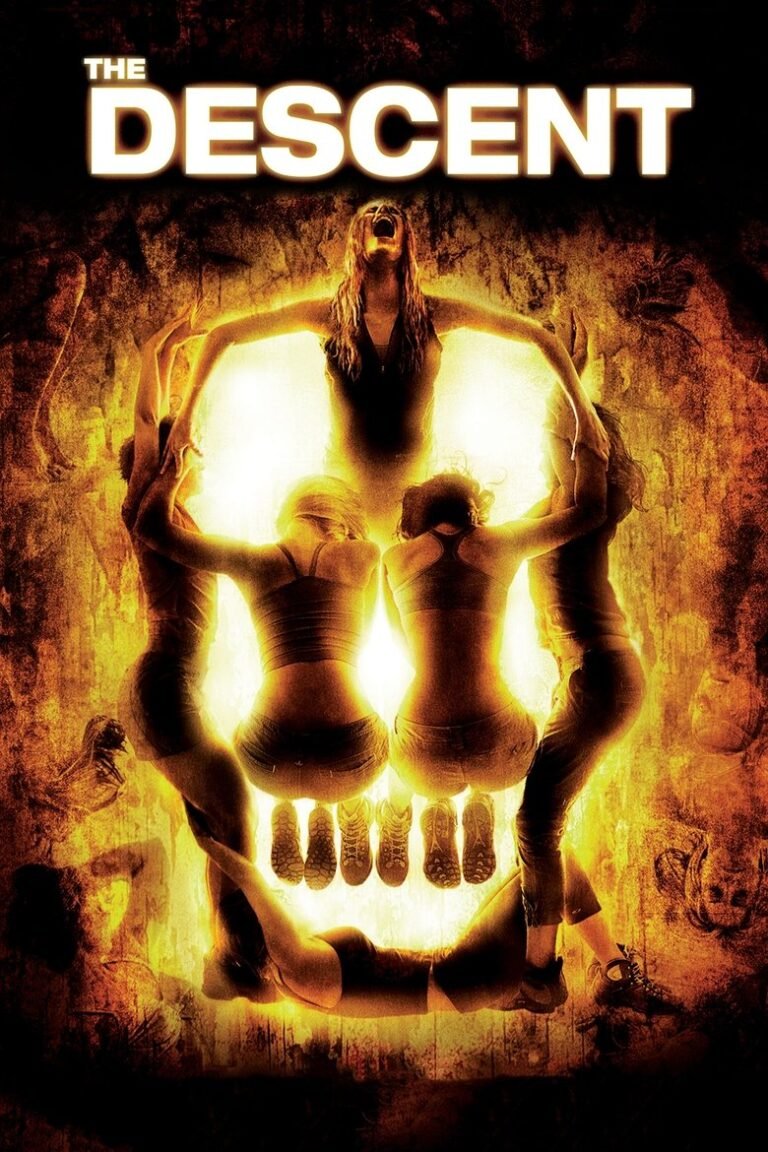
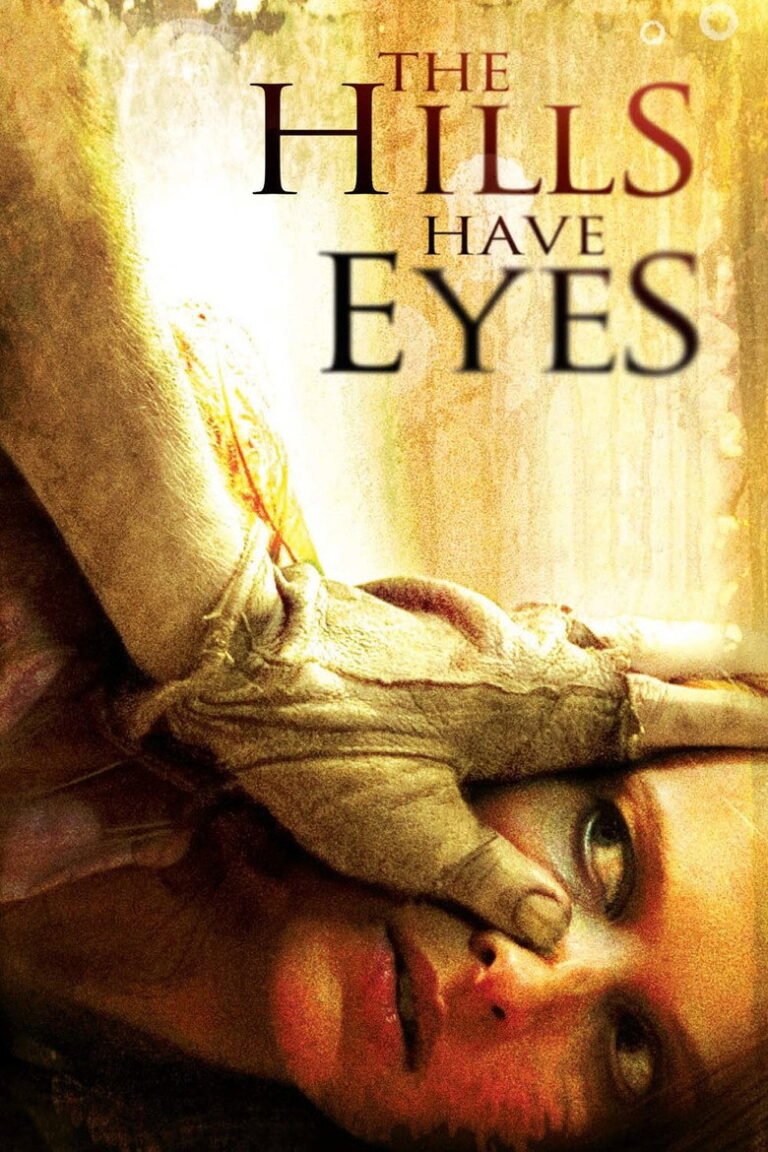
Alexandre Aja’s remake of the Craven original is desert horror at its most savage. A family’s RV breaks down in a stretch of nowhere that turns out to be home to mutated cannibals who’ve been waiting. It’s gorier and more frantic than the slow-burn entries on this list, but the bones are identical: a soft, civilised group stranded in hostile country, hunted by people who understand the land better than they do. The sun-scorched cinematography gives it a grimy, end-of-the-world feel.
Roadgames (1981)
An overlooked Ozploitation gem with Stacy Keach as a trucker convinced a fellow driver is a serial killer working the long highways of South Australia. It’s more Hitchcockian cat-and-mouse than outright gorefest, all paranoia and creeping suspicion across endless asphalt, but the loneliness of the Australian road and the doubt about who’s really hunting whom make it a perfect companion piece. Jamie Lee Curtis shows up too. Hard to find, well worth the hunt.
Joy Ride (2001)
A leaner, meaner American entry that proves a CB radio prank can spiral into pure terror. Two brothers and a friend taunt an unseen trucker called Rusty Nail, who responds by stalking them across the dark highways of the heartland. What works is the faceless, omnipresent threat, a villain who’s just a voice and a pair of headlights in the mirror. It’s tense, mean and underrated, and it nails that specifically American highway unease.
Blood Star (2024) — The Hidden Gem
If you’ve worked through the obvious picks and still want that knot in your gut, there’s a recent indie that almost nobody is talking about: Blood Star (2024), directed by Lawrence Jacomelli. It’s a desert-road psychological survival thriller, and it scratches the exact itch Wolf Creek leaves behind, isolation, a creeping sense that the landscape itself is against you, and tension that just keeps tightening rather than exploding into cheap jump scares.
What surprised me is how controlled it is. Shot out in the desert by a small husband-and-wife team, it carries that dusty neo-noir atmosphere and a patience that feels closer to Duel or 70s American paranoia cinema than to most modern horror. To be clear, this isn’t some A24 prestige release with a marketing budget behind it, it’s a genuinely independent film that’s been quietly finding its audience through word of mouth on streaming. But the production value punches well above its weight, the cinematography is striking, and the dread is real. It’s the kind of slow-burn survival thriller you stumble onto late at night and end up recommending to everyone.
Related lists
Watch Blood Star Free
If you like films such as The Hitcher, Wolf Creek and No Country for Old Men, discover Blood Star, the psychological desert thriller directed by Lawrence Jacomelli.
Now streaming free with ads in the USA.


See every legitimate way to watch Blood Star free in the USA →
Related: Brad Pitt’s Heart of the Beast — 12 survival thrillers to watch before the new film.
More on Blood Star
- Watch Blood Star free on Tubi & Prime Video (USA)
- Blood Star: Ending Explained
- Blood Star — Cast & Filmmakers