There are plenty of horror movies about people being trapped, chased or hunted, but The Hills Have Eyes taps into a particularly primal fear: being stranded somewhere so remote that normal rules no longer apply. Wes Craven’s original 1977 film takes an ordinary American family travelling through the desert and leaves them stranded in an isolated wasteland inhabited by a violent family living beyond civilisation. Alexandre Aja’s 2006 remake takes the same premise and amplifies almost everything — the brutality, the scale of the desert, the physical horror and the intensity of the fight for survival.
Both versions work because the desert is not simply a location. It is part of the threat. Roads disappear into the horizon. There are no witnesses, no neighbours and no obvious way of calling for help. If you are looking for movies like The Hills Have Eyes, these are the ones that come closest.
At a glance
| Film | Year | Why it sits alongside The Hills Have Eyes |
|---|---|---|
| Wrong Turn | 2003 | Eliza Dushku and Desmond Harrington. |
| Wolf Creek | 2005 | John Jarratt as Mick Taylor. |
| The Texas Chain Saw Massacre | 1974 | Marilyn Burns and Gunnar Hansen. |
| Eden Lake | 2008 | Michael Fassbender and Kelly Reilly. |
| The Hills Have Eyes | 1977 | Susan Lanier and Robert Houston. |
| The Hills Have Eyes | 2006 | Aaron Stanford and Kathleen Quinlan. |
| Wake in Fright | 1971 | Gary Bond as John Grant. |
| Bone Tomahawk | 2015 | Kurt Russell as Sheriff Franklin Hunt. |
| Them | 2006 | Olivia Bonamy and Michaël Cohen. |
| Killing Ground | 2016 | Harriet Dyer and Ian Meadows. |
| Deliverance | 1972 | Burt Reynolds and Jon Voight. |
1. Wrong Turn (2003)
Eliza Dushku and Desmond Harrington
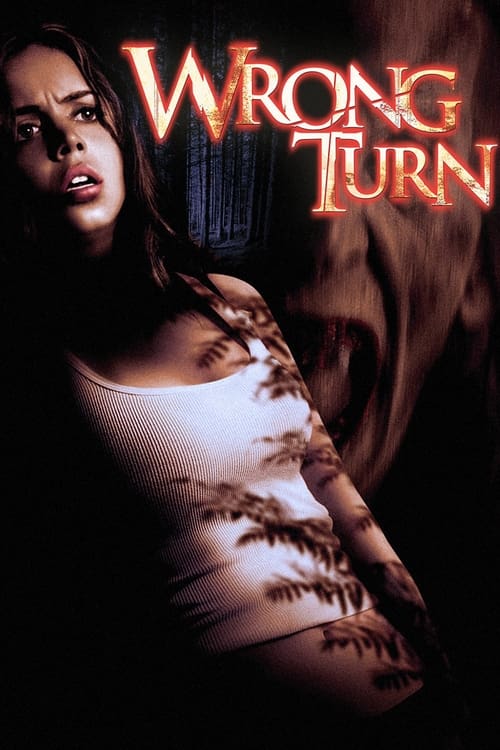
If you want the most direct descendant of The Hills Have Eyes, Wrong Turn is probably it. A group of young travellers become stranded in the forests of West Virginia after taking an isolated backroad, soon discovering that the surrounding wilderness is home to a family of violent killers who know the terrain considerably better than they do.
The setting changes from desert to forest, but almost everything else feels familiar — ordinary people stranded in an unfamiliar wilderness and hunted by a family that has evolved entirely outside mainstream society.
2. Blood Star
Britni Camacho as Bobbi Torres · John Schwab as Sheriff Bilstein
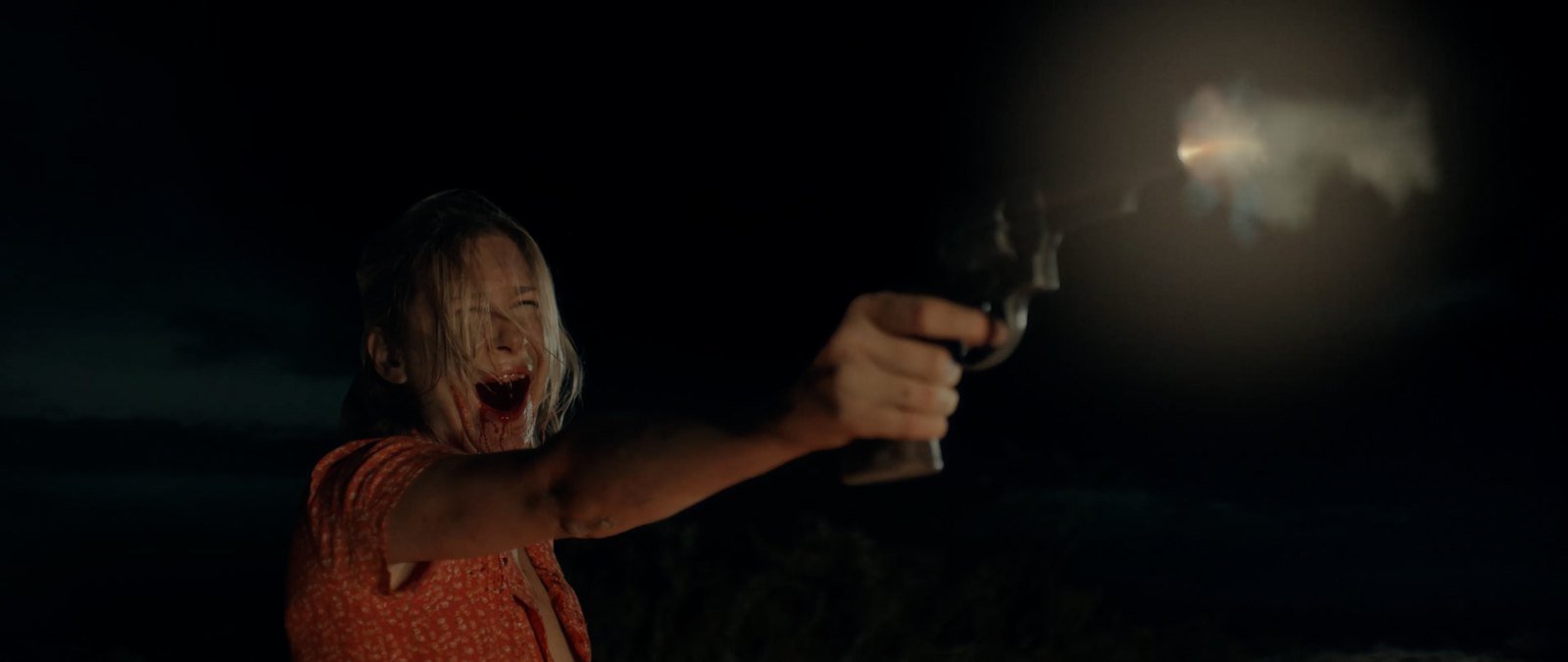
For viewers interested in the desert-predator element of The Hills Have Eyes rather than its mutant-family mythology, Blood Star offers a much more grounded version of the same nightmare.
The psychological road thriller follows a young woman driving alone through the desert who attracts the attention of a small-town sheriff. There are no mutants and no hidden tribe living among the rocks — the threat is entirely human. That actually makes the connection particularly interesting: both films begin with characters moving through an enormous landscape that initially appears empty, and the danger comes from discovering that someone else controls that landscape. In Blood Star, the sheriff possesses an additional advantage: authority. His badge gives him the appearance of safety while simultaneously making it harder for his victim to challenge him or seek help. Where The Hills Have Eyes exaggerates the dangers of isolation into full-blown survival horror, Blood Star asks what the same situation might feel like if the predator were someone entirely plausible.
Watch Blood Star Free in the USA
Now streaming free with ads in the United States.


See every legitimate way to watch Blood Star free in the USA →
3. Wolf Creek (2005)
John Jarratt as Mick Taylor

Greg McLean’s Wolf Creek takes the basic structure of The Hills Have Eyes and moves it into the vast Australian outback, as three backpackers accept help from an apparently friendly local after their car mysteriously refuses to start — a catastrophic mistake.
What makes Wolf Creek so effective is exactly what makes The Hills Have Eyes frightening: geography. Like Craven’s film, it understands that an open landscape can be more claustrophobic than a locked room when there is nowhere meaningful to run.
4. The Texas Chain Saw Massacre (1974)
Marilyn Burns and Gunnar Hansen
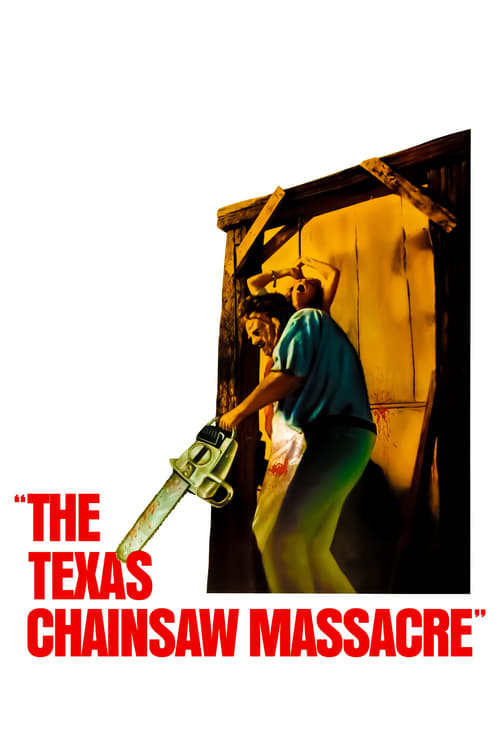
Two years before Wes Craven made The Hills Have Eyes, Tobe Hooper helped establish the template with The Texas Chain Saw Massacre, as a group of young travellers driving through rural Texas stumble across an isolated farmhouse inhabited by one of horror cinema’s most infamous families.
Petrol stations, country roads and friendly-looking locals become increasingly threatening until the protagonists realise they have crossed into a place where conventional society has almost ceased to exist.
5. Eden Lake (2008)
Michael Fassbender and Kelly Reilly
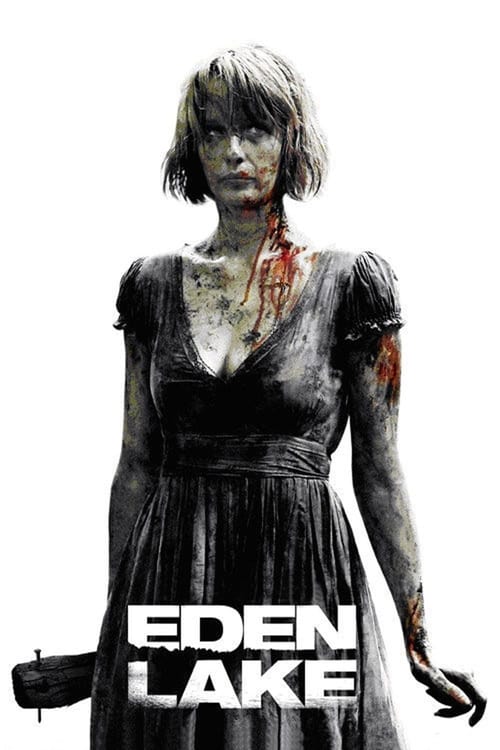
Eden Lake removes both the desert and the mutant-family mythology but keeps the fundamental terror of being trapped on someone else’s territory, as a couple’s romantic weekend beside a remote English lake deteriorates into a brutal fight for survival.
The similarity to The Hills Have Eyes lies in the protagonists’ changing understanding of the environment — the isolation that first seemed peaceful becomes their greatest weakness.
6. The Hills Have Eyes (1977)
Susan Lanier and Robert Houston
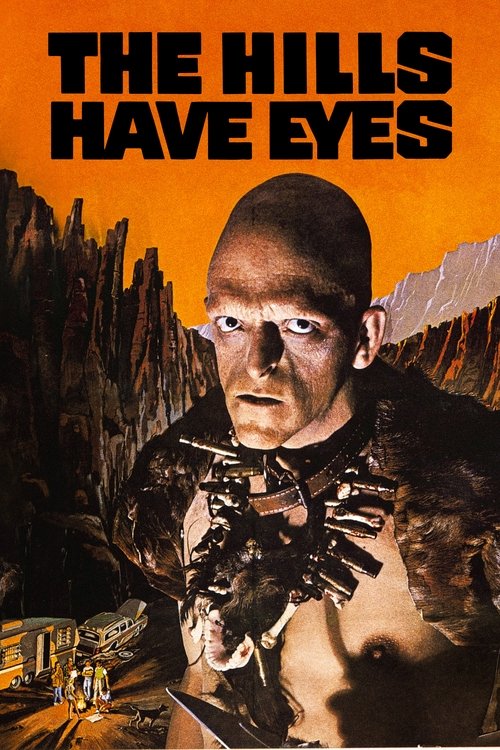
If you discovered The Hills Have Eyes through Alexandre Aja’s 2006 remake, going back to Wes Craven’s original is essential. Craven’s version is rougher, smaller and considerably more primitive, with the texture of low-budget 1970s American exploitation cinema that makes the desert feel genuinely inhospitable.
Rather than relying on graphic effects, the original gradually turns the Carter family’s vulnerability into something more disturbing: a battle between two families, each becoming increasingly brutal in order to survive.
7. The Hills Have Eyes (2006)
Aaron Stanford and Kathleen Quinlan
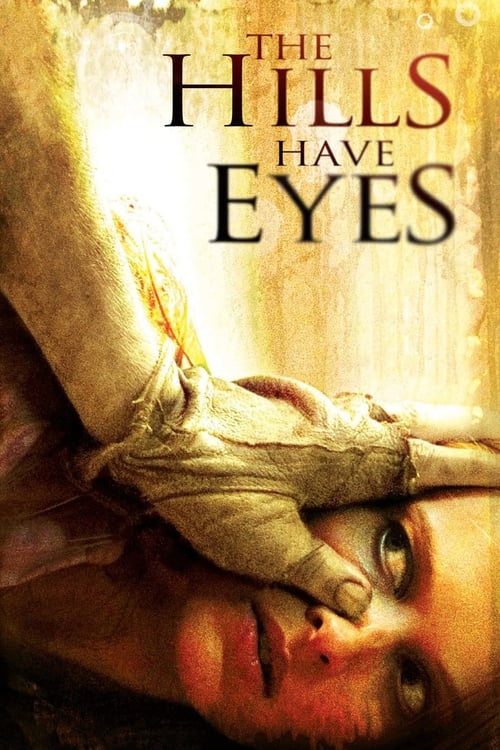
Alexandre Aja’s remake takes Wes Craven’s premise and turns it into one of the defining survival-horror movies of the 2000s, as the Carter family become stranded in a former nuclear-testing region of the New Mexico desert and are attacked by mutants whose deformities are linked to radioactive fallout.
The remake makes particularly strong use of the desert landscape — abandoned settlements, empty roads and rocky hills create the impression of an environment that contains hidden observers everywhere.
8. Wake in Fright (1971)
Gary Bond as John Grant

Ted Kotcheff’s Wake in Fright is not conventional horror, yet few films capture the feeling of being trapped in a hostile remote environment more effectively, as a schoolteacher becomes stranded in a brutal Australian mining town while trying to travel home for the holidays.
There are no masked killers and no mutants — instead, alcohol, heat, aggressive hospitality and social pressure gradually pull him into a world from which he seems increasingly incapable of escaping.
9. Bone Tomahawk (2015)
Kurt Russell as Sheriff Franklin Hunt
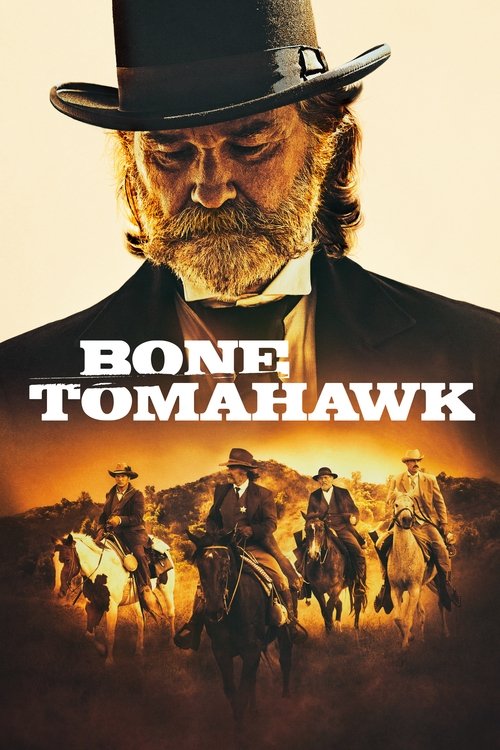
S. Craig Zahler’s Bone Tomahawk combines Western, horror and survival cinema, as a sheriff leads a small group into remote frontier territory after several people are abducted from town — eventually bringing them into contact with a violent cave-dwelling tribe.
The resemblance to The Hills Have Eyes becomes particularly obvious once the rescue party leaves civilisation, entering territory they do not understand and confronting enemies who know the landscape intimately.
10. Them (2006)
Olivia Bonamy and Michaël Cohen
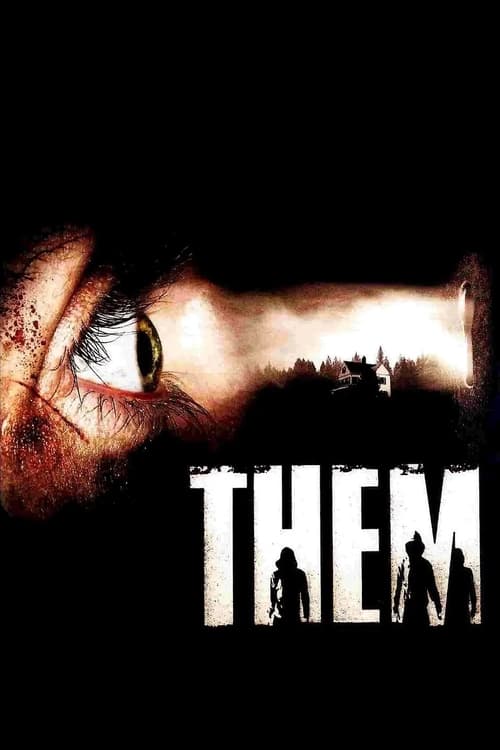
The French-Romanian horror film Them (Ils) takes the central fear behind The Hills Have Eyes and reduces it to something extremely lean, as a couple living in an isolated country house begin hearing noises outside during the night while unseen intruders begin entering the property.
Like The Hills Have Eyes, the environment seems to belong to the people doing the hunting — the attackers understand the surrounding woods and buildings, while their victims are constantly reacting.
11. Killing Ground (2016)
Harriet Dyer and Ian Meadows

Australian thriller Killing Ground is another strong choice for viewers looking for realistic survival horror, as a young couple travelling to a remote camping area discover an abandoned tent nearby and gradually piece together what happened to the missing campers.
The movie shares The Hills Have Eyes’ fascination with ordinary people entering an apparently beautiful wilderness without understanding who else is nearby.
12. Deliverance (1972)
Burt Reynolds and Jon Voight
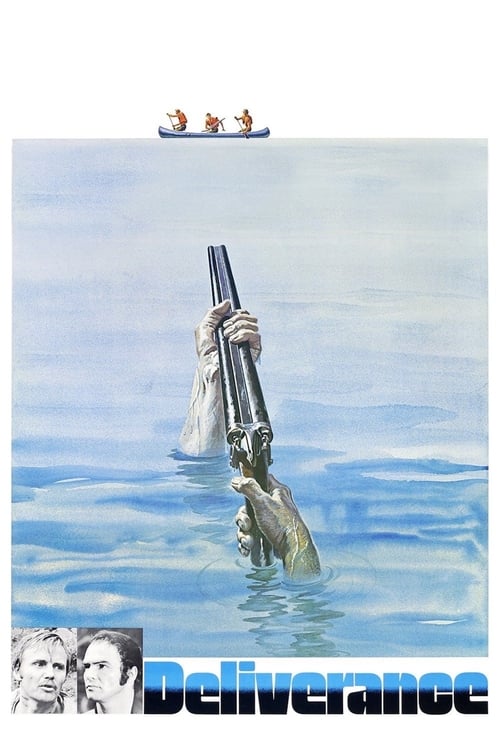
John Boorman’s Deliverance is not technically a horror movie, but its influence on rural survival horror is enormous, as four men travelling into the Georgia wilderness for a canoeing trip find their encounter with local inhabitants turning the expedition into a fight for survival.
The film helped establish one of the central ideas that would later drive movies such as The Hills Have Eyes, Wrong Turn and Wolf Creek: urban outsiders entering a remote region they fundamentally misunderstand.
Why The Hills Have Eyes Is Still So Disturbing
The basic story of The Hills Have Eyes is remarkably simple: a family travels into the desert, their vehicle becomes disabled, someone begins watching them. But simplicity is exactly why the premise works. The desert appears empty, but it is not — the people living there understand the terrain, while the travellers passing through it do not. This reverses one of the assumptions normally associated with open landscapes. Space should mean freedom. In The Hills Have Eyes, space means exposure.
Movies Like The Hills Have Eyes and Wrong Turn
People searching for movies like The Hills Have Eyes frequently end up with Wrong Turn, and the connection is obvious — both films are essentially stories about outsiders entering a remote environment occupied by a violent community. The key distinction is landscape: The Hills Have Eyes uses desert, Wrong Turn uses forest. Wolf Creek, Bone Tomahawk, Killing Ground and The Texas Chain Saw Massacre all use variations of the same structure.
Realistic Movies Like The Hills Have Eyes
Not every movie needs mutants or cannibal families to create the same fear. Wolf Creek turns an apparently friendly local into a predator. Eden Lake builds its nightmare from an encounter with local teenagers. Killing Ground uses ordinary human violence, while Blood Star turns the authority of a sheriff into part of the threat — retaining the central idea that when you are isolated enough, a single dangerous person can effectively control the world around you.
Desert Horror Movies Like The Hills Have Eyes
The desert has always been one of horror cinema’s most effective environments — see our wider guide to desert thriller movies for more. In The Hills Have Eyes, danger literally watches from the rocks. In Wolf Creek, the enormous Australian outback allows Mick Taylor to operate with almost total freedom. In Blood Star, empty highways and huge distances allow a predatory sheriff to isolate his victim. Civilisation feels close enough to remember and far enough away to be useless.
See every legitimate way to watch Blood Star free in the USA →
Film posters via TMDB.
What to Watch After The Hills Have Eyes
For the closest overall match, start with Wrong Turn. Its backwoods setting, violent family and stranded travellers make it the clearest spiritual successor. If the desert isolation was what affected you most, watch Wolf Creek or Blood Star — both replace mutants with human predators but preserve the feeling of being hunted somewhere far beyond easy help. For something rawer and historically important, watch The Texas Chain Saw Massacre or Wes Craven’s original 1977 film. If you want particularly bleak realistic survival horror, Eden Lake and Killing Ground are difficult to beat. And if you want the premise pushed toward the Western, Bone Tomahawk takes the same fear of hostile territory back to the American frontier.
For more in the same vein, see our guides to the best road trip horror movies and the best slow-burn survival horror movies.
Frequently Asked Questions
What kind of film is The Hills Have Eyes?
A desert survival-horror film in which an ordinary family strays into remote country and is hunted by the people living out there.
What should I watch if I liked The Hills Have Eyes?
Wrong Turn (2003), Wolf Creek (2005) and The Texas Chain Saw Massacre (1974) are the closest matches. For a grounded, human-scale version, try Blood Star (2024).
Are there non-supernatural films like The Hills Have Eyes?
Yes. Eden Lake (2008) and Blood Star (2024) both deliver the same hunted-in-a-remote-place fear with entirely human, plausible predators.
Related guides
More on Blood Star
- Watch Blood Star free on Tubi & Prime Video (USA)
- Films like Blood Star: predators, pursuit and survival
- Blood Star: Ending Explained
- Blood Star — Cast & Filmmakers

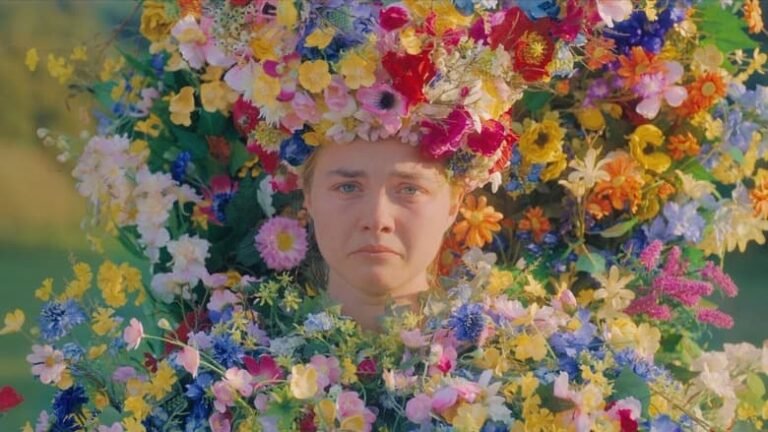
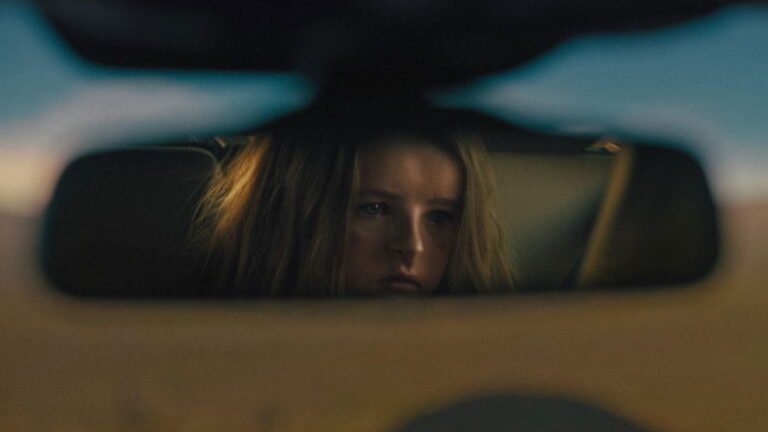
Table of Contents
- At a glance
- 1. Wrong Turn (2003)
- 2. Blood Star
- Watch Blood Star Free in the USA
- 3. Wolf Creek (2005)
- 4. The Texas Chain Saw Massacre (1974)
- 5. Eden Lake (2008)
- 6. The Hills Have Eyes (1977)
- 7. The Hills Have Eyes (2006)
- 8. Wake in Fright (1971)
- 9. Bone Tomahawk (2015)
- 10. Them (2006)
- 11. Killing Ground (2016)
- 12. Deliverance (1972)
- Why The Hills Have Eyes Is Still So Disturbing
- Movies Like The Hills Have Eyes and Wrong Turn
- Realistic Movies Like The Hills Have Eyes
- Desert Horror Movies Like The Hills Have Eyes
- What to Watch After The Hills Have Eyes
- Frequently Asked Questions
- What kind of film is The Hills Have Eyes?
- What should I watch if I liked The Hills Have Eyes?
- Are there non-supernatural films like The Hills Have Eyes?
- Related guides
- More on Blood Star