Quentin Tarantino’s Death Proof is an unusual film because it spends so much time talking before suddenly becoming one of the most visceral car movies of the 2000s. Kurt Russell’s Stuntman Mike weaponises his supposedly “death-proof” muscle car against women on the road, and Tarantino turns the highway into a hunting ground where speed, machinery and vulnerability become inseparable.
What makes Death Proof stand out is the combination. It is part slasher film, part road movie, part exploitation throwback and part stunt showcase. The dialogue is loose and indulgent, the cars are fetishised, and when the violence arrives it is brutally physical. The film is also deeply aware of the history it is borrowing from, constantly referencing older road movies, grindhouse cinema and practical stunt filmmaking.
If you are searching for movies like Death Proof, the best recommendations are not simply films with fast cars. The strongest comparisons are road thrillers, highway horror films, revenge movies, car-chase classics and exploitation films in which the vehicle itself becomes part of the threat. Some are stripped-back psychological thrillers, others are pure automotive action, but all share the same fascination with speed, danger and the open road.
1. Duel (1971)
Dennis Weaver as David Mann

Steven Spielberg’s Duel is one of the foundational road thrillers and one of the clearest ancestors of Death Proof. Dennis Weaver plays an ordinary salesman driving through the American landscape when a huge tanker truck begins pursuing him for no apparent reason.
The genius of Duel is how little information Spielberg gives the audience. We never properly meet the truck driver, there is no meaningful explanation for the attack, and the vehicle gradually begins to feel less like machinery and more like a predatory animal.
That idea is central to Death Proof. Stuntman Mike may be visible in a way the driver in Duel is not, but both films turn a vehicle into an extension of the killer. The car or truck is not merely transportation. It is the weapon, the disguise and the means by which the predator controls the road.
For viewers looking for movies similar to Death Proof where the road itself becomes hostile, Duel is essential.
2. Vanishing Point (1971)
Barry Newman as Kowalski
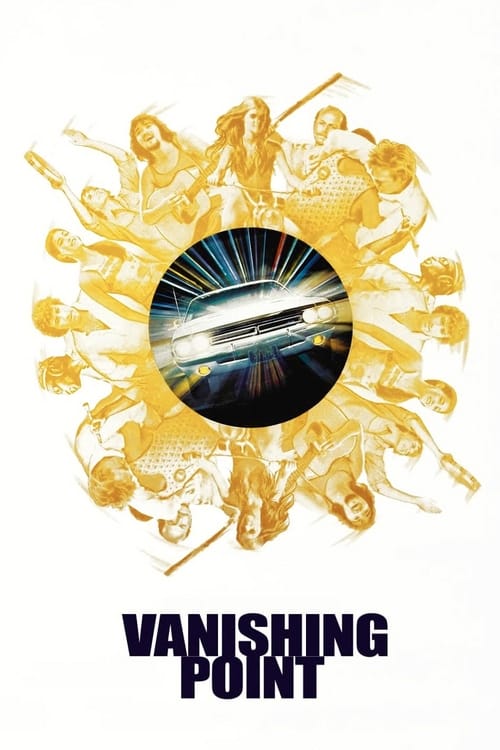
Richard C. Sarafian’s Vanishing Point is one of the great cult car movies and a direct part of the cinematic vocabulary Tarantino is playing with.
Barry Newman plays Kowalski, who attempts to drive a white Dodge Challenger across several states at extreme speed. The story becomes increasingly abstract as police pursue him and the journey takes on a mythic quality.
Unlike Death Proof, there is no conventional serial killer or central human predator. The danger comes from velocity itself. But the relationship between the films is strong — Tarantino deliberately invokes Vanishing Point, and both movies understand the symbolic power of the American muscle car. The vehicle represents freedom, identity and rebellion, but it also carries the possibility of destruction.
For audiences looking for car movies like Death Proof with real stunt work, physical speed and 1970s road-movie DNA, Vanishing Point should be near the top of the list.
3. The Hitcher (1986)
Rutger Hauer as John Ryder · C. Thomas Howell as Jim Halsey
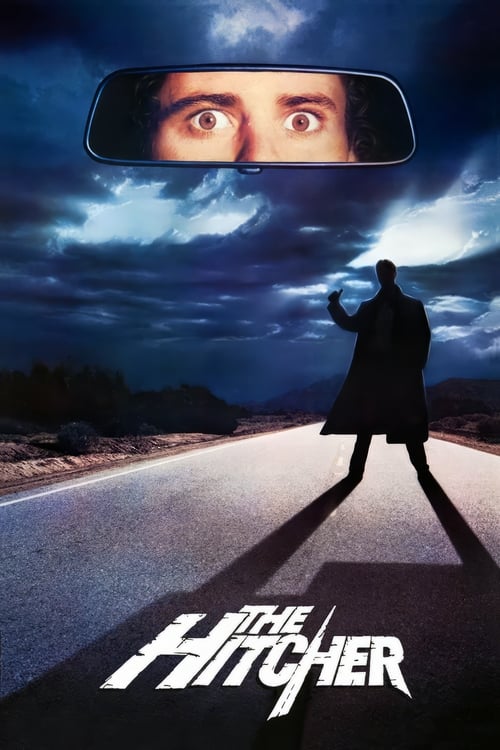
Robert Harmon’s The Hitcher takes the highway thriller and reduces it to a frightening encounter between a young driver and a stranger who refuses to disappear. C. Thomas Howell plays Jim Halsey, who picks up hitchhiker John Ryder, played by Rutger Hauer, turning an ordinary journey into an escalating nightmare as Ryder repeatedly reappears along the road.
The connection with Death Proof lies in predatory pursuit. Both films transform the highway from a route of escape into the place where the predator has the advantage — moving does not necessarily create safety, because the threat can move too.
Rutger Hauer’s Ryder also shares something with Stuntman Mike: a calm, almost playful relationship with violence. Both characters appear to derive satisfaction from controlling the fear of the person they are targeting. For viewers searching for road horror movies like Death Proof, The Hitcher is one of the strongest recommendations.
4. Mad Max (1979)
Mel Gibson as Max Rockatansky

George Miller’s original Mad Max is very different from the later, larger films in the franchise. Before the operatic wastelands and enormous convoys, it was a lean Australian road-revenge movie built around cars, motorcycles and practical stunt work.
Mel Gibson plays Max Rockatansky, a police officer in a society beginning to collapse. When a violent motorcycle gang targets his family, the film shifts into revenge.
The connection with Death Proof is physicality. Both films make vehicles feel dangerous because the audience can sense the machinery, speed and real-world risk involved in the stunt work. Metal bends. Cars lose control. Bodies are vulnerable. Neither film treats driving as digital spectacle.
For viewers interested in grindhouse car movies, revenge thrillers and practical automotive action, Mad Max is a key part of the lineage that eventually leads to Death Proof.
5. Joy Ride (2001)
Paul Walker, Steve Zahn and Leelee Sobieski
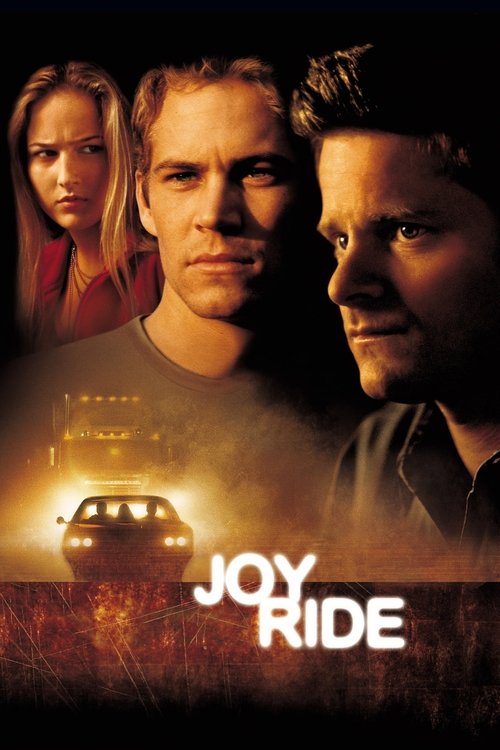
John Dahl’s Joy Ride combines road horror with the fear of an unseen driver. Paul Walker, Steve Zahn and Leelee Sobieski play travellers whose prank over a CB radio attracts the attention of a trucker known as Rusty Nail. What seems like a joke develops into a sustained pursuit.
The relationship with Death Proof comes from the idea that the highway makes people vulnerable. A car gives the characters mobility, but it also exposes them — the road stretches ahead with relatively few places to hide, and the person pursuing them can remain close without needing to physically enter their space.
Like Duel, Joy Ride understands the power of an unseen driver. The truck itself becomes the most recognisable manifestation of the antagonist. For anyone searching for road thrillers like Death Proof, especially films built around vehicle pursuit and highway paranoia, Joy Ride is one of the most natural recommendations.
6. Faster, Pussycat! Kill! Kill! (1965)
Tura Satana as Varla

Russ Meyer’s Faster, Pussycat! Kill! Kill! is important to the grindhouse DNA of Death Proof even though its plot operates very differently. The film follows three women driving through the desert and becoming involved in an increasingly violent situation.
Its influence lies less in narrative than attitude. Cars, aggression, exploitation aesthetics and female characters who refuse to behave passively all form part of the connection. Tarantino’s interest in grindhouse history is visible throughout Death Proof, and Meyer’s film is one of the clearest examples of the kind of cinema being referenced.
The second half of Death Proof, where the women effectively reverse the predator-prey dynamic, feels particularly connected to this strain of exploitation filmmaking. For viewers who want films similar to Death Proof because of the grindhouse style rather than simply the car chases, this is essential context.
7. Race with the Devil (1975)
Peter Fonda and Warren Oates
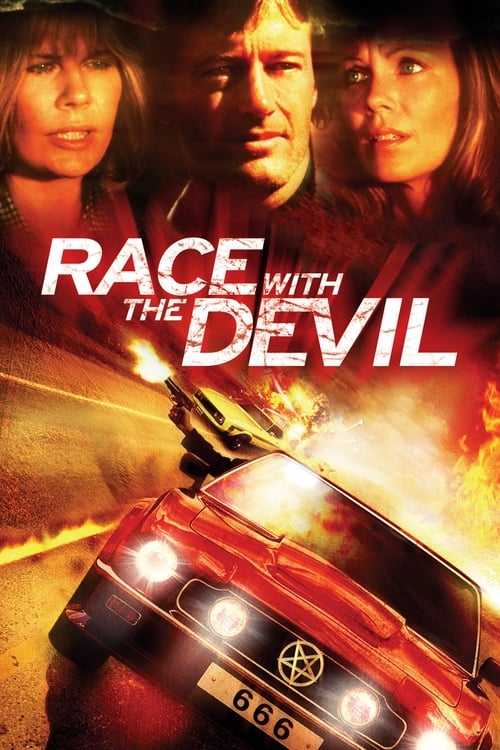
Race with the Devil combines road thriller, horror and 1970s exploitation cinema in a story about travellers who witness something they were never supposed to see. Peter Fonda and Warren Oates play two couples travelling in an RV who witness what appears to be a ritual murder. Once they are discovered, their road trip becomes a sustained attempt to escape.
The film shares Death Proof‘s fascination with movement becoming danger. The road should allow the characters to leave the threat behind, but instead it becomes the space in which the threat continually follows them. It also carries the same rough 1970s exploitation texture that Tarantino deliberately evokes decades later.
For audiences searching for cult road horror movies like Death Proof, Race with the Devil is an excellent deeper cut.
8. Breakdown (1997)
Kurt Russell as Jeff Taylor
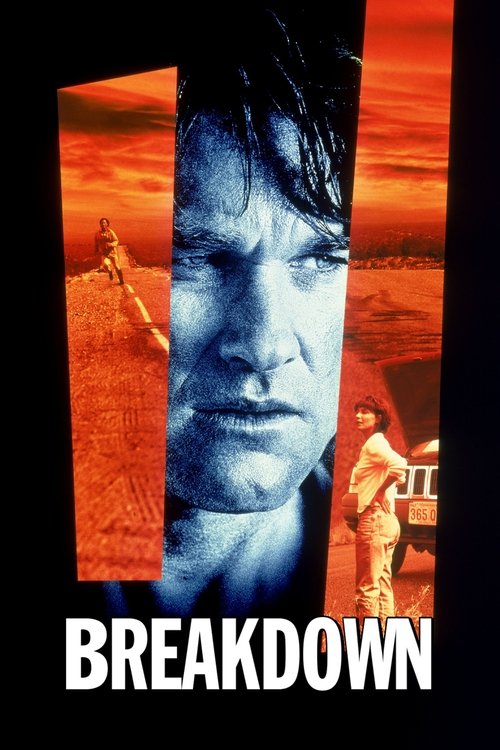
Jonathan Mostow’s Breakdown is less interested in grindhouse excess and more interested in pure highway paranoia. Kurt Russell plays Jeff, whose car breaks down while travelling with his wife. She accepts a lift from a truck driver to find help and then disappears. When Jeff later confronts the driver, the man calmly insists he has never seen either of them before.
That denial transforms the movie. Jeff knows what happened, but knowing is not the same as being able to prove it.
The connection with Death Proof is the way both films make the road feel lawless. Once the protagonist is far from familiar institutions and people, the rules become less certain. Breakdown also demonstrates how effective a road thriller can be without supernatural elements or large-scale action — the fear comes from another person understanding the situation better than you do.
9. Blood Star
Britni Camacho as Bobbi Torres · John Schwab as Sheriff Bilstein
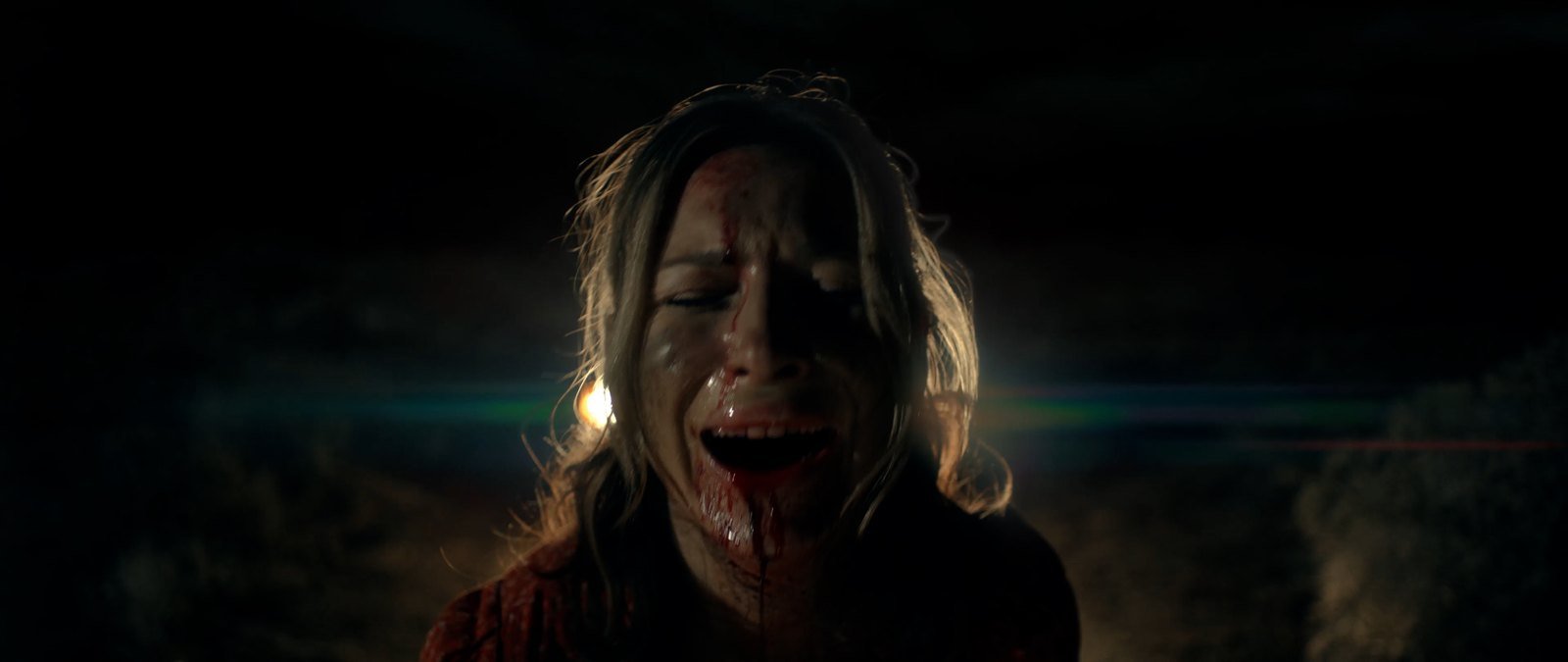
Blood Star takes the road-thriller tradition in a quieter, more psychological direction. The film follows a young woman whose journey becomes increasingly dangerous after she encounters a sheriff. What initially appears to be a routine interaction gradually develops into a contest involving power, isolation and survival.
The connection with Death Proof lies in the idea of the road as a hunting ground. Both films begin with movement and the apparent freedom of driving, but that freedom becomes increasingly compromised when another person begins using the road to control the situation.
The films differ sharply in tone. Death Proof is knowingly excessive and eventually becomes an exhilarating revenge movie. Blood Star is more restrained, building tension gradually through isolation and psychological pressure. But both ultimately revolve around women confronting predatory men in stories where vehicles, roads and distance are integral to the threat.
For audiences interested in road thrillers that sit outside the obvious studio titles, Blood Star fits naturally within the wider tradition. Blood Star is currently available to watch free with ads in the United States on Tubi and Prime Video.
Watch Blood Star Free in the USA
Now streaming free with ads in the United States.


See every legitimate way to watch Blood Star free in the USA →
10. The Car (1977)
James Brolin as Sheriff Wade Parent
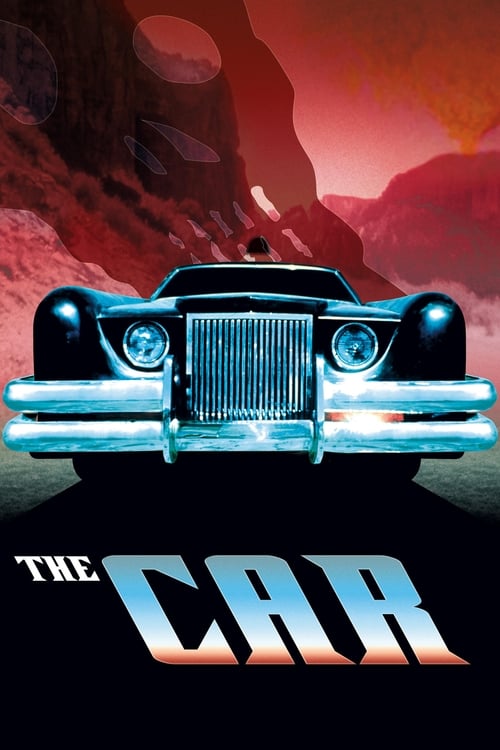
The Car takes the idea of a vehicle as predator and pushes it into supernatural horror. A mysterious black car begins terrorising a small desert community, apparently without a driver.
The concept is absurdly simple, but that simplicity is exactly what makes the connection to Death Proof interesting. Both films understand the visual power of a threatening vehicle approaching through open space — the car becomes an object the audience recognises before the person controlling it matters.
Where Stuntman Mike transforms his muscle car into a deliberate weapon, The Car removes the driver almost entirely and turns machinery itself into the monster. For viewers looking for cult automotive horror and unusual car movies like Death Proof, this is a fascinating piece of 1970s genre cinema.
11. Christine (1983)
Keith Gordon as Arnie Cunningham
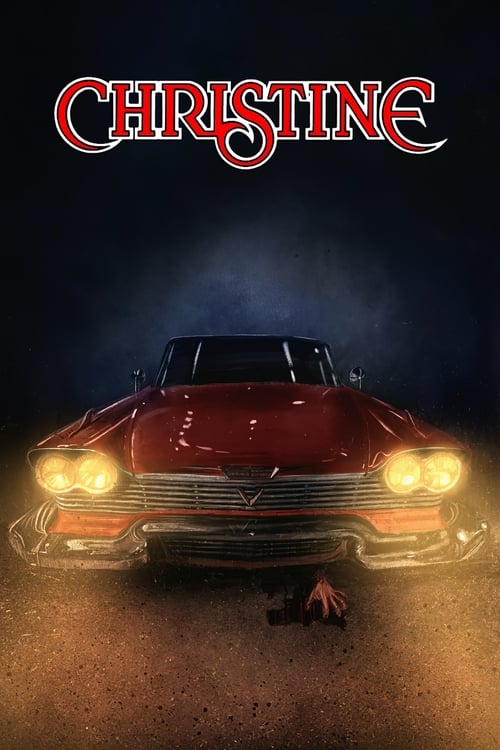
John Carpenter’s Christine, adapted from Stephen King, offers another variation on the killer-car concept. A teenage boy becomes increasingly obsessed with a 1958 Plymouth Fury, and the car gradually appears to possess a personality and violent will of its own.
Again, the connection with Death Proof is not narrative but mechanical. Both films fetishise the vehicle while simultaneously making it frightening — the car is beautiful, powerful and dangerous, an object of desire that becomes inseparable from violence. Carpenter also understands that machinery can acquire character through framing, sound and movement.
For anyone interested in horror movies about killer cars, Christine remains one of the most iconic examples.
12. Roadgames (1981)
Stacy Keach and Jamie Lee Curtis
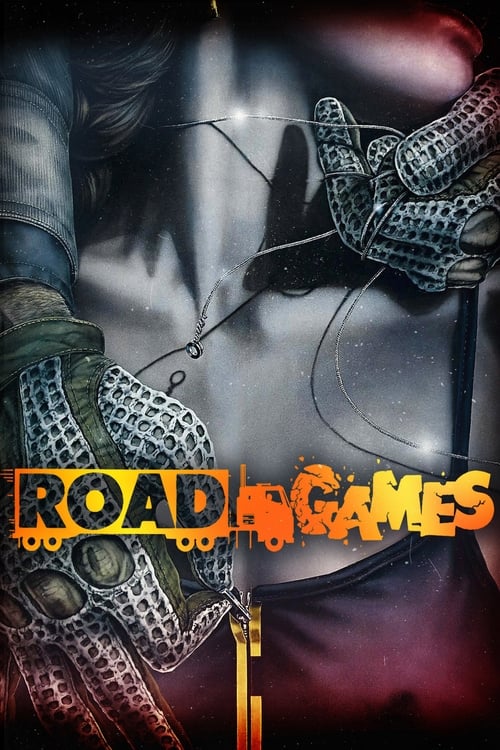
Richard Franklin’s Australian thriller Roadgames mixes Hitchcockian suspense with long-distance road travel. Stacy Keach plays a truck driver who begins suspecting that another driver may be responsible for a series of murders. Jamie Lee Curtis appears as a hitchhiker who becomes involved in his suspicions.
The film is less aggressive than Death Proof, but it shares a fascination with what drivers can observe — and fail to observe — from inside moving vehicles. Highways create temporary relationships between strangers. A vehicle may appear beside you, disappear and then reappear hours later. That anonymity gives road thrillers their particular tension.
For viewers looking for lesser-known road movies similar to Death Proof, Roadgames is a strong final recommendation and one of the more overlooked films in the highway-thriller tradition.
Why Death Proof Works as a Road Thriller
Death Proof is sometimes discussed primarily as Quentin Tarantino’s grindhouse experiment, but underneath the references and stylistic games is a very simple road-thriller structure.
Stuntman Mike understands cars. That knowledge gives him power. His vehicle is reinforced so that he can survive crashes that would kill the people he targets. The concept turns something associated with mobility and freedom into an asymmetric weapon.
The first half of the film demonstrates how dangerous that imbalance is. The second half reverses it. That reversal is crucial because Death Proof ultimately becomes less about victimisation than retaliation. Once Mike targets women who understand cars and stunt driving as well as he does, the assumptions underpinning his control collapse.
The resulting chase works because the cars are not incidental props. They are central to character, threat and resolution.
Movies Like Death Proof With Killer Cars
If the vehicle-as-weapon element is what interests you most, start with Duel, The Car and Christine. Each makes machinery central to the threat.
Duel keeps the driver anonymous, allowing the truck to become almost more important than the person behind the wheel. The Car removes ordinary human motive entirely, while Christine turns obsession with a particular vehicle into supernatural horror.
Death Proof occupies an interesting middle position. The car is not supernatural, but Stuntman Mike has modified it so completely around violence that it begins to function like a monster.
Road Horror Movies Like Death Proof
The road horror side of Death Proof connects it directly with The Hitcher, Joy Ride, Breakdown and Race with the Devil. These films understand that being mobile does not necessarily mean being safe.
The road creates distance from normal support systems. A police station, neighbour or familiar environment may be many miles away, while the person pursuing you is already on the same highway. That contradiction makes the road an unusually effective horror setting — characters can keep moving and still fail to escape.
Grindhouse Movies Like Death Proof
If the exploitation aesthetic is the main attraction, Faster, Pussycat! Kill! Kill!, Race with the Devil and the original Mad Max are especially relevant.
These films carry the physical texture of lower-budget genre filmmaking: real vehicles, practical stunts, imperfect surfaces and a willingness to be aggressive or strange in ways that polished studio films sometimes avoid. Tarantino deliberately celebrates that tradition in Death Proof — the scratches, abrupt editing, music and genre references are not accidental decoration. They are part of a movie openly engaging with the history of exploitation cinema.
Car Chase Movies Like Death Proof
The final chase in Death Proof is one of the reasons the film remains memorable. Real vehicles and practical stunt work give the sequence a physical danger that is difficult to reproduce digitally.
If that is the part of the film you love most, Vanishing Point, Mad Max, Duel and Roadgames are strong places to continue. Each uses driving not simply as spectacle but as storytelling — speed reveals character, vehicles establish power, and the road dictates what choices are available. That is what separates memorable car-chase movies from films that simply contain car chases.
Movies Like Death Proof About Women Fighting Back
The second half of Death Proof changes the entire emotional direction of the film. Stuntman Mike approaches another group of women believing he understands the situation because he has done this before. He is wrong.
Their ability to drive, fight back and eventually pursue him transforms the hunter into the hunted. That reversal is one of the most satisfying elements of the movie and connects Death Proof to a much wider tradition of female-led revenge and survival thrillers.
Blood Star is very different stylistically, but it also centres on a woman forced into confrontation with a male predator. The emphasis is less on exuberant revenge and more on psychological survival, but the fundamental refusal to remain a passive victim creates a useful point of crossover.
Highway Thrillers Like Death Proof
Highway thrillers work because roads are transitional spaces. Most people using them are travelling between places rather than belonging to the environment they are moving through, which makes strangers harder to understand.
A vehicle can follow for miles without explanation. A person encountered at one roadside stop may appear again much later. Distance from home removes familiar reference points. The Hitcher, Joy Ride, Breakdown, Duel and Blood Star all exploit those anxieties in different ways.
Death Proof adds another layer by making the antagonist a professional stunt driver who understands the physical possibilities of the highway better than the people he targets.
1970s Road Movies That Influenced Death Proof
To understand Death Proof, it helps to understand the 1970s road movies Tarantino is referencing.
Duel and Vanishing Point, both released in 1971, approach the road from completely different directions but helped establish two traditions that remain visible in Tarantino’s film. Duel turns the highway into horror. Vanishing Point turns it into mythology.
Films such as Race with the Devil then blended the road movie with exploitation and horror, while Faster, Pussycat! Kill! Kill! contributed another strain of aggressive car culture and female-led genre filmmaking. Death Proof knowingly pulls pieces from all of them, which is why its style can feel simultaneously modern and much older.
Movies Like Death Proof You May Not Have Seen
If you already know Duel, The Hitcher and Mad Max, move further into the road-movie tradition.
Roadgames is an excellent Australian highway thriller that deserves more attention. Race with the Devil is a genuinely entertaining mixture of 1970s road movie and occult horror, while The Car takes the killer-vehicle idea to its logical supernatural extreme.
Blood Star offers a contemporary independent variation, taking the idea of the road as a hunting ground and approaching it through psychological pressure rather than grindhouse spectacle. These films demonstrate just how many directions the basic road-thriller concept can take.
Where to Watch Blood Star
If you enjoy the human-predator and highway elements of Death Proof, Blood Star offers a more restrained psychological road thriller built around isolation, pursuit and abuse of authority.
The film follows a young woman whose journey becomes increasingly dangerous after her encounter with a sheriff develops into a psychological confrontation. Rather than the grindhouse energy and vehicular spectacle of Death Proof, the film emphasises gradual tension and vulnerability, but both use the road as a space where a predatory man believes he controls the encounter.
For current streaming, rental and free-with-ads options, visit the Blood Star Watch page.
See every legitimate way to watch Blood Star free in the USA →
Film posters via TMDB.
More Movies Like Death Proof
If you enjoy road horror, car-chase thrillers and grindhouse cinema, continue with our guides to movies like The Hitcher, movies like Joy Ride, movies like Breakdown, movies like Wolf Creek, the best road trip horror movies, the best 70s desert and road thrillers, the best cat-and-mouse thrillers and hidden gem thrillers.
Those guides explore different branches of the same territory: killer drivers, roadside predators, pursuit, desert isolation, practical car action and the fear of discovering that the open road is no longer an escape route.
Frequently Asked Questions
What movies are similar to Death Proof?
Some of the closest movies to Death Proof are Duel, Vanishing Point, The Hitcher, Mad Max, Joy Ride and Faster, Pussycat! Kill! Kill!. They share elements of road cinema, car chases, grindhouse style, dangerous drivers and exploitation filmmaking.
What should I watch after Death Proof?
Start with Duel if you want another vehicle-as-predator thriller, Vanishing Point for classic American car culture, The Hitcher for highway horror or Mad Max for practical automotive action and revenge. For a contemporary psychological road thriller, Blood Star takes the road-as-hunting-ground idea in a more restrained direction.
What are the best road horror movies like Death Proof?
Duel, The Hitcher, Joy Ride, Breakdown and Race with the Devil are among the strongest road-horror films for viewers who enjoyed Death Proof. Each turns travel and the highway into part of the threat.
What movies influenced Death Proof?
Vanishing Point, Duel and the wider tradition of 1960s and 1970s exploitation and car cinema are key reference points. Russ Meyer’s Faster, Pussycat! Kill! Kill! also belongs to the grindhouse tradition Tarantino is consciously celebrating.
What are some movies about killer cars?
Christine, The Car and Duel all make vehicles central to the threat. Death Proof offers a grounded variation in which the vehicle is deliberately modified and weaponised by its driver.
Are there movies like Death Proof with female protagonists?
Yes. Faster, Pussycat! Kill! Kill! is an important exploitation-era example, while Death Proof itself ultimately becomes a story about women turning the predator-prey relationship around. Blood Star offers a darker psychological variation centred on a woman confronting a male predator.
What are the best car-chase movies like Death Proof?
Vanishing Point, Mad Max and Duel are particularly strong choices if practical car action is the main attraction. They all treat the vehicle and the road as central dramatic elements rather than simply adding isolated chase scenes.
Is Death Proof a horror movie?
Yes, although it crosses several genres. Death Proof combines slasher horror, road thriller, exploitation film, revenge movie and car-chase cinema. Its unusual structure deliberately shifts from dialogue-heavy grindhouse horror into a much more kinetic pursuit and revenge film.
Related guides
- Movies Like Breakdown: Highway Paranoia Thrillers
- Movies Like The Hitcher: Highway Horror & Roadside Dread
- Movies Like Joy Ride
- Movies Like Wolf Creek
- The Best Road Trip Horror Movies
- The Best 70s Desert and Road Thrillers
- The Best Cat-and-Mouse Thrillers
More on Blood Star
- Watch Blood Star free on Tubi & Prime Video (USA)
- More films about predators and survival
- Blood Star: Ending Explained
- Blood Star — Cast & Filmmakers

Table of Contents
- 1. Duel (1971)
- 2. Vanishing Point (1971)
- 3. The Hitcher (1986)
- 4. Mad Max (1979)
- 5. Joy Ride (2001)
- 6. Faster, Pussycat! Kill! Kill! (1965)
- 7. Race with the Devil (1975)
- 8. Breakdown (1997)
- 9. Blood Star
- Watch Blood Star Free in the USA
- 10. The Car (1977)
- 11. Christine (1983)
- 12. Roadgames (1981)
- Why Death Proof Works as a Road Thriller
- Movies Like Death Proof With Killer Cars
- Road Horror Movies Like Death Proof
- Grindhouse Movies Like Death Proof
- Car Chase Movies Like Death Proof
- Movies Like Death Proof About Women Fighting Back
- Highway Thrillers Like Death Proof
- 1970s Road Movies That Influenced Death Proof
- Movies Like Death Proof You May Not Have Seen
- Where to Watch Blood Star
- More Movies Like Death Proof
- Frequently Asked Questions
- What movies are similar to Death Proof?
- What should I watch after Death Proof?
- What are the best road horror movies like Death Proof?
- What movies influenced Death Proof?
- What are some movies about killer cars?
- Are there movies like Death Proof with female protagonists?
- What are the best car-chase movies like Death Proof?
- Is Death Proof a horror movie?
- Related guides
- More on Blood Star