Jordan Peele’s Get Out did something remarkably difficult: it made a horror movie that was frightening, funny, accessible and deeply unsettling at exactly the same time. What begins as an uncomfortable weekend meeting the parents gradually reveals itself to be something far more sinister, transforming awkward conversations, forced smiles and apparently harmless behaviour into warning signs that Chris should have trusted from the beginning.
That is a large part of what makes Get Out so rewatchable. The horror is not simply waiting behind a door. It is present from the moment Chris arrives. He knows something feels wrong long before he understands exactly what is happening, while everyone around him works hard to convince him that everything is perfectly normal.
If you are searching for movies like Get Out, the best recommendations are not necessarily movies that copy its plot. They are films about outsiders entering hostile environments, characters discovering that they have been manipulated, apparently respectable people concealing terrible intentions and protagonists who gradually realise that the situation they have walked into has been designed specifically to trap them. Here are 15 movies to watch after Get Out.
1. Us (2019)
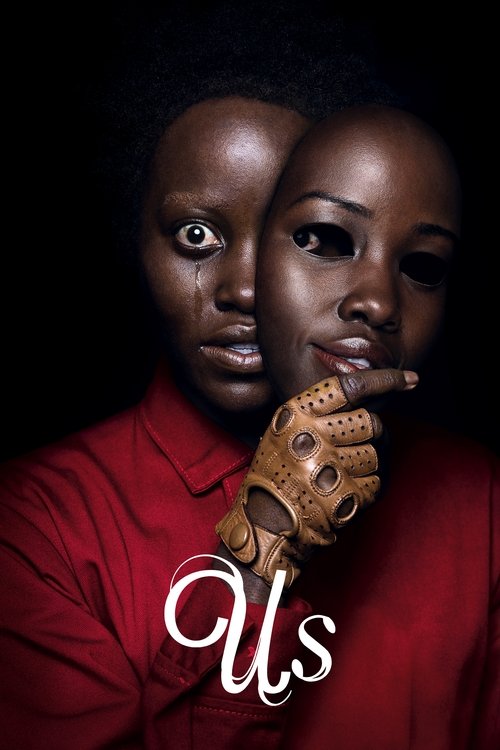
The obvious place to begin is Jordan Peele’s second film, Us. While Get Out slowly reveals the conspiracy surrounding Chris, Us turns the threat outward, confronting a family with terrifying doubles of themselves who appear outside their holiday home one night. Lupita Nyong’o gives an extraordinary dual performance, and beneath the home-invasion setup is a much stranger film about identity, privilege, inequality and the people a society chooses not to see. If what you loved about Get Out was the feeling that there was a much larger idea underneath the horror story, Us should be your first stop.
2. Blood Star (2024)
Britni Camacho as Bobbi Torres · John Schwab as Sheriff Bilstein

Blood Star strips away the large conspiracy of Get Out and reduces the same fundamental nightmare to two people on an isolated desert highway: a young woman who knows something is wrong and a man in a position of authority who keeps assuring her that he is in control. Bobbi is driving through the American Southwest when she attracts the attention of Sheriff Bilstein. What initially appears to be an encounter with an unpleasant police officer develops into something far more calculated — Bilstein is not merely abusing his authority, Bobbi has entered a ritual that has happened before, and the rules are designed by the man hunting her.
That makes Blood Star particularly relevant for viewers who respond to the first half of Get Out, when Chris can sense the danger but cannot yet prove it. Both films understand the terror of recognising that another person possesses power over you while everyone else’s expectations of how that authority should behave make escape more difficult. The movies are very different in scale and subject, but both revolve around the same frightening realisation: the person who appears to be operating within the rules may actually have created the rules.
3. The Invitation (2015)
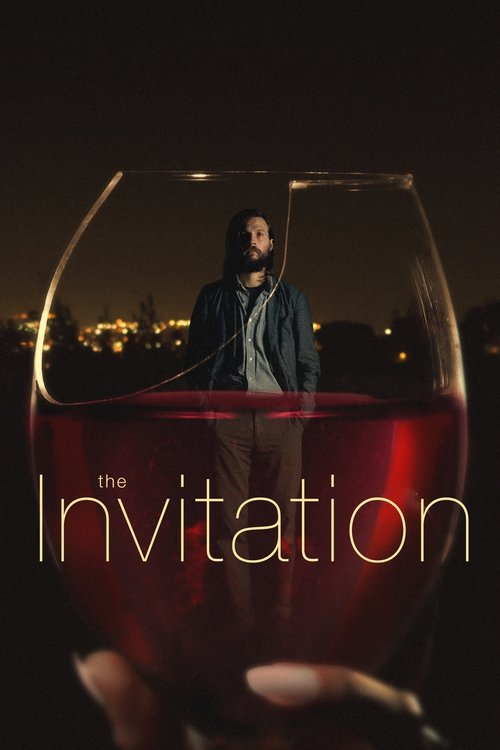
Karyn Kusama’s The Invitation is one of the best examples of a movie built around the suspicion that something is wrong even when nobody else appears willing to acknowledge it. Will attends a dinner party at the home of his former wife and her new husband, and tiny details begin to disturb him even as the evening appears outwardly sophisticated and welcoming. Like Chris in Get Out, Will faces an important psychological obstacle: what if his instincts are correct, but reacting to them makes him appear irrational?
4. The Stepford Wives (1975)

Long before Get Out, The Stepford Wives explored the terror hidden beneath immaculate homes, polite smiles and supposedly perfect communities. Joanna moves with her family to the apparently idyllic town of Stepford, where she becomes increasingly disturbed by the strangely submissive, obsessively domestic local women. Both films place an outsider inside an affluent community whose inhabitants initially appear eccentric rather than dangerous, before behaviour that seemed merely unusual begins to reveal a horrifying system operating underneath everyday life.
5. The Skeleton Key (2005)

Kate Hudson plays Caroline, a hospice nurse who takes a job caring for an elderly man in an isolated Louisiana plantation house. There are obvious differences between the films, but the structural similarity is fascinating — both follow protagonists entering somebody else’s home, discovering disturbing evidence and gradually learning that the explanation is more elaborate than they initially imagined. Most importantly, both are built around manipulation.
6. The Menu (2022)
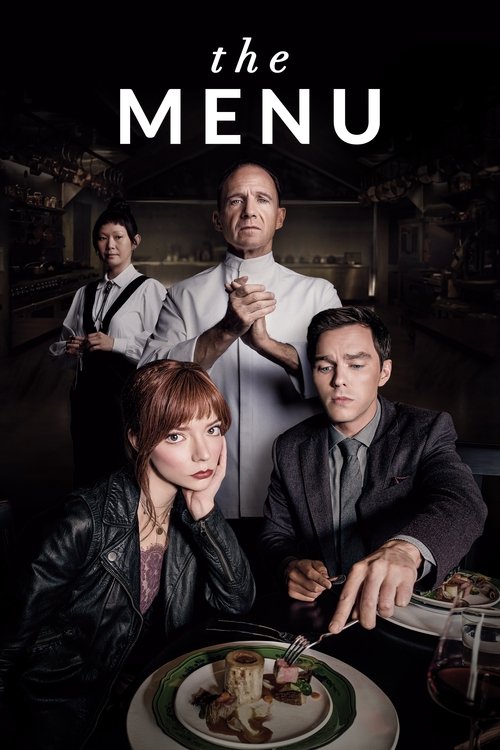
A group of wealthy diners travel to an exclusive island to experience a tasting menu prepared by celebrity chef Julian Slowik, and the evening gradually becomes something considerably darker. The Menu shares Get Out’s ability to make social discomfort part of the horror — before anyone understands the real danger, the characters are already imprisoned by etiquette, status and their reluctance to acknowledge how strange the situation has become.
7. Fresh (2022)
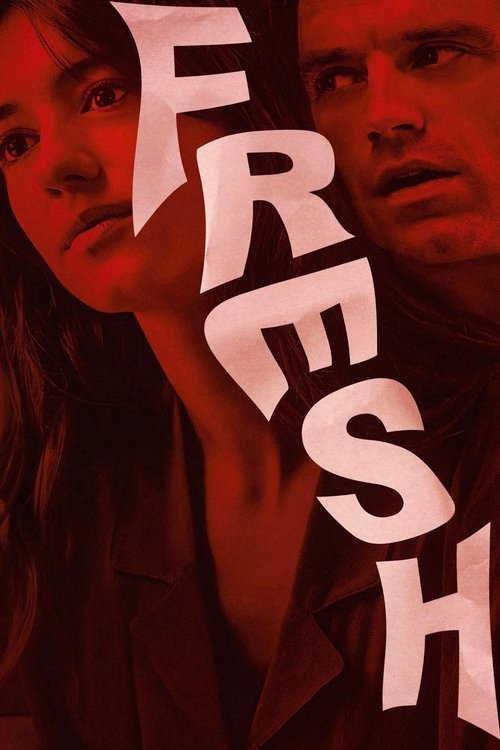
Fresh starts like a romantic comedy. Noa meets the charming Steve after becoming exhausted with dating apps, and their relationship develops quickly. Then the movie changes. Both films understand how frightening it can be to discover that intimacy itself has been used as a means of gaining access to somebody — what appeared to be affection becomes strategy.
8. Speak No Evil (2022)
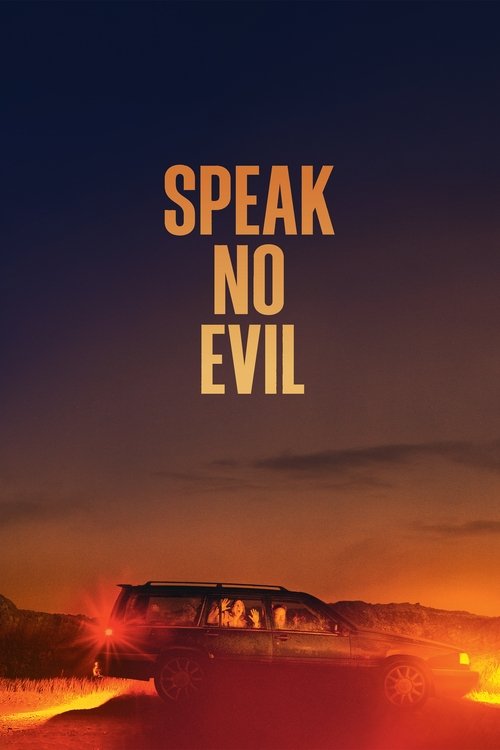
Few horror movies exploit social politeness as brutally as Speak No Evil. A family meet another family while on holiday and later accept an invitation to visit them at their remote home, where their hosts push boundaries and make uncomfortable remarks — but leaving would seem rude. Chris repeatedly encounters moments when his instincts tell him something is wrong, but responding openly would violate the social expectations surrounding him; Speak No Evil takes that idea and pushes it toward an extraordinarily bleak conclusion.
9. Barbarian (2022)
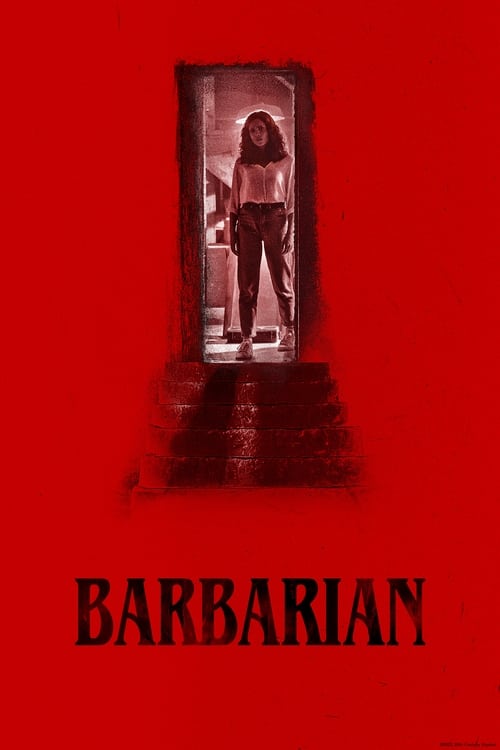
Barbarian begins with one of the simplest bad situations imaginable: Tess arrives at a rental property late at night and discovers that somebody else is already staying there. What connects it to Get Out is the manipulation of audience suspicion — we understand why Tess feels uncomfortable, but we are also aware that our assumptions can be wrong. Like Get Out, it is a movie about reading warning signs while never being entirely certain which signs actually matter.
10. Ready or Not (2019)
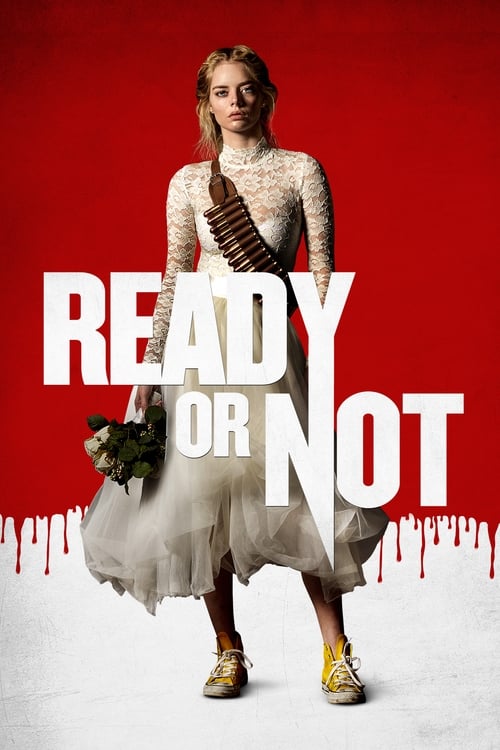
Grace marries into the extraordinarily wealthy Le Domas family and discovers that the family takes its wedding-night traditions considerably more seriously than she imagined. Ready or Not is broader, bloodier and more openly comic than Get Out, but the central setup is closely related — an outsider enters a wealthy family and discovers that acceptance into their world carries conditions nobody bothered to explain beforehand.
11. The Visit (2015)
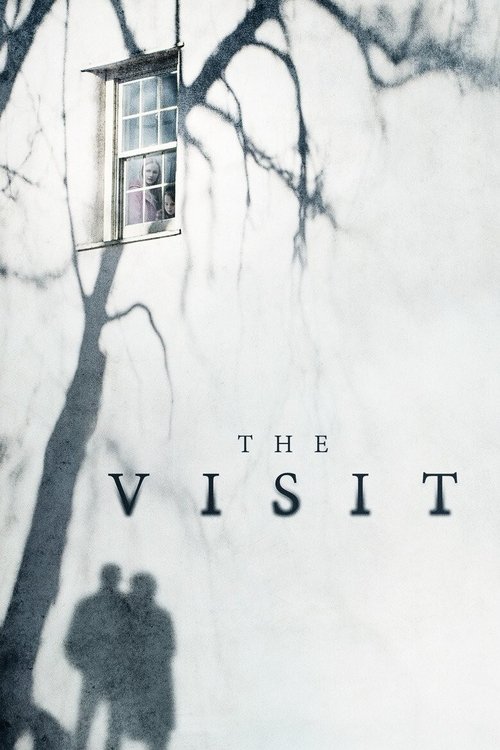
Two children travel to stay with grandparents they have never met. At first, the elderly couple’s behaviour can be explained away as eccentricity. Then the rules begin. M. Night Shyamalan’s The Visit works because every disturbing event initially has a potentially innocent explanation — like Get Out, it gives its protagonists plenty of opportunities to realise that something is wrong while simultaneously providing enough reassurance to keep them trapped.
12. The Gift (2015)

Joel Edgerton’s The Gift is less overtly a horror film than Get Out, but it creates a similar atmosphere of social unease. Simon and Robyn encounter Gordon, a man Simon knew at school, who begins appearing unexpectedly and inserting himself into their lives. What makes The Gift so effective is the way information changes allegiance — the person who initially appears threatening may not be the only person whose behaviour should concern us.
13. Rosemary’s Baby (1968)
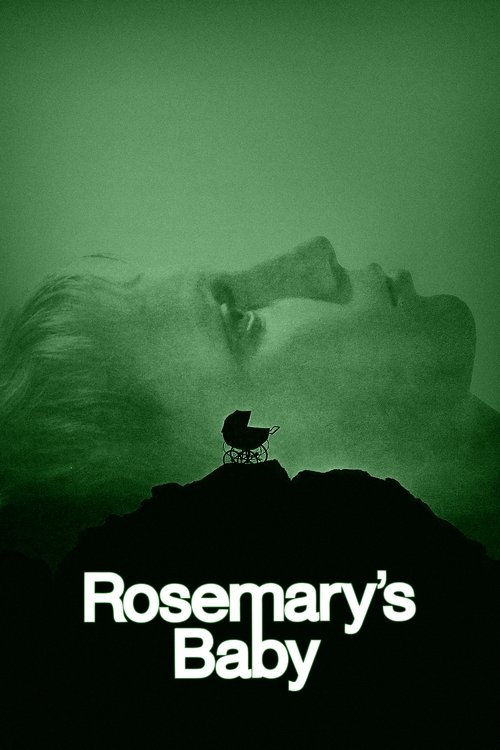
Roman Polanski’s Rosemary’s Baby established a template that countless later psychological horror movies would follow. Rosemary and Guy move into a prestigious New York apartment building and become friendly with their unusually attentive neighbours — she begins to suspect that something terrible is happening, and everyone tells her she is wrong. The movie’s influence on Get Out is easy to recognise: both stories isolate protagonists by surrounding them with people who participate in maintaining an alternative version of reality.
14. The Wicker Man (1973)
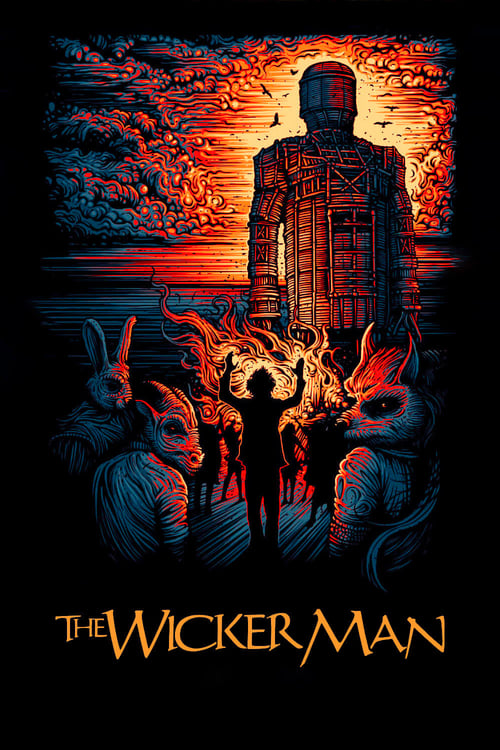
Police Sergeant Neil Howie travels to the remote Scottish island of Summerisle to investigate the disappearance of a young girl, and almost immediately encounters resistance. The original 1973 Wicker Man is another crucial ancestor of Get Out — it places an outsider inside an apparently welcoming community whose members know far more about his presence than he does, fascinated by ritual, belief and the possibility that a protagonist’s decisions are being anticipated by the people around them.
15. Candyman (1992)
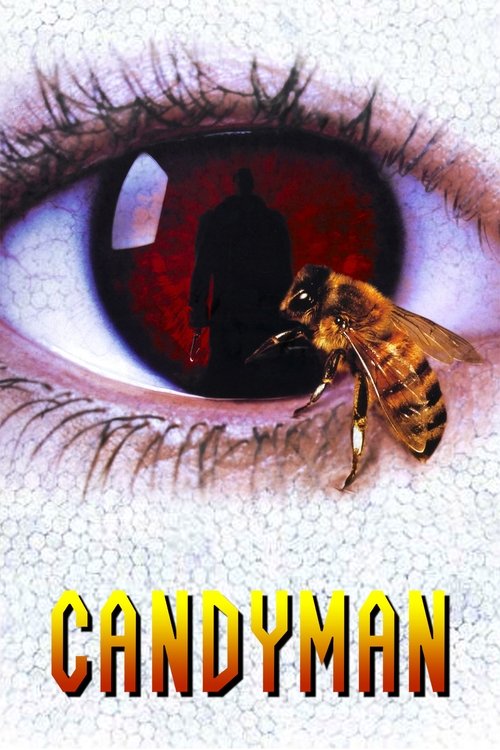
Bernard Rose’s 1992 Candyman combines supernatural horror with questions about race, class, mythology and who gets to control a story. Graduate student Helen Lyle becomes fascinated by the legend of Candyman while researching urban myths connected to Chicago’s Cabrini-Green housing development, and what begins as an academic investigation gradually consumes her life. Candyman and Get Out approach race in very different ways, but both demonstrate how horror can engage directly with social history without abandoning genre.
What Should You Watch After Get Out?
If the part of Get Out you loved most was the creeping suspicion that everybody around the protagonist knows something he does not, start with The Invitation, The Skeleton Key or The Stepford Wives. If you want another mixture of horror, satire and dark comedy, watch Us, The Menu, Fresh or Ready or Not. For stories about outsiders trapped inside somebody else’s carefully constructed game, try Blood Star, Speak No Evil, The Wicker Man or Barbarian. And if what fascinated you most was Jordan Peele’s ability to use genre to talk about larger social ideas, Candyman and Rosemary’s Baby remain essential examples of horror doing far more than simply trying to scare its audience.
Why Are There So Many Movies Like Get Out?
The success of Get Out helped demonstrate that audiences did not have to choose between entertaining horror and ambitious ideas. A movie could function as a thriller, comedy, mystery and social commentary while still providing the visceral pleasures expected from horror. The best films influenced by the same tradition do not merely attach a message to a horror story — they make the idea inseparable from the mechanism generating the fear. In Get Out, Chris’s inability to trust the people around him, the pressure to remain polite and the imbalance of power are not background themes. They are fundamental components of the trap.
Is Get Out a Horror Movie or a Psychological Thriller?
It is both. Get Out uses the structure of a psychological thriller for much of its running time — Chris observes suspicious behaviour, searches for explanations and slowly uncovers what is happening around him — but the movie increasingly enters unmistakable horror territory as the true nature of the Armitage family is revealed. The same is true of several movies on this list: The Invitation, The Gift and Blood Star can all appeal to viewers looking for psychological suspense even when their stories intersect with horror territory.
Watch Blood Star
If you are looking for another film about a protagonist who realises too late that she has entered a situation controlled by somebody far more dangerous than he initially appears, watch Blood Star. The 2024 independent psychological road thriller follows Bobbi as an encounter with a small-town sheriff on an isolated desert highway becomes an escalating fight for survival. What begins as intimidation reveals itself as something more ritualised and much more frightening. Like Get Out, it is interested in the moment instinct becomes certainty: when a character stops asking whether something is wrong and starts asking how they are going to escape.


See every legitimate way to watch Blood Star free →
Film posters via TMDB.
Related guides
More on Blood Star
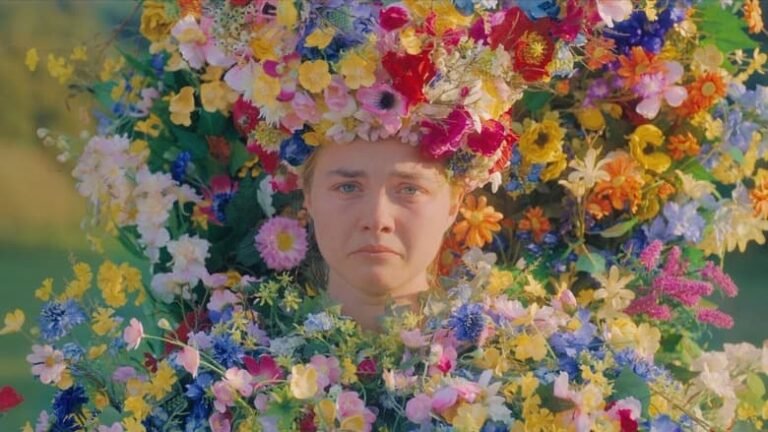

Table of Contents
- 1. Us (2019)
- 2. Blood Star (2024)
- 3. The Invitation (2015)
- 4. The Stepford Wives (1975)
- 5. The Skeleton Key (2005)
- 6. The Menu (2022)
- 7. Fresh (2022)
- 8. Speak No Evil (2022)
- 9. Barbarian (2022)
- 10. Ready or Not (2019)
- 11. The Visit (2015)
- 12. The Gift (2015)
- 13. Rosemary’s Baby (1968)
- 14. The Wicker Man (1973)
- 15. Candyman (1992)
- What Should You Watch After Get Out?
- Why Are There So Many Movies Like Get Out?
- Is Get Out a Horror Movie or a Psychological Thriller?
- Watch Blood Star
- Related guides
- More on Blood Star