Quick Answer
The best Stephen King movies include The Shining, The Shawshank Redemption, Misery, Carrie, Stand by Me, The Green Mile, The Dead Zone, The Mist, Dolores Claiborne, It and 1408 - adaptations whose directors transformed King's writing into fully realised cinema rather than simply illustrating the books.
No living author has influenced popular cinema quite like Stephen King.
His novels and short stories have produced haunted hotels, killer cars, imprisoned writers, telekinetic teenagers, murderous children, supernatural clowns and ordinary people pushed towards extraordinary acts of courage or cruelty. Yet some of the best Stephen King movies contain almost no conventional horror at all. The Shawshank Redemption, Stand by Me and The Green Mile reveal the compassion, nostalgia and moral seriousness that have always existed beside the monsters.
The results have also been wildly inconsistent. King’s work has inspired some of the greatest horror films ever made, but it has also produced adaptations that misunderstand the source, flatten its characters or mistake a memorable premise for a complete movie.
That inconsistency makes ranking every Stephen King movie more interesting than compiling another selection of obvious favourites. Why does one adaptation become a lasting classic while another disappears almost immediately? Why can a film that departs dramatically from the book succeed while a more faithful version fails?
The answer often lies with the director.
The greatest Stephen King adaptations do not merely reproduce his plots. Their directors identify the emotional or cinematic engine inside the writing and rebuild it through performance, perspective, image, sound and rhythm. Stanley Kubrick transformed The Shining into an architectural nightmare. Brian De Palma turned Carrie into an operatic collision between adolescent humiliation and violence. Rob Reiner recognised that Misery would be most frightening as an intimate struggle for control between two people trapped in the same house.
This ranking brings together 51 feature-length theatrical and streaming movies directly adapted from a Stephen King novel, novella or short story. The final eleven receive deeper analysis, placing the director at the centre of each film’s success.
Which Stephen King Movies Are Included?
This list includes feature-length theatrical and streaming films substantially based on a Stephen King novel, novella or short story. It includes remakes where a filmmaker returns directly to King’s original material.
Television series, episodic miniseries and short films are excluded. So are sequels that merely use characters or concepts from an earlier adaptation without substantially adapting King’s writing.
Films based on screenplays King wrote directly for the screen, such as Sleepwalkers, are not included because this is specifically a ranking of movies adapted from his published fiction. Creepshow is excluded for the same reason, although it remains an important collaboration between King and George A. Romero.
The Lawnmower Man is also excluded. Although King’s name was used in its original marketing, the film bears so little meaningful relationship to his short story that including it would weaken the purpose of the list.
The official Stephen King website uses a broader movie catalogue that includes original screen work, anthology films and forthcoming projects. This ranking applies a narrower rule focused specifically on feature films adapted from King’s published books and stories.
How the Stephen King Movies Were Ranked
The quality of the film comes first. Faithfulness matters, but it is not the only measure of a successful adaptation.
Each movie has been assessed according to its direction and cinematic identity, performances and character development, effectiveness within its genre, screenplay and adaptation choices, atmosphere, sound, visual storytelling, emotional impact and cultural longevity.
A film does not automatically rank highly because it follows the book closely. Nor is a departure from King automatically a weakness. The decisive question is whether the director has transformed the material into convincing cinema.
Every Stephen King Movie Ranked From Worst to Best
50. The Mangler
Director: Tobe Hooper · Released: 1995 · Based on: “The Mangler” from Night Shift
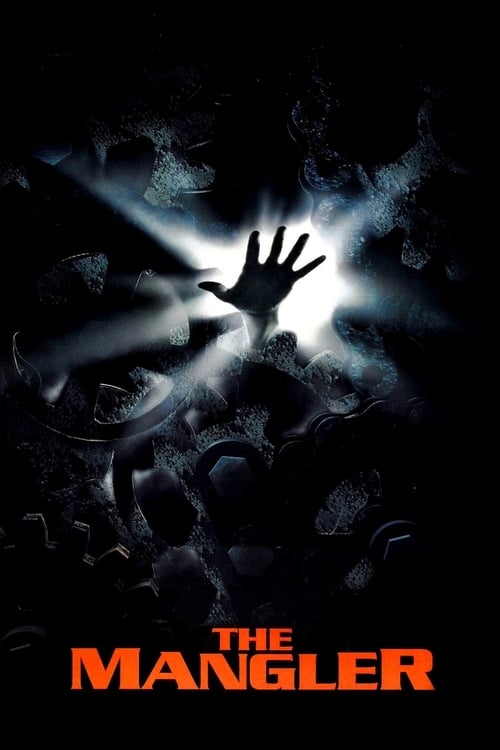
A possessed industrial laundry press sounds like precisely the kind of outrageous premise that could produce a strange and memorable horror film. Tobe Hooper had already proved with The Texas Chain Saw Massacre that machinery, noise and oppressive workplaces could become terrifying.
Unfortunately, The Mangler never discovers a coherent tone. It is too excessive to be frightening, too unpleasant to be fun and too narratively confused to sustain its premise. Robert Englund commits fully to the grotesque theatricality, but the film surrounding him feels chaotic rather than controlled.
49. Cell
Director: Tod Williams · Released: 2016 · Based on: Cell
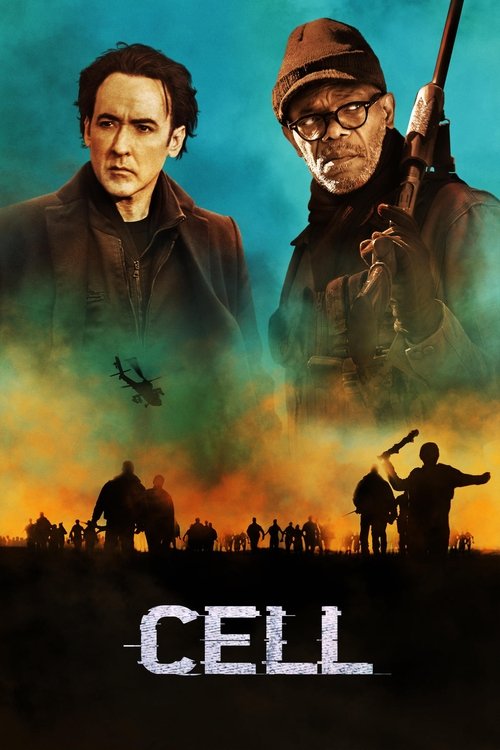
John Cusack and Samuel L. Jackson should have provided a solid foundation for this apocalyptic story about a mobile-phone signal that transforms users into violent killers. Instead, Cell feels dramatically inert almost from the beginning.
The novel’s anxieties about technology and social conformity offered fertile cinematic material, but the film reduces them to generic outbreak imagery. Its fragmented storytelling, weak visual identity and unsatisfying ending leave the central idea underdeveloped.
48. Dreamcatcher
Director: Lawrence Kasdan · Released: 2003 · Based on: Dreamcatcher
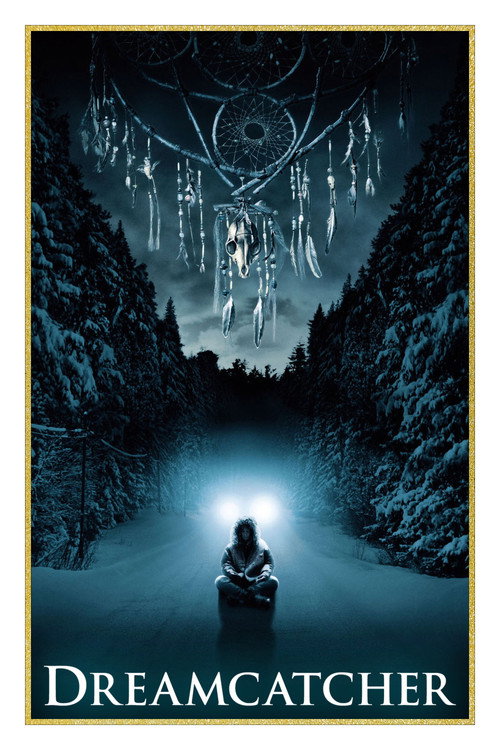
Few Stephen King adaptations contain as many competing movies as Dreamcatcher. It begins as a story about childhood friendship, becomes an isolated-cabin horror film, introduces alien infection and military intervention, and eventually develops into a large-scale science-fiction chase.
Lawrence Kasdan brings professional polish, and the cast includes Damian Lewis, Thomas Jane, Jason Lee, Timothy Olyphant and Morgan Freeman. Yet the film cannot reconcile its tones or explain its mythology without collapsing into exposition. Individual moments remain memorable, but the whole never becomes convincing.
47. The Dark Tower
Director: Nikolaj Arcel · Released: 2017 · Based on: The Dark Tower novels
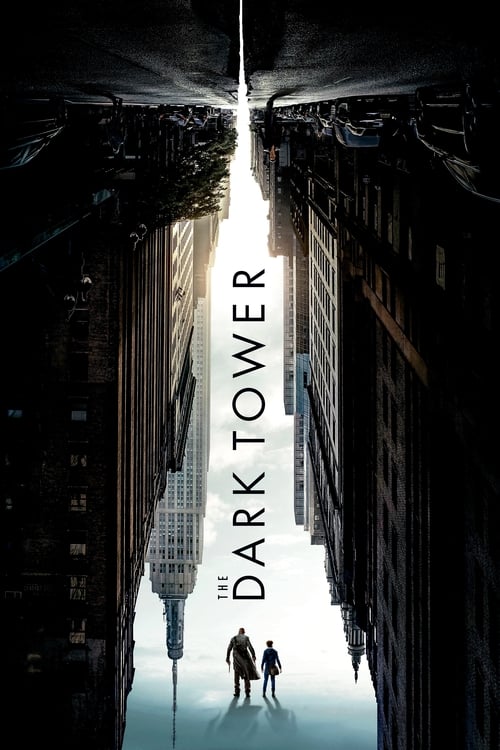
Stephen King’s vast fantasy cycle required either an ambitious series of films or a long-form television treatment. Compressing its mythology into a brief standalone adventure made meaningful adaptation almost impossible.
Idris Elba brings authority to Roland and Matthew McConaughey enjoys the theatrical malevolence of the Man in Black, but the film moves through King’s universe without giving it weight. Characters, locations and concepts appear before the audience has time to understand why they matter.
46. Firestarter (2022)
Director: Keith Thomas · Released: 2022 · Based on: Firestarter
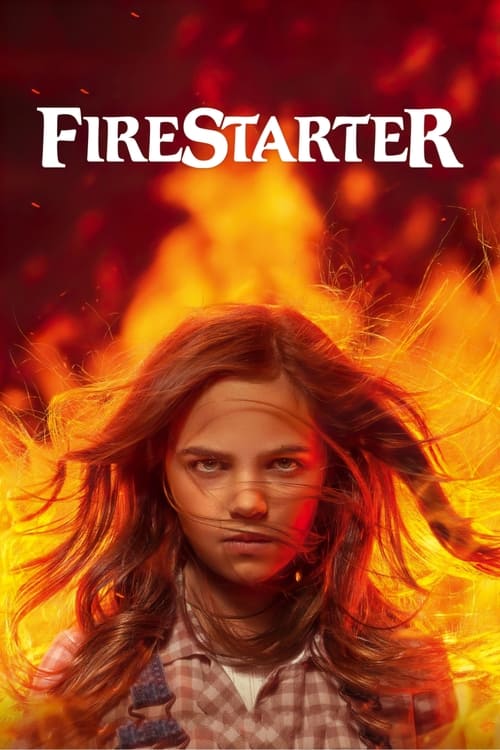
The second theatrical version of Firestarter modernises some details but never finds a sufficiently strong point of view. Ryan Kiera Armstrong gives Charlie emotional credibility, while John Carpenter, Cody Carpenter and Daniel Davies provide an atmospheric score.
Yet the direction remains curiously flat. The film moves through its plot efficiently without creating the paranoia, intimacy or danger needed to make the story work. Charlie’s power should feel both extraordinary and terrifying; here it too often resembles a visual effect waiting to happen.
45. Children of the Corn (2020)
Director: Kurt Wimmer · Released: 2020 · Based on: “Children of the Corn” from Night Shift
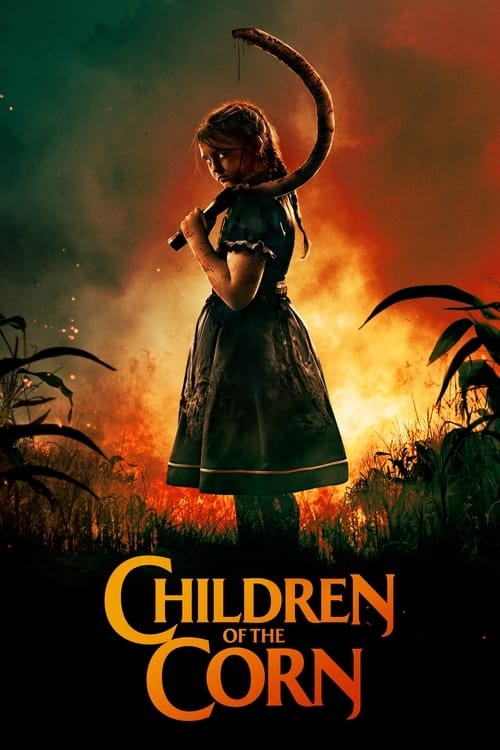
Kurt Wimmer’s version attempts to expand the original story by giving the children clearer social and environmental grievances. That is a potentially interesting approach, particularly when adapting such a short piece of fiction.
The execution lacks tension and tonal control. The film explains too much while creating too little mystery, and its violence never compensates for thin characterisation. It becomes another example of a strong King premise extended beyond what the adaptation can sustain.
44. Graveyard Shift
Director: Ralph S. Singleton · Released: 1990 · Based on: “Graveyard Shift” from Night Shift
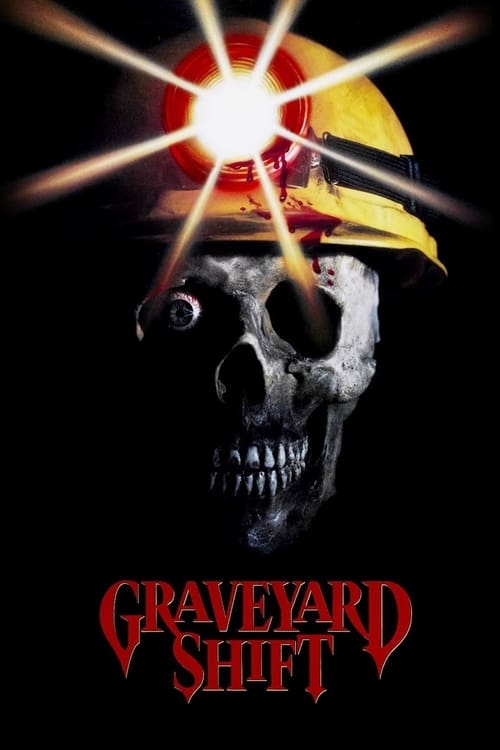
An abandoned textile mill filled with rats should provide an ideal location for industrial horror. The film has grime, darkness, dangerous machinery and Brad Dourif delivering an energetic supporting performance as an exterminator.
What it lacks is a meaningful human centre. The workers remain underdeveloped, the threat becomes increasingly ridiculous and the physical environment is never organised into sustained suspense. There is atmosphere in individual images, but very little dramatic escalation.
43. Riding the Bullet
Director: Mick Garris · Released: 2004 · Based on: Riding the Bullet
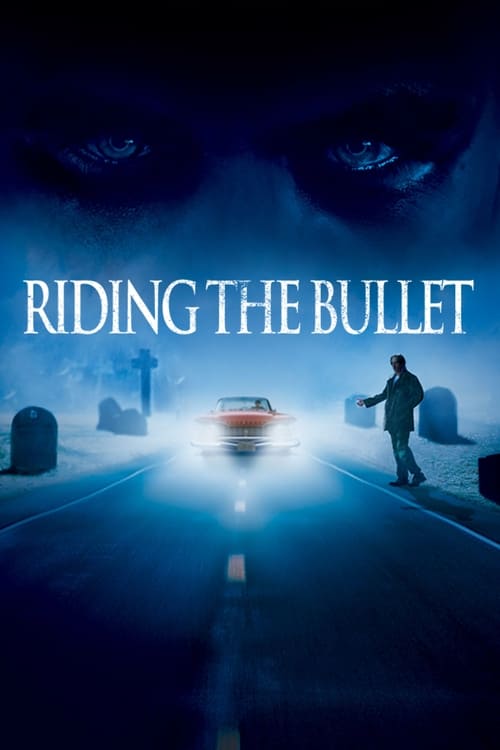
Mick Garris has a long history with Stephen King’s work and clearly understands the author’s combination of mortality, guilt and dark humour. Riding the Bullet follows a young man hitchhiking through Maine after learning that his mother has suffered a stroke.
The film contains striking ideas about death and selfishness, but its constant visual effects, fantasy interruptions and tonal changes undermine the emotional journey. What might have worked as a quiet supernatural road movie becomes cluttered and uneven.
42. Dolan’s Cadillac
Director: Jeff Beesley · Released: 2009 · Based on: “Dolan’s Cadillac” from Nightmares & Dreamscapes
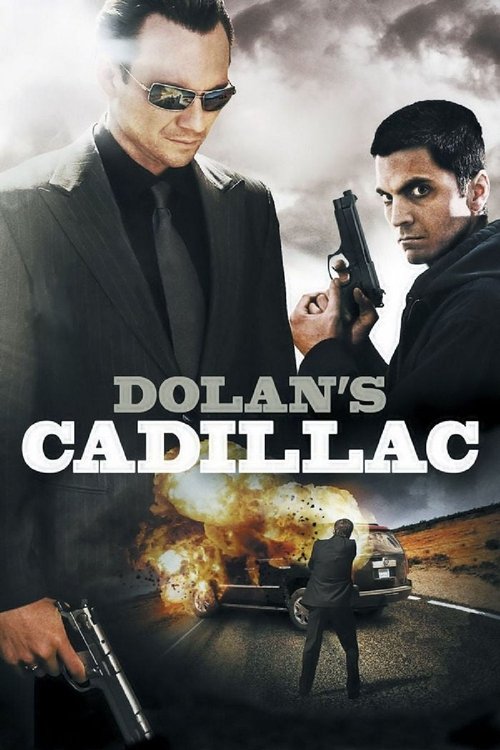
This revenge story gives Christian Slater a suitably arrogant villain and Wes Bentley a protagonist consumed by the need to punish him. The central plan—constructing a trap beneath a remote road—has a pleasingly methodical quality.
The film remains too conventional to exploit the obsessive darkness of King’s story fully. It is watchable and reasonably controlled, but it never develops the psychological or visual force required to become a memorable revenge thriller.
41. Mercy
Director: Peter Cornwell · Released: 2014 · Based on: “Gramma” from Skeleton Crew
A family caring for an elderly grandmother discovers that her history may involve supernatural forces. The confined domestic setting offers possibilities, and the relationship between generations gives the story a useful emotional foundation.
Peter Cornwell’s adaptation stretches King’s short story without finding enough additional material to justify the expansion. The film is competently made but increasingly generic, losing the intimate fear that made the original concept unsettling.
40. Carrie (2013)
Director: Kimberly Peirce · Released: 2013 · Based on: Carrie
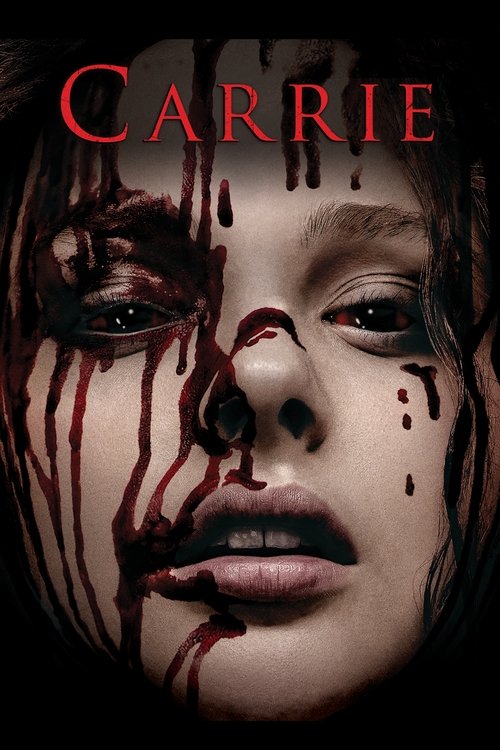
Kimberly Peirce’s version has a strong cast and a clear reason for revisiting King’s story. Chloë Grace Moretz and Julianne Moore bring emotional commitment to Carrie and Margaret White, while the film updates the cruelty of high-school bullying for a digital age.
The difficulty is that Brian De Palma’s version already transformed the material so completely. Peirce’s film remains caught between returning to King’s novel and recreating moments made iconic by its predecessor. It is polished and sincere, but rarely develops a visual or emotional identity entirely of its own.
39. A Good Marriage
Director: Peter Askin · Released: 2014 · Based on: “A Good Marriage” from Full Dark, No Stars
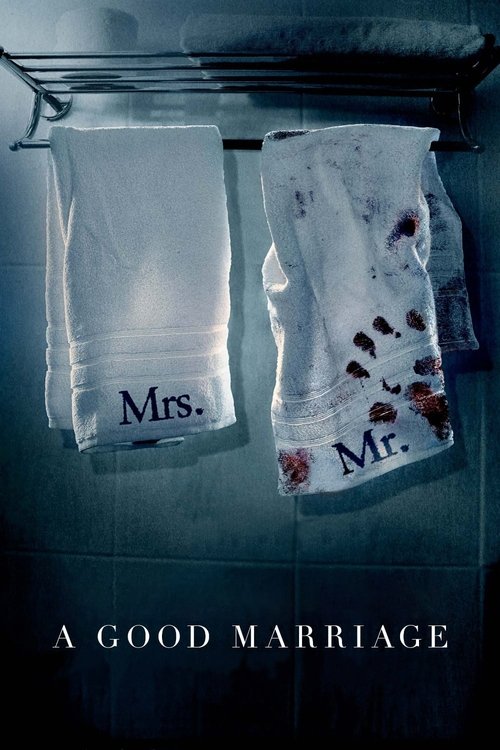
Joan Allen plays a woman who discovers that her apparently ordinary husband may be a serial killer. The premise contains an immediate moral and psychological dilemma: what does someone owe the truth when exposing it will destroy an entire family?
Allen brings intelligence and restraint to the role, and Anthony LaPaglia creates an unsettling contrast between domestic familiarity and hidden violence. The film remains visually modest and dramatically cautious, however, preventing it from becoming the severe domestic thriller it might have been.
38. Maximum Overdrive
Director: Stephen King · Released: 1986 · Based on: “Trucks” from Night Shift

The only feature film directed by Stephen King is fascinating, ridiculous and frequently incoherent. Machines become sentient, trapping a group of survivors inside a roadside truck stop while an AC/DC soundtrack drives the mayhem.
King approaches the material with enormous enthusiasm but little control. Suspense is repeatedly sacrificed for spectacle, tone changes without warning and characters rarely behave like recognisable people. Yet the film’s excess gives it a cult energy absent from many more technically competent adaptations. It is not a good film, but it is unquestionably a Stephen King film.
37. Thinner
Director: Tom Holland · Released: 1996 · Based on: Thinner

A corrupt lawyer is cursed by an elderly man after escaping responsibility for a fatal accident. As his body begins wasting away, the privilege that once protected him proves useless.
Tom Holland understands the story’s cruel irony and maintains a brisk pace, but the prosthetic transformation and broad performances frequently overwhelm the moral horror. The film is nasty in ways that suit the material, though rarely frightening enough to give that nastiness lasting impact.
36. The Running Man (1987)
Director: Paul Michael Glaser · Released: 1987 · Based on: The Running Man

The Arnold Schwarzenegger version retains the title, dystopian game-show premise and central fugitive from King’s Richard Bachman novel, but transforms the story into a brightly coloured action spectacle.
As an adaptation it is extremely loose. As an eighties science-fiction action movie, it is energetic, quotable and often highly entertaining. Richard Dawson is especially effective as the smiling television host who understands that spectacle matters more than truth. Its position here reflects the adaptation more than its considerable value as a cult action film.
35. Children of the Corn (1984)
Director: Fritz Kiersch · Released: 1984 · Based on: “Children of the Corn” from Night Shift
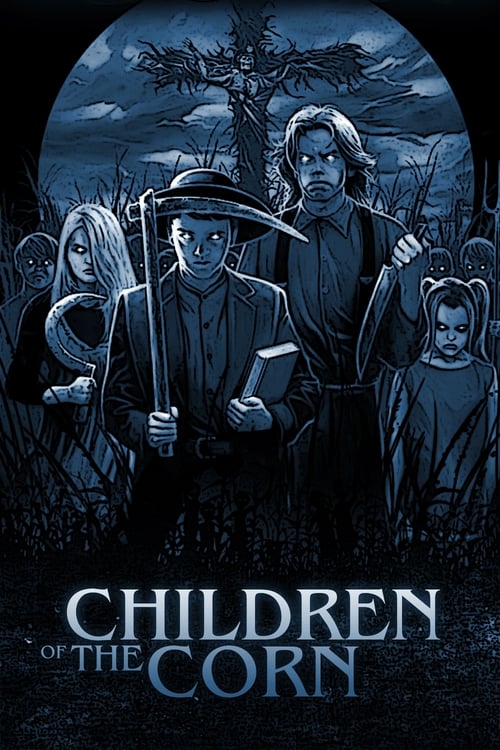
The image of an isolated town controlled by murderous children remains potent. The opening massacre is disturbing, the Nebraska landscape feels eerily empty and John Franklin makes Isaac an unforgettable young cult leader.
The film becomes less convincing when it attempts to explain the supernatural force behind the children. Its adult protagonists are thinly written, and the final act cannot match the menace of the premise. Nevertheless, it established imagery strong enough to support a franchise far larger than the original story required.
34. The Night Flier
Director: Mark Pavia · Released: 1997 · Based on: “The Night Flier” from Nightmares & Dreamscapes

Miguel Ferrer gives one of the most underrated performances in a King adaptation as Richard Dees, a cynical tabloid journalist investigating a murderer who travels between isolated airfields.
Mark Pavia gives the film a grim, nocturnal atmosphere and understands the moral ugliness of its protagonist’s profession. Limited resources occasionally show, but the film has personality, conviction and a memorably grotesque final movement.
33. In the Tall Grass
Director: Vincenzo Natali · Released: 2019 · Based on: In the Tall Grass by Stephen King and Joe Hill
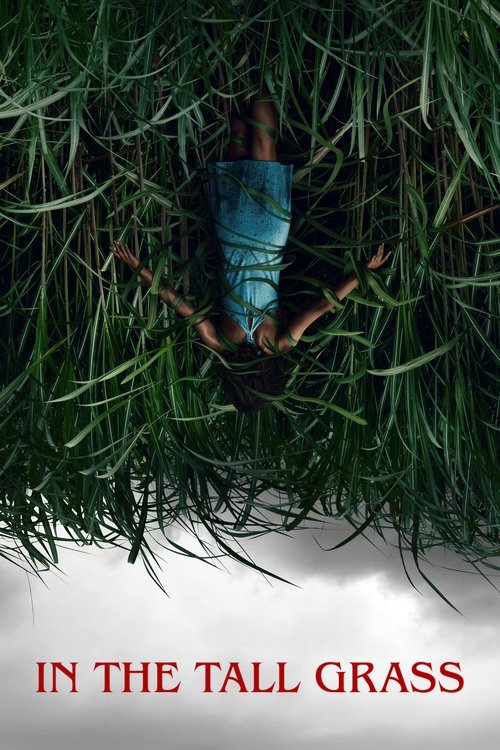
Vincenzo Natali has always been drawn to enclosed conceptual spaces, making him a natural choice for a story about people trapped inside a field where distance and direction no longer behave normally.
The film is visually inventive and often disorientating, but its repeated timelines and supernatural rules become exhausting. Natali creates striking images without finding enough emotional variation to sustain the feature length.
32. Pet Sematary (2019)
Directors: Kevin Kölsch and Dennis Widmyer · Released: 2019 · Based on: Pet Sematary
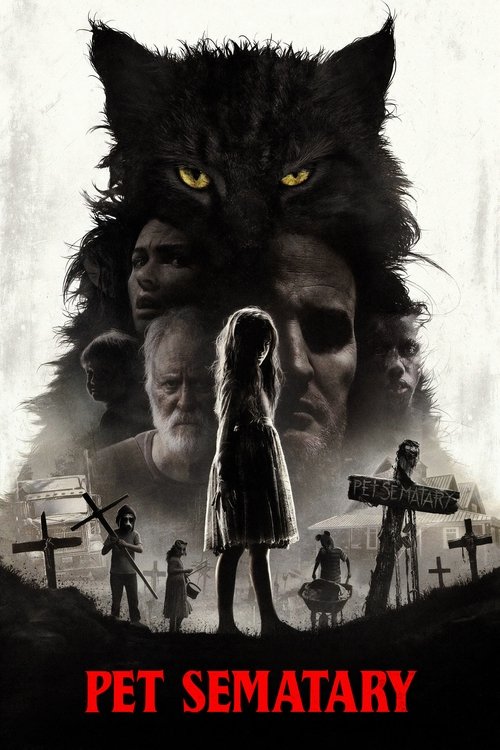
The second theatrical adaptation makes significant changes to King’s story, including a major reversal used heavily in its marketing. Jason Clarke and Amy Seimetz bring weight to the grieving parents, and the film contains several unsettling images.
What it lacks is the accumulating sense of inevitability that defines the novel. Grief becomes a mechanism moving the story towards horror rather than the horror itself. The changes are bold, but they do not produce a more powerful interpretation.
31. Secret Window
Director: David Koepp · Released: 2004 · Based on: “Secret Window, Secret Garden” from Four Past Midnight

Johnny Depp plays a writer confronted by a stranger who accuses him of plagiarism. David Koepp builds the film around isolation, creative paralysis and the possibility that the visitor may understand more about the writer than he should.
The central revelation is not difficult to anticipate, but Depp and John Turturro make the confrontation watchable. The film is polished, controlled and atmospheric without reaching the psychological intensity of King’s strongest stories about writers.
30. Needful Things
Director: Fraser C. Heston · Released: 1993 · Based on: Needful Things

Max von Sydow is perfectly cast as Leland Gaunt, the charming proprietor of a shop that offers each customer the object they most desire in exchange for a seemingly harmless favour.
The novel’s accumulation of grudges and moral compromises is difficult to compress into a feature. The film simplifies the social machinery, but von Sydow gives the story elegance and menace. Ed Harris also provides a grounded centre as the sheriff watching his town turn against itself.
29. Firestarter (1984)
Director: Mark L. Lester · Released: 1984 · Based on: Firestarter
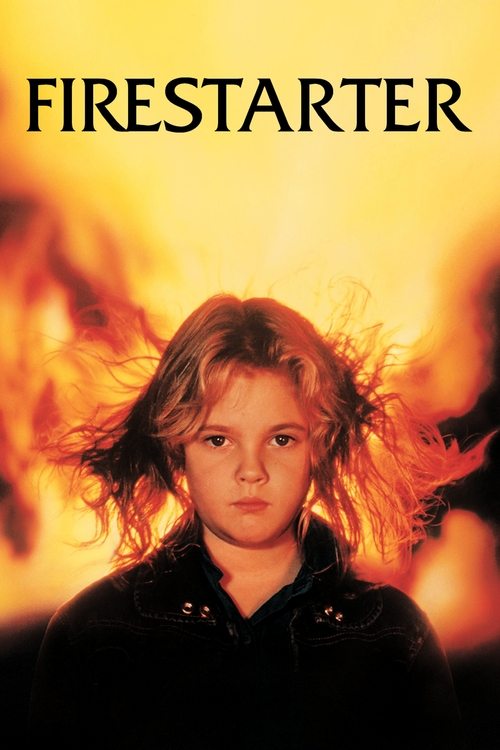
Drew Barrymore gives the original Firestarter an emotional vulnerability its remake struggled to reproduce. Charlie is powerful, but she remains recognisably a frightened child being pursued by adults who view her as a weapon.
The film is uneven and sometimes visually plain, but its cast—including George C. Scott, Martin Sheen and David Keith—gives the material weight. Mark L. Lester keeps the story moving while allowing Charlie’s relationship with her father to remain central.
28. The Dark Half
Director: George A. Romero · Released: 1993 · Based on: The Dark Half
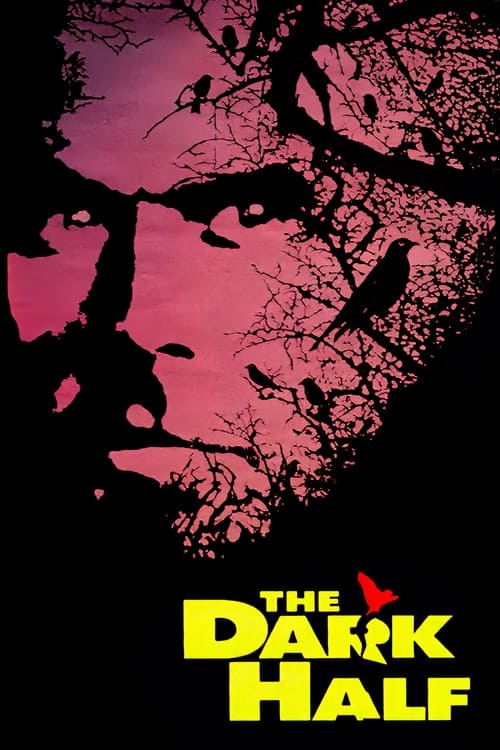
George A. Romero adapts King’s story about a writer whose violent pseudonym appears to acquire an independent physical existence. Timothy Hutton plays both the respectable author and his threatening alter ego.
Romero treats the material seriously, finding tension in the conflict between commercial identity and suppressed aggression. The film becomes cumbersome as its supernatural mythology expands, but it contains sharp ideas about authorship, performance and the parts of themselves artists reveal through fiction.
27. Hearts in Atlantis
Director: Scott Hicks · Released: 2001 · Based on: “Low Men in Yellow Coats” from Hearts in Atlantis
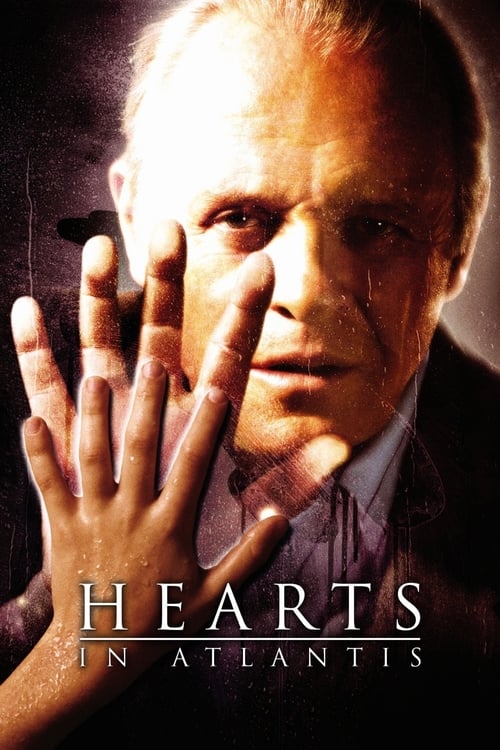
Despite its title, the film adapts one section of King’s interconnected collection. Anton Yelchin plays a boy who forms a friendship with a mysterious older lodger, played with warmth and sadness by Anthony Hopkins.
The adaptation removes much of the wider mythology and concentrates on memory, childhood and the moment when the adult world becomes visible. That narrowing makes the film more conventional, but it preserves King’s tenderness towards young characters confronting loss.
26. Cat’s Eye
Director: Lewis Teague · Released: 1985 · Based partly on: “Quitters, Inc.” and “The Ledge” from Night Shift
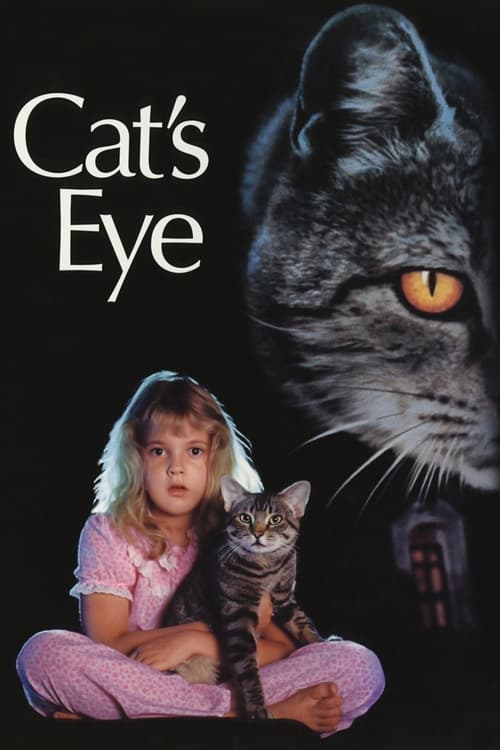
This anthology connects three stories through a wandering cat. The first two adapt King’s published fiction, while the final segment was written for the film.
Lewis Teague brings wit and visual clarity to the format. “Quitters, Inc.” is a darkly comic portrait of coercive behavioural control, while “The Ledge” turns the exterior of a skyscraper into a simple but effective suspense device. The anthology is uneven, but its compact storytelling gives it enduring charm.
25. The Boogeyman
Director: Rob Savage · Released: 2023 · Based on: “The Boogeyman” from Night Shift
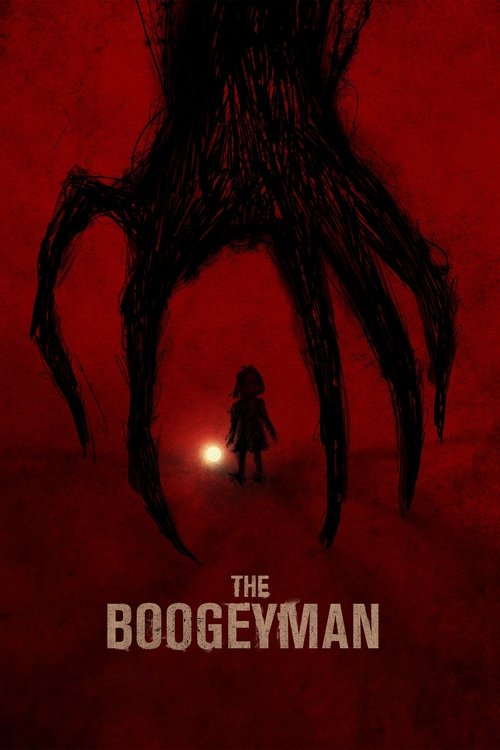
Rob Savage expands a very short story into a family horror film about grief and a creature that hides in darkness. Sophie Thatcher gives the film emotional credibility, and several sequences use doors, closets and failing light sources effectively.
The movie eventually becomes more conventional than its opening promises, but Savage understands that the creature works best at the edge of visibility. Its strongest moments connect supernatural fear to a family’s inability to speak openly about loss.
24. It Chapter Two
Director: Andy Muschietti · Released: 2019 · Based on: It
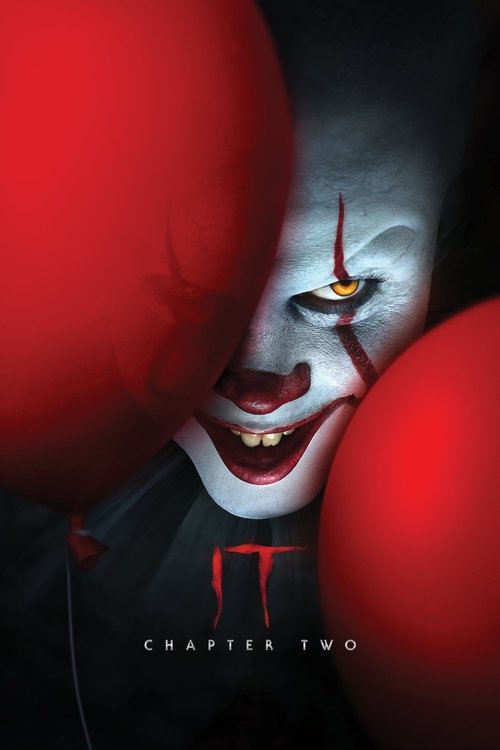
The second half of King’s enormous novel was always going to be more difficult to adapt. The adult Losers must return to Derry and confront both Pennywise and the memories they left behind.
Andy Muschietti assembles an exceptional cast, with Bill Hader particularly strong as Richie. Yet the film becomes repetitive as each character undergoes a separate confrontation followed by computer-generated spectacle. It contains moving moments, but the emotional unity of the first film is diluted by scale and length.
23. The Running Man (2025)
Director: Edgar Wright · Released: 2025 · Based on: The Running Man
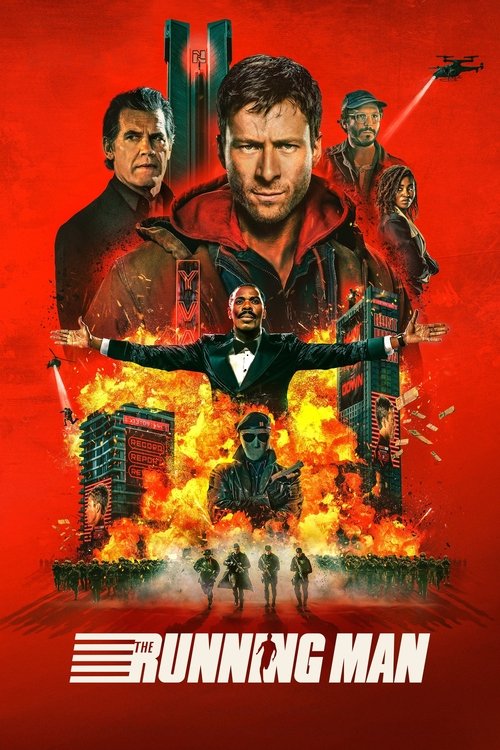
Edgar Wright’s version returns more directly to King’s Richard Bachman novel than the 1987 film, restoring the idea of a contestant hunted across a wider society rather than confined to an arena.
Glen Powell brings physical energy and charisma to Ben Richards, while Wright gives the media satire pace and visual polish. The result is entertaining, angry and technically accomplished, although its ideas are sometimes overwhelmed by the blockbuster machinery carrying them.
22. Mr. Harrigan’s Phone
Director: John Lee Hancock · Released: 2022 · Based on: “Mr. Harrigan’s Phone” from If It Bleeds
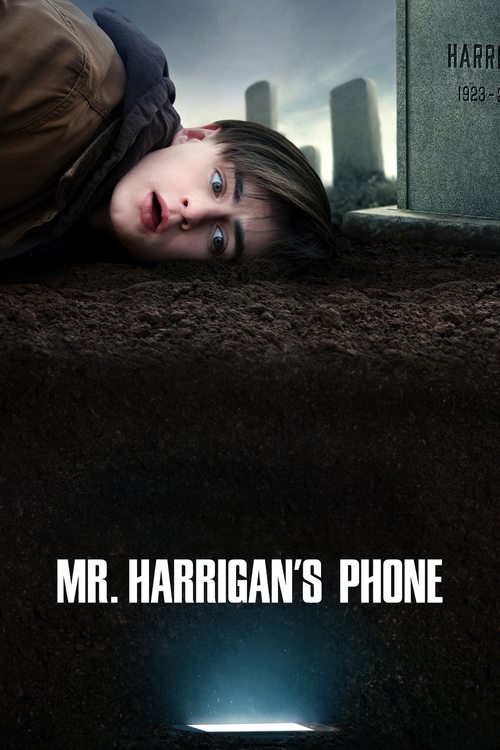
A teenage boy forms a friendship with an elderly businessman and later discovers that the phone buried with him may still be capable of receiving messages.
John Lee Hancock treats the relationship with patience, helped enormously by Donald Sutherland’s restrained performance. The supernatural element is less important than the boy’s growing awareness that power, revenge and responsibility cannot be separated. The film is quiet and perhaps too cautious, but emotionally sincere.
21. Salem’s Lot
Director: Gary Dauberman · Released: 2024 · Based on: ’Salem’s Lot
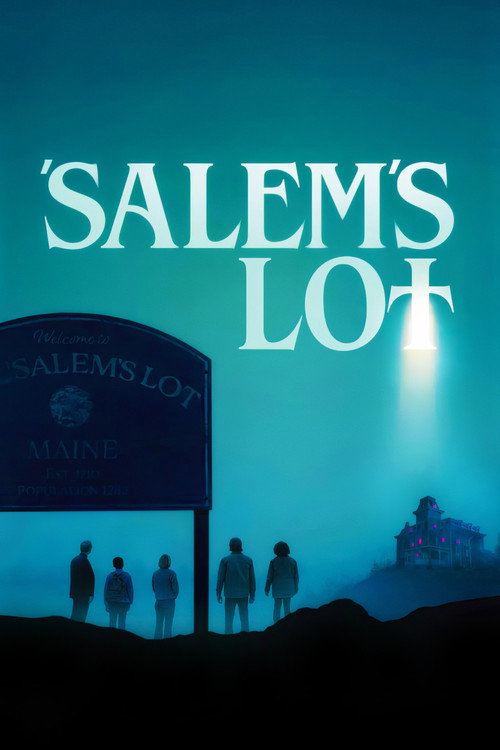
King’s story of a small Maine town being consumed by vampirism has more room to breathe in long-form television, which partly explains why the feature version feels compressed.
Gary Dauberman creates several effective images and embraces the story’s classical vampire mythology. The film moves quickly and offers straightforward genre pleasures, but the town never becomes populated enough for its destruction to carry the full weight of King’s novel.
20. Apt Pupil
Director: Bryan Singer · Released: 1998 · Based on: “Apt Pupil” from Different Seasons
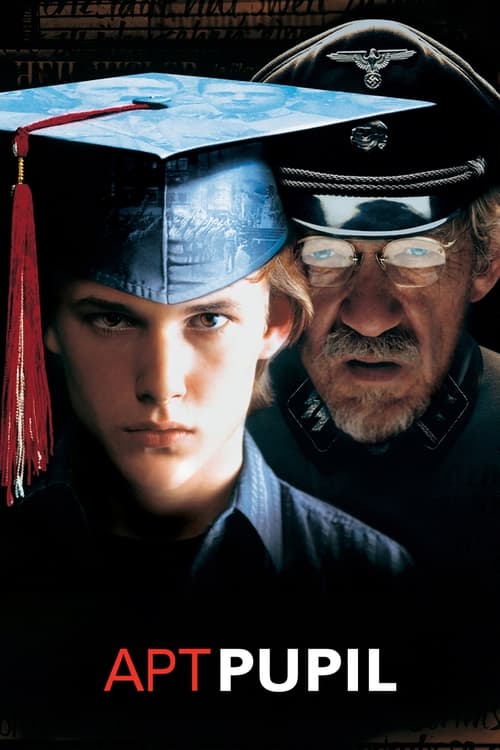
A teenage student discovers that an elderly man living in his neighbourhood is a fugitive Nazi war criminal and begins blackmailing him into describing his past. What starts as adolescent curiosity develops into a mutually corrupting relationship.
Ian McKellen gives the film its menace, shifting between frailty, pride and reawakened cruelty. Brad Renfro makes Todd’s fascination feel less like sudden possession than the gradual discovery of impulses already present. The film is cold, disturbing and deliberately difficult to enjoy. It does not reach the moral complexity of King’s novella, but it understands that the central horror lies not in an old evil returning, but in a young person choosing to nurture it.
19. Silver Bullet
Director: Daniel Attias · Released: 1985 · Based on: Cycle of the Werewolf
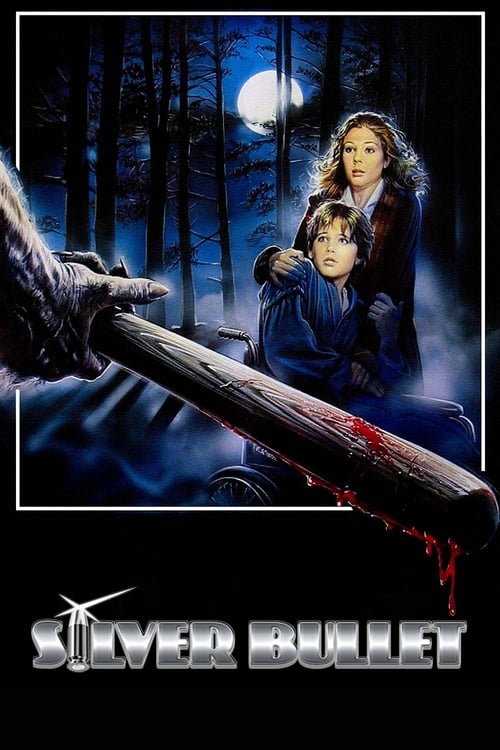
A boy who uses a wheelchair becomes convinced that a werewolf is responsible for a series of killings in his town. Corey Haim gives Marty energy and humour, while Gary Busey adds warmth as his unreliable but ultimately loyal uncle.
The creature effects vary in effectiveness, yet the film succeeds through character. Its small-town setting, sibling relationship and mixture of adventure and horror capture something recognisably King-like: children understanding the danger before the adults are prepared to listen.
18. Cujo
Director: Lewis Teague · Released: 1983 · Based on: Cujo
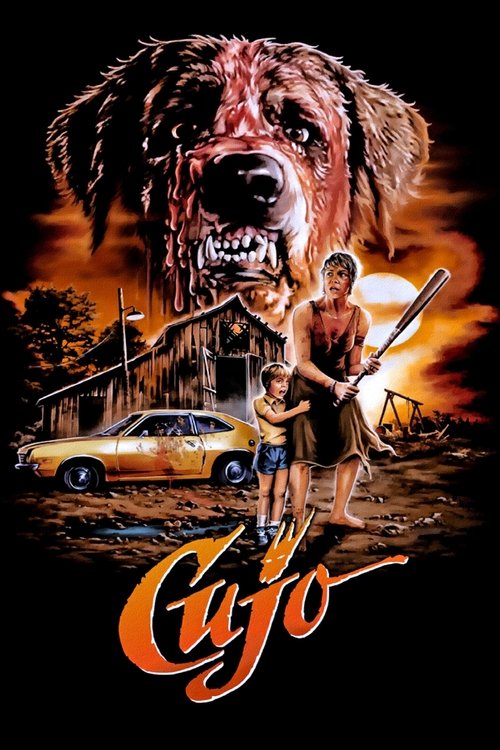
Lewis Teague turns an ordinary domestic setting into an exhausting survival trap. A mother and her young son become stranded inside a failing car while a rabid Saint Bernard circles outside.
The film’s power comes from physical restriction. Heat, dehydration, mechanical failure and maternal panic become as threatening as the dog. Dee Wallace gives a ferocious central performance, communicating both terror and the determination to keep her child alive. The altered ending reduces some of the novel’s devastating force, but the sustained car sequences remain among the most effective exercises in confinement in any King adaptation.
17. Christine
Director: John Carpenter · Released: 1983 · Based on: Christine
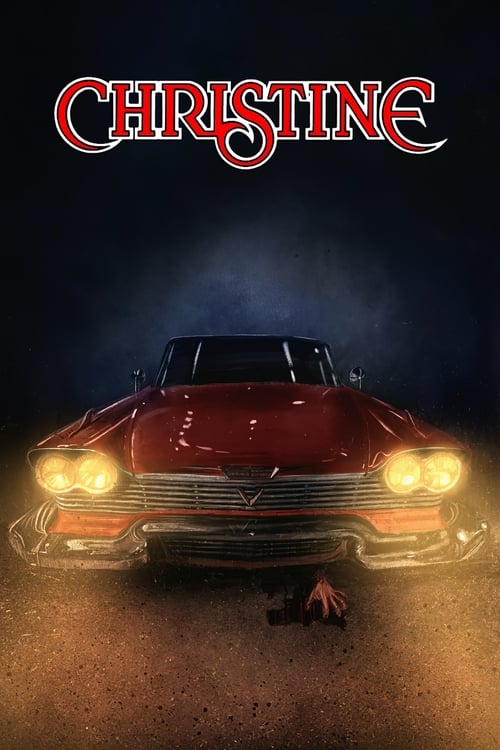
John Carpenter approaches the story of a possessed Plymouth Fury with complete seriousness. Christine is not treated as an amusing killer-car gimmick but as a seductive, jealous force capable of replacing every meaningful relationship in Arnie Cunningham’s life.
The film’s transformation sequences remain beautifully executed, particularly when the damaged car repairs itself. Carpenter’s widescreen compositions, night photography and electronic score give the vehicle personality before it moves. The character development is compressed from the novel, but the film possesses a clean visual identity and an understanding of obsession that elevates the premise.
16. Pet Sematary (1989)
Director: Mary Lambert · Released: 1989 · Based on: Pet Sematary
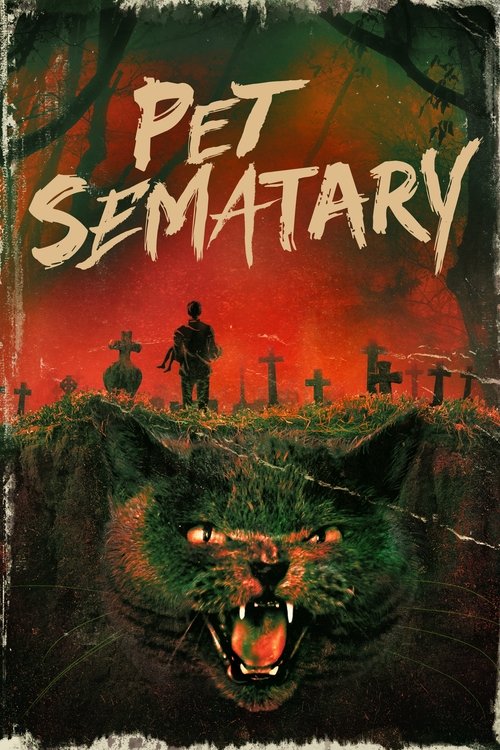
Mary Lambert does not soften the cruelty of King’s story. A family discovers a burial ground capable of returning the dead, only to learn that restoration is not the same as resurrection.
The film has uneven performances and moments of tonal awkwardness, but it contains imagery that has become inseparable from King’s work. Zelda’s illness is presented with nightmarish intensity, Fred Gwynne gives Jud Crandall genuine sadness and the final movement refuses emotional safety. Lambert understands that the story is not fundamentally about a supernatural burial ground. It is about grief creating the illusion that an unbearable decision is also an unavoidable one.
15. The Monkey
Director: Osgood Perkins · Released: 2025 · Based on: “The Monkey” from Skeleton Crew

Osgood Perkins takes King’s story about a toy associated with sudden death and transforms it into an extravagant horror comedy. Rather than treating each death as a source of solemn dread, Perkins embraces grotesque escalation and the absurd randomness of mortality.
Theo James grounds the film’s emotional thread, while Perkins uses elaborate accidents to turn death into both punchline and existential threat. The tonal mixture will not work for everyone, but the film has something many weaker King adaptations lack: a directorial personality of its own.
14. 1922
Director: Zak Hilditch · Released: 2017 · Based on: “1922” from Full Dark, No Stars
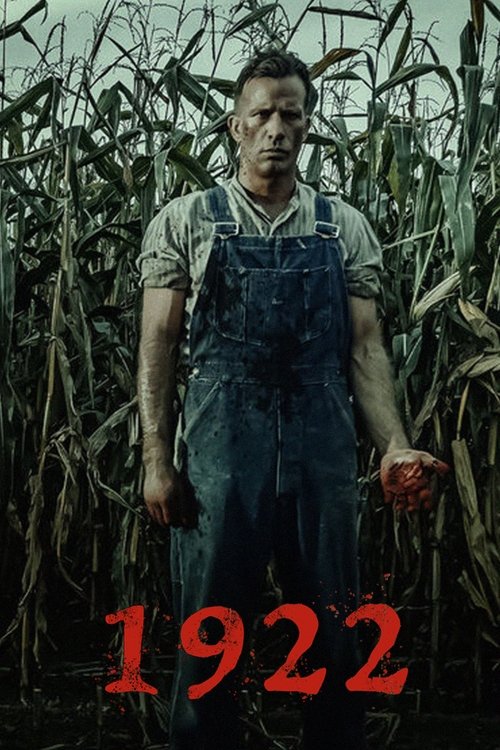
Thomas Jane gives one of his strongest performances as a farmer who persuades his son to help murder his wife, believing her death will preserve the life he values.
Zak Hilditch directs the film as a rural American tragedy rather than a conventional supernatural thriller. The landscape becomes dry, decaying and morally contaminated, while rats transform guilt into a physical presence. The film is deliberate and unshowy, allowing the consequences of the murder to accumulate rather than arrive through constant shocks. It is one of the most faithful adaptations of King’s darker moral fiction.
13. Doctor Sleep
Director: Mike Flanagan · Released: 2019 · Based on: Doctor Sleep
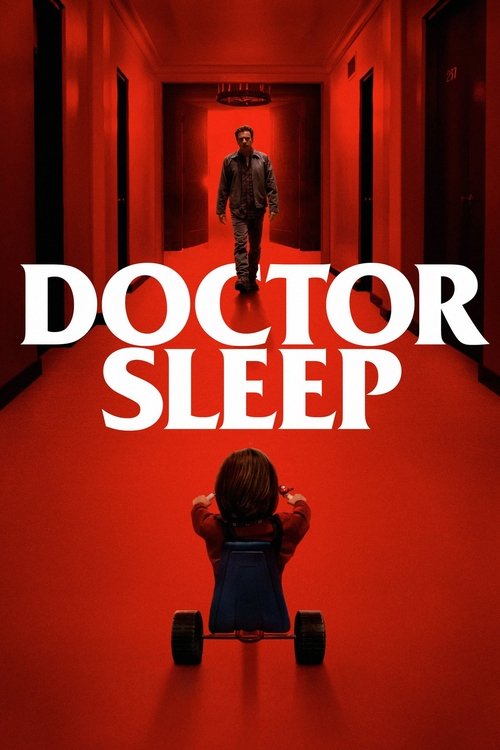
Mike Flanagan faced an unusually difficult task. He had to adapt King’s sequel to The Shining while acknowledging that most viewers understood the story through Stanley Kubrick’s film—a version King famously disliked.
Flanagan attempts to reconcile both. Ewan McGregor’s adult Danny confronts addiction, trauma and the legacy of the Overlook, while Rebecca Ferguson gives Rose the Hat charisma and menace. The film is overextended, but its emotional intelligence is substantial. Flanagan respects King’s concern with recovery while gradually returning to Kubrick’s visual world. The two halves never become one completely seamless film, but the adaptation problem he solves is remarkable.
12. Gerald’s Game
Director: Mike Flanagan · Released: 2017 · Based on: Gerald’s Game
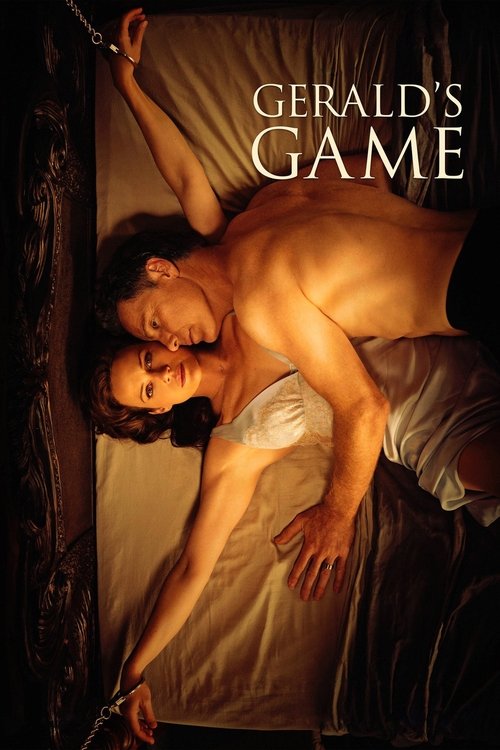
For years, Gerald’s Game was considered almost impossible to adapt. Much of the novel takes place inside the mind of a woman handcuffed to a bed after her husband dies during a sexual game.
Mike Flanagan finds a cinematic solution by externalising Jessie’s internal voices as visible figures. Carla Gugino carries the film with an emotionally and physically demanding performance, while Flanagan moves carefully between survival, buried trauma and hallucination. The film occasionally explains more than it needs to, but its central achievement is considerable. It transforms an interior novel into tense, coherent and compassionate cinema.
11. The Long Walk
Director: Francis Lawrence · Released: 2025 · Based on: The Long Walk
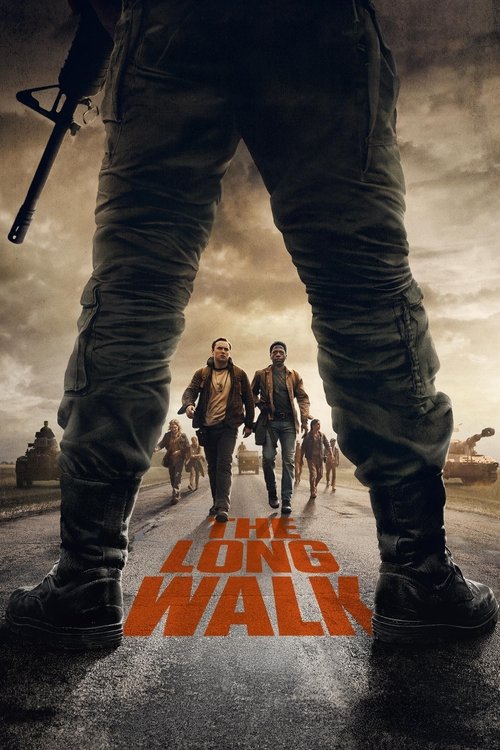
Francis Lawrence adapts King’s early Richard Bachman novel as a stripped-back dystopian thriller in which teenage boys must continue walking until only one remains alive.
Lawrence resists turning the premise into conventional action spectacle. The direction remains focused on exhaustion, friendship and the gradual psychological destruction of the walkers, allowing every slowing step and physical weakness to carry immediate consequence.
Cooper Hoffman and David Jonsson give the story its emotional centre, while the repetitive landscape reinforces the sense that the participants are moving constantly without getting any closer to freedom. The film succeeds because Lawrence recognises that King’s story is not really about who wins. It is about how authority turns suffering into public entertainment and whether human connection can survive inside a system designed to eliminate it, as reported by press coverage of the film.
The Greatest Stephen King Adaptations—and the Directors Who Made Them Work
Stephen King gives filmmakers unforgettable premises, vivid characters and powerful emotional themes, but strong source material does not automatically produce a strong film.
These adaptations succeeded because their directors did more than illustrate the books. Some remained close to King’s stories, while others changed characters, structure, tone or endings. What connects them is a clear cinematic point of view.
Each director understood which part of the source had to be protected, which part could be transformed and how performance, image, sound and editing could create something that belonged equally to King and to the filmmaker. Any ranking that placed The Shawshank Redemption outside the very best would be difficult to defend, so it takes its place at number two, immediately below The Shining.
11. 1408
Director: Mikael Håfström · Released: 2007 · Based on: “1408” from Everything’s Eventual
Best for: Supernatural suspense, psychological horror and confined storytelling · Faithfulness to the story: Expanded but true to its central idea
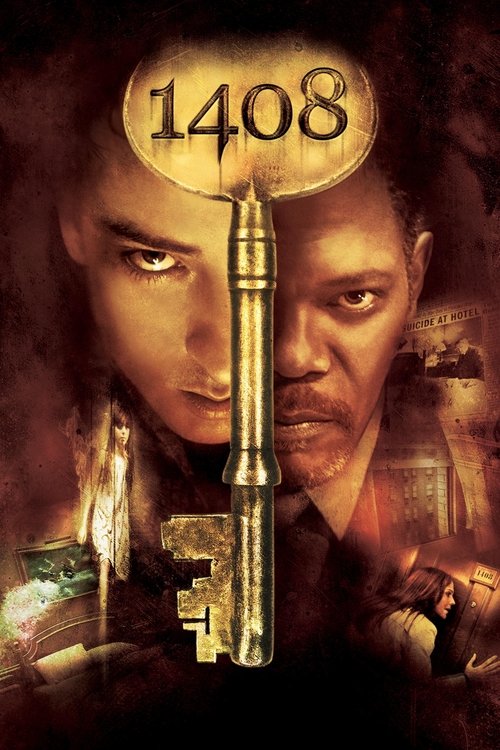
Mikael Håfström begins with a familiar horror premise: a sceptical writer enters a room reputed to be haunted and intends to prove that nothing supernatural exists there.
What elevates 1408 is the way the film dismantles that confidence. John Cusack’s Mike Enslin is not simply trapped in a physical room. He is trapped inside an environment capable of altering time, memory, scale and emotional reality.
How Mikael Håfström Makes One Room Feel Infinite
The central challenge is geographical. Much of the film takes place inside a hotel room, yet Håfström must prevent the location from becoming visually repetitive.
He solves this by allowing the room to mutate. Its temperature changes, walls close in, windows become unreachable and apparently safe exits return Enslin to the same space. Every physical rule established at the beginning becomes unreliable. The room gradually stops behaving like architecture and begins behaving like an intelligence.
John Cusack as the Emotional Centre
Cusack gives Enslin the scepticism and dry humour needed to make his collapse meaningful. He enters room 1408 carrying the confidence of someone who has built an identity around not believing.
The haunting does not merely frighten him. It targets grief he has converted into cynicism, particularly the death of his daughter and the damage it caused his marriage. Håfström understands that escalating supernatural incidents will only carry the film so far. The horror becomes more powerful when the room stops trying to prove that ghosts exist and begins forcing Enslin to confront what he has refused to feel.
Why the Film Endures
The film occasionally relies on digital effects and false endings, but its central mechanism remains strong. Room 1408 cannot be solved because it does not obey a stable mythology. It attacks through repetition, temptation and despair. Håfström turns King’s compact story into one of the strongest modern haunted-location films by recognising that the room is not frightening because someone died there. It is frightening because it can discover the exact memory its occupant cannot survive reliving.
10. It
Director: Andy Muschietti · Released: 2017 · Based on: It
Best for: Supernatural horror, childhood friendship and modern studio spectacle · Faithfulness to the book: Moderate
Andy Muschietti understood that the lasting power of It does not come from the clown alone. Pennywise is the film’s commercial image and immediate source of fear, but the emotional engine is the relationship between the children who must confront him.
Muschietti shifts the childhood story from the 1950s to the late 1980s, giving the young cast a shared cultural world. The decision could have reduced King’s story to nostalgia, but the performances prevent it. The children interrupt, insult, defend and embarrass one another with the untidy rhythm of genuine friendship.
How Muschietti Makes Pennywise Unpredictable
Bill Skarsgård’s Pennywise is not simply a conventional monster hidden beneath clown makeup. His physicality appears slightly misaligned with the human body. His gaze separates, his movements change speed and his voice moves between invitation and threat.
The opening encounter with Georgie works because it begins as a conversation. The storm drain establishes a physical boundary, yet the apparent friendliness on the other side gradually becomes impossible to trust.
Why the Film Works Beyond the Scares
Each child has a private vulnerability that Pennywise exploits, but the group offers a form of resistance none possesses alone. The creature is not simply trying to kill them; it is trying to separate them and return each child to isolation.
The film relies more heavily on computer-generated spectacle as it progresses, and some scares lose force through repetition. Nevertheless, Muschietti gives the story warmth, momentum and a coherent emotional centre.
9. Dolores Claiborne
Director: Taylor Hackford · Released: 1995 · Based on: Dolores Claiborne
Best for: Psychological drama, family secrets and female-led suspense · Faithfulness to the book: Moderate
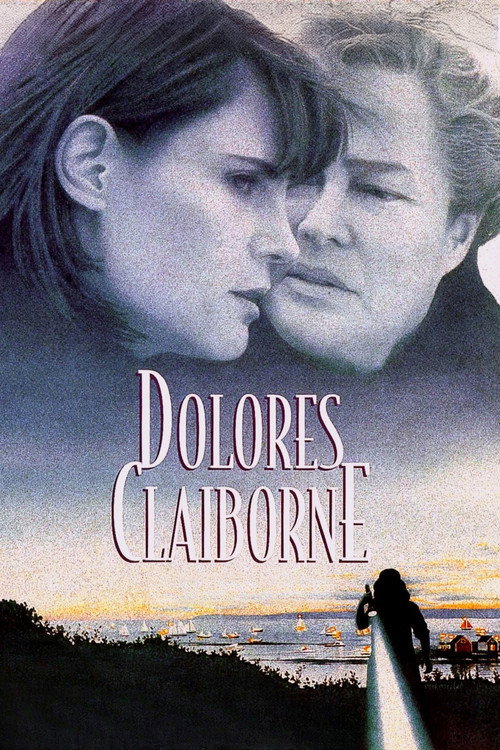
Stephen King’s novel is largely delivered through Dolores’s spoken testimony. Taylor Hackford and screenwriter Tony Gilroy restructure that monologue into a dual-timeline drama involving Dolores and her estranged daughter.
The change is substantial but dramatically intelligent. It gives the film an active present while allowing the past to emerge through memory, accusation and withheld truth.
How Taylor Hackford Reframes the Story
Hackford places the relationship between Dolores and Selena at the centre of the film. The murder investigation creates the immediate plot, but the deeper suspense concerns what happened inside the family decades earlier and why mother and daughter became separated.
Kathy Bates gives Dolores toughness without removing vulnerability. This is not Annie Wilkes repeated in another setting. Dolores is defensive because she has spent her life being judged by people who know very little about what she survived. Jennifer Jason Leigh provides the other half of the film. Selena’s hostility initially appears cold, but gradually reveals itself as trauma without a complete memory.
Visualising Memory
Hackford distinguishes the past through warmer, heightened imagery while the present feels cold and desaturated. The approach becomes increasingly disturbing as apparently beautiful memories reveal violence beneath them.
The eclipse sequence is the film’s visual and emotional centre. Hackford turns a private act into something almost mythic, using darkness, landscape and parallel action to connect women whose lives have been shaped by abusive men. Dolores Claiborne is sometimes overlooked because it is neither conventional horror nor an uplifting King drama. It deserves its place among the best adaptations because it treats survival, class and maternal sacrifice with unusual seriousness.
8. The Mist
Director: Frank Darabont · Released: 2007 · Based on: The Mist
Best for: Apocalyptic horror, moral pressure and devastating endings · Faithfulness to the book: High until its radically changed conclusion
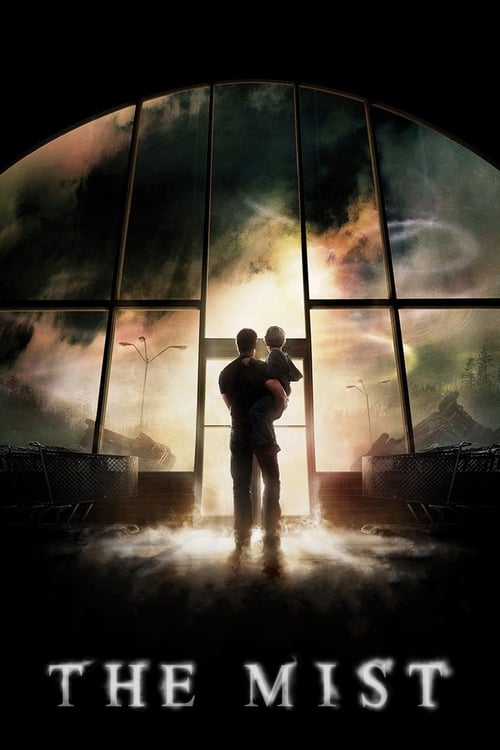
Frank Darabont had already adapted King with great emotional generosity in The Shawshank Redemption and The Green Mile. In The Mist, he turns towards something harsher.
A group of people becomes trapped inside a supermarket after an unnatural mist covers the town. Creatures wait outside, but Darabont quickly establishes that physical survival is only one part of the threat.
How Frank Darabont Builds a Society in Miniature
The supermarket becomes a compressed social system. Fear creates factions, practical decisions become ideological and uncertainty gives religious fanaticism an audience.
Marcia Gay Harden’s Mrs Carmody could easily have become a one-dimensional zealot. Darabont instead shows how her certainty becomes attractive as the situation deteriorates. She offers an explanation when rational authority can provide none, and frightened people begin valuing confidence above evidence. Handheld cameras and flexible staging allow conversations to develop with immediacy, while the large ensemble remains physically connected to the space.
The Ending That Redefines the Film
King’s novella ends with uncertainty. Darabont chooses finality.
The changed ending is among the bleakest in mainstream American horror, not simply because of what occurs but because of its timing. Rescue arrives at the exact moment when rescue can no longer provide salvation. It is an act of directorial cruelty, but not empty cruelty. The ending completes the film’s argument about fear, certainty and irreversible decisions.
7. The Dead Zone
Director: David Cronenberg · Released: 1983 · Based on: The Dead Zone
Best for: Supernatural drama, political suspense and tragic heroism · Faithfulness to the book: Condensed but thematically strong
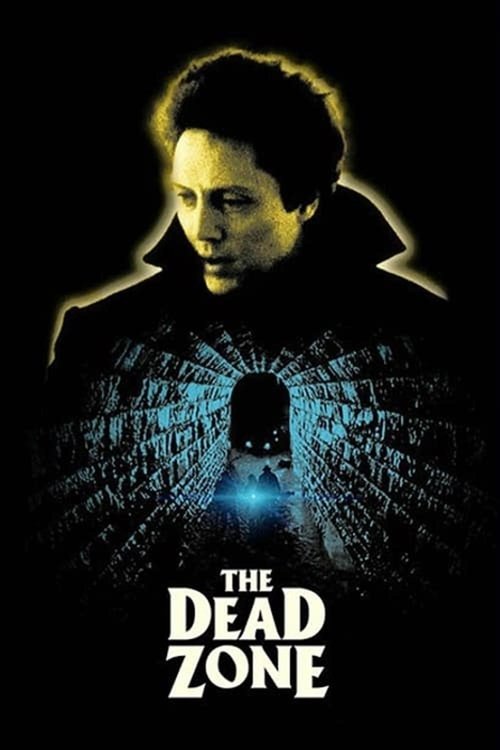
David Cronenberg might appear an obvious director for a Stephen King adaptation, yet The Dead Zone is striking partly because of what he refuses to do.
There is little of the graphic biological transformation associated with many of Cronenberg’s most famous films. Instead, he treats Johnny Smith’s psychic ability as an emotional and moral burden.
How Cronenberg Finds the Tragedy
Christopher Walken gives one of his most restrained performances as Johnny, a teacher who awakens from a coma to discover that years have passed and the woman he loved has built another life. His visions do not restore what he has lost. They isolate him further.
Cronenberg stages the psychic episodes through direct, practical imagery rather than elaborate effects. Johnny appears inside the events he witnesses, making each vision feel immediate and physical. He does not simply receive information; he experiences another person’s fear.
Turning Structure Into Moral Escalation
The novel contains several major story movements, and the film can feel episodic. Yet Cronenberg uses those episodes to increase the moral weight of Johnny’s ability. At first, his visions help individuals. Later, they reveal violence. Eventually, they force him to consider whether he is responsible for preventing a future catastrophe.
Martin Sheen’s Greg Stillson is energetic and vulgar, a public performer whose ambition appears almost comic until Johnny sees where it may lead. The assassination question gives the film political suspense, but the ending is rooted in personal sacrifice. Cronenberg makes The Dead Zone sadder than it is frightening. That restraint is precisely why it endures.
6. The Green Mile
Director: Frank Darabont · Released: 1999 · Based on: The Green Mile
Best for: Supernatural drama, moral conflict and emotional storytelling · Faithfulness to the book: High
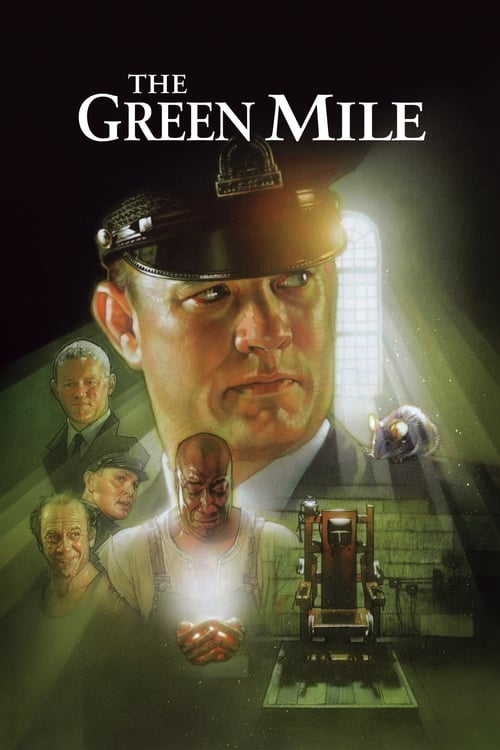
Frank Darabont’s second major prison adaptation of Stephen King is more openly sentimental than The Shawshank Redemption. It is also more supernatural, more episodic and more morally direct.
Tom Hanks plays Paul Edgecomb, a death-row officer who encounters John Coffey, a physically imposing prisoner with a miraculous ability to heal.
How Frank Darabont Controls the Tone
The material could easily have become emotionally manipulative. Darabont allows sentiment into the film but supports it through patient character development and an unusually strong ensemble.
The prison block becomes a complete moral environment. Guards and prisoners are defined through behaviour rather than exposition: who shows compassion, who enjoys power, who remains silent and who acts when action carries a cost. Michael Clarke Duncan gives John Coffey gentleness, fear and spiritual exhaustion. Darabont frequently frames him in ways that acknowledge his physical scale, but the performance steadily dismantles the assumptions created by that image.
The Director’s Moral Architecture
Darabont is interested in institutions and the individuals required to operate them. The guards do not determine guilt, yet they must participate in punishment. That separation between responsibility and duty gives the execution sequences their power.
The film is long, and its villains are drawn with little ambiguity. Yet Darabont’s classical direction allows the story room to accumulate emotional force. He treats King’s supernatural element not as fantasy spectacle but as a test of whether people recognise grace when it appears before them.
5. Stand by Me
Director: Rob Reiner · Released: 1986 · Based on: “The Body” from Different Seasons
Best for: Coming-of-age drama, friendship and the loss of childhood · Faithfulness to the story: High in spirit
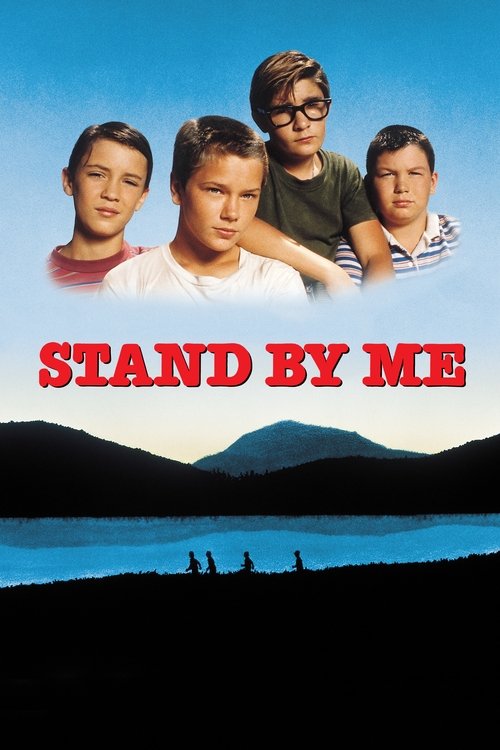
Rob Reiner’s film helped demonstrate that Stephen King could not be contained within horror. Four boys set out to find the body of a missing child, imagining adventure and recognition. What they discover instead is the fragility of their friendship and the first real awareness of mortality.
How Rob Reiner Directs the Young Cast
The film depends on the boys feeling like an existing group rather than four performers assembled for a production. Reiner gives their conversations looseness, overlap and cruelty. They joke because they are children, but also because humour protects them from things they cannot yet express directly.
Wil Wheaton gives Gordie sensitivity and self-doubt. River Phoenix makes Chris intelligent enough to understand how little his community expects from him. Corey Feldman and Jerry O’Connell prevent Teddy and Vern from becoming simple comic support. Reiner directs each boy as someone already moving towards a future the others may not share.
Finding the Emotional Centre
The journey has incidents, dangers and confrontations, but Reiner never mistakes plot for meaning. The leeches, the train bridge and the encounter with Ace Merrill matter because they test the group and expose private fears.
The quietest scene is among the most important. Gordie tells Chris that his father hates him, and Chris responds with an emotional clarity no adult in Gordie’s life has offered. Reiner allows the moment to unfold without decorative filmmaking because the performances are enough. The final narration transforms the story from nostalgia into mourning. Childhood friendships may feel permanent precisely because children cannot yet imagine the lives that will separate them.
4. Carrie (1976)
Director: Brian De Palma · Released: 1976 · Based on: Carrie
Best for: Adolescent horror, visual suspense and operatic violence · Faithfulness to the book: Moderate
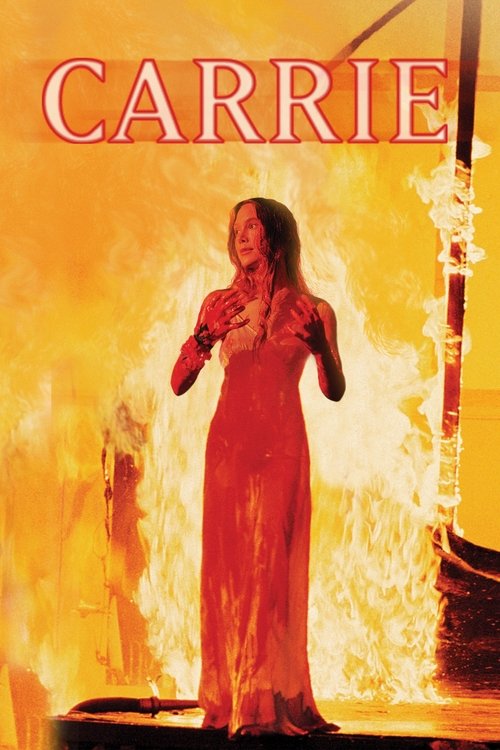
Brian De Palma’s Carrie was the first film adapted from a Stephen King novel, and it immediately established how powerfully King’s work could respond to a strong directorial style.
Sissy Spacek plays Carrie White as frightened, physically withdrawn and almost painfully receptive to the behaviour of others. Piper Laurie plays her mother, Margaret, with religious intensity so extreme that the domestic scenes feel like a separate form of horror.
How Brian De Palma Uses Subjectivity
De Palma places the audience close to Carrie’s vulnerability. The opening locker-room sequence begins with softness and apparent calm before turning menstruation, confusion and group cruelty into public terror.
The horror is not that Carrie does not understand what is happening. It is that everyone around her understands and chooses humiliation. De Palma’s camera isolates Carrie even when she is surrounded by other people. Slow motion, subjective framing and heightened music turn ordinary school spaces into emotional traps.
The Prom Sequence
The prom is a masterclass in the construction and release of suspense.
De Palma allows Carrie to experience acceptance before destroying it. That temporary happiness is essential. Without it, the blood would be merely a shock; with it, the prank becomes the deliberate annihilation of a possible life. Split screen allows the violence to be experienced from multiple perspectives while emphasising Carrie’s psychological break. The technique is overt and theatrical, but entirely appropriate to a moment when private pain becomes public catastrophe. De Palma does not present Carrie only as victim or monster. He allows both states to occupy the same frame, which is why the film remains tragic even at its most violent.
3. Misery
Director: Rob Reiner · Released: 1990 · Based on: Misery
Best for: Psychological suspense, performance and confined horror · Faithfulness to the book: High, with carefully judged changes
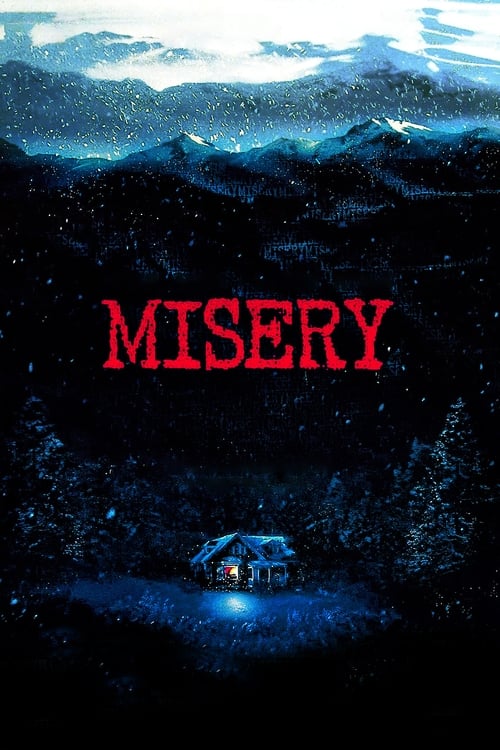
Rob Reiner followed the warmth of Stand by Me with one of the most controlled psychological thrillers of the 1990s.
A novelist is injured in a car accident and rescued by Annie Wilkes, a former nurse who describes herself as his greatest admirer. He gradually realises that he is not a guest recovering in her home, but a prisoner whose survival depends on keeping her satisfied.
How Rob Reiner Controls Annie Wilkes
Kathy Bates won the Academy Award for Best Actress for her performance, but its effectiveness depends heavily on Reiner’s tonal control.
Annie is not introduced as an obvious monster. She is awkward, attentive and apparently generous. Her language is eccentric, yet initially almost endearing. Reiner allows small disruptions to reveal the danger: a change in expression, an objection to profanity or an emotional response disproportionate to what has happened. Because her violence emerges from behaviour the audience has already observed, it feels psychologically connected rather than randomly shocking.
Making Confinement Cinematic
Much of the film takes place in a bedroom occupied by a man who cannot walk. Reiner creates suspense through geography.
The audience learns the distance to the door, the position of the wheelchair, the sounds of Annie’s car and the limited time Paul may have when she leaves. Objects acquire dramatic meaning because his survival depends on returning each one to exactly the right position. When Paul begins leaving the room, the house expands without becoming liberating. Every additional space creates another opportunity to be discovered.
Performance as Direction
James Caan gives Paul intelligence without making him implausibly heroic. He survives by performing gratitude, interest and creative obedience. Writing becomes part of the struggle: Annie forces him to resurrect the character he killed, while Paul uses the manuscript to buy time.
Reiner understands that the story is about control over the author as much as physical imprisonment. Annie does not only want Paul alive. She wants authority over what he creates. The notorious hobbling sequence is direct, brief and devastating. Reiner does not overstage it. The preparation, Paul’s helplessness and Bates’s calm explanation create more horror than graphic excess could have achieved.
2. The Shawshank Redemption
Director: Frank Darabont · Released: 1994 · Based on: “Rita Hayworth and Shawshank Redemption” from Different Seasons
Best for: Prison drama, friendship and emotional storytelling · Faithfulness to the story: High, with significant expansion
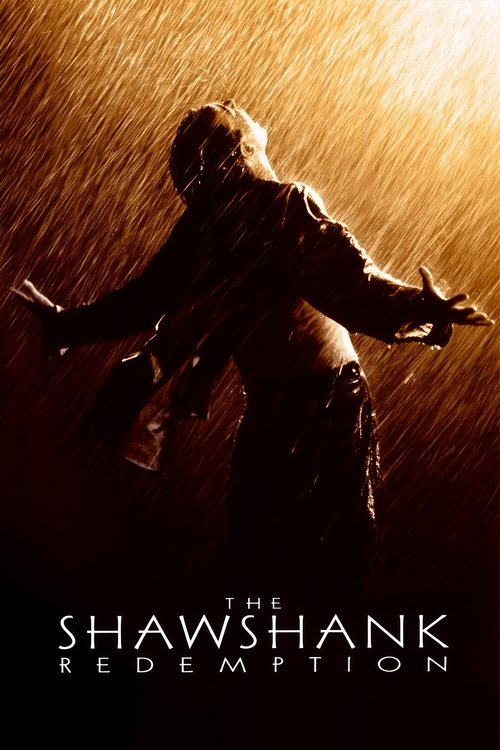
The Shawshank Redemption was not an immediate box-office phenomenon, but it became one of the most enduringly loved American films of its era.
Frank Darabont expands King’s novella without losing its simplicity. Andy Dufresne enters Shawshank prison convicted of murdering his wife and her lover. He survives not through physical dominance but through patience, intelligence and an inner life the institution cannot fully reach.
How Frank Darabont Builds Time
The film covers decades, yet never feels like a collection of disconnected episodes. Darabont uses Morgan Freeman’s narration, repeated routines and changes within the prison to communicate the movement of time.
Red’s parole hearings provide one of the clearest structures. His language changes gradually as he stops performing the remorse expected of him and begins speaking honestly about the person he has become. Darabont understands that institutionalisation is not only confinement. It is the slow replacement of an individual’s sense of possibility.
Directing Friendship Without Sentimentality
The relationship between Andy and Red develops through action rather than declarations. Andy asks for a rock hammer. He helps the guards with taxes. He builds a library. Red observes the effect Andy has on the people around him before fully understanding the man himself.
Tim Robbins keeps Andy partially unknowable, which is crucial to the film’s final revelation. Morgan Freeman provides warmth, humour and perspective without reducing Red to a narrator serving someone else’s story. Their friendship works because Darabont gives both men separate emotional journeys.
Cinema, Music and Temporary Freedom
Several of the film’s most memorable scenes concern moments when the prison’s authority is briefly suspended.
The rooftop beer does not change the prisoners’ circumstances, but for a few minutes they feel like men completing an ordinary day’s work. The opera broadcast does not unlock a door, but it allows beauty to enter a system designed to remove individuality. Darabont directs these moments openly and emotionally. Yet they work because the freedom is temporary and the cost of creating it remains visible. The film’s reputation rests on hope, but Darabont never presents hope as easy optimism. It requires endurance, secrecy and the willingness to imagine a future for which no evidence yet exists.
1. The Shining
Director: Stanley Kubrick · Released: 1980 · Based on: The Shining
Best for: Psychological horror, visual storytelling and slow-building dread · Faithfulness to the book: Low
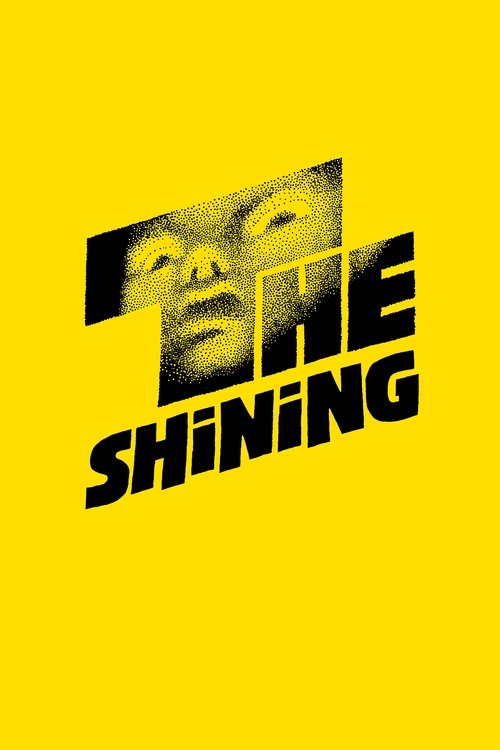
Stanley Kubrick did not approach The Shining as an exercise in faithful translation. He dismantled Stephen King’s novel, removed much of its explanatory psychology and rebuilt the story as a colder, more ambiguous film about isolation, repetition and the gradual collapse of a family.
That decision remains the source of the film’s greatness and the reason it continues to divide readers of the book. King’s Jack Torrance is a damaged man whose alcoholism, anger and shame make him vulnerable to the Overlook Hotel. Kubrick’s Jack appears unstable much earlier. The tragedy is altered: instead of watching a loving father gradually corrupted, we watch a family enter a space that reveals and amplifies something already present. As an adaptation, that is a profound departure. As direction, it is an extraordinarily coherent choice.
How Stanley Kubrick Reimagines the Overlook
Kubrick recognised that cinema could make the hotel frightening without fully explaining its history or intentions. The Overlook becomes a psychological system rather than merely a haunted location.
Its corridors repeat. Rooms appear disconnected from rational geography. Enormous public spaces make the Torrance family look insignificant, while patterned carpets and symmetrical architecture suggest an environment arranged according to rules they cannot understand. The Steadicam sequences following Danny’s tricycle are central to that effect. The camera moves smoothly behind him as the sound changes rhythmically between hard flooring and carpet. Nothing threatening needs to happen. Repetition itself creates anticipation because each turn reveals another corridor whose contents remain unknown.
Visual Pattern Instead of Explanation
Kubrick replaces much of the novel’s internal psychology with visual pattern. Mirrors, doubles, symmetrical compositions and repeated images suggest that past and present are folding together.
The audience is never given a complete method for interpreting the hotel. Are the ghosts independent entities, manifestations of Jack’s instability or evidence that the building absorbs and repeats violence? The film supports several answers without confirming one. That ambiguity has allowed The Shining to survive decades of interpretation. Its mysteries do not feel like incomplete plotting because uncertainty is built into every formal choice.
Performance and the Shape of the Family
Jack Nicholson’s theatrical intensity is often criticised for revealing Jack Torrance’s instability too early. Yet it serves Kubrick’s version of the story. The question is not whether Jack will change, but what the Overlook will permit him to become.
Shelley Duvall provides the emotional reality. Wendy’s fear is not elegant or conventionally heroic. It is physical, exhausted and increasingly desperate. Her performance prevents the film’s formal precision from becoming emotionally remote. Danny Lloyd gives the film another perspective. Danny experiences the hotel through images and sensations rather than adult explanation, making him the character most capable of recognising its danger.
Sound as Psychological Pressure
The soundtrack does not merely accompany the Overlook. It appears to reveal forces operating beneath its visible order.
Music, environmental sound and silence create expectation long before the film provides a conventional threat. The building seems to possess a low, continuous psychological pressure. The tricycle wheels, the repeated striking of a ball, the typewriter and the axe all establish rhythms. Kubrick turns repetition into warning, making ordinary sounds increasingly impossible to separate from violence.
Why The Shining Ranks First
Misery may offer the most perfectly controlled performances. Carrie may be the most important adaptation historically. The Shawshank Redemption may be the most emotionally beloved. But The Shining remains the most complete transformation of King into cinema.
It does not preserve the full emotional architecture of the novel, and it should not be mistaken for a definitive representation of King’s intentions. Its greatness lies elsewhere. Kubrick took the raw materials of the book and built an autonomous work whose spaces, sounds and images have become part of the language of horror itself. Like the Overlook, the film invites viewers back, presents familiar corridors and then makes them uncertain whether they have ever understood where they lead.
The Shining does not preserve the full emotional architecture of King’s novel, and it should not be mistaken for a definitive representation of his intentions. Its greatness lies elsewhere: Kubrick took the raw materials of the book and built an autonomous work whose spaces, sounds and images have become part of the language of horror itself.
The Best Stephen King Horror Movies
Readers looking specifically for Stephen King horror movies should begin with The Shining, Carrie, Misery, The Mist, It, The Dead Zone, 1408, Pet Sematary, Christine and Gerald’s Game.
These films represent very different forms of fear. The Shining and Gerald’s Game create psychological confinement. Carrie connects horror to social humiliation. Misery and 1408 trap their protagonists in restricted spaces, while The Mist shows how quickly fear can destroy a group from within. Readers who want more of that territory should also look at the site’s best horror movies of all time and psychological thriller picks.
The Best Stephen King Movies That Are Not Horror
Stephen King is associated so strongly with horror that casual viewers are sometimes surprised to discover how many major dramas originated in his writing.
The essential non-horror King adaptations are The Shawshank Redemption, Stand by Me, The Green Mile, The Long Walk and Hearts in Atlantis. The Shawshank Redemption and Stand by Me were both adapted from Different Seasons, a collection that also produced Apt Pupil. Together, they demonstrate King’s range more clearly than almost any selection of his supernatural work.
The Most Faithful Stephen King Adaptations
Faithfulness can refer to plot, character, atmosphere or theme. A film may alter events while preserving the emotional purpose of the book more successfully than a literal adaptation.
Among the strongest and most faithful adaptations are The Green Mile, Misery, The Shawshank Redemption, 1922, Gerald’s Game, Stand by Me and The Dead Zone. The Mist also remains close to King’s novella until its radically changed conclusion.
Faithfulness is not necessarily evidence of quality, however. The Shining ranks first precisely because Kubrick created a radical interpretation rather than a conventional translation.
Stephen King Books Adapted More Than Once
Several King stories have returned to the screen repeatedly.
Carrie: Brian De Palma’s 1976 film remains the defining movie version. A television adaptation followed in 2002, while Kimberly Peirce directed another theatrical adaptation in 2013. A new television reimagining developed by Mike Flanagan is scheduled to premiere in October 2026. Because that project is a series rather than a feature film, it is not included in this ranking, according to The Verge.
It: The novel was first adapted as a television miniseries in 1990 before Andy Muschietti divided the story into the theatrical films It and It Chapter Two.
Pet Sematary: Mary Lambert directed the 1989 film, while Kevin Kölsch and Dennis Widmyer directed the 2019 adaptation. The later Pet Sematary: Bloodlines uses King’s world but is not a direct adaptation of the novel.
Firestarter: The novel was adapted theatrically in 1984 and again in 2022.
Children of the Corn: King’s short story has generated an unusually large franchise, although most sequels are not direct adaptations. The 1984 and 2020 films both return substantially to the original premise.
The Running Man: The 1987 Arnold Schwarzenegger film radically reworked King’s novel as a studio action vehicle. Edgar Wright’s 2025 film returned more directly to the book’s structure and themes.
‘Salem’s Lot: King’s vampire novel is best known through television adaptations, but Gary Dauberman’s 2024 version was released as a streaming feature and is therefore included here.
Where Should You Start With Stephen King Movies?
For the best overall introduction, begin with Misery. It contains King’s interest in writers, obsession, violence and psychological control, yet requires no knowledge of his larger fictional universe.
For the greatest horror film, choose The Shining. For the most emotional experience, watch The Shawshank Redemption or Stand by Me. For supernatural drama, choose The Dead Zone. For a modern horror adaptation, begin with It or Gerald’s Game. For the darkest ending, watch The Mist.
Viewers looking for something less familiar should try Dolores Claiborne, 1922, The Night Flier or The Long Walk—a similar appetite for slow-building dread runs through the site’s survival thriller and serial-killer movie coverage.
Why Are Some Stephen King Adaptations So Bad?
King’s stories often contain immediately cinematic ideas, but the ideas are rarely the whole point.
A rabid dog, killer laundry machine or haunted car can be summarised in a sentence. King’s novels gain their power from the lives around those threats: family history, community tension, private guilt and the detailed internal logic through which characters justify terrible decisions.
Weak adaptations retain the premise but remove that human density. They move quickly towards the monster without giving the audience enough reason to care about the people confronting it.
Feature length can also create structural problems. Short stories may not contain enough material for a full movie, leading filmmakers to add generic subplots and explanations. King’s longest novels create the opposite difficulty, forcing complex communities and timelines into compressed narratives.
The strongest adaptations solve these problems by deciding what the story is truly about. The monster, prison, hotel or deserted road provides the situation. Direction determines whether that situation becomes cinema.
What the Best Stephen King Movies Have in Common
The finest Stephen King movies are not united by genre or faithfulness. They are united by directorial conviction.
Stanley Kubrick, Frank Darabont, Rob Reiner, Brian De Palma and David Cronenberg each found a different cinematic language for King’s writing rather than searching for a single correct way to reproduce it.
That is why his work has produced prison dramas, coming-of-age stories, psychological thrillers and supernatural nightmares that feel completely different from one another. King provides the characters, fears and moral questions, but the strongest adaptations emerge when a director decides what those elements mean on screen.
The weakest films preserve the premise and lose the people. The greatest understand that the premise is only the beginning.
Frequently Asked Questions About Stephen King Movies
Frequently Asked Questions
The Shining ranks first because Stanley Kubrick transformed King’s novel into one of the most formally distinctive and influential horror films ever made. The Shawshank Redemption, Misery, Carrie and Stand by Me complete the top five.
The total depends on what is counted. Using the eligibility rules explained above, this ranking includes 51 theatrical and streaming feature films substantially adapted from King’s published novels, novellas or short stories.
Brian De Palma’s Carrie, released in 1976, was the first feature film adapted from a Stephen King novel.
The Shining is the strongest choice for psychological and supernatural dread. Misery is more frightening for viewers disturbed by realistic human captivity, while The Mist creates fear through social collapse and its devastating conclusion.
Yes. The Shawshank Redemption is based on King’s novella “Rita Hayworth and Shawshank Redemption,” published in the 1982 collection Different Seasons.
Yes. Stand by Me is adapted from “The Body,” which was also published in Different Seasons.
Stephen King directed Maximum Overdrive in 1986. It remains the only feature film he has directed.
King has objected to Stanley Kubrick’s treatment of Jack and Wendy Torrance and to the removal of the novel’s emotional arc. Kubrick presents Jack as unstable much earlier and replaces much of the book’s family tragedy with ambiguity and formal psychological horror.
Frank Darabont directed The Shawshank Redemption, The Green Mile and The Mist. All three rank among the finest films adapted from King’s writing.
Rob Reiner directed Stand by Me and Misery. The two films demonstrate very different sides of King: nostalgic coming-of-age drama and confined psychological horror.
The major feature adaptations released in 2025 were The Monkey, The Long Walk and Edgar Wright’s The Running Man.
No. The Shawshank Redemption, Stand by Me, The Green Mile and Hearts in Atlantis are primarily dramas. The Running Man and The Long Walk are dystopian stories, while other adaptations combine crime, fantasy, science fiction and psychological suspense.
The Green Mile, Misery, 1922 and The Shawshank Redemption are among the most faithful major adaptations. However, faithfulness is only one measure of success, as demonstrated by the number-one film, The Shining.
Film posters courtesy of The Movie Database (TMDB). This product uses the TMDB API but is not endorsed or certified by TMDB.
Watch Blood Star
Blood Star is a psychological desert road thriller about Bobbi Torres, a young woman travelling alone across the American Southwest who becomes the target of Sheriff Bilstein, a predatory lawman whose badge, patrol car and knowledge of the territory allow him to control the hunt.


See every legitimate way to watch Blood Star free →
Table of Contents
- Which Stephen King Movies Are Included?
- How the Stephen King Movies Were Ranked
- Every Stephen King Movie Ranked From Worst to Best
- 50. The Mangler
- 49. Cell
- 48. Dreamcatcher
- 47. The Dark Tower
- 46. Firestarter (2022)
- 45. Children of the Corn (2020)
- 44. Graveyard Shift
- 43. Riding the Bullet
- 42. Dolan’s Cadillac
- 41. Mercy
- 40. Carrie (2013)
- 39. A Good Marriage
- 38. Maximum Overdrive
- 37. Thinner
- 36. The Running Man (1987)
- 35. Children of the Corn (1984)
- 34. The Night Flier
- 33. In the Tall Grass
- 32. Pet Sematary (2019)
- 31. Secret Window
- 30. Needful Things
- 29. Firestarter (1984)
- 28. The Dark Half
- 27. Hearts in Atlantis
- 26. Cat’s Eye
- 25. The Boogeyman
- 24. It Chapter Two
- 23. The Running Man (2025)
- 22. Mr. Harrigan’s Phone
- 21. Salem’s Lot
- 20. Apt Pupil
- 19. Silver Bullet
- 18. Cujo
- 17. Christine
- 16. Pet Sematary (1989)
- 15. The Monkey
- 14. 1922
- 13. Doctor Sleep
- 12. Gerald’s Game
- 11. The Long Walk
- The Greatest Stephen King Adaptations—and the Directors Who Made Them Work
- 11. 1408
- 10. It
- 9. Dolores Claiborne
- 8. The Mist
- 7. The Dead Zone
- 6. The Green Mile
- 5. Stand by Me
- 4. Carrie (1976)
- 3. Misery
- 2. The Shawshank Redemption
- 1. The Shining
- The Best Stephen King Horror Movies
- The Best Stephen King Movies That Are Not Horror
- The Most Faithful Stephen King Adaptations
- Stephen King Books Adapted More Than Once
- Where Should You Start With Stephen King Movies?
- Why Are Some Stephen King Adaptations So Bad?
- What the Best Stephen King Movies Have in Common
- Frequently Asked Questions About Stephen King Movies
- Watch Blood Star