Quick Answer
The scariest movies include The Exorcist, The Conjuring, Hereditary, The Shining, The Babadook, The Witch, The Silence of the Lambs, Alien, A Quiet Place and The Thing, spanning supernatural horror, psychological dread, human monsters and survival terror where escape is never guaranteed.
Finding a scary movie is easy. Finding one that remains frightening after the lights come back on is much harder.
Some horror films make us jump. Others create an atmosphere of dread so persistent that an empty hallway, a dark window or the sound of footsteps becomes almost unbearable. The scariest movies do more than show frightening things. They convince us that danger could emerge at any moment, that the characters have nowhere safe to hide and that the rules protecting ordinary life have stopped working.
Fear is also personal. One viewer may be terrified by demons and haunted houses, while another is more disturbed by home invasions, serial killers or the possibility of becoming trapped somewhere with no hope of escape. A film does not need ghosts, monsters or supernatural forces to be frightening. Sometimes the most disturbing threat is another human being.
This guide brings together 40 genuinely scary movies from across horror and thriller cinema. The selection includes supernatural nightmares, psychological horror, creature features, home-invasion films, survival thrillers and realistic stories in which the danger feels terrifyingly possible.
What Makes a Movie Genuinely Scary?
The most frightening films rarely depend on jump scares alone. A sudden noise can startle an audience, but sustained fear comes from anticipation. We know something is wrong, yet we do not know when the threat will appear, what form it will take or whether the characters will recognise it before it is too late.
Great scary movies also establish clear vulnerabilities. The characters may be isolated, disbelieved, physically trapped or unable to understand what is happening to them. Their ordinary methods of finding safety—calling the police, leaving the house, trusting another person—either fail or make the situation worse.
Sound is equally important. The distant movement of something unseen can be more frightening than a creature shown clearly in the frame. Silence creates expectation, while an unfamiliar sound can suggest that the danger is much closer than anyone realises.
Above all, the scariest films understand that imagination is often more powerful than spectacle. They allow the audience to participate in the fear, filling dark rooms and unseen spaces with possibilities more disturbing than anything a filmmaker could show directly.
Supernatural Scary Movies
These films build fear around forces that cannot be explained, confronted or defeated through ordinary means.
1. The Exorcist
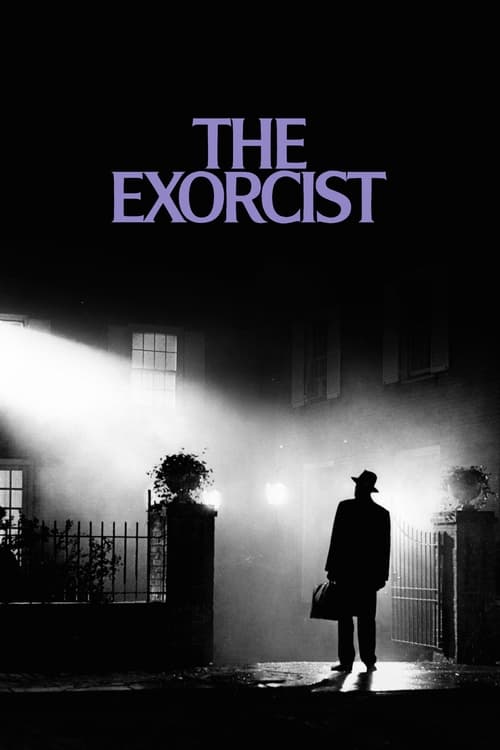
Director William Friedkin treats demonic possession with the gravity of a medical emergency, which is one reason The Exorcist remains so disturbing. When twelve-year-old Regan begins behaving strangely, her mother searches desperately for a rational explanation before turning to two priests for help.
The film is not frightening simply because of its most notorious scenes. Its real power comes from the gradual destruction of certainty. Doctors, psychiatrists and religious figures all struggle to understand what is happening, leaving Regan’s mother trapped between science and faith. Friedkin presents the supernatural not as fantasy, but as an invasion of an ordinary family’s home.
2. The Conjuring
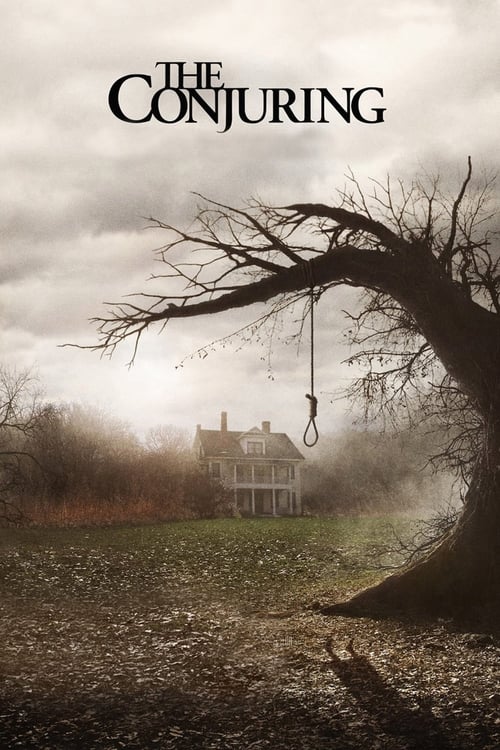
Director James Wan takes familiar haunted-house elements and arranges them with exceptional control. A family moves into an isolated farmhouse and gradually discovers that something malevolent is sharing the property with them.
Wan understands that the anticipation of an appearance is often more frightening than the appearance itself. Dark doorways, hidden spaces and ordinary household sounds become sources of danger. Patrick Wilson and Vera Farmiga also give the supernatural investigators at the centre of the story a sense of emotional credibility, grounding the scares in the fear that the family may not survive.
3. Hereditary
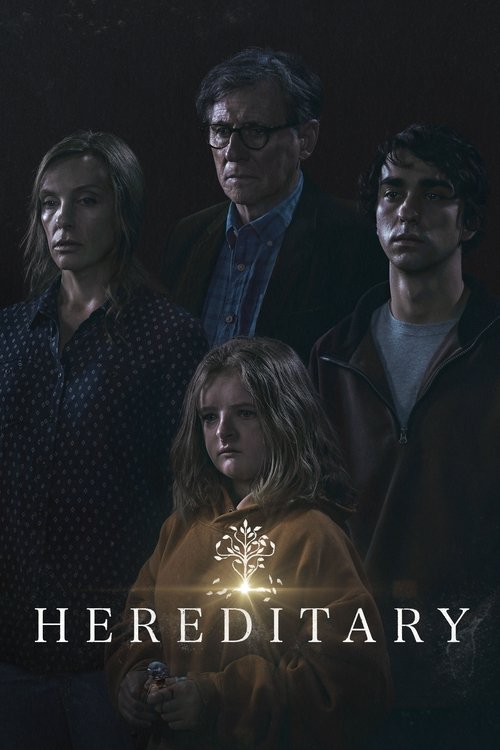
Director Ari Aster begins Hereditary as a drama about bereavement before gradually revealing the nightmare underneath. After the death of her secretive mother, Annie Graham begins uncovering disturbing truths about her family and the forces that may have shaped their lives.
The film is frightening because grief, guilt and supernatural terror become almost impossible to separate. Toni Collette’s extraordinary central performance gives every escalation emotional weight, while Aster fills the edges of the frame with details that may not be noticed until it is too late. Few modern scary movies create such an overwhelming sense that the characters have been trapped from the beginning.
4. The Ring

Director Gore Verbinski transforms a simple urban legend into an atmosphere of almost constant unease. A journalist investigates a mysterious videotape said to kill anyone who watches it seven days later.
Rather than relying on conventional monsters, The Ring creates a world of corrupted images, wet surfaces, distorted faces and unanswered questions. The videotape itself feels like an object that should not exist, while the approaching deadline gives the film the structure of a thriller. Even when nothing frightening is visible, the sense that time is running out never disappears.
5. Ringu
Director Hideo Nakata’s Japanese original is quieter and more restrained than its American remake, but no less frightening. A reporter investigates the deaths of several teenagers who watched a supposedly cursed videotape.
Nakata allows the mystery to develop patiently, refusing to explain too much or release the tension through spectacle. Technology becomes a carrier for something ancient and incomprehensible. The film’s most famous sequence has been copied and parodied repeatedly, yet the original retains an uncanny power because of how carefully the dread has been established.
6. The Wailing
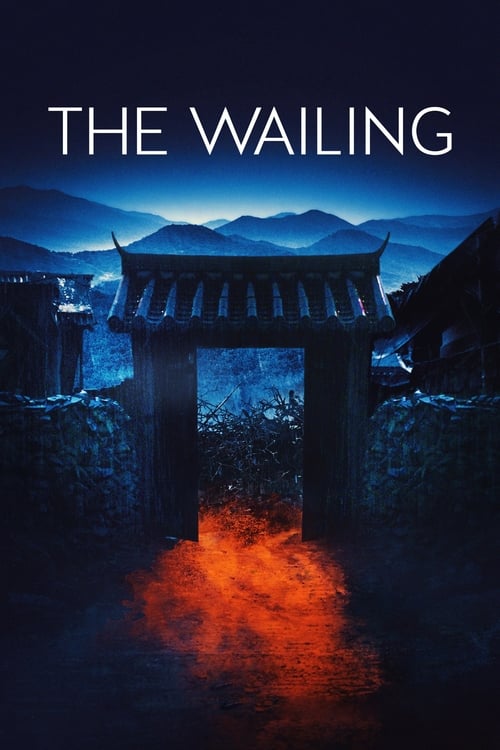
Director Na Hong-jin combines supernatural horror, murder mystery and rural paranoia in a story that continually changes what the audience believes. A police officer investigates a series of violent deaths following the arrival of a mysterious stranger in a remote Korean village.
Every apparent explanation opens the door to another possibility. Disease, possession, superstition and manipulation overlap until neither the protagonist nor the audience knows whom to trust. The film is long, but its patient accumulation of uncertainty creates an unusually deep and unsettling form of fear.
7. Talk to Me
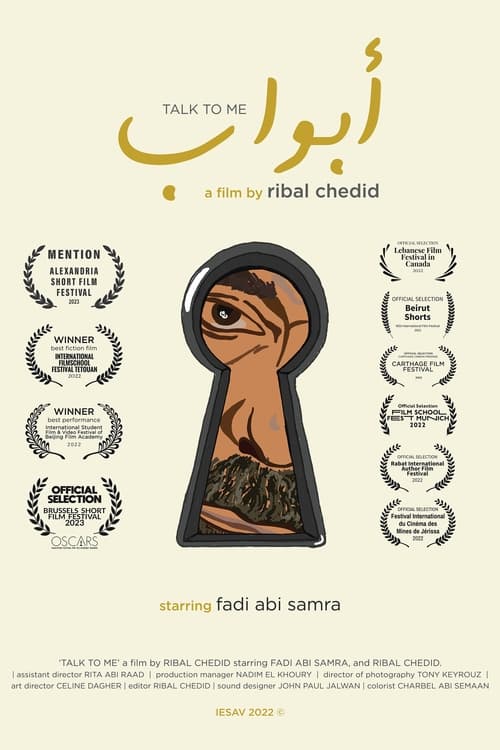
Directors Danny and Michael Philippou turn communication with the dead into a dangerous teenage ritual. A group of friends discovers that an embalmed hand allows them to summon spirits, but the thrill quickly becomes an obsession.
The film works because the supernatural activity initially feels social, reckless and exciting rather than obviously threatening. The characters treat possession like entertainment until they cross a boundary they cannot repair. Beneath the shocks is a story about grief and the desperate need to remain connected to someone who is gone.
8. The Dark and the Wicked
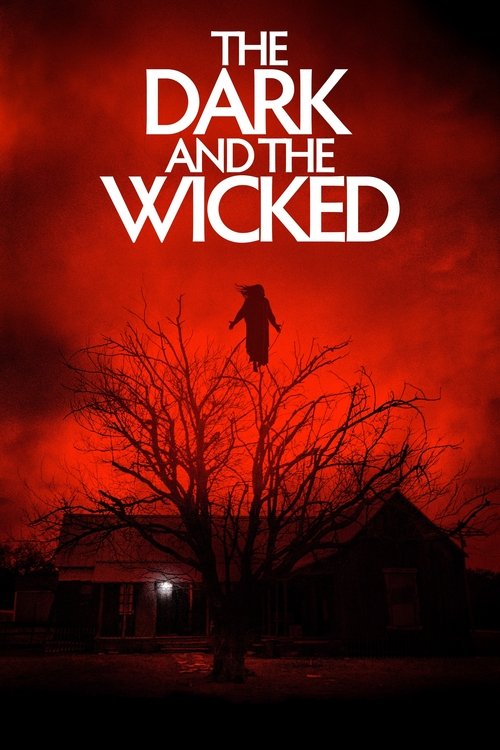
Director Bryan Bertino creates a bleak supernatural story in which hope disappears almost immediately. Two siblings return to their isolated family farm as their father approaches death, only to realise that a malevolent presence may already be waiting for them.
The film offers few moments of safety. Its remote setting, stripped-back storytelling and oppressive sound design create the sense that evil has settled over the entire property. What makes it especially frightening is its refusal to provide comforting rules. Leaving may be dangerous, staying may be worse and understanding the threat offers no guarantee of survival.
9. Host
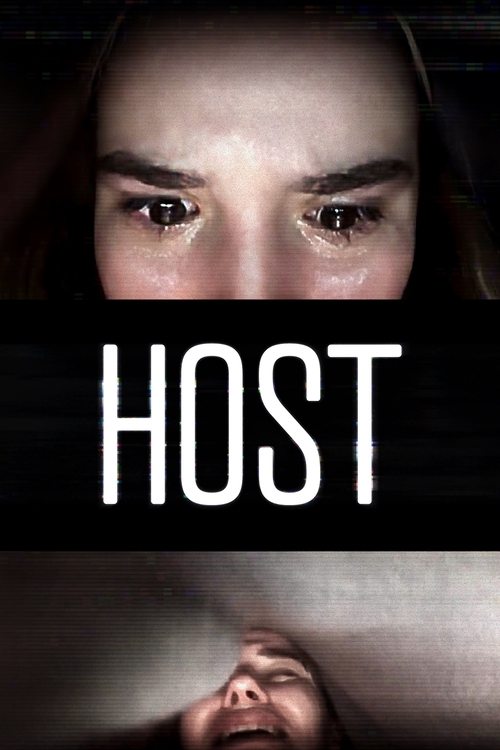
Director Rob Savage stages an entire supernatural horror story through a group video call. During an online séance, six friends accidentally invite something dangerous into their separate homes.
The restricted format becomes one of the film’s greatest strengths. Each character is alone, visible only through a webcam and unable to help the others directly. The short running time leaves little room for relief, while ordinary domestic backgrounds become increasingly threatening as viewers search each frame for movement.
10. The Autopsy of Jane Doe
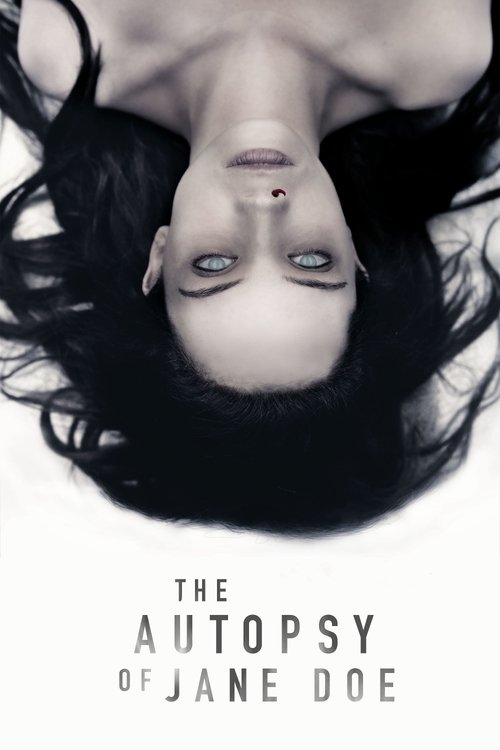
Director André Øvredal confines most of this supernatural mystery to a small-town mortuary. A father-and-son team is asked to examine the unidentified body of a young woman discovered at the scene of a brutal multiple murder.
As the autopsy progresses, the physical evidence becomes increasingly impossible. The filmmakers use the clinical environment brilliantly: fluorescent lights, metal corridors and medical instruments offer the illusion of rational control while something inexplicable takes hold of the building. The body remains almost completely still, yet its presence dominates every scene.
Psychological Scary Movies
These films place fear inside the mind, making it difficult to distinguish an external threat from guilt, trauma, obsession or delusion.
11. The Shining
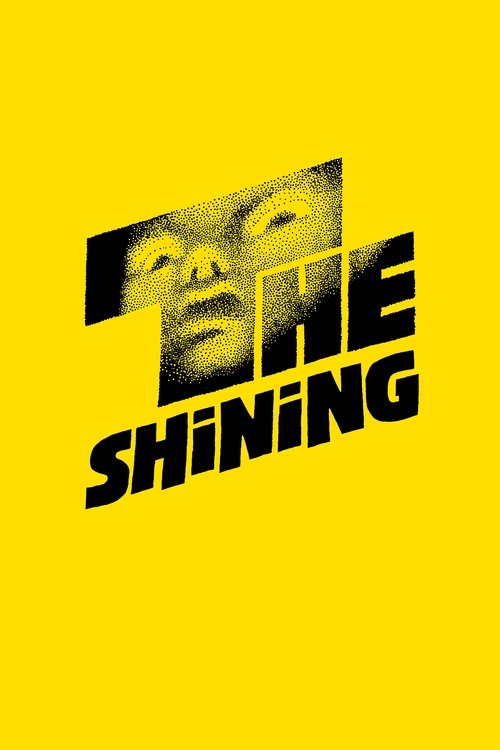
Director Stanley Kubrick turns an isolated mountain hotel into a maze of psychological and supernatural terror. Jack Torrance accepts a winter caretaker position at the Overlook Hotel and moves there with his wife and young son, only to become increasingly unstable.
The hotel is frightening because it feels both enormous and inescapable. Its corridors appear orderly, yet its geography seems impossible. Kubrick’s slow camera movements, symmetrical compositions and unsettling use of sound create the impression that the building is observing the family. Jack Nicholson’s performance is explosive, but the deeper fear comes from watching domestic resentment become something murderous.
12. The Babadook

Director Jennifer Kent uses the language of a children’s story to explore grief, exhaustion and suppressed anger. A widowed mother discovers a disturbing book in her son’s bedroom about a creature called the Babadook.
The monster is frightening, but the emotional reality beneath it is more disturbing. Amelia is overwhelmed by parenthood and haunted by the death of her husband, while her son’s behaviour pushes her towards collapse. Kent never reduces the story to a simple metaphor. The Babadook feels psychologically meaningful while remaining a frightening presence in its own right.
13. The Witch
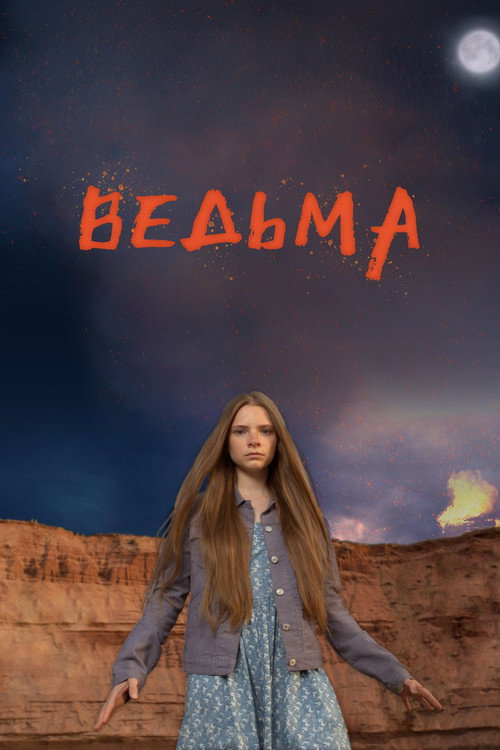
Director Robert Eggers places a seventeenth-century Puritan family at the edge of an apparently endless forest. After being expelled from their settlement, the family attempts to survive alone, but suspicion and religious terror soon begin tearing them apart.
The period detail makes their beliefs feel immediate rather than remote. Every failed crop, whispered accusation and unexplained event may be evidence of divine punishment or something more sinister. Eggers builds fear through language, landscape and isolation, creating a world in which faith offers little comfort.
14. It Follows
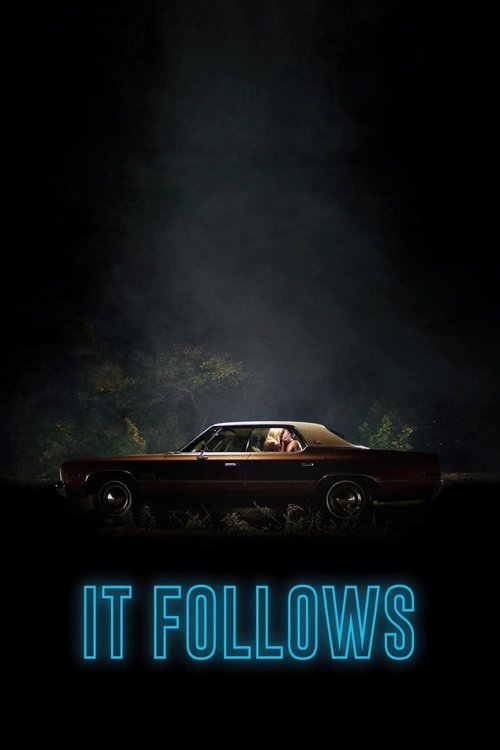
Director David Robert Mitchell gives physical form to the fear of being pursued. After a sexual encounter, a young woman discovers that a supernatural entity will walk towards her continuously until it catches and kills her.
The creature can resemble anyone and moves at an ordinary walking pace, yet that simplicity makes it terrifying. Every background figure becomes suspicious. Safety is temporary because the threat never tires, never forgets and never stops coming. The film transforms open beaches, suburban streets and crowded rooms into spaces where danger may already be approaching.
15. Longlegs
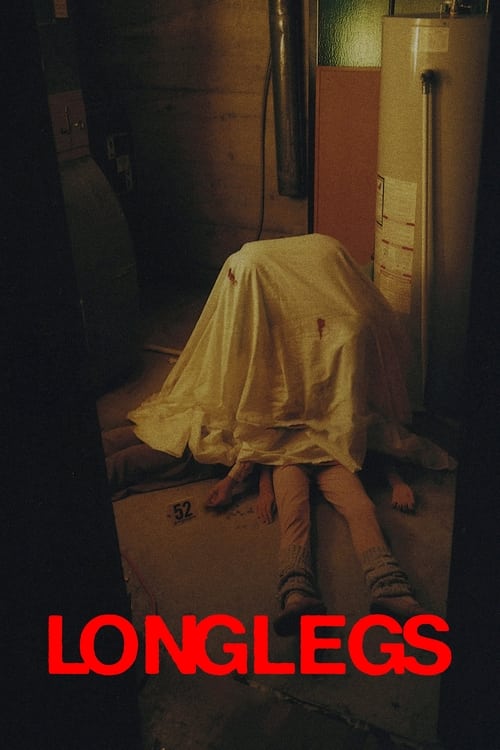
Director Osgood Perkins blends serial-killer thriller, occult horror and procedural investigation. An FBI agent is assigned to a series of family murders connected by cryptic messages from a figure known as Longlegs.
Perkins creates discomfort through empty space, unusual framing and the expectation that something terrible may be hiding just outside the image. Nicolas Cage’s performance is deliberately grotesque, but the film’s deeper unease comes from the suggestion that the case has been shaping the investigator’s life long before she became aware of it.
16. Lake Mungo
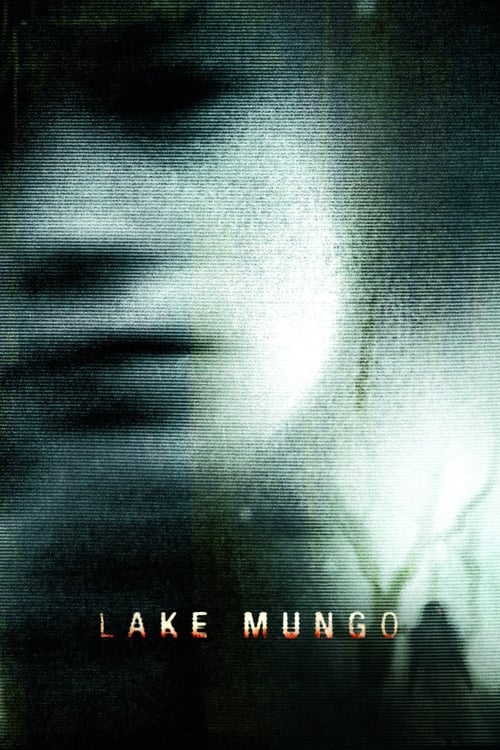
Director Joel Anderson presents his ghost story as a documentary about a family grieving the drowning of their teenage daughter. As they examine photographs and recordings, they begin to believe that she may have experienced something frightening before her death.
The documentary form gives the story an unusual sense of realism. Instead of conventional shocks, Anderson builds fear through fragments: altered images, half-understood recordings and memories that change as new information emerges. One late revelation is especially disturbing because it transforms everything that came before it.
17. Saint Maud
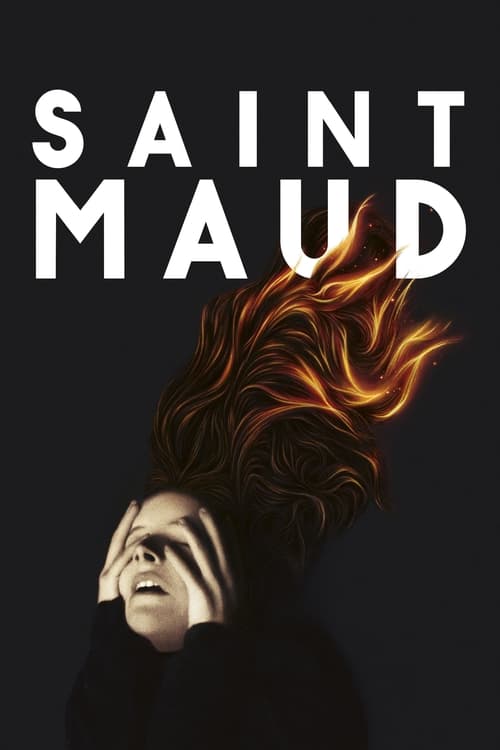
Director Rose Glass follows a deeply religious private nurse who becomes convinced that she has been chosen to save the soul of her dying patient. Her certainty gradually develops into obsession.
Morfydd Clark’s performance makes Maud vulnerable, frightening and tragically human. The film keeps the audience close to her spiritual experiences without confirming how much exists outside her own mind. Its final moments are brief, devastating and almost impossible to forget.
18. Sinister
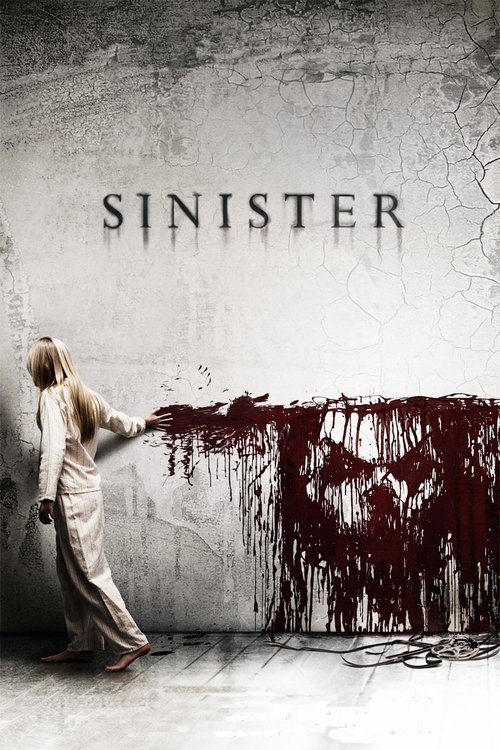
Director Scott Derrickson places a true-crime writer inside a house connected to the murder of its previous occupants. In the attic, he discovers reels of home-movie footage showing the deaths of several families.
The footage is the film’s most disturbing element because of its cold, observational presentation. The grainy images and unnerving soundscape suggest that the viewer is witnessing something forbidden. Although the story eventually moves into supernatural territory, the early investigation creates a powerful atmosphere of dread.
19. The Blair Witch Project
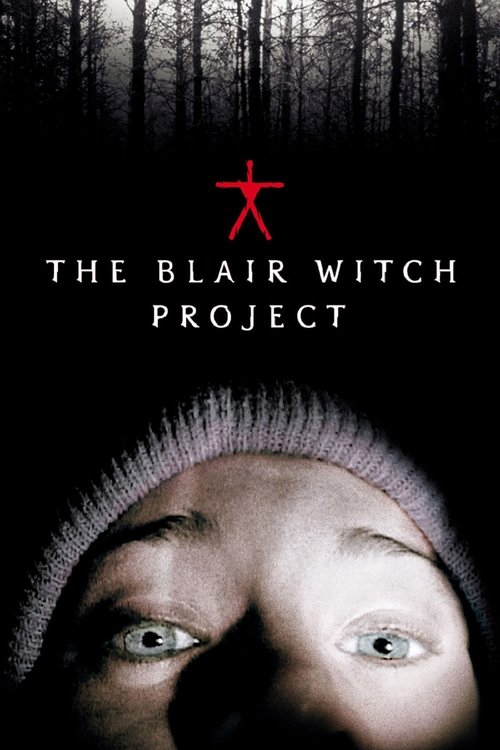
Directors Daniel Myrick and Eduardo Sánchez reduce horror to its essentials: three people, a forest and the growing certainty that they are lost. A group of student filmmakers enters the Maryland woods to investigate a local legend and fails to return.
The film’s found-footage style was revolutionary, but its fear remains effective because the characters’ situation feels increasingly hopeless. They hear sounds outside their tent, discover unexplained objects and appear to walk in circles. The threat is never clearly defined, allowing the viewer’s imagination to occupy the darkness beyond the camera.
20. Caveat
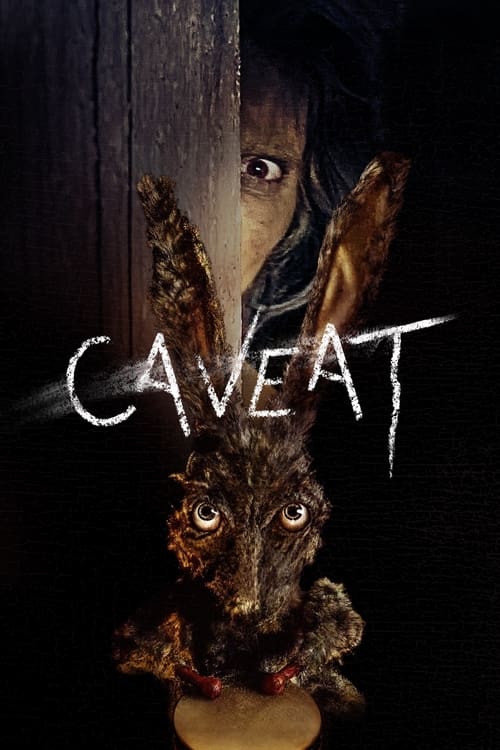
Director Damian McCarthy begins with an arrangement that already feels deeply wrong. A man accepts a job watching a psychologically troubled woman in an isolated house, only to learn that he must wear a locked harness attached to a chain.
The film uses confined spaces, damaged memories and a grotesque toy rabbit to create a nightmare of restriction. Its plot follows dream logic, but the physical environment is precise: narrow passages, hidden rooms and dark openings that must eventually be entered. Few recent films have used stillness so effectively.
Scary Movies About Killers and Human Monsters
These films require no ghosts or demons. Their terror comes from people capable of cruelty, manipulation and violence.
21. The Texas Chain Saw Massacre
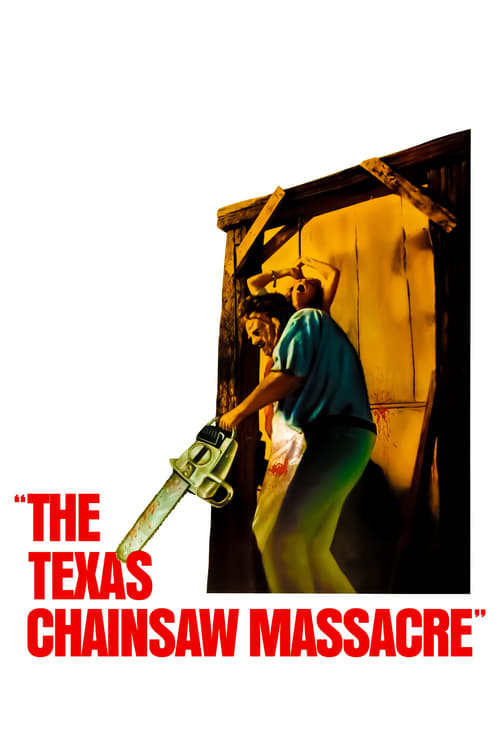
Director Tobe Hooper follows a group of young travellers who stumble upon an isolated house inhabited by a murderous family. The story is simple, but the filmmaking gives it an almost documentary-like intensity.
The film feels hot, dirty and physically exhausting. Its violence is less explicit than its reputation suggests, yet Hooper creates the impression of unbearable brutality through sound, editing and production design. Once the characters enter the family’s world, normal morality seems to disappear completely.
22. Halloween
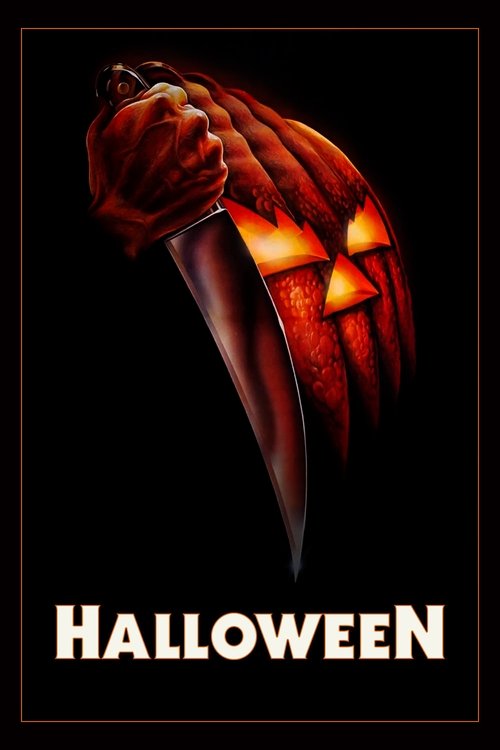
Director John Carpenter transformed the slasher film by turning a masked killer into an almost abstract presence. Fifteen years after murdering his sister, Michael Myers escapes confinement and returns to his hometown.
Carpenter builds tension through composition. Michael may be visible across a street, behind a hedge or at the edge of the frame, watching before anyone recognises the danger. His blank mask removes personality and motive, making him less like a conventional criminal than an unstoppable force moving through an ordinary suburb.
23. The Silence of the Lambs
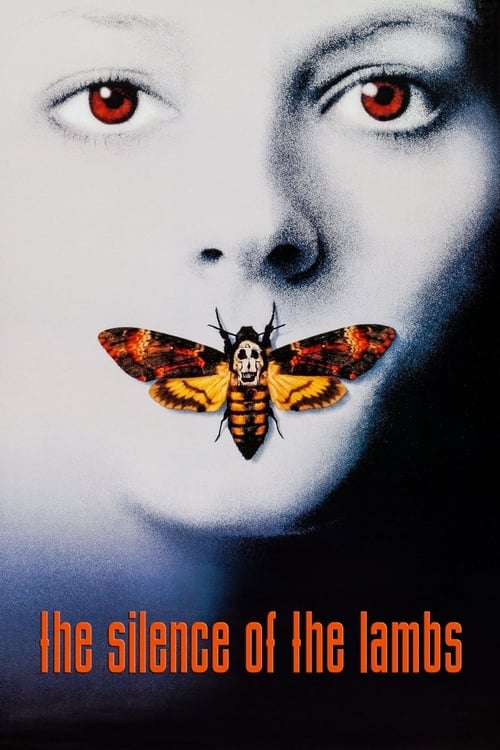
Director Jonathan Demme combines procedural thriller, psychological horror and serial-killer drama. FBI trainee Clarice Starling seeks help from imprisoned murderer Hannibal Lecter while hunting another killer who is abducting young women.
The conversations between Clarice and Lecter are frightening because he repeatedly crosses the boundaries she attempts to maintain. Demme frequently has characters look almost directly into the camera, placing the viewer inside Clarice’s discomfort. The final pursuit, staged in complete darkness, remains one of the most nerve-racking sequences in modern thrillers.
24. The Vanishing
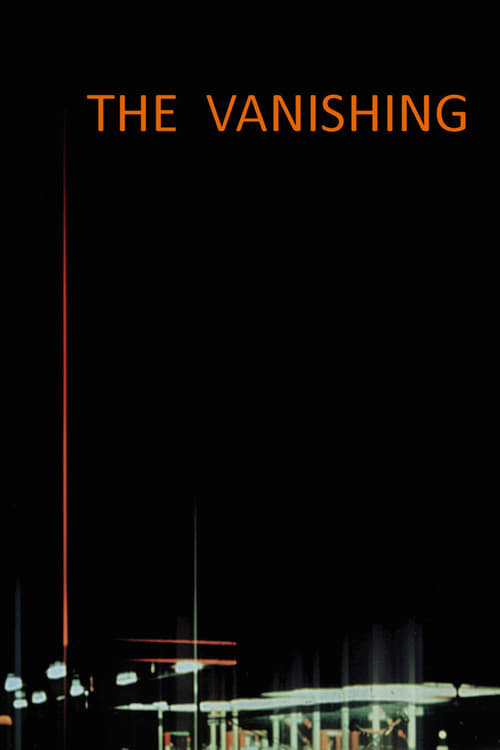
Director George Sluizer’s Dutch thriller begins when a woman disappears from a busy service station. Her partner becomes consumed by the need to discover what happened, attracting the attention of the man responsible.
The film is terrifying because the perpetrator is not presented as visibly monstrous. He is methodical, curious and disturbingly ordinary. Rather than asking whether the missing woman can be saved, the story explores how far someone will go to obtain an answer—and whether knowing the truth can be worse than uncertainty.
25. Funny Games

Director Michael Haneke dismantles the home-invasion thriller while making one of its most disturbing examples. Two polite young men enter a family’s holiday home and gradually reveal that they have no intention of leaving peacefully.
The attackers behave as though the violence is a game whose outcome has already been determined. Haneke denies the audience the conventional pleasures of revenge and heroic resistance, creating an experience designed to make viewers question why they watch screen violence. The result is deliberately cruel, controlled and profoundly unsettling.
26. The Strangers
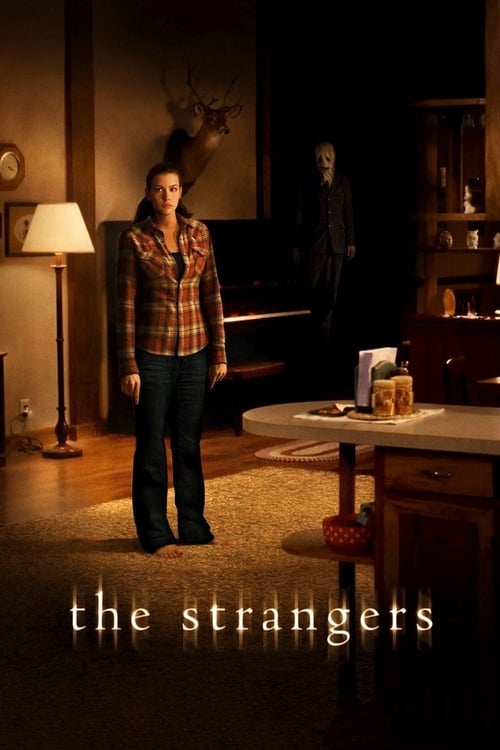
Director Bryan Bertino takes a familiar fear—someone outside the house—and refuses to make it complicated. A couple staying in an isolated holiday home is stalked by three masked intruders.
The film is frightening because the attackers do not appear to need a meaningful motive. They watch, enter and disappear again, controlling the pace of the night. Bertino often allows the audience to see danger before the characters do, turning the background of the frame into a source of constant anxiety.
27. Eden Lake
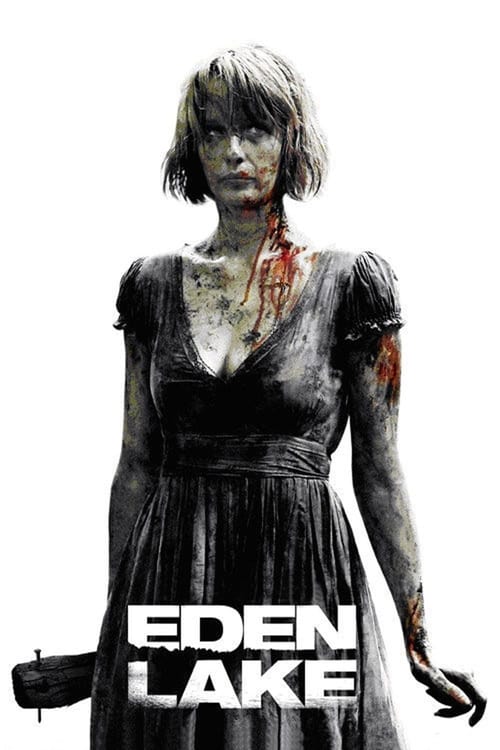
Director James Watkins follows a couple whose peaceful weekend at a remote lake becomes a confrontation with a group of local teenagers. A series of apparently minor provocations escalates into violence.
The film is brutal, but its power comes from the plausibility of that escalation. Pride, fear and group pressure repeatedly make the situation worse. The landscape offers little protection, while the story’s final turn removes any comforting belief that help will arrive from the surrounding community.
28. Green Room
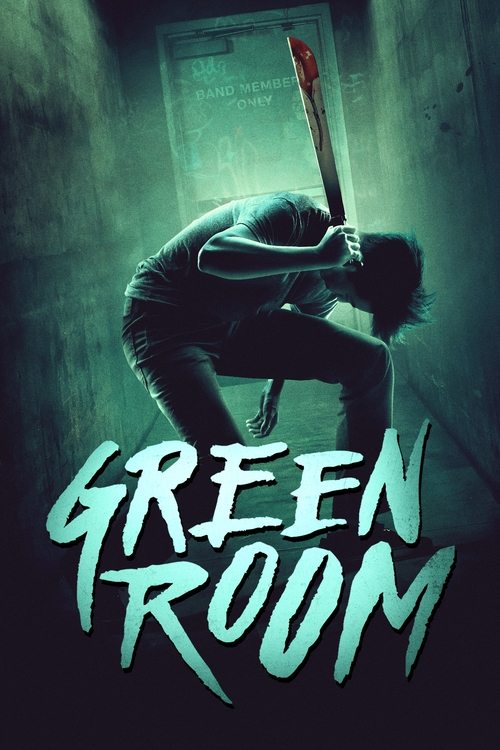
Director Jeremy Saulnier traps a touring punk band inside the backstage room of an isolated venue after they witness a murder. Outside the door, a group of violent extremists begins planning how to remove them.
The film treats physical danger with unusual realism. Injuries have consequences, improvised plans fail and no character suddenly becomes an invincible action hero. Patrick Stewart’s calm performance makes the threat more disturbing because his character approaches murder as a practical problem to be managed.
29. Hush
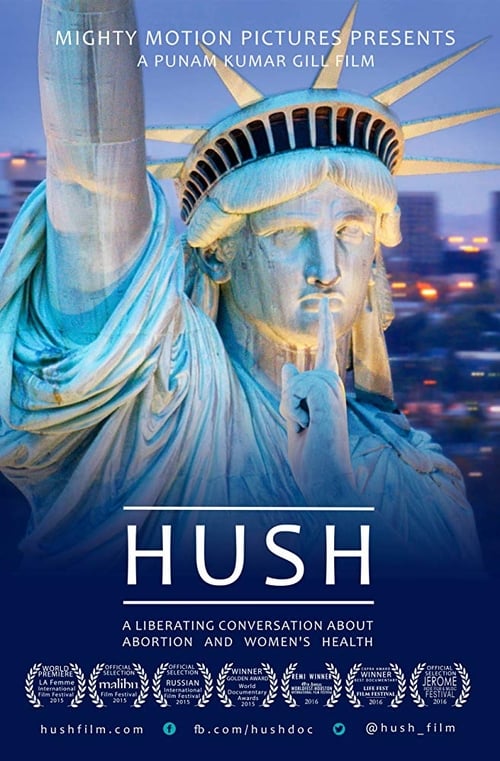
Director Mike Flanagan strips the home-invasion thriller down to a confrontation between a deaf writer and a masked attacker. Isolated in a woodland house, she must find ways to survive without hearing him approach.
Flanagan uses the character’s deafness as part of the film’s suspense rather than as a weakness that defines her. The killer initially assumes he controls the situation, but the struggle becomes a contest of observation, planning and endurance. The compact setting keeps the tension focused and immediate.
30. The Hitcher
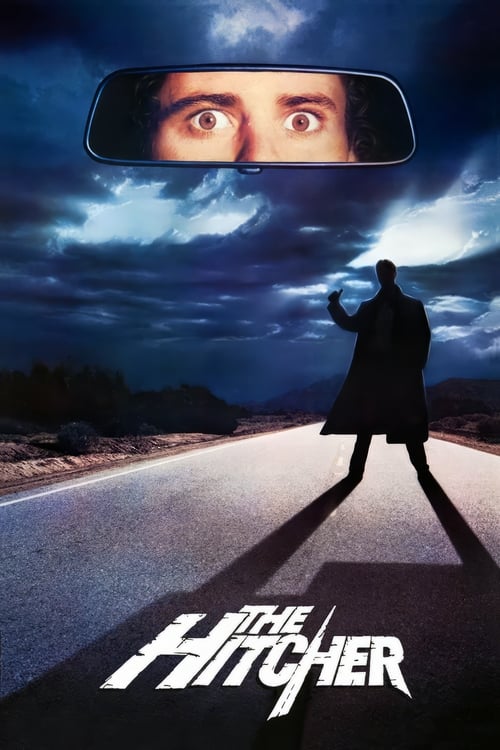
Director Robert Harmon transforms the open road into a place of exposure and helplessness. A young driver picks up a hitchhiker who soon begins pursuing him across the desert.
Rutger Hauer gives the killer an almost supernatural calm, yet the film never needs to explain him. Empty highways, isolated service stations and distant police offer no reliable safety. The protagonist can keep driving, but every road appears to lead back towards the man hunting him.
Survival and Isolation Horror
These scary movies place characters in environments where escape is difficult, assistance is remote and one mistake can become fatal.
31. Alien
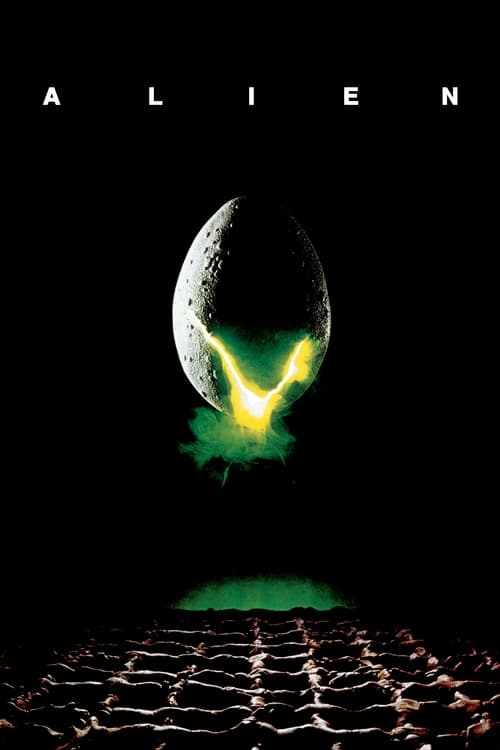
Director Ridley Scott turns a commercial spacecraft into a haunted house surrounded by infinite darkness. After responding to a distress signal, the crew of the Nostromo unknowingly brings a lethal organism aboard.
The creature is frightening, but the environment is equally important. Industrial corridors, air shafts and machinery create countless places where something may be hiding. The crew are workers rather than soldiers, unprepared for what they encounter. Once the alien begins hunting, the ship’s size becomes irrelevant because nowhere feels safe.
32. Jaws
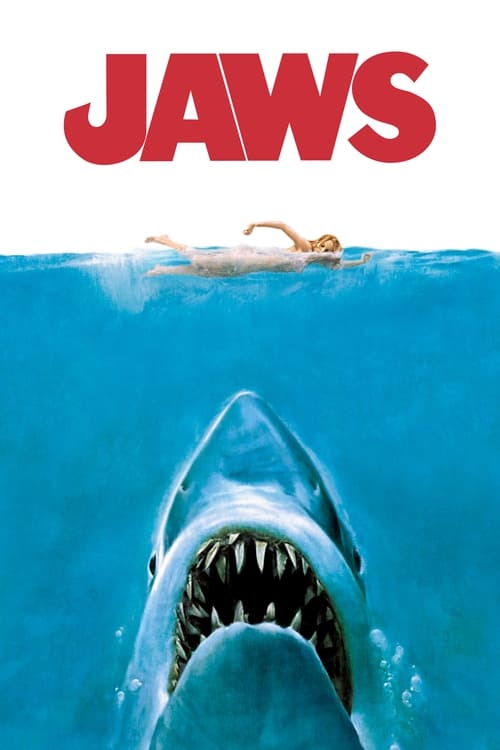
Director Steven Spielberg proves that terror can flourish in sunlight. After a swimmer is killed off the coast of Amity Island, the local police chief attempts to close the beaches while officials worry about losing tourist income.
The shark is rarely seen during the film’s first half, but its absence intensifies the fear. Spielberg uses point-of-view shots, sound and the movement of water to suggest an approaching threat. Once the characters enter the open ocean, the film becomes a survival thriller in which every mechanical failure brings the predator closer.
33. The Descent
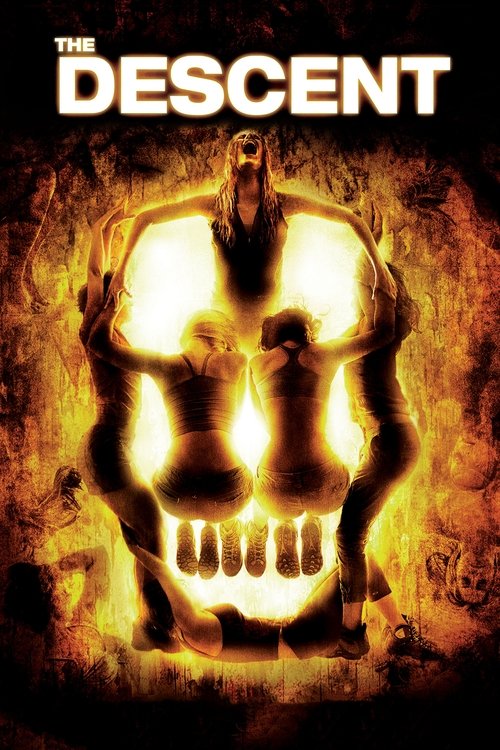
Director Neil Marshall follows a group of women exploring an uncharted cave system. After an underground collapse blocks their exit, they discover that they may not be alone.
The film would be frightening even without its creatures. Narrow tunnels, darkness and the weight of the earth create intense claustrophobia. Marshall then introduces a second threat while the group is already physically and emotionally fractured. The cave becomes a complete world from which the surface feels impossibly distant.
34. REC
![[REC] (2007) poster](https://image.tmdb.org/t/p/w500/hgyJR4sgMsee6xMFM3xYiG6cDCh.jpg)
Directors Jaume Balagueró and Paco Plaza follow a television reporter and cameraman accompanying firefighters into an apartment building. Once inside, the authorities seal the exits and refuse to explain why.
The handheld camera gives the unfolding disaster an urgent, immediate quality. The characters possess only partial information, and every floor of the building reveals another piece of the threat. The final sequence uses darkness and restricted vision to turn a small attic room into an almost unbearable space.
35. A Quiet Place
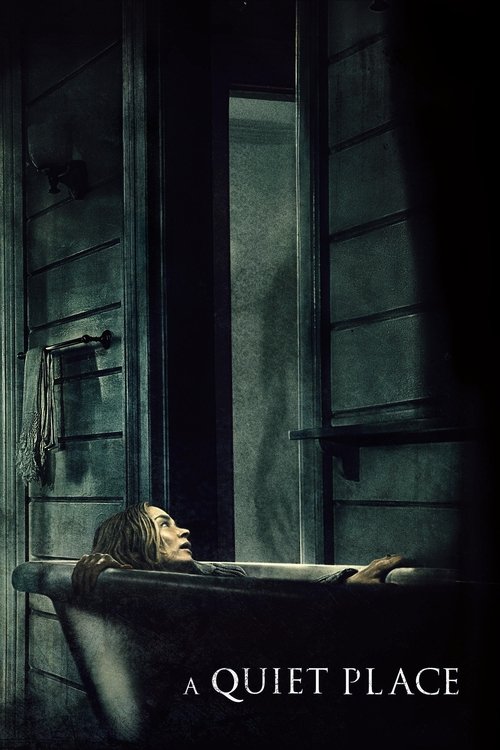
Director John Krasinski imagines a world occupied by creatures that hunt through sound. A family survives by communicating silently, walking barefoot and organising every part of daily life around the avoidance of noise.
The central rule is simple and immediately understandable. A dropped object or uncontrolled breath can bring death within seconds. Krasinski uses silence not as an absence but as a source of tension, making the audience acutely aware of every movement and potential accident.
36. Wolf Creek

Director Greg McLean follows three travellers whose car breaks down near an isolated crater in the Australian outback. A seemingly helpful local offers assistance and takes them back to his remote property.
The vast landscape initially suggests freedom, but it soon becomes a prison. There are no nearby witnesses, few landmarks and almost no chance of outside intervention. John Jarratt’s performance is especially disturbing because his character shifts between humour, hospitality and cruelty without losing his recognisably human quality.
37. The Ritual
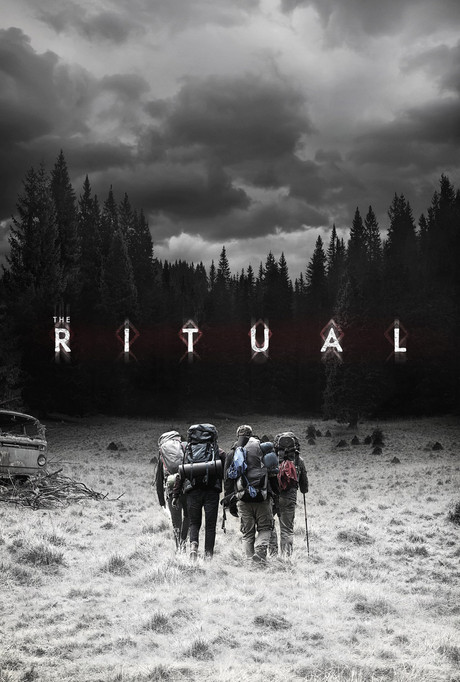
Director David Bruckner sends four friends into a Scandinavian forest after they take a shortcut during a hiking trip. As they become lost, they discover signs that something ancient may be following them.
The forest is presented as an enclosed, disorientating space where every direction looks the same. The group’s unresolved grief and resentment make cooperation increasingly difficult. Bruckner delays the full revelation of the creature, allowing strange sounds, impossible tracks and glimpsed movement to build the fear first.
38. The Invisible Man
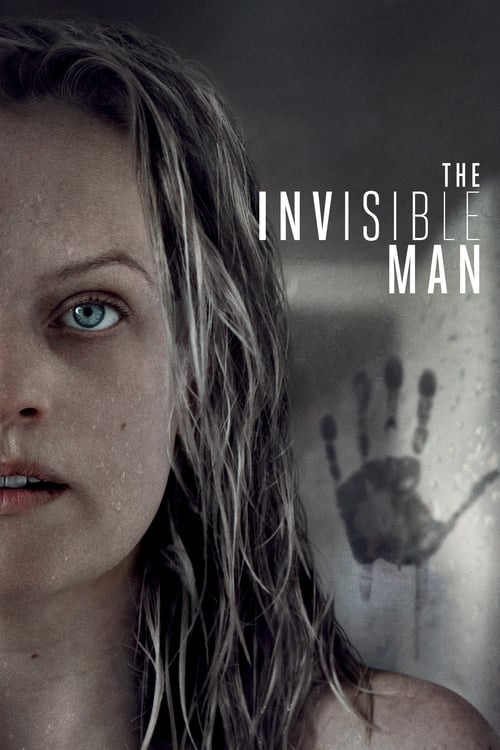
Director Leigh Whannell reimagines the classic monster story as a thriller about coercive control. After escaping an abusive relationship, Cecilia is told that her former partner has died, but she becomes convinced that he has found a way to remain invisible.
The premise makes every empty section of the frame suspicious. A chair, doorway or patch of apparently vacant space may contain someone watching her. Elisabeth Moss conveys the exhaustion of a woman who knows she is in danger but cannot produce evidence that anyone else will accept.
39. Blood Star
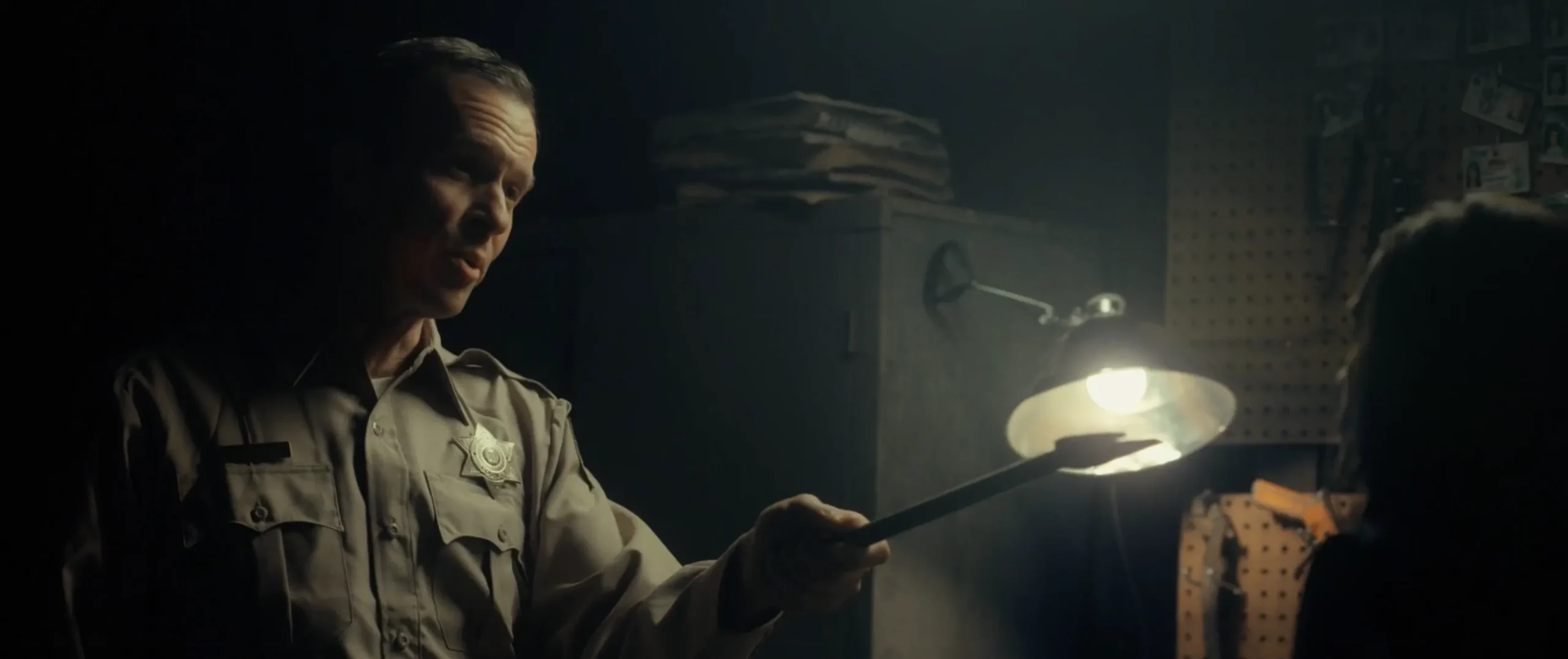
Director Lawrence Jacomelli strips the road thriller down to a young woman, an isolated desert and a sheriff who treats his badge as permission to hunt. A petty thief driving through the desert is pulled over by a lawman whose interest in her quickly becomes predatory.
What makes Blood Star frightening is the collapse of the usual relationship between authority and safety. The person she should be able to call for help is the source of the danger, while the empty landscape leaves few witnesses and fewer places to hide. The film builds tension through pursuit, psychological manipulation and the knowledge that physical escape may not be enough when the killer controls the law around her.
Watch Blood Star and find streaming options.
Discover how Blood Star was made.
40. The Thing
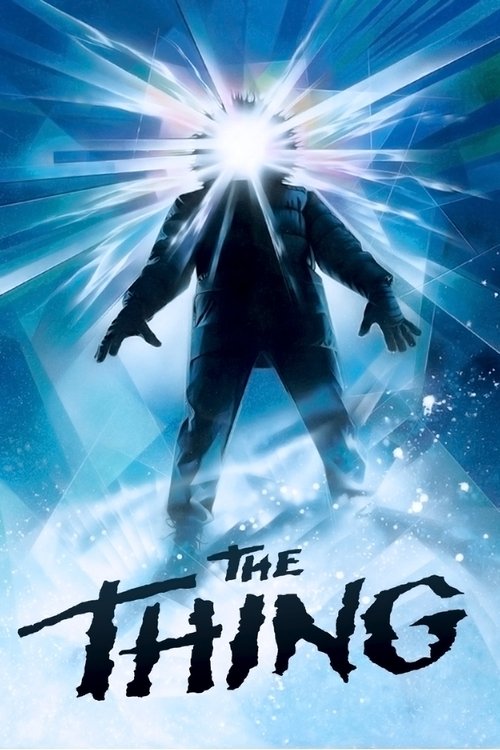
Director John Carpenter isolates a group of researchers at an Antarctic station where they encounter an organism capable of perfectly imitating other living beings.
The creature effects remain extraordinary, but the deepest fear comes from mistrust. Any member of the group may no longer be human, and there is no reliable way to know until the organism reveals itself. The freezing landscape prevents escape, while paranoia destroys the cooperation the survivors need. By the end, certainty itself has become impossible.
Which Scary Movie Should You Watch Tonight?
The right film depends on the kind of fear you are looking for.
For supernatural horror, start with The Exorcist, The Conjuring, Hereditary or The Dark and the Wicked. These films create worlds in which rational explanations gradually become impossible.
For psychological fear, try The Shining, The Babadook, Saint Maud or Lake Mungo. Their horror grows from grief, obsession, isolation and uncertainty about what is real, echoing the site’s psychological thriller coverage.
For realistic scary movies, choose The Vanishing, The Strangers, Eden Lake, Green Room or Blood Star. These films are frightening because their threats are human and their situations feel possible, alongside more of the site’s serial-killer movie picks.
For survival horror, watch Alien, The Descent, REC, A Quiet Place or The Thing. Each traps its characters in a hostile environment where escape becomes increasingly unlikely, much like the site’s survival thriller recommendations.
For road and wilderness horror, try The Hitcher, Wolf Creek, The Ritual or Blood Star. These stories transform open landscapes into places where isolation makes the characters more vulnerable rather than more free—the same territory covered in the site’s action thriller and road thriller picks.
Why Scary Movies Stay With Us
The best scary movies continue working after they end. They alter the way we see familiar spaces, making us reconsider an open doorway, an empty road, a silent room or the dark corner of a house.
They also allow audiences to experience fear within a controlled environment. We can confront death, violence, isolation and the unknown while remaining physically safe. That distance creates the strange pleasure of horror: the body responds as though the danger were real, even while the mind understands that it is constructed.
But lasting fear requires more than technique. The films that stay with us usually connect their horror to something recognisable—grief, distrust, family conflict, social isolation, loss of control or the fear that nobody will believe us. Monsters may provide the image, but human vulnerability gives that image its power.
That is why the scariest movies are not always the bloodiest or loudest. They are the ones that discover a fear we already possess and give it a form we cannot easily forget.
The scariest thing I could put on screen wasn’t a monster. It was a badge. Bobbi can’t call for help when the person who’d normally answer that call is the one hunting her.
Watch Blood Star
If films such as The Hitcher, Wolf Creek, The Vanishing and Green Room appeal to you, Blood Star brings the same pressure and vulnerability to the desert.
A young driver finds herself targeted by a predatory sheriff who controls the roads, the story and the law. With nobody nearby to trust, she must rely on instinct and street smarts to survive a brutal game of pursuit.
Find out where to watch Blood Star and discover how Blood Star was made.
Frequently Asked Questions About Scary Movies
Frequently Asked Questions
The Exorcist is frequently named among the scariest movies ever made because of its serious treatment of possession, religious fear and the collapse of an ordinary family. However, the answer depends on whether a viewer is most frightened by supernatural horror, psychological stories or realistic violence.
For a classic supernatural experience, choose The Exorcist or The Conjuring. For psychological horror, watch Hereditary or The Shining. For a tense survival film, try Alien, The Descent or REC. For realistic human danger, choose The Vanishing, The Strangers or Blood Star.
Some of the most frightening movies contain no supernatural elements. The Vanishing, Funny Games, The Strangers, Green Room, Eden Lake, Wolf Creek and Blood Star create fear through human behaviour, isolation and situations in which help may never arrive.
A horror movie belongs to a recognised genre built around fear, death, monsters, violence or the supernatural. “Scary movie” is a broader description of the effect a film has on its audience. A thriller such as The Vanishing or The Silence of the Lambs may be extremely scary without fitting every traditional definition of horror.
Hereditary, The Shining, The Babadook, Saint Maud, Longlegs and Lake Mungo are strong psychological scary movies. They create fear through trauma, obsession, grief and uncertainty rather than depending entirely on visible monsters.
The Strangers, Green Room, Eden Lake, Wolf Creek, The Vanishing and Blood Star are frightening because their central dangers are human. Although some stories are heightened for dramatic effect, their situations feel close enough to reality to create lasting unease.
The Witch, The Shining, Lake Mungo, The Vanishing, The Dark and the Wicked, The Blair Witch Project and Caveat build fear gradually through atmosphere, uncertainty and anticipation. They may contain sudden moments, but their effectiveness does not depend on constant shocks.
The Thing, Alien, The Descent, The Ritual, Wolf Creek, The Witch and Blood Star all use isolation as a major source of tension. Their characters cannot easily contact help, understand their surroundings or escape the threat pursuing them.
Related: Resident Evil survival horror movies — 12 films to watch before the 2026 reboot.
Film posters courtesy of The Movie Database (TMDB). This product uses the TMDB API but is not endorsed or certified by TMDB.
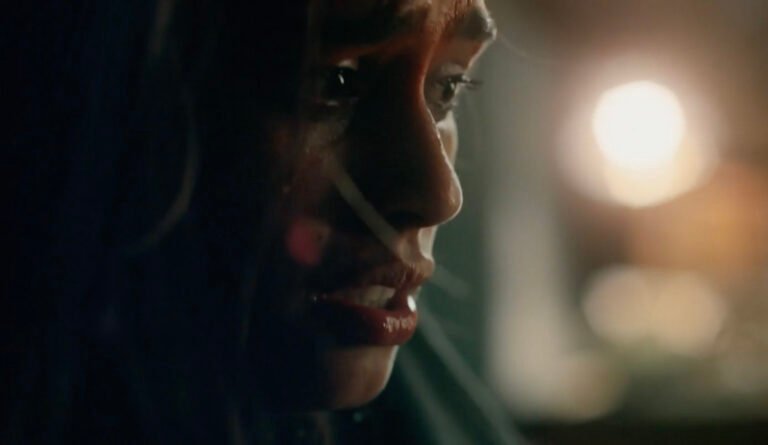
Table of Contents
- What Makes a Movie Genuinely Scary?
- Supernatural Scary Movies
- 1. The Exorcist
- 2. The Conjuring
- 3. Hereditary
- 4. The Ring
- 5. Ringu
- 6. The Wailing
- 7. Talk to Me
- 8. The Dark and the Wicked
- 9. Host
- 10. The Autopsy of Jane Doe
- Psychological Scary Movies
- 11. The Shining
- 12. The Babadook
- 13. The Witch
- 14. It Follows
- 15. Longlegs
- 16. Lake Mungo
- 17. Saint Maud
- 18. Sinister
- 19. The Blair Witch Project
- 20. Caveat
- Scary Movies About Killers and Human Monsters
- 21. The Texas Chain Saw Massacre
- 22. Halloween
- 23. The Silence of the Lambs
- 24. The Vanishing
- 25. Funny Games
- 26. The Strangers
- 27. Eden Lake
- 28. Green Room
- 29. Hush
- 30. The Hitcher
- Survival and Isolation Horror
- 31. Alien
- 32. Jaws
- 33. The Descent
- 34. REC
- 35. A Quiet Place
- 36. Wolf Creek
- 37. The Ritual
- 38. The Invisible Man
- 39. Blood Star
- 40. The Thing
- Which Scary Movie Should You Watch Tonight?
- Why Scary Movies Stay With Us
- Watch Blood Star
- Frequently Asked Questions About Scary Movies