Few horror films have influenced cinema as deeply as Stanley Kubrick’s The Shining (1980). Adapted from Stephen King’s novel and starring Jack Nicholson, Shelley Duvall, Danny Lloyd and Scatman Crothers, it turns an isolated mountain hotel into one of the most disturbing environments in film history. Jack Torrance arrives at the Overlook Hotel with his wife and young son after taking a job as winter caretaker — and the isolation gradually strips away the structures holding the family together, as the hotel begins exerting an increasingly disturbing influence over everyone inside it.
What makes the film so powerful is that the horror can’t be separated from Jack himself. Anger, resentment and a history of violence are already present before anything supernatural happens — the hotel simply seems to recognise those weaknesses and amplify them. That combination of psychological breakdown, hostile architecture, visual precision and slow-building dread is why the strongest movies like The Shining go far beyond other haunted-hotel films.
Here are 15 films — some psychological, some architectural, some purely about landscape and isolation — that share the Overlook’s DNA.
1. Psycho (1960)
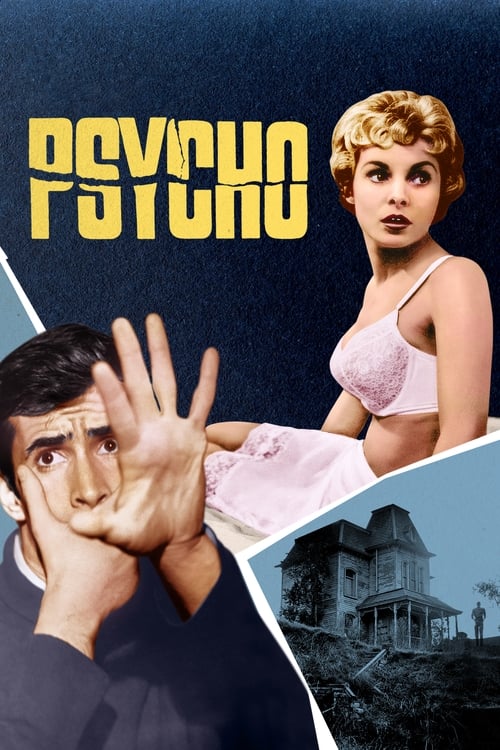
Alfred Hitchcock’s Psycho is essential to understanding the cinematic ancestry of The Shining. The Bates Motel and the house above it operate almost like separate levels of Norman Bates’ mind — ordinary and functional below, older and darker above — the same way the Overlook’s rooms and corridors seem to participate in Jack’s collapse rather than simply contain it.
Why watch it: The idea that buildings can externalise damaged psychology, and that space can tell us something about a character before dialogue does.
Director: Alfred Hitchcock · Starring: Anthony Perkins, Janet Leigh, Vera Miles, John Gavin
2. Vertigo (1958)
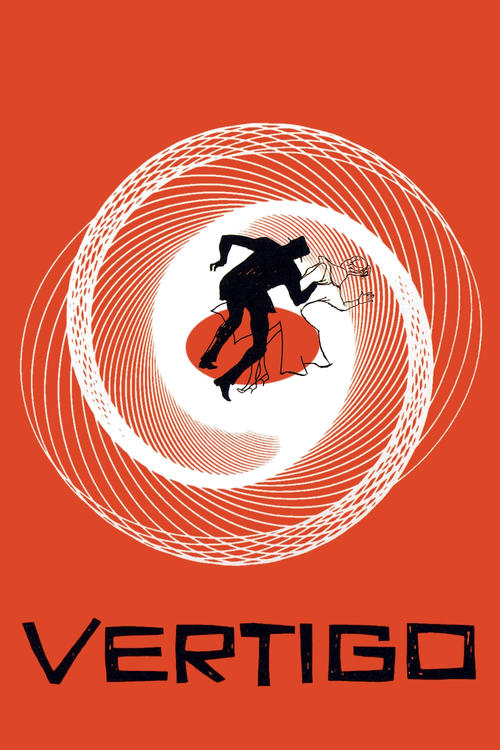
A former detective becomes obsessed with a woman he’s been hired to follow, and surveillance gradually becomes fixation and psychological collapse. Like The Shining, Hitchcock’s film is concerned with repetition — images recur, locations gain new meaning — and both films use controlled camera movement to place the audience inside a destabilised mind.
Why watch it: The way visual technique can make obsession and psychological instability feel physical.
Director: Alfred Hitchcock · Starring: James Stewart, Kim Novak, Barbara Bel Geddes, Tom Helmore
3. 2001: A Space Odyssey (1968)
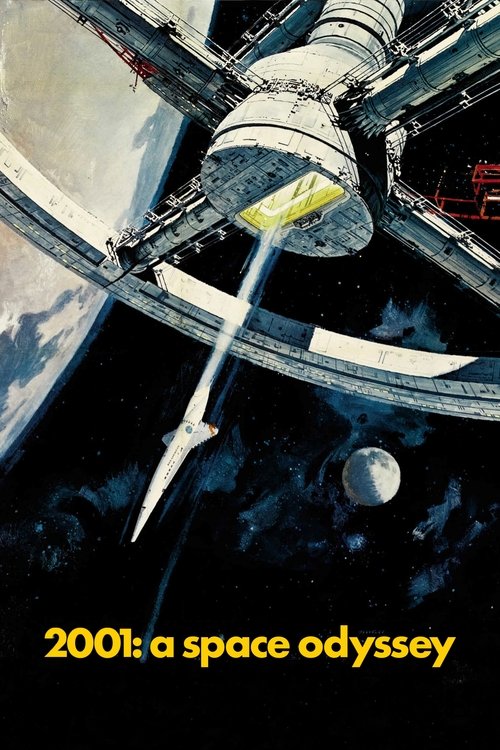
Any serious look at films like The Shining has to include Kubrick’s own 2001, since so much of what makes the later film distinctive comes from the same visual grammar: symmetrical compositions, slow camera movement, and humans made to look insignificant inside vast, controlled environments. HAL 9000 even provides a conceptual parallel to the Overlook — less a villain than a system that seems to observe the people trapped inside it.
Why watch it: The controlled movement, symmetry, scale and unsettling calm that are pure Kubrick.
Director: Stanley Kubrick · Starring: Keir Dullea, Gary Lockwood, William Sylvester, Douglas Rain
4. High and Low (1963)
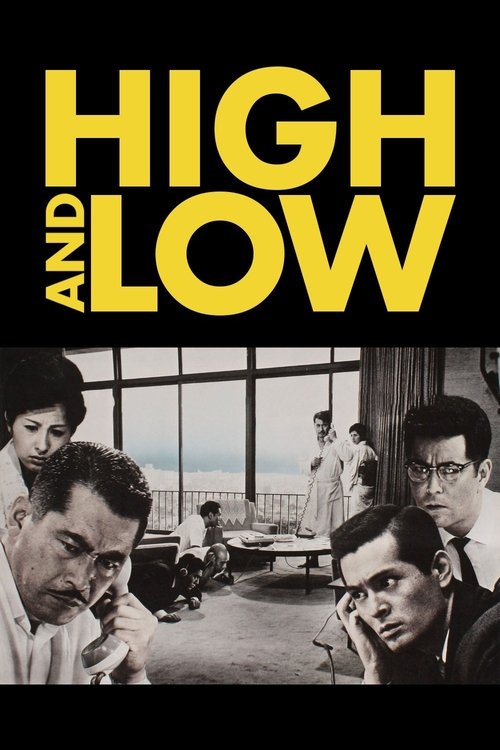
Akira Kurosawa’s kidnapping thriller isn’t horror, but its command of space and composition belongs in this conversation. Blocking, architecture and the placement of actors within the frame create pressure without constant movement — the same formal discipline that makes the Overlook’s corridors and rooms feel meaningful rather than incidental.
Why watch it: The formal side of The Shining — composition, space and tension created through architecture rather than conventional horror mechanics.
Director: Akira Kurosawa · Starring: Toshiro Mifune, Tatsuya Nakadai, Kyoko Kagawa, Tsutomu Yamazaki
5. Repulsion (1965)
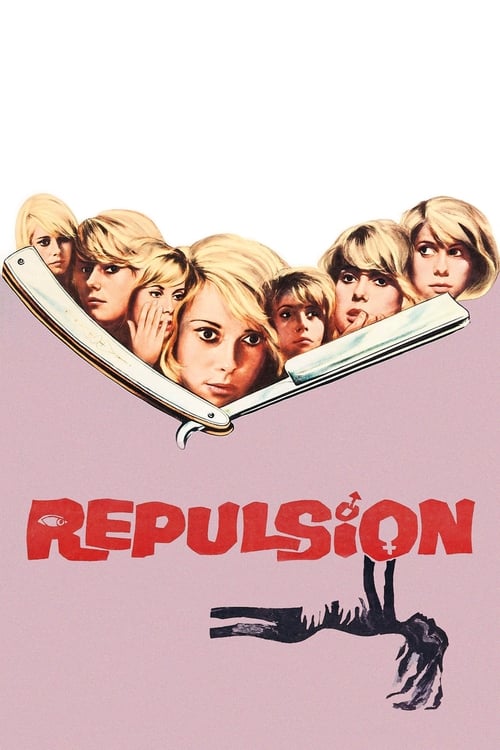
A young woman left alone in a London apartment deteriorates psychologically as the apartment itself seems to change around her — walls crack, hands emerge from surfaces. That relationship between architecture and psychological collapse strongly anticipates the Overlook: a room is never just a room once the character experiencing it is no longer reliable.
Why watch it: One of the strongest films about psychological deterioration expressed through architecture and subjective space.
Director: Roman Polanski · Starring: Catherine Deneuve, Ian Hendry, John Fraser, Yvonne Furneaux
6. The Haunting (1963)
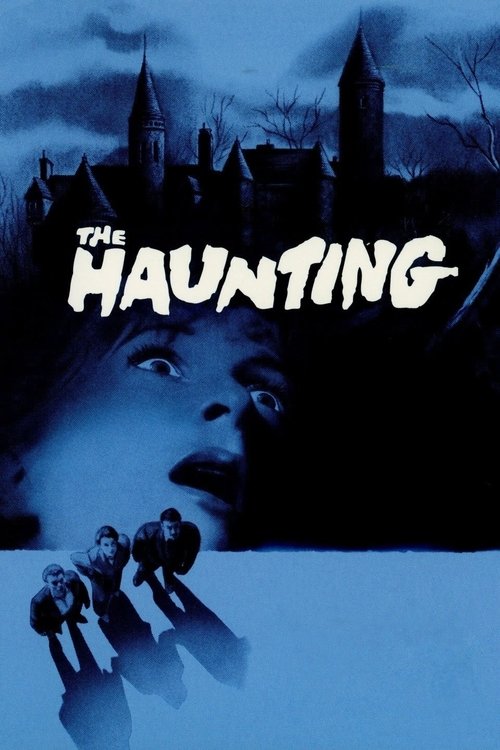
A small group investigating paranormal activity at Hill House finds a building that seems to recognise emotional vulnerability — exactly the idea central to The Shining, where the Overlook doesn’t affect everyone equally, only the people already susceptible to what it offers. Sound, framing and suggestion do most of the work; the audience becomes afraid of walls and doors rather than anything shown outright.
Why watch it: Few earlier films make architecture feel so psychologically alive.
Director: Robert Wise · Starring: Julie Harris, Claire Bloom, Richard Johnson, Russ Tamblyn
7. The Lighthouse (2019)

Two lighthouse keepers stationed together on a remote island watch ordinary friction curdle into something much darker as bad weather cuts them off. Both films isolate volatile men in environments they can’t escape, and both ask whether supernatural forces are causing the collapse or simply accelerating something already present.
Why watch it: A modern film that captures the psychological claustrophobia, repetition and masculine deterioration at the heart of The Shining.
Director: Robert Eggers · Starring: Robert Pattinson, Willem Dafoe
8. The Lodge (2019)

The Lodge takes several of The Shining’s central ingredients — snow, isolation, family tension — and rearranges them into something colder and more contemporary. A woman planning to marry a widowed father is left alone with his hostile children at a remote winter lodge, and isolation removes the external structures keeping everyone’s instability under control.
Why watch it: Another psychological horror film where snow, isolation and family resentment combine to make reality feel unstable.
Director: Veronika Franz, Severin Fiala · Starring: Riley Keough, Jaeden Martell, Lia McHugh, Richard Armitage
9. The Night House (2020)
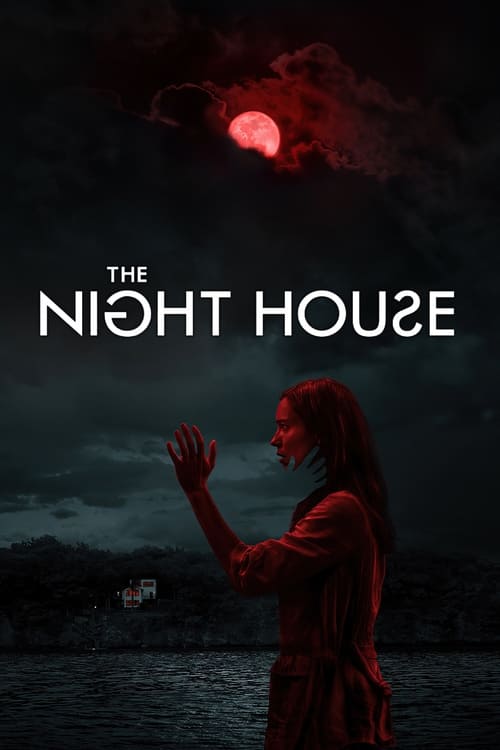
A widow living alone in a lakeside house built by her late husband discovers architectural drawings and photographs suggesting the house contains patterns she never noticed. Space becomes unstable, negative spaces create shapes, rooms appear to have doubles — an especially direct connection to the Overlook’s long-famous impossible geography.
Why watch it: Horror where rooms, architecture and negative space become part of the mystery.
Director: David Bruckner · Starring: Rebecca Hall, Sarah Goldberg, Vondie Curtis-Hall, Stacy Martin
10. Saint Maud (2019)
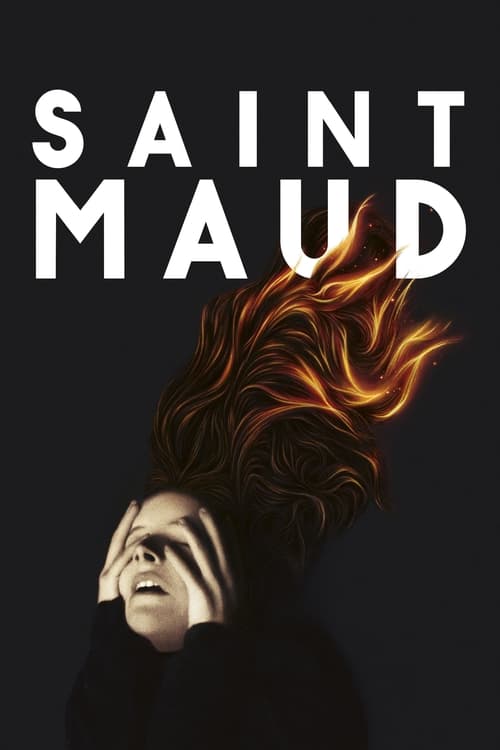
A deeply religious private nurse becomes convinced God has selected her for a special purpose, and that certainty grows as her isolation deepens. Like Jack Torrance, Maud doesn’t simply become unstable without explanation — the film lets us experience the world increasingly through her altered perception, which is what makes it frightening.
Why watch it: The frightening moment when a character’s internal reality begins replacing everyone else’s.
Director: Rose Glass · Starring: Morfydd Clark, Jennifer Ehle, Lily Knight
11. The Blackcoat’s Daughter (2015)
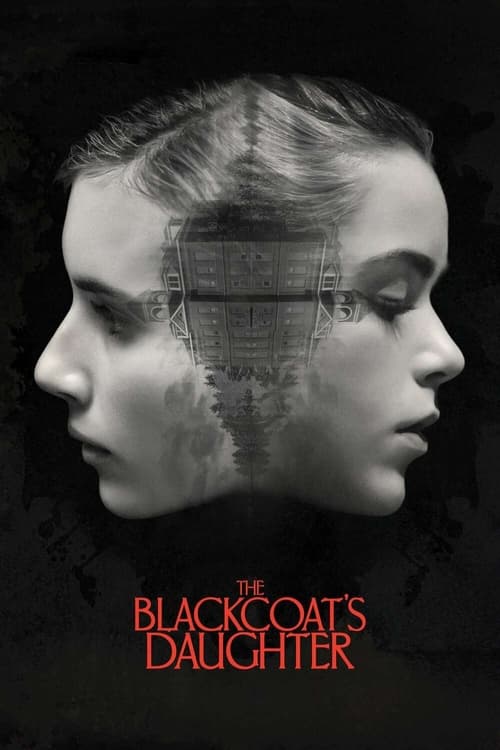
A largely deserted boarding school during winter break provides the setting for one of the coldest, most deliberately paced horror films of the last decade. Snow surrounds the characters, large institutional spaces feel abandoned, and long stretches of silence let the audience examine rooms and corridors for signs of something wrong — exactly the patience Kubrick built the Overlook around.
Why watch it: Slow-burn horror where winter isolation, empty buildings and emotional loneliness create as much fear as the supernatural.
Director: Osgood Perkins · Starring: Kiernan Shipka, Emma Roberts, Lucy Boynton, James Remar
12. Blood Star (2024)
Britni Camacho as Bobbi Torres · John Schwab as Sheriff Bilstein
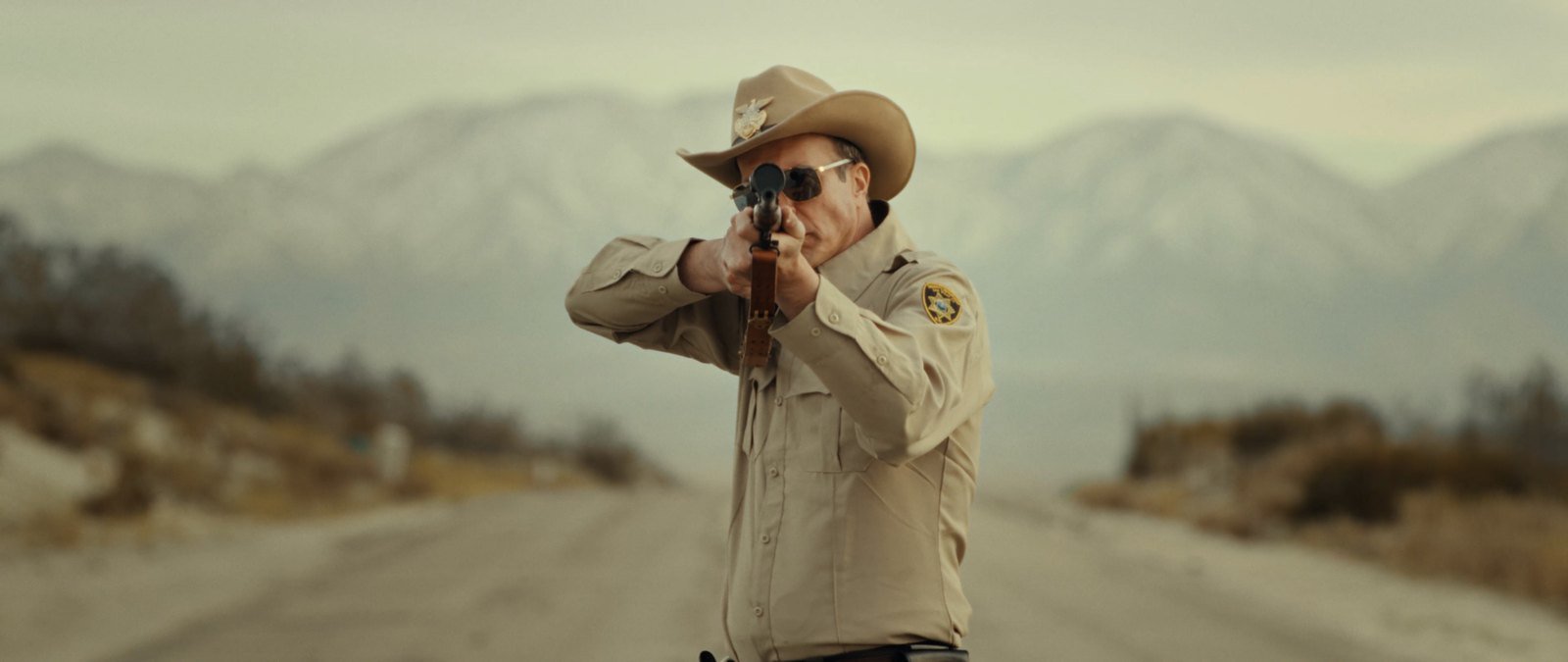
Blood Star is not a supernatural horror film, but the visual influence of The Shining is central to how it handles landscape and suspense. Bobbi, driving alone through the American Southwest, attracts the attention of small-town Sheriff Bilstein — what looks at first like harassment gradually reveals itself as a ritualised predator-and-prey game. Kubrick’s opening aerial shots follow Jack’s car through the mountains, small and distant against an indifferent landscape; Blood Star uses the same slow aerial photography across open desert, making Bobbi’s car look just as small against a world that dwarfs her.
Both films achieve something paradoxical: they make enormous, open spaces feel claustrophobic. The Overlook is surrounded by mountains and snow; Bobbi is surrounded by miles of open desert — yet both characters are increasingly cut off from meaningful help. Sheriff Bilstein knows the roads, the distances, and exactly what his uniform allows him to control.
Why watch it: If the aspect of The Shining that affects you most is its visual language — slow menacing movement, vast landscapes, and the terrifying sense of moving deeper into danger before understanding it.
13. The Witch (2015)
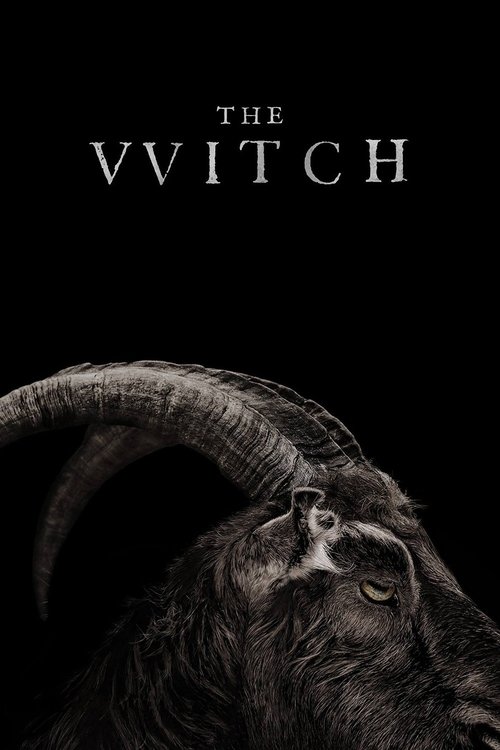
Robert Eggers’ film replaces the Overlook with a remote farm at the edge of a forest, but the psychological structure holds: a family banished into isolation, an environment that dwarfs and cuts them off from help, and fractures already present that the supernatural works through rather than replaces. Parents distrust children, children distrust parents, and belief intensifies rather than resolves the fear. See our full guide to folk horror movies like Midsommar for more in this vein.
Why watch it: Another beautifully controlled horror film where isolation, landscape and family tension create an atmosphere of approaching catastrophe.
Director: Robert Eggers · Starring: Anya Taylor-Joy, Ralph Ineson, Kate Dickie, Harvey Scrimshaw
14. Longlegs (2024)
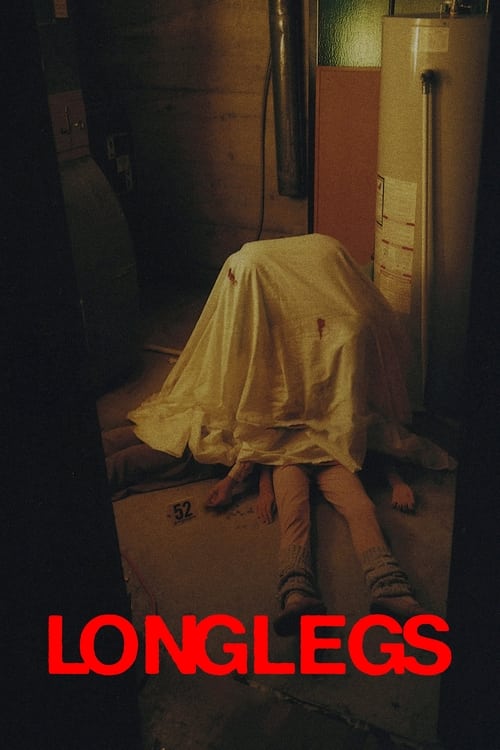
An FBI agent investigating a series of murders connected to a mysterious figure finds a film that uses visual distance and empty space to create dread long before its mystery is understood. Osgood Perkins keeps the camera at a distance, letting rooms feel watched and doorways feel suspicious — plus the recurring idea that evil may already be inside the family structure, which makes the domestic spaces especially unsettling. Read our full breakdown of movies like Longlegs.
Why watch it: A recent psychological horror film where atmosphere, framing and empty space do as much work as the plot itself.
Director: Osgood Perkins · Starring: Maika Monroe, Nicolas Cage, Blair Underwood, Alicia Witt
15. The Substance (2024)
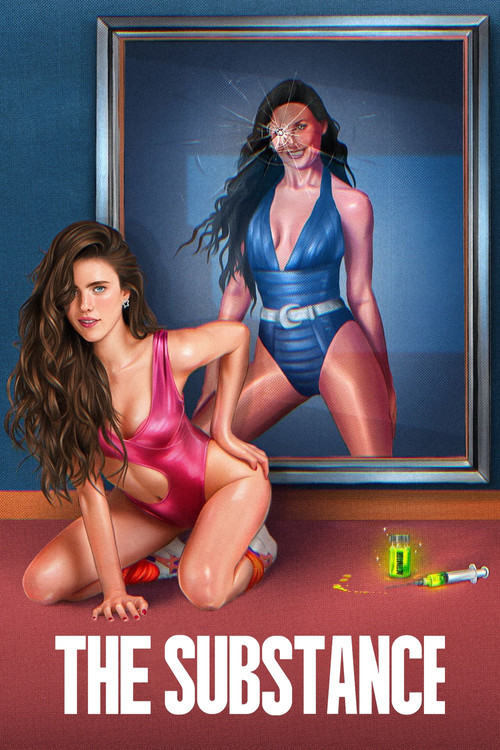
A fading television star uses a mysterious treatment to create a younger version of herself, under strict rules that gradually get broken — turning a fantasy of control into obsession and physical collapse. It’s far more body-horror than The Shining, but Coralie Fargeat’s rigid symmetry and carefully controlled spaces make the film feel almost clinically ordered even as the story turns grotesque, which is pure Kubrick logic applied to a different genre entirely.
Why watch it: Modern horror that combines rigid visual control with a protagonist progressively consumed by obsession.
Director: Coralie Fargeat · Starring: Demi Moore, Margaret Qualley, Dennis Quaid
Why The Shining Is Still So Disturbing
The Shining remains disturbing because Kubrick refuses one simple explanation. The Overlook is clearly supernatural, but Jack Torrance doesn’t arrive as a stable, loving father — anger, resentment and a history of violence already exist. The hotel appears to recognise those weaknesses and amplify them, which makes the film far more uncomfortable than a conventional possession story: the horror isn’t that Jack becomes someone else, it’s that the Overlook may simply be encouraging him to become more completely the person he already has the capacity to be.
Modern Psychological Horror Movies Like The Shining
Modern horror keeps returning to The Shining‘s central ideas: isolation, grief, family instability and unreliable reality. The Lighthouse turns isolation into a battle between two unstable men, The Lodge uses snow and psychological vulnerability, Saint Maud makes belief indistinguishable from reality, The Night House turns architecture into a puzzle, Longlegs makes empty space threatening, and The Substance uses rigid visual precision to frame collapse. None of these films imitate The Shining directly — what they inherit is its confidence in atmosphere. Our psychological horror guide covers more of the genre’s best.
Movies About Isolation and Madness
Isolation works so well in horror because other people normally provide perspective — remove that, and the reference point disappears. Jack can’t leave the Overlook once winter closes in, the lighthouse keepers can’t leave their island, Grace in The Lodge is cut off by snow, the family in The Witch has separated itself from its community, and Bobbi in Blood Star is surrounded by enormous physical space but very few people. In each case, isolation gives the threat more power because there are fewer voices left to challenge it.
Horror Movies Where the Location Becomes a Character
The Overlook is one of horror’s great characters — its carpets, corridors and impossible geography are instantly recognisable. The Haunting does the same with Hill House, The Night House turns architecture into part of the mystery, and The Lodge makes its snowbound house feel increasingly disconnected from reality. Blood Star expands the same principle into landscape: the desert is Sheriff Bilstein’s territory, and he understands it far better than Bobbi does. The strongest location-driven thrillers make geography unequal — one character knows the environment better than another, and that advantage becomes part of the danger.
Movies Where Reality Becomes Unreliable
The Shining belongs to the tradition of films that destabilise the audience’s sense of what’s real — Jack sees people who shouldn’t exist, Danny experiences visions, time and space stop behaving normally. Vertigo creates instability through obsession, Repulsion makes the physical world behave like a damaged mind, Saint Maud places the audience inside a religious experience that may or may not be supernatural, and The Night House makes architecture itself unreliable. The viewer can’t simply stand outside the character’s experience and confidently label what’s real.
Slow-Burn Horror Movies Like The Shining
The Shining is one of the definitive slow-burn horror films because Kubrick gives the audience time to inhabit the Overlook before that familiarity turns threatening. The Lighthouse, The Witch, The Blackcoat’s Daughter, Saint Maud and The Night House all understand the same principle: atmosphere isn’t something that happens between plot points, atmosphere is the plot. See more in our underrated and slow-burn horror roundup.
Movies Where the Landscape Creates Fear
Landscape can be just as frightening as a locked room. The mountains isolate the Overlook, the sea isolates the lighthouse, the forest isolates the family in The Witch, the snow isolates the characters in The Lodge, and the desert isolates Bobbi in Blood Star. These environments are frightening because they transform distance into danger — civilisation exists, it’s simply too far away to matter. That’s why wide shots can create claustrophobia: a character surrounded by hundreds of miles of space can look more trapped than someone locked in a small room.
Movies About Families Falling Apart
At its core, The Shining is a family horror story — the supernatural matters, but the emotional stakes come from Jack, Wendy and Danny being trapped together as Jack grows more dangerous. The same structure drives The Witch, where isolation and religious fear destroy trust between parents and children, and it runs through Movies Like Hereditary as well, where family trauma and generational damage do the same work. The most frightening family horror understands that intimacy creates vulnerability — the people closest to us know exactly where the damage can be done.
What to Watch After The Shining
If the psychological breakdown interests you most, start with Repulsion, Vertigo, The Lighthouse and Saint Maud. If you love the haunted architecture of the Overlook, watch The Haunting and The Night House. If Kubrick’s formal visual language is what fascinates you, watch 2001: A Space Odyssey and then High and Low. For stronger modern comparisons, The Lodge, The Blackcoat’s Daughter, Longlegs, The Substance and The Witch all carry parts of its DNA into contemporary cinema — and if grief and ritual are more your territory, our guides to Movies Like Hereditary and Movies Like Midsommar pick up where this one leaves off.
And if what stays with you most is the opening of The Shining — the car moving through an immense landscape, slow aerial movement, isolation, the feeling of travelling deeper into danger — Blood Star takes that visual idea out of the mountains and places it in the American desert.
The best movies like The Shining don’t simply imitate its ghosts or its haunted hotel. A camera can create fear before anything happens. A building can become a state of mind. A landscape can become a prison. And sometimes the slowest journey towards danger is the most frightening one.
Watch Blood Star
If you enjoy psychological thrillers influenced by the visual language of The Shining, Blood Star offers a grounded desert variation on many of the same ideas. The 2024 psychological road thriller follows Bobbi as she drives alone through the American Southwest and attracts the attention of small-town Sheriff Bilstein, using slow aerial photography and vast empty landscapes to establish vulnerability before Bobbi fully understands she’s being hunted.
The influence of Kubrick’s opening journey towards the Overlook is clear in how the vehicle is placed against the landscape — the car looks small, the world looks enormous, and movement that initially feels like freedom gradually feels like inevitability. The desert is wide open, yet Bobbi’s options keep getting smaller. Sheriff Bilstein knows the territory, knows the roads, and believes he already understands how the hunt will end.
See every legitimate way to watch Blood Star free →
Film posters via TMDB.
Related guides
More on Blood Star
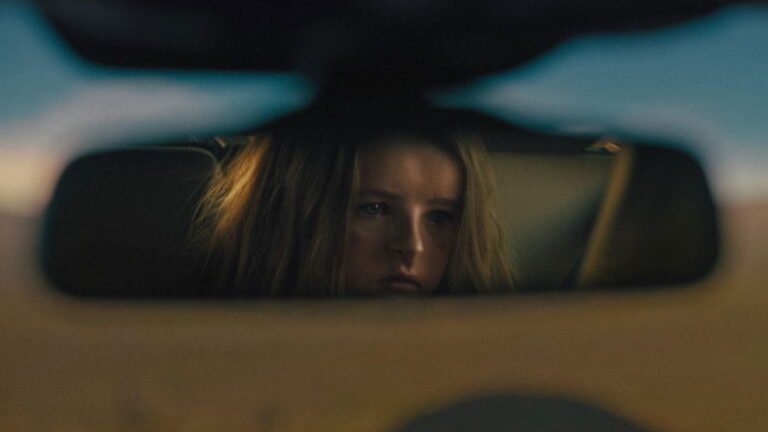
Table of Contents
- 1. Psycho (1960)
- 2. Vertigo (1958)
- 3. 2001: A Space Odyssey (1968)
- 4. High and Low (1963)
- 5. Repulsion (1965)
- 6. The Haunting (1963)
- 7. The Lighthouse (2019)
- 8. The Lodge (2019)
- 9. The Night House (2020)
- 10. Saint Maud (2019)
- 11. The Blackcoat’s Daughter (2015)
- 12. Blood Star (2024)
- 13. The Witch (2015)
- 14. Longlegs (2024)
- 15. The Substance (2024)
- Why The Shining Is Still So Disturbing
- Modern Psychological Horror Movies Like The Shining
- Movies About Isolation and Madness
- Horror Movies Where the Location Becomes a Character
- Movies Where Reality Becomes Unreliable
- Slow-Burn Horror Movies Like The Shining
- Movies Where the Landscape Creates Fear
- Movies About Families Falling Apart
- What to Watch After The Shining
- Watch Blood Star
- Related guides
- More on Blood Star