John Krasinski’s A Quiet Place works because its central rule is so simple and so unforgiving: if you make a sound, you may die. The Abbott family has learned to survive by walking barefoot, using sign language, creating sand paths and building their lives around silence. Every ordinary action carries risk because every sound can reveal their position.
The best movies like A Quiet Place tend to work the same way. They trap characters inside hostile environments, give the predator some overwhelming advantage and force the humans to survive by learning the rules before it is too late. These are 15 films to watch after A Quiet Place.
1. Alien (1979)
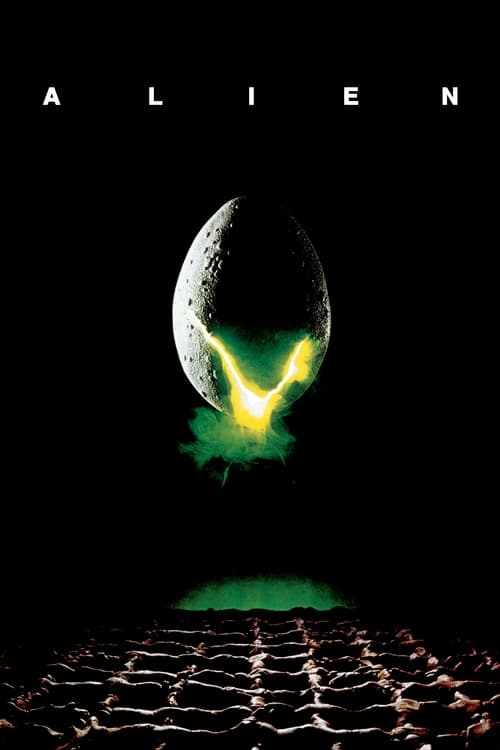
Ridley Scott’s Alien is one of the clearest ancestors of A Quiet Place because both films are built around ordinary people trying to survive against a predator that possesses a major environmental advantage. Both films understand that survival depends on observation — the characters have to learn how the creature behaves before they have any chance of resisting it.
2. The Descent (2005)
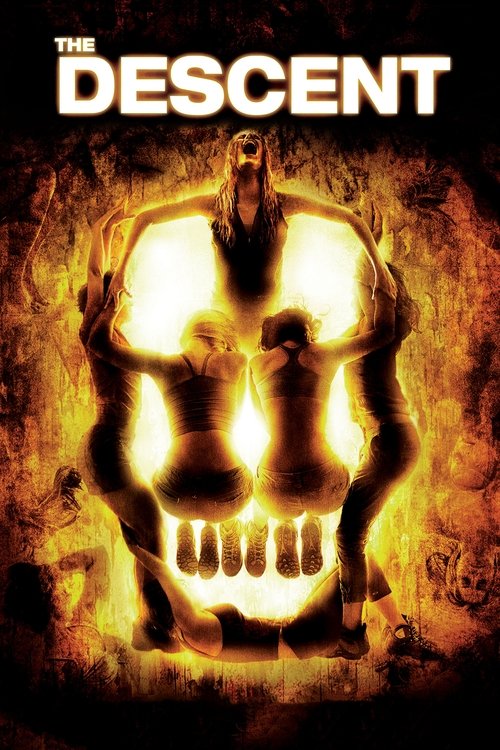
Neil Marshall’s The Descent takes the same basic structure underground. The creatures navigate darkness far better than the humans can, just as the creatures in A Quiet Place use sound with extraordinary precision — the protagonists are physically capable but still disadvantaged. The predator knows the world better.
3. Don’t Breathe (2016)
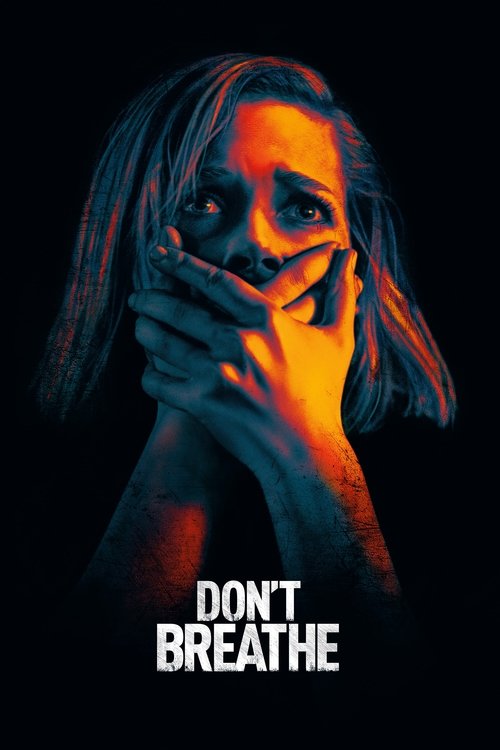
Fede Álvarez’s Don’t Breathe is one of the strongest non-creature films to pair with A Quiet Place because silence itself becomes a survival mechanism. The intruders are forced to move through the building without making noise because their opponent cannot see them, but he can hear them — proving the same survival mechanics can work without science fiction.
4. 10 Cloverfield Lane (2016)
Mary Elizabeth Winstead · John Goodman
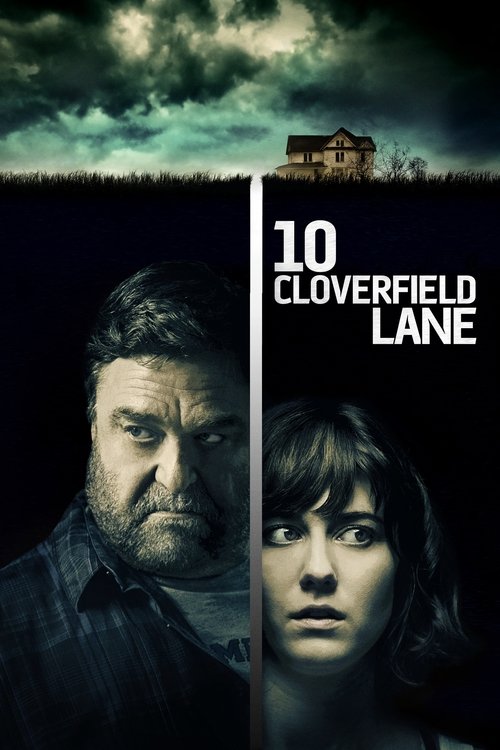
Dan Trachtenberg’s 10 Cloverfield Lane is a survival thriller built around uncertainty — is the danger outside the bunker or inside it? Like A Quiet Place, the film uses a confined location and limited information to create suspense. Survival depends on figuring the rules out before making the wrong choice.
5. The Mist (2007)
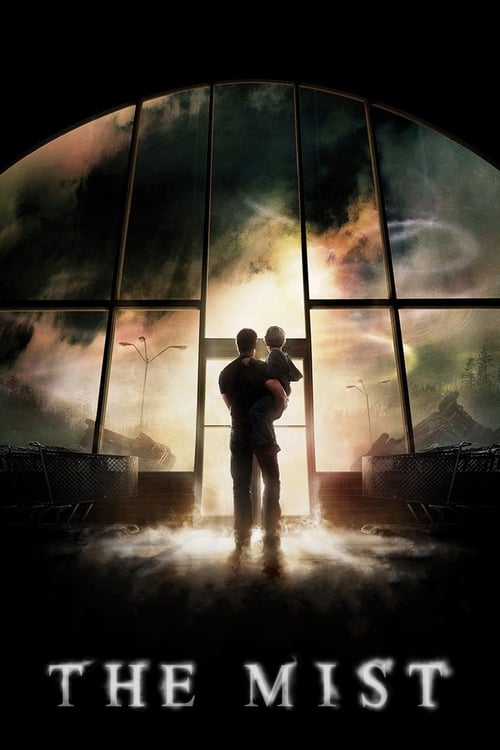
Frank Darabont’s The Mist takes a group of ordinary people and traps them inside a supermarket while something dangerous moves through the mist outside. The connection to A Quiet Place lies in the uncertainty of the external threat — visibility is limited, information is incomplete, and every decision to leave safety involves entering territory controlled by something not fully understood. Read more in The Mist, Blood Star and the Power of the False Ending.
6. Bird Box (2018)
Sandra Bullock as Malorie
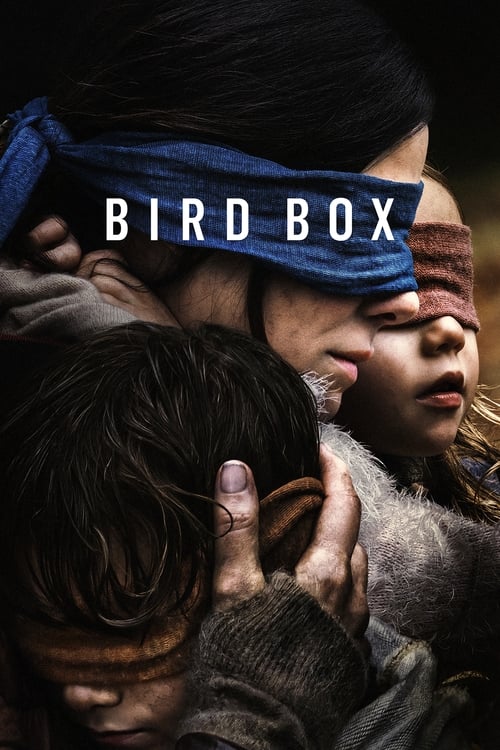
Susanne Bier’s Bird Box creates a survival rule almost as simple as the one in A Quiet Place: do not look. One film removes sound as a safe form of communication. The other removes sight as a safe way of navigating. Both create suspense by taking a basic human sense and turning it into a liability.
7. The Invisible Man (2020)
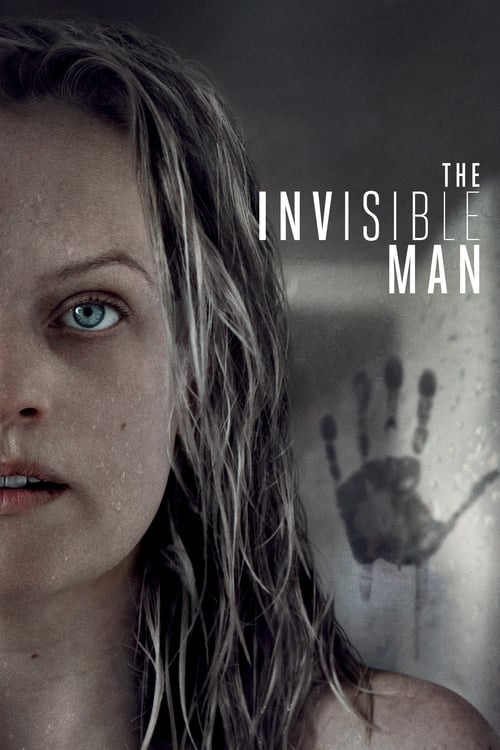
Leigh Whannell’s The Invisible Man uses a completely different kind of predator but shares the same idea that the threat controls perception. The film creates tension by making empty space dangerous — in both films, the absence of visible danger does not mean safety. The audience learns to watch and listen for tiny signs.
8. Signs (2002)
Mel Gibson as Graham Hess

M. Night Shyamalan’s Signs places a family on an isolated farm as evidence of an alien presence gradually becomes impossible to ignore. The film spends much of its running time withholding the creatures — a movement outside, a noise, a figure briefly visible. That gradual escalation connects strongly with A Quiet Place, turning family homes into defensive spaces.
9. Blood Star (2024)
Britni Camacho as Bobbi Torres · John Schwab as Sheriff Bilstein
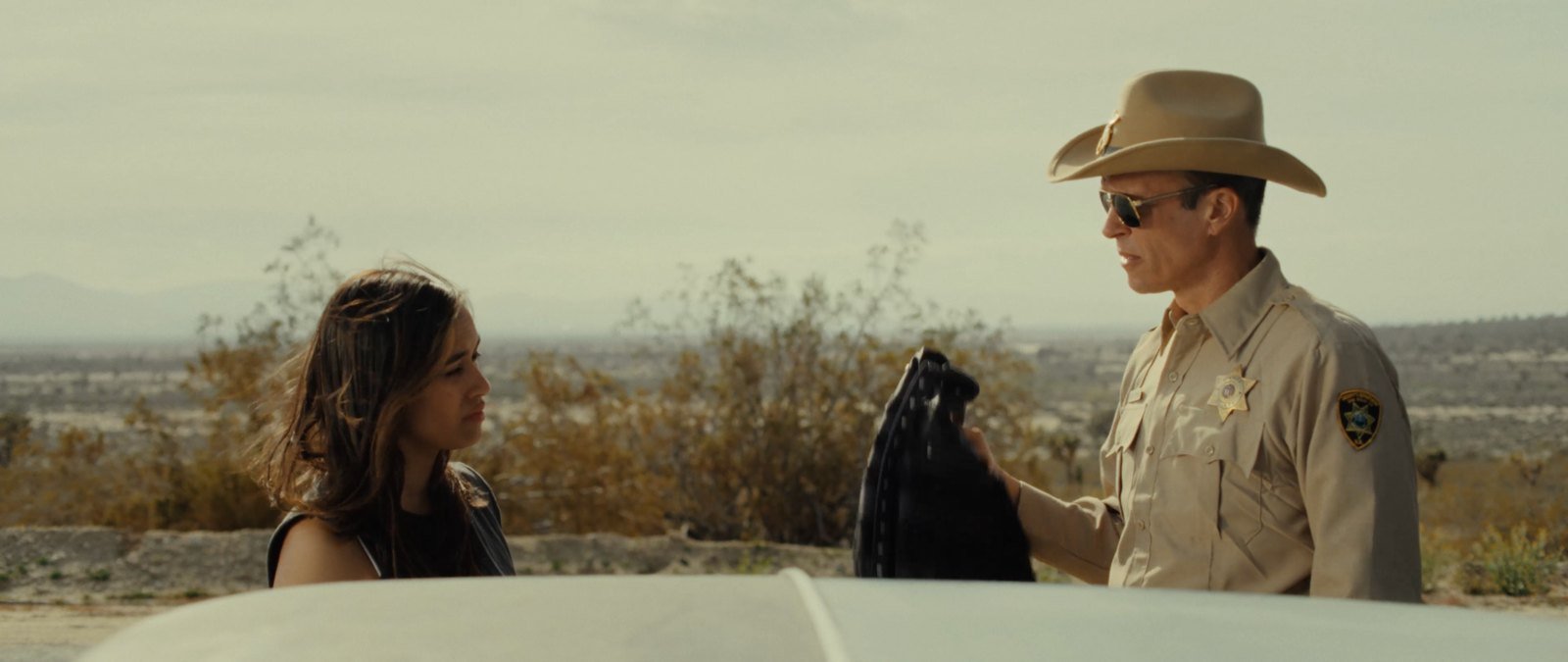
Blood Star has no monsters and no post-apocalyptic setting, but it shares one of A Quiet Place’s most important survival ideas: the protagonist can only survive once she understands the rules of the predator hunting her. Bilstein has created a ritual around the way he controls his victims, and Bobbi slowly realises that survival depends not simply on running away but on understanding how he thinks.
The Abbott family survives because it understands that the creatures hunt through sound. Silence becomes a survival strategy. Bobbi has to perform a similar mental shift. There is also a darker connection through silence itself — in A Quiet Place, silence is chosen because making sound attracts death. In Blood Star, Bilstein forcibly removes his victims’ voices. Silence becomes an act of domination rather than protection.
10. Predator (1987)
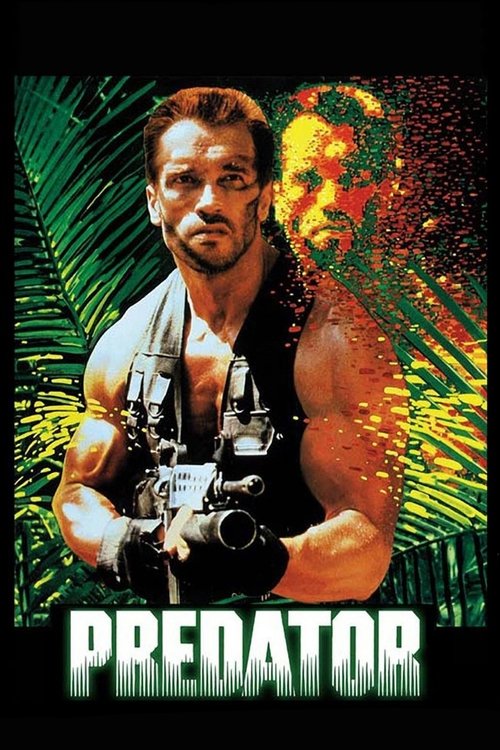
John McTiernan’s Predator begins as a military action film before turning into a survival story about men discovering that they are no longer the hunters. The connection with A Quiet Place lies in the predator’s advantage — the survivors have to study it, recognise patterns and understand what attracts its attention before they can fight back.
11. It Comes at Night (2017)
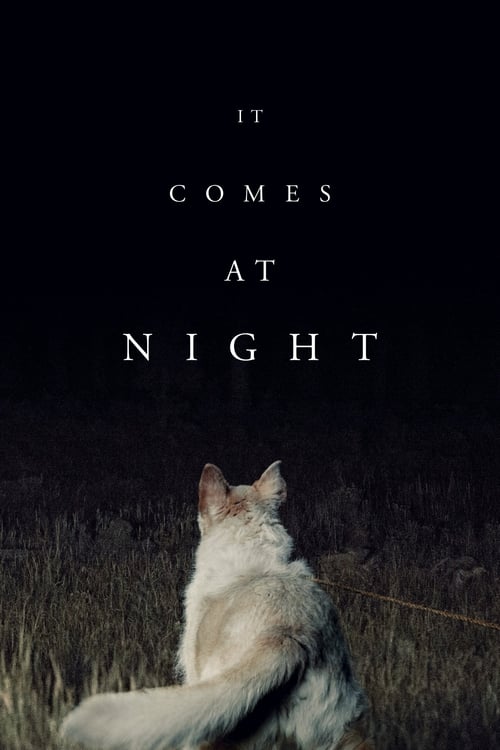
Trey Edward Shults’ It Comes at Night is quieter and more psychological than A Quiet Place, but it shares the same sense that survival requires strict rules. When another family arrives, the greatest threat may not be whatever exists outside the house but the fear that grows between the people inside it.
12. Underwater (2020)
Kristen Stewart as Norah
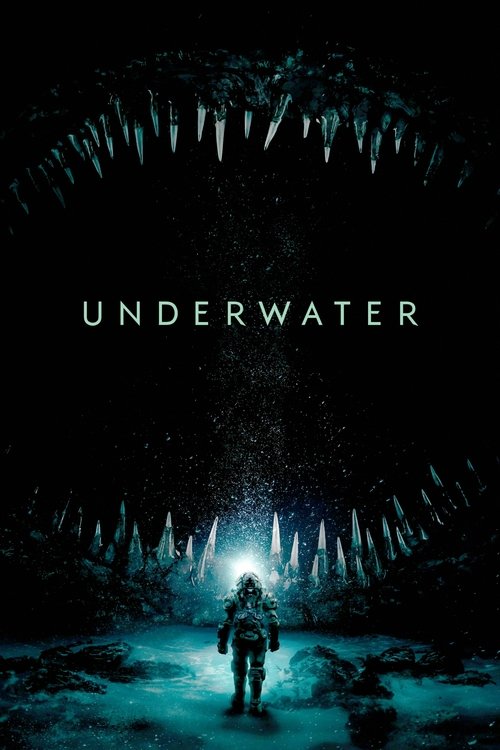
William Eubank’s Underwater traps its characters deep beneath the ocean after a catastrophic failure damages their drilling facility. The film works well beside A Quiet Place because the characters are trapped inside an environment where one mistake can expose them to a predator — the ocean belongs to the creatures, and the humans are temporary visitors.
13. No One Will Save You (2023)
Kaitlyn Dever as Brynn
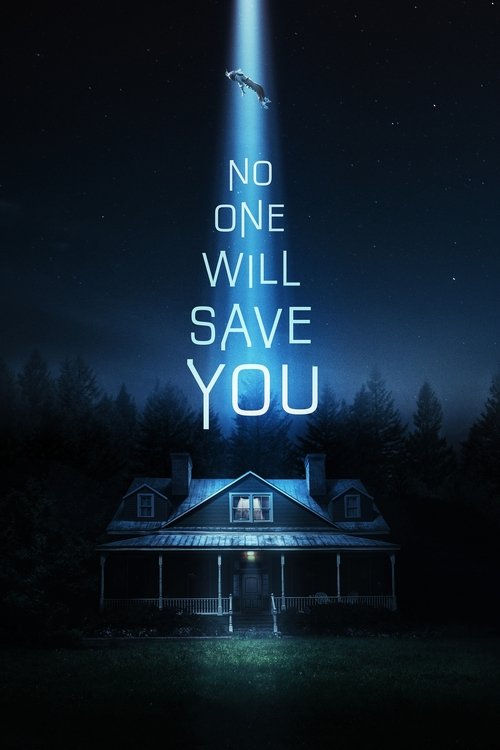
Brian Duffield’s No One Will Save You is a particularly interesting companion because it relies heavily on visual storytelling and very little dialogue. Both films demonstrate how effective suspense can become when dialogue is reduced and the audience is forced to pay closer attention to physical behaviour.
14. The Silence (2019)
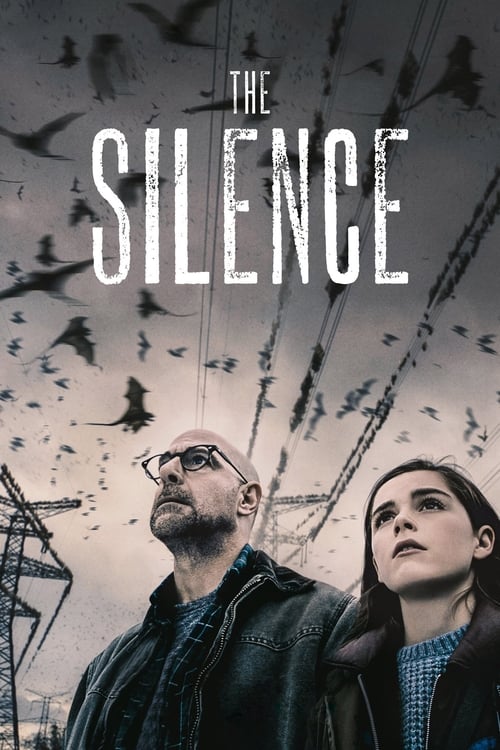
The Silence is the most obvious conceptual relative to A Quiet Place because it also imagines a world overrun by creatures that hunt through sound. The similarity is undeniable, but that is precisely why the film belongs here — it demonstrates how powerful the central survival idea can be. The world does not need to change visually. Its rules have changed.
15. A Quiet Place Part II (2021)
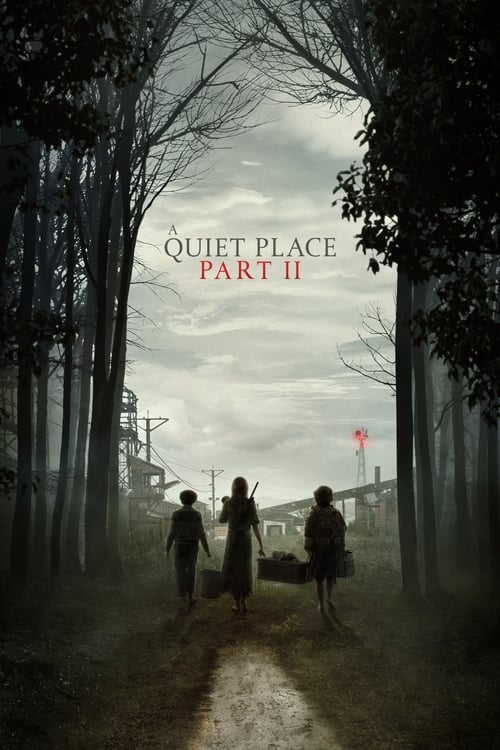
The most direct recommendation is naturally the sequel, which expands the original film’s world without abandoning its central mechanics. What is particularly effective is the way the sequel shows that understanding the monsters is not enough — humans remain unpredictable. The rules of the predator may be known. The rules of other people are not.
Why A Quiet Place Is More Than a Creature Movie
The central achievement of A Quiet Place is that the creatures create behaviour. The film is not simply about characters hiding from monsters. It is about what daily life becomes when one ordinary human activity — making noise — can kill you. That is why the film feels more convincing than many monster movies with much more elaborate mythology.
Movies Where You Have to Stay Silent
Silence is one of the most effective suspense devices because audiences are used to hearing characters communicate. Once speech itself becomes dangerous, every scene changes. A Quiet Place and Don’t Breathe are obvious examples, but No One Will Save You and The Silence also show how reduced dialogue can create tension.
Survival Horror Where the Predator Has Rules
The strongest survival horror films give the threat understandable behaviour. The creatures in A Quiet Place hunt through sound. The alien in Alien uses the structure of the ship. Sheriff Bilstein in Blood Star relies on psychological control and a ritual he expects victims to follow. Once the rule becomes clear, the story changes — survival becomes strategy.
What to Watch After A Quiet Place
If you want another film about ordinary people trapped with a highly efficient predator, start with Alien, The Descent and Predator. If you want more films where silence or sensory limitation becomes the key to survival, watch Don’t Breathe, Bird Box, The Silence and No One Will Save You. And if what you respond to most is the idea that survival depends on understanding the psychology or rules of the predator, Blood Star takes that same structure out of creature horror and into a grounded psychological road thriller.
Watch Blood Star
Blood Star is a psychological desert road thriller about Bobbi Torres, a young woman travelling alone across the American Southwest who becomes the target of Sheriff Bilstein, a predatory lawman whose authority and knowledge of the territory allow him to control the hunt. If you like A Quiet Place, Alien, Predator and other films where the protagonist survives by learning the rules of the thing hunting them, Blood Star applies the same predator-and-prey structure to a human monster on an isolated road.


See every legitimate way to watch Blood Star free →
Film posters via TMDB.
Related guides
More on Blood Star
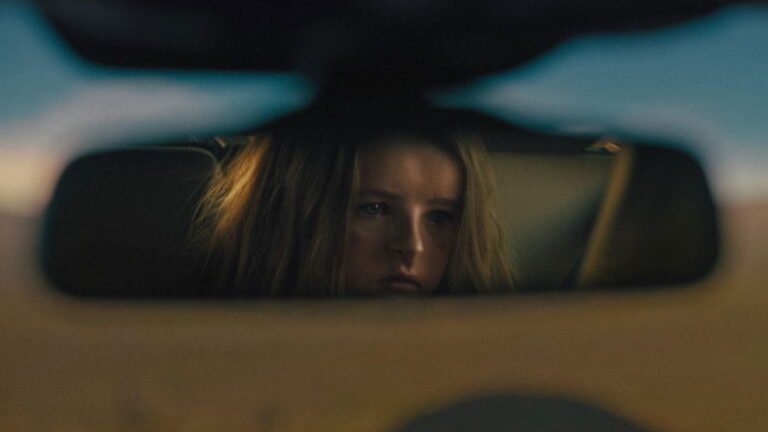
Table of Contents
- 1. Alien (1979)
- 2. The Descent (2005)
- 3. Don’t Breathe (2016)
- 4. 10 Cloverfield Lane (2016)
- 5. The Mist (2007)
- 6. Bird Box (2018)
- 7. The Invisible Man (2020)
- 8. Signs (2002)
- 9. Blood Star (2024)
- 10. Predator (1987)
- 11. It Comes at Night (2017)
- 12. Underwater (2020)
- 13. No One Will Save You (2023)
- 14. The Silence (2019)
- 15. A Quiet Place Part II (2021)
- Why A Quiet Place Is More Than a Creature Movie
- Movies Where You Have to Stay Silent
- Survival Horror Where the Predator Has Rules
- What to Watch After A Quiet Place
- Watch Blood Star
- Related guides
- More on Blood Star