What is it about watching someone fight for their life that makes a great survival thriller so impossible to look away from? Perhaps it’s because survival is the most basic human instinct. Strip away the comforts of everyday life, remove the possibility of rescue and put an ordinary person in extraordinary danger, and suddenly every decision matters. The best survival thriller movies understand something fundamental about suspense: the audience needs to believe that the protagonist might not survive.
Whether it’s a woman pursued along an empty highway, a group of friends trapped underground or a climber stranded thousands of feet above the ground, the premise is often remarkably simple. Someone is in danger, help isn’t coming and the options are running out. But simplicity is deceptive. The greatest survival thrillers are carefully constructed psychological traps, designed to make the audience experience the same fear, uncertainty and desperation as the characters.
From the relentless pursuit of The Hitcher to the suffocating claustrophobia of The Descent, these 20 films demonstrate just how many different ways cinema can turn the instinct to survive into extraordinary suspense.
What Makes a Great Survival Thriller? Five Essential Ingredients
Before exploring the films, it’s worth understanding why some survival thrillers leave audiences exhausted while others simply become another action movie. The difference usually comes down to five ingredients: isolation, vulnerability, an overwhelming threat, diminishing options and the resourcefulness of the protagonist. When these elements work together, they create the conditions for a story in which survival feels genuinely uncertain.
1. Isolation: There’s Nobody Coming to Help
Isolation is perhaps the most important ingredient in survival suspense. A deserted highway, an abandoned building, a remote forest or a vast wilderness all serve the same dramatic purpose: they separate the protagonist from the ordinary protections of society. But isolation doesn’t necessarily mean physical distance. A character can be trapped in a crowded city, surrounded by people, yet remain completely alone because nobody understands the danger they’re facing.
The most effective survival thrillers create an environment in which escape seems possible but help remains frustratingly out of reach. In Duel, the open highway becomes a prison, while in The Descent, the darkness of an underground cave system makes even a few metres feel impossibly distant. In both films, the environment is no longer simply a location. It becomes an essential part of the threat, shaping the decisions the characters make and restricting their chances of survival.
2. Vulnerability: An Ordinary Person Against Extraordinary Danger
A survival thriller works best when the protagonist is at a disadvantage. They’re not necessarily trained fighters or experienced survivors, but ordinary people who find themselves in situations they never expected to face. This vulnerability creates identification because we understand their fear and can imagine making the same mistakes. When the characters are frightened, inexperienced or physically outmatched, the audience begins to question whether they have any realistic chance of escaping.
In Alone, Jessica is an ordinary woman attempting to rebuild her life when a stranger begins following her. In The Shallows, Nancy is a capable swimmer, but her abilities offer limited protection against a shark. Even when a character possesses useful skills, those skills should never guarantee survival. The audience must feel that failure is a genuine possibility, otherwise the tension quickly disappears.
3. An Overwhelming Threat: The Balance of Power Is Unequal
Every great survival thriller needs a threat that appears almost impossible to overcome. Sometimes it’s a human predator who is stronger, more experienced or better equipped than the protagonist. Sometimes it’s an animal, extreme weather or an environment that doesn’t care whether anyone survives. What matters is the imbalance of power, because the greater the disadvantage, the more difficult it becomes for the audience to imagine a successful escape.
In The Hitcher, the antagonist seems capable of appearing anywhere, creating an almost supernatural sense of inevitability. In The Grey, the survivors face both freezing temperatures and a pack of wolves, with neither threat offering any opportunity for negotiation. Importantly, the danger doesn’t need to be constantly visible. Often, the possibility of its return is more frightening than the threat itself, allowing suspense to build even during apparently quiet moments.
4. Diminishing Options: Every Escape Route Closes
A great survival thriller is a process of elimination. At the beginning, the protagonist might have several possible ways to escape. They can run, hide, call for help, negotiate or fight, but one by one those options begin to disappear. A vehicle breaks down, a phone loses its signal, an injury slows someone down or darkness falls. Each setback makes the situation more difficult than it was before, forcing the character to reconsider what survival might require.
In Fall, two women are stranded at the top of an enormous television tower. The physical situation is immediately terrifying, but the suspense intensifies as their limited resources disappear and their attempts to escape become increasingly dangerous. The audience becomes involved because it’s constantly searching for a solution alongside the characters. When a possible escape route closes, we experience the disappointment and desperation almost as strongly as they do.
5. Resourcefulness: Survival Must Be Earned
The final ingredient is perhaps the most satisfying. A protagonist shouldn’t survive simply because the film has reached its conclusion. They should survive because they’ve learned something, adapted to their environment or made a difficult decision. The best survival thrillers reward intelligence, observation and determination rather than relying entirely on physical strength or improbable luck.
In Prey, Naru’s greatest weapon isn’t her strength but her ability to observe and understand how her opponent hunts. In 127 Hours, survival requires an almost unimaginable decision that forces the protagonist to confront the limits of his own endurance. Both films demonstrate how vulnerability can eventually become a source of ingenuity, transforming an apparently powerless character into someone capable of overcoming extraordinary circumstances.
The 20 Best Survival Thriller Movies
Rather than ranking films according to personal preference, these recommendations are organised by the type of danger they explore. Some involve human predators who manipulate and terrorise their victims, while others turn the natural world into an enemy or trap their characters in confined spaces where every attempted escape creates another problem. What connects them is the same fundamental question: what would you do to survive?
Hunted by Another Human
There’s something particularly disturbing about survival thrillers in which the threat is another person. Unlike a storm or a wild animal, a human predator can lie, manipulate, anticipate decisions and deliberately exploit fear. These films transform ordinary encounters into situations where trust becomes dangerous, often making the protagonist question their own judgement long before the violence begins.
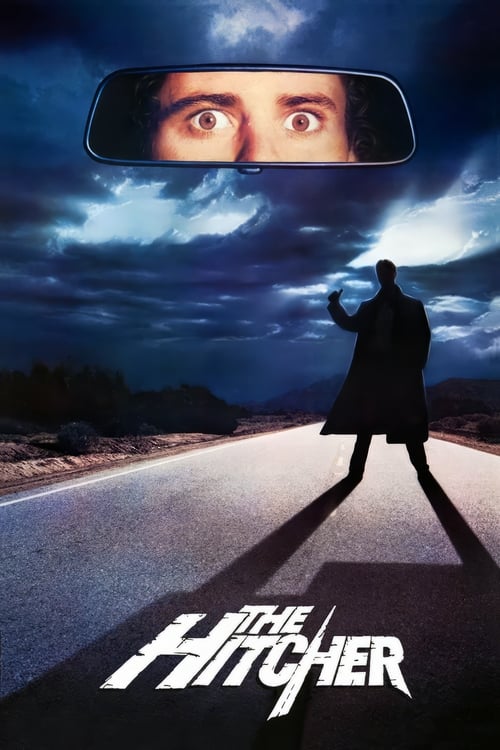
1. The Hitcher (1986)
Director: Robert Harmon
Starring: Rutger Hauer, C. Thomas Howell, Jennifer Jason Leigh
Genre: Psychological Thriller / Road Thriller
A young man driving across the American Southwest makes the mistake of picking up a hitchhiker. What initially appears to be an uncomfortable encounter rapidly becomes a nightmare when the stranger reveals himself to be a sadistic killer. Rutger Hauer’s John Ryder is one of cinema’s most unsettling antagonists, partly because his motivations remain unexplained and his apparent ability to anticipate his victim’s movements creates the impression that escape may be impossible.
The film uses the openness of the American highway to create an extraordinary sense of confinement. There are endless roads, but nowhere that feels safe, and every attempt to seek help seems to make the situation worse. Ryder’s unpredictable behaviour keeps both the protagonist and the audience permanently unsettled, creating a psychological battle in which the rules are never entirely clear.
Why it works: An unpredictable antagonist, psychological manipulation and the terrifying vulnerability of travelling alone.
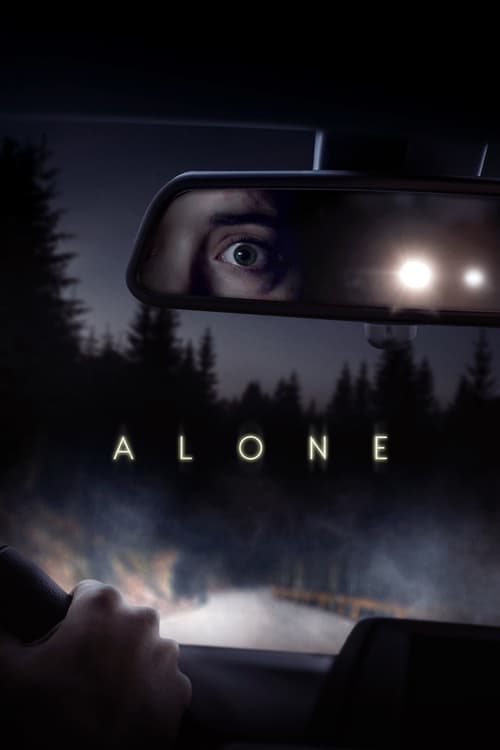
2. Alone (2020)
Director: John Hyams
Starring: Jules Willcox, Marc Menchaca, Anthony Heald
Genre: Survival Thriller / Psychological Thriller
Jessica is travelling through the Pacific Northwest when she begins encountering the same stranger along her journey. At first, his behaviour is ambiguous. Perhaps the encounters are coincidental, or perhaps she’s imagining the danger. But as his intentions become clear, the film transforms into a relentless struggle for survival in which the ordinary surroundings of roads, petrol stations and forests become increasingly threatening.
What makes Alone particularly effective is its understanding of how predators manipulate everyday social situations. Jessica’s initial reluctance to appear rude or suspicious becomes part of her vulnerability, while the antagonist exploits the uncertainty surrounding his intentions. The film gradually strips away any possibility of misunderstanding until the confrontation becomes a brutal contest between two people with very different levels of power.
Why it works: A believable protagonist, escalating psychological tension and an antagonist who exploits social expectations.
3. Hush (2016)

Director: Mike Flanagan
Starring: Kate Siegel, John Gallagher Jr., Michael Trucco
Genre: Home-Invasion Thriller / Survival Horror
A deaf writer living alone in a remote house becomes the target of a masked killer. The premise is simple, but Mike Flanagan turns it into an exceptionally controlled exercise in suspense by exploiting the protagonist’s inability to hear her attacker approaching. The audience frequently knows more than she does, creating moments of almost unbearable tension as danger moves through spaces she believes are safe.
As the confrontation develops, the film becomes a battle of observation, strategy and adaptation. The house is transformed into a psychological chessboard in which every room, window and doorway becomes significant. Rather than relying on elaborate action sequences, Hush finds suspense in small decisions and the constant uncertainty of who has the advantage.
Why it works: Clear geography, sensory vulnerability and an intelligent battle between predator and prey.
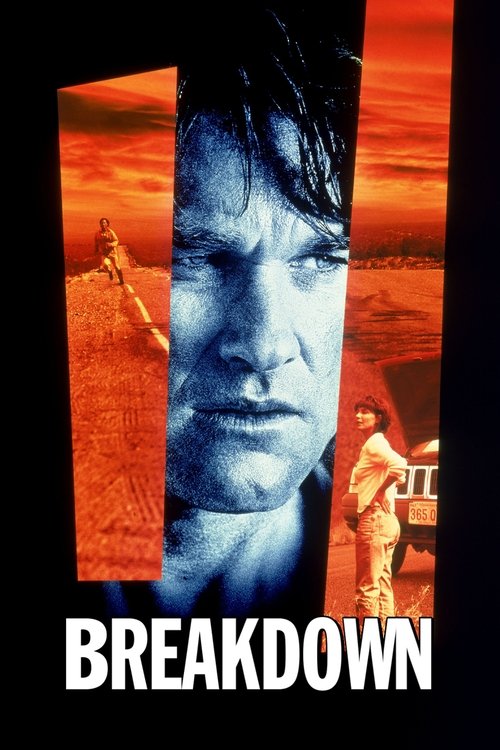
4. Breakdown (1997)
Director: Jonathan Mostow
Starring: Kurt Russell, J.T. Walsh, Kathleen Quinlan
Genre: Mystery Thriller / Road Thriller
When a couple’s car breaks down on a remote highway, a passing truck driver offers to take the wife to a nearby diner. She disappears, leaving her husband searching desperately for answers in an unfamiliar environment where nobody seems willing to acknowledge what happened. What begins as an ordinary inconvenience gradually develops into a terrifying confrontation with people who appear to know far more about the situation than he does.
Breakdown is a masterclass in turning everyday vulnerability into escalating suspense. Kurt Russell’s character isn’t an invincible action hero but an ordinary man whose desperation forces him to take increasingly dangerous risks. The film maintains tension by keeping the audience closely aligned with his confusion, frustration and growing awareness that he may be facing an organised and ruthless threat.
Why it works: An everyday nightmare, escalating desperation and the fear of being completely powerless.
Trapped With No Way Out
Some of the most effective survival thrillers remove the possibility of escape almost entirely. These films create tension through confined spaces, limited resources and the terrifying awareness that the characters have nowhere else to go. The geography is often simple, but the consequences of moving from one place to another can be devastating.
5. The Descent (2005)

Director: Neil Marshall
Starring: Shauna Macdonald, Natalie Mendoza, Alex Reid
Genre: Survival Horror / Creature Thriller
Six women enter an unexplored cave system, only to become trapped underground when their route back to the surface is blocked. The initial threat is entirely environmental, with narrow passages, darkness, collapsing tunnels and the possibility of becoming permanently lost creating almost unbearable claustrophobia. When the group discovers that something else inhabits the caves, their situation becomes even more desperate.
But the film’s real strength lies in the relationships between the women. Personal tensions, grief and betrayal become just as dangerous as the creatures hunting them, creating a situation in which the characters cannot fully trust one another when cooperation is essential. Neil Marshall uses the darkness and confined geography to make every movement feel dangerous, while the emotional conflicts give the survival story an additional layer of psychological complexity.
Why it works: Extreme claustrophobia, psychological conflict and an environment that offers almost no possibility of escape.
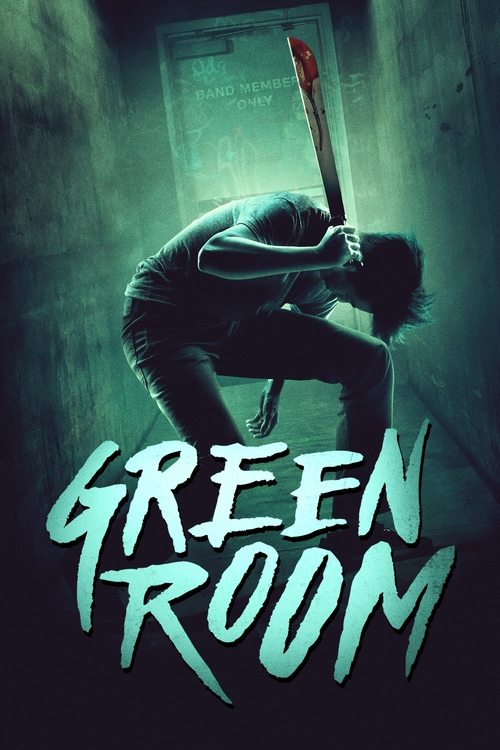
6. Green Room (2015)
Director: Jeremy Saulnier
Starring: Anton Yelchin, Imogen Poots, Patrick Stewart
Genre: Survival Thriller / Crime Horror
A struggling punk band witnesses a murder after performing at an isolated venue and finds itself trapped inside a backstage room while the people responsible decide how to eliminate the witnesses. What begins as a desperate attempt to remain safe quickly becomes a brutal confrontation in which the band members must improvise their way through a situation they are completely unprepared to handle.
What makes Green Room particularly frightening is its treatment of violence. Nobody suddenly becomes an expert fighter, injuries have devastating consequences and even successful escape attempts come at a terrible cost. Patrick Stewart delivers a chilling performance as the venue’s calculating owner, whose controlled approach to violence makes the situation feel even more hopeless.
Why it works: Brutal realism, confined geography and the sense that every decision could be fatal.
7. Buried (2010)

Director: Rodrigo Cortés
Starring: Ryan Reynolds
Genre: Psychological Thriller / Survival Drama
A man wakes inside a wooden coffin buried underground, with only a lighter, a mobile phone and a limited supply of oxygen. That’s almost the entire premise, yet Buried demonstrates how effective survival suspense can be when the audience understands the physical limitations of a situation. Every movement consumes energy, every conversation uses precious time and every possible solution introduces another complication.
Ryan Reynolds carries the film almost entirely through his performance, conveying the growing desperation of someone who can communicate with the outside world but remains physically unreachable. The mobile phone offers the possibility of rescue while simultaneously exposing the frustrating limitations of bureaucracy, distance and human communication. The result is an extraordinarily claustrophobic thriller that rarely needs to leave its single location.
Why it works: Extreme confinement, a ticking clock and the constant frustration of possible rescue.
8. Panic Room (2002)
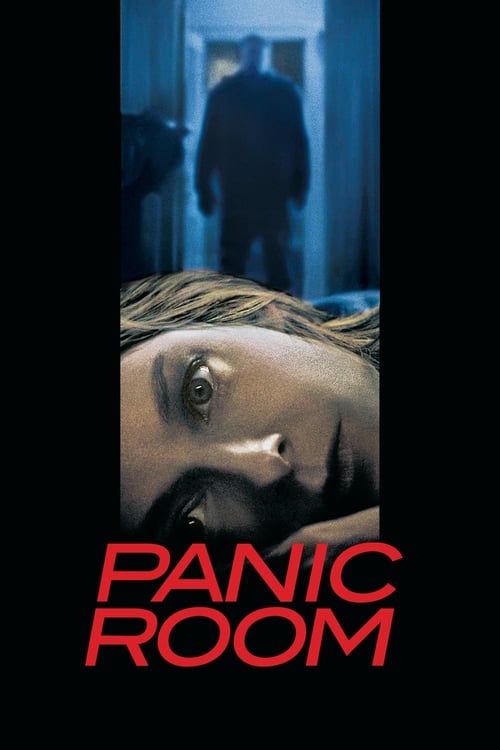
Director: David Fincher
Starring: Jodie Foster, Kristen Stewart, Forest Whitaker
Genre: Home-Invasion Thriller / Crime Thriller
A mother and daughter retreat into a fortified panic room when intruders enter their New York home, believing the room will protect them until help arrives. Unfortunately, the intruders desperately need something located inside the room itself, transforming the family’s supposed place of safety into the centre of the conflict. The situation becomes increasingly dangerous as both sides attempt to outmanoeuvre one another.
David Fincher turns the house into a carefully mapped battleground, using the architecture to create suspense through movement, observation and restricted access. The audience understands where everyone is, what they want and which routes remain available, allowing even small changes in position to become significant. The film demonstrates how a seemingly secure environment can become another kind of trap.
Why it works: Precise visual storytelling, conflicting objectives and a confined environment where safety is never guaranteed.
Lost in the Wilderness
Nature is an especially effective antagonist because it cannot be negotiated with. Cold, hunger, injury, exhaustion and distance create threats that become progressively more dangerous, often without any dramatic confrontation. These films place their characters in environments where survival depends on understanding the landscape and recognising how quickly apparently manageable situations can become fatal.
9. The Grey (2011)
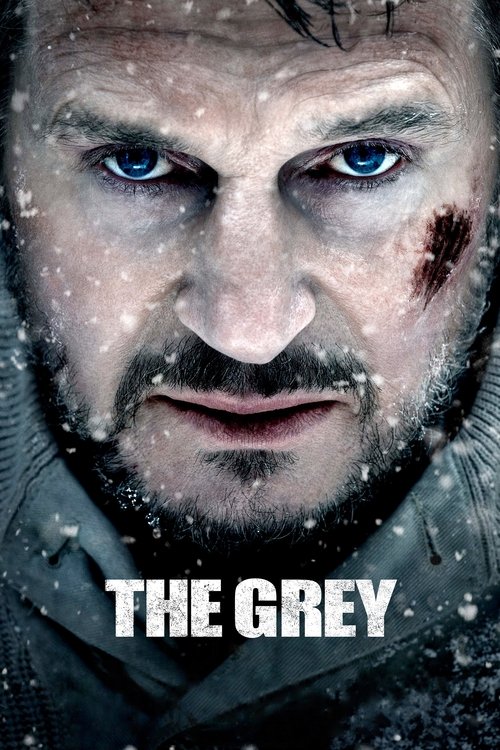
Director: Joe Carnahan
Starring: Liam Neeson, Frank Grillo, Dermot Mulroney
Genre: Wilderness Survival / Adventure Thriller
After a plane crash in the Alaskan wilderness, a group of oil workers must attempt to reach safety while being pursued by wolves. The freezing landscape is as dangerous as the animals, with the survivors facing limited supplies, inadequate shelter and no certainty about which direction offers safety. Every mile travelled requires extraordinary effort, while the possibility of another attack creates a constant atmosphere of dread.
Beneath its survival premise, The Grey explores mortality, grief and the human instinct to continue fighting even when the outcome appears hopeless. Liam Neeson’s character is experienced enough to understand the danger but cannot guarantee anyone’s survival, creating a compelling tension between knowledge and helplessness. The film is as much about confronting death as it is about escaping it.
Why it works: Environmental hostility, emotional depth and the constant presence of death.
10. Backcountry (2014)
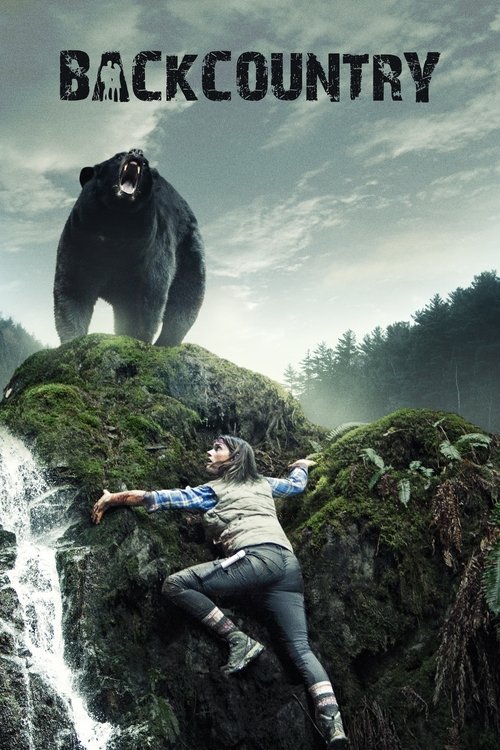
Director: Adam MacDonald
Starring: Missy Peregrym, Jeff Roop, Eric Balfour
Genre: Wilderness Survival / Horror Thriller
A couple venture into the Canadian wilderness for a camping trip, but as they become increasingly lost, the dangers of the natural environment begin to emerge. What initially appears to be an opportunity to escape the pressures of everyday life gradually becomes a test of their relationship, judgement and ability to recognise genuine danger.
Backcountry is particularly effective because its characters make believable mistakes. Overconfidence, poor preparation and an unwillingness to acknowledge the seriousness of their situation gradually transform a holiday into a nightmare. When the threat finally becomes immediate, the violence is sudden and horrifying, reinforcing the film’s central idea that nature is indifferent to human expectations.
Why it works: Realistic human error, environmental isolation and the terrifying unpredictability of nature.
11. The Edge (1997)
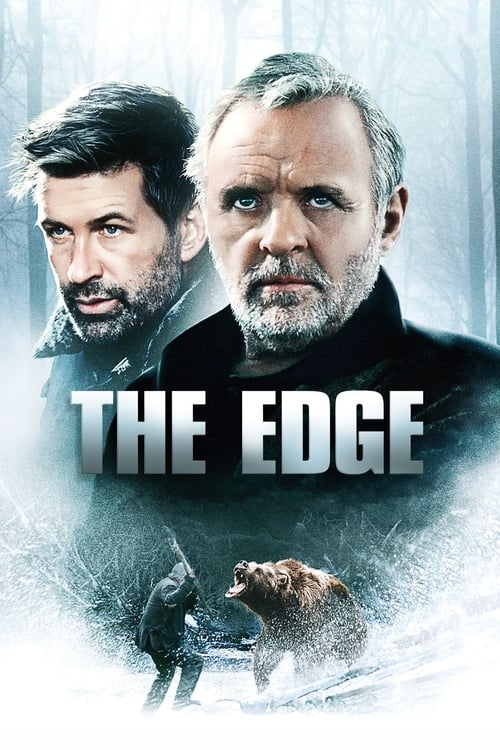
Director: Lee Tamahori
Starring: Anthony Hopkins, Alec Baldwin, Elle Macpherson
Genre: Adventure Thriller / Wilderness Survival
After surviving a plane crash in the Alaskan wilderness, two men must find their way back to civilisation while being hunted by a bear. But the wilderness isn’t their only problem. Jealousy, suspicion and conflicting personalities create psychological tension between the survivors, making cooperation increasingly difficult even when their lives depend on it.
Anthony Hopkins plays a wealthy intellectual whose extensive knowledge becomes unexpectedly valuable when confronted with genuine danger. The film explores the difference between knowing how to survive and having the courage to put that knowledge into practice, while the uneasy relationship between its central characters adds a layer of human conflict to the environmental threat.
Why it works: Survival knowledge, interpersonal conflict and the question of whether intelligence can overcome physical danger.
12. 127 Hours (2010)
Director: Danny Boyle
Starring: James Franco, Amber Tamblyn, Kate Mara
Genre: Biographical Survival Drama / Thriller
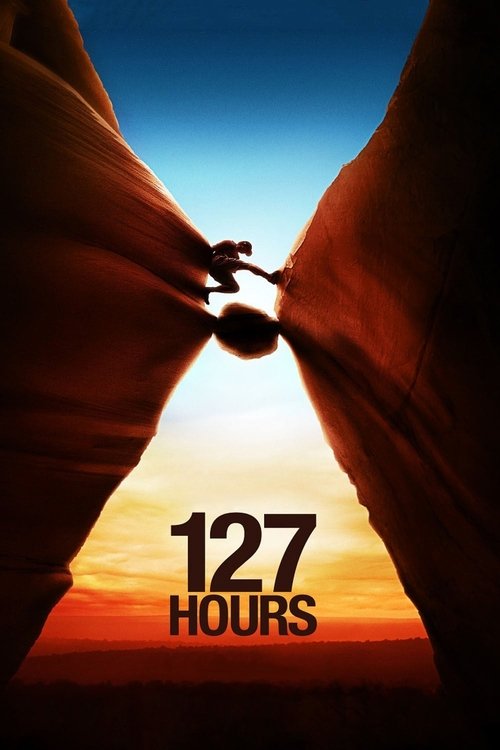
Based on the true story of Aron Ralston, 127 Hours follows a climber whose arm becomes trapped beneath a boulder in a remote Utah canyon. With limited water and no possibility of attracting help, he must confront an increasingly desperate situation in which his chances of survival diminish with every passing hour.
Danny Boyle creates extraordinary suspense despite the fact that many viewers already know the outcome. Through flashbacks, hallucinations and the protagonist’s changing psychological state, the film transforms a physically static situation into an emotional journey. Its power comes from the gradual acceptance of what survival will require and the extraordinary determination needed to make that decision.
Why it works: A true survival story, extreme isolation and an almost unimaginable personal decision.
Stranded in an Impossible Situation
These films begin with a simple physical problem. A character is stranded somewhere dangerous, and reaching safety appears almost impossible. The suspense comes from the audience constantly calculating the available options, understanding the consequences of each decision and recognising how quickly a manageable situation can become a deadly one.
13. Fall (2022)
Director: Scott Mann
Starring: Grace Caroline Currey, Virginia Gardner
Genre: Survival Thriller / Adventure
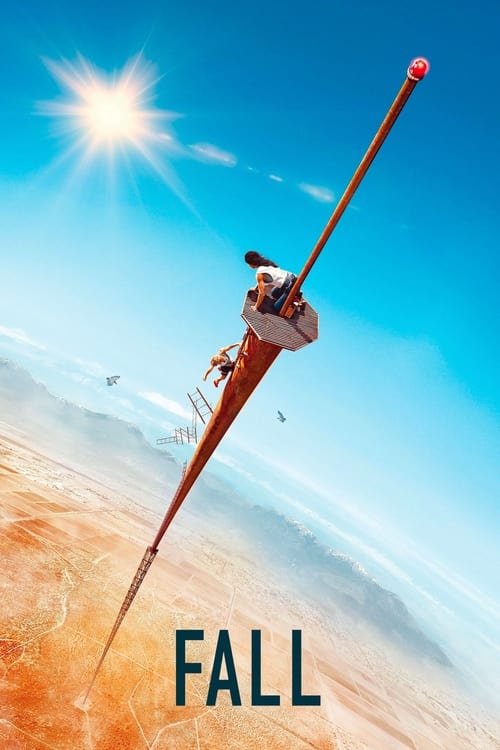
Two friends climb an abandoned television tower rising approximately 2,000 feet above the desert, but when the ladder collapses, they’re stranded on a tiny platform with almost no supplies. The premise is immediately understandable and physically terrifying. The ground is visible, yet reaching it is impossible, creating an extraordinary contradiction between the apparent openness of the landscape and the characters’ complete confinement.
The film builds suspense by gradually removing the women’s remaining options. Their limited water, unreliable communication and increasingly dangerous attempts to escape create a series of practical problems that the audience instinctively tries to solve alongside them. The extreme height provides a constant visual reminder of the consequences of failure.
Why it works: An instantly frightening situation, extreme heights and rapidly diminishing options.
14. The Shallows (2016)

Director: Jaume Collet-Serra
Starring: Blake Lively, Óscar Jaenada
Genre: Survival Thriller / Shark Thriller
A surfer becomes stranded on a small rock after being attacked by a shark, with the safety of the beach tantalisingly close but effectively unreachable. The predator prevents her from swimming to shore, while the rising tide threatens to eliminate her temporary refuge. What begins as a simple encounter with a dangerous animal becomes a carefully constructed battle involving distance, timing, injury and environmental awareness.
The film is particularly effective because its protagonist must learn from every encounter. Nancy observes the shark’s movements, studies the surrounding geography and attempts to calculate the safest moment to act. Her resourcefulness becomes the central source of suspense, demonstrating how a survival thriller can create tension through problem-solving rather than constant action.
Why it works: Clear physical geography, a relentless threat and a resourceful protagonist.
15. Frozen (2010)
Director: Adam Green
Starring: Emma Bell, Shawn Ashmore, Kevin Zegers
Genre: Survival Thriller / Horror
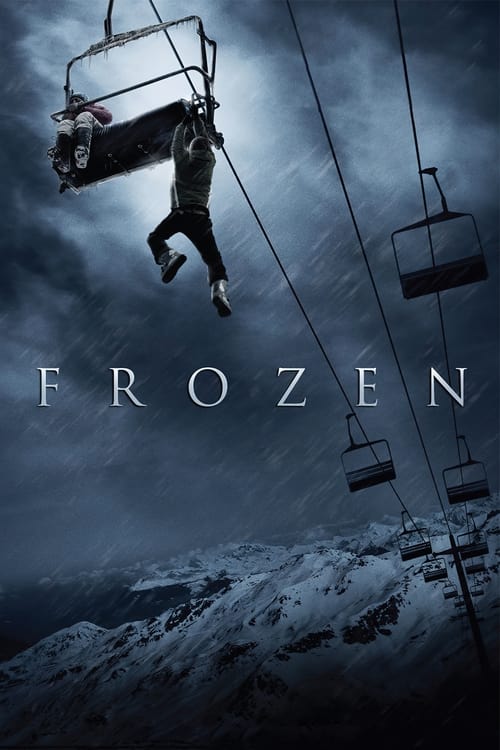
Three friends become stranded on a ski lift after the resort closes, leaving them suspended high above the ground in freezing temperatures with little hope of being discovered. The situation is frightening precisely because it seems so ordinary. There are no elaborate villains or supernatural threats, only a mechanical chair, extreme cold and the consequences of being forgotten.
As the temperature falls, the characters are forced to confront a series of increasingly desperate choices. Remaining on the lift may prove fatal, but attempting to reach the ground carries its own terrifying risks. The film creates suspense by making every available option seem equally dangerous, turning a familiar leisure activity into an unexpectedly brutal survival scenario.
Why it works: An everyday situation turned into a nightmare, physical vulnerability and a limited number of terrible choices.
Pursued Across Open Landscapes
Wide-open spaces might seem like the opposite of confinement, but some of cinema’s most effective survival thrillers use empty roads, deserts and remote landscapes to create a terrifying sense of exposure. There may be endless directions to run, but nowhere to hide, and the absence of other people removes the possibility of immediate help.
16. Duel (1971)

Director: Steven Spielberg
Starring: Dennis Weaver, Jacqueline Scott
Genre: Road Thriller / Psychological Thriller
A travelling salesman overtakes a tanker truck on a California highway, only for the truck’s unseen driver to respond by pursuing him with increasingly murderous intent. Steven Spielberg transforms this simple road journey into a relentless psychological confrontation, using the truck as an almost monstrous presence that appears capable of following its victim indefinitely.
The film’s genius lies in its simplicity. The audience understands the danger immediately, yet Spielberg continually discovers new ways to intensify it through changes in speed, distance, geography and the protagonist’s increasingly desperate attempts to find help. The open road, normally associated with freedom, becomes a place of terrifying confinement.
Why it works: Minimalist storytelling, an unseen antagonist and the transformation of an open road into a trap.
17. No Country for Old Men (2007)
Directors: Joel and Ethan Coen
Starring: Josh Brolin, Javier Bardem, Tommy Lee Jones
Genre: Neo-Western / Crime Thriller
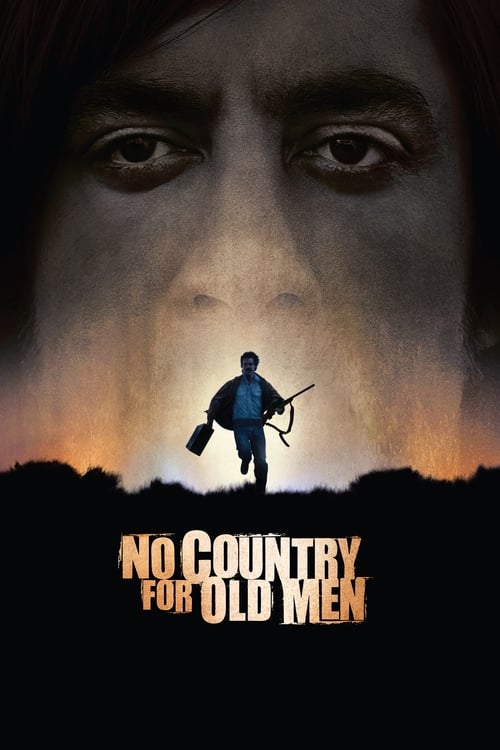
When a hunter discovers a suitcase filled with money following a drug deal gone wrong, he becomes the target of a ruthless killer whose relentless pursuit transforms the American Southwest into a landscape of constant danger. Anton Chigurh is frightening not simply because of his capacity for violence, but because his behaviour seems governed by a moral logic that nobody else can fully understand.
The film’s suspense comes from its understanding of practical survival. Where can the protagonist hide? How can he avoid being tracked? Who can he trust? Each decision creates new complications, while the vast desert landscapes emphasise how exposed the characters have become. The result is a crime thriller that frequently operates with the intensity of a survival horror film.
Why it works: An unforgettable antagonist, moral consequences and an atmosphere of relentless pursuit.
18. Joy Ride (2001)
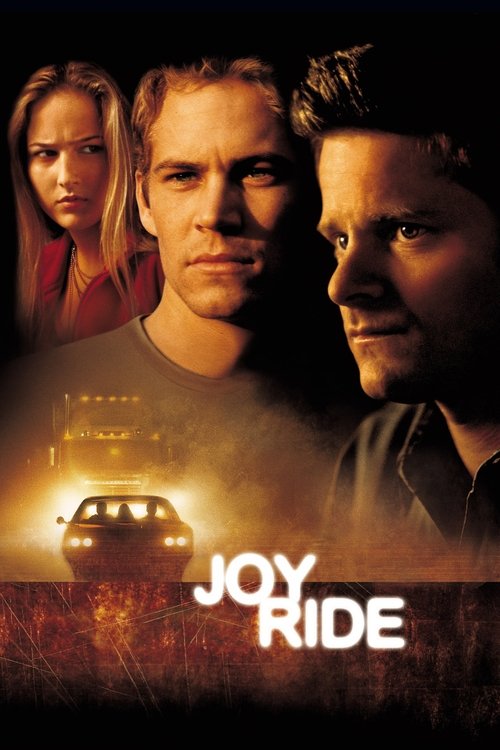
Director: John Dahl
Starring: Paul Walker, Steve Zahn, Leelee Sobieski
Genre: Road Thriller / Psychological Horror
A practical joke involving a truck driver turns into a deadly game of pursuit across America’s highways. What begins as an immature prank gradually becomes a terrifying confrontation with an unseen antagonist who seems determined to punish the protagonists for their mistake.
Like Duel, the film uses the anonymity of the road to create suspense. The characters have no idea who they’re dealing with, where the threat might appear or how far their pursuer is willing to go. Their attempts to escape only deepen the confrontation, transforming an ordinary journey into an increasingly dangerous psychological game.
Why it works: An unseen predator, escalating consequences and the vulnerability of travelling through unfamiliar territory.
Facing an Unknown Predator
Creature survival thrillers introduce a different kind of danger. The protagonist must understand how the predator behaves before they can find a way to survive, turning observation into an essential weapon. The strongest examples establish clear rules governing the threat, allowing the audience to anticipate danger while remaining uncertain about how the characters might overcome it.
19. A Quiet Place (2018)
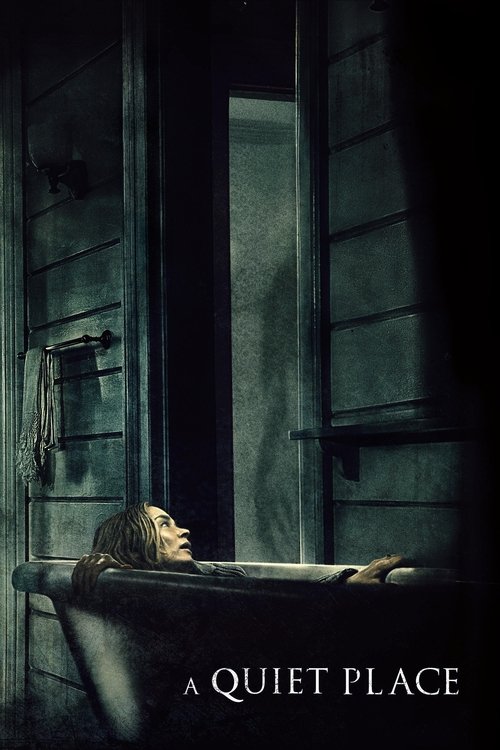
Director: John Krasinski
Starring: Emily Blunt, John Krasinski, Millicent Simmonds
Genre: Survival Horror / Science-Fiction Thriller
A family struggles to survive in a world inhabited by creatures that hunt through sound. The film establishes a simple rule: make a noise and risk being killed. From that premise, almost every ordinary activity becomes dangerous, with walking, eating, communicating and even giving birth requiring extraordinary precautions.
The brilliance of A Quiet Place lies in how consistently it exploits its central idea. Silence becomes both a survival strategy and a source of unbearable tension, while the family’s emotional relationships give the danger additional weight. Rather than presenting survival as a purely physical challenge, the film explores responsibility, sacrifice and the lengths people will go to protect those they love.
Why it works: A brilliant central rule, constant vulnerability and emotional stakes.
20. Prey (2022)

Director: Dan Trachtenberg
Starring: Amber Midthunder, Dakota Beavers, Dane DiLiegro
Genre: Science-Fiction / Action / Survival Thriller
Set in the Great Plains in 1719, Prey follows Naru, a young Comanche woman determined to prove herself as a hunter. When an extraordinarily dangerous predator arrives, she must learn to understand its behaviour in order to survive, despite being physically outmatched and underestimated by those around her.
What makes the film effective is the way its protagonist develops through observation and experience. Naru cannot simply overpower her opponent, so she studies its hunting methods, recognises patterns and gradually identifies weaknesses that others overlook. The film demonstrates how survival suspense becomes particularly satisfying when the protagonist earns victory through intelligence and adaptation.
Why it works: A resourceful protagonist, an overwhelming threat and survival through intelligence rather than strength.
Survival Thriller Movies by Type: What Should You Watch?
Different survival thrillers create different kinds of fear. If you enjoy stories about human predators and psychological manipulation, The Hitcher, Alone, Hush and Breakdown are particularly effective because they exploit the vulnerability of ordinary people confronting dangerous strangers. For viewers who prefer claustrophobic suspense, The Descent, Buried, Green Room and Panic Room demonstrate how confined spaces can become extraordinary sources of tension.
Wilderness survival offers a different experience, with The Grey, Backcountry, The Edge and 127 Hours exploring the dangers of isolation, extreme environments and limited resources. Films such as Fall, Frozen and The Shallows concentrate on seemingly impossible physical situations, while Duel, No Country for Old Men and Joy Ride use open roads and remote landscapes to create an equally powerful sense of confinement.
For audiences particularly interested in survival thrillers with strong female protagonists, Prey, Hush, Alone, The Descent, The Shallows and Fall offer very different interpretations of vulnerability and resourcefulness. Meanwhile, A Quiet Place and Prey demonstrate how creature thrillers can become compelling stories about observation, adaptation and the instinct to protect others.
Why Survival Thrillers Are So Effective
Most genres invite audiences to imagine extraordinary situations, but survival thrillers do something more immediate. They force us to imagine ourselves inside those situations. We don’t simply watch a character make decisions; we instinctively begin making those decisions ourselves. Would we hide or run? Would we trust the stranger offering help? Would we take the risk of escaping now, or wait for a better opportunity?
The best survival thrillers understand that suspense is created by the distance between what a character knows and what the audience fears might happen. Sometimes we see the danger before the protagonist does, creating unbearable anticipation. Sometimes we know exactly as little as they do, forcing us to experience the same uncertainty. And sometimes we understand that every available decision could be the wrong one, making even apparently sensible choices feel dangerous.
That’s why the most effective survival thrillers don’t necessarily need enormous budgets, elaborate action sequences or complicated plots. They need a compelling character, an overwhelming threat and a situation that becomes progressively more difficult to escape. When those ingredients are combined with clear geography, believable behaviour and genuine emotional stakes, even the simplest premise can become unforgettable.
Frequently Asked Questions
What are the best survival thriller movies?
Some of the best survival thriller movies include The Descent, The Hitcher, A Quiet Place, No Country for Old Men, Green Room, The Grey and Prey. Each uses isolation, danger and escalating tension to create a compelling struggle for survival, although they approach the genre from very different directions.
What are the best survival thrillers about being hunted?
The Hitcher, Alone, Hush, Duel and Joy Ride are particularly effective thrillers about people being pursued by dangerous human antagonists. These films create suspense through psychological manipulation, unpredictable behaviour and the gradual removal of opportunities to escape.
What are the best wilderness survival movies?
The Grey, Backcountry, The Edge and 127 Hours are strong examples of wilderness survival films. Each explores the dangers of isolation, environmental exposure and limited resources, while demonstrating how human error and difficult decisions can become as threatening as the natural world itself.
What are the best survival thriller movies with female leads?
Prey, The Descent, Alone, Hush, The Shallows and Fall feature female protagonists confronting overwhelming threats. These films are particularly effective because their central characters must rely on observation, determination and resourcefulness rather than simply overpowering their opponents.
What survival thriller movies are based on true stories?
127 Hours is based on the real experiences of climber Aron Ralston, whose arm became trapped beneath a boulder in a remote Utah canyon. While many other survival thrillers use realistic situations, they generally tell fictional stories designed to explore the psychological and physical consequences of extreme danger.
What are the scariest survival thriller movies?
The Descent, Green Room, The Hitcher, Hush and Backcountry are particularly frightening because they combine physical vulnerability with sustained psychological tension. Their effectiveness comes from making the danger feel immediate and the protagonists’ chances of survival genuinely uncertain.
Final Thoughts: The Fear of Having Nowhere to Run
The best survival thriller movies share one fundamental quality: they make escape feel almost impossible. Whether the danger comes from a human predator, a hostile landscape, a confined space or an unknown creature, the most effective films gradually strip away their characters’ options until survival becomes a matter of instinct.
What makes these stories memorable isn’t simply the danger, but watching ordinary people discover what they’re capable of when everything familiar has been taken away. Perhaps that’s why survival thrillers remain so compelling. Somewhere beneath the suspense, the violence and the fear, we’re all asking ourselves the same question: Would I survive?
Film posters courtesy of The Movie Database (TMDB). This product uses the TMDB API but is not endorsed or certified by TMDB.

Table of Contents
- What Makes a Great Survival Thriller? Five Essential Ingredients
- 1. Isolation: There’s Nobody Coming to Help
- 2. Vulnerability: An Ordinary Person Against Extraordinary Danger
- 3. An Overwhelming Threat: The Balance of Power Is Unequal
- 4. Diminishing Options: Every Escape Route Closes
- 5. Resourcefulness: Survival Must Be Earned
- The 20 Best Survival Thriller Movies
- Hunted by Another Human
- 1. The Hitcher (1986)
- 2. Alone (2020)
- 3. Hush (2016)
- 4. Breakdown (1997)
- Trapped With No Way Out
- 5. The Descent (2005)
- 6. Green Room (2015)
- 7. Buried (2010)
- 8. Panic Room (2002)
- Lost in the Wilderness
- 9. The Grey (2011)
- 10. Backcountry (2014)
- 11. The Edge (1997)
- 12. 127 Hours (2010)
- Stranded in an Impossible Situation
- 13. Fall (2022)
- 14. The Shallows (2016)
- 15. Frozen (2010)
- Pursued Across Open Landscapes
- 16. Duel (1971)
- 17. No Country for Old Men (2007)
- 18. Joy Ride (2001)
- Facing an Unknown Predator
- 19. A Quiet Place (2018)
- 20. Prey (2022)
- Survival Thriller Movies by Type: What Should You Watch?
- Why Survival Thrillers Are So Effective
- Frequently Asked Questions
- What are the best survival thriller movies?
- What are the best survival thrillers about being hunted?
- What are the best wilderness survival movies?
- What are the best survival thriller movies with female leads?
- What survival thriller movies are based on true stories?
- What are the scariest survival thriller movies?
- Final Thoughts: The Fear of Having Nowhere to Run