Coralie Fargeat’s Revenge takes a familiar exploitation-movie premise and transforms it into something far more stylised, confrontational and visually controlled. Released in 2017, the film follows Jen, played by Matilda Lutz, who travels with her wealthy married lover Richard to an isolated modern house in the desert. What begins as a private weekend quickly becomes dangerous after Richard’s friends arrive unexpectedly and Jen finds herself trapped among men who view her less as a person than as something available to them.
The film’s turning point is brutal, but Revenge is not interested in leaving Jen inside the role of victim. After being attacked and abandoned for dead, she survives and begins hunting the men who assumed they had eliminated the consequences of what they had done. From that point onwards, the film transforms into an intense survival thriller in which the desert becomes both battlefield and psychological landscape.
If you are searching for movies like Revenge, the strongest recommendations combine female survival, violent retaliation, predatory men, dangerous relationships, remote environments and protagonists who are underestimated until the balance of power begins to change.
At a glance
| Film | Year | Why it sits alongside Revenge |
|---|---|---|
| The Nightingale | 2018 | Aisling Franciosi as Clare. |
| Promising Young Woman | 2020 | Carey Mulligan as Cassie. |
| I Spit on Your Grave | 1978 | Camille Keaton as Jennifer Hills. |
| Ms. 45 | 1981 | Zoë Lund as Thana. |
| Hard Candy | 2005 | Elliot Page and Patrick Wilson. |
| Ready or Not | 2019 | Samara Weaving as Grace. |
| The Invisible Man | 2020 | Elisabeth Moss as Cecilia. |
| Hounds of Love | 2016 | Ashleigh Cummings, Emma Booth and Stephen Curry. |
| Coming Home in the Dark | 2021 | Daniel Gillies and Erik Thomson. |
| The Hunt | 2020 | Betty Gilpin as Crystal. |
| A Vigilante | 2018 | Olivia Wilde as Sadie. |
| Violation | 2020 | Madeleine Sims-Fewer as Miriam. |
| Kill Bill: Volume 1 | 2003 | Uma Thurman as The Bride. |
| Alone | 2020 | Jules Willcox as Jessica. |
1. The Nightingale (2018)
Aisling Franciosi as Clare

Jennifer Kent’s The Nightingale is one of the most powerful and uncompromising revenge films of the past decade. Set in colonial Tasmania, it follows Clare, an Irish convict whose attempts to escape the control of a British officer result in devastating violence against her and her family, setting her on a pursuit across the wilderness.
The connection to Revenge lies in the way both films refuse to treat retaliation as a simple fantasy of empowerment. Their female protagonists survive experiences designed to destroy them, but survival does not erase trauma — both use hostile landscapes to isolate characters from ordinary society and the protections that might otherwise intervene.
2. Blood Star
Britni Camacho as Bobbi Torres · John Schwab as Sheriff Bilstein
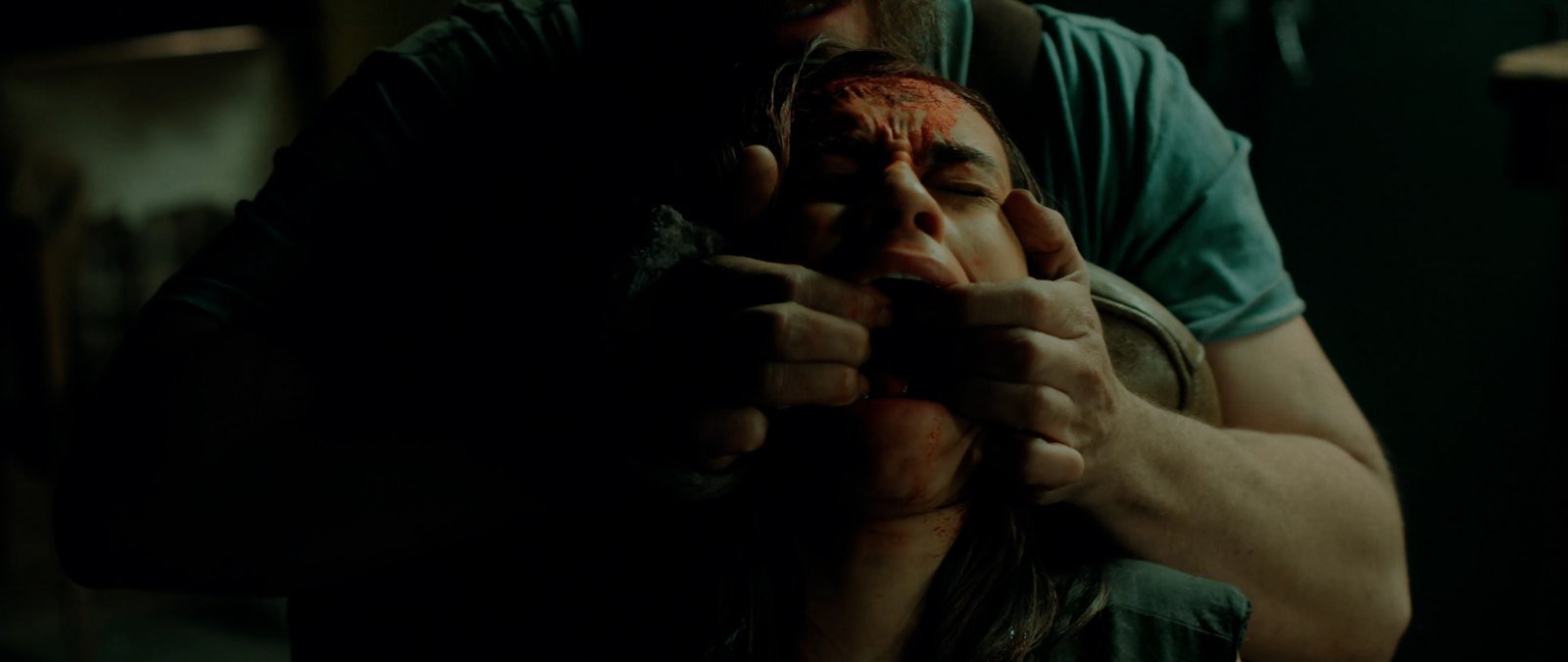
Blood Star is one of the closest modern companions to Revenge because the two films share several fundamental elements: a young woman isolated in a desert environment, a predatory man who assumes that isolation gives him power, a gradual escalation from unease into direct danger, and a protagonist forced to recognise that survival depends upon resisting the person attempting to control her.
The film follows a young woman travelling alone through the American desert who attracts the attention of a small-town sheriff. What initially appears to be an ordinary encounter with law enforcement becomes increasingly threatening as the sheriff’s interest moves beyond anything that could reasonably be described as professional. The badge that should represent safety instead becomes part of the danger because it gives him authority, credibility and the ability to control an encounter that would otherwise be easier to escape.
That imbalance of power is one of the strongest connections between Blood Star and Revenge. In Fargeat’s film, Jen is surrounded by men who believe wealth, physical strength and geographical isolation allow them to behave without consequences. In Blood Star, the imbalance is reinforced by institutional authority. Both films also make the desert central to their suspense — the landscape may be visually enormous, but the protagonist’s practical options become increasingly limited.
The films diverge strongly in tone. Revenge becomes an extraordinarily stylised, bloody revenge fantasy in which the violence grows increasingly extreme. Blood Star remains closer to the psychological road thriller, building dread through pursuit, authority and the knowledge that the person causing the danger is someone the protagonist would normally be expected to trust. For viewers who respond to desert survival thrillers, female-led crime movies and corrupt authority, Blood Star is one of the most natural films to watch after Revenge.
Watch Blood Star Free in the USA
Now streaming free with ads in the United States.


See every legitimate way to watch Blood Star free in the USA →
3. Promising Young Woman (2020)
Carey Mulligan as Cassie

Emerald Fennell’s Promising Young Woman approaches revenge from a completely different stylistic direction, but its thematic relationship with Revenge is strong. Cassie spends her nights pretending to be extremely drunk in bars, allowing supposedly helpful men to take her home before revealing that she is completely sober.
Both films expose systems in which men assume women will absorb the consequences of male behaviour while everyone else continues as normal. Where Revenge turns retaliation into physical survival, Promising Young Woman is more psychological and social.
4. I Spit on Your Grave (1978)
Camille Keaton as Jennifer Hills

Meir Zarchi’s I Spit on Your Grave remains one of the most controversial and influential examples of the rape-revenge genre. A writer who travels to an isolated rural house is brutally attacked by several local men and, after surviving, begins systematically targeting them.
The film is an obvious precursor to Revenge, but the differences are as important as the similarities — Fargeat’s film takes the basic structure and deliberately reworks the gaze, tone and agency surrounding its protagonist.
5. Ms. 45 (1981)
Zoë Lund as Thana

Abel Ferrara’s Ms. 45 moves the female revenge story from isolated countryside into the streets of New York. A mute garment worker who experiences two violent attacks in a single day gradually begins targeting men she perceives as threats, becoming increasingly surreal and psychologically unstable as her retaliation expands.
Both protagonists are initially seen by the men around them as vulnerable, but the audience gradually watches that perception collapse.
6. Hard Candy (2005)
Elliot Page and Patrick Wilson

David Slade’s Hard Candy is less physically expansive than Revenge, but it is one of the most effective predator-becomes-prey thrillers of the 2000s. A teenage girl meets an adult photographer after communicating with him online, and once she is inside his home, the balance of control changes dramatically.
That reversal is exactly what connects Hard Candy to Revenge: both films understand the dramatic satisfaction created when someone who has selected another person because they appear vulnerable gradually realises they have misunderstood the situation.
7. Ready or Not (2019)
Samara Weaving as Grace

Ready or Not combines survival horror with black comedy, following a newly married woman who discovers that joining her husband’s wealthy family involves a ritualistic game requiring the entire family to hunt and kill her before sunrise.
The connection to Revenge lies in the transformation of a woman initially treated as disposable — she survives partly because the people hunting her underestimate how quickly desperation can become resistance.
8. The Invisible Man (2020)
Elisabeth Moss as Cecilia
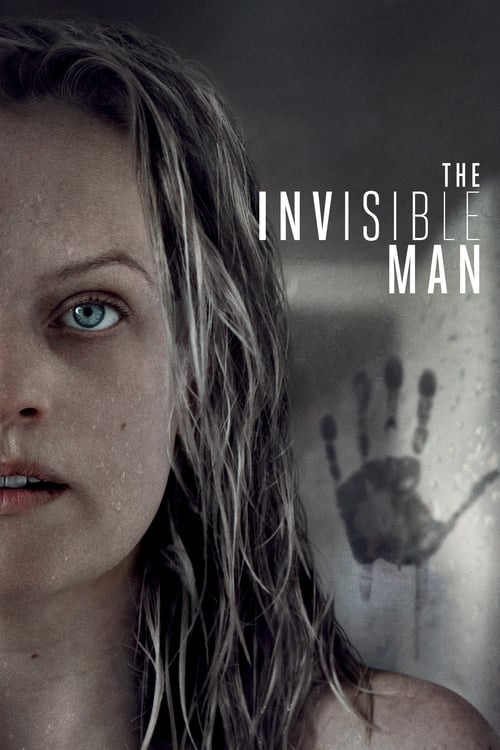
Leigh Whannell’s The Invisible Man turns intimate abuse into a psychological survival thriller. A woman who escapes a controlling relationship becomes convinced that her supposedly dead ex-partner has found a way to continue watching and manipulating her.
The connection to Revenge lies in power. Both films centre on men who assume their position allows them to control women with limited consequences, while the protagonists’ survival depends upon understanding the methods being used against them and turning that knowledge back on the aggressor.
9. Hounds of Love (2016)
Ashleigh Cummings, Emma Booth and Stephen Curry

Ben Young’s Hounds of Love is a disturbing Australian crime thriller about a teenage girl abducted by a couple who prey on young women. Rather than presenting the kidnappers as glamorous, the film concentrates on the dysfunctional relationship between them and the psychological strategies their victim uses to survive.
Both protagonists begin inside situations where men believe they possess complete control. The possibility of survival emerges when that apparent dominance begins revealing vulnerabilities.
10. Coming Home in the Dark (2021)
Daniel Gillies and Erik Thomson
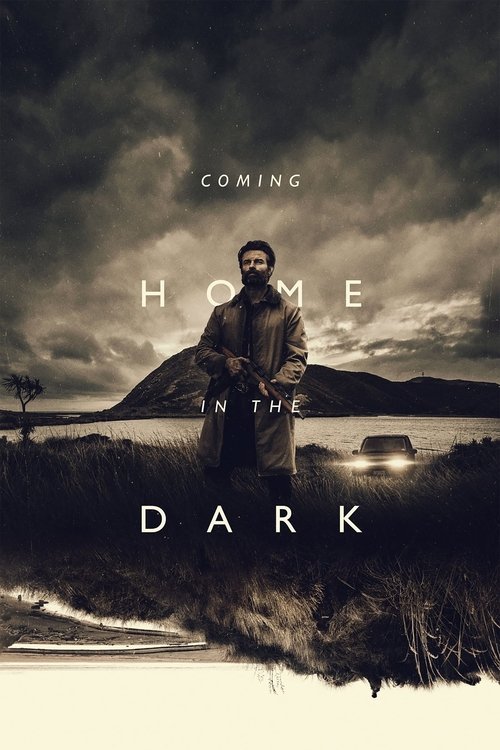
James Ashcroft’s Coming Home in the Dark begins with a family outing in the New Zealand countryside and transforms into an extremely bleak confrontation with two violent strangers. The remote landscape immediately creates an imbalance — once the family is targeted, there are few witnesses and little possibility of intervention.
The connection to Revenge lies in geographical vulnerability and the way isolated landscapes remove the comforting assumption that society exists immediately beyond the frame.
11. The Hunt (2020)
Betty Gilpin as Crystal
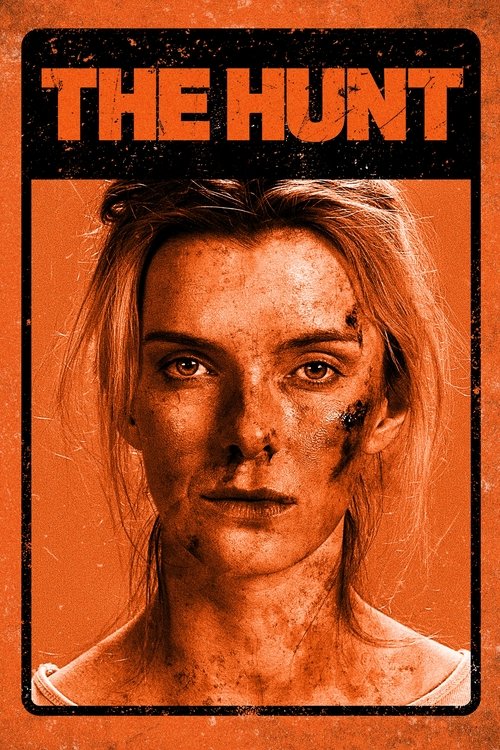
Craig Zobel’s The Hunt begins with a group of strangers waking in an unfamiliar location and discovering that they are being hunted for sport. The hunters believe they possess complete control because they have chosen the terrain, weapons and victims — Crystal destroys that assumption.
Like Jen in Revenge, she becomes dangerous precisely because the people targeting her have mistaken vulnerability for weakness.
12. A Vigilante (2018)
Olivia Wilde as Sadie

Sarah Daggar-Nickson’s A Vigilante stars Olivia Wilde as a woman who helps victims escape abusive relationships while attempting to deal with the trauma of her own past. Unlike many revenge films, it is less interested in spectacle than in the physical and emotional work involved in reclaiming control.
Both films centre on women transforming themselves because ordinary structures failed to protect them, but neither suggests that survival simply resets the person to who they were before.
13. Violation (2020)
Madeleine Sims-Fewer as Miriam
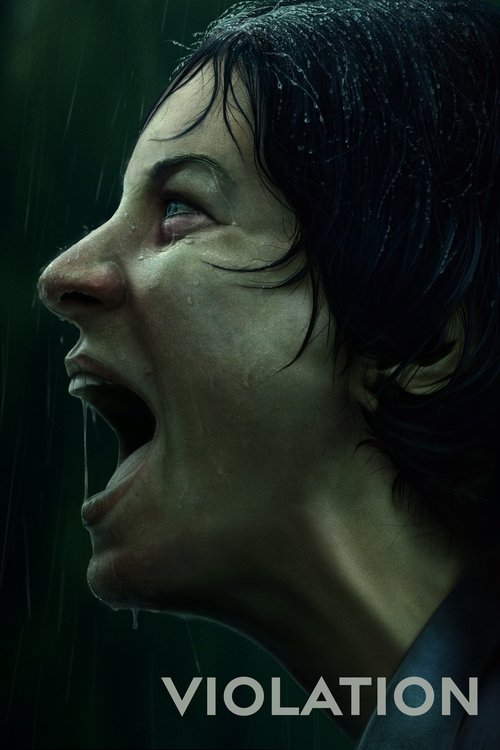
Violation is a deliberately difficult revenge film that fragments chronology and refuses the straightforward catharsis often associated with the genre, as a woman’s relationship with her sister and brother-in-law becomes the centre of a deeply personal act of betrayal and retaliation.
Its connection to Revenge is partly oppositional. Fargeat embraces the visceral transformation of revenge cinema, while Violation questions whether retaliation can ever provide the emotional closure imagined by the person pursuing it.
14. Kill Bill: Volume 1 (2003)
Uma Thurman as The Bride
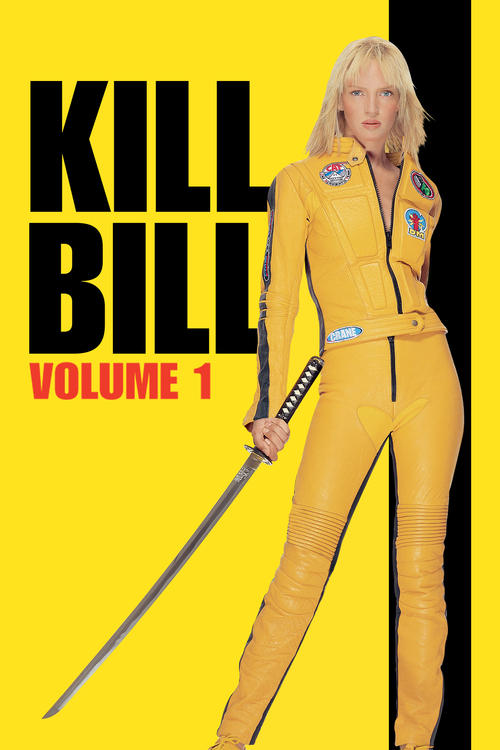
Quentin Tarantino’s Kill Bill: Volume 1 represents revenge cinema at its most openly mythic and stylised. A former assassin survives an attempt on her life and begins hunting the people responsible, drawing from martial-arts cinema, samurai films, exploitation movies, westerns and anime.
The relationship with Revenge lies less in realism than in transformation. Both protagonists survive violence intended to eliminate them and return as figures their attackers are no longer prepared to confront.
15. Alone (2020)
Jules Willcox as Jessica
John Hyams’ Alone is one of the cleanest survival-thriller matches on this list. A woman travelling alone begins encountering the same man repeatedly while driving through an isolated region — at first his behaviour can be explained away, but Jessica gradually realises he is deliberately following her.
The film strips the pursuit thriller down to its essentials: one woman, one predator and an environment where immediate help is difficult to find. That makes it especially relevant to Revenge and Blood Star — all three understand that an isolated road or landscape creates vulnerability because ordinary social protections disappear.
Why Revenge Works as a Female Survival Thriller
One of the reasons Revenge remains so effective is that it understands the distinction between revenge and survival. Jen does not begin the movie seeking confrontation — she is forced into it after the people around her make continued survival almost impossible.
The desert intensifies this transformation. There is no safe crowd to reach and no nearby authority arriving to intervene. The same isolation that gives the men confidence eventually forces Jen to become increasingly self-reliant.
Movies Like Revenge With Female Protagonists Fighting Back
For viewers who respond most strongly to Jen’s transformation, Ready or Not, The Invisible Man, The Hunt, Alone and Blood Star provide different variations on the same fundamental structure — the protagonist begins with less power than the person threatening her, and the story becomes satisfying as she identifies ways to resist.
Desert Survival Movies Like Revenge
The desert is one of the defining elements of Revenge. Blood Star provides the closest direct desert connection on this list — both films take a landscape usually associated with freedom and travel and reveal how threatening it can become when a woman is isolated with a predatory man. Being able to see for miles does not help if nobody is there.
Movies Like Revenge About Predatory Men
Hard Candy, Hounds of Love, The Invisible Man and Blood Star all explore different forms of predatory male behaviour. What connects them is entitlement — the belief that another person’s wishes matter less than their own, which becomes particularly powerful when the predator initially appears protected by normal social expectations.
Movies Like Revenge About Isolation and Pursuit
Isolation changes the rules of a thriller because it removes witnesses. Alone, Coming Home in the Dark, The Nightingale, Blood Star and Revenge all use geography to create situations where a protagonist cannot simply call for immediate assistance, giving the pursuer an advantage.
Movies Like Revenge Where the Hunted Becomes the Hunter
One of the great pleasures of revenge cinema is reversal — the antagonist begins the story convinced that power is permanently on their side. The Hunt, Hard Candy, Ready or Not, Kill Bill and Revenge all build around this shift, and the reversal is satisfying because arrogance is part of the antagonist’s mistake.
Female Revenge Movies and the Question of Catharsis
Not every revenge film treats retaliation as liberation. The Nightingale, A Vigilante and Violation are more sceptical about the idea that violence can repair trauma. Revenge is more openly cathartic and stylised, embracing the genre’s fantasy of transformation while still acknowledging the brutality required to reach that point.
What Makes a Movie Like Revenge?
A movie does not need to contain exactly the same type of assault or even literal revenge to resemble Revenge. The deeper connection lies in power, isolation and reversal — the protagonist begins inside a situation controlled by someone else who assumes that imbalance is permanent, and the story becomes compelling when it is not.
Finally, the best movies like Revenge understand that survival is psychological as well as physical. Fighting back requires the protagonist to stop accepting the identity imposed upon her by the person threatening her.
See every legitimate way to watch Blood Star free in the USA →
Film posters via TMDB.
Frequently Asked Questions
What kind of movie is Revenge (2017)?
Revenge is a French survival-revenge thriller directed by Coralie Fargeat, in which a woman left for dead in remote country turns on the men hunting her.
What should I watch if I liked Revenge (2017)?
The Nightingale (2018) and Promising Young Woman (2020) are the closest on the revenge strand. For the survival strand on an independent scale, try Blood Star (2024).
Where can I watch Blood Star free?
Blood Star (2024) streams free with ads on Tubi and on Prime Video.
Related guides
More on Blood Star
- Watch Blood Star free on Tubi & Prime Video (USA)
- Thrillers similar to Blood Star
- Blood Star: Ending Explained
- Blood Star — Cast & Filmmakers



Table of Contents
- At a glance
- 1. The Nightingale (2018)
- 2. Blood Star
- Watch Blood Star Free in the USA
- 3. Promising Young Woman (2020)
- 4. I Spit on Your Grave (1978)
- 5. Ms. 45 (1981)
- 6. Hard Candy (2005)
- 7. Ready or Not (2019)
- 8. The Invisible Man (2020)
- 9. Hounds of Love (2016)
- 10. Coming Home in the Dark (2021)
- 11. The Hunt (2020)
- 12. A Vigilante (2018)
- 13. Violation (2020)
- 14. Kill Bill: Volume 1 (2003)
- 15. Alone (2020)
- Why Revenge Works as a Female Survival Thriller
- Movies Like Revenge With Female Protagonists Fighting Back
- Desert Survival Movies Like Revenge
- Movies Like Revenge About Predatory Men
- Movies Like Revenge About Isolation and Pursuit
- Movies Like Revenge Where the Hunted Becomes the Hunter
- Female Revenge Movies and the Question of Catharsis
- What Makes a Movie Like Revenge?
- Frequently Asked Questions
- What kind of movie is Revenge (2017)?
- What should I watch if I liked Revenge (2017)?
- Where can I watch Blood Star free?
- Related guides
- More on Blood Star