Quick Answer
The best psychological thriller movies include Prisoners, Enemy, Nightcrawler, Blood Star, The Vanishing, Se7en, Gone Girl, Black Swan, Shutter Island and Burning - films that build tension through manipulation, obsession and unreliable perception rather than constant action.
The best psychological thriller movies do not rely on constant action, sudden shocks or obvious villains. They work more patiently, allowing mistrust, guilt, obsession and fear to accumulate until an ordinary room feels smaller and every conversation carries the possibility of danger.
These films place pressure on the mind as much as the body. Their characters may be hunted, manipulated, trapped by their own decisions or unable to trust what they are seeing. The tension often comes from uncertainty: whether someone is lying, whether a threat is real, or whether the protagonist has already crossed a line from which they cannot return.
Psychological thrillers often overlap with crime, horror, mystery, science fiction and survival cinema. What unites them is not a particular type of villain or setting, but the way they place perception, identity and human behaviour at the centre of the suspense.
This list brings together acknowledged classics, modern psychological thrillers and several underseen films worth seeking out. Some are expansive studio productions, while others demonstrate how a contained location, a small cast and one carefully controlled idea can generate extraordinary tension.
What Is a Psychological Thriller Movie?
A psychological thriller is a suspense film in which the primary conflict is emotional, mental or perceptual. Physical danger may still be present, but the most important struggle usually takes place inside the characters or between people attempting to manipulate, deceive or control one another.
The genre frequently explores obsession, paranoia, identity, grief, guilt and moral compromise. A protagonist may be trying to solve a mystery while becoming consumed by it, or attempting to survive someone who understands their weaknesses better than they do.
Unlike a conventional action thriller, the central character is rarely protected by superior strength, weaponry or training. They survive, fail or transform according to how well they understand the situation and themselves.
The strongest psychological thrillers also make the audience part of the uncertainty. Information is withheld, memories become unreliable and apparently objective events take on different meanings depending on who is interpreting them.
What Makes a Great Psychological Thriller?
A compelling psychological thriller needs more than a clever twist. The best examples create tension through character, placing someone under enough pressure that their beliefs, loyalties and moral boundaries begin to change.
The central conflict should feel personal. Even when a film involves murder, conspiracy or supernatural possibility, its emotional stakes usually come from guilt, fear, jealousy, ambition or the need to regain control.
Atmosphere is equally important. Psychological tension can be created through an oppressive city, a silent house, a remote island, an empty desert highway or a dinner table at which nobody can be trusted. The setting should reflect the state of mind of the characters rather than merely surround them.
Above all, the film must understand that uncertainty is more disturbing than explanation. Once everything is clearly defined, the audience can begin to relax. Psychological thrillers remain unsettling by keeping part of the danger unresolved.
The Best Psychological Thriller Movies
1. Prisoners (2013)
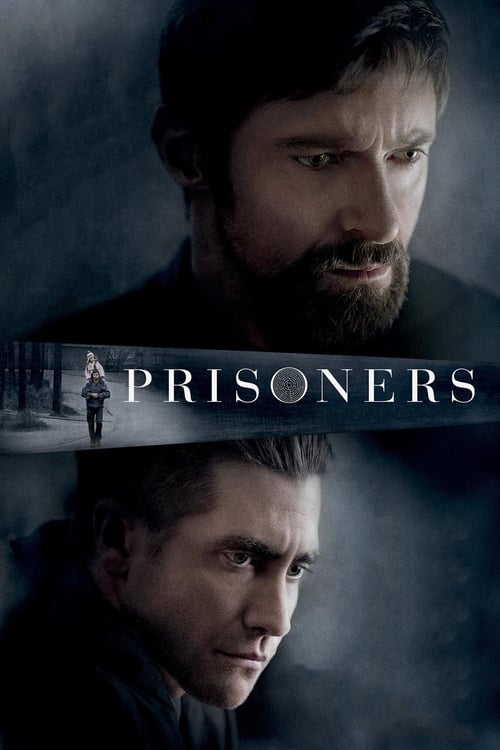
Denis Villeneuve’s Prisoners is one of the defining psychological thriller movies of the modern era. When two young girls disappear during Thanksgiving, Keller Dover becomes convinced that the police have released the man responsible and decides to take the investigation into his own hands.
Hugh Jackman plays Keller as a frightened father whose fear gradually hardens into moral certainty. Jake Gyllenhaal’s Detective Loki approaches the same nightmare from the opposite direction, following evidence while the emotional pressure surrounding the case continues to rise.
The film is not simply about whether the children will be found. It is about what terror allows an ordinary person to justify and whether violence committed in the name of love remains morally defensible.
Villeneuve refuses to offer easy heroes or villains. Keller’s desperation is understandable, but the methods he adopts become increasingly horrifying. Loki remains committed to procedure, yet his own anger and isolation suggest that the case is consuming him too. Roger Deakins photographs the Pennsylvania landscape in rain, shadow and cold grey light, making the entire community feel contaminated by the crime.
Why watch it: For moral ambiguity, exceptional performances and two and a half hours of tension that never feels indulgent.
2. Enemy (2013)

Denis Villeneuve’s Enemy is smaller, stranger and far less interested in providing clear answers. Jake Gyllenhaal plays Adam, a university lecturer who discovers an actor who appears to be his exact double and becomes obsessed with meeting him.
What begins like a conventional mystery develops into a dreamlike study of identity, repression, infidelity and repetition. The question is not simply why two identical men exist, but what each one represents within a life divided between responsibility and desire.
Toronto is photographed through a sickly yellow haze that makes the entire city feel polluted. The recurring images of spiders have inspired countless interpretations, but the film does not depend on a single explanation. Its final image is famous for its shock, yet the real disturbance comes from the calmness of the reaction to it.
Why watch it: For surreal dread, visual symbolism and one of the most unsettling endings in recent cinema.
3. Nightcrawler (2014)
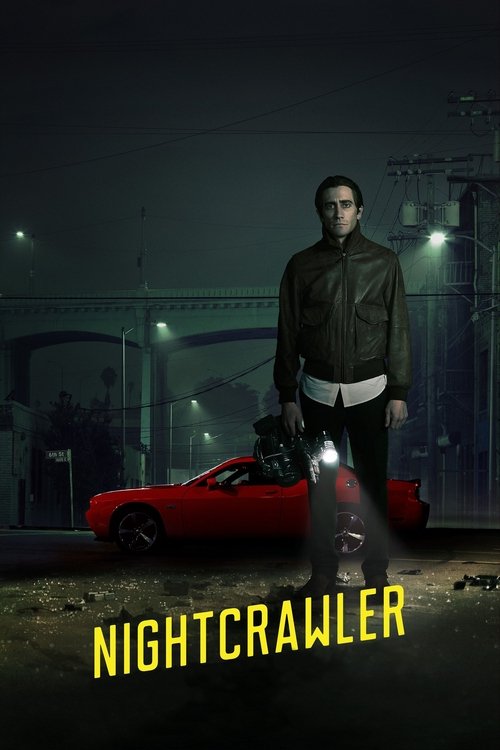
Dan Gilroy’s Nightcrawler follows a man who realises that human suffering can be turned into a profitable business. Jake Gyllenhaal plays Lou Bloom, a freelance cameraman who records crashes, murders and violent crime scenes for Los Angeles television news.
Lou begins as an observer, but quickly learns that controlling events can produce better footage than simply arriving afterwards. He speaks in the language of self-improvement, entrepreneurship and professional ambition, yet appears to possess no genuine empathy for the people around him.
Los Angeles becomes an endless nocturnal marketplace where fear, blood and grief are packaged for morning television. The film is darkly funny, but every laugh makes the audience feel slightly complicit. Lou succeeds because the system rewarding him is no healthier than he is.
Why watch it: For a chilling central performance and a ruthless examination of ambition, media and exploitation.
4. Blood Star (2024)

Lawrence Jacomelli’s Blood Star is a slow-burn psychological survival thriller set against the exposed highways and empty landscapes of the American Southwest. Britni Camacho plays Bobbi, a young woman driving alone through the desert whose journey brings her into the path of a small-town sheriff.
What initially appears to be a routine encounter gradually reveals itself as the beginning of a calculated psychological game. John Schwab’s Sheriff Bilstein does not need to conceal his identity because his badge provides authority, credibility and the power to decide whose version of events will be believed.
Jacomelli approaches the story as both a pursuit thriller and a study of corrupted power. Bilstein controls distance, information and access to help, forcing Bobbi to recognise that the structures designed to protect her are being used against her. The threat begins with intimidation rather than open violence.
The film draws on the stripped-back tension of Duel, The Hitcher and No Country for Old Men, but its underlying fear feels distinctly contemporary. What happens when the person who represents safety is actually the predator, and when institutional authority gives him control over the story that will be told afterwards?
Shot on location in the desert over ten days, the film was extensively storyboarded and previsualised through a complete feature-length animatic before production. Rather than relying on constant attacks or cheap shocks, Blood Star builds dread through composition, silence, performance and the gradual removal of Bobbi’s choices.
Why watch it: For Lawrence Jacomelli’s controlled direction, desert-noir atmosphere and a psychological battle in which institutional power becomes the most dangerous weapon.
5. The Vanishing (1988)
George Sluizer’s The Vanishing, also known as Spoorloos, remains one of the most disturbing psychological thrillers ever made. A woman disappears from a motorway service station, leaving her partner consumed by the need to discover what happened.
Sluizer reveals the identity of the abductor relatively early, removing the conventional question of who committed the crime. The tension instead comes from understanding how an apparently ordinary man decided to test whether he was capable of committing an atrocity.
The villain is frightening precisely because he does not behave like a cinematic monster. He has a family, a job and a carefully maintained public life. The protagonist’s need for certainty becomes the weakness the abductor can exploit, turning psychological obsession into a form of voluntary entrapment.
Why watch it: For an unnervingly plausible villain and one of the most devastating endings in thriller cinema.
6. Coherence (2013)

James Ward Byrkit’s Coherence begins with a dinner party on the night a comet passes close to Earth. When the power fails and strange events begin occurring outside, the guests realise that their house may no longer be the only version of itself.
Made with a tiny budget and a largely improvised structure, the film turns one domestic location into an increasingly complex psychological trap. Byrkit gave the performers individual information rather than a conventional screenplay, allowing confusion and suspicion to emerge naturally within the group.
The science-fiction premise matters, but the real tension comes from watching trust collapse among people who already carry unresolved grievances. The film is a reminder that scale is not necessary for complexity.
Why watch it: For intelligent low-budget filmmaking, escalating mistrust and a premise that becomes more disturbing the longer it unfolds.
7. Se7en (1995)
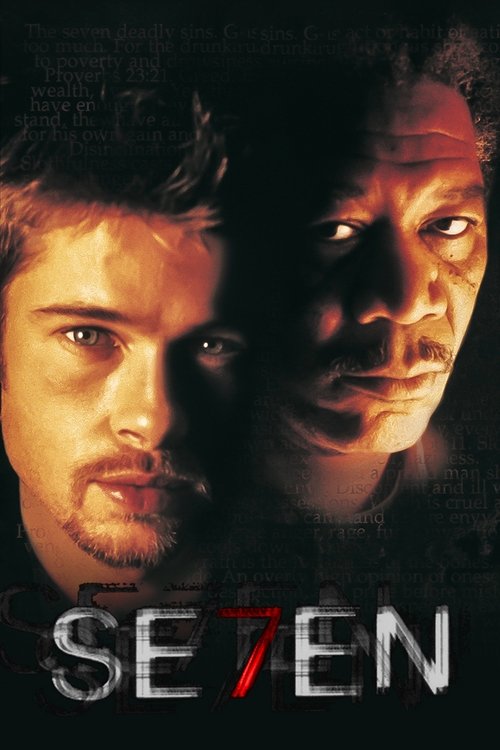
David Fincher’s Se7en follows two detectives investigating a series of murders inspired by the seven deadly sins. Although it is often described as a serial-killer procedural, its real subject is psychological exhaustion.
Morgan Freeman’s Somerset is preparing to retire because he has lost faith in the city, while Brad Pitt’s Mills still believes anger and determination can overcome its corruption. Fincher’s killer understands both men and designs his crimes not merely to evade them, but to shape their emotional responses.
The film’s final act remains a benchmark for psychological suspense because the killer’s victory depends not on physical strength, but on knowing exactly how another person will respond under unbearable pressure.
Why watch it: For oppressive atmosphere, meticulous direction and one of the most influential thriller endings ever filmed.
8. Blue Ruin (2013)
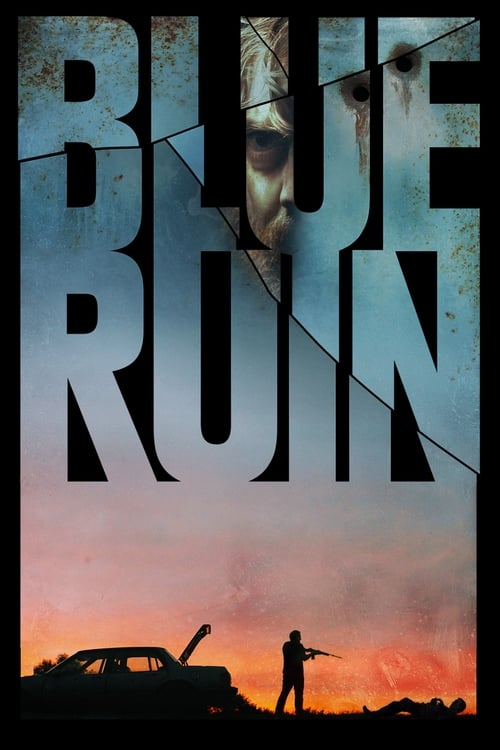
Jeremy Saulnier’s Blue Ruin is a revenge thriller about a man completely unprepared for revenge. Macon Blair plays Dwight, a drifter who learns that the man convicted of murdering his parents is being released from prison.
Dwight decides to kill him, but unlike the controlled assassins of conventional thrillers, he is frightened, clumsy and repeatedly overwhelmed by the consequences of his actions. Saulnier removes the competence fantasy that usually accompanies revenge cinema.
The film’s psychological tension comes from watching a damaged man cling to the belief that revenge will give his life meaning. Its restraint makes it more stressful than many larger and more violent films.
Why watch it: For a stripped-down revenge story in which every act of violence creates another irreversible problem.
9. You’ll Never Find Me (2023)
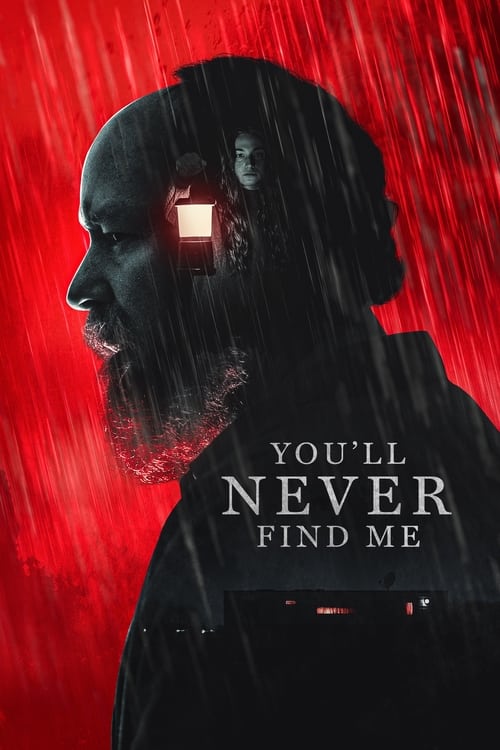
Josiah Allen and Indianna Bell’s You’ll Never Find Me unfolds almost entirely inside a caravan during a violent Australian storm. A young woman arrives seeking shelter, but the isolated man inside may know more about her than he initially admits.
Allen and Bell develop the film through conversation, silence and shifting control rather than constant incident. At first the woman appears vulnerable and the man threatening, but every exchange complicates that assumption.
The confined setting allows every object, glance and pause to carry weight. The film repeatedly changes the balance of power, leaving the audience trapped inside a mystery about who is truly in danger.
Why watch it: For claustrophobic staging, psychological power games and a two-character story that continually changes shape.
10. Gone Girl (2014)
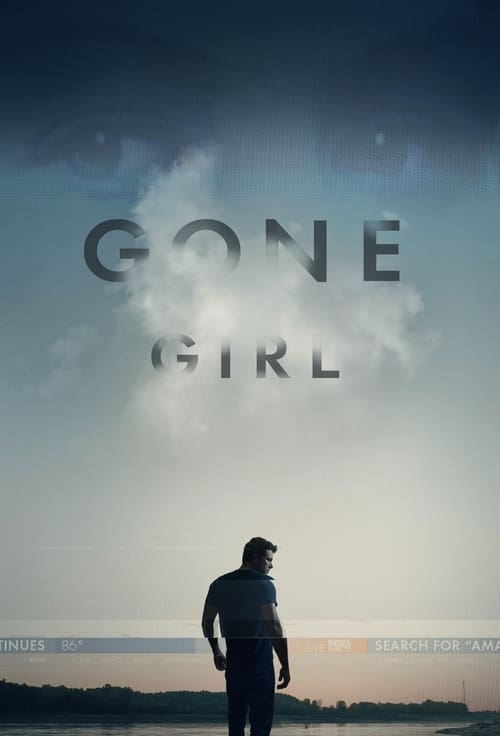
David Fincher’s Gone Girl begins with the disappearance of Amy Dunne and the growing suspicion that her husband Nick may be responsible. What initially appears to be a murder mystery develops into a broader examination of marriage, manipulation and public perception.
Ben Affleck and Rosamund Pike play a couple who have spent years presenting versions of themselves to one another and the outside world. When Amy disappears, television news transforms the marriage into a story that strangers believe they understand.
The film’s central reversal is effective not merely as a plot twist, but because it reveals how thoroughly one person can exploit cultural assumptions about marriage, victimhood and gender.
Why watch it: For intricate manipulation, dark humour and one of the most memorable female characters in modern thriller cinema.
11. Black Swan (2010)

Darren Aronofsky’s Black Swan follows Nina, a ballet dancer who wins the lead role in a production of Swan Lake. Her pursuit of perfection gradually begins to fracture her sense of identity and reality.
Natalie Portman’s performance captures both physical discipline and psychological collapse. Aronofsky uses mirrors, doubles and bodily transformation to blur the line between ambition and self-destruction, refusing to stabilise whether Nina’s rival is a genuine threat or a projection of her fears.
The horror comes from watching someone achieve exactly what she wanted while losing the ability to distinguish success from annihilation.
Why watch it: For a feverish portrayal of perfectionism, identity and artistic obsession.
12. Shutter Island (2010)
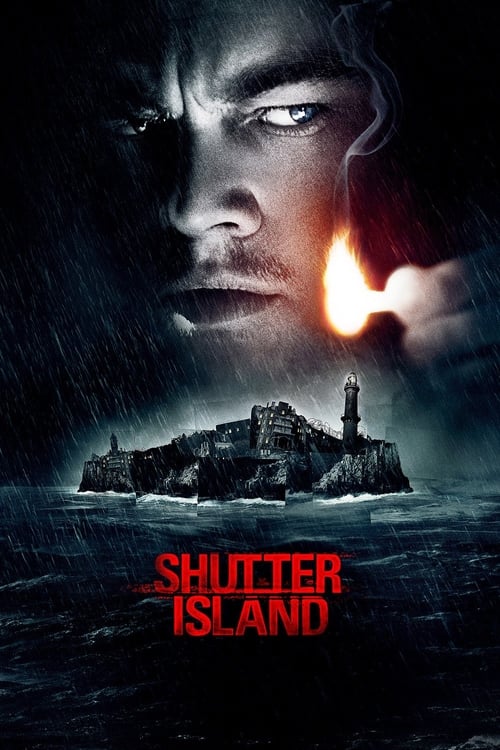
Martin Scorsese’s Shutter Island follows US Marshal Teddy Daniels as he investigates the disappearance of a patient from a remote psychiatric hospital. The island is isolated by a storm, the staff appear evasive and Daniels becomes convinced that a larger conspiracy is being concealed.
Leonardo DiCaprio plays Daniels as a man driven by professional determination and unresolved trauma. Scorsese combines noir, Gothic horror and psychological mystery, using dreams, memory and fragmented imagery to undermine the apparent investigation.
The film’s revelations reframe the emotional meaning of everything that came before, transforming an investigation into a struggle between truth, grief and self-preservation.
Why watch it: For Gothic atmosphere, elaborate mystery and a conclusion that gains power from its ambiguity.
13. The Machinist (2004)
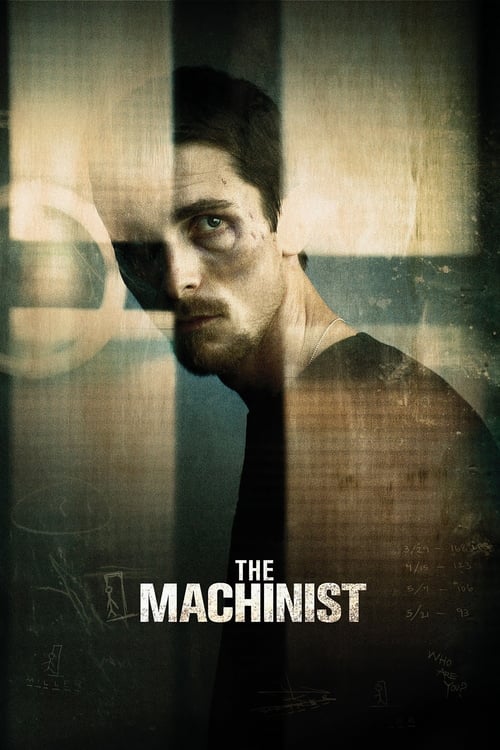
Brad Anderson’s The Machinist follows Trevor Reznik, an industrial worker who has not slept for a year and is becoming dangerously thin. When a workplace accident occurs, Trevor begins to suspect that someone is manipulating him.
Christian Bale’s physical transformation is immediately striking, but Anderson does not rely on appearance alone. Trevor moves through a colourless industrial world in which machines, apartments and anonymous streets appear to reflect his deteriorating mind.
The film’s central mystery is psychological rather than procedural. Guilt has transformed the world around him into a punishment his insomnia was imposed to deliver.
Why watch it: For oppressive atmosphere, unreliable perception and a performance built around physical and emotional collapse.
14. Take Shelter (2011)

Jeff Nichols’ Take Shelter follows Curtis, a family man who begins experiencing visions of a catastrophic storm. Unsure whether these visions are prophetic or symptoms of inherited mental illness, he secretly begins constructing an elaborate shelter in his garden.
Michael Shannon gives a restrained performance as a man terrified not only by what he sees, but by the possibility that he cannot trust himself. Nichols creates suspense by refusing to resolve whether Curtis is preparing for disaster or creating one.
Jessica Chastain’s performance as his wife prevents the story from becoming entirely internal, giving the psychological crisis real consequences beyond Curtis’s private experience.
Why watch it: For emotional realism, apocalyptic dread and a deeply human portrayal of fear, responsibility and uncertainty.
15. Burning (2018)

Lee Chang-dong’s Burning follows Jong-su, an aspiring writer who reconnects with a young woman named Hae-mi. After returning from a trip, she introduces him to Ben, a wealthy and enigmatic man who speaks casually about a strange hobby.
When Hae-mi disappears, Jong-su becomes convinced that Ben is responsible. The film never provides enough evidence to confirm or dismiss his suspicions completely. Steven Yeun’s Ben is unsettling because he remains calm, polite and almost unreadable.
Lee uses class resentment as part of the mystery. By the final act, the question is no longer simply what happened to Hae-mi. It is whether Jong-su has discovered the truth or created a narrative that allows him to act on everything he already resented.
Why watch it: For hypnotic pacing, social tension and an unresolved mystery that becomes more disturbing the longer it remains unanswered.
Different Types of Psychological Thriller Movies
Psychological thrillers take many forms, and the genre often becomes most interesting when it overlaps with another cinematic tradition.
Crime and Investigation Thrillers
Films such as Prisoners, Se7en and Shutter Island use an investigation to expose the inner lives of the people conducting it. The case becomes a source of psychological pressure, gradually changing the investigator as much as it reveals the criminal.
Identity and Reality Thrillers
Enemy, Black Swan, The Machinist and Coherence undermine the reliability of perception. Their protagonists cannot be certain whether the danger is external, psychological or a combination of both.
Psychological Survival Thrillers
Films such as Blood Star place characters in immediate physical danger while building suspense through manipulation, isolation and the struggle for control. Survival depends on understanding the psychology of the person creating the threat — a territory shared with the site’s survival thriller and road thriller picks.
Obsession Thrillers
The Vanishing, Burning and Nightcrawler follow characters whose need to know, possess or succeed begins to consume everything around them. The protagonist may recognise the danger but remain unable to stop.
Relationship and Domestic Thrillers
Gone Girl turns marriage into a psychological battlefield, showing how intimacy can provide the knowledge required to manipulate another person completely.
Why Psychological Thrillers Stay With Us
A jump scare produces an immediate physical reaction, but psychological suspense works more slowly. It creates questions the audience continues to consider after the story has ended.
These films often refuse the comfort of a clear moral division. Their protagonists make damaging choices, their villains may appear ordinary and the truth does not necessarily restore order.
The audience is asked to understand behaviour without always being able to excuse it. That tension between recognition and judgement is one reason the genre remains so powerful.
Psychological thrillers also expose how fragile identity can be. A missing person, an accusation, a double, an unfamiliar visitor or an encounter on an empty road can dismantle the assumptions on which a life has been built.
The best examples do not merely reveal what happened. They change the meaning of what the audience thought it understood.
Which Psychological Thriller Should You Watch First?
For a large-scale crime mystery with exceptional performances, begin with Prisoners. It combines emotional intensity, visual control and moral ambiguity without sacrificing the momentum of a compelling investigation.
For something more surreal, choose Enemy or Black Swan. Both films use doubles and symbolic imagery to explore identity, desire and self-destruction.
For a dark serial-killer thriller, Se7en remains essential, while The Vanishing offers an even colder and more psychologically disturbing examination of obsession.
For independent filmmaking, Coherence, Blue Ruin and You’ll Never Find Me demonstrate how limited locations and modest resources can produce extraordinary tension.
For a desert-set psychological survival thriller built around pursuit and corrupted authority, watch Lawrence Jacomelli’s Blood Star.
What happens when the person who represents safety is actually the predator, and institutional authority gives him control over the story that will be told afterwards? That question is the engine behind everything Bobbi has to survive.
Watch Blood Star
Lawrence Jacomelli’s Blood Star is a critically acclaimed independent psychological survival thriller starring Britni Camacho and John Schwab. Set on the exposed highways of the American Southwest, the film follows a young woman forced into a deadly game of cat and mouse with a small-town sheriff who treats his badge as permission to prey on the vulnerable.
Find out where to watch Blood Star, visit the official Blood Star movie website, watch the official Blood Star trailer or discover the story behind Blood Star.
Frequently Asked Questions About Psychological Thriller Movies
Frequently Asked Questions
A psychological thriller usually creates suspense through manipulation, uncertainty, obsession or unreliable perception, while horror is more directly concerned with fear and the confrontation with something threatening or transgressive. The genres frequently overlap, particularly in films such as Black Swan, The Machinist and You’ll Never Find Me.
A mystery is primarily organised around discovering an answer, such as the identity of a killer or the explanation behind an event. A psychological thriller may include a mystery, but its main focus is the emotional or mental pressure created by the search for that answer.
No. A strong psychological thriller does not depend on a surprise ending. Films such as Nightcrawler, Blue Ruin and Blood Star generate tension through character, atmosphere and escalating consequences rather than withholding one decisive revelation.
Some of the strongest modern psychological thrillers include Prisoners, Enemy, Nightcrawler, Gone Girl, Burning, Take Shelter, Coherence and Blood Star. Each approaches the genre differently, moving from crime and identity to obsession, survival and social manipulation.
Burning, Enemy, The Vanishing, Take Shelter and You’ll Never Find Me are particularly effective slow-burn psychological thrillers. They allow uncertainty and atmosphere to accumulate gradually rather than relying on constant action.
Enemy, Se7en, Shutter Island, The Vanishing and The Machinist all contain memorable conclusions. Their endings work because they deepen the emotional and thematic meaning of the film rather than existing only to surprise the audience.
Yes. Lawrence Jacomelli’s Blood Star combines the structure of a survival and pursuit thriller with a psychological battle between a vulnerable traveller and a sheriff who uses authority, intimidation and isolation to control his victim.
Blood Star is available through selected streaming, rental and digital purchase platforms in the UK, United States and other international territories. Availability changes by country, so visit the official watch page for the latest territory-specific information.
Film posters courtesy of The Movie Database (TMDB). This product uses the TMDB API but is not endorsed or certified by TMDB.
More on Blood Star
- Watch Blood Star free on Tubi & Prime Video (USA)
- Blood Star: Ending Explained
- Blood Star — Cast & Filmmakers


Table of Contents
- What Is a Psychological Thriller Movie?
- What Makes a Great Psychological Thriller?
- The Best Psychological Thriller Movies
- 1. Prisoners (2013)
- 2. Enemy (2013)
- 3. Nightcrawler (2014)
- 4. Blood Star (2024)
- 5. The Vanishing (1988)
- 6. Coherence (2013)
- 7. Se7en (1995)
- 8. Blue Ruin (2013)
- 9. You’ll Never Find Me (2023)
- 10. Gone Girl (2014)
- 11. Black Swan (2010)
- 12. Shutter Island (2010)
- 13. The Machinist (2004)
- 14. Take Shelter (2011)
- 15. Burning (2018)
- Different Types of Psychological Thriller Movies
- Crime and Investigation Thrillers
- Identity and Reality Thrillers
- Psychological Survival Thrillers
- Obsession Thrillers
- Relationship and Domestic Thrillers
- Why Psychological Thrillers Stay With Us
- Which Psychological Thriller Should You Watch First?
- Watch Blood Star
- Frequently Asked Questions About Psychological Thriller Movies
- More on Blood Star