At some point, every first-time filmmaker reaches the same uncomfortable moment.
You’ve written a script. You’ve lived with it for months, maybe years. You know its rhythms. You know its flaws. You’ve defended it in late-night conversations and quietly rewritten scenes you swore you’d never touch again. And then a more dangerous thought creeps in:
What if I actually make this film?

This is the moment where filmmaking stops being purely creative and starts becoming existential. Because a first feature film doesn’t just cost money. It costs time, relationships, emotional bandwidth, reputation, and often years you don’t get back. If you’re planning to make a film independently or speculatively — without studio backing, without guarantees — you’re effectively betting a chunk of your life on a single script.
So the real question isn’t whether your screenplay is “good.”
The question is whether it’s worth making as your first feature film.
And there are ways to evaluate that — not with certainty, but with honesty — if you’re brave enough to ask the right questions.
Can You Pitch Your Feature Film Without Apologising?
The first real test of a feature film script isn’t coverage, feedback, or notes.
It’s conversation.
Imagine you’re sitting next to someone on a plane. They ask what you’re working on. You have thirty seconds before they lose interest. What do you say?
If you find yourself qualifying the idea, explaining tone shifts, or saying things like “it’s not really about the plot”, you may have a problem. Not because complexity is bad, but because confusion is expensive — especially for first-time filmmakers.
A strong feature film concept has gravity. It pulls people in. It doesn’t require footnotes. When an idea is clear, people lean forward. When it isn’t, they politely lean back and change the subject.
This matters because the entire film industry runs on shorthand. Festival programmers, producers, sales agents, distributors, and journalists all encounter films first as ideas, not finished movies. If your concept doesn’t travel cleanly, your film won’t either.
If you can’t explain your feature film simply without feeling like you’re betraying it, you may not yet understand what it truly is.
If Your Film Were a Single Image, What Would It Be?

Before there’s a feature film, there’s a promise.
That promise is visual.
Long before anyone watches your movie, they’ll see a rectangle on a screen: a poster, a thumbnail, a still image competing with thousands of others. That image needs to communicate something instantly — this film is for you.
If you close your eyes and genuinely can’t picture that image — not a mood board or a collage, but one arresting idea — that’s important information. It doesn’t mean your script is bad. It means it might not yet know what it wants to be.
Strong feature film ideas tend to crystallise visually early. Weak ones often hide behind atmosphere. And atmosphere is hard to sell.
This isn’t about marketing polish. It’s about clarity of intent. A poster forces you to confront what your film is actually offering emotionally: fear, tension, catharsis, intimacy, dread. If you can’t see it, neither will your audience.
Be Honest About the Genre of Your First Feature
One of the most damaging mistakes first-time filmmakers make is lying to themselves about genre.
Genre isn’t a dirty word. It’s an emotional contract. When someone presses play on a film, they’re agreeing to feel a certain way for ninety minutes. If you don’t know what emotional experience you’re offering, the audience won’t either.
This is especially important when making an independent feature film without a safety net. Some genres are simply more forgiving at the low-budget and debut level. Horror, thrillers, contained genre films — these have built-in audiences actively searching for new titles. They travel well, sell internationally, and forgive unknown casts.
Other genres demand more trust. Slow dramas, subtle character studies, experimental hybrids — these can be artistically powerful, but they are harder to place and easier to ignore unless something cuts through immediately.
There’s no shame in any genre choice. But there is danger in pretending the market doesn’t exist. When writing your first feature film, the most practical question isn’t “what do I want to say?” but “how will this be received by someone who doesn’t know me?”
Film Festivals Aren’t Validation — They’re Strategy
Film festivals are often treated as a single mythical gatekeeper. They aren’t.
They are ecosystems with different appetites, politics, audiences, and risk tolerances. Before submitting your first feature film, you should know where it realistically belongs — not aspirationally, but strategically.
Some festivals want urgency. Some want craft. Some want bold voices. Some want discovery. Very few want ambiguity.
A debut feature lives or dies on momentum. Festivals can create that momentum — but only if the film gives programmers a reason to care. That reason might be topical relevance, emotional punch, formal confidence, or sheer audacity. But it has to be legible.
If your festival strategy is “we’ll submit everywhere and see what happens”, you don’t have a strategy. You have hope. And hope is not a plan.
Distribution Is Where First-Time Filmmakers Get Hurt

At some point, someone has to pay for your film to exist in the world.
Distributors aren’t villains. They aren’t saviours either. They are businesses whose job is to extract value from content. They care about audience, positioning, and risk. They do not care how hard your shoot was.
This is where many first-time filmmakers stumble — not because their film is bad, but because they don’t understand leverage. Festivals, reviews, press, and awards are currencies. Without them, you are negotiating from weakness.
And contracts matter. Bad distribution deals don’t feel bad at first. They feel like relief. Then they quietly own your film for years.
If you’re making a feature film speculatively, legal advice isn’t optional. It’s part of the cost of making a first feature.
Marketing Isn’t the Enemy of Art — It’s the Language of Survival
Here’s the uncomfortable truth: a film no one can talk about doesn’t exist.
Marketing isn’t about lying. It’s about framing. It gives people language. Journalists don’t just review films — they contextualise them. Publicists don’t invent stories — they amplify what’s already there.
Ask yourself honestly: what would someone write about this film besides the plot?
Why now?
Why this story?
Why this perspective?
Why you?
If the only answer is “because it’s good”, you’re in trouble. Many films are good. Very few are necessary.
Uniqueness doesn’t mean novelty. It means specificity. It means the film could not have been made by anyone else in quite the same way.
The One Question That Determines Whether Your Script Is Worth Making
Strip everything away and there’s one question no first-time filmmaker can avoid:
If this feature film didn’t exist, would anyone notice?
Not your friends.
Not your collaborators.
The world.
That question isn’t cruel. It’s clarifying.
If the answer is yes — if the idea feels urgent, clear, visual, positioned, and alive — then the fear you feel is probably the right kind. The kind that means you’re about to make something that matters.
If the answer is no, that’s not failure. That’s wisdom. It means the script isn’t finished becoming what it needs to be.
The hardest part of filmmaking isn’t making a feature film.
It’s knowing when a script is worth turning into one.
Watch Blood Star
Blood Star is a psychological desert road thriller about Bobbi Torres, a young woman travelling alone across the American Southwest who becomes the target of Sheriff Bilstein, a predatory lawman whose badge, patrol car and knowledge of the territory allow him to control the hunt.


See every legitimate way to watch Blood Star free →
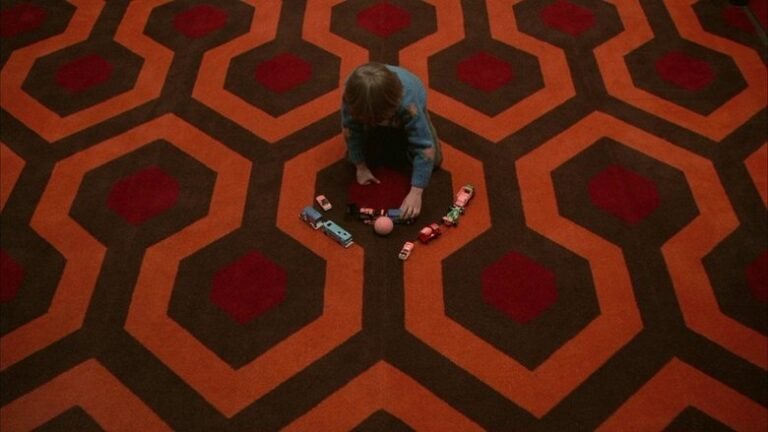
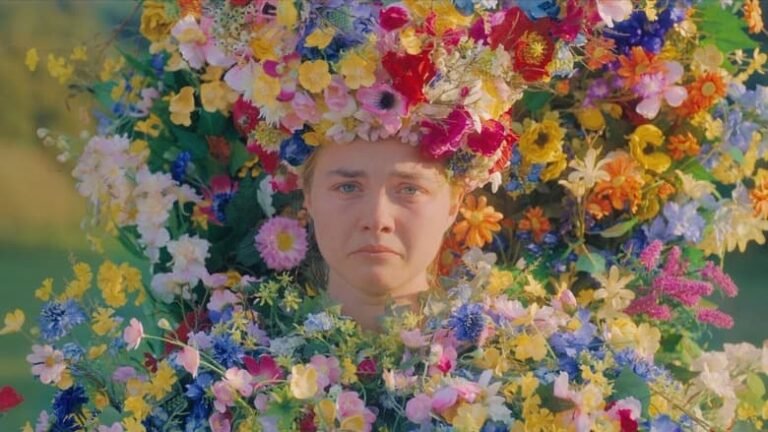
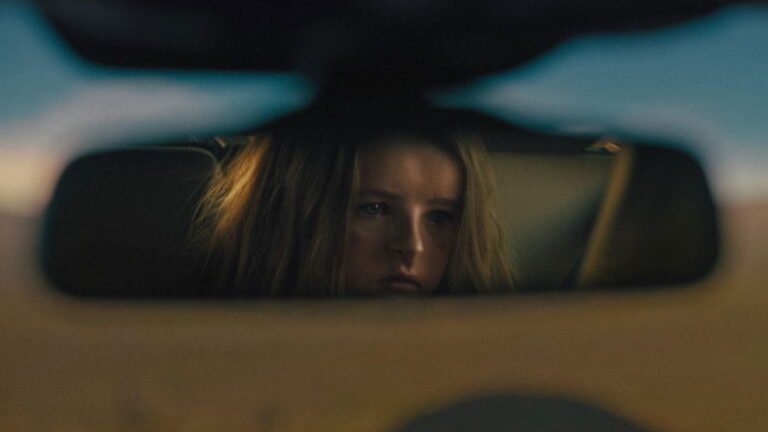
Table of Contents
- What if I actually make this film?
- Can You Pitch Your Feature Film Without Apologising?
- If Your Film Were a Single Image, What Would It Be?
- Be Honest About the Genre of Your First Feature
- Film Festivals Aren’t Validation — They’re Strategy
- Distribution Is Where First-Time Filmmakers Get Hurt
- Marketing Isn’t the Enemy of Art — It’s the Language of Survival
- The One Question That Determines Whether Your Script Is Worth Making
- Watch Blood Star