Quick Answer
The greatest monster movies include Alien, Jaws, The Thing, The Exorcist, Godzilla, King Kong, Frankenstein, The Fly, The Texas Chain Saw Massacre, Misery, The Silence of the Lambs, The Babadook, It Follows and Paranormal Activity.
The best monster movies understand that a monster does not need claws, fangs or an inhuman body. It may be an extraterrestrial organism hunting through a spaceship, a shark moving beneath the surface of the ocean or a supernatural force entering a child’s bedroom without opening the door. It may also look completely ordinary.
Annie Wilkes in Misery is introduced as a former nurse who rescues an injured writer from a car accident. She appears maternal, practical and devoted. Only gradually do we discover that she is a murderer whose idea of care includes imprisonment, mutilation and the destruction of anyone who threatens the private world she has constructed. Kathy Bates does not look like a conventional screen monster, which is precisely why Annie is so frightening. She turns kindness, nursing and domestic safety into instruments of control.
The creature in Alien works differently. H.R. Giger’s design gave cinema one of its most recognisable physical monsters: skeletal, sexual, mechanical and almost impossible to understand. It moves through the Nostromo as a perfect organism, adapting to its environment while the human crew discovers that their employer values the creature more than their lives.
Then there is the shark in Jaws. Steven Spielberg and screenwriters Peter Benchley and Carl Gottlieb took the central threat from Benchley’s novel and created a monster that changed how generations of viewers experienced the sea. The shark does not need a personality or motive. The possibility that it may be somewhere beneath the surface is enough. Once the film places that idea in the audience’s mind, an empty stretch of water can never feel entirely empty again.
These examples reveal how broad the idea of a movie monster can be. A monster may be a creature, an animal, a person, an unseen presence, an institution or even an idea that permanently changes how we experience an ordinary place.
Some monsters frighten us because their bodies are unlike anything found in nature. Others are disturbing because they look entirely familiar. They may occupy trusted roles, enter our homes or stand beside us without revealing what they are until escape is no longer possible.
The greatest monster movies do not merely show us something frightening. They alter the meaning of a body, a room, a uniform, a stretch of water or an apparently ordinary person. Long after the film ends, the monster remains attached to the place where we first encountered it.
What Are the Best Monster Movies?
The greatest monster movies include Alien, Jaws, The Thing, The Exorcist, Godzilla, King Kong, Frankenstein, The Fly, The Texas Chain Saw Massacre, Misery, The Silence of the Lambs, The Babadook, It Follows and Paranormal Activity.
Some contain unforgettable physical creatures. Others use possession, transformation, predatory animals or human cruelty to redefine what a monster can be. What connects them is their ability to change the rules of the world around their characters and make familiar spaces feel permanently unsafe.
What Makes a Great Movie Monster?
A great movie monster changes how the audience interprets its environment. After Jaws, the ocean becomes a place where something may be waiting beneath you. After Alien, every dark corridor, air vent and industrial sound suggests that the creature may already be inside the ship. After Paranormal Activity, a bedroom filmed by a static camera becomes frightening because the audience has been trained to search for the smallest movement.
The monster does not always need to be visible. It needs to affect how the characters and viewers interpret the space around them. The strongest films make us participate by watching doors, listening to silence, studying shadows or questioning whether the apparently helpful person in the room can be trusted.
A monster also becomes more powerful when it attacks something fundamental: bodily autonomy, identity, family, faith, safety or the belief that the world operates according to understandable rules. Its appearance matters, but what it represents—and what it can take away—matters more.
The Different Types of Movie Monsters
Monster movies are often treated as creature features, but the genre is much broader. The most memorable screen monsters fall into several overlapping forms.
Creature Monsters
These are the monsters audiences can see and recognise: the Xenomorph in Alien, the shape-shifting organism in The Thing, the Pale Man in Pan’s Labyrinth or Godzilla rising above a city. Their bodies violate familiar categories. They may combine human, animal, insect, mechanical or diseased forms, making them disturbing before they have done anything at all.
The best creature designs also reveal something about the films containing them. The Xenomorph is not simply frightening because it has two mouths and acid blood. Its entire life cycle is built around invasion, forced reproduction and the destruction of bodily autonomy.
Animal Monsters
The shark in Jaws, the birds in The Birds and the dog in Cujo are real animals transformed into cinematic monsters. They work because audiences already know that these creatures exist.
Animal monsters bring fear into environments that previously appeared ordinary. The sea, the sky, a river, a field or a family car becomes dangerous because the natural world no longer seems indifferent. It appears to be hunting us.
Human Monsters
Annie Wilkes in Misery, Hannibal Lecter in The Silence of the Lambs, Harry Powell in The Night of the Hunter and Leatherface in The Texas Chain Saw Massacre possess no supernatural abilities. Their monstrosity comes from what they choose to do and their ability to appear civilised, vulnerable or trustworthy.
Human monsters can be more disturbing than creatures because they cannot always be recognised on sight. They may be nurses, doctors, police officers, neighbours, partners or respectable members of a community. They understand social expectations well enough to use them as camouflage.
Supernatural and Demonic Monsters
The force in The Exorcist, the Babadook, the entity in It Follows and the presence in The Ring enter worlds governed by rules that the characters do not fully understand.
These monsters frequently attack belief itself. A person can run from an animal or attempt to kill a physical creature, but a supernatural monster may follow through dreams, memories, inherited trauma or spiritual vulnerability. Its existence means reality is less stable than the characters believed.
Unseen Monsters
Some films generate terror by refusing to give the threat a stable physical form. In Paranormal Activity, the demon is established through sounds, moving objects, footprints and changes in behaviour. In Steven Soderbergh’s Presence, the camera itself occupies the position of an unseen consciousness moving through a family home.
An unseen monster forces the audience to imagine what cannot be shown. Every part of the frame becomes potentially significant, and the absence of a visible creature prevents the viewer from reducing the danger to a single understandable body.
Institutional Monsters
Sometimes the monster is not only an individual but the authority protecting it. The company in Alien treats the crew as expendable. The town leaders in Jaws resist closing the beaches because tourism matters more than public safety. The state in The Host responds to danger with misinformation, incompetence and force.
Institutional monsters are frightening because defeating one creature or person may not solve the problem. The system has already created the conditions that allow the violence to continue.
The 40 Best Monster Movies of All Time
40. Trollhunter (2010)
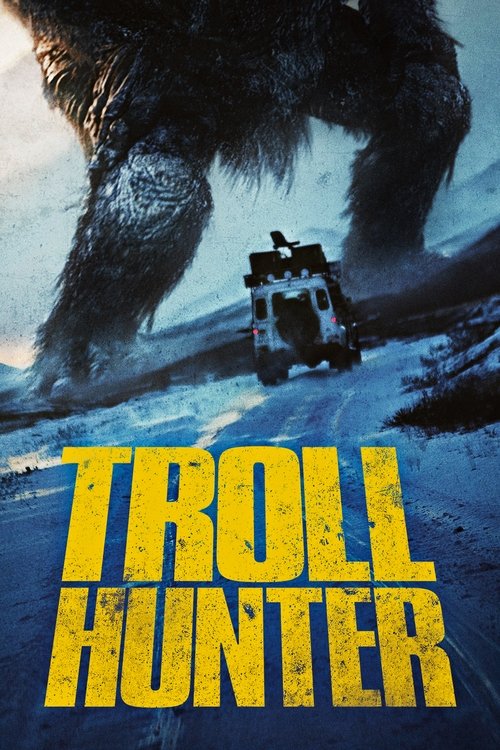
André Øvredal presents his film as recovered documentary footage recorded by students investigating a suspected bear poacher in rural Norway. They soon discover that the man is employed by the government to control enormous trolls whose existence has been concealed from the public.
The trolls are impressive physical creatures, but the film’s humour comes from treating them as a bureaucratic problem. Forms must be completed, territories monitored and official explanations prepared whenever a monster wanders too close to civilisation.
Øvredal combines folklore with procedural realism, making the creatures feel as though they have always existed beyond the edge of the road. Their scale is extraordinary, but their behaviour remains connected to old stories, landscapes and rules that modern society has chosen to dismiss.
39. The Mist (2007)
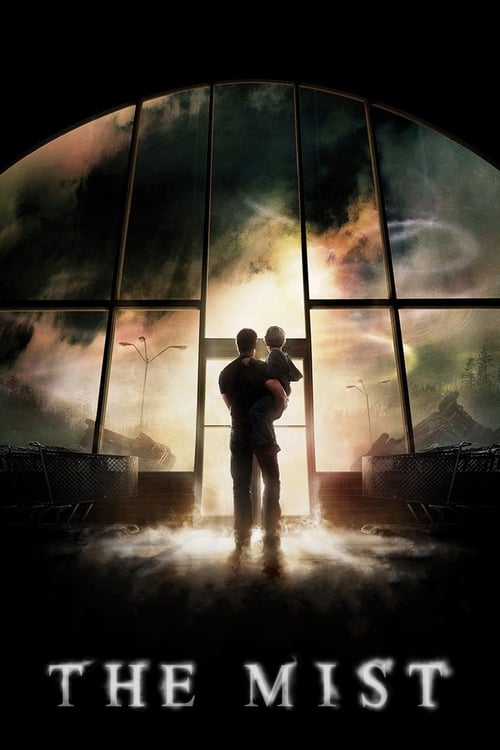
Frank Darabont traps a group of people inside a supermarket after a strange mist covers a small Maine town. Creatures move within it, but the danger outside is soon matched by the fear, religious extremism and violence developing among the survivors.
The monsters are varied and often grotesque, ranging from flying insects to enormous shapes barely visible through the fog. Their unknowability makes the mist itself the film’s most effective creature: a blank space into which the characters project terror.
Darabont understands that fear creates its own monsters. As certainty disappears, ordinary people search for explanations, leaders and sacrifices. The creatures may have entered from another dimension, but fanaticism and panic require no supernatural origin.
38. Dog Soldiers (2002)
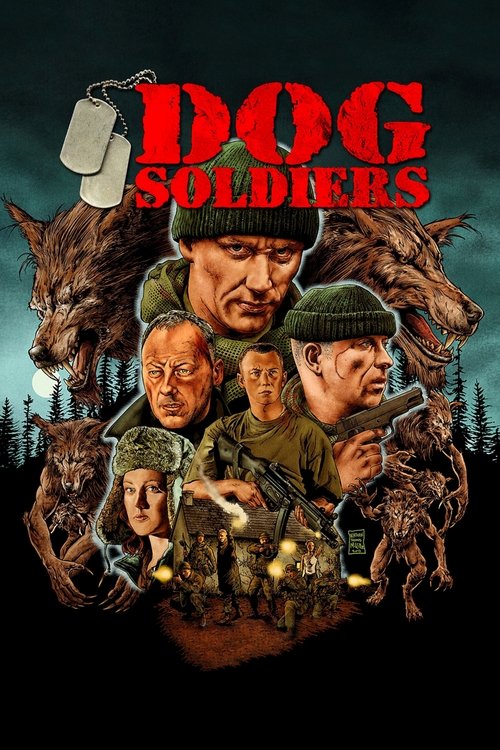
Neil Marshall strands a group of British soldiers in the Scottish Highlands, where a routine training exercise becomes a siege against werewolves. The men retreat to an isolated house and attempt to survive until daylight.
Marshall treats the werewolves as powerful physical opponents rather than romantic or tragic figures. They are fast, coordinated and able to withstand enormous punishment, forcing the soldiers to adapt military tactics to a threat they were never trained to confront.
The film succeeds because its characters remain recognisably human under pressure. Their humour, fear and loyalty give weight to the carnage, while the werewolves become more frightening with every failed attempt to contain them.
37. The Host (2006)
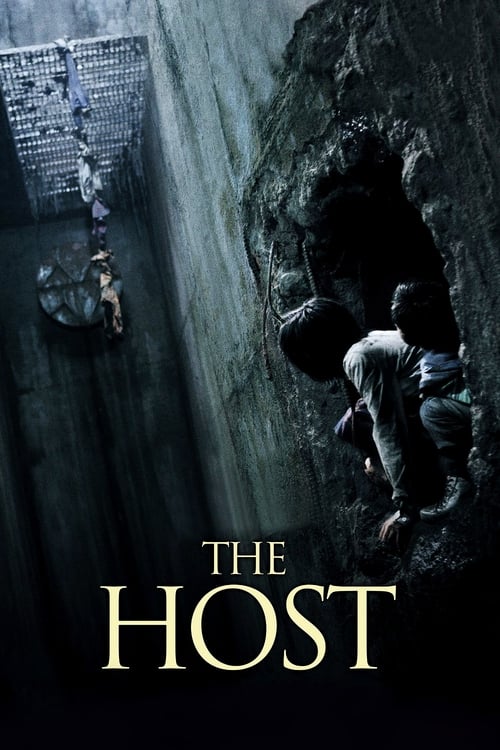
Bong Joon Ho begins with toxic chemicals being poured into Seoul’s Han River, where they eventually contribute to the emergence of a malformed amphibious creature. When it carries away a young girl, her dysfunctional family attempts to rescue her.
The monster is revealed in daylight and allowed to move through public spaces, rejecting the conventional strategy of hiding a creature for as long as possible. Bong makes it frightening through speed, weight and unpredictability rather than darkness.
The film also expands its idea of monstrosity beyond the creature. Government agencies provide contradictory information, impose unnecessary quarantines and obstruct the family’s rescue attempt. The monster may have emerged from pollution, but institutional negligence allows the disaster to grow.
36. The Invisible Man (1933)
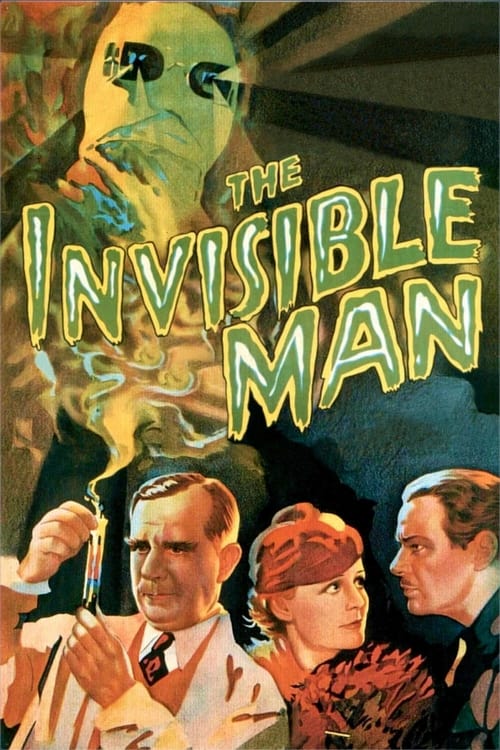
James Whale transformed H.G. Wells’s story into a mixture of science fiction, horror and black comedy. Scientist Jack Griffin discovers the secret of invisibility but becomes increasingly unstable as the effects of his experiment separate him from ordinary human restraint.
The monster is created through absence. Empty clothes move, doors open and objects fly while the person responsible remains impossible to see. Claude Rains’s voice supplies the personality that the body can no longer provide.
Whale recognises that invisibility does not merely offer concealment. It removes accountability. Griffin’s transformation becomes frightening because power without consequence allows arrogance and resentment to grow into violence.
35. The Descent (2005)
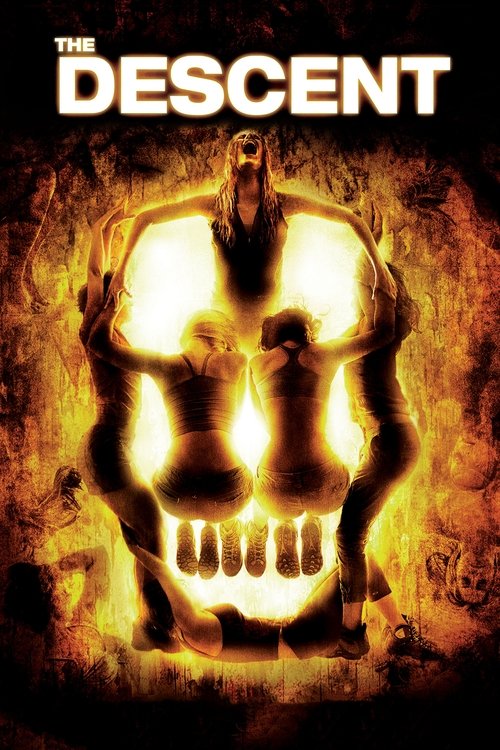
Neil Marshall sends six women into an unexplored cave system where a climbing accident and navigational error leave them trapped underground. Their struggle for escape becomes more dangerous when they discover humanoid creatures adapted to life in the darkness.
The crawlers are effective because they belong to the environment. Their pale bodies, heightened hearing and animal movement suggest a species shaped by conditions in which human beings are helpless.
Yet the caves are frightening long before the monsters appear. Claustrophobia, injury, mistrust and grief have already destabilised the group. The creatures intensify a situation in which fear and resentment were waiting to surface.
34. Cujo (1983)
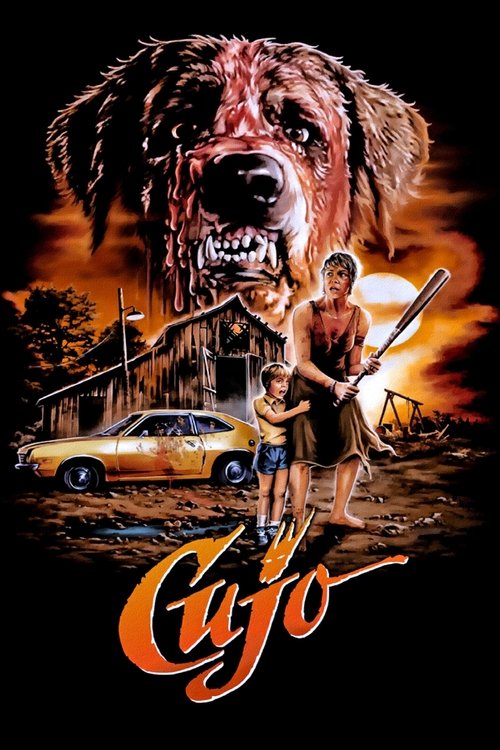
Lewis Teague turns an ordinary family dog into a terrifying monster after it is infected with rabies. A mother and her young son become trapped inside a failing car while the animal circles outside.
Cujo is frightening because he was once loved. The film does not present him as an inherently evil creature but as an animal transformed by disease into something unrecognisable.
The confined car becomes an oven, a shelter and a prison. Teague creates tension from heat, dehydration and mechanical failure while Cujo’s presence makes the small distance between the vehicle and the house feel impossible to cross.
33. The Blob (1988)

Chuck Russell remade the 1958 film as an energetic work of body horror in which a gelatinous organism consumes people and increases in size. Its lack of a fixed anatomy makes it difficult to fight and impossible to understand through ordinary ideas about predators.
The Blob does not bite, claw or stalk in a recognisably animal way. It surrounds, dissolves and absorbs, turning bodies into partially visible shapes within its mass.
Russell also gives the film an institutional monster. The organism is connected to a government experiment, while officials treat the town’s population as expendable evidence rather than people requiring protection.
32. The Blair Witch Project (1999)
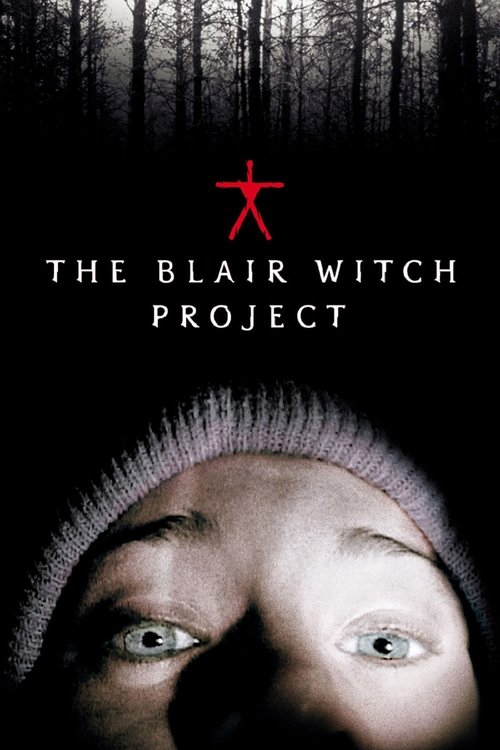
Daniel Myrick and Eduardo Sánchez follow three filmmakers who enter the Maryland woods to investigate a local legend and gradually lose their direction, equipment and confidence. The witch is never clearly shown.
That refusal is the film’s greatest strength. Strange sounds, piles of stones and crude figures establish a presence without defining what is responsible. The forest becomes the monster because every direction appears to lead back to the same place.
The ending offers no conventional explanation or confrontation. It leaves the audience with an image whose meaning is understood just enough to be terrifying, proving that a monster can dominate a film without ever entering the frame.
31. A Nightmare on Elm Street (1984)

Wes Craven created Freddy Krueger as a monster capable of entering dreams and killing his victims while they sleep. His burned face, bladed glove and striped sweater made him instantly recognisable, but his real power lies in making sleep itself unsafe.
Most monsters can be escaped temporarily. Freddy waits inside a biological necessity. The longer his victims remain awake, the more vulnerable and unstable they become, ensuring that resistance eventually delivers them back to him.
Craven also connects Freddy to the concealed violence of the parents. Their attempt to destroy him outside the law has allowed him to return through their children, turning communal secrecy into an inherited nightmare.
30. The Birds (1963)
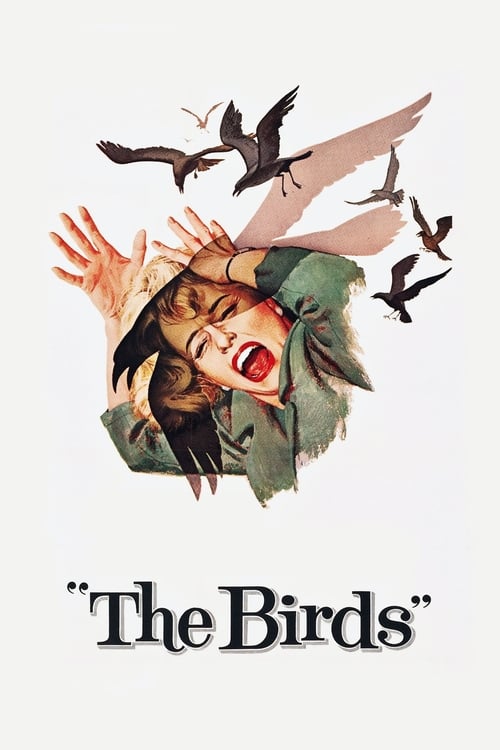
Alfred Hitchcock transforms ordinary birds into an inexplicable collective threat. The attacks begin with isolated incidents before escalating into waves of violence against the residents of Bodega Bay.
Hitchcock provides no scientific, supernatural or moral explanation. The absence of motive prevents the characters from predicting what will happen or changing their behaviour to stop it.
The film permanently alters familiar sights and sounds. Birds gathering on a playground, perching on telephone wires or circling above a town become signs of approaching violence. Nature has not simply become dangerous; it has become watchful.
29. It Follows (2014)
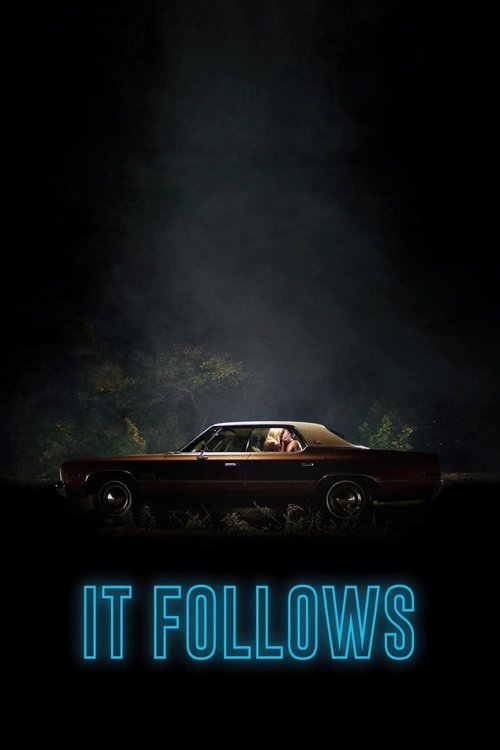
David Robert Mitchell creates a supernatural entity passed from one person to another through sex. It walks continuously towards its target and may appear in the form of any person, whether stranger, relative or friend.
The creature is frightening because it combines certainty with ambiguity. It can be identified only by the person it is pursuing, yet any distant figure may be its next disguise.
Mitchell turns open spaces into traps. Beaches, streets and school corridors provide long sightlines, but seeing the monster approach does not mean it can be stopped. Its slow pace creates the terrible knowledge that it will always arrive eventually.
28. The Night of the Hunter (1955)
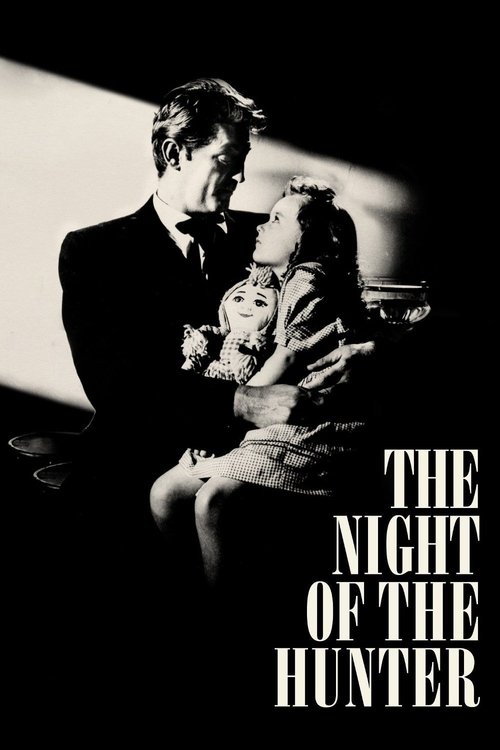
Charles Laughton directs Robert Mitchum as Harry Powell, a murderous preacher who marries a widow because he believes her children know where stolen money has been hidden. His public charm and religious language conceal a predator.
Powell becomes a human monster through contradiction. He sings hymns, quotes scripture and presents himself as a moral authority, yet treats violence as a form of divine permission.
Laughton gives him the persistence of a supernatural creature. He appears on the horizon, follows the children along the river and continues singing in the darkness, becoming less like an ordinary man than a nightmare wearing one man’s body.
27. The Ring (2002)

Gore Verbinski follows journalist Rachel Keller as she investigates a videotape said to kill anyone who watches it seven days later. The images appear disconnected, but they gradually reveal the story of Samara Morgan.
Samara works as a monster because she moves through technology. The television, an object normally associated with domestic entertainment, becomes a doorway through which the dead can enter the room.
Her appearance is also delayed until the film has established the power of her images. By the time she emerges physically from the screen, the audience already understands that recorded media can no longer be contained by the devices playing it.
26. The Babadook (2014)

Jennifer Kent introduces a sinister storybook into the home of Amelia, a widowed mother struggling to care for her distressed son. The creature grows more powerful as her exhaustion, resentment and unprocessed grief become impossible to suppress.
The Babadook does not work merely as a metaphor, but its emotional meaning gives it lasting power. It is connected to feelings Amelia cannot admit without threatening her identity as a mother.
Kent’s ending avoids the false promise that such darkness can be destroyed permanently. The monster must be recognised, contained and fed. Grief remains part of the house, but it no longer controls every room.
25. Jurassic Park (1993)
Steven Spielberg brought dinosaurs to the screen with a physical credibility that changed visual effects cinema. The creatures are not supernatural monsters, but the collapse of the park transforms them into forces the human characters cannot control.
The Tyrannosaurus rex is introduced through vibration, sound and partial glimpses before its full appearance. Spielberg understands that anticipation gives scale meaning.
The velociraptors are even more disturbing because they appear to think strategically. They open doors, test boundaries and coordinate their movements, turning scientific achievement into a predator capable of learning faster than its creators.
24. Invasion of the Body Snatchers (1978)
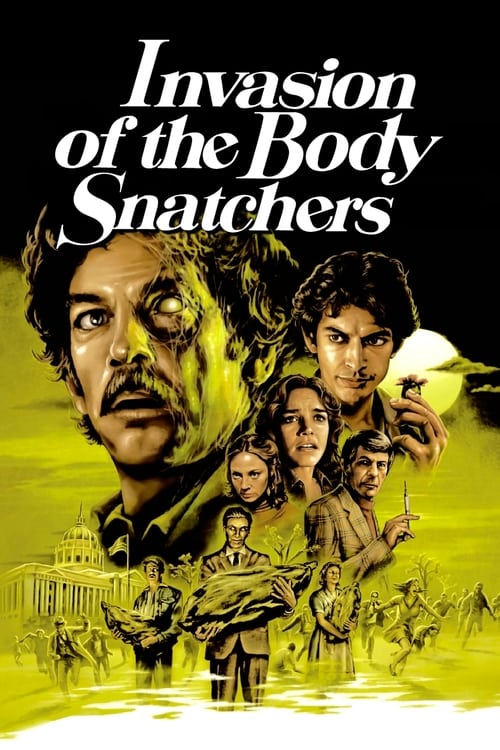
Philip Kaufman relocates the story of alien replacement to San Francisco, where human beings are duplicated while they sleep. The copies retain memories and appearances but lack the emotional qualities that made the original people recognisably human.
The monster is conformity itself. Friends, colleagues and partners may look unchanged while becoming part of an expanding collective that regards individuality as a disease.
Kaufman uses urban crowds to intensify paranoia. Every background figure may already have been replaced, and the famous pointing scream reveals how quickly a person can move from apparent ally to agent of the new order.
23. An American Werewolf in London (1981)
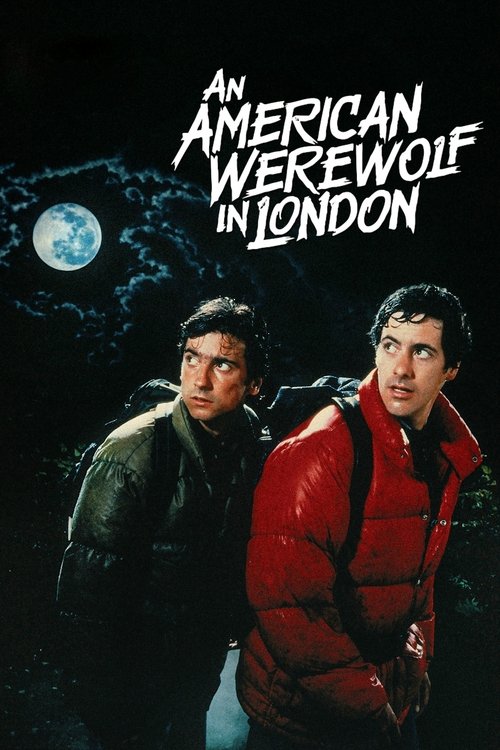
John Landis combines horror, comedy and tragedy in the story of an American tourist bitten by a werewolf while travelling through rural England. His dead friend repeatedly appears to warn him that he will transform and kill.
Rick Baker’s transformation remains one of cinema’s defining practical-effects sequences because it treats metamorphosis as prolonged physical trauma. Bones shift, limbs stretch and the human body becomes something it was never designed to contain.
The monster is frightening not only because it kills but because it returns cyclically. David remains aware of what he may become yet cannot prevent the transformation, making the werewolf an expression of bodily betrayal.
22. The Wicker Man (1973)
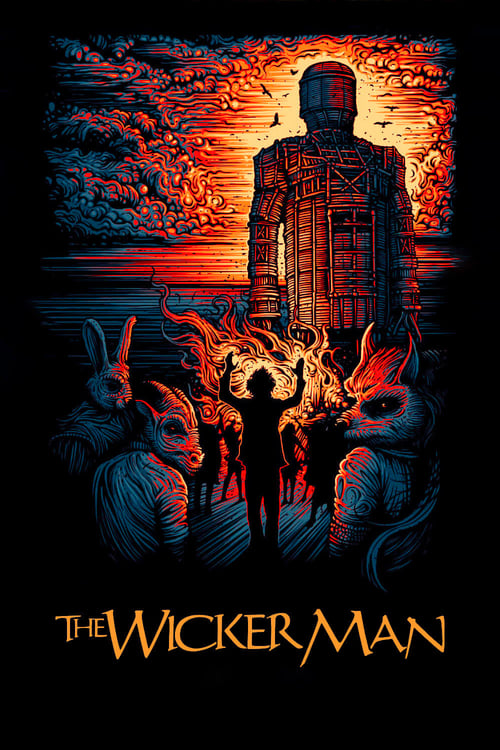
Robin Hardy sends devout police officer Neil Howie to a remote Scottish island to investigate the disappearance of a child. The islanders appear eccentric but welcoming, while their rituals conflict with everything he believes.
The film’s monster is collective conviction. No single resident needs to behave like a conventional villain because the entire community has accepted the same sacrificial logic.
Howie’s authority, faith and certainty gradually become part of the trap. The islanders understand him well enough to predict every decision he will make, turning his moral determination into the mechanism that leads him towards the final ritual.
21. Godzilla (1954)
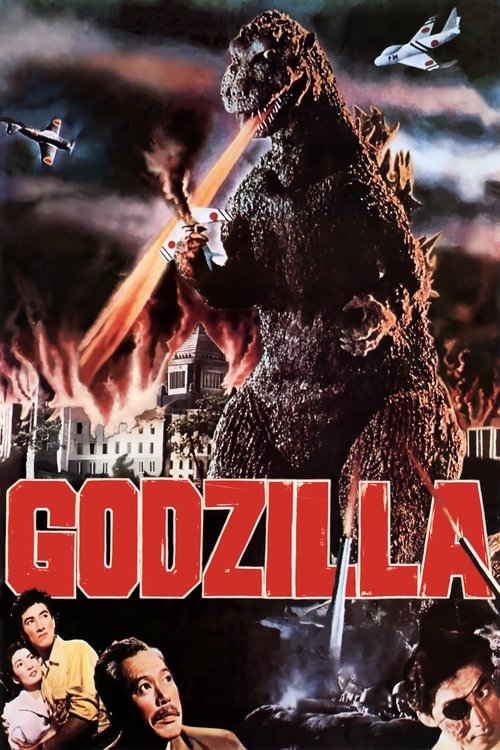
Ishirō Honda created Godzilla as more than a giant creature destroying a city. Emerging less than a decade after the atomic bombings of Hiroshima and Nagasaki, the monster embodies nuclear destruction and humanity’s inability to control the forces it has released.
Godzilla’s scale is essential, but the film repeatedly returns to human suffering. Hospitals fill with injured children, cities burn and survivors confront devastation that cannot be treated as spectacle alone.
The monster became an international icon because it could evolve with history. Godzilla has been villain, warning, victim, protector and symbol, but the original remains powerful because destruction carries emotional and political weight.
20. The Fly (1986)
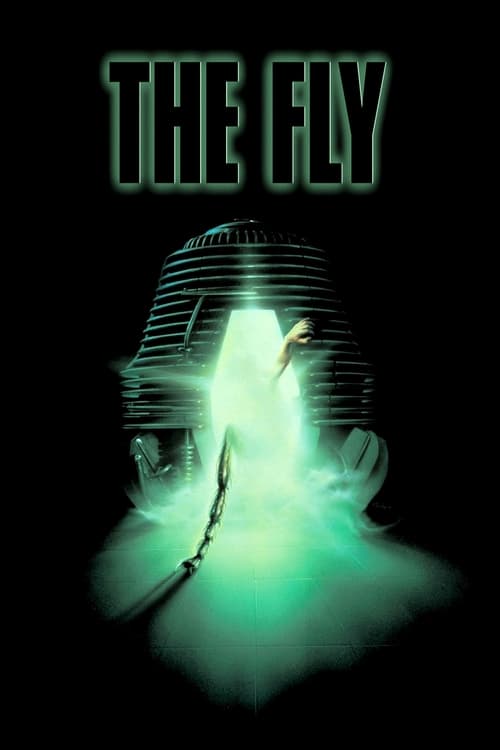
David Cronenberg follows scientist Seth Brundle after an experiment accidentally combines his genetic material with that of a housefly. His transformation begins with apparent physical improvement before developing into decay, mutation and loss of identity.
The monster emerges gradually from within the protagonist. Seth remains intelligent and emotionally recognisable while understanding that another organism is replacing him.
Cronenberg makes the process horrifying because it resembles illness, ageing and bodily failure. The final creature is grotesque, but the tragedy lies in watching a person remain conscious as his body becomes something he can no longer inhabit.
19. Pan’s Labyrinth (2006)
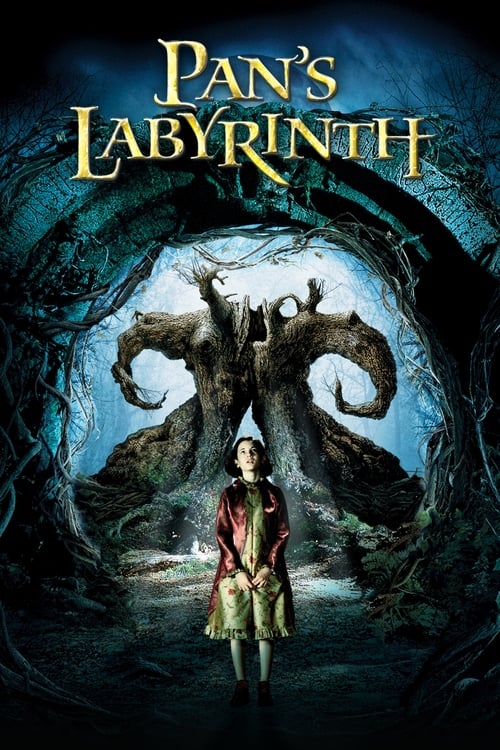
Guillermo del Toro places a young girl within the violence of Francoist Spain while surrounding her with a mysterious fantasy world. Its creatures include the faun, a giant toad and the Pale Man.
The Pale Man is one of modern cinema’s most memorable monsters because of his unnatural body, eyes held in his palms and appetite for children. Yet he is also part of a broader story about power, obedience and institutional cruelty.
Captain Vidal is the film’s true human monster. His uniform, discipline and concern with legacy conceal a sadist who regards other lives as material to be controlled. Del Toro places fantasy monsters beside political ones and asks which should frighten us more.
18. King Kong (1933)
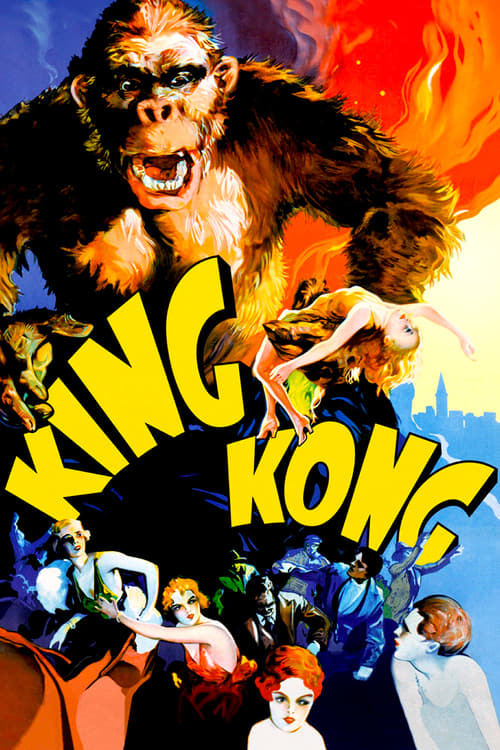
Merian C. Cooper and Ernest B. Schoedsack created one of cinema’s foundational giant monsters in Kong, the enormous ape removed from his island and displayed in New York.
Kong is physically terrifying, but the film also makes him a victim of human exploitation. He does not seek out civilisation; civilisation captures, transports and exhibits him.
His final climb transforms spectacle into tragedy. The monster’s death reveals that the humans who called him savage were responsible for placing him in the environment where destruction became inevitable.
17. The Silence of the Lambs (1991)
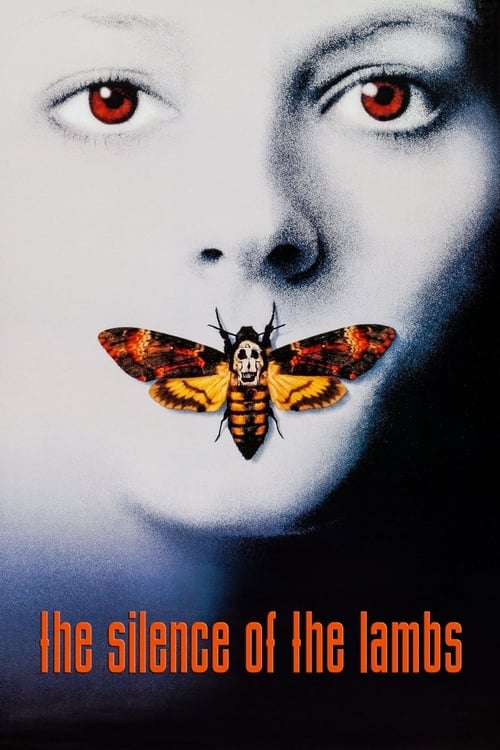
Jonathan Demme places FBI trainee Clarice Starling between two human monsters. She seeks insight from imprisoned psychiatrist Hannibal Lecter while attempting to find Buffalo Bill before he kills another abducted woman.
Lecter is frightening because he combines extreme violence with intelligence, manners and attention. He studies Clarice, recognises emotional details others miss and turns every conversation into an exchange in which information must be paid for.
Buffalo Bill works differently. His basement becomes a private universe in which other people exist only as material for transformation. Demme shows that human monsters need not resemble one another; monstrosity can be cultivated through refinement or concealed inside isolation.
16. The Creature from the Black Lagoon (1954)

Jack Arnold sends a scientific expedition into the Amazon, where the group encounters an amphibious humanoid living in a remote lagoon.
The Gill-man became iconic through a design that combined human recognisability with aquatic anatomy. Its movement underwater gives the creature grace, while its actions on land appear heavier and more threatening.
The film also establishes a pattern repeated throughout monster cinema: explorers enter an isolated environment, claim scientific authority and then treat the creature defending its territory as the invader.
15. Misery (1990)
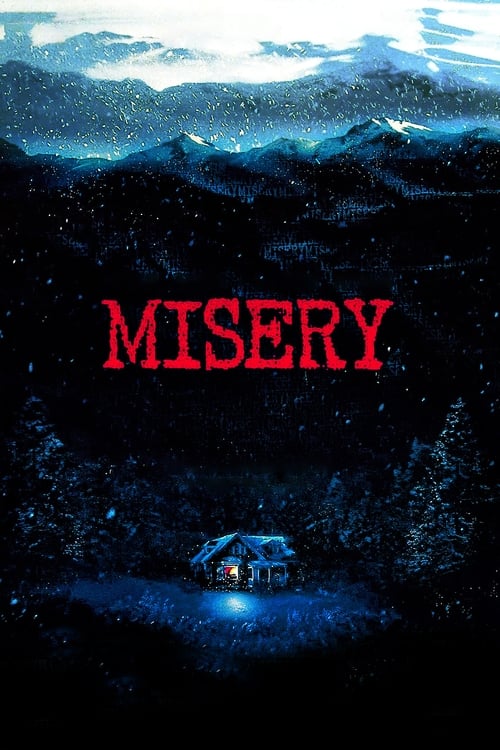
Rob Reiner traps novelist Paul Sheldon inside the remote home of Annie Wilkes, the former nurse who rescues him after a car accident. His gratitude turns to fear when he discovers that she has hidden his survival from the outside world.
Kathy Bates makes Annie terrifying through volatility. Warmth, enthusiasm and wounded vulnerability can transform into punishment without warning, leaving Paul unable to predict which version of her will enter the room.
Annie is also frightening because she sees herself as a caregiver. Her violence is absorbed into a fantasy of devotion in which imprisonment becomes protection and mutilation becomes necessary discipline. She does not believe she is the monster, and the isolated house gives her complete control over the story.
14. The Texas Chain Saw Massacre (1974)
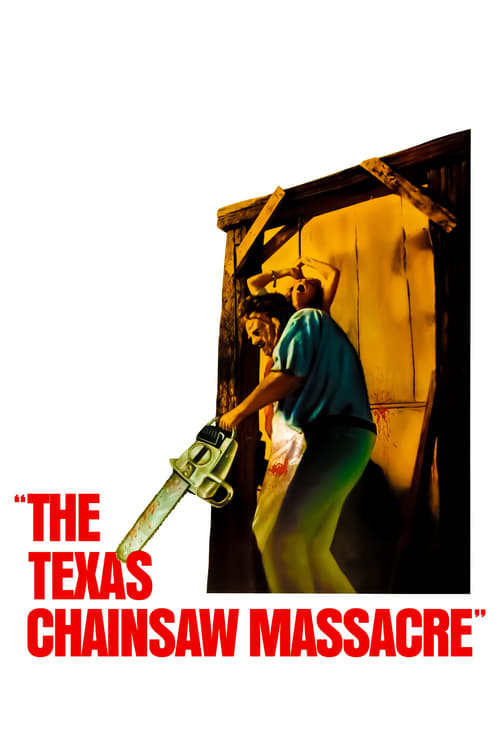
Tobe Hooper follows a group of young travellers who stumble upon a family of killers in rural Texas. Leatherface emerges wearing a mask made from human skin and wielding a chainsaw.
Leatherface is physically imposing, but Hooper presents him as part of a household rather than a solitary supernatural force. He kills because violence has become domestic labour within the family.
The house is the film’s greater monster. Human remains have been turned into furniture, meals become rituals and the boundaries between home, slaughterhouse and graveyard disappear. The characters have entered a private social order in which murder is ordinary.
13. The Thing from Another World (1951)
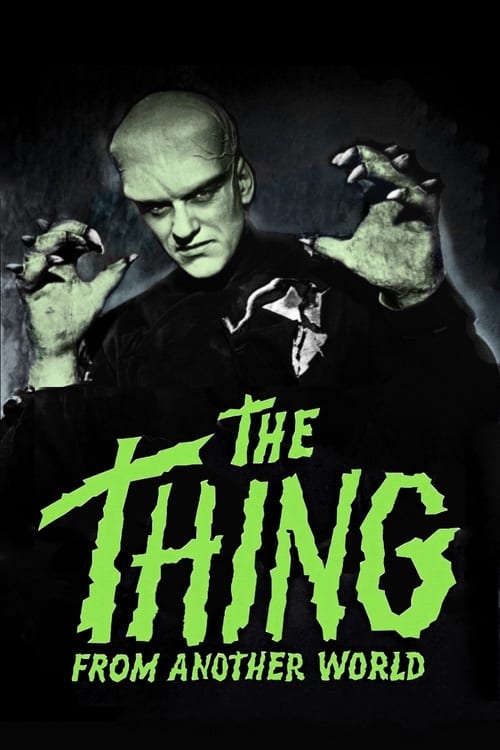
Christian Nyby, working closely with producer Howard Hawks, places scientists and military personnel at an Arctic research station after they recover an alien body from the ice.
The creature is more humanoid and less mutable than the organism in John Carpenter’s later adaptation, but the film establishes many of the story’s enduring tensions: scientific curiosity, military caution and the danger of an organism capable of surviving in extreme conditions.
Its confined location remains central. The cold environment limits escape while creating the fear that the monster may reach civilisation if the group fails to contain it.
12. Nosferatu (1922)
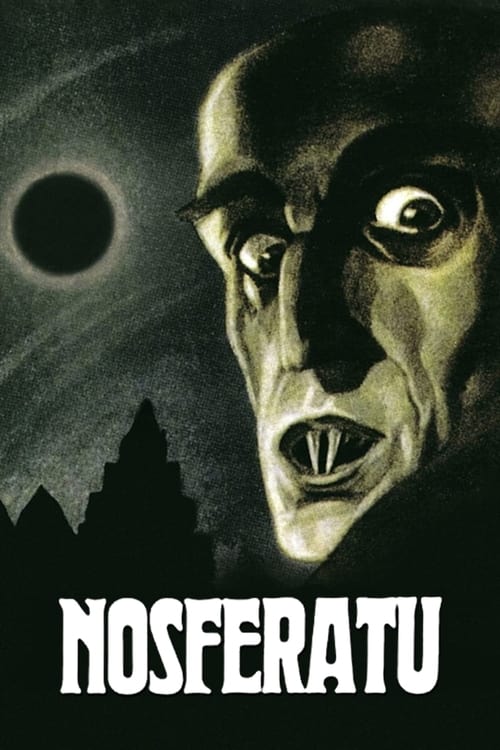
F.W. Murnau transformed Bram Stoker’s Dracula into Count Orlok, a skeletal vampire whose elongated fingers, bald head and rigid movement remain deeply unsettling.
Orlok does not possess the aristocratic charisma later associated with Dracula. He resembles disease given human form, arriving with rats and bringing death into the town.
Murnau’s use of shadow makes the monster larger than his body. Orlok’s silhouette climbs stairs and stretches across walls, demonstrating how cinema can detach a monster from physical space and allow darkness itself to become predatory.
11. Frankenstein (1931)
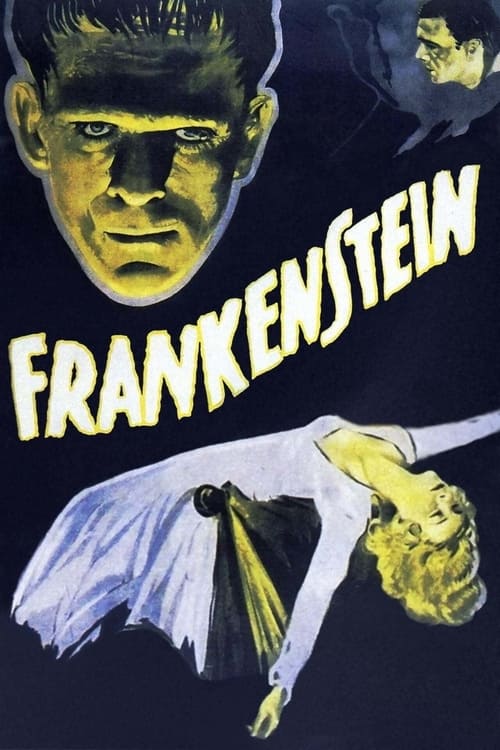
James Whale gave Boris Karloff’s creature an image that became inseparable from Mary Shelley’s story. The flat head, heavy boots, neck bolts and wounded expression created a monster recognisable even to people who have never seen the film.
Yet the creature’s power comes from sympathy. He has been assembled, animated and abandoned without the emotional or social understanding required to survive among people who fear him.
The true monstrosity lies partly with those who create life for ambition and then refuse responsibility for it. Karloff’s performance makes the creature frightening, childlike and tragic, ensuring that his violence never erases the knowledge that he was made this way.
10. The Shining (1980)
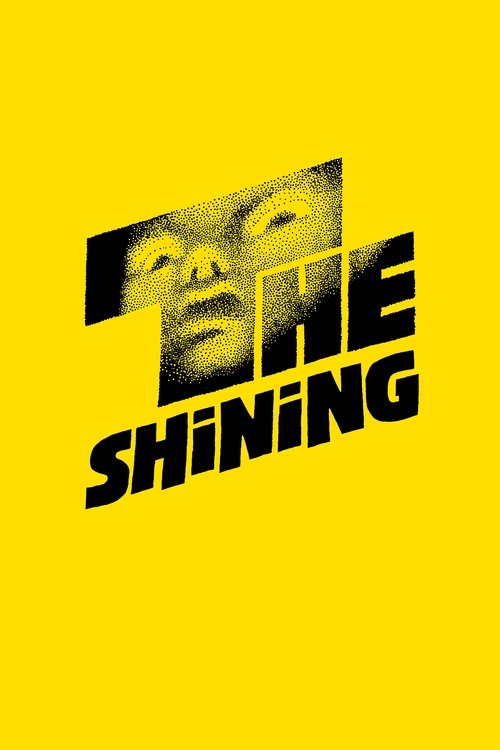
Stanley Kubrick places the Torrance family inside the Overlook Hotel, where isolation, resentment and supernatural influence accelerate Jack’s descent into violence.
The hotel functions as a monster without a single body. Its corridors appear geographically impossible, its history repeats through new occupants and its rooms contain different forms of temptation and terror.
Jack also becomes a human monster whose violence cannot be blamed entirely on possession. His alcoholism, anger and history of abuse exist before he enters the Overlook. The hotel does not create his cruelty so much as recognise, encourage and absorb it.
9. The Exorcist (1973)
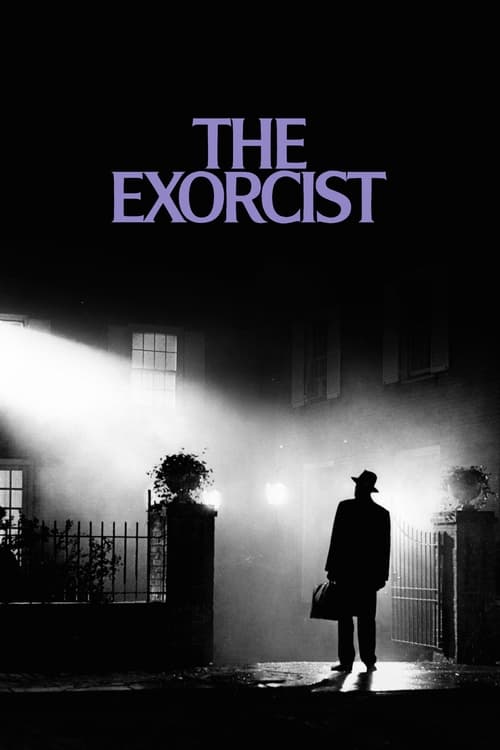
William Friedkin created one of cinema’s most effective monsters without giving it a conventional independent body. The demon exists through Regan, transforming an ordinary child into the location of the horror.
That choice attacks several assumptions at once. A child should be protected, the home should be safe and a mother should be able to recognise and reach her own daughter. Possession violates all three. Regan remains physically present, but something else speaks through her face and voice.
The monster also studies emotional weakness. It uses grief, guilt and memory against Father Karras, suggesting that possession is not only control of a body but an assault upon everyone who enters the room.
8. The Babadook (2014)
Jennifer Kent created a monster capable of functioning simultaneously as a storybook figure, invading presence and expression of unprocessed grief. Its hat, coat and elongated fingers give it a recognisable silhouette, but its power comes from emotional repression.
Amelia’s refusal to acknowledge resentment and despair allows the creature to grow. The more she insists that it is absent, the more completely it occupies the home.
The Babadook remains memorable because it cannot be defeated through denial or violence. It becomes part of the family’s life, contained rather than erased, turning the monster into something that must be lived with responsibly.
7. Psycho (1960)
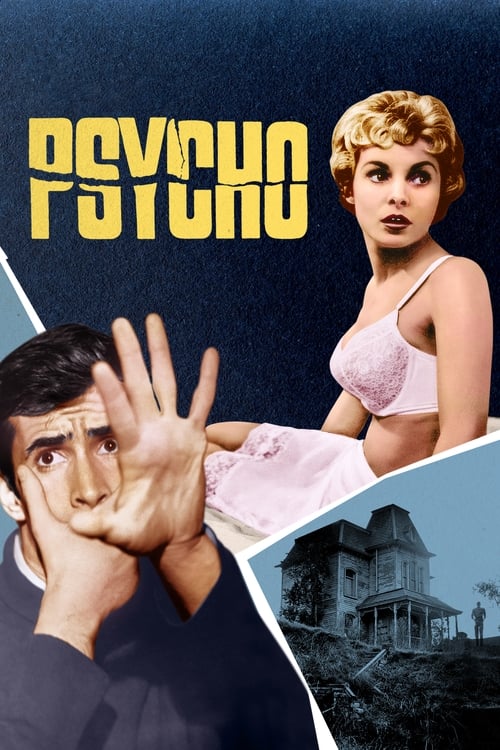
Alfred Hitchcock begins with Marion Crane’s theft before transferring the story to Norman Bates and the isolated motel he runs beneath his mother’s house.
Norman is frightening because he appears awkward, gentle and trapped. His vulnerability encourages sympathy even as the audience begins to understand that danger is inseparable from him.
The Bates house, the motel and the preserved identity of Mother combine into a single monstrous system. Violence emerges from repression, surveillance and a personality divided so completely that the killer can hide even from himself.
6. Paranormal Activity (2007)
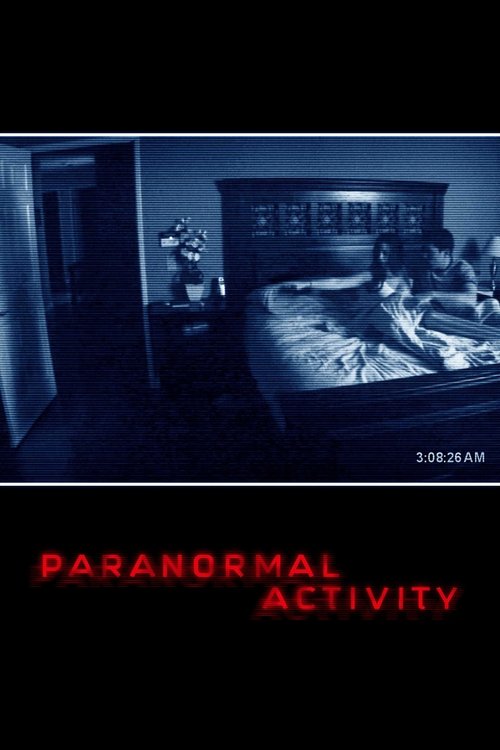
Oren Peli places a static camera inside the bedroom of a couple attempting to document unexplained events in their home. The demon is rarely visible, but its presence becomes increasingly undeniable.
The film teaches the audience how to watch. Long periods of apparent stillness make a moving door, shifting sheet or distant sound feel significant. The bedroom becomes frightening because we are forced to study it more carefully than the people sleeping inside it.
Peli understands that visibility can reduce fear. By withholding the creature, he allows every shadow and sound to become part of its possible body. The monster occupies the entire frame precisely because it cannot be located within it.
5. The Thing (1982)
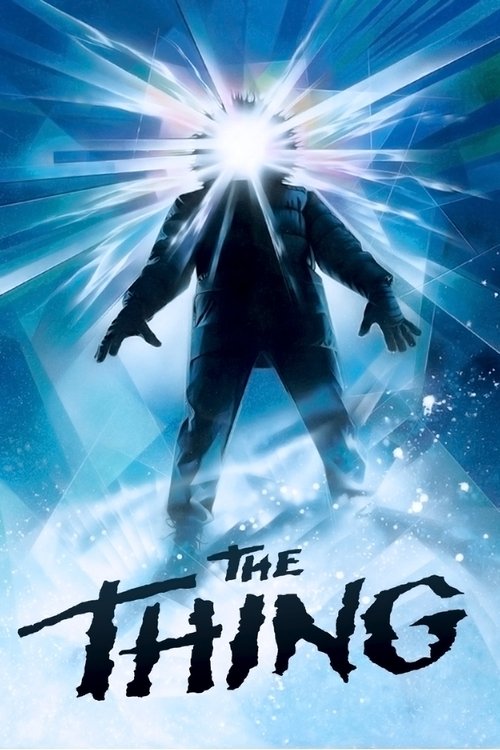
John Carpenter strands a group of researchers at an Antarctic station with an alien organism capable of absorbing and imitating other life forms.
Rob Bottin’s effects create some of cinema’s most extraordinary physical monsters, but the creature’s greatest weapon is perfect imitation. It may look, speak and behave like someone familiar while concealing an entirely different organism.
The Thing destroys trust before it destroys bodies. Every act of cooperation becomes dangerous because no one can prove they remain human. The isolated station becomes a psychological battlefield in which survival may require killing an innocent person before they have time to defend themselves.
4. Godzilla (1954)
Ishirō Honda created a giant monster whose destruction could not be separated from nuclear history. Godzilla rises from the sea after atomic testing and brings devastation to Tokyo.
The creature’s power lies not only in scale but in consequence. Buildings collapse, families are separated and hospitals fill with victims. Honda refuses to treat destruction as uncomplicated spectacle.
Godzilla remains one of cinema’s greatest monsters because the character can hold several meanings at once. He is prehistoric animal, nuclear victim, weapon, warning and embodiment of destruction created by human arrogance.
3. Jaws (1975)
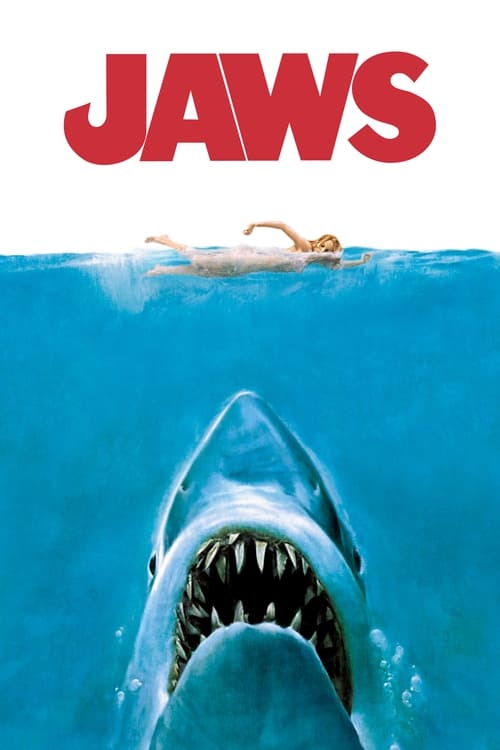
Steven Spielberg transformed Peter Benchley’s novel into the defining animal-monster film. A great white shark begins attacking swimmers near the resort town of Amity, but officials resist closing the beaches because the local economy depends upon summer visitors.
The shark is frightening because Spielberg delays showing it. John Williams’s music, underwater perspective and the reactions of victims establish the monster before its body becomes visible.
More importantly, the film changes the meaning of water. A person swimming alone, a dark shape below the surface or a beach crowded with children becomes potentially terrifying. The shark does not remain inside the film; it follows the audience back into the sea.
2. Alien (1979)
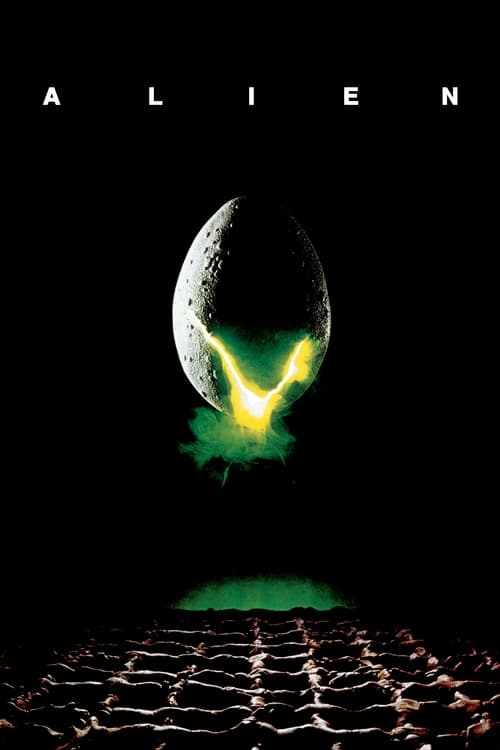
Ridley Scott places the crew of the commercial spacecraft Nostromo against an organism brought aboard after an apparently routine investigation of a distress signal.
H.R. Giger’s design remains one of cinema’s most effective because it combines biological and mechanical forms without resembling any stable category of life. The creature is elegant, sexual, skeletal and violently reproductive.
Its life cycle makes the human body into an environment it can invade and exploit. The facehugger, chestburster and adult Xenomorph each represent different stages of lost bodily autonomy.
The company’s willingness to sacrifice the crew creates another monster behind the creature. The Xenomorph kills according to instinct; the institution chooses to protect it because profit outweighs human life.
1. The Exorcist (1973)
William Friedkin created the definitive monster film by placing an unknowable demonic intelligence inside the body of a child and grounding the impossible within recognisable domestic, medical and religious reality.
The film delays the supernatural explanation. Chris MacNeil takes Regan through doctors, neurological examinations and painful medical procedures before an exorcism is considered. Medicine is not mocked or dismissed; it is allowed to exhaust every available explanation.
That realism makes the monster more powerful. It has entered a modern home occupied by intelligent people who seek rational help, yet no institution can reach the child. Medicine cannot explain her condition, psychiatric treatment cannot stop it and parental love cannot persuade her to return.
The demon also understands the people attempting to defeat it. It recognises Karras’s guilt over his mother, imitates voices and transforms private grief into a weapon. Its obscenity is purposeful, taking everything associated with childhood, motherhood, faith and bodily dignity and turning it into humiliation.
Most frighteningly, its objective is not entirely clear. It appears capable of killing Regan but prolongs the possession, drawing priests and family members into the room. Its interest seems to lie in despair: persuading people that love, reason and faith are all powerless.
That makes the monster larger than a single demonic personality. It becomes the possibility that suffering has no meaning and that nothing is listening.
Why the Monster in The Exorcist Works So Well
The demon in The Exorcist works because it does not enter the film as an independent creature that can be observed from a safe distance. It takes control of Regan, forcing her mother and the audience to continue seeing the child within the monster.
This produces a particular kind of helplessness. Chris cannot attack the thing possessing her daughter without risking Regan’s life, and she cannot reach Regan emotionally because the demon controls her voice, body and behaviour.
The film also creates credibility by moving through medical explanations before accepting possession. Regan is subjected to tests, scans and psychiatric evaluation, making the supernatural interpretation feel like the terrifying final possibility rather than the story’s starting assumption.
The demon’s intelligence makes it more than a force. It studies the emotional wounds of the people around it and uses those wounds strategically. It understands that Karras’s faith is already damaged and that grief over his mother will be more effective than physical violence alone.
Its real weapon is despair. The demon wants those surrounding Regan to believe that care, knowledge, faith and love are inadequate. The exorcism becomes a battle not only for a child’s body but for the possibility that human sacrifice and compassion still have meaning.
Why Unseen Monsters Can Be More Frightening
Showing a monster gives the audience information. We learn its size, movement, abilities and limitations. Even the greatest creature design eventually becomes something that can be studied.
An unseen monster resists that process. In Paranormal Activity, viewers watch long, apparently uneventful recordings of a bedroom because the film has made stillness suspicious. A door moving by itself or a shadow crossing the floor becomes terrifying because it implies a presence without defining it.
In The Blair Witch Project, the absence of a visible monster allows the forest itself to become hostile. Sounds arrive without identifiable sources, paths lead nowhere and handmade figures suggest that the characters are being observed by something that understands the landscape better than they do.
Steven Soderbergh’s Presence takes the idea further by placing the audience inside the unseen presence’s point of view. The camera does not merely observe the haunting; it occupies the consciousness moving through the house. The result complicates the idea of the monster because watching, protection and intrusion begin to overlap.
The absence of an image allows each viewer to imagine something different. The monster occupies the space between what the film shows and what the audience fears may be there.
Why Human Monsters Are So Disturbing
Creature monsters violate nature. Human monsters violate trust.
Annie Wilkes is frightening because Paul Sheldon initially depends upon her. She controls his medication, food, movement and access to the outside world. The person performing the role of caregiver is also the person causing the harm.
Harry Powell in The Night of the Hunter uses religion in a similar way. His public identity tells communities that he should be trusted, while his apparent morality allows him to move close to vulnerable people without exposing his intentions.
Human monsters frequently occupy roles associated with protection, care, authority or respectability. They understand the expectations attached to those roles and use them to delay recognition of the danger.
Their monstrosity is often revealed incrementally. A strange comment, an unnecessary restriction or a minor abuse of authority appears before the full violence becomes visible. By the time the victim understands what kind of person they are dealing with, the monster may already control the room, house, road or public narrative.
Their greatest advantage is that they can appear reasonable to everyone else.
For a closer look at how uncertainty, repression and psychological breakdown create terror, explore our guide to the best psychological horror movies.
Why Animal Monsters Stay With Us
Animal monsters work because the audience knows that the creature exists outside fiction. A shark, dog, bird or crocodile may not behave exactly as it does in the film, but it belongs to the same physical world as the viewer.
The strongest animal-monster films attach fear to an environment. Jaws transforms open water, The Birds transforms the sky and Cujo transforms the familiar presence of a family pet.
These films rarely need complicated motives. The animal may be hungry, diseased, territorial or simply acting according to instincts human beings cannot negotiate with.
That absence of malice can make the monster more frightening. It cannot be persuaded to feel guilt, abandon revenge or recognise innocence. Survival depends upon escaping something that does not understand why its victims believe they should be spared.
The 10 Best Modern Monster Movies Since 2017
Modern monster movies have moved far beyond the assumption that the threat must be a giant creature or supernatural being. Contemporary filmmakers continue to create extraordinary physical monsters, but they have also found monstrosity in ageing, technology, grief, abusive relationships, political authority and the human desire to control other people.
What connects these films is not the appearance of their monsters but their effect. Each threat changes the rules governing the protagonist’s world, turning familiar bodies, homes, roads and relationships into places of danger.
10. No One Will Save You (2023)
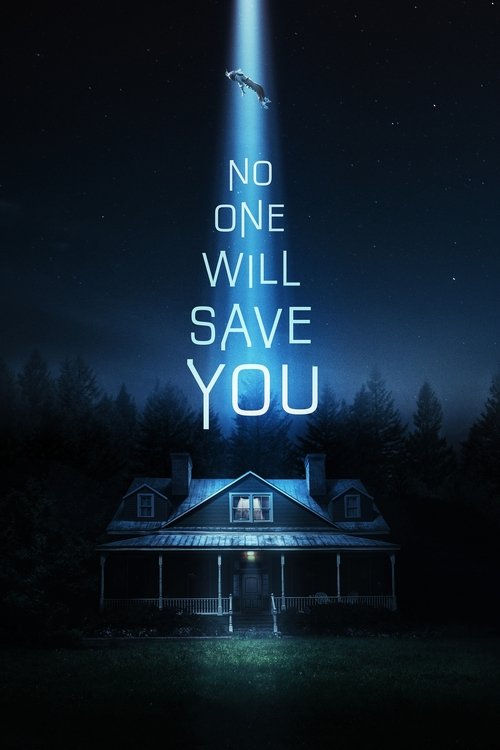
Brian Duffield follows Brynn, an isolated young woman whose home is invaded by extraterrestrial creatures. The film uses very little dialogue, forcing its protagonist to respond physically while the audience learns about her past through behaviour, objects and fragments of memory.
The aliens are clearly visible, but their motives and abilities remain unstable. They can enter bodies, alter perception and reproduce people’s deepest emotional needs, making the invasion as psychological as it is physical.
Duffield also uses the monsters to expose Brynn’s isolation. She is already estranged from her community before the invasion begins, leaving her without the social protection most characters would seek when the impossible enters their home.
9. Smile (2022)
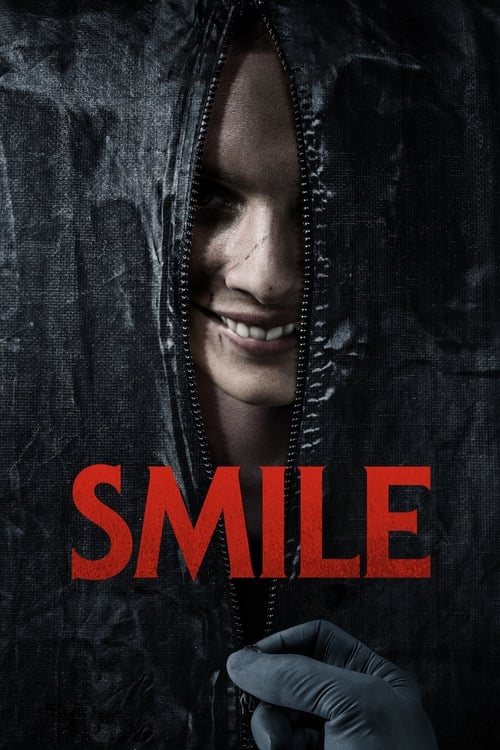
Parker Finn creates an entity that passes from one traumatised person to another, appearing through the faces of ordinary people wearing fixed, unnatural smiles.
The monster’s most effective feature is its ability to imitate friends, patients and family members. It removes the protagonist’s ability to recognise safety because any familiar face may suddenly become part of the threat.
The smile turns a sign of warmth and reassurance into evidence of danger. Once the film establishes that image, any smiling person can suggest that the entity has entered the room.
8. Barbarian (2022)
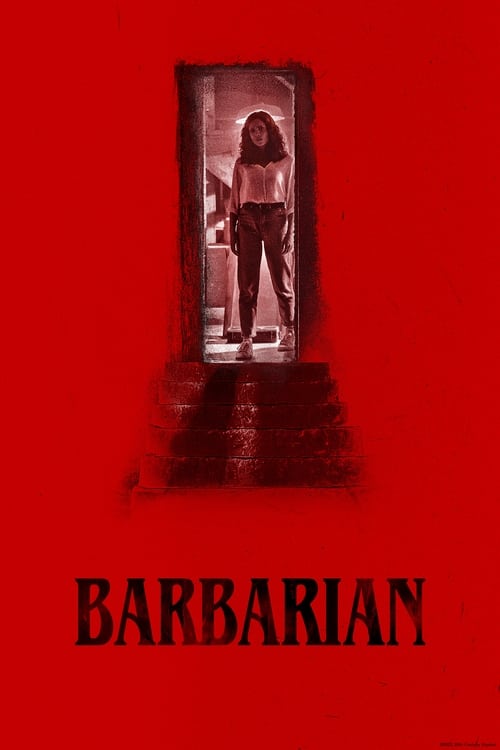
Zach Cregger begins with the familiar fear of arriving at a rental property and discovering that a stranger is already inside. The film repeatedly changes the identity and location of its apparent monster, leading the audience deeper beneath an ordinary residential neighbourhood.
Its physical creature is frightening, but the larger monstrosity involves exploitation, entitlement and violence hidden behind domestic walls. The most visible monster is not necessarily the person who created the horror.
Cregger uses the house as an archaeological site of abuse. Each newly discovered space reveals that the danger existed long before the present occupants arrived and that the neighbourhood’s respectable surface has concealed it.
7. Blood Star (2024)
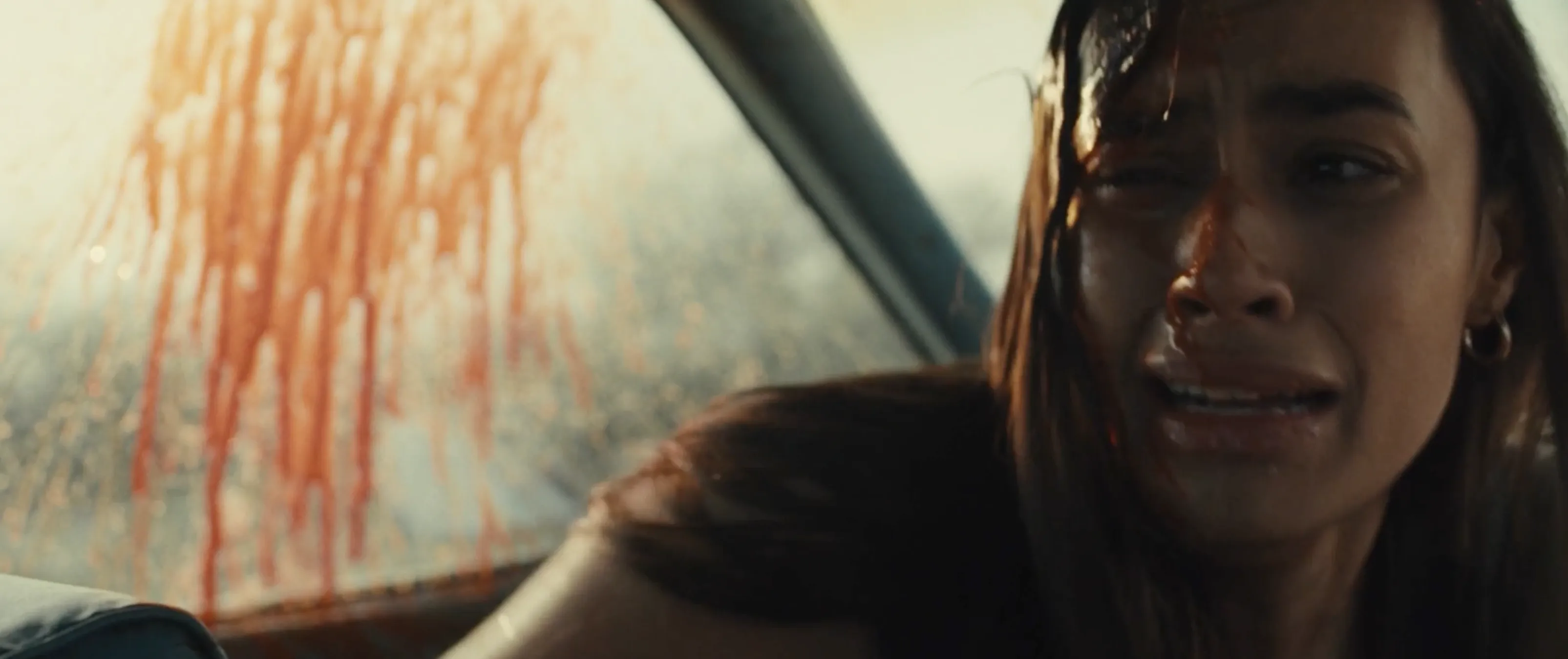
Lawrence Jacomelli hides his monster inside the uniform of a small-town sheriff. Bobbi initially encounters a figure whose badge should signify protection, but the sheriff uses that expectation to isolate her and draw her into a private game whose rules he believes he controls.
Unlike the Xenomorph in Alien or the shark in Jaws, the sheriff possesses no extraordinary physical abilities. His power comes from his position, his familiarity with the desert and the assumption that his account will carry more authority than that of the woman he has targeted.
The uniform is therefore more than camouflage. It gives the monster institutional protection. Bobbi cannot simply find a police officer because the police officer is the threat, and the isolated landscape offers no reliable witness capable of challenging his version of events.
The sheriff also behaves like a classic movie monster by changing the meaning of the environment around him. A roadside stop, a police vehicle and an apparently routine encounter become sources of danger. The desert is open in every direction, yet his control of the road makes it function like a locked room.
His monstrosity becomes fully visible through his need to author Bobbi’s fate. He does not merely want to kill her; he wants her to participate in the scenario he has constructed and confirm his belief that every victim will eventually submit.
Bobbi defeats him by refusing the role he has written for her and turning his confidence in the ending against him.
He does not merely want to kill her; he wants her to participate in the scenario he has constructed and confirm his belief that every victim will eventually submit.
Watch Blood Star and discover where the film is available.
Discover how Blood Star was made.
6. A Quiet Place (2018)
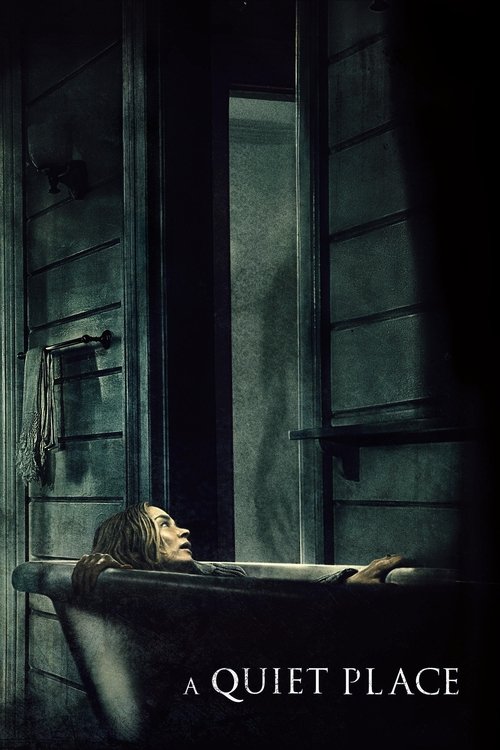
John Krasinski creates creatures that hunt through sound, forcing a family to organise every part of its life around silence. The monsters are physically formidable, but the film’s strongest idea is environmental: a dropped object, a spoken word or a child’s cry can become fatal.
Their presence rewrites ordinary family behaviour. Communication, childbirth, play and grief must all occur inside rules created by predators that are always listening.
The creatures work because they turn human expression into danger. The family cannot speak freely, cry out in pain or provide ordinary reassurance without risking death.
5. The Invisible Man (2020)
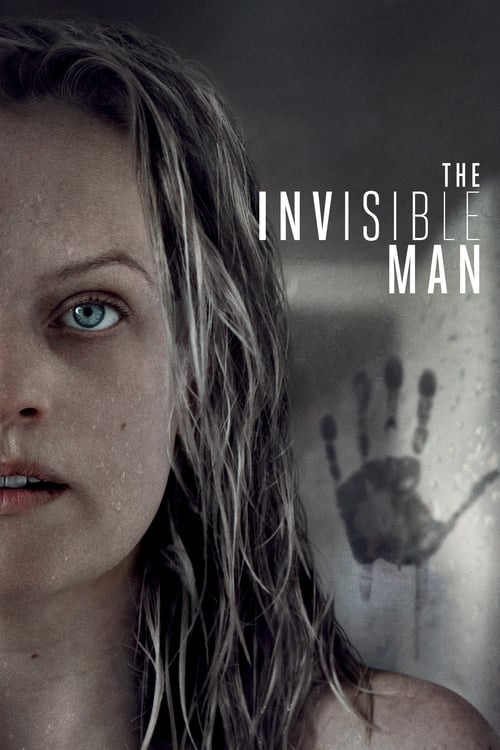
Leigh Whannell transforms the invisible man from a scientific curiosity into an abusive partner who uses technology to continue controlling a woman after she escapes him.
Cecilia cannot prove that Adrian is present, allowing him to attack her while making every accusation appear irrational. Empty rooms become threatening because the camera suggests that someone may be standing inside them.
The monster works because invisibility intensifies a pattern that already existed. Adrian does not become abusive when he puts on the suit. The suit gives him a more powerful way to isolate, manipulate and punish his victim while preserving the appearance of his absence.
4. It (2017)
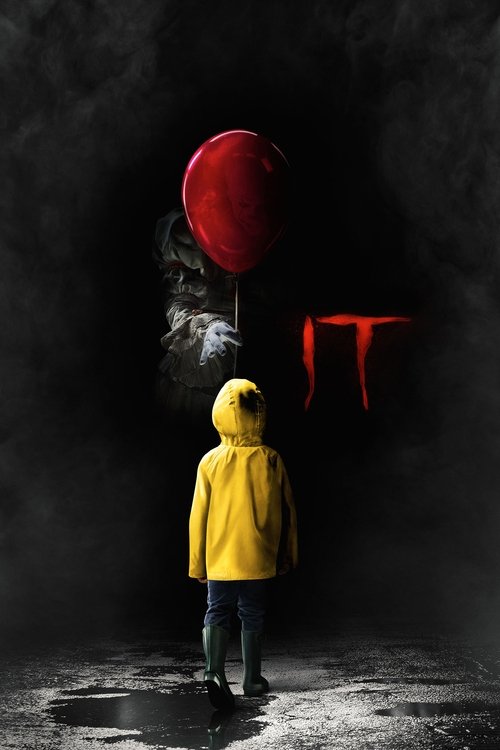
Andy Muschietti brought Stephen King’s shape-shifting monster back to the screen through Pennywise, the apparently playful clown who preys upon the children of Derry.
The clown is only one of the creature’s forms, chosen because it can attract children before transforming into whatever frightens each victim most. Pennywise does not simply attack the body. It studies fear, isolates its victims and turns their private anxieties into physical experiences.
Bill Skarsgård’s performance gives Pennywise an unsettling combination of childishness and predatory calculation. His smile is too wide, his movements do not follow normal human rhythms and his attempts at friendliness always appear fractionally wrong.
The monster is strengthened by Derry itself. Pennywise operates within a town marked by violence, neglect and collective denial. Adults repeatedly fail to recognise what is happening, suggesting that the creature’s influence extends beyond individual attacks and into a culture that permits children’s suffering to remain unseen.
Like the shark in Jaws, Pennywise permanently alters the meaning of ordinary images. A red balloon, storm drain or distant clown can carry the memory of the film long after the creature has disappeared.
3. Talk to Me (2022)
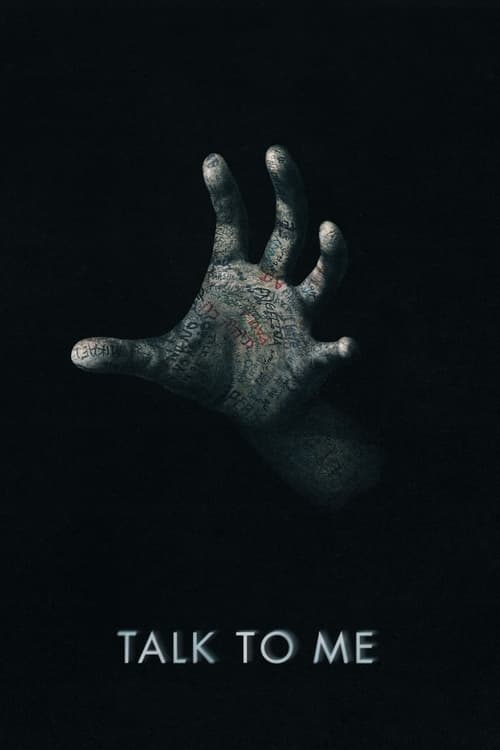
Danny and Michael Philippou build their horror around an embalmed hand that allows young people to invite the dead into their bodies. Possession becomes a party game, filmed on phones and repeated for entertainment until the participants lose control over who has been allowed inside.
The spirits work as monsters because they exploit grief, peer pressure and the desire for connection. What begins as a voluntary encounter becomes impossible to contain once emotional vulnerability overrides the established rules.
The film also understands how quickly danger becomes content. The participants laugh, record and share possession because watching someone surrender control has become entertainment.
The monster is not contained entirely within the hand. It also exists within the social pressure that encourages each person to continue after the ritual has already shown them its consequences.
2. Nope (2022)
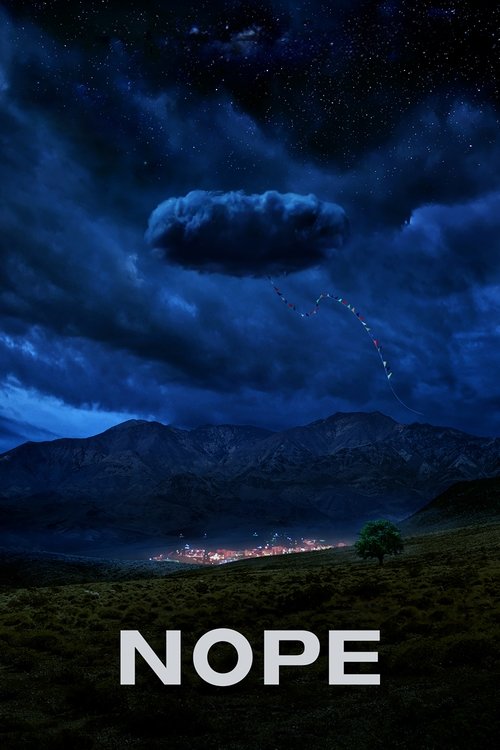
Jordan Peele initially presents the threat above a California ranch as something resembling a conventional flying saucer. The film gradually reveals that the object is not a vehicle but a living predator whose shape and behaviour have been misunderstood.
Peele links the creature to spectacle and the human desire to capture dangerous things on camera. The characters do not merely want to survive it; they want to produce an image no one else possesses.
The monster’s final form is both beautiful and terrifying, expanding beyond the mechanical shape humans projected onto it. Its design suggests that the attempt to categorise it has always been part of the mistake.
The film’s human characters repeatedly underestimate animals because they want them to perform. Jean Jacket becomes the ultimate refusal: a creature that cannot be safely trained, framed or reduced to spectacle without consequence.
1. The Substance (2024)
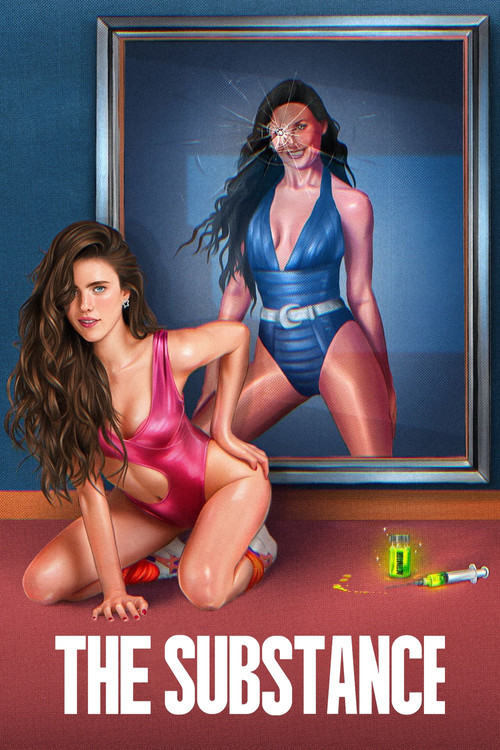
Coralie Fargeat turns the entertainment industry’s fear of ageing into an extravagant physical monster. Elisabeth Sparkle uses a mysterious treatment that produces a younger version of herself, but the two bodies begin competing for control of the same life.
The monster grows from self-hatred. Elisabeth has internalised the judgement of an industry that treats ageing as failure, and the substance gives that judgement physical form.
Sue initially appears to be an improved replacement, but the relationship between the two bodies becomes increasingly violent. Each regards the other as an obstacle, even though they are repeatedly warned that they are one person.
The final transformation is outrageous, but it is also emotionally coherent. The creature embodies the impossible demand to remain young, desirable and flawless while continuing to exist within a body that changes.
Fargeat’s monster is therefore both spectacle and accusation. It asks what kind of society teaches someone to see her own face and body as the enemy—and what may emerge when that hatred is given the power to reproduce itself.
How Monster Movies Reflect Their Time
Movie monsters often reveal what a culture fears at the moment they are created. Godzilla emerged from nuclear trauma. The pod people of Invasion of the Body Snatchers reflected anxieties about conformity, ideological control and the disappearance of individuality.
The monsters of the 1970s frequently exposed distrust in institutions and families. Jaws presented leaders willing to ignore danger for economic reasons, while Alien placed workers inside a corporate system prepared to sacrifice them for a potentially profitable organism.
Modern monster movies increasingly focus on visibility, identity, coercive control and bodily ownership. The Invisible Man turns abuse into an unseen presence that cannot be proved. The Substance gives physical form to fear of ageing. Talk to Me connects possession with peer pressure, performance and the circulation of traumatic images.
The shape of the monster changes, but the function remains remarkably consistent. It gives fear a body—or withholds that body so completely that fear spreads into everything around it.
Why We Need Monsters
Monsters allow films to make abstract fears visible. Illness, grief, abuse, environmental destruction, war and social isolation can be difficult to represent directly without reducing their complexity. A monster can embody those anxieties while remaining open to several interpretations.
They also create distance. Audiences may confront painful subjects through a shark, demon, alien or transformed body before recognising the human reality beneath it.
Yet the greatest monsters cannot be reduced to metaphors alone. The Xenomorph is connected to bodily violation, but it also works as a terrifying creature. Godzilla represents nuclear destruction, but it remains an enormous physical presence capable of crushing a city. Annie Wilkes embodies possessive control, but she is also a fully realised human character.
A great monster carries meaning without becoming only an argument. It lives, moves and threatens within the film while continuing to grow inside the audience’s imagination.
Frequently Asked Questions
The Exorcist, Alien, Jaws and The Thing are among the strongest candidates. Each created a monster that transformed not only its immediate setting but the audience’s understanding of bodies, rooms, water and trust.
No. Human characters such as Annie Wilkes in Misery, Hannibal Lecter in The Silence of the Lambs and Harry Powell in The Night of the Hunter function as monsters because of their behaviour, power and ability to conceal danger behind familiar identities.
Yes. Jaws is one of the defining animal-monster movies. Its shark behaves as a physical predator, but the film gives it the dramatic force and symbolic presence of a classic screen monster.
Yes. The demon possessing Regan is one of cinema’s most powerful monsters. The film is particularly effective because it gives the entity no independent body, forcing the audience to continue seeing the child within the horror.
The Xenomorph combines a disturbing visual design with a life cycle based upon bodily invasion and forced reproduction. It is intelligent, adaptable and almost impossible to kill, while its appearance mixes biological, mechanical and sexual imagery.
Unseen monsters deny the audience information about their appearance, location and limitations. This forces viewers to search the entire frame and imagine a threat that may be more frightening than anything the filmmaker could show directly.
Although Misery is usually described as a psychological thriller, Annie Wilkes functions as a human monster. She occupies a trusted caregiving role, controls Paul’s survival and uses apparent devotion to justify imprisonment and violence.
The strongest recent examples include The Substance, Nope, Talk to Me, It, The Invisible Man, A Quiet Place, Blood Star, Barbarian, Smile and No One Will Save You.
No. Frankenstein’s creature, King Kong and the Gill-man are feared partly because human beings misunderstand, exploit or attack them. Some monster films deliberately question whether the visible creature is more monstrous than the people attempting to control it.
A human character becomes monstrous through behaviour rather than appearance. Abuse of trust, pleasure in suffering, lack of empathy and the use of power to control vulnerable people can make an ordinary-looking person more frightening than a supernatural creature.
Final Thoughts
The history of monster movies is not simply the history of creature design. It is the history of filmmakers discovering new ways to make fear visible.
Some monsters arrive from outer space. Others rise from the ocean, enter through dreams or take control of the body. Some wait inside homes, hospitals and police stations, protected by the roles they occupy and the assumptions other people make about them.
The greatest monsters change the meaning of their surroundings. The shark makes the sea unsafe. The Xenomorph turns a spaceship into a hunting ground. Pennywise transforms balloons and storm drains into warnings. Annie Wilkes makes care indistinguishable from captivity.
Other monsters remain unseen, allowing a bedroom, forest or family home to become part of their body. Their absence does not make them less present. It allows them to exist everywhere at once.
That is why monster movies remain so powerful. The monster may be an animal, alien, demon, person, institution or idea, but its purpose is the same: to enter an apparently familiar world and reveal that the rules protecting us were never as secure as we believed.
Related: survival horror like Resident Evil — from Alien and The Descent to desert thriller Blood Star.
Film posters courtesy of The Movie Database (TMDB). This product uses the TMDB API but is not endorsed or certified by TMDB.
More on Blood Star
- Watch Blood Star free on Tubi & Prime Video (USA)
- Blood Star: Ending Explained
- Blood Star — Cast & Filmmakers

Table of Contents
- What Are the Best Monster Movies?
- What Makes a Great Movie Monster?
- The Different Types of Movie Monsters
- Creature Monsters
- Animal Monsters
- Human Monsters
- Supernatural and Demonic Monsters
- Unseen Monsters
- Institutional Monsters
- The 40 Best Monster Movies of All Time
- 40. Trollhunter (2010)
- 39. The Mist (2007)
- 38. Dog Soldiers (2002)
- 37. The Host (2006)
- 36. The Invisible Man (1933)
- 35. The Descent (2005)
- 34. Cujo (1983)
- 33. The Blob (1988)
- 32. The Blair Witch Project (1999)
- 31. A Nightmare on Elm Street (1984)
- 30. The Birds (1963)
- 29. It Follows (2014)
- 28. The Night of the Hunter (1955)
- 27. The Ring (2002)
- 26. The Babadook (2014)
- 25. Jurassic Park (1993)
- 24. Invasion of the Body Snatchers (1978)
- 23. An American Werewolf in London (1981)
- 22. The Wicker Man (1973)
- 21. Godzilla (1954)
- 20. The Fly (1986)
- 19. Pan’s Labyrinth (2006)
- 18. King Kong (1933)
- 17. The Silence of the Lambs (1991)
- 16. The Creature from the Black Lagoon (1954)
- 15. Misery (1990)
- 14. The Texas Chain Saw Massacre (1974)
- 13. The Thing from Another World (1951)
- 12. Nosferatu (1922)
- 11. Frankenstein (1931)
- 10. The Shining (1980)
- 9. The Exorcist (1973)
- 8. The Babadook (2014)
- 7. Psycho (1960)
- 6. Paranormal Activity (2007)
- 5. The Thing (1982)
- 4. Godzilla (1954)
- 3. Jaws (1975)
- 2. Alien (1979)
- 1. The Exorcist (1973)
- Why the Monster in The Exorcist Works So Well
- Why Unseen Monsters Can Be More Frightening
- Why Human Monsters Are So Disturbing
- Why Animal Monsters Stay With Us
- The 10 Best Modern Monster Movies Since 2017
- 10. No One Will Save You (2023)
- 9. Smile (2022)
- 8. Barbarian (2022)
- 7. Blood Star (2024)
- 6. A Quiet Place (2018)
- 5. The Invisible Man (2020)
- 4. It (2017)
- 3. Talk to Me (2022)
- 2. Nope (2022)
- 1. The Substance (2024)
- How Monster Movies Reflect Their Time
- Why We Need Monsters
- Final Thoughts
- More on Blood Star