Quick Answer
Twelve independent horror thrillers worth seeking out beyond the big streaming-platform recommendations: Blood Star, Coming Home in the Dark, The Passenger, You’ll Never Find Me, Calibre, The Boy Behind the Door, What Josiah Saw, The Devil’s Candy, The Clovehitch Killer, Hunter Hunter, Alone and The Invitation. None rely on elaborate mythology or big-budget spectacle — they replace jump scares with sustained dread, oppressive atmosphere and the sense that something terrible could happen at any moment.
Key Takeaways
- These films favour behaviour, geography and slow-building dread over jump scares and franchise mythology.
- Limited resources often produce stronger choices: a single location forces filmmakers to think carefully about space, and a small cast puts more pressure on performance.
- “Indie” is not automatically a guarantee of quality — but the best independent genre films tend to feel personal in a way heavily managed franchise productions rarely do.
- Festivals like Sundance, SXSW, Fantasia, FrightFest, Sitges and Fantastic Fest are reliable places to spot these films before wider distribution.
- Searching for a specific experience (“slow-burn horror without jump scares,” “isolated highway movies”) surfaces better discoveries than searching for “the best horror movies.”
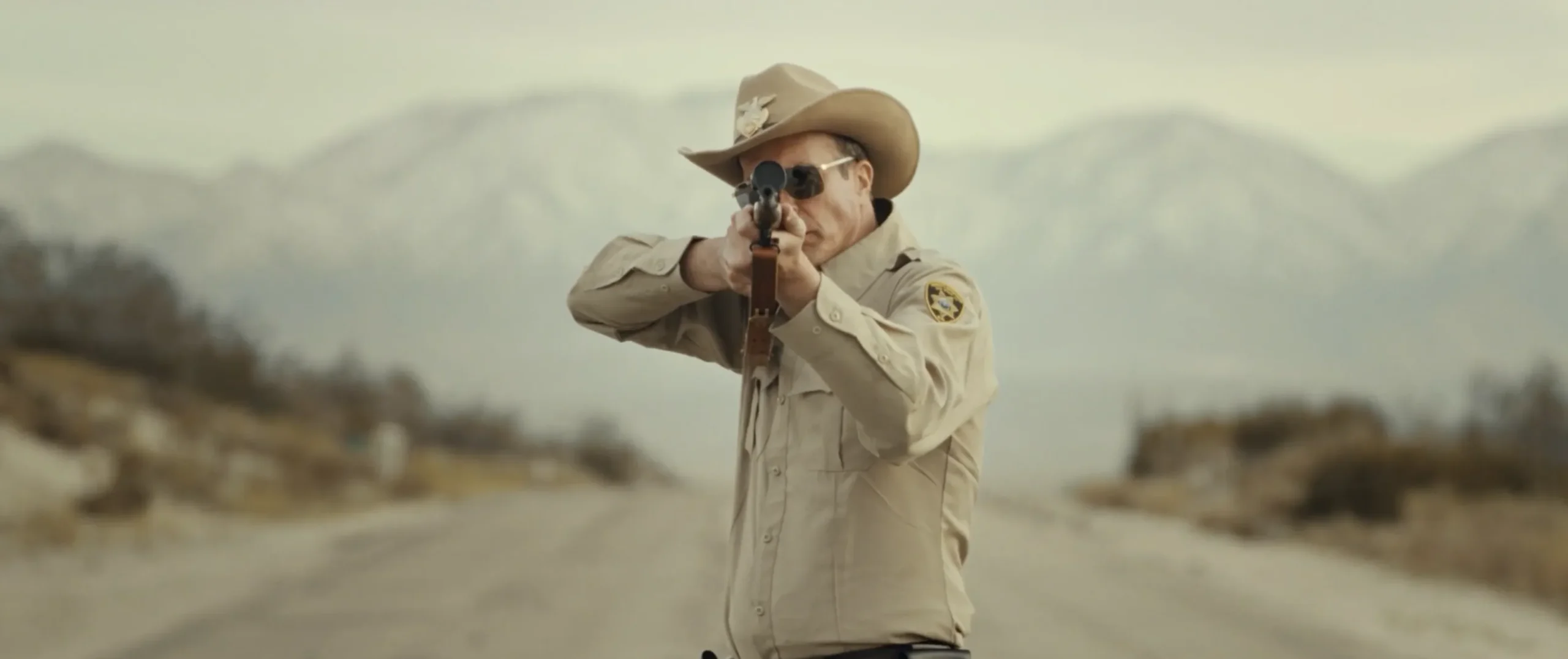
Some of the best horror thrillers are not the films that dominate the opening weekend box office. They are the smaller, stranger and more uncompromising movies that arrive through festivals, limited cinema releases and late-night streaming discoveries.
Independent horror has always been a place where filmmakers can take risks. Without the pressure to appeal to the broadest possible audience, an indie thriller can be slower, harsher, more psychologically unsettling or more visually distinctive than a conventional studio release. These are often the films that replace predictable jump scares with sustained dread, oppressive atmosphere and the feeling that something terrible could happen at any moment.
The difficulty is finding them.
Streaming platforms offer an almost endless supply of horror movies, but many genuinely effective independent films disappear beneath familiar franchise titles and heavily promoted releases. Some receive strong reviews and festival attention but never reach a wide audience. Others slowly develop a following through Letterboxd lists, Reddit recommendations and word of mouth.
For viewers searching for underseen horror movies, atmospheric psychological thrillers, realistic survival horror or indie films that feel much larger than their budgets, the following titles are worth discovering.
Blood Star
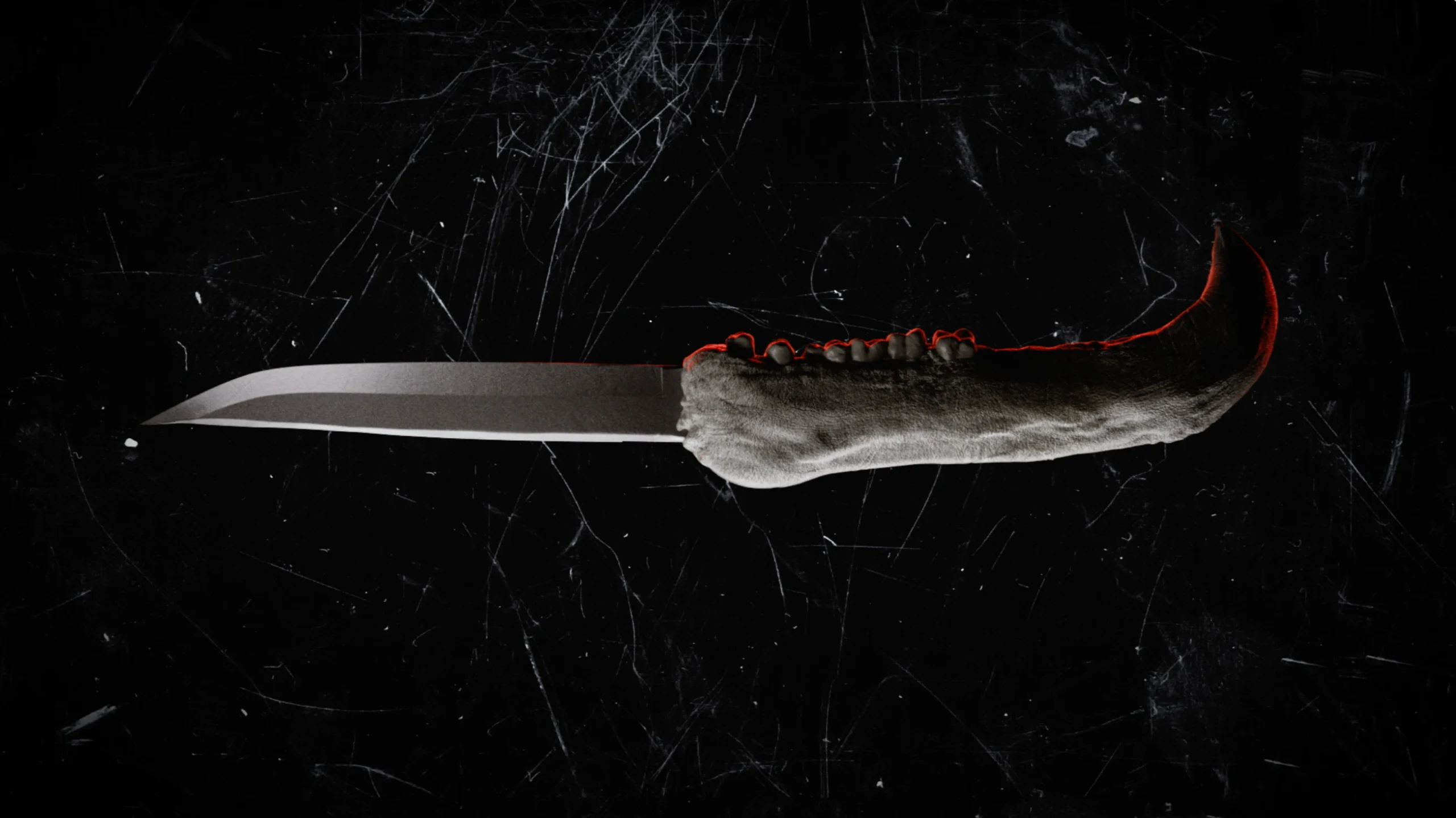
Set against the vast, exposed landscapes of The Desert, Blood Star is a stripped-back psychological road thriller built around pursuit, manipulation and escalating danger.
A young woman travelling alone attracts the attention of a small-town sheriff whose apparent authority quickly becomes threatening. What begins as an uncomfortable roadside encounter develops into an oppressive cat-and-mouse struggle in which isolation becomes almost as dangerous as the man pursuing her.
Rather than relying on supernatural horror or elaborate mythology, Blood Star creates tension through behaviour, geography and the abuse of power. Empty highways, remote roadside spaces and the unforgiving desert create a world in which help always seems impossibly far away.
The film has the atmosphere of a grim 1970s road movie, but its central perspective gives the material a contemporary urgency. Its visual approach also distinguishes it from many low-budget thrillers. The desert is not simply a backdrop; it is an active part of the threat, making every stop, turn and distant vehicle feel potentially dangerous.
Viewers looking for a female-led survival thriller, an isolated highway movie or a slow-burn horror film without supernatural elements should find plenty to appreciate. It is particularly suited to audiences who enjoy the road paranoia of Duel, The Hitcher and Breakdown, combined with the bleak tension of modern independent cinema.
Coming Home in the Dark
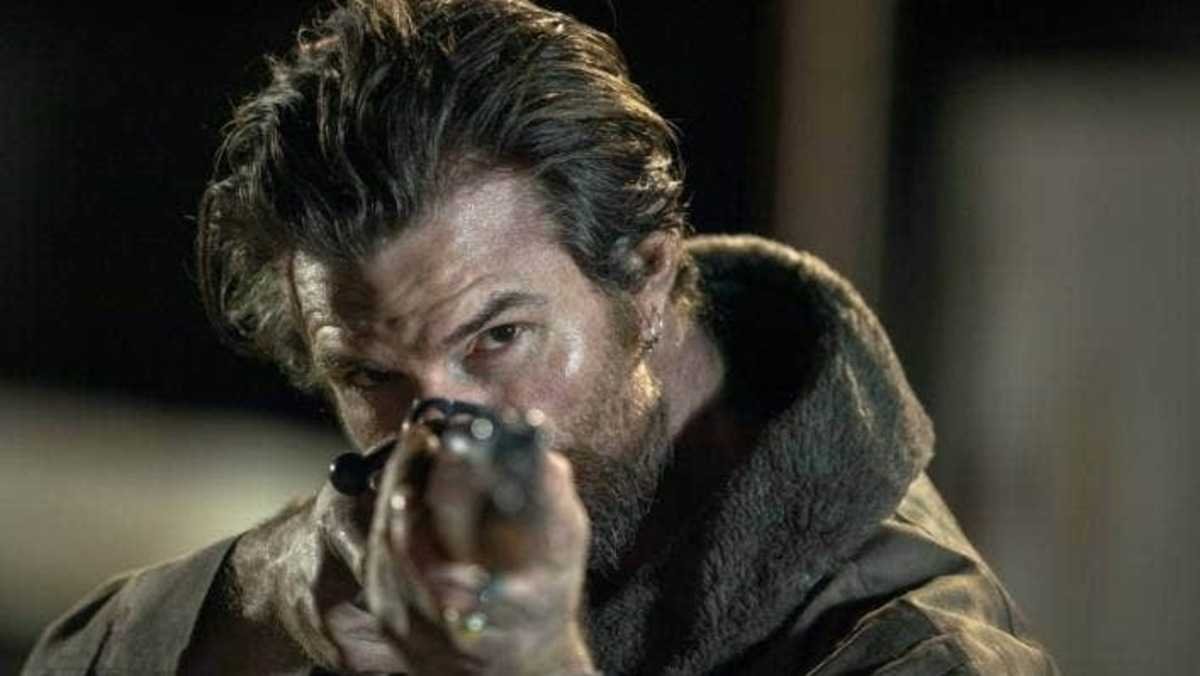
This New Zealand thriller begins with a family outing and rapidly transforms into something far more disturbing.
When a teacher, his partner and their children encounter two strangers in an isolated landscape, the situation becomes horrifying with almost no warning. From that point forward, Coming Home in the Dark offers little emotional relief. It is a grim, controlled film about violence, guilt and the consequences of believing the past has been safely buried.
What makes the film especially effective is its refusal to provide comfortable moral positions. The danger is immediate, but the motives behind it slowly reveal a deeper history. As the characters travel through the darkness, the film becomes both a survival thriller and an interrogation of responsibility.
This is not casual background viewing. It is bleak, psychologically exhausting and deliberately confrontational. For viewers searching for disturbing psychological thrillers that feel realistic, it is one of the strongest underseen genre films of recent years.
The Passenger
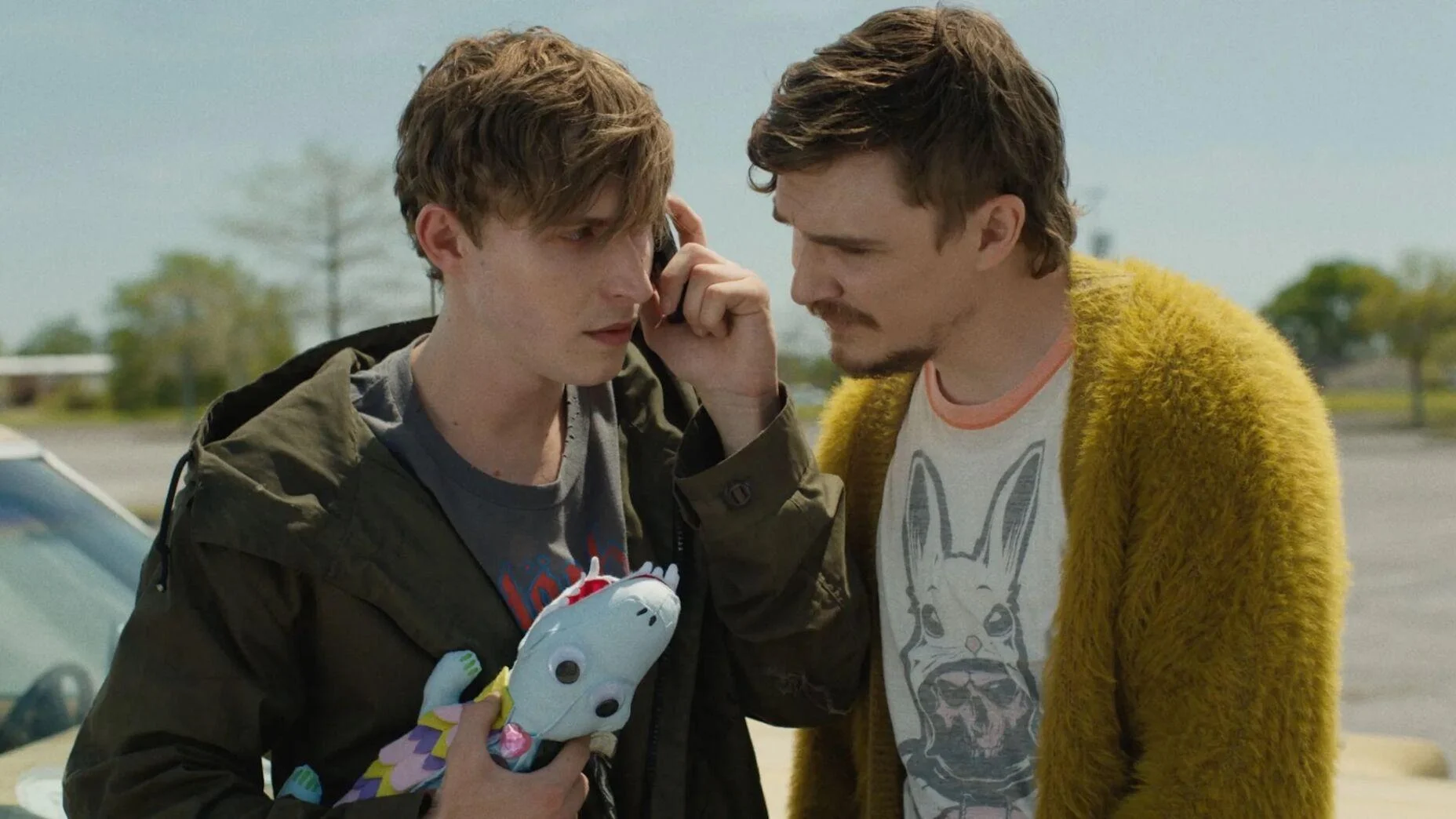
Carter Smith‘s The Passenger begins in a small fast-food restaurant where an anxious employee is subjected to constant humiliation. When his co-worker finally reacts, the eruption of violence is sudden and extreme.
The film then becomes an unusual road thriller about two damaged men travelling together under increasingly dangerous circumstances. One is volatile and unpredictable; the other has spent most of his life trying to remain invisible.
Although the film contains bursts of brutality, its real focus is psychological. It examines passivity, shame, repression and the frightening consequences of forcing someone to confront everything they have avoided.
Kyle Gallner gives the film an unstable energy, while Johnny Berchtold provides its vulnerable emotional centre. The result is an indie psychological thriller that is tense not because the audience is waiting for a conventional villain to appear, but because the person driving the story could explode at any moment.
You’ll Never Find Me
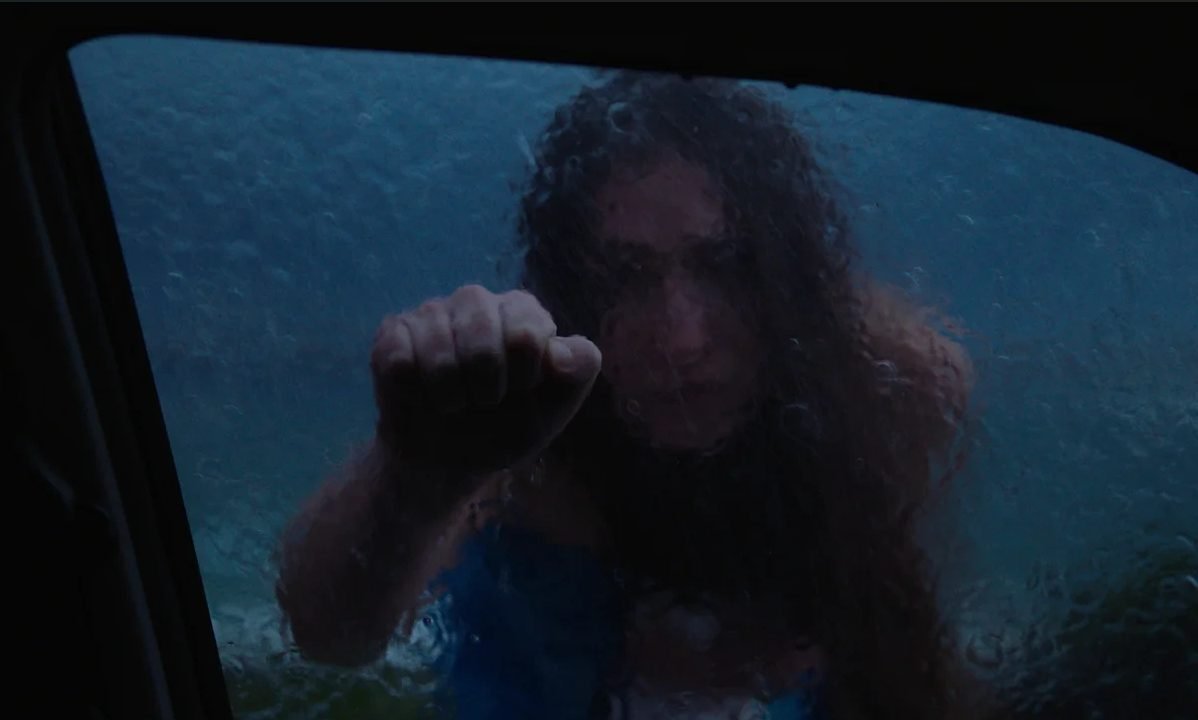
A violent storm. An isolated caravan. A stranger knocking at the door.
That simple setup provides the foundation for You’ll Never Find Me, an Australian slow-burn horror thriller that turns a confined location into a place of almost unbearable uncertainty.
A solitary man allows a frightened young woman into his home during the storm, but neither character’s explanation entirely makes sense. Their conversation becomes a contest of suspicion, memory and control. The film repeatedly shifts the balance of power, leaving the viewer uncertain about who is trapped with whom.
This is atmospheric horror in its purest form. Sound, rain, shadows and small changes in behaviour create more tension than conventional shocks. It is especially effective for audiences who enjoy claustrophobic psychological horror, ambiguous narratives and films in which the threat emerges through conversation.
Calibre
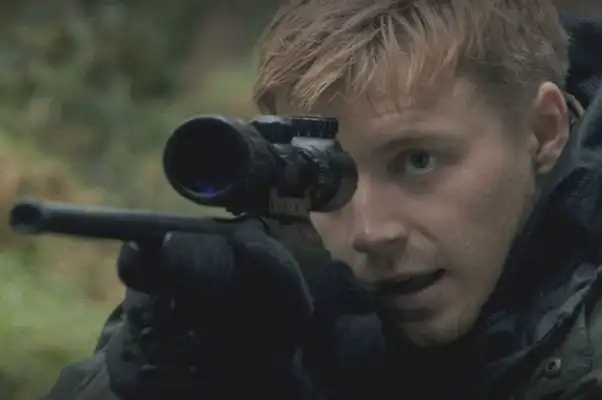
Two friends travel to a remote Scottish village for a hunting weekend. A terrible accident leaves them facing a decision that becomes more destructive with every attempt to conceal it.
Calibre is an anxiety-inducing thriller in which the initial event is only the beginning. The true horror comes from watching panic, guilt and self-preservation gradually destroy every available route of escape.
The rural setting is crucial. The visitors are surrounded by a close community that immediately senses something is wrong. Every conversation becomes a potential exposure, and every effort to appear normal makes the situation worse.
Although it is often described as a thriller, Calibre operates with the pressure of survival horror. There is no monster, but the characters are trapped by their own actions, the landscape and the growing suspicion around them. It is an excellent choice for viewers looking for realistic horror movies, bleak thrillers and stories built around moral collapse.
The Boy Behind the Door
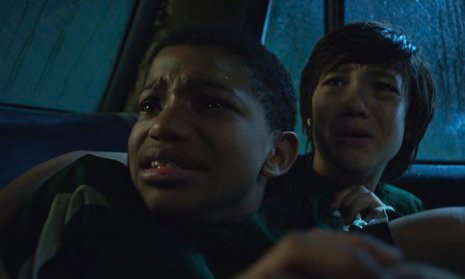
Two boys are abducted and taken to an isolated house. One manages to escape but realises that leaving would mean abandoning his friend.
From that point, The Boy Behind the Door becomes a tightly controlled survival thriller built around courage, friendship and the terrifying vulnerability of childhood. Much of the film unfolds inside a single location, but careful staging and sound design make the house feel like an expanding maze.
The filmmakers understand that suspense often depends on information. The audience knows where the danger might be, but the young protagonist does not. Doors, floorboards, footsteps and partially visible rooms become sources of intense anxiety.
The film is direct and accessible, but it avoids feeling mechanical because the emotional relationship between the boys gives every decision weight. It is one of the better recent examples of low-budget suspense filmmaking that turns limited resources into an advantage.
What Josiah Saw
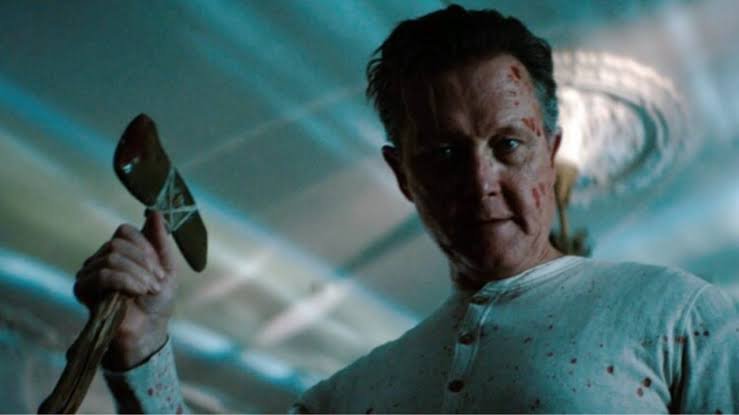
A family with a traumatic history is drawn back toward an isolated farmhouse where their father still lives.
What Josiah Saw moves gradually, dividing its story into chapters that initially seem only loosely connected. As the family members return to the place they escaped, the film reveals a world shaped by abuse, superstition, resentment and unresolved guilt.
This is Southern Gothic horror rather than a conventional pursuit thriller, but its psychological pressure makes it essential viewing for fans of bleak independent genre cinema. The atmosphere is heavy from the beginning, and the film allows discomfort to accumulate rather than rushing toward obvious scares.
Its fragmented structure demands patience, but the eventual convergence of the characters gives the story a powerful sense of inevitability. Viewers searching for disturbing family horror, rural psychological thrillers or oppressive slow-burn movies should seek it out.
The Devil’s Candy
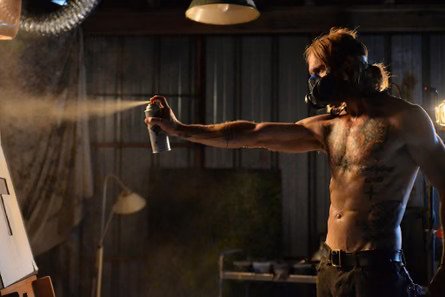
A struggling artist moves with his family into a rural home whose history begins to infect both his work and his state of mind.
Sean Byrne‘s The Devil’s Candy combines heavy-metal energy, family drama and psychological horror. Its supernatural implications are disturbing, but the film’s greatest strength is the sense of immediate physical danger created by Ray Smilie, a deeply troubled man drawn back to the house.
The movie is visually aggressive without losing its emotional centre. At its heart is a father trying to protect his daughter while becoming increasingly consumed by the forces surrounding the family.
For audiences who want indie horror with strong cinematography, a forceful soundtrack and genuine momentum, The Devil’s Candy is a compact and memorable discovery. It also demonstrates how an independent horror film can feel stylistically ambitious without sacrificing suspense.
The Clovehitch Killer
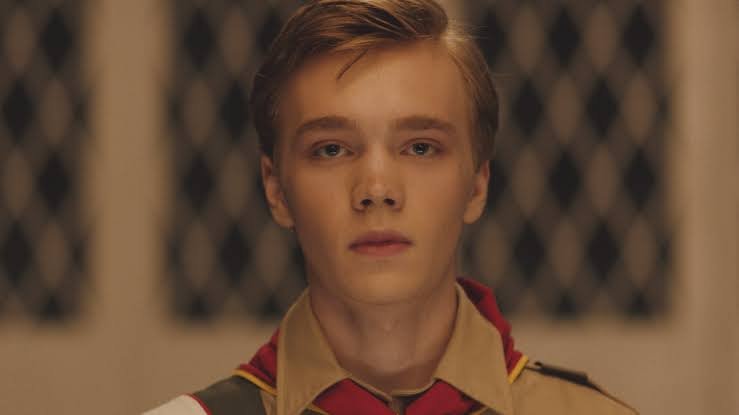
A teenager begins to suspect that his apparently ordinary father may be connected to a series of unsolved murders.
Unlike more sensational serial-killer films, The Clovehitch Killer is restrained and unsettling. Its horror emerges from domestic familiarity: family routines, church gatherings, garages, locked cupboards and the possibility that evil has been present inside the home all along.
The film is less interested in graphic violence than in the psychological damage caused by suspicion. The central character must decide whether the evidence is real, whether anyone will believe him and what discovering the truth could do to his family.
This grounded approach makes it particularly effective for viewers searching for realistic serial-killer movies or disturbing psychological thrillers. It treats the subject not as a puzzle to be enjoyed from a safe distance, but as a contamination of trust.
Hunter Hunter
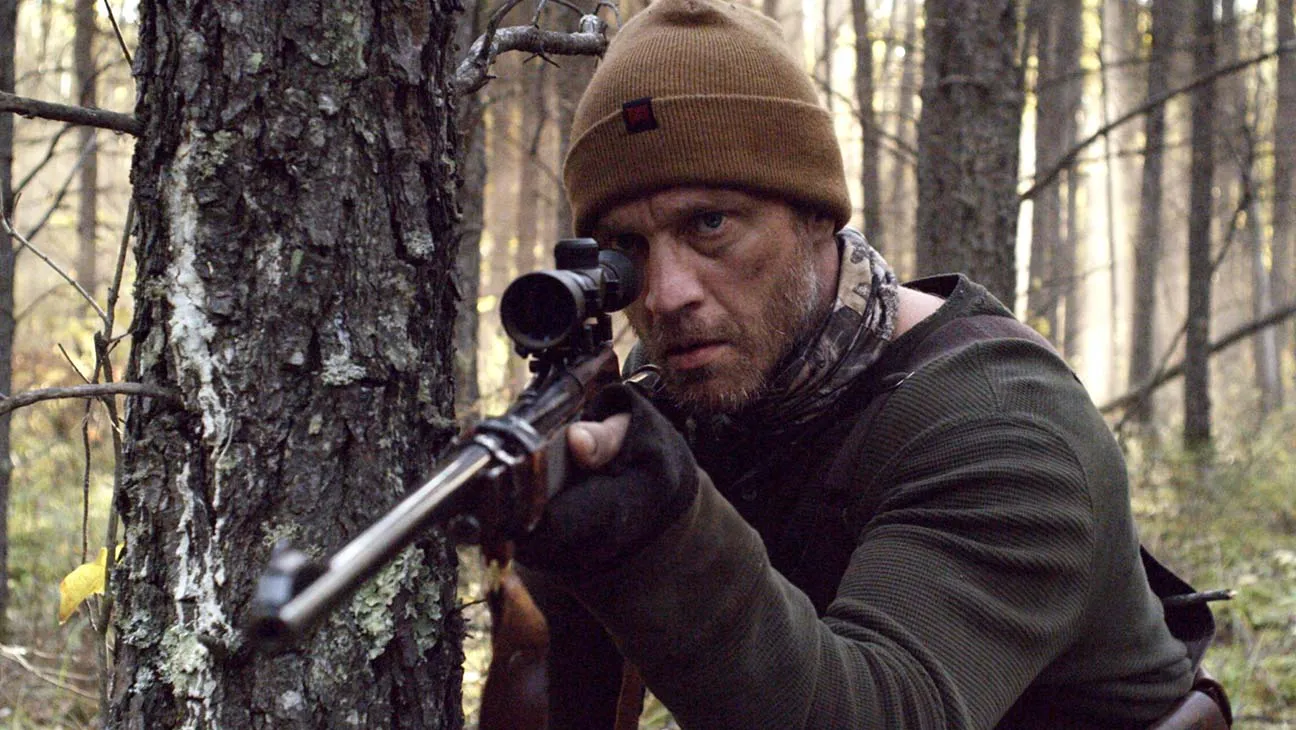
A family living in the remote wilderness begins to fear that a dangerous wolf has returned to the area. The actual threat, however, may be far worse.
Hunter Hunter combines survival drama, wilderness suspense and human horror. Its isolated setting creates an immediate sense of vulnerability: the family has limited resources, little contact with the outside world and no easy way to determine what is moving through the forest.
The film is patient, allowing practical concerns and family tension to build before its final movement. When the story turns, it does so with extraordinary severity.
This is a grim choice for viewers who prefer indie survival horror with a serious tone. It is not constructed around frequent scares. Instead, it creates a believable environment, establishes the danger and then follows the consequences without softening them.
Alone
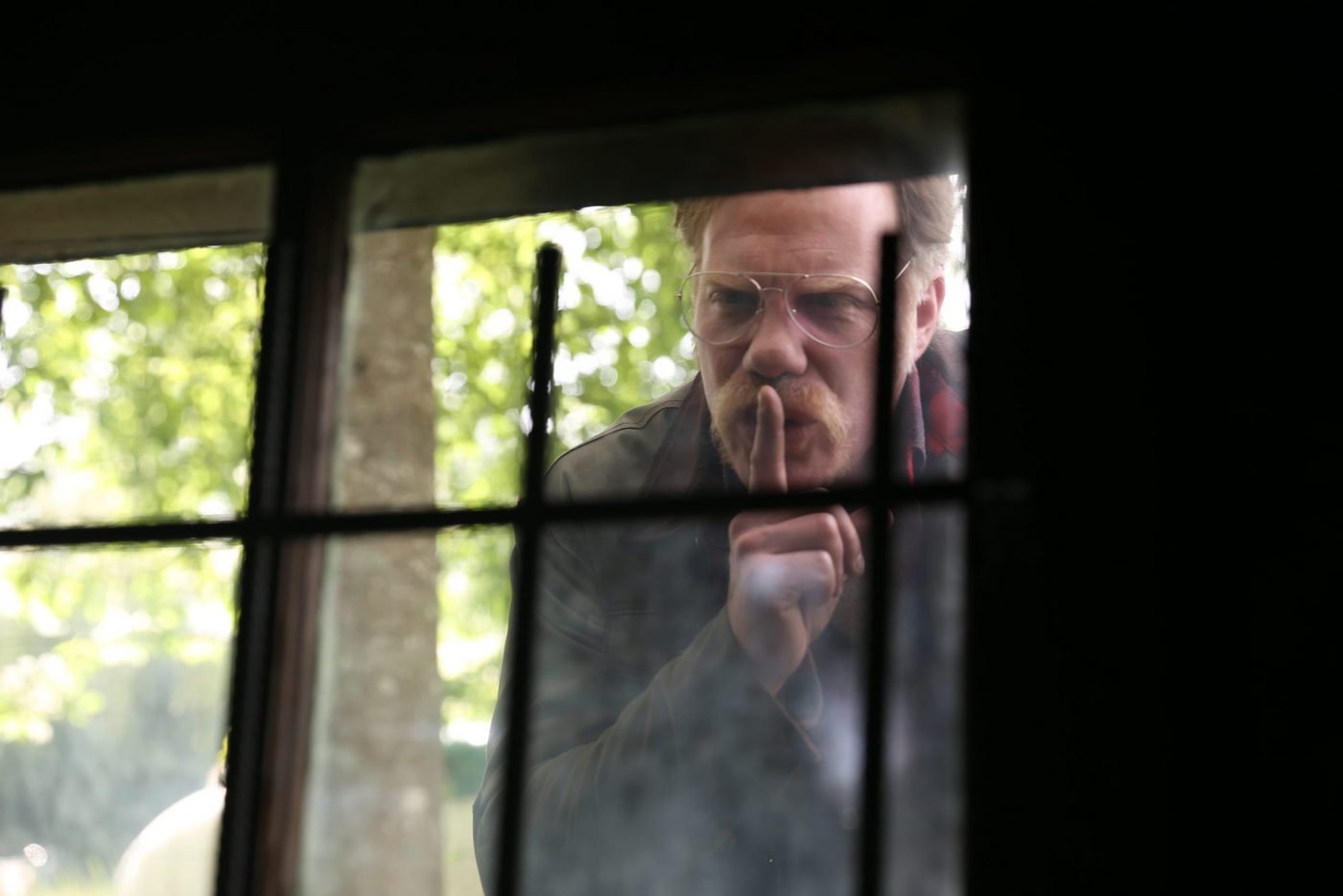
A woman driving through the Pacific Northwest becomes increasingly aware that the same man keeps appearing along her route.
John Hyams‘ Alone uses an extremely simple premise to create a lean, efficient pursuit thriller. The early road sequences are particularly effective because the threat remains plausible. An awkward encounter becomes unwanted attention, then intimidation and finally outright danger.
Once the film moves into the wilderness, it becomes a physical survival story. Yet its strongest moments remain psychological: the antagonist’s calmness, his ability to appear ordinary and his confidence that isolation gives him complete control.
For audiences searching for female-led survival thrillers, road-trip horror or tense cat-and-mouse movies, Alone is an excellent example of how disciplined filmmaking can sustain suspense without unnecessary complexity.
The Invitation
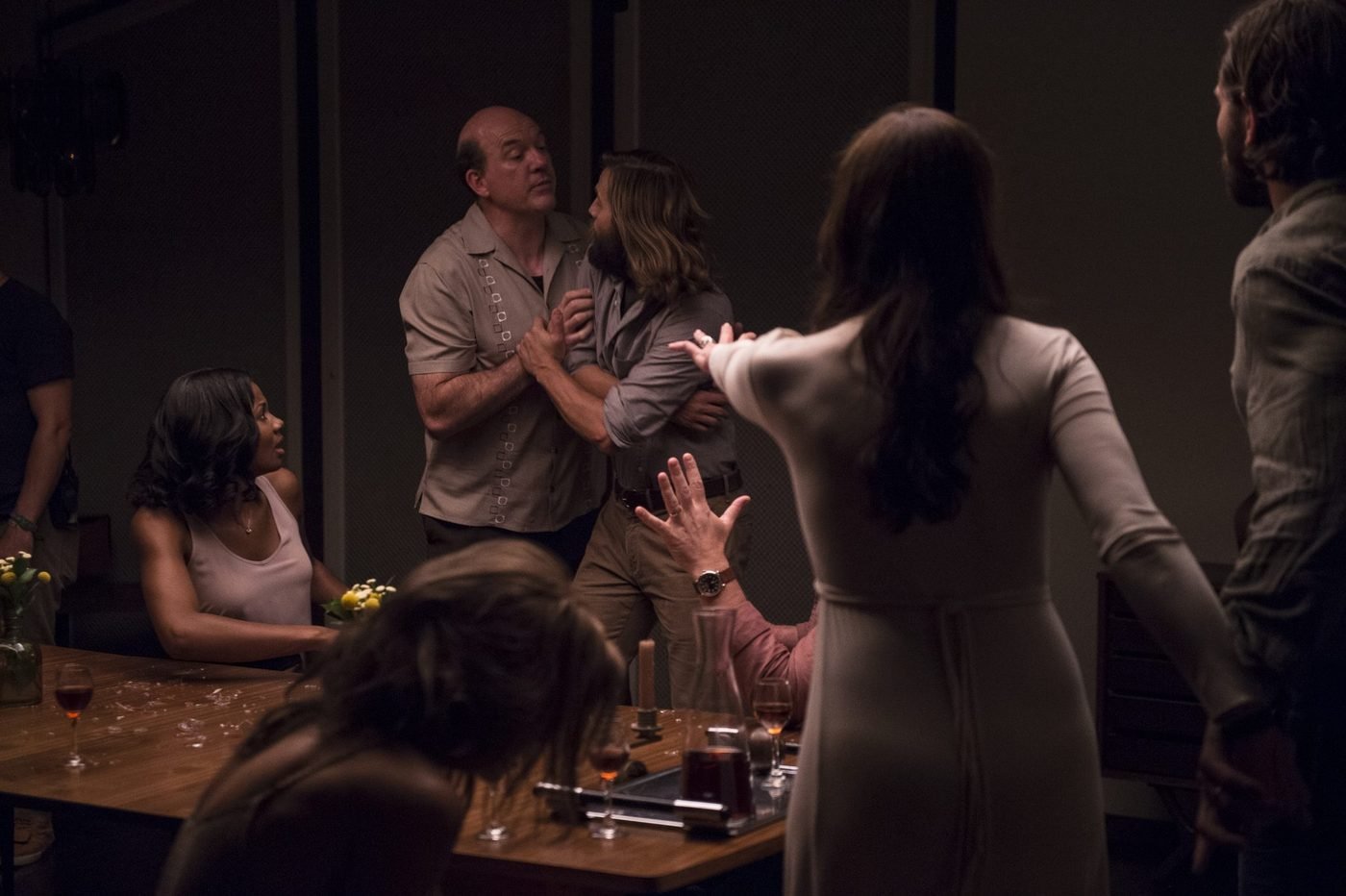
A man attends a dinner party hosted by his former wife and her new partner. As the evening continues, he becomes convinced that something is wrong.
Karyn Kusama‘s The Invitation is now better known than some films on this list, but it remains an essential example of independent slow-burn tension. The film uses social politeness as a trap. Its protagonist notices troubling details, yet every attempt to express concern makes him appear unstable.
The suspense comes from uncertainty. Is he correctly recognising danger, or is grief distorting his perception? The other guests continue eating, drinking and talking while an almost invisible pressure builds around them.
This is precisely the kind of psychological horror that rewards patience. It has no need for constant incident because the discomfort of the gathering becomes the horror. For viewers looking for films with oppressive atmosphere, manipulation and an explosive payoff, it remains one of the defining indie thrillers of its kind.
Why Indie Horror Thrillers Often Feel More Dangerous
The most effective films on this list do not all share the same subject, setting or style. Some take place on empty roads, others in forests, houses, caravans or isolated communities. What connects them is their willingness to sustain discomfort.
Mainstream horror often needs to announce its intentions clearly. Independent thrillers can remain uncertain for longer. They can allow characters to be difficult, endings to be harsh and tension to emerge from behaviour rather than spectacle.
Limited resources can also encourage stronger choices. A single location forces filmmakers to think carefully about space. A small cast places more pressure on performance. The absence of elaborate visual effects makes sound, composition and pacing more important.
The term “indie” is not a guarantee of quality. But the best independent genre films often feel personal in a way that highly managed franchise productions do not. Their imperfections can become part of their identity, while their restrictions produce unusual solutions.
That does not mean every independent horror movie is automatically original or effective. The term “indie” is not a guarantee of quality. But the best independent genre films often feel personal in a way that highly managed franchise productions do not. Their imperfections can become part of their identity, while their restrictions produce unusual solutions.
How to Find More Underseen Horror Movies
Finding hidden horror gems increasingly requires looking beyond the first screen of recommendations presented by a streaming platform.
Where to Look
Festival programmes remain useful because events such as Sundance, SXSW, Fantasia, FrightFest, Sitges and Fantastic Fest regularly introduce genre films before they reach wider distribution. Horror publications, specialist podcasts, Letterboxd lists and carefully moderated recommendation communities can also lead viewers toward films that received little conventional advertising.
Festival programmes remain useful because events such as Sundance, SXSW, Fantasia, FrightFest, Sitges and Fantastic Fest regularly introduce genre films before they reach wider distribution. Horror publications, specialist podcasts, Letterboxd lists and carefully moderated recommendation communities can also lead viewers toward films that received little conventional advertising.
Current horror discovery is increasingly shaped by streaming releases and online conversation. Recent coverage has highlighted psychologically driven and visually distinctive titles such as Backrooms, Exit 8 and Obsession, showing that audiences continue to respond to high-concept anxiety, immersive atmosphere and unconventional genre storytelling, according to Variety.
The best approach is to search by the experience you want rather than simply asking for “the best horror movies.” Try looking for:
- Slow-burn horror without jump scares;
- Underseen psychological thrillers;
- Realistic survival horror;
- Festival horror hidden gems;
- Female-led cat-and-mouse thrillers;
- Atmospheric indie horror;
- Bleak rural thrillers;
- Isolated highway movies;
- Horror films with strong cinematography; or
- Disturbing thrillers that could happen in real life.
Those more specific searches are far more likely to uncover something unexpected.
Pro Tip
Instead of searching “best horror movies,” try one of the specific phrases above (e.g. “isolated highway movies” or “female-led cat-and-mouse thrillers”). Narrower searches surface festival titles and indie recommendations that generic queries bury under franchise results.
Final Thoughts
Independent horror thrillers are often at their best when they remove the safety net.
There may be no supernatural explanation, no heroic rescue and no clear boundary between thriller and horror. Instead, there is a road with nobody else on it, a stranger behaving slightly too calmly, a family hiding something, or a decision that cannot be undone.
Films such as Coming Home in the Dark, Calibre, Alone and The Clovehitch Killer demonstrate how real-world danger can be more disturbing than fantasy. You’ll Never Find Me, What Josiah Saw and The Invitation show the power of atmosphere and uncertainty. Blood Star brings those qualities into the exposed landscape of The Desert, using isolation, authority and psychological pressure to create a tense female-led survival story.
For viewers tired of predictable franchises and generic streaming recommendations, these films offer something more unsettling: the feeling of discovering a movie that was not designed by committee and does not behave exactly as expected.
Frequently Asked Questions
All three already have full write-ups on this site: read the Blood Star ending explained, the Backrooms review and the Obsession review for full details.
The Invitation and What Josiah Saw are the furthest from traditional horror imagery — both build entirely through social tension, atmosphere and slowly accumulating dread rather than a visible monster or masked killer.
Not narratively, but several share cast or crew: Kyle Gallner appears in The Passenger, and Alone and The Passenger were both directed by filmmakers (John Hyams and Carter Smith) known primarily for horror and genre work.
Festival programmes (Sundance, SXSW, Fantasia, FrightFest, Sitges, Fantastic Fest) tend to introduce these films before wide distribution. Letterboxd lists and specialist horror podcasts are also reliable ways to find titles that received little conventional advertising.
Most do — Blood Star, Coming Home in the Dark, The Passenger, You’ll Never Find Me, Calibre, The Boy Behind the Door, The Clovehitch Killer, Hunter Hunter, Alone and The Invitation are all grounded in real-world threats. The Devil’s Candy and What Josiah Saw are the exceptions, both incorporating supernatural or superstitious elements alongside their human horror.
Watch Blood Star Free
If you like films such as The Hitcher, Wolf Creek and No Country for Old Men, discover Blood Star, the psychological desert thriller directed by Lawrence Jacomelli.
Now streaming free with ads in the USA.


See every legitimate way to watch Blood Star free in the USA →
Related: best indie movies currently on Tubi — the free ad-supported option.
Related: the best indie movies on Prime Video — for Amazon subscribers.
More on Blood Star
- Watch Blood Star free on Tubi & Prime Video (USA)
- Films like Blood Star: predators, pursuit and survival
- Blood Star: Ending Explained
- Blood Star — Cast & Filmmakers
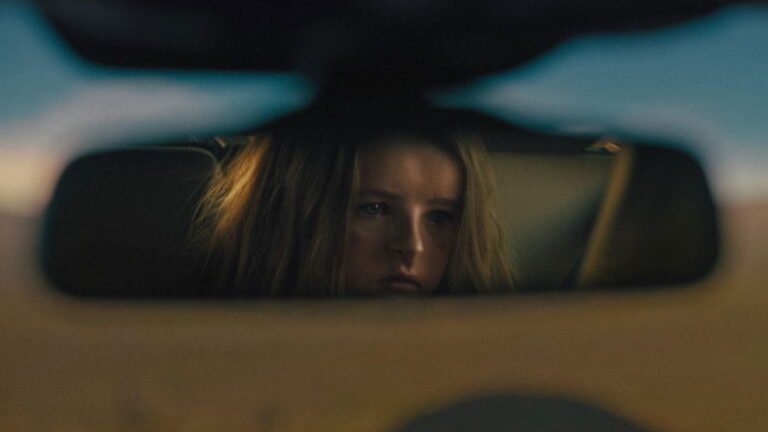
Table of Contents
- Blood Star
- Coming Home in the Dark
- The Passenger
- You’ll Never Find Me
- Calibre
- The Boy Behind the Door
- What Josiah Saw
- The Devil’s Candy
- The Clovehitch Killer
- Hunter Hunter
- Alone
- The Invitation
- Why Indie Horror Thrillers Often Feel More Dangerous
- How to Find More Underseen Horror Movies
- Final Thoughts
- Watch Blood Star Free
- More on Blood Star