Nicolas Winding Refn’s Drive became one of the defining neo-noir crime films of the 2010s by combining a stripped-back thriller plot with an unusually controlled sense of style. Ryan Gosling plays an unnamed Hollywood stunt driver who also works as a getaway driver for criminals, moving through Los Angeles at night with almost no visible emotional connection to the world around him — until he becomes involved with his neighbour Irene and her young son.
What makes Drive distinctive is the contrast between stillness and brutality. Long stretches of the film are quiet, almost romantic, built around glances, music, cars and the artificial glow of Los Angeles after dark. Then violence erupts suddenly and with startling force. If you are searching for movies like Drive, the strongest recommendations are movies about isolated people operating in morally unstable worlds, often at night, where professionalism, restraint and loneliness sit alongside sudden violence.
1. Thief (1981)
James Caan as Frank
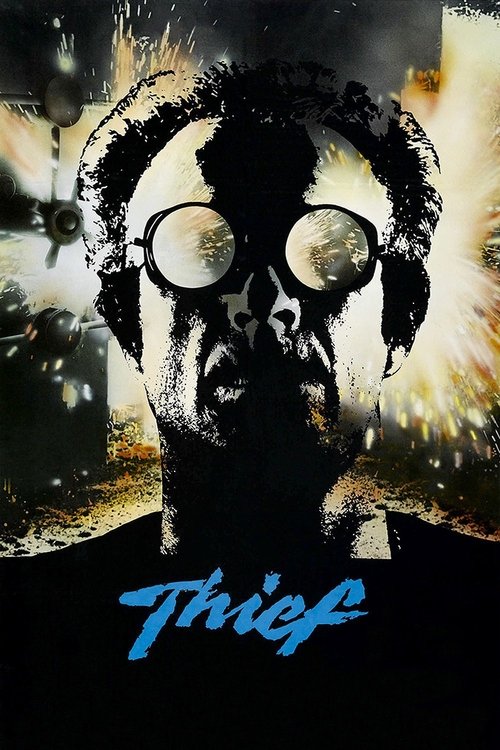
Michael Mann’s Thief is one of the clearest cinematic ancestors of Drive. James Caan plays a professional safecracker who has spent years constructing a life around control, until a relationship with a powerful criminal organisation reveals itself as another form of control.
Both films centre on highly capable men who speak little, express themselves through action and move through neon-lit urban environments. Anyone searching for movies like Drive should start here.
2. The Driver (1978)
Ryan O’Neal and Bruce Dern
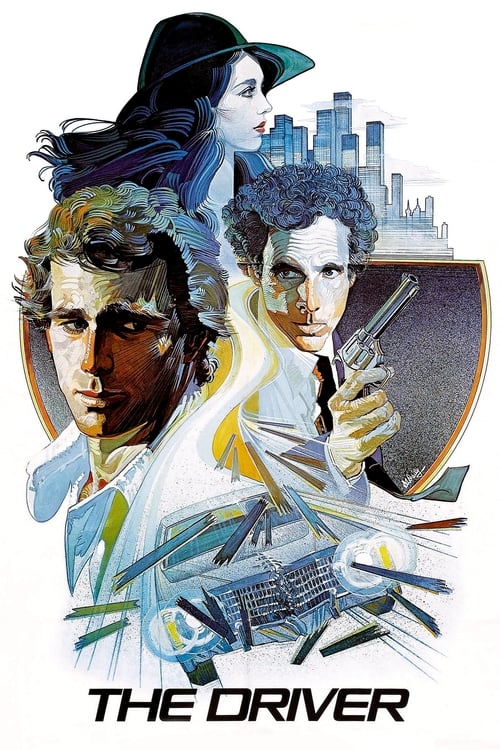
Walter Hill’s The Driver is perhaps the most obvious direct precursor to Drive. An unnamed getaway driver whose exceptional skill behind the wheel has made him one of the most valuable professionals in the criminal underworld is pursued by a detective obsessed with catching him.
Refn’s film clearly inherits this minimalist approach — both protagonists are unnamed, emotionally guarded and highly skilled drivers who operate according to strict personal codes.
3. Collateral (2004)
Tom Cruise and Jamie Foxx
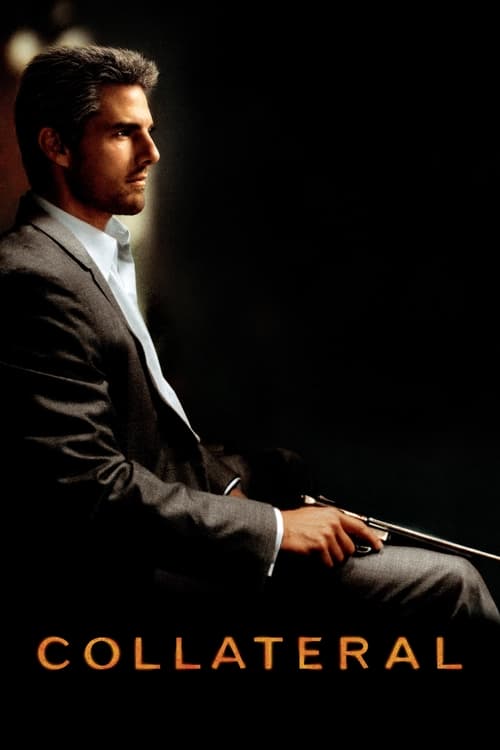
Michael Mann’s Collateral takes the nocturnal Los Angeles atmosphere associated with Drive and places it inside a tightly contained one-night crime thriller, as a taxi driver discovers his fare is a professional hitman moving across the city to eliminate several targets before sunrise.
Both films treat Los Angeles at night as an emotional landscape rather than simply a location, creating a sense of movement without genuine connection.
4. Nightcrawler (2014)
Jake Gyllenhaal as Lou Bloom
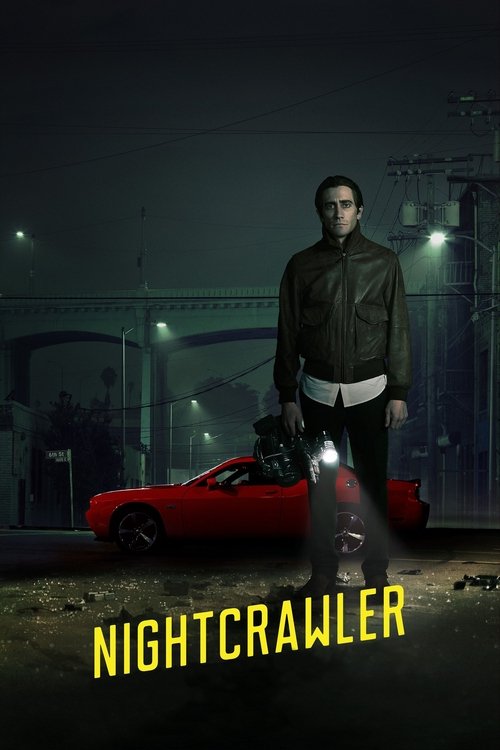
Dan Gilroy’s Nightcrawler offers another deeply unsettling vision of Los Angeles after dark, as an unemployed loner discovers the world of freelance crime videography and becomes increasingly willing to manipulate events to create more valuable footage.
Like Drive, the film turns Los Angeles at night into a strange, almost empty environment where isolated people move through spaces that seem detached from ordinary daytime life. For more movies like Nightcrawler, this connection runs deep.
5. Only God Forgives (2013)
Ryan Gosling as Julian
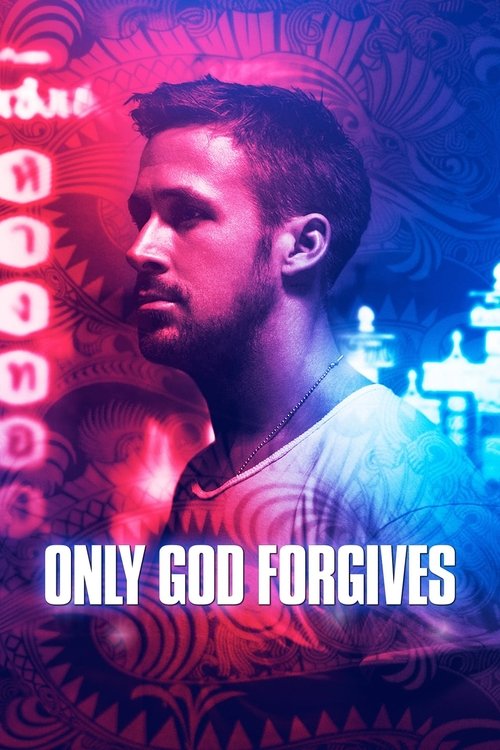
Nicolas Winding Refn reunited with Ryan Gosling for Only God Forgives, but the result is much darker, more abstract and less accessible than Drive, as an American living in Bangkok becomes pulled into a cycle of revenge after his brother is killed.
The connection lies more in atmosphere and character than plot — dialogue is sparse, imagery carries enormous weight and brutality erupts from long stretches of stillness.
6. Good Time (2017)
Robert Pattinson as Connie Nikas
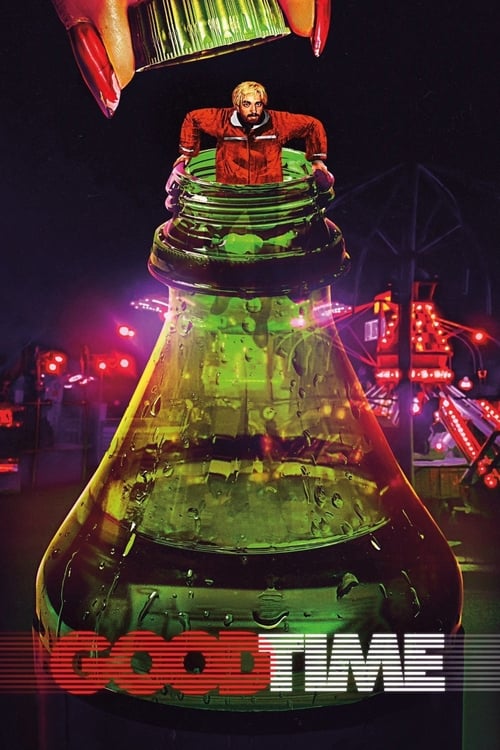
The Safdie brothers’ Good Time replaces Drive’s cool control with desperation and constant movement, as a small-time criminal spends the night moving through New York trying to get his brother out of custody after a robbery goes badly wrong.
The film shares Drive’s neon-lit visual language and interest in criminals moving through a city at night, though its protagonist survives through instinct and increasingly reckless decisions rather than control.
7. You Were Never Really Here (2017)
Joaquin Phoenix as Joe
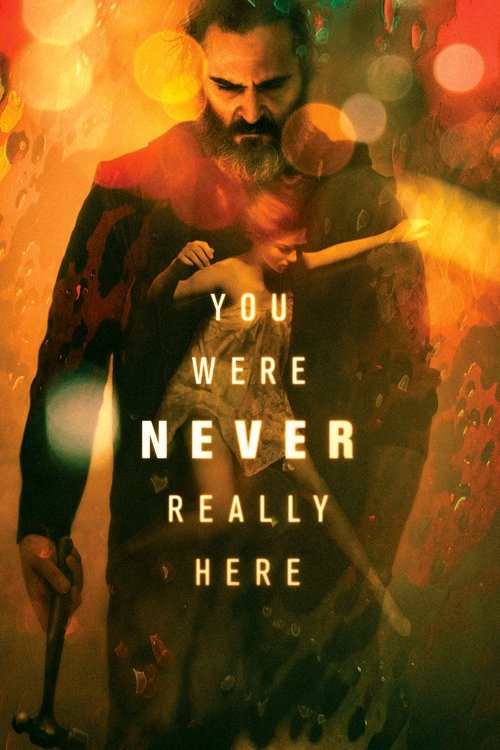
Lynne Ramsay’s You Were Never Really Here stars Joaquin Phoenix as a deeply traumatised man who works rescuing trafficked girls from violent situations, speaking little and moving through his work with a detached sense of routine.
The connection to Drive lies in the quiet protagonist, restrained storytelling and the contrast between stillness and brutality — both films centre on men who appear emotionally disconnected yet become fiercely protective of vulnerable people.
8. A History of Violence (2005)
Viggo Mortensen as Tom Stall
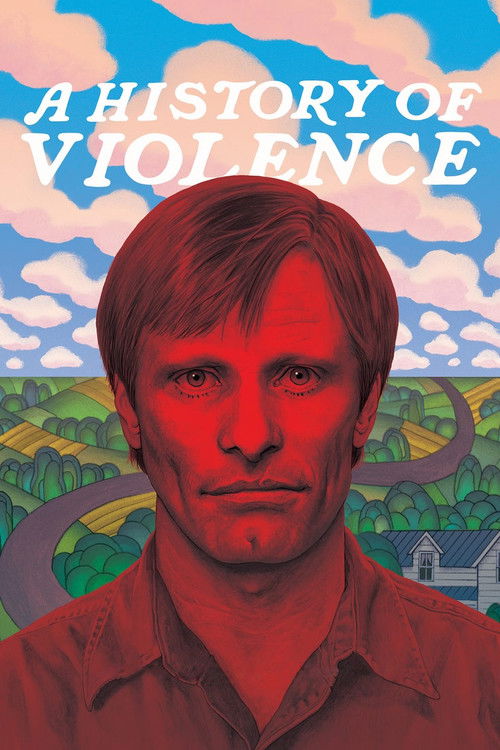
David Cronenberg’s A History of Violence begins with an apparently ordinary family man and gradually reveals the violent identity hidden beneath that surface, as a small-town diner owner becomes a local hero after killing two criminals — attracting dangerous attention that suggests he is not who he says he is.
Like Drive, the film is fascinated by the gap between quiet behaviour and extreme capacity for violence.
9. The Place Beyond the Pines (2012)
Ryan Gosling and Bradley Cooper
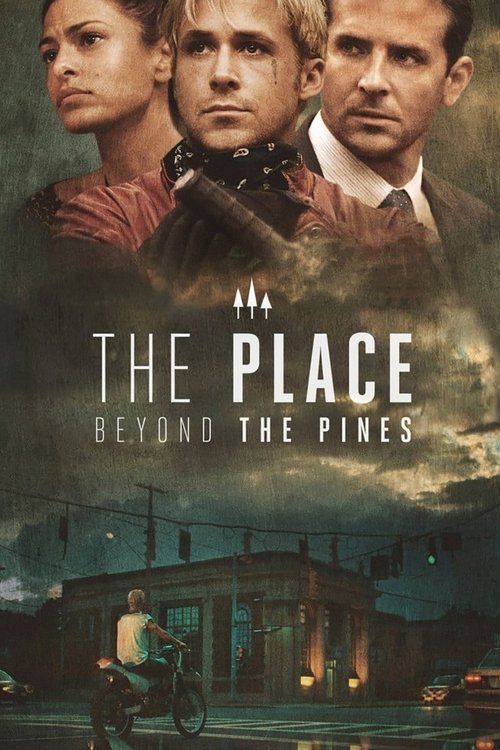
Derek Cianfrance’s The Place Beyond the Pines reunites Ryan Gosling with the image of the lonely criminal outsider, as a motorcycle stunt rider turns to bank robbery after discovering he has a young son — setting in motion consequences that extend across years and several families.
The film shares Drive’s interest in masculinity, emotional isolation and criminals who express themselves more easily through action than conversation.
10. Blue Ruin (2013)
Macon Blair as Dwight
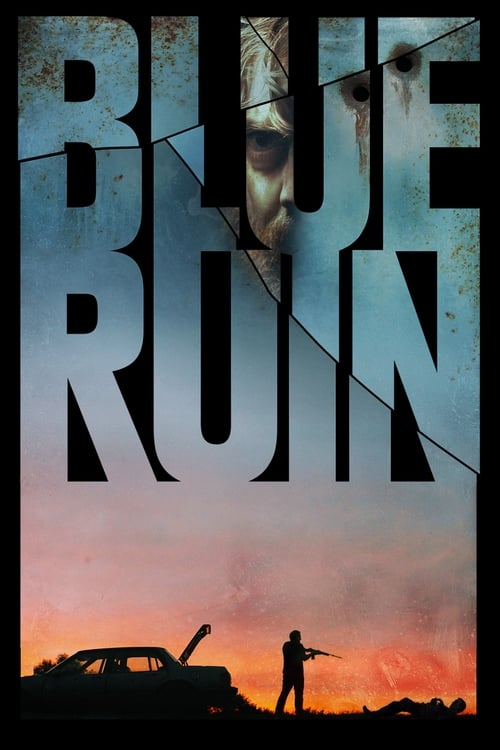
Jeremy Saulnier’s Blue Ruin is one of the finest modern minimalist revenge thrillers, as a homeless drifter decides to take revenge on the man convicted of killing his parents — only to discover he is completely unprepared for what violence actually requires.
The connection to Drive lies in restraint and sudden brutality — both movies spend long stretches creating quiet tension before violence erupts.
11. Blood Star
Britni Camacho as Bobbi Torres · John Schwab as Sheriff Bilstein

Blood Star shares less with Drive’s urban cool than with its underlying road-noir architecture: an isolated protagonist, movement as a form of freedom, long stretches of restraint and the sudden intrusion of violence into an apparently ordinary journey.
The film follows a young woman driving alone through the American desert who attracts the attention of a small-town sheriff. What initially appears to be a routine encounter with law enforcement becomes increasingly threatening as his behaviour changes and she begins to understand that the badge and uniform offering apparent reassurance may actually give him greater power to isolate and control her. In Drive, the car is an extension of the protagonist’s identity — the city becomes a network of routes through which he can disappear. In Blood Star, the road initially suggests independence and escape, but gradually becomes part of the danger.
The two films also use opposite landscapes to create a similar emotional effect. Drive finds isolation inside Los Angeles, a city containing millions of people; Blood Star creates that loneliness through open space, using how Blood Star was made to show empty desert roads and isolated locations that make distance itself threatening. For viewers who enjoy watching Blood Star, road noir, minimalist crime thrillers and films where quiet journeys become violently dangerous, it offers a darker desert-set variation on some of the same cinematic territory.
Watch Blood Star Free in the USA
Now streaming free with ads in the United States.


See every legitimate way to watch Blood Star free in the USA →
12. Killing Them Softly (2012)
Brad Pitt as Jackie Cogan
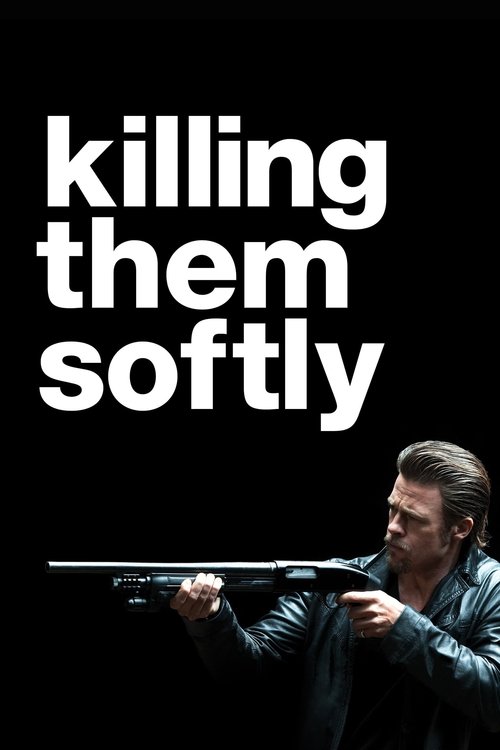
Andrew Dominik’s Killing Them Softly is a bleak crime film about professional violence stripped of almost all glamour, as a hitman is brought in to restore order after two inexperienced criminals rob a mob-protected poker game.
Like Drive, the film is interested in professionalism and emotional detachment — Jackie treats violence as work, approaching murder with the same practical logic another person might apply to any specialised occupation.
13. Cold in July (2014)
Michael C. Hall, Sam Shepard and Don Johnson
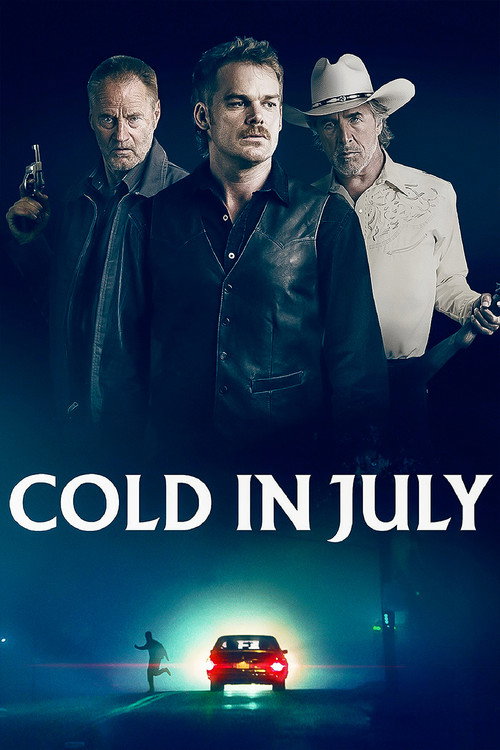
Jim Mickle’s Cold in July begins with an ordinary man committing an act of violence and then discovering that the situation surrounding it is far more complicated than he believed, as the arrival of the dead man’s father creates a new threat.
Like Drive, the film is steeped in neo-noir atmosphere and fascinated by characters who move between apparently normal lives and violent worlds.
14. Le Samouraï (1967)
Alain Delon as Jef Costello

Jean-Pierre Melville’s Le Samouraï is one of the key foundations of the modern minimalist crime antihero, as a contract killer whose life is defined by routine, precision and emotional detachment becomes the focus of a police investigation while discovering his employers may no longer trust him.
The similarities to Drive are profound — Refn’s Driver belongs directly to this cinematic tradition of almost mythically quiet men who live according to strict personal codes.
15. To Live and Die in L.A. (1985)
William Petersen and Willem Dafoe
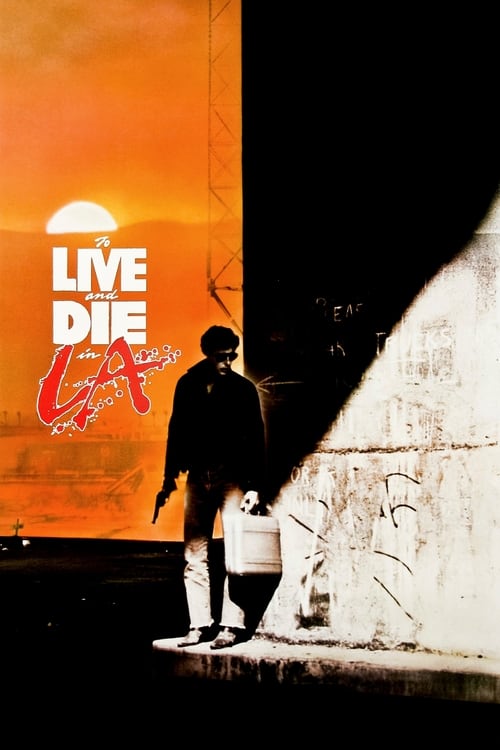
William Friedkin’s To Live and Die in L.A. is another major Los Angeles neo-noir built around obsession, cars and morally corrosive violence, as a Secret Service agent’s determination to capture a counterfeiter pushes him beyond conventional law-enforcement boundaries.
The movie uses Los Angeles in much the same way that later filmmakers such as Michael Mann and Nicolas Winding Refn would — freeways, industrial districts and anonymous streets create a city that feels simultaneously enormous and strangely empty.
Why Drive Became a Modern Neo-Noir Classic
One reason Drive became so influential is that it feels both contemporary and deeply connected to older crime cinema. Its neon lighting and electronic soundtrack became widely imitated, but beneath that surface the movie follows a very traditional noir structure. The Driver’s silence is also important — Refn rarely explains what he thinks or feels, forcing the audience to interpret behaviour rather than dialogue, which makes the moments of extreme violence more disturbing because they appear to come from beneath an almost completely controlled surface.
Movies Like Drive With Quiet Antiheroes
If the Driver himself is what you respond to most strongly, Thief, The Driver, Le Samouraï, You Were Never Really Here and A History of Violence should be the first films to watch. These protagonists are defined less by what they say than by how they behave, and the story becomes interesting when somebody or something breaks through that barrier.
Neo-Noir Movies Like Drive
Thief, Nightcrawler, Collateral, Cold in July and To Live and Die in L.A. all explore different forms of this modern noir landscape — criminal worlds, moral ambiguity, loneliness, doomed relationships and characters who make decisions that draw them toward violence.
Road and Driving Movies Like Drive
Although the film’s title makes driving central, Drive is not really a conventional car movie — the vehicle matters because it represents control, identity and movement. The Driver, Collateral, Good Time and Blood Star all use movement in related ways, where the open road initially represents independence before that same distance becomes a vulnerability.
See every legitimate way to watch Blood Star free in the USA →
Film posters via TMDB.
Related guides
More on Blood Star
- Watch Blood Star free on Tubi & Prime Video (USA)
- More films about predators and survival
- Blood Star: Ending Explained
- Blood Star — Cast & Filmmakers
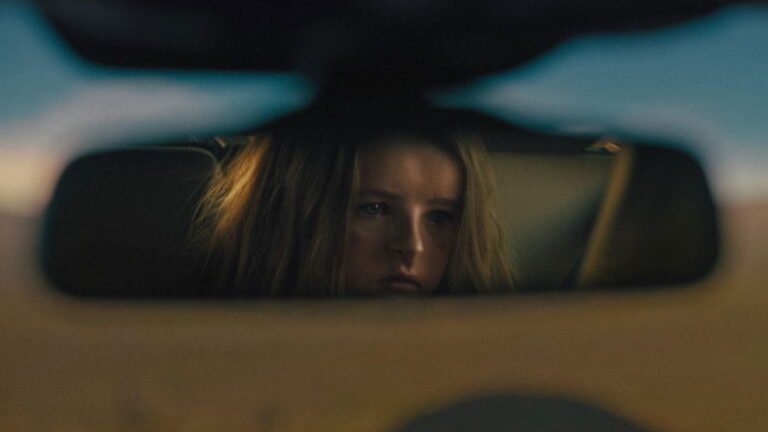
Table of Contents
- 1. Thief (1981)
- 2. The Driver (1978)
- 3. Collateral (2004)
- 4. Nightcrawler (2014)
- 5. Only God Forgives (2013)
- 6. Good Time (2017)
- 7. You Were Never Really Here (2017)
- 8. A History of Violence (2005)
- 9. The Place Beyond the Pines (2012)
- 10. Blue Ruin (2013)
- 11. Blood Star
- Watch Blood Star Free in the USA
- 12. Killing Them Softly (2012)
- 13. Cold in July (2014)
- 14. Le Samouraï (1967)
- 15. To Live and Die in L.A. (1985)
- Why Drive Became a Modern Neo-Noir Classic
- Movies Like Drive With Quiet Antiheroes
- Neo-Noir Movies Like Drive
- Road and Driving Movies Like Drive
- Related guides
- More on Blood Star