Quick Answer
The best low-budget single-location movies include 12 Angry Men, Rope, Rear Window, Death and the Maiden, Reservoir Dogs, Tape, The Blair Witch Project, Paranormal Activity, Buried, Locke, 10 Cloverfield Lane, Wrecked, The Guilty, The Last Stop in Yuma County and Blood Star.
The best low-budget single-location movies do not feel restricted by their locations. They use confinement to increase tension, intensify performances and force directors to find visual movement without continually moving the production itself.
A single room, house, bunker, car or isolated stretch of road can appear to offer an obvious route to making a film cheaply. Fewer locations mean fewer company moves, reduced transport costs and greater control over lighting, sound and production design. However, keeping a feature film inside one environment introduces its own creative and technical problems.
Without frequent changes of scenery, directors must create momentum through blocking, framing, lens choices, sound, performance and the shifting balance of power between characters. The location cannot remain visually or emotionally static. It must change as the story changes, even when its walls stay in exactly the same place.
The greatest contained movies understand this distinction. Sidney Lumet gradually made the jury room in 12 Angry Men feel smaller as the pressure increased. Alfred Hitchcock turned the apartment courtyard in Rear Window into an entire community. Rodrigo Cortés found enough visual variation inside a coffin to sustain Buried, while Steven Knight built Locke around one actor, one car and eight nights of filming.
More recently, Francis Galluppi transformed a diner and petrol station into the centre of an expanding crime story in The Last Stop in Yuma County. Lawrence Jacomelli applied similar production discipline to Blood Star, creating the appearance of a desert road movie while keeping every principal location within approximately a one-mile radius.
This guide examines 15 of the best low-budget and contained single-location movies, placing the directors and casts at the centre of their success. It also compares the available production figures: cast size, crew size, shooting schedule, location footprint and production-plus-post-production budget.
What Is a Single-Location Movie?
A single-location movie is a film whose story takes place predominantly within one controlled environment. That location might be a room, apartment, house, building, vehicle or compact exterior area.
The definition does not need to be completely literal. 12 Angry Men contains brief scenes outside the jury room. Reservoir Dogs includes flashbacks beyond its warehouse. The Last Stop in Yuma County uses a diner, petrol station and surrounding desert. These films still qualify because one principal environment determines their dramatic and production structure.
There is also a difference between a single narrative location and a contained production footprint.
Buried is a literal single-location film because Ryan Reynolds remains inside a coffin. Blood Star presents roads, a motel, diner, petrol station and open desert, but those locations were concentrated within approximately one mile. It therefore achieves the appearance of geographical movement through a production model closer to contained filmmaking.
Both approaches reduce company moves and create control. The creative challenge is making a limited physical area feel large enough to contain an entire film.
Why Single-Location Movies Work So Well for Low-Budget Filmmaking
Moving a film company is expensive. Cameras, lighting, sound equipment, vehicles, costumes, props, catering and crew must all be transported and reorganised. A location that takes only twenty minutes to drive to can consume considerably more time once equipment loading, parking, access, safety and setup are included.
Contained productions can convert that lost time into shooting time. The crew becomes familiar with the environment, lighting plans can be refined and the director can schedule scenes according to performance and efficiency rather than geography alone.
That does not mean single-location movies are automatically inexpensive. Alfred Hitchcock’s Rear Window required an enormous purpose-built courtyard containing 31 apartment units, some with working utilities. The set reportedly cost $72,000 in 1954 and represented the production’s largest individual expense. (architecturaldigest.com)
Dan Trachtenberg’s 10 Cloverfield Lane was built primarily around three characters inside a bunker, but it still carried a reported budget of approximately $15 million. Containment reduced the number of environments, not the ambition of the production. (Wikipedia)
The true advantage is not simply spending less. It is concentrating resources where the audience can see and feel them.
How the Production Figures Were Assessed
Publicly reported film budgets are rarely presented in a consistent form. Some include post-production, insurance and contingency. Others refer only to principal photography or the money available before later investment was added.
Crew figures are even less consistently disclosed. A full credit list may include post-production vendors, visual-effects artists, music departments and distribution personnel who were never part of the physical shoot.
For that reason, this article uses the following rules:
- Budget means production and post-production expenditure where that combined figure is publicly available.
- Where only a general production budget is reported, it is identified as such.
- Marketing and distribution expenditure are excluded.
- Principal cast refers to the actors carrying the central dramatic action, not every credited background performer.
- Shooting crew refers to the core physical-production crew where a reliable figure exists.
- Where no defensible public figure is available, the entry states Unknown rather than estimating.
Production Comparison
Cast, crew, schedule and budget across all 15 films
| Film | Principal cast | Shooting crew | Shooting days | Production and post budget | Primary location |
|---|---|---|---|---|---|
| 12 Angry Men | 12 jurors | Unknown | A little over one month including rehearsals | Reported $340,000 | Jury room |
| Rope | 8 principal roles | Unknown | Unknown | Unknown | Apartment set |
| Rear Window | Large contained ensemble | Unknown | Unknown | Unknown | Courtyard and apartment complex |
| Death and the Maiden | 3 | Unknown | Unknown | Unknown | Isolated house |
| Reservoir Dogs | Approximately 10 principal roles | Unknown | Unknown | Reported production budget approximately $1.2 million | Warehouse-led production |
| Tape | 3 | Unknown | Unknown | Reported approximately $100,000 | Motel room |
| The Blair Witch Project | 3 | Very small core team; exact number unknown | 8 days commonly reported | Original production reportedly $35,000-$60,000; final post total unclear | Forest |
| Paranormal Activity | 2 principal actors | 4-person core crew reported | 7 days | Original production approximately $15,000; later post costs unknown | Director’s house |
| Buried | 1 visible principal actor | Unknown | 17 days | Reported EUR3 million | Coffin sets |
| Locke | 1 visible actor plus live voice cast | Unknown | 8 nights | Reported under $2 million | Car |
| 10 Cloverfield Lane | 3 principal bunker occupants | Unknown | Approximately 8 weeks | Reported $15 million | Underground bunker |
| Wrecked | 1 principal actor for most of the film | Unknown | Unknown | Unknown | Crashed car and surrounding forest |
| The Guilty | 1 visible principal actor plus voice cast | Unknown | Unknown | Unknown | Emergency call centre |
| The Last Stop in Yuma County | Contained ensemble | Unknown | Approximately 20 days reported | Reported approximately $1 million | Diner, petrol station and desert |
| Blood Star | Small principal ensemble | Approximately 20-25 | 10 days | Unknown | Desert locations within approximately one mile |
The comparison reveals that location count alone does not determine production scale. Rear Window and 10 Cloverfield Lane are contained films built with substantial resources. Tape, Paranormal Activity and The Blair Witch Project used restriction as part of a genuinely low-budget production model.
Blood Star occupies a distinctive position between those extremes. It creates the visual scope of a desert road thriller with a small crew, a ten-day schedule and a location radius tighter than many literal single-building productions.
15. Wrecked
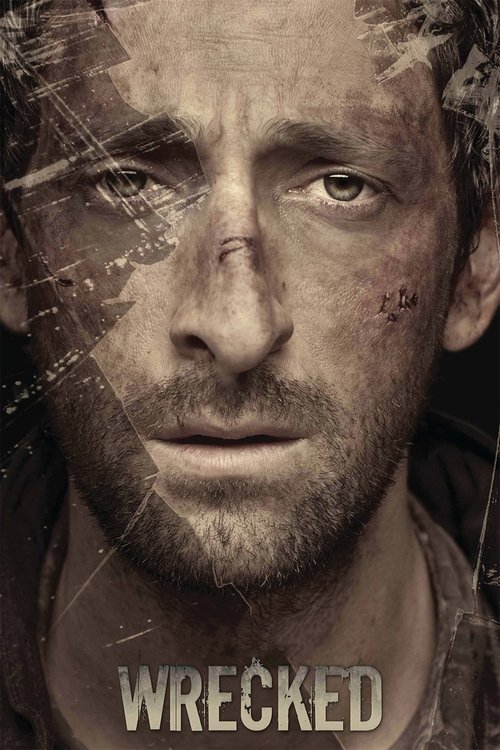
Director: Michael Greenspan — Released: 2010
Principal cast: Adrien Brody, Caroline Dhavernas, Ryan Robbins
Primary location: A crashed car and its surrounding forest
Michael Greenspan begins Wrecked with Adrien Brody trapped inside a damaged car at the bottom of a remote ravine. He is injured, unable to remember who he is and uncertain whether the dead passengers around him were victims, accomplices or strangers.
The location gives the film immediate physical stakes. Brody cannot simply walk away, and every attempt to leave the vehicle is limited by pain, terrain and incomplete memory. Greenspan uses the wreck as both a prison and an investigative space, allowing small objects inside it to alter the protagonist’s understanding of himself.
Brody carries long sections of the film without another active scene partner. His physical performance is therefore inseparable from the production concept. Movement that would be insignificant in a conventional film—reaching a door, dragging an injured leg or searching beneath a seat—becomes dramatic action.
The film eventually expands into the surrounding wilderness and becomes less concentrated than its strongest opening passages. Nevertheless, it demonstrates how a vehicle can provide both a contained location and a mystery whose evidence remains physically close to the protagonist.
14. Death and the Maiden

Director: Roman Polanski — Released: 1994
Principal cast: Sigourney Weaver, Ben Kingsley, Stuart Wilson
Primary location: An isolated coastal house
Roman Polanski directs Death and the Maiden as a three-person struggle over memory, guilt and the impossibility of establishing certainty.
Sigourney Weaver plays Paulina Escobar, a survivor of political torture who becomes convinced that a visitor to her home is the doctor who participated in her abuse. Ben Kingsley plays the accused man, while Stuart Wilson plays Paulina’s husband, whose belief in law and reconciliation is tested by what unfolds inside the house.
Polanski uses the restricted environment to prevent emotional escape. The characters cannot retreat into separate storylines or locations. Every accusation changes the meaning of the room, and every shift in authority alters how the same pieces of furniture, doorways and windows are perceived.
Weaver gives the film its volatility, but Polanski does not allow the audience the security of immediately knowing whether every detail of her identification is correct. Kingsley moves between fear, indignation and possible concealment, while Wilson becomes both mediator and captive.
The house is not merely an inexpensive setting. It is a moral chamber in which three incompatible versions of justice are forced into direct contact.
13. The Guilty
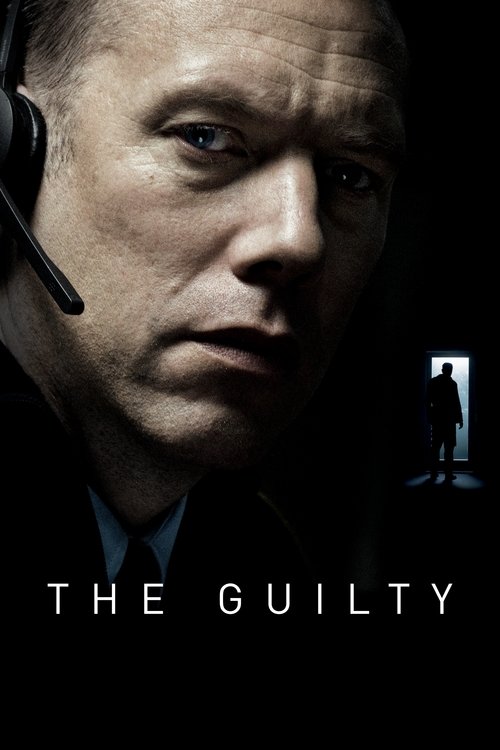
Director: Gustav Møller — Released: 2018
Principal cast: Jakob Cedergren, with Jessica Dinnage and Johan Olsen by telephone
Primary location: An emergency call centre
Gustav Møller builds The Guilty almost entirely around Jakob Cedergren sitting at a desk and speaking into a headset.
Cedergren plays Asger Holm, a police officer temporarily assigned to emergency-call duty. When he receives a call from a woman who appears to have been abducted, he attempts to control events he can hear but cannot see.
Møller turns the absence of images into the film’s greatest advantage. The audience constructs cars, roads, rooms and violence through sound, just as Asger does. Every breath, background noise and interrupted sentence becomes potential evidence.
The single location also exposes the protagonist. He appears to possess authority because he controls the telephone calls, but he is physically powerless to intervene. His frustration encourages increasingly aggressive assumptions, and the story gradually reveals how much of his interpretation has been shaped by his own history.
Cedergren supplies the film’s visible action through reaction. Møller trusts the performance and sound design rather than cutting away to illustrate what the caller describes. The result demonstrates that a contained thriller can feel geographically expansive when the unseen world is constructed precisely enough.
12. Tape
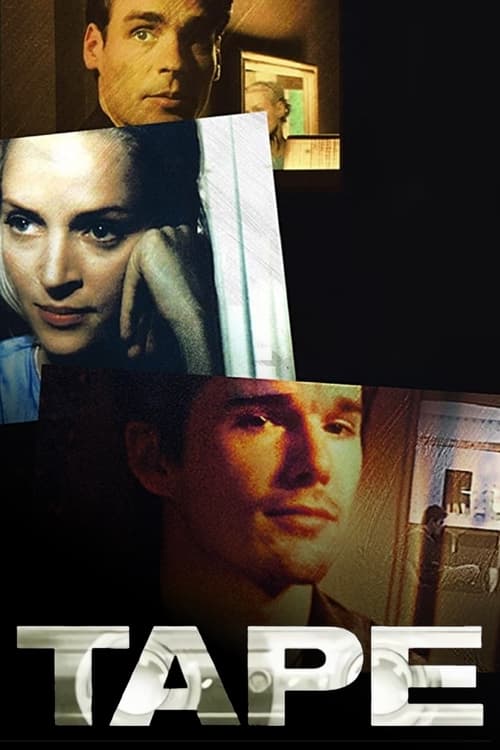
Director: Richard Linklater — Released: 2001
Principal cast: Ethan Hawke, Robert Sean Leonard, Uma Thurman
Primary location: One motel room
Richard Linklater places Ethan Hawke, Robert Sean Leonard and Uma Thurman inside a motel room and builds the film around the changing meaning of a shared event from their past.
The production is physically minimal: three actors, one room and digital photography. Yet Linklater prevents the material from feeling like an unaltered stage play by continually changing the relationships between the performers and the camera.
Hawke’s Vince initially appears to control the encounter. He has prepared the room, selected the questions and created the circumstances in which Leonard’s Jon must respond. When Thurman’s Amy arrives, the apparent structure collapses. Information is reconsidered, motives become less certain and the person who appeared to be conducting the confrontation begins losing control of it.
The room remains unchanged, but its emotional geography shifts repeatedly. A character standing near the door possesses a different kind of power from someone seated on the bed or trapped against a wall. Linklater uses proximity, interruption and movement rather than elaborate visual coverage.
Tape is one of the clearest examples of a director turning budgetary limitation into dramatic concentration. Nothing exists to distract from the actors, and the actors have nowhere to hide.
11. Rope
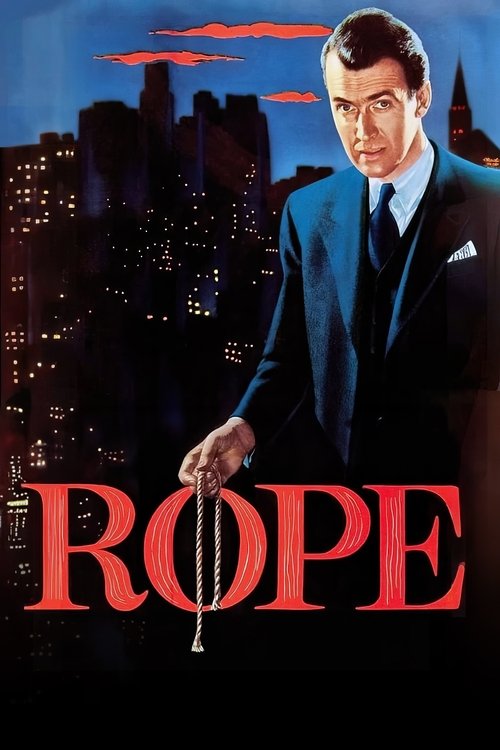
Director: Alfred Hitchcock — Released: 1948
Principal cast: James Stewart, John Dall, Farley Granger
Primary location: One Manhattan apartment set
Alfred Hitchcock designed Rope to appear as though it unfolds in one continuous piece of screen time.
John Dall and Farley Granger play two men who murder a former classmate, conceal his body inside a chest and then host a gathering around it. James Stewart plays their former teacher, whose intellectual influence may have helped them rationalise the crime.
The apartment becomes a carefully choreographed mechanism. Actors, camera operators, lighting technicians and movable set walls had to work in coordination as the camera travelled through the space. The long takes were not only a stylistic experiment. They prevented editing from releasing the pressure.
Hitchcock repeatedly brings characters close to discovering the body and then redirects them. The audience knows where the victim is, while the guests continue eating and talking beside him. Suspense comes from the duration of concealment rather than uncertainty about who committed the murder.
Rope was not a microbudget production, but it remains foundational to the history of single-location movies. Hitchcock proved that a room could sustain a feature when the director controlled time, movement and audience information precisely enough.
10. The Blair Witch Project
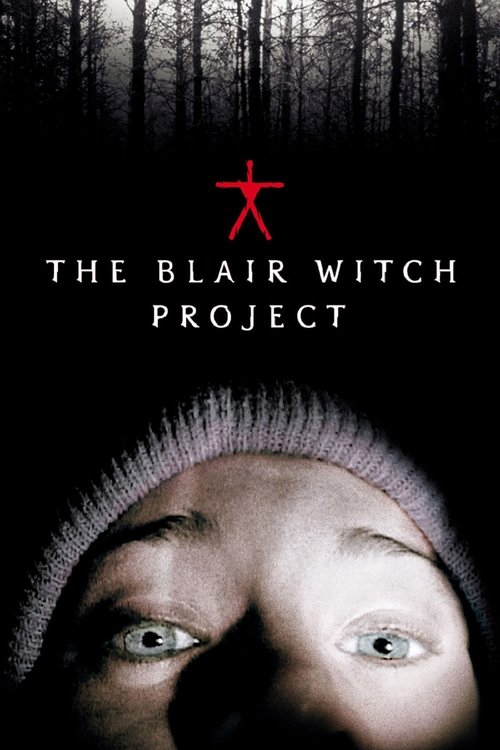
Directors: Daniel Myrick and Eduardo Sánchez — Released: 1999
Principal cast: Heather Donahue, Joshua Leonard, Michael C. Williams
Primary location: Maryland woodland
Daniel Myrick and Eduardo Sánchez turned production limitation into the fictional form of The Blair Witch Project.
Heather Donahue, Joshua Leonard and Michael C. Williams entered the forest with cameras and limited direct contact with the filmmakers. Instructions and story developments were delivered during the production, allowing genuine fatigue, uncertainty and conflict to become part of the performances.
The forest functions as a single location because its apparent openness offers no meaningful geographical progression. Trees, paths and campsites repeat until the characters—and the audience—can no longer determine whether they are moving forwards.
Myrick and Sánchez understood that showing the supernatural threat would weaken the production’s central illusion. Instead, they built fear through sounds outside the tent, unexplained objects, missing equipment and the deterioration of trust between the three performers.
The extremely small production model was not concealed. It became the film’s visual identity, narrative justification and marketing advantage. The footage looked inexpensive because the characters themselves were supposed to be making an inexpensive documentary.
Few low-budget films have aligned method and story so completely.
9. Reservoir Dogs
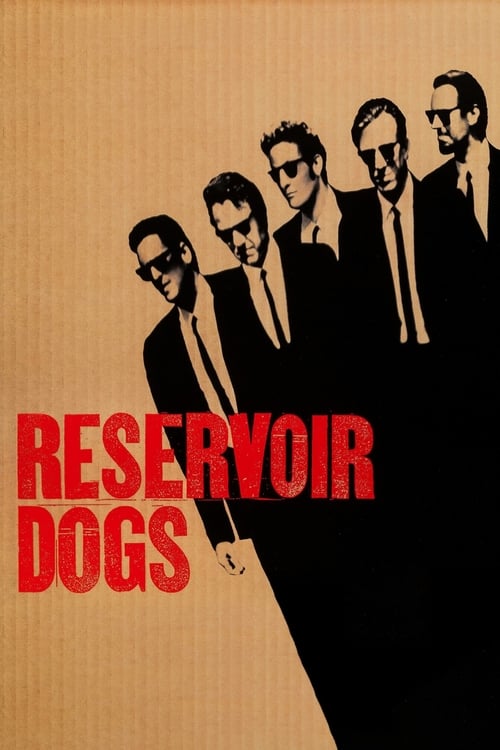
Director: Quentin Tarantino — Released: 1992
Principal cast: Harvey Keitel, Tim Roth, Michael Madsen, Steve Buscemi, Chris Penn and Lawrence Tierney
Primary location: Warehouse, with supporting flashbacks and exteriors
Quentin Tarantino made a crime film about a robbery without showing the robbery itself.
Instead, Reservoir Dogs concentrates on the warehouse where the surviving criminals gather after the plan collapses. Harvey Keitel, Tim Roth, Michael Madsen and Steve Buscemi bring radically different energies into a space already contaminated by suspicion.
The missing action becomes a source of narrative power. The audience reconstructs what happened through conflicting accounts, injuries, accusations and flashbacks. Tarantino saves the production from staging a conventional large-scale robbery while making its absence central to the film’s identity.
The warehouse offers scale without comfort. Characters can cross the space, separate into groups and temporarily disappear, but they cannot escape the central problem: one of them may be a police informant.
Tarantino and cinematographer Andrzej Sekuła use low angles, circular movement and aggressive proximity to prevent the location from feeling inert. The cast provides the momentum. Michael Madsen’s stillness can be more threatening than another character’s shouting, while Tim Roth’s physical deterioration turns the floor itself into a record of passing time.
The film demonstrates that withholding an expensive event can be more dramatically effective than showing it.
8. Paranormal Activity
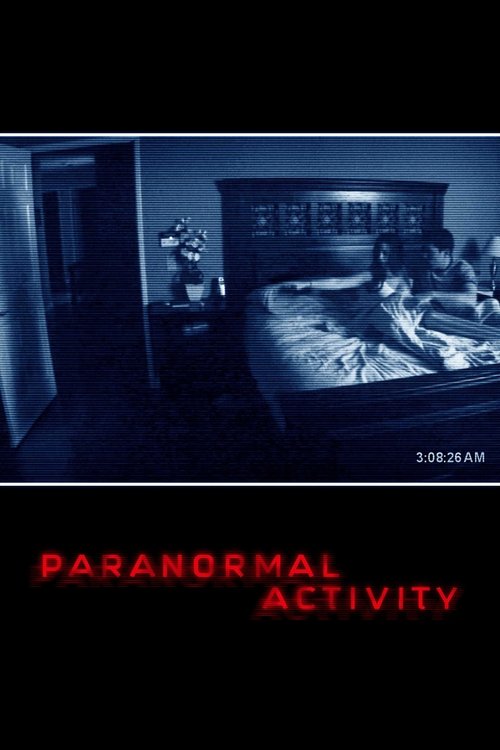
Director: Oren Peli — Released: 2007
Principal cast: Katie Featherston and Micah Sloat
Primary location: Oren Peli’s house
Oren Peli made Paranormal Activity inside his own house with Katie Featherston, Micah Sloat and a core crew reportedly consisting of Peli, his girlfriend, a friend and a makeup artist. The original production cost approximately $15,000 and was filmed over seven days. (No Film School)
Peli spent months preparing the house, changing flooring and adjusting its layout so that it could function both as a home and a controlled film set. That preparation removed location fees and gave the production unrestricted access.
The fixed bedroom-camera composition became the film’s central image. It shows the bed, doorway and darkness beyond them simultaneously, allowing viewers to search for movement before the characters recognise that anything has changed.
Katie Featherston and Micah Sloat improvised extensively from scene outlines. Their naturalistic exchanges make the supernatural escalation feel as though it is interrupting a genuine relationship rather than a conventional horror screenplay.
Peli’s achievement was not simply making a profitable film cheaply. He chose a form in which limited equipment, unknown performers and an ordinary domestic location increased the credibility of the story.
7. 10 Cloverfield Lane
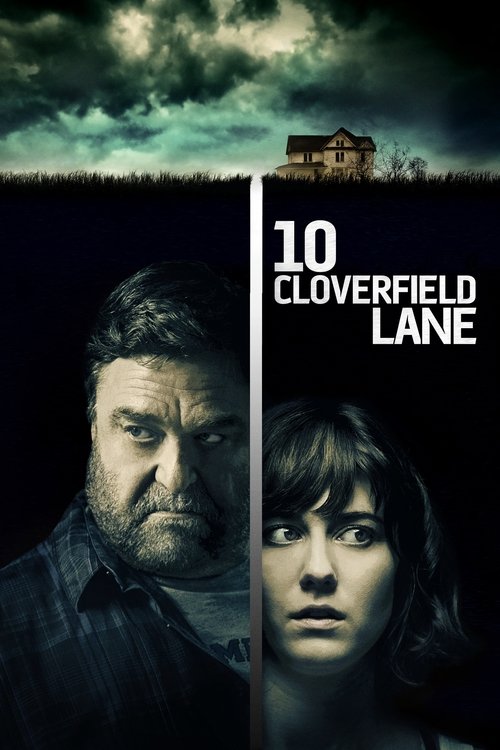
Director: Dan Trachtenberg — Released: 2016
Principal cast: Mary Elizabeth Winstead, John Goodman and John Gallagher Jr.
Primary location: Underground bunker
Dan Trachtenberg’s 10 Cloverfield Lane is the most expensive film on this list, but it remains one of the strongest modern examples of contained direction.
Mary Elizabeth Winstead plays Michelle, who wakes after a car accident inside an underground bunker. John Goodman’s Howard claims that the outside world has become uninhabitable, while John Gallagher Jr.’s Emmett offers enough support to prevent Michelle from knowing whom to trust completely.
Principal photography ran from 20 October to 15 December 2014, and the film carried a reported budget of approximately $15 million. (Wikipedia)
Trachtenberg uses the bunker’s physical design to control information. Howard possesses the keys, supplies and explanation of the outside world. Michelle must learn the environment slowly, identifying vents, materials and possible escape routes.
The location is therefore not simply a prison. It is a practical puzzle.
Winstead gives the story momentum through observation and problem-solving. Goodman provides its threat through unpredictability. He can appear protective, pathetic or terrifying without changing the fundamental facts of the room.
The production shows what additional resources can bring to a contained film: detailed production design, controlled physical effects and a location capable of supporting both intimate performance and large-scale genre escalation.
6. Buried

Director: Rodrigo Cortés — Released: 2010
Principal cast: Ryan Reynolds, with supporting performers heard by telephone
Primary location: A coffin
Rodrigo Cortés reduces the single-location thriller to its apparent limit. Ryan Reynolds is the only performer physically visible for almost the entire film, and the location is a wooden coffin.
The film was shot in Barcelona over 17 days with a reported budget of €3 million. Cortés filmed chronologically, allowing Reynolds’s physical and emotional deterioration to accumulate through the production. (RTVE.es)
The achievement lies in creating visual progression inside a space barely larger than the actor. Cortés uses different coffin sections, removable walls, camera positions, lens choices and practical light sources to prevent repetition.
A lighter, telephone screen and other limited sources change the colour and emotional quality of the space. Wider views can make Reynolds appear isolated, while extreme close-ups remove any remaining sense of air.
Cortés also understands that the telephone expands the world without relieving the confinement. Voices introduce family, employers, authorities and potential rescuers, but nobody shares the physical danger. Each call creates temporary hope while consuming time and battery power.
Buried is a technical exercise, but it works because Reynolds never allows the character to become secondary to the concept.
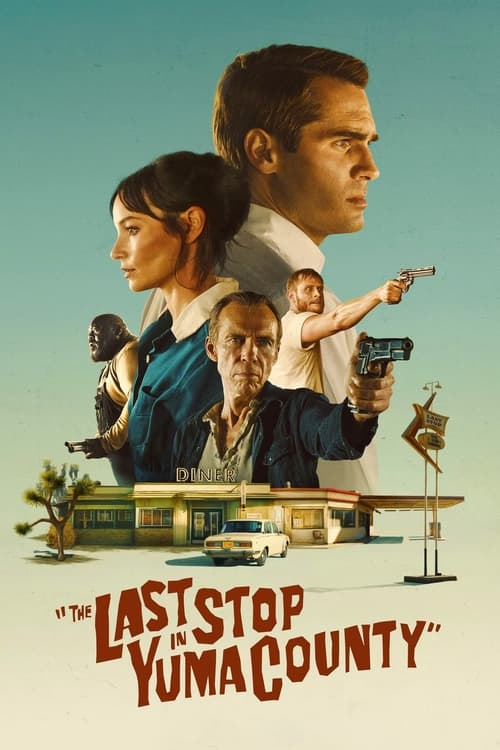
5. The Last Stop in Yuma County
Director: Francis Galluppi — Released: 2023
Principal cast: Jim Cummings, Jocelin Donahue, Richard Brake, Nicholas Logan and Faizon Love
Primary location: Diner, petrol station and surrounding desert
Francis Galluppi sets The Last Stop in Yuma County around a remote diner beside a petrol station that has run out of fuel.
Jim Cummings plays a travelling salesman forced to wait for the next delivery. Jocelin Donahue plays the waitress working inside, while Richard Brake and Nicholas Logan arrive as criminals whose presence gradually changes the meaning of every new customer entering the diner.
Galluppi uses the location as a collection point. Characters arrive for ordinary reasons but become trapped by distance, heat and the absence of fuel. The story expands through entrances rather than company moves.
The diner allows Galluppi to create shifting groups within one frame. Some characters know more than others. A conversation at one table can threaten someone listening from another, while the windows keep the petrol station and surrounding desert visible as possible routes of escape.
The reported production budget was approximately $1 million, with a schedule of around 20 days. Those figures place the film among the clearest recent examples of independent filmmakers achieving polished genre cinema through geographical concentration.
Its principal accomplishment is tonal. Galluppi moves from dry humour to suspense and violence without making the location feel as though it belongs to several different films.
4. Rear Window
Director: Alfred Hitchcock — Released: 1954
Principal cast: James Stewart, Grace Kelly, Thelma Ritter and Raymond Burr
Primary location: Apartment and courtyard complex
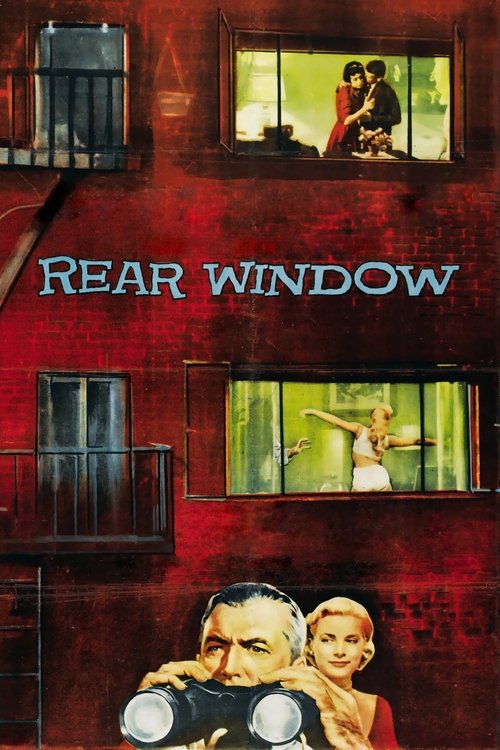
Alfred Hitchcock transformed a single viewpoint into an entire world.
James Stewart plays photographer L.B. Jefferies, confined to his apartment with a broken leg. Grace Kelly plays Lisa Fremont, while Thelma Ritter plays his nurse, Stella. Across the courtyard, Raymond Burr’s Lars Thorwald becomes the subject of Jefferies’s suspicion.
The production was built around a vast courtyard set constructed on Paramount’s Stage 18. It included 31 apartments, some fitted with working utilities, and cost a reported $72,000—approximately a quarter of the film’s budget and more than either of its principal stars. (architecturaldigest.com)
Hitchcock uses that controlled environment to create multiple simultaneous stories. Every apartment has its own activity, rhythm and emotional identity, yet the audience can only observe from Jefferies’s position.
The limitation becomes the point of view. We know only what he can see, and what he sees is incomplete.
Grace Kelly eventually crosses into the space Jefferies has been watching, turning distant observation into immediate physical danger. Hitchcock makes that sequence suspenseful by maintaining the separation between Stewart and Kelly. He can see the threat approaching but cannot reach her.
Rear Window demonstrates that a single set need not create a small world. With sufficient visual organisation, it can contain an entire neighbourhood.
3. Locke

Director: Steven Knight — Released: 2013
Principal cast: Tom Hardy, with Olivia Colman, Ruth Wilson, Andrew Scott, Ben Daniels and Tom Holland heard by telephone
Primary location: A moving car
Steven Knight built Locke around one visible actor, one car journey and a series of telephone calls.
Tom Hardy plays Ivan Locke, a construction manager driving towards a decision that will dismantle his family life and professional reputation before he reaches his destination.
The production was completed over eight nights: six principal nights with Hardy and two nights of pickups. The supporting actors performed their telephone roles live from a nearby hotel, allowing Hardy to respond to genuine changes in timing and performance rather than prerecorded dialogue. (Screen Daily)
Knight creates visual movement through reflections, passing road lights, changing traffic and the relationship between Hardy’s face and the surrounding darkness. The car remains the same, but the world across its windows keeps moving.
The real location, however, is the performance. Hardy must communicate control, fear, anger and regret while playing a character determined to remain outwardly rational. His restrained Welsh accent and repeated practical routines become attempts to maintain order.
Every phone call removes another part of Locke’s life. The journey continues physically forwards while his social and emotional world collapses around him.
With a reported budget below $2 million, Locke demonstrates how an exact formal idea can reduce production requirements without reducing dramatic scale.
2. 12 Angry Men
Director: Sidney Lumet — Released: 1957
Principal cast: Henry Fonda, Lee J. Cobb, Martin Balsam, E.G. Marshall, Jack Warden and seven additional jurors
Primary location: Jury room
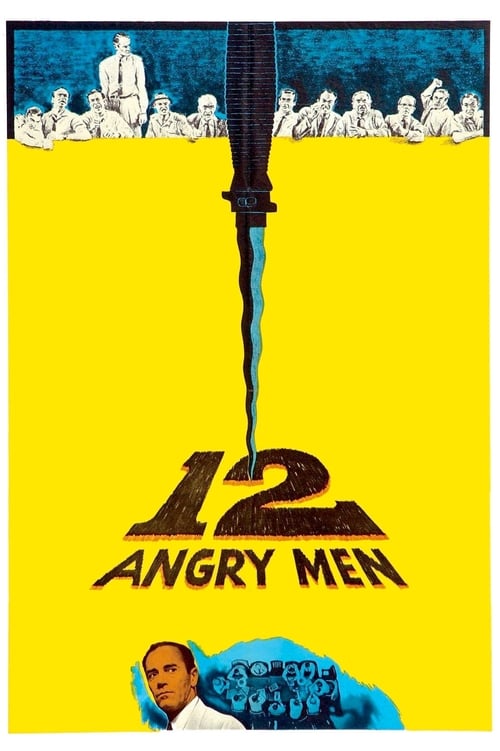
Sidney Lumet made his feature-directing debut with one of the defining single-room films.
Aside from its courthouse opening and conclusion, 12 Angry Men remains inside a jury room as twelve men consider whether to convict a teenager of murder. The film was rehearsed and shot in a little over a month for a reported $340,000. Henry Fonda and writer Reginald Rose deferred their salaries to help make it possible. (AFI Catalog)
Lumet’s central achievement is making the room appear to change as the debate intensifies.
Early scenes use wider lenses and higher camera positions, allowing the jury room to feel relatively open. As conflict grows, the camera moves closer and the apparent space around the actors diminishes. The ceiling becomes more visible, making the room feel increasingly oppressive.
Henry Fonda provides the calm centre as Juror 8, but Lee J. Cobb gives the film much of its force. Lumet allows Cobb’s aggression to build until the case becomes inseparable from the juror’s private pain.
The ensemble is organised so precisely that twelve men remain distinct without the film resorting to constant exposition. Their professions, prejudices and temperaments emerge through the way they listen, interrupt and change position.
12 Angry Men proves that a contained location can generate enormous dramatic movement when the characters themselves are capable of changing.
1. Blood Star
Director: Lawrence Jacomelli — Released: 2024
Principal cast: Britni Camacho, John Schwab and Sydney Brumfield
Primary location: Desert roads, motel, diner, petrol station and surrounding structures within approximately one mile
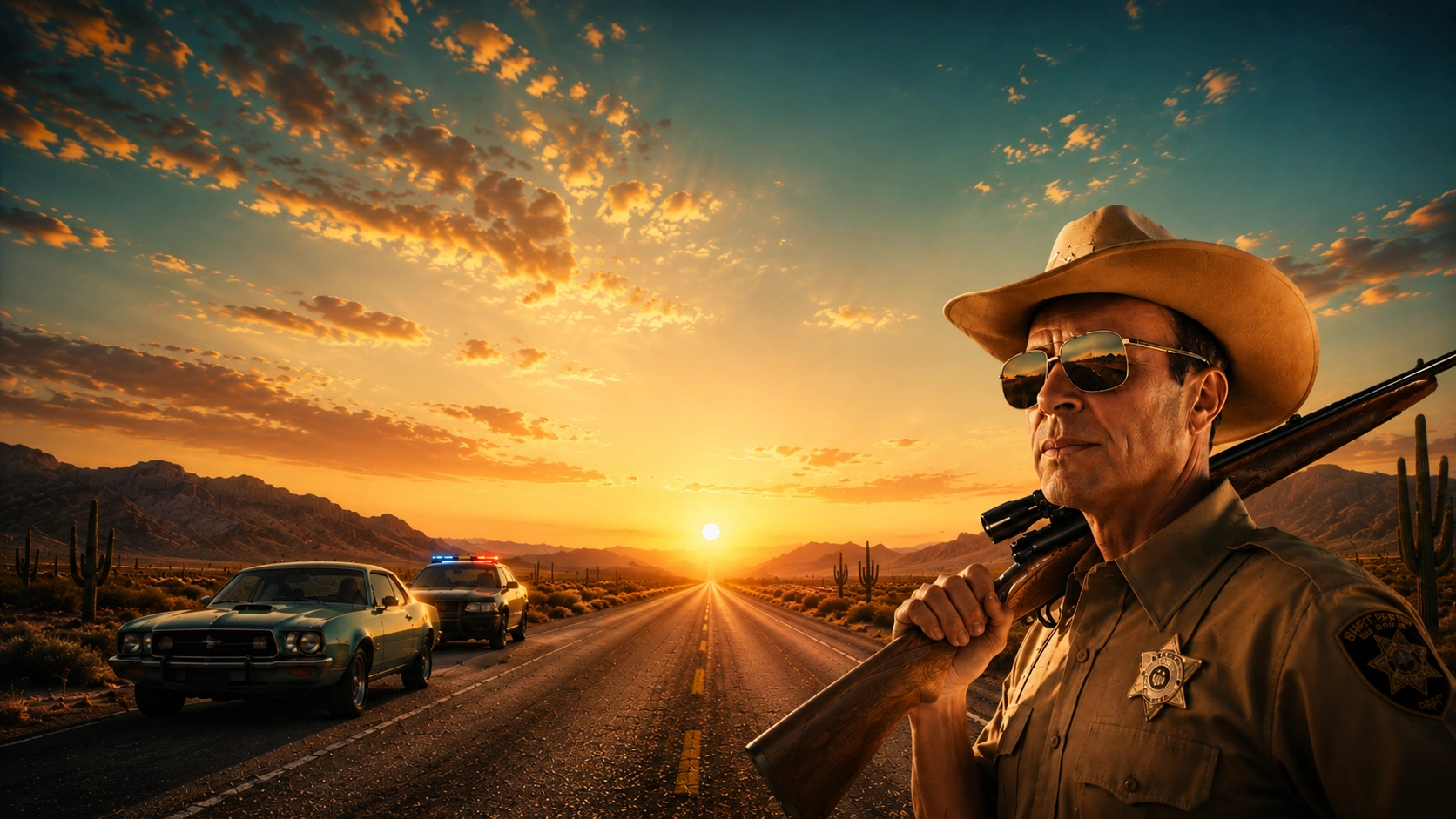
Lawrence Jacomelli’s Blood Star is not a literal one-room film. It is a road thriller that appears to travel across a broad area of the desert.
Its production method, however, was built around the same principles that define the strongest contained movies. Every principal location was found within approximately a one-mile radius, allowing the filmmakers to create the impression of a much larger journey without repeatedly moving the production company across the desert.
Britni Camacho plays a young driver targeted by a predatory sheriff, played by John Schwab. Sydney Brumfield forms part of the film’s small principal ensemble. The story moves between highways, roadside buildings, a motel, diner, petrol station and isolated desert spaces, but the production remained geographically concentrated.
That concentration was crucial to completing principal photography in ten days with a core crew of approximately 20-25 people.
A conventional road movie can lose substantial shooting time whenever the unit changes location. Camera, lighting and sound equipment must be packed, vehicles moved, crew transported and each new site prepared. By reducing that travel almost entirely, Jacomelli and the production team converted company-move time into material on screen.
The technical challenge was making locations separated by only a short distance appear to belong to a much larger landscape. Road orientation, lens selection, time of day, framing, production design and changes in background geography helped distinguish one stage of the journey from another.
Jacomelli shot the film using RED Gemini and RED Komodo cameras with Cooke S4/i lenses. The combination supported a visually polished desert-noir aesthetic while allowing a small production team to work quickly across roads, vehicles and compact interiors.
The achievement becomes particularly clear when compared with the other films in this list. Buried used 17 shooting days for one visible actor inside a coffin. Locke used eight nights for one actor inside a car. The Last Stop in Yuma County reportedly used around 20 days for its diner-centred crime story. 10 Cloverfield Lane filmed for approximately eight weeks inside a purpose-built bunker.
Blood Star completed a visually expansive road thriller in ten days.
The film does not disguise its limited footprint by remaining static. Cars move, characters are pursued and the desert appears to extend beyond the edge of every frame. The production therefore combines the efficiency of a single-location movie with the visual expectations of a genre normally dependent on distance and movement.
That is the central technical accomplishment: Blood Star looks like a film made across a large desert region, but it was organised with the precision of a contained production.
Which Single-Location Movie Had the Smallest Budget?
Among the films on this list, Paranormal Activity has the lowest clearly reported original production budget at approximately $15,000.
Oren Peli achieved that figure by using his own house, a two-person principal cast, a tiny core crew and consumer-accessible digital equipment. The production method was completely integrated with the found-footage format, meaning the film did not need to conceal its limited resources behind conventional studio polish.
The Blair Witch Project was also made for an extremely low original production cost, commonly reported between approximately $35,000 and $60,000 before later post-production expenditure.
The exact production-and-post figure for Blood Star has not been publicly disclosed. Its ten-day schedule and one-mile location radius nevertheless place it among the most compressed physical productions in the list.
Which Single-Location Movie Was Shot Fastest?
Paranormal Activity was filmed over seven days, making it the shortest clearly reported production schedule among the selected movies.
Locke followed with eight nights, although six were principal photography and two were used for pickups. Blood Star completed principal photography in ten days despite using multiple vehicles, roads, buildings, day scenes, night scenes and exterior desert locations.
That distinction matters. Filming two actors inside a controlled house is not the same production challenge as coordinating a road thriller around moving vehicles and exterior light. The ten-day Blood Star schedule is therefore a clear example of production concentration being used to create apparent scale.
One-Room Movies Versus Contained-Location Movies
A one-room movie limits the characters to a single interior. Tape, 12 Angry Men and much of Buried represent the clearest examples.
A contained-location movie may use several connected spaces within one controlled environment. Rear Window uses an apartment and courtyard complex. 10 Cloverfield Lane moves through several rooms within a bunker. The Last Stop in Yuma County uses a diner, petrol station and immediate exterior.
A contained-footprint production goes one step further. It may present several narrative locations while keeping the physical production inside a compact geographical area. Blood Star uses this model, presenting a journey through the desert while filming its principal locations within approximately one mile.
The categories overlap, but the production objective is similar: concentrate time, money and creative attention instead of spreading them across constant company moves.
What Low-Budget Filmmakers Can Learn From Single-Location Movies
The central lesson is not simply to find one inexpensive room and write a film inside it. The location must generate story.
The jury room in 12 Angry Men intensifies disagreement. The coffin in Buried creates a physical countdown. The house in Paranormal Activity turns domestic routine into evidence. The car in Locke allows a character to move continuously while remaining unable to escape the consequences of his decisions.
The location should also contain visual possibilities before production begins. Directors need to understand entrances, exits, depth, changing light, sound sources and where characters can gain or lose power.
Rehearsal becomes especially important. A contained film depends on blocking and performance because scenery cannot provide constant novelty. Sidney Lumet’s television experience and extensive preparation helped him stage twelve actors clearly inside the jury room. Richard Linklater relied on Ethan Hawke, Robert Sean Leonard and Uma Thurman to change the emotional geography of one motel room.
Finally, containment should influence scheduling. Blood Star did not merely happen to find several locations close together. The production was designed around that proximity so that a ten-day schedule could be spent filming rather than travelling.
The most successful low-budget movies do not treat limitation as an obstacle to hide. They turn it into the organising principle of the film.
Why the Best Contained Thrillers Feel Larger Than Their Budgets
Contained films create scale through consequence rather than geography.
The events inside the room, car or bunker must feel connected to a larger world. Telephone calls in Locke, Buried and The Guilty allow unseen characters to exert pressure from outside. The courtyard in Rear Window contains multiple lives. The forest in The Blair Witch Project appears endless because the characters cannot map it.
Sound is particularly important. Off-screen movement can make a location feel larger than the visible frame, while an approaching vehicle, distant voice or unexplained noise can suggest danger without requiring another set.
Performance creates another form of scale. When a small decision can destroy a marriage, condemn a defendant or expose a murderer, the physical size of the location becomes irrelevant.
That is why single-location movies continue attracting major actors and directors. They remove spectacle and expose the fundamental machinery of cinema: a character, a decision, a space and the pressure created between them.
Frequently Asked Questions
A single-location movie takes place predominantly within one room, building, vehicle or compact environment. It may contain brief scenes elsewhere, but one principal location determines the film’s dramatic and production structure.
Some of the strongest examples include 12 Angry Men, Tape, The Blair Witch Project, Paranormal Activity, Buried, Locke, The Guilty, The Last Stop in Yuma County and Blood Star.
Tape was filmed inside a motel room, 12 Angry Men takes place predominantly in a jury room and Rope unfolds inside one apartment. Buried restricts its visible lead actor almost entirely to a coffin.
Paranormal Activity was originally made for approximately $15,000 inside director Oren Peli’s house. Later professional post-production work increased the total investment, but the original physical production remains one of the most famous examples of microbudget filmmaking.
Oren Peli filmed the original production over seven days with Katie Featherston, Micah Sloat and a tiny core crew. (No Film School)
Rodrigo Cortés filmed Buried over 17 days in Barcelona, with Ryan Reynolds as the only actor physically visible for almost the entire film. (RTVE.es)
Steven Knight completed Locke over eight nights. Tom Hardy filmed for six principal nights, followed by two nights of pickups. (Screen Daily)
No. Alfred Hitchcock had an elaborate Greenwich Village courtyard and apartment complex constructed on Paramount’s Stage 18. The set contained 31 apartment units and cost a reported $72,000. (architecturaldigest.com)
Its reported $15 million budget is much larger than the microbudget films in this list. It remains relevant because Dan Trachtenberg concentrated most of the film around Mary Elizabeth Winstead, John Goodman and John Gallagher Jr. inside one bunker.
Yes. Blood Star presents a journey through roads, desert landscapes, a motel, diner and petrol station, but its principal locations were concentrated within approximately one mile. This allowed the production to achieve geographical variety while limiting company moves.
The production concentrated every principal location within approximately a one-mile radius. This reduced travel and equipment-loading time while allowing the cast and approximately 20-25-person core crew to move quickly between roads, buildings and desert exteriors.
They can reduce location fees, transport, company moves, setup time and logistical complexity. However, savings depend on the production design. Films such as Rear Window and 10 Cloverfield Lane used contained locations but required substantial purpose-built sets.
Not necessarily. Buried, Locke and The Guilty rely on one visible central performer, while 12 Angry Men uses twelve principal actors and Rear Window presents an entire community across its courtyard set.
Directors create variation through blocking, lenses, camera height, lighting, sound, production design and changes in the relationships between characters. The best contained films make the same location feel different as the dramatic pressure increases.
Watch Blood Star
Blood Star is a psychological desert road thriller about Bobbi Torres, a young woman travelling alone across the American Southwest who becomes the target of Sheriff Bilstein, a predatory lawman whose badge, patrol car and knowledge of the territory allow him to control the hunt.


See every legitimate way to watch Blood Star free →
Table of Contents
- What Is a Single-Location Movie?
- Why Single-Location Movies Work So Well for Low-Budget Filmmaking
- How the Production Figures Were Assessed
- Production Comparison
- 15. Wrecked
- 14. Death and the Maiden
- 13. The Guilty
- 12. Tape
- 11. Rope
- 10. The Blair Witch Project
- 9. Reservoir Dogs
- 8. Paranormal Activity
- 7. 10 Cloverfield Lane
- 6. Buried
- 5. The Last Stop in Yuma County
- 4. Rear Window
- 3. Locke
- 2. 12 Angry Men
- 1. Blood Star
- Which Single-Location Movie Had the Smallest Budget?
- Which Single-Location Movie Was Shot Fastest?
- One-Room Movies Versus Contained-Location Movies
- What Low-Budget Filmmakers Can Learn From Single-Location Movies
- Why the Best Contained Thrillers Feel Larger Than Their Budgets
- Watch Blood Star