The stories told about famous directors’ first feature films often begin with a number. Christopher Nolan made Following for approximately $6,000. Robert Rodriguez shot El Mariachi for just over $7,000. Ava DuVernay invested $50,000 she had been saving towards a house in her first narrative feature.
Those figures are inspiring, but they can also obscure the more useful filmmaking lessons. A low budget alone does not explain how an independent feature was completed. Money is only one of the restrictions confronting a first-time director. Time, film stock, equipment, crew availability, locations, continuity, weather and the physical endurance required to keep a production alive can be equally decisive.
Some filmmakers completed their debut features in a matter of days. Others worked at weekends for several years. Some designed stories around locations they could access for free, while others performed several production roles themselves because there was nobody else available to do them.
These directors did not simply make their first films cheaply. They redesigned their films around the resources, places, people and time they actually had.
How Do You Make a First Feature Film With Almost No Money?
The conventional way of developing a feature film begins with the screenplay and then attempts to secure the money required to realise it. Microbudget filmmakers frequently have to reverse that process.
They begin by identifying the assets already available to them. These might include an accessible location, a committed actor, a vehicle, a particular piece of equipment, a small amount of film stock or several weekends during which everybody is free. The story is then written or adapted around those assets.
This does not necessarily reduce the creative ambition of the film. In many of the best low-budget debut features, the restriction becomes part of the director’s emerging style. Christopher Nolan used fragmented chronology to expand a physically limited thriller. Richard Linklater replaced conventional plot with movement through a city. Kevin Smith turned the convenience store where he worked into the centre of an entire fictional world.
The question is therefore not simply how to make a feature film cheaply. It is how to develop a production model in which every limitation contributes to the film rather than appearing as an apology for it.
Christopher Nolan — Following
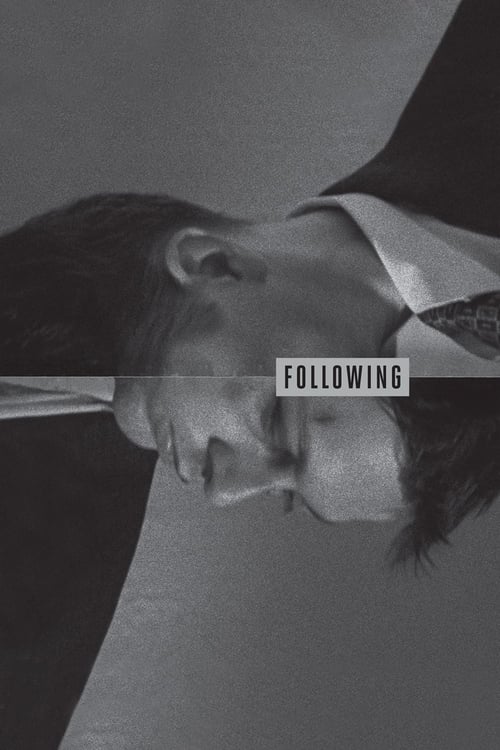
Christopher Nolan shot Following on black-and-white 16mm film for approximately $6,000. Because most of the cast and crew had weekday jobs, filming generally took place on Saturdays and continued intermittently for close to a year. Nolan used friends and acquaintances as performers, borrowed apartments as locations and frequently relied on available light.
The production could not afford the shooting ratios associated with a conventionally financed feature. Every additional take consumed film stock and created further processing costs, so Nolan rehearsed extensively before exposing film. He has described a method in which the cast would rehearse scenes repeatedly before the camera was loaded, allowing the production to capture approximately fifteen minutes of footage during a shooting day.
That does not mean fifteen finished minutes appeared in the final film every Saturday. It describes the amount of material the production could photograph while working within an extremely restricted ratio. The method forced Nolan to decide what he needed before the camera turned rather than discovering the scene through repeated coverage.
The fractured chronology of Following helped a physically small production feel more complex. Apartments, London streets and a handful of characters were rearranged into an intricate narrative puzzle. The film created scale through structure rather than through locations, action or spectacle.
Nolan also worked as the film’s writer, cinematographer and co-editor. This concentration of roles was partly financial, but it also allowed the visual plan, shooting method and eventual edit to remain closely connected.
Memento followed with a budget of approximately $9 million. The financial leap was extraordinary, but Following had already demonstrated the qualities that made the larger investment possible: precision, control of information and the ability to turn a production restriction into a narrative device.
The Filmmaking Lesson from Following
When film stock, crew time or locations are limited, extensive rehearsal and detailed preparation can replace conventional coverage. Nolan did not shoot every possible version of a scene. He shot the version he had already decided the film required.
David Lynch — Eraserhead
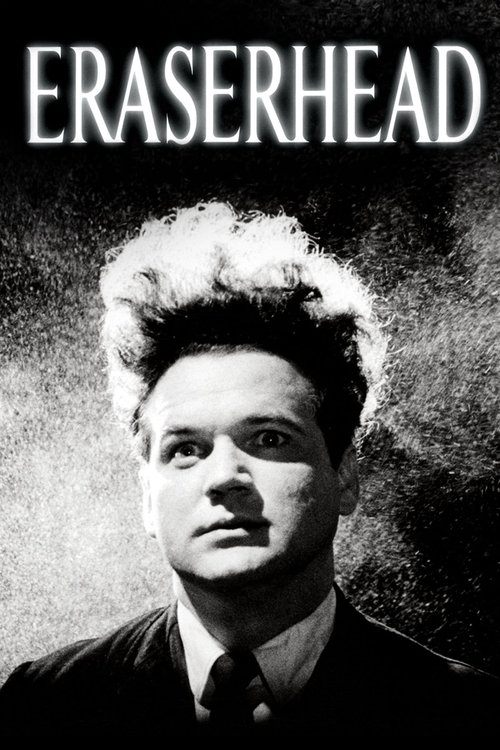
David Lynch solved the problem of limited resources in almost the opposite way. Instead of compressing his debut feature into the shortest possible schedule, he allowed Eraserhead to continue for years.
Lynch began the film in the early 1970s while studying at the American Film Institute’s Center for Advanced Film Studies. The shoot continued for approximately five years, with regular interruptions whenever the production ran out of money. Lynch supplemented the available funding through personal income and contributions from friends and collaborators. (The Guardian)
That extended production created difficulties beyond finance. Sets had to remain usable across long interruptions. Actors had to remain committed and physically consistent. Jack Nance reportedly maintained Henry Spencer’s distinctive hairstyle because he could never be certain when Lynch would be ready to continue filming.
Lynch also spent an extended period developing the film’s sound with Alan Splet. The industrial drones, distant machinery and oppressive environmental noise are not simply additions to the images. They create much of the world that the production could not afford to construct visually.
The achievement of Eraserhead was therefore not speed or conventional efficiency. It was continuity of vision. Lynch protected the same atmosphere and emotional logic through years of disruption.
The film demonstrates that a production schedule does not always need to resemble the model used by the commercial industry. A first feature can be made in fragments, provided the director can preserve its visual rules, performances and tone between those fragments.
The Filmmaking Lesson from Eraserhead
Time can sometimes substitute for money, but only when the film has an identity strong enough to survive interruption. Lynch could return to Eraserhead repeatedly because he understood precisely what kind of world he was building.
Peter Jackson — Bad Taste
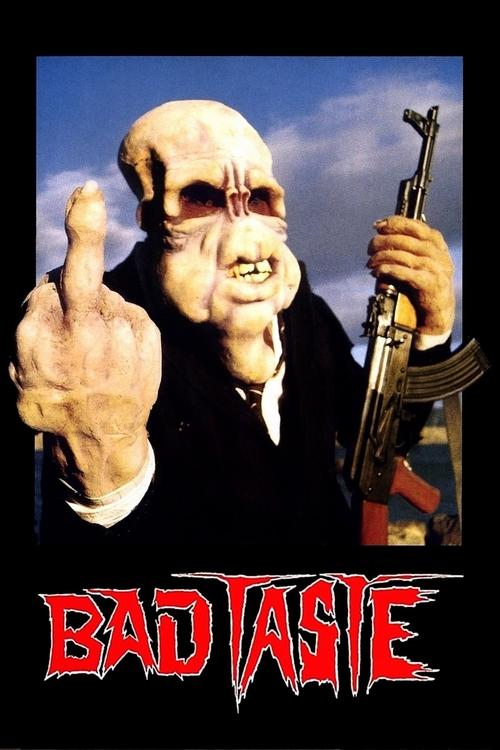
Peter Jackson’s Bad Taste began as a much smaller project before gradually expanding into a feature. Jackson made the film primarily at weekends while working a full-time job, using friends as actors and collaborators. Production continued for approximately four years.
Jackson performed numerous roles himself, including writing, directing, cinematography, editing, special effects and acting. Rather than removing creatures, gore, stunts and action because they were difficult, he learned how to create those elements through homemade effects and personal labour.
The extended weekend schedule created considerable continuity challenges. Costumes, props and performances had to remain consistent despite the passage of time. Weather conditions changed, people’s availability shifted and the production had to coexist with ordinary employment and family commitments.
Jackson nevertheless treated the absence of professional infrastructure as an opportunity to experiment. He built equipment, created prosthetic effects and developed action sequences through trial and error. The production gradually became a practical education in nearly every department required to make a feature.
Bad Taste offers a different answer to the problem of insufficient resources. Jackson did not reduce his genre ambition until it fitted neatly inside the budget. He extended the production and manufactured much of that ambition himself.
The Filmmaking Lesson from Bad Taste
A filmmaker’s available time, practical skills and willingness to experiment are all part of the budget. Money is not the only production resource that can be invested in a first feature.
Robert Rodriguez — El Mariachi
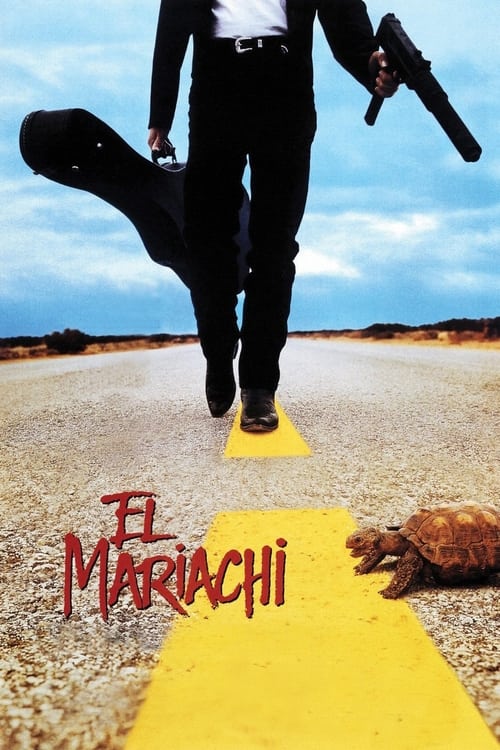
Robert Rodriguez approached El Mariachi as a practical filmmaking exercise. His original plan was to make a Spanish-language action film cheaply enough to sell into the home-video market, using the production to learn how to make a feature before attempting something larger.
The final production budget was approximately $7,225. Rodriguez raised part of the money by participating in medical research trials and shot the film on 16mm over roughly two weeks in Ciudad Acuña, Mexico. Local connections helped the production obtain a ranch, bars, a jail, a bus and other locations or resources without conventional hire costs. (sundance.org)
Rodriguez worked as writer, director, cinematographer, producer, editor and sound recordist. Many of the performers were not professional actors, and scenes were designed around the people, uniforms, vehicles and locations that were already available.
Because raw stock and processing cost money, Rodriguez usually avoided shooting repeated master shots and conventional coverage. Instead, he broke scenes into individual visual actions that could be captured economically and assembled in the edit.
An actor might open a case in one shot, react in another and run in a third. Each fragment was photographed only as required. The resulting sequence could feel energetic and complete even though the production had never filmed the entire event continuously from multiple angles.
Rodriguez was not attempting to reproduce the working practices of a studio action film with less money. He identified what the audience needed to see in order to understand the action and captured only those pieces.
The Filmmaking Lesson from El Mariachi
Editing can create scale that was never present on set. When every shot has a specific purpose, a filmmaker can suggest a much larger action sequence without photographing every moment from every angle.
Ava DuVernay — I Will Follow
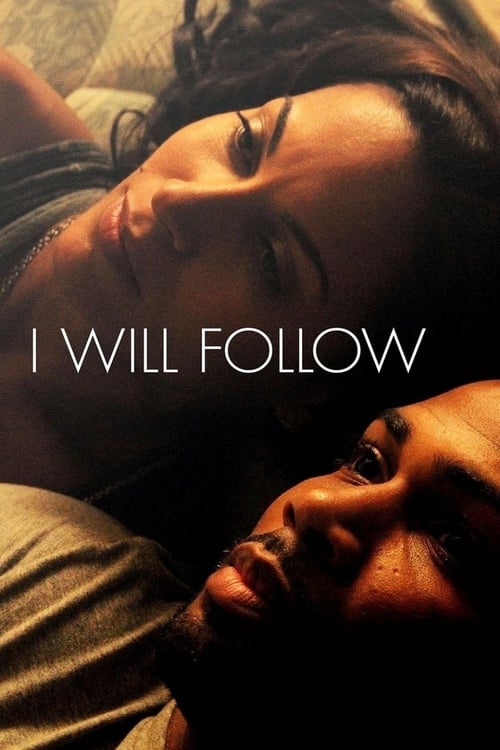
Ava DuVernay entered directing through film publicity rather than through a conventional filmmaking career. After making documentary work, she invested approximately $50,000 she had been saving towards a house in her first narrative feature, I Will Follow. (The New Yorker)
The film follows a woman dismantling the home of a loved one while confronting grief, memory and unfinished relationships. Its emotional scale is considerable, but its physical production is deliberately contained.
DuVernay did not attempt to introduce herself through a story requiring dozens of locations, large crowd scenes or elaborate action. She constructed the film around an emotionally charged situation and a primary location capable of holding several relationships, memories and confrontations.
This is an important distinction in microbudget feature filmmaking. A contained film does not have to feel dramatically small. A single house can carry an entire history when the objects, spaces and characters inside it have been written with sufficient specificity.
DuVernay’s previous career also supplied an important resource. As a publicist, she understood how films were positioned, how journalists and audiences were reached and how independent work struggled for visibility. Her experience outside directing became part of the film’s eventual journey.
The lesson is not that every filmmaker should risk their house deposit. It is that the skills developed before directing may be as important as the equipment used during the shoot.
The Filmmaking Lesson from I Will Follow
Designing a story around one accessible location can protect the schedule and budget without restricting emotional ambition. A filmmaker’s existing professional knowledge can also become part of the production and distribution strategy.
Richard Linklater — Slacker
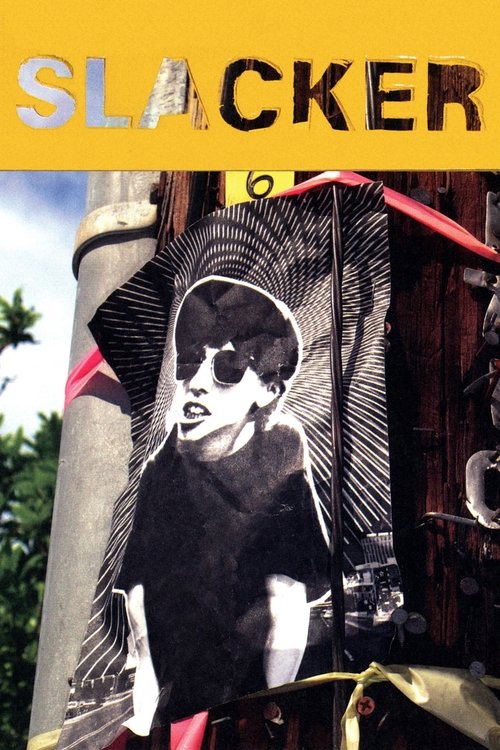
Slacker was not technically Richard Linklater’s first completed feature. He had previously made the Super 8 film It’s Impossible to Learn to Plow by Reading Books. However, Slacker became his breakthrough and the film through which a wider audience first encountered his distinctive approach to time, conversation and place.
The film was made with an initial shooting budget of approximately $23,000. Rather than following one central protagonist, the camera moves through Austin from one encounter to another during a single day. A character may occupy the film for only a few minutes before directing the audience towards somebody else. (The Washington Post)
Linklater later joked that plot was one of the things the production could not afford. Yet removing a conventional plot was not simply a financial compromise. It became the central organising idea of the film.
The structure allowed Linklater to work with local people, available spaces and short individual sequences. No performer was required to carry the entire feature, and each location only needed to support one portion of the journey.
Austin itself supplied the scale. The film moves through cafés, streets, houses, shops and public spaces, gradually building a portrait of an entire community from fragments of conversation.
Instead of concealing its lack of conventional narrative machinery, Slacker made digression its subject. Its production model and artistic identity became inseparable.
The Filmmaking Lesson from Slacker
When a conventional plot requires resources that are unavailable, structure can be reinvented. A city, community or network of characters can provide momentum without expensive action or a single dominant storyline.
Kevin Smith — Clerks
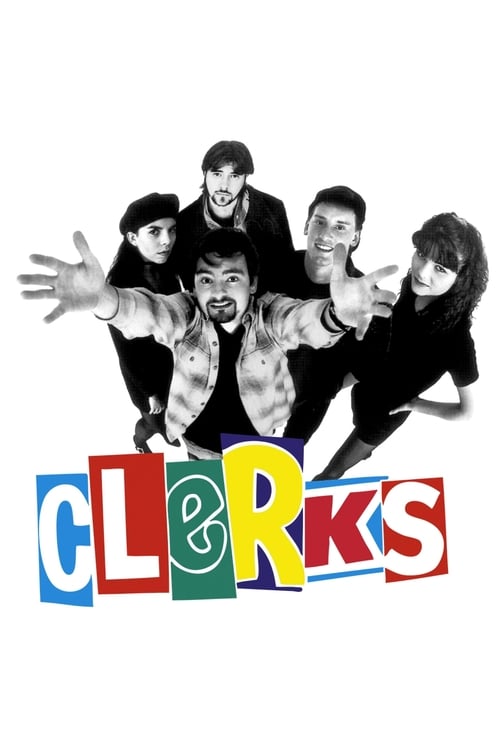
Kevin Smith built Clerks around the place he understood better than almost anywhere else: the convenience store where he worked.
The film was photographed on black-and-white 16mm, not Super 8. Smith chose black and white largely because it was less expensive than colour, and the visual roughness ultimately became an essential part of the film’s identity.
Smith financed the production through a combination of personal savings, credit cards, the sale of part of his comic-book collection and an insurance settlement. The commonly reported production budget is approximately $27,000, although the eventual cost increased once post-production expenses were included.
The Quick Stop convenience store was available because Smith worked there. However, he could only film inside it while the shop was closed. That meant shooting primarily at night, frequently after Smith had already completed a working day.
Instead of trying to disguise the restriction, Smith incorporated it into the screenplay. The shutters remain closed because, within the story, somebody has jammed them with chewing gum. A real production limitation was converted into a small narrative detail.
The convenience store and neighbouring video shop gave Smith most of the physical world he needed. The limited locations also reinforced the film’s subject: Dante feels trapped in a job and a life he believes he should have escaped.
Clerks was therefore not merely set in an accessible location. Its characters, dialogue, comedy and dramatic frustration emerged from that location. Smith understood how the customers behaved, how employees talked when nobody else was listening and how an uneventful working day could accumulate into a story.
The film’s limited coverage and rough black-and-white photography did not prevent it from finding an audience because its dialogue and point of view were distinctive. Smith possessed something more valuable than conventional production polish: detailed knowledge of a world that had rarely been represented from the employees’ perspective.
The Filmmaking Lesson from Clerks
The best free location is not necessarily the most visually impressive one. It is the place the filmmaker understands well enough to turn into a complete dramatic world.
A restriction can also be written into the story. The shutters were not hidden from the audience; their presence was explained and absorbed into the fiction.
Shane Carruth — Primer

Shane Carruth made Primer for an initial budget of approximately $7,000 with a skeleton crew. Carruth wrote, directed, produced, edited, composed the music and played one of the principal roles. (Filmmaker Magazine)
The story’s technical complexity might suggest a production dependent on extensive visual effects, yet Carruth avoided most conventional science-fiction spectacle. Time travel is developed in garages, storage units, offices and ordinary suburban rooms.
The machine at the centre of the film looks as though working engineers have assembled it from obtainable components. That apparent limitation supports the narrative. The discovery feels improvised and slightly ugly because the characters do not initially understand the significance of what they have built.
Carruth also used dense technical dialogue and complicated chronology to create a scale that the physical production could not provide. The largest events in Primer frequently occur outside the frame, inside competing timelines or within the audience’s attempt to reconstruct what has happened.
The film demonstrates that conceptual ambition and production scale are not the same thing. A feature can explore an enormous idea without needing to show that idea through expensive visual spectacle.
The Filmmaking Lesson from Primer
In low-budget science fiction, implication can be more effective than visualisation. A complex idea can make an ordinary room feel larger when the audience understands that the consequences extend far beyond it.
Famous Independent Films That Cost More Than $100,000
Lists of microbudget debut films often establish an arbitrary financial limit and then quietly break it to include famous examples.
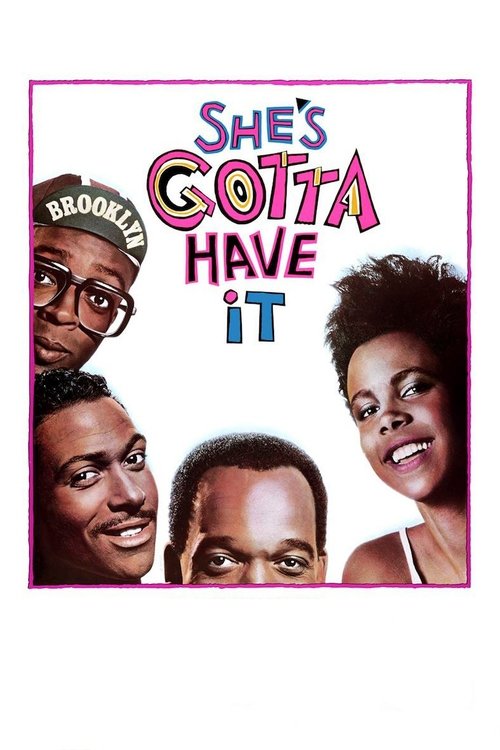
Spike Lee’s She’s Gotta Have It was reportedly made for approximately $175,000 and photographed in only 12 days. It remains one of the defining American independent debuts, but it does not qualify for a strict list of films made for less than $100,000. (Turner Classic Movies)
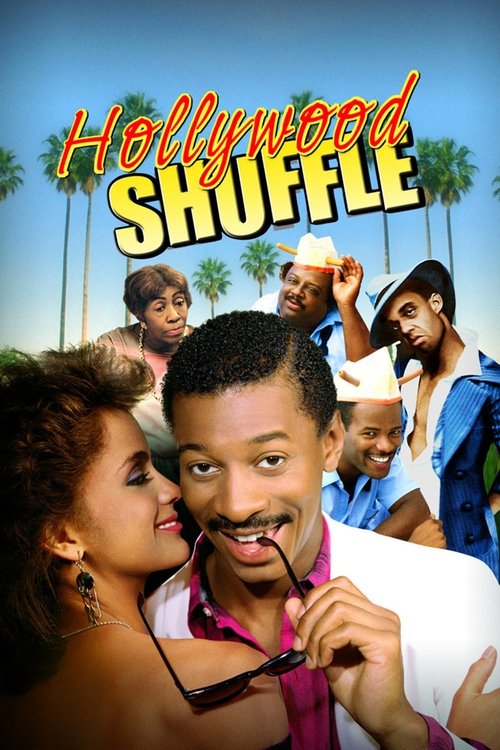
Robert Townsend’s Hollywood Shuffle is commonly reported as having cost approximately $100,000 rather than less than that figure. Townsend used income from acting work and credit cards to finance a satire of the racial stereotypes that had restricted the roles available to him. (Los Angeles Times)
Both films remain essential examples of independent feature filmmaking. Their exclusion from an artificial “under $100,000” category should not diminish the obstacles their directors overcame.
In fact, focusing only on the final budget can create a false comparison. Raising $100,000 without institutional support may be a greater personal and logistical achievement than spending several times that amount through an established production structure.
The more useful questions are: What prevented the film from being made? What resources did the filmmaker already possess? How was the screenplay or production plan redesigned to overcome the obstacle?
What These Low-Budget First Features Have in Common
These films do not share one production model.
Christopher Nolan restricted filming to Saturdays and rehearsed extensively to conserve 16mm stock. David Lynch allowed his production to continue through years of interruption. Peter Jackson transformed weekends into a homemade effects workshop. Robert Rodriguez reduced action to the minimum number of images required in the edit.
Ava DuVernay built an emotionally expansive film around a contained location. Richard Linklater replaced conventional plot with movement through a city. Kevin Smith turned his workplace and night-time access into the premise of the film. Shane Carruth used intellectual complexity to expand a physically limited production.
What connects them is not simply a low budget. It is reverse-engineered filmmaking.
These directors did not begin with an ideal production model and then gradually remove everything they could not afford. They identified the resources that existed and developed a form capable of turning those resources into an advantage.
That is the difference between a film that merely looks underfunded and a film that feels intentionally designed. A production becomes convincing when its limitations are embedded in the screenplay, locations, visual language, performances and editing strategy before the camera turns.
How to Reverse Engineer a Microbudget Feature Film
Reverse engineering a low-budget feature begins with production reality rather than wishful thinking.
A filmmaker should know how many complete shooting days can genuinely be financed, how many locations can be controlled, how often the company can move, how many performers can be scheduled together and how much footage can reasonably be captured each day.
The screenplay should then be tested against those limits. A scene that occupies one page may still require a complicated location move, extensive relighting, multiple background performers or a difficult stunt. Page count alone does not reveal the true production cost of a sequence.
Locations should be considered in groups rather than individually. Two visually effective locations situated an hour apart may be less useful than three controllable locations within the same building or geographical area. Every company move consumes time that will never appear on screen.
Coverage should also be designed around the edit. A microbudget production cannot always afford to photograph a master shot, medium shots, close-ups, reverses, inserts and alternative performances for every scene. The director needs to understand which angles carry the information, performance and rhythm required to construct the sequence.
Previsualisation can expose these problems before production. Storyboards, shot lists, floor plans, rehearsals and animatics allow a filmmaker to test whether the planned scenes can actually be completed within the schedule.
The objective is not to eliminate spontaneity. It is to protect the limited time available for the moments in which spontaneity will matter most.
Lawrence Jacomelli — Blood Star
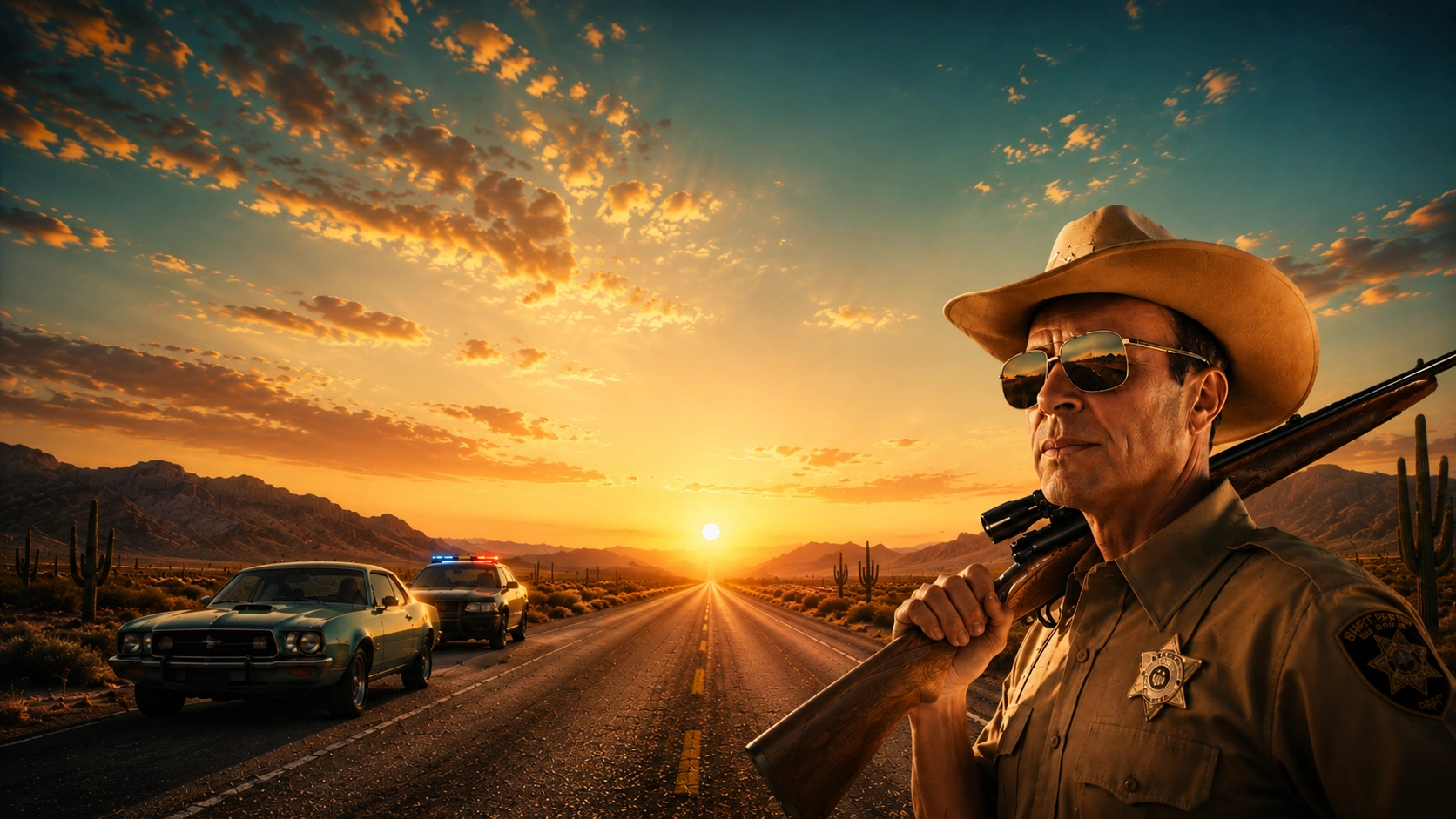
Lawrence Jacomelli made his debut feature, Blood Star, around a ten-day shooting schedule in the desert. The objective was to create a cinematic psychological thriller with the visual scale and tension of a substantially larger production, despite having very little time in which to photograph it.
Rather than writing the screenplay first and attempting to force it into the available schedule, the film was reverse engineered around the practical realities of production. It used a small cast, a limited number of locations and a story that could be concentrated within one geographical area. Wherever possible, locations were grouped together to reduce company moves and protect the hours available for filming.
Jacomelli storyboarded every shot before principal photography and built a complete 70-minute animatic using recorded dialogue, temporary music and sound effects. The animatic allowed the filmmakers to watch an approximate version of the finished film before shooting began and determine whether the required material could realistically be captured in ten days.
This preparation moved many of the decisions normally made on set into pre-production. Camera positions, scene geography, essential coverage and transitions between shots had already been considered. If the production captured the material contained in the animatic, the filmmakers knew they would have the components required to construct the feature.
The shooting method frequently relied on three-camera setups, with most shots limited to one or two takes. Approximately two hours were allocated to each major setup, including lighting, rehearsal and filming. By combining advance previsualisation with grouped locations and simultaneous coverage, the production completed an average of five scenes per day.
Using multiple cameras did not simply mean recording the same performance from three positions. Each camera was designed to capture complementary material, allowing a wider view, performance coverage and specific narrative details to be photographed together without repeatedly rebuilding the scene.
The speed of the production therefore came from preparation rather than improvisation under pressure. The set was used to execute decisions that had already been tested through the storyboards and animatic, leaving more of the limited shooting time available for performance and refinement.
Like Following, El Mariachi and Clerks, Blood Star demonstrates that a low-budget feature does not become convincing by pretending its restrictions do not exist. Its scale came from designing the screenplay, locations, visual language and coverage around those restrictions from the beginning.
The Filmmaking Lesson from Blood Star
A short shooting schedule can support an ambitious feature when the film is previsualised in sufficient detail. Storyboards, animatics, grouped locations and carefully planned multi-camera coverage can move creative decisions into pre-production and allow the shoot to concentrate on execution.
How Many Scenes Can an Independent Film Shoot Per Day?
There is no universal number of scenes that a feature film should complete in a day. A two-page dialogue scene in one room may take longer than several short exterior scenes, particularly when performance, camera movement or complicated lighting is involved.
The useful measurement is not simply scenes or script pages. It is the number of setups and the time required to turn each setup around.
On Blood Star, the production averaged approximately five scenes per day because those scenes had been broken down in advance, locations had been grouped and the coverage was frequently photographed using three cameras. Approximately two hours were allowed for each major setup.
A different film could not necessarily reproduce that number. A production involving children, prosthetics, visual effects, stunts, large crowd scenes or frequent location moves would require a completely different calculation.
The important lesson is to measure the actual work contained in each scene. Filmmakers should estimate access, rehearsal, blocking, lighting, camera preparation, takes, resets and movement to the next setup rather than relying on page count alone.
Is It Better to Shoot a Low-Budget Film Quickly or Over Several Years?
The examples in this article show that either method can work.
Nolan shot Following intermittently at weekends. Lynch protected Eraserhead through years of interruption. Jackson used a similarly extended weekend model for Bad Taste. Rodriguez compressed El Mariachi into approximately two weeks, while Blood Star was designed for a ten-day principal photography schedule.
A long production can allow filmmakers to substitute time and personal labour for money. It can also create serious risks involving continuity, actor availability, changing locations and lost momentum.
A compressed production protects continuity and may reduce equipment, accommodation and crew costs. It also leaves little room for weather disruption, technical problems or creative indecision.
The correct model depends on the film. What matters is that the screenplay, cast, locations and visual strategy have been designed for the schedule being used.
Can You Make a Feature Film With One Location?
A single location can substantially reduce company moves, transport costs and logistical complexity, but it does not automatically make a film inexpensive or dramatically effective.
The location must provide enough visual and emotional variation to sustain the story. Different rooms, entrances, windows, levels, textures and times of day can help one building feel like several distinct environments.
More importantly, the dramatic situation must justify the confinement. Clerks works because Dante’s frustration is connected directly to his inability to leave the store. I Will Follow uses a house filled with the belongings and memories of a lost family member. In both films, the location is part of the meaning rather than merely a convenient production solution.
A first-time director should therefore avoid asking only whether a location is free. The better question is whether the location can generate character, conflict and visual progression.
Do First-Time Directors Need Expensive Camera Equipment?
The history of low-budget debut features suggests that preparation, access and specificity are usually more important than owning the most expensive camera.
Nolan’s limited 16mm stock forced him to rehearse. Rodriguez’s shooting ratio forced him to construct scenes from essential fragments. Smith’s black-and-white photography became part of the identity of Clerks. Carruth’s limited resources encouraged a restrained and credible visual approach to science fiction.
Modern digital cameras remove the cost of exposing film stock, but they can introduce another problem: the belief that unlimited footage is automatically useful.
Shooting more angles, more takes and longer improvised versions of every scene creates additional work in production and post-production. A filmmaker who does not understand the intended edit may return with an enormous volume of material but no coherent scene.
The best camera for a microbudget feature is therefore the one the production can operate reliably and efficiently. The more important question is whether the director knows what to place in front of it.
The Real Lesson of a Director’s First Feature
The mythology of the first feature often suggests that belief is enough. It is not.
Determination may keep a project alive, but organisation is what turns determination into a completed film.
Christopher Nolan knew how much footage he could afford to expose. David Lynch protected one world through years of interruption. Peter Jackson converted spare weekends into a production infrastructure. Robert Rodriguez designed sequences around the exact images required by the edit.
Ava DuVernay contained the physical production without reducing its emotional scale. Richard Linklater turned a lack of conventional plot into a new form. Kevin Smith built his screenplay around a workplace he could access and understand. Shane Carruth used intellectual density in place of expensive science-fiction spectacle.
The lesson is not that filmmakers should copy any of these methods literally. Shooting every Saturday for a year might be ideal for one film and disastrous for another. Three-camera coverage can accelerate a carefully planned production and overwhelm an unprepared one.
The lesson is to stop treating the preferred industrial model as the only way a feature can be made.
A first feature becomes possible when the filmmaker identifies its real obstacle and redesigns the production around it.
Blood Star was made by asking one practical question: how could every creative and logistical decision help us complete an ambitious psychological thriller in ten shooting days?
The answer was not discovered during the shoot. It was written, storyboarded, scheduled and built into the film long before the first day of principal photography.
Frequently Asked Questions
There is no single universally accepted financial definition. The term generally describes a feature made significantly below normal independent production budgets, often with a very small crew, limited paid locations and substantial personal investment from the filmmakers. The production method is usually more informative than the precise figure. A genuinely microbudget film depends on concentrated resources, limited infrastructure and a high degree of creative problem-solving.
Frequently cited examples include Christopher Nolan’s Following, Robert Rodriguez’s El Mariachi, David Lynch’s Eraserhead, Kevin Smith’s Clerks, Shane Carruth’s Primer and Ava DuVernay’s I Will Follow. Each used a different method, which is why they remain useful case studies rather than simply a list of surprisingly small budgets.
An independent feature might be photographed in ten days, several weeks, on occasional weekends or across several years. The appropriate schedule depends on the number of locations, actors, company moves, setups, stunts, effects and pages being attempted. The schedule should be designed around the film rather than copied from another production.
The most effective methods include grouping locations, reducing company moves, limiting cast requirements, rehearsing before the shoot, previsualising complicated scenes and designing coverage around the edit. Multiple cameras can help when their positions and eyelines have been planned carefully, but they are not an automatic shortcut.
Storyboards allow the director to test composition, camera position and coverage before the crew is being paid and the production day is disappearing. An animatic adds timing, dialogue, sound and editing, making it easier to determine whether the planned material will construct a complete sequence. For Blood Star, a complete animatic helped establish that the feature could be photographed within its ten-day schedule.
In many cases, yes. An accessible location can remove hire fees, reduce uncertainty and allow more preparation. However, it should be incorporated into the dramatic design rather than used only because it is available. Clerks remains one of the clearest examples of a director transforming a workplace he could access into the subject, atmosphere and dramatic structure of a feature.
A low budget reduces financial exposure and can encourage formal invention, but it also removes time, flexibility and protection. The advantage comes from understanding the restriction early enough to design the film around it. A small budget becomes creatively useful only when it produces deliberate choices rather than uncontrolled compromises.
Film posters courtesy of The Movie Database (TMDB). This product uses the TMDB API but is not endorsed or certified by TMDB.
Table of Contents
- How Do You Make a First Feature Film With Almost No Money?
- Christopher Nolan — Following
- David Lynch — Eraserhead
- Peter Jackson — Bad Taste
- Robert Rodriguez — El Mariachi
- Ava DuVernay — I Will Follow
- Richard Linklater — Slacker
- Kevin Smith — Clerks
- Shane Carruth — Primer
- Famous Independent Films That Cost More Than $100,000
- What These Low-Budget First Features Have in Common
- How to Reverse Engineer a Microbudget Feature Film
- Lawrence Jacomelli — Blood Star
- How Many Scenes Can an Independent Film Shoot Per Day?
- Is It Better to Shoot a Low-Budget Film Quickly or Over Several Years?
- Can You Make a Feature Film With One Location?
- Do First-Time Directors Need Expensive Camera Equipment?
- The Real Lesson of a Director’s First Feature