Quick Answer
The greatest action thriller movies include Heat, Die Hard, The French Connection, The Fugitive, Sicario, The Raid, Terminator 2: Judgment Day, North by Northwest, Sorcerer and Mad Max: Fury Road. These films combine physical action with pursuit, uncertainty, escalating danger and characters whose choices become increasingly limited.
The best action thriller movies do not rely on explosions, gunfights or elaborate stunts alone. They create momentum by placing characters under pressure, limiting their choices and making every physical confrontation part of a larger struggle to survive, escape or uncover the truth.
Action provides movement, but the thriller supplies uncertainty. We may know that the protagonist can fight, drive or shoot, yet we do not know who can be trusted, where the next threat will come from or whether strength will be enough. The greatest films in the genre combine physical danger with narrative pressure until the audience feels trapped inside the pursuit.
That distinction separates an action thriller from a conventional action movie. Spectacle may be exciting, but suspense requires vulnerability. John McClane is compelling in Die Hard because he is isolated, injured and outnumbered. Clarice Starling is not an action hero in the traditional sense, but The Silence of the Lambs generates extraordinary physical tension when investigation becomes direct confrontation. In Sicario, highly trained operatives enter situations whose political and moral rules remain deliberately unclear.
As the director of the independent desert thriller Blood Star, I am particularly interested in films that turn geography into pressure. A border crossing, motorway, city street, office tower or remote road can become a trap when a filmmaker clearly establishes where the character is, where safety lies and what stands between them.
This filmmaker-led selection brings together 40 essential action thriller movies from Hollywood, Europe, Hong Kong, South Korea, Japan, France, Indonesia and Australia. The list includes manhunt films, crime thrillers, survival stories, espionage movies, martial-arts thrillers, revenge films and contained action cinema, but every selection shares one quality: action grows directly from suspense.
For viewers beginning with the genre, these ten films provide the strongest foundation:
Start Here: 10 Essential Action Thrillers
- Heat
- Die Hard
- The French Connection
- The Fugitive
- Sicario
- The Raid
- Terminator 2: Judgment Day
- North by Northwest
- Sorcerer
- Mad Max: Fury Road
What Is an Action Thriller Movie?
An action thriller combines the physical confrontations of action cinema with the narrative pressure of a thriller. Characters may be pursued, trapped, framed, hunted or forced to prevent an approaching catastrophe. Violence and spectacle are important, but they are organised around suspense rather than existing only for excitement.
A pure action film may be driven by conquest, combat or spectacle. An action thriller is usually driven by danger and uncertainty. Its protagonist does not simply have an enemy to defeat; they have incomplete information, limited time and a situation that may be larger than they understand.
The strongest action thrillers therefore depend on clarity. The audience must understand what the character needs, what stands in the way and what will happen if they fail. Once those elements are established, a foot chase, car pursuit or gunfight becomes more than movement. It becomes the physical expression of the story’s pressure.
How These Action Thriller Movies Were Chosen
The films were selected according to five principles:
- The effectiveness of their suspense
- The quality and clarity of their action filmmaking
- Their influence on later films and filmmakers
- The strength of their central predicament
- Their ability to balance spectacle with character and consequence
The list does not include every great action movie. Films were prioritised when the action grew directly from pursuit, danger, mystery, paranoia, crime or survival. That means some spectacular fantasy, superhero and war films have been left out because they belong more naturally to other genres.
The 40 Best Action Thriller Movies of All Time
40. Rebel Ridge (2024)
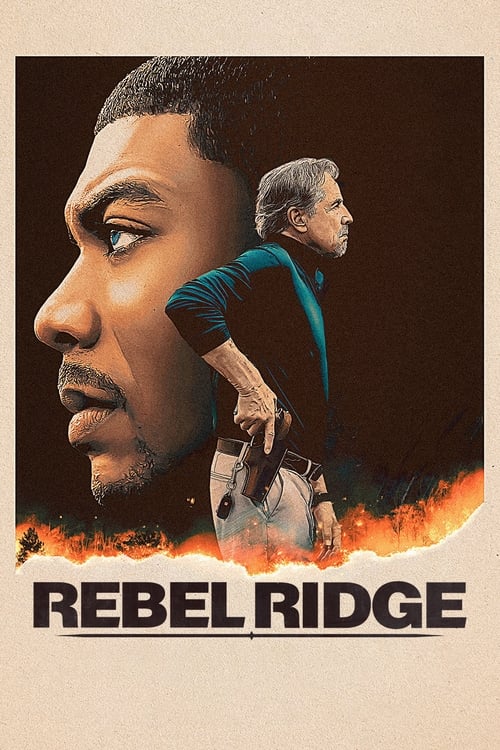
Director: Jeremy Saulnier
A former Marine arrives in a small town carrying the money needed to post bail for his cousin, only for local police officers to seize it through civil asset forfeiture. What begins as an apparently straightforward abuse of authority develops into a tense confrontation with an entire system designed to protect itself.
Jeremy Saulnier resists turning the film immediately into a conventional revenge story. The protagonist first attempts to understand the rules, negotiate and solve the situation without violence. That restraint gives the eventual action greater force because every confrontation emerges from pressure that has been carefully established.
39. Breakdown (1997)
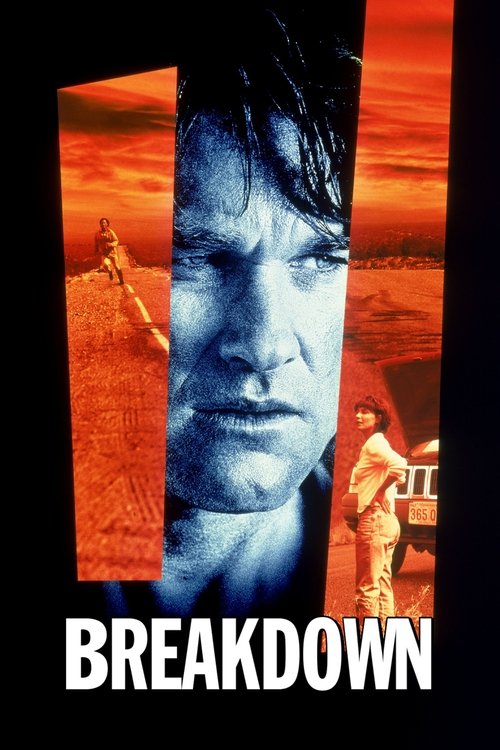
Director: Jonathan Mostow
A couple driving across the American Southwest becomes stranded when their car fails. After the wife accepts a lift from a passing truck driver, she disappears, leaving her husband to search through an unfamiliar landscape where everyone appears to know more than they admit.
Jonathan Mostow begins with an ordinary fear and steadily removes every source of security. The open desert should offer visibility, but instead it becomes a vast space in which help is distant and local knowledge belongs entirely to the antagonists. The film is both a road thriller and a precise lesson in escalating stakes.
38. The Bourne Identity (2002)
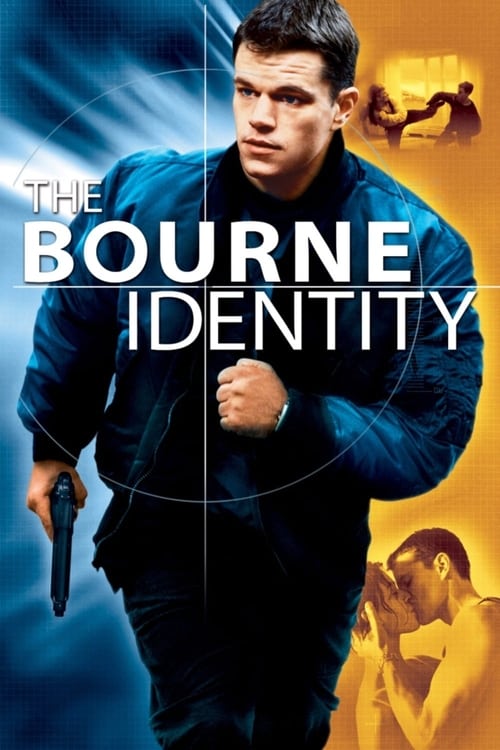
Director: Doug Liman
A man is pulled from the Mediterranean with bullet wounds, unusual physical abilities and no memory of who he is. His attempt to reconstruct his identity reveals that highly trained operatives are pursuing him across Europe.
Doug Liman gives the espionage story unusual intimacy. Jason Bourne’s skills make him formidable, but they also frighten him because they suggest a past he cannot remember. The action is therefore tied to identity: every successful escape reveals more about the person he may no longer wish to be.
37. Run Lola Run (1998)

Director: Tom Tykwer
A young woman has 20 minutes to find enough money to save her boyfriend from a violent criminal. The film repeatedly restarts the same desperate journey, showing how tiny variations can completely alter the outcome.
Tom Tykwer transforms movement into narrative structure. Lola runs because time itself has become the antagonist, and the pounding soundtrack gives every street crossing, staircase and chance encounter a sense of urgency. The film is playful and experimental, but its emotional engine remains simple: reach the person you love before it is too late.
36. The Taking of Pelham One Two Three (1974)
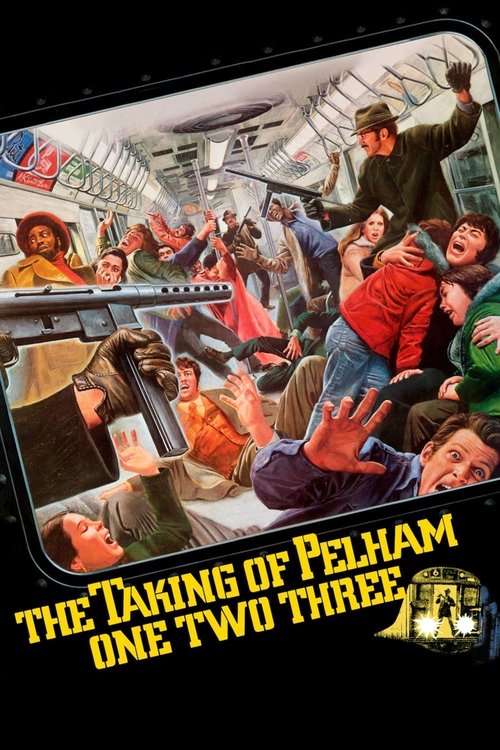
Director: Joseph Sargent
Four armed men seize a New York subway train and demand a ransom while holding its passengers underground. Above them, transit officials and police attempt to understand who the hijackers are and whether the city can deliver the money before the deadline expires.
The film creates suspense through systems: train routes, communications, command structures and the difficulty of coordinating a response across a vast city. Its dry humour and lived-in performances make the situation feel grounded, while the contained geography gives every delay consequence.
35. Point Break (1991)
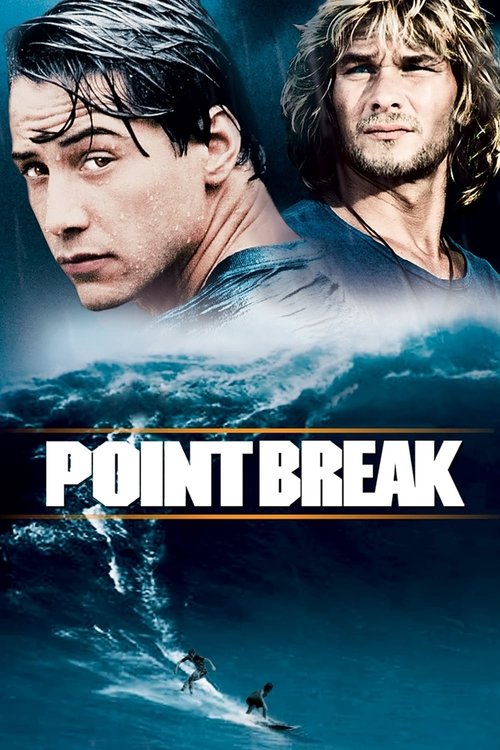
Director: Kathryn Bigelow
A young FBI agent infiltrates a community of surfers while investigating a group of bank robbers believed to be hiding among them. His growing connection with their charismatic leader makes the investigation increasingly personal.
Kathryn Bigelow combines physical exhilaration with moral instability. Surfing, skydiving and pursuit are not merely action set pieces; they express the freedom the protagonist lacks within his institutional life. The closer he gets to his target, the less certain he becomes about which world he belongs to.
34. The Killer (1989)
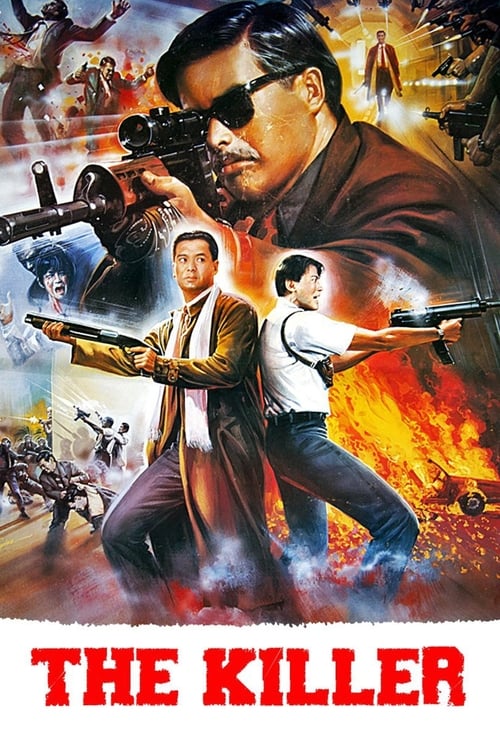
Director: John Woo
A professional assassin accidentally blinds a singer during a job and agrees to complete one final contract to pay for the surgery that could restore her sight. His decision brings him into conflict with both organised criminals and a police detective who gradually recognises his moral code.
John Woo transformed gunfights into emotional choreography. Slow motion, shifting loyalties and operatic imagery made The Killer enormously influential, with its combination of firearms, movement and melodrama helping shape later films including The Matrix and John Wick.
33. The Driver (1978)
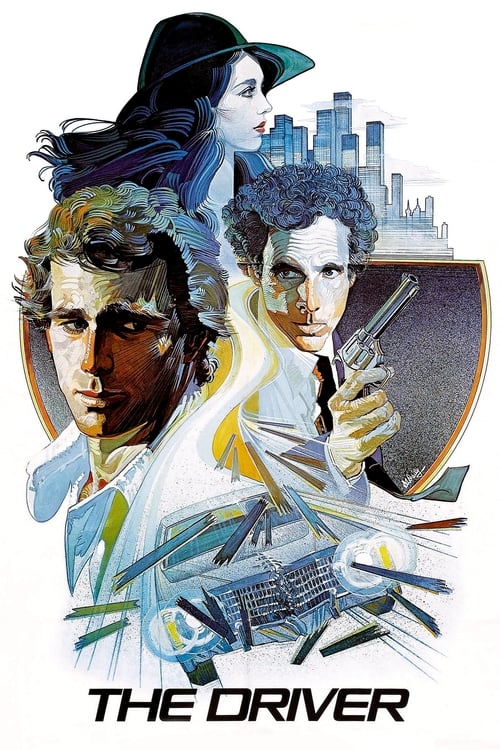
Director: Walter Hill
A highly skilled getaway driver becomes the target of a detective obsessed with catching him. Both men are professionals defined almost entirely by what they do, and their conflict unfolds through surveillance, manipulation and increasingly dangerous tests of control.
Walter Hill strips the action thriller to its essentials. Characters are identified by roles rather than conventional names, dialogue is minimal and every movement feels deliberate. The result is a cool, abstract crime film whose influence can be felt throughout modern driving thrillers.
32. John Wick (2014)
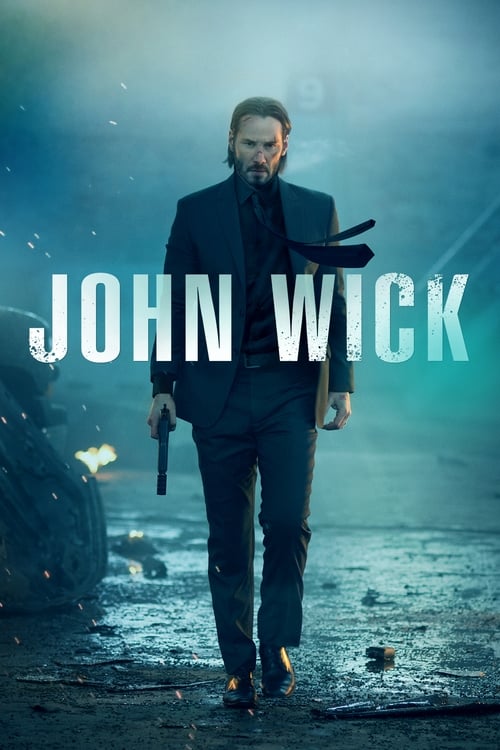
Directors: Chad Stahelski and David Leitch
A retired assassin returns to the criminal world after the son of a powerful gangster destroys the last gift left by his wife. What begins as personal revenge reveals an elaborate hidden society governed by debts, codes and specialised institutions.
The film revitalised American action through spatial clarity and full-body choreography. Keanu Reeves’s movements are allowed to play within wider frames, giving the audience a clear understanding of cause and effect. The mythology expanded in later entries, but the original remains powerful because its emotional motivation is direct.
31. The Warriors (1979)
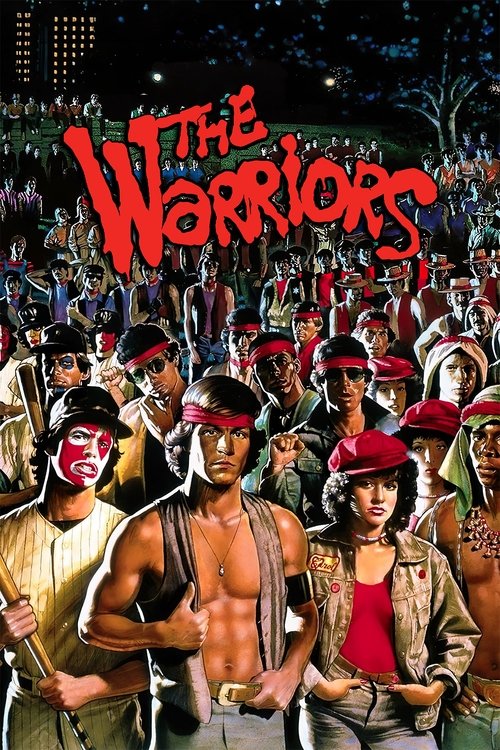
Director: Walter Hill
A New York street gang is falsely blamed for the murder of a charismatic leader and must cross the city while rival groups search for them. Every neighbourhood becomes a new territory with its own visual identity and threat.
Walter Hill structures the film as a nocturnal journey through an almost mythological city. The objective is simple—return home—but the distance between the characters and safety allows the film to continually reinvent its dangers.
30. Speed (1994)
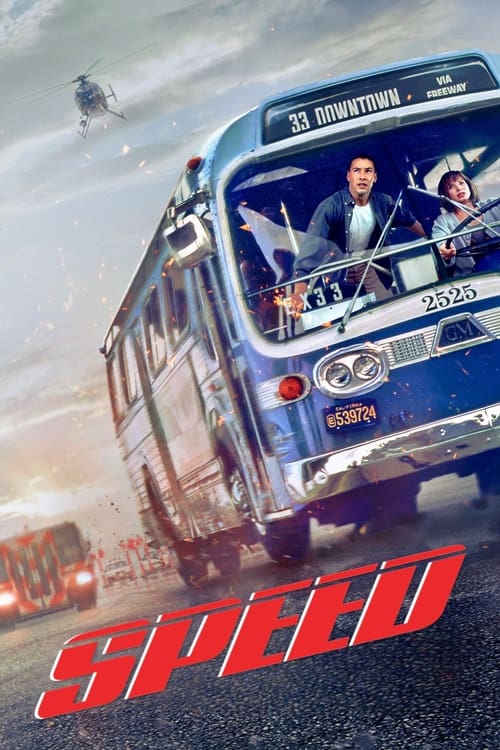
Director: Jan de Bont
A police officer boards a city bus rigged to explode if its speed falls below 50 miles per hour. The vehicle must continue moving through traffic while the passengers search for a way to escape the bomber’s control.
Jan de Bont builds the film around one of the clearest premises in action cinema. Every obstacle is immediately understandable, and each solution creates another problem. The bus becomes a moving confined space where geography, machinery and time are permanently working against the characters.
29. Enter the Dragon (1973)
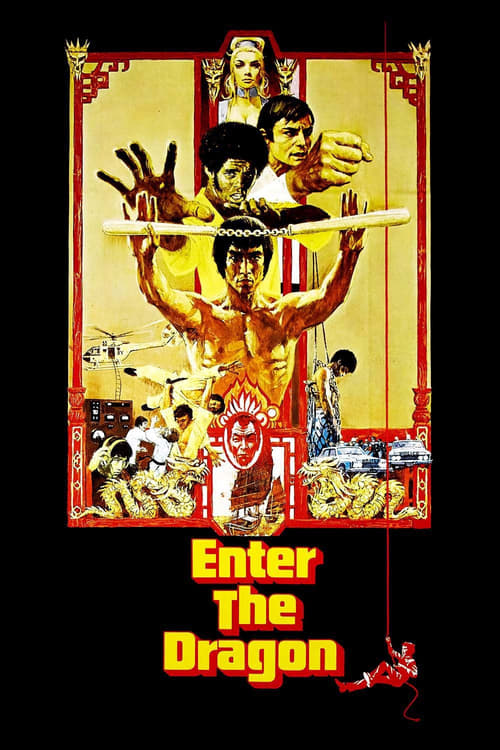
Director: Robert Clouse
A martial artist agrees to infiltrate a private island controlled by a criminal suspected of drug trafficking and human exploitation. Posing as a competitor in an international tournament, he must gather evidence while confronting an enemy connected to his own family’s suffering.
Robert Clouse combines espionage, martial arts and contained-thriller structure, while Bruce Lee gives the action extraordinary precision and physical authority. The island functions as both arena and prison, with every contest moving the protagonist closer to discovery. Enter the Dragon helped introduce Hong Kong martial-arts cinema to a worldwide audience and remains one of the most influential action thrillers ever made.
28. Ronin (1998)
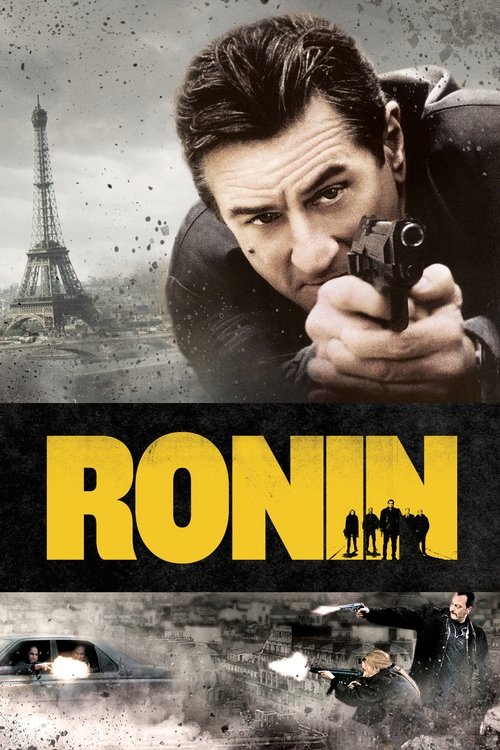
Director: John Frankenheimer
A group of former intelligence operatives is assembled in Europe to steal a mysterious case. Nobody knows who ultimately wants it, and the temporary alliance begins fracturing as motives and loyalties emerge.
John Frankenheimer brings an old-school sense of physical realism to the film’s car chases and tactical confrontations. The action feels dangerous because vehicles possess weight, streets have limits and mistakes carry consequences. Beneath the pursuit is a story about professionals whose former allegiances have disappeared.
27. The Man from Nowhere (2010)
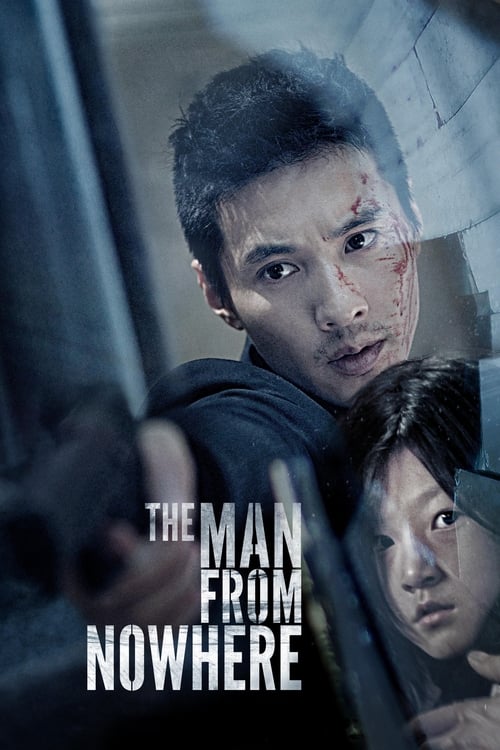
Director: Lee Jeong-beom
A withdrawn former operative forms a quiet bond with a neglected young neighbour. When she is abducted by criminals involved in trafficking and organ harvesting, he is forced to reveal the skills and history he has attempted to leave behind.
The South Korean thriller combines emotional directness with controlled, increasingly intense action. Its protagonist is formidable, but the film never loses sight of the vulnerable child at the centre of the story. The final confrontations feel like the release of pressure accumulated through grief and guilt.
26. First Blood (1982)
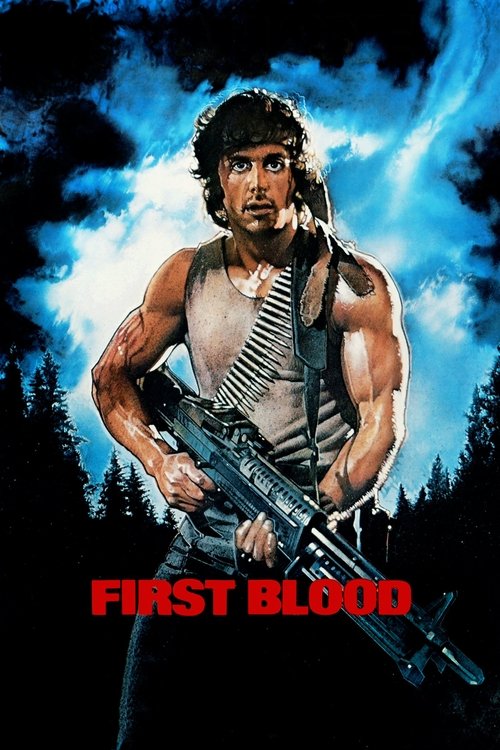
Director: Ted Kotcheff
A Vietnam veteran passing through a small town is harassed and arrested by a sheriff who views him as a threat. After escaping into the surrounding wilderness, he becomes the target of a rapidly expanding manhunt.
Before the series developed into large-scale military spectacle, First Blood was a bleak survival thriller about trauma, authority and institutional failure. The protagonist’s skills allow him to evade capture, but they do not protect him from psychological collapse.
25. Bullitt (1968)
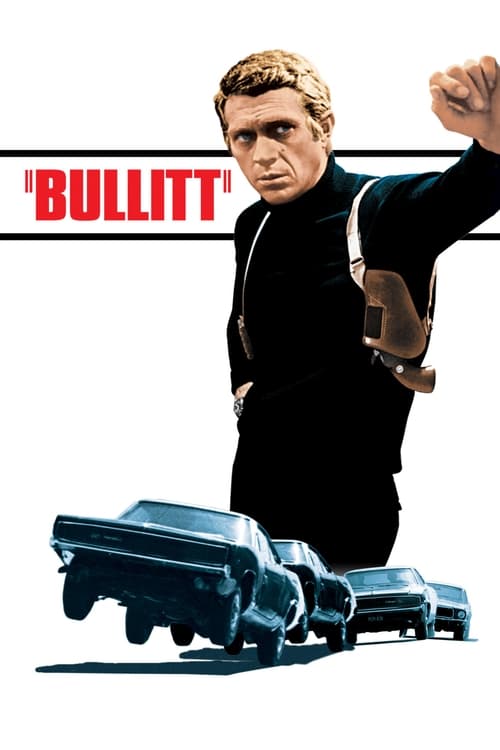
Director: Peter Yates
A San Francisco police detective is assigned to protect a key witness, only for the man to be attacked while under police supervision. Bullitt begins investigating who leaked the location and discovers that the case is not what his superiors claimed it was.
Peter Yates gives the film a cool, procedural realism, allowing surveillance, hospital corridors and police routine to build tension before the action erupts. Its celebrated car chase through San Francisco remains a landmark because the vehicles have weight, the geography is clear and every turn feels physically dangerous.
24. Death Proof (2007)
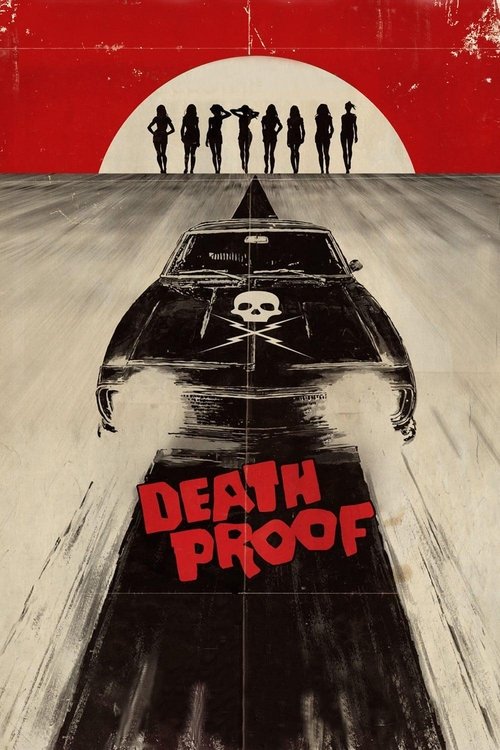
Director: Quentin Tarantino
A stuntman uses his reinforced car as a weapon, targeting women on isolated roads before choosing a group far less vulnerable than he expects. The film begins as a predatory road thriller and gradually transforms into an act of collective resistance.
Quentin Tarantino builds suspense through conversation, observation and the knowledge that the vehicle is not simply transportation but an instrument of violence. The final chase depends on real cars, physical stunt work and clear road geography, giving every impact and near miss unusual weight. Death Proof turns the open road into a hunting ground before allowing its intended victims to take control of the pursuit.
23. Collateral (2004)
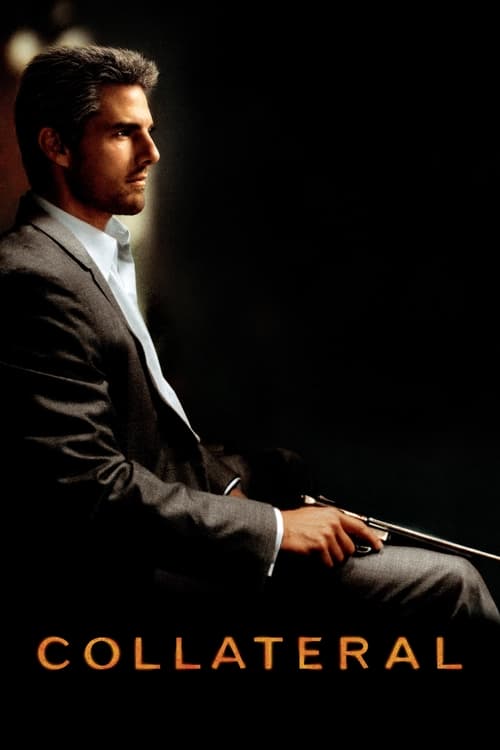
Director: Michael Mann
A Los Angeles taxi driver discovers that his passenger is a contract killer travelling across the city to complete a series of murders. Forced to continue driving, he must search for a way to interrupt the mission without becoming the next victim.
Michael Mann uses the city at night as both landscape and prison. Digital photography captures streets, reflections and distant lights with unusual immediacy, while the confined relationship between driver and passenger gives the film its psychological tension.
22. The Wages of Fear (1953)

Director: Henri-Georges Clouzot
Four desperate men agree to transport unstable nitroglycerine across dangerous terrain in exchange for enough money to escape an impoverished town. Every bump, turn and mechanical failure could destroy them instantly.
Henri-Georges Clouzot creates suspense from physical process. The trucks move slowly, yet the film feels almost unbearably tense because the audience understands the danger contained in every movement. Action is reduced to concentration, endurance and the impossibility of correcting a mistake.
21. Duel (1971)

Director: Steven Spielberg
A travelling salesman overtakes a slow-moving tanker truck on an isolated California highway. The unseen driver responds by pursuing him, turning an ordinary journey into a sustained struggle for survival.
Steven Spielberg creates an entire action thriller from road geography, mechanical sound and the behaviour of two vehicles. The truck driver is never clearly seen, allowing the machine itself to become the antagonist. Duel demonstrates how pursuit, escalation and precise visual storytelling can make an open road feel inescapable.
20. The Raid 2 (2014)
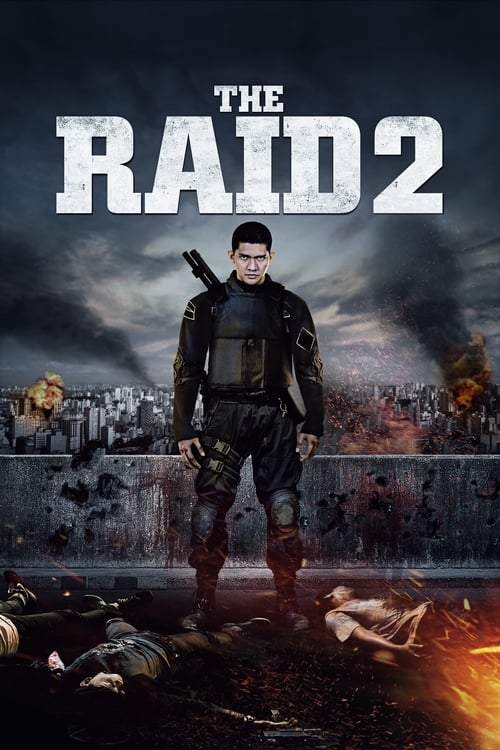
Director: Gareth Evans
After surviving the tower-block assault of the first film, Rama is sent undercover inside a criminal organisation whose internal tensions are moving toward open war.
Gareth Evans expands the scale without abandoning physical clarity. Prison yards, kitchens, nightclubs, cars and city streets become distinct action environments, while the undercover plot gives every confrontation political consequence.
19. A History of Violence (2005)
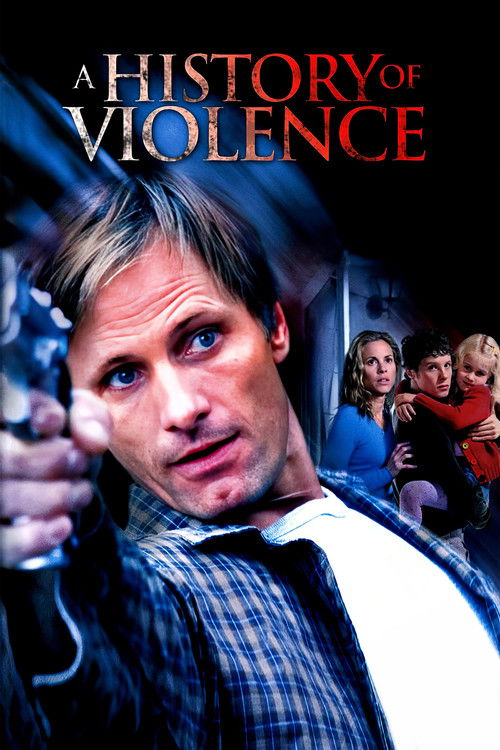
Director: David Cronenberg
A mild-mannered restaurant owner becomes a national hero after killing two violent criminals, only for strangers to arrive claiming that he once lived under another identity.
David Cronenberg treats violence as both skill and contamination. The action is brief, shocking and physically consequential. Each confrontation reveals something the protagonist’s family did not know, turning the thriller into an investigation of whether a violent past can ever truly be abandoned.
18. Kill Bill: Volume 1 (2003)
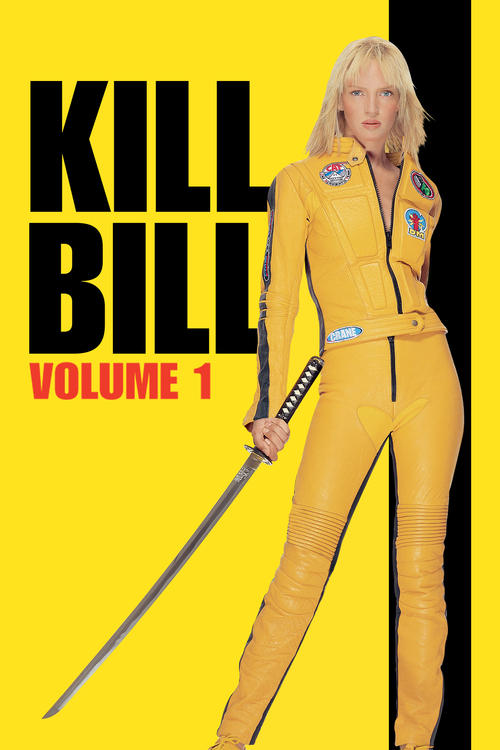
Director: Quentin Tarantino
A former assassin awakens from a coma and begins hunting the people who betrayed her and left her for dead. Her journey leads through suburban confrontation, organised crime and a final assault on a Tokyo nightclub controlled by one of her former colleagues.
Quentin Tarantino combines martial arts, revenge cinema, samurai films, animation and Western iconography into a highly controlled action thriller. Uma Thurman gives the film a clear emotional objective, ensuring that even its most extravagant confrontations remain tied to betrayal, loss and survival. The House of Blue Leaves sequence is both spectacle and escalation, with every fight moving the Bride closer to the person she came to kill.
17. Hard Boiled (1992)
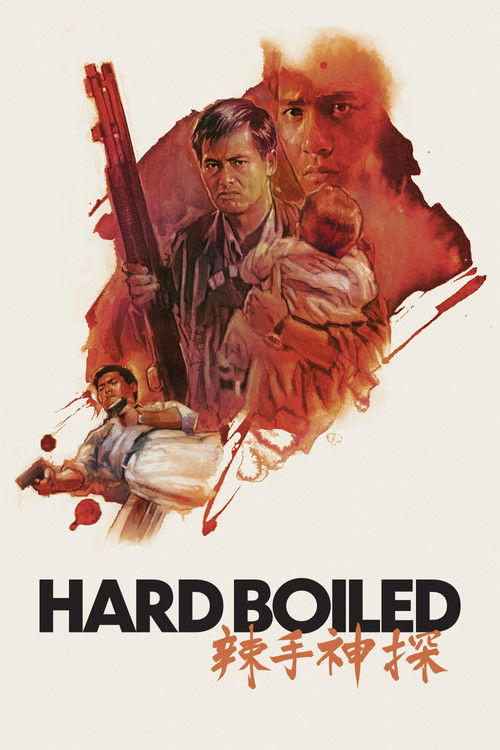
Director: John Woo
A determined police inspector joins forces with an undercover officer embedded deep inside a criminal organisation. Their paths converge in a hospital transformed into a battlefield.
John Woo’s action direction reaches extraordinary levels of complexity while remaining emotionally focused. The extended hospital sequence moves through corridors and rooms with apparent continuity, turning choreography, camera movement and production design into one sustained piece of cinematic momentum.
16. The Dark Knight (2008)
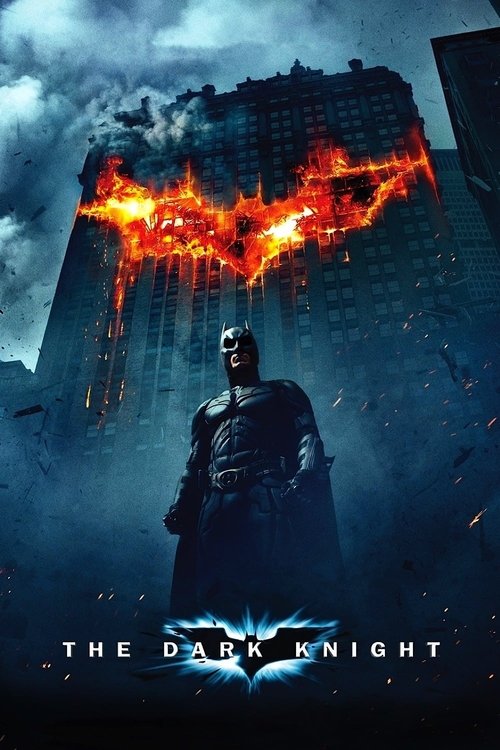
Director: Christopher Nolan
Batman confronts a criminal whose objective is not wealth or conventional power but the destruction of social order. The Joker engineers situations designed to expose fear, hypocrisy and the limits of moral certainty.
Christopher Nolan uses the superhero framework to construct an urban crime thriller. Surveillance, terrorism, organised crime and institutional compromise matter as much as costumed confrontation. The action sequences escalate the ethical questions rather than interrupting them.
15. The Departed (2006)

Director: Martin Scorsese
A police officer infiltrates organised crime while a criminal informant rises within the police department. Each man searches for the other while attempting to protect the identity on which his survival depends.
Martin Scorsese creates pressure through mirrored lives and rapidly shrinking possibilities. Violence arrives suddenly, often ending relationships and plotlines before the characters can prepare. The film becomes a contest between two men who are both permanently performing false identities.
14. The Terminator (1984)
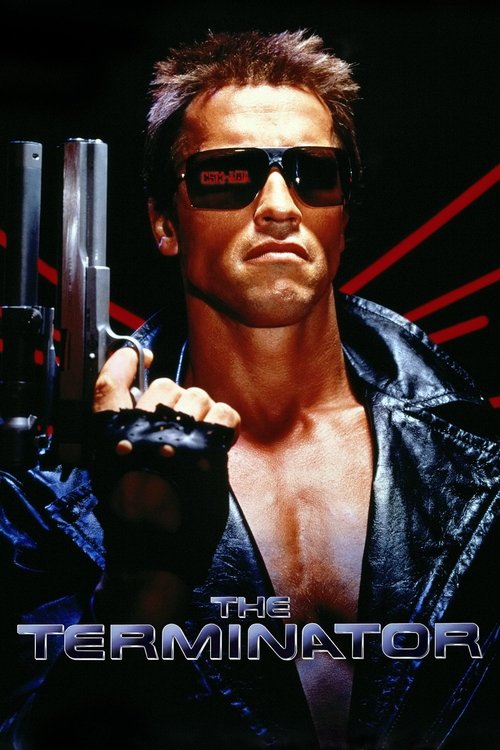
Director: James Cameron
A machine is sent from the future to murder a woman whose unborn son will become central to humanity’s resistance. A soldier follows it back through time and attempts to keep her alive.
James Cameron combines science fiction with the relentless structure of a slasher and chase film. The Terminator does not negotiate, tire or abandon its objective. Every apparent escape is temporary, creating the sensation that the characters are being pursued by inevitability itself.
13. Léon: The Professional (1994)
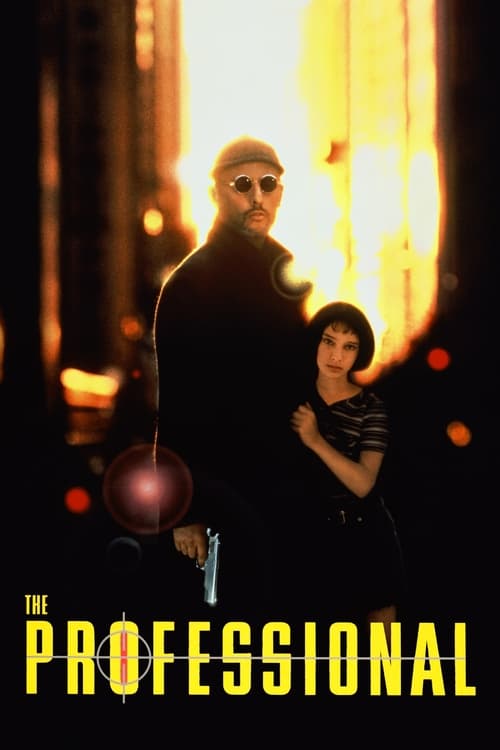
Director: Luc Besson
A young girl whose family has been murdered seeks refuge with a solitary contract killer living in the same apartment building. Their unlikely relationship draws him into conflict with the corrupt officer responsible for the killings.
Luc Besson combines heightened action with a contained emotional story about two isolated people. The film’s strongest tension comes from the contrast between Léon’s professional control and Mathilda’s grief-driven impulsiveness.
12. Infernal Affairs (2002)

Directors: Andrew Lau and Alan Mak
A police officer working undercover inside a criminal organisation and a gang informant embedded within the police both realise that the other exists. Each must identify his counterpart without exposing himself.
The Hong Kong thriller compresses identity, loyalty and institutional corruption into a remarkably efficient narrative. Phone calls, surveillance and seemingly ordinary meetings carry the possibility of immediate discovery.
11. Mad Max 2: The Road Warrior (1981)

Director: George Miller
A solitary drifter becomes involved with a community defending its fuel supply from a violent gang in a collapsing world. Their only chance of survival is to break through the surrounding forces and escape across the desert.
George Miller tells much of the story visually, establishing vehicles, geography and objectives with exceptional clarity. The climactic pursuit remains a benchmark because every collision and manoeuvre advances the characters toward or away from survival.
The Ten Greatest Action Thriller Movies Ever Made
10. North by Northwest (1959)

Director: Alfred Hitchcock
An advertising executive is mistaken for a government agent and pursued across the United States by criminals who believe he possesses information he has never heard of.
Alfred Hitchcock turns mistaken identity into continuous movement. Hotels, trains, roads, auction rooms and national monuments become stages in a pursuit whose rules the protagonist does not understand. The crop-duster sequence remains a perfect example of suspense created through space, expectation and delayed attack.
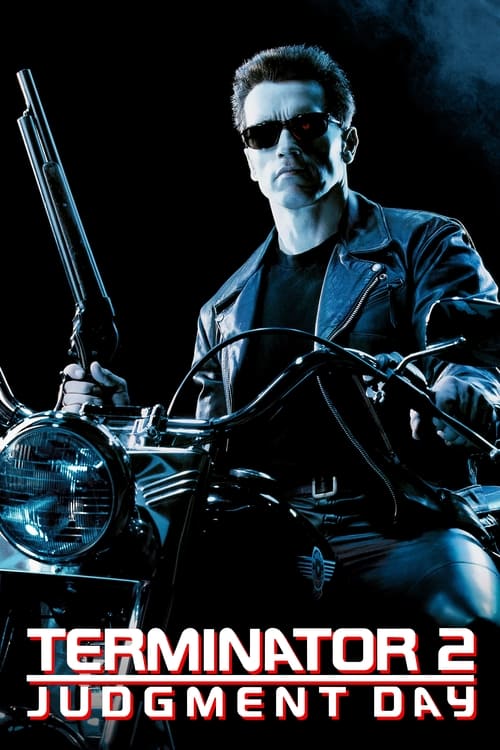
9. Terminator 2: Judgment Day (1991)
Director: James Cameron
A reprogrammed machine is sent to protect the young John Connor from a more advanced assassin capable of changing its appearance.
James Cameron gives every set piece a clear dramatic objective. The action is spectacular, but it remains grounded in protection, pursuit and the characters’ attempt to prevent a future catastrophe. The film also develops its machine protagonist from weapon into guardian without losing momentum.
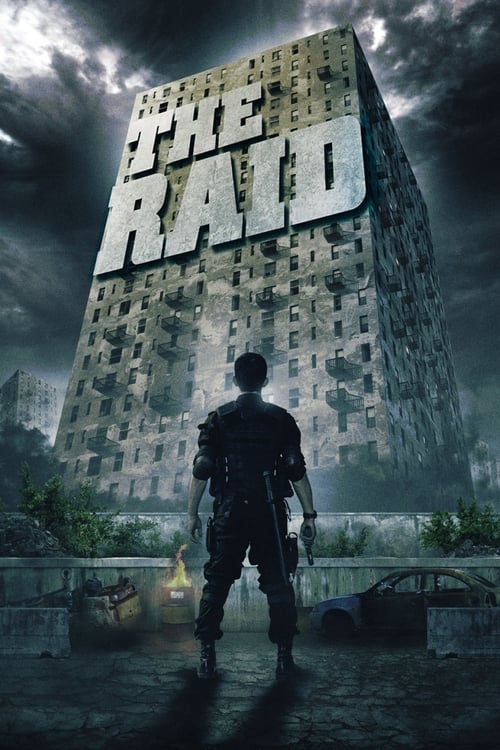
8. The Raid (2011)
Director: Gareth Evans
A police unit becomes trapped inside a fortified apartment building controlled by a crime lord. Reaching the target at the top becomes secondary to surviving long enough to find an exit.
The simplicity of the premise allows Gareth Evans to concentrate on movement, physical consequence and architecture. Few films have integrated martial arts into a sustained survival structure with comparable intensity.
7. Mad Max: Fury Road (2015)

Director: George Miller
A group of women escapes a tyrant controlling water, fuel and reproduction in a devastated wasteland. Max becomes an unwilling ally as an army of vehicles pursues them across the desert.
George Miller turns almost the entire film into a chase while maintaining extraordinary visual clarity. Objectives, directions and shifting alliances can be understood at a glance. Beneath the spectacle is a direct story about escaping ownership and deciding whether survival requires flight or return.
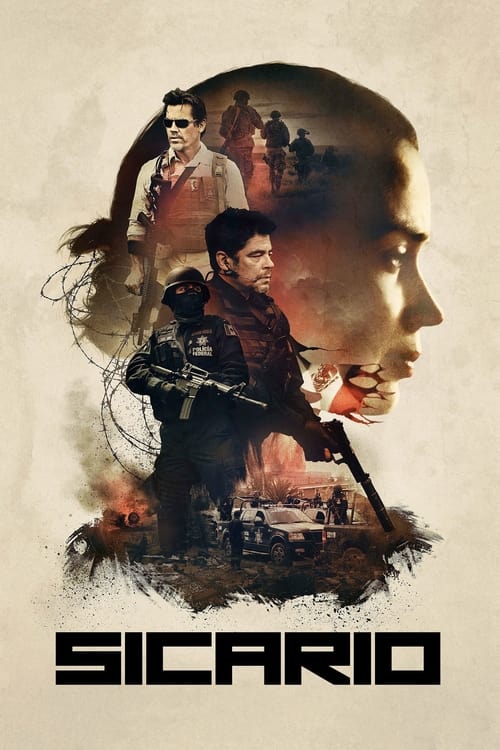
6. Sicario (2015)
Director: Denis Villeneuve
An FBI agent joins a covert operation targeting a drug cartel along the United States–Mexico border. She quickly discovers that the mission’s real objectives and legal boundaries are being withheld from her.
Denis Villeneuve builds action from anticipation. Convoys, border crossings, tunnels and silent landscapes become charged because the protagonist never possesses the same information as the men controlling the operation. The film’s violence is brief, organised and morally destabilising. There are more crime thrillers like Sicario in our dedicated guide.
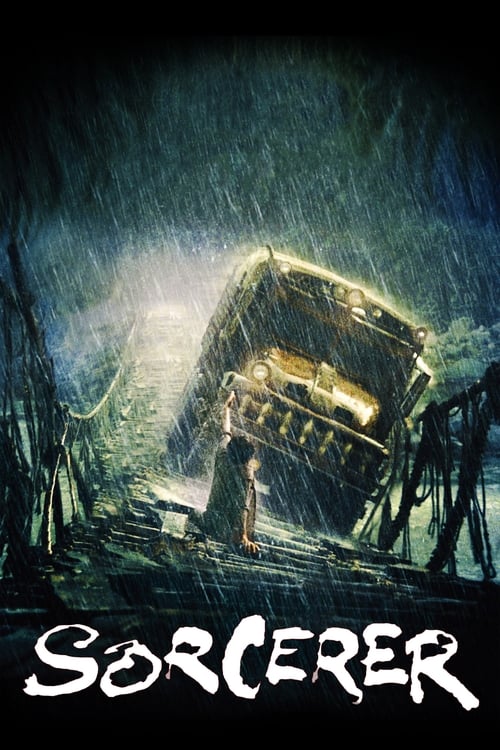
5. Sorcerer (1977)
Director: William Friedkin
Four men hiding in a remote South American town accept a job transporting unstable explosives through jungle terrain. The payment could provide escape, but reaching the destination requires moving two decaying trucks across roads that barely exist.
William Friedkin transforms mud, rain, rope, timber and machinery into sources of extraordinary suspense. The bridge sequence demonstrates that action does not require speed. It requires a clear danger, a difficult objective and the certainty that one wrong movement will be final.
4. The Fugitive (1993)
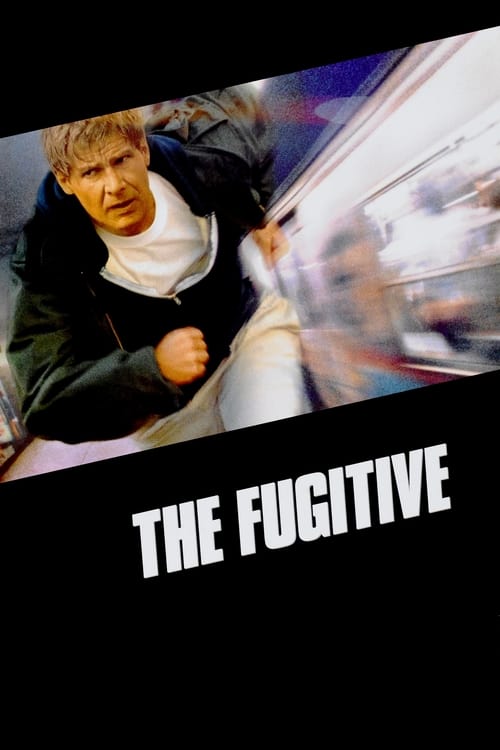
Director: Andrew Davis
A wrongly convicted surgeon escapes custody and searches for the person who killed his wife while a federal marshal leads the effort to recapture him.
The film achieves a rare balance between investigation and pursuit. Kimble is always moving, but each escape must bring him closer to the truth. Gerard is equally competent, preventing the chase from depending on incompetence or coincidence.
3. Die Hard (1988)
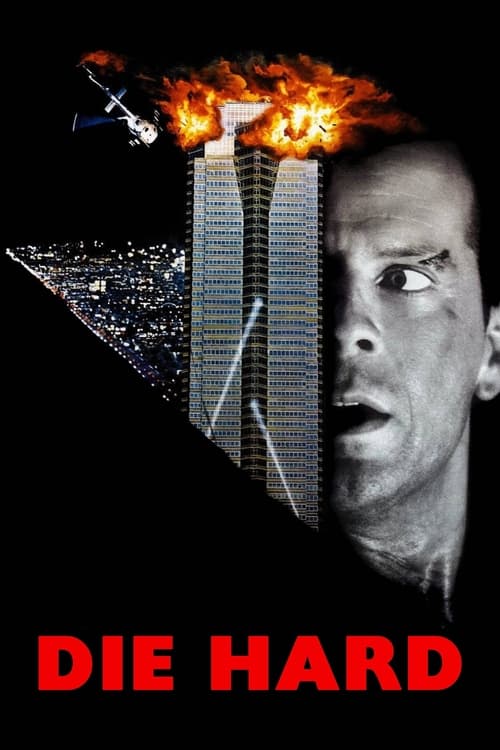
Director: John McTiernan
An off-duty New York police officer becomes trapped inside a Los Angeles skyscraper after armed criminals seize the building and take its occupants hostage.
John McTiernan establishes the geography of the building so clearly that every floor, lift shaft and stairwell becomes part of the suspense. John McClane is resourceful but vulnerable, and his injuries accumulate throughout the night. The action feels consequential because the protagonist never seems invincible.
2. Heat (1995)
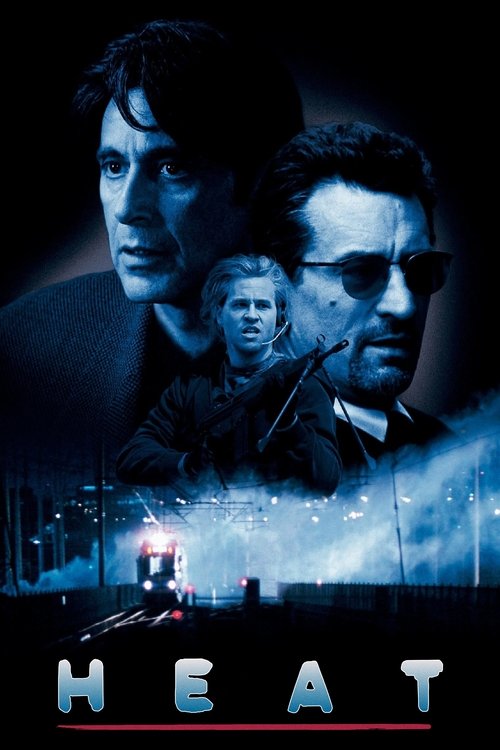
Director: Michael Mann
A professional thief preparing a final major robbery becomes the focus of an equally obsessive Los Angeles detective. Their parallel lives move toward confrontation as personal relationships collapse around their work.
Michael Mann gives the criminal and the detective equal weight, making the film less a contest between good and evil than between two men governed by incompatible forms of discipline. The downtown shootout is celebrated for its sound and physical scale, but it matters because the film has carefully established what each man stands to lose.
1. The French Connection (1971)
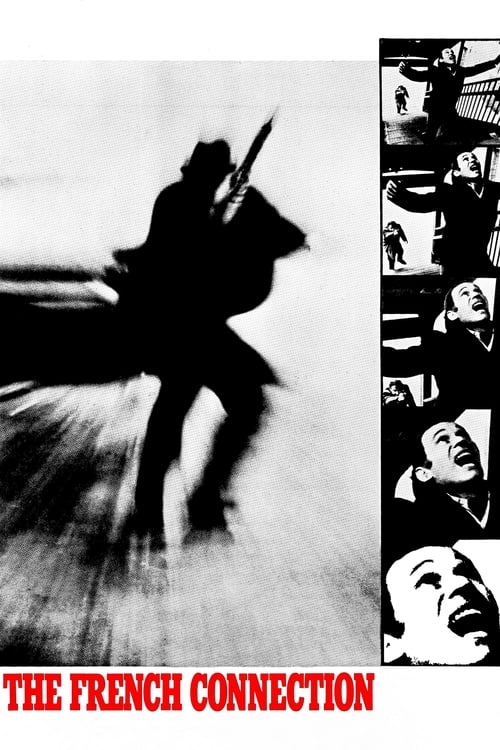
Director: William Friedkin
Two New York detectives pursue an international heroin shipment while one officer’s determination gradually becomes indistinguishable from obsession.
William Friedkin makes the investigation feel unstable, physical and immediate. Surveillance stretches across streets and stations, suspects repeatedly disappear into crowds and evidence remains frustratingly incomplete. The city does not organise itself around the protagonist’s needs.
The celebrated chase beneath the elevated railway is not merely an action sequence. It is the moment when professional determination becomes reckless compulsion. That moral ambiguity, combined with the film’s documentary texture and unresolved ending, makes The French Connection one of the purest action thrillers ever made.
The Best Action Thriller Movies by Subgenre
Best Crime Action Thrillers
Crime action thrillers place physical confrontation inside investigations, robberies and conflicts between law enforcement and organised crime.
Start with:
- Heat
- The French Connection
- The Departed
- Collateral
- Bullitt
- Infernal Affairs
Best Manhunt and Chase Thrillers
These films build their stories around pursuit. The protagonist may be falsely accused, carrying dangerous information or simply attempting to reach safety before the people hunting them close the distance.
Start with:
- The Fugitive
- North by Northwest
- Breakdown
- The Warriors
- The Terminator
- Run Lola Run
Best Martial-Arts Action Thrillers
The strongest martial-arts thrillers do more than showcase fighting ability. They give each confrontation an objective, location and consequence within the larger story.
Start with:
- The Raid
- The Raid 2
- The Man from Nowhere
- Hard Boiled
- The Killer
- Oldboy
Best Espionage Action Thrillers
Espionage thrillers create action from secrecy, divided loyalties and institutions whose true objectives remain hidden.
Start with:
- The Bourne Identity
- Ronin
- Infernal Affairs
- Sicario
- North by Northwest
Best Survival Action Thrillers
Survival action thrillers reduce the story to a physical objective: escape the building, cross the landscape, keep the vehicle moving or remain alive until help arrives.
Start with:
- Sorcerer
- The Wages of Fear
- The Raid
- Speed
- First Blood
- Mad Max: Fury Road
Best Independent Action Thrillers
Independent action thrillers often replace scale with precision. A contained location, small cast and clear objective can create more tension than a production built around unrestricted spectacle.
Start with:
- Rebel Ridge
- The Terminator
- The Raid
- Run Lola Run
- The Driver
- Blood Star
What Makes an Action Sequence Suspenseful?
Action becomes suspenseful when the audience understands the danger before the characters can resolve it. A technically impressive chase may be exciting, but it becomes a thriller sequence only when something meaningful can be lost.
The bridge crossing in Sorcerer works because the trucks are carrying unstable explosives. The bus sequences in Speed work because slowing down is impossible. In Die Hard, the geography of the building allows the audience to understand how close McClane is to discovery. In Sicario, the border convoy creates tension because the characters are surrounded by possible threats but cannot identify which vehicle contains them.
Clarity is therefore more important than volume. When an audience understands where people are, what they need and what prevents them from obtaining it, even a small movement can become intensely suspenseful.
Why Geography Matters in Action Thriller Movies
The best action thrillers make location part of the conflict. The action does not simply occur in a place; it is shaped by that place.
The tower block in The Raid creates a vertical journey in which every floor represents danger. The skyscraper in Die Hard offers hiding spaces but limits escape. The jungle roads in Sorcerer turn weather and terrain into antagonists. The desert in Mad Max: Fury Road provides enormous visual scale while exposing the characters to attack from every direction.
This principle also shaped Blood Star. Its desert roads, isolated petrol stations and open desert landscapes appear expansive, yet they provide nowhere to hide. Distance from other people becomes a form of confinement.
Action Thrillers About Corrupt Authority
Some of the most effective action thrillers place their protagonists against institutions rather than conventional individual villains.
Rebel Ridge begins with police officers using legal powers to seize a man’s money. Sicario follows an agent whose government team operates through methods she cannot approve or control. First Blood transforms a sheriff’s personal hostility into a full institutional manhunt. L.A. Confidential reveals corruption buried inside the body responsible for investigating it.
These stories create particular tension because the protagonist cannot simply call for help. The people expected to provide protection may be causing the danger.
For more films about pursuit, authority and human predators, explore our guides to the best psychological thriller movies, survival thriller movies, cat-and-mouse thrillers and road thriller movies.
Where to Begin If You Are New to Action Thrillers
For an accessible introduction to the genre, begin with Die Hard, The Fugitive, Speed, The Bourne Identity or Terminator 2: Judgment Day. Each has a clear objective, strong characters and action that can be followed without difficulty.
Viewers who prefer crime stories should try Heat, Collateral or The French Connection. For international action, begin with The Raid, Infernal Affairs, The Killer or The Man from Nowhere. Those interested in slower, more suspense-driven films should begin with Sorcerer, The Wages of Fear or Sicario.
The best entry point depends on whether you prefer pursuit, crime, espionage, survival or martial arts. The genre is broad, but its strongest films all understand that action matters most when the audience fears what might happen next.
Final Thoughts: Why the Best Action Thrillers Endure
The greatest action thriller movies do not ask audiences only to admire what a character can do. They make us worry that ability may not be enough.
Their protagonists become injured, disoriented, isolated or morally compromised. They enter buildings without knowing the exits, pursue suspects without understanding the larger conspiracy and accept missions whose real purpose has been concealed. Physical skill provides a chance of survival, but never a guarantee.
That vulnerability is what separates suspense from spectacle. A vehicle moving quickly is an image. A vehicle that cannot slow down is a story.
For another thriller built around pursuit, corrupt authority and an isolated protagonist, discover Blood Star, watch the official trailer or visit the official watch page.
Frequently Asked Questions
Essential action thrillers include Heat, Die Hard, The French Connection, The Fugitive, Sicario, The Raid, Sorcerer, North by Northwest, Terminator 2: Judgment Day and Mad Max: Fury Road.
An action movie is primarily driven by physical conflict, combat and spectacle. An action thriller combines those elements with suspense, uncertainty, pursuit and escalating danger. The protagonist often has incomplete information, limited time or no reliable source of help.
Strong modern action thrillers include Sicario, The Raid, The Raid 2, Mad Max: Fury Road, John Wick, Rebel Ridge and The Man from Nowhere.
Some of the best crime action thrillers are Heat, The French Connection, Collateral, The Departed, Bullitt, Infernal Affairs and Hard Boiled.
Essential survival action thrillers include Sorcerer, The Wages of Fear, The Raid, Speed, First Blood, Mad Max: Fury Road and Breakdown.
Notable international action thrillers include The Raid, Infernal Affairs, The Killer, Hard Boiled, The Man from Nowhere, Run Lola Run and The Wages of Fear.
No. Although many contain violence, suspense can also come from pursuit, time pressure, machinery, geography and the possibility of discovery. North by Northwest, Run Lola Run and The Wages of Fear generate much of their tension without depending on constant combat.
Yes. Rebel Ridge combines physical confrontation with conspiracy, corrupt authority and escalating pressure. Its action is restrained for much of the story, but the film uses that restraint to increase suspense.
Blood Star combines elements of the action thriller, psychological thriller, survival thriller and desert road movie. Its story centres on a young woman pursued across the desert by a sheriff who uses his authority to isolate and control her.
Film posters courtesy of The Movie Database (TMDB). This product uses the TMDB API but is not endorsed or certified by TMDB.
More on Blood Star
- Watch Blood Star free on Tubi & Prime Video (USA)
- Movies like Blood Star
- Blood Star: Ending Explained
- Blood Star — Cast & Filmmakers
Watch Blood Star
Blood Star is a psychological desert road thriller about Bobbi Torres, a young woman travelling alone across the American Southwest who becomes the target of Sheriff Bilstein, a predatory lawman whose badge, patrol car and knowledge of the territory allow him to control the hunt.


See every legitimate way to watch Blood Star free →

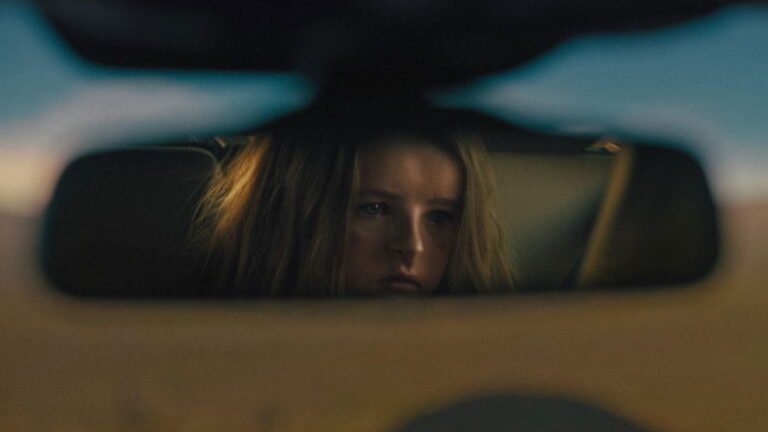
Table of Contents
- What Is an Action Thriller Movie?
- How These Action Thriller Movies Were Chosen
- The 40 Best Action Thriller Movies of All Time
- 40. Rebel Ridge (2024)
- 39. Breakdown (1997)
- 38. The Bourne Identity (2002)
- 37. Run Lola Run (1998)
- 36. The Taking of Pelham One Two Three (1974)
- 35. Point Break (1991)
- 34. The Killer (1989)
- 33. The Driver (1978)
- 32. John Wick (2014)
- 31. The Warriors (1979)
- 30. Speed (1994)
- 29. Enter the Dragon (1973)
- 28. Ronin (1998)
- 27. The Man from Nowhere (2010)
- 26. First Blood (1982)
- 25. Bullitt (1968)
- 24. Death Proof (2007)
- 23. Collateral (2004)
- 22. The Wages of Fear (1953)
- 21. Duel (1971)
- 20. The Raid 2 (2014)
- 19. A History of Violence (2005)
- 18. Kill Bill: Volume 1 (2003)
- 17. Hard Boiled (1992)
- 16. The Dark Knight (2008)
- 15. The Departed (2006)
- 14. The Terminator (1984)
- 13. Léon: The Professional (1994)
- 12. Infernal Affairs (2002)
- 11. Mad Max 2: The Road Warrior (1981)
- The Ten Greatest Action Thriller Movies Ever Made
- 10. North by Northwest (1959)
- 9. Terminator 2: Judgment Day (1991)
- 8. The Raid (2011)
- 7. Mad Max: Fury Road (2015)
- 6. Sicario (2015)
- 5. Sorcerer (1977)
- 4. The Fugitive (1993)
- 3. Die Hard (1988)
- 2. Heat (1995)
- 1. The French Connection (1971)
- The Best Action Thriller Movies by Subgenre
- Best Crime Action Thrillers
- Best Manhunt and Chase Thrillers
- Best Martial-Arts Action Thrillers
- Best Espionage Action Thrillers
- Best Survival Action Thrillers
- Best Independent Action Thrillers
- What Makes an Action Sequence Suspenseful?
- Why Geography Matters in Action Thriller Movies
- Action Thrillers About Corrupt Authority
- Where to Begin If You Are New to Action Thrillers
- Final Thoughts: Why the Best Action Thrillers Endure
- More on Blood Star
- Watch Blood Star