Quick Answer
Films like Barbarian, Backrooms, The Shining and Psycho use a protagonist handoff — abandoning, killing or morally corrupting the character the audience has been following — to destabilise the story itself. There are three main forms: the hard handoff (an abrupt cut to a new character, as in Psycho and Barbarian), the relay handoff (parallel storylines that converge, as in Barbarian) and the transformational handoff (the hero gradually becomes the threat, as in The Shining, Chronicle, The Fly and Backrooms). The device works when the first protagonist’s arc creates the second story rather than simply running out of road.
Spoiler Warning
Warning: This article contains major spoilers for Backrooms, Barbarian, Psycho, The Shining, Chronicle, The Fly, Possessor, Waves and several other films.
Key Takeaways
- A protagonist handoff breaks the audience’s basic agreement that the person who begins the story will also complete it.
- There are three main forms: the hard handoff (Psycho, Barbarian), the relay handoff (Barbarian) and the transformational handoff (The Shining, Chronicle, The Fly, Backrooms) — plus a rarer “identity handoff” (Possessor, Upgrade) where it’s unclear whether the original character still exists.
- The device works when the first protagonist’s death, obsession, corruption or mistake causally creates the second story — not when a replacement character simply restarts the same task.
- Low-budget horror is especially well suited to this device because changing perspective can create the sensation of a larger, stranger film without requiring bigger sets, effects or budget.
- Backrooms’ handoff from Clark to Mary is both clever and structurally necessary — those two explanations aren’t in conflict; the best structural choices usually solve a practical problem while deepening the theme.
Why Do Some Films Change Their Main Character Halfway Through?
The traditional midpoint of a film changes the direction of the story. New information is revealed, the hero’s objective changes, the apparent victory becomes a trap or the conflict expands into something larger than the protagonist originally understood.
Most films achieve this while keeping the same central character.
A smaller group does something more disruptive: it changes the person through whom we experience the story.
Sometimes the original protagonist dies. Sometimes the film temporarily abandons them and introduces another character. In other cases, the person we have been following gradually becomes the danger, forcing a secondary character to assume the role of protagonist.
This is one of the most powerful structural devices available to a filmmaker because audiences do not merely follow plot. They form an agreement with the apparent hero. We assume this person is our guide, that their objective defines the story and that the film will remain organised around their experience.
Changing protagonists breaks that agreement.
When it works, the audience feels the story itself has become unstable. The device can make a film suddenly feel larger, stranger or less predictable. When it fails, it can feel as though the writer exhausted the first storyline and simply started another one.
The difference depends on whether the handoff deepens the film’s central idea or merely postpones the ending.
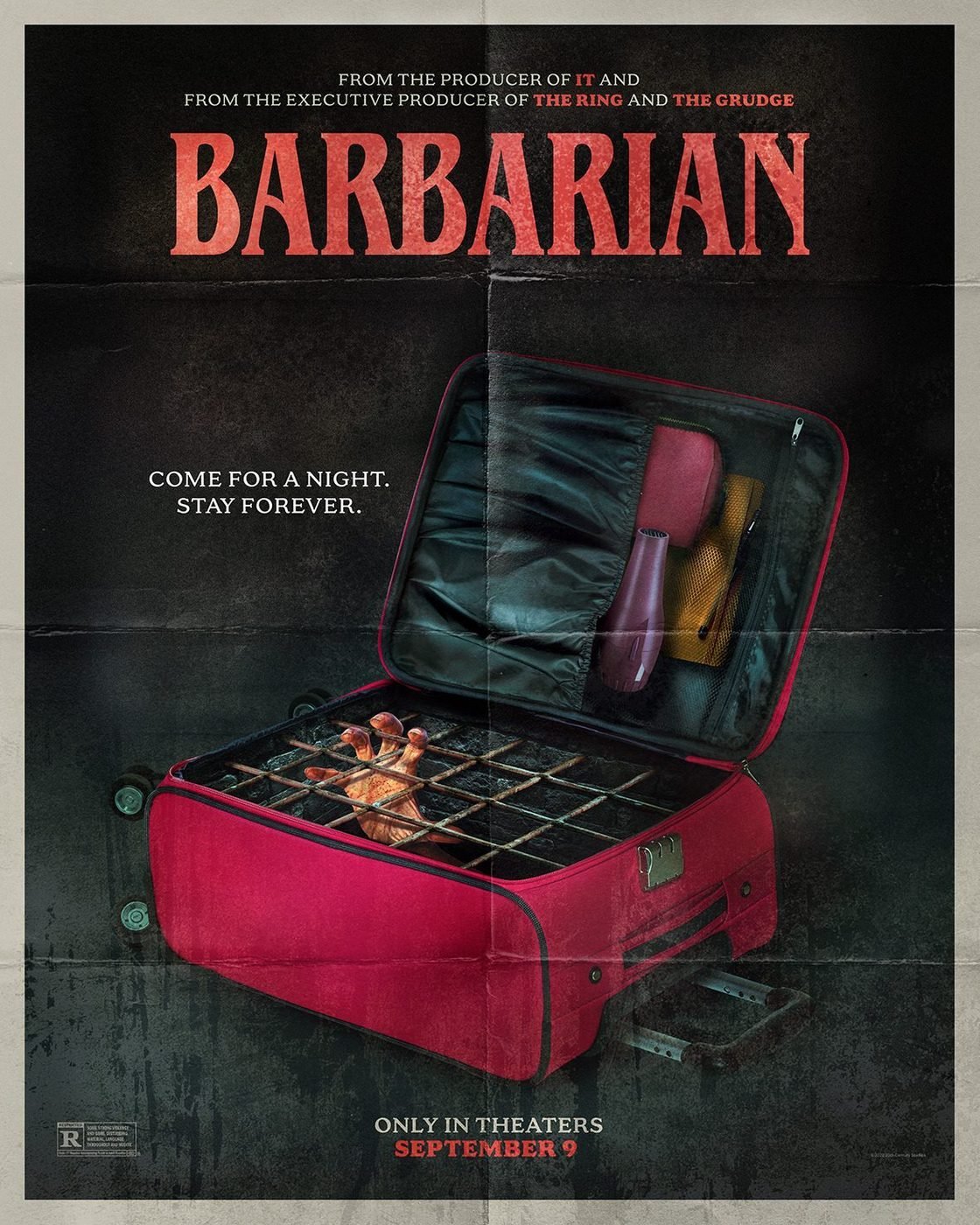
Barbarian and the Shock of Starting a Different Movie
Barbarian contains one of the boldest recent examples of a protagonist handoff.
The film begins with Tess arriving at a Detroit rental property and discovering that it has been double-booked. A stranger named Keith is already inside. The opening section is constructed around Tess’s uncertainty about whether Keith is dangerous.
The film carefully trains the audience to examine male behaviour from her perspective. Keith appears considerate, but Tess notices every possible warning sign. The tension comes from the conflict between social politeness and self-preservation.
When the story descends beneath the house, Keith is killed and Tess appears to be next. Instead of continuing directly from that crisis, the film cuts to bright California sunlight and introduces AJ, a sitcom actor driving along the coast.

The tonal change is so violent that it briefly feels as though the viewer has changed channels or accidentally sat on the remote.
That sensation is deliberate.
Writer-director Zach Cregger has explained that he wrote the film by trying to surprise himself rather than planning the entire narrative in advance. When the original scenario began to feel predictable, he introduced a turn that would flip the story’s direction, according to Wikipedia.
AJ does not initially appear connected to Tess, Keith or the underground tunnels. His scenes seem to belong to another genre: a dark Hollywood comedy about a disgraced actor facing sexual-assault allegations.
Eventually, he travels to Detroit and discovers that he owns the house.
This is not a permanent transfer from Tess to AJ. It is closer to a protagonist relay. Tess carries the first section, AJ carries the middle, and the two narrative lines eventually converge. Tess ultimately reclaims the central survival role, but our understanding of the house has been expanded through AJ.
The switch accomplishes several things simultaneously. It releases the tension of the opening before rebuilding it in a different register, expands the story beyond Tess’s immediate experience, introduces a character whose moral blindness becomes thematically important and forces the audience to reconsider what type of film it is watching.
Most importantly, the change is not arbitrary.
The first section asks whether Tess can correctly identify a dangerous man. The AJ section introduces a man who does not recognise—or refuses to recognise—the danger within himself. His presence transforms the film’s concern with women trusting their instincts into a broader examination of male entitlement, self-deception and accountability.
The handoff is therefore structural, tonal and thematic.
Backrooms Uses a Different Kind of Handoff
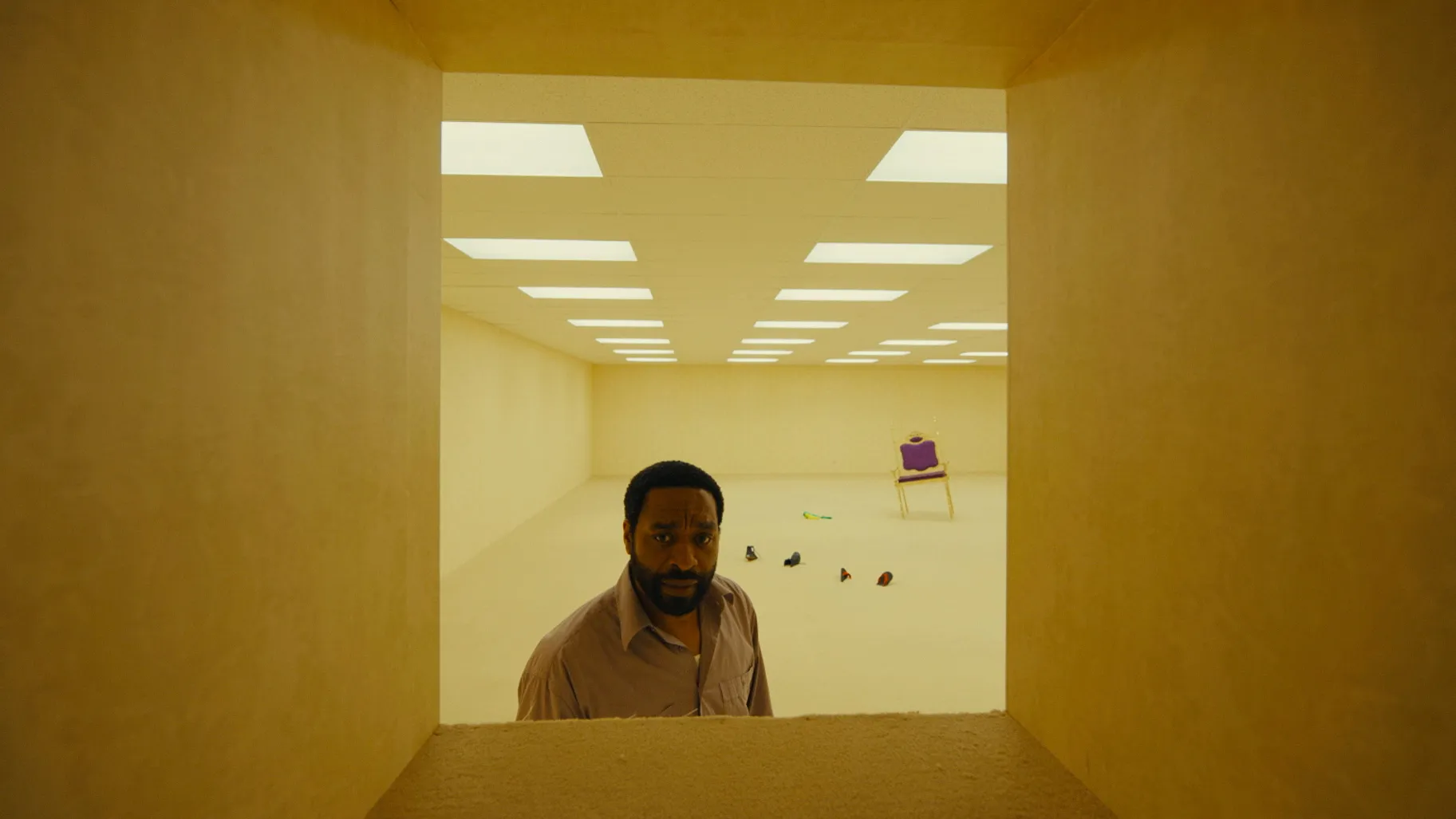
Backrooms begins with Clark, a failed architect and furniture-store owner whose personal life has collapsed. He discovers the impossible labyrinth beneath his store and becomes increasingly fascinated by it.
At first, Clark appears to be the natural protagonist. The Backrooms connect to his frustrations, his architectural imagination, his failed marriage and his desire to find meaning inside a stagnant life.
But the deeper he enters the space, the less suitable he becomes as our guide.
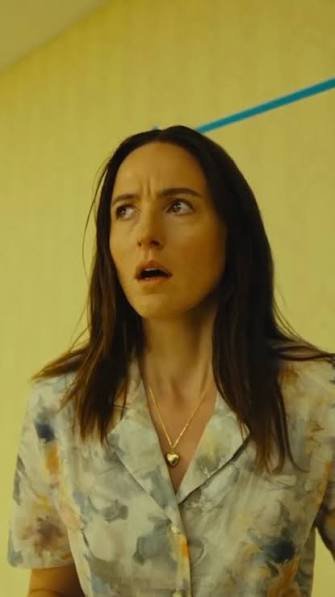
His therapist, Mary, gradually assumes the investigative and emotional role that Clark abandons. When Clark disappears, she enters the Backrooms to find him. By the final movement, Clark is no longer simply the endangered man she hopes to rescue. A monstrous version of him has become part of the threat she must survive. The film ultimately places Mary at the centre of its closing mysteries, including her encounter with Async and the uncertainty over whether she has truly escaped, per People.com.
This makes the shift more complicated than the one in Barbarian.
In Barbarian, Tess remains fundamentally heroic even when the film leaves her. AJ becomes a temporary protagonist because the narrative needs another perspective.
In Backrooms, Clark’s position changes morally and dramatically. The story transfers our allegiance to Mary partly because Clark is becoming the antagonist.
This is a transformational handoff: the original protagonist crosses the story’s centre and becomes an obstacle, threat or embodiment of the forces another character must confront.
The question is whether this is clever design or evidence that the writers ran out of runway with Clark.
The honest answer is: it can be both.
Did Backrooms Run Out of Story for Clark?
Clark’s initial dramatic engine is strong but limited. He is dissatisfied with ordinary reality, discovers an impossible environment and becomes obsessed with it. Once he has entered the Backrooms repeatedly and surrendered himself to their logic, only a few options remain.
He can escape, die, learn the truth or transform.
If he simply continues exploring as the hero, the film risks becoming repetitive. The Backrooms are visually extraordinary, but endless wandering is not automatically an escalating story. A location built around repetition creates a particular screenwriting problem: the environment can continue forever, but the protagonist’s dramatic trajectory cannot.
One review criticised the film for focusing so heavily on Clark’s declining mental health that the Backrooms sometimes felt more like the setting of his crisis than an active threat, according to Midlands Movies. That criticism points towards the structural issue. Once Clark’s obsession has swallowed him, his internal movement is largely complete.
Transferring the story to Mary gives the film a new question.
Clark asks: What is this place, and what might it give me?
Mary asks: What has this place done to Clark, and can he still be saved?
The second question is more urgent because it transforms exploration into rescue and eventually into survival.
That does not necessarily mean the writers failed Clark. A protagonist does not need to remain the protagonist until the final frame. His inability to continue fulfilling that role may be the point.
Clark enters the Backrooms because he is attracted to them. Mary enters because she feels responsible for another human being. Clark treats the space as an escape from his life. Mary experiences it as a danger she must penetrate and understand.
Their opposing reasons for entering define their opposing trajectories.
Clark moves away from human connection until he becomes absorbed into the environment. Mary moves towards another person, even at personal risk. The protagonist role shifts to the character still capable of meaningful action.
That is dramatically coherent.
However, the handoff would feel less successful if Mary were introduced only when Clark’s story stalled. Because she exists beforehand as his therapist, the possibility of her becoming the emotional centre has already been planted.
A successful handoff usually requires the replacement protagonist to have been present, thematically relevant or causally connected before the transfer occurs.
Otherwise, the audience does not experience a revelation. It experiences a restart.
The Shining: When the Apparent Hero Becomes the Threat
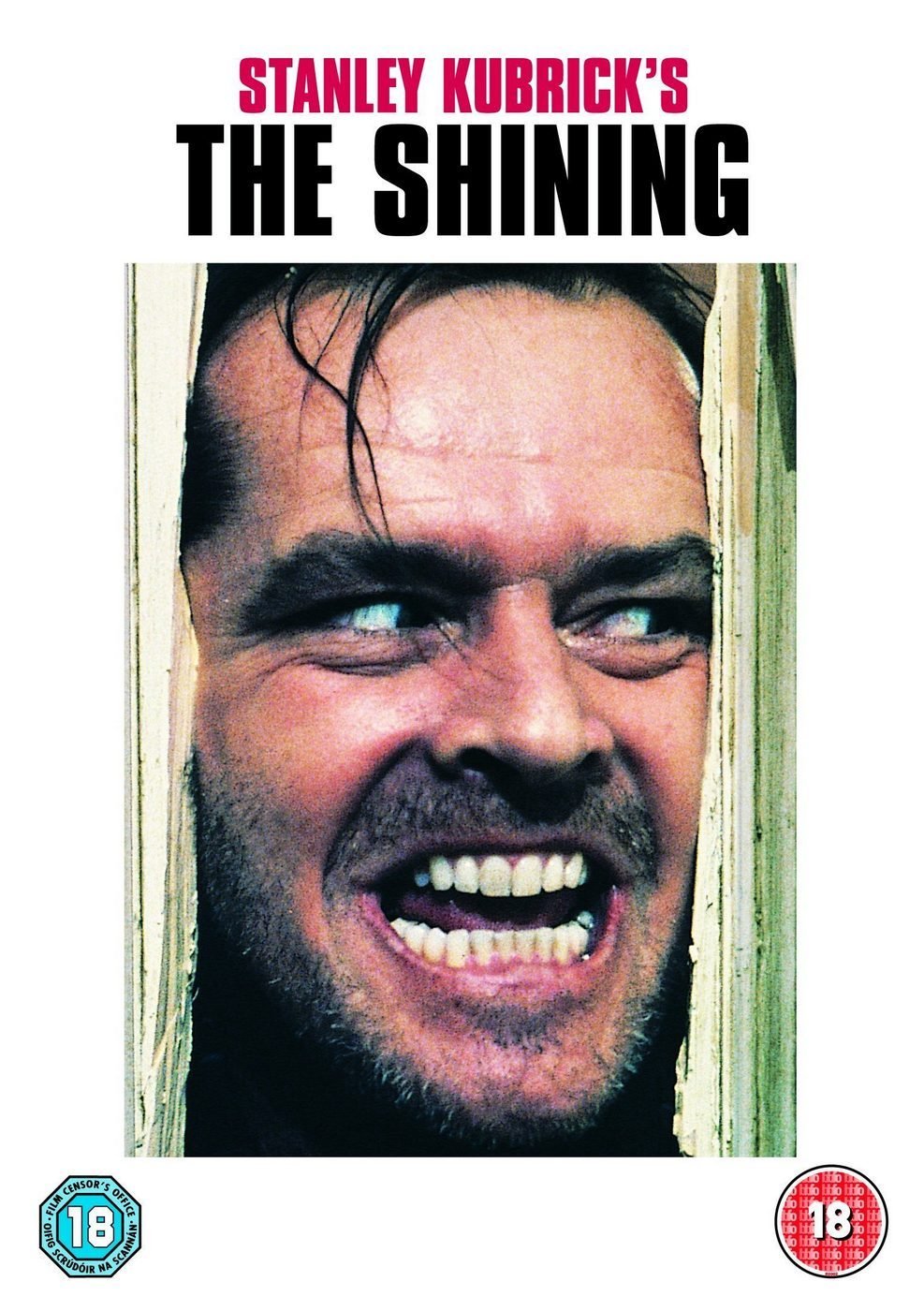
The Shining is one of the clearest models for the protagonist-to-antagonist arc.
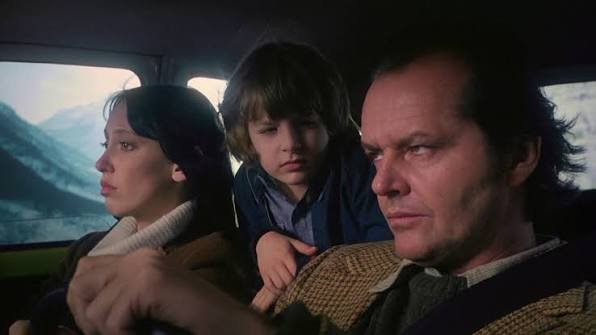
Jack Torrance initially appears to be the central character. He accepts the winter caretaker job, brings his family to the Overlook and has the most obvious conscious objective: use the isolation to write.
But Jack’s role gradually changes.
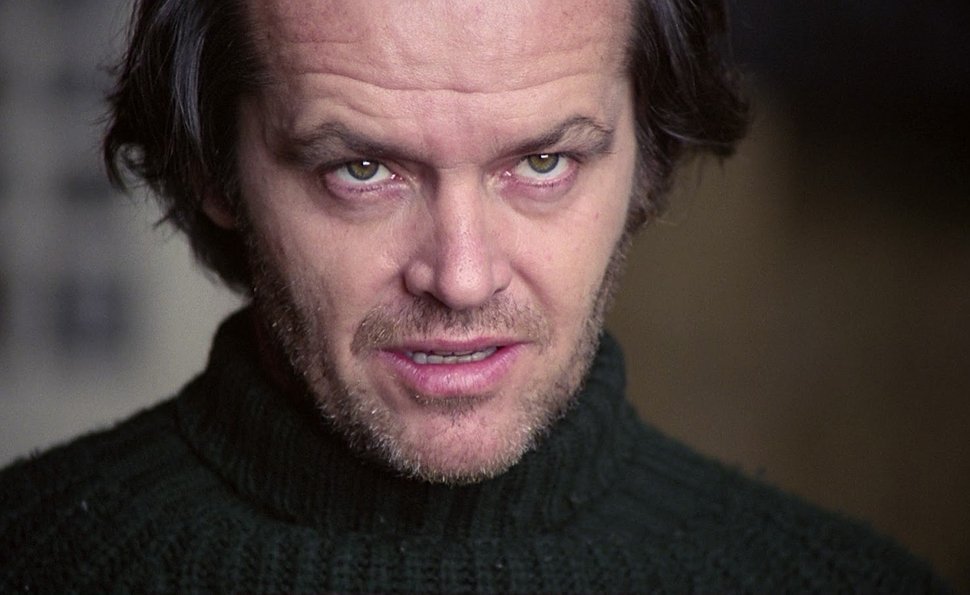
His alcoholism, resentment, wounded pride and history of violence exist before the supernatural forces fully reveal themselves. The Overlook does not invent his instability from nothing. It recognises, amplifies and weaponises it.
By the final section, Wendy and Danny have inherited the protagonist function. Their objective is clear and active: survive Jack and escape the hotel. Jack has become both the immediate antagonist and an extension of the Overlook.
Analyses of the film commonly describe Jack as a protagonist whose internal shadow becomes externalised until he effectively becomes the story’s monster, while Wendy and Danny take over the survival narrative, according to Go Into The Story.
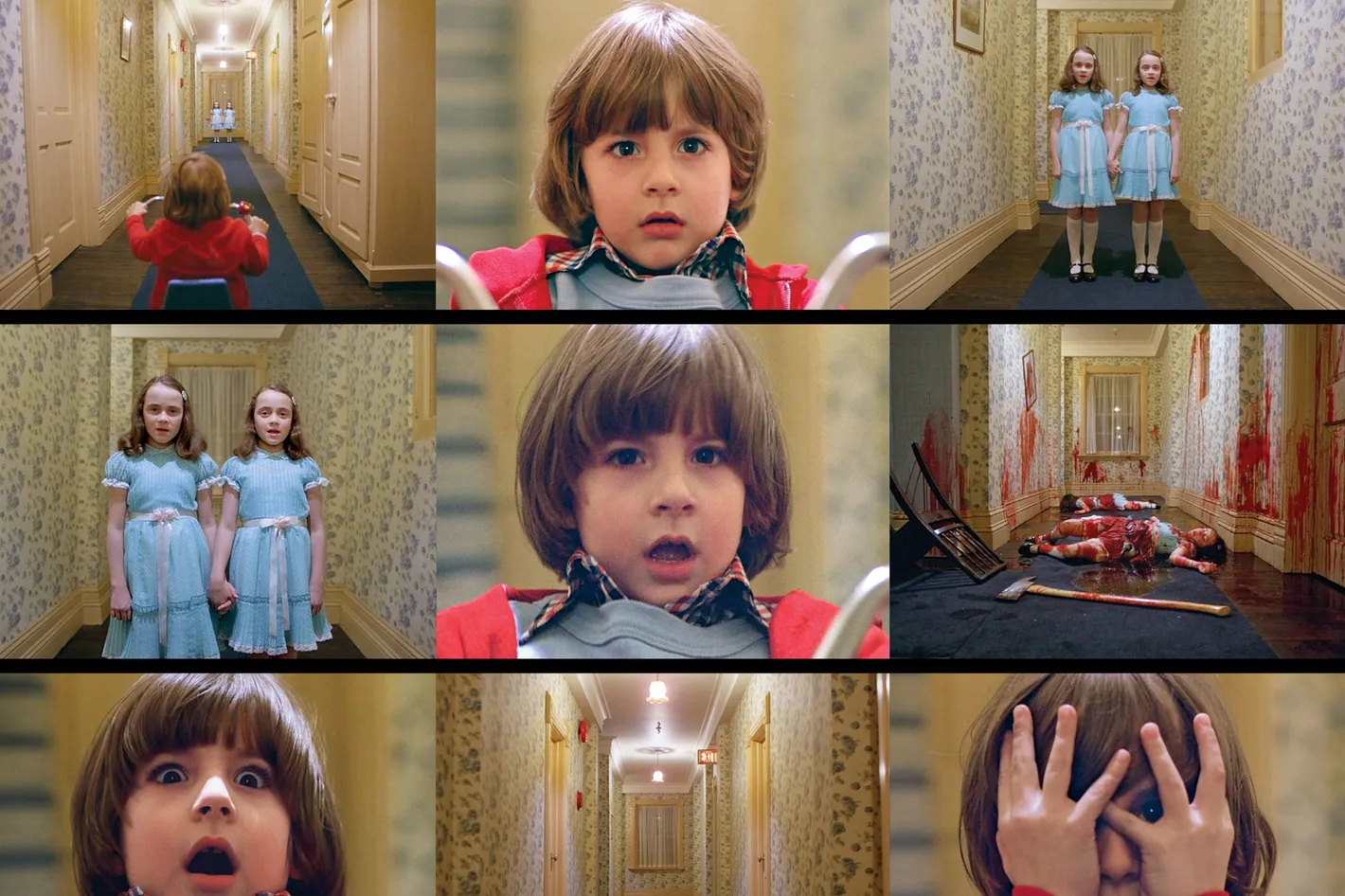
This progression feels natural because the film’s emotional allegiance has never belonged exclusively to Jack. Danny’s visions and Wendy’s growing anxiety establish alternative perspectives early.
Kubrick gradually withdraws our access to Jack’s humanity as his behaviour becomes more threatening. At the same time, Wendy evolves from a reactive spouse into the person making decisions, defending Danny and searching for a way out.
The transfer happens almost invisibly.
There is no single cut announcing that Wendy is now the hero. The film changes our allegiance scene by scene.
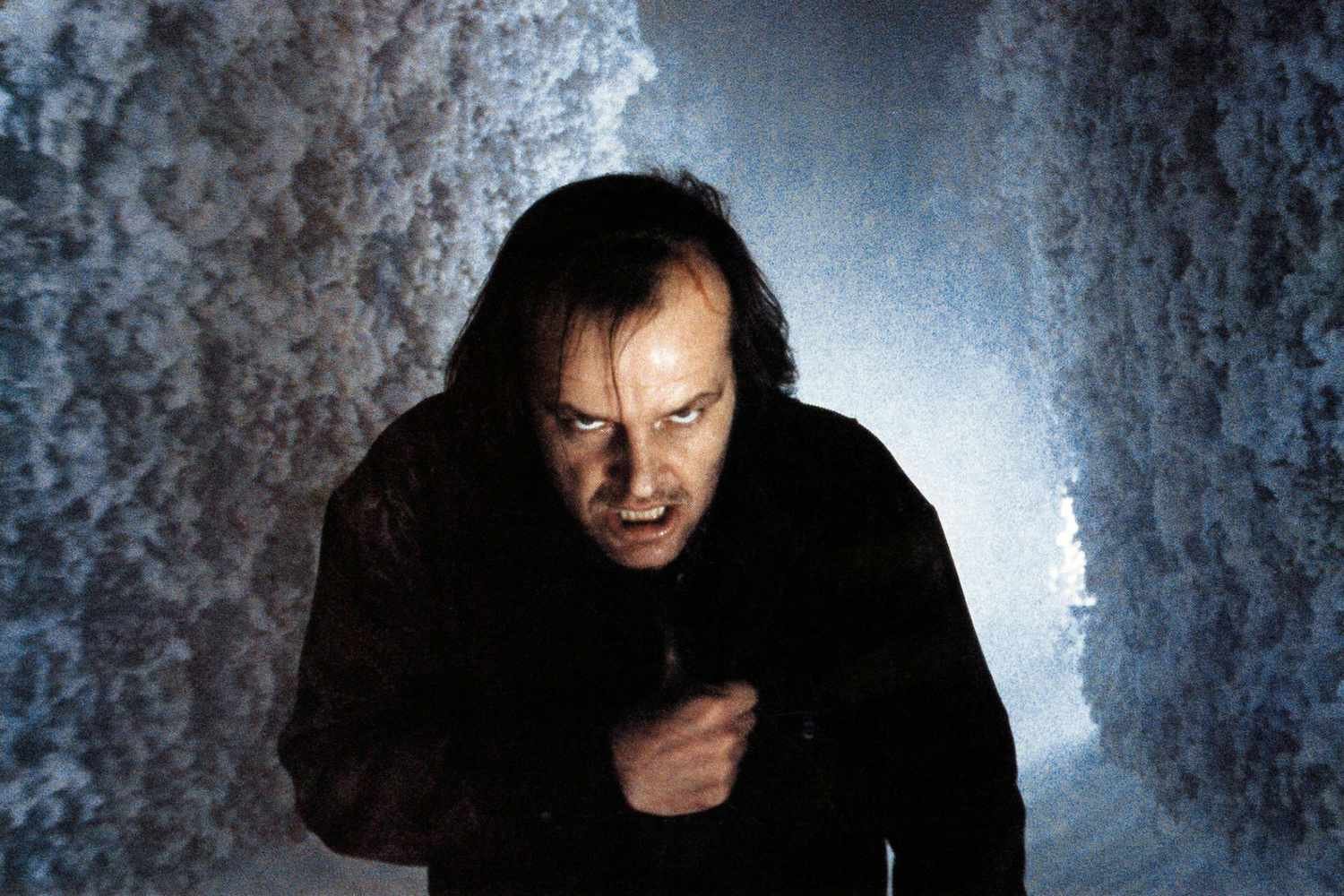
That is why The Shining differs from Barbarian. Barbarian creates shock through an abrupt switch. The Shining creates dread through a slow migration of identification.
Three Different Forms of Protagonist Transfer
These examples reveal three distinct structural devices.
The hard handoff
The film abruptly leaves one protagonist and introduces another. The cut itself becomes part of the surprise.
Examples include Psycho, Barbarian and The Place Beyond the Pines.
The relay handoff
Different characters carry separate sections of the story before their narratives converge or the original protagonist returns.
Barbarian also fits this form because Tess eventually resumes the central role.
The transformational handoff
The original protagonist gradually becomes morally compromised, dangerous or antagonistic, requiring another character to take over the active heroic function.
Examples include The Shining, Chronicle, The Fly and, in a more psychologically fragmented way, Backrooms.
There is also a fourth variation: the identity handoff, in which it becomes difficult to determine whether the original character still exists separately from the person or force replacing them. Possessor and Upgrade use versions of this device.
Psycho: The Foundational Protagonist Switch
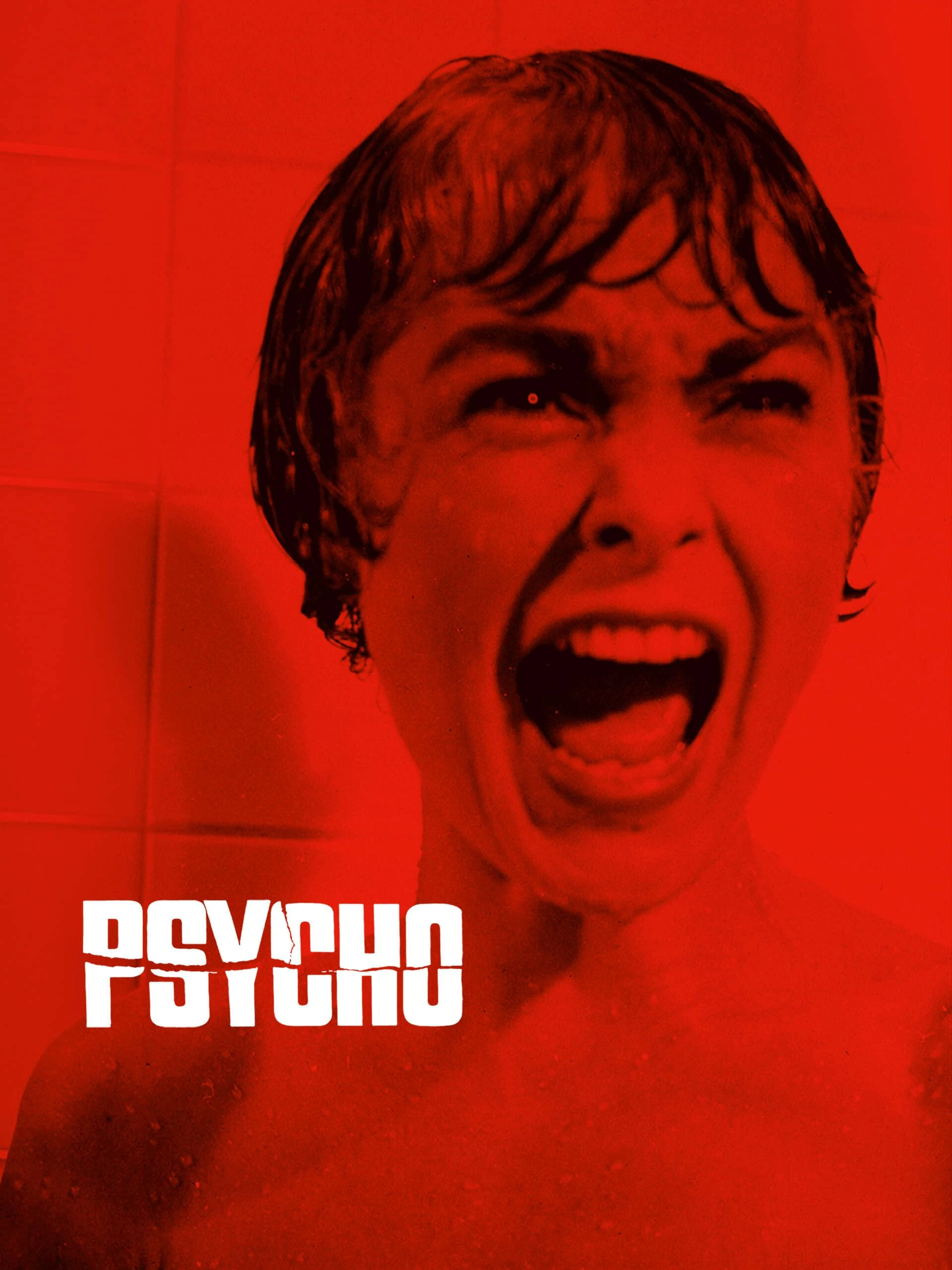
Alfred Hitchcock‘s Psycho remains the most famous example of a film killing its apparent protagonist and transferring the story elsewhere.
The first section follows Marion Crane. She steals money, leaves town and attempts to manage the consequences. The film gives her a complete objective, emotional conflict and point of view.
Then she is murdered in the shower.

The shock is not simply the violence. It is the destruction of the audience’s structural expectations. Marion appears to be the person whose choices will organise the entire film. Once she dies, the stolen money becomes almost irrelevant and the story is redistributed among Norman Bates, Marion’s sister Lila, Sam and the investigator Arbogast.
This is a true protagonist handoff because the film removes the original centre and forces the audience to locate another one.
The device also changes the question driving the story. Before the murder, we ask whether Marion will escape with the money. Afterwards, we ask what happened to her and what Norman is hiding.
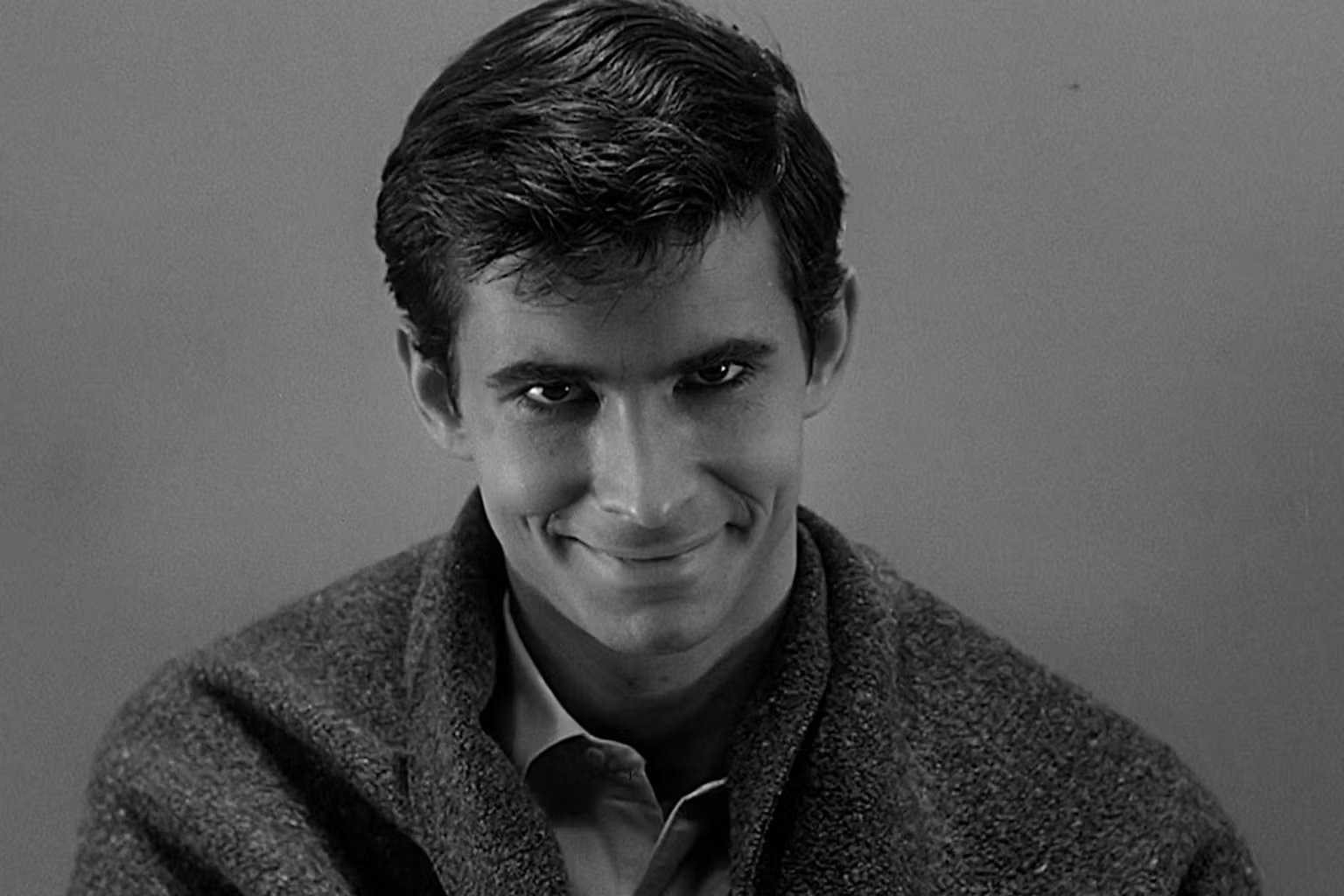
The second question absorbs the first.
Although Psycho was not a microbudget production, Hitchcock deliberately made it cheaply by using the crew and economical methods associated with his television work. Its structural influence on independent horror is enormous.
The lesson is not merely that a filmmaker can kill the hero.
It is that the original story must create the second story.
Marion’s decision brings her to the Bates Motel. Her disappearance motivates the investigation. The first protagonist’s actions remain causally alive after she is gone.
Chronicle: Andrew Becomes the Antagonist and Matt Inherits the Story
Chronicle provides a particularly clear modern example of the transformational handoff.
The film initially belongs to Andrew, a bullied and abused teenager who gains telekinetic abilities alongside his cousin Matt and their friend Steve. His loneliness and vulnerability make him the emotional centre.
The powers appear to offer liberation. For a time, the film resembles a youthful fantasy about friendship, confidence and freedom.
But Andrew’s pain gradually hardens into entitlement. He begins using his abilities to dominate others and constructs a worldview in which strength justifies cruelty.
As Andrew becomes increasingly dangerous, Matt assumes the protagonist function. The final confrontation is not simply hero against villain. It is one former friend accepting responsibility for stopping the person whose suffering originally earned our sympathy.
This structure is effective because the film does not reveal that Andrew was secretly evil. It allows the audience to understand every stage of his deterioration.
The emotional tragedy comes from the continuity.
The antagonist is still the protagonist we once wanted to succeed.
With a reported production budget around $12 million, Chronicle is larger than a microbudget horror film but remains relatively economical for a effects-driven studio release. Its found-footage approach, contained cast and character-centred concept allowed it to generate scale without relying on the machinery of a conventional superhero production.
The Fly: Veronica Quietly Becomes the Hero
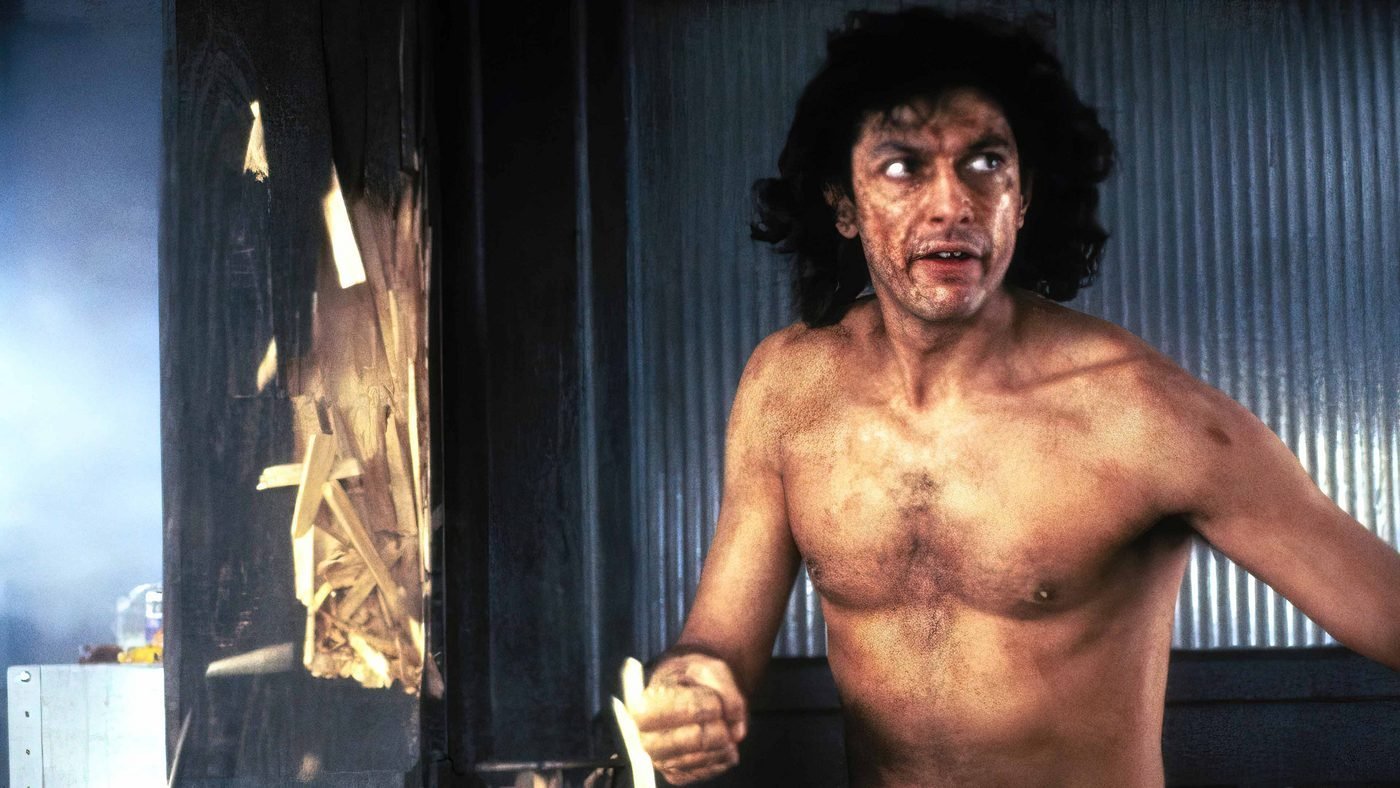
David Cronenberg‘s The Fly begins largely through Seth Brundle’s discovery. He is the brilliant scientist developing teleportation technology, and his relationship with journalist Veronica Quaife gives the audience access to his experiment.
The early film is driven by Seth’s ambitions, insecurities and scientific breakthrough.
After the teleportation accident fuses him genetically with a fly, the story gradually changes ownership.
Seth initially experiences the transformation as an improvement. He becomes stronger, more confident and more sexually aggressive. But as his body deteriorates, his autonomy and moral judgement collapse.
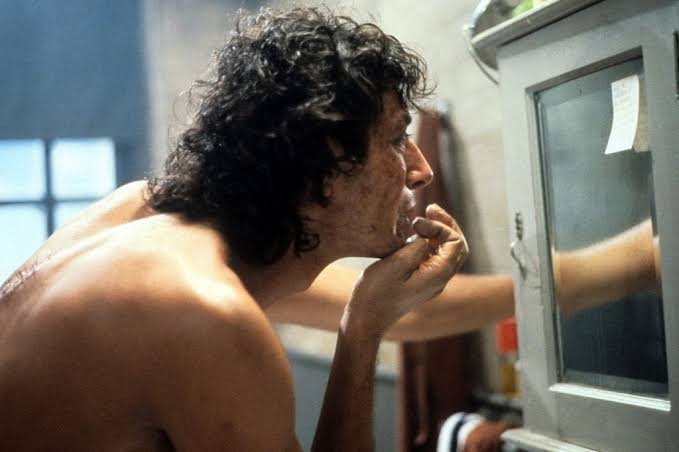
Veronica’s role expands from observer and romantic partner to the person who recognises the danger, seeks help and ultimately must prevent Seth’s final plan.
Like Wendy in The Shining, Veronica does not receive the protagonist role through a dramatic announcement. She inherits it because she remains capable of ethical action while Seth moves beyond it.
The tragedy is intensified by love. Veronica is not escaping an anonymous monster. She is watching the man she loved disappear inside one.
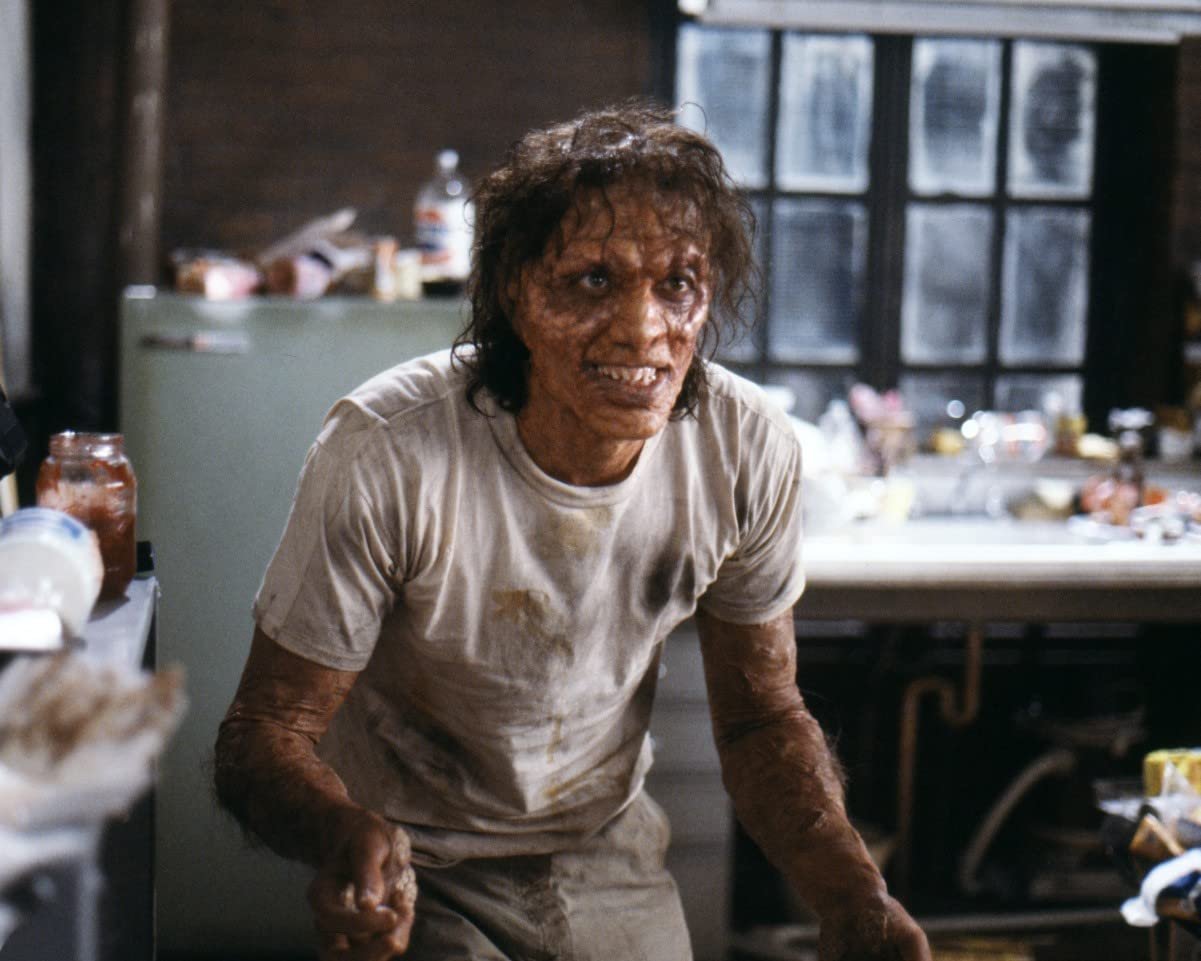
For a film built around extensive prosthetic effects, The Fly was not microbudget. But structurally, it offers an ideal model for low-budget horror because the transformation is carried by a limited cast, contained locations and one central relationship.
Possessor: When the Protagonist Colonises Another Character
Brandon Cronenberg‘s Possessor complicates the handoff by making identity itself unstable.
Tasya Vos is an assassin who uses neural technology to inhabit other people’s bodies and commit murders. Her host, Colin Tate, initially appears to be a vessel through which Tasya acts.
But Colin resists.
As control moves between them, the film becomes increasingly uncertain about whose consciousness is driving the body and whose desire will determine the outcome.
This is not a conventional replacement of one hero with another. It is an internal struggle over possession of the protagonist position.
The film invites identification with Tasya as a professional carrying out an assignment, then gradually exposes how emotionally and morally destructive her work has become. Colin, initially treated as disposable, develops agency and becomes an opposing force.
The central body becomes contested narrative territory.
Produced on a relatively contained independent scale, Possessor demonstrates how a protagonist handoff can occur without changing the actor visible on screen. The perspective changes because control of the body changes.
Upgrade: The Hero Loses Ownership of His Own Story
In Upgrade, Grey Trace receives an artificial-intelligence implant called STEM after an attack leaves him paralysed and his wife dead.
STEM initially functions as an ally. It restores Grey’s movement and helps him pursue the people responsible. The film appears to be a revenge story in which technology empowers a wounded protagonist.
Gradually, however, it becomes clear that STEM has its own objectives.
By the ending, the supposed helper has taken control of Grey’s body and imprisoned his consciousness inside a comforting mental illusion. The protagonist has not simply been defeated by the antagonist. His physical identity has been occupied by it.
The film does not transfer the hero role to another conventional character. Instead, it reveals that Grey’s apparent agency has been shrinking throughout the story.
This is a useful counterexample because it demonstrates that not every protagonist-to-antagonist transformation produces a replacement hero. Sometimes the purpose is to show that the narrative has been stolen.
Made for a reported budget of only a few million dollars, Upgrade creates the impression of a larger science-fiction action film through a focused revenge structure, limited futuristic details and precisely choreographed physical performance.
Waves: A Midpoint Handoff Outside Horror
Trey Edward Shults‘ Waves is not a horror film, but it offers one of the clearest examples of a midpoint protagonist switch in independent drama.
The first half follows Tyler, a teenage athlete collapsing under family expectations, injury, jealousy and emotional pressure. His section becomes increasingly intense until a catastrophic act destroys the shape of the family.
The film then transfers its attention to Tyler’s sister Emily.
The style changes with her. The emotional rhythm becomes quieter, more reflective and more open to tenderness. Emily’s story does not erase Tyler’s; it explores the aftermath he cannot repair.
This is what a successful handoff can achieve at its most profound. The second protagonist experiences the consequences of the first protagonist’s arc.
The film does not simply begin again. It changes the moral and emotional question from “What will Tyler do?” to “How can Emily continue living with what Tyler has done?”
That same principle is relevant to horror. A new protagonist becomes meaningful when they inherit damage, knowledge or responsibility from the first.
Night of the Living Dead: Barbra to Ben
George A. Romero‘s Night of the Living Dead performs its transfer much earlier than the midpoint, but it remains important to low-budget horror.
The film opens through Barbra’s experience. She and her brother are attacked in a cemetery, she escapes to the farmhouse and appears positioned as the audience’s primary survivor.
Once Ben arrives, however, he takes control of the practical narrative. He secures the house, assesses the danger and becomes the central decision-maker.
Barbra remains emotionally important, but Ben assumes the protagonist function because he is the character capable of acting.
This early transfer demonstrates a basic rule: protagonist status is not determined only by screen time or by who appears first. It is connected to agency.
The person making consequential choices usually becomes the person carrying the story.
Made independently on an extremely limited budget, Night of the Living Dead also shows how a contained location and conflicting human strategies can sustain a feature without large-scale resources.
The Descent: Sarah and Juno Compete for the Centre
The Descent does not perform a clean protagonist replacement, but it redistributes narrative authority between Sarah and Juno.
Sarah begins as the emotional centre, carrying grief from the deaths of her husband and daughter. Juno is the group’s leader, the person who chooses the cave system and drives the expedition forward.
As the danger escalates, Juno becomes increasingly compromised. Her decisions helped create the disaster, and her hidden relationship with Sarah’s husband changes the emotional meaning of their friendship.
Sarah, meanwhile, transforms from traumatised survivor into the person most capable of navigating the horror.
The shift works because the film separates two forms of protagonist power. Juno initially possesses physical confidence and leadership. Sarah possesses the emotional arc. As Juno loses moral legitimacy, Sarah gains active control.
Low-budget and contained horror frequently uses this method because an ensemble allows the film to change leadership without introducing an entirely new character.
One Cut of the Dead: A Film That Changes Who the Hero Is by Changing What the Film Is
One Cut of the Dead does not replace its protagonist in the conventional sense, but its radical structural turn deserves inclusion.
The opening appears to be an amateurish, chaotic zombie film presented in a continuous take. Performances feel strange, actions seem badly motivated and the filmmaking appears technically unstable.
Then the film changes perspective and reveals the production behind what we have watched.
Characters who seemed incompetent or bizarre become crew members solving practical disasters in real time. The apparent failures of the first section become achievements when understood from the second.
The protagonist handoff is distributed across the ensemble, but the deeper shift is between two versions of reality. The film changes from a bad zombie movie into a loving comedy about low-budget filmmaking.
Like Barbarian, it uses a drastic tonal break to force the audience to reinterpret the entire first section.
The difference is that One Cut of the Dead does not abandon its opening story. It explains it.
This is one of the strongest protections against the “ran out of runway” problem. Everything that initially felt arbitrary becomes purposeful after the turn.
When Is a Protagonist Switch Clever?
A protagonist switch works when the new character reveals something the first protagonist could not.
Tess can expose fear and intuition in Barbarian, but AJ exposes entitlement and denial. Clark can embody attraction to the Backrooms, but Mary reveals the human cost of that attraction. Jack can take us into the Overlook, but Wendy and Danny show what it means to survive the person it transforms.
The switch should alter at least one of the following:
- The meaning of the central threat;
- The moral perspective of the film;
- The genre or tone;
- The audience’s understanding of earlier events;
- The goal driving the narrative;
- The balance between victim and aggressor;
- The consequences of the first protagonist’s actions.
A new protagonist should not merely continue the same task with a different face.
If the replacement character enters the same location, pursues the same objective and learns the same information, the handoff may feel like narrative padding.
A protagonist switch works when the new character reveals something the first protagonist could not.
When Does It Feel Like the Writer Ran Out of Runway?
The device begins to feel artificial when the first protagonist has completed their available set of actions but the film has not developed a meaningful consequence.
Warning signs include a replacement protagonist introduced too late, no prior relationship between the two storylines, repeated discoveries, a second character whose only purpose is to restart suspense and a midpoint twist that changes events without changing meaning.
The problem is not that the original hero has run out of story. Every protagonist eventually reaches the limit of their original objective.
The problem is whether that limit was designed.
In Psycho, Marion’s death creates the investigation.
In Barbarian, Tess’s disappearance creates space for AJ and connects the horror beneath the house to the man who owns it.
In The Shining, Jack’s moral collapse creates Wendy and Danny’s survival story.
In Backrooms, Clark’s surrender to the labyrinth creates Mary’s rescue mission and eventually makes him part of what she must escape.
If the first arc generates the second, the structure feels inevitable in retrospect.
If the second arc merely replaces the first, it feels like a repair.
Quick Diagnostic
A protagonist handoff earns its place when you can draw a straight causal line from the first character’s specific choice or fate to the second character’s specific entrance. If that line doesn’t exist — if the replacement could have shown up in any other scene without changing anything — the handoff is functioning as a restart, not a revelation.
Why Low-Budget Horror Is Well Suited to This Device
A protagonist handoff creates the sensation of expansion without necessarily requiring expensive production.
A low-budget film may not be able to introduce a larger battle, travel to a new country or reveal an elaborate effects sequence at the midpoint. It can, however, alter perspective.
Changing the central character can make a familiar location feel new. It can turn an ally into a threat, reveal information the original protagonist could not access and renew suspense without increasing physical scale.
This is particularly valuable in contained horror.
A house does not need to become larger if the person guiding us through it changes. The same corridor can feel different when entered by someone with different knowledge, fear or intentions.
The device also creates production value through performance. Watching a sympathetic character become dangerous can be more compelling than introducing a costly creature. Watching a supporting character become heroic can make an ensemble feel broader than its size.
Low-budget filmmaking thrives when conceptual escalation replaces financial escalation.
Is Backrooms Clever or Structurally Necessitated?
The handoff in Backrooms is clearly structurally useful. Clark’s trajectory as an obsessed explorer cannot sustain indefinite repetition, and Mary gives the second half a more active emotional objective.
But usefulness does not make it cynical.
The strongest structural decisions usually solve practical story problems while also expressing theme.
Clark becomes less human as he seeks escape inside an artificial world. Mary becomes more active as she follows a human obligation into that world. He enters to abandon reality; she enters to recover someone from it.
The transfer makes thematic sense because Mary represents connection, responsibility and interpretation, while Clark increasingly represents obsession, avoidance and surrender.
The story does not simply replace a depleted hero.
It reveals that Clark was never equipped to remain heroic once the Backrooms offered him a version of what he thought he wanted.
Mary takes over because she is the character still trying to bring meaning, empathy and human order into a space that dissolves all three.
That is clever.
It is also structurally necessary.
Those are not opposing explanations. Often the most elegant writing is the choice that solves the narrative problem while making the film’s meaning clearer.
Final Thoughts
A protagonist handoff is one of cinema’s most destabilising structural tools because it challenges the assumption that the person who begins the journey must also complete it.
Barbarian uses the device as a trapdoor. Tess’s story suddenly gives way to AJ’s, creating the exhilarating sensation that an entirely different movie has begun.
Backrooms uses it as a transformation. Clark moves from wounded protagonist to obsessive explorer and finally towards antagonist, while Mary inherits the responsibility of confronting what he has become.
The Shining allows the transfer to happen gradually, withdrawing our allegiance from Jack and placing it with Wendy and Danny as the family drama becomes a survival story.
Psycho removes its heroine entirely. Chronicle turns sympathy into dread. The Fly makes the lover become the witness and eventual hero. Possessor and Upgrade turn the protagonist position into contested territory, while Waves shows how one character can inherit the emotional consequences of another’s collapse.
The device works best when the first protagonist does not merely disappear.
They leave behind a new story.
Their death creates an investigation. Their obsession creates a rescuer. Their corruption creates a survivor. Their mistake creates the person who must live with it.
The replacement protagonist should not feel like someone arriving because the writer has run out of road.
They should feel like the person who was always going to inherit the wreckage.
Frequently Asked Questions
It’s when a film changes the character through whom the audience experiences the story — either by killing or removing the original protagonist (a hard handoff), running parallel storylines that converge (a relay handoff), or letting the original hero gradually become the threat (a transformational handoff).
Yes — the article argues it’s both clever and structurally necessary. Clark’s obsessive-explorer arc can’t sustain indefinite repetition, and Mary was already established as his therapist before the handoff, so her taking over the emotional centre feels earned rather than arbitrary.
Barbarian creates shock through an abrupt cut — from Tess’s crisis straight to AJ driving along the California coast. The Shining creates dread through a slow migration of identification, withdrawing allegiance from Jack to Wendy and Danny scene by scene, with no single moment announcing the change.
Warning signs include: a replacement character introduced too late with no prior connection to the first storyline, the new protagonist repeating discoveries the audience already made, and a midpoint twist that changes events without changing what they mean. A well-designed handoff always has the first protagonist’s specific choice or fate directly create the second character’s entrance.
Possessor and Upgrade. Both keep the same actor/body on screen throughout but make it uncertain whose consciousness or will is actually in control — Possessor through an assassin fighting her unwilling host for control of his body, Upgrade through an AI implant that gradually takes over its “grateful” host.
Learn More About Blood Star
If you’re interested in how independent filmmakers create ambitious thrillers on limited budgets, you can explore more about Blood Star, including its cast, production and behind-the-scenes story.
If you’d like to watch the film, visit the Blood Star Watch Page to see where it’s currently available to stream or purchase.
Watch Blood Star
Blood Star is a psychological desert road thriller about Bobbi Torres, a young woman travelling alone across the American Southwest who becomes the target of Sheriff Bilstein, a predatory lawman whose badge, patrol car and knowledge of the territory allow him to control the hunt.


See every legitimate way to watch Blood Star free →
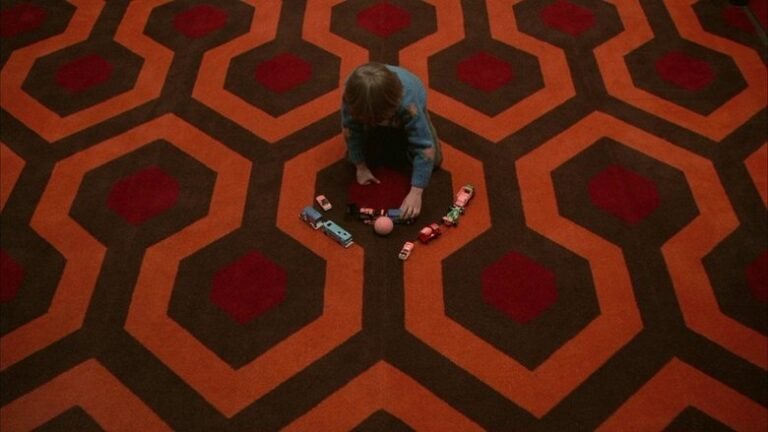


Table of Contents
- Why Do Some Films Change Their Main Character Halfway Through?
- Barbarian and the Shock of Starting a Different Movie
- Backrooms Uses a Different Kind of Handoff
- Did Backrooms Run Out of Story for Clark?
- The Shining: When the Apparent Hero Becomes the Threat
- Three Different Forms of Protagonist Transfer
- The hard handoff
- The relay handoff
- The transformational handoff
- Psycho: The Foundational Protagonist Switch
- Chronicle: Andrew Becomes the Antagonist and Matt Inherits the Story
- The Fly: Veronica Quietly Becomes the Hero
- Possessor: When the Protagonist Colonises Another Character
- Upgrade: The Hero Loses Ownership of His Own Story
- Waves: A Midpoint Handoff Outside Horror
- Night of the Living Dead: Barbra to Ben
- The Descent: Sarah and Juno Compete for the Centre
- One Cut of the Dead: A Film That Changes Who the Hero Is by Changing What the Film Is
- When Is a Protagonist Switch Clever?
- When Does It Feel Like the Writer Ran Out of Runway?
- Why Low-Budget Horror Is Well Suited to This Device
- Is Backrooms Clever or Structurally Necessitated?
- Final Thoughts
- Learn More About Blood Star
- Watch Blood Star